Library
The texts themselves, in plain words, with the originals one tap away.
India
Akka Mahadevi: ten vachanas
Full text // Read
A twelfth-century woman walked out on a king and asked the moonlight where her husband was.
Allama Prabhu: ten vachanas
Full text // Read
A twelfth-century Kannada mystic warns that saying 'not two' can make you proud.
Ashtavakra Gita
Full text // Read
A king asks how to be free. The sage tells him he already is, and the king believes him.
Atma Bodha
Full text // Read
The first Sanskrit philosophy in English, 1812, was this: sixty-eight verses on who you are.
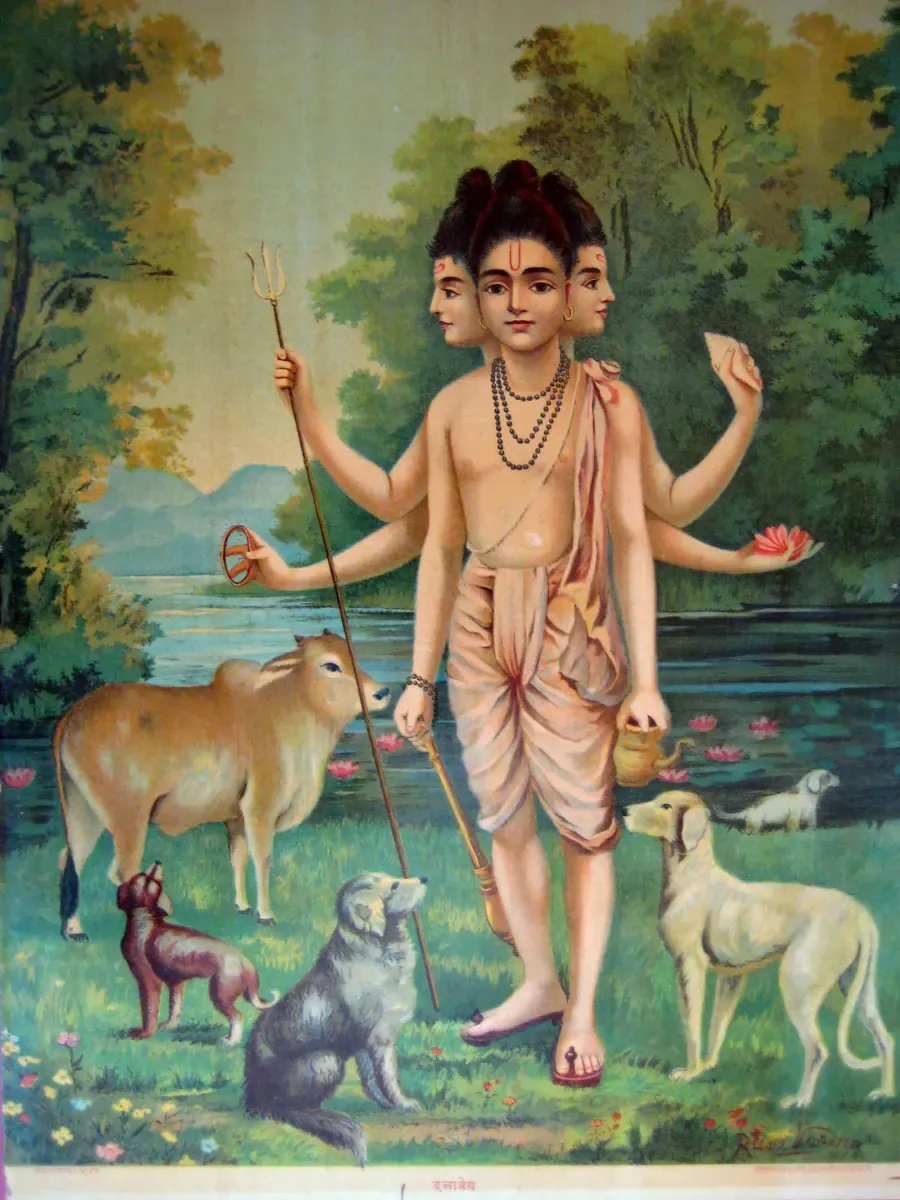
Avadhuta Gita
Full text // Read
A naked wanderer explains why he cannot bow to anyone: a bow needs two, and there is one.
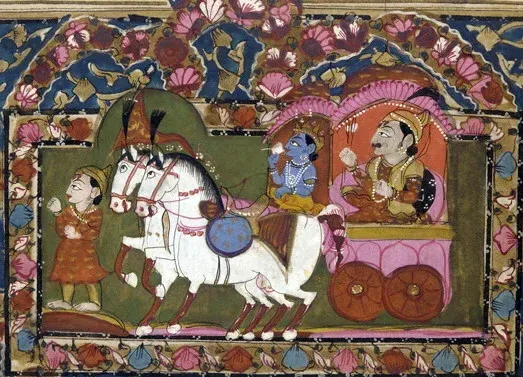
Bhagavad Gita
Full text // Read
A warrior drops his bow before a battle, and his charioteer answers with seven hundred verses.
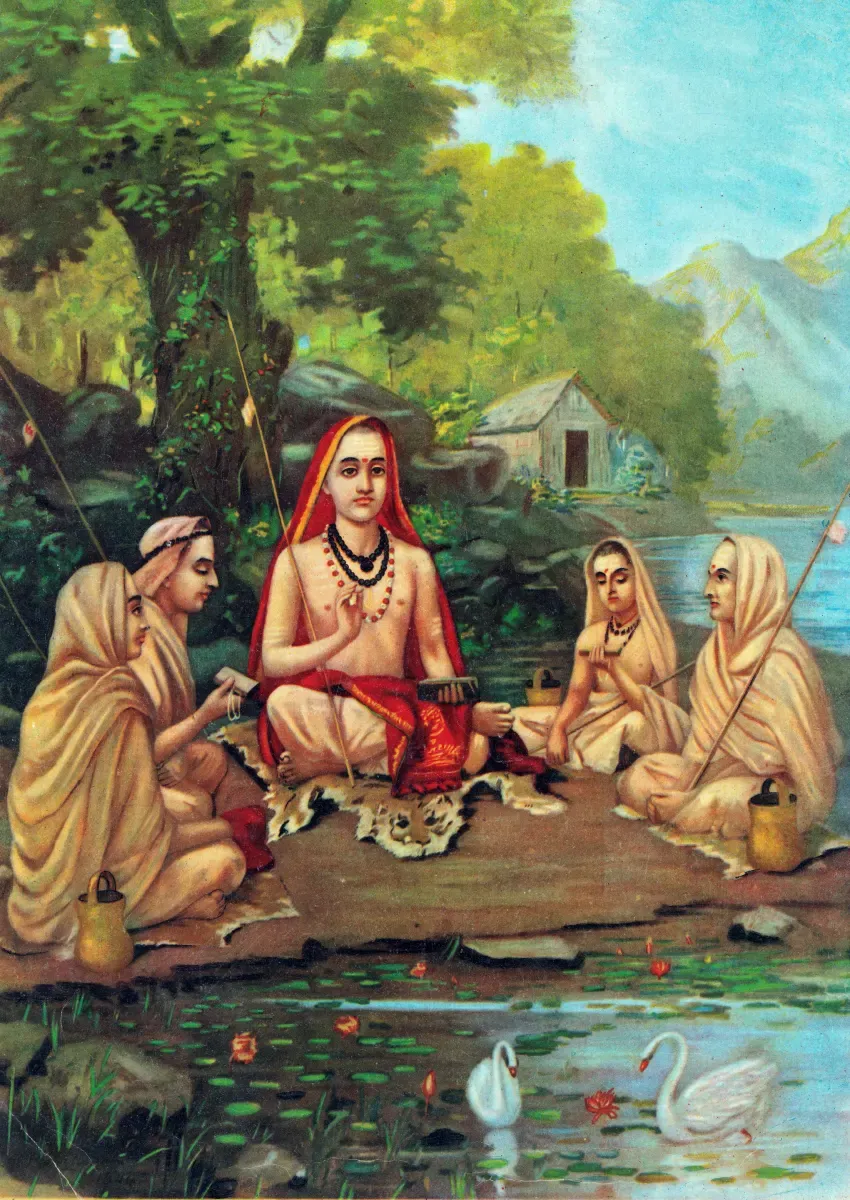
Brahma Sutras with Shankara's commentary: the first four sutras
Full text // Read
Shankara's commentary opens by saying light and dark cannot be one, and we join them every day.

Drig-Drishya Viveka
Full text // Read
The eye sees forms; the mind sees the eye; the witness sees the mind; and nothing sees the witness.
Gaudapada: Mandukya Karika, chapters 1 and 2
Full text // Read
Verses from about the sixth century say waking is like a dream, and no one was ever bound.
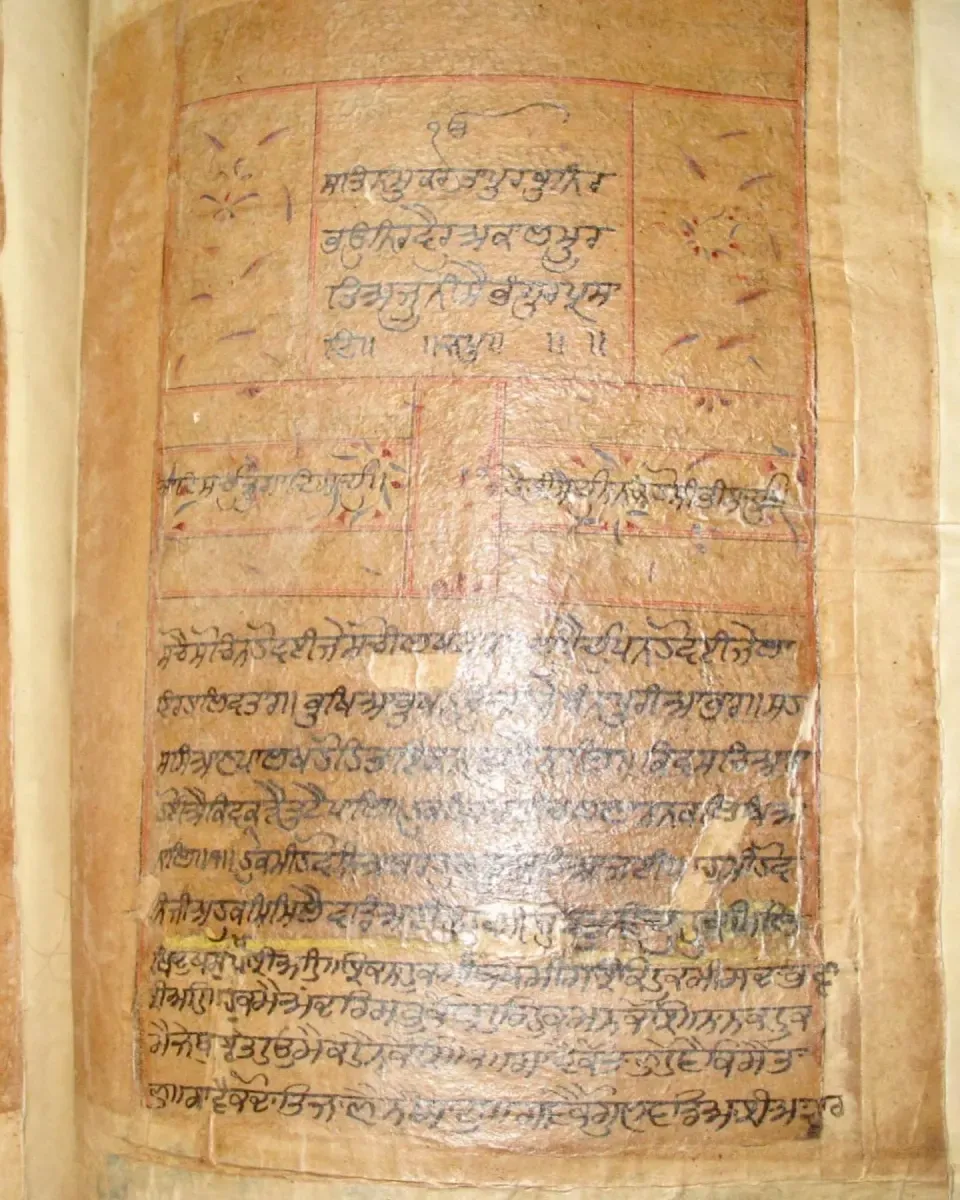
Japji (Guru Nanak)
Full text // Read
Guru Nanak lists fools, thieves and killers, then says: whatever pleases You is the good work.
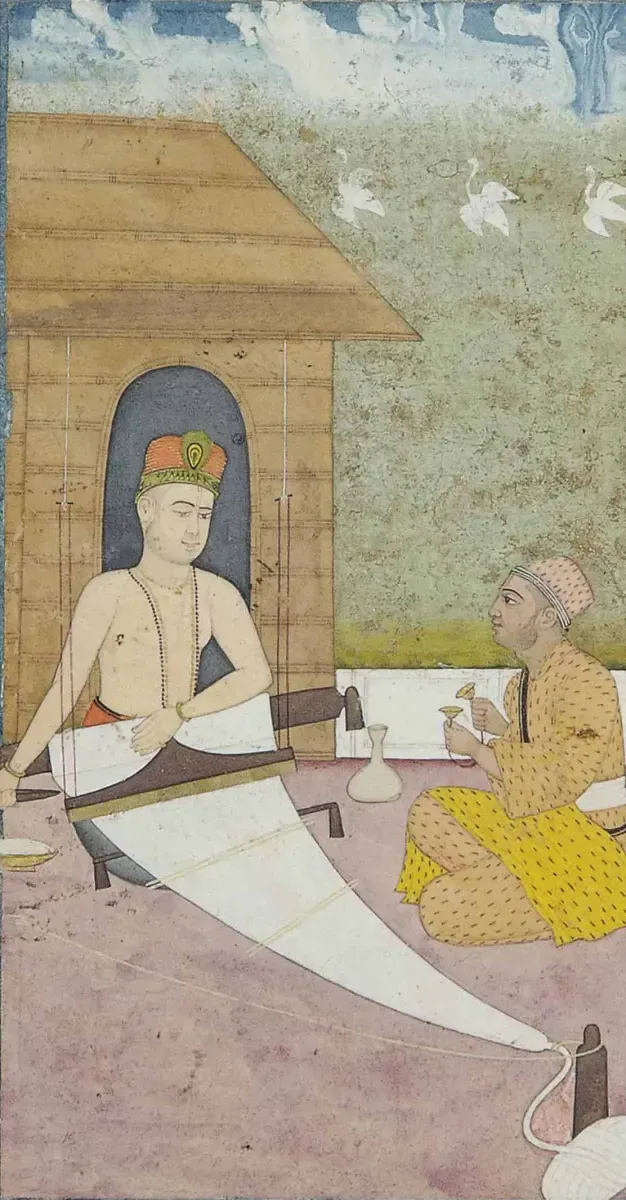
Kabir: twenty songs
Full text // Read
A weaver who could not read, telling Benares that the one they were looking for was standing beside them.
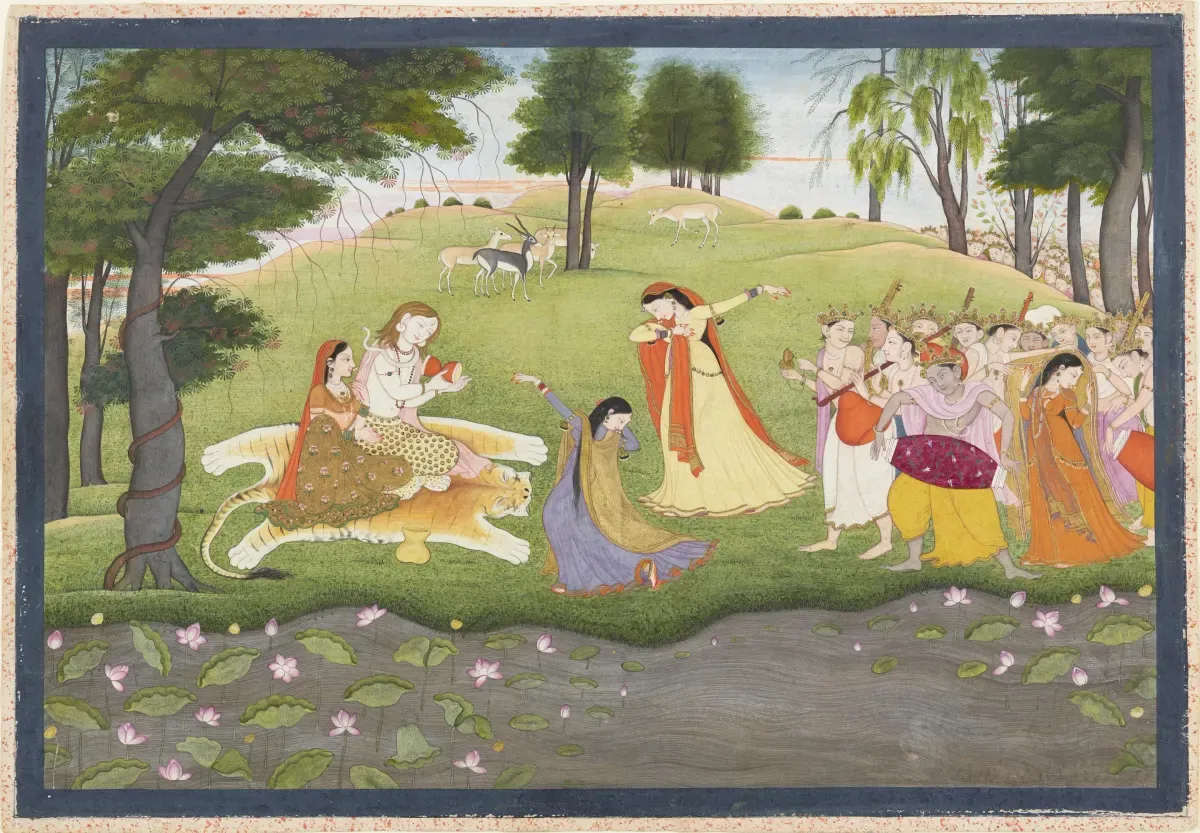
Ksemaraja: Pratyabhijnahridayam, the Heart of Recognition
Full text // Read
Twenty sutras from Kashmir, about 1000 CE, say freedom is not gained but recognised.
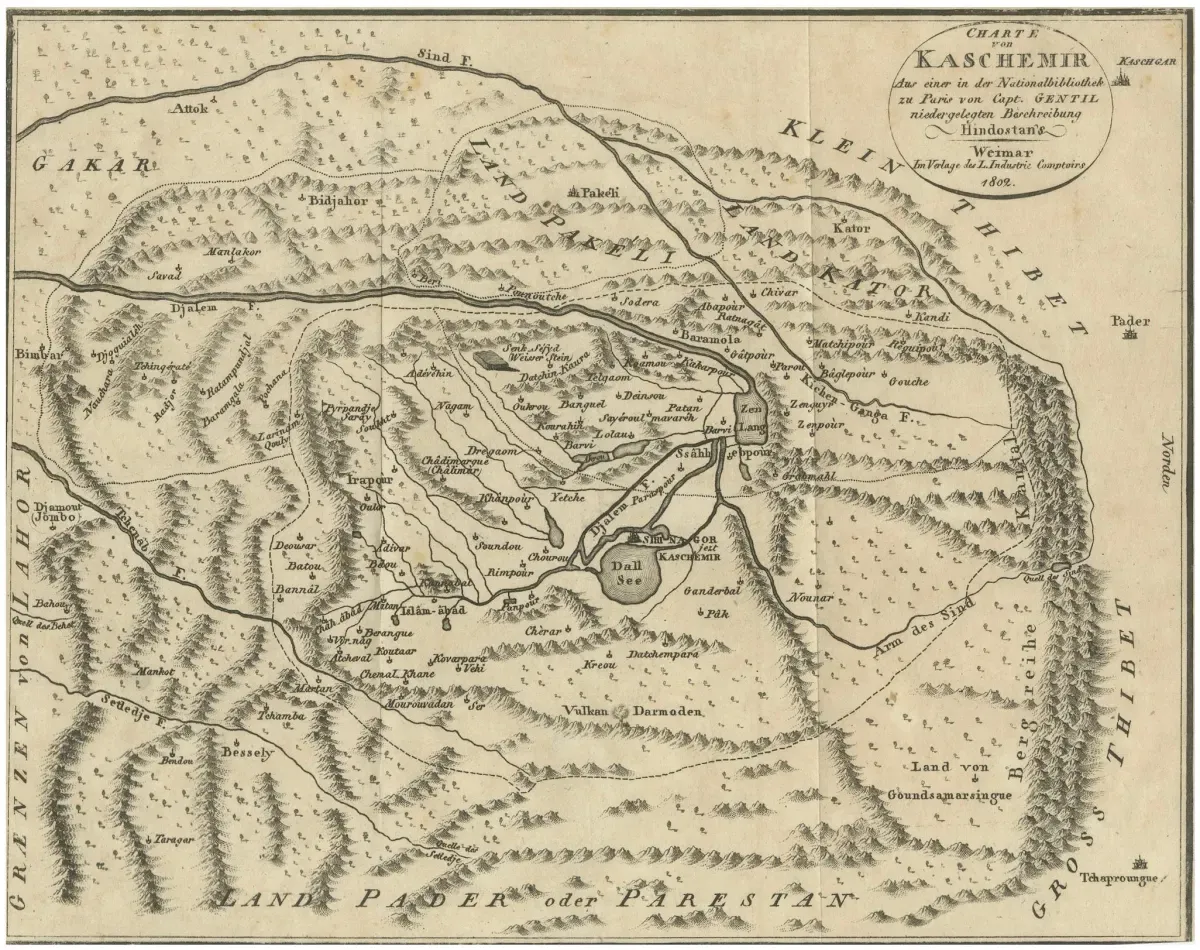
Lalla: twenty sayings
Full text // Read
A Kashmiri woman counted her breaths until the idol and the temple were one stone.
Panchadashi
Full text // Read
You slept and knew nothing. Who was there to know that?
Ribhu Gita
Full text // Read
A sage asked where he takes his ritual bath answers: in the Self, and that is the mantra.
Saundarya Lahari, with the Ananda Lahari
Full text // Read
A hundred verses say awareness cannot stir without its power, and then praise that power's beauty.
Tripura Rahasya
Full text // Read
A king spends one day inside a hill and comes out to find whole ages gone.
Upadesha Sahasri
Full text // Read
A teacher asks a student who he is, and the student answers with his caste. Then the lesson starts.
Vasugupta: Shiva Sutras
Full text // Read
Seventy-seven short lines from ninth-century Kashmir begin: awareness is the Self.

Vedantasara
Full text // Read
A whole cosmology is built in ninety sections so that four sentences can take it down.
Vivekachudamani
Full text // Read
A student asks what he is. The teacher takes away everything he is not, and something is still there.
Yoga Vasishtha: twenty passages
Full text // Read
A prince comes home unable to see the point of anything. The answer is twenty-eight thousand verses of stories.
Isha Upanishad
Full text // 3 min
Eighteen verses that open with a plain question about everything you own: whose could it be?
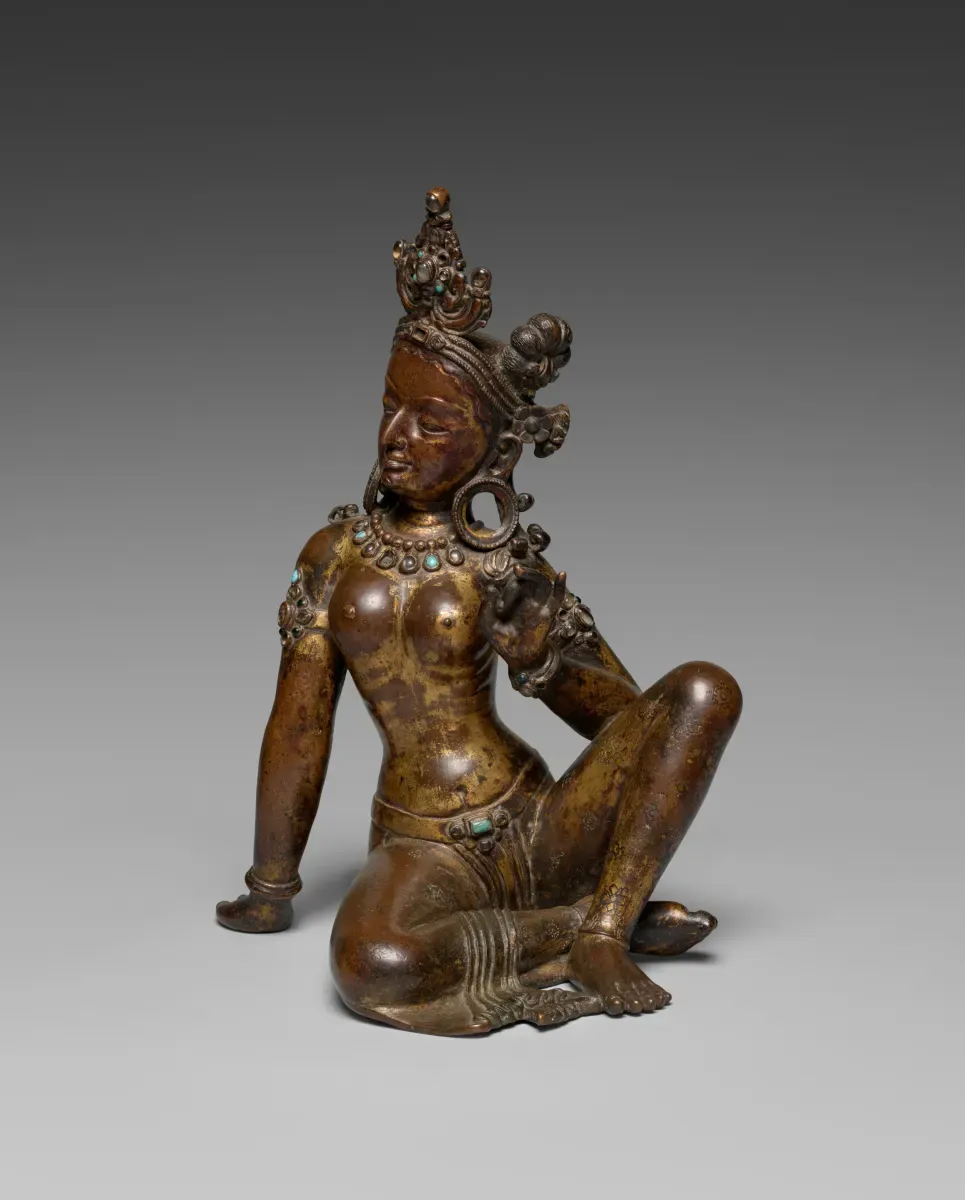
Kena Upanishad
Full text // 5 min
A blade of grass that Fire cannot burn, and a plain question about who does your seeing.
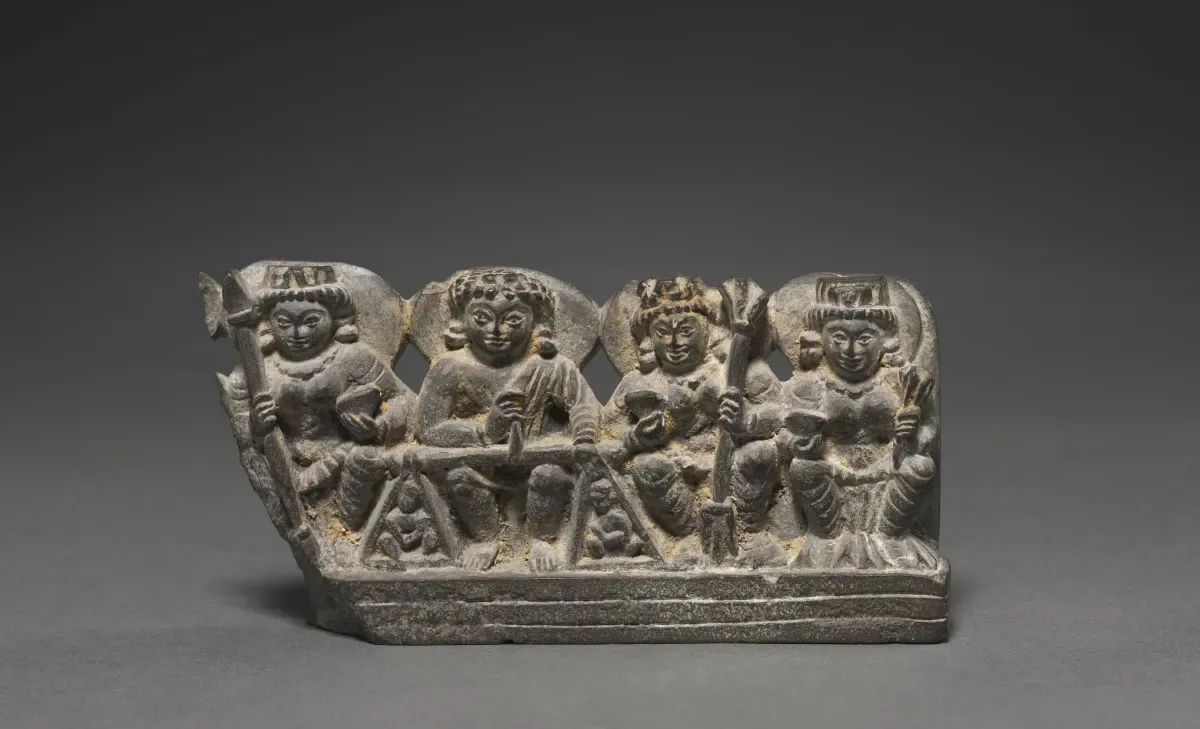
Katha Upanishad
Full text // 18 min
A boy waits three nights at Death's house, turns down every bribe, and asks what happens when we die.
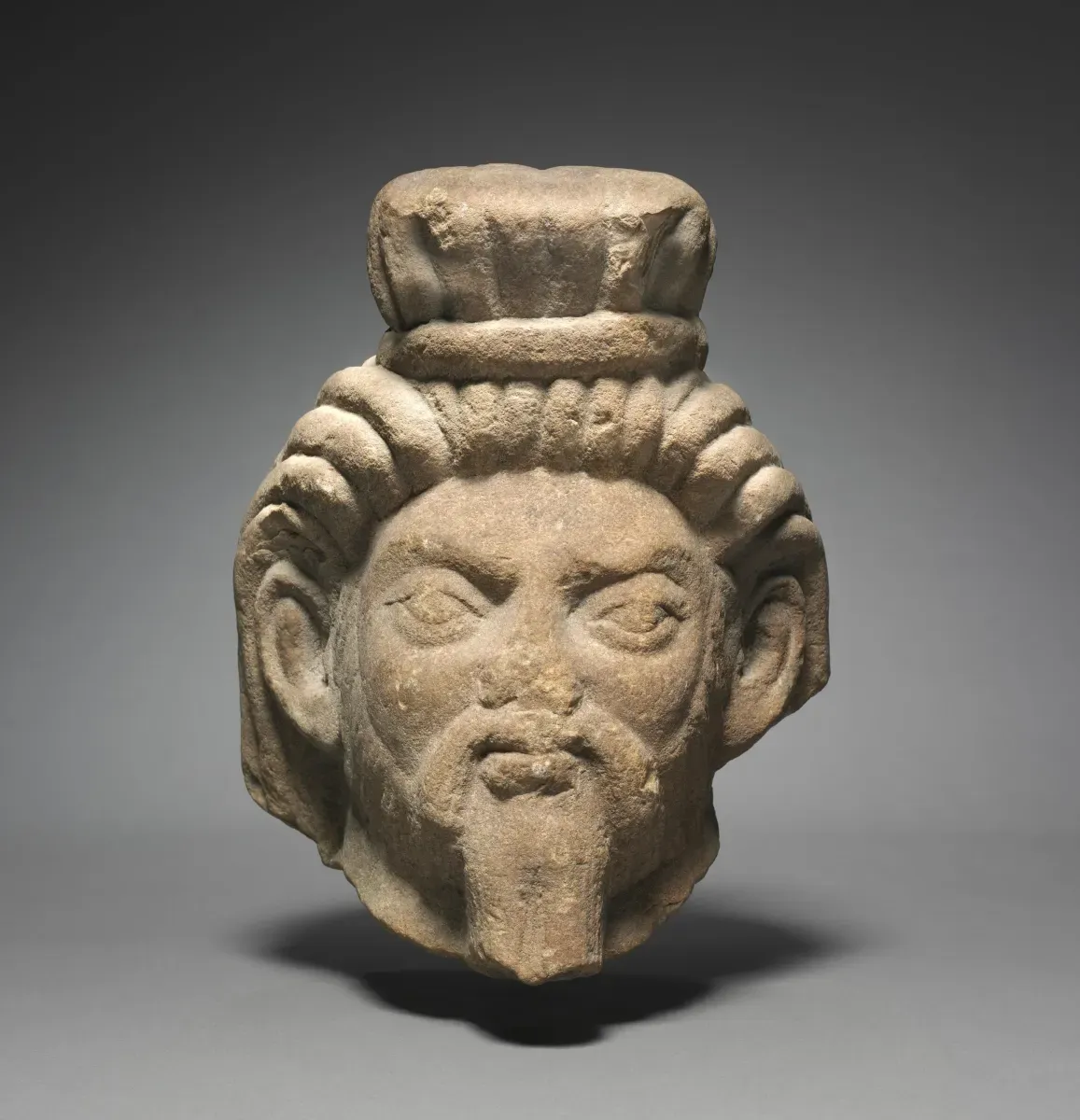
Prashna Upanishad
Full text // 13 min
Six men carry firewood to a sage, wait a year, then ask six questions, each one closer to home.
Mundaka Upanishad
Full text // 11 min
A householder asks what, once known, makes all this known. The answer files even the Vedas under 'lower'.
Mandukya Upanishad
Full text // 3 min
Last night you dreamt, then slept without dreams. Twelve verses on what stayed the same all night.
Taittiriya Upanishad
Full text // 19 min
Varuna keeps sending his son back to think, until Bhrigu finds that joy is what everything rests on.
Aitareya Upanishad
Full text // 7 min
A creation story stops halfway for one question: if the eye does the seeing, who am I?
Chandogya Upanishad
Full text // 118 min
A son comes home after twelve years of study, proud. His father asks one question he cannot answer.
Brihadaranyaka Upanishad
Full text // 137 min
A thousand cows with gold on their horns, and one answer to every question: the seer cannot be seen.
Adhyatma Upanishad
Full text // 11 min
If knowledge burns up all karma, why does the knower's body go on? An arrow answers.
Advayataraka Upanishad
Full text // 7 min
Everyone quotes its verse on the guru as remover of darkness. Section three says what the darkness is.
Akshamalika Upanishad
Full text // 8 min
Fifty beads, a letter charged into each, and inside them one thread that the text calls Brahman.
Akshi Upanishad
Full text // 8 min
It starts as a prayer for healthy eyes. The sun answers with seven stages of another kind of seeing.
Amritabindu Upanishad
Full text // 3 min
It opens by making the mind the cause of bondage and freedom, then says no one was ever bound.
Amritanada Upanishad
Full text // 5 min
A yoga manual that opens by telling you to drop the scriptures like a torch on arriving.
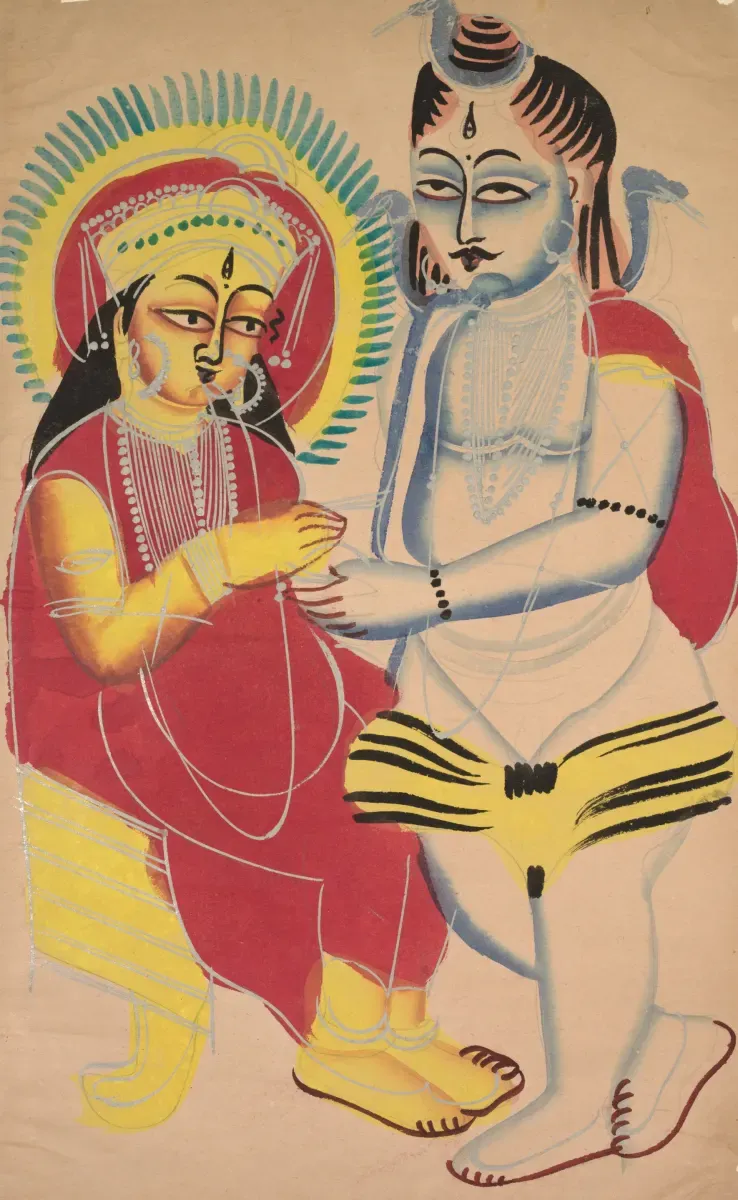
Annapurna Upanishad
Full text // 43 min
Offered any boon by the goddess of food, Ribhu asks for one thing: the truth of the Self.
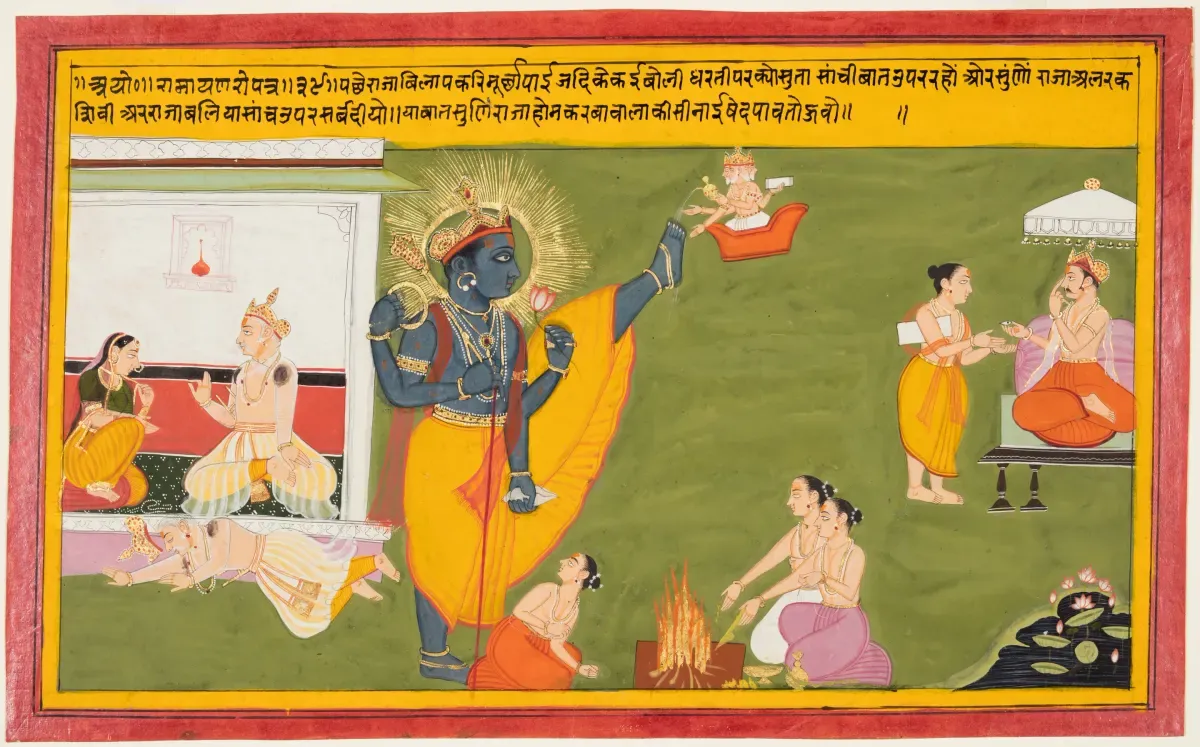
Aruneya Upanishad
Full text // 4 min
Aruni reaches the creator's world and asks how to let go of everything. Including this world, comes the answer.
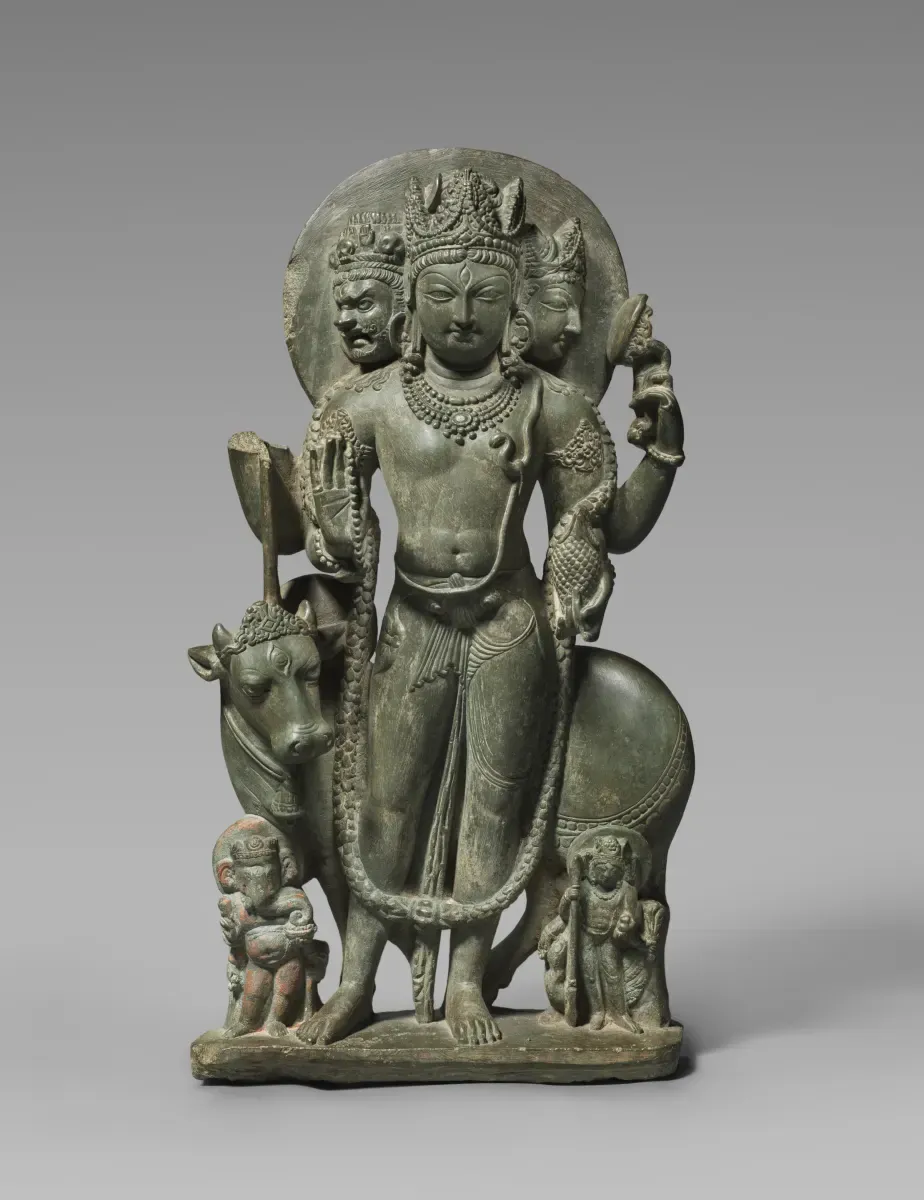
Atharvashikha Upanishad
Full text // 4 min
Four questions about meditation, answered with one syllable, and then with the quiet after it fades.
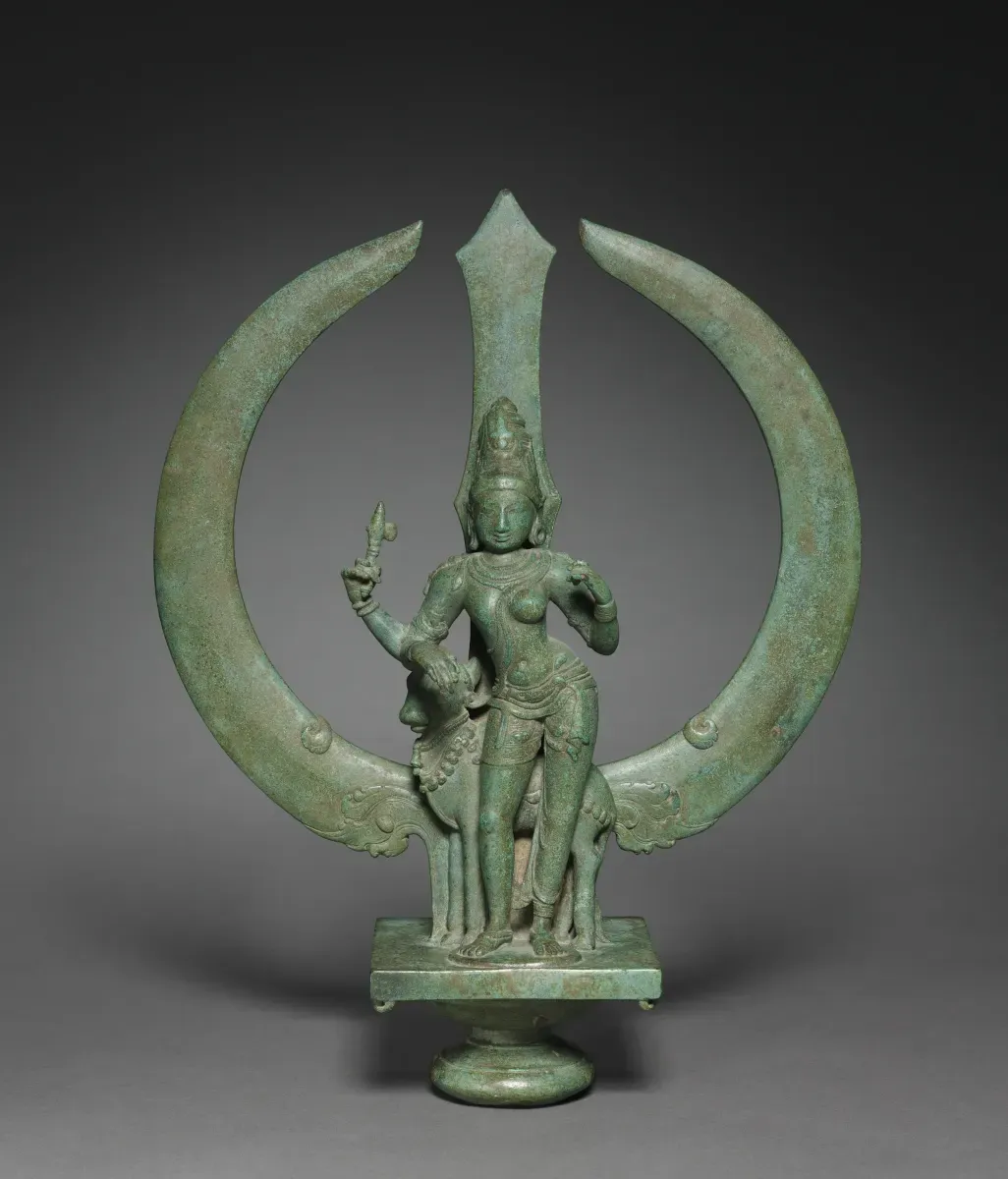
Atharvashiras Upanishad
Full text // 11 min
The gods go to Rudra with one question, and he answers by claiming both sides of every pair.
Atma Upanishad
Full text // 6 min
It starts by listing a body down to its nails and ankles. It ends with no one ever bound.
Atmabodha Upanishad
Full text // 6 min
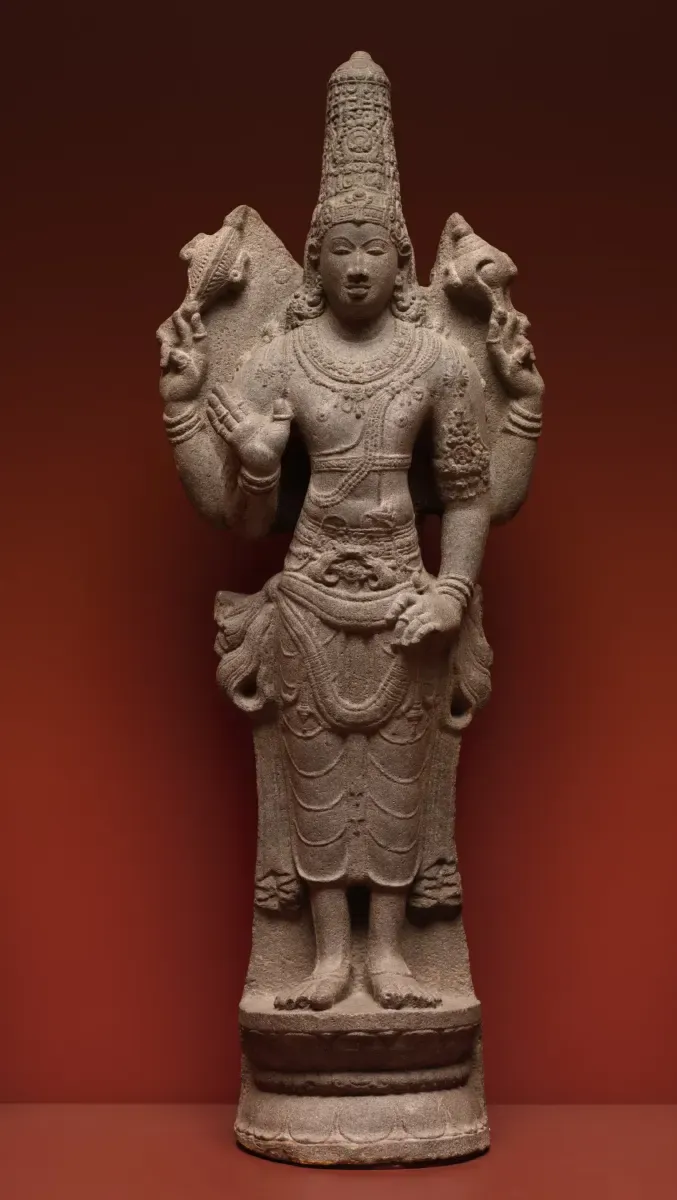
Thirty short verses in the voice of the Self, and a rope that still looks like a snake.
Avadhuta Upanishad
Full text // 6 min
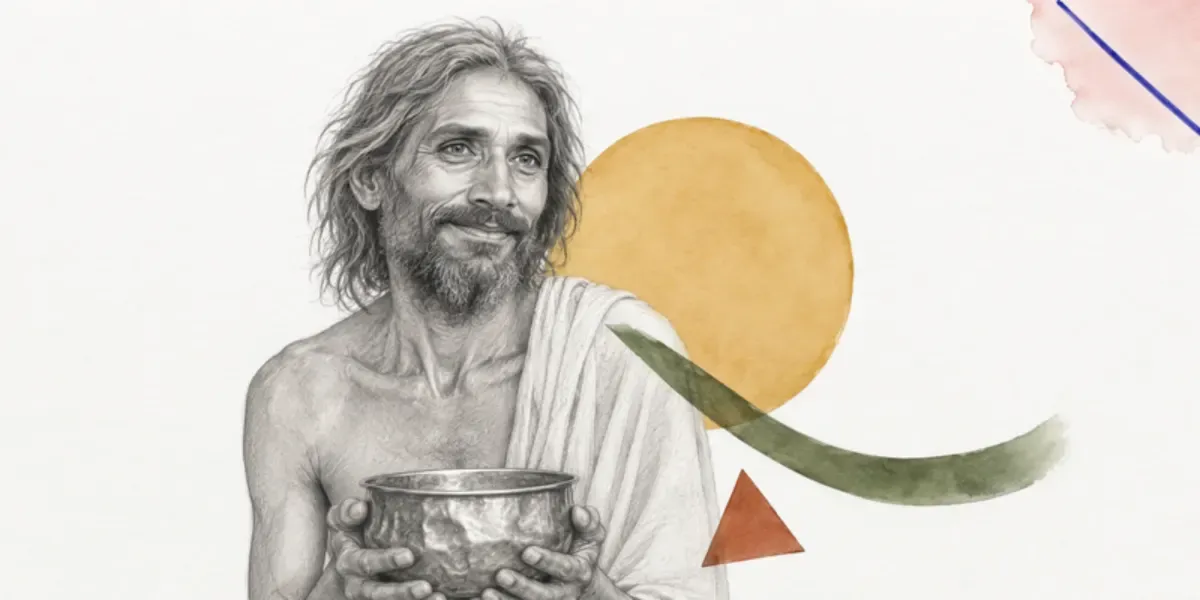
The free wanderer says he has no samadhi, for a plain reason: he has no distraction to cure.
Avyakta Upanishad
Full text // 9 min
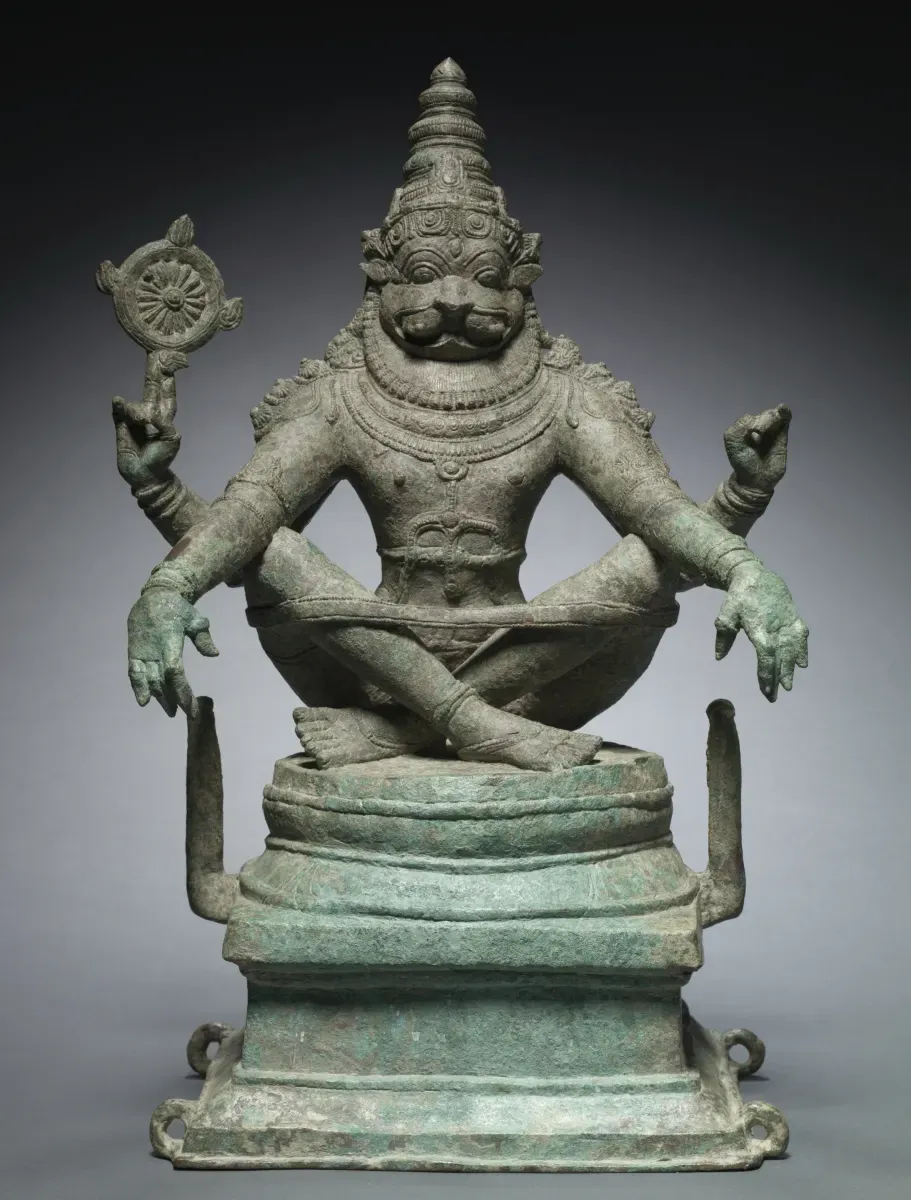
Born from a golden egg, the creator asks: where did I come from, and what is my job?
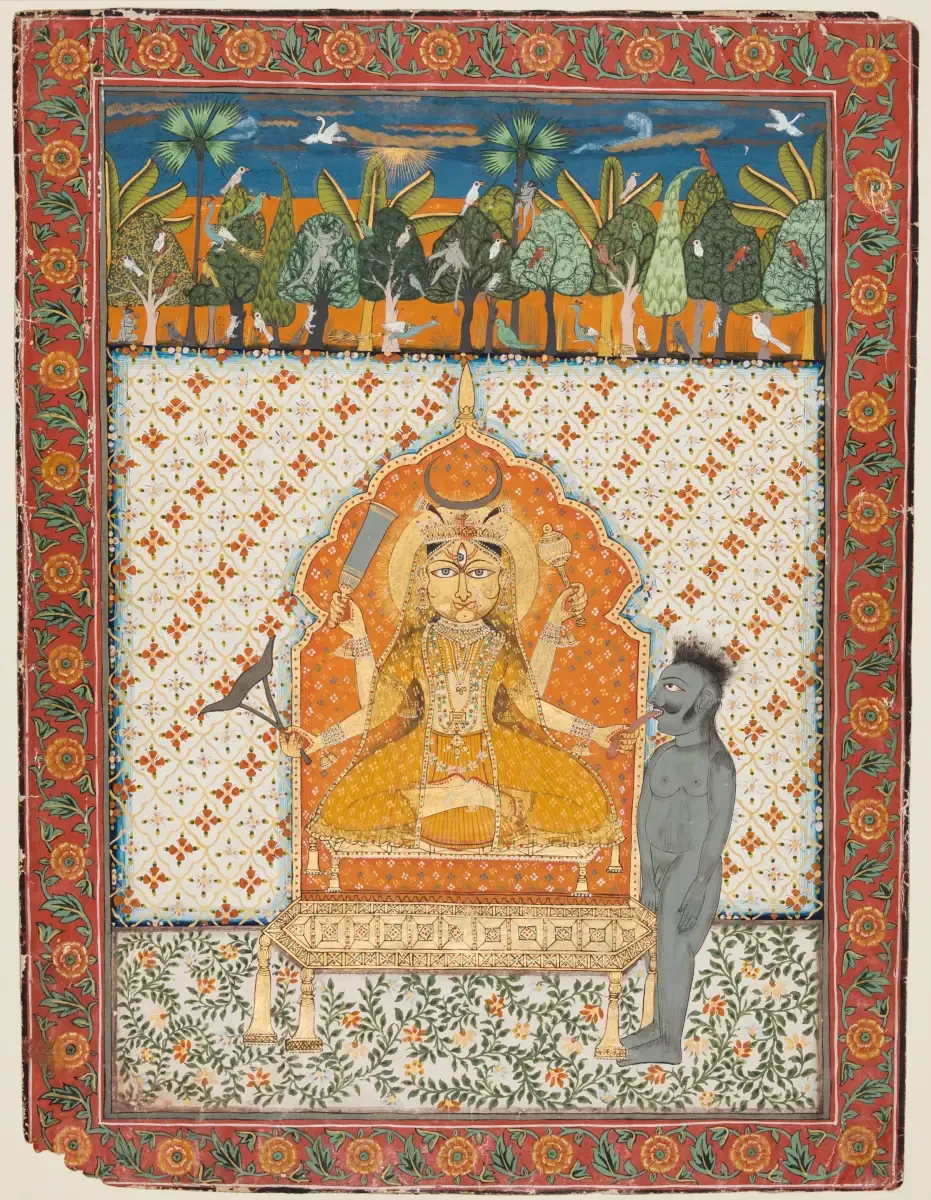
Bahvricha Upanishad
Full text // 3 min
She brings forth Brahma, Vishnu and Rudra. Four sections later she is defined as the inward consciousness.
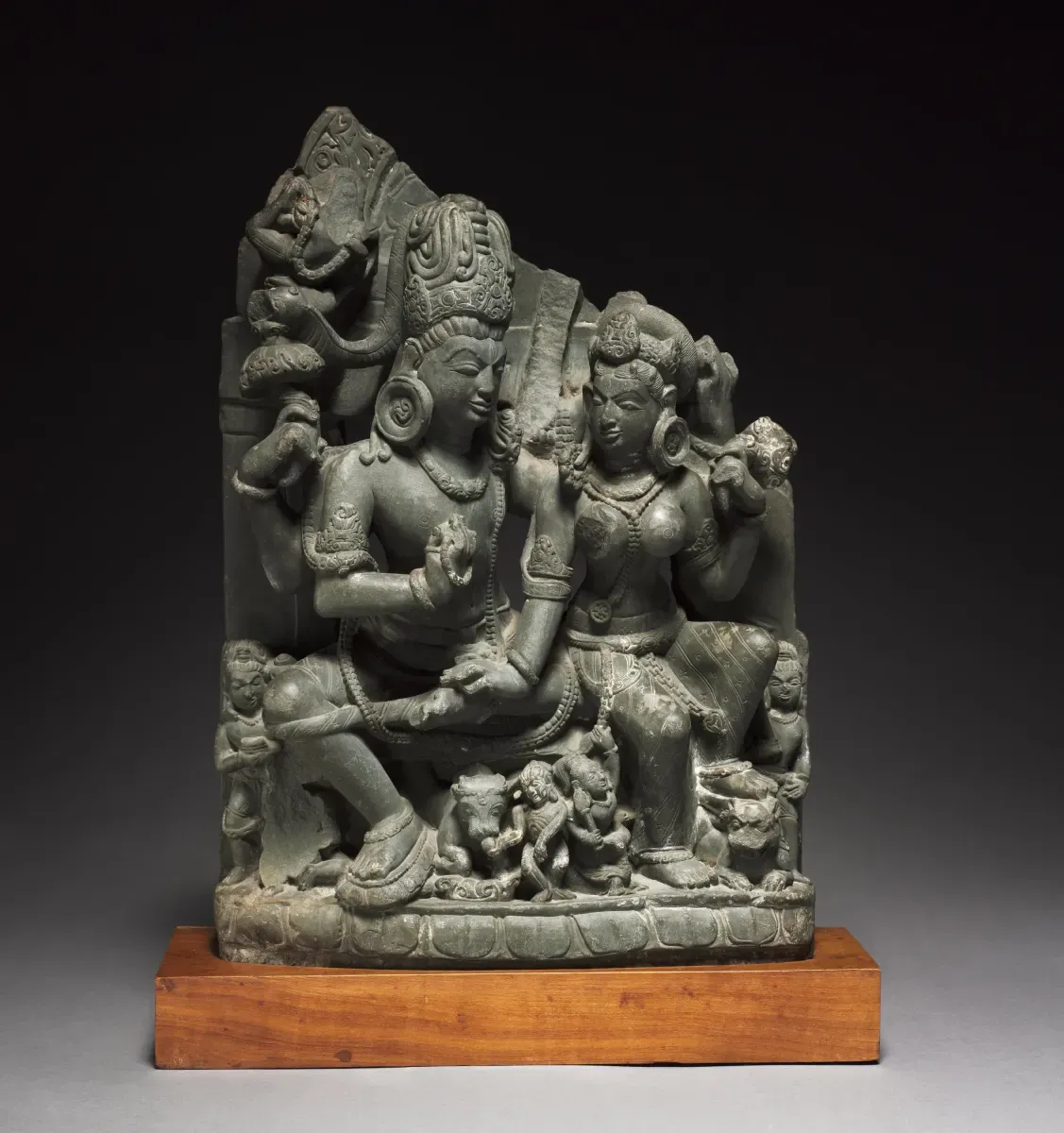
Bhasma Upanishad
Full text // 17 min
A rulebook for wearing ash, until Shiva stops listing rites and says, in the first person, who he is.
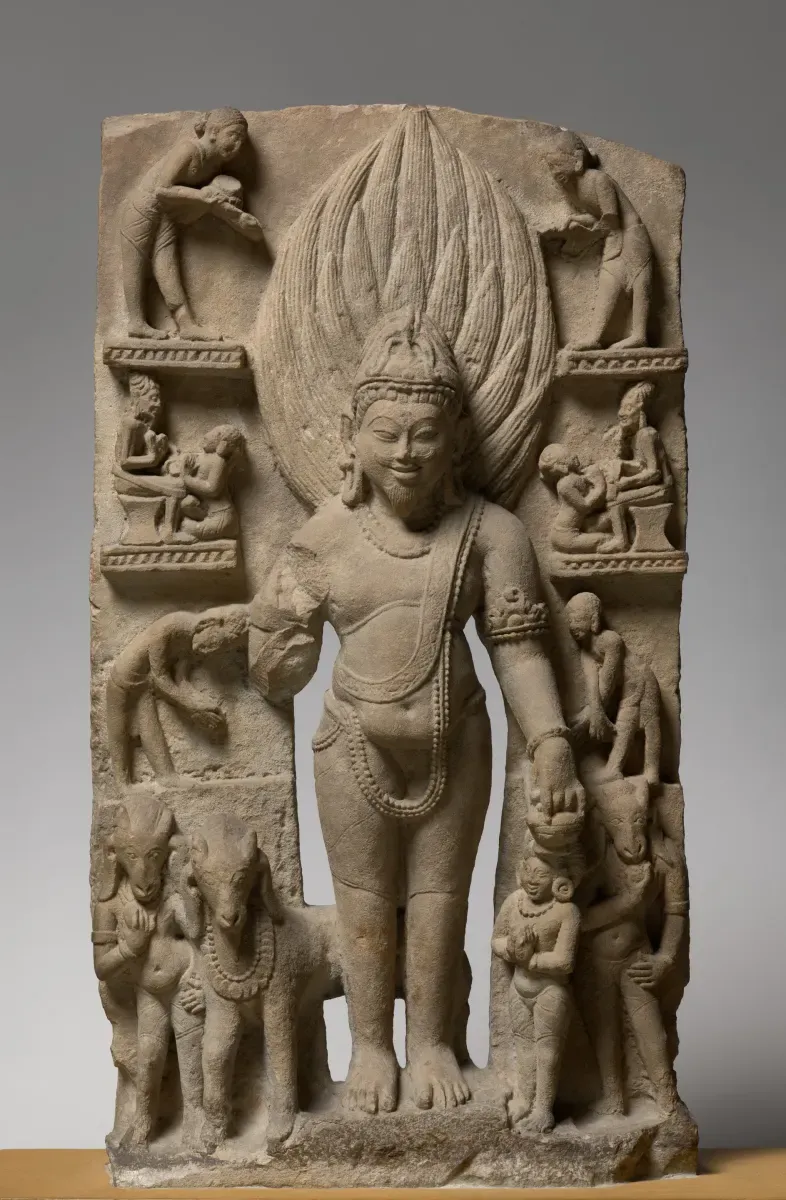
Bhavana Upanishad
Full text // 5 min
The goddess's diagram is laid over your body, and the priest at the fire turns out to be you.
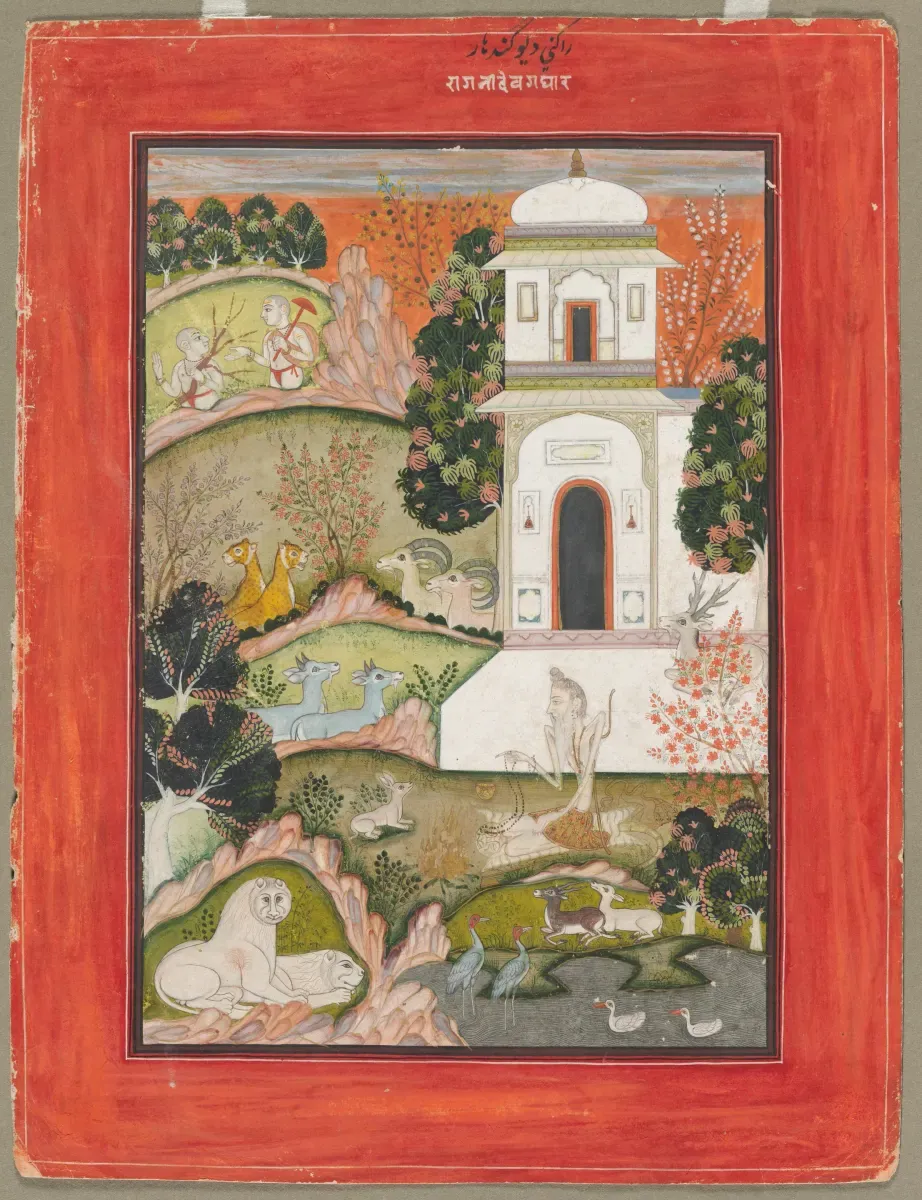
Bhikshuka Upanishad
Full text // 2 min
Four kinds of wandering monk, ranked by hardship. The highest eat exactly what the lowest eat.
Brahma Upanishad
Full text // 7 min
Why would a monk drop his thread and shave his tuft? He has found what they stood for.
Brahmavidya Upanishad
Full text // 15 min
A yoga manual crowded with technique, and one verse that says none of the technique is the goal.
Brihajjabala Upanishad
Full text // 28 min
Most of it tells you how to make and wear ash. One passage stops to say what ash is.
Dakshinamurti Upanishad
Full text // 6 min
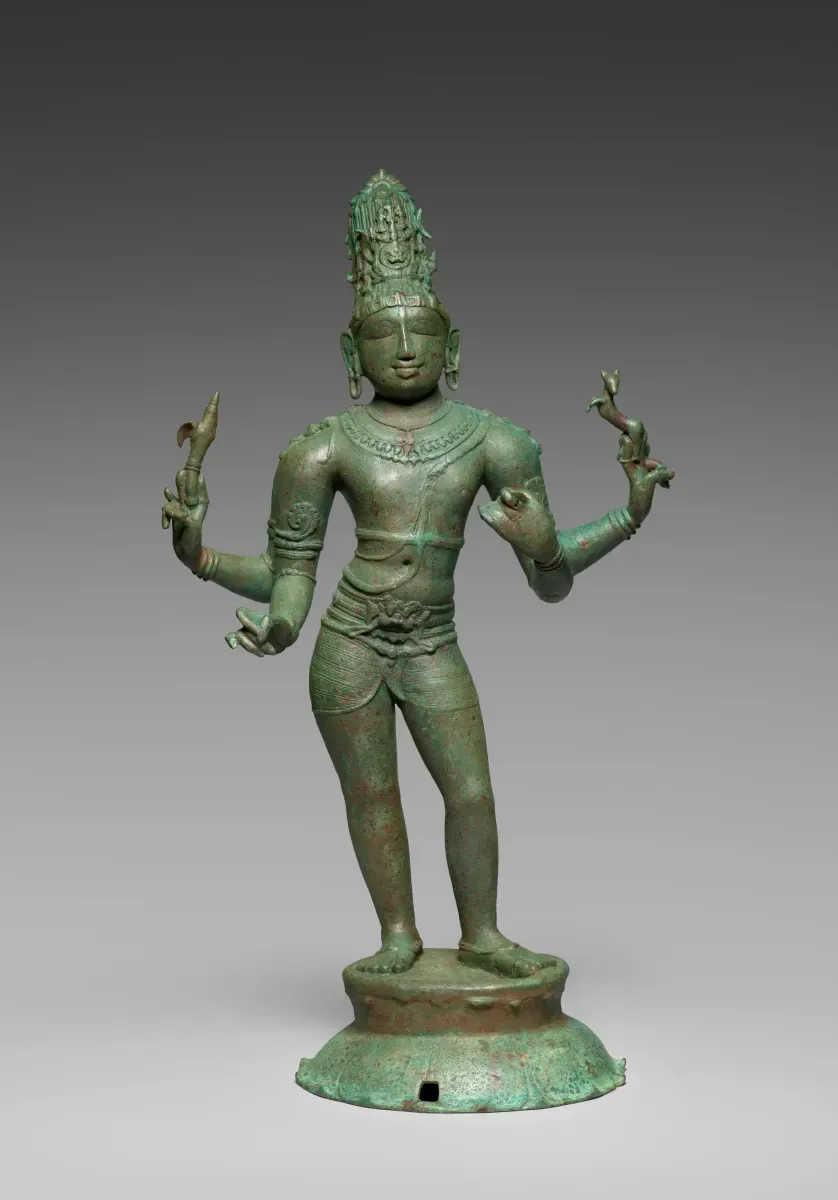
A long-lived sage explains his secret: a silent teacher under a banyan, and what 'south' means.
Darshana Upanishad
Full text // 26 min
Dattatreya maps the holy places onto the body, then says the Self is the only one.
Dattatreya Upanishad
Full text // 6 min
Mostly seed syllables and spells. Before any of them comes one sentence about saying 'I am Datta'.
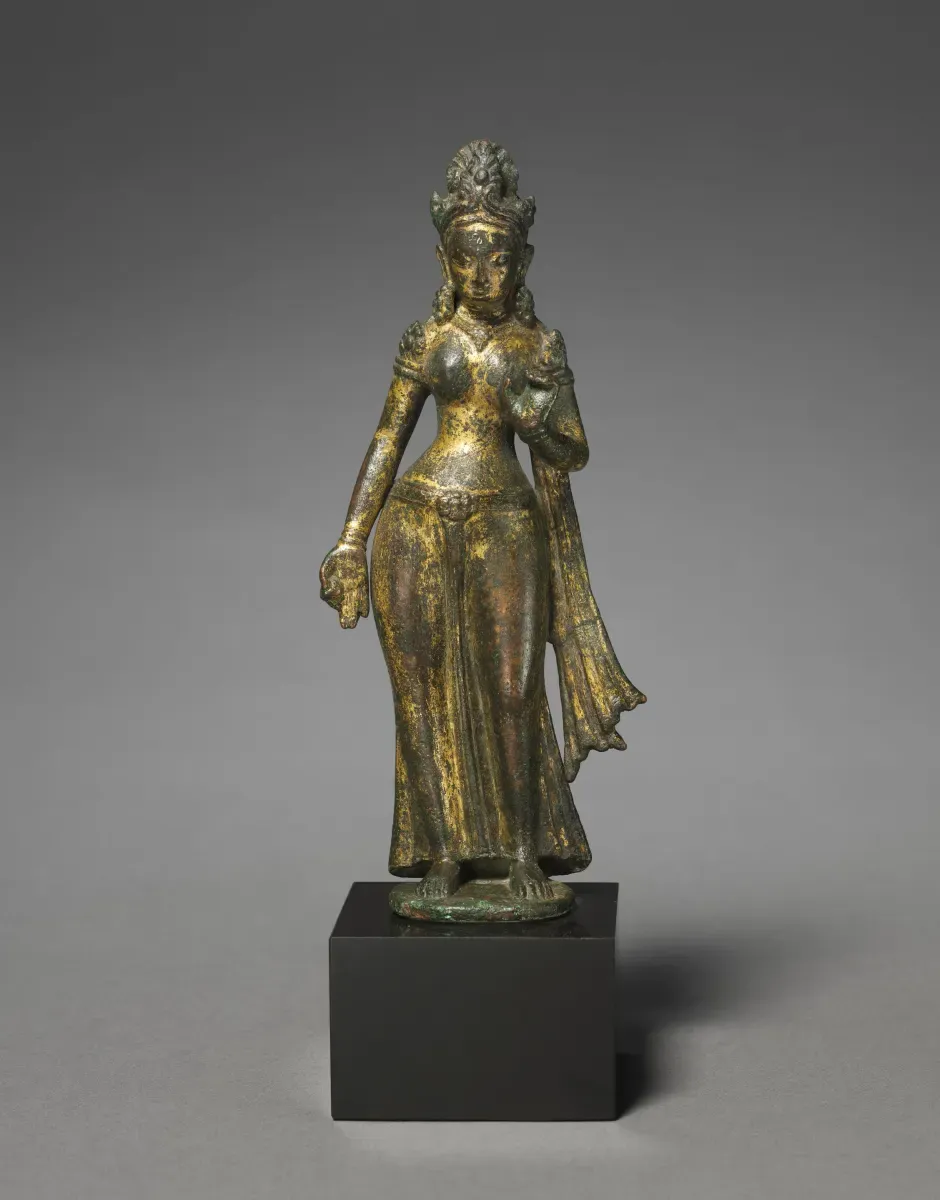
Devi Upanishad
Full text // 6 min
All the gods ask her one question. She answers by claiming both sides of every pair.
Dhyanabindu Upanishad
Full text // 16 min
A yoga manual of locks and seals, with one prose page on who is doing the yoga.
Ekakshara Upanishad
Full text // 3 min
A short hymn names the one Lord as woman, man, wind and year, then stops naming.
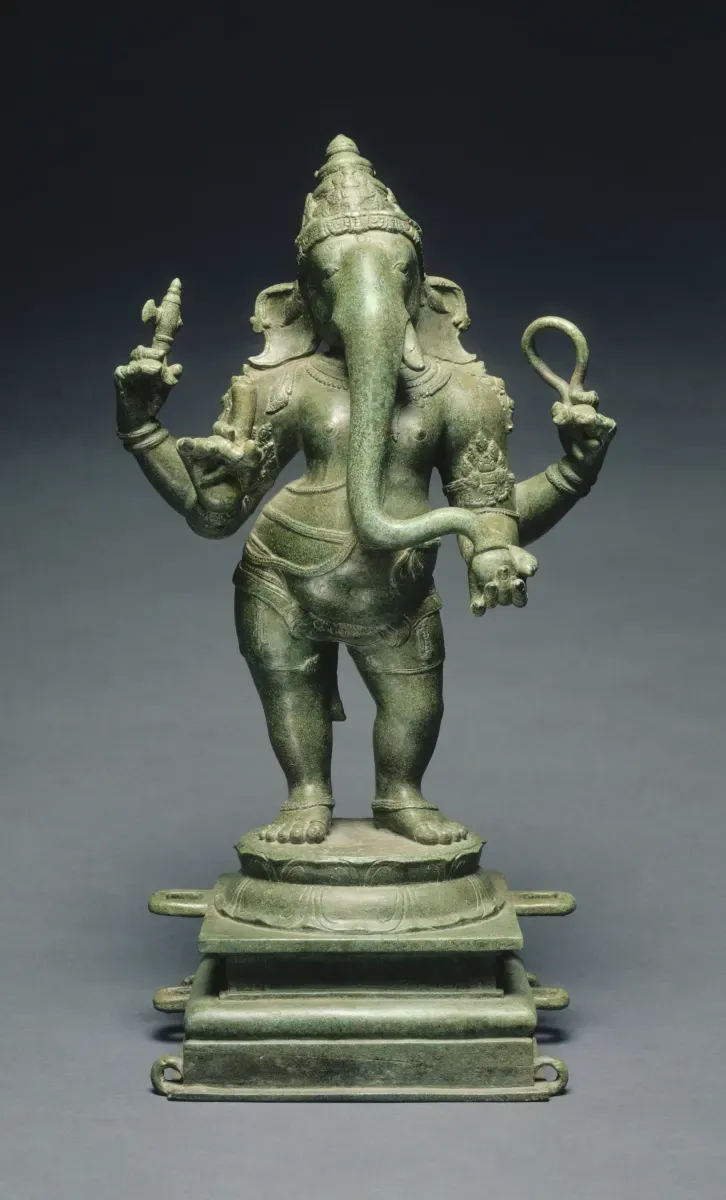
Ganapati Upanishad
Full text // 5 min
The hymn chanted before every new start opens by telling Ganesha he is 'You are That', made visible.
Garbha Upanishad
Full text // 6 min
In the ninth month the unborn child remembers all its past lives. At birth a wind touches it.
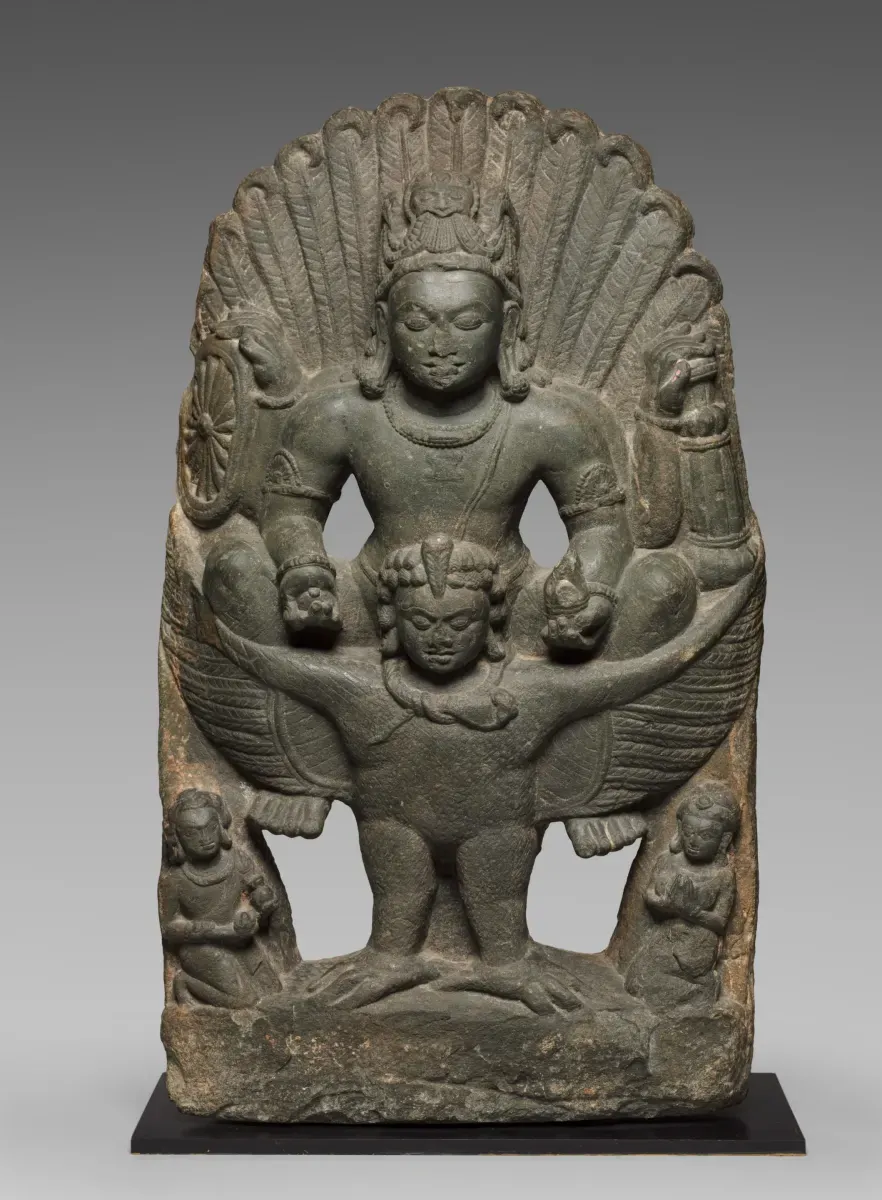
Garuda Upanishad
Full text // 7 min
A snakebite charm with a strange title: the knowledge of Brahman.
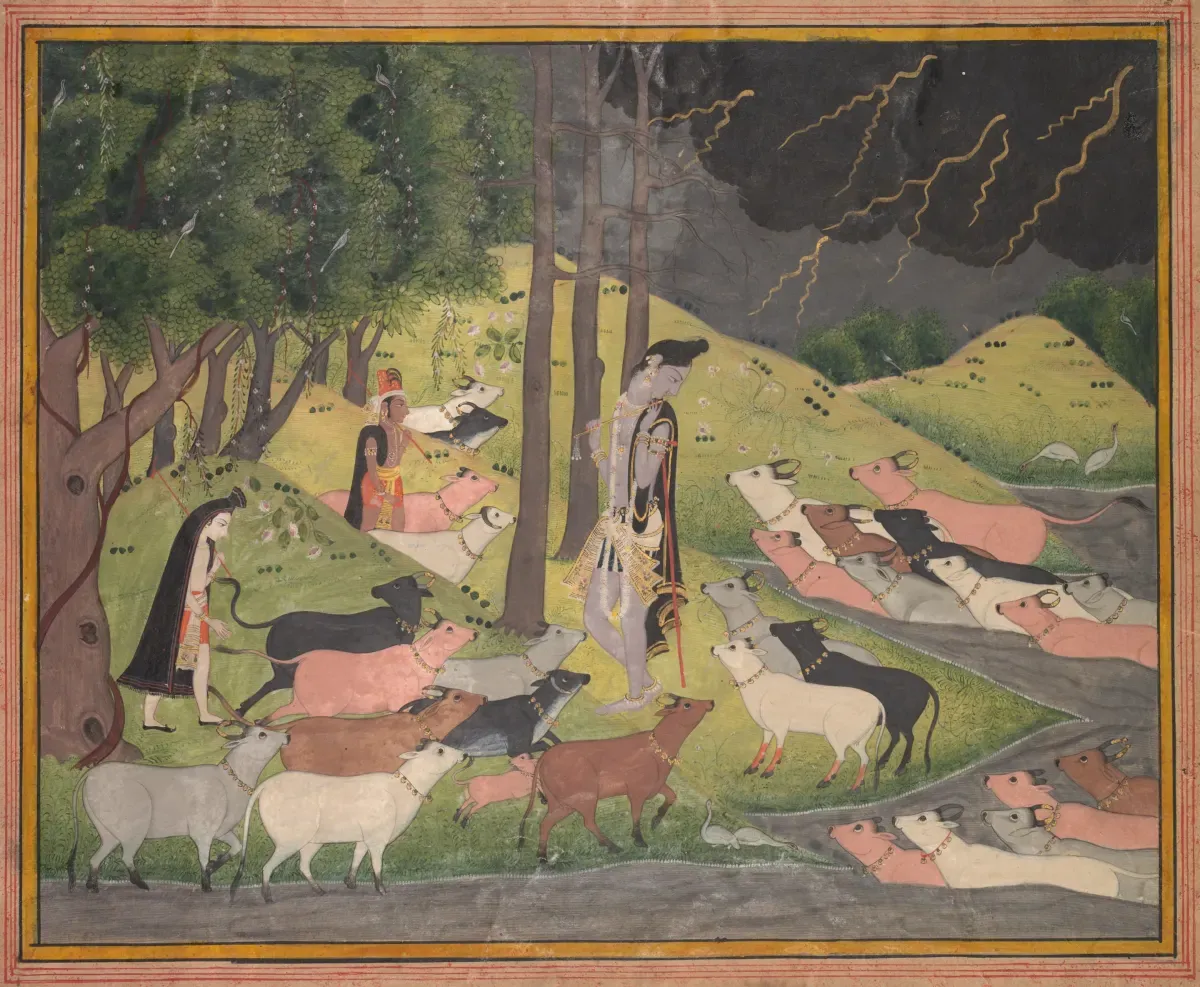
Gopala-Tapani Upanishad
Full text // 21 min
Cowherd women ask how Krishna is celibate, and how a sage fed on their ghee lives on grass.
Hamsa Upanishad
Full text // 4 min
Each breath goes out on ham and comes in on sa. Turned round, it says: I am he.
Hayagriva Upanishad
Full text // 4 min
A mantra recited for a good memory, which claims to teach what 'I am Brahman' teaches.
Jabala Upanishad
Full text // 5 min
A rulebook on renunciation in which each rule moves inward, and Varanasi turns up between the brows.
Jabali Upanishad
Full text // 3 min
A manual for wearing ash, which starts by saying the bound creature is the Lord himself.
Kaivalya Upanishad
Full text // 5 min
Twenty-four verses that begin with Shiva held in the heart and end with the Self speaking as I.
Kalagnirudra Upanishad
Full text // 3 min
Three stripes of ash on a forehead, and a sage who asks what each one means.
Kali-Santarana Upanishad
Full text // 2 min
Sixteen words, the Hare Krishna mantra, and a teacher who says they need no rule at all.
Kathashruti Upanishad
Full text // 8 min
A father hands over his duties: 'You are Brahma.' His son answers: 'I am Brahma.'
Kaushitaki Upanishad
Full text // 34 min
The dead are stopped at the moon and asked, 'Who are you?' Every chapter after asks it again.
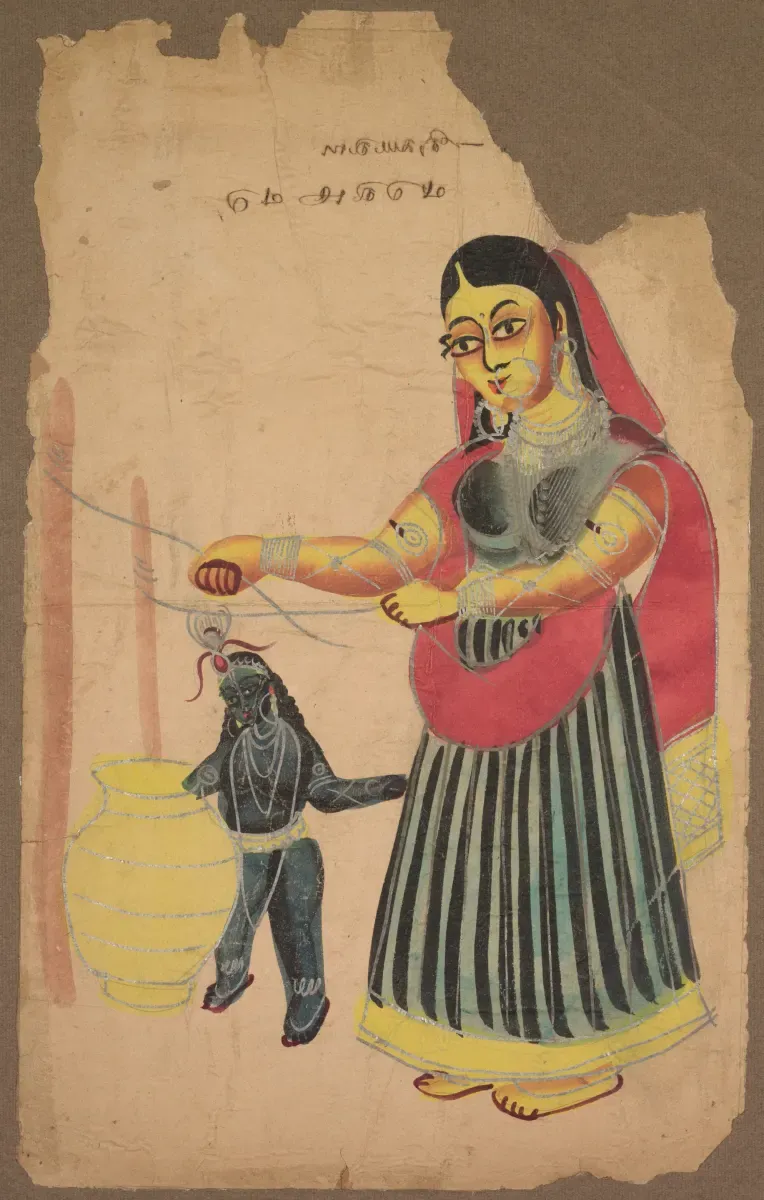
Krishna Upanishad
Full text // 5 min
A key to Krishna's childhood: the cowherd women are Vedic verses, the demons are greed and anger.
Kshurika Upanishad
Full text // 4 min
A yoga text about cutting the body's knots, until you notice what the dagger is made of.
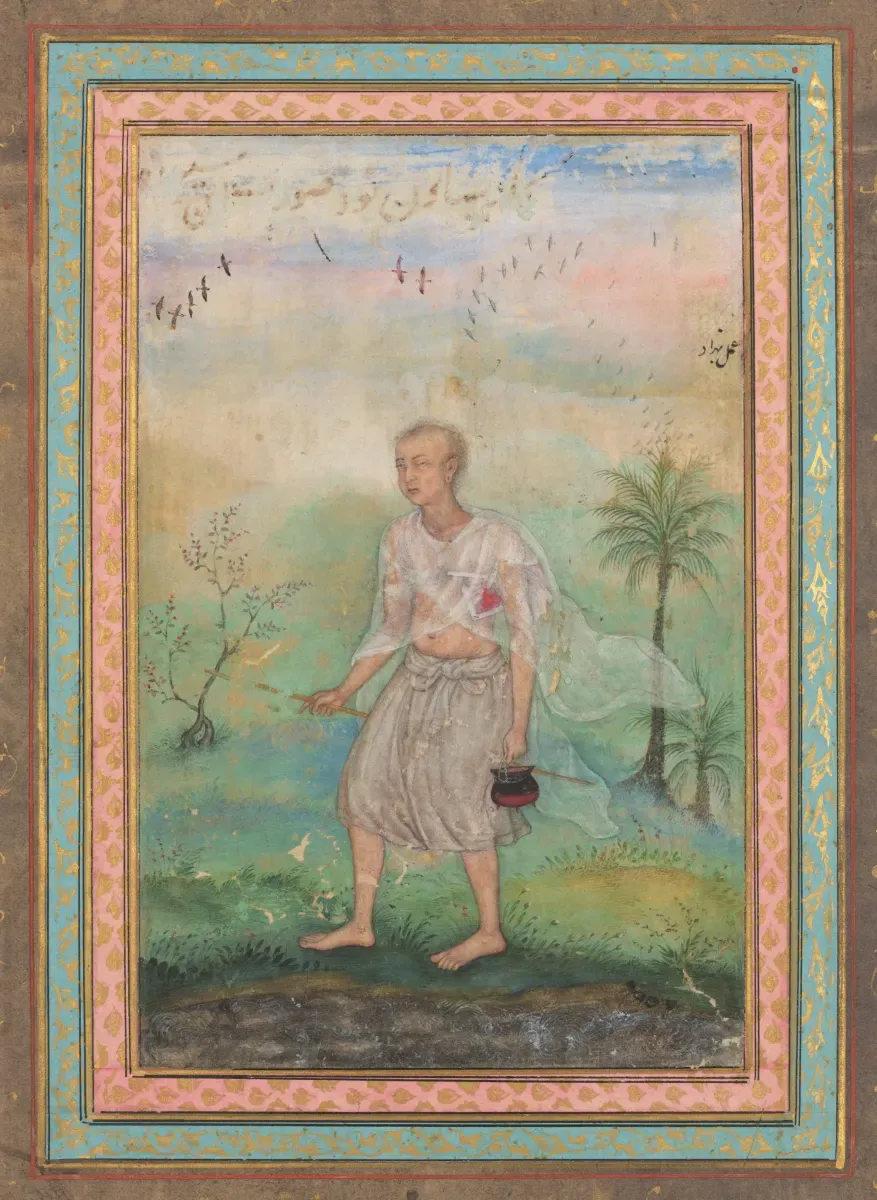
Kundika Upanishad
Full text // 6 min
A renunciant's whole kit fits in one short list. Then he says the world rises and falls in him.
Maha Upanishad
Full text // 72 min
The line carved at India's Parliament, read with the verse after it, which almost nobody quotes.
Mahanarayana Upanishad
Full text // 37 min
A householder's prayer book, and in the middle of it, the verse renunciants recite when they leave home.
Mahavakya Upanishad
Full text // 3 min
A meditation on the sun and the breath, and then a flat refusal: this is not absorption.
Maitreya Upanishad
Full text // 12 min
Shiva tells a sage the body is a temple, then asks how to greet a sun that never sets.
Maitri Upanishad
Full text // 54 min
A king who has watched oceans dry and gods fall asks for one thing only: the Self.
Mandala-brahmana Upanishad
Full text // 15 min
Lights before the nose and a diamond mirror, and then the teacher says all of it is the Self.
Mantrika Upanishad
Full text // 3 min
Twenty verses that let the schools argue over numbers, then show what all of them were counting.
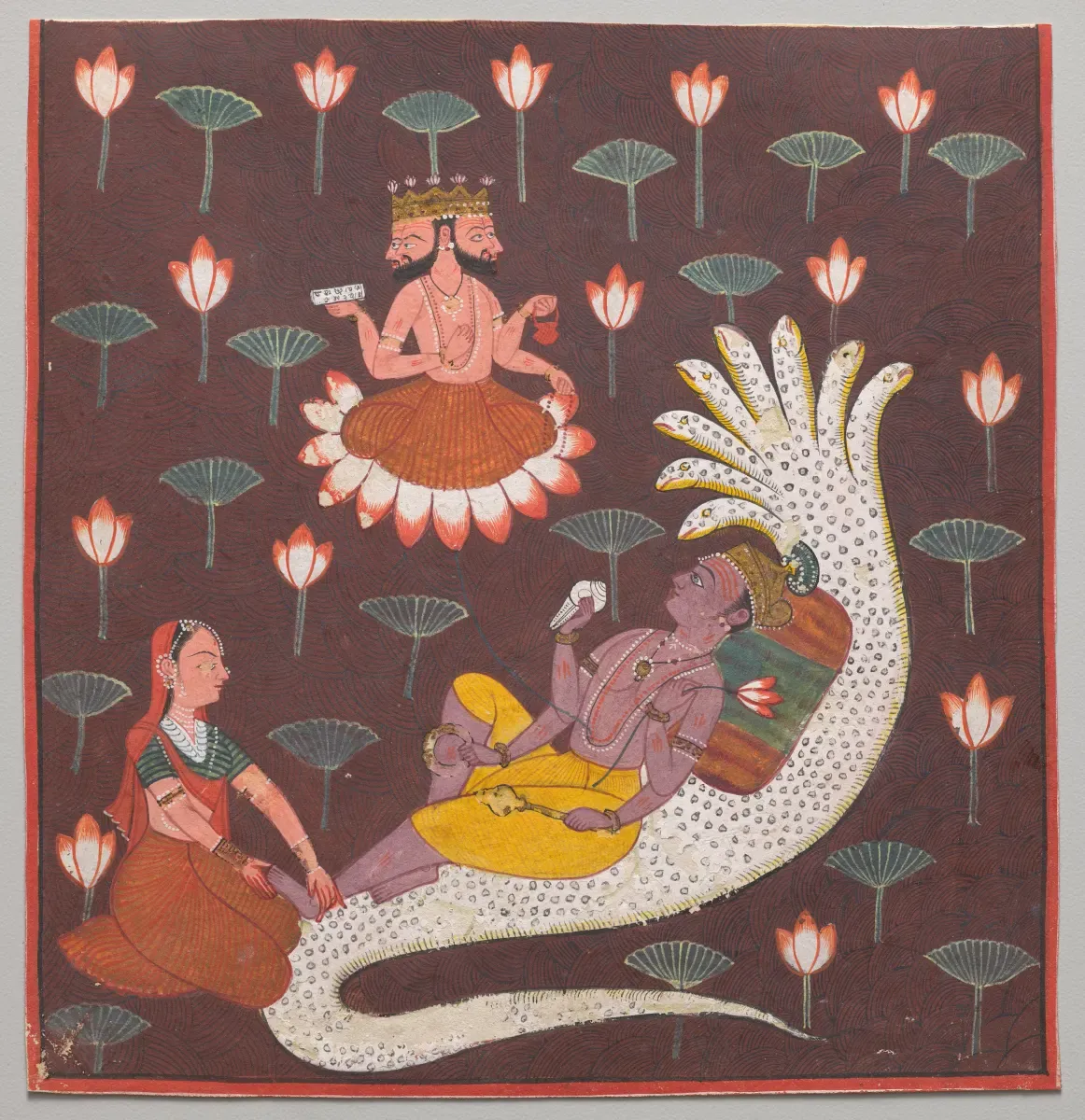
Mudgala Upanishad
Full text // 7 min
A commentary on the hymn of the thousand-headed Person that ends by naming caste a confusion.
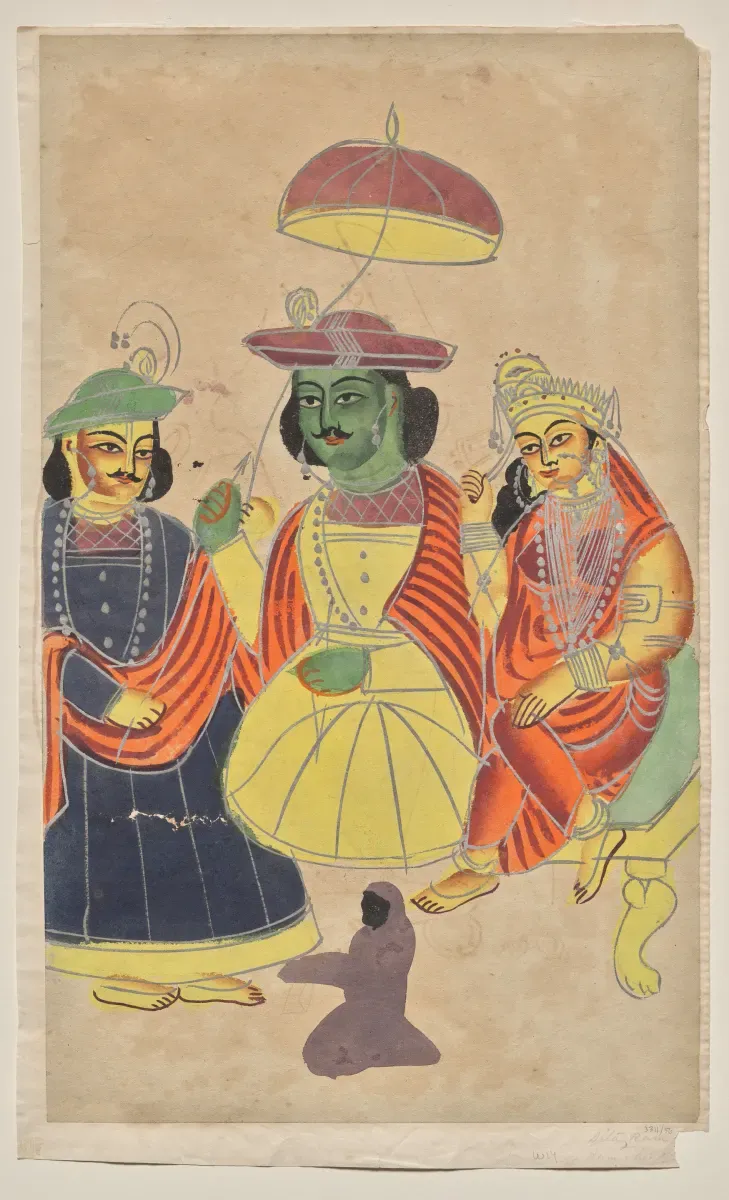
Muktika Upanishad
Full text // 18 min
The text that fixes the canon at 108 says one twelve-verse Upanishad is enough.
Nadabindu Upanishad
Full text // 8 min
Om drawn as a bird with two wings, then a long listening to inner sounds, until even listening stops.
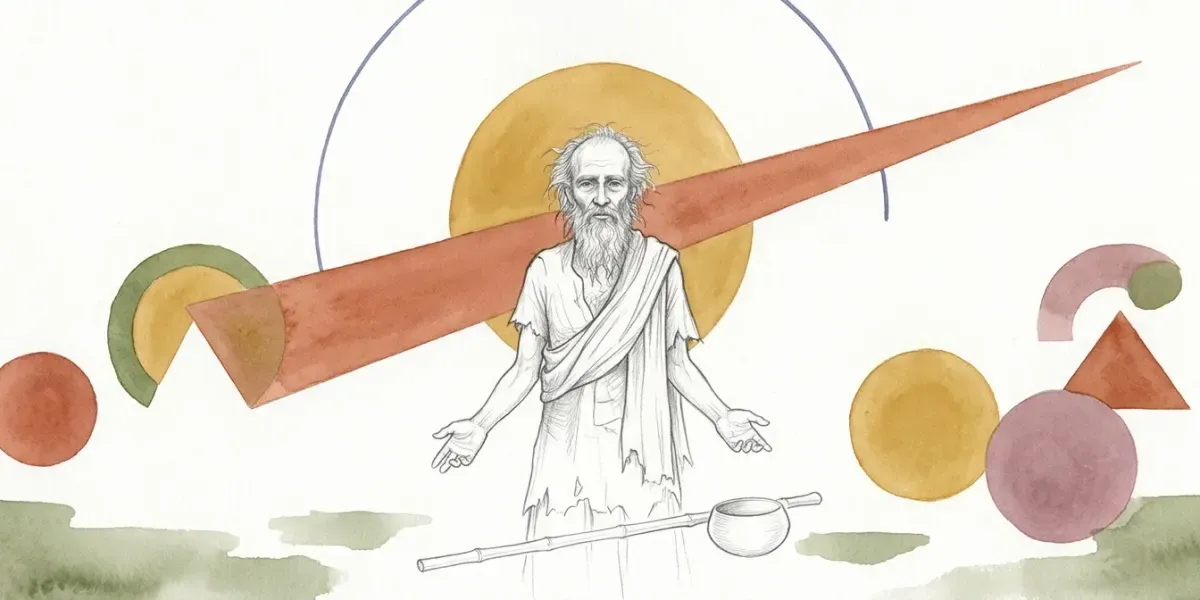
Naradaparivrajaka Upanishad
Full text // 66 min
The longest rulebook for Hindu monks, and it keeps telling you what its rules are worth.

Narayana Upanishad
Full text // 3 min
Five short parts. The first says everything comes from Narayana. The second goes further: everything is Narayana.
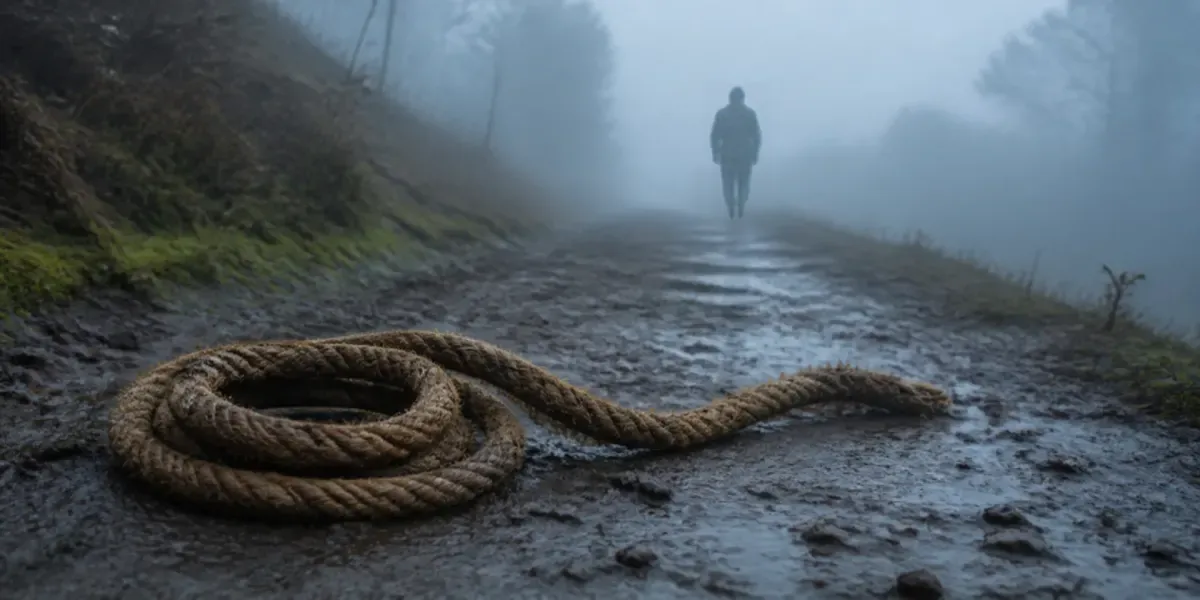
Niralamba Upanishad
Full text // 8 min
Forty blunt questions, from what caste is to who the student is, each answered in a line or two.
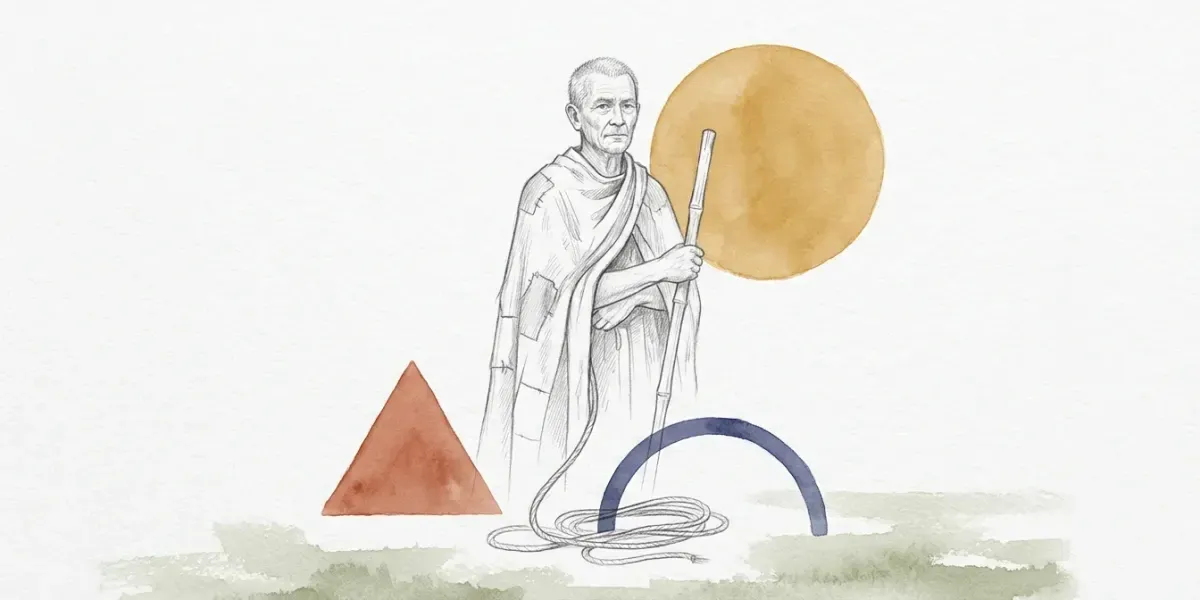
Nirvana Upanishad
Full text // 5 min
A wandering monk's kit, item by item, with each piece swapped for what it was standing in for.
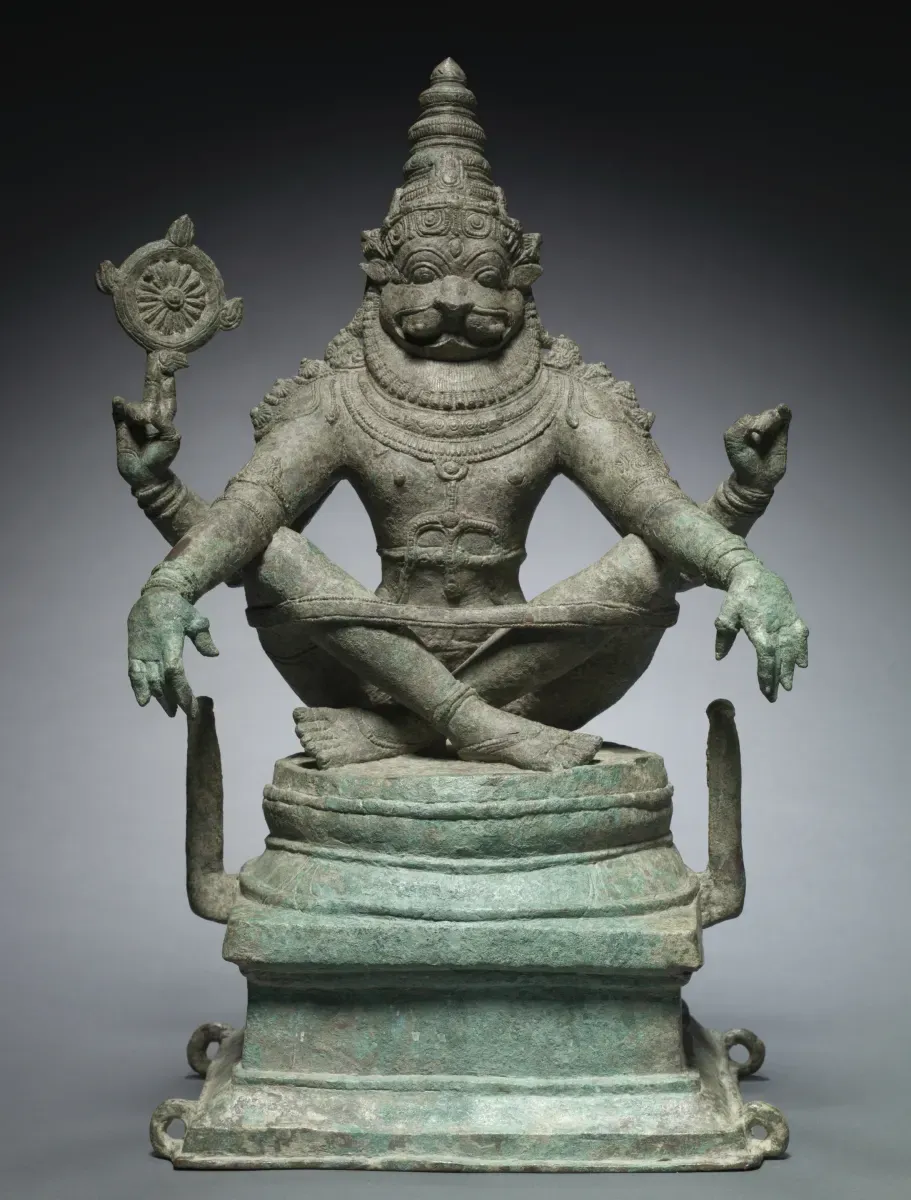
Nrisimhatapaniya Upanishad
Full text // 47 min
A mantra to the man-lion becomes a teaching in which even the Lord is swallowed by the Self.
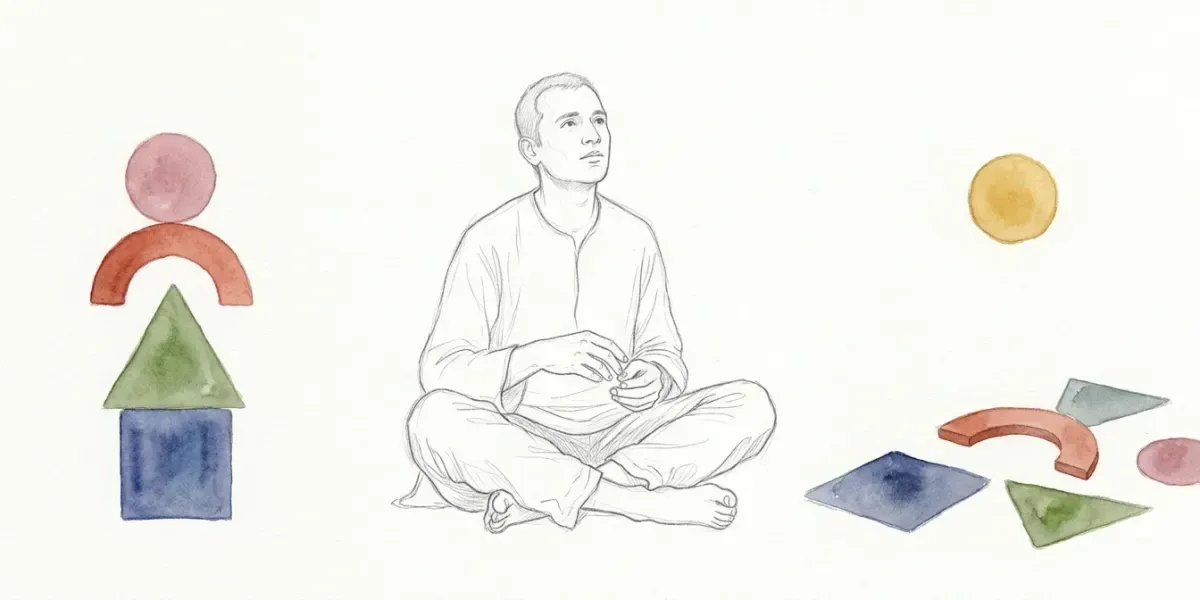
Paingala Upanishad
Full text // 17 min
Paingala serves his teacher twelve years. The answer builds the whole world, then takes it apart again.
Pancabrahma Upanishad
Full text // 5 min
Shiva's five faces arrive with their elements and colours. Then the text folds every one of them away.
Parabrahma Upanishad
Full text // 9 min
Before the renunciant lays down the Brahmin's thread, the text says what it marked was never divided.
Paramahamsa Upanishad
Full text // 4 min
Narada asks how the rarest renunciants live. The answer: their only thread is knowing 'I am that peace.'
Paramahamsaparivrajaka Upanishad
Full text // 10 min
Arms raised, a man promises that no living being need fear him, then walks north with nothing.
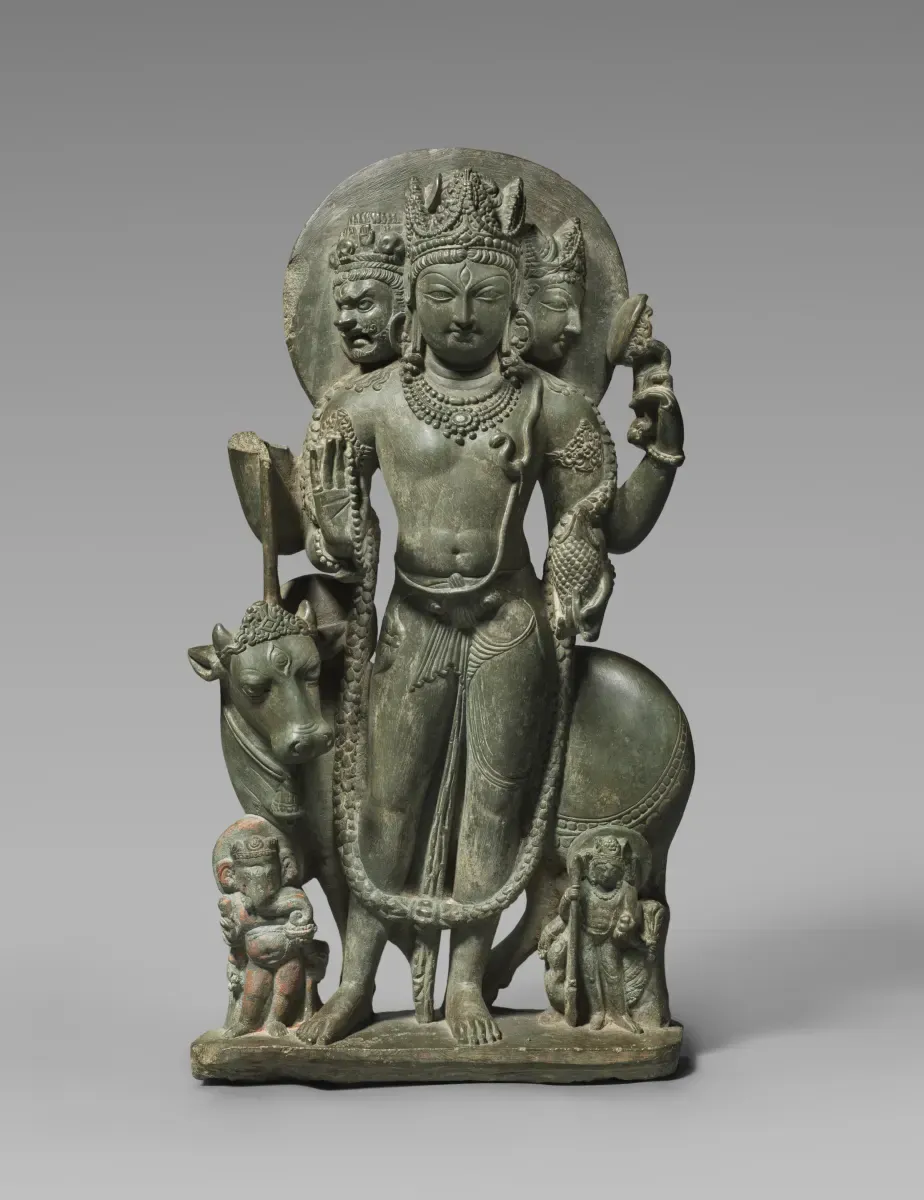
Pashupatabrahma Upanishad
Full text // 11 min
Named for Shiva, Lord of creatures, it reasons carefully through two standpoints and arrives at silence.
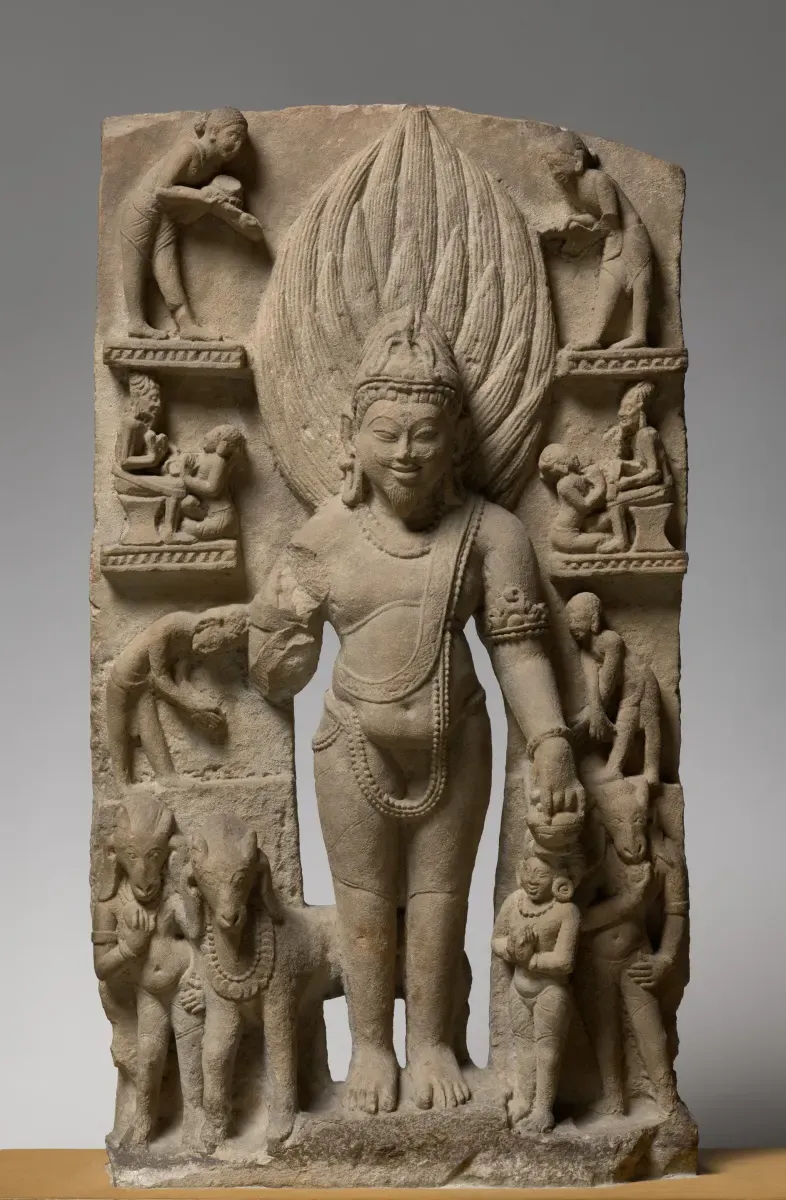
Pranagnihotra Upanishad
Full text // 6 min
Eating by the rule becomes a fire-offering. By the end, the victim tied to the post is desire.
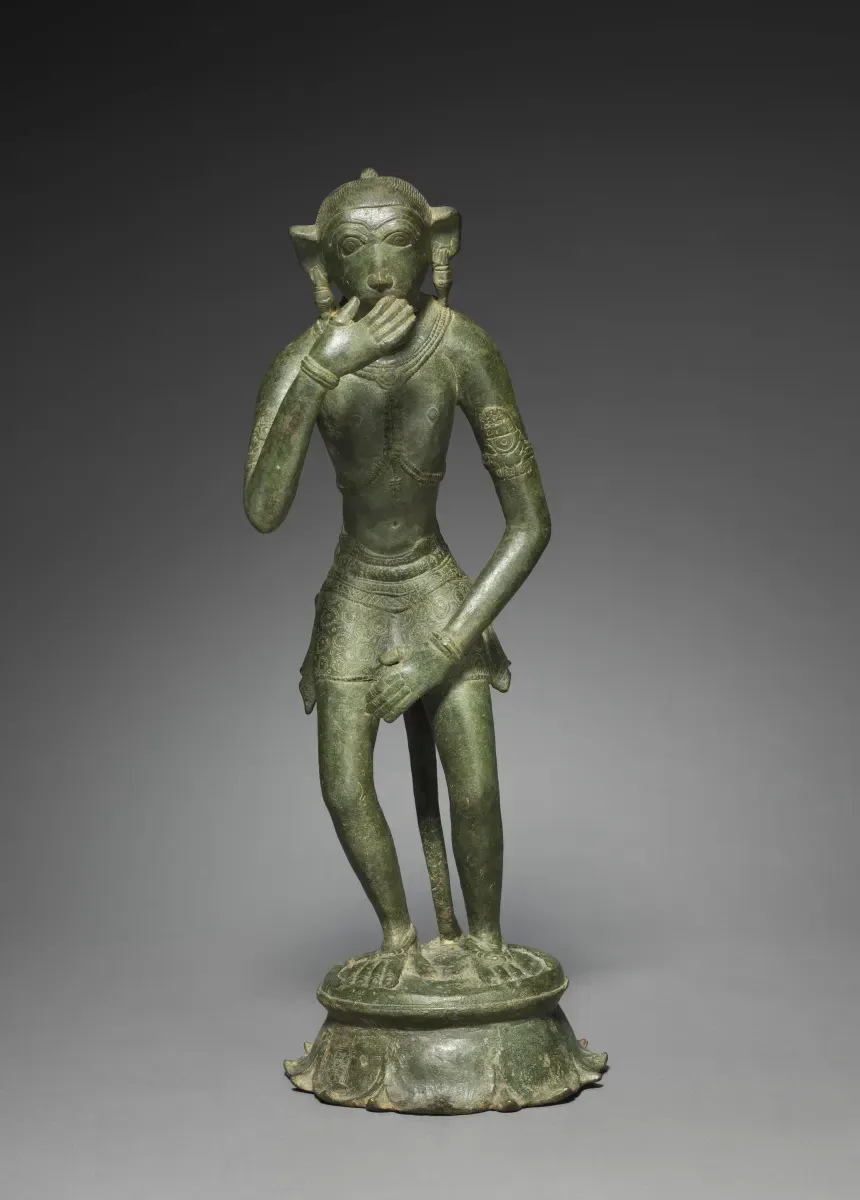
Rama-rahasya Upanishad
Full text // 26 min
Pages of mantras and rites for Rama, then a last chapter that reads his name as a sentence.
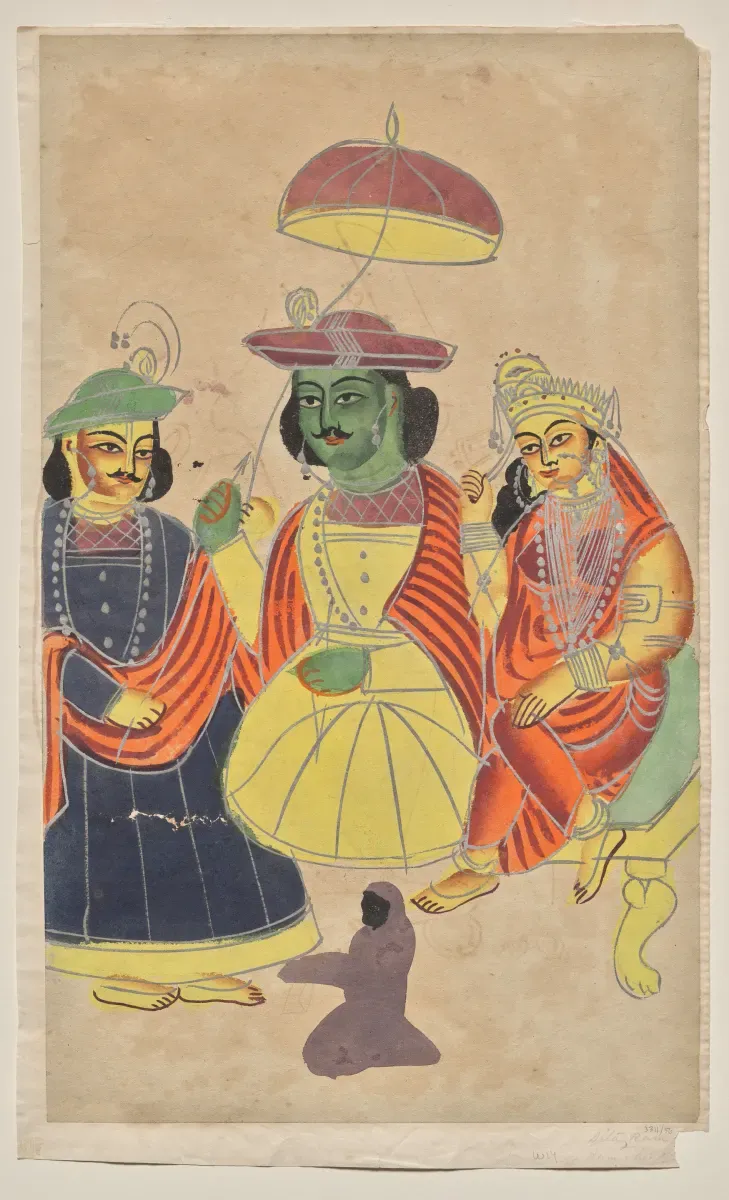
Ramatapaniya Upanishad
Full text // 25 min
The scripture behind Rama's mantra and image stops, early on, to say plainly what an image is for.
Rudrahridaya Upanishad
Full text // 7 min
A son asks his father which god holds all the gods. The answer ends up taking in the son.
Rudraksha Upanishad
Full text // 9 min
A manual for prayer beads which says each bead began as a tear from an eye held open.
Sannyasa Upanishad
Full text // 21 min
A rulebook for leaving home, whose second chapter asks who was ever living in it.
Sarasvati-rahasya Upanishad
Full text // 10 min
Poets recite it for fluent speech. When the Goddess of speech finally speaks, she teaches what words cannot hold.
Sariraka Upanishad
Full text // 4 min
An inventory of the body, from earth to intellect, that lists even the voice saying 'I am the doer'.
Sarvasara Upanishad
Full text // 6 min
The hard words of Advaita each get a sentence or two here, and their order is a path.
Saubhagyalakshmi Upanishad
Full text // 10 min
A prayer for wealth that ends its first section: this works only for those who want nothing.
Savitri Upanishad
Full text // 4 min
Nine times it asks who Savitar and Savitri are. Nine times it answers with a pair.
Shandilya Upanishad
Full text // 28 min
Eight limbs of yoga, down to breath counts. Then Shandilya asks for what he never found in the Vedas.
Sharabha Upanishad
Full text // 7 min
Shiva, as the fierce Sharabha, subdues Vishnu's man-lion. Then the text takes its own story apart.
Shatyayaniya Upanishad
Full text // 9 min
A rulebook that forbids a renouncer ever to drop his staff, then says the staff is made of knowledge.
Shukarahasya Upanishad
Full text // 10 min
Vyasa asks Shiva to teach his son. Later he calls after the boy, and the whole world answers.
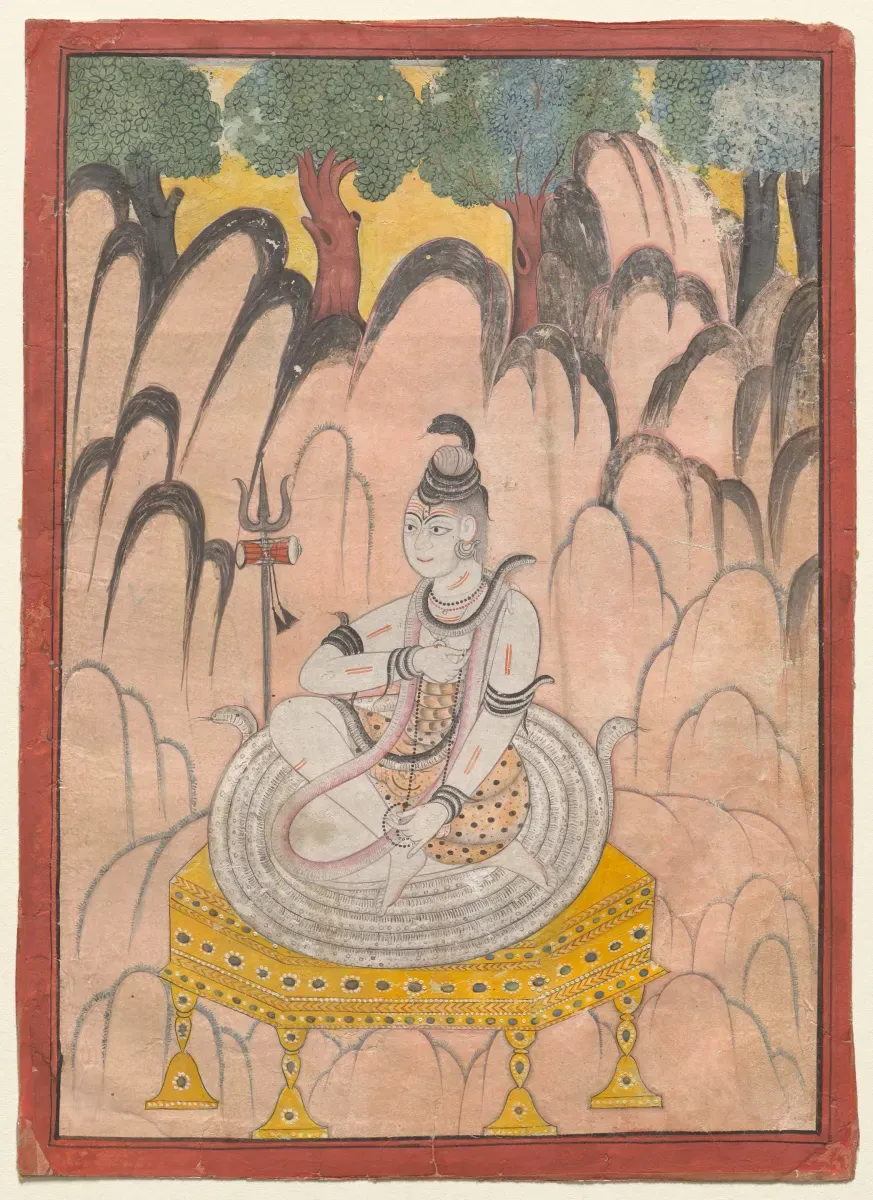
Shvetashvatara Upanishad
Full text // 19 min
Time, fate, chance? The text weighs each cause, then names a God found in the heart as one's Self.
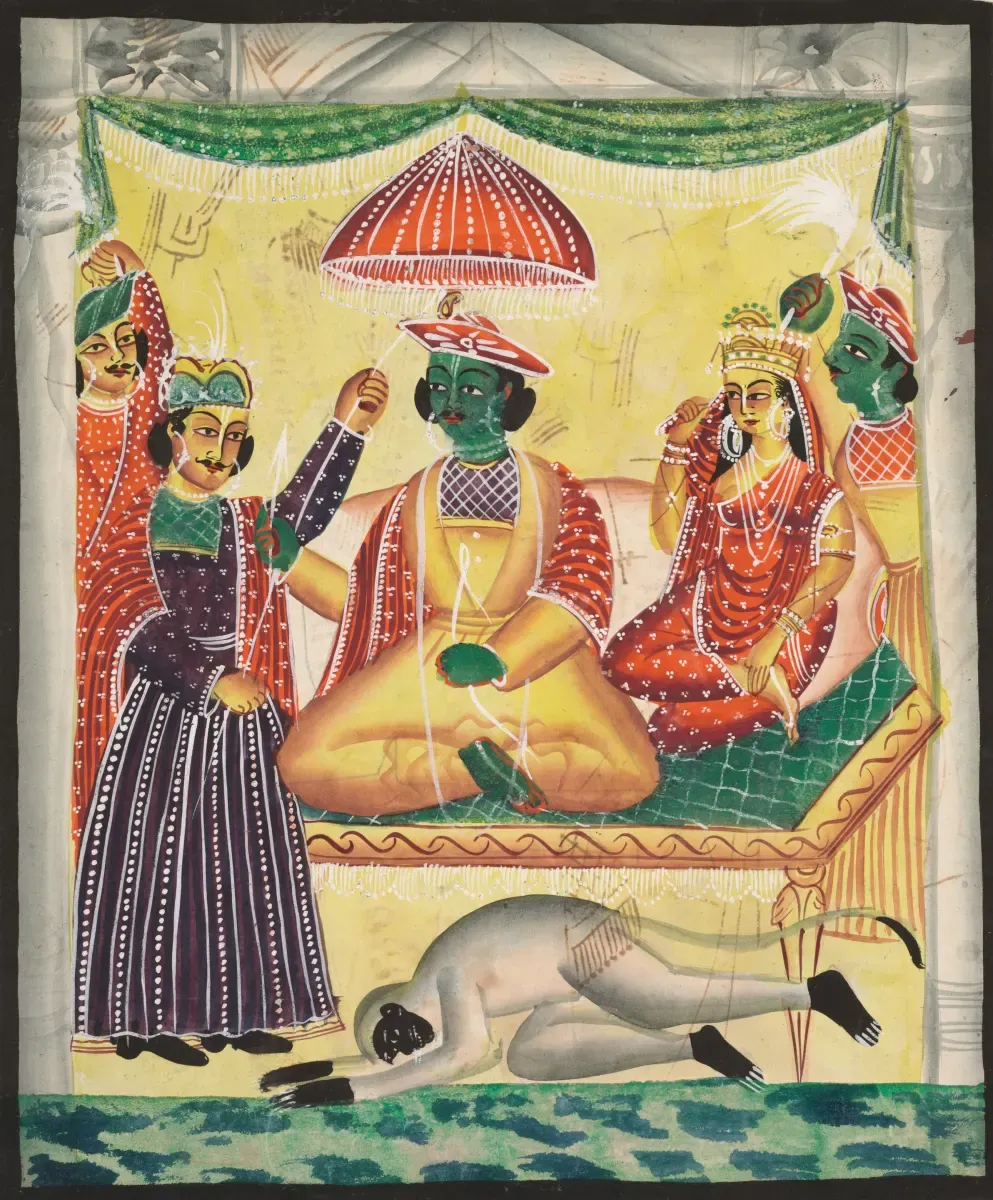
Sita Upanishad
Full text // 8 min
The gods ask a plain question, "Who is Sita?", and get an answer about how the world appears.
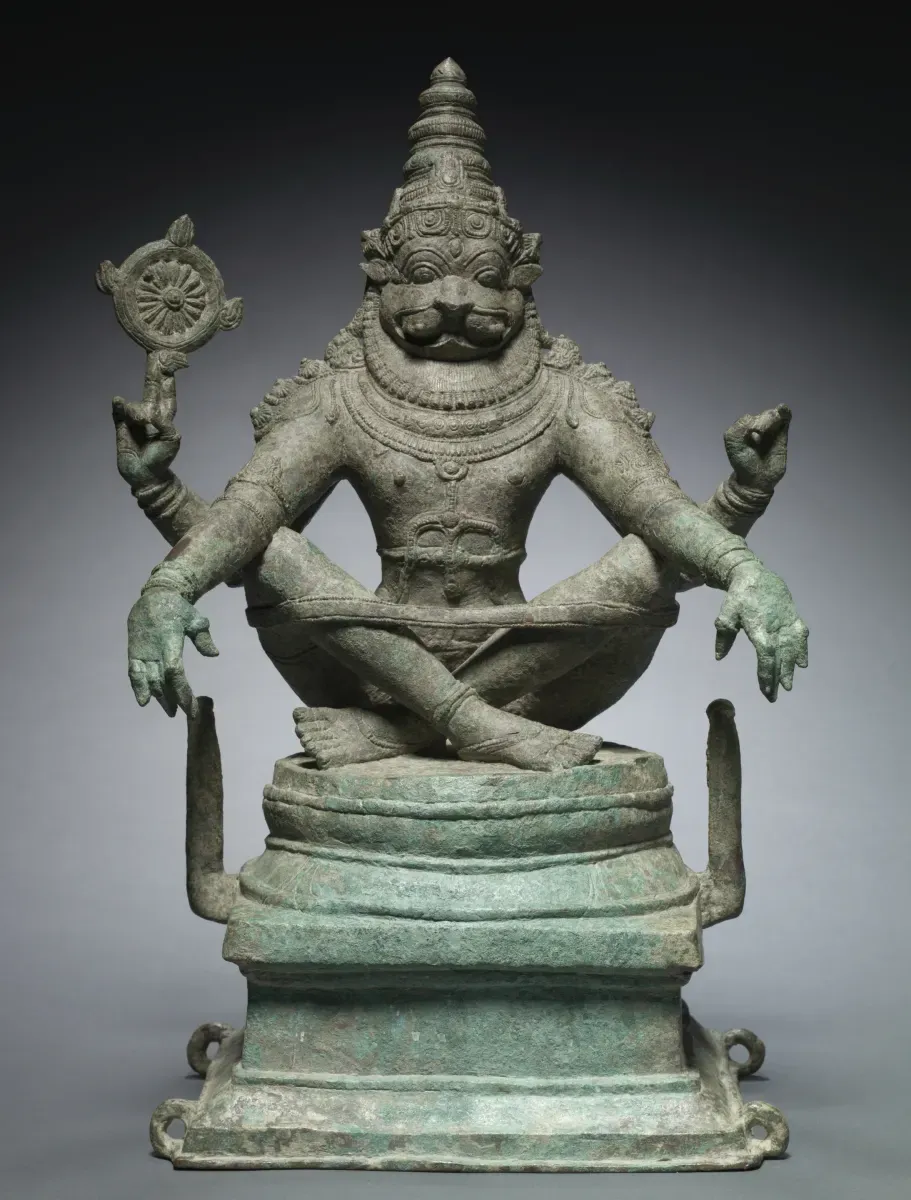
Skanda Upanishad
Full text // 3 min
Paddy in its husk is already rice: fifteen verses on the living self and Shiva.
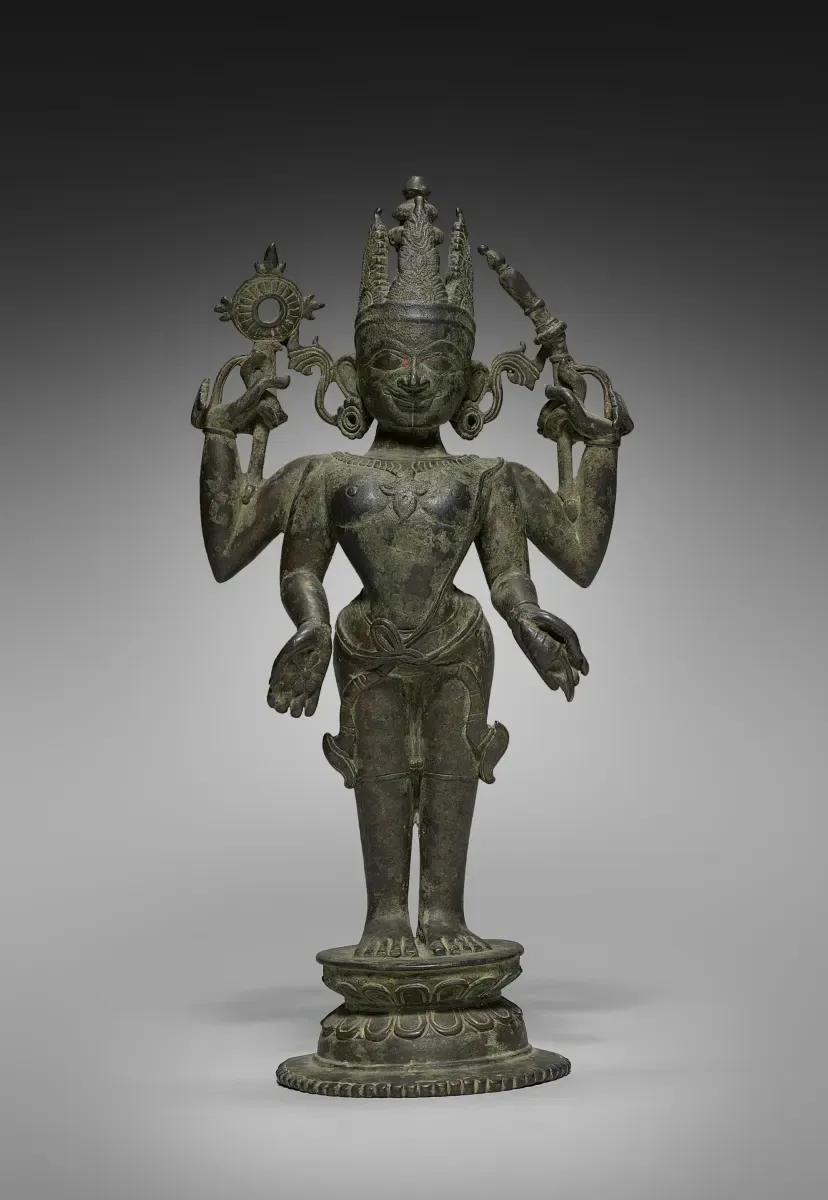
Subala Upanishad
Full text // 24 min
He moves within the earth, and the earth does not know him. Nor does the mind.
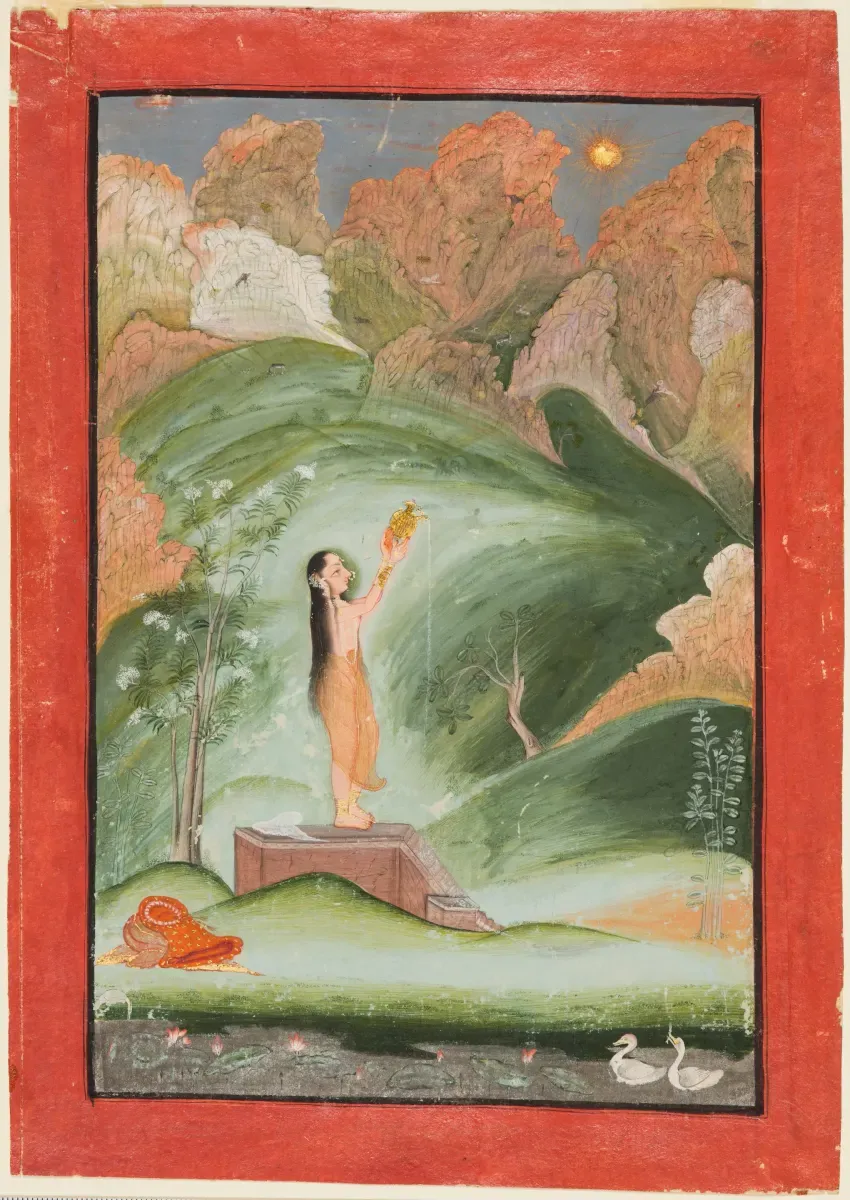
Surya Upanishad
Full text // 4 min
It begins with the blazing disc overhead and ends, faculty by faculty, at the one who sees it.
Tarasara Upanishad
Full text // 5 min
Rudra gives the dying one word. Here that word is followed, sound by sound, into silence.
Tejobindu Upanishad
Full text // 56 min
A yoga text that hands you the thought 'I am Brahman', then asks you to put it down.
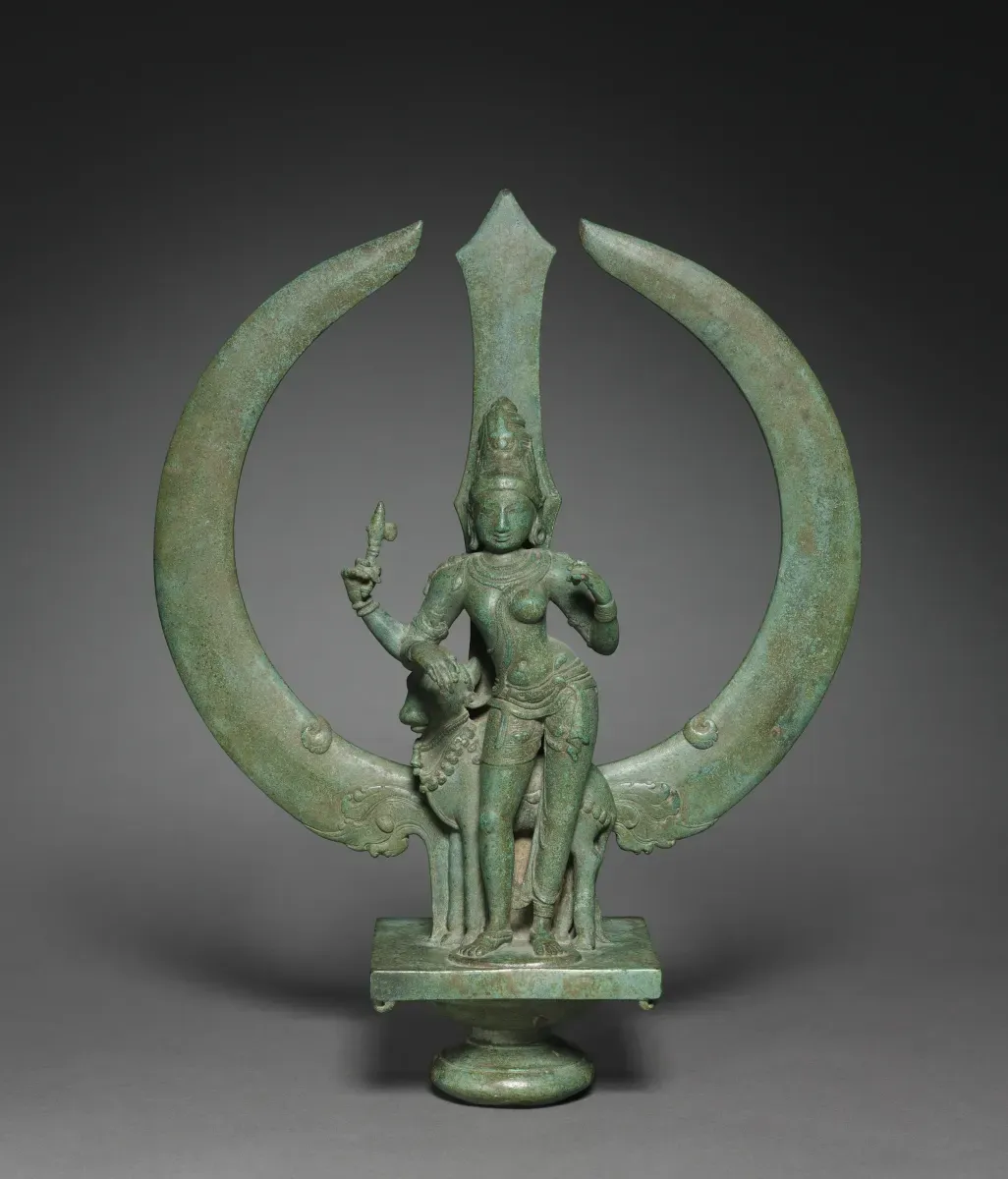
Tripura Upanishad
Full text // 4 min
Sixteen riddling verses about a goddess's diagram, and then one plain line: the power and its Lord are equals.
Tripuratapini Upanishad
Full text // 27 min
Four sections of mantra, diagram and rite. Then the gods ask for the highest, with no mark at all.
Trishikhi-brahmana Upanishad
Full text // 23 min
A Brahmin asks the sun four questions. The answer is a yoga manual, taught twice, first as knowing.
Turiyatita Upanishad
Full text // 3 min
The rarest kind of monk drops even the monk's staff and rules, and then knowledge as well.
Vajrasuchi Upanishad
Full text // 4 min
Six answers to who is a brahmin, the body and birth among them, and each one fails.
Varaha Upanishad
Full text // 34 min
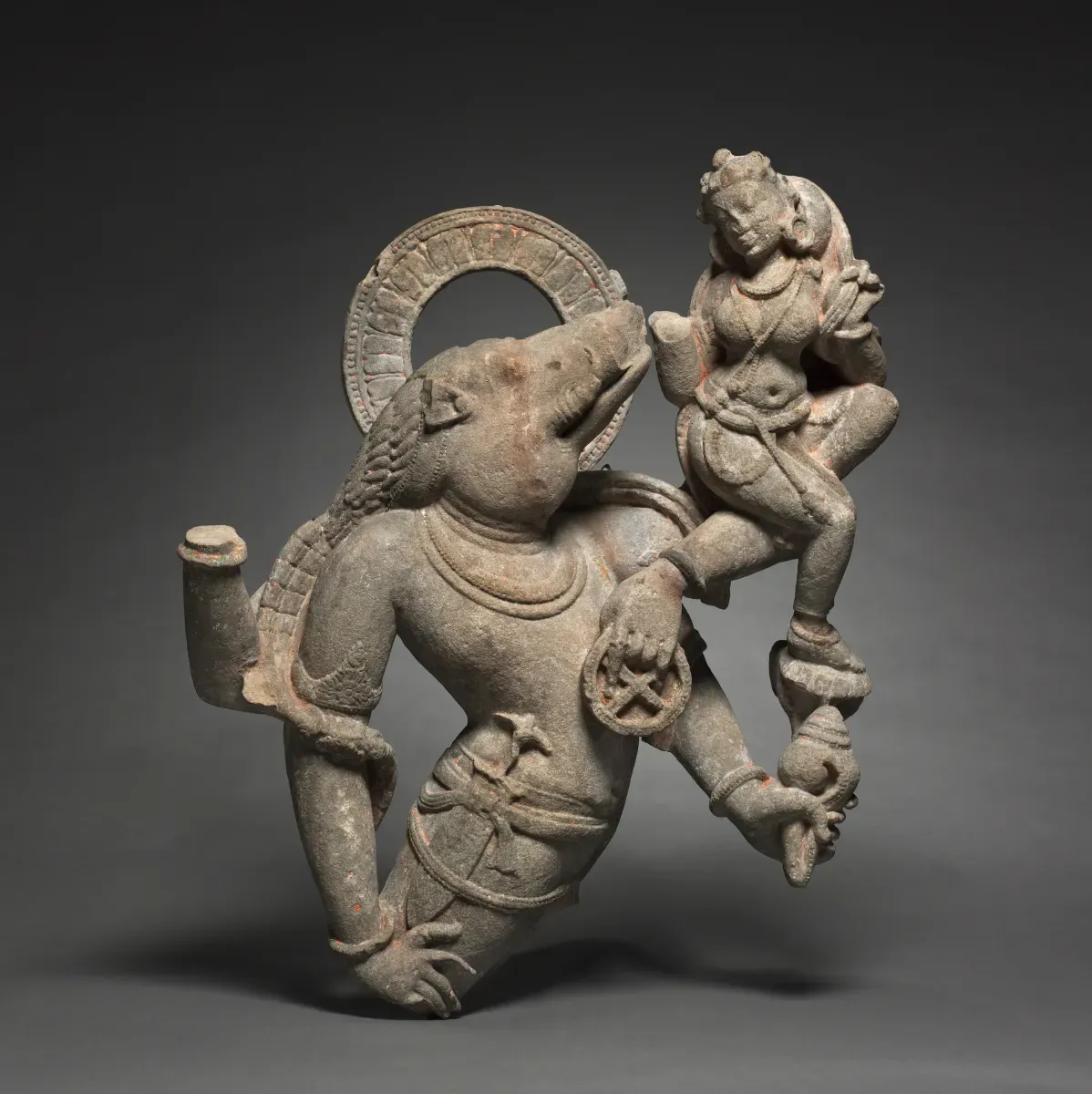
Vishnu as a boar teaches a sage, and a dancer balancing a pot shows what knowing looks like.
Vasudeva Upanishad
Full text // 5 min
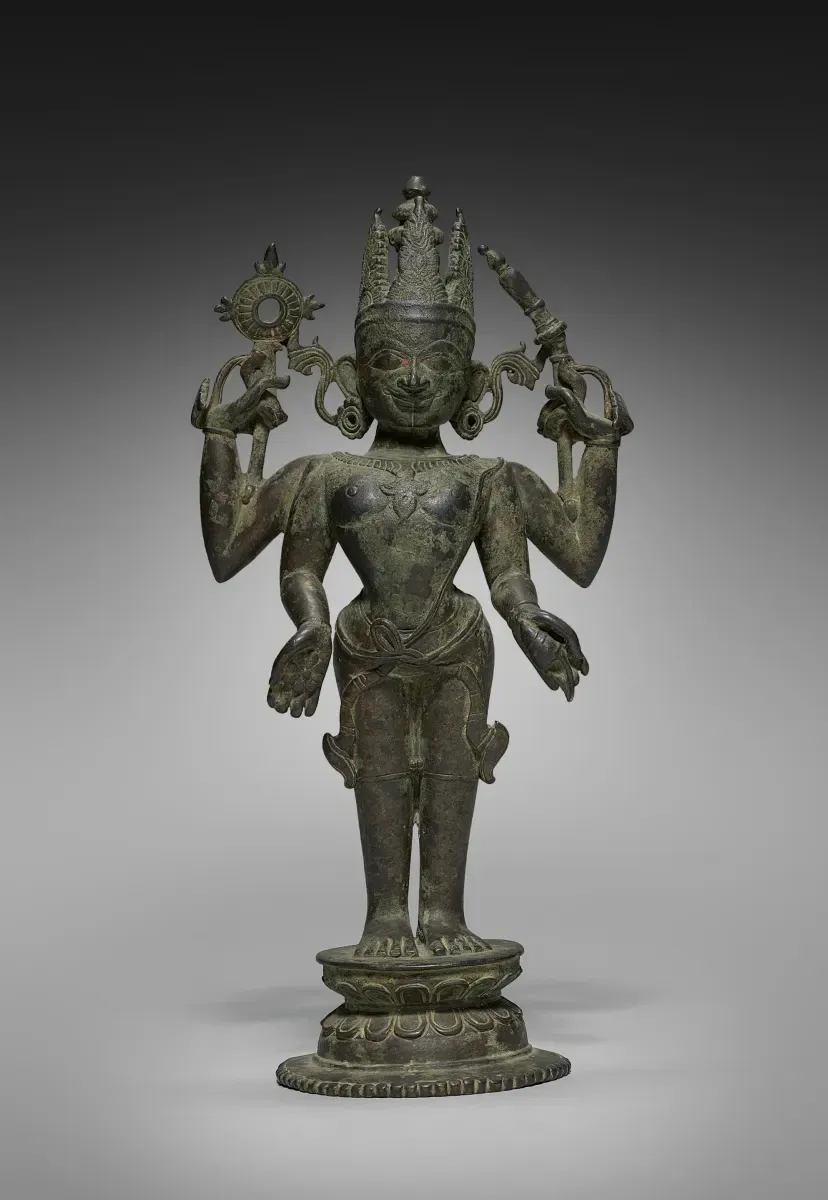
A rulebook for the Vaishnava forehead mark that ends with the god saying he is the Self in all.
Yajnavalkya Upanishad
Full text // 7 min
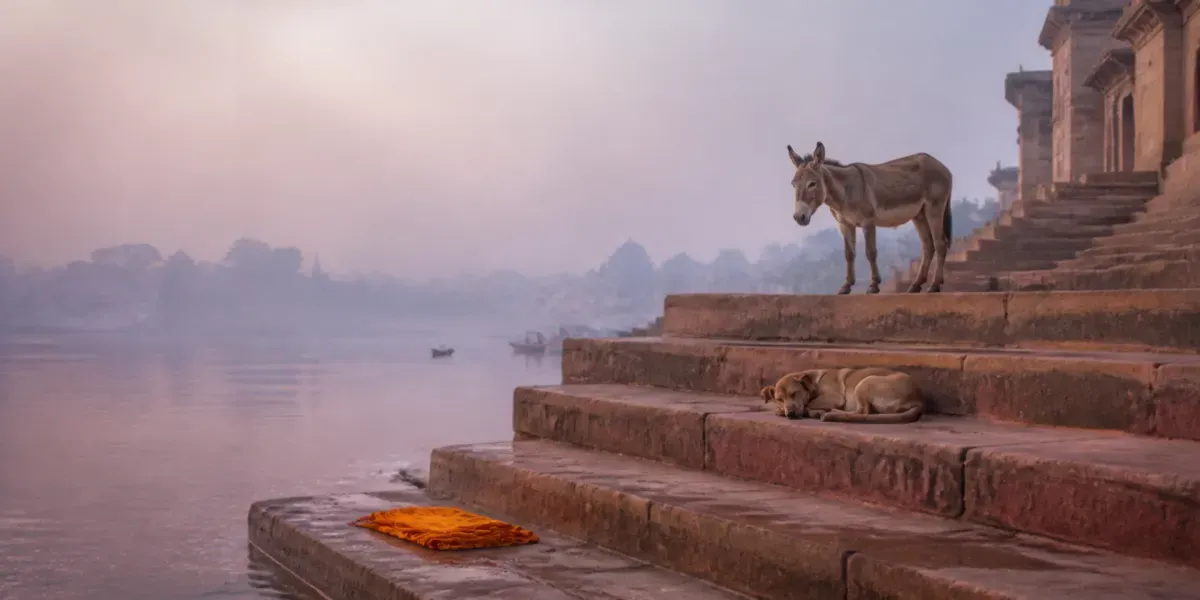
Whom should the knower bow to? No one, says one verse. The next says every dog and donkey.
Yoga-Kundalini Upanishad
Full text // 20 min
A yoga manual of breath, knots and centres that ends with a plain question: who am I?
Yogachudamani Upanishad
Full text // 17 min
A manual of yogic locks and seals, with one plain verse in the middle saying what they are for.
Yogashikha Upanishad
Full text // 46 min
A yoga manual of breaths and locks that gives a whole chapter to the rope and the snake.
Yogatattva Upanishad
Full text // 16 min
A yoga manual full of breath counts and promises of flight, which then calls every such power an obstacle.
China and Japan
Dhammapada
Full text // Read
Four hundred and twenty-three verses that begin with the mind and end with the one who put it down.
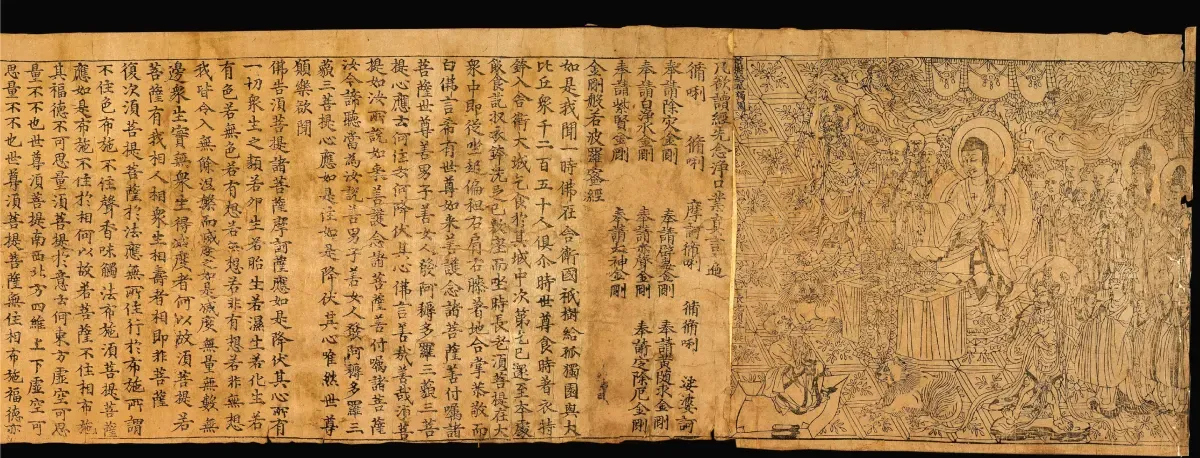
Diamond Sutra
Full text // Read
The oldest dated printed book in the world, and it says the teaching it prints is not a teaching.

Heart Sutra
Full text // Read
A page and a half, chanted every morning across Asia, that denies every item of the Buddha's own teaching.
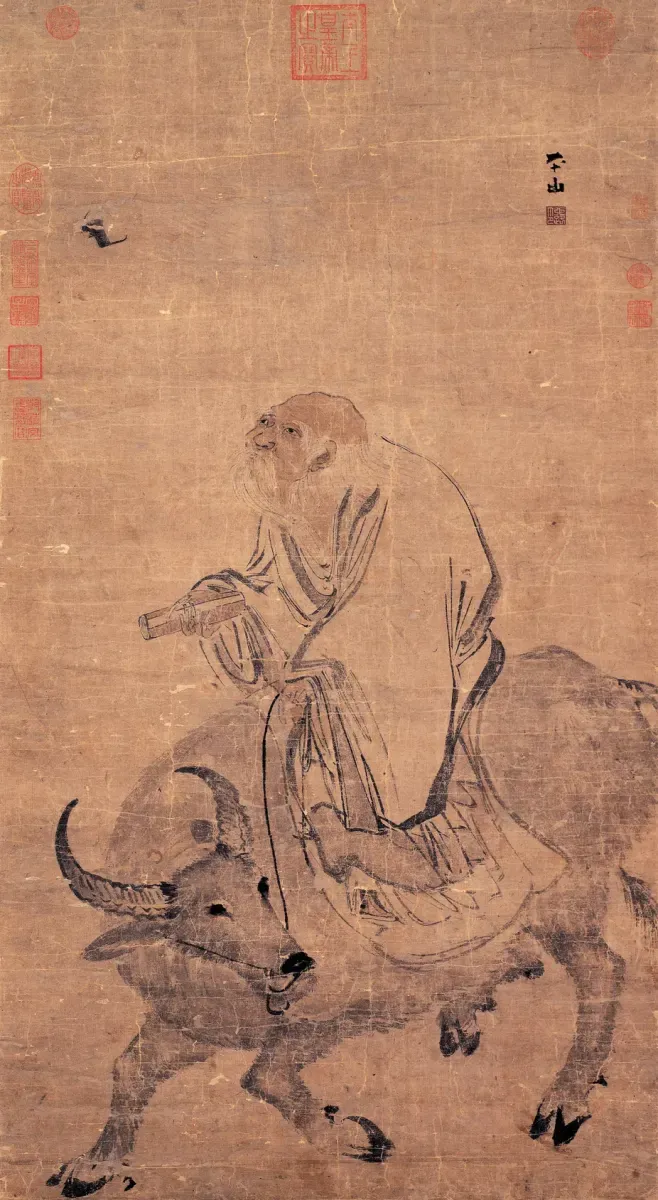
Tao Te Ching
Full text // Read
Five thousand characters, and the first line says that what they are about cannot be said.
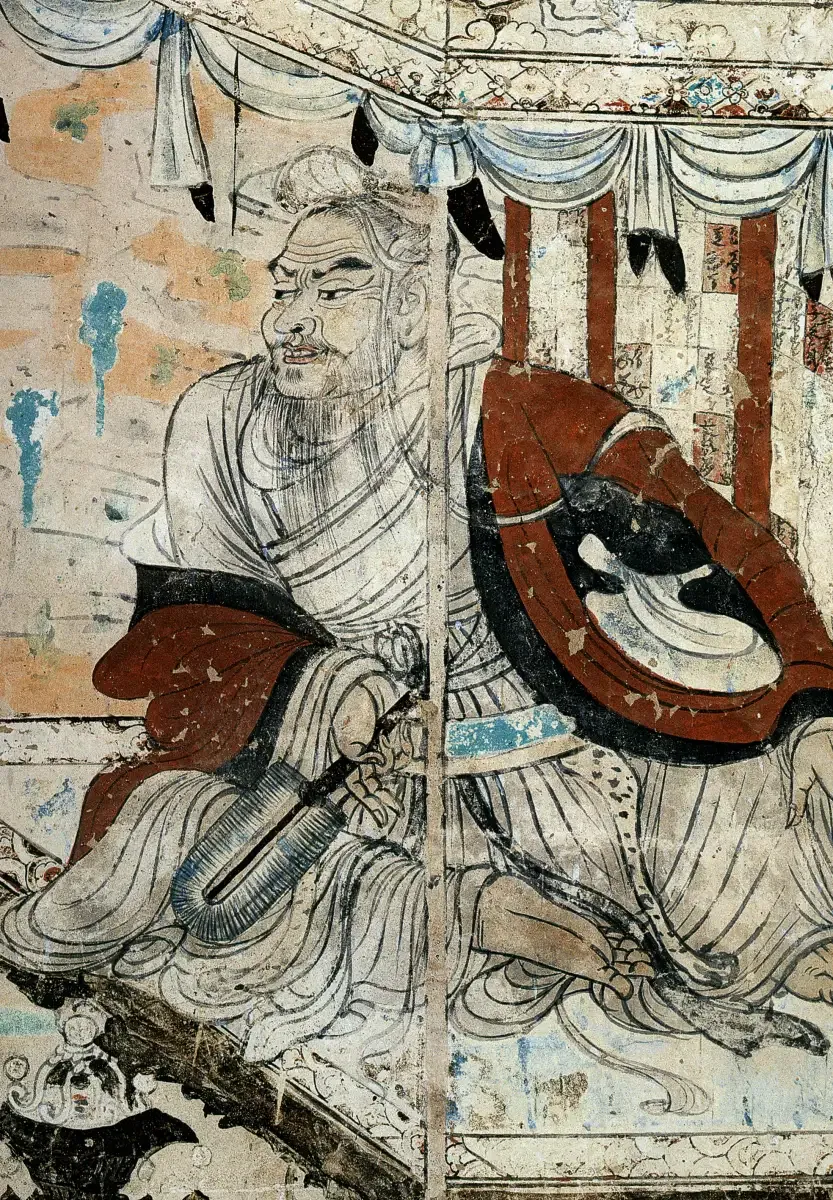
Vimalakirti Sutra, chapter 9: the gate of not-two
Full text // Read
Thirty-one bodhisattvas explain not-two; Manjushri says it cannot be said; Vimalakirti says nothing.
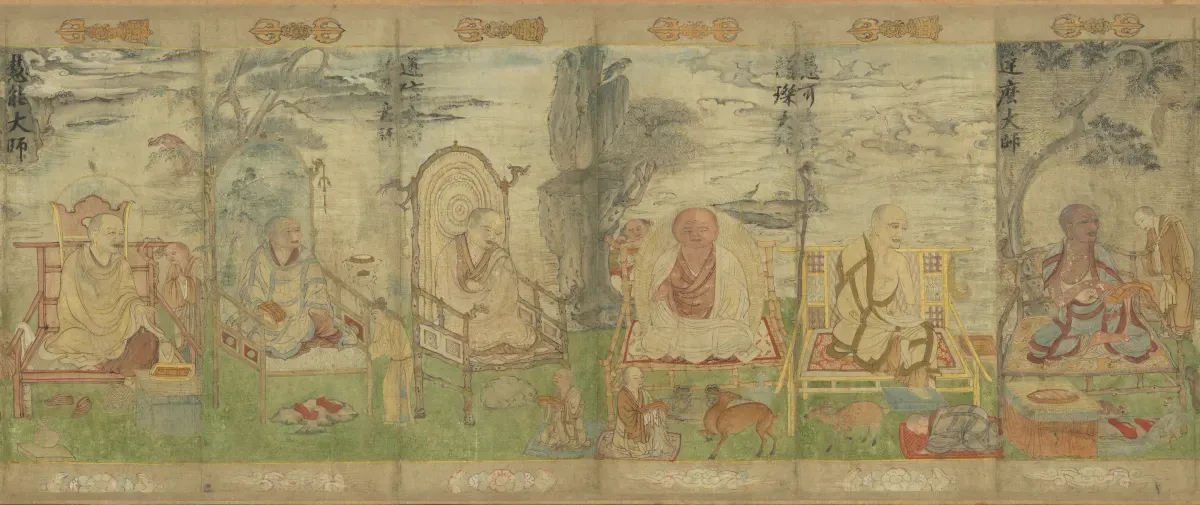
Xinxin Ming (Faith in Mind)
Full text // Read
A sixth-century monk wrote 146 lines of four characters each to say one thing: stop choosing.
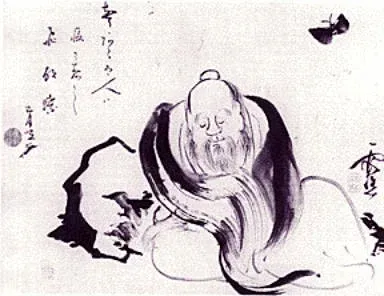
Zhuangzi
Full text // Read
A man dreams he is a butterfly, wakes, and cannot say which of the two is doing the dreaming.
The mystics
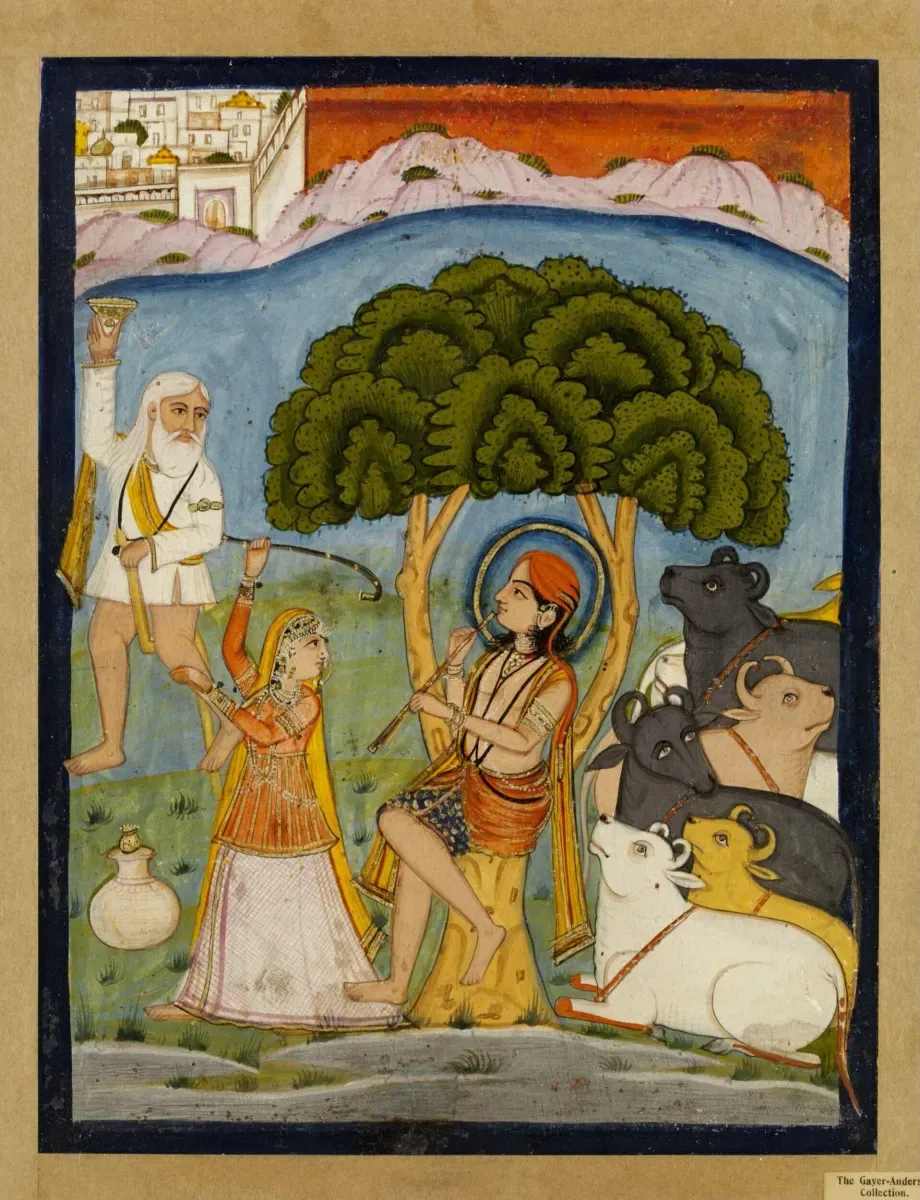
Bulleh Shah: ten kafis
Full text // Read
A Sayyid of Kasur took a gardener for his teacher and sang away every label he had.
Meister Eckhart: Sermons
Full text // Read
A friar tells a church full of nuns to ask to be rid of God, and means it devoutly.
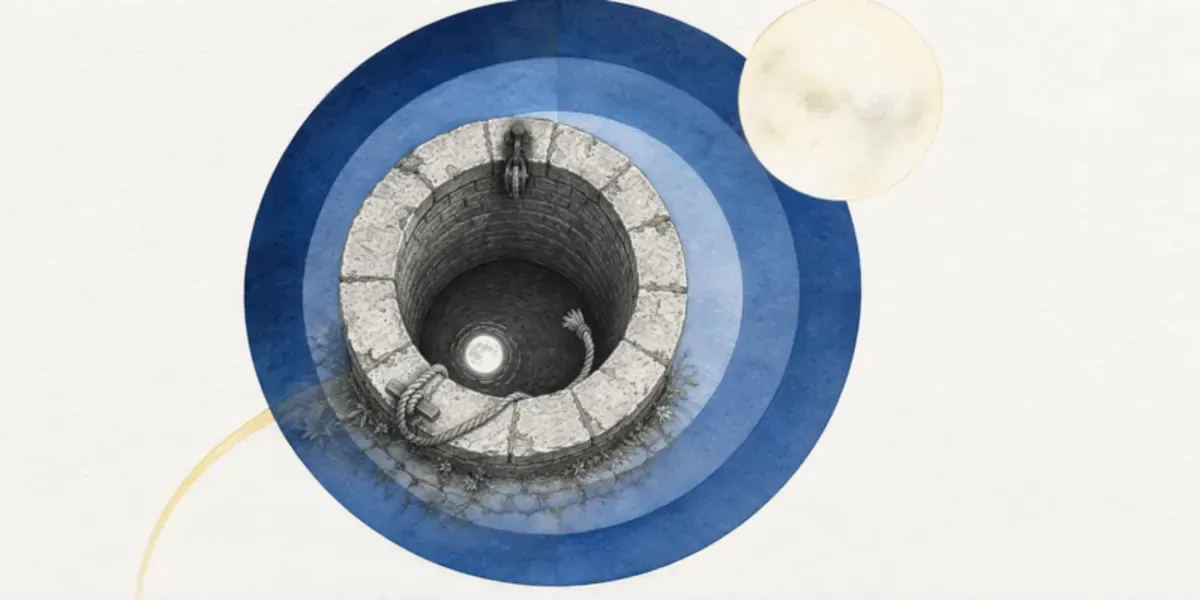
Mulla Nasruddin: twenty tales
Full text // Read
A man believed a cauldron could have a child, so he had to believe it could die.
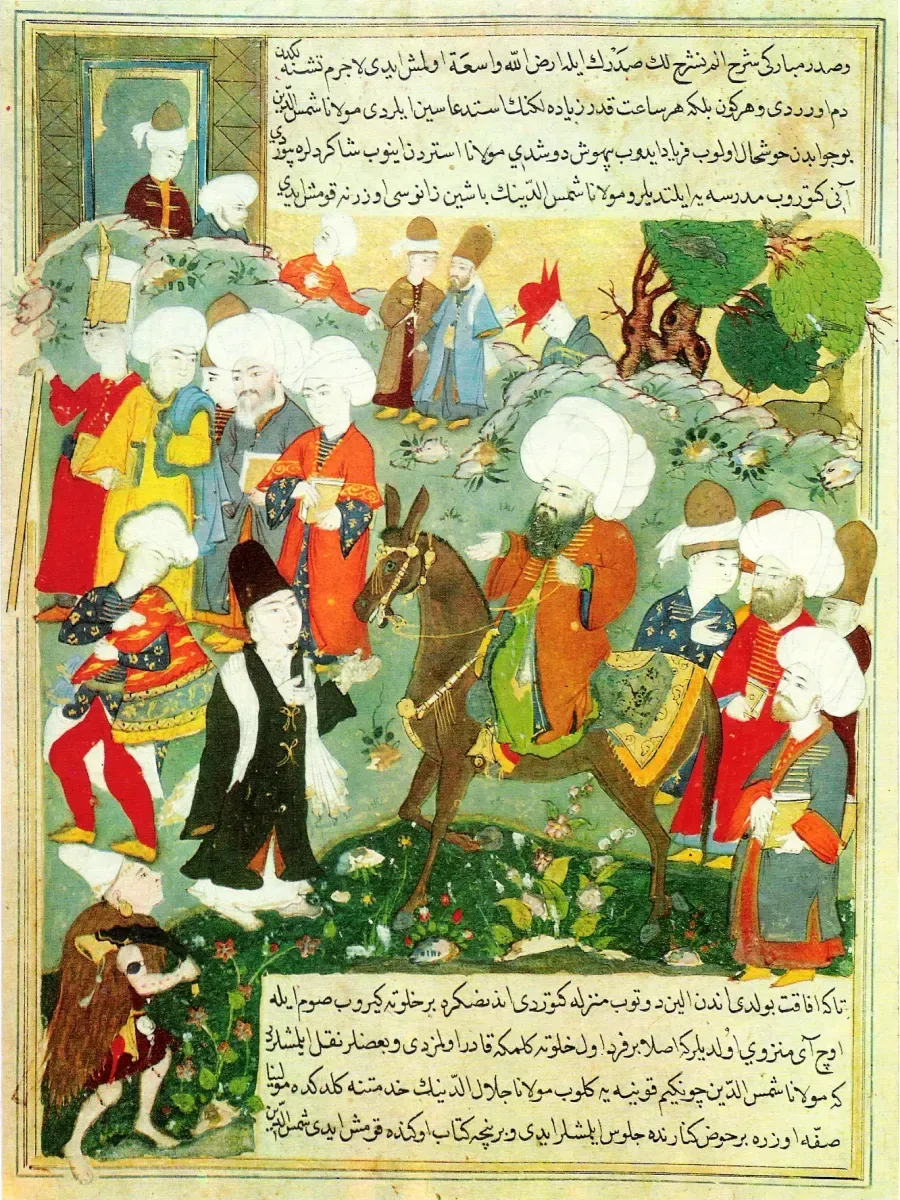
Rumi: twenty selections
Full text // Read
A reed cut from its bed, a mirror cleared of rust, foam on a sea: twenty poems from Konya.
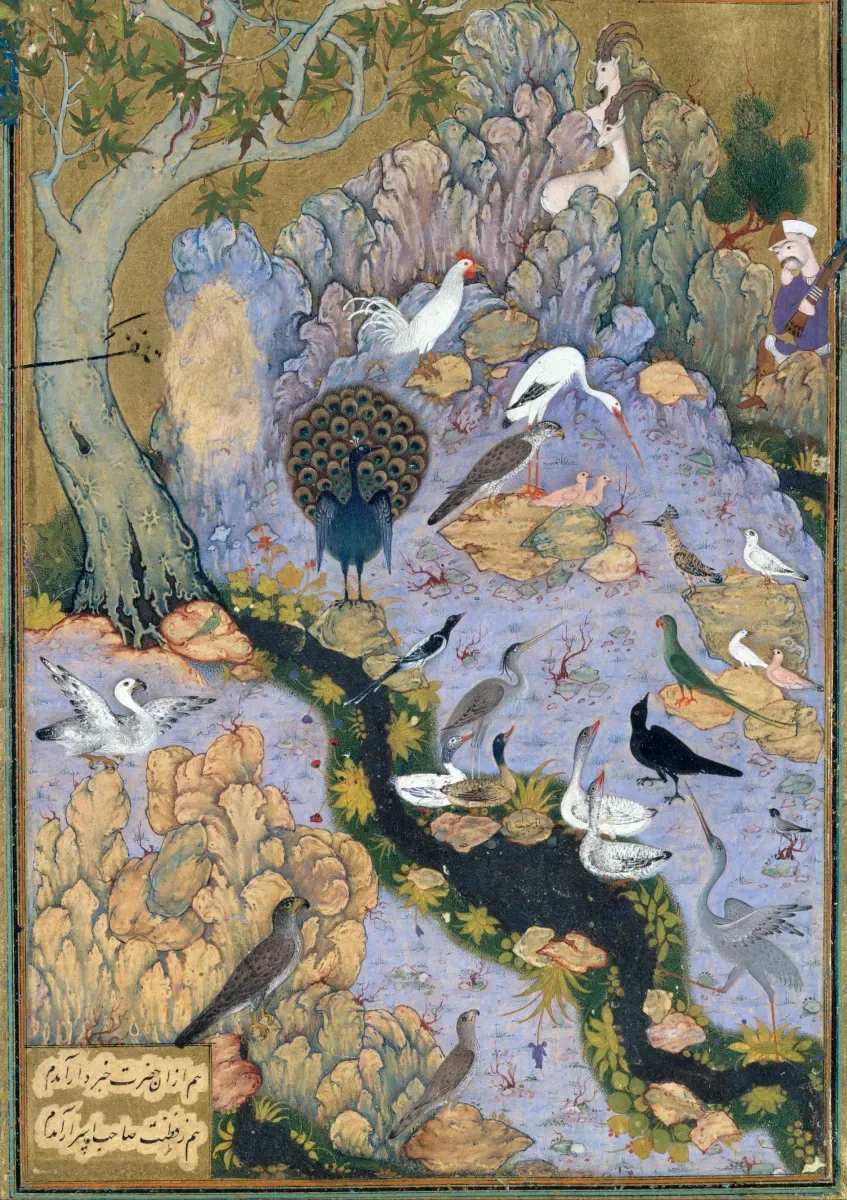
The Conference of the Birds (Attar): twenty passages
Full text // Read
A hundred thousand birds set out to find their king; thirty arrive and find a mirror.
The philosophers
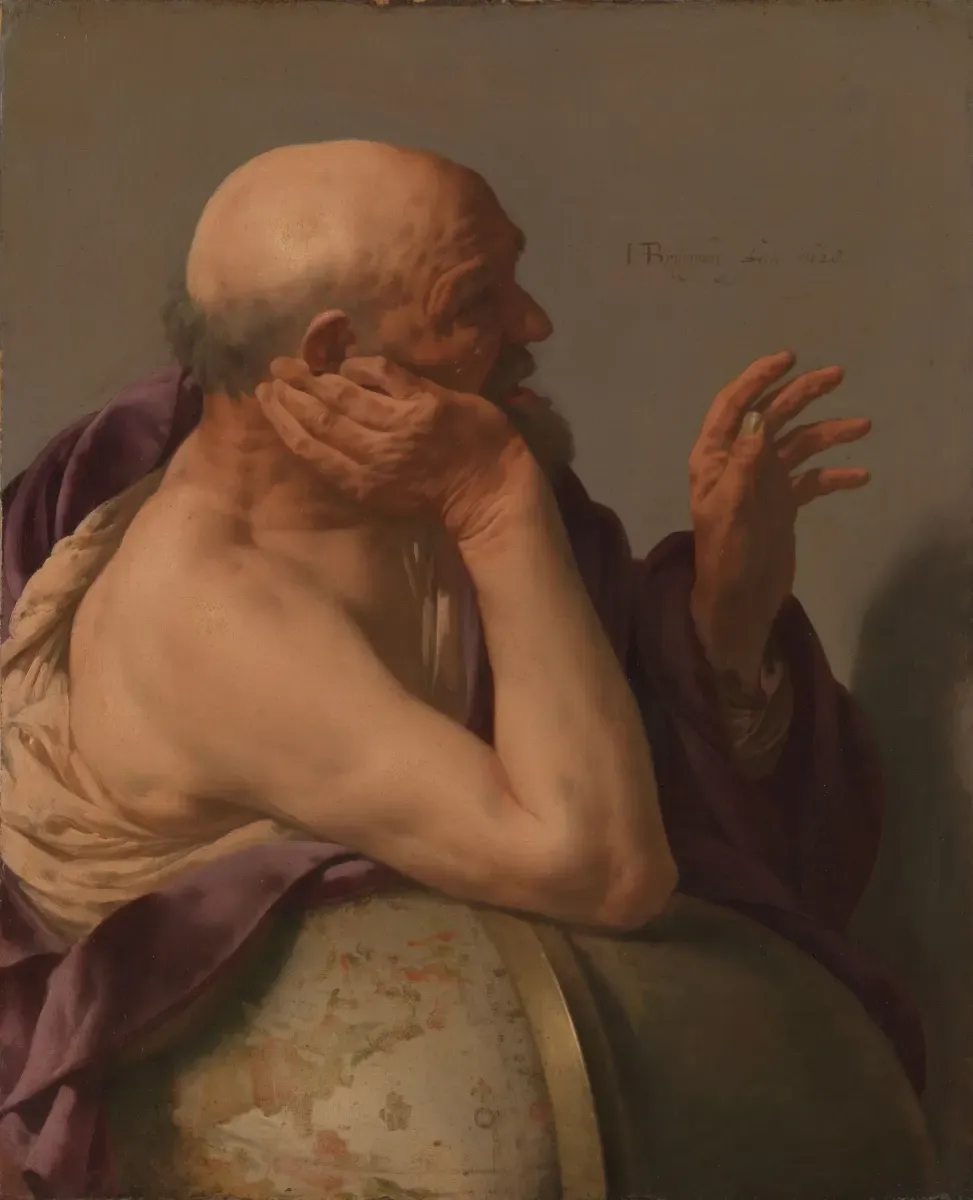
Heraclitus: the fragments
Full text // Read
In Ephesus, about 500 BCE, a man wrote two Greek words: I went looking for myself.
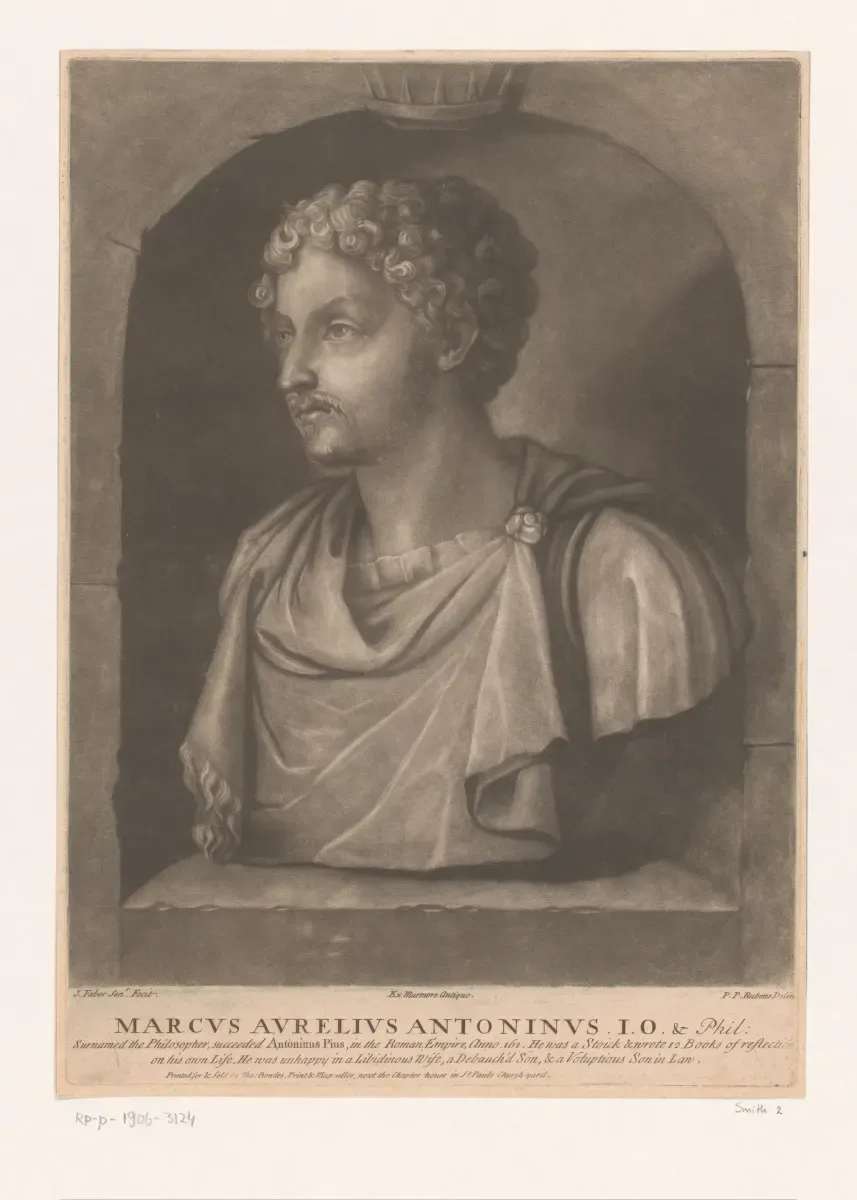
Marcus Aurelius: twenty chapters of the Meditations
Full text // Read
An emperor at war on the Danube wrote to himself at night, in Greek: say to yourself at dawn.
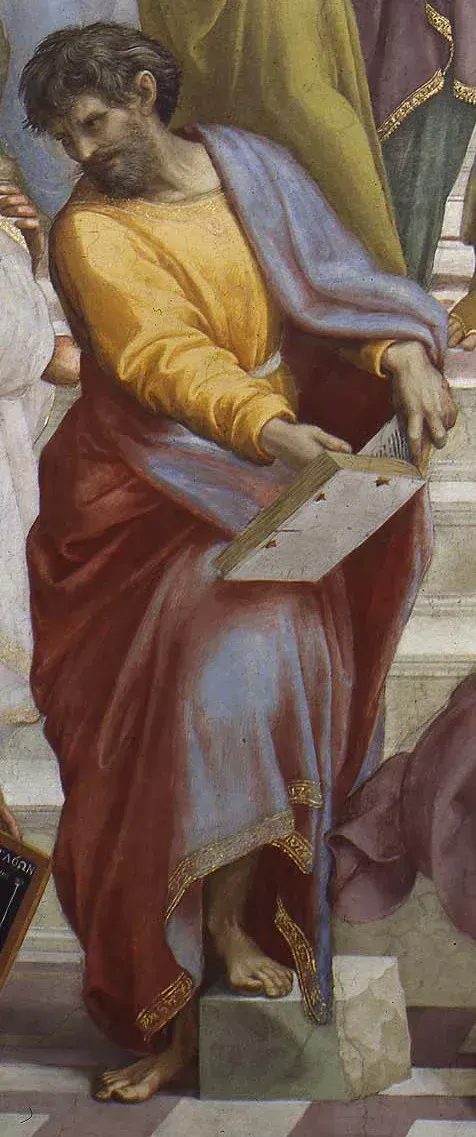
Parmenides: On Nature, the fragments
Full text // Read
A poem from about 480 BCE says what is has no birth, since it is now, all together.
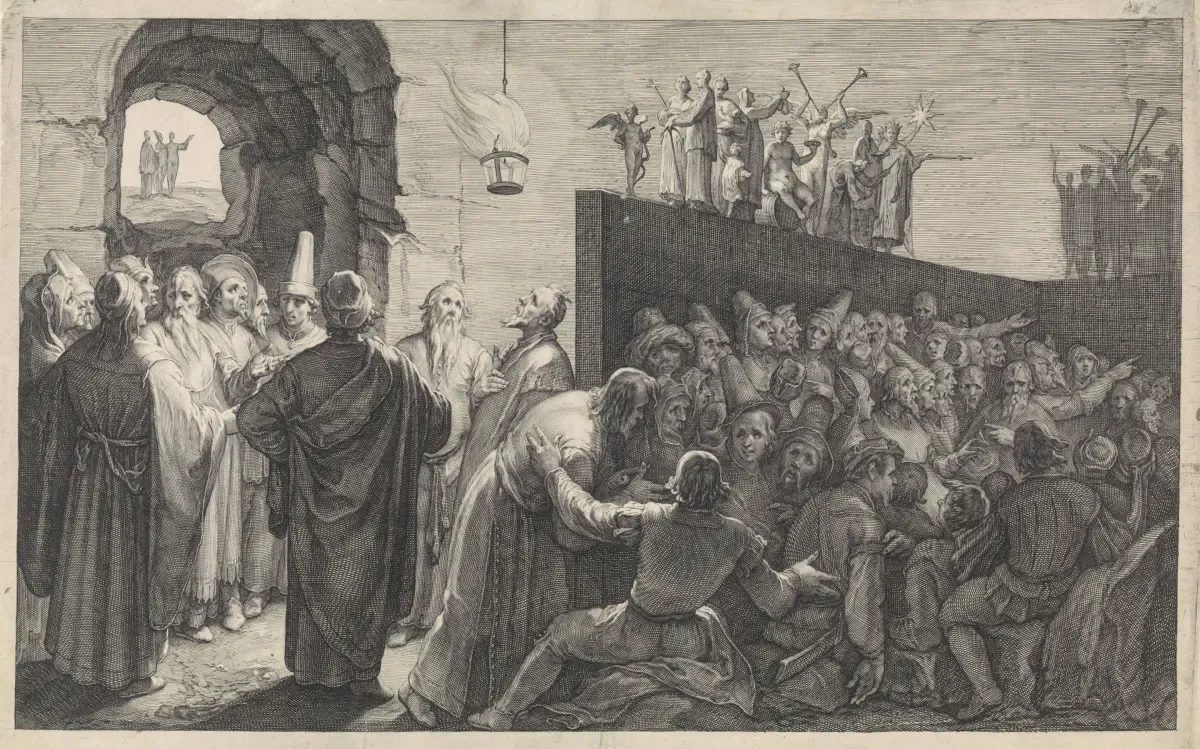
Plato: the allegory of the cave (Republic 514a to 520a)
Full text // Read
People chained since childhood watch shadows on a wall; Socrates says they are like us.
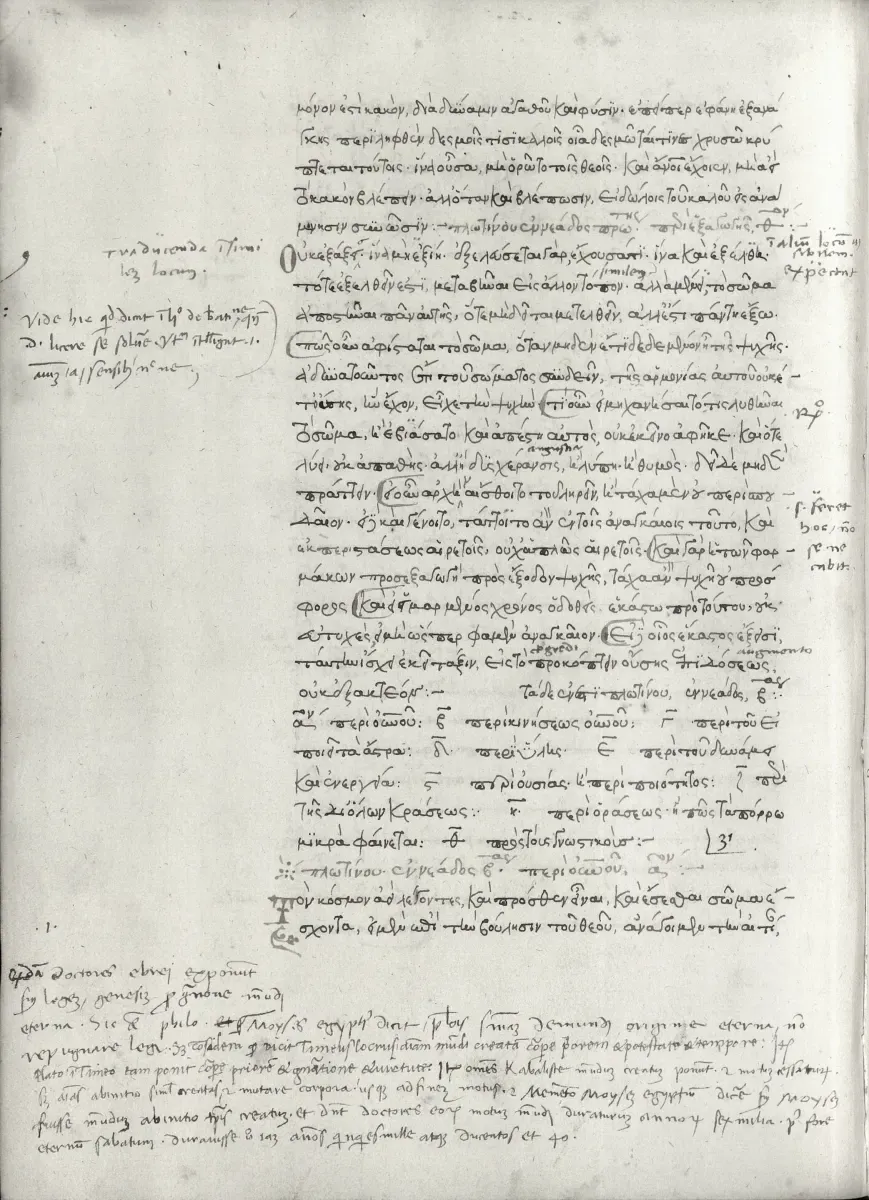
Plotinus: twelve chapters of the Enneads
Full text // Read
Asked how to reach the source of everything, a teacher in Rome said two Greek words: take everything away.
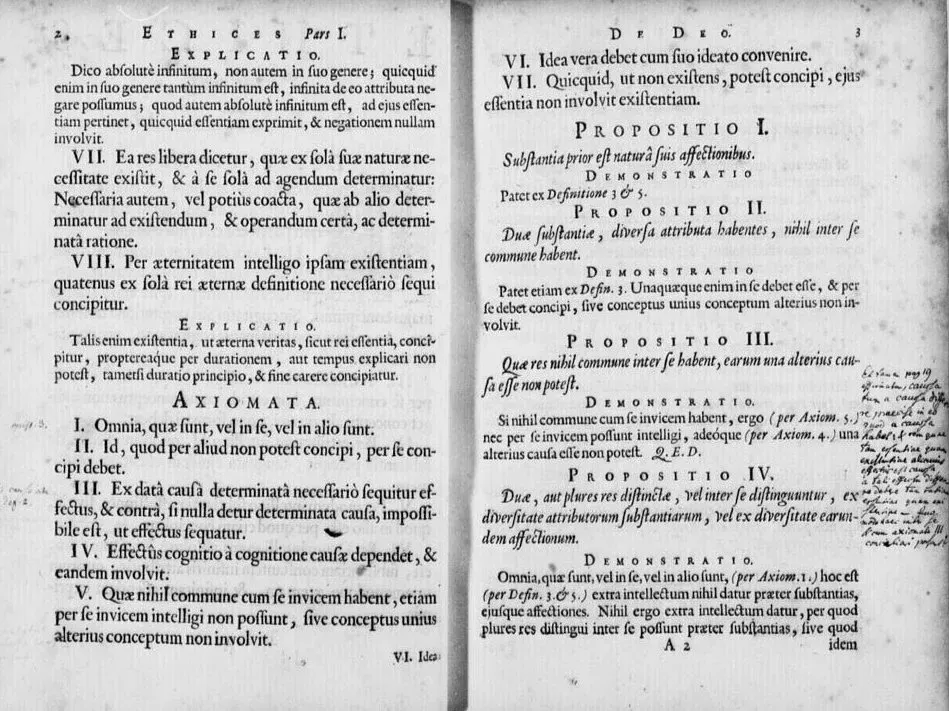
Spinoza: the Ethics, Parts 1 and 5
Full text // Read
A lens grinder proved, step by step like geometry, that the love we give God is God's own.