Varaha Upanishad
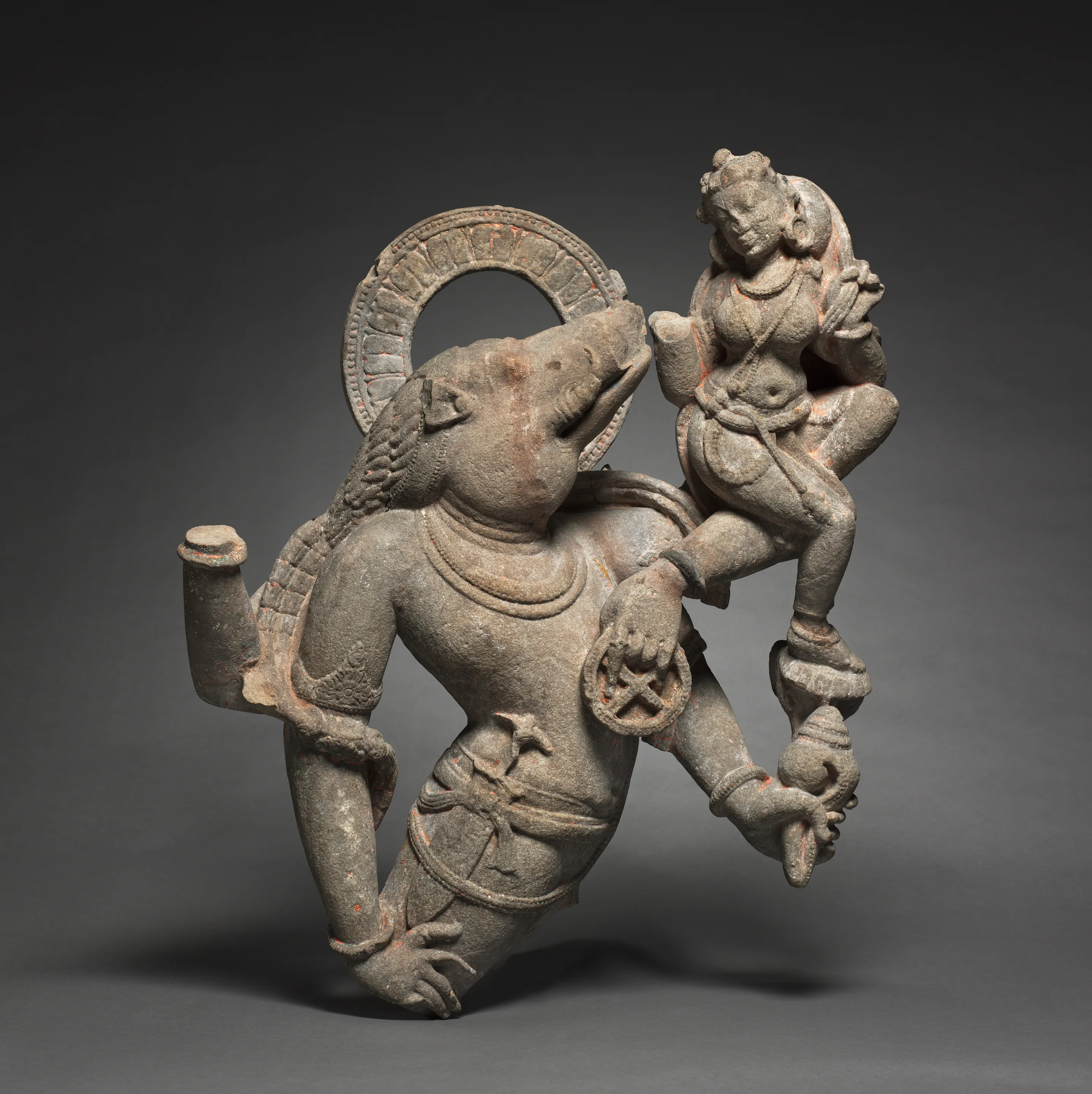
In the words of Pranav Ashar
How we renderThe heart of the Varaha
In brief
Whether one counts twenty-four principles or ninety-six, the Self is none of them: it is the witness, being, awareness and fullness. Knowing 'Brahman is' is knowledge at a distance; knowing 'I am Brahman' is direct. Ribhu then maps the seven stages of knowledge onto the parts of Om, describes the one free while living, and names two ways to freedom, the bird's way of knowledge and the ant's way of yoga. The last chapter gives the ant's way in full, and ends in the natural state where yoga is no longer done.
- Beyond the principles
- Knowledge at a distance and direct
- The seven stages of knowledge
- Free while living
- The bird's way and the ant's way
- Yoga turned into knowledge
Contents
- Opening
- 1.1
- 1.2
- 1.3
- 1.4
- 1.5
- 1.6
- 1.7
- 1.8
- 1.9
- 1.10
- 1.11
- 1.12
- 1.13
- 1.14
- 1.15
- 1.16
- 1.17
- 2.1
- 2.2
- 2.3
- 2.4
- 2.5
- 2.6
- 2.7
- 2.8
- 2.9
- 2.10
- 2.11
- 2.12
- 2.13
- 2.14
- 2.15
- 2.16
- 2.17
- 2.18
- 2.19
- 2.20
- 2.21
- 2.22
- 2.23
- 2.24
- 2.25
- 2.26
- 2.27
- 2.28
- 2.29
- 2.30
- 2.31
- 2.32
- 2.33
- 2.34
- 2.35
- 2.36
- 2.37
- 2.38
- 2.39
- 2.40
- 2.41
- 2.42
- 2.43
- 2.44
- 2.45
- 2.46
- 2.47
- 2.48
- 2.49
- 2.50
- 2.51
- 2.52
- 2.53
- 2.54
- 2.55
- 2.56
- 2.57
- 2.58
- 2.59
- 2.60
- 2.61
- 2.62
- 2.63
- 2.64
- 2.65
- 2.66
- 2.67
- 2.68
- 2.69
- 2.70
- 2.71
- 2.72
- 2.73
- 2.74
- 2.75
- 2.76
- 2.77
- 2.78
- 2.79
- 2.80
- 2.81
- 2.82
- 2.83
- 3.1
- 3.2
- 3.3
- 3.4
- 3.5
- 3.6
- 3.7
- 3.8
- 3.9
- 3.10
- 3.11
- 3.12
- 3.13
- 3.14
- 3.15
- 3.16
- 3.17
- 3.18
- 3.19
- 3.20
- 3.21
- 3.22
- 3.23
- 3.24
- 3.25
- 3.26
- 3.27
- 3.28
- 3.29
- 3.30
- 4 Prose
- 4.1
- 4.2
- 4.3
- 4.4
- 4.5
- 4.6
- 4.7
- 4.8
- 4.9
- 4.10
- 4.11
- 4.12
- 4.13
- 4.14
- 4.15
- 4.16
- 4.17
- 4.18
- 4.19
- 4.20
- 4.21
- 4.22
- 4.23
- 4.24
- 4.25
- 4.26
- 4.27
- 4.28
- 4.29
- 4.30
- 4.31
- 4.32
- 4.33
- 4.34
- 4.35
- 4.36
- 4.37
- 4.38
- 4.39
- 4.40
- 4.41
- 4.42
- 4.43
- 4.44
- 5.1
- 5.2
- 5.3
- 5.4
- 5.5
- 5.6
- 5.7
- 5.8
- 5.9
- 5.10
- 5.11
- 5.12
- 5.13
- 5.14
- 5.15
- 5.16
- 5.17
- 5.18
- 5.19
- 5.20
- 5.21
- 5.22
- 5.23
- 5.24
- 5.25
- 5.26
- 5.27
- 5.28
- 5.29
- 5.30
- 5.31
- 5.32
- 5.33
- 5.34
- 5.35
- 5.36
- 5.37
- 5.38
- 5.39
- 5.40
- 5.41
- 5.42
- 5.43
- 5.44
- 5.45
- 5.46
- 5.47
- 5.48
- 5.49
- 5.50
- 5.51
- 5.52
- 5.53
- 5.54
- 5.55
- 5.56
- 5.57
- 5.58
- 5.59
- 5.60
- 5.61
- 5.62
- 5.63
- 5.64
- 5.65
- 5.66
- 5.67
- 5.68
- 5.69
- 5.70
- 5.71
- 5.72
- 5.73
- 5.74
- 5.75
- Closing
श्रीमद्वाराहोपनिषद्वेद्याखण्डसुखाकृति । त्रिपान्नारायणाख्यं तद्रामचन्द्रपदं भजे ॥
śrīmadvārāhopaniṣadvedyākhaṇḍasukhākṛti | tripānnārāyaṇākhyaṃ tadrāmacandrapadaṃ bhaje ||
What the blessed Varaha Upanishad makes known, undivided happiness itself, called the three-quarters of Narayana: that state, the state of Rama, I worship.
Note //
A dedicatory verse from the commentator's tradition (Upanishad Brahmayogin), placed before the peace invocation; it is not part of the numbered text.
हरिः ॐ ॥ अथ ऋभुर्वै महामुनिर्देवमानेन द्वादशवत्सरं तपश्चचार । तदवसाने वराहरूपी भगवान्प्रादुरभूत् । स होवाचोत्तिष्ठोत्तिष्ठ वरं वृणीश्वेति । सोदतिष्ठत् । तस्मै नमस्कृत्योवाच भगवन्कामिभिर्यद्यत्कामितं तत्तत्त्वत्सकाशात्स्वप्नेऽपि न याचे । समस्तवेदशास्त्रेतिहासपुराणानि समस्तविद्याजालानि ब्रह्मादयः सुराः सर्वे त्वद्रूपज्ञानान्मुक्तिमाहुः । अतस्त्वद्रूपप्रतिपादिकां ब्रह्मविद्यां ब्रूहीति होवाच । तथेति स होवाच वराहरूपी भगवान् । चतुर्विंशतितत्त्वानि केचिदिच्छन्ति वादिनः । केचित्षट्त्रिंशत्तत्त्वानि केचित्षण्णवतीनि च ॥ १॥
hariḥ oṃ || atha ṛbhurvai mahāmunirdevamānena dvādaśavatsaraṃ tapaścacāra | tadavasāne varāharūpī bhagavānprādurabhūt | sa hovācottiṣṭhottiṣṭha varaṃ vṛṇīśveti | sodatiṣṭhat | tasmai namaskṛtyovāca bhagavankāmibhiryadyatkāmitaṃ tattattvatsakāśātsvapne'pi na yāce | samastavedaśāstretihāsapurāṇāni samastavidyājālāni brahmādayaḥ surāḥ sarve tvadrūpajñānānmuktimāhuḥ | atastvadrūpapratipādikāṃ brahmavidyāṃ brūhīti hovāca | tatheti sa hovāca varāharūpī bhagavān | caturviṃśatitattvāni kecidicchanti vādinaḥ | kecitṣaṭtriṃśattattvāni kecitṣaṇṇavatīni ca || 1||
Hari Om. The great sage Ribhu practised austerity for twelve years of the gods. At the end of it the Lord appeared in the form of a boar and said: 'Rise, rise, and choose a gift.' He rose, bowed, and said: 'Lord, what those who want things want, I will not ask of you, even in a dream. All the Vedas, the scriptures, the histories and the old tales, all the branches of knowledge, Brahma and all the gods, say that freedom comes from knowing your nature. So teach me the knowledge of Brahman that shows what you are.' 'So be it,' said the Lord in the form of a boar. 'Some who argue hold that there are twenty-four principles, some thirty-six, some ninety-six.
Note //
Varaha, the boar, is the form in which Vishnu raised the earth from the waters. Throughout, the Lord who speaks as 'I' is the Self: 'me in the form of a boar' is the Self that the form points to.
तेषां क्रमं प्रवक्ष्यामि सावधानमनाः शृणु । ज्ञानेन्द्रियाणि पञ्चैव श्रोत्रत्वग्लोचनादयः ॥ २॥
teṣāṃ kramaṃ pravakṣyāmi sāvadhānamanāḥ śṛṇu | jñānendriyāṇi pañcaiva śrotratvaglocanādayaḥ || 2||
I will tell you them in order; listen with an attentive mind. The senses of knowing are five: ear, skin, eye and the rest.
Note //
कर्मेन्द्रियाणि पञ्चैव वाक्पाण्यङ्घ्र्यादयः क्रमात् । प्राणादतस्तु पञ्चैव पञ्च शब्दादयस्तथा ॥ ३॥
karmendriyāṇi pañcaiva vākpāṇyaṅghryādayaḥ kramāt | prāṇādatastu pañcaiva pañca śabdādayastathā || 3||
The senses of action are five: speech, hands, feet and the rest, in order. The breaths are five, and sound and the other objects five.
Note //
प्राणादतस्तु is obscure as printed; the sense, with Aiyar, is 'the breaths beginning with prana are five'. A reading such as प्राणाद्याश्च would fit. Kept as in the edition; pending review.
मनोबुद्धिरहङ्कारश्चित्तं चेति चतुष्टयम् । चतुर्विंशतितत्त्वानि तानि ब्रह्मविदो विदुः ॥ ४॥
manobuddhirahaṅkāraścittaṃ ceti catuṣṭayam | caturviṃśatitattvāni tāni brahmavido viduḥ || 4||
Mind, intellect, the I-maker and memory: these four. These, those who know Brahman know as the twenty-four principles.
Note //
एतैस्तत्त्वैः समं पञ्चीकृतभूतानि पञ्च च । पृथिव्यापस्तथा तेजो वायुराकाशमेव च ॥ ५॥
etaistattvaiḥ samaṃ pañcīkṛtabhūtāni pañca ca | pṛthivyāpastathā tejo vāyurākāśameva ca || 5||
Together with these, the five compounded elements: earth, water, fire, air and space.
Note //
देहत्रयं स्थूलसूक्ष्मकारणानि विदुर्बुधाः । अवस्थात्रितयं चैव जाग्रत्स्वप्नसुषुप्तयः ॥ ६॥
dehatrayaṃ sthūlasūkṣmakāraṇāni vidurbudhāḥ | avasthātritayaṃ caiva jāgratsvapnasuṣuptayaḥ || 6||
The wise know three bodies, the gross, the subtle and the causal, and three states: waking, dream and deep sleep.
Note //
आहत्य तत्त्वजातानां षट्त्रिंशन्मुनयो विदुः । पूर्वोक्तैस्तत्त्वजातैस्तु समं तत्त्वानि योजयेत् ॥ ७॥
āhatya tattvajātānāṃ ṣaṭtriṃśanmunayo viduḥ | pūrvoktaistattvajātaistu samaṃ tattvāni yojayet || 7||
All together, the sages know thirty-six principles. To the principles already named add these others:
Note //
Twenty-four, plus five elements, three bodies and three states, makes thirty-five; Aiyar adds the individual self (jiva) to make thirty-six.
षड्भावविकृतिश्चास्ति जायते वर्धतेऽपि च । परिणामं क्षयं नाशं षड्भावविकृतिं विदुः ॥ ८॥
ṣaḍbhāvavikṛtiścāsti jāyate vardhate'pi ca | pariṇāmaṃ kṣayaṃ nāśaṃ ṣaḍbhāvavikṛtiṃ viduḥ || 8||
the six changes of being: it is, it is born, it grows, it changes, it declines, it perishes; these are known as the six changes.
Note //
अशना च पिपासा च शोकमोहौ जरा मृतिः । एते षडूर्मयः प्रोक्ताः षट्कोशानथ वच्मि ते ॥ ९॥
aśanā ca pipāsā ca śokamohau jarā mṛtiḥ | ete ṣaḍūrmayaḥ proktāḥ ṣaṭkośānatha vacmi te || 9||
Hunger and thirst, grief and confusion, old age and death: these are called the six waves. Now I tell you the six coverings:
Note //
त्वक्च रक्तं मांसमेदोमज्जास्थीनि निबोधत । कामक्रोधौ लोभमोहौ मदो मात्सर्यमेव च ॥ १०॥
tvakca raktaṃ māṃsamedomajjāsthīni nibodhata | kāmakrodhau lobhamohau mado mātsaryameva ca || 10||
skin and blood, flesh, fat, marrow and bone; know them. Desire and anger, greed and confusion, pride and envy:
Note //
एतेऽरिषड्वा विश्वश्च तैजसः प्राज्ञ एव च । जीवत्रयं सत्त्वरजस्तमांसि च गुणत्रयम् ॥ ११॥
ete'riṣaḍvā viśvaśca taijasaḥ prājña eva ca | jīvatrayaṃ sattvarajastamāṃsi ca guṇatrayam || 11||
these are the six enemies. The waking self, the dreaming self, the sleeping self: the three selves. Clarity, passion and dullness: the three qualities.
Note //
एतेऽरिषड्वा is kept as in the edition; the sense is 'these are the six enemies' (arishadvarga).
प्रारब्धागाम्यर्जितानि कर्मत्रयमितीरितम् । वचनादानगमनविसर्गानन्दपञ्चकम् ॥ १२॥
prārabdhāgāmyarjitāni karmatrayamitīritam | vacanādānagamanavisargānandapañcakam || 12||
Action now bearing fruit, action to come, and action stored: these are the three kinds of action. Speaking, taking, going, letting go and pleasure: the five acts.
Note //
सङ्कल्पोऽध्यवसायश्च अभिमानोऽवधारणा । मुदिता करुणा मैत्री उपेक्षा च चतुष्टयम् ॥ १३॥
saṅkalpo'dhyavasāyaśca abhimāno'vadhāraṇā | muditā karuṇā maitrī upekṣā ca catuṣṭayam || 13||
Intending, deciding, claiming as 'I', holding in mind; gladness, compassion, friendliness and equanimity: four.
Note //
दिग्वातार्कप्रचेतोऽश्विवह्नीन्द्रोपेन्द्रमृत्युकाः । तथा चन्द्रश्चतुर्वक्त्रो रुद्रः क्षेत्रज्ञ ईश्वरः ॥ १४॥
digvātārkapraceto'śvivahnīndropendramṛtyukāḥ | tathā candraścaturvaktro rudraḥ kṣetrajña īśvaraḥ || 14||
The quarters, wind, sun, Varuna, the Ashvins, fire, Indra, Vishnu, death; and the moon, four-faced Brahma, Rudra, the knower of the field, and the Lord.
Note //
The fourteen deities who preside over the senses and the inner faculties, one for each.
आहत्य तत्त्वजातानां षण्णवत्यस्तु कीर्तिताः । पूर्वोक्ततत्त्वजातानां वैलक्षण्यमनामयम् ॥ १५॥
āhatya tattvajātānāṃ ṣaṇṇavatyastu kīrtitāḥ | pūrvoktatattvajātānāṃ vailakṣaṇyamanāmayam || 15||
All together these are named the ninety-six principles. Different from all the principles named, untouched by ill,
Note //
वराहरूपिणं मां ये भजन्ति मयि भक्तितः । विमुक्ताज्ञानतत्कार्या जीवन्मुक्ता भवन्ति ते ॥ १६॥
varāharūpiṇaṃ māṃ ye bhajanti mayi bhaktitaḥ | vimuktājñānatatkāryā jīvanmuktā bhavanti te || 16||
am I, in the form of a boar. Those who worship me with devotion to me are freed from not-knowing and all it produces; they are free while living.
Note //
The counting of principles ends in what is not one of them: the Self, 'different from all the principles named'. Whether there are twenty-four or ninety-six, the list is the not-Self.
ये षण्णवतितत्त्वज्ञा यत्र कुत्राश्रमे रताः । जटी मुण्डी शिखी वापि मुच्यते नात्र संशयः ॥ १७॥ इति॥
ye ṣaṇṇavatitattvajñā yatra kutrāśrame ratāḥ | jaṭī muṇḍī śikhī vāpi mucyate nātra saṃśayaḥ || 17|| iti||
Those who know the ninety-six principles, in whatever stage of life they live, with matted hair, shaven head or a single tuft, are freed. Of this there is no doubt.'
Note //
ऋभुर्नाम महायोगी क्रोडरूपं रमापतिम् । वरिष्ठां ब्रह्मविद्यां त्वमधीहि भगवन्मम । एवं स स्पृष्टो भगवान्प्राह भक्तार्तिभञ्जनः ॥ १॥
ṛbhurnāma mahāyogī kroḍarūpaṃ ramāpatim | variṣṭhāṃ brahmavidyāṃ tvamadhīhi bhagavanmama | evaṃ sa spṛṣṭo bhagavānprāha bhaktārtibhañjanaḥ || 1||
The great yogi named Ribhu said to the Lord of Lakshmi in the form of a boar: 'Lord, teach me the highest knowledge of Brahman.' Asked in this way, the Lord, who breaks the pain of those who love him, said:
Note //
स्ववर्णाश्रमधर्मेण तपसा गुरुतोषणात् । साधनं प्रभवेत्पुंसां वैराग्यादिचतुष्टयम् ॥ २॥
svavarṇāśramadharmeṇa tapasā gurutoṣaṇāt | sādhanaṃ prabhavetpuṃsāṃ vairāgyādicatuṣṭayam || 2||
'By the dharma of one's own place and stage of life, by austerity, by pleasing the teacher, the fourfold means arises in people, beginning with dispassion.
Note //
नित्यानित्यविवेकश्च इहामुत्र विरागता । शमादिषट्कसम्पत्तिर्मुमुक्षा तां समभ्यसेत् ॥ ३॥
nityānityavivekaśca ihāmutra virāgatā | śamādiṣaṭkasampattirmumukṣā tāṃ samabhyaset || 3||
Telling the lasting from the passing; no craving for this world or the next; the six treasures, beginning with calm; and the longing to be free: practise these.
Note //
The fourfold means (sadhana chatushtaya) of Advaita: discrimination, dispassion, the six virtues (calm, restraint, withdrawal, endurance, trust, settledness) and the longing for freedom.
एवं जितेन्द्रियो भूत्वा सर्वत्र ममतामतिम् । विहाय साक्षिचैतन्ये मयि कुर्यादहंमतिम् ॥ ४॥
evaṃ jitendriyo bhūtvā sarvatra mamatāmatim | vihāya sākṣicaitanye mayi kuryādahaṃmatim || 4||
So, master of the senses, let go of the thought 'mine' in everything, and place the thought 'I' in me, the witnessing awareness.
Note //
The practice is a relocation of the I-claim: 'I' is withdrawn from body and mind and placed where it belongs, in the witness.
दुर्लभं प्राप्य मानुष्यं तत्रापि नरविग्रहम् । ब्राह्मण्यं च महाविष्णोर्वेदान्तश्रवणादिना ॥ ५॥
durlabhaṃ prāpya mānuṣyaṃ tatrāpi naravigraham | brāhmaṇyaṃ ca mahāviṣṇorvedāntaśravaṇādinā || 5||
Having gained a human birth, so hard to gain, and in it a man's body, and the life of a Brahmin, if, through hearing the Vedanta and the rest,
Note //
The ranking of births reflects the society of the text. The point is the next verse: having every opportunity, one still has to know.
अतिवर्णाश्रमं रूपं सच्चिदानन्दलक्षणम् । यो न जानाति सोऽविद्वान्कदा मुक्तो भविष्यति ॥ ६॥
ativarṇāśramaṃ rūpaṃ saccidānandalakṣaṇam | yo na jānāti so'vidvānkadā mukto bhaviṣyati || 6||
one does not know the nature of the great Vishnu, beyond every class and stage of life, marked by being, awareness and fullness, that unknowing one: when will he be free?
Note //
अहमेव सुखं नान्यदन्यच्चेन्नैव तत्सुखम् । अमदर्थं न हि प्रेयो मदर्थं न स्वतःप्रियम् ॥ ७॥
ahameva sukhaṃ nānyadanyaccennaiva tatsukham | amadarthaṃ na hi preyo madarthaṃ na svataḥpriyam || 7||
I alone am happiness; nothing else is. If there were something else, it would not be happiness. Nothing is dear except for my sake, and what is dear for my sake is not dear in itself.
Note //
This compresses the Brihadaranyaka (2.4.5): 'not for the husband's sake is the husband dear, but for the Self's sake'. Every love is love of the Self, the one thing loved for its own sake.
परप्रेमास्पदतया मा न भूवमहं सदा । भूयासमिति यो द्रष्टा सोऽहं विष्णुर्मुनीश्वर ॥ ८॥
parapremāspadatayā mā na bhūvamahaṃ sadā | bhūyāsamiti yo draṣṭā so'haṃ viṣṇurmunīśvara || 8||
Being the object of the highest love, the one who sees, always, 'May I never not be, may I be', is I, Vishnu, lord of sages.
Note //
Everyone wishes 'may I never cease to be'. The Self is what that wish is about; Aiyar takes it similarly.
न प्रकाशोऽहमित्युक्तिर्यत्प्रकाशैकबन्धना । स्वप्रकाशं तमात्मानमप्रकाशः कथं स्पृशेत् ॥ ९॥
na prakāśo'hamityuktiryatprakāśaikabandhanā | svaprakāśaṃ tamātmānamaprakāśaḥ kathaṃ spṛśet || 9||
Even the words 'I am not light' depend on the light alone. How could what is not light touch the self-luminous Self?
Note //
To deny awareness one must be aware. Darkness, ignorance, cannot reach the light by which it is itself known.
स्वयं भातं निराधारं ये जानन्ति सुनिश्चितम् । ते हि विज्ञानसम्पन्ना इति मे निश्चिता मतिः ॥ १०॥
svayaṃ bhātaṃ nirādhāraṃ ye jānanti suniścitam | te hi vijñānasampannā iti me niścitā matiḥ || 10||
Those who know for certain what shines by itself and rests on nothing: they are rich in knowledge. This is my settled view.
Note //
स्वपूर्णात्मातिरेकेण जगज्जीवेश्वरादयः । न सन्ति नास्ति माया च तेभ्यश्चाहं विलक्षणः ॥ ११॥
svapūrṇātmātirekeṇa jagajjīveśvarādayaḥ | na santi nāsti māyā ca tebhyaścāhaṃ vilakṣaṇaḥ || 11||
Apart from my own full Self the world, the individual, the Lord and the rest do not exist; nor is there maya; and I am different from them all.
Note //
अज्ञानान्धतमोरूपं कर्मधर्मादिलक्षणम् । स्वयंप्रकाशमात्मानं नैव मां स्प्रष्टुमर्हति ॥ १२॥
ajñānāndhatamorūpaṃ karmadharmādilakṣaṇam | svayaṃprakāśamātmānaṃ naiva māṃ spraṣṭumarhati || 12||
What is blind darkness, not knowing, marked by action, merit and the rest, cannot touch me, the self-luminous Self.
Note //
The edition's स्प्रष्टुमार्हति is corrected to स्प्रष्टुमर्हति.
सर्वसाक्षिणमात्मानं वर्णाश्रमविवर्जितम् । ब्रह्मरूपतया पश्यन्ब्रह्मैव भवति स्वयम् ॥ १३॥
sarvasākṣiṇamātmānaṃ varṇāśramavivarjitam | brahmarūpatayā paśyanbrahmaiva bhavati svayam || 13||
Seeing the Self, , free of class and stage of life, as Brahman, one is Brahman oneself.
Note //
भासमानमिदं सर्वं मानरूपं परं पदम् । पश्यन्वेदान्तमानेन सद्य एव विमुच्यते ॥ १४॥
bhāsamānamidaṃ sarvaṃ mānarūpaṃ paraṃ padam | paśyanvedāntamānena sadya eva vimucyate || 14||
Seeing all this that shines as the highest state, the light of knowing, by the measure of the Vedanta, one is freed at once.
Note //
देहात्मज्ञानवज्ज्ञानं देहात्मज्ञानबाधकम् । आत्मन्येव भवेद्यस्य स नेच्छन्नपि मुच्यते ॥ १५॥
dehātmajñānavajjñānaṃ dehātmajñānabādhakam | ātmanyeva bhavedyasya sa necchannapi mucyate || 15||
For whom the knowledge 'I am the Self' is as firm as the knowledge 'I am the body' once was, and cancels it, he is free even without wanting to be.
Note //
The test of knowledge is its naturalness: as unforced as the old belief 'I am this body'.
सत्यज्ञानानन्दपूर्णलक्षणं तमसः परम् । ब्रह्मानन्दं सदा पश्यन्कथं बध्येत कर्मणा ॥ १६॥
satyajñānānandapūrṇalakṣaṇaṃ tamasaḥ param | brahmānandaṃ sadā paśyankathaṃ badhyeta karmaṇā || 16||
Always seeing the fullness of Brahman, being, knowing, fullness, whole, beyond the darkness: how could action bind him?
Note //
त्रिधामसाक्षिणं सत्यज्ञानानन्दादिलक्षणम् । त्वमहंशब्दलक्ष्यार्थमसक्तं सर्वदोषतः ॥ १७॥
tridhāmasākṣiṇaṃ satyajñānānandādilakṣaṇam | tvamahaṃśabdalakṣyārthamasaktaṃ sarvadoṣataḥ || 17||
The witness of the three states, marked by being, knowing and fullness, what the words 'you' and 'I' point to, untouched by every fault,
Note //
Lakshyartha, 'the meaning pointed to': in Advaita the words 'you' and 'I' have a surface meaning (the person) and an indicated meaning (the pure awareness behind it). The text means the second.
सर्वगं सच्चिदात्मानं ज्ञानचक्षुर्निरीक्षते । अज्ञानचक्षुर्नेक्षेत भास्वन्तं भानुमन्धवत् ॥ १८॥
sarvagaṃ saccidātmānaṃ jñānacakṣurnirīkṣate | ajñānacakṣurnekṣeta bhāsvantaṃ bhānumandhavat || 18||
the all-pervading Self of being and awareness, the eye of knowledge sees. The eye of not-knowing does not see it, as the blind do not see the blazing sun.
Note //
प्रज्ञानमेव तद्ब्रह्म सत्यप्रज्ञानलक्षणम् । एवं ब्रह्मपरिज्ञानादेव मर्त्योऽमृतो भवेत् ॥ १९॥
prajñānameva tadbrahma satyaprajñānalakṣaṇam | evaṃ brahmaparijñānādeva martyo'mṛto bhavet || 19||
That Brahman is pure knowing, marked by being and knowing. By knowing Brahman in this way, and only so, the mortal becomes deathless.
Note //
Echoes the Aitareya (3.3), 'Brahman is knowing' (prajnanam brahma).
तद्ब्रह्मानन्दमद्वन्द्वं निर्गुणं सत्यचिद्घनम् । विदित्वा स्वात्मनो रूपं न बिभेति कुतश्चन ॥ २०॥
tadbrahmānandamadvandvaṃ nirguṇaṃ satyacidghanam | viditvā svātmano rūpaṃ na bibheti kutaścana || 20||
Knowing that Brahman, fullness, beyond the pairs, without qualities, dense with being and awareness, as one's own nature, one fears nothing from anywhere.
Note //
चिन्मात्रं सर्वगं नित्यं सम्पूर्णं सुखमद्वयम् । साक्षाद्ब्रह्मैव नान्योऽस्तीत्येवं ब्रह्मविदां स्थितिः ॥ २१॥
cinmātraṃ sarvagaṃ nityaṃ sampūrṇaṃ sukhamadvayam | sākṣādbrahmaiva nānyo'stītyevaṃ brahmavidāṃ sthitiḥ || 21||
'Pure awareness, all-pervading, lasting, wholly full, happiness, not two: Brahman itself, and nothing else': this is where the knowers of Brahman stand.
Note //
अज्ञस्य दुःखौघमयं ज्ञस्यानन्दमयं जगत् । अन्धं भुवनमन्धस्य प्रकाशं तु सुचक्षुषाम् ॥ २२॥
ajñasya duḥkhaughamayaṃ jñasyānandamayaṃ jagat | andhaṃ bhuvanamandhasya prakāśaṃ tu sucakṣuṣām || 22||
To the one who does not know, the world is a flood of sorrow; to the one who knows, it is made of fullness. To the blind the world is dark; to those with good eyes it is bright.
Note //
The world does not change; the seeing does.
अनन्ते सच्चिदानन्दे मयि वाराहरूपिणी । स्थितेऽद्वितीयभावः स्यात्को बन्धः कश्च मुच्यते ॥ २३॥
anante saccidānande mayi vārāharūpiṇī | sthite'dvitīyabhāvaḥ syātko bandhaḥ kaśca mucyate || 23||
When there is the sense of no-second in me, endless being, awareness and fullness, in the form of the boar, what bondage is there, and who is freed?
Note //
वाराहरूपिणी is read as वाराहरूपिणि (locative, agreeing with मयि). Pending review.
स्वस्वरूपं तु चिन्मात्रं सर्वदा सर्वदेहिनाम् । नैव देहादिसङ्घातो घटवद्दृशिगोचरः ॥ २४॥
svasvarūpaṃ tu cinmātraṃ sarvadā sarvadehinām | naiva dehādisaṅghāto ghaṭavaddṛśigocaraḥ || 24||
The true nature of every embodied being is always pure awareness, not the bundle of body and the rest, which, like a pot, is something seen.
स्वात्मनोऽन्यदिवाभातं चराचरमिदं जगत् । स्वात्ममात्रतया बुद्ध्वा तदस्मीति विभावय ॥ २५॥
svātmano'nyadivābhātaṃ carācaramidaṃ jagat | svātmamātratayā buddhvā tadasmīti vibhāvaya || 25||
This world of moving and unmoving things shines as if other than your Self. Know it as nothing but your Self, and dwell on 'That I am'.
Note //
स्वस्वरूपं स्वयं भुङ्क्ते नास्ति भोज्यं पृथक् स्वतः । अस्ति चेदस्तितारूपं ब्रह्मैवास्तित्वलक्षणम् ॥ २६॥
svasvarūpaṃ svayaṃ bhuṅkte nāsti bhojyaṃ pṛthak svataḥ | asti cedastitārūpaṃ brahmaivāstitvalakṣaṇam || 26||
One enjoys one's own nature oneself; there is nothing to enjoy apart from oneself. If something is, its 'is-ness' is Brahman, whose mark is being.
Note //
Whatever 'is' borrows its 'is' from Brahman: being itself is never a property of things, things are forms in being.
ब्रह्मविज्ञानसम्पन्नः प्रतीतमखिलं जगत् । पश्यन्नपि सदा नैव पश्यति स्वात्मनः पृथक् ॥ २७॥
brahmavijñānasampannaḥ pratītamakhilaṃ jagat | paśyannapi sadā naiva paśyati svātmanaḥ pṛthak || 27||
One rich in the knowledge of Brahman, though he sees the whole world as it appears, never sees it apart from his own Self.
Note //
The knower still sees the world. What ends is not the appearance but its seeming separateness.
मत्स्वरूपपरिज्ञानात्कर्मभिर्न स बध्यते ॥ २८॥
matsvarūpaparijñānātkarmabhirna sa badhyate || 28||
By knowing my nature fully he is not bound by actions.
Note //
A half-verse in the edition.
यः शरीरेन्द्रियादिभ्यो विहीनं सर्वसाक्षिणम् । परमार्थैकविज्ञानं सुखात्मानं स्वयंप्रभम् ॥ २९॥
yaḥ śarīrendriyādibhyo vihīnaṃ sarvasākṣiṇam | paramārthaikavijñānaṃ sukhātmānaṃ svayaṃprabham || 29||
Whoever, by his own experience, knows as his own nature everything, and knows the , free of body and senses, the one true knowing, happiness itself, self-shining,
Note //
स्वस्वरूपतया सर्वं वेद स्वानुभवेन यः । स धीरः स तु विज्ञेयः सोऽहं तत्त्वं ऋभो भव ॥ ३०॥
svasvarūpatayā sarvaṃ veda svānubhavena yaḥ | sa dhīraḥ sa tu vijñeyaḥ so'haṃ tattvaṃ ṛbho bhava || 30||
he is steady; he is to be known as I myself. Ribhu, be that.
Note //
अतः प्रपञ्चानुभवः सदा न हि स्वरूपबोधानुभवः सदा खलु । इति प्रपश्यन्परिपूर्णवेदनो न बन्धमुक्तो न च बद्ध एव तु ॥ ३१॥
ataḥ prapañcānubhavaḥ sadā na hi svarūpabodhānubhavaḥ sadā khalu | iti prapaśyanparipūrṇavedano na bandhamukto na ca baddha eva tu || 31||
So the experience of the world is not always, but the experience of knowing one's nature is always. Seeing this, full in knowing, one is neither freed from bondage nor bound.
Note //
Experiences of the world come and go; the knowing of one's nature is present in all of them. Seen from there, bondage and release are both descriptions of what never happened to the Self.
स्वस्वरूपानुसन्धानान्नृत्यन्तं सर्वसाक्षिणम् । मुहूर्तं चिन्तयेन्मां यः सर्वबन्धैः प्रमुच्यते ॥ ३२॥
svasvarūpānusandhānānnṛtyantaṃ sarvasākṣiṇam | muhūrtaṃ cintayenmāṃ yaḥ sarvabandhaiḥ pramucyate || 32||
Whoever, attending to his own nature, thinks of me even for a moment, the , dancing, is freed from every bond.
Note //
'Dancing': the witness seems to move with everything it lights up, as a light seems to dance with the dancers.
सर्वभूतान्तरस्थाय नित्यमुक्तचिदात्मने । प्रत्यक्चैतन्यरूपाय मह्यमेव नमोनमः ॥ ३३॥
sarvabhūtāntarasthāya nityamuktacidātmane | pratyakcaitanyarūpāya mahyameva namonamaḥ || 33||
To the one within all beings, the Self of awareness, always free, the inmost awareness: to myself, again and again, I bow.
Note //
त्वं वा अहमस्मि भगवो देवतेऽहं वै त्वमसि । तुभ्यं मह्यमनन्ताय मह्यं तुभ्यं चिदात्मने ॥ ३४॥
tvaṃ vā ahamasmi bhagavo devate'haṃ vai tvamasi | tubhyaṃ mahyamanantāya mahyaṃ tubhyaṃ cidātmane || 34||
You, Lord, O god, am I; I am you. To you, to me, the endless; to me, to you, the Self of awareness:
Note //
The edition's त्वं वहमस्मि is corrected to the familiar त्वं वा अहमस्मि ('I am you indeed'), as in the Jabaladarshana and elsewhere.
नमो मह्यं परेशाय नमस्तुभ्यं शिवाय च । किं करोमि क्व गच्छामि किं गृह्णामि त्यजामि किम् ॥ ३५॥
namo mahyaṃ pareśāya namastubhyaṃ śivāya ca | kiṃ karomi kva gacchāmi kiṃ gṛhṇāmi tyajāmi kim || 35||
I bow to me, the highest Lord; I bow to you, Shiva. What shall I do? Where shall I go? What shall I take, what shall I leave?
Note //
यन्मया पूरितं विश्वं महाकल्पांबुना यथा । अन्तःसङ्गं बहिःसङ्गमात्मसङ्गं च यस्त्यजेत् । सर्वसङ्गनिवृत्तात्मा स मामेति न संशयः ॥ ३६॥
yanmayā pūritaṃ viśvaṃ mahākalpāṃbunā yathā | antaḥsaṅgaṃ bahiḥsaṅgamātmasaṅgaṃ ca yastyajet | sarvasaṅganivṛttātmā sa māmeti na saṃśayaḥ || 36||
For the universe is filled by me as by the waters at the end of an age. Whoever lets go of clinging within, clinging without, and clinging to the body, free of all clinging, comes to me. Of this there is no doubt.
Note //
अहिरिव जनयोगं सर्वदा वर्जयेद्यः कुणपमिव सुनारीं त्यक्तुकामो विरागी । विषमिव विषयादीन्मन्यमानो दुरन्ताञ्जगति परमहंसो वासुदेवोऽहमेव ॥ ३७॥
ahiriva janayogaṃ sarvadā varjayedyaḥ kuṇapamiva sunārīṃ tyaktukāmo virāgī | viṣamiva viṣayādīnmanyamāno durantāñjagati paramahaṃso vāsudevo'hameva || 37||
Whoever always avoids crowds as he would a snake, leaves a beautiful woman as he would a corpse, and, without passion, thinks of the objects of the senses as poison, endless in harm, that renunciant of the highest kind in this world is Vasudeva: I myself.
Note //
The images belong to the ascetic tradition of the text and address a renunciant; they describe dispassion, not contempt.
इदं सत्यमिदं सत्यं सत्यमेतदिहोच्यते । अहं सत्यं परं ब्रह्म मत्तः किञ्चिन्न विद्यते ॥ ३८॥
idaṃ satyamidaṃ satyaṃ satyametadihocyate | ahaṃ satyaṃ paraṃ brahma mattaḥ kiñcinna vidyate || 38||
This is true, this is true; what is said here is true: I am the true, the highest Brahman. Apart from me nothing is.
Note //
उप समीपे यो वासो जीवात्मपरमात्मनोः । उपवासः स विज्ञेयो न तु कायस्य शोषणम् ॥ ३९॥
upa samīpe yo vāso jīvātmaparamātmanoḥ | upavāsaḥ sa vijñeyo na tu kāyasya śoṣaṇam || 39||
'Upa' is 'near': the dwelling near (vasa) of the individual self and the highest Self: that is to be known as fasting (upavasa), not the drying up of the body.
Note //
A play on the word upavasa, 'fasting', literally 'dwelling near'. The real fast is abiding in the Self.
कायशोषणमात्रेण का तत्र ह्यविवेकिनाम् । वल्मीकताडनादेव मृतः किं नु महोरगः ॥ ४०॥
kāyaśoṣaṇamātreṇa kā tatra hyavivekinām | valmīkatāḍanādeva mṛtaḥ kiṃ nu mahoragaḥ || 40||
What does the mere drying of the body do for those without discernment? Does the great snake die from beating its anthill?
Note //
अस्ति ब्रह्मेति चेद्वेद परोक्षज्ञानमेव तत् । अहं ब्रह्मेति चेद्वेद साक्षात्कारः स उच्यते ॥ ४१॥
asti brahmeti cedveda parokṣajñānameva tat | ahaṃ brahmeti cedveda sākṣātkāraḥ sa ucyate || 41||
If one knows 'Brahman is', that is . If one knows 'I am Brahman', that is called direct knowing.
Note //
Paroksha (indirect) and aparoksha (direct) knowledge: the difference is not in Brahman but in where it is placed, out there or as oneself.
यस्मिन्काले स्वमात्मानं योगी जानाति केवलम् । तस्मात्कालात्समारभ्य जीवन्मुक्तो भवेदसौ ॥ ४२॥
yasminkāle svamātmānaṃ yogī jānāti kevalam | tasmātkālātsamārabhya jīvanmukto bhavedasau || 42||
From the moment the yogi knows his own Self as alone, from that moment on he is free while living.
Note //
The edition's भयेदसौ is corrected to भवेदसौ.
अहं ब्रह्मेति नियतं मोक्षहेतुर्महात्मनाम् । द्वे पदे बन्धमोक्षाय निर्ममेति ममेति च ॥ ४३॥
ahaṃ brahmeti niyataṃ mokṣaheturmahātmanām | dve pade bandhamokṣāya nirmameti mameti ca || 43||
For great souls, 'I am Brahman', held steadily, is the cause of freedom. Two words make bondage and freedom: 'not mine' and 'mine'.
Note //
ममेति बध्यते जन्तुर्निर्ममेति विमुच्यते । बाह्यचिन्ता न कर्तव्या तथैवान्तरचिन्तिका । सर्वचिन्तां समुत्सृज्य स्वस्थो भव सदा ऋभो ॥ ४४॥
mameti badhyate janturnirmameti vimucyate | bāhyacintā na kartavyā tathaivāntaracintikā | sarvacintāṃ samutsṛjya svastho bhava sadā ṛbho || 44||
With 'mine' a creature is bound; with 'not mine' it is freed. Do not brood on what is outside, nor on what is inside. Let go of all brooding, Ribhu, and rest always in yourself.
Note //
सङ्कल्पमात्रकलनेन जगत्समग्रं सङ्कल्पमात्रकलने हि जगद्विलासः । सङ्कल्पमात्रमिदमुत्सृज निर्विकल्पमाश्रित्य मामकपदं हृदि भावयस्व ॥ ४५॥
saṅkalpamātrakalanena jagatsamagraṃ saṅkalpamātrakalane hi jagadvilāsaḥ | saṅkalpamātramidamutsṛja nirvikalpamāśritya māmakapadaṃ hṛdi bhāvayasva || 45||
The whole world is made by imagining alone; in imagining alone the world plays. Let go of this, which is only imagining; resting in what is free of imagining, dwell on my state in your heart.
Note //
Sankalpa, 'imagining' or 'intending': the mind's forming. This is the Yoga Vasishtha's view, which the Varaha follows closely.
मच्चिन्तनं मत्कथनमन्योन्यं मत्प्रभाषणम् । मदेकपरमो भूत्वा कालं नय महामते ॥ ४६॥
maccintanaṃ matkathanamanyonyaṃ matprabhāṣaṇam | madekaparamo bhūtvā kālaṃ naya mahāmate || 46||
Thinking of me, telling of me, speaking of me with one another, with me alone as your highest, spend your time, great-minded one.
Note //
चिदिहास्तीति चिन्मात्रमिदं चिन्मयमेव च । चित्त्वं चिदहमेते च लोकाश्चिदिति भावय ॥ ४७॥
cidihāstīti cinmātramidaṃ cinmayameva ca | cittvaṃ cidahamete ca lokāściditi bhāvaya || 47||
'Awareness is here; this is only awareness; it is made of awareness. You are awareness, I am awareness, these worlds are awareness': dwell on this.
Note //
रागं नीरागतां नीत्वा निर्लेपो भव सर्वदा । अज्ञानजन्यकर्त्रादिकारकोत्पन्नकर्मणा ॥ ४८॥
rāgaṃ nīrāgatāṃ nītvā nirlepo bhava sarvadā | ajñānajanyakartrādikārakotpannakarmaṇā || 48||
Bring passion to passionlessness and be untouched, always. By action born of the factors of action, doer and the rest, which come from not-knowing,
Note //
श्रुत्युत्पन्नात्मविज्ञानप्रदीपो बाध्यते कथम् । अनात्मनां परित्यज्य निर्विकारो जगत्स्थितौ ॥ ४९॥
śrutyutpannātmavijñānapradīpo bādhyate katham | anātmanāṃ parityajya nirvikāro jagatsthitau || 49||
how could the lamp of Self-knowledge, lit by scripture, be put out? Letting go of what is not the Self, unchanged while the world goes on,
Note //
एकनिष्ठतयान्तस्थसंविन्मात्रपरो भव । घटाकाशमठाकाशौ महाकाशे प्रतिष्ठितौ ॥ ५०॥
ekaniṣṭhatayāntasthasaṃvinmātraparo bhava | ghaṭākāśamaṭhākāśau mahākāśe pratiṣṭhitau || 50||
with single devotion be given to the pure awareness within. The space in a pot and the space in a house rest in the great space;
Note //
एवं मयि चिदाकाशे जीवेशौ परिकल्पितौ । या च प्रागात्मनो माया तथान्ते च तिरस्कृता ॥ ५१॥
evaṃ mayi cidākāśe jīveśau parikalpitau | yā ca prāgātmano māyā tathānte ca tiraskṛtā || 51||
so the individual and the Lord are imagined in me, the space of awareness. What was not there before the Self appeared as them, and is set aside at the end,
Note //
ब्रह्मवादिभिरुद्गीता सा मायेति विवेकतः । मायातत्कार्यविलये नेश्वरत्वं न जीवता ॥ ५२॥
brahmavādibhirudgītā sā māyeti vivekataḥ | māyātatkāryavilaye neśvaratvaṃ na jīvatā || 52||
is what those who speak of Brahman, by discernment, call maya. When maya and what it makes dissolve, there is no lordship and no individuality.
Note //
ततः शुद्धश्चिदेवाहं व्योमवन्निरुपाधिकः । जीवेश्वरादिरूपेण चेतनाचेतनात्मकम् ॥ ५३॥
tataḥ śuddhaścidevāhaṃ vyomavannirupādhikaḥ | jīveśvarādirūpeṇa cetanācetanātmakam || 53||
So I am pure awareness alone, like space, without any limiting frame. In the forms of individual, Lord and the rest, sentient and insentient,
Note //
ईक्षणादिप्रवेशान्ता सृष्टिरीशेन कल्पिता । जाग्रदादिविमोक्षान्तः संसारो जीवकल्पितः ॥ ५४॥
īkṣaṇādipraveśāntā sṛṣṭirīśena kalpitā | jāgradādivimokṣāntaḥ saṃsāro jīvakalpitaḥ || 54||
creation, from 'He saw' to 'He entered', is imagined by the Lord; the round of becoming, from waking to release, is imagined by the individual.
Note //
'From seeing to entering': the creation story of the Chandogya (6.2-3), where Being 'saw' and then 'entered' its creations. The distinction of creation by the Lord and experience made by the individual is from the Panchadashi (4.1-2) and Vidyaranya's tradition.
त्रिणाचिकादियोगान्ता ईश्वरभ्रान्तिमाश्रिताः । लोकायतादिसाङ्ख्यान्ता जीवविश्रान्तिमाश्रिताः ॥ ५५॥
triṇācikādiyogāntā īśvarabhrāntimāśritāḥ | lokāyatādisāṅkhyāntā jīvaviśrāntimāśritāḥ || 55||
Everything from the Nachiketa fire to yoga rests on a mistake about the Lord; everything from the materialists to Sankhya rests on the individual as its resting place.
Note //
The religious paths take the Lord as other; the philosophical schools take the individual as final. Both stop short of Brahman. Aiyar translates both as dependent on the Lord's and the individual's imagining.
तस्मान्मुमुक्षिभिर्नैव मतिर्जीवेशवादयोः । कार्या किन्तु ब्रह्मतत्त्वं निश्चलेन विचार्यताम् ॥ ५६॥
tasmānmumukṣibhirnaiva matirjīveśavādayoḥ | kāryā kintu brahmatattvaṃ niścalena vicāryatām || 56||
So those who seek freedom should not set their minds on arguments about the individual and the Lord, but inquire, unwavering, into Brahman.
Note //
अद्वितीयब्रह्मतत्त्वं न जानन्ति यथा तथा । भ्रान्ता एवाखिलास्तेषां क्व मुक्तिः क्वेह वा सुखम् ॥ ५७॥
advitīyabrahmatattvaṃ na jānanti yathā tathā | bhrāntā evākhilāsteṣāṃ kva muktiḥ kveha vā sukham || 57||
Those who do not know Brahman, the one without a second, as it is, are all mistaken. Where is freedom for them, or happiness here?
Note //
उत्तमाधमभावश्चेत्तेषां स्यादस्ति तेन किम् । स्वप्नस्थराज्यभिक्षाभ्यां प्रबुद्धः स्पृशते खलु ॥ ५८॥
uttamādhamabhāvaścetteṣāṃ syādasti tena kim | svapnastharājyabhikṣābhyāṃ prabuddhaḥ spṛśate khalu || 58||
If they rank one higher and one lower, what of it? Is one who has woken touched by the kingdom or the begging of a dream?
Note //
The edition's स्पृशते is read as a question ('is he touched?'), as Aiyar does.
अज्ञाने बुद्धिविलये निद्रा सा भण्यते बुधैः । विलीनाज्ञानतत्कार्ये मयि निद्रा कथं भवेत् ॥ ५९॥
ajñāne buddhivilaye nidrā sā bhaṇyate budhaiḥ | vilīnājñānatatkārye mayi nidrā kathaṃ bhavet || 59||
When the intellect dissolves into not-knowing, the wise call that sleep. In me, in whom not-knowing and its effects have dissolved, how could there be sleep?
Note //
बुद्धेः पूर्णविकासोऽयं जागरः परिकीर्त्यते । विकारादिविहीनत्वाज्जागरो मे न विद्यते ॥ ६०॥
buddheḥ pūrṇavikāso'yaṃ jāgaraḥ parikīrtyate | vikārādivihīnatvājjāgaro me na vidyate || 60||
The full opening of the intellect is called waking. Being free of change, I have no waking.
Note //
सूक्ष्मनाडिषु सञ्चारो बुद्धेः स्वप्नः प्रजायते । सञ्चारधर्मरहिते मयि स्वप्नो न विद्यते ॥ ६१॥
sūkṣmanāḍiṣu sañcāro buddheḥ svapnaḥ prajāyate | sañcāradharmarahite mayi svapno na vidyate || 61||
When the intellect moves in the subtle channels, dream arises. In me, who do not move, there is no dream.
Note //
सुषुप्तिकाले सकले विलीने तमसावृते । स्वरूपं महदानन्दं भुङ्क्ते विश्वविवर्जितः ॥ ६२॥
suṣuptikāle sakale vilīne tamasāvṛte | svarūpaṃ mahadānandaṃ bhuṅkte viśvavivarjitaḥ || 62||
In deep sleep, when everything has dissolved, covered by darkness, free of the world, one tastes one's own nature, great fullness.
Note //
अविशेषेण सर्वं तु यः पश्यति चिदन्वयात् । स एव साक्षाद्विज्ञानी स शिवः स हरिर्विधिः ॥ ६३॥
aviśeṣeṇa sarvaṃ tu yaḥ paśyati cidanvayāt | sa eva sākṣādvijñānī sa śivaḥ sa harirvidhiḥ || 63||
Whoever sees everything without distinction, because awareness runs through it all, he is truly a knower: he is Shiva, he is Hari, he is Brahma.
Note //
दीर्घस्वप्नमिदं यत्तद्दीर्घं वा चित्तविभ्रमम् । दीर्घं वापि मनोराज्यं संसारं दुःखसागरम् । सुप्तेरुत्थाय सुप्त्यन्तं ब्रह्मैकं प्रविचिन्त्यताम् ॥ ६४॥
dīrghasvapnamidaṃ yattaddīrghaṃ vā cittavibhramam | dīrghaṃ vāpi manorājyaṃ saṃsāraṃ duḥkhasāgaram | supterutthāya suptyantaṃ brahmaikaṃ pravicintyatām || 64||
This round of becoming, this sea of sorrow, is a long dream, or a long wandering of the mind, or a long kingdom of the mind's making. From rising from sleep until sleep, think of Brahman alone.
Note //
आरोपितस्य जगतः प्रविलापनेन चित्तं मदात्मकतया परिकल्पितं नः । शत्रून्निहत्य गुरुषट्कगणान्निपाताद्गन्धद्विपो भवति केवलमद्वितीयः ॥ ६५॥
āropitasya jagataḥ pravilāpanena cittaṃ madātmakatayā parikalpitaṃ naḥ | śatrūnnihatya guruṣaṭkagaṇānnipātādgandhadvipo bhavati kevalamadvitīyaḥ || 65||
By dissolving the world that is superimposed, the mind is shaped as my own nature. Having struck down the six heavy enemies, one becomes, like the great tusker when the rival herd has fallen, alone, without a second.
Note //
The six enemies are desire, anger, greed, confusion, pride and envy (1.10-11). The image of the scent-elephant (gandhadvipa), before whose scent other elephants flee, is Aiyar's reading. Pending review.
अद्यास्तमेतु वपुराशशितारमास्तां कस्तावतापि मम चिद्वपुषो विशेषः । कुम्भे विनश्यति चिरं समवस्थिते वा कुम्भाम्बरस्य नहि कोऽपि विशेषलेशः ॥ ६६॥
adyāstametu vapurāśaśitāramāstāṃ kastāvatāpi mama cidvapuṣo viśeṣaḥ | kumbhe vinaśyati ciraṃ samavasthite vā kumbhāmbarasya nahi ko'pi viśeṣaleśaḥ || 66||
Let the body fall today, or last as long as the moon and stars: what difference does it make to me, whose body is awareness? Whether the pot breaks now or stands for ages, the space in it is not changed in the least.
Note //
अहिनिर्ल्वयनी सर्पनिर्मोको जीववर्जितः । वल्मीके पतितस्तिष्ठेत्तं सर्पो नाभिमन्यते ॥ ६७॥
ahinirlvayanī sarpanirmoko jīvavarjitaḥ | valmīke patitastiṣṭhettaṃ sarpo nābhimanyate || 67||
A snake's cast skin, lifeless, lies fallen on the anthill; the snake does not take it as itself.
Note //
The image is from the Brihadaranyaka (4.4.7). The edition's अहिनिर्व्लयनी is corrected to अहिनिर्ल्वयनी, as there.
एवं स्थूलं च सूक्ष्मं च शरीरं नाभिमन्यते । प्रत्यग्ज्ञानशिखिध्वस्ते मिथ्याज्ञाने सहेतुके । नेति नेतीति रूपत्वादशरीरो भवत्ययम् ॥ ६८॥
evaṃ sthūlaṃ ca sūkṣmaṃ ca śarīraṃ nābhimanyate | pratyagjñānaśikhidhvaste mithyājñāne sahetuke | neti netīti rūpatvādaśarīro bhavatyayam || 68||
So the knower does not take the gross or the subtle body as himself. When false knowledge, with its cause, is burnt by the fire of inner knowing, he is bodiless, for his nature is 'not this, not this'.
Note //
शास्त्रेण न स्यात्परमार्थदृष्टिः कार्यक्षमं पश्यति चापरोक्षम् । प्रारब्धनाशात्प्रतिभाननाश एवं त्रिधा नश्यति चात्ममाया ॥ ६९॥
śāstreṇa na syātparamārthadṛṣṭiḥ kāryakṣamaṃ paśyati cāparokṣam | prārabdhanāśātpratibhānanāśa evaṃ tridhā naśyati cātmamāyā || 69||
By scripture, the view that the world is ultimately real ends; by direct seeing, its power to drive action ends; when the action now bearing fruit is spent, its appearing ends. So in three ways the maya on the Self is undone.
Note //
The first line is read, with Aiyar, as 'through scripture the knowledge of the reality of the world perishes'. Three stages: the belief ends, then the hold, then, at the body's end, the appearance itself.
ब्रह्मत्वे योजिते स्वामिञ्जीवभावो न गच्छति । अद्वैते बोधिते तत्त्वे वासना विनिवर्तते ॥ ७०॥
brahmatve yojite svāmiñjīvabhāvo na gacchati | advaite bodhite tattve vāsanā vinivartate || 70||
Lord, unless one is joined to Brahman, the sense of being an individual does not go. When the truth of not-two is awakened, the stored tendencies turn back.
Note //
Read, with Aiyar, as 'if the identification with Brahman does not take place, the individual sense does not perish'. Pending review.
प्रारब्धान्ते देहहानिर्मायेति क्षीयतेऽखिला । अस्तीत्युक्ते जगत्सर्वं सद्रसं ब्रह्म तद्भवेत् ॥ ७१॥
prārabdhānte dehahānirmāyeti kṣīyate'khilā | astītyukte jagatsarvaṃ sadrasaṃ brahma tadbhavet || 71||
At the end of the action now bearing fruit, the body falls, and so maya wears away entirely. When it is said 'the world is', that 'is' is Brahman, whose taste is being.
Note //
भातीत्युक्ते जगत्सर्वं भानं ब्रह्मैव केवलम् । मरुभूमौ जलं सर्वं मरुभूमात्रमेव तत् । जगत्त्रयमिदं सर्वं चिन्मात्रं स्वविचारतः ॥ ७२॥
bhātītyukte jagatsarvaṃ bhānaṃ brahmaiva kevalam | marubhūmau jalaṃ sarvaṃ marubhūmātrameva tat | jagattrayamidaṃ sarvaṃ cinmātraṃ svavicārataḥ || 72||
When it is said 'the world shines', the shining is Brahman alone. All the water seen in the desert is only the desert. By inquiry into oneself, all three worlds are awareness alone.
Note //
Asti, bhati: every object is presented as 'it is' and 'it shines'. Both, the being and the shining, are Brahman; only the name and form are the object's own.
अज्ञानमेव न कुतो जगतः प्रसङ्गो जीवेशदेशिकविकल्पकथातिदूरे । एकान्तकेवलचिदेकरसस्वभावे ब्रह्मैव केवलमहं परिपूर्णमस्मि ॥ ७३॥
ajñānameva na kuto jagataḥ prasaṅgo jīveśadeśikavikalpakathātidūre | ekāntakevalacidekarasasvabhāve brahmaiva kevalamahaṃ paripūrṇamasmi || 73||
In what is far beyond all talk of individual, Lord and teacher, whose nature is solely and only the one taste of awareness, there is not even not-knowing: where then is a world? I am Brahman alone, wholly full.
Note //
बोधचन्द्रमसि पूर्णविग्रहे मोहराहुमुषितात्मतेजसि । स्नानदानयजनादिकाः क्रिया मोचनावधि वृथैव तिष्ठते ॥ ७४॥
bodhacandramasi pūrṇavigrahe moharāhumuṣitātmatejasi | snānadānayajanādikāḥ kriyā mocanāvadhi vṛthaiva tiṣṭhate || 74||
When the full moon of knowing has its light stolen by the eclipse of confusion, bathing, giving, sacrifice and other rites are all in vain until it is released.
Note //
At an eclipse, rites of bathing and giving are performed. The text turns the custom inward: when the moon of knowing is eclipsed by confusion, no rite helps until the eclipse passes. The third line of the edition is short by three syllables. Pending review.
सलिले सैन्धवं यद्वत्साम्यं भवति योगतः । तथात्ममनसोरैक्यं समाधिरिति कथ्यते ॥ ७५॥
salile saindhavaṃ yadvatsāmyaṃ bhavati yogataḥ | tathātmamanasoraikyaṃ samādhiriti kathyate || 75||
As salt in water becomes one with it, so the oneness of Self and mind is called absorption (samadhi).
Note //
दुर्लभो विषयत्यागो दुर्लभं तत्त्वदर्शनम् । दुर्लभा सहजावस्था सद्गुरोः करुणां विना ॥ ७६॥
durlabho viṣayatyāgo durlabhaṃ tattvadarśanam | durlabhā sahajāvasthā sadguroḥ karuṇāṃ vinā || 76||
Hard is letting go of objects, hard is seeing the truth, hard is the natural state, without the grace of a true teacher.
Note //
उत्पन्नशक्तिबोधस्य त्यक्तनिःशेषकर्मणः । योगिनः सहजावस्था स्वयमेव प्रकाशते ॥ ७७॥
utpannaśaktibodhasya tyaktaniḥśeṣakarmaṇaḥ | yoginaḥ sahajāvasthā svayameva prakāśate || 77||
In the yogi in whom the power of knowing has arisen and who has let go of all action without remainder, the natural state shines by itself.
Note //
Sahaja avastha, 'the natural state': not a state produced, but what is there when nothing is added.
रसस्य मनसश्चैव चञ्चलत्वं स्वभावतः । रसो बद्धो मनो बद्धं किं न सिद्ध्यति भूतले ॥ ७८॥
rasasya manasaścaiva cañcalatvaṃ svabhāvataḥ | raso baddho mano baddhaṃ kiṃ na siddhyati bhūtale || 78||
Mercury and the mind are restless by nature. When mercury is bound and the mind is bound, what on earth cannot be done?
Note //
Verses 2.78-2.79 borrow the language of alchemy, where mercury 'bound' (fixed) is the key to transformation; the mind is compared to it.
मूर्च्छितो हरति व्याधिं मृतो जीवयति स्वयम् । बद्धः खेचरतां धत्ते ब्रह्मत्वं रसचेतसि ॥ ७९॥
mūrcchito harati vyādhiṃ mṛto jīvayati svayam | baddhaḥ khecaratāṃ dhatte brahmatvaṃ rasacetasi || 79||
Stilled, it takes away disease; 'killed', it brings life; bound, it gives the power to move in space. In mercury and in the mind is the state of Brahman.
Note //
इन्द्रियाणां मनो नाथो मनोनाथस्तु मारुतः । मारुतस्य लयो नाथस्तन्नाथं लयमाश्रय ॥ ८०॥
indriyāṇāṃ mano nātho manonāthastu mārutaḥ | mārutasya layo nāthastannāthaṃ layamāśraya || 80||
The mind is master of the senses; the breath is master of the mind; absorption is master of the breath: rely on that master, absorption.
Note //
The same verse is in the Hatha Yoga Pradipika (4.29).
निश्चेष्टो निर्विकारश्च लयो जीवति योगिनाम् । उच्छिन्नसर्वसङ्कल्पो निःशेषाशेषचेष्टितः । स्वावगम्यो लयः कोऽपि मनसां वागगोचरः ॥ ८१॥
niśceṣṭo nirvikāraśca layo jīvati yoginām | ucchinnasarvasaṅkalpo niḥśeṣāśeṣaceṣṭitaḥ | svāvagamyo layaḥ ko'pi manasāṃ vāgagocaraḥ || 81||
For yogis, absorption lives without movement, without change. All intentions cut off, every activity ended without remainder: this absorption of the mind is known only by oneself, beyond words.
Note //
पुङ्खानुपुङ्खविषयेक्षणतत्परोऽपि ब्रह्मावलोकनधियं न जहाति योगी । सङ्गीतताललयवाद्यवशं गतापि मौलिस्थकुम्भपरिरक्षणधीर्नटीव ॥ ८२॥
puṅkhānupuṅkhaviṣayekṣaṇatatparo'pi brahmāvalokanadhiyaṃ na jahāti yogī | saṅgītatālalayavādyavaśaṃ gatāpi maulisthakumbhaparirakṣaṇadhīrnaṭīva || 82||
Though busy with objects, one after another, in a stream, the yogi does not let go of , like a dancer who, given over to the music, the beat, the rhythm and the drums, keeps her mind on the pot balanced on her head.
Note //
सर्वचिन्तां परित्यज्य सावधानेन चेतसा । नाद एवानुसन्धेयो योगसाम्राज्यमिच्छता ॥ ८३॥
sarvacintāṃ parityajya sāvadhānena cetasā | nāda evānusandheyo yogasāmrājyamicchatā || 83||
Letting go of all brooding, with an attentive mind, one who wants the sovereignty of yoga should attend to the inner sound alone.'
Note //
The same verse is in the Hatha Yoga Pradipika (4.93).
नहि नानास्वरूपं स्यादेकं वस्तु कदाचन । तस्मादखण्ड एवास्मि यन्मदन्यन्न किञ्चन ॥ १॥
nahi nānāsvarūpaṃ syādekaṃ vastu kadācana | tasmādakhaṇḍa evāsmi yanmadanyanna kiñcana || 1||
'One thing can never be of many natures. So I am undivided, for there is nothing other than me.
Note //
दृश्यते श्रूयते यद्यद्ब्रह्मणोऽन्यन्न तद्भवेत् । नित्यशुद्धविमुक्तैकमखण्डानन्दमद्वयम् । सत्यं ज्ञानमनन्तं यत्परं ब्रह्माहमेव तत् ॥ २॥
dṛśyate śrūyate yadyadbrahmaṇo'nyanna tadbhavet | nityaśuddhavimuktaikamakhaṇḍānandamadvayam | satyaṃ jñānamanantaṃ yatparaṃ brahmāhameva tat || 2||
Whatever is seen, whatever is heard, is not other than Brahman. Lasting, pure, free, one, undivided fullness, not two, being, knowing, endless: that highest Brahman, I am.
Note //
'Being, knowing, endless' (satyam jnanam anantam) is the definition of Brahman in the Taittiriya (2.1). The edition's नित्यशुद्ध विमुक्तैकम् is joined.
आनन्दरूपोऽहमखण्डबोधः परात्परोऽहं घनचित्प्रकाशः । मेघा यथा व्योम न च स्पृशन्ति संसारदुःखानि न मां स्पृशन्ति ॥ ३॥
ānandarūpo'hamakhaṇḍabodhaḥ parātparo'haṃ ghanacitprakāśaḥ | meghā yathā vyoma na ca spṛśanti saṃsāraduḥkhāni na māṃ spṛśanti || 3||
I am fullness itself, undivided knowing, beyond the beyond, the light of dense awareness. As clouds do not touch the sky, the sorrows of becoming do not touch me.
Note //
सर्वं सुखं विद्धि सुदुःखनाशात्सर्वं च सद्रूपमसत्यनाशात् । चिद्रूपमेव प्रतिभानयुक्तं तस्मादखण्डं मम रूपमेतत् ॥ ४॥
sarvaṃ sukhaṃ viddhi suduḥkhanāśātsarvaṃ ca sadrūpamasatyanāśāt | cidrūpameva pratibhānayuktaṃ tasmādakhaṇḍaṃ mama rūpametat || 4||
Know all as happiness, for sorrow is undone; all as being, for the unreal is undone. What appears is only awareness. So this nature of mine is undivided.
Note //
न हि जनिर्मरणं गमनागमौ न च मलं विमलं न च वेदनम् । चिन्मयं हि सकलं विराजते स्फुटतरं परमस्य तु योगिनः ॥ ५॥
na hi janirmaraṇaṃ gamanāgamau na ca malaṃ vimalaṃ na ca vedanam | cinmayaṃ hi sakalaṃ virājate sphuṭataraṃ paramasya tu yoginaḥ || 5||
For the highest yogi there is no birth, no death, no going and coming, no stain, no purity, no feeling. Everything shines for him, very clearly, as made of awareness.
Note //
सत्यचिद्घनमखण्डमद्वयं सर्वदृश्यरहितं निरामयम् । यत्पदं विमलमद्वयं शिवं तत्सदाहमिति मौनमाश्रय ॥ ६॥
satyacidghanamakhaṇḍamadvayaṃ sarvadṛśyarahitaṃ nirāmayam | yatpadaṃ vimalamadvayaṃ śivaṃ tatsadāhamiti maunamāśraya || 6||
Dense with being and awareness, undivided, not two, free of everything seen, untouched by ill: the state that is stainless, not two, at peace: 'That I always am.' Take refuge in that silence.
Note //
'Silence' (mauna) here is not keeping quiet but the certainty 'That I am', in which there is nothing more to say.
जन्ममृत्युसुखदुःखवर्जितं जातिनीतिकुलगोत्रदूरगम् । चिद्विवर्तजगतोऽस्य कारणं तत्सदाहमिति मौनमाश्रय ॥ ७॥
janmamṛtyusukhaduḥkhavarjitaṃ jātinītikulagotradūragam | cidvivartajagato'sya kāraṇaṃ tatsadāhamiti maunamāśraya || 7||
Free of birth and death, pleasure and pain, far from caste, custom, family and clan, the cause of this world, which is awareness appearing as other than it is: 'That I always am.' Take refuge in that silence.
Note //
Vivarta: an appearance that leaves its ground unchanged, as the snake leaves the rope unchanged. Aiyar explains it in a note as 'the illusory cause'.
पूर्णमद्वयमखण्डचेतनं विश्वभेदकलनादिवर्जितम् । अद्वितीयपरसंविदंशकं तत्सदाहमिति मौनमाश्रय ॥ ८॥
pūrṇamadvayamakhaṇḍacetanaṃ viśvabhedakalanādivarjitam | advitīyaparasaṃvidaṃśakaṃ tatsadāhamiti maunamāśraya || 8||
Full, not two, undivided awareness, free of the reckoning of the world's differences, partaking of the one supreme knowing without a second: 'That I always am.' Take refuge in that silence.
Note //
केनाप्यबाधितत्वेन त्रिकालेऽप्येकरूपतः । विद्यमानत्वमस्त्येतत्सद्रूपत्वं सदा मम ॥ ९॥
kenāpyabādhitatvena trikāle'pyekarūpataḥ | vidyamānatvamastyetatsadrūpatvaṃ sadā mama || 9||
Never cancelled by anything, the same in all three times, always present: this is my nature as being.
Note //
निरुपाधिकनित्यं यत्सुप्तौ सर्वसुखात्परम् । सुखरूपत्वमस्त्येतदानन्दत्वं सदा मम ॥ १०॥
nirupādhikanityaṃ yatsuptau sarvasukhātparam | sukharūpatvamastyetadānandatvaṃ sadā mama || 10||
Lasting, without any limiting frame, beyond every pleasure, as in deep sleep: this is my nature as happiness, my fullness, always.
Note //
दिनकरकिरणैर्हि शार्वरं तमो निबिडतरं झटिति प्रणाशमेति । घनतरभवकारणं तमो यद्धरिदिनकृत्प्रभया न चान्तरेण ॥ ११॥
dinakarakiraṇairhi śārvaraṃ tamo nibiḍataraṃ jhaṭiti praṇāśameti | ghanatarabhavakāraṇaṃ tamo yaddharidinakṛtprabhayā na cāntareṇa || 11||
By the rays of the sun the thick darkness of night is gone at once. The dense darkness that causes becoming goes by the light of Hari, the sun, and by nothing else.
Note //
The edition's यद्द्-हरि is joined as यद्धरि.
मम चरणस्मरणेन पूजया च स्वकतमसः परिमुच्यते हि जन्तुः । न हि मरणप्रभवप्रणाशहेतुर्मम चरणस्मरणादृतेऽस्ति किञ्चित् ॥ १२॥
mama caraṇasmaraṇena pūjayā ca svakatamasaḥ parimucyate hi jantuḥ | na hi maraṇaprabhavapraṇāśaheturmama caraṇasmaraṇādṛte'sti kiñcit || 12||
By remembering my feet and by worship a creature is freed from its own darkness. There is nothing that ends birth and death except remembering my feet.
Note //
In this text devotion to the Lord's feet and the knowledge 'I am Brahman' are one movement: the Lord who speaks is the Self.
आदरेण यथा स्तौति धनवन्तं धनेच्छया । तथा चेद्विश्वकर्तारं को न मुच्येत बन्धनात् ॥ १३॥
ādareṇa yathā stauti dhanavantaṃ dhanecchayā | tathā cedviśvakartāraṃ ko na mucyeta bandhanāt || 13||
If one praised the maker of the universe as eagerly as one praises a rich man out of desire for his money, who would not be freed from bondage?
Note //
आदित्यसन्निधौ लोकश्चेष्टते स्वयमेव तु । तथा मत्सन्निधावेव समस्तं चेष्टते जगत् ॥ १४॥
ādityasannidhau lokaśceṣṭate svayameva tu | tathā matsannidhāveva samastaṃ ceṣṭate jagat || 14||
In the presence of the sun the world goes about its work by itself. So in my presence alone the whole world moves.
Note //
The Self does nothing; the world acts in its presence, as people work by the sun's light without the sun acting.
शुक्तिकाया यथा तारं कल्पितं मायया तथा । महदादि जगन्मायामयं मय्येव केवलम् ॥ १५॥
śuktikāyā yathā tāraṃ kalpitaṃ māyayā tathā | mahadādi jaganmāyāmayaṃ mayyeva kevalam || 15||
As silver is imagined in mother-of-pearl, so, by maya, the world, beginning with the great principle, is made of maya, in me alone.
Note //
'Made of maya': real as appearance, not on its own.
चण्डालदेहे पश्वादिस्थावरे ब्रह्मविग्रहे । अन्येषु तारतम्येन स्थितेषु न तथा ह्यहम् ॥ १६॥
caṇḍāladehe paśvādisthāvare brahmavigrahe | anyeṣu tāratamyena sthiteṣu na tathā hyaham || 16||
In the body of an outcaste, in animals and in plants, in the body of a Brahmin and in others ranked high and low, I am not so ranked.
Note //
विनष्टदिग्भ्रमस्यापि यथापूर्वं विभाति दिक् । तथा विज्ञानविध्वस्तं जगन्मे भाति तन्न हि ॥ १७॥
vinaṣṭadigbhramasyāpi yathāpūrvaṃ vibhāti dik | tathā vijñānavidhvastaṃ jaganme bhāti tanna hi || 17||
For one whose confusion of directions has gone, the wrong direction may still appear as before. So the world, cancelled by knowledge, still appears to me, but it is not.
Note //
The appearance can continue after the mistake is known, as a mirage still shimmers for one who knows it is a mirage.
न देहो नेन्द्रियप्राणो न मनोबुद्ध्यहंकृति । न चित्तं नैव माया च न च व्योमादिकं जगत् ॥ १८॥
na deho nendriyaprāṇo na manobuddhyahaṃkṛti | na cittaṃ naiva māyā ca na ca vyomādikaṃ jagat || 18||
I am not the body, not the senses or the breath, not mind, intellect or the I-maker, not memory, not maya, not the world of space and the rest.
Note //
न कर्ता नैव भोक्ता च न च भोजयिता तथा । केवलं चित्सदानन्दब्रह्मैवाहं जनार्दनः ॥ १९॥
na kartā naiva bhoktā ca na ca bhojayitā tathā | kevalaṃ citsadānandabrahmaivāhaṃ janārdanaḥ || 19||
Not the doer, not the enjoyer, not the one who causes enjoyment. I am Brahman alone, awareness, being, fullness: I am Janardana.
Note //
जलस्य चलनादेव चञ्चलत्वं यथा रवेः । तथाहङ्कारसम्बन्धादेव संसार आत्मनः ॥ २०॥
jalasya calanādeva cañcalatvaṃ yathā raveḥ | tathāhaṅkārasambandhādeva saṃsāra ātmanaḥ || 20||
As the sun seems to tremble only because the water moves, so the Self has a round of becoming only through its link with the I-claim.
Note //
The edition's सम्बधादेव is corrected to सम्बन्धादेव.
चित्तमूलं हि संसारस्तत्प्रयत्नेन शोधयेत् । हन्त चित्तमहत्तायां कैषा विश्वासता तव ॥ २१॥
cittamūlaṃ hi saṃsārastatprayatnena śodhayet | hanta cittamahattāyāṃ kaiṣā viśvāsatā tava || 21||
The round of becoming is rooted in the mind; clean it with effort. Ah, what is this trust of yours in the greatness of the mind?
Note //
क्व धनानि महीपानां ब्रह्मणः क्व जगन्ति वा । प्राक्तनानि प्रयातानि गताः सर्गपरम्पराः । कोटयो ब्रह्मणां याता भूपा नष्टाः परागवत् ॥ २२॥
kva dhanāni mahīpānāṃ brahmaṇaḥ kva jaganti vā | prāktanāni prayātāni gatāḥ sargaparamparāḥ | koṭayo brahmaṇāṃ yātā bhūpā naṣṭāḥ parāgavat || 22||
Where is the wealth of kings? Where are Brahma's worlds? The old ones have gone; chains of creations have passed; millions of Brahmas have gone; kings have vanished like dust.
Note //
The edition's सर्गपरम्परः is corrected to सर्गपरम्पराः.
स चाध्यात्माभिमानोऽपि विदुषोऽप्यासुरत्वतः । विदुषोऽप्यासुरश्चेत्स्यान्निष्फलं तत्त्वदर्शनम् ॥ २३॥
sa cādhyātmābhimāno'pi viduṣo'pyāsuratvataḥ | viduṣo'pyāsuraścetsyānniṣphalaṃ tattvadarśanam || 23||
Even in one who knows, the claim on the body can rise through a demonic streak. If even the knower has that streak, his seeing of the truth bears no fruit.
Note //
The edition's विदुषोऽयासुरत्वतः is corrected to विदुषोऽप्यासुरत्वतः. Adhyatma-abhimana is read, with Aiyar, as 'love of the body'. Pending review.
उत्पाद्यमाना रागाद्या विवेकज्ञानवह्निना । यदा तदैव दह्यन्ते कुतस्तेषां प्ररोहणम् ॥ २४॥
utpādyamānā rāgādyā vivekajñānavahninā | yadā tadaiva dahyante kutasteṣāṃ prarohaṇam || 24||
If passion and the rest, the moment they arise, are burnt by the fire of discerning knowledge, how can they sprout again?
Note //
यथा सुनिपुणः सम्यक् परदोषेक्षणे रतः । तथा चेन्निपुणः स्वेषु को न मुच्येत बन्धनात् ॥ २५॥
yathā sunipuṇaḥ samyak paradoṣekṣaṇe rataḥ | tathā cennipuṇaḥ sveṣu ko na mucyeta bandhanāt || 25||
If one were as skilled at seeing one's own faults as one is, and keen, at seeing the faults of others, who would not be freed from bondage?
Note //
अनात्मविदमुक्तोऽपि सिद्धिजालानि वाञ्छति । द्रव्यमन्त्रक्रियाकालयुक्त्याप्नोति मुनीश्वर ॥ २६॥
anātmavidamukto'pi siddhijālāni vāñchati | dravyamantrakriyākālayuktyāpnoti munīśvara || 26||
One who does not know the Self and is not free longs for a net of powers; and he gets them, lord of sages, by herbs, mantras, rites, timing and skill.
Note //
नात्मज्ञस्यैष विषय आत्मज्ञो ह्यात्ममात्रदृक् । आत्मनात्मनि सन्तृप्तो नाविद्यामनुधावति ॥ २७॥
nātmajñasyaiṣa viṣaya ātmajño hyātmamātradṛk | ātmanātmani santṛpto nāvidyāmanudhāvati || 27||
This is not the concern of one who knows the Self. The knower of the Self sees only the Self; content in the Self, by the Self, he does not run after not-knowing.
Note //
ये केचन जगद्भावास्तानविद्यामयान्विदुः । कथं तेषु किलात्मज्ञस्त्यक्ताविद्यो निमज्जति ॥ २८॥
ye kecana jagadbhāvāstānavidyāmayānviduḥ | kathaṃ teṣu kilātmajñastyaktāvidyo nimajjati || 28||
Whatever states the world has, the wise know them as made of not-knowing. How could one who knows the Self, having left not-knowing, sink into them?
Note //
द्रव्यमन्त्रक्रियाकालयुक्तयः साधुसिद्धिदाः । परमात्मपदप्राप्तौ नोपकुर्वन्ति काश्चन ॥ २९॥
dravyamantrakriyākālayuktayaḥ sādhusiddhidāḥ | paramātmapadaprāptau nopakurvanti kāścana || 29||
Herbs, mantras, rites, timing and skill may well give powers; for reaching the state of the highest Self they are of no help at all.
Note //
सर्वेच्छाकलनाशान्तावात्मलाभोदयाभिधः । स पुनः सिद्धिवाञ्छायां कथमर्हत्यचित्ततः ॥ ३०॥ इति॥
sarvecchākalanāśāntāvātmalābhodayābhidhaḥ | sa punaḥ siddhivāñchāyāṃ kathamarhatyacittataḥ || 30|| iti||
What is called the dawning of the Self comes when every wanting has quietened. How could one who is free of the mind again want powers?'
Note //
Verses 3.26-3.30 follow the Yoga Vasishtha closely. Powers belong to the mind; the Self is found where the mind's wanting ends.
अथ ह ऋभुं भगवन्तं निदाघः पप्रच्छ जीवन्मुक्तिलक्षणमनुब्रूहीति । तथेति स होवाच । सप्तभूमिषु जीवन्मुक्ताश्चत्वारः । शुभेच्छा प्रथमा भूमिका भवति । विचारणा द्वितीया । तनुमानसी तृतीया । सत्त्वापत्तिस्तुरीया । असंसक्तिः पञ्चमी । पदार्थभावना षष्ठी । तुरीयगा सप्तमी । प्रणवात्मिका भूमिका अकारोकारमकारार्धमात्रात्मिका । स्थूलसूक्ष्मबीजसाक्षिभेदेनाकारादयश्चतुर्विधाः । तदवस्था जाग्रत्स्वप्नसुषुप्तितुरीयाः । अकारस्थूलांशे जाग्रद्विश्वः । सूक्ष्मांशे तत्तैजसः । बीजांशे तत्प्राज्ञः । साक्ष्यंशे तत्तुरीयः । उकारस्थूलांशे स्वप्नविश्वः । सूक्ष्मांशे तत्तैजसः । बीजांशे तत्प्राज्ञः । साक्ष्यंशे तत्तुरीयः । मकारस्थूलांशे सुषुप्तविश्वः । सूक्ष्मांशे तत्तैजसः । बीजांशे तत्प्राज्ञः । साक्ष्यंशे तत्तुरीयः । अर्धमात्रास्थूलांशे तुरीयविश्वः । सूक्ष्मांशे तत्तैजसः । बीजांशे तत्प्राज्ञः । साक्ष्यंशे तुरीयतुरीयः । अकारतुरीयांशाः प्रथमद्वितीयतृतीयभूमिकाः । उकारतुरीयांशा चतुर्थी भूमिका । मकारतुरीयांशा पञ्चमी । अर्धमात्रातुरीयांशा षष्ठी । तदतीता सप्तमी । भूमित्रयेषु विहरन्मुमुक्षुर्भवति । तुरीयभूम्यां विहरन्ब्रह्मविद्भवति । पञ्चमभूम्यां विहरन्ब्रह्मविद्वरो भवति । षष्ठभूम्यां विहरन्ब्रह्मविद्वरीयान्भवति । सप्तमभूम्यां विहरन्ब्रह्मविद्वरिष्ठो भवति । तत्रैते श्लोका भवन्ति ।
atha ha ṛbhuṃ bhagavantaṃ nidāghaḥ papraccha jīvanmuktilakṣaṇamanubrūhīti | tatheti sa hovāca | saptabhūmiṣu jīvanmuktāścatvāraḥ | śubhecchā prathamā bhūmikā bhavati | vicāraṇā dvitīyā | tanumānasī tṛtīyā | sattvāpattisturīyā | asaṃsaktiḥ pañcamī | padārthabhāvanā ṣaṣṭhī | turīyagā saptamī | praṇavātmikā bhūmikā akārokāramakārārdhamātrātmikā | sthūlasūkṣmabījasākṣibhedenākārādayaścaturvidhāḥ | tadavasthā jāgratsvapnasuṣuptiturīyāḥ | akārasthūlāṃśe jāgradviśvaḥ | sūkṣmāṃśe tattaijasaḥ | bījāṃśe tatprājñaḥ | sākṣyaṃśe tatturīyaḥ | ukārasthūlāṃśe svapnaviśvaḥ | sūkṣmāṃśe tattaijasaḥ | bījāṃśe tatprājñaḥ | sākṣyaṃśe tatturīyaḥ | makārasthūlāṃśe suṣuptaviśvaḥ | sūkṣmāṃśe tattaijasaḥ | bījāṃśe tatprājñaḥ | sākṣyaṃśe tatturīyaḥ | ardhamātrāsthūlāṃśe turīyaviśvaḥ | sūkṣmāṃśe tattaijasaḥ | bījāṃśe tatprājñaḥ | sākṣyaṃśe turīyaturīyaḥ | akāraturīyāṃśāḥ prathamadvitīyatṛtīyabhūmikāḥ | ukāraturīyāṃśā caturthī bhūmikā | makāraturīyāṃśā pañcamī | ardhamātrāturīyāṃśā ṣaṣṭhī | tadatītā saptamī | bhūmitrayeṣu viharanmumukṣurbhavati | turīyabhūmyāṃ viharanbrahmavidbhavati | pañcamabhūmyāṃ viharanbrahmavidvaro bhavati | ṣaṣṭhabhūmyāṃ viharanbrahmavidvarīyānbhavati | saptamabhūmyāṃ viharanbrahmavidvariṣṭho bhavati | tatraite ślokā bhavanti |
Then Nidagha asked the Lord Ribhu: 'Tell me the marks of freedom while living.' 'So be it,' he said. 'In the seven stages there are four kinds of the living free. The first stage is the wish for the good; the second, inquiry; the third, the thinned mind; the fourth, reaching clarity; the fifth, non-attachment; the sixth, the fading of things; the seventh, the stage gone to the fourth. The stages have the nature of Om: of A, U, M and the half-measure. A and the others are each fourfold, as gross, subtle, seed and witness; their states are waking, dream, deep sleep and the fourth. In the gross part of A is the waking self in waking; in its subtle part, the dreaming self; in its seed part, the sleeping self; in its witness part, the fourth. In the gross part of U is the waking self in dream; and so through its subtle, seed and witness parts. In the gross part of M is the waking self in deep sleep; and so through its subtle, seed and witness parts. In the gross part of the half-measure is the waking self in the fourth; then the dreaming and sleeping selves; in its witness part is the fourth of the fourth. The fourth parts of A are the first, second and third stages; the fourth part of U is the fourth stage; the fourth part of M is the fifth; the fourth part of the half-measure is the sixth; beyond that is the seventh. One who moves in the first three stages is a seeker of freedom; in the fourth stage, a knower of Brahman; in the fifth, an excellent knower of Brahman; in the sixth, a more excellent one; in the seventh, the most excellent. On this there are these verses.
ज्ञानभूमिः शुभेच्छा स्यात्प्रथमा समुदीरिता । विचारणा द्वितीया तु तृतीया तनुमानसा ॥ १॥
jñānabhūmiḥ śubhecchā syātprathamā samudīritā | vicāraṇā dvitīyā tu tṛtīyā tanumānasā || 1||
The wish for the good is called the first stage of knowledge; inquiry is the second; the third, the thinned mind;
Note //
सत्त्वापत्तिश्चतुर्थी स्यात्ततोऽसंसक्तिनामिका । पदार्थभावना षष्ठी सप्तमी तुर्यगा स्मृता ॥ २॥
sattvāpattiścaturthī syāttato'saṃsaktināmikā | padārthabhāvanā ṣaṣṭhī saptamī turyagā smṛtā || 2||
reaching clarity is the fourth; then the one called non-attachment; the fading of things is the sixth; the seventh is known as gone to the fourth.
Note //
स्थितः किं मूढ एवास्मि प्रेक्ष्योऽहं शास्त्रसज्जनैः । वैराग्यपूर्णमिच्छेति शुभेच्छेत्युच्यते बुधैः ॥ ३॥
sthitaḥ kiṃ mūḍha evāsmi prekṣyo'haṃ śāstrasajjanaiḥ | vairāgyapūrṇamiccheti śubhecchetyucyate budhaiḥ || 3||
'Why do I stay a fool? Let me be looked at by the scriptures and the good': this wish, full of dispassion, the wise call the wish for the good.
Note //
शास्त्रसज्जनसम्पर्कवैराग्याभ्यासपूर्वकम् । सदाचारप्रवृत्तिर्या प्रोच्यते सा विचारणा ॥ ४॥
śāstrasajjanasamparkavairāgyābhyāsapūrvakam | sadācārapravṛttiryā procyate sā vicāraṇā || 4||
Turning to right conduct, through contact with the scriptures and the good and the practice of dispassion, is called inquiry.
Note //
विचारणाशुभेच्छाभ्यामिन्द्रियार्थेषु रक्तता । यत्र सा तनुतामेति प्रोच्यते तनुमानसी ॥ ५॥
vicāraṇāśubhecchābhyāmindriyārtheṣu raktatā | yatra sā tanutāmeti procyate tanumānasī || 5||
Where, through inquiry and the wish for the good, the attraction to sense objects grows thin, that is called the thinned mind.
Note //
भूमिकात्रितयाभ्यासाच्चित्तेऽर्थविरतेर्वशात् । सत्त्वात्मनि स्थिते शुद्धे सत्त्वापत्तिरुदाहृता ॥ ६॥
bhūmikātritayābhyāsāccitte'rthaviratervaśāt | sattvātmani sthite śuddhe sattvāpattirudāhṛtā || 6||
When, by practising these three stages, the mind turns away from objects and rests, pure, in the Self that is being, that is called reaching clarity.
Note //
The edition's भूमिकात्रितयाभ्यासाचित्ते and सत्वात्मनि are corrected to भूमिकात्रितयाभ्यासाच्चित्ते and सत्त्वात्मनि.
दशाचतुष्टयाभ्यासादसंसर्गफला तु या । रूढसत्त्वचमत्कारा प्रोक्ताऽसंसक्तिनामिका ॥ ७॥
daśācatuṣṭayābhyāsādasaṃsargaphalā tu yā | rūḍhasattvacamatkārā proktā'saṃsaktināmikā || 7||
What comes from practising the four stages, whose fruit is no contact, the wonder of clarity firmly rooted, is called non-attachment.
Note //
The edition's प्रोक्ता संसक्तिनामिका is read as प्रोक्ताऽसंसक्तिनामिका ('called non-attachment'), as 4.2 and Aiyar require.
भूमिकापञ्चकाभ्यासात्स्वात्मारामतया भृशम् । आभ्यन्तराणां बाह्यानां पदार्थानामभावनात् ॥ ८॥
bhūmikāpañcakābhyāsātsvātmārāmatayā bhṛśam | ābhyantarāṇāṃ bāhyānāṃ padārthānāmabhāvanāt || 8||
By practising the five stages, delighting deeply in one's own Self, no longer dwelling on things, inner or outer,
Note //
परप्रयुक्तेन चिरं प्रत्ययेनावबोधनम् । पदार्थभावनानाम षष्ठी भवति भूमिका ॥ ९॥
paraprayuktena ciraṃ pratyayenāvabodhanam | padārthabhāvanānāma ṣaṣṭhī bhavati bhūmikā || 9||
roused to notice only when others prompt, and then slowly: this is the sixth stage, called the fading of things.
Note //
In the sixth stage one acts only when moved by others, as someone half asleep answers when spoken to.
षड्भूमिकाचिराभ्यासाद्भेदस्यानुपलम्भनात् । यत्स्वभावैकनिष्ठत्वं सा ज्ञेया तुर्यगा गतिः ॥ १०॥
ṣaḍbhūmikācirābhyāsādbhedasyānupalambhanāt | yatsvabhāvaikaniṣṭhatvaṃ sā jñeyā turyagā gatiḥ || 10||
By long practice of the six stages, no difference is found any more; resting in one's own nature alone: know that as the state gone to the fourth.
Note //
The edition's चिराभ्यासद्भेदस्य is corrected to चिराभ्यासाद्भेदस्य.
शुभेच्छादित्रयं भूमिभेदाभेदयुतं स्मृतम् । यथावद्वेद बुद्ध्येदं जगज्जाग्रति दृश्यते ॥ ११॥
śubhecchāditrayaṃ bhūmibhedābhedayutaṃ smṛtam | yathāvadveda buddhyedaṃ jagajjāgrati dṛśyate || 11||
The three stages from the wish for the good are known as mixing difference and no difference: the world is seen as in waking, and taken by the mind to be as it seems.
Note //
अद्वैते स्थैर्यमायाते द्वैते च प्रशमं गते । पश्यन्ति स्वप्नवल्लोकं तुर्यभूमिसुयोगतः ॥ १२॥
advaite sthairyamāyāte dvaite ca praśamaṃ gate | paśyanti svapnavallokaṃ turyabhūmisuyogataḥ || 12||
When not-two has become steady and two has quietened, those joined to the fourth stage see the world as a dream.
Note //
विच्छिन्नशरदभ्रांशविलयं प्रविलीयते । सत्त्वावशेष एवास्ते हि निदाघ दृढीकुरु ॥ १३॥
vicchinnaśaradabhrāṃśavilayaṃ pravilīyate | sattvāvaśeṣa evāste hi nidāgha dṛḍhīkuru || 13||
It dissolves as a broken autumn cloud dissolves. Only clarity remains. Nidagha, make this firm.
Note //
The edition's सत्वावशेष is corrected to सत्त्वावशेष.
पञ्चभूमिं समारुह्य सुषुप्तिपदनामिकाम् । शान्ताशेषविशेषांशस्तिष्ठत्यद्वैतमात्रके ॥ १४॥
pañcabhūmiṃ samāruhya suṣuptipadanāmikām | śāntāśeṣaviśeṣāṃśastiṣṭhatyadvaitamātrake || 14||
Climbing to the fifth stage, called the state of deep sleep, all distinctions stilled, one stays in not-two alone.
Note //
अन्तर्मुखतया नित्यं बहिर्वृत्तिपरोऽपि सन् । परिश्रान्ततया नित्यं निद्रालुरिव लक्ष्यते ॥ १५॥
antarmukhatayā nityaṃ bahirvṛttiparo'pi san | pariśrāntatayā nityaṃ nidrāluriva lakṣyate || 15||
Always turned within, even while busy with outer things, he looks always like someone tired, half asleep.
Note //
कुर्वन्नभ्यासमेतस्यां भूम्यां सम्यग्विवासनः । सप्तमी गाढसुप्ताख्या क्रमप्राप्ता पुरातनी ॥ १६॥
kurvannabhyāsametasyāṃ bhūmyāṃ samyagvivāsanaḥ | saptamī gāḍhasuptākhyā kramaprāptā purātanī || 16||
Practising in this stage, wholly free of stored tendencies, one comes in due course to the seventh, the ancient, called deep sleep.
Note //
यत्र नासन्न सद्रूपो नाहं नाप्यनहंकृतिः । केवलं क्षीणमनन आस्तेऽद्वैतेऽतिनिर्भयः ॥ १७॥
yatra nāsanna sadrūpo nāhaṃ nāpyanahaṃkṛtiḥ | kevalaṃ kṣīṇamanana āste'dvaite'tinirbhayaḥ || 17||
There one is neither unreal nor real, neither 'I' nor 'not-I'. Alone, the mind's thinking worn away, one rests in not-two, utterly without fear.
Note //
अन्तःशून्यो बहिःशून्यः शून्यकुम्भ इवाम्बरे । अन्तःपूर्णो बहिःपूर्णः पूर्णकुम्भ इवार्णवे ॥ १८॥
antaḥśūnyo bahiḥśūnyaḥ śūnyakumbha ivāmbare | antaḥpūrṇo bahiḥpūrṇaḥ pūrṇakumbha ivārṇave || 18||
Empty within, empty without, like an empty pot in the sky; full within, full without, like a full pot in the ocean.
Note //
Both images say the same thing: the boundary of the pot makes no difference. Empty of things, full of the Self.
मा भव ग्राह्यभावात्मा ग्राहकात्मा च मा भव । भावनामखिलां त्यक्त्वा यच्छिष्टं तन्मयो भव ॥ १९॥
mā bhava grāhyabhāvātmā grāhakātmā ca mā bhava | bhāvanāmakhilāṃ tyaktvā yacchiṣṭaṃ tanmayo bhava || 19||
Do not be the one that is grasped; do not be the one that grasps. Let go of all imagining; be what remains.
Note //
द्रष्टृदर्शनदृश्यानि त्यक्त्वा वासनया सह । दर्शनप्रथमाभासमात्मानं केवलं भज ॥ २०॥
draṣṭṛdarśanadṛśyāni tyaktvā vāsanayā saha | darśanaprathamābhāsamātmānaṃ kevalaṃ bhaja || 20||
Letting go of seer, seeing and seen, with the tendencies behind them, rest in the Self alone, the first light of seeing.
Note //
The edition's द्र्ष्टृ is corrected to द्रष्टृ. 'The first light of seeing': the awareness present before seeing divides into seer and seen.
यथास्थितमिदं यस्य व्यवहारयतोऽपि च । अस्तङ्गतं स्थितं व्योम स जीवन्मुक्त उच्यते ॥ २१॥
yathāsthitamidaṃ yasya vyavahārayato'pi ca | astaṅgataṃ sthitaṃ vyoma sa jīvanmukta ucyate || 21||
For whom, though he goes about his affairs, all this, as it stands, has set, and only open space remains: he is called free while living.
Note //
नोदेति नास्तमायाति सुखे दुःखे मनःप्रभा । यथाप्राप्तस्थितिर्यस्य स जीवन्मुक्त उच्यते ॥ २२॥
nodeti nāstamāyāti sukhe duḥkhe manaḥprabhā | yathāprāptasthitiryasya sa jīvanmukta ucyate || 22||
Whose light of mind does not rise in pleasure or set in pain, who stays with whatever comes: he is called free while living.
Note //
यो जागर्ति सुषुप्तिस्थो यस्य जाग्रन्न विद्यते । यस्य निर्वासनो बोधः स जीवन्मुक्त उच्यते ॥ २३॥
yo jāgarti suṣuptistho yasya jāgranna vidyate | yasya nirvāsano bodhaḥ sa jīvanmukta ucyate || 23||
Who is awake while in deep sleep, for whom there is no waking, whose knowing carries no tendencies: he is called free while living.
रागद्वेषभयादीनामनुरूपं चरन्नपि । योऽन्तर्व्योमवदच्छन्नः स जीवन्मुक्त उच्यते ॥ २४॥
rāgadveṣabhayādīnāmanurūpaṃ carannapi | yo'ntarvyomavadacchannaḥ sa jīvanmukta ucyate || 24||
Who, though he acts as if with love, dislike, fear and the rest, is within as clear as space: he is called free while living.
Note //
यस्य नाहंकृतो भावो बुद्धिर्यस्य न लिप्यते । कुर्वतोऽकुर्वतो वापि स जीवन्मुक्त उच्यते ॥ २५॥
yasya nāhaṃkṛto bhāvo buddhiryasya na lipyate | kurvato'kurvato vāpi sa jīvanmukta ucyate || 25||
Who has no sense of 'I do', whose mind is not smeared, whether he acts or not: he is called free while living.
Note //
यस्मान्नोद्विजते लोको लोकान्नोद्विजते च यः । हर्षामर्षभयोन्मुक्तः स जीवन्मुक्त उच्यते ॥ २६॥
yasmānnodvijate loko lokānnodvijate ca yaḥ | harṣāmarṣabhayonmuktaḥ sa jīvanmukta ucyate || 26||
Whom the world does not disturb, who does not disturb the world, free of elation, anger and fear: he is called free while living.
Note //
The verse is also in the Bhagavad Gita (12.15).
यः समस्तार्थजालेषु व्यवहार्यपि शीतलः । परार्थेष्विव पूर्णात्मा स जीवन्मुक्त उच्यते ॥ २७॥
yaḥ samastārthajāleṣu vyavahāryapi śītalaḥ | parārtheṣviva pūrṇātmā sa jīvanmukta ucyate || 27||
Who, though dealing with the whole net of things, stays cool, full in himself, as though they were someone else's affairs: he is called free while living.
Note //
प्रजहाति यदा कामान्सर्वांश्चित्तगतान्मुने । मयि सर्वात्मके तुष्टः स जीवन्मुक्त उच्यते ॥ २८॥
prajahāti yadā kāmānsarvāṃścittagatānmune | mayi sarvātmake tuṣṭaḥ sa jīvanmukta ucyate || 28||
When, sage, one lets go of every desire in the mind, content in me, the Self of all: he is called free while living.
Note //
Echoes the Bhagavad Gita (2.55).
चैत्यवर्जितचिन्मात्रे पदे परमपावने । अक्षुब्धचित्तो विश्रान्तः स जीवन्मुक्त उच्यते ॥ २९॥
caityavarjitacinmātre pade paramapāvane | akṣubdhacitto viśrāntaḥ sa jīvanmukta ucyate || 29||
Who rests, mind unshaken, in the state of pure awareness without object, the highest purifier: he is called free while living.
Note //
इदं जगदहं सोऽयं दृश्यजातमवास्तवम् । यस्य चित्ते न स्फुरति स जीवन्मुक्त उच्यते ॥ ३०॥
idaṃ jagadahaṃ so'yaṃ dṛśyajātamavāstavam | yasya citte na sphurati sa jīvanmukta ucyate || 30||
In whose mind 'this world', 'I', 'he', 'this', the whole unreal crowd of things seen, no longer flickers: he is called free while living.
Note //
सद्ब्रह्मणि स्थिरे स्फारे पूर्णे विषयवर्जिते । आचार्यशास्त्रमार्गेण प्रविश्याशु स्थिरो भव ॥ ३१॥
sadbrahmaṇi sthire sphāre pūrṇe viṣayavarjite | ācāryaśāstramārgeṇa praviśyāśu sthiro bhava || 31||
By the way of the teacher and the scripture, enter quickly into Brahman, being, steady, vast, full, without objects, and stay there.
Note //
शिवो गुरुः शिवो वेदः शिवो देवः शिवः प्रभुः । शिवोऽस्म्यहं शिवः सर्वं शिवादन्यन्न किञ्चन ॥ ३२॥
śivo guruḥ śivo vedaḥ śivo devaḥ śivaḥ prabhuḥ | śivo'smyahaṃ śivaḥ sarvaṃ śivādanyanna kiñcana || 32||
Shiva is the teacher, Shiva is the Veda, Shiva is God, Shiva is the Lord. I am Shiva; Shiva is all; there is nothing other than Shiva.
Note //
The edition's शिव देवः and शिवदन्यन्न are corrected to शिवो देवः and शिवादन्यन्न. Shiva here means 'the auspicious', the Self, as in the Mandukya (7); the text has just spoken as Vishnu.
तमेव धीरो विज्ञाय प्रज्ञां कुर्वीत ब्राह्मणः । नानुध्यायाद्बहूञ्छब्दान्वाचो विग्लापनं हि तत् ॥ ३३॥
tameva dhīro vijñāya prajñāṃ kurvīta brāhmaṇaḥ | nānudhyāyādbahūñchabdānvāco viglāpanaṃ hi tat || 33||
Knowing that alone, let the wise Brahmin make it his understanding. Let him not brood on many words; that only wearies speech.
Note //
Quoted from the Brihadaranyaka (4.4.21).
शुको मुक्तो वामदेवोऽपि मुक्तस्ताभ्यां विना मुक्तिभाजो न सन्ति । शुकमार्गं येऽनुसरन्ति धीराः सद्यो मुक्तास्ते भवन्तीह लोके ॥ ३४॥
śuko mukto vāmadevo'pi muktastābhyāṃ vinā muktibhājo na santi | śukamārgaṃ ye'nusaranti dhīrāḥ sadyo muktāste bhavantīha loke || 34||
Shuka is free, and Vamadeva is free; apart from their two ways there are none who reach freedom. The steady ones who follow Shuka's way are freed at once, in this world.
Note //
वामदेवं येऽनुसरन्ति नित्यं मृत्वा जनित्वा च पुनःपुनस्तत् । ते वै लोके क्रममुक्ता भवन्ति योगैः साङ्ख्यैः कर्मभिः सत्त्वयुक्तैः ॥ ३५॥
vāmadevaṃ ye'nusaranti nityaṃ mṛtvā janitvā ca punaḥpunastat | te vai loke kramamuktā bhavanti yogaiḥ sāṅkhyaiḥ karmabhiḥ sattvayuktaiḥ || 35||
Those who always follow Vamadeva, dying and being born again and again, are freed by stages, through yoga, through Sankhya, through action joined with clarity.
Note //
शुकश्च वामदेवश्च द्वे सृती देवनिर्मिते । शुको विहङ्गमः प्रोक्तो वामदेवः पिपीलिका ॥ ३६॥
śukaśca vāmadevaśca dve sṛtī devanirmite | śuko vihaṅgamaḥ prokto vāmadevaḥ pipīlikā || 36||
Shuka and Vamadeva: two paths made by God. Shuka's is called the bird's way, Vamadeva's the ant's.
Note //
The edition's शुकः विहङ्गमः is corrected to शुको विहङ्गमः. The bird flies straight to the fruit; the ant climbs slowly up the tree.
अतद्व्यावृत्तिरूपेण साक्षाद्विधिमुखेन वा । महावाक्यविचारेण साङ्ख्ययोगसमाधिना ॥ ३७॥
atadvyāvṛttirūpeṇa sākṣādvidhimukhena vā | mahāvākyavicāreṇa sāṅkhyayogasamādhinā || 37||
By setting aside what is not That, or by direct affirmation, by inquiry into the great sayings, by the absorption of discernment and yoga,
Note //
Atad-vyavritti, 'setting aside what is not That', is the 'not this, not this' method; vidhi-mukha, 'affirmation', is the direct statement 'You are That'. Aiyar reads them as prohibitory and mandatory injunctions.
विदित्वा स्वात्मनो रूपं सम्प्रज्ञातसमाधितः । शुकमार्गेण विरजाः प्रयान्ति परमं पदम् ॥ ३८॥
viditvā svātmano rūpaṃ samprajñātasamādhitaḥ | śukamārgeṇa virajāḥ prayānti paramaṃ padam || 38||
having known the nature of their own Self through absorption with knowing, the stainless go by Shuka's way to the highest state.
Note //
The edition reads सम्प्रज्ञात ('with knowing'); Aiyar translates 'asamprajnata' ('without object'). The edition is kept. Pending review.
यमाद्यासनजायासहठाभ्यासात्पुनःपुनः । विघ्नबाहुल्यसञ्जात अणिमादिवशादिह ॥ ३९॥
yamādyāsanajāyāsahaṭhābhyāsātpunaḥpunaḥ | vighnabāhulyasañjāta aṇimādivaśādiha || 39||
One who, by hard practice again and again, with the strain of restraints, postures and the rest, meets obstacles in plenty through the subtle powers and others,
Note //
अलब्ध्वापि फलं सम्यक्पुनर्भूत्वा महाकुले । पुनर्वासनयैवायं योगाभ्यासं पुनश्चरन् ॥ ४०॥
alabdhvāpi phalaṃ samyakpunarbhūtvā mahākule | punarvāsanayaivāyaṃ yogābhyāsaṃ punaścaran || 40||
and does not gain the full fruit, is born again in a great family, and, by his old tendency, takes up the practice of yoga again;
Note //
अनेकजन्माभ्यासेन वामदेवेन वै पथा । सोऽपि मुक्तिं समाप्नोति तद्विष्णोः परमं पदम् ॥ ४१॥
anekajanmābhyāsena vāmadevena vai pathā | so'pi muktiṃ samāpnoti tadviṣṇoḥ paramaṃ padam || 41||
by practice through many births, on Vamadeva's path, he too reaches freedom, the highest state of Vishnu.
Note //
Echoes the Bhagavad Gita (6.41-45) on the yogi who falls from the path and is reborn.
द्वाविमावपि पन्थानौ ब्रह्मप्राप्तिकरौ शिवौ । सद्योमुक्तिप्रदश्चैकः क्रममुक्तिप्रदः परः । अत्र को मोहः कः शोक एकत्वमनुपश्यतः ॥ ४२॥
dvāvimāvapi panthānau brahmaprāptikarau śivau | sadyomuktipradaścaikaḥ kramamuktipradaḥ paraḥ | atra ko mohaḥ kaḥ śoka ekatvamanupaśyataḥ || 42||
Both these paths are good; both bring one to Brahman. One gives freedom at once, the other freedom by stages. For one who sees the oneness, what confusion is there, what sorrow?
Note //
The last line is from the Isha (7).
यस्यानुभवपर्यन्ता बुद्धिस्तत्त्वे प्रवर्तते । तद्दृष्टिगोचराः सर्वे मुच्यन्ते सर्वपातकैः ॥ ४३॥
yasyānubhavaparyantā buddhistattve pravartate | taddṛṣṭigocarāḥ sarve mucyante sarvapātakaiḥ || 43||
Whoever's understanding of the truth reaches all the way to experience: all who come into his sight are freed from every wrong.
Note //
खेचरा भूचराः सर्वे ब्रह्मविद्दृष्टिगोचराः । सद्य एव विमुच्यन्ते कोटिजन्मार्जितैरघैः ॥ ४४॥ इति॥
khecarā bhūcarāḥ sarve brahmaviddṛṣṭigocarāḥ | sadya eva vimucyante koṭijanmārjitairaghaiḥ || 44|| iti||
All who move in the sky or on the earth, when they come into the sight of a knower of Brahman, are freed at once from the wrongs of ten million births.'
Note //
A traditional praise of the knower. Read in the light of 4.42, it says that the knower's presence itself teaches.
अथ हैनं ऋभुं भगवन्तं निदाघः पप्रच्छ योगाभ्यासविधिमनुब्रूहीति । तथेति स होवाच । पञ्चभूतात्मको देहः पञ्चमण्डलपूरितः । काठिन्यं पृथिवीमेका पानीयं तद्द्रवाकृति ॥ १॥
atha hainaṃ ṛbhuṃ bhagavantaṃ nidāghaḥ papraccha yogābhyāsavidhimanubrūhīti | tatheti sa hovāca | pañcabhūtātmako dehaḥ pañcamaṇḍalapūritaḥ | kāṭhinyaṃ pṛthivīmekā pānīyaṃ taddravākṛti || 1||
Then Nidagha asked the Lord Ribhu: 'Teach me the method of practising yoga.' 'So be it,' he said. 'The body is made of the five elements and filled with five spheres. Hardness is earth; what is liquid is water;
Note //
Chapter 5 is a manual of hatha and kundalini yoga, close to the Shandilya and the Yoga-Kundalini. Aiyar calls it 'very mystical'. It is rendered as a record of the text.
दीपनं च भवेत्तेजः प्रचारो वायुलक्षणम् । आकाशः सत्त्वतः सर्वं ज्ञातव्यं योगमिच्छता ॥ २॥
dīpanaṃ ca bhavettejaḥ pracāro vāyulakṣaṇam | ākāśaḥ sattvataḥ sarvaṃ jñātavyaṃ yogamicchatā || 2||
what kindles is fire; movement is the mark of air; space is what pervades. One who wants yoga should know all this.
Note //
षट्शतान्यधिकान्यत्र सहस्राण्येकविंशतिः । अहोरात्रवहिः श्वासैर्वायुमण्डलघाततः ॥ ३॥
ṣaṭśatānyadhikānyatra sahasrāṇyekaviṃśatiḥ | ahorātravahiḥ śvāsairvāyumaṇḍalaghātataḥ || 3||
By the beating of the sphere of air there are, in a day and a night, twenty-one thousand six hundred breaths.
Note //
तत्पृथ्वीमण्डले क्षीणे वलिरायाति देहिनाम् । तद्वदापो गणापाये केशाः स्युः पाण्डुराः क्रमात् ॥ ४॥
tatpṛthvīmaṇḍale kṣīṇe valirāyāti dehinām | tadvadāpo gaṇāpāye keśāḥ syuḥ pāṇḍurāḥ kramāt || 4||
When the sphere of earth wanes, wrinkles come to the embodied; when water wanes, the hair slowly turns grey;
Note //
तेजःक्षये क्षुधा कान्तिर्नश्यते मारुतक्षये । वेपथुः संभवेन्नित्यं नाभसे नैव जीवति ॥ ५॥
tejaḥkṣaye kṣudhā kāntirnaśyate mārutakṣaye | vepathuḥ saṃbhavennityaṃ nābhase naiva jīvati || 5||
when fire wanes, hunger and lustre go; when air wanes, there is constant trembling; when space wanes, one does not live.
Note //
The edition's नाम्भसेनैव is read as नाभसे नैव ('with space, one does not live'), as Aiyar's 'if there is diminution in the essence of akasa, one dies' requires. Check.
इत्थंभूतं क्षयान्नित्यं जीवितं भूतधारणम् । उड्ड्याणं कुरुते यस्मादविश्रान्तं महाखगः ॥ ६॥
itthaṃbhūtaṃ kṣayānnityaṃ jīvitaṃ bhūtadhāraṇam | uḍḍyāṇaṃ kurute yasmādaviśrāntaṃ mahākhagaḥ || 6||
So, as the elements wane, the life that holds them flies up without rest, like a great bird.
Note //
उड्डियाणं तदेव स्यात्तत्र बन्धोऽभिधीयते । उड्डियाणो ह्यसौ बन्धो मृत्युमातङ्गकेशरी ॥ ७॥
uḍḍiyāṇaṃ tadeva syāttatra bandho'bhidhīyate | uḍḍiyāṇo hyasau bandho mṛtyumātaṅgakeśarī || 7||
That is why it is called 'flying up', and the lock for it is taught. This flying-up lock is a lion to the elephant of death.
Note //
Uddiyana bandha, the abdominal lock. The text derives its name from the life-breath's 'flying up' (uddiyana) out of the body.
तस्य मुक्तिस्तनोः कायात्तस्य बन्धो हि दुष्करः । अग्नौ तु चालिते कुक्षौ वेदना जायते भृशम् ॥ ८॥
tasya muktistanoḥ kāyāttasya bandho hi duṣkaraḥ | agnau tu cālite kukṣau vedanā jāyate bhṛśam || 8||
Its release is from the body, and its holding is hard. When the fire in the belly is stirred, great pain arises.
Note //
The first line is obscure; Aiyar: 'its experience is in the body, as also the bandha'. Pending review.
न कार्या क्षुधि तेनापि नापि विण्मूत्रवेगिना । हितं मितं च भोक्तव्यं स्तोकं स्तोकमनेकधा ॥ ९॥
na kāryā kṣudhi tenāpi nāpi viṇmūtraveginā | hitaṃ mitaṃ ca bhoktavyaṃ stokaṃ stokamanekadhā || 9||
So it should not be done when hungry, nor when one needs to relieve oneself. Eat what is wholesome and in measure, a little at a time, many times.
Note //
मृदुमध्यममन्त्रेषु क्रमान्मन्त्रं लयं हठम् । लयमन्त्रहठा योगा योगो ह्यष्टाङ्गसंयुतः ॥ १०॥
mṛdumadhyamamantreṣu kramānmantraṃ layaṃ haṭham | layamantrahaṭhā yogā yogo hyaṣṭāṅgasaṃyutaḥ || 10||
For the mild, the middling and the strong, in turn, are the yoga of mantra, of absorption and of force. Absorption, mantra and force are each yoga, and yoga has eight limbs:
Note //
The first line is read with Aiyar: mantra yoga for mild practitioners, laya yoga for middling, hatha yoga for the strongest.
यमश्च नियमश्चैव तथा चासनमेव च । प्राणायामस्तथा पश्चात्प्रत्याहारस्तथा परम् ॥ ११॥
yamaśca niyamaścaiva tathā cāsanameva ca | prāṇāyāmastathā paścātpratyāhārastathā param || 11||
restraint and observance, posture, then breath control, then withdrawal of the senses,
Note //
धारणा च तथा ध्यानं समाधिश्चाष्टमो भवेत् । अहिंसा सत्यमस्तेयं ब्रह्मचर्यं दयार्जवम् ॥ १२॥
dhāraṇā ca tathā dhyānaṃ samādhiścāṣṭamo bhavet | ahiṃsā satyamasteyaṃ brahmacaryaṃ dayārjavam || 12||
concentration, meditation, and absorption the eighth. Non-harm, truthfulness, not stealing, chastity, kindness, straightforwardness,
Note //
The edition's प्राणायमस् and समधिश् are corrected to प्राणायामस् and समाधिश्.
क्षमा धृतिर्मिताहारः शौचं चेति यमा दश । तपः सन्तोषमास्तिक्यं दानमीश्वरपूजनम् ॥ १३॥
kṣamā dhṛtirmitāhāraḥ śaucaṃ ceti yamā daśa | tapaḥ santoṣamāstikyaṃ dānamīśvarapūjanam || 13||
patience, steadiness, measured food and cleanliness: these are the ten restraints. Austerity, contentment, faith, giving, worship of the Lord,
Note //
सिद्धान्तश्रवणं चैव ह्रीर्मतिश्च जपो व्रतम् । एते हि नियमाः प्रोक्ता दशधैव महामते ॥ १४॥
siddhāntaśravaṇaṃ caiva hrīrmatiśca japo vratam | ete hi niyamāḥ proktā daśadhaiva mahāmate || 14||
hearing the settled teaching, modesty, understanding, recitation and vows: these, great-minded one, are the ten observances.
Note //
एकादशासनानि स्युश्चक्रादि मुनिसत्तम । चक्रं पद्मासनं कूर्मं मयूरं कुक्कुटं तथा ॥ १५॥
ekādaśāsanāni syuścakrādi munisattama | cakraṃ padmāsanaṃ kūrmaṃ mayūraṃ kukkuṭaṃ tathā || 15||
There are eleven postures, best of sages, beginning with the wheel: the wheel, the lotus, the tortoise, the peacock, the cock,
Note //
वीरासनं स्वस्तिकं च भद्रं सिंहासनं तथा । मुक्तासनं गोमुखं च कीर्तितं योगवित्तमैः ॥ १६॥
vīrāsanaṃ svastikaṃ ca bhadraṃ siṃhāsanaṃ tathā | muktāsanaṃ gomukhaṃ ca kīrtitaṃ yogavittamaiḥ || 16||
the hero, the auspicious, the gracious, the lion, the freed and the cow-face: so the best knowers of yoga name them.
Note //
सव्योरु दक्षिणे गुल्फे दक्षिणं दक्षिणेतरे । निदध्यादृजुकायस्तु चक्रासनमिदं मतम् ॥ १७॥
savyoru dakṣiṇe gulphe dakṣiṇaṃ dakṣiṇetare | nidadhyādṛjukāyastu cakrāsanamidaṃ matam || 17||
Placing the left thigh on the right ankle and the right on the left, the body straight: this is the wheel posture.
Note //
पूरकः कुम्भकस्तद्वद्रेचकः पूरकः पुनः । प्राणायामः स्वनाडीभिस्तस्मान्नाडीः प्रचक्षते ॥ १८॥
pūrakaḥ kumbhakastadvadrecakaḥ pūrakaḥ punaḥ | prāṇāyāmaḥ svanāḍībhistasmānnāḍīḥ pracakṣate || 18||
Filling, holding, then emptying, then filling again: breath control works through one's channels, so the channels are described.
Note //
शरीरं सर्वजन्तूनां षण्णवत्यङ्गुलात्मकम् । तन्मध्ये पायुदेशात्तु द्व्यङ्गुलात्परतः परम् ॥ १९॥
śarīraṃ sarvajantūnāṃ ṣaṇṇavatyaṅgulātmakam | tanmadhye pāyudeśāttu dvyaṅgulātparataḥ param || 19||
The body of every creature is ninety-six finger-breadths long. Its middle is two finger-breadths above the anus
Note //
मेढ्रदेशादधस्तात्तु द्व्यङ्गुलान्मध्यमुच्यते । मेढ्रान्नवाङ्गुलादूर्ध्वं नाडीनां कन्दमुच्यते ॥ २०॥
meḍhradeśādadhastāttu dvyaṅgulānmadhyamucyate | meḍhrānnavāṅgulādūrdhvaṃ nāḍīnāṃ kandamucyate || 20||
and two below the genitals. Nine finger-breadths above the genitals is what is called the bulb of the channels,
Note //
चतुरङ्गुलमुत्सेधं चतुरङ्गुलमायतम् । अण्डाकारं परिवृतं मेदोमज्जास्थिशोणितैः ॥ २१॥
caturaṅgulamutsedhaṃ caturaṅgulamāyatam | aṇḍākāraṃ parivṛtaṃ medomajjāsthiśoṇitaiḥ || 21||
four finger-breadths high, four finger-breadths wide, shaped like an egg, wrapped in fat, marrow, bone and blood.
Note //
तत्रैव नाडीचक्रं तु द्वादशारं प्रतिष्ठितम् । शरीरं ध्रियते येन वर्तते तत्र कुण्डली ॥ २२॥
tatraiva nāḍīcakraṃ tu dvādaśāraṃ pratiṣṭhitam | śarīraṃ dhriyate yena vartate tatra kuṇḍalī || 22||
There stands the wheel of channels, with twelve spokes, by which the body is held up. There the coiled power lives.
Note //
ब्रह्मरन्ध्रं सुषुम्णा या वदनेन पिधाय सा । अलम्बुसा सुषुम्णायाः कुहूर्नाडी वसत्यसौ ॥ २३॥
brahmarandhraṃ suṣumṇā yā vadanena pidhāya sā | alambusā suṣumṇāyāḥ kuhūrnāḍī vasatyasau || 23||
She covers with her mouth the opening of Brahman, the central channel. Beside the central channel are the channels Alambusa and Kuhu;
Note //
अनन्तरारयुग्मे तु वारुणा च यशस्विनी । दक्षिणारे सुषुम्णायाः पिङ्गला वर्तते क्रमात् ॥ २४॥
anantarārayugme tu vāruṇā ca yaśasvinī | dakṣiṇāre suṣumṇāyāḥ piṅgalā vartate kramāt || 24||
on the next two spokes, Varuna and Yashasvini; on the spoke to the right of the central channel, in order, Pingala;
Note //
तदन्तरारयोः पूषा वर्तते च पयस्विनी । सुषुम्ना पश्चिमे चारे स्थिता नाडी सरस्वती ॥ २५॥
tadantarārayoḥ pūṣā vartate ca payasvinī | suṣumnā paścime cāre sthitā nāḍī sarasvatī || 25||
on the spokes between, Pusha and Payasvini; on the spoke behind the central channel lies the channel Sarasvati;
Note //
शङ्खिनी चैव गान्धारी तदनन्तरयोः स्थिते । उत्तरे तु सुषुम्नाया इडाख्या निवसत्यसौ ॥ २६॥
śaṅkhinī caiva gāndhārī tadanantarayoḥ sthite | uttare tu suṣumnāyā iḍākhyā nivasatyasau || 26||
Shankhini and Gandhari on the next two; to the left of the central channel lives the one called Ida;
Note //
अनन्तरं हस्तिजिह्वा ततो विश्वोदरी स्थिता । प्रदक्षिणक्रमेणैव चक्रस्यारेषु नाडयः ॥ २७॥
anantaraṃ hastijihvā tato viśvodarī sthitā | pradakṣiṇakrameṇaiva cakrasyāreṣu nāḍayaḥ || 27||
next, Hastijihva, and then Vishvodari. So, going round to the right, the channels lie on the spokes of the wheel.
Note //
वर्तन्ते द्वादश ह्येता द्वादशानिलवाहकाः । पटवत्संस्थिता नाड्यो नानावर्णाः समीरिताः ॥ २८॥
vartante dvādaśa hyetā dvādaśānilavāhakāḥ | paṭavatsaṃsthitā nāḍyo nānāvarṇāḥ samīritāḥ || 28||
These twelve carry the twelve breaths. The channels lie like the threads of a cloth and are said to be of many colours.
Note //
पटमध्यं तु यत्स्थानं नाभिचक्रं तदुच्यते । नादाधारा समाख्याता ज्वलन्ती नादरूपिणी ॥ २९॥
paṭamadhyaṃ tu yatsthānaṃ nābhicakraṃ taducyate | nādādhārā samākhyātā jvalantī nādarūpiṇī || 29||
The place in the middle of the cloth is called the navel wheel. The supports of the inner sound are said to be Jvalanti, Nadarupini,
Note //
पररन्ध्रा सुषुम्ना च चत्वारो रत्नपूरिताः । कुण्डल्या पिहितं शश्वद्ब्रह्मरन्ध्रस्य मध्यमम् ॥ ३०॥
pararandhrā suṣumnā ca catvāro ratnapūritāḥ | kuṇḍalyā pihitaṃ śaśvadbrahmarandhrasya madhyamam || 30||
Pararandhra and Sushumna: four, filled with jewel-light. The middle of the opening of Brahman is always covered by the coiled power.
Note //
एवमेतासु नाडीषु धरन्ति दशवायवः । एवं नाडीगतिं वायुगतिं ज्ञात्वा विचक्षणः ॥ ३१॥
evametāsu nāḍīṣu dharanti daśavāyavaḥ | evaṃ nāḍīgatiṃ vāyugatiṃ jñātvā vicakṣaṇaḥ || 31||
So the ten breaths are held in these channels. Knowing the course of the channels and the course of the breaths, the discerning one,
Note //
समग्रीवशिरः कायः संवृतास्यः सुनिश्चलः । नासाग्रे चैव हृन्मध्ये बिन्दुमध्ये तुरीयकम् ॥ ३२॥
samagrīvaśiraḥ kāyaḥ saṃvṛtāsyaḥ suniścalaḥ | nāsāgre caiva hṛnmadhye bindumadhye turīyakam || 32||
neck, head and body in line, mouth closed, quite still, at the tip of the nose, in the middle of the heart, in the middle of the point, the fourth,
Note //
स्रवन्तममृतं पश्येन्नेत्राभ्यां सुसमाहितः । अपानं मुकुलीकृत्य पायुमाकृष्य चोन्मुखम् ॥ ३३॥
sravantamamṛtaṃ paśyennetrābhyāṃ susamāhitaḥ | apānaṃ mukulīkṛtya pāyumākṛṣya conmukham || 33||
should see, well collected, with the eyes, the nectar flowing. Closing the downward breath like a bud, drawing the anus upward,
Note //
प्रणवेन समुत्थाप्य श्रीबीजेन निवर्तयेत् । स्वात्मानं च श्रियं ध्यायेदमृतप्लावनं तथा ॥ ३४॥
praṇavena samutthāpya śrībījena nivartayet | svātmānaṃ ca śriyaṃ dhyāyedamṛtaplāvanaṃ tathā || 34||
raising it with Om, let him bring it back with the seed-syllable of Shri. Let him meditate on his own Self as Shri, and as bathed in nectar.
Note //
कालवञ्चनमेतद्धि सर्वमुख्यं प्रचक्षते । मनसा चिन्तिता कार्यं मनसा येन सिध्यति ॥ ३५॥
kālavañcanametaddhi sarvamukhyaṃ pracakṣate | manasā cintitā kāryaṃ manasā yena sidhyati || 35||
This is called the cheating of time, the chief of all. By it, what is thought of by the mind is done by the mind.
Note //
जलेऽग्निज्वलनाच्छाखापल्लवानि भवन्ति हि । नाधन्यं जागतं वाक्यं विपरीता भवेत्क्रिया ॥ ३६॥
jale'gnijvalanācchākhāpallavāni bhavanti hi | nādhanyaṃ jāgataṃ vākyaṃ viparītā bhavetkriyā || 36||
Fire blazes in water, and branches and shoots spring from it. Worldly words are not in vain, and action turns the other way.
Note //
Obscure. Aiyar: 'agni will flame in jala and in the flame will arise the branches and blossoms; then the words uttered and the actions done regarding the universe are not in vain'. Pending review.
मार्गे बिन्दुं समाबध्य वह्निं प्रज्वाल्य जीवने । शोषयित्वा तु सलिलं तेन कायं दृढं भवेत् ॥ ३७॥
mārge binduṃ samābadhya vahniṃ prajvālya jīvane | śoṣayitvā tu salilaṃ tena kāyaṃ dṛḍhaṃ bhavet || 37||
Binding the point in its path, kindling fire in the water, and drying up the water, the body becomes firm.
Note //
गुदयोनिसमायुक्त आकुञ्चत्येककालतः । अपानमूर्ध्वगं कृत्वा समानेन नियोजयेत् ॥ ३८॥
gudayonisamāyukta ākuñcatyekakālataḥ | apānamūrdhvagaṃ kṛtvā samānena niyojayet || 38||
Contracting the anus and the perineum together, at one time, making the downward breath go up, let him join it with the even breath.
Note //
The edition's समानोन्ने is corrected to समानेन, as Aiyar's 'unite with it Samana' requires. Check.
स्वात्मानं च श्रियं ध्यायेदमृतप्लावनं ततः । बलं समारभेद्योगं मध्यमद्वारभागतः ॥ ३९॥
svātmānaṃ ca śriyaṃ dhyāyedamṛtaplāvanaṃ tataḥ | balaṃ samārabhedyogaṃ madhyamadvārabhāgataḥ || 39||
Let him meditate on his own Self as Shri, and then as bathed in nectar. Let him begin the yoga of strength from the middle door.
Note //
भावयेदूर्ध्वगत्यर्थं प्राणापानसुयोगतः । एष योगो वरो देहे सिद्धिमार्गप्रकाशकः ॥ ४०॥
bhāvayedūrdhvagatyarthaṃ prāṇāpānasuyogataḥ | eṣa yogo varo dehe siddhimārgaprakāśakaḥ || 40||
Let him aim at rising upward by joining the in-breath and the out-breath well. This is the best yoga in the body; it lights the path of accomplishment.
Note //
यथैवापाङ्गतः सेतुः प्रवाहस्य निरोधकः । तथा शरीरगा च्छाया ज्ञातव्या योगिभिः सदा ॥ ४१॥
yathaivāpāṅgataḥ setuḥ pravāhasya nirodhakaḥ | tathā śarīragā cchāyā jñātavyā yogibhiḥ sadā || 41||
As a dam holds back a flood, so yogis should always know the shadow in the body.
Note //
Obscure. Aiyar: 'as a dam across the water serves as an obstacle to the floods, so it should ever be known by the yogins that the chhaya of the body is'. Pending review.
सर्वासामेव नाडीनामेष बन्धः प्रकीर्तितः । बन्धस्यास्य प्रसादेन स्फुटीभवति देवता ॥ ४२॥
sarvāsāmeva nāḍīnāmeṣa bandhaḥ prakīrtitaḥ | bandhasyāsya prasādena sphuṭībhavati devatā || 42||
This is called the lock of all the channels. By the grace of this lock the deity becomes clear.
Note //
एवं चतुष्पथो बन्धो मार्गत्रयनिरोधकः । एकं विकासयन्मार्गं येन सिद्धाः सुसङ्गताः ॥ ४३॥
evaṃ catuṣpatho bandho mārgatrayanirodhakaḥ | ekaṃ vikāsayanmārgaṃ yena siddhāḥ susaṅgatāḥ || 43||
So the lock at the meeting of four ways closes three paths and opens the one by which the accomplished have gone.
Note //
उदानमूर्ध्वगं कृत्वा प्राणेन सह वेगतः । बन्धोऽयं सर्वनाडीनामूर्ध्वं याति निरोधकः ॥ ४४॥
udānamūrdhvagaṃ kṛtvā prāṇena saha vegataḥ | bandho'yaṃ sarvanāḍīnāmūrdhvaṃ yāti nirodhakaḥ || 44||
Sending the rising breath up swiftly with the in-breath, this lock, closing all the channels, goes upward.
Note //
अयं च सम्पुटो योगो मूलबन्धोऽप्ययं मतः । बन्धत्रयमनेनैव सिद्ध्यत्यभ्यासयोगतः ॥ ४५॥
ayaṃ ca sampuṭo yogo mūlabandho'pyayaṃ mataḥ | bandhatrayamanenaiva siddhyatyabhyāsayogataḥ || 45||
This is the sealed yoga; it is also held to be the root lock. By practising it the three locks are mastered.
Note //
दिवारात्रमविच्छिन्नं यामेयामे यदा यदा । अनेनाभ्यासयोगेन वायुरभ्यसितो भवेत् ॥ ४६॥
divārātramavicchinnaṃ yāmeyāme yadā yadā | anenābhyāsayogena vāyurabhyasito bhavet || 46||
Day and night, without a break, every watch, whenever one can, by this practice the breath is mastered.
Note //
वायावभ्यसिते वह्निः प्रत्यहं वर्धते तनौ । वह्नौ विवर्धमाने तु सुखमन्नादि जीर्यते ॥ ४७॥
vāyāvabhyasite vahniḥ pratyahaṃ vardhate tanau | vahnau vivardhamāne tu sukhamannādi jīryate || 47||
When the breath is mastered, the fire in the body grows day by day; when the fire grows, food is digested with ease.
Note //
अन्नस्य परिपाकेन रसवृद्धिः प्रजायते । रसे वृद्धिं गते नित्यं वर्धन्ते धातवस्तथा ॥ ४८॥
annasya paripākena rasavṛddhiḥ prajāyate | rase vṛddhiṃ gate nityaṃ vardhante dhātavastathā || 48||
When food is well digested, its essence grows; when the essence grows, the tissues of the body grow.
Note //
धातूनां वर्धनेनैव प्रबोधो वर्तते तनौ । दह्यन्ते सर्वपापानि जन्मकोट्यर्जितानि च ॥ ४९॥
dhātūnāṃ vardhanenaiva prabodho vartate tanau | dahyante sarvapāpāni janmakoṭyarjitāni ca || 49||
By the growth of the tissues wakefulness comes into the body, and all the wrongs gathered in ten million births are burnt.
Note //
गुदमेढ्रान्तरालस्थं मूलाधारं त्रिकोणकम् । शिवस्य बिन्दुरूपस्य स्थानं तद्धि प्रकाशकम् ॥ ५०॥
gudameḍhrāntarālasthaṃ mūlādhāraṃ trikoṇakam | śivasya bindurūpasya sthānaṃ taddhi prakāśakam || 50||
Between the anus and the genitals is the root support, a triangle. It is the seat of Shiva in the form of the point, and it gives light.
Note //
यत्र कुण्डलिनी नाम परा शक्तिः प्रतिष्ठिता । यस्मादुत्पद्यते वायुर्यस्माद्वह्निः प्रवर्धते ॥ ५१॥
yatra kuṇḍalinī nāma parā śaktiḥ pratiṣṭhitā | yasmādutpadyate vāyuryasmādvahniḥ pravardhate || 51||
There the highest power, named kundalini, is established; from it breath arises, from it fire grows,
Note //
यस्मादुत्पद्यते बिन्दुर्यस्मान्नादः प्रवर्धते । यस्मादुत्पद्यते हंसो यस्मादुत्पद्यते मनः ॥ ५२॥
yasmādutpadyate binduryasmānnādaḥ pravardhate | yasmādutpadyate haṃso yasmādutpadyate manaḥ || 52||
from it the point arises, from it the sound grows, from it the swan is born, from it the mind is born.
Note //
Hamsa, the swan: the individual self as breath, 'ham' going out and 'sa' coming in.
मूलाधारादिषट्चक्रं शक्तिस्थानमुदीरितम् । कण्ठादुपरि मूर्धान्तं शांभवं स्थानमुच्यते ॥ ५३॥
mūlādhārādiṣaṭcakraṃ śaktisthānamudīritam | kaṇṭhādupari mūrdhāntaṃ śāṃbhavaṃ sthānamucyate || 53||
The six centres from the root support are called the seat of the power. From the throat up to the crown is called the seat of Shiva.
Note //
नाडीनामाश्रयः पिण्डो नाड्यः प्राणस्य चाश्रयः । जीवस्य निलयः प्राणो जीवो हंसस्य चाश्रयः ॥ ५४॥
nāḍīnāmāśrayaḥ piṇḍo nāḍyaḥ prāṇasya cāśrayaḥ | jīvasya nilayaḥ prāṇo jīvo haṃsasya cāśrayaḥ || 54||
The body is the support of the channels; the channels, the support of the breath; the breath is the home of the individual self; the individual self, the support of the swan.
Note //
हंसः शक्तेरधिष्ठानं चराचरमिदं जगत् । निर्विकल्पः प्रसन्नात्मा प्राणायामं समभ्यसेत् ॥ ५५॥
haṃsaḥ śakteradhiṣṭhānaṃ carācaramidaṃ jagat | nirvikalpaḥ prasannātmā prāṇāyāmaṃ samabhyaset || 55||
The swan is the seat of the power, and so is this world of moving and unmoving things. Free of distraction, clear in himself, let him practise breath control.
Note //
The edition's प्राणायां is corrected to प्राणायामं.
सम्यग्बन्धत्रयस्थोऽपि लक्ष्यलक्षणकारणम् । वेद्यं समुद्धरेन्नित्यं सत्यसन्धानमानसः ॥ ५६॥
samyagbandhatrayastho'pi lakṣyalakṣaṇakāraṇam | vedyaṃ samuddharennityaṃ satyasandhānamānasaḥ || 56||
Even one well established in the three locks should always bring out what is to be known, the cause of every aim and mark, with a mind set on the truth.
Note //
रेचकं पूरकं चैव कुम्भमध्ये निरोधयेत् । दृश्यमाने परे लक्ष्ये ब्रह्मणि स्वयमाश्रितः ॥ ५७॥
recakaṃ pūrakaṃ caiva kumbhamadhye nirodhayet | dṛśyamāne pare lakṣye brahmaṇi svayamāśritaḥ || 57||
Let him still the emptying and the filling in the holding, resting himself in Brahman, the highest aim, as it shows itself.
Note //
बाह्यस्थविषयं सर्वं रेचकः समुदाहृतः । पूरकं शास्त्रविज्ञानं कुम्भकं स्वगतं स्मृतम् ॥ ५८॥
bāhyasthaviṣayaṃ sarvaṃ recakaḥ samudāhṛtaḥ | pūrakaṃ śāstravijñānaṃ kumbhakaṃ svagataṃ smṛtam || 58||
Letting go of every outer object is called emptying; taking in the knowledge of scripture is filling; holding it as one's own is the holding.
Note //
The breath practice is turned into a practice of knowledge: breathe out the world, breathe in the teaching, hold what it shows as yourself. This is the Advaita reading of pranayama found also in the Tejobindu (1.31-33).
एवमभ्यासचित्तश्चेत्स मुक्तो नात्र संशयः । कुम्भकेन समारोप्य कुम्भकेन पूरयेत् ॥ ५९॥
evamabhyāsacittaścetsa mukto nātra saṃśayaḥ | kumbhakena samāropya kumbhakena pūrayet || 59||
If the mind is practised like this, one is free; there is no doubt. Raising it by holding, let him fill it by holding.
Note //
The edition's समुक्तो is divided as स मुक्तो. The last line is short of a syllable as printed.
कुम्भेन कुम्भयेत्कुम्भं तदन्तस्थः परं शिवम् । पुनरास्फालयेदद्य सुस्थिरं कण्ठमुद्रया ॥ ६०॥
kumbhena kumbhayetkumbhaṃ tadantasthaḥ paraṃ śivam | punarāsphālayedadya susthiraṃ kaṇṭhamudrayā || 60||
By holding let him hold the vessel, and within it is the highest Shiva. Then let him shake it, now firm, with the throat seal.
Note //
Obscure. Pending review.
वायूनां गतिमावृत्य धृत्वा पूरककुम्भकौ । समहस्तयुगं भूमौ समं पादयुगं तथा ॥ ६१॥
vāyūnāṃ gatimāvṛtya dhṛtvā pūrakakumbhakau | samahastayugaṃ bhūmau samaṃ pādayugaṃ tathā || 61||
Checking the course of the breaths, keeping the filling and the holding, with both hands even on the ground and both feet even,
Note //
वेधकक्रमयोगेन चतुष्पीठं तु वायुना । आस्फालयेन्महामेरुं वायुवक्त्रे प्रकोटिभिः ॥ ६२॥
vedhakakramayogena catuṣpīṭhaṃ tu vāyunā | āsphālayenmahāmeruṃ vāyuvaktre prakoṭibhiḥ || 62||
by the method of piercing, let him strike the fourfold seat with the breath, and shake the great Meru with the forces at the mouth of the breath.
Note //
Meru, the central mountain, is the spine. The verse is obscure; Aiyar calls it mystic. Pending review.
पुटद्वयं समाकृष्य वायुः स्फुरति सत्वरम् । सोमसूर्याग्निसम्बन्धाज्जानीयादमृताय वै ॥ ६३॥
puṭadvayaṃ samākṛṣya vāyuḥ sphurati satvaram | somasūryāgnisambandhājjānīyādamṛtāya vai || 63||
Drawing in the two nostrils, the breath quivers quickly. Through the joining of moon, sun and fire let him know it is for the deathless.
Note //
The edition's संबधाज् is corrected to सम्बन्धाज्.
मेरुमध्यगता देवाश्चलन्ते मेरुचालनात् । आदौ सञ्जायते क्षिप्रं वेधोऽस्य ब्रह्मग्रन्थितः ॥ ६४॥
merumadhyagatā devāścalante merucālanāt | ādau sañjāyate kṣipraṃ vedho'sya brahmagranthitaḥ || 64||
When Meru moves, the gods within Meru move. First the piercing soon comes about at the knot of Brahma.
Note //
ब्रह्मग्रन्थिं ततो भित्त्वा विष्णुग्रन्थिं भिनत्त्यसौ । विष्णुग्रन्थिं ततो भित्त्वा रुद्रग्रन्थिं भिनत्त्यसौ ॥ ६५॥
brahmagranthiṃ tato bhittvā viṣṇugranthiṃ bhinattyasau | viṣṇugranthiṃ tato bhittvā rudragranthiṃ bhinattyasau || 65||
Having pierced the knot of Brahma, it pierces the knot of Vishnu; having pierced the knot of Vishnu, it pierces the knot of Rudra.
Note //
रुद्रग्रन्थिं ततो भित्त्वा छित्त्वा मोहमलं तथा । अनेकजन्मसंस्कारगुरुदेवप्रसादतः ॥ ६६॥
rudragranthiṃ tato bhittvā chittvā mohamalaṃ tathā | anekajanmasaṃskāragurudevaprasādataḥ || 66||
Having pierced the knot of Rudra and cut the stain of confusion, through the impressions of many births, through the grace of teacher and god,
Note //
योगाभ्यासात्ततो वेधो जायते तस्य योगिनः । इडापिङ्गलयोर्मध्ये सुषुम्नानाडिमण्डले ॥ ६७॥
yogābhyāsāttato vedho jāyate tasya yoginaḥ | iḍāpiṅgalayormadhye suṣumnānāḍimaṇḍale || 67||
and through the practice of yoga, the piercing comes to that yogi. In the sphere of the central channel, between the left channel and the right,
Note //
मुद्राबन्धविशेषेण वायुमूर्ध्वं च कारयेत् । ह्रस्वो दहति पापानि दीर्घो मोक्षप्रदायकः ॥ ६८॥
mudrābandhaviśeṣeṇa vāyumūrdhvaṃ ca kārayet | hrasvo dahati pāpāni dīrgho mokṣapradāyakaḥ || 68||
by the seals and locks let him make the breath rise. Om sounded short burns wrongs; sounded long, it gives freedom;
Note //
The edition's ऱ्हस्वो (a Marathi spelling) is written ह्रस्वो here and in 5.70.
आप्यायनः प्लुतो वापि त्रिविधोच्चारणेन तु । तैलधारामिवच्छिन्नं दीर्घघण्टानिनादवत् ॥ ६९॥
āpyāyanaḥ pluto vāpi trividhoccāraṇena tu | tailadhārāmivacchinnaṃ dīrghaghaṇṭāninādavat || 69||
sounded prolonged, it nourishes. Through this threefold sounding, like a stream of oil, unbroken, like the long ringing of a bell,
Note //
अवाच्यं प्रणवस्याग्रं यस्तं वेद स वेदवित् । ह्रस्वं बिन्दुगतं दैर्घ्यं ब्रह्मरन्ध्रगतं प्लुतम् । द्वादशान्तगतं मन्त्रं प्रसादं मन्त्रसिद्धये ॥ ७०॥
avācyaṃ praṇavasyāgraṃ yastaṃ veda sa vedavit | hrasvaṃ bindugataṃ dairghyaṃ brahmarandhragataṃ plutam | dvādaśāntagataṃ mantraṃ prasādaṃ mantrasiddhaye || 70||
is the tip of Om, which cannot be spoken. Whoever knows it knows the Veda. The short reaches the point; the long reaches the opening of Brahman; the prolonged reaches the end of the twelve. Let the mantra be sounded so, for its grace and success.
Note //
'The end of the twelve' (dvadashanta): a point twelve finger-breadths above the crown. The edition runs verses 70 and 71 together without a number; they are divided at the sense.
सर्वविघ्नहरश्चायं प्रणवः सर्वदोषहा । आरंभश्च घटश्चैव पुनः परिचयस्तथा ॥ ७१॥
sarvavighnaharaścāyaṃ praṇavaḥ sarvadoṣahā | āraṃbhaśca ghaṭaścaiva punaḥ paricayastathā || 71||
This Om removes all obstacles and destroys all faults. Its stages are the beginning, the vessel, then familiarity,
Note //
निष्पत्तिश्चेति कथिताश्चतस्रस्तस्य भूमिकाः । कारणत्रयसंभूतं बाह्यं कर्म परित्यजन् ॥ ७२॥
niṣpattiśceti kathitāścatasrastasya bhūmikāḥ | kāraṇatrayasaṃbhūtaṃ bāhyaṃ karma parityajan || 72||
and completion: these are said to be its four stages. Leaving outer action, which comes from the three instruments,
Note //
आन्तरं कर्म कुरुते यत्रारंभः स उच्यते । वायुः पश्चिमतो वेधं कुर्वन्नापूर्य सुस्थिरम् ॥ ७३॥
āntaraṃ karma kurute yatrāraṃbhaḥ sa ucyate | vāyuḥ paścimato vedhaṃ kurvannāpūrya susthiram || 73||
one does only inner action: that is called the beginning. Where the breath, piercing at the back, fills and stays firm,
Note //
'The three instruments' are body, speech and mind (Aiyar).
यत्र तिष्ठति सा प्रोक्ता घटाख्या भूमिका बुधैः । न सजीवो न निर्जीवः काये तिष्ठति निश्चलम् । यत्र वायुः स्थिरः खे स्यात्सेयं प्रथमभूमिका ॥ ७४॥
yatra tiṣṭhati sā proktā ghaṭākhyā bhūmikā budhaiḥ | na sajīvo na nirjīvaḥ kāye tiṣṭhati niścalam | yatra vāyuḥ sthiraḥ khe syātseyaṃ prathamabhūmikā || 74||
that the wise call the stage of the vessel. Where one stays motionless in the body, neither living nor lifeless, and the breath is still in space, that is the stage of familiarity.
Note //
The edition reads सेयं प्रथमभूमिका ('this is the first stage'); the sense and Aiyar require the third stage, familiarity (parichaya), and it is rendered so. Pending review.
यत्रात्मना सृष्टिलयौ जीवन्मुक्तिदशागतः । सहजः कुरुते योगं सेयं निष्पत्तिभूमिका ॥ ७५॥ इति॥
yatrātmanā sṛṣṭilayau jīvanmuktidaśāgataḥ | sahajaḥ kurute yogaṃ seyaṃ niṣpattibhūmikā || 75|| iti||
Where creation and dissolution are by the Self, and one who has come to freedom while living does yoga naturally, without effort: that is the stage of completion.'
Note //
The yoga manual ends where chapter 2 began: in the natural state (sahaja), where 'yoga' is no longer something done.
एतदुपनिषदं योऽधीते सोऽग्निपूतो भवति । स वायुपूतो भवति । सुरापानात्पूतो भवति । स्वर्णस्तेयात्पूतो भवति । स जीवन्मुक्तो भवति । तदेतदृचाभ्युक्तम् । तद्विष्णोः परमं पदं सदा पश्यन्ति सूरयः । दिवीव चक्षुराततम् । तद्विप्रासो विपन्यवो जागृवांसः समिन्धते । विष्णोर्यत्परमं पदमित्युपनिषत् ॥
etadupaniṣadaṃ yo'dhīte so'gnipūto bhavati | sa vāyupūto bhavati | surāpānātpūto bhavati | svarṇasteyātpūto bhavati | sa jīvanmukto bhavati | tadetadṛcābhyuktam | tadviṣṇoḥ paramaṃ padaṃ sadā paśyanti sūrayaḥ | divīva cakṣurātatam | tadviprāso vipanyavo jāgṛvāṃsaḥ samindhate | viṣṇoryatparamaṃ padamityupaniṣat ||
Whoever studies this Upanishad is purified by fire, purified by wind, purified from drinking liquor, purified from stealing gold. He is free while living. This is said in a verse of the Rig Veda: 'The wise always see that highest state of Vishnu, like an eye spread out in the sky. The awake, the inspired, the eloquent kindle it: the highest state of Vishnu.' Such is the Upanishad.
Note //
The closing verse is Rig Veda 1.22.20-21, used at the end of several Vaishnava Upanishads.
The renderings on this page are shared under CC BY-NC 4.0, in the words of Pranav Ashar.