Adhyatma Upanishad
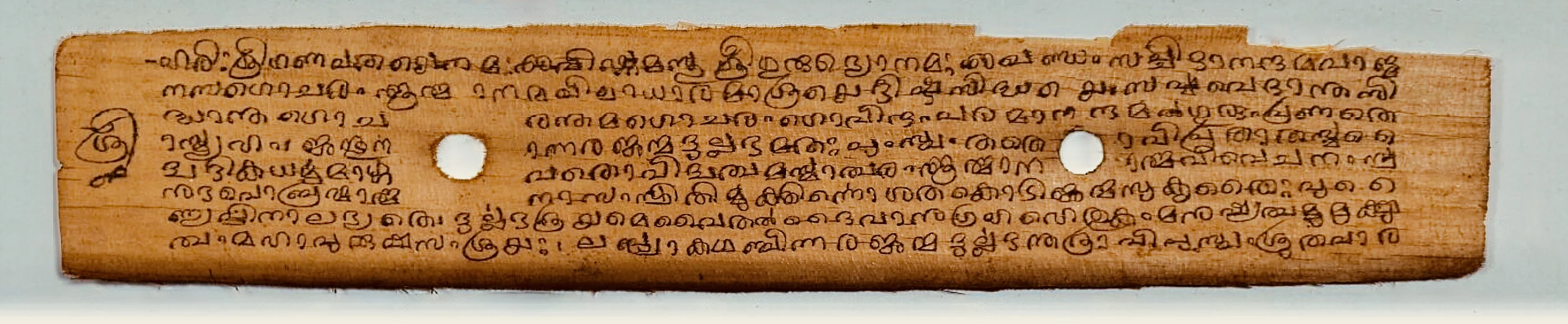
In the words of Pranav Ashar
How we renderThe heart of the Adhyatma
In brief
A short, dense text on living as the Self: drop the 'I' and 'mine' from body and senses, rest as the witness, let the world go as the space in a pot is let go into space. It names the steps of the path, hearing, reflecting, meditating, samadhi, and the marks of one free while living, then faces a hard question: if knowledge burns up all karma, why does the knower's body go on? Its last verses are the words of one who has woken: 'Where has this world gone? I saw it just now.'
- Dropping 'I' and 'mine'
- Hearing, reflecting, meditating
- Free while living
- Why the body goes on
- Where has the world gone?
Contents
अन्तःशरीरे निहितो गुहायामज एको नित्यमस्य पृथिवी शरीरं यः पृथिवीमन्तरे सञ्चरन्यं पृथिवी न वेद । यस्यापः शरीरं यो अपोऽन्तरे सञ्चरन्यमापो न विदुः । यस्य तेजः शरीरं यस्तेजोऽन्तरे सञ्चरन्यं तेजो न वेद । यस्य वायुः शरीरं यो वायुमन्तरे सञ्चरन्यं वायुर्न वेद । यस्याकाशः शरीरं य आकाशमन्तरे सञ्चरन्यमाकाशो न वेद । यस्य मनः शरीरं यो मनोऽन्तरे सञ्चरन्यं मनो न वेद । यस्य बुद्धिः शरीरं यो बुद्धिमन्तरे सञ्चरन्यं बुद्धिर्न वेद । यस्याहङ्कारः शरीरं योऽहङ्कारमन्तरे सञ्चरन्यमहङ्कारो न वेद । यस्य चित्तं शरीरं यश्चित्तमन्तरे सञ्चरन्यं चित्तं न वेद । यस्याव्यक्तं शरीरं योऽव्यक्तमन्तरे सञ्चरन्यमव्यक्तं न वेद । यस्याक्षरं शरीरं योऽक्षरमन्तरे सञ्चरन्यमक्षरं न वेद । यस्य मृत्युः शरीरं यो मृत्युमन्तरे सञ्चरन्यं मृत्युर्न वेद । स एष सर्वभूतान्तरात्माऽपहतपाप्मा दिव्यो देव एको नारायणः ॥
antaḥśarīre nihito guhāyāmaja eko nityamasya pṛthivī śarīraṃ yaḥ pṛthivīmantare sañcaranyaṃ pṛthivī na veda | yasyāpaḥ śarīraṃ yo apo'ntare sañcaranyamāpo na viduḥ | yasya tejaḥ śarīraṃ yastejo'ntare sañcaranyaṃ tejo na veda | yasya vāyuḥ śarīraṃ yo vāyumantare sañcaranyaṃ vāyurna veda | yasyākāśaḥ śarīraṃ ya ākāśamantare sañcaranyamākāśo na veda | yasya manaḥ śarīraṃ yo mano'ntare sañcaranyaṃ mano na veda | yasya buddhiḥ śarīraṃ yo buddhimantare sañcaranyaṃ buddhirna veda | yasyāhaṅkāraḥ śarīraṃ yo'haṅkāramantare sañcaranyamahaṅkāro na veda | yasya cittaṃ śarīraṃ yaścittamantare sañcaranyaṃ cittaṃ na veda | yasyāvyaktaṃ śarīraṃ yo'vyaktamantare sañcaranyamavyaktaṃ na veda | yasyākṣaraṃ śarīraṃ yo'kṣaramantare sañcaranyamakṣaraṃ na veda | yasya mṛtyuḥ śarīraṃ yo mṛtyumantare sañcaranyaṃ mṛtyurna veda | sa eṣa sarvabhūtāntarātmā'pahatapāpmā divyo deva eko nārāyaṇaḥ ||
Hidden in the cave within the body is the Unborn, the One, for ever. Earth is its body: it moves within the earth, and the earth does not know it. Water is its body: it moves within water, and water does not know it. Fire is its body: it moves within fire, and fire does not know it. Wind is its body: it moves within the wind, and the wind does not know it. Space is its body: it moves within space, and space does not know it. Mind is its body: it moves within the mind, and the mind does not know it. Intellect is its body: it moves within the intellect, and the intellect does not know it. The I-sense is its body: it moves within the I-sense, and the I-sense does not know it. Memory is its body: it moves within memory, and memory does not know it. The unmanifest is its body: it moves within the unmanifest, and the unmanifest does not know it. The imperishable is its body: it moves within the imperishable, and the imperishable does not know it. Death is its body: it moves within death, and death does not know it. This is the inner Self of all beings, free of all wrong, the shining one, the one God, Narayana.
Note //
Adapted from the 'inner ruler' teaching of Brihadaranyaka 3.7 and the Subala Upanishad. Everything it moves within is its 'body', even death, and none of them can know it, because it is the knower in all of them.
अहं ममेति यो भावो देहाक्षादावनात्मनि । अध्यासोऽयं निरस्तव्यो विदुषा ब्रह्मनिष्ठया ॥
ahaṃ mameti yo bhāvo dehākṣādāvanātmani | adhyāso'yaṃ nirastavyo viduṣā brahmaniṣṭhayā ||
The sense of 'I' and 'mine' in the body, the senses and the rest, which are not the Self: this is superimposition. The wise should remove it by abiding in Brahman.
Note //
'Adhyasa', superimposition: taking one thing for another, as a rope is taken for a snake. The same verse is in the Vivekachudamani.
ज्ञात्वा स्वं प्रत्यगात्मानं बुद्धितद्वृत्तिसाक्षिणम् । सोऽहमित्येव तद्वृत्त्या स्वान्यत्रात्ममतिं त्यजेत् ॥
jñātvā svaṃ pratyagātmānaṃ buddhitadvṛttisākṣiṇam | so'hamityeva tadvṛttyā svānyatrātmamatiṃ tyajet ||
Knowing yourself as the inner Self, the witness of the intellect and its workings, with the steady thought 'I am that', let go of taking anything else as the Self.
Note //
लोकानुवर्तनं त्यक्त्वा त्यक्त्वा देहानुवर्तनम् । शास्त्रानुवर्तनं त्यक्त्वा स्वाध्यासापनयं कुरु ॥
lokānuvartanaṃ tyaktvā tyaktvā dehānuvartanam | śāstrānuvartanaṃ tyaktvā svādhyāsāpanayaṃ kuru ||
Give up following the world, give up following the body, give up following the scriptures, and remove the superimposition on yourself.
Note //
'Following the scriptures' here means endless study for its own sake, not the teaching itself (the Vivekachudamani makes the same point).
स्वात्मन्येव सदा स्थित्या मनो नश्यति योगिनः । युक्त्या श्रुत्या स्वानुभूत्या ज्ञात्वा सार्वात्म्यमात्मनः ॥
svātmanyeva sadā sthityā mano naśyati yoginaḥ | yuktyā śrutyā svānubhūtyā jñātvā sārvātmyamātmanaḥ ||
By always resting in the Self, the yogi's mind dissolves, knowing, by reasoning, by scripture and by one's own experience, that the Self is the Self of all.
Note //
निद्राया लोकवार्तायाः शब्दादेरात्मविस्मृतेः । क्वचिन्नावसरं दत्त्वा चिन्तयात्मानमात्मनि ॥
nidrāyā lokavārtāyāḥ śabdāderātmavismṛteḥ | kvacinnāvasaraṃ dattvā cintayātmānamātmani ||
Give no room at all to sleep, to worldly talk, to sounds and the like, or to forgetting the Self. Dwell on the Self in yourself.
Note //
मातापित्रोर्मलोद्भूतं मलमांसमयं वपुः । त्यक्त्वा चण्डालवद्दूरं ब्रह्मीभूय कृती भव ॥
mātāpitrormalodbhūtaṃ malamāṃsamayaṃ vapuḥ | tyaktvā caṇḍālavaddūraṃ brahmībhūya kṛtī bhava ||
This body, born of the impurities of mother and father, made of waste and flesh: keep it far away, as an outcaste was kept away. Become Brahman, and be fulfilled.
Note //
The harsh image is meant to loosen the habit of taking the body as 'I', not to teach hatred of the body; the same text calls the body Brahman's own (Opening).
घटाकाशं महाकाश इवात्मानं परात्मनि । विलाप्याखण्डभावेन तूष्णीं भव सदा मुने ॥
ghaṭākāśaṃ mahākāśa ivātmānaṃ parātmani | vilāpyākhaṇḍabhāvena tūṣṇīṃ bhava sadā mune ||
As the space in a pot is let go into the great space, let the self go into the highest Self by knowing it as undivided, and be still for ever, sage.
Note //
The space in a pot was never apart from space; only the pot made it seem so.
स्वप्रकाशमधिष्ठानं स्वयम्भूय सदात्मना । ब्रह्माण्डमपि पिण्डाण्डं त्यज्यतां मलभाण्डवत् ॥
svaprakāśamadhiṣṭhānaṃ svayambhūya sadātmanā | brahmāṇḍamapi piṇḍāṇḍaṃ tyajyatāṃ malabhāṇḍavat ||
Becoming yourself the self-shining ground, the Self that always is, put down both the great world and the small one, the body, like a soiled pot.
Note //
चिदात्मनि सदानन्दे देहारूढामहंधियम् । निवेश्य लिङ्गमुत्सृज्य केवलो भव सर्वदा ॥
cidātmani sadānande dehārūḍhāmahaṃdhiyam | niveśya liṅgamutsṛjya kevalo bhava sarvadā ||
Laying the 'I'-thought that has mounted the body into the Self that is the light, always joyful, and dropping the subtle body, be alone, always.
Note //
यत्रैष जगदाभासो दर्पणान्तःपुरं यथा । तद्ब्रह्माहमिति ज्ञात्वा कृतकृत्यो भवानघ ॥
yatraiṣa jagadābhāso darpaṇāntaḥpuraṃ yathā | tadbrahmāhamiti jñātvā kṛtakṛtyo bhavānagha ||
That in which this world appears, like a city seen in a mirror: knowing 'I am that Brahman', be one who has done all there is to do, you who are without fault.
Note //
अहङ्कारग्रहान्मुक्तः स्वरूपमुपपद्यते । चन्द्रवद्विमलः पूर्णः सदानन्दः स्वयम्प्रभः ॥
ahaṅkāragrahānmuktaḥ svarūpamupapadyate | candravadvimalaḥ pūrṇaḥ sadānandaḥ svayamprabhaḥ ||
Freed from the grip of the I-claim, one comes into one's own nature, like the moon freed from eclipse: spotless, full, always joyful, shining by itself.
Note //
क्रियानाशाद्भवेच्चिन्तानाशोऽस्माद्वासनाक्षयः । वासनाप्रक्षयो मोक्षः सा जीवन्मुक्तिरिष्यते ॥
kriyānāśādbhaveccintānāśo'smādvāsanākṣayaḥ | vāsanāprakṣayo mokṣaḥ sā jīvanmuktiriṣyate ||
When action ends, worry ends; from that, the old tendencies wear away. The wearing away of tendencies is freedom. This is called being free while living.
Note //
सर्वत्र सर्वतः सर्वब्रह्ममात्रावलोकनम् । सद्भाववासनादार्ढ्याद्वासनालयमश्नुते ॥
sarvatra sarvataḥ sarvabrahmamātrāvalokanam | sadbhāvavāsanādārḍhyādvāsanālayamaśnute ||
Seeing everything, everywhere, in every way, as Brahman alone: by the strength of this habit of seeing the real, the other habits dissolve.
Note //
प्रमादो ब्रह्मनिष्ठायां न कर्तव्यः कदाचन । प्रमादो मृत्युरित्याहुर्विद्यायां ब्रह्मवादिनः ॥
pramādo brahmaniṣṭhāyāṃ na kartavyaḥ kadācana | pramādo mṛtyurityāhurvidyāyāṃ brahmavādinaḥ ||
Never be careless in abiding in Brahman. In this knowledge, those who speak of Brahman say, is death.
Note //
यथापकृष्टं शैवालं क्षणमात्रं न तिष्ठति । आवृणोति तथा माया प्राज्ञं वापि पराङ्मुखम् ॥
yathāpakṛṣṭaṃ śaivālaṃ kṣaṇamātraṃ na tiṣṭhati | āvṛṇoti tathā māyā prājñaṃ vāpi parāṅmukham ||
As moss pushed aside on a pond does not stay away even a moment, so maya covers even the wise the moment they turn away.
Note //
जीवतो यस्य कैवल्यं विदेहोऽपि स केवलः । समाधिनिष्ठतामेत्य निर्विकल्पो भवानघ ॥
jīvato yasya kaivalyaṃ videho'pi sa kevalaḥ | samādhiniṣṭhatāmetya nirvikalpo bhavānagha ||
Whoever is alone, free, while living is alone also when the body is gone. Settle into samadhi and be free of every thought-form, you who are without fault.
Note //
अज्ञानहृदयग्रन्थेर्निःशेषविलयस्तदा । समाधिनाऽविकल्पेन यदाद्वैतात्मदर्शनम् ॥
ajñānahṛdayagrantherniḥśeṣavilayastadā | samādhinā'vikalpena yadādvaitātmadarśanam ||
The knot of the heart, made of not-knowing, is undone completely only when, in samadhi free of thought-forms, one sees the Self as not two.
Note //
अत्रात्मत्वं दृढीकुर्वन्नहमादिषु सन्त्यजन् । उदासीनतया तेषु तिष्ठेद्घटपटादिवत् ॥
atrātmatvaṃ dṛḍhīkurvannahamādiṣu santyajan | udāsīnatayā teṣu tiṣṭhedghaṭapaṭādivat ||
Making firm the sense of being the Self here, and letting it go from the I-claim and the rest, remain unconcerned with them, as with a pot or a cloth.
Note //
ब्रह्मादिस्तम्बपर्यन्तं मृषामात्रा उपाधयः । ततः पूर्णं स्वमात्मानं पश्येदेकात्मना स्थितम् ॥
brahmādistambaparyantaṃ mṛṣāmātrā upādhayaḥ | tataḥ pūrṇaṃ svamātmānaṃ paśyedekātmanā sthitam ||
From Brahma down to a clump of grass, all limiting conditions are false. So see your own Self as full, standing as the one Self.
Note //
'False' (mrisha): not real on their own; real only as appearance.
स्वयं ब्रह्मा स्वयं विष्णुः स्वयमिन्द्रः स्वयं शिवः । स्वयं विश्वमिदं सर्वं स्वस्मादन्यन्न किञ्चन ॥
svayaṃ brahmā svayaṃ viṣṇuḥ svayamindraḥ svayaṃ śivaḥ | svayaṃ viśvamidaṃ sarvaṃ svasmādanyanna kiñcana ||
The Self is Brahma; the Self is Vishnu; the Self is Indra; the Self is Shiva; the Self is this whole world. There is nothing other than the Self.
Note //
स्वात्मन्यारोपिताशेषाभासवस्तुनिरासतः । स्वयमेव परं ब्रह्म पूर्णमद्वयमक्रियम् ॥
svātmanyāropitāśeṣābhāsavastunirāsataḥ | svayameva paraṃ brahma pūrṇamadvayamakriyam ||
By setting aside every appearance superimposed on one's own Self, one is oneself the highest Brahman: full, not two, without action.
Note //
असत्कल्पो विकल्पोऽयं विश्वमित्येकवस्तुनि । निर्विकारे निराकारे निर्विशेषे भिदा कुतः ॥
asatkalpo vikalpo'yaṃ viśvamityekavastuni | nirvikāre nirākāre nirviśeṣe bhidā kutaḥ ||
This notion of a world in the one reality is as good as unreal. In what is changeless, formless, without distinctions, where could difference be?
Note //
द्रष्टृदर्शनदृश्यादिभावशून्ये निरामये । कल्पार्णव इवात्यन्तं परिपूर्णे चिदात्मनि ॥
draṣṭṛdarśanadṛśyādibhāvaśūnye nirāmaye | kalpārṇava ivātyantaṃ paripūrṇe cidātmani ||
In the Self that is the light, free of seer, seeing and seen, untroubled, utterly full, like the ocean at the end of an age:
Note //
तेजसीव तमो यत्र विलीनं भ्रान्तिकारणम् । अद्वितीये परे तत्त्वे निर्विशेषे भिदा कुतः ॥
tejasīva tamo yatra vilīnaṃ bhrāntikāraṇam | advitīye pare tattve nirviśeṣe bhidā kutaḥ ||
in which the cause of error has dissolved, as darkness dissolves in light: in that highest reality, without a second, without distinctions, where could difference be?
Note //
एकात्मके परे तत्त्वे भेदकर्ता कथं वसेत् । सुषुप्तौ सुखमात्रायां भेदः केनावलोकितः ॥
ekātmake pare tattve bhedakartā kathaṃ vaset | suṣuptau sukhamātrāyāṃ bhedaḥ kenāvalokitaḥ ||
In the highest reality, which is one Self, how could anything that makes difference live? In deep sleep, which is only ease, who has ever seen difference?
Note //
चित्तमूलो विकल्पोऽयं चित्ताभावे न कश्चन । अतश्चित्तं समाधेहि प्रत्यग्रूपे परात्मनि ॥
cittamūlo vikalpo'yaṃ cittābhāve na kaścana | ataścittaṃ samādhehi pratyagrūpe parātmani ||
All this division is rooted in the mind; without the mind there is none. So settle the mind in the highest Self, the innermost.
Note //
अखण्डानन्दमात्मानं विज्ञाय स्वस्वरूपतः । बहिरन्तः सदानन्दरसास्वादनमात्मनि ॥
akhaṇḍānandamātmānaṃ vijñāya svasvarūpataḥ | bahirantaḥ sadānandarasāsvādanamātmani ||
Knowing the Self as undivided joy, as one's own nature, one tastes, within and without, the ever-joyful essence in the Self.
Note //
वैराग्यस्य फलं बोधो बोधस्योपरतिः फलम् । स्वानन्दानुभवाच्छान्तिरेषैवोपरतेः फलम् ॥
vairāgyasya phalaṃ bodho bodhasyoparatiḥ phalam | svānandānubhavācchāntireṣaivoparateḥ phalam ||
The fruit of dispassion is understanding; the fruit of understanding is withdrawal; peace, from tasting one's own joy, is the fruit of withdrawal.
Note //
यद्युत्तरोत्तराभावे पूर्वरूपं तु निष्फलम् । निवृत्तिः परमा तृप्तिरानन्दोऽनुपमः स्वतः ॥
yadyuttarottarābhāve pūrvarūpaṃ tu niṣphalam | nivṛttiḥ paramā tṛptirānando'nupamaḥ svataḥ ||
If each later step is missing, the earlier one bears no fruit. Turning back is the highest contentment, and joy beyond compare, by its own nature.
Note //
मायोपाधिर्जगद्योनिः सर्वज्ञत्वादिलक्षणः । पारोक्ष्यशबलः सत्याद्यात्मकस्तत्पदाभिधः ॥
māyopādhirjagadyoniḥ sarvajñatvādilakṣaṇaḥ | pārokṣyaśabalaḥ satyādyātmakastatpadābhidhaḥ ||
What has maya as its limiting condition, the source of the world, marked by knowing all and the rest, coloured by being out of sight, whose nature is truth and the rest: that is what the word 'that' names.
आलम्बनतया भाति योऽस्मत्प्रत्ययशब्दयोः । अन्तःकरणसम्भिन्नबोधः स त्वम्पदाभिधः ॥
ālambanatayā bhāti yo'smatpratyayaśabdayoḥ | antaḥkaraṇasambhinnabodhaḥ sa tvampadābhidhaḥ ||
What shines as the ground of the thought and the word 'I', knowing mixed with the inner mind: that is what the word 'you' names.
Note //
मायाविद्ये विहायैव उपाधी परजीवयोः । अखण्डं सच्चिदानन्दं परं ब्रह्म विलक्ष्यते ॥
māyāvidye vihāyaiva upādhī parajīvayoḥ | akhaṇḍaṃ saccidānandaṃ paraṃ brahma vilakṣyate ||
Setting aside maya and not-knowing, the limiting conditions of the Lord and the living self, what is pointed to is the highest Brahman: undivided being, the light and joy.
Note //
इत्थं वाक्यैस्तथार्थानुसन्धानं श्रवणं भवेत् । युक्त्या सम्भावितत्वानुसन्धानं मननं तु तत् ॥
itthaṃ vākyaistathārthānusandhānaṃ śravaṇaṃ bhavet | yuktyā sambhāvitatvānusandhānaṃ mananaṃ tu tat ||
To dwell in this way on the meaning of these sayings is hearing. To dwell on its being possible, by reasoning, is reflecting.
Note //
ताभ्यां निर्विचिकित्सेऽर्थे चेतसः स्थापितस्य यत् । एकतानत्वमेतद्धि निदिध्यासनमुच्यते ॥
tābhyāṃ nirvicikitse'rthe cetasaḥ sthāpitasya yat | ekatānatvametaddhi nididhyāsanamucyate ||
When, by these two, the mind is set on the meaning, now free of doubt, its single, unbroken flow is called deep meditation.
Note //
ध्यातृध्याने परित्यज्य क्रमाद्ध्येयैकगोचरम् । निवातदीपवच्चित्तं समाधिरभिधीयते ॥
dhyātṛdhyāne parityajya kramāddhyeyaikagocaram | nivātadīpavaccittaṃ samādhirabhidhīyate ||
When the mind, gradually letting go of the meditator and the meditating, rests on what is meditated alone, like a lamp out of the wind: that is called samadhi.
Note //
वृत्तयस्तु तदानीमप्यज्ञाता आत्मगोचराः । स्मरणादनुमीयन्ते व्युत्थितस्य समुत्थिताः ॥
vṛttayastu tadānīmapyajñātā ātmagocarāḥ | smaraṇādanumīyante vyutthitasya samutthitāḥ ||
Even then there are movements of mind, resting on the Self, but they are not known at the time; they are inferred afterward, from what one remembers on coming out of it.
Note //
अनादाविह संसारे सञ्चिताः कर्मकोटयः । अनेन विलयं यान्ति शुद्धो धर्मो विवर्धते ॥
anādāviha saṃsāre sañcitāḥ karmakoṭayaḥ | anena vilayaṃ yānti śuddho dharmo vivardhate ||
The countless deeds stored up in this beginningless round of births dissolve by this, and pure dharma grows.
Note //
धर्ममेघमिमं प्राहुः समाधिं योगवित्तमाः । वर्षत्येष यथा धर्मामृतधाराः सहस्रशः ॥
dharmameghamimaṃ prāhuḥ samādhiṃ yogavittamāḥ | varṣatyeṣa yathā dharmāmṛtadhārāḥ sahasraśaḥ ||
The best knowers of yoga call this samadhi the cloud of dharma, because it rains down the nectar of dharma in a thousand streams.
Note //
अमुना वासनाजाले निःशेषं प्रविलापिते । समूलोन्मूलिते पुण्यपापाख्ये कर्मसञ्चये ॥
amunā vāsanājāle niḥśeṣaṃ pravilāpite | samūlonmūlite puṇyapāpākhye karmasañcaye ||
When by this the whole net of tendencies is dissolved, and the store of deeds called good and bad is pulled up by the root,
Note //
वाक्यमप्रतिबद्धं सत्प्राक्परोक्षावभासितम् । करामलकवद्बोधमपरोक्षं प्रसूयते ॥
vākyamapratibaddhaṃ satprākparokṣāvabhāsitam | karāmalakavadbodhamaparokṣaṃ prasūyate ||
the great saying, no longer blocked, which before gave only knowledge at a distance, now gives birth to direct knowing, as plain as a fruit in the palm.
Note //
वासनानुदयो भोग्ये वैराग्यस्य तदावधिः । अहम्भावोदयाभावो बोधस्य परमावधिः ॥
vāsanānudayo bhogye vairāgyasya tadāvadhiḥ | ahambhāvodayābhāvo bodhasya paramāvadhiḥ ||
When no craving rises toward what can be enjoyed, dispassion is complete. When the sense of 'I' does not rise, understanding is complete.
Note //
लीनवृत्तेरनुत्पत्तिर्मर्यादोपरतेस्तु सा । स्थितप्रज्ञो यतिरयं यः सदानन्दमश्नुते ॥
līnavṛtteranutpattirmaryādoparatestu sā | sthitaprajño yatirayaṃ yaḥ sadānandamaśnute ||
When a movement of mind, once dissolved, does not rise again, withdrawal is complete. The one who enjoys unbroken joy is steady in wisdom.
Note //
'Sthitaprajna', steady in wisdom, as in Bhagavad Gita 2.54-72.
ब्रह्मण्येव विलीनात्मा निर्विकारो विनिष्क्रियः । ब्रह्मात्मनोः शोधितयोरेकभावावगाहिनि ॥
brahmaṇyeva vilīnātmā nirvikāro viniṣkriyaḥ | brahmātmanoḥ śodhitayorekabhāvāvagāhini ||
The mind dissolved in Brahman alone, changeless, without action, plunged into the oneness of Brahman and the Self, both cleared of their conditions:
Note //
निर्विकल्पा च चिन्मात्रा वृत्तिः प्रज्ञेति कथ्यते । सा सर्वदा भवेद्यस्य स जीवन्मुक्त इष्यते ॥
nirvikalpā ca cinmātrā vṛttiḥ prajñeti kathyate | sā sarvadā bhavedyasya sa jīvanmukta iṣyate ||
that movement of mind, free of thought-forms, pure light, is called wisdom. One in whom it is always present is called free while living.
Note //
देहेन्द्रियेष्वहम्भाव इदम्भावस्तदन्यके । यस्य नो भवतः क्वापि स जीवन्मुक्त इष्यते ॥
dehendriyeṣvahambhāva idambhāvastadanyake | yasya no bhavataḥ kvāpi sa jīvanmukta iṣyate ||
One who never feels 'I' toward the body and senses, nor 'this', as something apart, toward anything else: that one is called free while living.
Note //
न प्रत्यग्ब्रह्मणोर्भेदं कदापि ब्रह्मसर्गयोः । प्रज्ञया यो विजानाति स जीवन्मुक्त इष्यते ॥
na pratyagbrahmaṇorbhedaṃ kadāpi brahmasargayoḥ | prajñayā yo vijānāti sa jīvanmukta iṣyate ||
One who by wisdom never sees a difference between the inner Self and Brahman, or between Brahman and the world: that one is called free while living.
Note //
साधुभिः पूज्यमानेऽस्मिन्पीड्यमानेऽपि दुर्जनैः । समभावो भवेद्यस्य स जीवन्मुक्त इष्यते ॥
sādhubhiḥ pūjyamāne'sminpīḍyamāne'pi durjanaiḥ | samabhāvo bhavedyasya sa jīvanmukta iṣyate ||
One who stays the same, whether this body is honoured by the good or harmed by the wicked: that one is called free while living.
Note //
विज्ञातब्रह्मतत्त्वस्य यथापूर्वं न संसृतिः । अस्ति चेन्न स विज्ञातब्रह्मभावो बहिर्मुखः ॥
vijñātabrahmatattvasya yathāpūrvaṃ na saṃsṛtiḥ | asti cenna sa vijñātabrahmabhāvo bahirmukhaḥ ||
For one who has known the truth of Brahman, the round of births is not as it was. If it is, that one has not known Brahman, but still faces outward.
Note //
सुखाद्यनुभवो यावत्तावत्प्रारब्धमिष्यते । फलोदयः क्रियापूर्वो निष्क्रियो नहि कुत्रचित् ॥
sukhādyanubhavo yāvattāvatprārabdhamiṣyate | phalodayaḥ kriyāpūrvo niṣkriyo nahi kutracit ||
As long as pleasure and the rest are felt, so long, it is said, the karma already begun continues. Every fruit comes from an earlier action; nowhere does a fruit come without one.
Note //
'Prarabdha': the part of past karma that has already begun to bear fruit in this life.
अहं ब्रह्मेति विज्ञानात्कल्पकोटिशतार्जितम् । सञ्चितं विलयं याति प्रबोधात्स्वप्नकर्मवत् ॥
ahaṃ brahmeti vijñānātkalpakoṭiśatārjitam | sañcitaṃ vilayaṃ yāti prabodhātsvapnakarmavat ||
By the knowing 'I am Brahman', the store of karma gathered over countless ages dissolves, as deeds done in a dream do on waking.
Note //
स्वमसङ्गमुदासीनं परिज्ञाय नभो यथा । न श्लिष्यते यतिः किञ्चित्कदाचिद्भाविकर्मभिः ॥
svamasaṅgamudāsīnaṃ parijñāya nabho yathā | na śliṣyate yatiḥ kiñcitkadācidbhāvikarmabhiḥ ||
Knowing oneself as untouched and uninvolved, like the sky, the renunciate is never touched in the least by deeds still to come.
Note //
न नभो घटयोगेन सुरागन्धेन लिप्यते । तथात्मोपाधियोगेन तद्धर्मैर्नैव लिप्यते ॥
na nabho ghaṭayogena surāgandhena lipyate | tathātmopādhiyogena taddharmairnaiva lipyate ||
The sky is not stained by the smell of wine because a wine jar stands in it. So the Self, because of its conditions, is never stained by what belongs to them.
Note //
ज्ञानोदयात्पुरारब्धं कर्म ज्ञानान्न नश्यति । अदत्त्वा स्वफलं लक्ष्यमुद्दिश्योत्सृष्टबाणवत् ॥
jñānodayātpurārabdhaṃ karma jñānānna naśyati | adattvā svaphalaṃ lakṣyamuddiśyotsṛṣṭabāṇavat ||
Karma that began before knowledge dawned is not destroyed by knowledge until it has given its fruit, like an arrow already shot at its target.
Note //
व्याघ्रबुद्ध्या विनिर्मुक्तो बाणः पश्चात्तु गोमतौ । न तिष्ठति भिनत्त्येव लक्ष्यं वेगेन निर्भरम् ॥
vyāghrabuddhyā vinirmukto bāṇaḥ paścāttu gomatau | na tiṣṭhati bhinattyeva lakṣyaṃ vegena nirbharam ||
An arrow shot at what was taken for a tiger does not stop when it is seen to be a cow; it strikes the mark with all its force.
Note //
Seeing the truth does not recall the arrow already loosed; it only ends the fear.
अजरोऽस्म्यमरोऽस्मीति य आत्मानं प्रपद्यते । तदात्मना तिष्ठतोऽस्य कुतः प्रारब्धकल्पना ॥
ajaro'smyamaro'smīti ya ātmānaṃ prapadyate | tadātmanā tiṣṭhato'sya kutaḥ prārabdhakalpanā ||
One who knows the Self as 'I do not age, I do not die', and stands as that: how can the idea of leftover karma apply to such a one?
Note //
प्रारब्धं सिद्ध्यति तदा यदा देहात्मना स्थितिः । देहात्मभावो नैवेष्टः प्रारब्धं त्यज्यतामतः ॥
prārabdhaṃ siddhyati tadā yadā dehātmanā sthitiḥ | dehātmabhāvo naiveṣṭaḥ prārabdhaṃ tyajyatāmataḥ ||
Leftover karma holds only while one stands as the body. Taking the body as the Self is not accepted here, so let the idea of leftover karma go too.
Note //
प्रारब्धकल्पनाप्यस्य देहस्य भ्रान्तिरेव हि ॥
prārabdhakalpanāpyasya dehasya bhrāntireva hi ||
Even the idea of leftover karma for this body is only a mistake.
Note //
The edition gives only this half-verse here.
अध्यस्तस्य कुतस्तत्त्वमसत्यस्य कुतो जनिः । अजातस्य कुतो नाशः प्रारब्धमसतः कुतः ॥
adhyastasya kutastattvamasatyasya kuto janiḥ | ajātasya kuto nāśaḥ prārabdhamasataḥ kutaḥ ||
How can what is superimposed be real? How can what is not real be born? How can what is not born die? How can what is not have leftover karma?
Note //
ज्ञानेनाज्ञानकार्यस्य समूलस्य लयो यदि । तिष्ठत्ययं कथं देह इति शङ्कावतो जडान् । समाधातुं बाह्यदृष्ट्या प्रारब्धं वदति श्रुतिः ॥
jñānenājñānakāryasya samūlasya layo yadi | tiṣṭhatyayaṃ kathaṃ deha iti śaṅkāvato jaḍān | samādhātuṃ bāhyadṛṣṭyā prārabdhaṃ vadati śrutiḥ ||
"If knowledge dissolves what not-knowing made, root and all, how does this body go on?" To answer the dull who doubt like this, scripture speaks of leftover karma, from the outer point of view,
Note //
न तु देहादिसत्यत्वबोधनाय विपश्चिताम् । परिपूर्णमनाद्यन्तमप्रमेयमविक्रियम् ॥
na tu dehādisatyatvabodhanāya vipaścitām | paripūrṇamanādyantamaprameyamavikriyam ||
not to teach the wise that the body and the rest are real. Full, without beginning or end, beyond measure, changeless,
सद्घनं चिद्घनं नित्यमानन्दघनमव्ययम् । प्रत्यगेकरसं पूर्णमनन्तं सर्वतोमुखम् ॥
sadghanaṃ cidghanaṃ nityamānandaghanamavyayam | pratyagekarasaṃ pūrṇamanantaṃ sarvatomukham ||
solid being, solid light, eternal, solid joy, unfading, the inmost, of one taste, full, endless, facing every way,
Note //
अहेयमनुपादेयमनाधेयमनाश्रयम् । निर्गुणं निष्क्रियं सूक्ष्मं निर्विकल्पं निरञ्जनम् ॥
aheyamanupādeyamanādheyamanāśrayam | nirguṇaṃ niṣkriyaṃ sūkṣmaṃ nirvikalpaṃ nirañjanam ||
not to be given up, not to be taken up, not held by anything, not holding anything, without qualities, without action, subtle, without thought-forms, without stain,
Note //
अनिरूप्यस्वरूपं यन्मनोवाचामगोचरम् । सत्समृद्धं स्वतःसिद्धं शुद्धं बुद्धमनीदृशम् ॥
anirūpyasvarūpaṃ yanmanovācāmagocaram | satsamṛddhaṃ svataḥsiddhaṃ śuddhaṃ buddhamanīdṛśam ||
whose nature cannot be defined, beyond the reach of mind and speech, rich in being, established by itself, pure, awake, beyond compare:
Note //
स्वानुभूत्या स्वयं ज्ञात्वा स्वमात्मानमखण्डितम् । स सिद्धः सुसुखं तिष्ठ निर्विकल्पात्मनात्मनि ॥
svānubhūtyā svayaṃ jñātvā svamātmānamakhaṇḍitam | sa siddhaḥ susukhaṃ tiṣṭha nirvikalpātmanātmani ||
knowing this undivided Self as yourself, by your own experience, you are accomplished. Rest at ease, free of thought-forms, as the Self, in the Self.
Note //
क्व गतं केन वा नीतं कुत्र लीनमिदं जगत् । अधुनैव मया दृष्टं नास्ति किं महदद्भुतम् ॥
kva gataṃ kena vā nītaṃ kutra līnamidaṃ jagat | adhunaiva mayā dṛṣṭaṃ nāsti kiṃ mahadadbhutam ||
Where has this world gone? Who took it away? Where has it dissolved? I saw it just now, and it is not there. What a great !
Note //
Verses 65 to 69 are the words of one who has woken; they are also in the Vivekachudamani.
किं हेयं किमुपादेयं किमन्यत्किं विलक्षणम् । अखण्डानन्दपीयूषपूर्णब्रह्ममहार्णवे ॥
kiṃ heyaṃ kimupādeyaṃ kimanyatkiṃ vilakṣaṇam | akhaṇḍānandapīyūṣapūrṇabrahmamahārṇave ||
What is there to give up, what to take up? What is other, what is different, in this great ocean of Brahman, full of the nectar of undivided joy?
Note //
न किञ्चिदत्र पश्यामि न शृणोमि न वेद्म्यहम् । स्वात्मनैव सदानन्दरूपेणास्मि स्वलक्षणः ॥
na kiñcidatra paśyāmi na śṛṇomi na vedmyaham | svātmanaiva sadānandarūpeṇāsmi svalakṣaṇaḥ ||
Here I see nothing, hear nothing, know nothing. I am, as my own Self, always joy, marked only by myself.
Note //
असङ्गोऽहमनङ्गोऽहमलिङ्गोऽहमहं हरिः । प्रशान्तोऽहमनन्तोऽहं परिपूर्णश्चिरन्तनः ॥
asaṅgo'hamanaṅgo'hamaliṅgo'hamahaṃ hariḥ | praśānto'hamananto'haṃ paripūrṇaścirantanaḥ ||
I am untouched; I am without a body; I am without any mark; I am Hari. I am at peace; I am endless; I am full; I am ancient.
Note //
Hari, 'the one who takes away', a name of Vishnu.
अकर्ताहमभोक्ताहमविकारोऽहमव्ययः । शुद्धबोधस्वरूपोऽहं केवलोऽहं सदाशिवः ॥
akartāhamabhoktāhamavikāro'hamavyayaḥ | śuddhabodhasvarūpo'haṃ kevalo'haṃ sadāśivaḥ ||
I am not the doer; I am not the enjoyer; I am changeless, unfading. I am pure understanding by nature; I am alone; I am always the good.
Note //
एतां विद्यामपान्तरतमाय ददौ । अपान्तरतमो ब्रह्मणे ददौ । ब्रह्मा घोराङ्गिरसे ददौ । घोराङ्गिरा रैक्वाय ददौ । रैक्वो रामाय ददौ । रामः सर्वेभ्यो भूतेभ्यो ददावित्येतन्निर्वाणानुशासनं वेदानुशासनं वेदानुशासनमित्युपनिषत् ॥
etāṃ vidyāmapāntaratamāya dadau | apāntaratamo brahmaṇe dadau | brahmā ghorāṅgirase dadau | ghorāṅgirā raikvāya dadau | raikvo rāmāya dadau | rāmaḥ sarvebhyo bhūtebhyo dadāvityetannirvāṇānuśāsanaṃ vedānuśāsanaṃ vedānuśāsanamityupaniṣat ||
This knowledge was given to Apantaratamas. Apantaratamas gave it to Brahma. Brahma gave it to Ghora Angirasa. Ghora Angirasa gave it to Raikva. Raikva gave it to Rama. Rama gave it to all beings. This is the teaching of nirvana, the teaching of the Veda, the teaching of the Veda. So says the Upanishad.
Note //
The lineage ends with 'all beings': the teaching is meant for everyone. Raikva is the cart-man sage of Chandogya 4.1-3.
The renderings on this page are shared under CC BY-NC 4.0, in the words of Pranav Ashar.