Where the paths meet
Two traditions, one question, side by side.
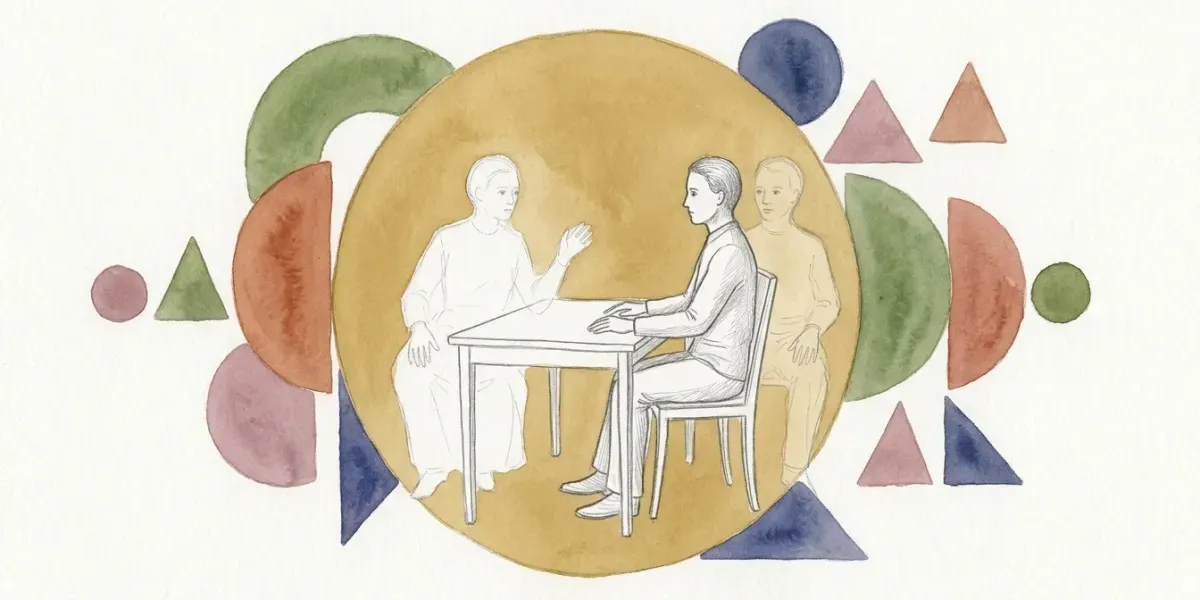
Advaita and Krishnamurti: the observer and the witness
You tell yourself to calm down. Now there are two of you. Which one is real?
Advaita and Nisargadatta: “I am” and the Self
Before you know your name or your mood, you already know one thing: that you are.
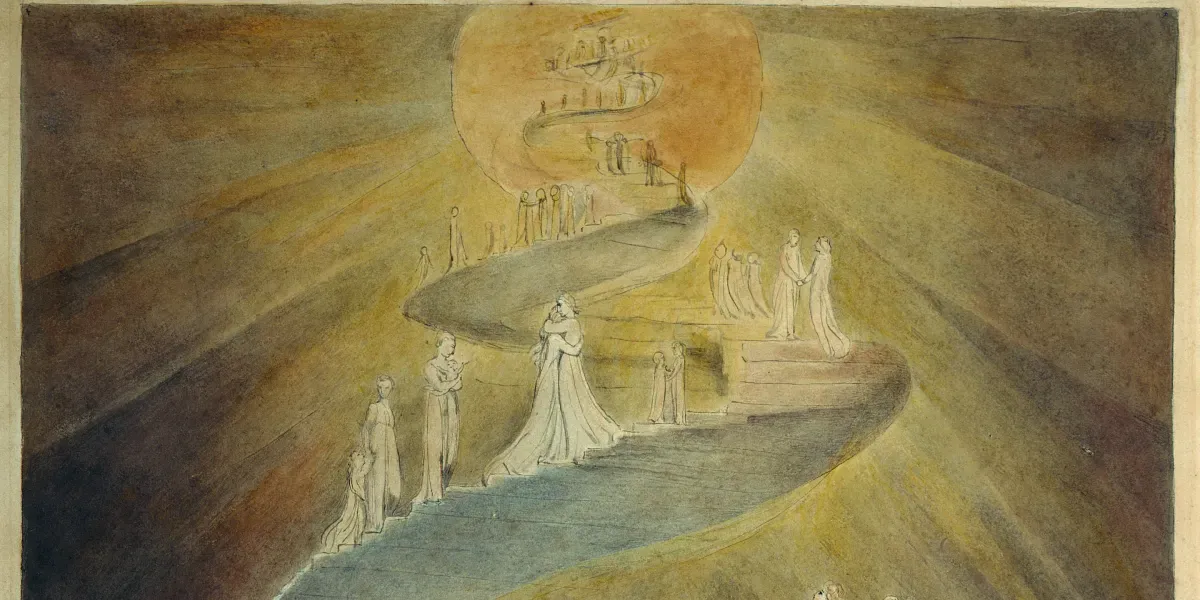
Aurobindo and Shankara
Two Indian philosophers, twelve centuries apart, agree there is only the whole. Then they part.
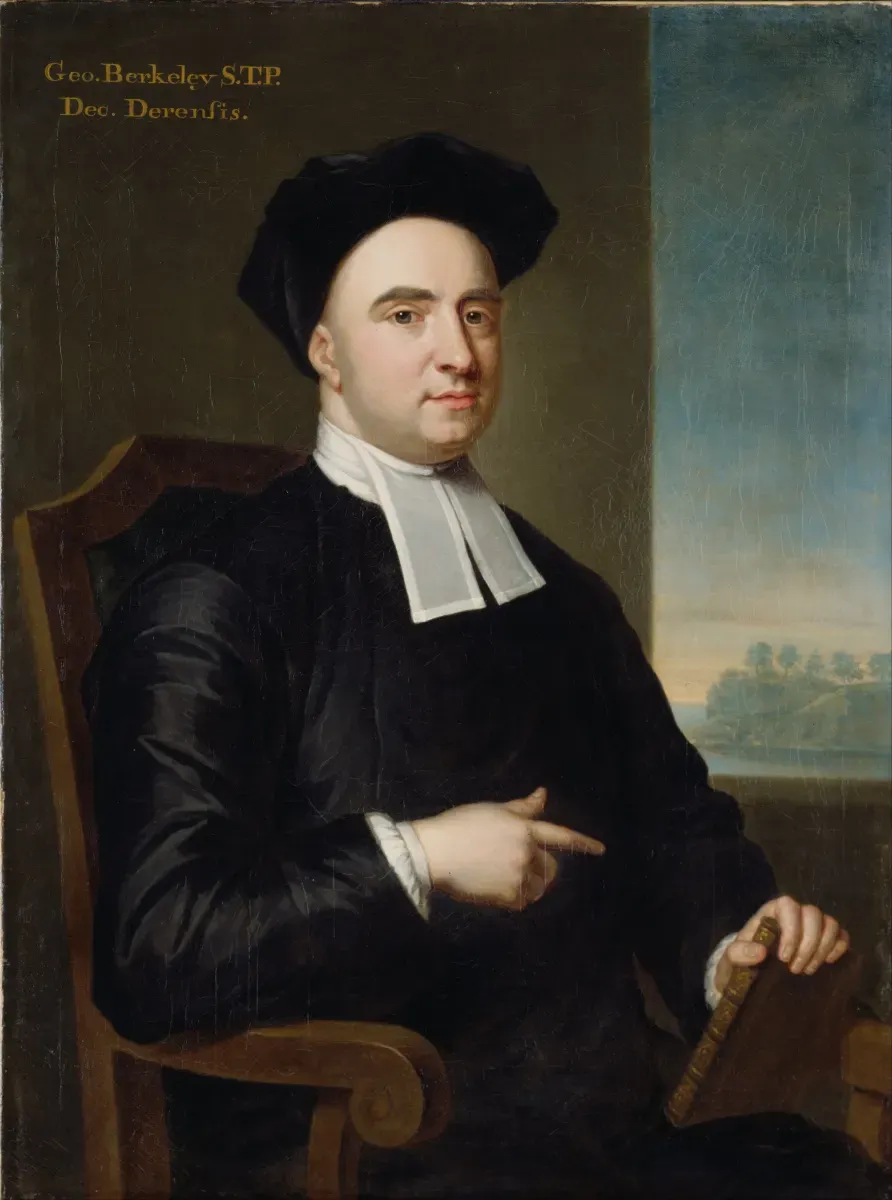
Berkeley, Kant and appearance
Samuel Johnson kicked a stone to refute Berkeley. The stone did not settle it.
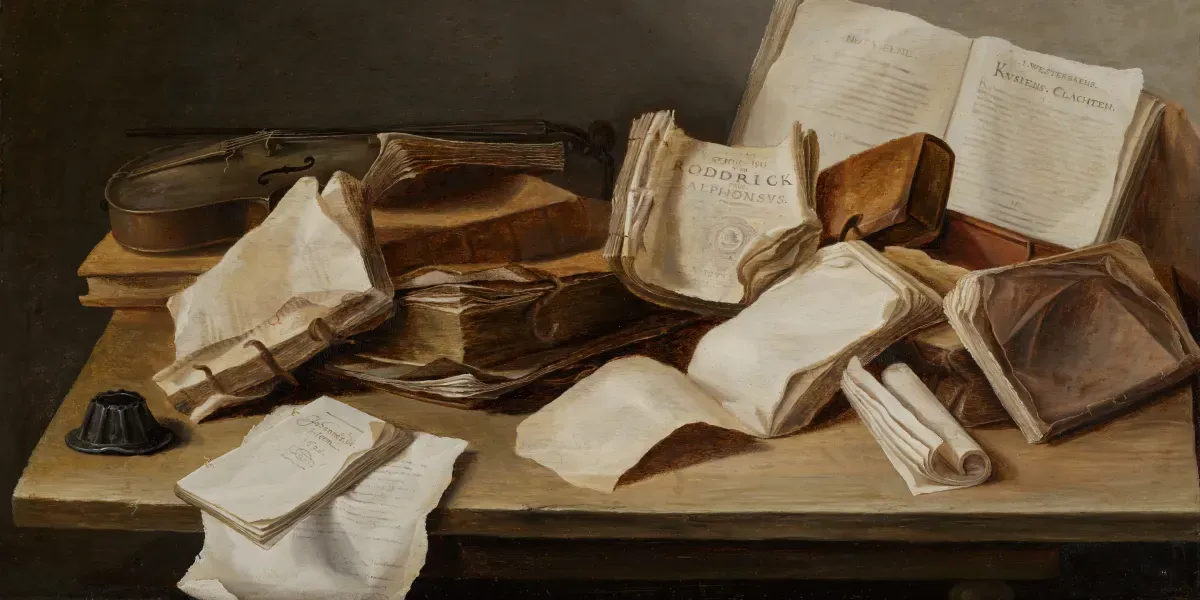
Bradley and Shankara
An Oxford don in 1893 reasoned his way to a word an Indian teacher had used: appearance.
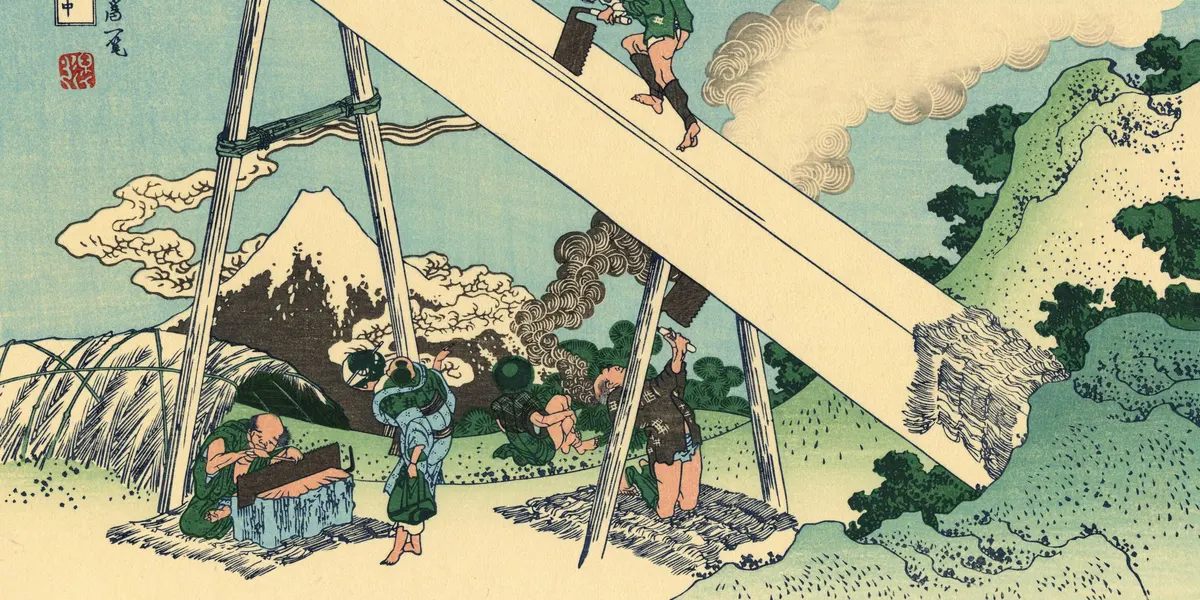
Chop wood, carry water
You hoped knowing who you are would change everything. The dishes are still in the sink.
Daya Krishna's questions to Advaita
In Jaipur a philosopher kept asking Advaita what it had stopped asking itself.
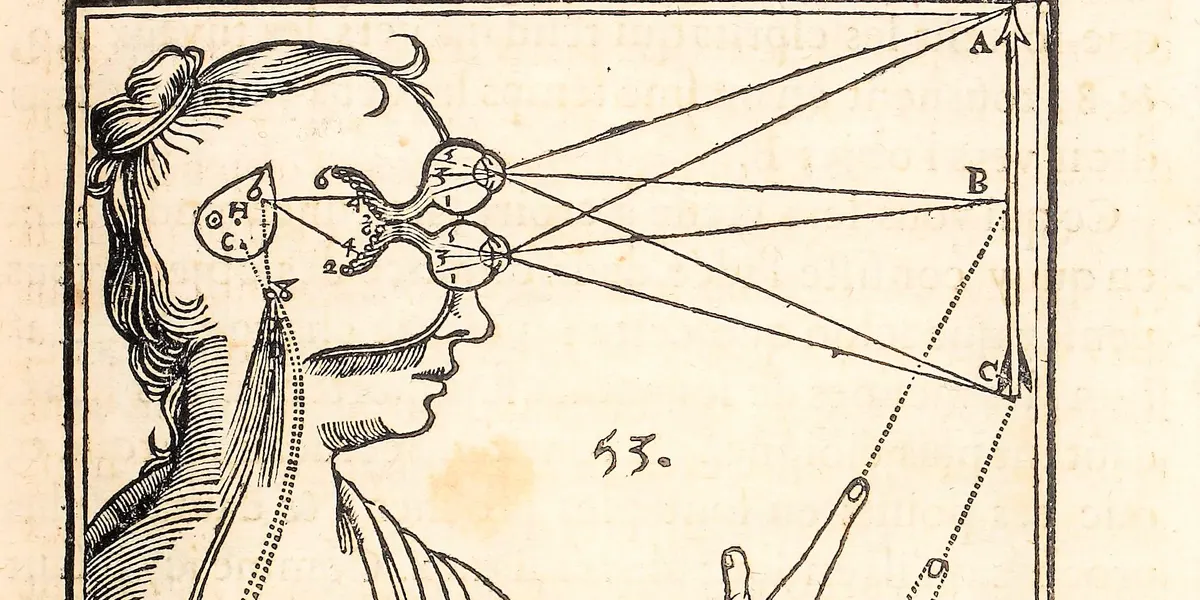
Dennett and the witness
Dennett spent fifty years proving no little man watches inside your head. The Upanishads agree.
Eckhart and Shankara
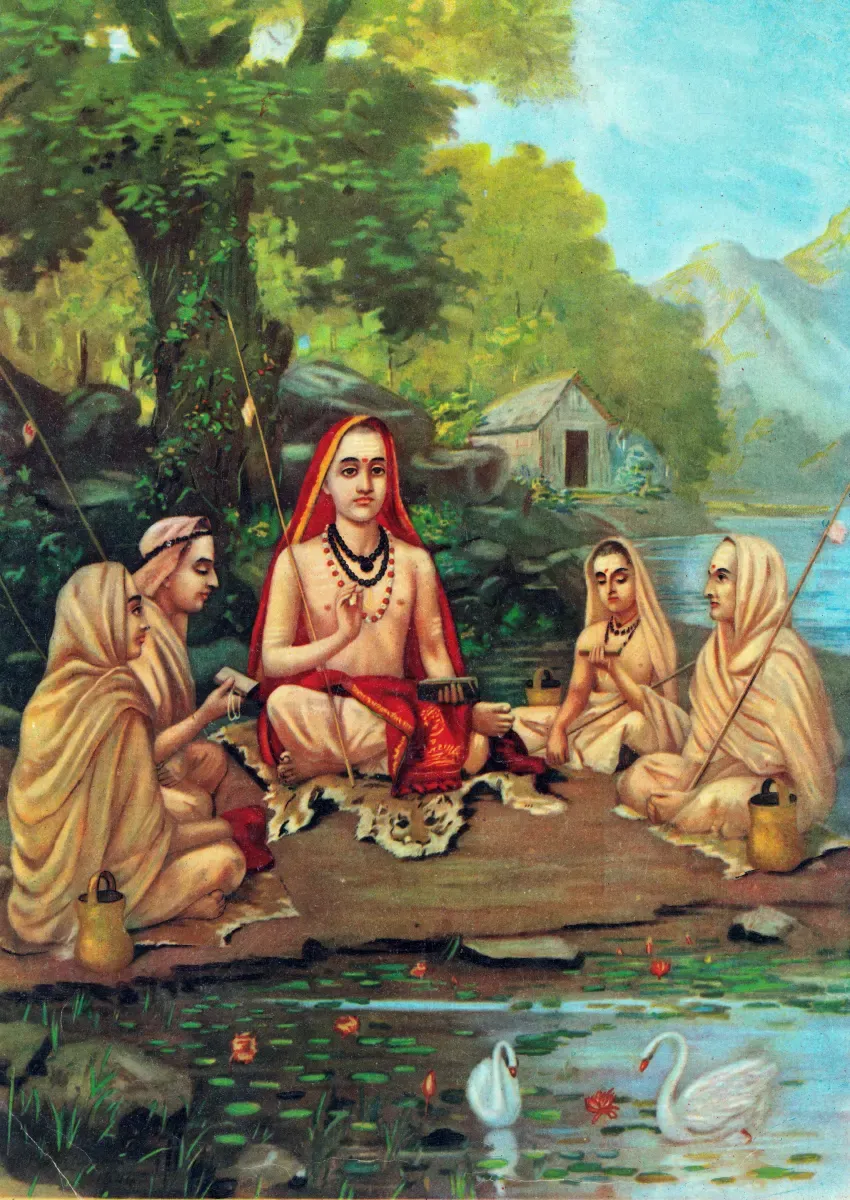
A friar in Cologne and a teacher in India both drew a line above God as we picture him.
Hallaj and the Upanishads
Two sentences, almost the same: “I am the Real” and “I am Brahman”. One man was killed for his.
Harding and the witness
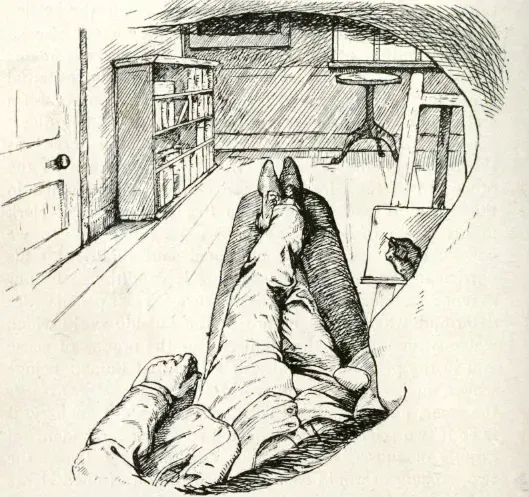
Point at the wall. Then point back at your own face. What do you find there?
Indra's net and the whole
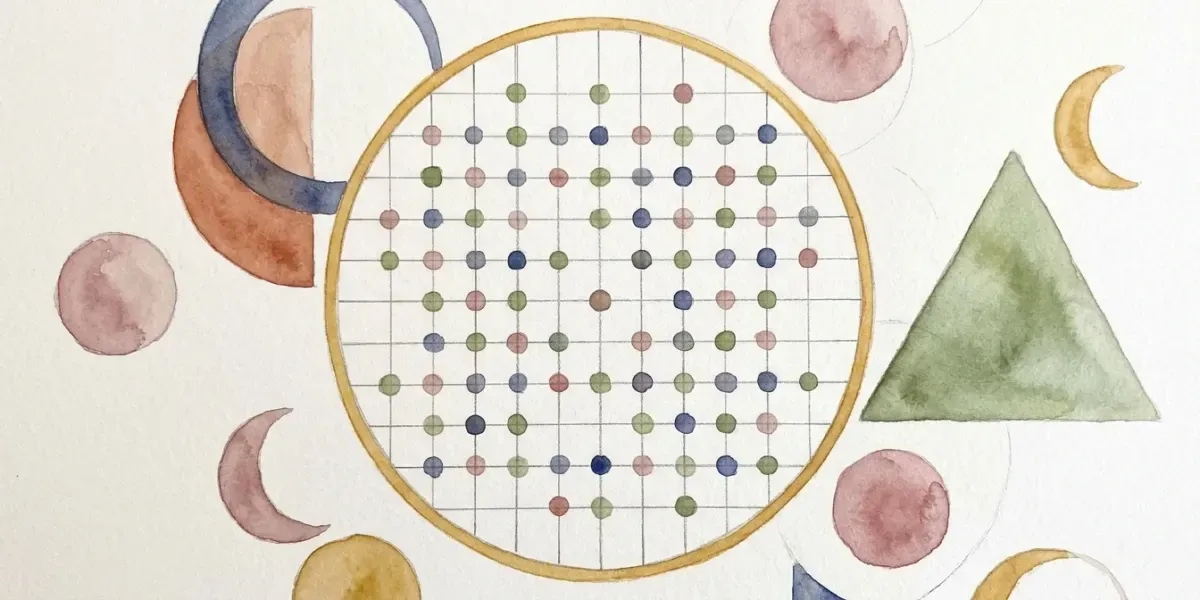
A net of jewels across the sky. Look into one and you see all the others.
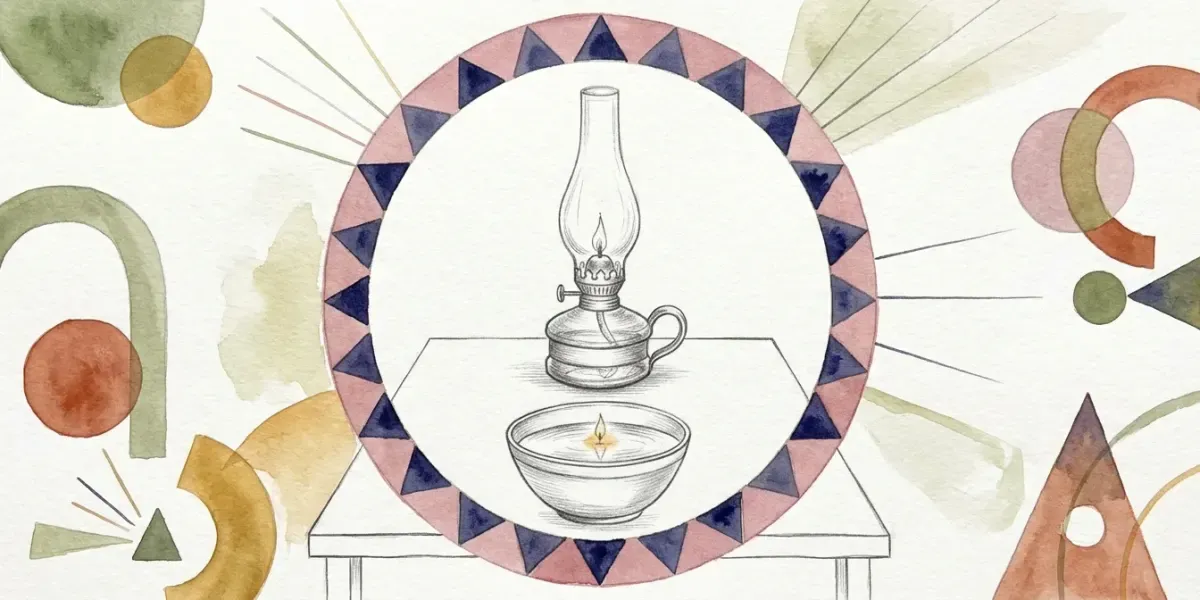
Kashmir Shaivism and Advaita
Two schools agree that awareness is all there is. They disagree about whether it plays.
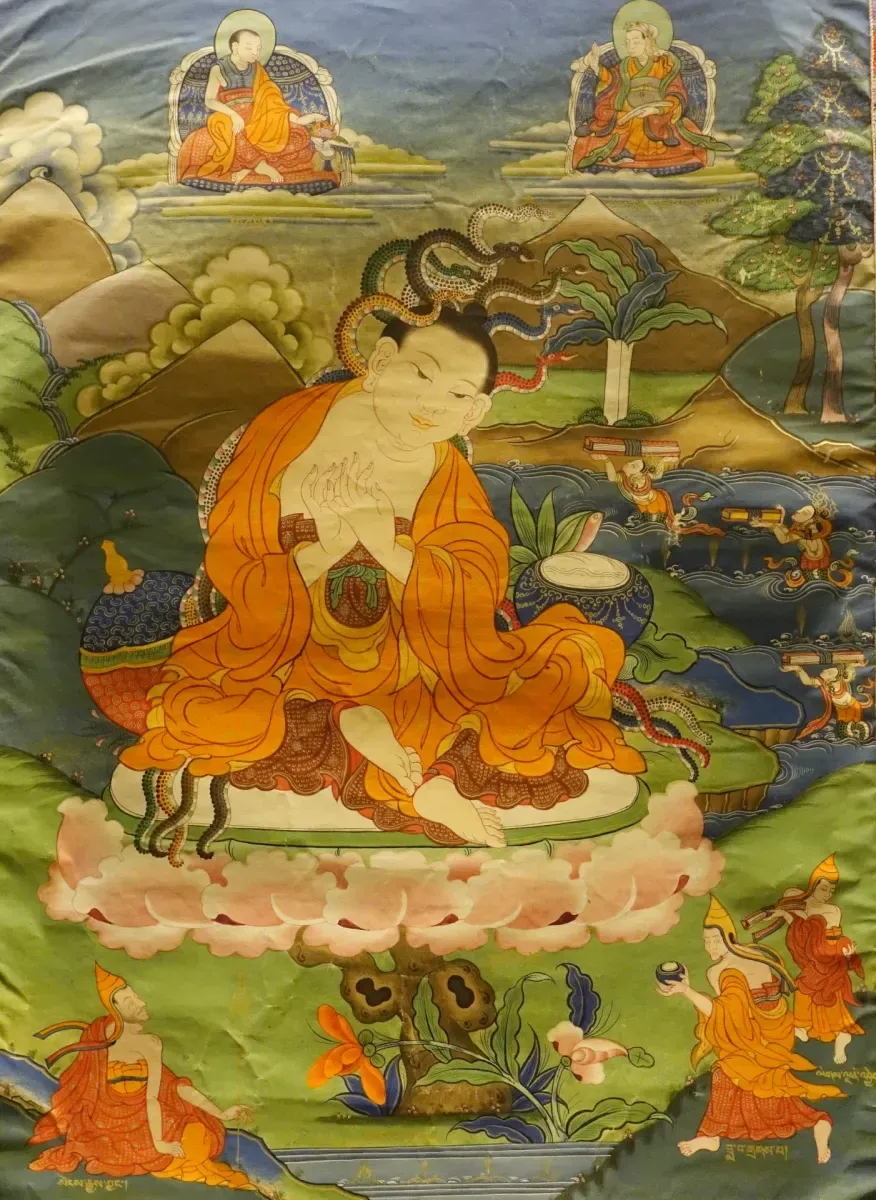
Nagarjuna and Gaudapada
Look for the exact moment anything began. Two Indian thinkers did, and could not find it.
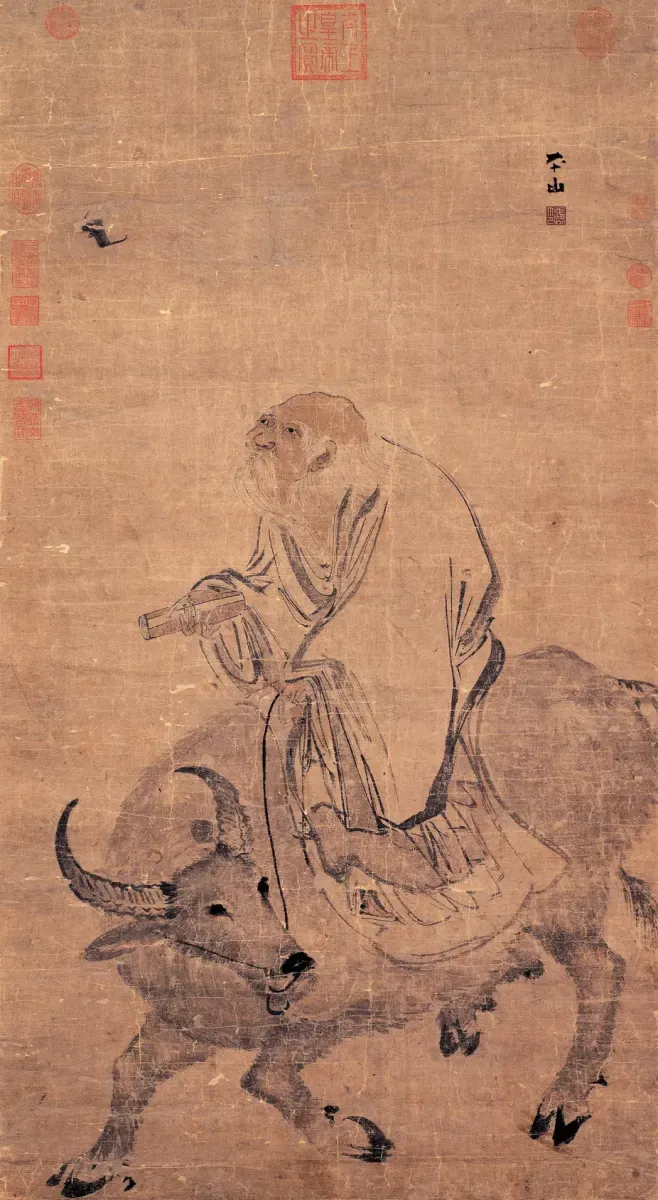
No outward mark: why the knower looks like everyone else
The sage in the Tao Te Ching wears coarse cloth and carries a jewel inside.
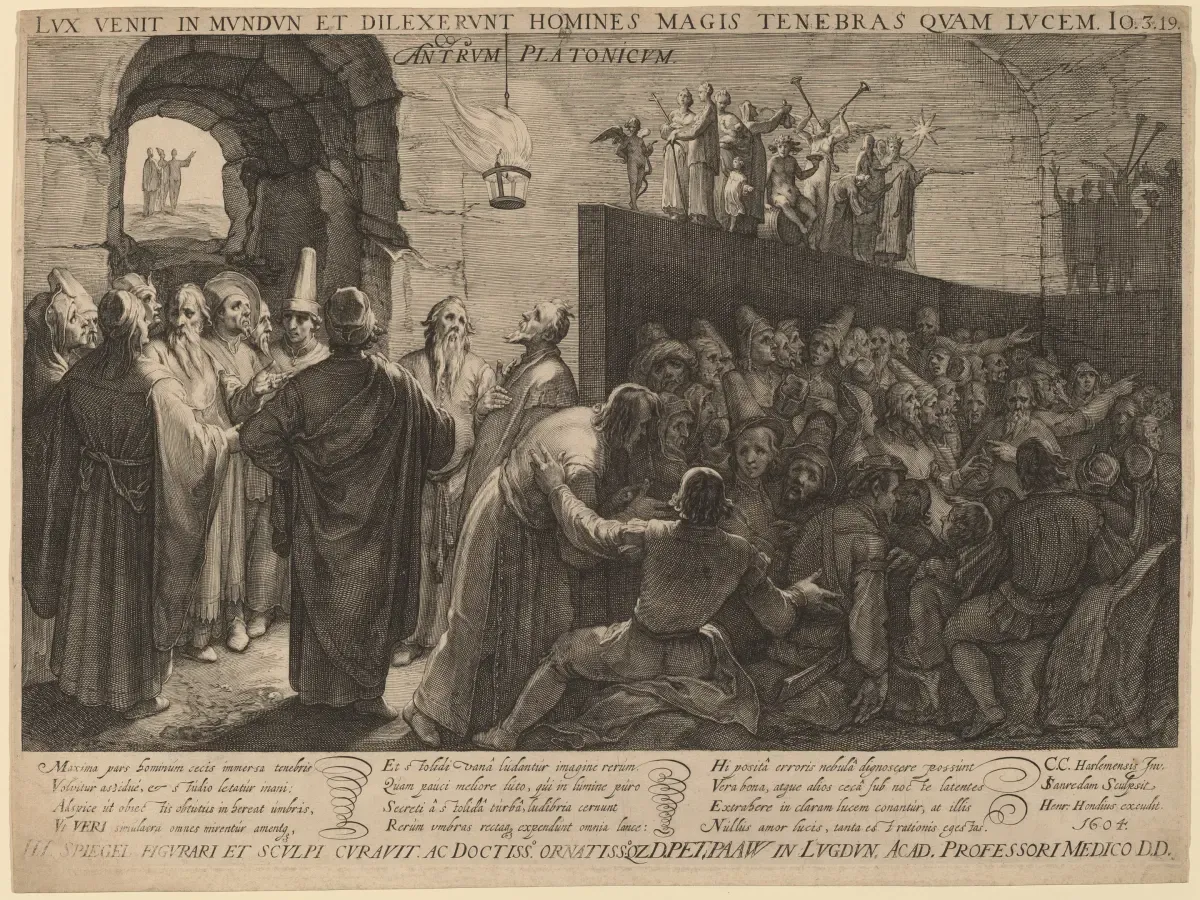
Plato's cave and appearance
Prisoners watch shadows on a wall. A traveller jumps back from a rope at dusk.
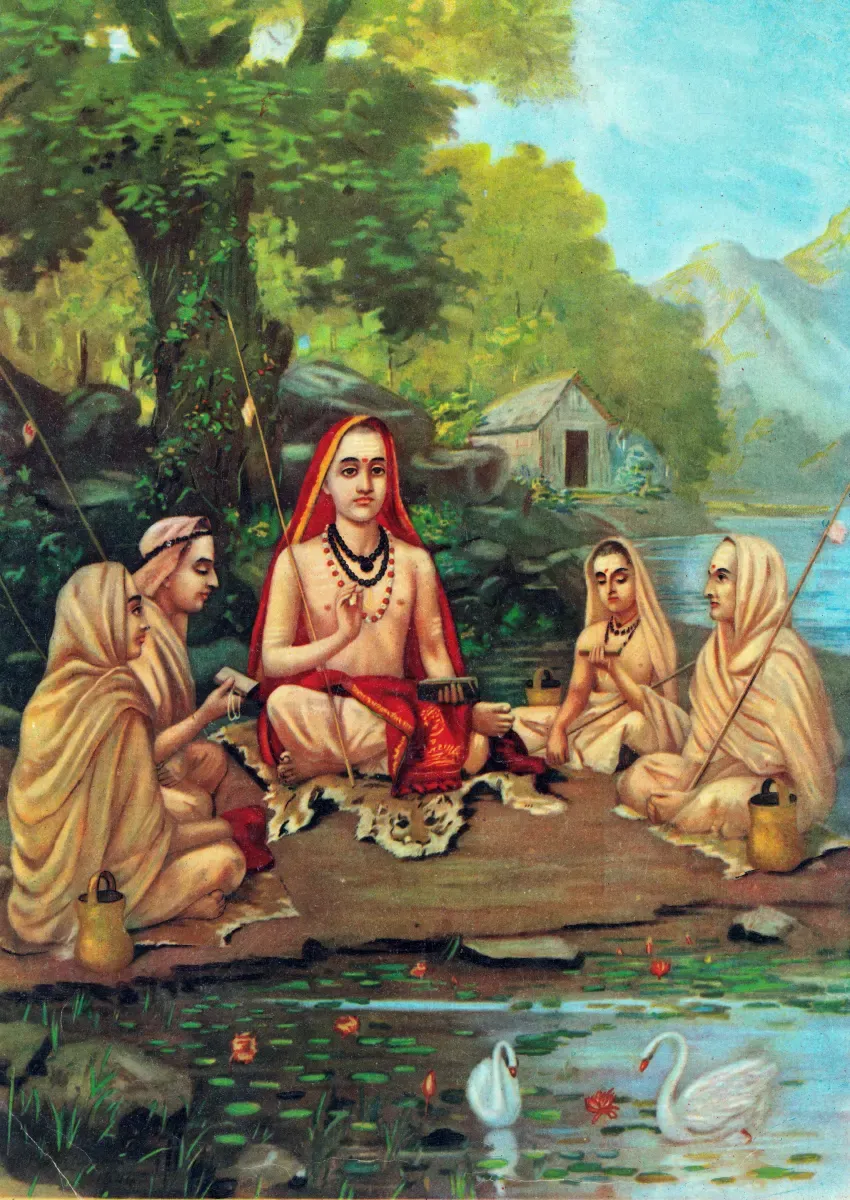
Plotinus and Shankara
Sunlight fills a room. Did it travel in, or was the room always in the light?
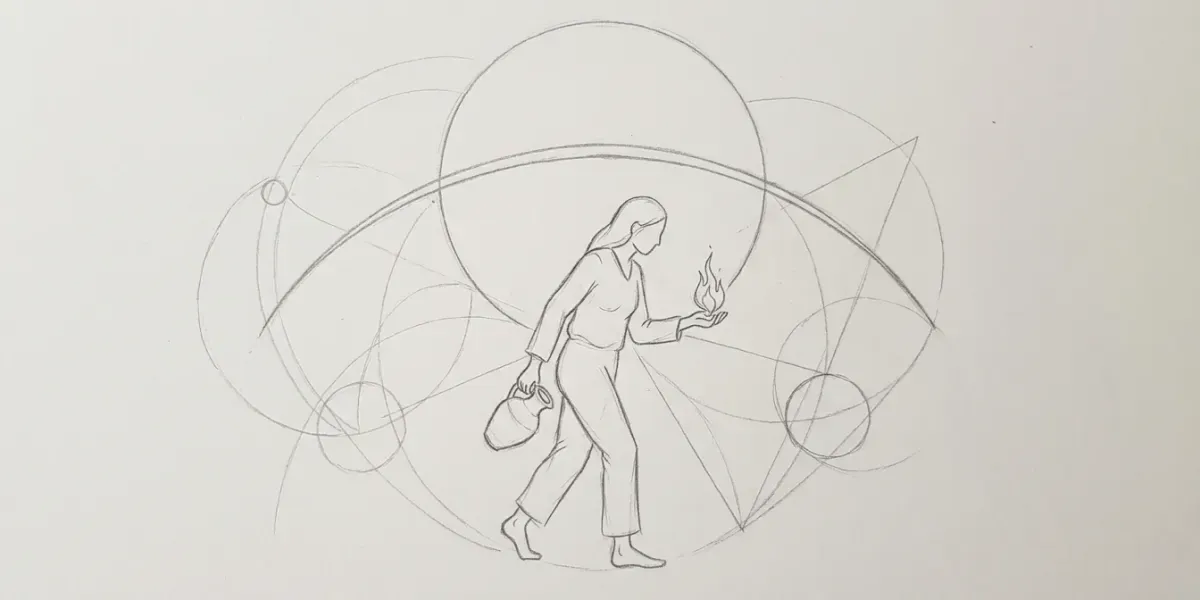
Rabia and the love that leaves no lover
A woman in Basra asked to be shut out of paradise if paradise was why she prayed.
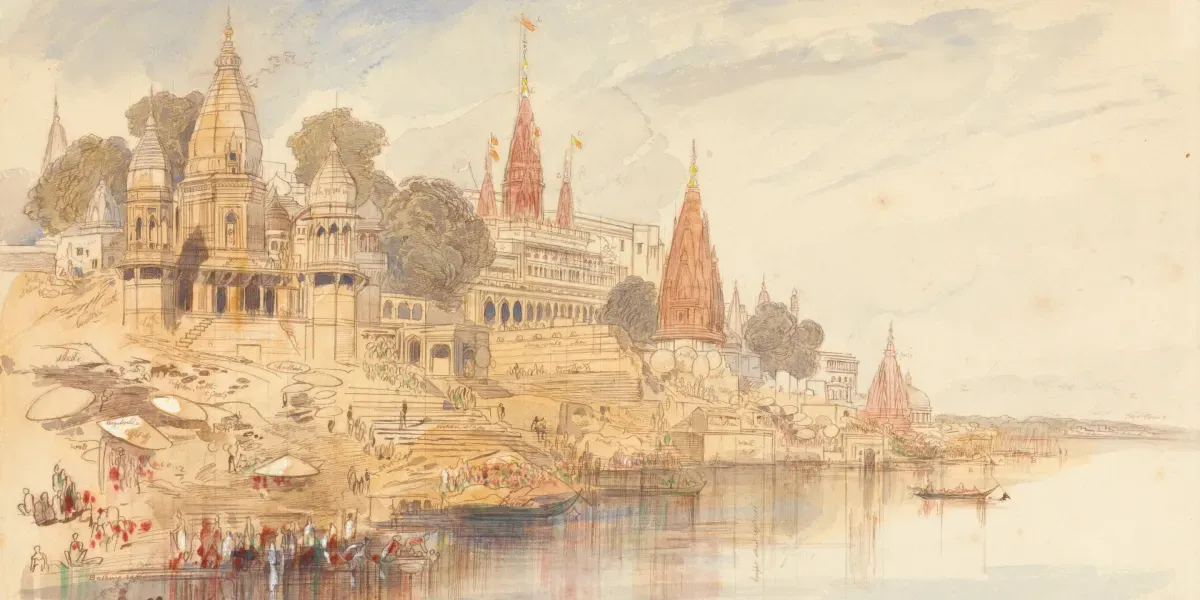
Ramakrishna and many paths
A temple priest at Dakshineswar tried path after path and said he arrived at the same place.
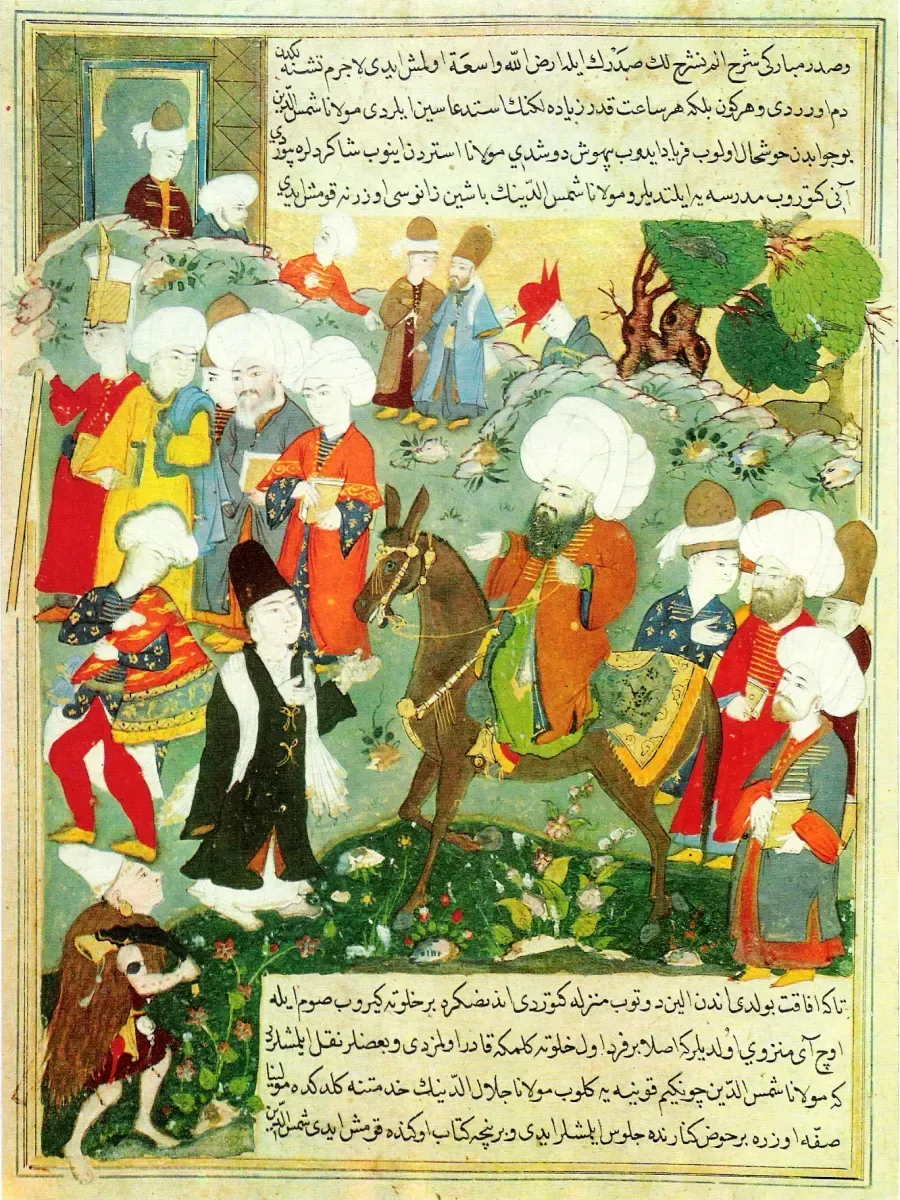
Rumi and the Upanishads
Everyone knows the ache of missing someone. Rumi built a whole path on it.
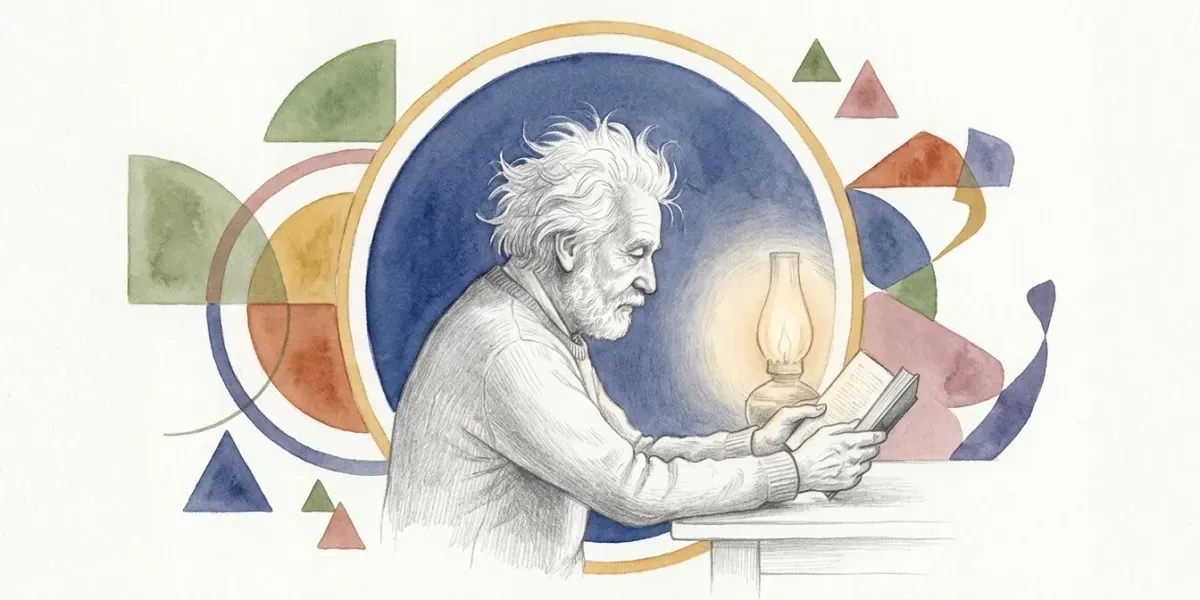
Schopenhauer and the Upanishads
A German philosopher kept a Latin Upanishad close for forty years and called it the consolation of his life.
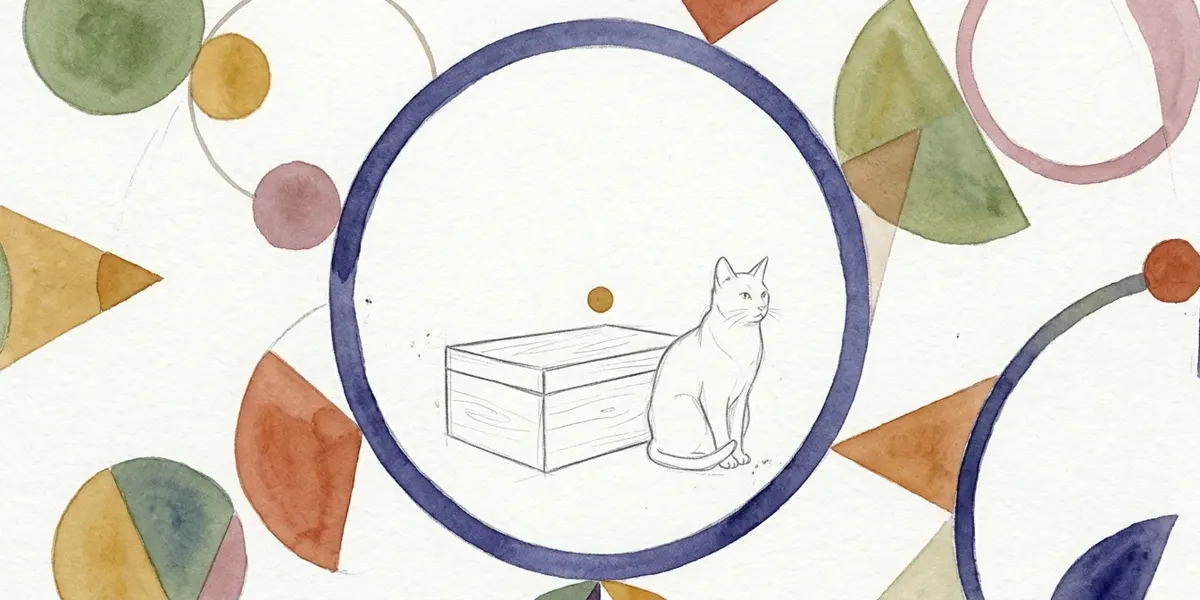
Schrödinger and the Upanishads
In 1943 a Nobel physicist ended a book about living cells by quoting the Upanishads.
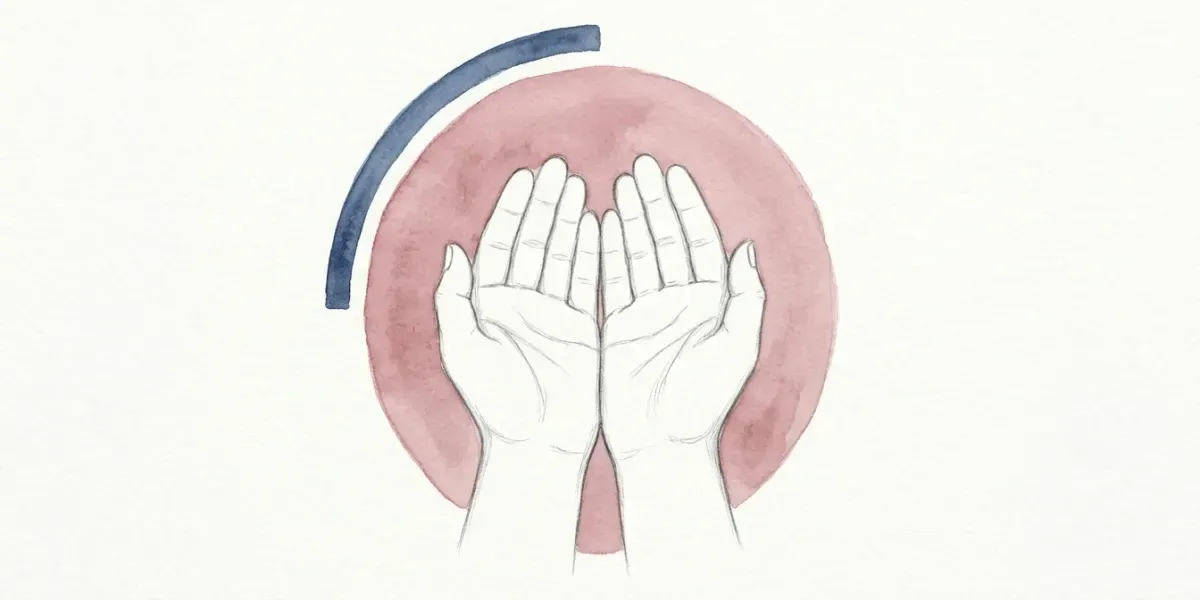
Simone Weil and the I-claim
A philosopher who worked a factory line said the only thing we own is the power to say I.
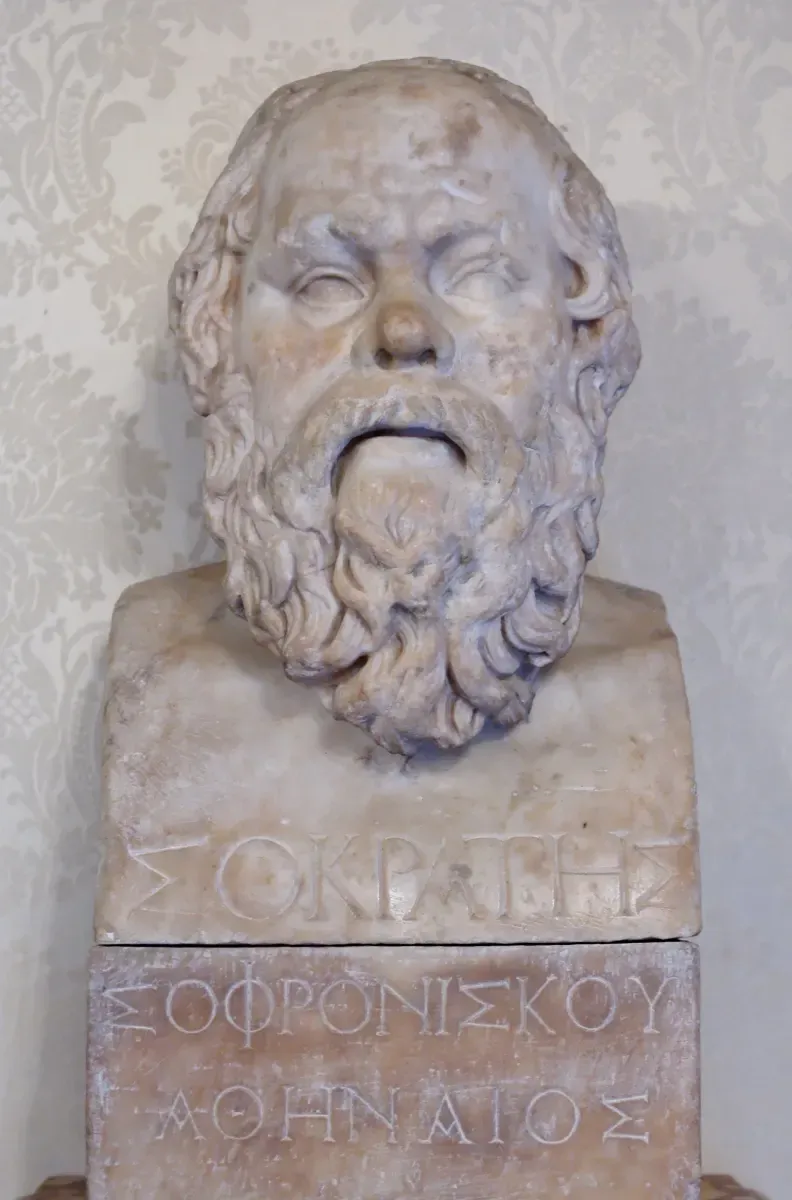
Socrates and the Upanishads
Socrates asked two generals what courage is until they gave up. In Videha, Gargi pressed a sage too far.
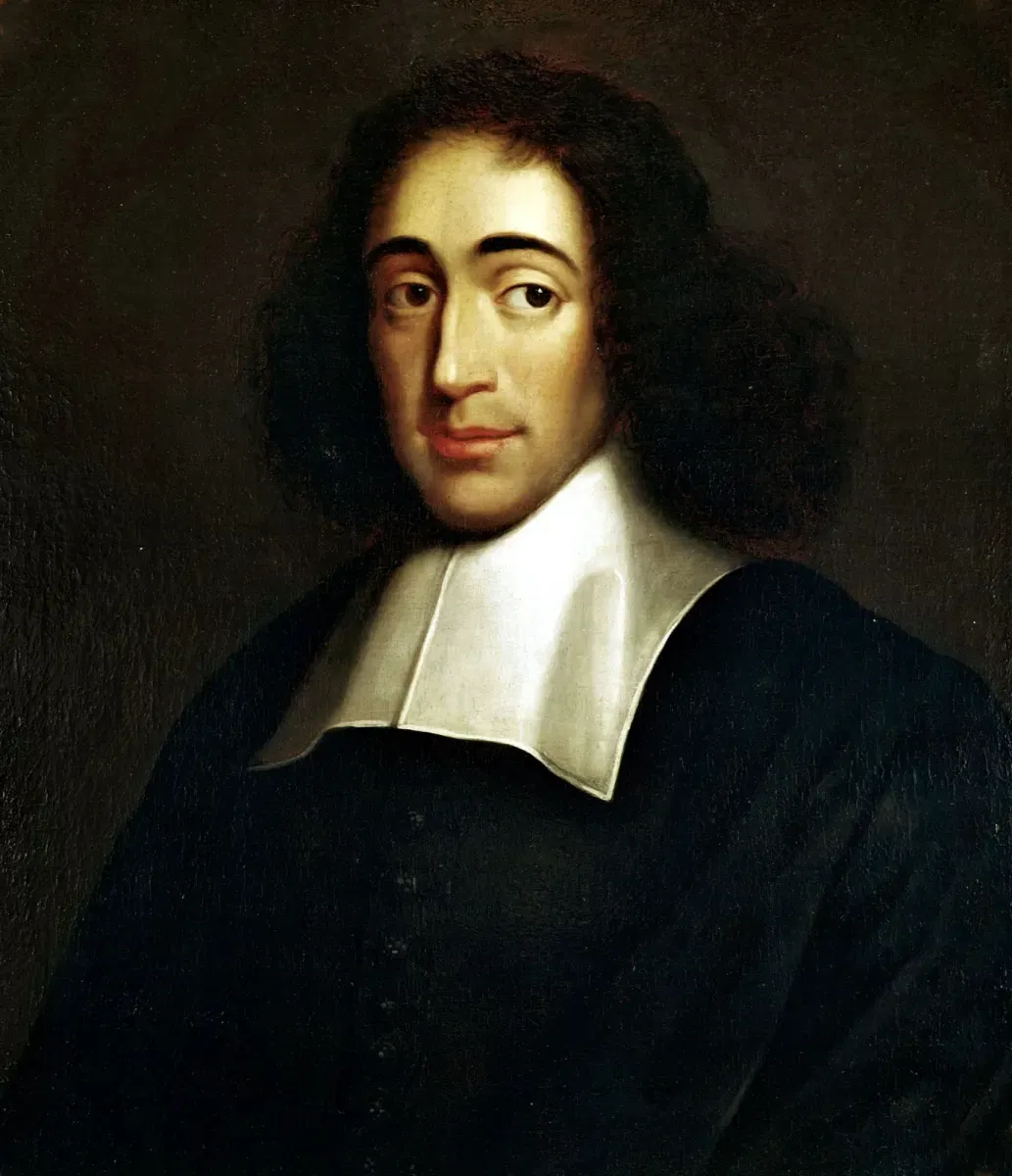
Spinoza and Shankara
A lens-grinder in Holland proved by geometry what a teacher in India had heard in the Upanishads.
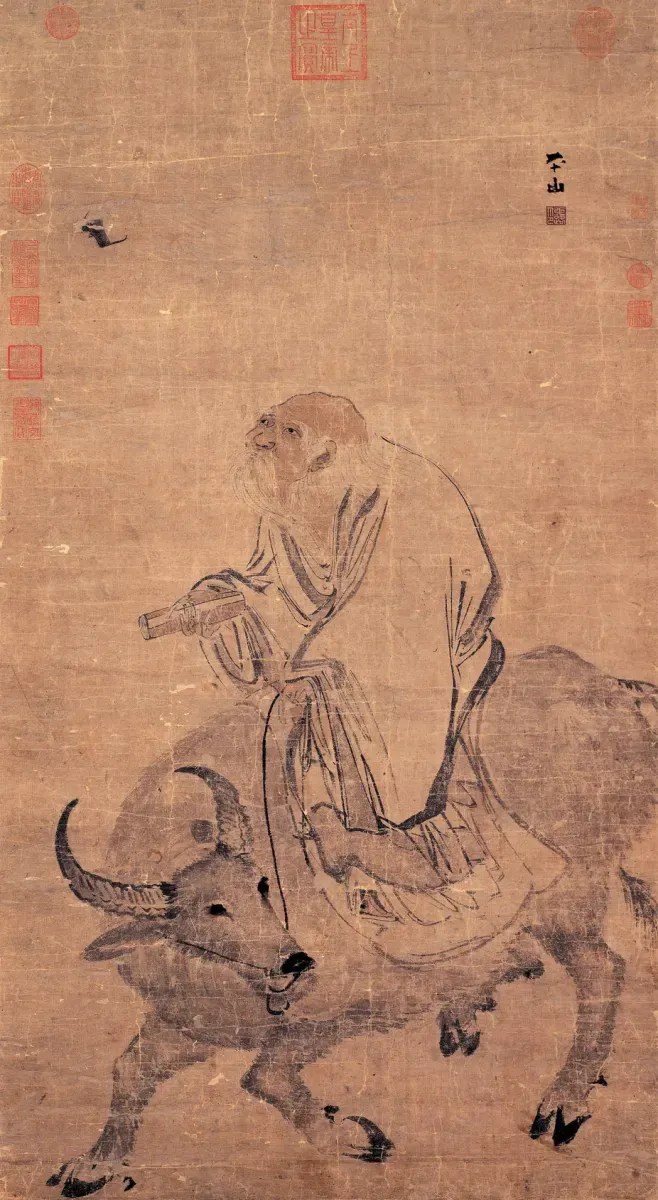
The Tao and Brahman
The Tao Te Ching opens by saying its own subject cannot be named.
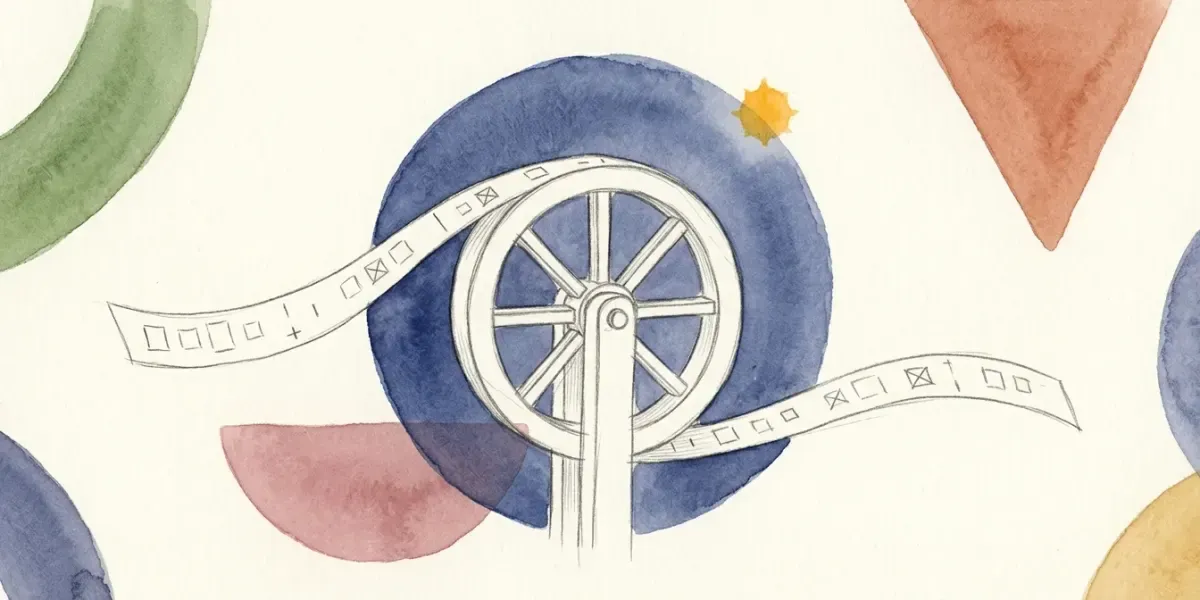
Turing's machine and the witness
In 1950 Alan Turing asked whether a machine can think. The Kena asked what thinking appears to.
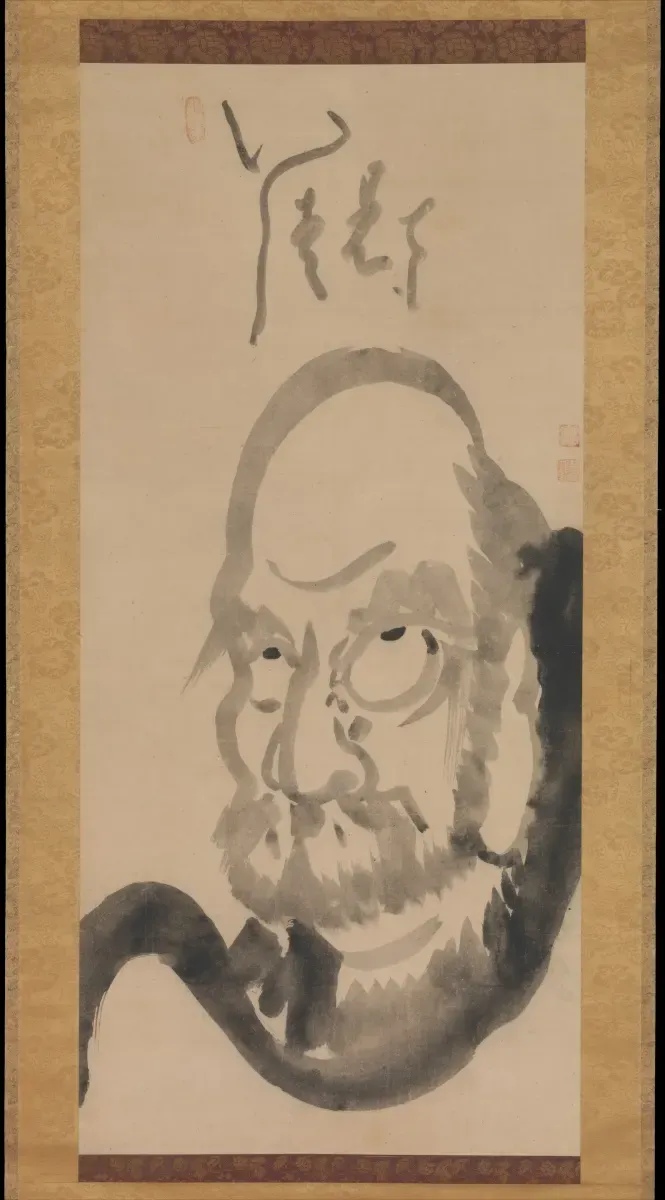
Zen and Advaita
A Zen teacher holds up one finger. An Advaita teacher recites a verse. Same direction.