Hamsa Upanishad
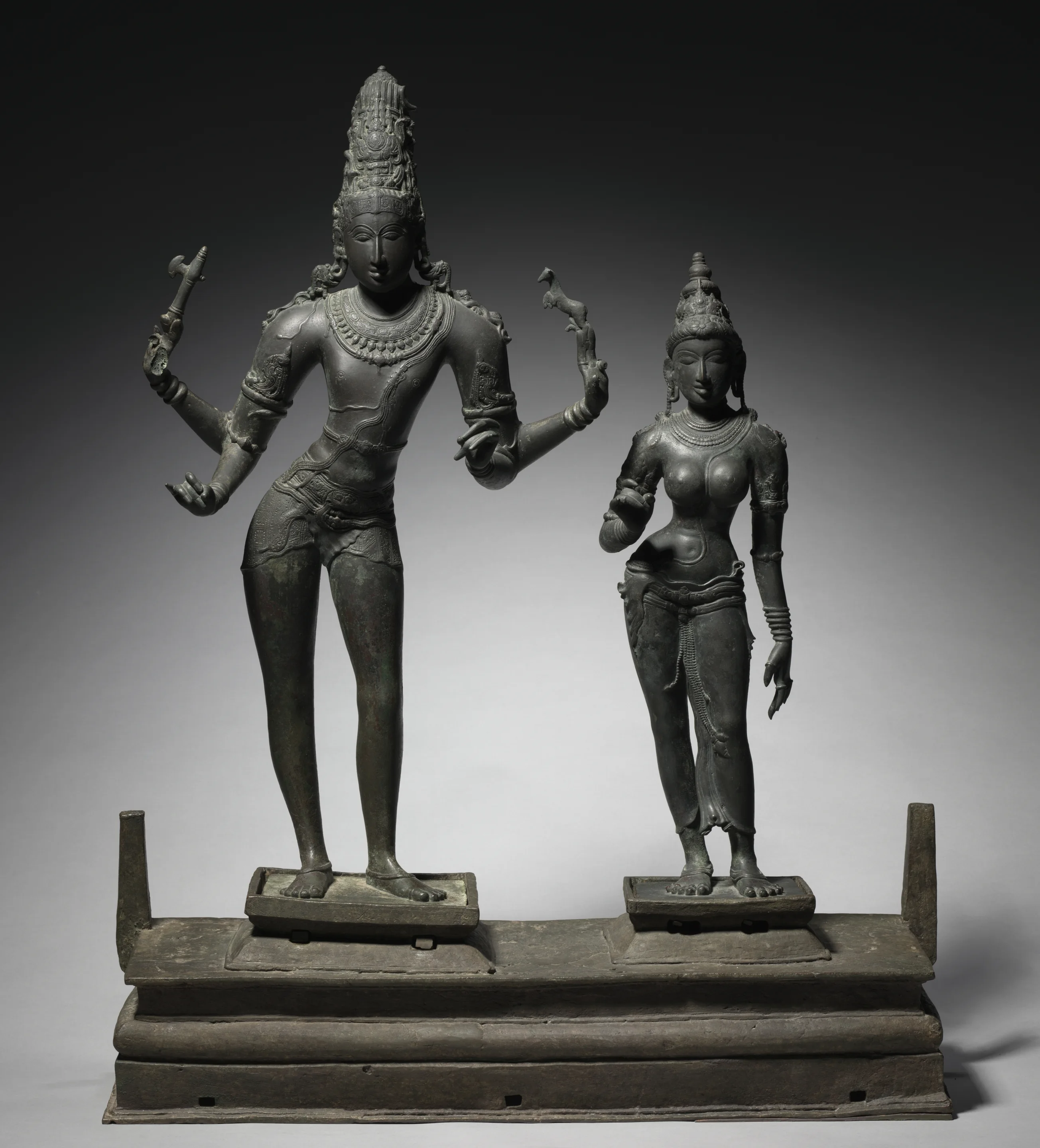
In the words of Pranav Ashar
How we renderThe heart of the Hamsa
In brief
Sanatkumara passes on to Gautama a teaching that Parvati received from Shiva: the secret of the hamsa, the 'swan' that is the Self moving in every body as the breath. The breath says 'ham-sa' twenty-one thousand six hundred times a day; the yogi turns this into the unspoken mantra 'so'ham', 'I am he', raises the breath through the centres, and listens inward to ten kinds of sound. When the swan dissolves into the sound, the mind with its intentions and its merits and sins burns away, and Shiva alone shines, self-luminous, pure and at peace.
- The swan (hamsa) as the Self
- 'I am he' (so'ham) in every breath
- The inner sound (nada)
- States of mind and the lotus of the heart
- Beyond the fourth
हंसाख्योपनिषत्प्रोक्तनादालिर्यत्र विश्रमेत् । तदाधारं निराधारं ब्रह्ममात्रमहं महः ॥
haṃsākhyopaniṣatproktanādāliryatra viśramet | tadādhāraṃ nirādhāraṃ brahmamātramahaṃ mahaḥ ||
That in which the chain of inner sounds, taught in the Upanishad called Hamsa, comes to rest, the support of all, itself without support, Brahman alone, the light: that am I.
Note //
A dedicatory verse from the commentator's tradition, placed before the peace invocation; it is not part of the numbered text.
गौतम उवाच । भगवन्सर्वधर्मज्ञ सर्वशास्त्रविशारद । ब्रह्मविद्याप्रबोधो हि केनोपायेन जायते ॥ १॥
gautama uvāca | bhagavansarvadharmajña sarvaśāstraviśārada | brahmavidyāprabodho hi kenopāyena jāyate || 1||
Gautama said: 'Lord, you know every dharma and are learned in every scripture: by what means does the knowledge of Brahman awaken?'
Note //
सनत्कुमार उवाच । विचार्य सर्ववेदेषु मतं ज्ञात्वा पिनाकिनः । पार्वत्या कथितं तत्त्वं शृणु गौतम तन्मम ॥ २॥
sanatkumāra uvāca | vicārya sarvavedeṣu mataṃ jñātvā pinākinaḥ | pārvatyā kathitaṃ tattvaṃ śṛṇu gautama tanmama || 2||
Sanatkumara said: 'Hear from me, Gautama, the truth that Parvati told, after searching all the Vedas and learning the mind of Shiva.
Note //
अनाख्येयमिदं गुह्यं योगिनां कोशसंनिभम् । हंसस्याकृतिविस्तारं भुक्तिमुक्तिफलप्रदम् ॥ ३॥
anākhyeyamidaṃ guhyaṃ yogināṃ kośasaṃnibham | haṃsasyākṛtivistāraṃ bhuktimuktiphalapradam || 3||
It is a secret not to be told, a treasure-house for yogis: the full account of , giving both enjoyment and freedom.
Note //
अथ हंसपरमहंसनिर्णयं व्याख्यास्यामः । ब्रह्मचारिणे शान्ताय दान्ताय गुरुभक्ताय । हंसहंसेति सदा ध्यायन्सर्वेषु देहेषु व्याप्य वर्तते । यथा ह्यग्निः काष्ठेषु तिलेषु तैलमिव तं विदित्वा मृत्युमत्येति ॥
atha haṃsaparamahaṃsanirṇayaṃ vyākhyāsyāmaḥ | brahmacāriṇe śāntāya dāntāya gurubhaktāya | haṃsahaṃseti sadā dhyāyansarveṣu deheṣu vyāpya vartate | yathā hyagniḥ kāṣṭheṣu tileṣu tailamiva taṃ viditvā mṛtyumatyeti ||
Now we shall explain the truth of and , for the student who is calm, restrained and devoted to the teacher. Meditating always 'swan, swan', one finds it present, pervading all bodies, like fire in wood, like oil in sesame. Knowing it, one passes beyond death.
Note //
Hamsa, 'swan', is the Self in the individual; paramahamsa, 'the highest swan', the Self as it is. The word is also heard in the breath: 'ham' going out, 'sa' coming in (Aiyar's note). The pervading of all bodies belongs to the swan, not to the meditator; the meditation only finds it.
गुदमवष्टभ्याधाराद्वायुमुत्थाप्य स्वाधिष्ठानं त्रिः प्रदक्षिणीकृत्य मणिपूरकं च गत्वा अनाहतमतिक्रम्य विशुद्धौ प्राणान्निरुध्याज्ञामनुध्यायन्ब्रह्मरन्ध्रं ध्यायन्त्रिमात्रोऽहमित्येवं सर्वदा ध्यायन् । अथो नादमाधाराद्ब्रह्मरन्ध्रपर्यन्तं शुद्धस्फटिकसङ्काशं स वै ब्रह्म परमात्मेत्युच्यते ॥ १॥
gudamavaṣṭabhyādhārādvāyumutthāpya svādhiṣṭhānaṃ triḥ pradakṣiṇīkṛtya maṇipūrakaṃ ca gatvā anāhatamatikramya viśuddhau prāṇānnirudhyājñāmanudhyāyanbrahmarandhraṃ dhyāyantrimātro'hamityevaṃ sarvadā dhyāyan | atho nādamādhārādbrahmarandhraparyantaṃ śuddhasphaṭikasaṅkāśaṃ sa vai brahma paramātmetyucyate || 1||
Holding the anus firm, raising the breath from the root centre, circling the second centre three times, going to the navel centre, passing the heart centre, holding the breaths at the throat centre, dwelling on the centre between the brows, meditating on the opening at the crown, meditating always, 'I am the three measures': then the sound, from the root to the crown, clear as pure crystal: that is called Brahman, the highest Self.
Note //
The six centres (chakras) named are muladhara (root), svadhishthana, manipuraka (navel), anahata (heart), vishuddhi (throat) and ajna (between the brows), with the brahmarandhra at the crown. 'The three measures' are a, u and m of Om. The edition's वायुमुत्थाप्यस्वाधिष्ठां and प्रदिक्षिणीकृत्य are corrected.
अथ हंस ऋषिः । अव्यक्ता गायत्री छन्दः । परमहंसो देवता । अहमिति बीजम् । स इति शक्तिः । सोऽहमिति कीलकम् । षट् सङ्ख्यया अहोरात्रयोरेकविंशतिसहस्राणि षट् शतान्यधिकानि भवन्ति । सूर्याय सोमाय निरञ्जनाय निराभासाय तनु सूक्ष्मं प्रचोदयादिति अग्नीषोमाभ्यां वौषट् हृदयाद्यङ्गन्यासकरन्यासौ भवतः । एवं कृत्वा हृदये अष्टदले हंसात्मानं ध्यायेत् ।
atha haṃsa ṛṣiḥ | avyaktā gāyatrī chandaḥ | paramahaṃso devatā | ahamiti bījam | sa iti śaktiḥ | so'hamiti kīlakam | ṣaṭ saṅkhyayā ahorātrayorekaviṃśatisahasrāṇi ṣaṭ śatānyadhikāni bhavanti | sūryāya somāya nirañjanāya nirābhāsāya tanu sūkṣmaṃ pracodayāditi agnīṣomābhyāṃ vauṣaṭ hṛdayādyaṅganyāsakaranyāsau bhavataḥ | evaṃ kṛtvā hṛdaye aṣṭadale haṃsātmānaṃ dhyāyet |
Now: the seer of this mantra is Hamsa; the metre is the unmanifest Gayatri; the deity is ; the seed is 'ham' (I); the power is 'sa' (he); the pin that holds it is 'so'ham', 'I am he'. Counted by six, there are twenty-one thousand six hundred in a day and a night. 'To the sun, to the moon, to the stainless, to the one without appearance: may the subtle, slender one inspire us.' 'Vaushat to Agni and Soma.' Then come the placings of the mantra on the heart and the limbs, and on the hands. Having done this, meditate on , the Self, in the eight-petalled lotus of the heart.
Note //
This is the formal frame of the ajapa ('unspoken') mantra: the breath repeats 'ham-sa' by itself, 21,600 times in a day and a night, without being recited. Read the other way, it is so'ham, 'I am he'. The edition prints 'ahamiti' for the seed, which keeps the sense 'I'.
अग्नीषोमौ पक्षावोङ्कारः शिरो बिन्दुस्तु नेत्रं मुखं रुद्रो रुद्राणी चरणौ बाहू कालश्चाग्निश्चोभे पार्श्वे भवतः । पश्यत्यनागारश्च शिष्टोभयपार्श्वे भवतः । एषोऽसौ परमहंसो भानुकोटिप्रतीकाशः । येनेदं व्याप्तम् ।
agnīṣomau pakṣāvoṅkāraḥ śiro bindustu netraṃ mukhaṃ rudro rudrāṇī caraṇau bāhū kālaścāgniścobhe pārśve bhavataḥ | paśyatyanāgāraśca śiṣṭobhayapārśve bhavataḥ | eṣo'sau paramahaṃso bhānukoṭipratīkāśaḥ | yenedaṃ vyāptam |
Agni and Soma are its two wings; Om is its head; the point (bindu) is its eye; Rudra is its face; Rudrani its feet; time and fire are its arms, on either side. It sees, though it has no home; what remains is on its two sides. This is , bright as ten million suns, by which all this is pervaded.
Note //
The sentence पश्यत्यनागारश्च शिष्टोभयपार्श्वे भवतः is obscure; Aiyar's text reads it of the body's two sides and his note says it 'seemingly makes no sense'. Rendered literally. Pending review.
तस्याष्टधा वृत्तिर्भवति । पूर्वदले पुण्ये मतिः आग्नेये निद्रालस्यादयो भवन्ति याम्ये क्रूरे मतिः नैरृते पापे मनीषा वारुण्यां क्रीडा वायव्ये गमनादौ बुद्धिः सौम्ये रतिप्रीतिः ईशाने द्रव्यादानं मध्ये वैराग्यं केसरे जाग्रदवस्था कर्णिकायां स्वप्नं लिङ्गे सुषुप्तिः पद्मत्यागे तुरीयं यदा हंसो नादे लीनो भवति तदा तुर्यातीतमुन्मननमजपोपसंहारमित्यभिधीयते ।
tasyāṣṭadhā vṛttirbhavati | pūrvadale puṇye matiḥ āgneye nidrālasyādayo bhavanti yāmye krūre matiḥ nairṛte pāpe manīṣā vāruṇyāṃ krīḍā vāyavye gamanādau buddhiḥ saumye ratiprītiḥ īśāne dravyādānaṃ madhye vairāgyaṃ kesare jāgradavasthā karṇikāyāṃ svapnaṃ liṅge suṣuptiḥ padmatyāge turīyaṃ yadā haṃso nāde līno bhavati tadā turyātītamunmananamajapopasaṃhāramityabhidhīyate |
Its movement is eightfold. When it rests on the eastern petal, the mind turns to good; on the south-east, sleep, laziness and the rest arise; on the south, the mind turns to cruelty; on the south-west, to wrongdoing; on the west, to play; on the north-west, to going about; on the north, to love and pleasure; on the north-east, to gathering wealth; in the middle, to dispassion. On the filaments, it is waking; on the seed-vessel, dream; in the centre, deep sleep; leaving the lotus, the fourth. When dissolves into the sound, that is called beyond the fourth, the mind gone beyond itself, the end of the unspoken mantra.
Note //
A map of moods: the swan, the attention, wanders over the petals of the heart, and each direction colours the mind. Leaving the lotus is turiya, 'the fourth'; dissolving into sound is turiyatita, 'beyond the fourth', unmanana (literally 'no-minding'), where the mantra ends itself.
एवं सर्वं हंसवशात्तस्मान्मनो हंसो विचार्यते । स एव जपकोट्या नादमनुभवति एवं सर्वं हंसवशान्नादो दशविधो जायते । चिणीति प्रथमः । चिञ्चिणीति द्वितीयः । घण्टानादस्तृतीयः । शङ्खनादश्चतुर्थः । पञ्चमस्तन्त्रीनादः । षष्ठस्तालनादः । सप्तमो वेणुनादः । अष्टमो मृदङ्गनादः । नवमो भेरीनादः । दशमो मेघनादः । नवमं परित्यज्य दशममेवाभ्यसेत् ।
evaṃ sarvaṃ haṃsavaśāttasmānmano haṃso vicāryate | sa eva japakoṭyā nādamanubhavati evaṃ sarvaṃ haṃsavaśānnādo daśavidho jāyate | ciṇīti prathamaḥ | ciñciṇīti dvitīyaḥ | ghaṇṭānādastṛtīyaḥ | śaṅkhanādaścaturthaḥ | pañcamastantrīnādaḥ | ṣaṣṭhastālanādaḥ | saptamo veṇunādaḥ | aṣṭamo mṛdaṅganādaḥ | navamo bherīnādaḥ | daśamo meghanādaḥ | navamaṃ parityajya daśamamevābhyaset |
So all this depends on , and so the mind is examined as . After ten million repetitions one hears the sound. So, by , the sound arises in ten kinds. The first is a faint 'chini'; the second, 'chini-chini'; the third, a bell; the fourth, a conch; the fifth, a stringed instrument; the sixth, cymbals; the seventh, a flute; the eighth, a drum; the ninth, a kettledrum; the tenth, thunder. Leave the ninth and practise the tenth alone.
Note //
The edition's पञ्चमतन्त्रीनादः is corrected to पञ्चमस्तन्त्रीनादः. Aiyar's text instead says one may reach the tenth without the first nine. Either way the tenth is the one that matters. Aiyar's text has mridanga as the ninth and bheri as the eighth.
प्रथमे चिञ्चिणीगात्रं द्वितीये गात्रभञ्जनम् । तृतीये खेदनं याति चतुर्थे कम्पते शिरः ॥ पञ्चमे स्रवते तालु षष्ठेऽमृतनिषेवणम् । सप्तमे गूढविज्ञानं परा वाचा तथाष्टमे ॥ अदृश्यं नवमे देहं दिव्यं चक्षुस्तथामलम् । दशमे परमं ब्रह्म भवेद्ब्रह्मात्मसंनिधौ ॥
prathame ciñciṇīgātraṃ dvitīye gātrabhañjanam | tṛtīye khedanaṃ yāti caturthe kampate śiraḥ || pañcame sravate tālu ṣaṣṭhe'mṛtaniṣevaṇam | saptame gūḍhavijñānaṃ parā vācā tathāṣṭame || adṛśyaṃ navame dehaṃ divyaṃ cakṣustathāmalam | daśame paramaṃ brahma bhavedbrahmātmasaṃnidhau ||
With the first, the body tingles; with the second, the limbs feel broken; with the third, one tires; with the fourth, the head shakes; with the fifth, the palate flows; with the sixth, one tastes nectar; with the seventh comes hidden knowledge; with the eighth, the highest speech; with the ninth, the body is unseen, and the divine eye is clear; with the tenth, one becomes the highest Brahman, in the presence of the Self that is Brahman.
Note //
Three verses in the edition, kept together as one passage. Aiyar's text has 'piercing' (bhedana) where this edition has 'tiring' (khedana) for the third. The effects of the first nine are side-effects of absorption; only the tenth is named as the goal.
तस्मिन्मनो विलीयते मनसि सङ्कल्पविकल्पे दग्धे पुण्यपापे सदाशिवः शक्त्यात्मा सर्वत्रावस्थितः स्वयंज्योतिः शुद्धो बुद्धो नित्यो निरञ्जनः शान्तः प्रकाशत इति ॥ इति वेदप्रवचनं वेदप्रवचनम् ॥ २॥
tasminmano vilīyate manasi saṅkalpavikalpe dagdhe puṇyapāpe sadāśivaḥ śaktyātmā sarvatrāvasthitaḥ svayaṃjyotiḥ śuddho buddho nityo nirañjanaḥ śāntaḥ prakāśata iti || iti vedapravacanaṃ vedapravacanam || 2||
In that the mind dissolves. When the mind, with its , is gone, and merit and sin are burned away, Sadashiva, whose nature is power, present everywhere, light by itself, pure, awake, eternal, stainless, at peace, shines. So the Veda teaches. So the Veda teaches.
Note //
The last word is not an experience but what remains when the experiencer dissolves. The edition reads मनसि सङ्कल्पविकल्पे दग्धे, 'when the mind, intending and doubting, is burned'; the plain lines follow that sense.
The renderings on this page are shared under CC BY-NC 4.0, in the words of Pranav Ashar.