Aitareya Upanishad
In the words of Pranav Ashar
How we renderThe heart of the Aitareya
In brief
The Aitareya tells the story of the world from the Self's side. In the beginning the Self alone was here. It brings forth worlds, a cosmic person and the powers of the senses, which settle into a human body. Then it asks: if speech speaks and the eye sees, who am I? It enters through the crown of the head, looks around, and sees that this person itself is Brahman. The text ends with one of the four great sayings: knowing is Brahman.
- The Self alone in the beginning
- "Then who am I?"
- Three dwellings, three dreams
- The three births
- Knowing is Brahman
Contents
आत्मा वा इदमेक एवाग्र आसीन्नान्यत्किञ्चन मिषत् । स ईक्षत लोकान्नु सृजा इति ॥
ātmā vā idameka evāgra āsīnnānyatkiñcana miṣat | sa īkṣata lokānnu sṛjā iti ||
In the beginning, the Self alone was here, one only. . : "Let me bring forth worlds."
Note //
'Nothing else blinked': nothing else was active or alive. Shankara: 'in the beginning' does not mean the Self was once alone and later had company; name and form were never apart from it, before creation or after.
स इमाँल्लोकानसृजत । अम्भो मरीचीर्मरमापोऽदोऽम्भः परेण दिवं द्यौः प्रतिष्ठाऽन्तरिक्षं मरीचयः पृथिवी मरो या अधस्तात्ता आपः ॥
sa imām̐llokānasṛjata | ambho marīcīrmaramāpo'do'mbhaḥ pareṇa divaṃ dyauḥ pratiṣṭhā'ntarikṣaṃ marīcayaḥ pṛthivī maro yā adhastāttā āpaḥ ||
It brought forth these worlds: the high waters, the rays, the world of death, the waters below. The high waters are beyond the sky, and the sky holds them up. The rays are the space between. The world of death is the earth. What lies beneath are the waters.
Note //
स ईक्षतेमे नु लोका लोकपालान्नु सृजा इति । सोऽद्भ्य एव पुरुषं समुद्धृत्यामूर्छयत् ॥
sa īkṣateme nu lokā lokapālānnu sṛjā iti | so'dbhya eva puruṣaṃ samuddhṛtyāmūrchayat ||
: "Here are the worlds. Now let me bring forth guardians for them." From the waters themselves it drew out a person and gave it shape.
Note //
The person here is the cosmic person, of whom every body is a part (Shankara).
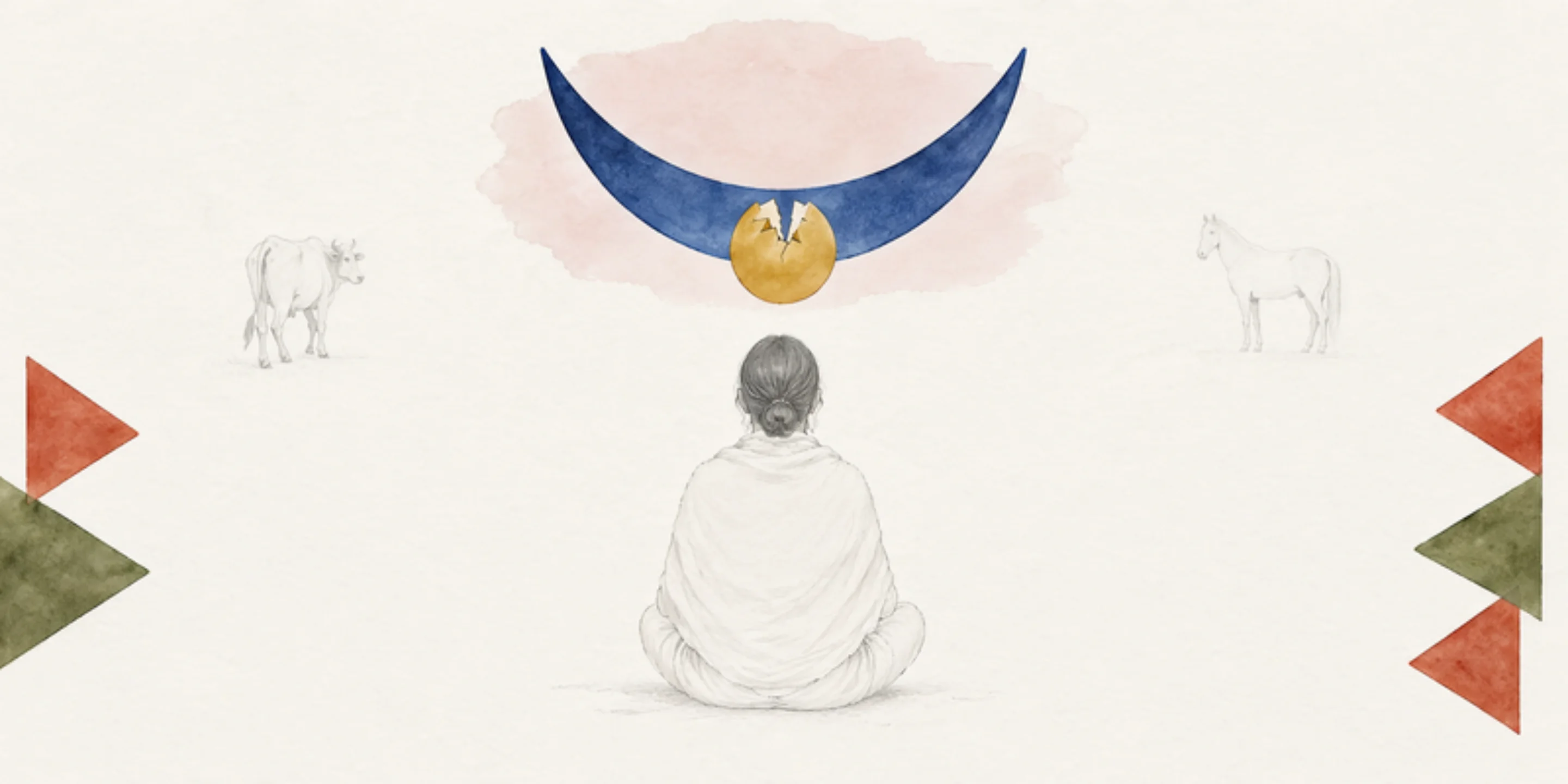
तमभ्यतपत्तस्याभितप्तस्य मुखं निरभिद्यत यथाऽण्डं मुखाद्वाग्वाचोऽग्निर्नासिके निरभिद्येतां नासिकाभ्यां प्राणः प्राणाद्वायुरक्षिणी निरभिद्येतामक्षीभ्यां चक्षुश्चक्षुष आदित्यः कर्णौ निरभिद्येतां कर्णाभ्यां श्रोत्रं श्रोत्राद्दिशस्त्वङ्निरभिद्यत त्वचो लोमानि लोमभ्य ओषधिवनस्पतयो हृदयं निरभिद्यत हृदयान्मनो मनसश्चन्द्रमा नाभिर्निरभिद्यत नाभ्या अपानोऽपानान्मृत्युः शिश्नं निरभिद्यत शिश्नाद्रेतो रेतस आपः ॥
tamabhyatapattasyābhitaptasya mukhaṃ nirabhidyata yathā'ṇḍaṃ mukhādvāgvāco'gnirnāsike nirabhidyetāṃ nāsikābhyāṃ prāṇaḥ prāṇādvāyurakṣiṇī nirabhidyetāmakṣībhyāṃ cakṣuścakṣuṣa ādityaḥ karṇau nirabhidyetāṃ karṇābhyāṃ śrotraṃ śrotrāddiśastvaṅnirabhidyata tvaco lomāni lomabhya oṣadhivanaspatayo hṛdayaṃ nirabhidyata hṛdayānmano manasaścandramā nābhirnirabhidyata nābhyā apāno'pānānmṛtyuḥ śiśnaṃ nirabhidyata śiśnādreto retasa āpaḥ ||
It brooded over that person, and as it brooded, a mouth broke open, like an egg. From the mouth came speech; from speech, fire. Nostrils broke open; from the nostrils, breath; from breath, wind. Eyes broke open; from the eyes, sight; from sight, the sun. Ears broke open; from the ears, hearing; from hearing, the directions. Skin broke open; from the skin, hair; from hair, plants and trees. A heart broke open; from the heart, mind; from mind, the moon. A navel broke open; from the navel, the downward breath; from that, death. An organ of generation broke open; from it, seed; from seed, the waters.
Note //
ता एता देवताः सृष्टा अस्मिन्महत्यर्णवे प्रापतंस्तमशनापिपासाभ्यामन्ववार्जत् । ता एनमब्रुवन्नायतनं नः प्रजानीहि यस्मिन्प्रतिष्ठिता अन्नमदामेति ॥
tā etā devatāḥ sṛṣṭā asminmahatyarṇave prāpataṃstamaśanāpipāsābhyāmanvavārjat | tā enamabruvannāyatanaṃ naḥ prajānīhi yasminpratiṣṭhitā annamadāmeti ||
These powers, once brought forth, fell into this great ocean. It gave that person hunger and thirst. The powers said to it: "Find us a place to live, where we can settle and eat food."
Note //
The great ocean is the sea of birth and death (Shankara).
ताभ्यो गामानयत्ता अब्रुवन्न वै नोऽयमलमिति । ताभ्योऽश्वमानयत्ता अब्रुवन्न वै नोऽयमलमिति ॥
tābhyo gāmānayattā abruvanna vai no'yamalamiti | tābhyo'śvamānayattā abruvanna vai no'yamalamiti ||
It brought them a cow. They said, "This is not enough for us." It brought them a horse. They said, "This is not enough for us."
Note //
ताभ्यः पुरुषमानयत्ता अब्रुवन्सुकृतं बतेति पुरुषो वाव सुकृतम् । ता अब्रवीद्यथायतनं प्रविशतेति ॥
tābhyaḥ puruṣamānayattā abruvansukṛtaṃ bateti puruṣo vāva sukṛtam | tā abravīdyathāyatanaṃ praviśateti ||
It brought them a human being. They said, "Ah, well made!" A human being is indeed well made. It said to them, "Enter, each into your own place."
Note //
अग्निर्वाग्भूत्वा मुखं प्राविशद्वायुः प्राणो भूत्वा नासिके प्राविशदादित्यश्चक्षुर्भूत्वाऽक्षिणी प्राविशद्दिशः श्रोत्रं भूत्वा कर्णौ प्राविशन्नोषधिवनस्पतयो लोमानि भूत्वा त्वचं प्राविशंश्चन्द्रमा मनो भूत्वा हृदयं प्राविशन्मृत्युरपानो भूत्वा नाभिं प्राविशदापो रेतो भूत्वा शिश्नं प्राविशन् ॥
agnirvāgbhūtvā mukhaṃ prāviśadvāyuḥ prāṇo bhūtvā nāsike prāviśadādityaścakṣurbhūtvā'kṣiṇī prāviśaddiśaḥ śrotraṃ bhūtvā karṇau prāviśannoṣadhivanaspatayo lomāni bhūtvā tvacaṃ prāviśaṃścandramā mano bhūtvā hṛdayaṃ prāviśanmṛtyurapāno bhūtvā nābhiṃ prāviśadāpo reto bhūtvā śiśnaṃ prāviśan ||
Fire became speech and entered the mouth. Wind became breath and entered the nostrils. The sun became sight and entered the eyes. The directions became hearing and entered the ears. Plants and trees became hair and entered the skin. The moon became mind and entered the heart. Death became the downward breath and entered the navel. The waters became seed and entered the organ of generation.
Note //
तमशनायापिपासे अब्रूतामावाभ्यामभिप्रजानीहीति ते अब्रवीदेतास्वेव वां देवतास्वाभजाम्येतासु भागिन्यौ करोमीति । तस्माद्यस्यै कस्यै च देवतायै हविर्गृह्यते भागिन्यावेवास्यामशनायापिपासे भवतः ॥
tamaśanāyāpipāse abrūtāmāvābhyāmabhiprajānīhīti te abravīdetāsveva vāṃ devatāsvābhajāmyetāsu bhāginyau karomīti | tasmādyasyai kasyai ca devatāyai havirgṛhyate bhāginyāvevāsyāmaśanāyāpipāse bhavataḥ ||
Hunger and thirst said to it, "Find a place for us too." It said to them, "I give you a share in these very powers; I make you partners with them." So whenever an offering is made to any power, hunger and thirst have a share in it.
Note //
स ईक्षतेमे नु लोकाश्च लोकपालाश्चान्नमेभ्यः सृजा इति ॥
sa īkṣateme nu lokāśca lokapālāścānnamebhyaḥ sṛjā iti ||
: "Here are the worlds and their guardians. Let me bring forth food for them."
Note //
सोऽपोऽभ्यतपत्ताभ्योऽभितप्ताभ्यो मूर्तिरजायत । या वै सा मूर्तिरजायतान्नं वै तत् ॥
so'po'bhyatapattābhyo'bhitaptābhyo mūrtirajāyata | yā vai sā mūrtirajāyatānnaṃ vai tat ||
It brooded over the waters, and from the waters, as it brooded, a form was born. That form which was born is food.
Note //
तदेनत्सृष्टं पराङत्यजिघांसत्तद्वाचाऽजिघृक्षत्तन्नाशक्नोद्वाचा ग्रहीतुम् । स यद्धैनद्वाचाऽग्रहैष्यदभिव्याहृत्य हैवान्नमत्रप्स्यत् ॥
tadenatsṛṣṭaṃ parāṅatyajighāṃsattadvācā'jighṛkṣattannāśaknodvācā grahītum | sa yaddhainadvācā'grahaiṣyadabhivyāhṛtya haivānnamatrapsyat ||
Once brought forth, the food turned and tried to escape. The person tried to seize it with speech, but could not hold it with speech. Had he held it with speech, one would be full just by saying "food".
Note //
The person is the embodied one, with the powers now settled in him (Shankara). Verses 3.3 to 3.10 show, half in play, that no single sense can take hold of food.
तत्प्राणेनाजिघृक्षत्तन्नाशक्नोत्प्राणेन ग्रहीतुं स यद्धैनत्प्राणेनाग्रहैष्यदभिप्राण्य हैवान्नमत्रप्स्यत् ॥
tatprāṇenājighṛkṣattannāśaknotprāṇena grahītuṃ sa yaddhainatprāṇenāgrahaiṣyadabhiprāṇya haivānnamatrapsyat ||
He tried to seize it with breath, but could not hold it with breath. Had he held it with breath, one would be full just by breathing on food.
Note //
तच्चक्षुषाऽजिघृक्षत्तन्नाशक्नोच्चक्षुषा ग्रहीतुं स यद्धैनच्चक्षुषाऽग्रहैष्यद्दृष्ट्वा हैवान्नमत्रप्स्यत् ॥
taccakṣuṣā'jighṛkṣattannāśaknoccakṣuṣā grahītuṃ sa yaddhainaccakṣuṣā'grahaiṣyaddṛṣṭvā haivānnamatrapsyat ||
He tried to seize it with the eye, but could not hold it with the eye. Had he held it with the eye, one would be full just by seeing food.
Note //
तच्छ्रोत्रेणाजिघृक्षत्तन्नाशक्नोच्छ्रोत्रेण ग्रहीतुं स यद्धैनच्छ्रोत्रेणाग्रहैष्यच्छ्रुत्वा हैवान्नमत्रप्स्यत् ॥
tacchrotreṇājighṛkṣattannāśaknocchrotreṇa grahītuṃ sa yaddhainacchrotreṇāgrahaiṣyacchrutvā haivānnamatrapsyat ||
He tried to seize it with the ear, but could not hold it with the ear. Had he held it with the ear, one would be full just by hearing of food.
Note //
तत्त्वचाऽजिघृक्षत्तन्नाशक्नोत्त्वचा ग्रहीतुं स यद्धैनत्त्वचाऽग्रहैष्यत्स्पृष्ट्वा हैवान्नमत्रप्स्यत् ॥
tattvacā'jighṛkṣattannāśaknottvacā grahītuṃ sa yaddhainattvacā'grahaiṣyatspṛṣṭvā haivānnamatrapsyat ||
He tried to seize it with the skin, but could not hold it with the skin. Had he held it with the skin, one would be full just by touching food.
Note //
तन्मनसाऽजिघृक्षत्तन्नाशक्नोन्मनसा ग्रहीतुं स यद्धैनन्मनसाऽग्रहैष्यद्ध्यात्वा हैवान्नमत्रप्स्यत् ॥
tanmanasā'jighṛkṣattannāśaknonmanasā grahītuṃ sa yaddhainanmanasā'grahaiṣyaddhyātvā haivānnamatrapsyat ||
He tried to seize it with the mind, but could not hold it with the mind. Had he held it with the mind, one would be full just by thinking of food.
Note //
तच्छिश्नेनाजिघृक्षत्तन्नाशक्नोच्छिश्नेन ग्रहीतुं स यद्धैनच्छिश्नेनाग्रहैष्यद्विसृज्य हैवान्नमत्रप्स्यत् ॥
tacchiśnenājighṛkṣattannāśaknocchiśnena grahītuṃ sa yaddhainacchiśnenāgrahaiṣyadvisṛjya haivānnamatrapsyat ||
He tried to seize it with the organ of generation, but could not hold it with that. Had he held it with that, one would be full just by releasing it.
Note //
तदपानेनाजिघृक्षत्तदावयत्सैषोऽन्नस्य ग्रहो यद्वायुरन्नायुर्वा एष यद्वायुः ॥
tadapānenājighṛkṣattadāvayatsaiṣo'nnasya graho yadvāyurannāyurvā eṣa yadvāyuḥ ||
He tried to seize it with the downward breath, and with that he took it in. This is what seizes food: the vital air. The vital air lives on food.
Note //
The downward breath here is the breath of swallowing and digestion. There is a play on words: vayu (air) and annayu (one whose life is food).
स ईक्षत कथं न्विदं मदृते स्यादिति स ईक्षत कतरेण प्रपद्या इति । स ईक्षत यदि वाचाऽभिव्याहृतं यदि प्राणेनाभिप्राणितं यदि चक्षुषा दृष्टं यदि श्रोत्रेण श्रुतं यदि त्वचा स्पृष्टं यदि मनसा ध्यातं यद्यपानेनाभ्यपानितं यदि शिश्नेन विसृष्टमथ कोऽहमिति ॥
sa īkṣata kathaṃ nvidaṃ madṛte syāditi sa īkṣata katareṇa prapadyā iti | sa īkṣata yadi vācā'bhivyāhṛtaṃ yadi prāṇenābhiprāṇitaṃ yadi cakṣuṣā dṛṣṭaṃ yadi śrotreṇa śrutaṃ yadi tvacā spṛṣṭaṃ yadi manasā dhyātaṃ yadyapānenābhyapānitaṃ yadi śiśnena visṛṣṭamatha ko'hamiti ||
: "How could all this go on without me?" : "By which way shall I enter?" : "If speech does the speaking, breath the breathing, the eye the seeing, the ear the hearing, the skin the touching, the mind the thinking, the downward breath the taking in, and the organ of generation the releasing, "
Note //
Every faculty works on its own, so the Self is not one more faculty. Shankara: it does not enter as one thing goes into another; it is the knowing in which each faculty's work is known, without which none of it would be anyone's.
स एतमेव सीमानं विदार्यैतया द्वारा प्रापद्यत । सैषा विदृतिर्नाम द्वास्तदेतन्नान्दनम् । तस्य त्रय आवसथास्त्रयः स्वप्ना अयमावसथोऽयमावसथोऽयमावसथ इति ॥
sa etameva sīmānaṃ vidāryaitayā dvārā prāpadyata | saiṣā vidṛtirnāma dvāstadetannāndanam | tasya traya āvasathāstrayaḥ svapnā ayamāvasatho'yamāvasatho'yamāvasatha iti ||
So it split open the crown of the head and entered by that door. That door is called the cleft; it is the place of delight. It has three dwellings, . This is a dwelling, this is a dwelling, this is a dwelling.
Note //
Shankara: the three dwellings are the eye in waking, the mind in dream and the space of the heart in deep sleep. All three are called dreams, waking included, because in each the Self is taken for what it is not. The repeated 'this' was probably said while pointing.
स जातो भूतान्यभिव्यैख्यत्किमिहान्यं वावदिषदिति । स एतमेव पुरुषं ब्रह्म ततममपश्यदिदमदर्शमिती३ ॥
sa jāto bhūtānyabhivyaikhyatkimihānyaṃ vāvadiṣaditi | sa etameva puruṣaṃ brahma tatamamapaśyadidamadarśamitī3 ||
Born, it looked around at all beings: "Is there anything here to call other than me?" It saw this very person as Brahman, . it said.
Note //
'Tatamam': the most pervading, filling everything. In the Sanskrit the last word is drawn out (the 3 marks a prolonged vowel), the sound of wonder.
तस्मादिदन्द्रो नामेदन्द्रो ह वै नाम । तमिदन्द्रं सन्तमिन्द्र इत्याचक्षते परोक्षेण । परोक्षप्रिया इव हि देवाः परोक्षप्रिया इव हि देवाः ॥
tasmādidandro nāmedandro ha vai nāma | tamidandraṃ santamindra ityācakṣate parokṣeṇa | parokṣapriyā iva hi devāḥ parokṣapriyā iva hi devāḥ ||
So its name is Idandra, "the one who sees this". Idandra is truly its name. Though it is Idandra, people call it Indra, indirectly, for the gods love the indirect, as it were. For the gods love the indirect.
Note //
A play on names: idam (this) and dra (seeing) make Idandra, shortened to Indra.
पुरुषे ह वा अयमादितो गर्भो भवति यदेतद्रेतः । तदेतत्सर्वेभ्योऽङ्गेभ्यस्तेजः सम्भूतमात्मन्येवात्मानं बिभर्ति तद्यदा स्त्रियां सिञ्चत्यथैनज्जनयति तदस्य प्रथमं जन्म ॥
puruṣe ha vā ayamādito garbho bhavati yadetadretaḥ | tadetatsarvebhyo'ṅgebhyastejaḥ sambhūtamātmanyevātmānaṃ bibharti tadyadā striyāṃ siñcatyathainajjanayati tadasya prathamaṃ janma ||
In a man, this one first becomes an embryo, as the seed: the strength gathered from all his limbs. In himself he carries a self. When he pours it into a woman, he brings it to birth. That is its first birth.
Note //
'This one' is the self as it goes from birth to birth (Shankara). He reads the chapter as showing how the Self only seems to be born again and again, so that the seeker loses all taste for it.
तत्स्त्रिया आत्मभूयं गच्छति यथा स्वमङ्गं तथा । तस्मादेनां न हिनस्ति । साऽस्यैतमात्मानमत्र गतं भावयति ॥
tatstriyā ātmabhūyaṃ gacchati yathā svamaṅgaṃ tathā | tasmādenāṃ na hinasti | sā'syaitamātmānamatra gataṃ bhāvayati ||
It becomes one with the woman, like a limb of her own, so it does not harm her. She nourishes this self of his that has come into her.
Note //
सा भावयित्री भावयितव्या भवति । तं स्त्री गर्भं बिभर्ति । सोऽग्र एव कुमारं जन्मनोऽग्रेऽधिभावयति । स यत्कुमारं जन्मनोऽग्रेऽधिभावयत्यात्मानमेव तद्भावयत्येषां लोकानां सन्तत्या । एवं सन्तता हीमे लोकास्तदस्य द्वितीयं जन्म ॥
sā bhāvayitrī bhāvayitavyā bhavati | taṃ strī garbhaṃ bibharti | so'gra eva kumāraṃ janmano'gre'dhibhāvayati | sa yatkumāraṃ janmano'gre'dhibhāvayatyātmānameva tadbhāvayatyeṣāṃ lokānāṃ santatyā | evaṃ santatā hīme lokāstadasya dvitīyaṃ janma ||
She who nourishes should be nourished. The woman carries him as an embryo. From the very start, before birth and after, the father cares for the child. In caring for the child before birth and after, he cares for his own self, so that these worlds go on; for that is how these worlds go on. That is its second birth.
Note //
सोऽस्यायमात्मा पुण्येभ्यः कर्मभ्यः प्रतिधीयते । अथास्यायमितर आत्मा कृतकृत्यो वयोगतः प्रैति । स इतः प्रयन्नेव पुनर्जायते तदस्य तृतीयं जन्म ॥
so'syāyamātmā puṇyebhyaḥ karmabhyaḥ pratidhīyate | athāsyāyamitara ātmā kṛtakṛtyo vayogataḥ praiti | sa itaḥ prayanneva punarjāyate tadasya tṛtīyaṃ janma ||
This self of his, the son, is put in his place to carry on the good works. Then his other self, having done what it had to do and grown old, departs. Departing from here, it is born again. That is its third birth.
Note //
तदुक्तमृषिणा । गर्भे नु सन्नन्वेषामवेदमहं देवानां जनिमानि विश्वा । शतं मा पुर आयसीररक्षन्नधः श्येनो जवसा निरदीयमिति । गर्भ एवैतच्छयानो वामदेव एवमुवाच ॥
taduktamṛṣiṇā | garbhe nu sannanveṣāmavedamahaṃ devānāṃ janimāni viśvā | śataṃ mā pura āyasīrarakṣannadhaḥ śyeno javasā niradīyamiti | garbha evaitacchayāno vāmadeva evamuvāca ||
A seer has said it: "While still in the womb I came to know all the births of these gods. A hundred iron fortresses held me, yet like a hawk I broke free and flew." Vamadeva said this while still lying in the womb.
Note //
Vamadeva's verse is Rig Veda 4.27.1. Shankara: the hundred iron fortresses are the bodies of many lives; knowing the Self, he was free of them even before birth.
स एवं विद्वानस्माच्छरीरभेदादूर्ध्व उत्क्रम्यामुष्मिन्स्वर्गे लोके सर्वान्कामानाप्त्वाऽमृतः समभवत्समभवत् ॥
sa evaṃ vidvānasmāccharīrabhedādūrdhva utkramyāmuṣminsvarge loke sarvānkāmānāptvā'mṛtaḥ samabhavatsamabhavat ||
this, when the body fell away he rose up, gained every desire in that world of light, and became deathless. Became deathless.
Note //
Shankara: 'that world of light' is the Self itself, his own nature, not a place.
कोऽयमात्मेति वयमुपास्महे कतरः स आत्मा । येन वा पश्यति येन वा शृणोति येन वा गन्धानाजिघ्रति येन वा वाचं व्याकरोति येन वा स्वादु चास्वादु च विजानाति ॥
ko'yamātmeti vayamupāsmahe kataraḥ sa ātmā | yena vā paśyati yena vā śṛṇoti yena vā gandhānājighrati yena vā vācaṃ vyākaroti yena vā svādu cāsvādu ca vijānāti ||
Who is this we meditate on as the Self? Which one is the Self? That by which one sees, by which one hears, by which one smells, by which one speaks, by which one knows sweet from not sweet.
Note //
Shankara: of the two selves in the story, the one that brought forth the world and the one that entered the body, which is the Self? The answer: the knowing by which every sense works, which is the same in both.
यदेतद्धृदयं मनश्चैतत् । सञ्ज्ञानमाज्ञानं विज्ञानं प्रज्ञानं मेधा दृष्टिर्धृतिर्मतिर्मनीषा जूतिः स्मृतिः सङ्कल्पः क्रतुरसुः कामो वश इति सर्वाण्येवैतानि प्रज्ञानस्य नामधेयानि भवन्ति ॥
yadetaddhṛdayaṃ manaścaitat | sañjñānamājñānaṃ vijñānaṃ prajñānaṃ medhā dṛṣṭirdhṛtirmatirmanīṣā jūtiḥ smṛtiḥ saṅkalpaḥ kraturasuḥ kāmo vaśa iti sarvāṇyevaitāni prajñānasya nāmadheyāni bhavanti ||
What is called heart and mind: awareness, command, discernment, , retention, sight, steadiness, thought, reflection, urge, memory, intention, resolve, life, desire, longing: all these are only names of .
Note //
'Prajnana' is knowing itself, not any one act of knowing. Each of these sixteen is that one knowing in a particular shape (Shankara).
एष ब्रह्मैष इन्द्र एष प्रजापतिरेते सर्वे देवा इमानि च पञ्च महाभूतानि पृथिवी वायुराकाश आपो ज्योतींषीत्येतानीमानि च क्षुद्रमिश्राणीव । बीजानीतराणि चेतराणि चाण्डजानि च जारुजानि च स्वेदजानि चोद्भिज्जानि चाश्वा गावः पुरुषा हस्तिनो यत्किञ्चेदं प्राणि जङ्गमं च पतत्रि च यच्च स्थावरं सर्वं तत्प्रज्ञानेत्रं प्रज्ञाने प्रतिष्ठितं प्रज्ञानेत्रो लोकः प्रज्ञा प्रतिष्ठा प्रज्ञानं ब्रह्म ॥
eṣa brahmaiṣa indra eṣa prajāpatirete sarve devā imāni ca pañca mahābhūtāni pṛthivī vāyurākāśa āpo jyotīṃṣītyetānīmāni ca kṣudramiśrāṇīva | bījānītarāṇi cetarāṇi cāṇḍajāni ca jārujāni ca svedajāni codbhijjāni cāśvā gāvaḥ puruṣā hastino yatkiñcedaṃ prāṇi jaṅgamaṃ ca patatri ca yacca sthāvaraṃ sarvaṃ tatprajñānetraṃ prajñāne pratiṣṭhitaṃ prajñānetro lokaḥ prajñā pratiṣṭhā prajñānaṃ brahma ||
This is Brahman; this is Indra; this is ; this is all the gods; these five great elements, earth, wind, space, water and light; these ; seeds of every kind, born from eggs, from wombs, from moisture, from sprouts; horses, cows, people, elephants; whatever breathes, whatever walks or flies, and whatever does not move: all of it is , set in . The world is ; is its ground. is Brahman.
स एतेन प्रज्ञेनात्मनाऽस्माल्लोकादुत्क्रम्यामुष्मिन्स्वर्गे लोके सर्वान्कामानाप्त्वाऽमृतः समभवत्समभवत् ॥
sa etena prajñenātmanā'smāllokādutkramyāmuṣminsvarge loke sarvānkāmānāptvā'mṛtaḥ samabhavatsamabhavat ||
With this Self he rose up from this world, gained every desire in that world of light, and became deathless. Became deathless.
Note //
'He' is Vamadeva, or anyone who knows as he did (Shankara). As in 4.6, 'that world of light' is the Self itself.
Touch an underlined word to see the Sanskrit behind it. The lighter lines are how the tradition read the verse; the rest is the verse.
The renderings on this page are shared under CC BY-NC 4.0, in the words of Pranav Ashar.