Sarvasara Upanishad
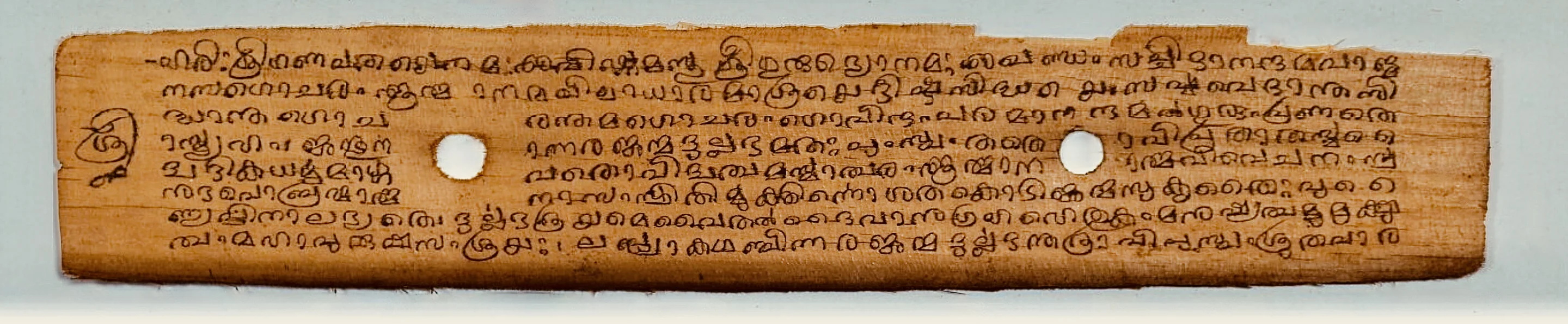
In the words of Pranav Ashar
How we renderThe heart of the Sarvasara
In brief
'The essence of all': a compact glossary of Advaita in prose. It asks its questions all at once, about bondage and freedom, the three states and the fourth, the five sheaths, the witness, the inner ruler, 'you' and 'that', and maya, then answers each in a sentence or two. It closes with six verses in the first person that sum it up: I am not the body; where are birth and death for me?
- Bondage as a 'taking'
- The fourth and the witness
- The five sheaths
- 'You' and 'that'
- Maya defined
कथं बन्धः कथं मोक्षः का विद्या काऽविद्येति । जाग्रत्स्वप्नसुषुप्तितुरीयं च कथम् । अन्नमयप्राणमयमनोमयविज्ञानमयानन्दमयकोशाः कथम् । कर्ता जीवः पञ्चवर्गः क्षेत्रज्ञः साक्षी कूटस्थोऽन्तर्यामी कथम् । प्रत्यगात्मा परात्मा माया चेति कथम् ॥
kathaṃ bandhaḥ kathaṃ mokṣaḥ kā vidyā kā'vidyeti | jāgratsvapnasuṣuptiturīyaṃ ca katham | annamayaprāṇamayamanomayavijñānamayānandamayakośāḥ katham | kartā jīvaḥ pañcavargaḥ kṣetrajñaḥ sākṣī kūṭastho'ntaryāmī katham | pratyagātmā parātmā māyā ceti katham ||
How does bondage come about? How freedom? What is knowledge, and what is not-knowing? What are waking, dream, deep sleep and the fourth? What are the sheaths made of food, breath, mind, understanding and joy? What are the doer, the living self, the five groups, the knower of the field, the witness, the unchanging one and the inner ruler? What are the inner Self, the highest Self, and maya?
Note //
The text asks all its questions first, then answers them in order. Aiyar rearranges them as question and answer under his own numbers; the numbers here follow the Sanskrit edition.
आत्मेश्वरजीवोऽनात्मनां देहादीनामात्मत्वेनाभिमन्यते सोऽभिमान आत्मनो बन्धः । तन्निवृत्तिर्मोक्षः ॥
ātmeśvarajīvo'nātmanāṃ dehādīnāmātmatvenābhimanyate so'bhimāna ātmano bandhaḥ | tannivṛttirmokṣaḥ ||
The Self, the Lord, as a living self, takes the body and the rest, which are not the Self, to be itself. That taking is the Self's bondage. Its ending is freedom.
Note //
या तदभिमानं कारयति साऽविद्या । सोऽभिमानो यया निवर्तते सा विद्या ॥
yā tadabhimānaṃ kārayati sā'vidyā | so'bhimāno yayā nivartate sā vidyā ||
What makes it take them so is not-knowing. What ends that taking is knowledge.
Note //
मन आदिचतुर्दशकरणैः पुष्कलैरादित्याद्यनुगृहीतैः शब्दादीन्विषयान्स्थूलान्यदोपलभते तदात्मनो जागरणम् । तद्वासनासहितैश्चतुर्दशकरणैः शब्दाद्यभावेऽपि वासनामयाञ्छब्दादीन्यदोपलभते तदात्मनः स्वप्नम् । चतुर्दशकरणोपरमाद्विशेषविज्ञानाभावाद्यदा शब्दादीन्नोपलभते तदात्मनः सुषुप्तम् । अवस्थात्रयभावाभावसाक्षी स्वयंभावरहितं नैरन्तर्यं चैतन्यं यदा तदा तुरीयं चैतन्यमित्युच्यते ॥
mana ādicaturdaśakaraṇaiḥ puṣkalairādityādyanugṛhītaiḥ śabdādīnviṣayānsthūlānyadopalabhate tadātmano jāgaraṇam | tadvāsanāsahitaiścaturdaśakaraṇaiḥ śabdādyabhāve'pi vāsanāmayāñchabdādīnyadopalabhate tadātmanaḥ svapnam | caturdaśakaraṇoparamādviśeṣavijñānābhāvādyadā śabdādīnnopalabhate tadātmanaḥ suṣuptam | avasthātrayabhāvābhāvasākṣī svayaṃbhāvarahitaṃ nairantaryaṃ caitanyaṃ yadā tadā turīyaṃ caitanyamityucyate ||
When the Self, through the fourteen instruments, the mind and the rest, in full working order and helped by the sun and the other powers, takes in sound and the other objects in their solid form: that is the Self's waking. When, through the fourteen instruments with their leftover impressions, it takes in sound and the rest made of impressions alone, though no outer sound is there: that is the Self's dream. When the fourteen instruments come to rest, and with no particular knowing it takes in no sound or object: that is the Self's deep sleep. When there is the light of knowing, witness to the coming and going of the three states, itself without coming or going, unbroken: that is called the fourth, pure knowing.
Note //
The fourteen instruments are the five senses, the five powers of action, and mind, intellect, memory and the I-sense. Each sense works with the help of a cosmic power: the eye with the sun, and so on.
अन्नकार्याणां कोशानां समूहोऽन्नमयः कोश उच्यते । प्राणादिचतुर्दशवायुभेदा अन्नमयकोशे यदा वर्तन्ते तदा प्राणमयः कोश इत्युच्यते । एतत्कोशद्वयसंसक्तं मन आदिचतुर्दशकरणैरात्मा शब्दादिविषयसङ्कल्पादीन्धर्मान्यदा करोति तदा मनोमयः कोश इत्युच्यते । एतत्कोशत्रयसंसक्तं तद्गतविशेषज्ञो यदा भासते तदा विज्ञानमयः कोश इत्युच्यते । एतत्कोशचतुष्टयं संसक्तं स्वकारणाज्ञाने वटकणिकायामिव वृक्षो यदा वर्तते तदानन्दमयः कोश इत्युच्यते ॥
annakāryāṇāṃ kośānāṃ samūho'nnamayaḥ kośa ucyate | prāṇādicaturdaśavāyubhedā annamayakośe yadā vartante tadā prāṇamayaḥ kośa ityucyate | etatkośadvayasaṃsaktaṃ mana ādicaturdaśakaraṇairātmā śabdādiviṣayasaṅkalpādīndharmānyadā karoti tadā manomayaḥ kośa ityucyate | etatkośatrayasaṃsaktaṃ tadgataviśeṣajño yadā bhāsate tadā vijñānamayaḥ kośa ityucyate | etatkośacatuṣṭayaṃ saṃsaktaṃ svakāraṇājñāne vaṭakaṇikāyāmiva vṛkṣo yadā vartate tadānandamayaḥ kośa ityucyate ||
The mass of what is made of food is called the food sheath. When the breaths, in their fourteen kinds, move in the food sheath, it is called the breath sheath. When the Self, joined to these two, through the fourteen instruments, thinks about sound and other objects, it is called the mind sheath. When, joined to these three, it shines as the one who discerns their details, it is called the understanding sheath. When, joined to all four, it rests in the not-knowing that is their cause, as the tree rests in the banyan seed, it is called the joy sheath.
Note //
The five sheaths come from Taittiriya 2. The Self is never a sheath; it is called one only because of what it seems to wear. Aiyar has ten breaths here; the Sanskrit says fourteen.
सुखदुःखबुद्ध्याश्रयो देहान्तः कर्ता यदा तदा इष्टविषये बुद्धिः सुखबुद्धिरनिष्टविषये बुद्धिर्दुःखबुद्धिः । शब्दस्पर्शरूपरसगन्धाः सुखदुःखहेतवः । पुण्यपापकर्मानुसारी भूत्वा प्राप्तशरीरसंयोगमप्राप्तशरीरसंयोगमिव कुर्वाणो यदा दृश्यते तदोपहितजीव इत्युच्यते ॥
sukhaduḥkhabuddhyāśrayo dehāntaḥ kartā yadā tadā iṣṭaviṣaye buddhiḥ sukhabuddhiraniṣṭaviṣaye buddhirduḥkhabuddhiḥ | śabdasparśarūparasagandhāḥ sukhaduḥkhahetavaḥ | puṇyapāpakarmānusārī bhūtvā prāptaśarīrasaṃyogamaprāptaśarīrasaṃyogamiva kurvāṇo yadā dṛśyate tadopahitajīva ityucyate ||
When the Self acts with the ideas of pleasure and pain, it is the doer. The idea that meets what is wanted is the idea of pleasure; the idea that meets what is not wanted is the idea of pain. Sound, touch, form, taste and smell are the causes of pleasure and pain. When it is seen following good and bad actions, taking the body that past action brought it as if it had not been brought, but were itself: then it is called the living self, with its limiting conditions.
Note //
'The doer': the Self as the seat of the ideas of pleasure and pain, within the body (सुखदुःखबुद्ध्याश्रयो देहान्तः), as the printed edition reads; the edition used first had the corrupt श्रेयोऽन्तः.
मन आदिश्च प्राणादिश्चेच्छादिश्च सत्त्वादिश्च पुण्यादिश्चैते पञ्चवर्गा इति । एतेषां पञ्चवर्गाणां धर्मीभूतात्मा ज्ञानादृते न विनश्यति । आत्मसन्निधौ नित्यत्वेन प्रतीयमान आत्मोपाधिर्यस्तल्लिङ्गशरीरं हृद्ग्रन्थिरित्युच्यते ॥
mana ādiśca prāṇādiścecchādiśca sattvādiśca puṇyādiścaite pañcavargā iti | eteṣāṃ pañcavargāṇāṃ dharmībhūtātmā jñānādṛte na vinaśyati | ātmasannidhau nityatvena pratīyamāna ātmopādhiryastalliṅgaśarīraṃ hṛdgranthirityucyate ||
The mind and the rest, the breaths and the rest, desire and the rest, the three qualities and the rest, merit and the rest: these are the five groups. What bears the marks of these five groups does not perish except by knowledge. Near the Self it seems eternal; it is the Self's limiting condition. It is called the subtle body, the knot of the heart.
Note //
तत्र यत्प्रकाशते चैतन्यं स क्षेत्रज्ञ इत्युच्यते ॥
tatra yatprakāśate caitanyaṃ sa kṣetrajña ityucyate ||
The light of knowing that shines there is called the knower of the field.
Note //
'Kshetrajna': knowing as it is reflected in the subtle body. Compare Bhagavad Gita 13.1-2.
ज्ञातृज्ञानज्ञेयानामाविर्भावतिरोभावज्ञाता स्वयमाविर्भावतिरोभावरहितः स्वयंज्योतिः साक्षीत्युच्यते ॥
jñātṛjñānajñeyānāmāvirbhāvatirobhāvajñātā svayamāvirbhāvatirobhāvarahitaḥ svayaṃjyotiḥ sākṣītyucyate ||
The one who knows the appearing and vanishing of knower, knowing and known, itself without appearing or vanishing, shining by its own light: that is called the witness.
Note //
ब्रह्मादिपिपीलिकापर्यन्तं सर्वप्राणिबुद्धिष्ववशिष्टतयोपलभ्यमानः सर्वप्राणिबुद्धिस्थो यदा तदा कूटस्थ इत्युच्यते ॥
brahmādipipīlikāparyantaṃ sarvaprāṇibuddhiṣvavaśiṣṭatayopalabhyamānaḥ sarvaprāṇibuddhistho yadā tadā kūṭastha ityucyate ||
When it is found in the intellect of every being, from Brahma down to the ant, as what remains when all else changes: it is called the unchanging one.
Note //
'Kutastha': unchanging, like the anvil on which everything is shaped.
कूटस्थोपहितभेदानां स्वरूपलाभहेतुर्भूत्वा मणिगणे सूत्रमिव सर्वक्षेत्रेष्वनुस्यूतत्वेन यदा प्रकाशत आत्मा तदान्तर्यामीत्युच्यते ॥
kūṭasthopahitabhedānāṃ svarūpalābhaheturbhūtvā maṇigaṇe sūtramiva sarvakṣetreṣvanusyūtatvena yadā prakāśata ātmā tadāntaryāmītyucyate ||
When the Self shines through every field like the thread through a string of jewels, and is the reason each of the many beings lit by the unchanging one has its own nature: it is called the inner ruler.
Note //
सत्यं ज्ञानमनन्तं ब्रह्म । सत्यमविनाशि । अविनाशि नाम देशकालवस्तुनिमित्तेषु विनश्यत्सु यन्न विनश्यति तदविनाशि । ज्ञानं नामोत्पत्तिविनाशरहितं नैरन्तर्यं चैतन्यं ज्ञानमुच्यते । अनन्तं नाम मृद्विकारेषु मृदिव स्वर्णविकारेषु स्वर्णमिव तन्तुविकारेषु तन्तुरिवाव्यक्तादिसृष्टिप्रपञ्चेषु पूर्णं व्यापकं चैतन्यमनन्तमित्युच्यते । आनन्दं नाम सुखचैतन्यस्वरूपोऽपरिमितानन्दसमुद्रोऽवशिष्टसुखस्वरूपश्चानन्द इत्युच्यते ॥
satyaṃ jñānamanantaṃ brahma | satyamavināśi | avināśi nāma deśakālavastunimitteṣu vinaśyatsu yanna vinaśyati tadavināśi | jñānaṃ nāmotpattivināśarahitaṃ nairantaryaṃ caitanyaṃ jñānamucyate | anantaṃ nāma mṛdvikāreṣu mṛdiva svarṇavikāreṣu svarṇamiva tantuvikāreṣu tanturivāvyaktādisṛṣṭiprapañceṣu pūrṇaṃ vyāpakaṃ caitanyamanantamityucyate | ānandaṃ nāma sukhacaitanyasvarūpo'parimitānandasamudro'vaśiṣṭasukhasvarūpaścānanda ityucyate ||
Brahman is truth, knowledge, endless. Truth means the imperishable: what does not perish when place, time, things and causes perish. Knowledge means the light of knowing, unbroken, without rising or setting. Endless means the light of knowing, full and all-pervading, in the whole of creation from the unmanifest onward, as clay is in all things made of clay, gold in all things made of gold, thread in all things made of thread. Joy means the boundless ocean of joy, whose nature is happy awareness, the happiness that remains.
Note //
'Truth, knowledge, endless is Brahman' is Taittiriya 2.1.1. Clay, gold and thread are the classic Vedanta examples (Chandogya 6.1).
एतद्वस्तुचतुष्टयं यस्य लक्षणं देशकालवस्तुनिमित्तेष्वव्यभिचारि तत्पदार्थः परमात्मेत्युच्यते ॥
etadvastucatuṣṭayaṃ yasya lakṣaṇaṃ deśakālavastunimitteṣvavyabhicāri tatpadārthaḥ paramātmetyucyate ||
That whose marks are these four, never failing in any place, time, thing or cause, is called the highest Self: what the word 'that' means.
Note //
'That' as in the great saying 'you are that'.
त्वंपदार्थादौपाधिकात्तत्पदार्थादौपाधिकभेदाद्विलक्षणमाकाशवत्सूक्ष्मं केवलसत्तामात्रस्वभावं परं ब्रह्मेत्युच्यते ॥
tvaṃpadārthādaupādhikāttatpadārthādaupādhikabhedādvilakṣaṇamākāśavatsūkṣmaṃ kevalasattāmātrasvabhāvaṃ paraṃ brahmetyucyate ||
Different from both, from the 'you' with its limiting conditions and from the 'that' with its limiting conditions, subtle as space, simply pure being: that is called the highest Brahman.
माया नाम अनादिरन्तवती प्रमाणाप्रमाणसाधारणा न सती नासती न सदसती स्वयमधिका विकाररहिता निरूप्यमाणा सतीतरलक्षणशून्या सा मायेत्युच्यते । अज्ञानं तुच्छाप्यसती कालत्रयेऽपि पामराणां वास्तवी च सत्त्वबुद्धिर्लौकिकानामिदमित्थमित्यनिर्वचनीया वक्तुं न शक्या ॥
māyā nāma anādirantavatī pramāṇāpramāṇasādhāraṇā na satī nāsatī na sadasatī svayamadhikā vikārarahitā nirūpyamāṇā satītaralakṣaṇaśūnyā sā māyetyucyate | ajñānaṃ tucchāpyasatī kālatraye'pi pāmarāṇāṃ vāstavī ca sattvabuddhirlaukikānāmidamitthamityanirvacanīyā vaktuṃ na śakyā ||
Maya has no beginning, but it has an end. It is open both to proof and to doubt. It is not real, not unreal, not both. In itself it does not change; looked into, it has no mark of its own apart from the real. That is called maya. As not-knowing, it is , unreal in all three times; to the simple it is a fact, to worldly people a thing that exists; it cannot be described as 'this' or 'so', and cannot be put into words.
Note //
The last sentence gives the classic three views of maya: nothing at all, to the knower; real, to the ordinary eye; indescribable, to reasoning. Pending review: स्वयमधिका is unclear in the edition.
नाहं भवाम्यहं देवो नेन्द्रियाणि दशैव तु । न बुद्धिर्न मनः शश्वन्नाहङ्कारस्तथैव च ॥
nāhaṃ bhavāmyahaṃ devo nendriyāṇi daśaiva tu | na buddhirna manaḥ śaśvannāhaṅkārastathaiva ca ||
I do not come into being: I am the shining one. I am not the ten senses, nor the intellect, nor the mind, nor ever the I-sense.
Note //
The six closing verses are not in Aiyar's translation. 'I do not come into being' renders नाहं भवामि; it may also mean simply 'I am not' (any of these).
अप्राणो ह्यमनाः शुभ्रो बुद्ध्यादीनां हि सर्वदा । साक्ष्यहं सर्वदा नित्यश्चिन्मात्रोऽहं न संशयः ॥
aprāṇo hyamanāḥ śubhro buddhyādīnāṃ hi sarvadā | sākṣyahaṃ sarvadā nityaścinmātro'haṃ na saṃśayaḥ ||
Without breath, without mind, pure, always the witness of intellect and the rest, I am eternal, but the light of knowing. There is no doubt.
Note //
नाहं कर्ता नैव भोक्ता प्रकृतेः साक्षिरूपकः । मत्सान्निध्यात्प्रवर्तन्ते देहाद्या अजडा इव ॥
nāhaṃ kartā naiva bhoktā prakṛteḥ sākṣirūpakaḥ | matsānnidhyātpravartante dehādyā ajaḍā iva ||
I am not the doer, nor the enjoyer; I am the witness of nature. Near me, the body and the rest go about their work as if they were not inert.
Note //
Body and mind only seem aware, lit by the Self's presence, as iron seems to glow in a fire.
स्थाणुर्नित्यः सदानन्दः शुद्धो ज्ञानमयोऽमलः । आत्माहं सर्वभूतानां विभुः साक्षी न संशयः ॥
sthāṇurnityaḥ sadānandaḥ śuddho jñānamayo'malaḥ | ātmāhaṃ sarvabhūtānāṃ vibhuḥ sākṣī na saṃśayaḥ ||
Steady, eternal, always joyful, pure, made of knowing, stainless: I am the Self of all beings, all-pervading, the witness. There is no doubt.
Note //
ब्रह्मैवाहं सर्ववेदान्तवेद्यं नाहं वेद्यं व्योमवातादिरूपम् । रूपं नाहं नाम नाहं न कर्म ब्रह्मैवाहं सच्चिदानन्दरूपम् ॥
brahmaivāhaṃ sarvavedāntavedyaṃ nāhaṃ vedyaṃ vyomavātādirūpam | rūpaṃ nāhaṃ nāma nāhaṃ na karma brahmaivāhaṃ saccidānandarūpam ||
I am Brahman alone, known through all the Upanishads. I am not what is known: space, wind and the rest. I am not form, not name, not action. I am Brahman alone: being, the light and joy.
Note //
नाहं देहो जन्ममृत्यू कुतो मे नाहं प्राणः क्षुत्पिपासे कुतो मे । नाहं चेतः शोकमोहौ कुतो मे नाहं कर्ता बन्धमोक्षौ कुतो म इत्युपनिषत् ॥
nāhaṃ deho janmamṛtyū kuto me nāhaṃ prāṇaḥ kṣutpipāse kuto me | nāhaṃ cetaḥ śokamohau kuto me nāhaṃ kartā bandhamokṣau kuto ma ityupaniṣat ||
I am not the body: where are birth and death for me? I am not breath: where are hunger and thirst for me? I am not the mind: where are grief and confusion for me? I am not the doer: where are bondage and freedom for me? So says the Upanishad.
Note //
The renderings on this page are shared under CC BY-NC 4.0, in the words of Pranav Ashar.