Japji (Guru Nanak)
In the words of Pranav Ashar
How we renderThe heart of the Japji (Guru Nanak)
In brief
The Japji opens the Guru Granth Sahib and is said every morning by Sikhs: a root saying, a slok, thirty-eight pauris (steps) and a closing slok, composed by Guru Nanak (1469 to 1539). It asks one question, how to become true, and answers with the order (hukam), hearing, holding, and the glance of grace. Here it is in plain words, in its own Sikh sense first, with Macauliffe's 1909 translation beside every step.
The root saying (Mul Mantar)
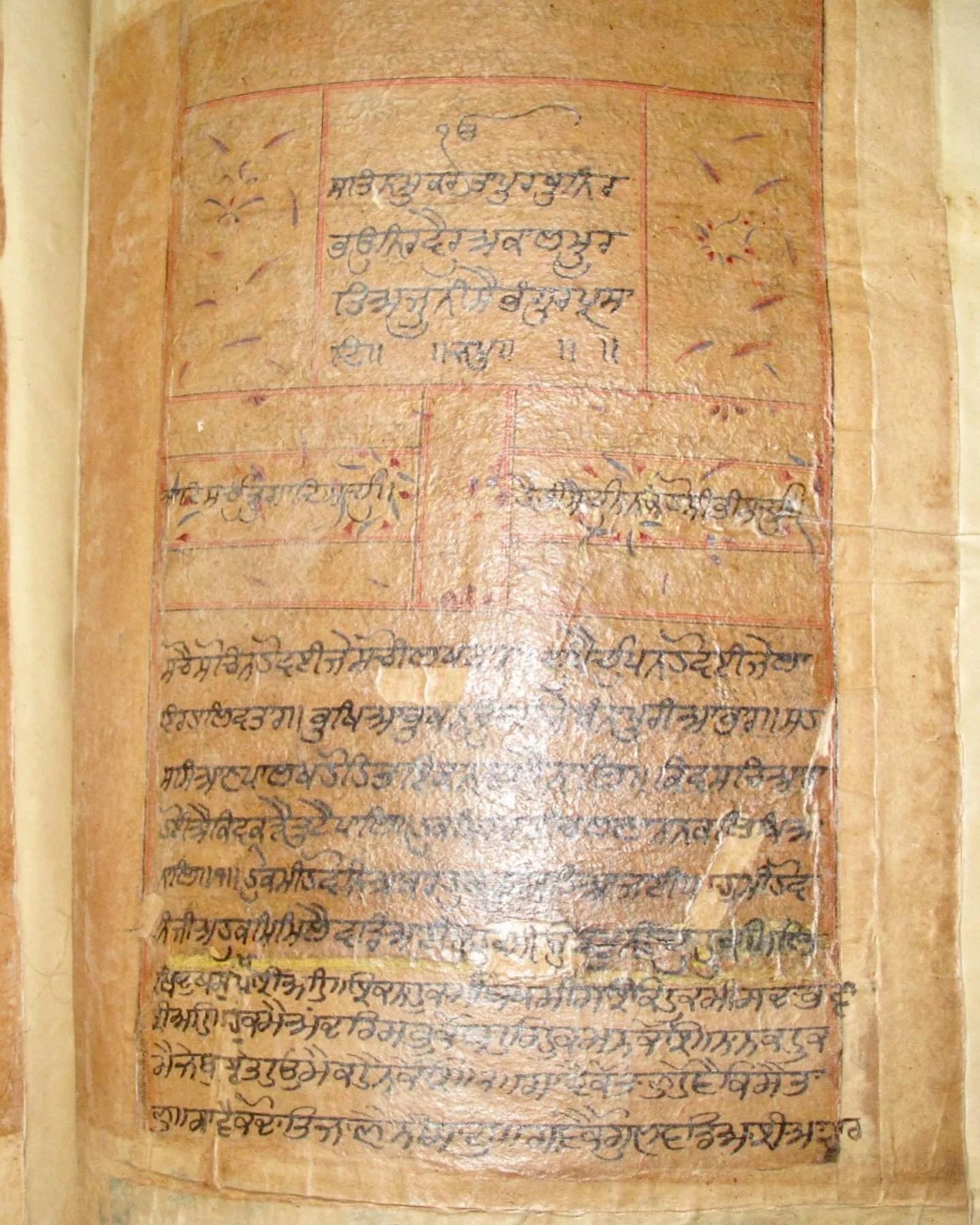
ੴ ਸਤਿ ਨਾਮੁ ਕਰਤਾ ਪੁਰਖੁ ਨਿਰਭਉ ਨਿਰਵੈਰੁ ਅਕਾਲ ਮੂਰਤਿ ਅਜੂਨੀ ਸੈਭੰ ਗੁਰ ਪ੍ਰਸਾਦਿ ॥ ॥ ਜਪੁ ॥
ik-oaṅkār sati nāmu kartā purkhu nirbhau nirvairu akāl mūrti ajūnī saibhaṁ gur prasādi || || japu ||
One. Being. Its name is "is". The maker, the person in everything, without fear, without enmity, a form outside time, never born, self-existing, known by the Guru's grace. Recite.
Note //
Sikh reading: ik oankar is one syllable for the one that is and sounds as all; sati namu, "its name is Truth", is read in the tradition as "its name is Being". The site's reading agrees and adds nothing. "Jap", the title, is an instruction: say it, repeat it.
Opening slok
ਆਦਿ ਸਚੁ ਜੁਗਾਦਿ ਸਚੁ ॥ ਹੈ ਭੀ ਸਚੁ ਨਾਨਕ ਹੋਸੀ ਭੀ ਸਚੁ ॥੧॥
ādi sacu jugādi sacu || hai bhī sacu nānak hosī bhī sacu ||1||
True in the beginning, true through the ages, true now too, Nanak, and true it will be.
Note //
Sach, "true", is used of the one that is, in the sense of what does not pass; the site's "being" and "what is" are the same word. Maya is never said to be false here, only to pass.
Pauri 1: how does one become true?
ਸੋਚੈ ਸੋਚਿ ਨ ਹੋਵਈ ਜੇ ਸੋਚੀ ਲਖ ਵਾਰ ॥ ਚੁਪੈ ਚੁਪ ਨ ਹੋਵਈ ਜੇ ਲਾਇ ਰਹਾ ਲਿਵ ਤਾਰ ॥ ਭੁਖਿਆ ਭੁਖ ਨ ਉਤਰੀ ਜੇ ਬੰਨਾ ਪੁਰੀਆ ਭਾਰ ॥ ਸਹਸ ਸਿਆਣਪਾ ਲਖ ਹੋਹਿ ਤ ਇਕ ਨ ਚਲੈ ਨਾਲਿ ॥ ਕਿਵ ਸਚਿਆਰਾ ਹੋਈਐ ਕਿਵ ਕੂੜੈ ਤੁਟੈ ਪਾਲਿ ॥ ਹੁਕਮਿ ਰਜਾਈ ਚਲਣਾ ਨਾਨਕ ਲਿਖਿਆ ਨਾਲਿ ॥੧॥
socai soci na hovaī je socī lakh vār || cupai cup na hovaī je lāi rahā liv tār || bhukhiā bhukh na utrī je baṁnā purīā bhār || sahas siāṇpā lakh hohi ta ik na calai nāli || kiv saciārā hoīai kiv kūṛai tuṭai pāli || hukmi rajāī calṇā nānak likhiā nāli ||1||
Washing will not make one clean, though I wash a hundred thousand times. Silence will not bring the silence, though I stay fixed in one unbroken line. Hunger does not leave the hungry though they load up the goods of worlds. A thousand clevernesses, a hundred thousand: not one goes along with you. How then become true? How break the wall of falseness? Walk in , in the will, Nanak: it was written with you from the start.
Note //
The first line follows the Sikh reading of soch as ritual washing, which fits the pauri's list of practices; Macauliffe reads it as thought ("By thinking I cannot obtain a conception of Him"). Either way the point is that no practice reaches it. Hukam, "the order", is the site's own word for Ishvara's role and is kept throughout.
Pauri 2: everything is inside the order
ਹੁਕਮੀ ਹੋਵਨਿ ਆਕਾਰ ਹੁਕਮੁ ਨ ਕਹਿਆ ਜਾਈ ॥ ਹੁਕਮੀ ਹੋਵਨਿ ਜੀਅ ਹੁਕਮਿ ਮਿਲੈ ਵਡਿਆਈ ॥ ਹੁਕਮੀ ਉਤਮੁ ਨੀਚੁ ਹੁਕਮਿ ਲਿਖਿ ਦੁਖ ਸੁਖ ਪਾਈਅਹਿ ॥ ਇਕਨਾ ਹੁਕਮੀ ਬਖਸੀਸ ਇਕਿ ਹੁਕਮੀ ਸਦਾ ਭਵਾਈਅਹਿ ॥ ਹੁਕਮੈ ਅੰਦਰਿ ਸਭੁ ਕੋ ਬਾਹਰਿ ਹੁਕਮ ਨ ਕੋਇ ॥ ਨਾਨਕ ਹੁਕਮੈ ਜੇ ਬੁਝੈ ਤ ਹਉਮੈ ਕਹੈ ਨ ਕੋਇ ॥੨॥
hukmī hovni ākār hukmu na kahiā jāī || hukmī hovni jīa hukmi milai vaḍiāī || hukmī utmu nīcu hukmi likhi dukh sukh pāīahi || iknā hukmī bakhsīs iki hukmī sadā bhavāīahi || hukmai aṁdri sabhu ko bāhri hukam na koi || nānak hukmai je bujhai ta haumai kahai na koi ||2||
all forms come to be; cannot be told. the living come; by greatness is given. some are high, some low; by , as written, pain and pleasure are met. some receive the gift; by some wander and wander. Everyone is inside ; outside there is no one. Nanak, whoever understands no longer says "I".
Note //
Haumai is "I-me", the claim to stand on one's own; the site's "the I-claim". The pauri's last line is the whole Japji in small: understanding the order and the I-claim cannot both be present. The non-dual reading goes one step further and says the order is the whole itself as its intelligence, not a will set over against the world.
Pauri 3: who can sing Him?
ਗਾਵੈ ਕੋ ਤਾਣੁ ਹੋਵੈ ਕਿਸੈ ਤਾਣੁ ॥ ਗਾਵੈ ਕੋ ਦਾਤਿ ਜਾਣੈ ਨੀਸਾਣੁ ॥ ਗਾਵੈ ਕੋ ਗੁਣ ਵਡਿਆਈਆ ਚਾਰ ॥ ਗਾਵੈ ਕੋ ਵਿਦਿਆ ਵਿਖਮੁ ਵੀਚਾਰੁ ॥ ਗਾਵੈ ਕੋ ਸਾਜਿ ਕਰੇ ਤਨੁ ਖੇਹ ॥ ਗਾਵੈ ਕੋ ਜੀਅ ਲੈ ਫਿਰਿ ਦੇਹ ॥ ਗਾਵੈ ਕੋ ਜਾਪੈ ਦਿਸੈ ਦੂਰਿ ॥ ਗਾਵੈ ਕੋ ਵੇਖੈ ਹਾਦਰਾ ਹਦੂਰਿ ॥ ਕਥਨਾ ਕਥੀ ਨ ਆਵੈ ਤੋਟਿ ॥ ਕਥਿ ਕਥਿ ਕਥੀ ਕੋਟੀ ਕੋਟਿ ਕੋਟਿ ॥ ਦੇਦਾ ਦੇ ਲੈਦੇ ਥਕਿ ਪਾਹਿ ॥ ਜੁਗਾ ਜੁਗੰਤਰਿ ਖਾਹੀ ਖਾਹਿ ॥ ਹੁਕਮੀ ਹੁਕਮੁ ਚਲਾਏ ਰਾਹੁ ॥ ਨਾਨਕ ਵਿਗਸੈ ਵੇਪਰਵਾਹੁ ॥੩॥
gāvai ko tāṇu hovai kisai tāṇu || gāvai ko dāti jāṇai nīsāṇu || gāvai ko guṇ vaḍiāīā cār || gāvai ko vidiā vikhmu vīcāru || gāvai ko sāji kare tanu kheh || gāvai ko jīa lai phiri deh || gāvai ko jāpai disai dūri || gāvai ko vekhai hādrā hadūri || kathnā kathī na āvai toṭi || kathi kathi kathī koṭī koṭi koṭi || dedā de laide thaki pāhi || jugā jugaṁtri khāhī khāhi || hukmī hukmu calāe rāhu || nānak vigsai vepravāhu ||3||
Some sing His power, if they have the power. Some sing His gifts, which they take for His sign. Some sing His qualities, His greatness, His beauty. Some sing a knowledge hard to think through. Some sing that He makes the body and makes it dust. Some sing that He takes life and gives it again. Some sing that He seems far, far away. Some sing that He watches, present, face to face. There is no end to the telling; crores upon crores have told and told. The Giver gives; the takers tire of taking. Age after age they eat and eat. The Orderer runs the road by His order. Nanak, He blossoms, carefree.
Note //
Rendered line by line in the Sikh sense: every description is true and none is the measure. Macauliffe's "Who can sing" makes each line a question; the plainer reading, "some sing", is given here and his is beside it. Veparvah, "carefree", is the fullness of position 1: nowhere to move, nothing to want.
Pauri 4: the hour before dawn
ਸਾਚਾ ਸਾਹਿਬੁ ਸਾਚੁ ਨਾਇ ਭਾਖਿਆ ਭਾਉ ਅਪਾਰੁ ॥ ਆਖਹਿ ਮੰਗਹਿ ਦੇਹਿ ਦੇਹਿ ਦਾਤਿ ਕਰੇ ਦਾਤਾਰੁ ॥ ਫੇਰਿ ਕਿ ਅਗੈ ਰਖੀਐ ਜਿਤੁ ਦਿਸੈ ਦਰਬਾਰੁ ॥ ਮੁਹੌ ਕਿ ਬੋਲਣੁ ਬੋਲੀਐ ਜਿਤੁ ਸੁਣਿ ਧਰੇ ਪਿਆਰੁ ॥ ਅੰਮ੍ਰਿਤ ਵੇਲਾ ਸਚੁ ਨਾਉ ਵਡਿਆਈ ਵੀਚਾਰੁ ॥ ਕਰਮੀ ਆਵੈ ਕਪੜਾ ਨਦਰੀ ਮੋਖੁ ਦੁਆਰੁ ॥ ਨਾਨਕ ਏਵੈ ਜਾਣੀਐ ਸਭੁ ਆਪੇ ਸਚਿਆਰੁ ॥੪॥
sācā sāhibu sācu nāi bhākhiā bhāu apāru || ākhhi maṁghi dehi dehi dāti kare dātāru || pheri ki agai rakhīai jitu disai darbāru || muhau ki bolṇu bolīai jitu suṇi dhare piāru || aṁmrit velā sacu nāu vaḍiāī vīcāru || karmī āvai kapṛā nadrī mokhu duāru || nānak evai jāṇīai sabhu āpe saciāru ||4||
The is true, true is His Name, spoken in love without end. They say and beg, "give, give", and the Giver gives. Then what can be set before Him so that His court is seen? What word can the mouth say that He hears and gives His love? In the hour before dawn, the true Name; reflect on His greatness. By deeds comes the cloth of the body; by His glance, the door of freedom. Nanak, know it this way: the True One is all, Himself.
Note //
Nadar (nazar), the glance, is the Japji's word for grace and is kept as "glance" throughout. "By deeds comes the cloth" follows the common Sikh reading of karami as karma and kapra as the human body; Macauliffe's "robe of honour" is the other reading. The closing line, sabhu ape sachiaru, is the Japji's own "all this is the one"; the site reads it as not-two.
Pauri 5: the Guru is Shiva, Gorakh, Brahma and the Mother
ਥਾਪਿਆ ਨ ਜਾਇ ਕੀਤਾ ਨ ਹੋਇ ॥ ਆਪੇ ਆਪਿ ਨਿਰੰਜਨੁ ਸੋਇ ॥ ਜਿਨਿ ਸੇਵਿਆ ਤਿਨਿ ਪਾਇਆ ਮਾਨੁ ॥ ਨਾਨਕ ਗਾਵੀਐ ਗੁਣੀ ਨਿਧਾਨੁ ॥ ਗਾਵੀਐ ਸੁਣੀਐ ਮਨਿ ਰਖੀਐ ਭਾਉ ॥ ਦੁਖੁ ਪਰਹਰਿ ਸੁਖੁ ਘਰਿ ਲੈ ਜਾਇ ॥ ਗੁਰਮੁਖਿ ਨਾਦੰ ਗੁਰਮੁਖਿ ਵੇਦੰ ਗੁਰਮੁਖਿ ਰਹਿਆ ਸਮਾਈ ॥ ਗੁਰੁ ਈਸਰੁ ਗੁਰੁ ਗੋਰਖੁ ਬਰਮਾ ਗੁਰੁ ਪਾਰਬਤੀ ਮਾਈ ॥ ਜੇ ਹਉ ਜਾਣਾ ਆਖਾ ਨਾਹੀ ਕਹਣਾ ਕਥਨੁ ਨ ਜਾਈ ॥ ਗੁਰਾ ਇਕ ਦੇਹਿ ਬੁਝਾਈ ॥ ਸਭਨਾ ਜੀਆ ਕਾ ਇਕੁ ਦਾਤਾ ਸੋ ਮੈ ਵਿਸਰਿ ਨ ਜਾਈ ॥੫॥
thāpiā na jāi kītā na hoi || āpe āpi niraṁjnu soi || jini seviā tini pāiā mānu || nānak gāvīai guṇī nidhānu || gāvīai suṇīai mani rakhīai bhāu || dukhu parhari sukhu ghari lai jāi || gurmukhi nādaṁ gurmukhi vedaṁ gurmukhi rahiā samāī || guru īsru guru gorkhu barmā guru pārbatī māī || je hau jāṇā ākhā nāhī kahṇā kathnu na jāī || gurā ik dehi bujhāī || sabhnā jīā kā iku dātā so mai visri na jāī ||5||
He cannot be set up, cannot be made. He is Himself, by Himself, without stain. Those who served Him found honour. Nanak, sing the treasury of qualities. Sing, hear, and keep love in the mind; put sorrow away and carry joy home. By the Guru's word, the sound; by the Guru's word, the Veda; by the Guru's word, He is seen filling everything. The Guru is Shiva, the Guru is Gorakh and Brahma, the Guru is Parvati the mother. If I knew Him I would say so, but He cannot be told. Guru, give me this one understanding: there is one Giver of all that lives; may I never forget Him.
Note //
In the Sikh sense the Guru is the voice through which the one is heard, so the gods are folded into the Guru, not the other way round. Gurmukhi, "by the Guru's word" or "facing the Guru", is the Sikh name for the one whose face is turned the right way. The refrain of the last three lines returns in pauri 6.
Pauri 6: the bath that pleases Him
ਤੀਰਥਿ ਨਾਵਾ ਜੇ ਤਿਸੁ ਭਾਵਾ ਵਿਣੁ ਭਾਣੇ ਕਿ ਨਾਇ ਕਰੀ ॥ ਜੇਤੀ ਸਿਰਠਿ ਉਪਾਈ ਵੇਖਾ ਵਿਣੁ ਕਰਮਾ ਕਿ ਮਿਲੈ ਲਈ ॥ ਮਤਿ ਵਿਚਿ ਰਤਨ ਜਵਾਹਰ ਮਾਣਿਕ ਜੇ ਇਕ ਗੁਰ ਕੀ ਸਿਖ ਸੁਣੀ ॥ ਗੁਰਾ ਇਕ ਦੇਹਿ ਬੁਝਾਈ ॥ ਸਭਨਾ ਜੀਆ ਕਾ ਇਕੁ ਦਾਤਾ ਸੋ ਮੈ ਵਿਸਰਿ ਨ ਜਾਈ ॥੬॥
tīrthi nāvā je tisu bhāvā viṇu bhāṇe ki nāi karī || jetī sirṭhi upāī vekhā viṇu karmā ki milai laī || mati vici ratan javāhar māṇik je ik gur kī sikh suṇī || gurā ik dehi bujhāī || sabhnā jīā kā iku dātā so mai visri na jāī ||6||
I would bathe at a place of pilgrimage if it pleased Him; if it does not please Him, what is the bath worth? All this creation that I see: without deeds, without His gift, what is got? Within the mind are gems, jewels, rubies, if you hear one teaching of the Guru. Guru, give me this one understanding: there is one Giver of all that lives; may I never forget Him.
Pauri 7: fame without the glance
ਜੇ ਜੁਗ ਚਾਰੇ ਆਰਜਾ ਹੋਰ ਦਸੂਣੀ ਹੋਇ ॥ ਨਵਾ ਖੰਡਾ ਵਿਚਿ ਜਾਣੀਐ ਨਾਲਿ ਚਲੈ ਸਭੁ ਕੋਇ ॥ ਚੰਗਾ ਨਾਉ ਰਖਾਇ ਕੈ ਜਸੁ ਕੀਰਤਿ ਜਗਿ ਲੇਇ ॥ ਜੇ ਤਿਸੁ ਨਦਰਿ ਨ ਆਵਈ ਤ ਵਾਤ ਨ ਪੁਛੈ ਕੇ ॥ ਕੀਟਾ ਅੰਦਰਿ ਕੀਟੁ ਕਰਿ ਦੋਸੀ ਦੋਸੁ ਧਰੇ ॥ ਨਾਨਕ ਨਿਰਗੁਣਿ ਗੁਣੁ ਕਰੇ ਗੁਣਵੰਤਿਆ ਗੁਣੁ ਦੇ ॥ ਤੇਹਾ ਕੋਇ ਨ ਸੁਝਈ ਜਿ ਤਿਸੁ ਗੁਣੁ ਕੋਇ ਕਰੇ ॥੭॥
je jug cāre ārjā hor dasūṇī hoi || navā khaṁḍā vici jāṇīai nāli calai sabhu koi || caṁgā nāu rakhāi kai jasu kīrti jagi lei || je tisu nadri na āvaī ta vāt na puchai ke || kīṭā aṁdri kīṭu kari dosī dosu dhare || nānak nirguṇi guṇu kare guṇvaṁtiā guṇu de || tehā koi na sujhaī ji tisu guṇu koi kare ||7||
If a man lived four ages, and ten times more, were known across the nine regions and everyone followed him, won a good name, praise and renown in the world: if His glance does not fall on him, no one asks after him. He is a worm among worms, and the guilty lay guilt on him. Nanak, He gives quality to those without it, and more to those who have it; no one can be found who could give Him any.
Pauri 8: by hearing
ਸੁਣਿਐ ਸਿਧ ਪੀਰ ਸੁਰਿ ਨਾਥ ॥ ਸੁਣਿਐ ਧਰਤਿ ਧਵਲ ਆਕਾਸ ॥ ਸੁਣਿਐ ਦੀਪ ਲੋਅ ਪਾਤਾਲ ॥ ਸੁਣਿਐ ਪੋਹਿ ਨ ਸਕੈ ਕਾਲੁ ॥ ਨਾਨਕ ਭਗਤਾ ਸਦਾ ਵਿਗਾਸੁ ॥ ਸੁਣਿਐ ਦੂਖ ਪਾਪ ਕਾ ਨਾਸੁ ॥੮॥
suṇiai sidh pīr suri nāth || suṇiai dharti dhaval ākās || suṇiai dīp loa pātāl || suṇiai pohi na sakai kālu || nānak bhagtā sadā vigāsu || suṇiai dūkh pāp kā nāsu ||8||
By hearing: siddhas, pirs, gods and naths. By hearing: the earth, the bull beneath it, the sky. By hearing: continents, worlds, the regions below. By hearing: death cannot touch you. Nanak, the devoted are always in bloom. By hearing, sorrow and wrongdoing end.
Note //
Suniai, "by hearing", opens four pauris (8 to 11); what is heard is the Name, that is, the one being spoken of. The site reads these four as the first step of hearing, reflecting, abiding (shravana), and the next four, "by holding", as the second.
Pauri 9: by hearing
ਸੁਣਿਐ ਈਸਰੁ ਬਰਮਾ ਇੰਦੁ ॥ ਸੁਣਿਐ ਮੁਖਿ ਸਾਲਾਹਣ ਮੰਦੁ ॥ ਸੁਣਿਐ ਜੋਗ ਜੁਗਤਿ ਤਨਿ ਭੇਦ ॥ ਸੁਣਿਐ ਸਾਸਤ ਸਿਮ੍ਰਿਤਿ ਵੇਦ ॥ ਨਾਨਕ ਭਗਤਾ ਸਦਾ ਵਿਗਾਸੁ ॥ ਸੁਣਿਐ ਦੂਖ ਪਾਪ ਕਾ ਨਾਸੁ ॥੯॥
suṇiai īsru barmā iṁdu || suṇiai mukhi sālāhaṇ maṁdu || suṇiai jog jugti tani bhed || suṇiai sāsat simriti ved || nānak bhagtā sadā vigāsu || suṇiai dūkh pāp kā nāsu ||9||
By hearing: Shiva, Brahma and Indra. By hearing: even the ill-spoken come to praise. By hearing: the way of yoga and the secrets of the body. By hearing: the shastras, the smritis, the Vedas. Nanak, the devoted are always in bloom. By hearing, sorrow and wrongdoing end.
Note //
Line two, mukhi salahan mandu, is read in the Sikh commentaries as "even the low-mouthed take to praise"; Macauliffe has "even the low become highly lauded". Both are given.
Pauri 10: by hearing
ਸੁਣਿਐ ਸਤੁ ਸੰਤੋਖੁ ਗਿਆਨੁ ॥ ਸੁਣਿਐ ਅਠਸਠਿ ਕਾ ਇਸਨਾਨੁ ॥ ਸੁਣਿਐ ਪੜਿ ਪੜਿ ਪਾਵਹਿ ਮਾਨੁ ॥ ਸੁਣਿਐ ਲਾਗੈ ਸਹਜਿ ਧਿਆਨੁ ॥ ਨਾਨਕ ਭਗਤਾ ਸਦਾ ਵਿਗਾਸੁ ॥ ਸੁਣਿਐ ਦੂਖ ਪਾਪ ਕਾ ਨਾਸੁ ॥੧੦॥
suṇiai satu saṁtokhu giānu || suṇiai aṭhsaṭhi kā isnānu || suṇiai paṛi paṛi pāvhi mānu || suṇiai lāgai sahji dhiānu || nānak bhagtā sadā vigāsu || suṇiai dūkh pāp kā nāsu ||10||
By hearing: truth, contentment, knowledge. By hearing: the bath at all sixty-eight fords. By hearing, by reading and reading: honour. By hearing: attention settles of itself. Nanak, the devoted are always in bloom. By hearing, sorrow and wrongdoing end.
Note //
Sahaj, "of itself", "with ease", is the Sikh word for the natural state that no effort makes; the rendering keeps it as "settles of itself".
Pauri 11: by hearing
ਸੁਣਿਐ ਸਰਾ ਗੁਣਾ ਕੇ ਗਾਹ ॥ ਸੁਣਿਐ ਸੇਖ ਪੀਰ ਪਾਤਿਸਾਹ ॥ ਸੁਣਿਐ ਅੰਧੇ ਪਾਵਹਿ ਰਾਹੁ ॥ ਸੁਣਿਐ ਹਾਥ ਹੋਵੈ ਅਸਗਾਹੁ ॥ ਨਾਨਕ ਭਗਤਾ ਸਦਾ ਵਿਗਾਸੁ ॥ ਸੁਣਿਐ ਦੂਖ ਪਾਪ ਕਾ ਨਾਸੁ ॥੧੧॥
suṇiai sarā guṇā ke gāh || suṇiai sekh pīr pātisāh || suṇiai aṁdhe pāvhi rāhu || suṇiai hāth hovai asgāhu || nānak bhagtā sadā vigāsu || suṇiai dūkh pāp kā nāsu ||11||
By hearing: the depths of the ocean of qualities. By hearing: shaikhs, pirs, emperors. By hearing: the blind find the road. By hearing: the bottomless comes to hand. Nanak, the devoted are always in bloom. By hearing, sorrow and wrongdoing end.
Note //
Hath hovai asgahu, "the unfathomable comes to hand", is the pauri's one surprise: what cannot be measured can still be reached, because it was never far.
Pauri 12: by holding it in the mind
ਮੰਨੇ ਕੀ ਗਤਿ ਕਹੀ ਨ ਜਾਇ ॥ ਜੇ ਕੋ ਕਹੈ ਪਿਛੈ ਪਛੁਤਾਇ ॥ ਕਾਗਦਿ ਕਲਮ ਨ ਲਿਖਣਹਾਰੁ ॥ ਮੰਨੇ ਕਾ ਬਹਿ ਕਰਨਿ ਵੀਚਾਰੁ ॥ ਐਸਾ ਨਾਮੁ ਨਿਰੰਜਨੁ ਹੋਇ ॥ ਜੇ ਕੋ ਮੰਨਿ ਜਾਣੈ ਮਨਿ ਕੋਇ ॥੧੨॥
maṁne kī gati kahī na jāi || je ko kahai pichai pachutāi || kāgdi kalam na likhṇahāru || maṁne kā bahi karni vīcāru || aisā nāmu niraṁjnu hoi || je ko maṁni jāṇai mani koi ||12||
The state of one who holds it cannot be told; whoever tries to tell it regrets it afterwards. No paper, no pen, no writer can sit and work out what the holder is. Such is the Name, without stain, if anyone holds it in the mind and knows.
Note //
Mannai (manne) is "to accept, believe, take to heart"; the rendering uses "hold" for the act of keeping what was heard, the second of the three steps. Macauliffe's "obeyeth" is the other side of the same word.
Pauri 13: by holding it
ਮੰਨੈ ਸੁਰਤਿ ਹੋਵੈ ਮਨਿ ਬੁਧਿ ॥ ਮੰਨੈ ਸਗਲ ਭਵਣ ਕੀ ਸੁਧਿ ॥ ਮੰਨੈ ਮੁਹਿ ਚੋਟਾ ਨਾ ਖਾਇ ॥ ਮੰਨੈ ਜਮ ਕੈ ਸਾਥਿ ਨ ਜਾਇ ॥ ਐਸਾ ਨਾਮੁ ਨਿਰੰਜਨੁ ਹੋਇ ॥ ਜੇ ਕੋ ਮੰਨਿ ਜਾਣੈ ਮਨਿ ਕੋਇ ॥੧੩॥
maṁnai surti hovai mani budhi || maṁnai sagal bhavaṇ kī sudhi || maṁnai muhi coṭā nā khāi || maṁnai jam kai sāthi na jāi || aisā nāmu niraṁjnu hoi || je ko maṁni jāṇai mani koi ||13||
By holding it: awareness, and understanding in the mind. By holding it: knowledge of every world. By holding it: no blow lands on the face. By holding it: you do not go with Death. Such is the Name, without stain, if anyone holds it in the mind and knows.
Note //
Surati, the first fruit named, is attention or awareness; the Sikh texts use it for the faculty that can turn toward the Name. Jam is Yama, death as the one who collects.
Pauri 14: by holding it
ਮੰਨੈ ਮਾਰਗਿ ਠਾਕ ਨ ਪਾਇ ॥ ਮੰਨੈ ਪਤਿ ਸਿਉ ਪਰਗਟੁ ਜਾਇ ॥ ਮੰਨੈ ਮਗੁ ਨ ਚਲੈ ਪੰਥੁ ॥ ਮੰਨੈ ਧਰਮ ਸੇਤੀ ਸਨਬੰਧੁ ॥ ਐਸਾ ਨਾਮੁ ਨਿਰੰਜਨੁ ਹੋਇ ॥ ਜੇ ਕੋ ਮੰਨਿ ਜਾਣੈ ਮਨਿ ਕੋਇ ॥੧੪॥
maṁnai mārgi ṭhāk na pāi || maṁnai pati siu pargaṭu jāi || maṁnai magu na calai paṁthu || maṁnai dharam setī sanbaṁdhu || aisā nāmu niraṁjnu hoi || je ko maṁni jāṇai mani koi ||14||
By holding it: no barrier on the path. By holding it: you go out openly, with honour. By holding it: you do not walk the byways. By holding it: you are bound to dharma. Such is the Name, without stain, if anyone holds it in the mind and knows.
Note //
Magu na chalai panthu, "does not walk the byways", is read in Sikh exegesis as not going by sect paths and rituals; Macauliffe reads magun as "in ecstasy". Both are given, his beside the text.
Pauri 15: by holding it
ਮੰਨੈ ਪਾਵਹਿ ਮੋਖੁ ਦੁਆਰੁ ॥ ਮੰਨੈ ਪਰਵਾਰੈ ਸਾਧਾਰੁ ॥ ਮੰਨੈ ਤਰੈ ਤਾਰੇ ਗੁਰੁ ਸਿਖ ॥ ਮੰਨੈ ਨਾਨਕ ਭਵਹਿ ਨ ਭਿਖ ॥ ਐਸਾ ਨਾਮੁ ਨਿਰੰਜਨੁ ਹੋਇ ॥ ਜੇ ਕੋ ਮੰਨਿ ਜਾਣੈ ਮਨਿ ਕੋਇ ॥੧੫॥
maṁnai pāvhi mokhu duāru || maṁnai parvārai sādhāru || maṁnai tarai tāre guru sikh || maṁnai nānak bhavhi na bhikh || aisā nāmu niraṁjnu hoi || je ko maṁni jāṇai mani koi ||15||
By holding it: you find the door of freedom. By holding it: your whole family is carried. By holding it: you cross, and the Guru's Sikhs cross with you. By holding it, Nanak, you do not wander begging. Such is the Name, without stain, if anyone holds it in the mind and knows.
Note //
Tarai tare: the one who holds crosses and ferries others. The "begging" of the last line is read in the tradition as wandering from birth to birth as much as from door to door.
Pauri 16: the bull is dharma
ਪੰਚ ਪਰਵਾਣ ਪੰਚ ਪਰਧਾਨੁ ॥ ਪੰਚੇ ਪਾਵਹਿ ਦਰਗਹਿ ਮਾਨੁ ॥ ਪੰਚੇ ਸੋਹਹਿ ਦਰਿ ਰਾਜਾਨੁ ॥ ਪੰਚਾ ਕਾ ਗੁਰੁ ਏਕੁ ਧਿਆਨੁ ॥ ਜੇ ਕੋ ਕਹੈ ਕਰੈ ਵੀਚਾਰੁ ॥ ਕਰਤੇ ਕੈ ਕਰਣੈ ਨਾਹੀ ਸੁਮਾਰੁ ॥ ਧੌਲੁ ਧਰਮੁ ਦਇਆ ਕਾ ਪੂਤੁ ॥ ਸੰਤੋਖੁ ਥਾਪਿ ਰਖਿਆ ਜਿਨਿ ਸੂਤਿ ॥ ਜੇ ਕੋ ਬੁਝੈ ਹੋਵੈ ਸਚਿਆਰੁ ॥ ਧਵਲੈ ਉਪਰਿ ਕੇਤਾ ਭਾਰੁ ॥ ਧਰਤੀ ਹੋਰੁ ਪਰੈ ਹੋਰੁ ਹੋਰੁ ॥ ਤਿਸ ਤੇ ਭਾਰੁ ਤਲੈ ਕਵਣੁ ਜੋਰੁ ॥ ਜੀਅ ਜਾਤਿ ਰੰਗਾ ਕੇ ਨਾਵ ॥ ਸਭਨਾ ਲਿਖਿਆ ਵੁੜੀ ਕਲਾਮ ॥ ਏਹੁ ਲੇਖਾ ਲਿਖਿ ਜਾਣੈ ਕੋਇ ॥ ਲੇਖਾ ਲਿਖਿਆ ਕੇਤਾ ਹੋਇ ॥ ਕੇਤਾ ਤਾਣੁ ਸੁਆਲਿਹੁ ਰੂਪੁ ॥ ਕੇਤੀ ਦਾਤਿ ਜਾਣੈ ਕੌਣੁ ਕੂਤੁ ॥ ਕੀਤਾ ਪਸਾਉ ਏਕੋ ਕਵਾਉ ॥ ਤਿਸ ਤੇ ਹੋਏ ਲਖ ਦਰੀਆਉ ॥ ਕੁਦਰਤਿ ਕਵਣ ਕਹਾ ਵੀਚਾਰੁ ॥ ਵਾਰਿਆ ਨ ਜਾਵਾ ਏਕ ਵਾਰ ॥ ਜੋ ਤੁਧੁ ਭਾਵੈ ਸਾਈ ਭਲੀ ਕਾਰ ॥ ਤੂ ਸਦਾ ਸਲਾਮਤਿ ਨਿਰੰਕਾਰ ॥੧੬॥
paṁc parvāṇ paṁc pardhānu || paṁce pāvhi dargahi mānu || paṁce sohhi dari rājānu || paṁcā kā guru eku dhiānu || je ko kahai karai vīcāru || karte kai karṇai nāhī sumāru || dhaulu dharmu daiā kā pūtu || saṁtokhu thāpi rakhiā jini sūti || je ko bujhai hovai saciāru || dhavlai upri ketā bhāru || dhartī horu parai horu horu || tis te bhāru talai kavṇu joru || jīa jāti raṁgā ke nāv || sabhnā likhiā vuṛī kalām || ehu lekhā likhi jāṇai koi || lekhā likhiā ketā hoi || ketā tāṇu suālihu rūpu || ketī dāti jāṇai kauṇu kūtu || kītā pasāu eko kavāu || tis te hoe lakh darīāu || kudrati kavaṇ kahā vīcāru || vāriā na jāvā ek vār || jo tudhu bhāvai sāī bhalī kār || tū sadā salāmti niraṁkār ||16||
The chosen are accepted; the chosen come first. The chosen find honour in the court. The chosen shine at the king's door. The chosen hold the one Guru in their attention. Let anyone speak, let anyone reflect: the Maker's doings cannot be counted. The bull is dharma, the child of compassion, and it is contentment that holds the thread. Whoever understands this becomes true. What a weight there is on that bull! Earth beyond earth, and more, and more: what strength is under them all? The kinds, the colours, the names of living things, all written with one flowing pen. Who could write out that account? If it were written, how vast it would be! What power, what beauty of form, what giving; who knows its measure? One word made the whole expanse, and from it a hundred thousand rivers. What power have I to reflect on You? I could not be a sacrifice to You even once. Whatever pleases You is the good work. You are forever safe, Formless One.
Note //
Panch, "the five", means the chosen or approved; the number is a figure, as in a village panchayat, and Sikh commentators also take it as the five kinds of people the earlier pauris named. Nanak takes the old story of the bull that holds up the earth and makes the bull dharma held by contentment; the site reads this as the order (position 3). The refrain of the last four lines returns in pauris 17 to 19.
Pauri 17: countless, who praise
ਅਸੰਖ ਜਪ ਅਸੰਖ ਭਾਉ ॥ ਅਸੰਖ ਪੂਜਾ ਅਸੰਖ ਤਪ ਤਾਉ ॥ ਅਸੰਖ ਗਰੰਥ ਮੁਖਿ ਵੇਦ ਪਾਠ ॥ ਅਸੰਖ ਜੋਗ ਮਨਿ ਰਹਹਿ ਉਦਾਸ ॥ ਅਸੰਖ ਭਗਤ ਗੁਣ ਗਿਆਨ ਵੀਚਾਰ ॥ ਅਸੰਖ ਸਤੀ ਅਸੰਖ ਦਾਤਾਰ ॥ ਅਸੰਖ ਸੂਰ ਮੁਹ ਭਖ ਸਾਰ ॥ ਅਸੰਖ ਮੋਨਿ ਲਿਵ ਲਾਇ ਤਾਰ ॥ ਕੁਦਰਤਿ ਕਵਣ ਕਹਾ ਵੀਚਾਰੁ ॥ ਵਾਰਿਆ ਨ ਜਾਵਾ ਏਕ ਵਾਰ ॥ ਜੋ ਤੁਧੁ ਭਾਵੈ ਸਾਈ ਭਲੀ ਕਾਰ ॥ ਤੂ ਸਦਾ ਸਲਾਮਤਿ ਨਿਰੰਕਾਰ ॥੧੭॥
asaṁkh jap asaṁkh bhāu || asaṁkh pūjā asaṁkh tap tāu || asaṁkh garaṁth mukhi ved pāṭh || asaṁkh jog mani rahhi udās || asaṁkh bhagat guṇ giān vīcār || asaṁkh satī asaṁkh dātār || asaṁkh sūr muh bhakh sār || asaṁkh moni liv lāi tār || kudrati kavaṇ kahā vīcāru || vāriā na jāvā ek vār || jo tudhu bhāvai sāī bhalī kār || tū sadā salāmti niraṁkār ||17||
Countless the repetitions, countless the loves, countless the worships, countless the heats of austerity, countless the scriptures and recitings of the Vedas, countless the yogis with minds held apart, countless the devoted reflecting on His qualities and knowledge, countless the truthful, countless the givers, countless the heroes who take steel in the face, countless the silent, their attention in one unbroken line. What power have I to reflect on You? I could not be a sacrifice to You even once. Whatever pleases You is the good work. You are forever safe, Formless One.
Note //
Asankh, "countless", opens three pauris (17 to 19): first those who praise, then those who do harm, then names and places. None of the three lists is told to stop; all three end in the same refrain.
Pauri 18: countless, who do harm
ਅਸੰਖ ਮੂਰਖ ਅੰਧ ਘੋਰ ॥ ਅਸੰਖ ਚੋਰ ਹਰਾਮਖੋਰ ॥ ਅਸੰਖ ਅਮਰ ਕਰਿ ਜਾਹਿ ਜੋਰ ॥ ਅਸੰਖ ਗਲਵਢ ਹਤਿਆ ਕਮਾਹਿ ॥ ਅਸੰਖ ਪਾਪੀ ਪਾਪੁ ਕਰਿ ਜਾਹਿ ॥ ਅਸੰਖ ਕੂੜਿਆਰ ਕੂੜੇ ਫਿਰਾਹਿ ॥ ਅਸੰਖ ਮਲੇਛ ਮਲੁ ਭਖਿ ਖਾਹਿ ॥ ਅਸੰਖ ਨਿੰਦਕ ਸਿਰਿ ਕਰਹਿ ਭਾਰੁ ॥ ਨਾਨਕੁ ਨੀਚੁ ਕਹੈ ਵੀਚਾਰੁ ॥ ਵਾਰਿਆ ਨ ਜਾਵਾ ਏਕ ਵਾਰ ॥ ਜੋ ਤੁਧੁ ਭਾਵੈ ਸਾਈ ਭਲੀ ਕਾਰ ॥ ਤੂ ਸਦਾ ਸਲਾਮਤਿ ਨਿਰੰਕਾਰ ॥੧੮॥
asaṁkh mūrakh aṁdh ghor || asaṁkh cor harāmkhor || asaṁkh amar kari jāhi jor || asaṁkh galvaḍh hatiā kamāhi || asaṁkh pāpī pāpu kari jāhi || asaṁkh kūṛiār kūṛe phirāhi || asaṁkh malech malu bhakhi khāhi || asaṁkh niṁdak siri karhi bhāru || nānku nīcu kahai vīcāru || vāriā na jāvā ek vār || jo tudhu bhāvai sāī bhalī kār || tū sadā salāmti niraṁkār ||18||
Countless the fools in deepest blindness, countless the thieves and eaters of what is not theirs, countless who rule by force and go, countless the cut-throats who deal in killing, countless the wrongdoers who do wrong and go, countless the liars who wander in lies, countless the unclean who eat filth, countless the slanderers carrying loads on their heads. Nanak the lowly says what he sees. I could not be a sacrifice to You even once. Whatever pleases You is the good work. You are forever safe, Formless One.
Note //
The pauri lists the worst and still ends "whatever pleases You is the good work": the Sikh text does not cut the wrongdoers out of the order. Malechh, "the unclean", was a Hindu term for outsiders; Nanak uses it for a way of living, not a people.
Pauri 19: by letters
ਅਸੰਖ ਨਾਵ ਅਸੰਖ ਥਾਵ ॥ ਅਗੰਮ ਅਗੰਮ ਅਸੰਖ ਲੋਅ ॥ ਅਸੰਖ ਕਹਹਿ ਸਿਰਿ ਭਾਰੁ ਹੋਇ ॥ ਅਖਰੀ ਨਾਮੁ ਅਖਰੀ ਸਾਲਾਹ ॥ ਅਖਰੀ ਗਿਆਨੁ ਗੀਤ ਗੁਣ ਗਾਹ ॥ ਅਖਰੀ ਲਿਖਣੁ ਬੋਲਣੁ ਬਾਣਿ ॥ ਅਖਰਾ ਸਿਰਿ ਸੰਜੋਗੁ ਵਖਾਣਿ ॥ ਜਿਨਿ ਏਹਿ ਲਿਖੇ ਤਿਸੁ ਸਿਰਿ ਨਾਹਿ ॥ ਜਿਵ ਫੁਰਮਾਏ ਤਿਵ ਤਿਵ ਪਾਹਿ ॥ ਜੇਤਾ ਕੀਤਾ ਤੇਤਾ ਨਾਉ ॥ ਵਿਣੁ ਨਾਵੈ ਨਾਹੀ ਕੋ ਥਾਉ ॥ ਕੁਦਰਤਿ ਕਵਣ ਕਹਾ ਵੀਚਾਰੁ ॥ ਵਾਰਿਆ ਨ ਜਾਵਾ ਏਕ ਵਾਰ ॥ ਜੋ ਤੁਧੁ ਭਾਵੈ ਸਾਈ ਭਲੀ ਕਾਰ ॥ ਤੂ ਸਦਾ ਸਲਾਮਤਿ ਨਿਰੰਕਾਰ ॥੧੯॥
asaṁkh nāv asaṁkh thāv || agaṁm agaṁm asaṁkh loa || asaṁkh kahhi siri bhāru hoi || akhrī nāmu akhrī sālāh || akhrī giānu gīt guṇ gāh || akhrī likhṇu bolṇu bāṇi || akhrā siri saṁjogu vakhāṇi || jini ehi likhe tisu siri nāhi || jiv phurmāe tiv tiv pāhi || jetā kītā tetā nāu || viṇu nāvai nāhī ko thāu || kudrati kavaṇ kahā vīcāru || vāriā na jāvā ek vār || jo tudhu bhāvai sāī bhalī kār || tū sadā salāmti niraṁkār ||19||
Countless the names, countless the places, unreachable, unreachable, the countless worlds; even to say "countless" is a load on the head. the Name, by letters the praise, by letters knowledge, song, and the telling of qualities, by letters writing and speaking and speech, by letters the fate written on the forehead is told. The one who wrote these has nothing written on His. As He orders, so each one receives. As much as is made, that much is the Name; without the Name there is no place at all. What power have I to reflect on You? I could not be a sacrifice to You even once. Whatever pleases You is the good work. You are forever safe, .
Note //
"As much as is made, that much is the Name" is the Japji's clearest non-dual line: in the Sikh reading, everything that exists is His Name, that is, His presence, and nothing stands outside it. The site's position 2, the world real as appearance and never on its own, says the same in Vedanta's words.
Pauri 20: the dye of the Name
ਭਰੀਐ ਹਥੁ ਪੈਰੁ ਤਨੁ ਦੇਹ ॥ ਪਾਣੀ ਧੋਤੈ ਉਤਰਸੁ ਖੇਹ ॥ ਮੂਤ ਪਲੀਤੀ ਕਪੜੁ ਹੋਇ ॥ ਦੇ ਸਾਬੂਣੁ ਲਈਐ ਓਹੁ ਧੋਇ ॥ ਭਰੀਐ ਮਤਿ ਪਾਪਾ ਕੈ ਸੰਗਿ ॥ ਓਹੁ ਧੋਪੈ ਨਾਵੈ ਕੈ ਰੰਗਿ ॥ ਪੁੰਨੀ ਪਾਪੀ ਆਖਣੁ ਨਾਹਿ ॥ ਕਰਿ ਕਰਿ ਕਰਣਾ ਲਿਖਿ ਲੈ ਜਾਹੁ ॥ ਆਪੇ ਬੀਜਿ ਆਪੇ ਹੀ ਖਾਹੁ ॥ ਨਾਨਕ ਹੁਕਮੀ ਆਵਹੁ ਜਾਹੁ ॥੨੦॥
bharīai hathu pairu tanu deh || pāṇī dhotai utrasu kheh || mūt palītī kapṛu hoi || de sābūṇu laīai ohu dhoi || bharīai mati pāpā kai saṁgi || ohu dhopai nāvai kai raṁgi || puṁnī pāpī ākhṇu nāhi || kari kari karṇā likhi lai jāhu || āpe bīji āpe hī khāhu || nānak hukmī āvhu jāhu ||20||
When hands, feet and body are smeared with dust, water washes the dust away. When cloth is fouled with urine, soap takes it out. When the mind is filled up with wrongdoing, it is washed in the dye of the Name. "Virtuous" and "wicked" are not just words: what you do, done again and again, is written and goes with you. You sow it yourself; you eat it yourself. Nanak, by you come and go.
Note //
Navai kai rangi, "the dye of the Name", is a cloth-dyer's image: the mind is not scrubbed but coloured through. The last line puts rebirth inside the order, which is position 3's endless stream; the site adds that what comes and goes is the frame, not awareness.
Pauri 21: when was the world made?
ਤੀਰਥੁ ਤਪੁ ਦਇਆ ਦਤੁ ਦਾਨੁ ॥ ਜੇ ਕੋ ਪਾਵੈ ਤਿਲ ਕਾ ਮਾਨੁ ॥ ਸੁਣਿਆ ਮੰਨਿਆ ਮਨਿ ਕੀਤਾ ਭਾਉ ॥ ਅੰਤਰਗਤਿ ਤੀਰਥਿ ਮਲਿ ਨਾਉ ॥ ਸਭਿ ਗੁਣ ਤੇਰੇ ਮੈ ਨਾਹੀ ਕੋਇ ॥ ਵਿਣੁ ਗੁਣ ਕੀਤੇ ਭਗਤਿ ਨ ਹੋਇ ॥ ਸੁਅਸਤਿ ਆਥਿ ਬਾਣੀ ਬਰਮਾਉ ॥ ਸਤਿ ਸੁਹਾਣੁ ਸਦਾ ਮਨਿ ਚਾਉ ॥ ਕਵਣੁ ਸੁ ਵੇਲਾ ਵਖਤੁ ਕਵਣੁ ਕਵਣ ਥਿਤਿ ਕਵਣੁ ਵਾਰੁ ॥ ਕਵਣਿ ਸਿ ਰੁਤੀ ਮਾਹੁ ਕਵਣੁ ਜਿਤੁ ਹੋਆ ਆਕਾਰੁ ॥ ਵੇਲ ਨ ਪਾਈਆ ਪੰਡਤੀ ਜਿ ਹੋਵੈ ਲੇਖੁ ਪੁਰਾਣੁ ॥ ਵਖਤੁ ਨ ਪਾਇਓ ਕਾਦੀਆ ਜਿ ਲਿਖਨਿ ਲੇਖੁ ਕੁਰਾਣੁ ॥ ਥਿਤਿ ਵਾਰੁ ਨਾ ਜੋਗੀ ਜਾਣੈ ਰੁਤਿ ਮਾਹੁ ਨਾ ਕੋਈ ॥ ਜਾ ਕਰਤਾ ਸਿਰਠੀ ਕਉ ਸਾਜੇ ਆਪੇ ਜਾਣੈ ਸੋਈ ॥ ਕਿਵ ਕਰਿ ਆਖਾ ਕਿਵ ਸਾਲਾਹੀ ਕਿਉ ਵਰਨੀ ਕਿਵ ਜਾਣਾ ॥ ਨਾਨਕ ਆਖਣਿ ਸਭੁ ਕੋ ਆਖੈ ਇਕ ਦੂ ਇਕੁ ਸਿਆਣਾ ॥ ਵਡਾ ਸਾਹਿਬੁ ਵਡੀ ਨਾਈ ਕੀਤਾ ਜਾ ਕਾ ਹੋਵੈ ॥ ਨਾਨਕ ਜੇ ਕੋ ਆਪੌ ਜਾਣੈ ਅਗੈ ਗਇਆ ਨ ਸੋਹੈ ॥੨੧॥
tīrthu tapu daiā datu dānu || je ko pāvai til kā mānu || suṇiā maṁniā mani kītā bhāu || aṁtragti tīrthi mali nāu || sabhi guṇ tere mai nāhī koi || viṇu guṇ kīte bhagti na hoi || suasti āthi bāṇī barmāu || sati suhāṇu sadā mani cāu || kavṇu su velā vakhtu kavṇu kavaṇ thiti kavṇu vāru || kavṇi si rutī māhu kavṇu jitu hoā ākāru || vel na pāīā paṁḍtī ji hovai lekhu purāṇu || vakhtu na pāio kādīā ji likhni lekhu kurāṇu || thiti vāru nā jogī jāṇai ruti māhu nā koī || jā kartā sirṭhī kau sāje āpe jāṇai soī || kiv kari ākhā kiv sālāhī kiu varnī kiv jāṇā || nānak ākhṇi sabhu ko ākhai ik dū iku siāṇā || vaḍā sāhibu vaḍī nāī kītā jā kā hovai || nānak je ko āpau jāṇai agai gaiā na sohai ||21||
Pilgrimage, austerity, compassion, charity: if these win anything, it is a sesame seed of honour. Heard, held, loved in the mind: that is the bath at the ford within, scrubbing clean. All qualities are Yours; I have none. Without doing good there is no devotion. Hail to You, who are the world's wealth, the Word and Brahma, true, beautiful, always joy in the mind. What was the time, what the hour, what the lunar day, what the weekday, what the season, what the month, when the form of things came to be? The pandits did not find the time, or it would be written in the Puranas; the qazis did not find the hour, or it would be written in the Quran; no yogi knows the day or the date, no one knows the season or the month. The Maker who shapes the creation, He alone knows. How shall I speak of Him, how praise Him, how describe Him, how know Him? Nanak, everyone speaks of Him, each cleverer than the last. Great is the , great the Name; what He does comes to pass. Nanak, whoever thinks himself the doer will not shine when he goes on.
Note //
Line seven follows the common Sikh reading of suasti athi bani barmau as a salutation: You are Maya (athi, the world's wealth), the Word and Brahma. Macauliffe reads athi as Maya proceeding from the Self-existent, and his line stands beside the text. "Whoever thinks himself the doer" is apau janai, knowing oneself as a self-standing "I"; the site's I-claim.
Pauri 22: worlds below worlds
ਪਾਤਾਲਾ ਪਾਤਾਲ ਲਖ ਆਗਾਸਾ ਆਗਾਸ ॥ ਓੜਕ ਓੜਕ ਭਾਲਿ ਥਕੇ ਵੇਦ ਕਹਨਿ ਇਕ ਵਾਤ ॥ ਸਹਸ ਅਠਾਰਹ ਕਹਨਿ ਕਤੇਬਾ ਅਸੁਲੂ ਇਕੁ ਧਾਤੁ ॥ ਲੇਖਾ ਹੋਇ ਤ ਲਿਖੀਐ ਲੇਖੈ ਹੋਇ ਵਿਣਾਸੁ ॥ ਨਾਨਕ ਵਡਾ ਆਖੀਐ ਆਪੇ ਜਾਣੈ ਆਪੁ ॥੨੨॥
pātālā pātāl lakh āgāsā āgās || oṛak oṛak bhāli thake ved kahni ik vāt || sahas aṭhārah kahni katebā asulū iku dhātu || lekhā hoi ta likhīai lekhai hoi viṇāsu || nānak vaḍā ākhīai āpe jāṇai āpu ||22||
Nether worlds below nether worlds, a hundred thousand; skies above skies. Searching for the end they grew tired; the Vedas say one thing. Eighteen thousand, say the Semitic books; the root is one. If it could be counted it would be written, but the counting comes to nothing. Nanak, call Him great: He alone knows Himself.
Note //
Katebas, "the books", are the Semitic scriptures, which Nanak names beside the Vedas; "eighteen thousand" is their number for the worlds. The pauri's "the root is one" (asulu iku dhatu) is where the Sikh and non-dual readings coincide without strain.
Pauri 23: rivers into the sea
ਸਾਲਾਹੀ ਸਾਲਾਹਿ ਏਤੀ ਸੁਰਤਿ ਨ ਪਾਈਆ ॥ ਨਦੀਆ ਅਤੈ ਵਾਹ ਪਵਹਿ ਸਮੁੰਦਿ ਨ ਜਾਣੀਅਹਿ ॥ ਸਮੁੰਦ ਸਾਹ ਸੁਲਤਾਨ ਗਿਰਹਾ ਸੇਤੀ ਮਾਲੁ ਧਨੁ ॥ ਕੀੜੀ ਤੁਲਿ ਨ ਹੋਵਨੀ ਜੇ ਤਿਸੁ ਮਨਹੁ ਨ ਵੀਸਰਹਿ ॥੨੩॥
sālāhī sālāhi etī surti na pāīā || nadīā atai vāh pavhi samuṁdi na jāṇīahi || samuṁd sāh sultān girhā setī mālu dhanu || kīṛī tuli na hovnī je tisu manhu na vīsrahi ||23||
The praisers praise, and still do not find His measure, as rivers and streams fall into the sea and do not know it. Oceans of kings and sultans, with mountains of goods and wealth, are not worth an ant if the ant has not forgotten Him from her mind.
Note //
The rivers' not knowing the sea is the Japji's image for the knower inside what is known; the site's position 8, the regress that stops at the witness, is the same point from the other side.
Pauri 24: no end
ਅੰਤੁ ਨ ਸਿਫਤੀ ਕਹਣਿ ਨ ਅੰਤੁ ॥ ਅੰਤੁ ਨ ਕਰਣੈ ਦੇਣਿ ਨ ਅੰਤੁ ॥ ਅੰਤੁ ਨ ਵੇਖਣਿ ਸੁਣਣਿ ਨ ਅੰਤੁ ॥ ਅੰਤੁ ਨ ਜਾਪੈ ਕਿਆ ਮਨਿ ਮੰਤੁ ॥ ਅੰਤੁ ਨ ਜਾਪੈ ਕੀਤਾ ਆਕਾਰੁ ॥ ਅੰਤੁ ਨ ਜਾਪੈ ਪਾਰਾਵਾਰੁ ॥ ਅੰਤ ਕਾਰਣਿ ਕੇਤੇ ਬਿਲਲਾਹਿ ॥ ਤਾ ਕੇ ਅੰਤ ਨ ਪਾਏ ਜਾਹਿ ॥ ਏਹੁ ਅੰਤੁ ਨ ਜਾਣੈ ਕੋਇ ॥ ਬਹੁਤਾ ਕਹੀਐ ਬਹੁਤਾ ਹੋਇ ॥ ਵਡਾ ਸਾਹਿਬੁ ਊਚਾ ਥਾਉ ॥ ਊਚੇ ਉਪਰਿ ਊਚਾ ਨਾਉ ॥ ਏਵਡੁ ਊਚਾ ਹੋਵੈ ਕੋਇ ॥ ਤਿਸੁ ਊਚੇ ਕਉ ਜਾਣੈ ਸੋਇ ॥ ਜੇਵਡੁ ਆਪਿ ਜਾਣੈ ਆਪਿ ਆਪਿ ॥ ਨਾਨਕ ਨਦਰੀ ਕਰਮੀ ਦਾਤਿ ॥੨੪॥
aṁtu na siphtī kahṇi na aṁtu || aṁtu na karṇai deṇi na aṁtu || aṁtu na vekhṇi suṇṇi na aṁtu || aṁtu na jāpai kiā mani maṁtu || aṁtu na jāpai kītā ākāru || aṁtu na jāpai pārāvāru || aṁt kārṇi kete billāhi || tā ke aṁt na pāe jāhi || ehu aṁtu na jāṇai koi || bahutā kahīai bahutā hoi || vaḍā sāhibu ūcā thāu || ūce upri ūcā nāu || evḍu ūcā hovai koi || tisu ūce kau jāṇai soi || jevḍu āpi jāṇai āpi āpi || nānak nadrī karmī dāti ||24||
No end to the praises, no end to the telling; no end to the doing, no end to the giving; no end to the seeing, no end to the hearing; no end is known to what is in His mind; no end is known to the form He made; no end is known to this shore or the far one. For the end, how many cry out; and His ends are not found. This end no one knows; the more is said, the more there is. Great is the , high His place, higher than high His Name. If anyone were that high, he would know the high one. How great He is, He alone knows. Nanak, by , by grace, the gift.
Note //
Karami in the last line is Persian karam, grace; the pauri closes on the glance (nadar) as every section of the Japji does. The site reads "no end" as fullness: not an immensity to be crossed but a whole with no outside.
Pauri 25: these too are Your gifts
ਬਹੁਤਾ ਕਰਮੁ ਲਿਖਿਆ ਨਾ ਜਾਇ ॥ ਵਡਾ ਦਾਤਾ ਤਿਲੁ ਨ ਤਮਾਇ ॥ ਕੇਤੇ ਮੰਗਹਿ ਜੋਧ ਅਪਾਰ ॥ ਕੇਤਿਆ ਗਣਤ ਨਹੀ ਵੀਚਾਰੁ ॥ ਕੇਤੇ ਖਪਿ ਤੁਟਹਿ ਵੇਕਾਰ ॥ ਕੇਤੇ ਲੈ ਲੈ ਮੁਕਰੁ ਪਾਹਿ ॥ ਕੇਤੇ ਮੂਰਖ ਖਾਹੀ ਖਾਹਿ ॥ ਕੇਤਿਆ ਦੂਖ ਭੂਖ ਸਦ ਮਾਰ ॥ ਏਹਿ ਭਿ ਦਾਤਿ ਤੇਰੀ ਦਾਤਾਰ ॥ ਬੰਦਿ ਖਲਾਸੀ ਭਾਣੈ ਹੋਇ ॥ ਹੋਰੁ ਆਖਿ ਨ ਸਕੈ ਕੋਇ ॥ ਜੇ ਕੋ ਖਾਇਕੁ ਆਖਣਿ ਪਾਇ ॥ ਓਹੁ ਜਾਣੈ ਜੇਤੀਆ ਮੁਹਿ ਖਾਇ ॥ ਆਪੇ ਜਾਣੈ ਆਪੇ ਦੇਇ ॥ ਆਖਹਿ ਸਿ ਭਿ ਕੇਈ ਕੇਇ ॥ ਜਿਸ ਨੋ ਬਖਸੇ ਸਿਫਤਿ ਸਾਲਾਹ ॥ ਨਾਨਕ ਪਾਤਿਸਾਹੀ ਪਾਤਿਸਾਹੁ ॥੨੫॥
bahutā karmu likhiā nā jāi || vaḍā dātā tilu na tamāi || kete maṁghi jodh apār || ketiā gaṇat nahī vīcāru || kete khapi tuṭhi vekār || kete lai lai mukru pāhi || kete mūrakh khāhī khāhi || ketiā dūkh bhūkh sad mār || ehi bhi dāti terī dātār || baṁdi khalāsī bhāṇai hoi || horu ākhi na sakai koi || je ko khāiku ākhṇi pāi || ohu jāṇai jetīā muhi khāi || āpe jāṇai āpe dei || ākhhi si bhi keī kei || jis no bakhse siphti sālāh || nānak pātisāhī pātisāhu ||25||
So much grace, it cannot be written; the great Giver, without a sesame seed of greed. How many beg, warriors beyond number; how many beyond any reckoning; how many waste themselves and break in vice; how many take and take and then deny; how many fools only eat and eat; how many know only pain, hunger and blows. These too are Your gifts, Giver. Bondage and release are by Your will; no one else has a say. If some talker tries to have his say, he learns how many blows his face can take. He Himself knows, He Himself gives; few indeed acknowledge it. The one to whom He grants praising and singing, Nanak, is the king of kings.
Note //
Eh bhi dati teri datar: pain and hunger named as gifts is the hardest line of the Japji and the Sikh commentators do not soften it; everything comes from the one hand. The site reads it with position 9: pain may stay, suffering ends.
Pauri 26: priceless
ਅਮੁਲ ਗੁਣ ਅਮੁਲ ਵਾਪਾਰ ॥ ਅਮੁਲ ਵਾਪਾਰੀਏ ਅਮੁਲ ਭੰਡਾਰ ॥ ਅਮੁਲ ਆਵਹਿ ਅਮੁਲ ਲੈ ਜਾਹਿ ॥ ਅਮੁਲ ਭਾਇ ਅਮੁਲਾ ਸਮਾਹਿ ॥ ਅਮੁਲੁ ਧਰਮੁ ਅਮੁਲੁ ਦੀਬਾਣੁ ॥ ਅਮੁਲੁ ਤੁਲੁ ਅਮੁਲੁ ਪਰਵਾਣੁ ॥ ਅਮੁਲੁ ਬਖਸੀਸ ਅਮੁਲੁ ਨੀਸਾਣੁ ॥ ਅਮੁਲੁ ਕਰਮੁ ਅਮੁਲੁ ਫੁਰਮਾਣੁ ॥ ਅਮੁਲੋ ਅਮੁਲੁ ਆਖਿਆ ਨ ਜਾਇ ॥ ਆਖਿ ਆਖਿ ਰਹੇ ਲਿਵ ਲਾਇ ॥ ਆਖਹਿ ਵੇਦ ਪਾਠ ਪੁਰਾਣ ॥ ਆਖਹਿ ਪੜੇ ਕਰਹਿ ਵਖਿਆਣ ॥ ਆਖਹਿ ਬਰਮੇ ਆਖਹਿ ਇੰਦ ॥ ਆਖਹਿ ਗੋਪੀ ਤੈ ਗੋਵਿੰਦ ॥ ਆਖਹਿ ਈਸਰ ਆਖਹਿ ਸਿਧ ॥ ਆਖਹਿ ਕੇਤੇ ਕੀਤੇ ਬੁਧ ॥ ਆਖਹਿ ਦਾਨਵ ਆਖਹਿ ਦੇਵ ॥ ਆਖਹਿ ਸੁਰਿ ਨਰ ਮੁਨਿ ਜਨ ਸੇਵ ॥ ਕੇਤੇ ਆਖਹਿ ਆਖਣਿ ਪਾਹਿ ॥ ਕੇਤੇ ਕਹਿ ਕਹਿ ਉਠਿ ਉਠਿ ਜਾਹਿ ॥ ਏਤੇ ਕੀਤੇ ਹੋਰਿ ਕਰੇਹਿ ॥ ਤਾ ਆਖਿ ਨ ਸਕਹਿ ਕੇਈ ਕੇਇ ॥ ਜੇਵਡੁ ਭਾਵੈ ਤੇਵਡੁ ਹੋਇ ॥ ਨਾਨਕ ਜਾਣੈ ਸਾਚਾ ਸੋਇ ॥ ਜੇ ਕੋ ਆਖੈ ਬੋਲੁਵਿਗਾੜੁ ॥ ਤਾ ਲਿਖੀਐ ਸਿਰਿ ਗਾਵਾਰਾ ਗਾਵਾਰੁ ॥੨੬॥
amul guṇ amul vāpār || amul vāpārīe amul bhaṁḍār || amul āvhi amul lai jāhi || amul bhāi amulā samāhi || amulu dharmu amulu dībāṇu || amulu tulu amulu parvāṇu || amulu bakhsīs amulu nīsāṇu || amulu karmu amulu phurmāṇu || amulo amulu ākhiā na jāi || ākhi ākhi rahe liv lāi || ākhhi ved pāṭh purāṇ || ākhhi paṛe karhi vakhiāṇ || ākhhi barme ākhhi iṁd || ākhhi gopī tai goviṁd || ākhhi īsar ākhhi sidh || ākhhi kete kīte budh || ākhhi dānav ākhhi dev || ākhhi suri nar muni jan sev || kete ākhhi ākhṇi pāhi || kete kahi kahi uṭhi uṭhi jāhi || ete kīte hori karehi || tā ākhi na sakhi keī kei || jevḍu bhāvai tevḍu hoi || nānak jāṇai sācā soi || je ko ākhai boluvigāṛu || tā likhīai siri gāvārā gāvāru ||26||
Priceless the qualities, priceless the trade, priceless the traders, priceless the stores, priceless those who come, priceless what they take away, priceless the love, priceless those who merge in it, priceless the law, priceless the court, priceless the scales, priceless the weight, priceless the bounty, priceless the sign, priceless the grace, priceless the command. Priceless beyond priceless; it cannot be said. Saying and saying, they stay absorbed. The Vedas say it, the Puranas; the learned say it in their discourses; Brahmas say it, Indras say it, the milkmaids and Govind say it, Shivas say it, siddhas say it, the many Buddhas He has made say it, demons say it, gods say it, gods, men, sages and servants say it. How many say it, how many try; how many say it, and rise, and go. If He made as many again, even then no one could say it. He is as great as He pleases to be. Nanak, the True One knows. If some loudmouth says he can say it, write him down the fool of fools.
Note //
Amul, "priceless", means beyond valuation, not merely costly: there is nothing to set against Him. The list of those who "say it" spans Hindu gods, Buddhas, demons and the milkmaids of Krishna without ranking them.
Pauri 27: so dar, what door is that?
ਸੋ ਦਰੁ ਕੇਹਾ ਸੋ ਘਰੁ ਕੇਹਾ ਜਿਤੁ ਬਹਿ ਸਰਬ ਸਮਾਲੇ ॥ ਵਾਜੇ ਨਾਦ ਅਨੇਕ ਅਸੰਖਾ ਕੇਤੇ ਵਾਵਣਹਾਰੇ ॥ ਕੇਤੇ ਰਾਗ ਪਰੀ ਸਿਉ ਕਹੀਅਨਿ ਕੇਤੇ ਗਾਵਣਹਾਰੇ ॥ ਗਾਵਹਿ ਤੁਹਨੋ ਪਉਣੁ ਪਾਣੀ ਬੈਸੰਤਰੁ ਗਾਵੈ ਰਾਜਾ ਧਰਮੁ ਦੁਆਰੇ ॥ ਗਾਵਹਿ ਚਿਤੁ ਗੁਪਤੁ ਲਿਖਿ ਜਾਣਹਿ ਲਿਖਿ ਲਿਖਿ ਧਰਮੁ ਵੀਚਾਰੇ ॥ ਗਾਵਹਿ ਈਸਰੁ ਬਰਮਾ ਦੇਵੀ ਸੋਹਨਿ ਸਦਾ ਸਵਾਰੇ ॥ ਗਾਵਹਿ ਇੰਦ ਇਦਾਸਣਿ ਬੈਠੇ ਦੇਵਤਿਆ ਦਰਿ ਨਾਲੇ ॥ ਗਾਵਹਿ ਸਿਧ ਸਮਾਧੀ ਅੰਦਰਿ ਗਾਵਨਿ ਸਾਧ ਵਿਚਾਰੇ ॥ ਗਾਵਨਿ ਜਤੀ ਸਤੀ ਸੰਤੋਖੀ ਗਾਵਹਿ ਵੀਰ ਕਰਾਰੇ ॥ ਗਾਵਨਿ ਪੰਡਿਤ ਪੜਨਿ ਰਖੀਸਰ ਜੁਗੁ ਜੁਗੁ ਵੇਦਾ ਨਾਲੇ ॥ ਗਾਵਹਿ ਮੋਹਣੀਆ ਮਨੁ ਮੋਹਨਿ ਸੁਰਗਾ ਮਛ ਪਇਆਲੇ ॥ ਗਾਵਨਿ ਰਤਨ ਉਪਾਏ ਤੇਰੇ ਅਠਸਠਿ ਤੀਰਥ ਨਾਲੇ ॥ ਗਾਵਹਿ ਜੋਧ ਮਹਾਬਲ ਸੂਰਾ ਗਾਵਹਿ ਖਾਣੀ ਚਾਰੇ ॥ ਗਾਵਹਿ ਖੰਡ ਮੰਡਲ ਵਰਭੰਡਾ ਕਰਿ ਕਰਿ ਰਖੇ ਧਾਰੇ ॥ ਸੇਈ ਤੁਧੁਨੋ ਗਾਵਹਿ ਜੋ ਤੁਧੁ ਭਾਵਨਿ ਰਤੇ ਤੇਰੇ ਭਗਤ ਰਸਾਲੇ ॥ ਹੋਰਿ ਕੇਤੇ ਗਾਵਨਿ ਸੇ ਮੈ ਚਿਤਿ ਨ ਆਵਨਿ ਨਾਨਕੁ ਕਿਆ ਵੀਚਾਰੇ ॥ ਸੋਈ ਸੋਈ ਸਦਾ ਸਚੁ ਸਾਹਿਬੁ ਸਾਚਾ ਸਾਚੀ ਨਾਈ ॥ ਹੈ ਭੀ ਹੋਸੀ ਜਾਇ ਨ ਜਾਸੀ ਰਚਨਾ ਜਿਨਿ ਰਚਾਈ ॥ ਰੰਗੀ ਰੰਗੀ ਭਾਤੀ ਕਰਿ ਕਰਿ ਜਿਨਸੀ ਮਾਇਆ ਜਿਨਿ ਉਪਾਈ ॥ ਕਰਿ ਕਰਿ ਵੇਖੈ ਕੀਤਾ ਆਪਣਾ ਜਿਵ ਤਿਸ ਦੀ ਵਡਿਆਈ ॥ ਜੋ ਤਿਸੁ ਭਾਵੈ ਸੋਈ ਕਰਸੀ ਹੁਕਮੁ ਨ ਕਰਣਾ ਜਾਈ ॥ ਸੋ ਪਾਤਿਸਾਹੁ ਸਾਹਾ ਪਾਤਿਸਾਹਿਬੁ ਨਾਨਕ ਰਹਣੁ ਰਜਾਈ ॥੨੭॥
so daru kehā so gharu kehā jitu bahi sarab samāle || vāje nād anek asaṁkhā kete vāvṇahāre || kete rāg parī siu kahīani kete gāvṇahāre || gāvhi tuhno pauṇu pāṇī baisaṁtru gāvai rājā dharmu duāre || gāvhi citu guptu likhi jāṇhi likhi likhi dharmu vīcāre || gāvhi īsru barmā devī sohni sadā savāre || gāvhi iṁd idāsṇi baiṭhe devtiā dari nāle || gāvhi sidh samādhī aṁdri gāvni sādh vicāre || gāvni jatī satī saṁtokhī gāvhi vīr karāre || gāvni paṁḍit paṛni rakhīsar jugu jugu vedā nāle || gāvhi mohṇīā manu mohni surgā mach paiāle || gāvni ratan upāe tere aṭhsaṭhi tīrath nāle || gāvhi jodh mahābal sūrā gāvhi khāṇī cāre || gāvhi khaṁḍ maṁḍal varbhaṁḍā kari kari rakhe dhāre || seī tudhuno gāvhi jo tudhu bhāvni rate tere bhagat rasāle || hori kete gāvni se mai citi na āvni nānku kiā vīcāre || soī soī sadā sacu sāhibu sācā sācī nāī || hai bhī hosī jāi na jāsī racnā jini racāī || raṁgī raṁgī bhātī kari kari jinsī māiā jini upāī || kari kari vekhai kītā āpṇā jiv tis dī vaḍiāī || jo tisu bhāvai soī karsī hukmu na karṇā jāī || so pātisāhu sāhā pātisāhibu nānak rahṇu rajāī ||27||
What door is that, what house is that, where You sit and keep watch over everything? Countless instruments sounding, countless players, countless ragas with their consorts, countless singers. Wind sings You, water, fire; Dharamraj sings at Your door. Chitra and Gupta sing, who know how to write, and on whose writing Dharamraj passes judgement. Shiva sings, Brahma, the Goddess, lovely as You made them. Indras sing, on their thrones, with the gods at Your door. Siddhas sing in their stillness, the sadhus sing in reflection. The chaste sing, the truthful, the content; the fierce heroes sing. The pandits sing, the great rishis reading the Vedas, age after age. The enchantresses sing, who turn the heart, in heaven, on earth, below. The jewels You made sing, with the sixty-eight fords. The mighty warriors sing; the four sources of life sing. Regions, systems and universes sing, which You made and hold. Those sing You whom You find pleasing, Your devoted, steeped in Your savour. How many more sing whom I cannot call to mind; what can Nanak think? That one, that one is forever the true : true, and true His Name. He is, and He will be; He does not go and will not go, who made all this. In colour after colour, kind after kind, He made the world's appearance. Having made it, He watches what He made, as suits His greatness. What pleases Him, that He does; no order can be given to Him. He is the king, the king of kings. Nanak: remain in His will.
Note //
This pauri is also sung as So Dar in the evening prayer. Maya in line 20 is the world's appearance in all its kinds, the Japji's own word; the site renders it "appearance", as it does everywhere. "He does not go" (jai na jasi) is position 3: the order remains through every dissolution.
Pauri 28: the yogi's earrings
ਮੁੰਦਾ ਸੰਤੋਖੁ ਸਰਮੁ ਪਤੁ ਝੋਲੀ ਧਿਆਨ ਕੀ ਕਰਹਿ ਬਿਭੂਤਿ ॥ ਖਿੰਥਾ ਕਾਲੁ ਕੁਆਰੀ ਕਾਇਆ ਜੁਗਤਿ ਡੰਡਾ ਪਰਤੀਤਿ ॥ ਆਈ ਪੰਥੀ ਸਗਲ ਜਮਾਤੀ ਮਨਿ ਜੀਤੈ ਜਗੁ ਜੀਤੁ ॥ ਆਦੇਸੁ ਤਿਸੈ ਆਦੇਸੁ ॥ ਆਦਿ ਅਨੀਲੁ ਅਨਾਦਿ ਅਨਾਹਤਿ ਜੁਗੁ ਜੁਗੁ ਏਕੋ ਵੇਸੁ ॥੨੮॥
muṁdā saṁtokhu sarmu patu jholī dhiān kī karhi bibhūti || khiṁthā kālu kuārī kāiā jugti ḍaṁḍā partīti || āī paṁthī sagal jamātī mani jītai jagu jītu || ādesu tisai ādesu || ādi anīlu anādi anāhti jugu jugu eko vesu ||28||
Make contentment your earrings, modesty your bowl and bag, and attention the ashes you smear on. Make death your patched coat, a chaste body your way, and trust your staff. Make the whole human family your sect; conquer the mind, and the world is conquered. I bow, to Him I bow: the first, the pure, without beginning, indestructible, one form through every age.
Note //
Pauris 28 to 31 answer the yogis who pressed Nanak to take their dress: each item of the yogi's kit becomes an inner one. Adesu is the yogis' own greeting, turned by Nanak toward the one alone. Ai panth was a yogi sect, replaced here by all mankind; in line three Macauliffe reads the body as death's morsel, where the Sikh reading given makes death itself the coat.
Pauri 29: the sound in every heart
ਭੁਗਤਿ ਗਿਆਨੁ ਦਇਆ ਭੰਡਾਰਣਿ ਘਟਿ ਘਟਿ ਵਾਜਹਿ ਨਾਦ ॥ ਆਪਿ ਨਾਥੁ ਨਾਥੀ ਸਭ ਜਾ ਕੀ ਰਿਧਿ ਸਿਧਿ ਅਵਰਾ ਸਾਦ ॥ ਸੰਜੋਗੁ ਵਿਜੋਗੁ ਦੁਇ ਕਾਰ ਚਲਾਵਹਿ ਲੇਖੇ ਆਵਹਿ ਭਾਗ ॥ ਆਦੇਸੁ ਤਿਸੈ ਆਦੇਸੁ ॥ ਆਦਿ ਅਨੀਲੁ ਅਨਾਦਿ ਅਨਾਹਤਿ ਜੁਗੁ ਜੁਗੁ ਏਕੋ ਵੇਸੁ ॥੨੯॥
bhugti giānu daiā bhaṁḍārṇi ghaṭi ghaṭi vājhi nād || āpi nāthu nāthī sabh jā kī ridhi sidhi avrā sād || saṁjogu vijogu dui kār calāvhi lekhe āvhi bhāg || ādesu tisai ādesu || ādi anīlu anādi anāhti jugu jugu eko vesu ||29||
Make knowledge your food, compassion your steward; the sound that plays in every heart, your call to the meal. He Himself is the master; all is strung on Him; powers and feats are other men's tastes. Union and parting, the two, run the work; by the account each receives his share. I bow, to Him I bow: the first, the pure, without beginning, indestructible, one form through every age.
Note //
Nath, "master", is the title of the yogis' founders; Nanak gives it to the one on whom everything is strung. Riddhi and siddhi are the yogis' powers, named here as somebody else's food.
Pauri 30: the one mother and the three
ਏਕਾ ਮਾਈ ਜੁਗਤਿ ਵਿਆਈ ਤਿਨਿ ਚੇਲੇ ਪਰਵਾਣੁ ॥ ਇਕੁ ਸੰਸਾਰੀ ਇਕੁ ਭੰਡਾਰੀ ਇਕੁ ਲਾਏ ਦੀਬਾਣੁ ॥ ਜਿਵ ਤਿਸੁ ਭਾਵੈ ਤਿਵੈ ਚਲਾਵੈ ਜਿਵ ਹੋਵੈ ਫੁਰਮਾਣੁ ॥ ਓਹੁ ਵੇਖੈ ਓਨਾ ਨਦਰਿ ਨ ਆਵੈ ਬਹੁਤਾ ਏਹੁ ਵਿਡਾਣੁ ॥ ਆਦੇਸੁ ਤਿਸੈ ਆਦੇਸੁ ॥ ਆਦਿ ਅਨੀਲੁ ਅਨਾਦਿ ਅਨਾਹਤਿ ਜੁਗੁ ਜੁਗੁ ਏਕੋ ਵੇਸੁ ॥੩੦॥
ekā māī jugti viāī tini cele parvāṇu || iku saṁsārī iku bhaṁḍārī iku lāe dībāṇu || jiv tisu bhāvai tivai calāvai jiv hovai phurmāṇu || ohu vekhai onā nadri na āvai bahutā ehu viḍāṇu || ādesu tisai ādesu || ādi anīlu anādi anāhti jugu jugu eko vesu ||30||
One mother, by her way, gave birth, and three disciples were approved: one keeps house, one keeps the stores, one holds court. As it pleases Him, so He runs them, as the command is. He sees them; they do not see Him. This is the great wonder. : the first, , without beginning, indestructible, one form through every age.
Pauri 31: put in once
ਆਸਣੁ ਲੋਇ ਲੋਇ ਭੰਡਾਰ ॥ ਜੋ ਕਿਛੁ ਪਾਇਆ ਸੁ ਏਕਾ ਵਾਰ ॥ ਕਰਿ ਕਰਿ ਵੇਖੈ ਸਿਰਜਣਹਾਰੁ ॥ ਨਾਨਕ ਸਚੇ ਕੀ ਸਾਚੀ ਕਾਰ ॥ ਆਦੇਸੁ ਤਿਸੈ ਆਦੇਸੁ ॥ ਆਦਿ ਅਨੀਲੁ ਅਨਾਦਿ ਅਨਾਹਤਿ ਜੁਗੁ ਜੁਗੁ ਏਕੋ ਵੇਸੁ ॥੩੧॥
āsṇu loi loi bhaṁḍār || jo kichu pāiā su ekā vār || kari kari vekhai sirjaṇhāru || nānak sace kī sācī kār || ādesu tisai ādesu || ādi anīlu anādi anāhti jugu jugu eko vesu ||31||
His seat, His stores, in world after world. Whatever was put in them was put in once. Having made it, the Maker watches. Nanak, true is the work of the True One. I bow, to Him I bow: the first, the pure, without beginning, indestructible, one form through every age.
Note //
Eka var, "once": the Sikh commentators read it as the stores being filled once and for all, so that no one goes short by His neglect. The site reads it as the beginningless cycle set going, which goes on without a second act.
Pauri 32: a hundred thousand tongues
ਇਕ ਦੂ ਜੀਭੌ ਲਖ ਹੋਹਿ ਲਖ ਹੋਵਹਿ ਲਖ ਵੀਸ ॥ ਲਖੁ ਲਖੁ ਗੇੜਾ ਆਖੀਅਹਿ ਏਕੁ ਨਾਮੁ ਜਗਦੀਸ ॥ ਏਤੁ ਰਾਹਿ ਪਤਿ ਪਵੜੀਆ ਚੜੀਐ ਹੋਇ ਇਕੀਸ ॥ ਸੁਣਿ ਗਲਾ ਆਕਾਸ ਕੀ ਕੀਟਾ ਆਈ ਰੀਸ ॥ ਨਾਨਕ ਨਦਰੀ ਪਾਈਐ ਕੂੜੀ ਕੂੜੈ ਠੀਸ ॥੩੨॥
ik dū jībhau lakh hohi lakh hovhi lakh vīs || lakhu lakhu geṛā ākhīahi eku nāmu jagdīs || etu rāhi pati pavṛīā caṛīai hoi ikīs || suṇi galā ākās kī kīṭā āī rīs || nānak nadrī pāīai kūṛī kūṛai ṭhīs ||32||
If one tongue became a hundred thousand, and the hundred thousand twenty times more, a hundred thousand times with each I would say the one Name of . On this road are the steps to honour; climb them and become one with Him. Hearing talk of the sky, even the worms want to copy. Nanak, it is found by ; the boasting of the false is false.
Note //
Hoi ikis, "become one": the Sikh reading is union with the one, and the site's reading is the same without reserve. The worm who hears of the sky is Nanak's own picture of the reciter who thinks repetition alone will carry him.
Pauri 33: no power of my own
ਆਖਣਿ ਜੋਰੁ ਚੁਪੈ ਨਹ ਜੋਰੁ ॥ ਜੋਰੁ ਨ ਮੰਗਣਿ ਦੇਣਿ ਨ ਜੋਰੁ ॥ ਜੋਰੁ ਨ ਜੀਵਣਿ ਮਰਣਿ ਨਹ ਜੋਰੁ ॥ ਜੋਰੁ ਨ ਰਾਜਿ ਮਾਲਿ ਮਨਿ ਸੋਰੁ ॥ ਜੋਰੁ ਨ ਸੁਰਤੀ ਗਿਆਨਿ ਵੀਚਾਰਿ ॥ ਜੋਰੁ ਨ ਜੁਗਤੀ ਛੁਟੈ ਸੰਸਾਰੁ ॥ ਜਿਸੁ ਹਥਿ ਜੋਰੁ ਕਰਿ ਵੇਖੈ ਸੋਇ ॥ ਨਾਨਕ ਉਤਮੁ ਨੀਚੁ ਨ ਕੋਇ ॥੩੩॥
ākhṇi joru cupai nah joru || joru na maṁgṇi deṇi na joru || joru na jīvṇi marṇi nah joru || joru na rāji māli mani soru || joru na surtī giāni vīcāri || joru na jugtī chuṭai saṁsāru || jisu hathi joru kari vekhai soi || nānak utmu nīcu na koi ||33||
, no power to keep silent, no power to ask, no power to give, no power to live, no power to die, no power in rule or wealth, that noise in the mind, no power in awareness, in knowledge, in reflection, no power in any method to escape the world. He in whose hand the power is, He acts and He watches. Nanak, no one is high and no one is low.
Note //
The pauri removes the doer line by line, the body's acts, the mind's acts, even the spiritual ones; what is left is position 6, the claim falling. "No one is high or low" follows, because rank belonged to the claim.
Pauri 34: the earth as the house of dharma
ਰਾਤੀ ਰੁਤੀ ਥਿਤੀ ਵਾਰ ॥ ਪਵਣ ਪਾਣੀ ਅਗਨੀ ਪਾਤਾਲ ॥ ਤਿਸੁ ਵਿਚਿ ਧਰਤੀ ਥਾਪਿ ਰਖੀ ਧਰਮ ਸਾਲ ॥ ਤਿਸੁ ਵਿਚਿ ਜੀਅ ਜੁਗਤਿ ਕੇ ਰੰਗ ॥ ਤਿਨ ਕੇ ਨਾਮ ਅਨੇਕ ਅਨੰਤ ॥ ਕਰਮੀ ਕਰਮੀ ਹੋਇ ਵੀਚਾਰੁ ॥ ਸਚਾ ਆਪਿ ਸਚਾ ਦਰਬਾਰੁ ॥ ਤਿਥੈ ਸੋਹਨਿ ਪੰਚ ਪਰਵਾਣੁ ॥ ਨਦਰੀ ਕਰਮਿ ਪਵੈ ਨੀਸਾਣੁ ॥ ਕਚ ਪਕਾਈ ਓਥੈ ਪਾਇ ॥ ਨਾਨਕ ਗਇਆ ਜਾਪੈ ਜਾਇ ॥੩੪॥
rātī rutī thitī vār || pavaṇ pāṇī agnī pātāl || tisu vici dhartī thāpi rakhī dharam sāl || tisu vici jīa jugti ke raṁg || tin ke nām anek anaṁt || karmī karmī hoi vīcāru || sacā āpi sacā darbāru || tithai sohni paṁc parvāṇu || nadrī karmi pavai nīsāṇu || kac pakāī othai pāi || nānak gaiā jāpai jāi ||34||
Nights, seasons, lunar days and weekdays; wind, water, fire and the worlds below: in the midst of these He set the earth, the house of dharma. In it, living things of every way and colour, their names many, without end. By deeds, by deeds, the reckoning. He Himself is true; true is His court. There the chosen shine, accepted; by of grace they are marked. The raw and the ripe are found out there. Nanak, go there, and it is seen.
Pauri 35: the realm of knowing
ਧਰਮ ਖੰਡ ਕਾ ਏਹੋ ਧਰਮੁ ॥ ਗਿਆਨ ਖੰਡ ਕਾ ਆਖਹੁ ਕਰਮੁ ॥ ਕੇਤੇ ਪਵਣ ਪਾਣੀ ਵੈਸੰਤਰ ਕੇਤੇ ਕਾਨ ਮਹੇਸ ॥ ਕੇਤੇ ਬਰਮੇ ਘਾੜਤਿ ਘੜੀਅਹਿ ਰੂਪ ਰੰਗ ਕੇ ਵੇਸ ॥ ਕੇਤੀਆ ਕਰਮ ਭੂਮੀ ਮੇਰ ਕੇਤੇ ਕੇਤੇ ਧੂ ਉਪਦੇਸ ॥ ਕੇਤੇ ਇੰਦ ਚੰਦ ਸੂਰ ਕੇਤੇ ਕੇਤੇ ਮੰਡਲ ਦੇਸ ॥ ਕੇਤੇ ਸਿਧ ਬੁਧ ਨਾਥ ਕੇਤੇ ਕੇਤੇ ਦੇਵੀ ਵੇਸ ॥ ਕੇਤੇ ਦੇਵ ਦਾਨਵ ਮੁਨਿ ਕੇਤੇ ਕੇਤੇ ਰਤਨ ਸਮੁੰਦ ॥ ਕੇਤੀਆ ਖਾਣੀ ਕੇਤੀਆ ਬਾਣੀ ਕੇਤੇ ਪਾਤ ਨਰਿੰਦ ॥ ਕੇਤੀਆ ਸੁਰਤੀ ਸੇਵਕ ਕੇਤੇ ਨਾਨਕ ਅੰਤੁ ਨ ਅੰਤੁ ॥੩੫॥
dharam khaṁḍ kā eho dharmu || giān khaṁḍ kā ākhhu karmu || kete pavaṇ pāṇī vaisaṁtar kete kān mahes || kete barme ghāṛti ghaṛīahi rūp raṁg ke ves || ketīā karam bhūmī mer kete kete dhū updes || kete iṁd caṁd sūr kete kete maṁḍal des || kete sidh budh nāth kete kete devī ves || kete dev dānav muni kete kete ratan samuṁd || ketīā khāṇī ketīā bāṇī kete pāt nariṁd || ketīā surtī sevak kete nānak aṁtu na aṁtu ||35||
That is the way of the realm of dharma. Now tell the work of the realm of knowing. How many winds, waters, fires; how many Krishnas, Shivas; how many Brahmas shaping forms, of every colour and dress; how many fields of action, how many Merus; how many Dhruvas, how many teachings; how many Indras, moons and suns; how many systems and lands; how many siddhas, buddhas, naths; how many forms of the Goddess; how many gods, demons, sages; how many jewels, how many seas; how many sources of life, how many speeches; how many lines of kings; how many attentive ones, how many servants. Nanak, there is no end, no end.
Note //
Gian khand, "the realm of knowing", is where the one world is seen in its countless kinds; the Sikh reading is a widening of sight, not a move to some other place. Karam bhumi, "fields of action", are worlds where deeds bear fruit.
Pauri 36: the realm of effort
ਗਿਆਨ ਖੰਡ ਮਹਿ ਗਿਆਨੁ ਪਰਚੰਡੁ ॥ ਤਿਥੈ ਨਾਦ ਬਿਨੋਦ ਕੋਡ ਅਨੰਦੁ ॥ ਸਰਮ ਖੰਡ ਕੀ ਬਾਣੀ ਰੂਪੁ ॥ ਤਿਥੈ ਘਾੜਤਿ ਘੜੀਐ ਬਹੁਤੁ ਅਨੂਪੁ ॥ ਤਾ ਕੀਆ ਗਲਾ ਕਥੀਆ ਨਾ ਜਾਹਿ ॥ ਜੇ ਕੋ ਕਹੈ ਪਿਛੈ ਪਛੁਤਾਇ ॥ ਤਿਥੈ ਘੜੀਐ ਸੁਰਤਿ ਮਤਿ ਮਨਿ ਬੁਧਿ ॥ ਤਿਥੈ ਘੜੀਐ ਸੁਰਾ ਸਿਧਾ ਕੀ ਸੁਧਿ ॥੩੬॥
giān khaṁḍ mahi giānu parcaṁḍu || tithai nād binod koḍ anaṁdu || saram khaṁḍ kī bāṇī rūpu || tithai ghāṛti ghaṛīai bahutu anūpu || tā kīā galā kathīā nā jāhi || je ko kahai pichai pachutāi || tithai ghaṛīai surti mati mani budhi || tithai ghaṛīai surā sidhā kī sudhi ||36||
In the realm of knowing, knowing blazes; there are sounds there, plays, delights, joy. In the realm of effort, the speech is beauty; there, shaping of surpassing form. What is there cannot be told; whoever tries regrets it afterwards. There awareness is shaped, intellect, mind and understanding; there is shaped the sense of gods and siddhas.
Note //
Saram khand is read by most Sikh commentators as the realm of effort (shram), the forging of the inner faculties; Macauliffe reads sharman, happiness; others read sharm, humility. The rendering follows the first and the older version shows the second.
Pauri 37: the realm of grace and the realm of the true
ਕਰਮ ਖੰਡ ਕੀ ਬਾਣੀ ਜੋਰੁ ॥ ਤਿਥੈ ਹੋਰੁ ਨ ਕੋਈ ਹੋਰੁ ॥ ਤਿਥੈ ਜੋਧ ਮਹਾਬਲ ਸੂਰ ॥ ਤਿਨ ਮਹਿ ਰਾਮੁ ਰਹਿਆ ਭਰਪੂਰ ॥ ਤਿਥੈ ਸੀਤੋ ਸੀਤਾ ਮਹਿਮਾ ਮਾਹਿ ॥ ਤਾ ਕੇ ਰੂਪ ਨ ਕਥਨੇ ਜਾਹਿ ॥ ਨਾ ਓਹਿ ਮਰਹਿ ਨ ਠਾਗੇ ਜਾਹਿ ॥ ਜਿਨ ਕੈ ਰਾਮੁ ਵਸੈ ਮਨ ਮਾਹਿ ॥ ਤਿਥੈ ਭਗਤ ਵਸਹਿ ਕੇ ਲੋਅ ॥ ਕਰਹਿ ਅਨੰਦੁ ਸਚਾ ਮਨਿ ਸੋਇ ॥ ਸਚ ਖੰਡਿ ਵਸੈ ਨਿਰੰਕਾਰੁ ॥ ਕਰਿ ਕਰਿ ਵੇਖੈ ਨਦਰਿ ਨਿਹਾਲ ॥ ਤਿਥੈ ਖੰਡ ਮੰਡਲ ਵਰਭੰਡ ॥ ਜੇ ਕੋ ਕਥੈ ਤ ਅੰਤ ਨ ਅੰਤ ॥ ਤਿਥੈ ਲੋਅ ਲੋਅ ਆਕਾਰ ॥ ਜਿਵ ਜਿਵ ਹੁਕਮੁ ਤਿਵੈ ਤਿਵ ਕਾਰ ॥ ਵੇਖੈ ਵਿਗਸੈ ਕਰਿ ਵੀਚਾਰੁ ॥ ਨਾਨਕ ਕਥਨਾ ਕਰੜਾ ਸਾਰੁ ॥੩੭॥
karam khaṁḍ kī bāṇī joru || tithai horu na koī horu || tithai jodh mahābal sūr || tin mahi rāmu rahiā bharpūr || tithai sīto sītā mahimā māhi || tā ke rūp na kathne jāhi || nā ohi marhi na ṭhāge jāhi || jin kai rāmu vasai man māhi || tithai bhagat vashi ke loa || karhi anaṁdu sacā mani soi || sac khaṁḍi vasai niraṁkāru || kari kari vekhai nadri nihāl || tithai khaṁḍ maṁḍal varbhaṁḍ || je ko kathai ta aṁt na aṁt || tithai loa loa ākār || jiv jiv hukmu tivai tiv kār || vekhai vigsai kari vīcāru || nānak kathnā karṛā sāru ||37||
In the realm of grace, the speech is power; there is nothing else there, nothing. There are mighty warriors and heroes; Ram fills them full. There they are sewn through and through into His greatness; their forms cannot be told. They do not die and are not deceived, in whose minds Ram dwells. There the devoted of many worlds live; they rejoice, the True One in their minds. In the realm of the true the Formless dwells; having made it, He watches with that blesses. There are regions, systems, universes; if anyone tells them, no end, no end. There are worlds upon worlds, forms upon forms; as is, so is the work. He watches, He blossoms, He reflects. Nanak, to tell it is hard as iron.
Note //
Karam khand is read here as the realm of grace (Persian karam), with most Sikh exegesis; Macauliffe reads Sanskrit karma, "action", and his line is beside the text. Sito sita is read with Sikh exegesis as "sewn through and through", wholly stitched into His greatness; Macauliffe reads it as Sita ("There are many Sitas in the midst of greatness"). Sach khand, the realm of the true, is where the Formless dwells and watches, and the site reads the five realms as one world seen through to the witness.
Pauri 38: the mint
ਜਤੁ ਪਾਹਾਰਾ ਧੀਰਜੁ ਸੁਨਿਆਰੁ ॥ ਅਹਰਣਿ ਮਤਿ ਵੇਦੁ ਹਥੀਆਰੁ ॥ ਭਉ ਖਲਾ ਅਗਨਿ ਤਪ ਤਾਉ ॥ ਭਾਂਡਾ ਭਾਉ ਅੰਮ੍ਰਿਤੁ ਤਿਤੁ ਢਾਲਿ ॥ ਘੜੀਐ ਸਬਦੁ ਸਚੀ ਟਕਸਾਲ ॥ ਜਿਨ ਕਉ ਨਦਰਿ ਕਰਮੁ ਤਿਨ ਕਾਰ ॥ ਨਾਨਕ ਨਦਰੀ ਨਦਰਿ ਨਿਹਾਲ ॥੩੮॥
jatu pāhārā dhīrju suniāru || ahraṇi mati vedu hathīāru || bhau khalā agni tap tāu || bhāṁḍā bhāu aṁmritu titu ḍhāli || ghaṛīai sabdu sacī ṭaksāl || jin kau nadri karmu tin kār || nānak nadrī nadri nihāl ||38||
Make continence the furnace, patience the goldsmith, understanding the anvil, knowledge the tools, fear of Him the bellows, austerity the fire, love the crucible, and pour the nectar there. So the Word is struck in the true mint. This is the work of those on whom falls. Nanak, by , by they are filled with joy.
Note //
The whole Japji ends at a goldsmith's bench: the self is not found but minted, in the Sikh picture, and still the last word is the glance, not the work. The site would say the glance is what one already is; the Sikh text keeps it as given.
Closing slok
ਸਲੋਕੁ ॥ ਪਵਣੁ ਗੁਰੂ ਪਾਣੀ ਪਿਤਾ ਮਾਤਾ ਧਰਤਿ ਮਹਤੁ ॥ ਦਿਵਸੁ ਰਾਤਿ ਦੁਇ ਦਾਈ ਦਾਇਆ ਖੇਲੈ ਸਗਲ ਜਗਤੁ ॥ ਚੰਗਿਆਈਆ ਬੁਰਿਆਈਆ ਵਾਚੈ ਧਰਮੁ ਹਦੂਰਿ ॥ ਕਰਮੀ ਆਪੋ ਆਪਣੀ ਕੇ ਨੇੜੈ ਕੇ ਦੂਰਿ ॥ ਜਿਨੀ ਨਾਮੁ ਧਿਆਇਆ ਗਏ ਮਸਕਤਿ ਘਾਲਿ ॥ ਨਾਨਕ ਤੇ ਮੁਖ ਉਜਲੇ ਕੇਤੀ ਛੁਟੀ ਨਾਲਿ ॥੧॥
saloku || pavṇu gurū pāṇī pitā mātā dharti mahtu || divsu rāti dui dāī dāiā khelai sagal jagtu || caṁgiāīā buriāīā vācai dharmu hadūri || karmī āpo āpṇī ke neṛai ke dūri || jinī nāmu dhiāiā gae maskati ghāli || nānak te mukh ujle ketī chuṭī nāli ||1||
Air is the Guru, water the father, the great earth the mother; day and night the two nurses, in whose lap the whole world plays. Good deeds and bad are read out before Dharma; by their own deeds some are near, some far. Those who held the Name in mind, and went having done their labour: Nanak, their faces shine, and many are freed along with them.
Note //
The closing slok, which the tradition ascribes to Guru Angad, is also the last slok of the Granth. "Having done their labour" (masakati ghali) keeps work beside remembrance, which is the daily practice of position 9's "attention to the task".
Touch an underlined word to see the Punjabi behind it. The lighter lines are how the tradition read the verse; the rest is the verse.
The renderings on this page are shared under CC BY-NC 4.0, in the words of Pranav Ashar.