Brihajjabala Upanishad
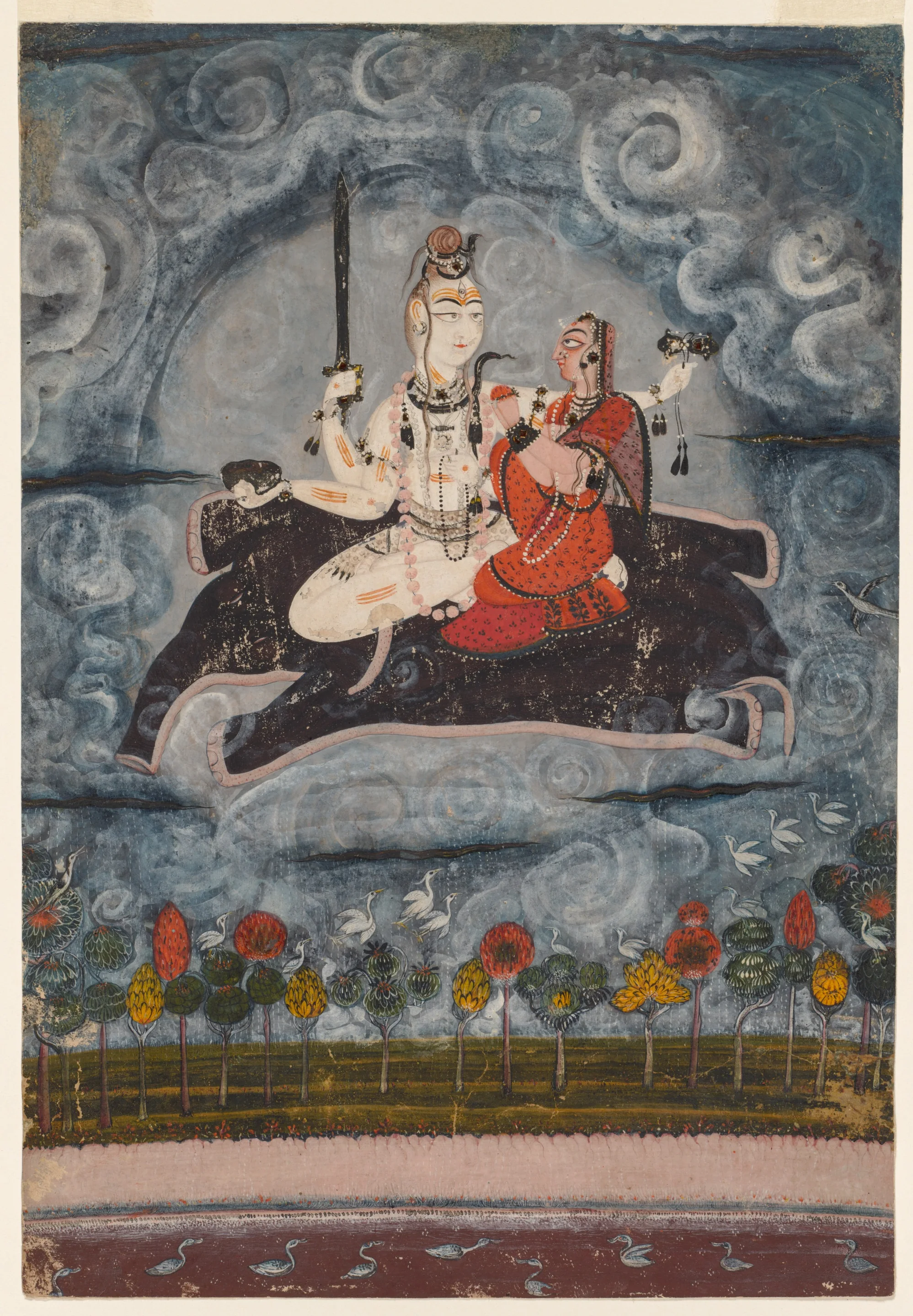
In the words of Pranav Ashar
How we renderThe heart of the Brihajjabala
In brief
Bhusunda asks Kalagnirudra about the ash. In section 2 the ash is the whole world, made of fire and soma: the world burnt again and again by fire is ash, and as one fire takes the shape of everything it enters, so the one ash is the inner self of all beings. Most of what follows is ritual: how the ash is made and where on the body the three lines are drawn. The text ends by praising its own study, which leads to the highest abode, where no sun shines and from which the yogis do not return.
- The sacred ash
- Fire and soma
- The world burnt to ash
- One within all forms
- The three lines (tripundra)
- The abode beyond sun and death
Contents
- 1.a
- 1.b
- 1.c
- 1.d
- 2.1
- 2.2
- 2.3
- 2.4
- 2.5
- 2.6
- 2.7
- 2.8
- 2.9
- 2.10
- 2.11
- 2.12
- 2.13
- 2.14
- 2.15
- 2.16
- 3.P
- 3.1
- 3.2
- 3.3
- 3.4
- 3.5
- 3.6
- 3.7
- 3.8
- 3.9
- 3.10
- 3.11
- 3.12
- 3.13
- 3.14
- 3.15
- 3.16
- 3.17
- 3.18
- 3.19
- 3.20
- 3.21
- 3.22
- 3.23
- 3.24
- 3.25
- 3.26
- 3.27
- 3.28
- 3.29
- 3.30
- 3.31
- 3.32
- 3.33
- 3.34
- 4.P1
- 4.1
- 4.2
- 4.3
- 4.4
- 4.5
- 4.6
- 4.7
- 4.8
- 4.9
- 4.P2
- 4.10
- 4.11
- 4.12
- 4.13-15
- 4.16
- 4.17
- 4.18-20
- 4.21-24
- 4.25-27
- 4.28
- 4.P3
- 4.29
- 4.30
- 4.31
- 4.32
- 4.33
- 4.34
- 4.35
- 4.36
- 5.1
- 5.2
- 5.3
- 5.4
- 5.5
- 5.6
- 5.P
- 5.7
- 5.8
- 5.9
- 5.10
- 5.11
- 5.12
- 5.13
- 5.14
- 5.15
- 5.16
- 5.17
- 5.18
- 5.19
- 6.P1
- 6.1
- 6.2
- 6.3
- 6.4
- 6.P2
- 6.5
- 6.6
- 6.P3
- 6.7
- 6.8
- 6.9
- 6.10
- 6.11
- 6.12
- 7.1
- 7.2
- 7.3
- 7.4
- 7.5
- 7.6
- 7.7
- 7.8
- 8.1
- 8.2
- 8.3
- 8.4
- 8.5
- 8.6
ॐ आपो वा इदमासन्सलिलमेव । स प्रजापतिरेकः पुष्करपर्णे समभवत् । तस्यान्तर्मनसि कामः समवर्तत इदं सृजेयमिति । तस्माद्यत्पुरुषो मनसाभिगच्छति । तद्वाचा वदति । तत्कर्मणा करोति । तदेषाभ्यनूक्ता । कामस्तदग्रे समवर्तताधि । मनसो रेतः प्रथमं यदासीत् । सतो बन्धुमसति निरविन्दन् । हृदि प्रतीष्या कवयो मनीषेति । उपैनं तदुपनमति । यत्कामो भवति । य एवं वेद ।
oṃ āpo vā idamāsansalilameva | sa prajāpatirekaḥ puṣkaraparṇe samabhavat | tasyāntarmanasi kāmaḥ samavartata idaṃ sṛjeyamiti | tasmādyatpuruṣo manasābhigacchati | tadvācā vadati | tatkarmaṇā karoti | tadeṣābhyanūktā | kāmastadagre samavartatādhi | manaso retaḥ prathamaṃ yadāsīt | sato bandhumasati niravindan | hṛdi pratīṣyā kavayo manīṣeti | upainaṃ tadupanamati | yatkāmo bhavati | ya evaṃ veda |
Om. In the beginning all this was waters, only the flood. Prajapati alone came to be, on a lotus leaf. Within his mind desire arose: 'Let me bring this forth.' So what a person reaches for in the mind, he says in speech, and does in action. A verse says this: 'Desire arose in the beginning, the first seed of the mind. Searching in the heart with wisdom, the seers found the bond of being in non-being.' Whatever one desires comes to the one who knows this.
Note //
The opening of section 1. The passage comes from the Taittiriya Aranyaka (1.23), and the verse quoted is the hymn of creation, Rig Veda 10.129.4. Creation begins as it does in each person: desire in the mind, then speech, then action. Editions: both read 'apo vā idam āsīt' (sanskritdocuments.org 'āpo vā idam asat'); the Taittiriya Aranyaka reading 'āpo vā idam āsan' is given. 'manaso retaḥ' (Deccan College copy and sanskritdocuments.org, as in the Rig Veda) over 'manasā' (Adyar). Pending review.
स तपोऽतप्यत । स तपस्तप्त्वा स एतं भुसुण्डः कालाग्निरुद्रमगमदागत्य भो विभूतेर्माहात्म्यं ब्रूहीति तथेति प्रत्यवोचत् । भुसुण्डं वक्ष्यमाणं किमिति विभूतिरुद्राक्षयोर्माहात्म्यं बभाणेति आदावेव पैप्पलादेन सहोक्तमिति तत्फलश्रुतिरिति तस्योर्ध्वं किं वदामेति । बृहज्जाबालाभिधां मुक्तिश्रुतिं ममोपदेशं कुरुष्वेति । ॐ तथेति ।
sa tapo'tapyata | sa tapastaptvā sa etaṃ bhusuṇḍaḥ kālāgnirudramagamadāgatya bho vibhūtermāhātmyaṃ brūhīti tatheti pratyavocat | bhusuṇḍaṃ vakṣyamāṇaṃ kimiti vibhūtirudrākṣayormāhātmyaṃ babhāṇeti ādāveva paippalādena sahoktamiti tatphalaśrutiriti tasyordhvaṃ kiṃ vadāmeti | bṛhajjābālābhidhāṃ muktiśrutiṃ mamopadeśaṃ kuruṣveti | oṃ tatheti |
He practised austerity. Having practised austerity, Bhusunda went to Kalagnirudra and said: 'Sir, tell me the greatness of the sacred ash.' 'So be it,' he answered, and said to Bhusunda: 'What is there to tell? The greatness of the ash and the rudraksha has been told already, at the start, together with Paippalada, and the fruit of it too. What more shall I say?' 'Teach me the scripture of freedom called the Brihajjabala.' 'Om, so be it.'
Note //
The sentences run together in both editions and the subject changes without warning: 'he' who practises austerity is first Prajapati, then Bhusunda. 'Told already, together with Paippalada' refers to the teaching on the ash given to Paippalada, as in the Kalagnirudra Upanishad, which is also taught by Kalagnirudra. Editions: 'kālāgrirudram' in both is a misprint for 'kālāgnirudram'. The reading of the middle sentence is uncertain and the rendering follows its plain sense; pending review.
सद्योजातात्पृथिवी । तस्याः स्यान्निवृत्तिः । तस्याः कपिलवर्णा नन्दा । तद्गोमयेन विभूतिर्जाता । वामदेवादुदकम् । तस्मात्प्रतिष्ठा । तस्याः कृष्णवर्णा भद्रा । तद्गोमयेन भसितं जातम् । अघोराद्वह्निः । तस्माद्विद्या । तस्या रक्तवर्णा सुरभिः । तद्गोमयेन भस्म जातम् । तत्पुरुषाद्वायुः । तस्माच्छान्तिः । तस्याः श्वेतवर्णा सुशीला । तस्या गोमयेन क्षारं जातम् । ईशानादाकाशम् । तस्माच्छान्त्यतीता । तस्याश्चित्रवर्णा सुमनाः । तद्गोमयेन रक्षा जाता ।
sadyojātātpṛthivī | tasyāḥ syānnivṛttiḥ | tasyāḥ kapilavarṇā nandā | tadgomayena vibhūtirjātā | vāmadevādudakam | tasmātpratiṣṭhā | tasyāḥ kṛṣṇavarṇā bhadrā | tadgomayena bhasitaṃ jātam | aghorādvahniḥ | tasmādvidyā | tasyā raktavarṇā surabhiḥ | tadgomayena bhasma jātam | tatpuruṣādvāyuḥ | tasmācchāntiḥ | tasyāḥ śvetavarṇā suśīlā | tasyā gomayena kṣāraṃ jātam | īśānādākāśam | tasmācchāntyatītā | tasyāścitravarṇā sumanāḥ | tadgomayena rakṣā jātā |
From Sadyojata came earth; from it, the power called Nivritti; from that, Nanda, the tawny cow; from her dung, vibhuti was born. From Vamadeva came water; from it, Pratishtha; from that, Bhadra, the black cow; from her dung, bhasita was born. From Aghora came fire; from it, Vidya; from that, Surabhi, the red cow; from her dung, bhasma was born. From Tatpurusha came wind; from it, Shanti; from that, Sushila, the white cow; from her dung, kshara was born. From Ishana came space; from it, Shantyatita, beyond peace; from that, Sumana, the dappled cow; from her dung, raksha was born.
Note //
Sadyojata, Vamadeva, Aghora, Tatpurusha and Ishana are the five faces of Shiva; Nivritti, Pratishtha, Vidya, Shanti and Shantyatita are the five powers (kalās) of Shaiva teaching, from the most outward to the one beyond even peace. The five elements, the five powers, the five cows and the five kinds of ash all come from the one Shiva. Editions: 'aghorād' over 'āghorād' (both); 'kapilavarṇā nandā' divided as the parallel sentences require (both print 'kapilavarṇānandā').
विभूतिर्भसितं भस्म क्षारं रक्षेति भस्मनो भवन्ति पञ्च नामानि । पञ्चभिर्नामभिर्भृशमैश्वर्यकारणाद्भूतिः । भस्म सर्वाघभक्षणात् । भासनाद्भसितम् । क्षारणादापदां क्षारम् । भूतप्रेतपिशाचब्रह्मराक्षसापस्मारभवभीतिभ्योऽभिरक्षणाद्रक्षेति ॥
vibhūtirbhasitaṃ bhasma kṣāraṃ rakṣeti bhasmano bhavanti pañca nāmāni | pañcabhirnāmabhirbhṛśamaiśvaryakāraṇādbhūtiḥ | bhasma sarvāghabhakṣaṇāt | bhāsanādbhasitam | kṣāraṇādāpadāṃ kṣāram | bhūtapretapiśācabrahmarākṣasāpasmārabhavabhītibhyo'bhirakṣaṇādrakṣeti ||
Vibhuti, bhasita, bhasma, kshara and raksha: these are the five names of the ash. Of the five names: it is bhuti, abundance, because it brings great power; bhasma, because it devours every wrong; bhasita, because it makes things shine; kshara, because it washes away misfortune; raksha, because it guards against ghosts, spirits, demons and fits, and against the fear of becoming.
Note //
The end of section 1. Each name is explained from a verb: bhūti from abundance, bhasma from bhakṣ, 'devour', bhasita from bhās, 'shine', kṣāra from kṣar, 'flow away', rakṣā from rakṣ, 'guard'. 'The fear of becoming' (bhava-bhīti) is the fear of birth and death itself. Editions: 'kṣāraṃ' for 'kṣaraṃ' (both), as in 1.c and in the explanation; 'bhasmano' (Deccan College) over 'bhasmāno' (Adyar).
अथ भुसुण्डः कालाग्निरुद्रमग्नीषोमात्मकं भस्मस्नानविधिं पप्रच्छ । अग्निर्यथैको भुवनं प्रविष्टो रूपं रूपं प्रतिरूपो बभूव । एकं भस्म सर्वभूतान्तरात्मा रूपं रूपं प्रतिरूपो बहिश्च ॥ अग्नीषोमात्मकं विश्वमित्यग्निराचक्षते । रौद्री घोरा या तैजसी तनूः । सोमः शक्त्यमृतमयः शक्तिकरी तनूः । अमृतं यत्प्रतिष्ठा सा तेजोविद्या कला स्वयम् । स्थूलसूक्ष्मेषु भूतेषु स एव रसतेजसी ॥
atha bhusuṇḍaḥ kālāgnirudramagnīṣomātmakaṃ bhasmasnānavidhiṃ papraccha | agniryathaiko bhuvanaṃ praviṣṭo rūpaṃ rūpaṃ pratirūpo babhūva | ekaṃ bhasma sarvabhūtāntarātmā rūpaṃ rūpaṃ pratirūpo bahiśca || agnīṣomātmakaṃ viśvamityagnirācakṣate | raudrī ghorā yā taijasī tanūḥ | somaḥ śaktyamṛtamayaḥ śaktikarī tanūḥ | amṛtaṃ yatpratiṣṭhā sā tejovidyā kalā svayam | sthūlasūkṣmeṣu bhūteṣu sa eva rasatejasī ||
Then Bhusunda asked Kalagnirudra the rule of the bath in ash, which is fire and soma. As one fire, entering the world, it meets, so the one ash, the inner self of all beings, , and is outside them too. The universe is fire and soma, so the fire-priests say. Fire is Rudra's fierce body, the body of light; soma is made of Shakti's nectar, the body that gives strength. The nectar is the ground; light and knowledge are its own powers. In beings gross and subtle, it is the same: sap and light.
Note //
The first verse of section 2. Its centre is the Katha Upanishad's verse on the Self (Katha 2.2.9, Hume 5.9) with 'ash' in place of 'the Self'. 'And outside them too' (bahiś ca) is in the Katha as well: the Self takes every form and is not confined by any. Fire (agni) and soma, the cooling nectar, are the two sides of everything: what burns and what is burnt, light and sap. The lines after the Katha verse are compressed and the rendering of 'amṛtaṃ yat pratiṣṭhā sā tejovidyā kalā svayam' is tentative; pending review. Editions: 'ekaṃ bhasma' (Deccan College and sanskritdocuments.org, closer to the Katha's 'ekas tathā') over 'evaṃ bhasma', 'so the ash' (Adyar).
द्विविधा तेजसो वृत्तिः सूर्यात्मा चानलात्मिका । तथैव रसशक्तिश्च सोमात्मा चानलात्मिका ॥
dvividhā tejaso vṛttiḥ sūryātmā cānalātmikā | tathaiva rasaśaktiśca somātmā cānalātmikā ||
Light works in two ways: as the sun and as fire. So too the power of sap: as the moon and as fire.
Note //
The pairs are uncertain: the second line repeats 'anala', fire, where one expects a second form of soma. Both editions agree; pending review.
वैद्युदादिमयं तेजो मधुरादिमयो रसः । तेजोरसविभेदैस्तु वृत्तमेतच्चराचरम् ॥
vaidyudādimayaṃ tejo madhurādimayo rasaḥ | tejorasavibhedaistu vṛttametaccarācaram ||
Light is lightning and the rest; sap is sweetness and the rest. By the play of light and sap all this, moving and still, goes on.
Note //
Light (tejas) stands for every kind of brightness and heat, sap (rasa) for every taste and moisture. Editions agree.
अग्नेरमृतनिष्पत्तिरमृतेनाग्निरेधते । अत एव हविः सन्तमग्नीषोमात्मकं जगत् ॥
agneramṛtaniṣpattiramṛtenāgniredhate | ata eva haviḥ santamagnīṣomātmakaṃ jagat ||
From fire the nectar comes, and by the nectar fire grows. So the world, which is fire and soma, is itself the offering.
Note //
The old Vedic circle: the offering poured into fire rises as smoke and returns as rain, food and life. The whole world is the offering and the fire at once. Editions agree.
ऊर्ध्वशक्तिमयः सोम अधोशक्तिमयोऽनलः । ताभ्यां सम्पुटितस्तस्माच्छश्वद्विश्वमिदं जगत् ॥
ūrdhvaśaktimayaḥ soma adhośaktimayo'nalaḥ | tābhyāṃ sampuṭitastasmācchaśvadviśvamidaṃ jagat ||
Soma is the power above, fire the power below. Held between the two, as in a closed cup, this whole world goes on forever.
Note //
'Closed cup' (sampuṭa) is two bowls, one turned over the other. The world is held between the cooling that flows down and the heat that rises. Editions agree in 'soma adhośaktimayo', which is irregular ('somo 'dhaḥśaktimayo' would be the regular form); given as printed.
अग्नेरूर्ध्वं भवत्येषा यावत्सौम्यं परामृतम् । यावदग्न्यात्मके सौम्यममृतं विसृजत्यधः ॥
agnerūrdhvaṃ bhavatyeṣā yāvatsaumyaṃ parāmṛtam | yāvadagnyātmake saumyamamṛtaṃ visṛjatyadhaḥ ||
From fire it rises as far as the highest nectar, soma; and soma pours its nectar down into what is made of fire.
Note //
'It' is the rising power. Rising heat reaches the cool nectar, and the nectar flows down into the fire: the same circle as 2.4, seen in the body as in the world. Editions agree.
अत एव हि कामाग्निरधस्ताच्छक्तिरूर्ध्वगा । यावदादहनश्चोर्ध्वमधस्तात्पावनं भवेत् ॥
ata eva hi kāmāgniradhastācchaktirūrdhvagā | yāvadādahanaścordhvamadhastātpāvanaṃ bhavet ||
So the fire of desire is below, and the power rises upward. As far as burning reaches upward, so far purifying flows below.
Note //
The language is that of yoga: the fire at the base of the body, the power that rises, the nectar that flows down from the head. The second line is compressed; pending review. Editions agree.
आधारशक्त्यावधृतः कालाग्निरयमूर्ध्वगः । तथैव निमग्नः सोमः शिवशक्तिपदास्पदः ॥
ādhāraśaktyāvadhṛtaḥ kālāgnirayamūrdhvagaḥ | tathaiva nimagnaḥ somaḥ śivaśaktipadāspadaḥ ||
Held by the power at the base, this fire of time rises upward. And soma, sunk deep, has its seat in the place of Shiva and Shakti.
Note //
The 'power at the base' (ādhāra-śakti) is the support of the body in yoga; the 'fire of time' (kālāgni) is Kalagnirudra himself, the teacher of the text. Editions agree.
शिवश्चोर्ध्वमयः शक्तिरूर्ध्वशक्तिमयः शिवः । तदित्थं शिवशक्तिभ्यां नाव्याप्तमिह किञ्चन ॥
śivaścordhvamayaḥ śaktirūrdhvaśaktimayaḥ śivaḥ | taditthaṃ śivaśaktibhyāṃ nāvyāptamiha kiñcana ||
Shiva is the rising, Shakti is too; Shiva is made of the rising power. So, by Shiva and Shakti, nothing here is left unpervaded.
Note //
Fire is Shiva's side and soma is Shakti's. This verse says the two are not two: each is the other, and between them nothing is left out. The first line is compressed and its exact sense is pending review. Editions agree.
असकृच्चाग्निना दग्धं जगत्तद्भस्मसात्कृतम् । अग्नेर्वीर्यमिदं प्राहुस्तद्वीर्यं भस्म यत्ततः ॥
asakṛccāgninā dagdhaṃ jagattadbhasmasātkṛtam | agnervīryamidaṃ prāhustadvīryaṃ bhasma yattataḥ ||
Burnt again and again by fire, the world has been turned to ash. They call this the ; that seed is the ash that comes from it.
Note //
'Again and again': the world is burnt at the end of every age, and what remains is ash. 'Seed' (vīrya) is the essence, the potency of fire. Read with 2.1, the ash is what is left when all forms have gone, and what all forms were. Editions agree.
यश्चेत्थं भस्मसद्भावं ज्ञात्वाभिस्नाति भस्मना । अग्निरित्यादिभिर्मन्त्रैर्दग्धपापः स मुच्यते ॥
yaścetthaṃ bhasmasadbhāvaṃ jñātvābhisnāti bhasmanā | agnirityādibhirmantrairdagdhapāpaḥ sa mucyate ||
One who knows the true nature of the ash in this way and bathes in ash with the mantras 'Fire is ash' and the rest, his wrongs burnt away, is set free.
Note //
The knowing comes first; the bath follows it. 'Fire is ash, wind is ash, water is ash...' are the mantras of the Atharvashiras and Kalagnirudra Upanishads. Editions: 'sa mucyate', 'is set free' (Adyar) over 'sa ucyate', 'is said' (Deccan College).
अग्नेर्वीर्यं च तद्भस्म सोमेनाप्लावितं पुनः । अयोगयुक्त्या प्रकृतेरधिकाराय कल्पते ॥
agnervīryaṃ ca tadbhasma somenāplāvitaṃ punaḥ | ayogayuktyā prakṛteradhikārāya kalpate ||
That ash, the , when it is flooded again with soma without the way of yoga, serves only nature's work.
Note //
Without yoga, the same ash and water serve nature (prakṛti), that is, the round of birth. The next verse gives the contrast. Editions agree.
योगयुक्त्या तु तद्भस्म प्लाव्यमानं समन्ततः । शाक्तेनामृतवर्षेण ह्यधिकारान्निवर्तते ॥
yogayuktyā tu tadbhasma plāvyamānaṃ samantataḥ | śāktenāmṛtavarṣeṇa hyadhikārānnivartate ||
But when that ash is flooded all through, by the way of yoga, with Shakti's rain of nectar, it turns back from nature's work.
Note //
'Turns back from nature's work' (adhikārān nivartate): the round of birth no longer has hold. Editions agree.
अतो मृत्युञ्जयायेत्थममृतप्लावनं सताम् । शिवशक्त्यमृतस्पर्शे लब्ध एव कुतो मृतिः ॥
ato mṛtyuñjayāyetthamamṛtaplāvanaṃ satām | śivaśaktyamṛtasparśe labdha eva kuto mṛtiḥ ||
So for the good, to conquer death, there is this flooding with nectar. Once the touch of Shiva and Shakti's nectar is gained, where is death?
Note //
Editions agree.
यो वेद गहनं गुह्यं पावनं च तथोदितम् । अग्नीषोमपुटं कृत्वा न स भूयोऽभिजायते ॥
yo veda gahanaṃ guhyaṃ pāvanaṃ ca tathoditam | agnīṣomapuṭaṃ kṛtvā na sa bhūyo'bhijāyate ||
One who knows this deep secret, this purifier, as it has been told, and makes fire and soma into one closed cup, is not born again.
Note //
'One closed cup' takes up the image of 2.5: the one who joins fire and soma, Shiva and Shakti, in himself. Editions agree.
शिवाग्निना तनुं दग्ध्वा शक्तिसोमामृतेन यः । प्लावयेद्योगमार्गेण सोऽमृतत्वाय कल्पते सोऽमृतत्वाय कल्पत इति ॥
śivāgninā tanuṃ dagdhvā śaktisomāmṛtena yaḥ | plāvayedyogamārgeṇa so'mṛtatvāya kalpate so'mṛtatvāya kalpata iti ||
One who burns the body in Shiva's fire and floods it, by the way of yoga, with the nectar of Shakti, the soma: that one is , .
Note //
The last verse of section 2. The bath in ash with water is the outer form; the inner meaning is burning the claim of the body in the fire of Shiva and flooding it with the cooling nectar of Shakti. 'Fit for deathlessness' (amṛtatvāya kalpate) is the usual phrase for the one ready for freedom. Editions: 'so 'mṛtatvāya' given both times; the Deccan College copy has 'so 'mṛtvāya' the second time, and the Adyar collection 'go 'mṛtatvāya' the first.
अथ भुसुण्डः कालाग्निरुद्रं विभूतियोगमनुब्रूहीति स होवाच विकटाङ्गामुन्मत्तां महाखलां मलिनामशिवादिचिह्नान्वितां पुनर्धेनुं कृशाङ्गां वत्सहीनामशान्तामदुग्धदोहिनीं निरिन्द्रियां जग्धतृणां केशचेलास्थिभक्षिणीं सन्धिनीं नवप्रसूतां रोगार्तां गां विहाय प्रशस्तगोमयमाहरेत् । गोमयं स्वस्थं ग्राह्यं शुभे स्थाने वा पतितमपरित्यज्यात ऊर्ध्वं मर्दयेद्गव्येन । गोमयग्रहणे कपिला वा धवला वा अलाभे तदन्या गौः स्याद्दोषवर्जिता । कपिलागोर्भस्मोक्तं लब्धं गोभस्म नो चेदन्यगोक्षारं यत्र क्वापि स्थितं च यत्तन्न हि धार्यं संस्कारसहितं धार्यम् । तत्रैते श्लोका भवन्ति ।
atha bhusuṇḍaḥ kālāgnirudraṃ vibhūtiyogamanubrūhīti sa hovāca vikaṭāṅgāmunmattāṃ mahākhalāṃ malināmaśivādicihnānvitāṃ punardhenuṃ kṛśāṅgāṃ vatsahīnāmaśāntāmadugdhadohinīṃ nirindriyāṃ jagdhatṛṇāṃ keśacelāsthibhakṣiṇīṃ sandhinīṃ navaprasūtāṃ rogārtāṃ gāṃ vihāya praśastagomayamāharet | gomayaṃ svasthaṃ grāhyaṃ śubhe sthāne vā patitamaparityajyāta ūrdhvaṃ mardayedgavyena | gomayagrahaṇe kapilā vā dhavalā vā alābhe tadanyā gauḥ syāddoṣavarjitā | kapilāgorbhasmoktaṃ labdhaṃ gobhasma no cedanyagokṣāraṃ yatra kvāpi sthitaṃ ca yattanna hi dhāryaṃ saṃskārasahitaṃ dhāryam | tatraite ślokā bhavanti |
Then Bhusunda said to Kalagnirudra: 'Tell me the practice of the sacred ash.' He said: Pass by a cow that is misshapen, wild, vicious, dirty, marked with bad signs, one that is thin, has lost her calf, is restless, gives no milk, is barren, has eaten grass fouled, or eats hair, rags or bones, one in heat, one that has just calved, or one that is sick; take the dung of a good cow. Take dung that is wholesome; if it has fallen in a clean place, do not leave it. Then knead it with the cow's own products. For the dung, a tawny or a white cow is best; failing these, any other cow free of faults. The ash of a tawny cow is praised. If the ash of a cow is not to be had, the ash of another cow will do; but ash lying anywhere, of any kind, is not to be worn. What is worn must be prepared with the rites. On this there are these verses.
Note //
The opening of section 3, on making the ash. 'The cow's own products' (gavya): milk, curd, ghee, urine and dung. The sentence on the tawny cow's ash is garbled in both editions and the rendering gives its likely sense; pending review. Editions agree apart from small slips; 'mahākhalāṃ' for 'mahākhalā' (both), to agree with the other words describing the cow.
विद्या शक्तिः समस्तानां शक्तिरित्यभिधीयते । गुणत्रयाश्रया विद्या सा विद्या च तदाश्रया ॥
vidyā śaktiḥ samastānāṃ śaktirityabhidhīyate | guṇatrayāśrayā vidyā sā vidyā ca tadāśrayā ||
Knowledge is the power of all things; so it is called power. Knowledge is the ground of the three qualities, and the three rest on knowledge.
Note //
The verses begin by saying what the cow stands for, as the next verse explains. The second line is compressed: knowledge holds the three qualities (guṇas) of nature, and they depend on it. Editions agree.
गुणत्रयमिदं धेनुर्विद्याभूद्गोमयं शुभम् । मूत्रं चोपनिषत्प्रोक्तं कुर्याद्भस्म ततः परम् ॥
guṇatrayamidaṃ dhenurvidyābhūdgomayaṃ śubham | mūtraṃ copaniṣatproktaṃ kuryādbhasma tataḥ param ||
The three qualities are the cow; knowledge has become the clean dung; the urine, it is said, is the Upanishad. From these the ash is to be made.
Note //
Every part of the making stands for something: the cow is nature with its three qualities, the dung is knowledge, the urine is the Upanishad. The ash made from them is what knowledge leaves when it has burnt. Editions agree.
वत्सस्तु स्मृतयश्चास्य तत्सम्भूतं तु गोमयम् । आगाव इति मन्त्रेण धेनुं तत्राभिमन्त्रयेत् ॥
vatsastu smṛtayaścāsya tatsambhūtaṃ tu gomayam | āgāva iti mantreṇa dhenuṃ tatrābhimantrayet ||
Her calf is the remembered tradition, and the dung comes from it. With the mantra 'The cows have come' one should consecrate the cow there.
Note //
'The cows have come' (ā gāvaḥ) is Rig Veda 6.28.1. Editions agree.
गावो भगो गाव इति प्राशयेत्तर्पणं जलम् । उपोष्य च चतुर्दश्यां शुक्ले कृष्णेऽथवा व्रती ॥
gāvo bhago gāva iti prāśayettarpaṇaṃ jalam | upoṣya ca caturdaśyāṃ śukle kṛṣṇe'thavā vratī ||
With 'The cows are good fortune' one should give her water to drink. Keeping the vow, one fasts on the fourteenth day of the bright or the dark fortnight.
Note //
'The cows are good fortune' (gāvo bhago gāva) is Rig Veda 6.28.5. Editions: 'gāva iti' (Adyar, as in the Rig Veda) over 'gāvo iti' (Deccan College).
परेद्युः प्रातरुत्थाय शुचिर्भूत्वा समाहितः । कृतस्नानो धौतवस्त्रः पयोर्धं च सृजेच्च गाम् ॥
paredyuḥ prātarutthāya śucirbhūtvā samāhitaḥ | kṛtasnāno dhautavastraḥ payordhaṃ ca sṛjecca gām ||
Next day, rising at dawn, clean and collected, bathed and in washed clothes, one should give her water and let the cow out.
Note //
'payordhaṃ ca sṛjec ca gām' is unclear in both editions; it may be 'payo 'rghaṃ', an offering of water or milk. The rendering is tentative; pending review.
उत्थाप्य गां प्रयत्नेन गायत्र्या मूत्रमाहरेत् । सौवर्णे राजते ताम्रे धारयेन्मृण्मये घटे ॥
utthāpya gāṃ prayatnena gāyatryā mūtramāharet | sauvarṇe rājate tāmre dhārayenmṛṇmaye ghaṭe ||
Raising the cow with care, one should collect her urine with the Gayatri, and keep it in a pot of gold, silver, copper or clay,
Note //
The sentence runs on into the next verse. Editions agree.
पौष्करेऽथ पलाशे वा पात्रे गोशृङ्ग एव वा । आदधीत हि गोमूत्रं गन्धद्वारेति गोमयम् ॥
pauṣkare'tha palāśe vā pātre gośṛṅga eva vā | ādadhīta hi gomūtraṃ gandhadvāreti gomayam ||
or in a cup of lotus leaf or palasha leaf, or in a cow's horn. The urine is to be put there, and the dung with the mantra 'Gate of fragrance'.
Note //
'Gate of fragrance' (gandhadvārām) is from the Shri Sukta: the dung is taken with the hymn to Shri, fortune. Editions agree.
अभूमिपातं गृह्णीयात्पात्रे पूर्वोदिते गृही । गोमयं शोधयेद्विद्वाञ्छ्रीर्मे भजतु मन्त्रतः ॥
abhūmipātaṃ gṛhṇīyātpātre pūrvodite gṛhī | gomayaṃ śodhayedvidvāñchrīrme bhajatu mantrataḥ ||
The householder should catch it before it falls to the ground, in the vessel named before. The one who knows should clean the dung with the mantra 'May Shri come to me'.
Note //
Editions agree.
अलक्ष्मीर्म इति मन्त्रेण गोमयं धान्यवर्जितम् । सं त्वा सिञ्चामि मन्त्रेण गोमूत्रं गोमये क्षिपेत् ॥
alakṣmīrma iti mantreṇa gomayaṃ dhānyavarjitam | saṃ tvā siñcāmi mantreṇa gomūtraṃ gomaye kṣipet ||
With the mantra 'My misfortune...' the dung is cleared of grain; with the mantra 'I sprinkle you' the urine is poured onto the dung.
Note //
'My misfortune' (alakṣmīr me) is again from the Shri Sukta: misfortune is driven out. Editions: 'gomūtraṃ gomaye kṣipet' (Adyar, which the metre needs) over 'gomaye kṣipet' (Deccan College).
पञ्चानां त्विति मन्त्रेण पिण्डानां च चतुर्दश । कुर्यात्संशोध्य किरणैः सौरकैराहरेत्ततः ॥
pañcānāṃ tviti mantreṇa piṇḍānāṃ ca caturdaśa | kuryātsaṃśodhya kiraṇaiḥ saurakairāharettataḥ ||
With the mantra 'Of the five...' one should make fourteen balls, dry them in the sun's rays, and then gather them.
Note //
The mantra 'pañcānāṃ tvā' is a Yajurveda formula. 'Clean them in the sun's rays' (saṃśodhya kiraṇaiḥ saurakaiḥ) is read as drying. Editions agree.
निदध्यादथ पूर्वोक्तपात्रे गोमयपिण्डकान् । स्वगृह्योक्तविधानेन प्रतिष्ठाप्याग्निमीजयेत् ॥
nidadhyādatha pūrvoktapātre gomayapiṇḍakān | svagṛhyoktavidhānena pratiṣṭhāpyāgnimījayet ||
Then one should lay the balls of dung in the vessel named before, set up the fire by the rule of one's own house-rite, and worship it.
Note //
Each Vedic family follows its own manual of household rites (gṛhya-sūtra). Editions agree.
पिण्डांश्च निक्षिपेत्तत्र आद्यन्तं प्रणवेन तु । षडक्षरस्य सूक्तस्य व्याकृतस्य तथाक्षरैः ॥
piṇḍāṃśca nikṣipettatra ādyantaṃ praṇavena tu | ṣaḍakṣarasya sūktasya vyākṛtasya tathākṣaraiḥ ||
One should place the balls in it, with Om at the beginning and the end, and with the syllables of the six-syllabled mantra, spoken out one by one.
Note //
The six-syllabled mantra is probably 'oṃ namaḥ śivāya'. 'sūktasya vyākṛtasya' is obscure; the rendering is tentative and runs into the next verse. Pending review.
स्वाहान्ते जुहुयात्तत्र वर्णदेवाय पिण्डकान् । आघारावाज्यभागौ च प्रक्षिपेद्व्याहृतीः सुधीः ॥
svāhānte juhuyāttatra varṇadevāya piṇḍakān | āghārāvājyabhāgau ca prakṣipedvyāhṛtīḥ sudhīḥ ||
With 'svaha' at the end of each, one offers the balls there to the god of each syllable. The wise one also pours the two streams and the two portions of ghee, and the offerings with the great words.
Note //
The 'two streams' (āghārau) and 'two portions of ghee' (ājyabhāgau) are the standard opening offerings of a Vedic fire rite; the 'great words' (vyāhṛtis) are bhūḥ, bhuvaḥ, svaḥ. 'To the god of each syllable' (varṇadevāya) is a tentative reading. Editions agree.
ततो निधनपतये त्रयोविंशज्जुहोति च । होतव्याः पञ्च ब्रह्मणि नमो हिरण्यबाहवे ॥
tato nidhanapataye trayoviṃśajjuhoti ca | hotavyāḥ pañca brahmaṇi namo hiraṇyabāhave ||
Then one makes twenty-three offerings with 'To the lord of death' and the rest. Offerings are made with the five Brahma mantras and with 'Homage to the golden-armed'.
Note //
'nidhanapataye namaḥ' begins a series of formulas in the Mahanarayana Upanishad; the five Brahma mantras are those of the five faces of Shiva (1.c); 'Homage to the golden-armed' is from the Shatarudriya, the hymn to Rudra. Editions agree.
इति सर्वाहुतीर्हुत्वा चतुर्थ्यन्तैश्च मन्त्रकैः । ऋतं सत्यं कद्रुद्राय यस्य वैकङ्कतीति च ॥
iti sarvāhutīrhutvā caturthyantaiśca mantrakaiḥ | ṛtaṃ satyaṃ kadrudrāya yasya vaikaṅkatīti ca ||
Having made all these offerings with mantras ending in 'to...', one offers with 'Truth and the real', with 'What to Rudra', and with 'Whose ladle of vaikankata wood'.
Note //
'Truth and the real' (ṛtaṃ satyam) is from the Mahanarayana Upanishad; 'What to Rudra' (kad rudrāya) is Rig Veda 1.43.1; the third is a Yajurveda formula. Editions agree.
एतैश्च जुहुयाद्विद्वाननाज्ञातत्रयं तथा । व्याहृतीरथ हुत्वा च ततः स्विष्टकृतं हुनेत् ॥
etaiśca juhuyādvidvānanājñātatrayaṃ tathā | vyāhṛtīratha hutvā ca tataḥ sviṣṭakṛtaṃ hunet ||
With these the knower offers, and with the three for what was done unknowingly; then, offering with the great words, he makes the offering for what was well done.
Note //
The three 'anājñāta' offerings make up for faults made without knowing; the 'sviṣṭakṛt' closes the rite. Editions print 'vidvān anā jñātatrayaṃ'; the words are joined as the sense requires.
इध्मशेषं तु निर्वर्त्य पूर्णपात्रोदकं तथा । पूर्णमसीति यजुषा जलेनान्येन बृंहयेत् ॥
idhmaśeṣaṃ tu nirvartya pūrṇapātrodakaṃ tathā | pūrṇamasīti yajuṣā jalenānyena bṛṃhayet ||
Finishing the rest of the firewood, and the water of the full vessel, one should fill it up with other water with the formula 'You are full'.
Note //
Editions agree.
ब्राह्मणेष्वमृतमिति तज्जलं शिरसि क्षिपेत् । प्राच्यामिति दिशां लिङ्गैर्दिक्षु तोयं विनिक्षिपेत् ॥
brāhmaṇeṣvamṛtamiti tajjalaṃ śirasi kṣipet | prācyāmiti diśāṃ liṅgairdikṣu toyaṃ vinikṣipet ||
With 'Among the brahmins, the nectar' one sprinkles that water on the head, and with the mantras of the quarters, 'In the east' and the rest, one sprinkles water in every direction.
Note //
Editions: 'diśāṃ' (Deccan College) over 'diśaṃ' (Adyar).
ब्राह्मणे दक्षिणां दत्त्वा शान्त्यै पुलकमाहरेत् । आहरिष्यामि देवानां सर्वेषां कर्मगुप्तये ॥
brāhmaṇe dakṣiṇāṃ dattvā śāntyai pulakamāharet | āhariṣyāmi devānāṃ sarveṣāṃ karmaguptaye ||
Having given the fee to the brahmin, one should bring husks, for peace, saying: 'I will bring them to guard the work of all the gods.
Note //
'Husks' (pulaka) are used to cover and bank the fire, as 3.21 says. The words spoken run into the next verse. Editions agree.
जातवेदसमेनं त्वां पुलकैश्छादयाम्यहम् । मन्त्रेणानेन तं वह्निं पुलकैश्छादयेत्ततः ॥
jātavedasamenaṃ tvāṃ pulakaiśchādayāmyaham | mantreṇānena taṃ vahniṃ pulakaiśchādayettataḥ ||
I cover you, Jatavedas, the knower of all that is born, with husks.' With this mantra one should then cover that fire with husks.
Note //
Jatavedas is a name of Agni, the fire. Editions agree.
त्रिदिनं ज्वलनस्थित्यै छादनं पुलकैः स्मृतम् । ब्राह्मणान्भोजयेद्भक्त्या स्वयं भुञ्जीत वाग्यतः ॥
tridinaṃ jvalanasthityai chādanaṃ pulakaiḥ smṛtam | brāhmaṇānbhojayedbhaktyā svayaṃ bhuñjīta vāgyataḥ ||
The covering with husks is to keep the fire burning for three days. One should feed brahmins with devotion, and eat oneself in silence.
Note //
Editions agree.
भस्माधिक्यमभीप्सुस्तु अधिकं गोमयं हरेत् । दिनत्रयेण यदि वा एकस्मिन्दिवसेऽथवा ॥
bhasmādhikyamabhīpsustu adhikaṃ gomayaṃ haret | dinatrayeṇa yadi vā ekasmindivase'thavā ||
One who wants more ash should take more dung; in three days, or in one.
Note //
Editions agree.
तृतीये वा चतुर्थे वा प्रातः स्नात्वा सिताम्बरः । शुक्लयज्ञोपवीती च शुक्लमाल्यानुलेपनः ॥
tṛtīye vā caturthe vā prātaḥ snātvā sitāmbaraḥ | śuklayajñopavītī ca śuklamālyānulepanaḥ ||
On the third or the fourth day, bathing at dawn, dressed in white, with a white sacred thread, white garland and white paste,
Note //
The sentence runs into the next verse. Editions agree.
शुक्लदन्तो भस्मदिग्धो मन्त्रेणानेन मन्त्रवित् । ॐ तद्ब्रह्मेति चोच्चार्य पौलकं भस्म सन्त्यजेत् ॥
śukladanto bhasmadigdho mantreṇānena mantravit | oṃ tadbrahmeti coccārya paulakaṃ bhasma santyajet ||
teeth cleaned, smeared with ash, the one who knows the mantras should say 'Om, that is Brahman' and set aside the ash of the husks.
Note //
Only the ash of the dung is kept; the ash of the husks is put aside. Editions agree.
तत्र चावाहनमुखानुपचारांस्तु षोडश । कुर्याद्व्याहृतिभिस्त्वेवं ततोऽग्निमुपसंहरेत् ॥
tatra cāvāhanamukhānupacārāṃstu ṣoḍaśa | kuryādvyāhṛtibhistvevaṃ tato'gnimupasaṃharet ||
There one should offer the sixteen services, beginning with the invitation, with the great words, and then let the fire go.
Note //
The sixteen services (upacāra) are the steps of worship: invitation, seat, water, and so on. 'Let the fire go' (upasaṃharet): the fire is formally dismissed. Editions agree.
अग्निर्भस्मेति मन्त्रेण गृह्णीयाद्भस्म चोत्तरम् । अग्निरित्यादिमन्त्रेण प्रमृज्य च ततः परम् ॥
agnirbhasmeti mantreṇa gṛhṇīyādbhasma cottaram | agnirityādimantreṇa pramṛjya ca tataḥ param ||
With the mantra 'Fire is ash' one should take up the best ash, and then wipe it clean with 'Fire...' and the mantras that follow.
संयोज्य गन्धसलिलैः कपिलामूत्रकेण वा । चन्द्रकुङ्कुमकाश्मीरमुशीरं चन्दनं तथा ॥
saṃyojya gandhasalilaiḥ kapilāmūtrakeṇa vā | candrakuṅkumakāśmīramuśīraṃ candanaṃ tathā ||
Mixing it with scented water, or with the urine of a tawny cow, one takes camphor, saffron, kashmira, vetiver root and sandal,
Note //
The sentence runs into the next verse. Editions: 'uśīraṃ' (Adyar) over 'uśiraṃ' (Deccan College).
अगरुत्रितयं चैव चूर्णयित्वा तु सूक्ष्मतः । क्षिपेद्भस्मनि तच्चूर्णमोमिति ब्रह्ममन्त्रतः ॥
agarutritayaṃ caiva cūrṇayitvā tu sūkṣmataḥ | kṣipedbhasmani taccūrṇamomiti brahmamantrataḥ ||
and the three kinds of aloe wood, grinds them fine, and puts the powder into the ash with Om, the mantra of Brahman.
Note //
Editions agree.
प्रणवेनाहरेद्विद्वान्बृहतो वटकानथ । अणोरणीयानिति हि मन्त्रेण च विचक्षणः ॥
praṇavenāharedvidvānbṛhato vaṭakānatha | aṇoraṇīyāniti hi mantreṇa ca vicakṣaṇaḥ ||
Then, with Om, and with the mantra 'Finer than the fine', the wise one should shape it into large balls.
Note //
'Finer than the fine, greater than the great' is Katha 1.2.20 and Shvetashvatara 3.20, a verse on the Self. Editions: 'aṇor aṇīyān' (Adyar) over 'aṇor aṇīyan' (Deccan College).
इत्थं भस्म सुसम्पाद्य शुष्कमादाय मन्त्रवित् । प्रणवेन विमृज्याथ सप्तप्रणवमन्त्रितम् ॥
itthaṃ bhasma susampādya śuṣkamādāya mantravit | praṇavena vimṛjyātha saptapraṇavamantritam ||
Having prepared the ash in this way, the one who knows the mantras takes it when dry, rubs it with Om, and blesses it with Om seven times.
Note //
Editions agree.
ईशानेति शिरोदेशं मुखं तत्पुरुषेण तु । ऊरुदेशमघोरेण गुह्यं वामेन मन्त्रयेत् ॥
īśāneti śirodeśaṃ mukhaṃ tatpuruṣeṇa tu | ūrudeśamaghoreṇa guhyaṃ vāmena mantrayet ||
With the Ishana mantra he blesses the head, the face with Tatpurusha, the thighs with Aghora, the private parts with Vamadeva,
Note //
The five faces of Shiva (1.c) are laid on the body. Editions: 'ūrudeśam' (Adyar, as in section 4) over 'urudeśam' (Deccan College).
सद्योजातेन वै पादान्सर्वाङ्गं प्रणवेन तु । तत उद्धूल्य सर्वाङ्गमापादतलमस्तकम् ॥
sadyojātena vai pādānsarvāṅgaṃ praṇavena tu | tata uddhūlya sarvāṅgamāpādatalamastakam ||
the feet with Sadyojata, and the whole body with Om. Then he covers the whole body with ash, from the soles of the feet to the head,
Note //
Editions: both read 'uddhṛtya', 'taking up'; 'uddhūlya', 'covering with ash', is given from the parallel sentence in section 4. Pending review.
आचम्य वसनं धौतं ततश्चैतत्प्रधारयेत् । पुनराचम्य कर्म स्वं कर्तुमर्हसि सत्तम ॥
ācamya vasanaṃ dhautaṃ tataścaitatpradhārayet | punarācamya karma svaṃ kartumarhasi sattama ||
sips water, and puts on a washed cloth. Sipping water again, you may then do your own work, best of men.
Note //
Editions agree.
अथ चतुर्विधं भस्मकल्पम् । प्रथममनुकल्पम् । द्वितीयमुपकल्पम् । उपोपकल्पं तृतीयम् । अकल्पं चतुर्थम् । अग्निहोत्रसमुद्भूतं विरजानलजमनुकल्पम् । वने शुष्कं शकृत्सङ्गृह्य कल्पोक्तविधिना कल्पितमुपकल्पं स्यात् । अरण्ये शुष्कगोमयं चूर्णीकृत्यानुसङ्गृह्य गोमूत्रैः पिण्डीकृत्य यथाकल्पं संस्कृतमुपोपकल्पम् । शिवालयस्थमकल्पं शतकल्पं च । इत्थं चतुर्विधं भस्म पापं निकृन्तयेन्मोक्षं ददातीति भगवान्कालाग्निरुद्रः ॥
atha caturvidhaṃ bhasmakalpam | prathamamanukalpam | dvitīyamupakalpam | upopakalpaṃ tṛtīyam | akalpaṃ caturtham | agnihotrasamudbhūtaṃ virajānalajamanukalpam | vane śuṣkaṃ śakṛtsaṅgṛhya kalpoktavidhinā kalpitamupakalpaṃ syāt | araṇye śuṣkagomayaṃ cūrṇīkṛtyānusaṅgṛhya gomūtraiḥ piṇḍīkṛtya yathākalpaṃ saṃskṛtamupopakalpam | śivālayasthamakalpaṃ śatakalpaṃ ca | itthaṃ caturvidhaṃ bhasma pāpaṃ nikṛntayenmokṣaṃ dadātīti bhagavānkālāgnirudraḥ ||
Now the ash is of four kinds: first, the anukalpa; second, the upakalpa; third, the upopakalpa; fourth, the akalpa. Ash from the daily fire offering, or from the fire of the viraja rite, is anukalpa. Dry dung gathered in the forest and prepared by the rule is upakalpa. Dry dung from the wilds, powdered, gathered, made into balls with cow's urine and prepared by the rule is upopakalpa. Ash found in a temple of Shiva is akalpa, and it is worth a hundred. Ash of these four kinds cuts away wrong and gives freedom: so says the blessed Kalagnirudra.
Note //
The end of section 3. The viraja rite is the fire rite performed when one takes up renunciation, in which the whole person is offered. 'Worth a hundred' (śatakalpa) is a tentative reading. Editions agree.
अथ भुसुण्डः कालाग्निरुद्रं भस्मस्नानविधिं ब्रूहीति । स होवाचाथ प्रणवेन विमृज्याथ सप्तप्रणवेनाभिमन्त्रितमागमेन तु तेनैव दिग्बन्धनं कारयेत्पुनरपि तेनास्त्रमन्त्रेणाङ्गानि मूर्धादीन्युद्धूलयेन्मलस्नानमिदमीशानाद्यैः पञ्चभिर्मन्त्रैस्तनुं क्रमादुद्धूलयेत् । ईशानेति शिरोदेशं मुखं तत्पुरुषेण तु । ऊरुदेशमघोरेण गुह्यकं वामदेवतः । सद्योजातेन वै पादौ सर्वाङ्गं प्रणवेन तु । आपादतलमस्तकं सर्वाङ्गं तत उद्धूल्याचम्य वसनं धौतं श्वेतं प्रधारयेद्विधिस्नानमिदम् ॥ तत्र श्लोका भवन्ति ।
atha bhusuṇḍaḥ kālāgnirudraṃ bhasmasnānavidhiṃ brūhīti | sa hovācātha praṇavena vimṛjyātha saptapraṇavenābhimantritamāgamena tu tenaiva digbandhanaṃ kārayetpunarapi tenāstramantreṇāṅgāni mūrdhādīnyuddhūlayenmalasnānamidamīśānādyaiḥ pañcabhirmantraistanuṃ kramāduddhūlayet | īśāneti śirodeśaṃ mukhaṃ tatpuruṣeṇa tu | ūrudeśamaghoreṇa guhyakaṃ vāmadevataḥ | sadyojātena vai pādau sarvāṅgaṃ praṇavena tu | āpādatalamastakaṃ sarvāṅgaṃ tata uddhūlyācamya vasanaṃ dhautaṃ śvetaṃ pradhārayedvidhisnānamidam || tatra ślokā bhavanti |
Then Bhusunda said to Kalagnirudra: 'Tell me the rule of the bath in ash.' He said: Rubbing the ash with Om, and blessing it with Om seven times, one should seal the directions with it as the scripture says, and again, with the weapon mantra, cover the limbs with it, from the head down. This is the bath of cleansing. Then, with the five mantras beginning with Ishana, one covers the body in order: the head with Ishana, the face with Tatpurusha, the thighs with Aghora, the private parts with Vamadeva, the feet with Sadyojata, and the whole body with Om. Having covered the whole body, from the soles of the feet to the head, one sips water and puts on a clean white cloth. This is the bath of the rule. On this there are these verses.
Note //
Section 4 begins. There are two baths in ash: the bath of cleansing (mala-snāna), with the weapon mantra, and the bath of the rule (vidhi-snāna), with the five mantras of Shiva's faces. 'Sealing the directions' (dig-bandhana) closes the place of worship on every side. Editions: 'kramād uddhūlayet' and 'pādau' (Adyar) over 'kramād dhūlayet' and 'pādo' (Deccan College).
भस्ममुष्टिं समादाय संहितामन्त्रमन्त्रिताम् । मस्तकात्पादपर्यन्तं मलस्नानं पुरोदितम् ॥
bhasmamuṣṭiṃ samādāya saṃhitāmantramantritām | mastakātpādaparyantaṃ malasnānaṃ puroditam ||
Taking a handful of ash blessed with the mantras of the Samhita, from the head down to the feet: this is the bath of cleansing, told before.
Note //
Editions agree.
तन्मन्त्रेणैव कर्तव्यं विधिस्नानं समाचरेत् । ईशाने पञ्चधा भस्म विकिरेन्मूर्ध्नि यत्नतः ॥
tanmantreṇaiva kartavyaṃ vidhisnānaṃ samācaret | īśāne pañcadhā bhasma vikirenmūrdhni yatnataḥ ||
It is done with that mantra. Then one performs the bath of the rule: with Ishana, one scatters ash five times on the head, with care;
Note //
Editions: 'yatnataḥ' (Adyar) over 'yatrataḥ' (Deccan College).
मुखे चतुर्थवक्त्रेण अघोरेणाष्टधा हृदि । वामेन गुह्यदेशे तु त्रिदशस्थानभेदतः ॥
mukhe caturthavaktreṇa aghoreṇāṣṭadhā hṛdi | vāmena guhyadeśe tu tridaśasthānabhedataḥ ||
on the face with the fourth face's mantra; eight times on the heart with Aghora; on the private parts with Vamadeva, in thirteen places.
Note //
'The fourth face' is Tatpurusha. Editions: both read 'adhīreṇa', a misprint for 'aghoreṇa'; 'vaktreṇa' (Deccan College) over 'vakreṇa' (Adyar). 'In thirteen places' (tridaśa) is uncertain; 'tridaśa' can also mean thirty. Pending review.
अष्टावन्तेन साध्येन पादावुद्धूल्य यत्नतः । सर्वाङ्गोद्धूलनं कार्यं राजन्यस्य यथाविधि ॥
aṣṭāvantena sādhyena pādāvuddhūlya yatnataḥ | sarvāṅgoddhūlanaṃ kāryaṃ rājanyasya yathāvidhi ||
Covering the feet carefully eight times, with the last mantra, one should cover the whole body. This is the rule for a kshatriya.
Note //
'aṣṭāv antena sādhyena' is obscure in both editions; 'the last mantra' would be Sadyojata, the last of the five. Pending review. Editions: 'pādāv uddhūlya' over 'pādāv addhūlya' (Deccan College) and 'padāv uddhūlya' (Adyar).
मुखं विना च तत्सर्वमुद्धूल्य क्रमयोगतः । सन्ध्याद्वये निशीथे च तथा पूर्वावसानयोः ॥
mukhaṃ vinā ca tatsarvamuddhūlya kramayogataḥ | sandhyādvaye niśīthe ca tathā pūrvāvasānayoḥ ||
Or, covering everything but the face, in the order given. At the two twilights, at midnight, and at the beginning and end of the day,
Note //
The first line gives a second form, without the face, probably for other classes than the kshatriya; the text does not say. The sentence on the times runs into the next verses. Editions: 'tat sarvam' (Deccan College) over 'sat sarvam' (Adyar).
सुप्त्वा भुक्त्वा पयः पीत्वा कृत्वा चावश्यकादिकम् । स्त्रियं नपुंसकं गृध्रं बिडालं बकमूषिकम् ॥
suptvā bhuktvā payaḥ pītvā kṛtvā cāvaśyakādikam | striyaṃ napuṃsakaṃ gṛdhraṃ biḍālaṃ bakamūṣikam ||
after sleeping, eating, drinking water, or the calls of nature; after touching a woman, a eunuch, a vulture, a cat, a heron, a mouse,
Note //
The list continues into the next verse. It reflects the purity rules of its time; it is given as the text has it. Editions agree.
स्पृष्ट्वा तथाविधानन्यान्भस्मस्नानं समाचरेत् । देवाग्निगुरुवृद्धानां समीपेऽन्त्यजदर्शने ॥
spṛṣṭvā tathāvidhānanyānbhasmasnānaṃ samācaret | devāgniguruvṛddhānāṃ samīpe'ntyajadarśane ||
or others of that kind, one should bathe in ash. Near a god, a fire, a teacher or an elder, or in sight of an outcaste,
Note //
The second line runs into the next verse: these are places where the ash is not to be put on. 'Outcaste' (antyaja) reflects the social order of its time. Editions agree.
अशुद्धभूतले मार्गे कुर्यान्नोद्धूलनं व्रती । शङ्खतोयेन मूलेन भस्मना मिश्रणं भवेत् ॥
aśuddhabhūtale mārge kuryānnoddhūlanaṃ vratī | śaṅkhatoyena mūlena bhasmanā miśraṇaṃ bhavet ||
on unclean ground or on the road, one under the vow should not put on the ash. The ash may be mixed with water from a conch, with the root mantra.
Note //
The 'root mantra' (mūla-mantra) is the main mantra of the deity, here probably 'namaḥ śivāya'. Editions agree.
योजितं चन्दनेनैव वारिणा भस्मसंयुतम् । चन्दनेन समालिम्पेज्ज्ञानदं चूर्णमेव तत् । मध्याह्नात्प्राग्जलैर्युक्तं तोयं तदनु वर्जयेत् ॥
yojitaṃ candanenaiva vāriṇā bhasmasaṃyutam | candanena samālimpejjñānadaṃ cūrṇameva tat | madhyāhnātprāgjalairyuktaṃ toyaṃ tadanu varjayet ||
Joined with sandal, or mixed with water, one may smear it on like sandal paste; that powder gives knowledge. Before midday, it may be mixed with water; after that, water is left out.
Note //
Three half-lines; the third stands alone before the next question in both editions and is taken with this verse. Editions agree.
अथ भुसुण्डो भगवन्तं कालाग्निरुद्रं त्रिपुण्ड्रविधिं पप्रच्छ । तत्रैते श्लोका भवन्ति ।
atha bhusuṇḍo bhagavantaṃ kālāgnirudraṃ tripuṇḍravidhiṃ papraccha | tatraite ślokā bhavanti |
Then Bhusunda asked the blessed Kalagnirudra the rule of the three lines. On this there are these verses.
Note //
Editions agree.
त्रिपुण्ड्रं कारयेत्पश्चाद्ब्रह्मविष्णुशिवात्मकम् । मध्याङ्गुलिभिरादाय तिसृभिर्मूलमन्त्रतः ॥
tripuṇḍraṃ kārayetpaścādbrahmaviṣṇuśivātmakam | madhyāṅgulibhirādāya tisṛbhirmūlamantrataḥ ||
After this one should draw the three lines, which are Brahma, Vishnu and Shiva, taking the ash with the three middle fingers, with the root mantra;
Note //
Editions agree.
अनामामध्यमाङ्गुष्ठैरथवा स्यात्त्रिपुण्ड्रकम् । उद्धूलयेन्मुखं विप्रः क्षत्रियस्तच्छिरोदितम् ॥
anāmāmadhyamāṅguṣṭhairathavā syāttripuṇḍrakam | uddhūlayenmukhaṃ vipraḥ kṣatriyastacchiroditam ||
or the three lines may be drawn with the ring finger, middle finger and thumb. A brahmin covers the face with ash; for a kshatriya, the head is prescribed.
Note //
Editions agree.
द्वात्रिंशत्स्थानके चार्धं षोडशस्थानकेऽथ वा । अष्टस्थाने तथा चैव पञ्चस्थानेऽपि योजयेत् ॥
dvātriṃśatsthānake cārdhaṃ ṣoḍaśasthānake'tha vā | aṣṭasthāne tathā caiva pañcasthāne'pi yojayet ||
One may put them on in thirty-two places, or in sixteen, or in eight, or in five.
Note //
The verses that follow give each set of places. Editions: 'dvātriṃśatsthānake' (Adyar) over 'dvātriṃśasthānake' (Deccan College); 'cārdhaṃ' (both) is unclear and left unrendered.
उत्तमाङ्गे ललाटे च कर्णयोर्नेत्रयोस्तथा । नासावक्त्रे गले चैवमंसद्वयमतः परम् ॥ कूर्परे मणिबन्धे च हृदये पार्श्वयोर्द्वयोः । नाभौ गुह्यद्वये चैवमूर्वोः स्फिग्बिम्बजानुनी ॥ जङ्घाद्वये च पादौ च द्वात्रिंशत्स्थानमुत्तमम् । अष्टमूर्त्यष्टविद्येशान्दिक्पालान्वसुभिः सह ॥
uttamāṅge lalāṭe ca karṇayornetrayostathā | nāsāvaktre gale caivamaṃsadvayamataḥ param || kūrpare maṇibandhe ca hṛdaye pārśvayordvayoḥ | nābhau guhyadvaye caivamūrvoḥ sphigbimbajānunī || jaṅghādvaye ca pādau ca dvātriṃśatsthānamuttamam | aṣṭamūrtyaṣṭavidyeśāndikpālānvasubhiḥ saha ||
The head, the forehead, the two ears, the two eyes, the nose and mouth, the throat, then the two shoulders, the elbows, the wrists, the heart, the two sides, the navel, the private parts, the thighs, the buttocks and the knees, the shins and the feet: these are the thirty-two places, the best. For them: the eight forms of Shiva, the eight lords of knowledge, the guardians of the directions, and the Vasus.
Note //
Grouped because the list runs across three verses. The last line names the deities of the places, with the Vasus listed in the next verse. Editions: 'nāsāvaktre' (Adyar) over 'nāsāvakre' (Deccan College); 'jānunī' (Deccan College) over 'jānuni' (Adyar).
धरो ध्रुवश्च सोमश्च कृपश्चैवानिलोऽनलः । प्रत्यूषश्च प्रभासश्च वसवोऽष्टावितीरिताः ॥
dharo dhruvaśca somaśca kṛpaścaivānilo'nalaḥ | pratyūṣaśca prabhāsaśca vasavo'ṣṭāvitīritāḥ ||
Dhara, Dhruva, Soma, Kripa, Anila, Anala, Pratyusha and Prabhasa: these are called the eight Vasus.
Note //
The usual list has Apa or Ahas in place of Kripa; both editions read 'kṛpaḥ'.
एतेषां नाममन्त्रेण त्रिपुण्ड्रान्धारयेद्बुधः । विदध्यात्षोडशस्थाने त्रिपुण्ड्रं तु समाहितः ॥
eteṣāṃ nāmamantreṇa tripuṇḍrāndhārayedbudhaḥ | vidadhyātṣoḍaśasthāne tripuṇḍraṃ tu samāhitaḥ ||
The wise one should put on the three lines with the name-mantras of these. Or, collected, one may draw the three lines in sixteen places:
Note //
Editions agree.
शीर्षके च ललाटे च कर्णे कण्ठेऽंसकद्वये । कूर्परे मणिबन्धे च हृदये नाभिपार्श्वयोः ॥ पृष्ठे चैकं प्रतिस्थानं जपेत्तत्राधिदेवताः । शिवं शक्तिं च सादाख्यामीशं विद्याख्यमेव च ॥ वामादिनवशक्तीश्च एताः षोडश देवताः । नासत्यो दस्रकश्चैक अश्विनौ द्वौ समीरितौ ॥
śīrṣake ca lalāṭe ca karṇe kaṇṭhe'ṃsakadvaye | kūrpare maṇibandhe ca hṛdaye nābhipārśvayoḥ || pṛṣṭhe caikaṃ pratisthānaṃ japettatrādhidevatāḥ | śivaṃ śaktiṃ ca sādākhyāmīśaṃ vidyākhyameva ca || vāmādinavaśaktīśca etāḥ ṣoḍaśa devatāḥ | nāsatyo dasrakaścaika aśvinau dvau samīritau ||
the head, the forehead, the ears, the throat, the two shoulders, the elbows, the wrists, the heart, the navel, the sides, and one on the back. At each place one should repeat the name of its deity: Shiva, Shakti, Sadakhya, Isha, Vidya, and the nine powers beginning with Vama: these are the sixteen deities. Nasatya and Dasra are called the two Ashvins.
Note //
Grouped because the list runs across three verses. Shiva, Shakti, Sadakhya, Isha and Vidya are the levels of Shaiva teaching; the nine powers are Vama, Jyeshtha, Raudri and the others. The last line, on the Ashvins, seems out of place; it is given as both editions have it. Editions: 'etāḥ' (Deccan College) over 'ete' (Adyar).
अथवा मूर्ध्न्यलीके च कर्णयोः श्वसने तथा । बाहुद्वये च हृदये नाभ्यामूर्वोर्युगे तथा ॥ जानुद्वये च पदयोः पृष्ठभागे च षोडश । शिवश्चेन्द्रश्च रुद्रार्कौ विघ्नेशो विष्णुरेव च ॥ श्रीश्चैव हृदयेशश्च तथा नाभौ प्रजापतिः । नागश्च नागकन्याश्च उभे च ऋषिकन्यके ॥ पादयोश्च समुद्राश्च तीर्थाः पृष्ठेऽपि च स्थिताः । एवं वा षोडशस्थानमष्टस्थानमथोच्यते ॥
athavā mūrdhnyalīke ca karṇayoḥ śvasane tathā | bāhudvaye ca hṛdaye nābhyāmūrvoryuge tathā || jānudvaye ca padayoḥ pṛṣṭhabhāge ca ṣoḍaśa | śivaścendraśca rudrārkau vighneśo viṣṇureva ca || śrīścaiva hṛdayeśaśca tathā nābhau prajāpatiḥ | nāgaśca nāgakanyāśca ubhe ca ṛṣikanyake || pādayośca samudrāśca tīrthāḥ pṛṣṭhe'pi ca sthitāḥ | evaṃ vā ṣoḍaśasthānamaṣṭasthānamathocyate ||
Or else: the head, the forehead, the ears, the nose, the two arms, the heart, the navel, the two thighs, the two knees, the feet and the back: these are the sixteen. Their deities: Shiva, Indra, Rudra, the Sun, Ganesha, Vishnu, Shri, the lord of the heart, Prajapati at the navel, the Naga and the Naga maidens, the two daughters of the seers, the oceans at the feet, and the holy fords on the back. That is the second set of sixteen places. Now the eight places are told.
Note //
Grouped because the list runs across four verses. Editions: 'mūrdhny alīke', 'head and forehead' (Deccan College; the Adyar copy is garbled here); 'ṣoḍaśasthānam' (Deccan College) over 'ṣoḍaśasnānam' (Adyar).
गुरुस्थानं ललाटं च कर्णद्वयमनन्तरम् । अंसयुग्मं च हृदयं नाभिरित्यष्टमं भवेत् ॥ ब्रह्मा च ऋषयः सप्त देवताश्च प्रकीर्तिताः । अथवा मस्तकं बाहू हृदयं नाभिरेव च ॥ पञ्च स्थानान्यमून्याहुर्भस्मतत्त्वविदो जनाः । यथासम्भवतः कुर्याद्देशकालाद्यपेक्षया ॥
gurusthānaṃ lalāṭaṃ ca karṇadvayamanantaram | aṃsayugmaṃ ca hṛdayaṃ nābhirityaṣṭamaṃ bhavet || brahmā ca ṛṣayaḥ sapta devatāśca prakīrtitāḥ | athavā mastakaṃ bāhū hṛdayaṃ nābhireva ca || pañca sthānānyamūnyāhurbhasmatattvavido janāḥ | yathāsambhavataḥ kuryāddeśakālādyapekṣayā ||
The place of the teacher, the forehead, then the two ears, the two shoulders, the heart, and the navel as the eighth. Their deities are said to be Brahma and the seven seers. Or else: the head, the two arms, the heart and the navel: these, say those who know the truth of the ash, are the five places. One should do what is possible, as place and time allow.
Note //
Grouped because the lists run across three verses. 'The place of the teacher' (guru-sthāna) is the crown of the head. Editions: 'anantaram' (Deccan College) over 'avāntaram' (Adyar).
उद्धूलनेऽप्यशक्तश्चेत्त्रिपुण्ड्रादीनि कारयेत् । ललाटे हृदये नाभौ गले च मणिबन्धयोः । बाहुमध्ये बाहुमूले पृष्ठे चैव च शीर्षके ॥
uddhūlane'pyaśaktaścettripuṇḍrādīni kārayet | lalāṭe hṛdaye nābhau gale ca maṇibandhayoḥ | bāhumadhye bāhumūle pṛṣṭhe caiva ca śīrṣake ||
If one cannot cover the body with ash, one should draw the three lines and the rest: on the forehead, the heart, the navel, the throat, the wrists, the middle of the arms, the upper arms, the back and the head.
Note //
Three half-lines; the third stands alone in both editions and is taken with this verse.
ललाटे ब्रह्मणे नमः । हृदये हव्यवाहनाय नमः । नाभौ स्कन्दाय नमः । गले विष्णवे नमः । मध्ये प्रभञ्जनाय नमः । मणिबन्धे वसुभ्यो नमः । पृष्ठे हरये नमः । ककुदि शम्भवे नमः । शिरसि परमात्मने नमः । इत्यादिस्थानेषु त्रिपुण्ड्रं धारयेत् ॥
lalāṭe brahmaṇe namaḥ | hṛdaye havyavāhanāya namaḥ | nābhau skandāya namaḥ | gale viṣṇave namaḥ | madhye prabhañjanāya namaḥ | maṇibandhe vasubhyo namaḥ | pṛṣṭhe haraye namaḥ | kakudi śambhave namaḥ | śirasi paramātmane namaḥ | ityādisthāneṣu tripuṇḍraṃ dhārayet ||
On the forehead: homage to Brahma. On the heart: homage to the bearer of offerings, the fire. On the navel: homage to Skanda. On the throat: homage to Vishnu. On the middle of the arms: homage to the wind. On the wrists: homage to the Vasus. On the back: homage to Hari. At the nape: homage to Shambhu. On the head: homage to the highest Self. In these places and others one should wear the three lines.
Note //
Editions: 'kakudi', 'at the nape' (Adyar) over 'kukudi' (Deccan College).
त्रिनेत्रं त्रिगुणाधारं त्रयाणां जनकं प्रभुम् । स्मरन्नमः शिवायेति ललाटे तत्त्रिपुण्ड्रकम् ॥
trinetraṃ triguṇādhāraṃ trayāṇāṃ janakaṃ prabhum | smarannamaḥ śivāyeti lalāṭe tattripuṇḍrakam ||
Remembering the three-eyed Lord, the ground of the three qualities, the father of the three gods, saying 'Homage to Shiva', one draws the three lines on the forehead.
Note //
Editions agree.
कूर्पराधः पितृभ्यां तु ईशानाभ्यां तथोपरि । ईशाभ्यां नम इत्युक्त्वा पार्श्वयोश्च त्रिपुण्ड्रकम् ॥
kūrparādhaḥ pitṛbhyāṃ tu īśānābhyāṃ tathopari | īśābhyāṃ nama ityuktvā pārśvayośca tripuṇḍrakam ||
Below the elbows, 'to the two fathers'; above them, 'to the two lords'; saying 'Homage to the two rulers', one draws the three lines on the sides.
Note //
The dual forms ('to the two...') address Shiva and Shakti together. The exact assignment of places is uncertain. Editions agree; the Adyar copy has 'namaity' for 'nama ity'.
स्वच्छाभ्यां नम इत्युक्त्वा धारयेत्तत्प्रकोष्ठयोः । भीमायेति तथा पृष्ठे शिवायेति च पार्श्वयोः ॥
svacchābhyāṃ nama ityuktvā dhārayettatprakoṣṭhayoḥ | bhīmāyeti tathā pṛṣṭhe śivāyeti ca pārśvayoḥ ||
Saying 'Homage to the two clear ones', one wears it on the forearms; 'to the terrible one' on the back; and 'to Shiva' on the sides.
Note //
Editions agree.
नीलकण्ठाय शिरसि क्षिपेत्सर्वात्मने नमः । पापं नाशयते कृत्स्नमपि जन्मान्तरार्जितम् ॥
nīlakaṇṭhāya śirasi kṣipetsarvātmane namaḥ | pāpaṃ nāśayate kṛtsnamapi janmāntarārjitam ||
On the head, 'to the blue-throated one, homage to the Self of all'. This destroys every wrong, even what was gathered in other births.
Note //
Editions agree.
कण्ठोपरि कृतं पापं नष्टं स्यात्तत्र धारणात् । कर्णे तु धारणात्कर्णरोगादिकृतपातकम् ॥
kaṇṭhopari kṛtaṃ pāpaṃ naṣṭaṃ syāttatra dhāraṇāt | karṇe tu dhāraṇātkarṇarogādikṛtapātakam ||
Wearing it above the throat destroys the wrong done with the head; wearing it on the ears destroys the fault behind diseases of the ear.
Note //
Each place on the body cleanses the wrongs done with that part, as the next verses go on. Editions agree.
बाह्वोर्बाहुकृतं पापं वक्षःसु मनसा कृतम् । नाभ्यां शिश्नकृतं पापं पृष्ठे गुदकृतं तथा ॥
bāhvorbāhukṛtaṃ pāpaṃ vakṣaḥsu manasā kṛtam | nābhyāṃ śiśnakṛtaṃ pāpaṃ pṛṣṭhe gudakṛtaṃ tathā ||
On the arms, the wrong done with the arms; on the chest, the wrong done in the mind; on the navel, the wrong done with the organ of sex; on the back, the wrong done with the organ of waste.
Note //
Editions agree.
पार्श्वयोर्धारणात्पापं परस्त्र्यालिङ्गनादिकम् । तद्भस्मधारणं कुर्यात्सर्वत्रैव त्रिपुण्ड्रकम् ॥
pārśvayordhāraṇātpāpaṃ parastryāliṅganādikam | tadbhasmadhāraṇaṃ kuryātsarvatraiva tripuṇḍrakam ||
Wearing it on the sides destroys the wrong of embracing another's wife and the like. So one should wear the ash, and the three lines, everywhere.
Note //
Editions: 'parastry-āliṅgana' (Deccan College; the Adyar copy is garbled).
ब्रह्मविष्णुमहेशानां त्रय्यग्नीनां च धारणम् । गुणलोकत्रयाणां च धारणं तेन वै श्रुतम् ॥
brahmaviṣṇumaheśānāṃ trayyagnīnāṃ ca dhāraṇam | guṇalokatrayāṇāṃ ca dhāraṇaṃ tena vai śrutam ||
It is the wearing of Brahma, Vishnu and Shiva, of the three Vedas and the three fires, of the three qualities and the three worlds: so scripture says of it.
Note //
The end of section 4. The three lines stand for every triad: to wear them is to wear the whole of what appears, and what all three rest on. Editions agree.
मानस्तोकेन मन्त्रेण मन्त्रितं भस्म धारयेत् । ऊर्ध्वपुण्ड्रं भवेत्सामं मध्यपुण्ड्रं त्रियायुषम् ॥
mānastokena mantreṇa mantritaṃ bhasma dhārayet | ūrdhvapuṇḍraṃ bhavetsāmaṃ madhyapuṇḍraṃ triyāyuṣam ||
One should wear the ash blessed with the mantra 'Do not harm our children'. The upper line is the Sama; the middle line is the triple life.
Note //
Section 5 begins. 'Do not harm our children' (mā nas toke) is Rig Veda 1.114.8, a prayer to Rudra; 'the triple life' (tryāyuṣam) is the formula 'tryāyuṣaṃ jamadagneḥ', 'the threefold life of Jamadagni', said while putting on the ash. The sense of the second line is uncertain; pending review. Editions agree.
त्रियायुषाणि कुरुते ललाटे च भुजद्वये । नाभौ शिरसि हृत्पार्श्वे ब्राह्मणाः क्षत्रियास्तथा ॥
triyāyuṣāṇi kurute lalāṭe ca bhujadvaye | nābhau śirasi hṛtpārśve brāhmaṇāḥ kṣatriyāstathā ||
Brahmins and kshatriyas draw the lines of the triple life on the forehead, the two arms, the navel, the head, the heart and the sides.
Note //
Editions agree.
त्रैवर्णिकानां सर्वेषामग्निहोत्रसमुद्भवम् । इदं मुख्यं गृहस्थानां विरजानलजं भवेत् ॥
traivarṇikānāṃ sarveṣāmagnihotrasamudbhavam | idaṃ mukhyaṃ gṛhasthānāṃ virajānalajaṃ bhavet ||
For all of the three twice-born classes, ash from the daily fire offering; this is the chief kind for householders; or ash from the fire of the viraja rite.
Note //
On the viraja rite see 3.34. Editions agree; the Adyar copy has 'hṛhasthānāṃ' for 'gṛhasthānāṃ'.
विरजानलजं चैव धार्यं प्रोक्तं महर्षिभिः । औपासनसमुत्पन्नं गृहस्थानां विशेषतः ॥
virajānalajaṃ caiva dhāryaṃ proktaṃ maharṣibhiḥ | aupāsanasamutpannaṃ gṛhasthānāṃ viśeṣataḥ ||
Ash from the viraja fire, the great seers say, is to be worn; and for householders especially, ash from the household fire.
Note //
Editions agree.
समिदग्निसमुत्पन्नं धार्यं वै ब्रह्मचारिणा । शूद्राणां श्रोत्रियागारपचनाग्निसमुद्भवम् ॥
samidagnisamutpannaṃ dhāryaṃ vai brahmacāriṇā | śūdrāṇāṃ śrotriyāgārapacanāgnisamudbhavam ||
The student should wear ash from the fire of his firesticks; shudras, ash from the cooking fire in the house of a learned brahmin.
Note //
Rules by class and stage of life, given as the text has them. Editions agree.
अन्येषामपि सर्वेषां धार्यं चैवानलोद्भवम् । यतीनां ज्ञानदं प्रोक्तं वनस्थानां विरक्तिदम् ॥
anyeṣāmapi sarveṣāṃ dhāryaṃ caivānalodbhavam | yatīnāṃ jñānadaṃ proktaṃ vanasthānāṃ viraktidam ||
All others too should wear ash that comes from fire. For renunciates, it is said to give knowledge; for forest-dwellers, dispassion.
Note //
Editions agree.
अतिवर्णाश्रमाणां तु श्मशानाग्निसमुद्भवम् । सर्वेषां देवालयस्थं भस्म शिवाग्निजं शिवयोगिनाम् । शिवालयस्थं तल्लिङ्गलिप्तं वा मन्त्रसंस्कारदग्धं वा ॥ तत्रैते श्लोका भवन्ति ।
ativarṇāśramāṇāṃ tu śmaśānāgnisamudbhavam | sarveṣāṃ devālayasthaṃ bhasma śivāgnijaṃ śivayoginām | śivālayasthaṃ talliṅgaliptaṃ vā mantrasaṃskāradagdhaṃ vā || tatraite ślokā bhavanti |
For those beyond class and stage of life, ash from the fire of the cremation ground. For everyone, ash found in a temple. For the yogis of Shiva, ash from Shiva's fire, ash found in a temple of Shiva, or smeared on his linga, or burnt with the rite of mantras. On this there are these verses.
Note //
A half-verse followed by prose, unnumbered in both editions. 'Those beyond class and stage of life' (ativarṇāśramin) are those who have left the social order behind, such as the paramahamsa: their ash is from the cremation ground, the place where every form ends. Editions agree.
तेनाधीतं श्रुतं तेन तेन सर्वमनुष्ठितम् । येन विप्रेण शिरसि त्रिपुण्ड्रं भस्मना धृतम् ॥
tenādhītaṃ śrutaṃ tena tena sarvamanuṣṭhitam | yena vipreṇa śirasi tripuṇḍraṃ bhasmanā dhṛtam ||
The brahmin who wears the three lines of ash on his head has studied, has heard, has done everything.
Note //
Editions agree.
त्यक्तवर्णाश्रमाचारो लुप्तसर्वक्रियोऽपि यः । सकृत्तिर्यक्त्रिपुण्ड्राङ्कधारणात्सोऽपि पूज्यते ॥
tyaktavarṇāśramācāro luptasarvakriyo'pi yaḥ | sakṛttiryaktripuṇḍrāṅkadhāraṇātso'pi pūjyate ||
Even one who has left the conduct of his class and stage of life, whose every rite has lapsed, is honoured if he once wears the mark of the three lines across.
Note //
The praise in this and the following verses is of the kind called arthavāda: it exalts the practice and is not meant as literal doctrine. Editions agree.
ये भस्मधारणं त्यक्त्वा कर्म कुर्वन्ति मानवाः । तेषां नास्ति विनिर्मोक्षः संसाराज्जन्मकोटिभिः ॥
ye bhasmadhāraṇaṃ tyaktvā karma kurvanti mānavāḥ | teṣāṃ nāsti vinirmokṣaḥ saṃsārājjanmakoṭibhiḥ ||
Those who give up wearing the ash and do their rites find no release from the round of birth in millions of births.
Note //
Editions agree.
महापातकयुक्तानां पूर्वजन्मार्जितागसाम् । त्रिपुण्ड्रोद्धूलनद्वेषो जायते सुदृढं बुधाः ॥
mahāpātakayuktānāṃ pūrvajanmārjitāgasām | tripuṇḍroddhūlanadveṣo jāyate sudṛḍhaṃ budhāḥ ||
Wise ones, it is those burdened with great wrongs, the sins of former births, in whom a hatred of the three lines and the ash grows firm.
Note //
Editions agree.
येषां कोपो भवेद्ब्रह्मँल्ललाटे भस्मदर्शनात् । तेषामुत्पत्तिसाङ्कर्यमनुमेयं विपश्चिता ॥
yeṣāṃ kopo bhavedbrahmam̐llalāṭe bhasmadarśanāt | teṣāmutpattisāṅkaryamanumeyaṃ vipaścitā ||
Brahman-knower, those who grow angry at the sight of ash on a forehead: the wise may infer that their birth is mixed.
Note //
This and 5.13 insult the birth of those who scorn the ash, in the language of the class order of the time. They are rendered as the text has them. Editions: 'brahmaṃl lalāṭe' (Adyar's spelling).
येषां नास्ति मुने श्रद्धा श्रौते भस्मनि सर्वदा । गर्भाधानादिसंस्कारस्तेषां नास्तीति निश्चयः ॥
yeṣāṃ nāsti mune śraddhā śraute bhasmani sarvadā | garbhādhānādisaṃskārasteṣāṃ nāstīti niścayaḥ ||
Sage, those who have no faith in the ash taught by the Veda: it is certain they have not received the sacraments, from conception on.
Note //
Editions agree.
ये भस्मधारिणं दृष्ट्वा नराः कुर्वन्ति ताडनम् । तेषां चण्डालतो जन्म ब्रह्मन्नूह्यं विपश्चिता ॥
ye bhasmadhāriṇaṃ dṛṣṭvā narāḥ kurvanti tāḍanam | teṣāṃ caṇḍālato janma brahmannūhyaṃ vipaścitā ||
Those who, seeing one who wears the ash, strike him: the wise may conclude, Brahman-knower, that they were born of an outcaste.
Note //
See 5.11. Editions: 'caṇḍālato' (Deccan College) or 'cāṇḍālato' (Adyar), the same meaning.
येषां क्रोधो भवेद्भस्मधारणे तत्प्रमाणके । ते महापातकैर्युक्ता इति शास्त्रस्य निश्चयः ॥
yeṣāṃ krodho bhavedbhasmadhāraṇe tatpramāṇake | te mahāpātakairyuktā iti śāstrasya niścayaḥ ||
Those who are angry at the wearing of the ash, and at the scripture that teaches it, are burdened with great wrongs: this is the verdict of scripture.
Note //
'tatpramāṇake', 'at what is its authority', is read as the scripture that teaches it. Editions agree.
त्रिपुण्ड्रं ये विनिन्दन्ति निन्दन्ति शिवमेव ते । धारयन्ति च ये भक्त्या धारयन्ति शिवं च ते ॥
tripuṇḍraṃ ye vinindanti nindanti śivameva te | dhārayanti ca ye bhaktyā dhārayanti śivaṃ ca te ||
Those who scorn the three lines scorn Shiva himself; those who wear them with devotion wear Shiva himself.
Note //
Editions agree.
धिग्भस्मरहितं भालं धिग्ग्राममशिवालयम् । धिगनीशार्चनं जन्म धिग्विद्यामशिवाश्रयाम् ॥
dhigbhasmarahitaṃ bhālaṃ dhiggrāmamaśivālayam | dhiganīśārcanaṃ janma dhigvidyāmaśivāśrayām ||
Shame on a forehead without ash, on a village without a temple of Shiva, on a life without worship of the Lord, on learning that does not rest in Shiva.
Note //
Editions agree.
रुद्राग्नेर्यत्परं वीर्यं तद्भस्म परिकीर्तितम् । तस्मात्सर्वेषु कालेषु वीर्यवान्भस्मसंयुतः ॥
rudrāgneryatparaṃ vīryaṃ tadbhasma parikīrtitam | tasmātsarveṣu kāleṣu vīryavānbhasmasaṃyutaḥ ||
The highest seed of Rudra's fire: that is called the ash. So one who has the ash has that strength at all times.
Note //
Compare 2.10: the ash is the essence of fire, what is left when everything has burnt. Editions agree.
भस्मनिष्ठस्य दह्यन्ते दोषा भस्माग्निसङ्गमात् । भस्मस्नानविशुद्धात्मा भस्मनिष्ठ इति स्मृतः ॥
bhasmaniṣṭhasya dahyante doṣā bhasmāgnisaṅgamāt | bhasmasnānaviśuddhātmā bhasmaniṣṭha iti smṛtaḥ ||
For one established in the ash, faults are burnt away by contact with the fire of the ash. One made pure by bathing in ash is called established in the ash.
भस्मसन्दिग्धसर्वाङ्गो भस्मदीप्तत्रिपुण्ड्रकः । भस्मशायी च पुरुषो भस्मनिष्ठ इति स्मृतः ॥
bhasmasandigdhasarvāṅgo bhasmadīptatripuṇḍrakaḥ | bhasmaśāyī ca puruṣo bhasmaniṣṭha iti smṛtaḥ ||
One whose whole body is smeared with ash, whose three lines shine with ash, who sleeps on ash: he is called established in the ash.
Note //
The end of section 5. Editions agree.
अथ भुसुण्डः कालाग्निरुद्रं नामपञ्चकस्य माहात्म्यं ब्रूहीति होवाच । अथ वसिष्ठवंशजस्य शतभार्यासमेतस्य धनञ्जयस्य ब्राह्मणस्य ज्येष्ठभार्यापुत्रः करुण इति नाम तस्य शुचिस्मिता भार्या । असौ करुणो भ्रातृवैरमसहमानो भवानीतटस्थं नृसिंहमगमत् । तत्र देवसमीपेऽन्येनोपायनार्थं समर्पितं जम्बीरफलं गृहीत्वाजिघ्रत्तदा तत्रस्था अशपन्पाप मक्षिको भव वर्षाणां शतमिति । सोऽपि शापमादाय मक्षिका सन्स्वचेष्टितं तस्यै निवेद्य मां रक्षेति स्वभार्यामवदत्तदा मक्षिकोऽभवत्तमेवं ज्ञात्वा ज्ञातयस्तैलमध्ये ह्यधारयन्सा मृतं पतिमादायारुन्धतीमगमद्भो शुचिस्मितेऽमुं जीवयेति सोवाच शोकेनालमरुन्धत्यहममुं जीवयाम्यद्य विभूतिमादायेति ।
atha bhusuṇḍaḥ kālāgnirudraṃ nāmapañcakasya māhātmyaṃ brūhīti hovāca | atha vasiṣṭhavaṃśajasya śatabhāryāsametasya dhanañjayasya brāhmaṇasya jyeṣṭhabhāryāputraḥ karuṇa iti nāma tasya śucismitā bhāryā | asau karuṇo bhrātṛvairamasahamāno bhavānītaṭasthaṃ nṛsiṃhamagamat | tatra devasamīpe'nyenopāyanārthaṃ samarpitaṃ jambīraphalaṃ gṛhītvājighrattadā tatrasthā aśapanpāpa makṣiko bhava varṣāṇāṃ śatamiti | so'pi śāpamādāya makṣikā sansvaceṣṭitaṃ tasyai nivedya māṃ rakṣeti svabhāryāmavadattadā makṣiko'bhavattamevaṃ jñātvā jñātayastailamadhye hyadhārayansā mṛtaṃ patimādāyārundhatīmagamadbho śucismite'muṃ jīvayeti sovāca śokenālamarundhatyahamamuṃ jīvayāmyadya vibhūtimādāyeti |
Then Bhusunda said to Kalagnirudra: 'Tell me the greatness of the five names.' He said: There was a brahmin, Dhananjaya, of the line of Vasishtha, who had a hundred wives. The son of his eldest wife was named Karuna, and Karuna's wife was Shuchismita. Karuna could not bear the hatred of his brothers, and went to the shrine of Narasimha on the bank of the Bhavani. There, before the god, he took a citron offered by someone else and smelled it. Those present cursed him: 'Sinner, be a fly for a hundred years!' Taking the curse on himself, he told his wife what he had done and said, 'Protect me,' and he became a fly. Knowing this, his kinsmen caught him in oil. Taking her dead husband, she went to Arundhati. 'Shuchismita, bring this one back to life,' Arundhati was asked, and she said: 'Enough of grief. I will bring him back to life today, taking the sacred ash.'
Note //
Section 6 tells stories of the ash's power. The sentence on who asked Arundhati is compressed in both editions; the rendering gives its likely sense, and the speakers in what follows are not always clear. Pending review. Editions agree.
एषाग्निहोत्रजं भस्म मृत्युञ्जयेन मन्त्रेण मृतजन्तौ तदाक्षिपत् । मन्दवायुस्तदा जज्ञे व्यजनेन शुचिस्मितः ॥
eṣāgnihotrajaṃ bhasma mṛtyuñjayena mantreṇa mṛtajantau tadākṣipat | mandavāyustadā jajñe vyajanena śucismitaḥ ||
She threw ash from the daily fire offering on the dead creature with the death-conquering mantra. Then a gentle wind arose from Shuchismita's fan.
Note //
The 'death-conquering mantra' (mṛtyuñjaya) is 'tryambakaṃ yajāmahe', Rig Veda 7.59.12. The verse is irregular in both editions ('eṣā' and 'śucismitaḥ'), given as printed.
उदतिष्ठत्तदा जन्तुर्भस्मनोऽस्य प्रभावतः । ततो वर्षशते पूर्णे ज्ञातिरेको ह्यमारयत् ॥
udatiṣṭhattadā janturbhasmano'sya prabhāvataḥ | tato varṣaśate pūrṇe jñātireko hyamārayat ||
Then by the power of this ash the creature rose up. When the hundred years were over, one of the kinsmen killed him.
Note //
Editions agree.
भस्मैव जीवयामास काश्यां पञ्च तदाभवन् । देवानपि तथाभूतान्मामप्येतादृशं पुरा ॥
bhasmaiva jīvayāmāsa kāśyāṃ pañca tadābhavan | devānapi tathābhūtānmāmapyetādṛśaṃ purā ||
The ash alone brought him back to life. Five such things happened then in Kashi. It did the same for the gods, in that state, and for me too, long ago.
Note //
The verse is compressed and the speaker is Dadhichi, as the next verse shows. Pending review. Editions agree.
तस्मात्तु भस्मना जन्तुं जीवयामि तदानघे । इत्येवमुक्त्वा भगवान्दधीचिः समजायत ॥ स्वरूपं च ततो गत्वा स्वमाश्रमपदं ययाविति ॥
tasmāttu bhasmanā jantuṃ jīvayāmi tadānaghe | ityevamuktvā bhagavāndadhīciḥ samajāyata || svarūpaṃ ca tato gatvā svamāśramapadaṃ yayāviti ||
'So, sinless one, I bring the creature to life with the ash.' Having said this, the blessed one became Dadhichi; taking his own form, he went back to his hermitage.
Note //
The story ends with the teacher revealed as the sage Dadhichi, who gave his bones to the gods. Editions: 'bhasmanā' (Adyar) over 'bhasmanāṃ' (Deccan College); 'svarūpaṃ' (Deccan College) over 'tvarūpaṃ' (Adyar).
इदानीमस्य भस्मनः सर्वाघभक्षणसामर्थ्यं विधत्त इत्याह । श्रीगौतमविवाहकाले तामहल्यां दृष्ट्वा सर्वे देवाः कामातुरा अभवन् । तदा नष्टज्ञाना दुर्वाससं गत्वा पप्रच्छुः । स तद्दोषं शमयिष्यामीत्युवाच ।
idānīmasya bhasmanaḥ sarvāghabhakṣaṇasāmarthyaṃ vidhatta ityāha | śrīgautamavivāhakāle tāmahalyāṃ dṛṣṭvā sarve devāḥ kāmāturā abhavan | tadā naṣṭajñānā durvāsasaṃ gatvā papracchuḥ | sa taddoṣaṃ śamayiṣyāmītyuvāca |
Now he tells of the power of this ash to devour every wrong. At the wedding of Gautama, all the gods saw Ahalya and were overcome with desire. Their knowledge lost, they went to Durvasas and asked him. He said: 'I will quieten that fault.'
Note //
Editions: 'sāmarthyaṃ' (Deccan College) over 'sāmarthye' (Adyar); 'durvāsasaṃ', the usual spelling, over 'dūrvāsasaṃ'.
ततः शतरुद्रेण मन्त्रेण मन्त्रितं भस्म वै पुरा । मयापि दत्तं ब्रह्महत्यादि शान्तम् । इत्येवमुक्त्वा दुर्वासा दत्तवान्भस्म चोत्तमम् । जाता मद्वचनात्सर्वे यूयं तेऽधिकतेजसः ॥
tataḥ śatarudreṇa mantreṇa mantritaṃ bhasma vai purā | mayāpi dattaṃ brahmahatyādi śāntam | ityevamuktvā durvāsā dattavānbhasma cottamam | jātā madvacanātsarve yūyaṃ te'dhikatejasaḥ ||
'Long ago I too gave ash blessed with the hymn of the hundred Rudras, and the killing of a brahmin and the rest were quieted.' Having said this, Durvasas gave them the finest ash: 'By my word, all of you have become brighter than before.'
Note //
The 'hymn of the hundred Rudras' (śatarudriya) is the great hymn to Rudra in the Yajurveda. Editions agree, apart from 'dūrvāsā' (both), given as 'durvāsā'.
शतरुद्रेण मन्त्रेण भस्मोद्धूलितविग्रहाः । निर्धूतरजसः सर्वे तत्क्षणाच्च वयं मुने ॥ आश्चर्यमेतज्जानीमो भस्मसामर्थ्यमीदृशम् ।
śatarudreṇa mantreṇa bhasmoddhūlitavigrahāḥ | nirdhūtarajasaḥ sarve tatkṣaṇācca vayaṃ mune || āścaryametajjānīmo bhasmasāmarthyamīdṛśam |
'Our bodies covered with ash, blessed with the hymn of the hundred Rudras, all of us, sage, were cleansed of passion at that very moment. We know this wonder: such is the power of the ash.'
Note //
The gods speak. The half-line at the end stands alone in both editions and is taken with this verse.
अस्य भस्मनः शक्तिमन्यां शृणु । एतदेव हरिशङ्करयोर्ज्ञानप्रदम् । ब्रह्महत्यादिपापनाशकम् । महाविभूतिदमिति शिववक्षसि स्थितं नखेनादाय प्रणवेनाभिमन्त्र्य गायत्र्या पञ्चाक्षरेणाभिमन्त्र्य हरिर्मस्तकगात्रेषु समर्पयेत् । तथा हृदि ध्यायस्वेति हरिमुक्त्वा हरः स्वहृदि ध्यात्वा दृष्टो दृष्ट इति शिवमाह ।
asya bhasmanaḥ śaktimanyāṃ śṛṇu | etadeva hariśaṅkarayorjñānapradam | brahmahatyādipāpanāśakam | mahāvibhūtidamiti śivavakṣasi sthitaṃ nakhenādāya praṇavenābhimantrya gāyatryā pañcākṣareṇābhimantrya harirmastakagātreṣu samarpayet | tathā hṛdi dhyāyasveti harimuktvā haraḥ svahṛdi dhyātvā dṛṣṭo dṛṣṭa iti śivamāha |
Hear another power of this ash. This same ash gives knowledge to Hari and to Shankara; it destroys the killing of a brahmin and every other wrong; it gives great abundance. Taking with his nail the ash that lay on Shiva's chest, blessing it with Om, with the Gayatri and with the five syllables, Hari put it on his head and limbs. Hara said to Hari: 'Now meditate in your heart.' And meditating in his own heart, Hari said to Shiva: 'He is seen, he is seen!'
Note //
Hari is Vishnu; Hara and Shankara are Shiva. The 'five syllables' are 'na-maḥ-śi-vā-ya'. The subject of 'meditating in his own heart' is unclear in the Sanskrit; it is read as Hari, who then sees Shiva within. Pending review. Editions agree.
ततो भस्म भक्षयेति हरिमाह हरस्ततः । भक्षयिष्ये शिवं भस्म स्नात्वाहं भस्मना पुरा ॥
tato bhasma bhakṣayeti harimāha harastataḥ | bhakṣayiṣye śivaṃ bhasma snātvāhaṃ bhasmanā purā ||
Then Hara said to Hari: 'Eat the ash.' 'I will eat the auspicious ash, having first bathed in ash.'
Note //
The first half-line is printed as prose in both editions and taken with this verse.
पृष्ट्वेश्वरं भक्तिगम्यं भस्माभक्षयदच्युतः । तत्राश्चर्यमतीवासीत्प्रतिबिम्बसमद्युतिः ॥
pṛṣṭveśvaraṃ bhaktigamyaṃ bhasmābhakṣayadacyutaḥ | tatrāścaryamatīvāsītpratibimbasamadyutiḥ ||
Asking leave of the Lord, who is reached by devotion, Achyuta ate the ash. Then came a great wonder: he shone like Shiva's own reflection.
Note //
Achyuta, 'the one who does not fall', is Vishnu. 'Like a reflection' (pratibimba): Vishnu took on Shiva's whiteness. Editions agree.
वासुदेवः शुद्धमुक्ताफलवर्णोऽभवत्क्षणात् । तदाप्रभृति शुक्लाभो वासुदेवः प्रसन्नवान् ॥
vāsudevaḥ śuddhamuktāphalavarṇo'bhavatkṣaṇāt | tadāprabhṛti śuklābho vāsudevaḥ prasannavān ||
In a moment Vasudeva became the colour of a pure pearl. From then on Vasudeva shone white, and was glad.
Note //
Vishnu is usually dark; here the ash makes him white like Shiva. Editions agree.
न शक्यं भस्मनो ज्ञानं प्रभावं ते कुतो विभो । नमस्तेऽस्तु नमस्तेऽस्तु त्वामहं शरणं गतः ॥
na śakyaṃ bhasmano jñānaṃ prabhāvaṃ te kuto vibho | namaste'stu namaste'stu tvāmahaṃ śaraṇaṃ gataḥ ||
'The ash cannot be fully known; how then your power, all-pervading one? Homage to you, homage to you; I have come to you for refuge.
Note //
Vishnu speaks. Editions agree.
त्वत्पादयुगले शम्भो भक्तिरस्तु सदा मम । भस्मधारणसम्पन्नो मम भक्तो भविष्यति ॥
tvatpādayugale śambho bhaktirastu sadā mama | bhasmadhāraṇasampanno mama bhakto bhaviṣyati ||
Shambhu, may my devotion always rest at your two feet.' 'One who wears the ash will be my devotee.'
Note //
The second half is Shiva's answer. Editions agree.
अत एवैषा भूतिर्भूतिकरीत्युक्ता । अस्य पुरस्ताद्वसव आसन्रुद्रा दक्षिणत आदित्याः पश्चाद्विश्वेदेवा उत्तरतो ब्रह्मविष्णुमहेश्वरा नाभ्यां सूर्याचन्द्रमसौ पार्श्वयोः । तदेतदृचाभ्युक्तम् । ऋचो अक्षरे परमे व्योमन्यस्मिन्देवा अधिविश्वे निषेदुः । यस्तन्न वेद किमृचा करिष्यति य इत्तद्विदुस्त इमे समासते । य एतद्बृहज्जाबालं सार्वकामिकं मोक्षद्वारमृङ्मयं यजुर्मयं साममयं ब्रह्ममयममृतमयं भवति । य एतद्बृहज्जाबालं बालो वा युवा वा वेद स महान्भवति । स गुरुः सर्वेषां मन्त्राणामुपदेष्टा भवति । मृत्युतारकं गुरुणा लब्धं कण्ठे बाहौ शिखायां वा बध्नीत । सप्तद्वीपवती भूमिर्दक्षिणार्थं नावकल्पते तस्माच्छ्रद्धया यां काञ्चिद्गां दद्यात्सा दक्षिणा भवति ॥
ata evaiṣā bhūtirbhūtikarītyuktā | asya purastādvasava āsanrudrā dakṣiṇata ādityāḥ paścādviśvedevā uttarato brahmaviṣṇumaheśvarā nābhyāṃ sūryācandramasau pārśvayoḥ | tadetadṛcābhyuktam | ṛco akṣare parame vyomanyasmindevā adhiviśve niṣeduḥ | yastanna veda kimṛcā kariṣyati ya ittadvidusta ime samāsate | ya etadbṛhajjābālaṃ sārvakāmikaṃ mokṣadvāramṛṅmayaṃ yajurmayaṃ sāmamayaṃ brahmamayamamṛtamayaṃ bhavati | ya etadbṛhajjābālaṃ bālo vā yuvā vā veda sa mahānbhavati | sa guruḥ sarveṣāṃ mantrāṇāmupadeṣṭā bhavati | mṛtyutārakaṃ guruṇā labdhaṃ kaṇṭhe bāhau śikhāyāṃ vā badhnīta | saptadvīpavatī bhūmirdakṣiṇārthaṃ nāvakalpate tasmācchraddhayā yāṃ kāñcidgāṃ dadyātsā dakṣiṇā bhavati ||
That is why this ash, bhuti, is called the giver of abundance. Before it stood the Vasus, to the south the Rudras, behind it the Adityas, to the north the All-gods, Brahma, Vishnu and Shiva at its navel, the sun and moon at its sides. A verse of the Rig Veda says this: 'The verses rest in the imperishable, the highest space, in which all the gods are seated. One who does not know that, what will he do with the verse? Those who know it sit here together, at peace.' The one who knows this Brihajjabala, which grants every wish, the door to freedom, made of the Rig, the Yajus and the Sama, made of Brahman, made of the deathless, becomes that. Whoever knows this Brihajjabala, child or youth, becomes great. He becomes a teacher, the one who teaches all the mantras. One should tie the rudraksha that carries one across death, received from the teacher, at the throat, on the arm, or in the topknot. The earth with its seven continents is not enough as the fee for this; so whatever cow one gives in faith is the fee.
Note //
The end of section 6. The Rig Veda verse is 1.164.39: the sacred word is grounded in the imperishable (akṣara), the highest space, which is Brahman; reciting the verse without knowing that is empty. The text quotes it of the ash, and in the Advaita reading it is the point of all the ritual: the knowing of the imperishable, not the outer form. 'Becomes that' (bhavati): read with Deccan College, where the sentence has no other subject. 'Carries one across death' (mṛtyu-tāraka) is read as the rudraksha, the subject of section 7. Editions: 'bālo vā yuvā vā' (Adyar) over 'bālo vā' (Deccan College); 'śikhāyāṃ vā' (Deccan College) over 'śikhāyāṃ' (Adyar).
अथ जनको वैदेहो याज्ञवल्क्यमुपसमेत्योवाच भगवन् त्रिपुण्ड्रविधिं नो ब्रूहीति । स होवाच सद्योजातादिपञ्चब्रह्ममन्त्रैः परिगृह्याग्निरिति भस्मेत्यभिमन्त्र्य मानस्तोक इति समुद्धृत्य त्रियायुषमिति जलेन सम्मृज्य त्र्यम्बकमिति शिरोललाटवक्षःस्कन्धेषु धृत्वा पूतो भवति मोक्षी भवति शतरुद्रेण यत्फलमवाप्नोति तत्फलमश्नुते स एष भस्मज्योतिरिति वै याज्ञवल्क्यः ॥
atha janako vaideho yājñavalkyamupasametyovāca bhagavan tripuṇḍravidhiṃ no brūhīti | sa hovāca sadyojātādipañcabrahmamantraiḥ parigṛhyāgniriti bhasmetyabhimantrya mānastoka iti samuddhṛtya triyāyuṣamiti jalena sammṛjya tryambakamiti śirolalāṭavakṣaḥskandheṣu dhṛtvā pūto bhavati mokṣī bhavati śatarudreṇa yatphalamavāpnoti tatphalamaśnute sa eṣa bhasmajyotiriti vai yājñavalkyaḥ ||
Then Janaka of Videha came to Yajnavalkya and said: 'Sir, tell us the rule of the three lines.' He said: Taking the ash with the five Brahma mantras, Sadyojata and the rest, blessing it with 'Fire is ash', lifting it with 'Do not harm our children', mixing it with water with 'the triple life', and wearing it on the head, forehead, chest and shoulders with 'We worship the three-eyed one', one is made pure, and becomes free. One gains the fruit that the hymn of the hundred Rudras gives. This is the light of the ash: so said Yajnavalkya.
Note //
Section 7 begins, in the form of the Brihadaranyaka's dialogues between Janaka and Yajnavalkya. 'We worship the three-eyed one' (tryambakam) is Rig Veda 7.59.12. 'The light of the ash' (bhasma-jyotis) is the refrain of the section. Editions: 'avāpnoti' (Adyar) over 'avapnoti' (Deccan College).
जनको ह वैदेहः स होवाच याज्ञवल्क्यं भस्मधारणात्किं फलमश्नुत इति । स होवाच तद्भस्मधारणादेव मुक्तिर्भवति तद्भस्मधारणादेव शिवसायुज्यमवाप्नोति न स पुनरावर्तते न स पुनरावर्तते स एष भस्मज्योतिरिति वै याज्ञवल्क्यः ॥
janako ha vaidehaḥ sa hovāca yājñavalkyaṃ bhasmadhāraṇātkiṃ phalamaśnuta iti | sa hovāca tadbhasmadhāraṇādeva muktirbhavati tadbhasmadhāraṇādeva śivasāyujyamavāpnoti na sa punarāvartate na sa punarāvartate sa eṣa bhasmajyotiriti vai yājñavalkyaḥ ||
Janaka of Videha asked Yajnavalkya: 'What fruit does one gain by wearing the ash?' He said: By wearing that ash, freedom comes. By wearing that ash, one gains union with Shiva. He does not come back, he does not come back. This is the light of the ash: so said Yajnavalkya.
Note //
'Union with Shiva' (śiva-sāyujya). 'He does not come back' (na sa punar āvartate) is the closing phrase of the Chandogya Upanishad (8.15.1). Editions agree.
जनको ह वैदेहः स होवाच याज्ञवल्क्यं भस्मधारणात्किं फलमश्नुते न वेति । तत्र परमहंसा नाम संवर्तकारुणिश्वेतकेतुदुर्वासऋभुनिदाघजडभरतदत्तात्रेयरैवतकभुसुण्डप्रभृतयो विभूतिधारणादेव मुक्ताः स्युः स एष भस्मज्योतिरिति वै याज्ञवल्क्यः ॥
janako ha vaidehaḥ sa hovāca yājñavalkyaṃ bhasmadhāraṇātkiṃ phalamaśnute na veti | tatra paramahaṃsā nāma saṃvartakāruṇiśvetaketudurvāsaṛbhunidāghajaḍabharatadattātreyaraivatakabhusuṇḍaprabhṛtayo vibhūtidhāraṇādeva muktāḥ syuḥ sa eṣa bhasmajyotiriti vai yājñavalkyaḥ ||
Janaka of Videha asked Yajnavalkya: 'Does one gain a fruit by wearing the ash, or not?' The paramahamsas, Samvartaka, Aruni, Shvetaketu, Durvasas, Ribhu, Nidagha, Jadabharata, Dattatreya, Raivataka, Bhusunda and others, were freed by wearing the ash. This is the light of the ash: so said Yajnavalkya.
Note //
The paramahamsas are the renunciates of the highest order, named in the Jabala and Paramahamsa Upanishads; Ribhu and Nidagha are the teacher and student of the Tejobindu and the Ribhu Gita. Editions: 'paramahaṃsā nāma' (Adyar) over 'paramahaṃsa nāma' (Deccan College); 'durvāsa' for 'dūrvāsa' (both).
जनको ह वैदेहः स होवाच याज्ञवल्क्यं भस्मस्नानेन किं जायत इति । यस्य कस्यचिच्छरीरं यावन्तो रोमकूपास्तावन्ति लिङ्गानि भूत्वा तिष्ठन्ति ब्राह्मणो वा क्षत्रियो वा वैश्यो वा शूद्रो वा तद्भस्मधारणादेतच्छब्दस्य रूपं यस्यां तस्यां ह्येवावतिष्ठते ॥
janako ha vaidehaḥ sa hovāca yājñavalkyaṃ bhasmasnānena kiṃ jāyata iti | yasya kasyaciccharīraṃ yāvanto romakūpāstāvanti liṅgāni bhūtvā tiṣṭhanti brāhmaṇo vā kṣatriyo vā vaiśyo vā śūdro vā tadbhasmadhāraṇādetacchabdasya rūpaṃ yasyāṃ tasyāṃ hyevāvatiṣṭhate ||
Janaka of Videha asked Yajnavalkya: 'What comes of bathing in ash?' Whoever it may be, brahmin, kshatriya, vaishya or shudra, as many pores as his body has, so many lingas stand there. By wearing that ash, one abides in that in which the form of this word is.
Note //
The ash makes every pore a linga, a sign of Shiva: the whole body becomes Shiva's place. This verse is open to all four classes. The last sentence is obscure in both editions; 'this word' may be Shiva's name, or Om. Pending review.
जनको ह वैदेहः पैप्पलादेन सह प्रजापतिलोकं जगाम तं गत्वोवाच भो प्रजापते त्रिपुण्ड्रस्य माहात्म्यं ब्रूहीति । तं प्रजापतिरब्रवीद्यथैवेश्वरस्य माहात्म्यं तथैव त्रिपुण्ड्रस्येति ॥
janako ha vaidehaḥ paippalādena saha prajāpatilokaṃ jagāma taṃ gatvovāca bho prajāpate tripuṇḍrasya māhātmyaṃ brūhīti | taṃ prajāpatirabravīdyathaiveśvarasya māhātmyaṃ tathaiva tripuṇḍrasyeti ||
Janaka of Videha went with Paippalada to the world of Prajapati, and said: 'Prajapati, tell me the greatness of the three lines.' Prajapati said to him: 'As great as the Lord is, so great are the three lines.'
Note //
Editions: Adyar has no 'sa hovāca' after 'vaidehaḥ', which the Deccan College copy adds; the Adyar reading is given.
अथ पैप्पलादो वैकुण्ठं जगाम तं गत्वोवाच भो विष्णो त्रिपुण्ड्रस्य माहात्म्यं ब्रूहीति यथैवेश्वरस्य माहात्म्यं तथैव त्रिपुण्ड्रकस्येति विष्णुराह ॥
atha paippalādo vaikuṇṭhaṃ jagāma taṃ gatvovāca bho viṣṇo tripuṇḍrasya māhātmyaṃ brūhīti yathaiveśvarasya māhātmyaṃ tathaiva tripuṇḍrakasyeti viṣṇurāha ||
Then Paippalada went to Vaikuntha and said: 'Vishnu, tell me the greatness of the three lines.' Vishnu said: 'As great as the Lord is, so great are the three lines.'
Note //
Editions: 'tripuṇḍrakasya' (Deccan College) or 'tripuṇḍrasya' (Adyar).
अथ पैप्पलादः कालाग्निरुद्रं परिसमेत्योवाचाधीहि भगवन्त्रिपुण्ड्रस्य विधिमिति । त्रिपुण्ड्रस्य विधिर्मया वक्तुं न शक्य इति सत्यमिति होवाचाथ भस्मच्छन्नः संसारान्मुच्यते भस्मशय्याशयानस्तच्छब्दगोचरः शिवसायुज्यमवाप्नोति न स पुनरावर्तते न स पुनरावर्तते रुद्राध्यायी सन्नमृतत्वं च गच्छति । स एष भस्मज्योतिर्विभूतिधारणाद्ब्रह्मैकत्वं च गच्छति विभूतिधारणादेव सर्वेषु तीर्थेषु स्नातो भवति विभूतिधारणाद्वाराणस्यां स्नानेन यत्फलमवाप्नोति तत्फलमश्नुते । स एष भस्मज्योतिर्यस्य कस्यचिच्छरीरे त्रिपुण्ड्रस्य लक्ष्म वर्तते प्रथमा प्रजापतिर्द्वितीया विष्णुस्तृतीया सदाशिव इति स एष भस्मज्योतिरिति स एष भस्मज्योतिरिति ॥
atha paippalādaḥ kālāgnirudraṃ parisametyovācādhīhi bhagavantripuṇḍrasya vidhimiti | tripuṇḍrasya vidhirmayā vaktuṃ na śakya iti satyamiti hovācātha bhasmacchannaḥ saṃsārānmucyate bhasmaśayyāśayānastacchabdagocaraḥ śivasāyujyamavāpnoti na sa punarāvartate na sa punarāvartate rudrādhyāyī sannamṛtatvaṃ ca gacchati | sa eṣa bhasmajyotirvibhūtidhāraṇādbrahmaikatvaṃ ca gacchati vibhūtidhāraṇādeva sarveṣu tīrtheṣu snāto bhavati vibhūtidhāraṇādvārāṇasyāṃ snānena yatphalamavāpnoti tatphalamaśnute | sa eṣa bhasmajyotiryasya kasyaciccharīre tripuṇḍrasya lakṣma vartate prathamā prajāpatirdvitīyā viṣṇustṛtīyā sadāśiva iti sa eṣa bhasmajyotiriti sa eṣa bhasmajyotiriti ||
Then Paippalada went to Kalagnirudra and said: 'Teach me, Lord, the rule of the three lines.' 'The rule of the three lines cannot be told by me. This is the truth,' he said. Then: covered in ash, one is freed from the round of birth. Lying on a bed of ash, within reach of that word, one gains union with Shiva. He does not come back, he does not come back. Reciting the chapter of Rudra, one goes to deathlessness. This is the light of the ash: by wearing it, one goes to oneness with Brahman. By wearing it, one has bathed in every holy ford; by wearing it, one gains the fruit of bathing at Varanasi. This is the light of the ash. Whoever bears on his body the mark of the three lines: the first line is Prajapati, the second Vishnu, the third Sadashiva. This is the light of the ash, this is the light of the ash.
Note //
Even Kalagnirudra says the rule cannot be told, as the Taittiriya says of Brahman that words turn back from it. 'Oneness with Brahman' (brahmaikatva) is the Advaita goal itself, named here as what the ash leads to. 'Within reach of that word' (tac-chabda-gocaraḥ) is uncertain; pending review. Editions agree apart from small slips.
अथ कालाग्निरुद्रं भगवन्तं सनत्कुमारः पप्रच्छाधीहि भगवन्रुद्राक्षधारणविधिम् । स होवाच रुद्रस्य नयनादुत्पन्ना रुद्राक्षा इति लोके ख्यायन्ते सदाशिवः संहारकाले संहारं कृत्वा संहाराक्षं मुकुलीकरोति तन्नयनाज्जाता रुद्राक्षा इति होवाच तस्माद्रुद्राक्षाणां रुद्राक्षत्वमिति । तद्रुद्राक्षे वाग्विषये कृते दशगोप्रदानेन यत्फलमवाप्नोति तत्फलमश्नुते स एष भस्मज्योती रुद्राक्ष इति तद्रुद्राक्षं करेण स्पृष्ट्वा धारणमात्रेण द्विसहस्रगोप्रदानफलं भवति । तद्रुद्राक्षे कर्णयोर्धार्यमाणे एकादशसहस्रगोप्रदानफलं भवति एकादशरुद्रत्वं च गच्छति । तद्रुद्राक्षे शिरसि धार्यमाणे कोटिगोप्रदानफलं भवति । एतेषां स्थानानां कर्णयोः फलं वक्तुं न शक्यमिति होवाच । मूर्ध्नि चत्वारिंशच्छिखायामेकं त्रयं वा श्रोत्रयोर्द्वादश कर्णे द्वात्रिंशद्बाह्वोः षोडश षोडश द्वादश द्वादश मणिबन्धयोः षट् षडङ्गुष्ठयोस्ततः सन्ध्यां सकुशोऽहरहरुपासीताग्निर्ज्योतिरित्यादिभिरग्नौ जुहुयात् ॥
atha kālāgnirudraṃ bhagavantaṃ sanatkumāraḥ papracchādhīhi bhagavanrudrākṣadhāraṇavidhim | sa hovāca rudrasya nayanādutpannā rudrākṣā iti loke khyāyante sadāśivaḥ saṃhārakāle saṃhāraṃ kṛtvā saṃhārākṣaṃ mukulīkaroti tannayanājjātā rudrākṣā iti hovāca tasmādrudrākṣāṇāṃ rudrākṣatvamiti | tadrudrākṣe vāgviṣaye kṛte daśagopradānena yatphalamavāpnoti tatphalamaśnute sa eṣa bhasmajyotī rudrākṣa iti tadrudrākṣaṃ kareṇa spṛṣṭvā dhāraṇamātreṇa dvisahasragopradānaphalaṃ bhavati | tadrudrākṣe karṇayordhāryamāṇe ekādaśasahasragopradānaphalaṃ bhavati ekādaśarudratvaṃ ca gacchati | tadrudrākṣe śirasi dhāryamāṇe koṭigopradānaphalaṃ bhavati | eteṣāṃ sthānānāṃ karṇayoḥ phalaṃ vaktuṃ na śakyamiti hovāca | mūrdhni catvāriṃśacchikhāyāmekaṃ trayaṃ vā śrotrayordvādaśa karṇe dvātriṃśadbāhvoḥ ṣoḍaśa ṣoḍaśa dvādaśa dvādaśa maṇibandhayoḥ ṣaṭ ṣaḍaṅguṣṭhayostataḥ sandhyāṃ sakuśo'haraharupāsītāgnirjyotirityādibhiragnau juhuyāt ||
Then Sanatkumara asked the blessed Kalagnirudra: 'Teach me, Lord, the rule of wearing the rudraksha.' He said: The rudrakshas are known in the world as born from Rudra's eye. At the time of dissolution, when Sadashiva has withdrawn everything, he closes his eye of withdrawal; from that eye the rudrakshas were born. That is why they are called rudraksha, 'Rudra's eye'. Merely speaking of the rudraksha gives the fruit of giving ten cows. This is the light of the ash, the rudraksha. Touching the rudraksha with the hand and wearing it gives the fruit of giving two thousand cows. Worn on the ears, it gives the fruit of giving eleven thousand cows, and one becomes the eleven Rudras. Worn on the head, it gives the fruit of giving ten million cows. Of all these places, the fruit of the ears cannot be told. Forty on the head; one or three in the topknot; twelve on the ears; thirty-two at the throat; sixteen on each arm; twelve on each wrist; six on each thumb. Then, with kusha grass in hand, one should worship at the twilights day by day, and offer into the fire with 'Fire is light' and the rest.
Note //
The end of section 7. The rudraksha comes from the eye that closes when the world is withdrawn: the bead stands for the dissolution of all forms, as the ash does. 'kaṇṭhe', 'at the throat', is read for 'karṇe', 'on the ear' (both editions), since the ears are already named; the numbers per place vary in other texts (compare the Rudraksha Upanishad). Pending review.
अथ बृहज्जाबालस्य फलं नो ब्रूहि भगवन्निति स होवाच य एतद्बृहज्जाबालं नित्यमधीते सोऽग्निपूतो भवति स वायुपूतो भवति स आदित्यपूतो भवति स सोमपूतो भवति स ब्रह्मपूतो भवति स विष्णुपूतो भवति स रुद्रपूतो भवति स सर्वपूतो भवति स सर्वपूतो भवति ॥
atha bṛhajjābālasya phalaṃ no brūhi bhagavanniti sa hovāca ya etadbṛhajjābālaṃ nityamadhīte so'gnipūto bhavati sa vāyupūto bhavati sa ādityapūto bhavati sa somapūto bhavati sa brahmapūto bhavati sa viṣṇupūto bhavati sa rudrapūto bhavati sa sarvapūto bhavati sa sarvapūto bhavati ||
'Lord, tell us the fruit of the Brihajjabala.' He said: One who studies this Brihajjabala every day is made pure by fire, made pure by wind, made pure by the sun, made pure by the moon, made pure by Brahma, made pure by Vishnu, made pure by Rudra, made pure by all, made pure by all.
Note //
Section 8, the fruit of the text, in the style of the closing sections of the Atharvashiras and Kalagnirudra. Editions agree.
य एतद्बृहज्जाबालं नित्यमधीते सोऽग्निं स्तम्भयति स वायुं स्तम्भयति स आदित्यं स्तम्भयति स सोमं स्तम्भयति स उदकं स्तम्भयति स सर्वान्देवान्स्तम्भयति स सर्वान्ग्रहान्स्तम्भयति स विषं स्तम्भयति स विषं स्तम्भयति ॥
ya etadbṛhajjābālaṃ nityamadhīte so'gniṃ stambhayati sa vāyuṃ stambhayati sa ādityaṃ stambhayati sa somaṃ stambhayati sa udakaṃ stambhayati sa sarvāndevānstambhayati sa sarvāngrahānstambhayati sa viṣaṃ stambhayati sa viṣaṃ stambhayati ||
One who studies this Brihajjabala every day holds fire still, holds wind still, holds the sun still, holds the moon still, holds water still, holds all the gods still, holds all the planets still, holds poison still, holds poison still.
Note //
'Holds still' (stambhayati): nothing in nature has power over him. Editions: 'sa vāyuṃ stambhayati' (Deccan College) is missing in the Adyar copy.
य एतद्बृहज्जाबालं नित्यमधीते स मृत्युं तरति स पाप्मानं तरति स ब्रह्महत्यां तरति स भ्रूणहत्यां तरति स वीरहत्यां तरति स सर्वहत्यां तरति स संसारं तरति स सर्वं तरति स सर्वं तरति ॥
ya etadbṛhajjābālaṃ nityamadhīte sa mṛtyuṃ tarati sa pāpmānaṃ tarati sa brahmahatyāṃ tarati sa bhrūṇahatyāṃ tarati sa vīrahatyāṃ tarati sa sarvahatyāṃ tarati sa saṃsāraṃ tarati sa sarvaṃ tarati sa sarvaṃ tarati ||
One who studies this Brihajjabala every day crosses death, crosses wrong, crosses the killing of a brahmin, crosses the killing of an unborn child, crosses the killing of a hero, crosses every killing, crosses the round of birth, crosses everything, crosses everything.
Note //
Editions agree.
य एतद्बृहज्जाबालं नित्यमधीते स भूर्लोकं जयति स भुवर्लोकं जयति स सुवर्लोकं जयति स महर्लोकं जयति स जनोलोकं जयति स तपोलोकं जयति स सत्यलोकं जयति स सर्वाँल्लोकाञ्जयति स सर्वाँल्लोकाञ्जयति ॥
ya etadbṛhajjābālaṃ nityamadhīte sa bhūrlokaṃ jayati sa bhuvarlokaṃ jayati sa suvarlokaṃ jayati sa maharlokaṃ jayati sa janolokaṃ jayati sa tapolokaṃ jayati sa satyalokaṃ jayati sa sarvām̐llokāñjayati sa sarvām̐llokāñjayati ||
One who studies this Brihajjabala every day wins the earth, wins the middle air, wins heaven, wins the worlds of Mahar, Janas, Tapas and Satya, wins all worlds, wins all worlds.
Note //
The seven worlds of the old cosmology, from earth to the world of truth. Editions agree.
य एतद्बृहज्जाबालं नित्यमधीते स ऋचोऽधीते स यजूंष्यधीते स सामान्यधीते सोऽथर्वणमधीते सोऽङ्गिरसमधीते स शाखा अधीते स कल्पानधीते स नाराशंसीरधीते स पुराणान्यधीते स ब्रह्मप्रणवमधीते स ब्रह्मप्रणवमधीते ॥
ya etadbṛhajjābālaṃ nityamadhīte sa ṛco'dhīte sa yajūṃṣyadhīte sa sāmānyadhīte so'tharvaṇamadhīte so'ṅgirasamadhīte sa śākhā adhīte sa kalpānadhīte sa nārāśaṃsīradhīte sa purāṇānyadhīte sa brahmapraṇavamadhīte sa brahmapraṇavamadhīte ||
One who studies this Brihajjabala every day has studied the Rig verses, the Yajus formulas, the Sama chants, the Atharvan and the Angirasa, the branches of the Veda, the ritual manuals, the songs in praise of heroes, the Puranas, and Om, which is Brahman, and Om, which is Brahman.
Note //
Editions: 'nārāśaṃsīḥ' and 'purāṇāni' (Adyar) over 'nāraśaṃsīḥ' and 'puraṇāni' (Deccan College).
अनुपनीतशतमेकमेकेनोपनीतेन तत्सममुपनीतशतमेकमेकेन गृहस्थेन तत्समं गृहस्थशतमेकमेकेन वानप्रस्थेन तत्समं वानप्रस्थशतमेकमेकेन यतिना तत्समं यतीनां तु शतं पूर्णमेकमेकेन रुद्रजापकेन तत्समं रुद्रजापकशतमेकमेकेनाथर्वशिरःशिखाध्यापकेन तत्सममथर्वशिरःशिखाध्यापकशतमेकमेकेन बृहज्जाबालोपनिषदध्यापकेन तत्समं तद्वा एतत्परं धाम बृहज्जाबालोपनिषज्जपशीलस्य यत्र न सूर्यस्तपति यत्र न वायुर्वाति यत्र न चन्द्रमा भाति यत्र न नक्षत्राणि भान्ति यत्र नाग्निर्दहति यत्र न मृत्युः प्रविशति यत्र न दुःखानि प्रविशन्ति सदानन्दं परमानन्दं शान्तं शाश्वतं सदाशिवं ब्रह्मादिवन्दितं योगिध्येयं परं पदं यत्र गत्वा न निवर्तन्ते योगिनः । तदेतदृचाभ्युक्तम् । तद्विष्णोः परमं पदं सदा पश्यन्ति सूरयः । दिवीव चक्षुराततम् ॥ तद्विप्रासो विपन्यवो जागृवांसः समिन्धते । विष्णोर्यत्परमं पदम् ॥ ॐ सत्यमित्युपनिषत् ॥
anupanītaśatamekamekenopanītena tatsamamupanītaśatamekamekena gṛhasthena tatsamaṃ gṛhasthaśatamekamekena vānaprasthena tatsamaṃ vānaprasthaśatamekamekena yatinā tatsamaṃ yatīnāṃ tu śataṃ pūrṇamekamekena rudrajāpakena tatsamaṃ rudrajāpakaśatamekamekenātharvaśiraḥśikhādhyāpakena tatsamamatharvaśiraḥśikhādhyāpakaśatamekamekena bṛhajjābālopaniṣadadhyāpakena tatsamaṃ tadvā etatparaṃ dhāma bṛhajjābālopaniṣajjapaśīlasya yatra na sūryastapati yatra na vāyurvāti yatra na candramā bhāti yatra na nakṣatrāṇi bhānti yatra nāgnirdahati yatra na mṛtyuḥ praviśati yatra na duḥkhāni praviśanti sadānandaṃ paramānandaṃ śāntaṃ śāśvataṃ sadāśivaṃ brahmādivanditaṃ yogidhyeyaṃ paraṃ padaṃ yatra gatvā na nivartante yoginaḥ | tadetadṛcābhyuktam | tadviṣṇoḥ paramaṃ padaṃ sadā paśyanti sūrayaḥ | divīva cakṣurātatam || tadviprāso vipanyavo jāgṛvāṃsaḥ samindhate | viṣṇoryatparamaṃ padam || oṃ satyamityupaniṣat ||
A hundred who have not received the sacred thread equal one who has; a hundred who have, one householder; a hundred householders, one forest-dweller; a hundred forest-dwellers, one renunciate; a full hundred renunciates, one who repeats the hymn to Rudra; a hundred who repeat the hymn to Rudra, one who teaches the Atharvashiras and Atharvashikha; a hundred of these, one who teaches the Brihajjabala Upanishad. For one devoted to repeating the Brihajjabala there is that highest abode where the sun does not burn, where the wind does not blow, where the moon does not shine, where the stars do not shine, where fire does not burn, where death does not enter, where sorrow does not enter: always bliss, the highest bliss, at peace, lasting, always Shiva, honoured by Brahma and the gods, the highest state the yogis meditate on, where the yogis go and do not return. A verse of the Rig Veda says this: 'The wise always see that highest step of Vishnu, spread like an eye in the sky. The awake, the inspired, the knowers, kindle it: that highest step of Vishnu.' Om, it is true: this is the Upanishad.
Note //
The end of the text. The ladder of a hundred to one praises the text in the usual way. The abode 'where the sun does not shine, nor the moon, nor the stars, nor fire' is the Katha's (2.2.15), the Mundaka's (2.2.10) and the Gita's (15.6) description of the Self, which is not lit by anything because it is the light by which all else is seen. A Shaiva text ends with the Rig Veda's verse on 'the highest step of Vishnu' (1.22.20-21): the highest is one, whatever it is called. Editions: 'atharvaśiraḥśikhā' (Adyar) over 'atharvaśiraḥśākhā' (Deccan College) the second time; 'upaniṣaj' and 'tad etad ṛcā' for the misprints 'upanīṣaj' and 'edetadṛcā' (Deccan College).
No public-domain English translation exists for this text; the Sanskrit is shown.
The renderings on this page are shared under CC BY-NC 4.0, in the words of Pranav Ashar.