Bhasma Upanishad
In the words of Pranav Ashar
How we renderThe heart of the Bhasma
In brief
Bhusunda asks for the rule of the ash. In the second chapter Shiva gives his five-syllabled mantra, 'Om namah Shivaya', as the mantra that carries across, taught at Kashi to the dying. Then he speaks in the first person: 'This alone is the Self, the inner Self, the light of Brahman; there is nothing higher than me. Knowing me alone, one goes to deathlessness and crosses sorrow. That from which beings are born, by which they live, into which they enter: know that as me.' Those who meditate on him so are freed and dissolve in him.
- The mantra that carries across
- I am the Self of all
- From which beings are born
- Knowing me, one crosses sorrow
- Dissolving in Shiva
हरिः ॐ । अथ जाबालो भुसुण्डः कैलासशिखरावासमोङ्कारस्वरूपिणं महादेवमुमार्धकृतशेखरं सोमसूर्याग्निनयनमनन्तेन्दुरविप्रभं व्याघ्रचर्माम्बरधरं मृगहस्तं भस्मोद्धूलितविग्रहं तिर्यक्त्रिपुण्ड्ररेखाविराजमानभालप्रदेशं स्मितसम्पूर्णपञ्चविधपञ्चाननं वीरासनारूढमप्रमेयमनाद्यनन्तं निष्कलं निर्गुणं शान्तं निरञ्जनमनामयं हुंफट्कुर्वाणं शिवनामान्यनिशमुच्चरन्तं हिरण्यबाहुं हिरण्यरूपं हिरण्यवर्णं हिरण्यनिधिमद्वैतं चतुर्थं ब्रह्मविष्णुरुद्रातीतमेकमाशास्यं भगवन्तं शिवं प्रणम्य मुहुर्मुहुरभ्यर्च्य श्रीफलदलैस्तेन भस्मना च नतोत्तमाङ्गः कृताञ्जलिपुटः पप्रच्छाधीहि भगवन्वेदसारमुद्धृत्य त्रिपुण्ड्रविधिं यस्मादन्यानपेक्षमेव मोक्षोपलब्धिः । किं भस्मनो द्रव्यम् । कानि स्थानानि । मनवोऽप्यत्र के वा । कति वा तस्य धारणम् । के वात्राधिकारिणः । नियमस्तेषां को वा । मामन्तेवासिनमनुशाधीति ।
hariḥ oṃ | atha jābālo bhusuṇḍaḥ kailāsaśikharāvāsamoṅkārasvarūpiṇaṃ mahādevamumārdhakṛtaśekharaṃ somasūryāgninayanamanantenduraviprabhaṃ vyāghracarmāmbaradharaṃ mṛgahastaṃ bhasmoddhūlitavigrahaṃ tiryaktripuṇḍrarekhāvirājamānabhālapradeśaṃ smitasampūrṇapañcavidhapañcānanaṃ vīrāsanārūḍhamaprameyamanādyanantaṃ niṣkalaṃ nirguṇaṃ śāntaṃ nirañjanamanāmayaṃ huṃphaṭkurvāṇaṃ śivanāmānyaniśamuccarantaṃ hiraṇyabāhuṃ hiraṇyarūpaṃ hiraṇyavarṇaṃ hiraṇyanidhimadvaitaṃ caturthaṃ brahmaviṣṇurudrātītamekamāśāsyaṃ bhagavantaṃ śivaṃ praṇamya muhurmuhurabhyarcya śrīphaladalaistena bhasmanā ca natottamāṅgaḥ kṛtāñjalipuṭaḥ papracchādhīhi bhagavanvedasāramuddhṛtya tripuṇḍravidhiṃ yasmādanyānapekṣameva mokṣopalabdhiḥ | kiṃ bhasmano dravyam | kāni sthānāni | manavo'pyatra ke vā | kati vā tasya dhāraṇam | ke vātrādhikāriṇaḥ | niyamasteṣāṃ ko vā | māmantevāsinamanuśādhīti |
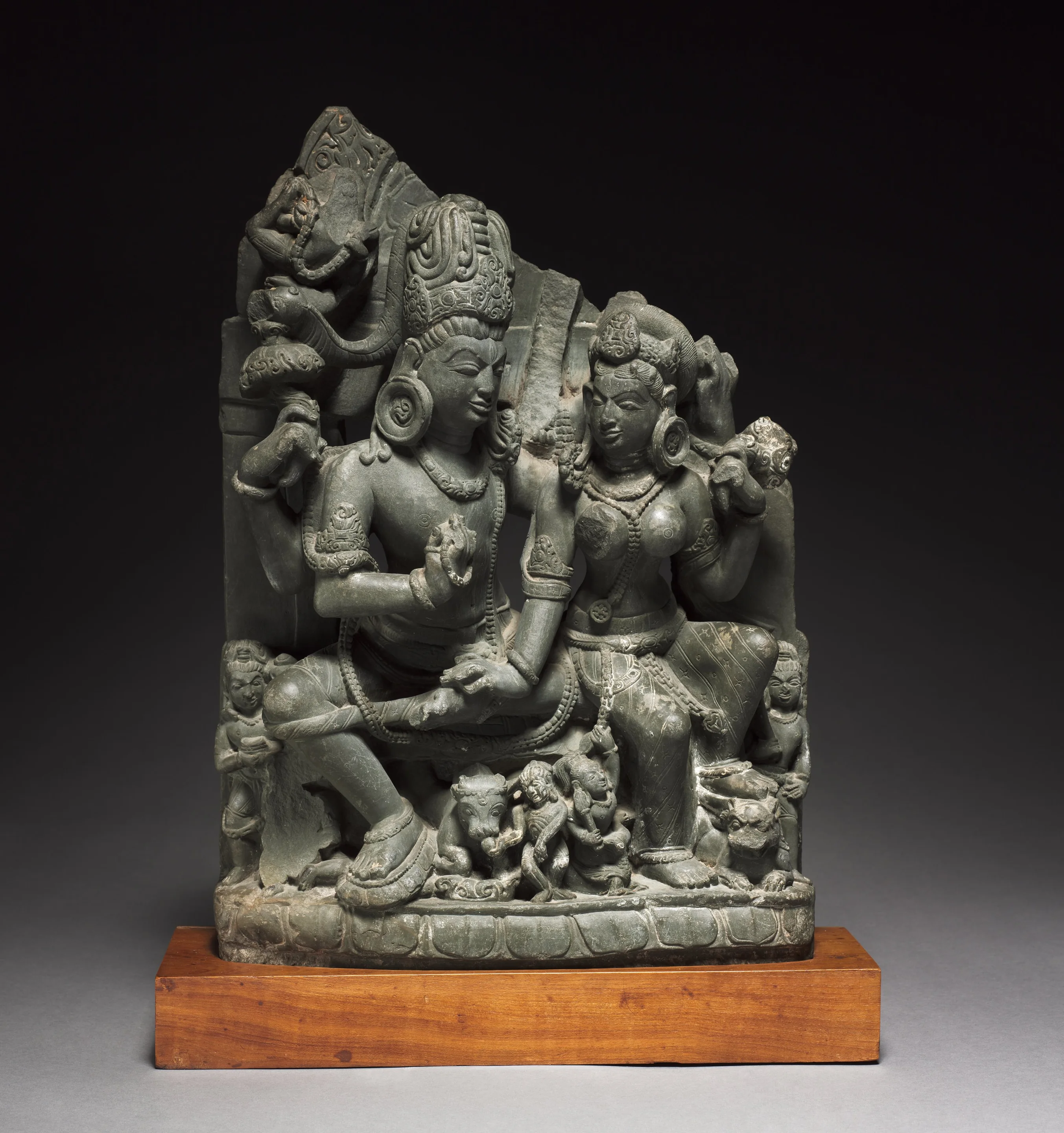
Then Bhusunda of the Jabala clan bowed to the blessed Shiva, who dwells on the peak of Kailasa, whose form is Om, the great god, crowned with Uma as half of himself, whose eyes are moon, sun and fire, bright as endless moons and suns, wearing a tiger skin, holding a deer, his body smeared with ash, his forehead shining with the three lines across it, with five faces, each smiling, seated in the hero's posture; immeasurable, without beginning or end, without parts, without qualities, at peace, stainless, untouched by harm, sounding 'hum phat', always repeating the names of Shiva; golden-armed, golden in form and colour, a treasure of gold; non-dual, the fourth, beyond Brahma, Vishnu and Rudra, the one to be prayed to. Worshipping him again and again with bilva leaves and with that ash, bowing his head, with joined hands, he asked: 'Lord, teach me the essence drawn from the Veda, the rule of the three lines, by which freedom is gained without depending on anything else. What is the substance of the ash? What are the places? What are the mantras for it? How often is it worn? Who are fit for it? What is their discipline? Teach me, your student.'
Note //
Chapter 1 begins. Shiva is described both in his iconic form and as 'non-dual, the fourth, beyond Brahma, Vishnu and Rudra'. Editions: 'anyānapekṣam' (Adyar) over 'anyānaprekṣam' (sanskritdocuments.org); 'anuśādhi', 'teach' is read for 'anuśāsayāmokṣam' (sanskritdocuments.org). Pending review.
अथ स होवाच भगवान्परमेश्वरः परमकारुणिकः प्रमथान्सुरानपि सोऽन्वीक्ष्य पूतं प्रातरुदयाद्गोमयं ब्रह्मपर्णे निधाय त्र्यम्बकमिति मन्त्रेण शोषयेत् । येन केनापि तेजसा तत्स्वगृह्योक्तमार्गेण प्रतिष्ठाप्य वह्निं तत्र तद्गोमयद्रव्यं निधाय सोमाय स्वाहेति मन्त्रेण ततस्तिलव्रीहिभिः साज्यैर्जुहुयात् । अयं तेनाष्टोत्तरसहस्रं सार्धमेतद्वा । तत्राज्यस्य पर्णमयी जुहूर्भवति । तेन न पापं शृणोति । तद्धोममन्त्रस्त्र्यम्बकमित्येव । अन्ते स्विष्टकृत्पूर्णाहुतिस्तेनैवाष्टदिक्षु बलिप्रदानम् । तद्भस्म गायत्र्या सम्प्रोक्ष्य तद्धैमे राजते ताम्रे मृण्मये वा पात्रे निधाय रुद्रमन्त्रैः पुनरभ्युक्ष्य शुद्धदेशे संस्थापयेत् । ततो भोजयेद्ब्राह्मणान् । ततः स्वयं पूतो भवति ।
atha sa hovāca bhagavānparameśvaraḥ paramakāruṇikaḥ pramathānsurānapi so'nvīkṣya pūtaṃ prātarudayādgomayaṃ brahmaparṇe nidhāya tryambakamiti mantreṇa śoṣayet | yena kenāpi tejasā tatsvagṛhyoktamārgeṇa pratiṣṭhāpya vahniṃ tatra tadgomayadravyaṃ nidhāya somāya svāheti mantreṇa tatastilavrīhibhiḥ sājyairjuhuyāt | ayaṃ tenāṣṭottarasahasraṃ sārdhametadvā | tatrājyasya parṇamayī juhūrbhavati | tena na pāpaṃ śṛṇoti | taddhomamantrastryambakamityeva | ante sviṣṭakṛtpūrṇāhutistenaivāṣṭadikṣu balipradānam | tadbhasma gāyatryā samprokṣya taddhaime rājate tāmre mṛṇmaye vā pātre nidhāya rudramantraiḥ punarabhyukṣya śuddhadeśe saṃsthāpayet | tato bhojayedbrāhmaṇān | tataḥ svayaṃ pūto bhavati |
Then the blessed highest Lord, most compassionate, looking around at the attendants and the gods too, said: 'Early in the morning, before sunrise, let one take pure cow-dung, place it on a palasha leaf, and dry it with the mantra "tryambakam". Setting up a fire with any flame at all, by the way of one's own household rites, let one place that cow-dung in it, with the mantra "to Soma, svaha", and then offer sesame and rice with ghee, a thousand and eight times, or one and a half thousand. The ladle for the ghee is made of a leaf; by it one hears no evil. The mantra for the offering is "tryambakam". At the end comes the final offering, and with it offerings in the eight directions. Sprinkling that ash with the Gayatri, placing it in a vessel of gold, silver, copper or clay, sprinkling it again with the Rudra mantras, let one keep it in a clean place. Then let one feed Brahmins; then one is oneself made pure.
Note //
The making of the sacred ash. 'Tryambakam' is Rig Veda 7.59.12. Editions: 'tilavrīhibhiḥ' over 'tilabrīhibhiḥ' (sanskritdocuments.org); 'taddhomamantras' over the misprint of sanskritdocuments.org. Pending review.
मानस्तोक इति सद्योजातमित्यादिपञ्चब्रह्ममन्त्रैर्भस्म संगृह्याग्निरिति भस्म वायुरिति भस्म जलमिति भस्म स्थलमिति भस्म व्योमेति भस्म देवा भस्म ऋषयो भस्म । सर्वं ह वा एतदिदं भस्म । पूतं पावनं नमामि सद्यः समस्ताघशासकमिति शिरसाभिनम्य । पूते वामहस्ते वामदेवायेति निधाय त्र्यम्बकमिति सम्प्रोक्ष्य शुद्धं शुद्धेनेति संमृज्य संशोध्य तेनैवापादशीर्षमुद्धूलनमाचरेत् । तत्र ब्रह्ममन्त्राः पञ्च । ततः शेषस्य भस्मनो विनियोगः । तर्जनीमध्यमानामिकाभिरग्नेर्भस्मासीति भस्म संगृह्य मूर्धानमिति मूर्धन्यग्रे न्यसेत् । त्र्यम्बकमिति ललाटे नीलग्रीवायेति कण्ठे कण्ठस्य दक्षिणे पार्श्वे त्र्यायुषमिति वामेति कपोलयोः कालायेति नेत्रयोस्त्रिलोचनायेति श्रोत्रयोः शृणवामेति वक्त्रे प्रब्रवामेति हृदये आत्मन इति नाभौ नाभिरिति मन्त्रेण दक्षिणभुजमूले भवायेति तन्मध्ये रुद्रायेति तन्मणिबन्धे शर्वायेति तत्करपृष्ठे पशुपतय इति वामबाहुमूले उग्रायेति तन्मध्ये अग्रेवधायेति तन्मणिबन्धे दूरेवधायेति तत्करपृष्ठे नमो हन्त्र इति अंसे शङ्करायेति यथाक्रमं भस्म धृत्वा सोमायेति शिवं नत्वा ततः प्रक्षाल्य तद्भस्मापः पुनन्त्विति पिबेत् । नाधो त्याज्यं नाधो त्याज्यम् ।
mānastoka iti sadyojātamityādipañcabrahmamantrairbhasma saṃgṛhyāgniriti bhasma vāyuriti bhasma jalamiti bhasma sthalamiti bhasma vyometi bhasma devā bhasma ṛṣayo bhasma | sarvaṃ ha vā etadidaṃ bhasma | pūtaṃ pāvanaṃ namāmi sadyaḥ samastāghaśāsakamiti śirasābhinamya | pūte vāmahaste vāmadevāyeti nidhāya tryambakamiti samprokṣya śuddhaṃ śuddheneti saṃmṛjya saṃśodhya tenaivāpādaśīrṣamuddhūlanamācaret | tatra brahmamantrāḥ pañca | tataḥ śeṣasya bhasmano viniyogaḥ | tarjanīmadhyamānāmikābhiragnerbhasmāsīti bhasma saṃgṛhya mūrdhānamiti mūrdhanyagre nyaset | tryambakamiti lalāṭe nīlagrīvāyeti kaṇṭhe kaṇṭhasya dakṣiṇe pārśve tryāyuṣamiti vāmeti kapolayoḥ kālāyeti netrayostrilocanāyeti śrotrayoḥ śṛṇavāmeti vaktre prabravāmeti hṛdaye ātmana iti nābhau nābhiriti mantreṇa dakṣiṇabhujamūle bhavāyeti tanmadhye rudrāyeti tanmaṇibandhe śarvāyeti tatkarapṛṣṭhe paśupataya iti vāmabāhumūle ugrāyeti tanmadhye agrevadhāyeti tanmaṇibandhe dūrevadhāyeti tatkarapṛṣṭhe namo hantra iti aṃse śaṅkarāyeti yathākramaṃ bhasma dhṛtvā somāyeti śivaṃ natvā tataḥ prakṣālya tadbhasmāpaḥ punantviti pibet | nādho tyājyaṃ nādho tyājyam |
With 'ma nas toke' and the five Brahman mantras, 'sadyojatam' and the rest, let one take up the ash and say: 'Fire is ash; wind is ash; water is ash; earth is ash; space is ash; the gods are ash; the seers are ash. All this is ash.' Bowing the head, saying 'I bow to what is pure and purifying, which at once removes every wrong', let one place it in the clean left hand with 'to Vamadeva', sprinkle it with 'tryambakam', rub and cleanse it with 'pure with the pure', and with it smear oneself from foot to head. For this the five Brahman mantras are used. Then the use of the rest of the ash: taking it with the forefinger, middle and ring fingers, saying 'you are the ash of fire', let one place it on the top of the head with 'murdhanam', on the forehead with 'tryambakam', on the throat with 'to the blue-throated', on the right side of the throat with 'tryayusham', on the cheeks with 'vama', on the eyes with 'to Kala', on the ears with 'to the three-eyed', on the mouth with 'may we hear', on the heart with 'may we speak', on the navel with 'to the Self', at the root of the right arm with 'nabhih', in its middle with 'to Bhava', at its wrist with 'to Rudra', on the back of the hand with 'to Sharva'; at the root of the left arm with 'to Pashupati', in its middle with 'to Ugra', at its wrist with 'to the slayer in front', on the back of the hand with 'to the slayer far off', on the shoulders with 'homage to the slayer' and 'to Shankara', in order. Having put on the ash, bowing to Shiva with 'to Soma', let one wash it off and drink the water of the ash with 'may the waters purify'. Let it not be thrown on the ground; let it not be thrown on the ground.
Note //
'Fire is ash...': the same formula as Atharvashiras 5.e: everything, burnt to its end, is the one. The placings name Vedic mantras by their first word. Editions agree in substance.
एतन्मध्याह्नसायाह्नेषु त्रिकालेषु विधिवद्भस्मधारणमप्रमादेन कार्यम् । प्रमादात्पतितो भवति । ब्राह्मणानामयमेव धर्मोऽयमेव धर्मः । एवं भस्मधारणमकृत्वा नाश्नीयादापोऽन्नमन्यद्वा । प्रमादात्त्यक्त्वा भस्मधारणं न गायत्रीं जपेत् । न जुहुयादग्नौ न तर्पयेद्देवानृषीन्पित्रादीन् । अयमेव धर्मः सनातनः सर्वपापनाशको मोक्षहेतुः । नित्योऽयं धर्मो ब्राह्मणानां ब्रह्मचारिगृहिवानप्रस्थयतीनाम् । एतदकरणे प्रत्यवैति ब्राह्मणः । अकृत्वा प्रमादेनैतदष्टोत्तरशतं जलमध्ये स्थित्वा गायत्रीं जप्त्वोपोषणेनैकेन शुद्धो भवति । यतिर्भस्मधारणं त्यक्त्वैकदोपोष्य द्वादशसहस्रप्रणवं जप्त्वा शुद्धो भवति । अन्यथेन्द्रो यतीन्सालावृकेभ्यः पातयति । भस्मनो यद्यभावस्तदा नर्यभस्मदाहनजन्यमन्यद्वावश्यं मन्त्रपूतं धार्यम् ।
etanmadhyāhnasāyāhneṣu trikāleṣu vidhivadbhasmadhāraṇamapramādena kāryam | pramādātpatito bhavati | brāhmaṇānāmayameva dharmo'yameva dharmaḥ | evaṃ bhasmadhāraṇamakṛtvā nāśnīyādāpo'nnamanyadvā | pramādāttyaktvā bhasmadhāraṇaṃ na gāyatrīṃ japet | na juhuyādagnau na tarpayeddevānṛṣīnpitrādīn | ayameva dharmaḥ sanātanaḥ sarvapāpanāśako mokṣahetuḥ | nityo'yaṃ dharmo brāhmaṇānāṃ brahmacārigṛhivānaprasthayatīnām | etadakaraṇe pratyavaiti brāhmaṇaḥ | akṛtvā pramādenaitadaṣṭottaraśataṃ jalamadhye sthitvā gāyatrīṃ japtvopoṣaṇenaikena śuddho bhavati | yatirbhasmadhāraṇaṃ tyaktvaikadopoṣya dvādaśasahasrapraṇavaṃ japtvā śuddho bhavati | anyathendro yatīnsālāvṛkebhyaḥ pātayati | bhasmano yadyabhāvastadā naryabhasmadāhanajanyamanyadvāvaśyaṃ mantrapūtaṃ dhāryam |
This wearing of the ash, as the rule says, is to be done without fail at the three times: morning, noon and evening. By neglect one falls. This alone is the dharma of Brahmins; this alone is their dharma. Without wearing the ash in this way, let one not eat or drink water or anything else. Having neglected the wearing of ash, let one not repeat the Gayatri, not offer into the fire, not offer water to the gods, the seers, the fathers. This alone is the eternal dharma, destroying every wrong, the cause of freedom. This dharma is constant for Brahmins: students, householders, forest-dwellers and renunciants. Not doing it, a Brahmin falls short. If out of neglect one has not done it, standing in water, repeating the Gayatri a hundred and eight times, and fasting once, one is made pure. A renunciant who has given up wearing ash, by fasting once and repeating Om twelve thousand times, is made pure. Otherwise Indra throws such renunciants to the hyenas. If there is no ash, then other ash, from a burning, made pure by mantra, must be worn.
Note //
'Indra throws the renunciants to the hyenas': an old Vedic story (Taittiriya Samhita 6.2.7) used as a threat. Editions: 'na tarpayed' is read for 'tarpayed' (sanskritdocuments.org), as the sense requires. 'Naryabhasma' is obscure. Pending review.
एतत्प्रातः प्रयुञ्जानो रात्रिकृतात्पापात्पूतो भवति । स्वर्णस्तेयात्प्रमुच्यते । मध्यन्दिने माध्यन्दिनं कृत्वोपस्थानान्तं ध्यायमान आदित्याभिमुखोऽधीयानः सुरापानात्पूतो भवति । स्वर्णस्तेयात्पूतो भवति । ब्राह्मणवधात्पूतो भवति । गोवधात्पूतो भवति । अश्ववधात्पूतो भवति । गुरुवधात्पूतो भवति । मातृवधात्पूतो भवति । पितृवधात्पूतो भवति । त्रिकालमेतत्प्रयुञ्जानः सर्ववेदपारायणफलमवाप्नोति । सर्वतीर्थफलमश्नुते । अनपब्रुवः सर्वमायुरेति । विन्दते प्राजापत्यं रायस्पोषं गौपत्यम् । एवमावर्तयेदुपनिषदमित्याह भगवान्सदाशिवः साम्बः सदाशिवः साम्बः ॥
etatprātaḥ prayuñjāno rātrikṛtātpāpātpūto bhavati | svarṇasteyātpramucyate | madhyandine mādhyandinaṃ kṛtvopasthānāntaṃ dhyāyamāna ādityābhimukho'dhīyānaḥ surāpānātpūto bhavati | svarṇasteyātpūto bhavati | brāhmaṇavadhātpūto bhavati | govadhātpūto bhavati | aśvavadhātpūto bhavati | guruvadhātpūto bhavati | mātṛvadhātpūto bhavati | pitṛvadhātpūto bhavati | trikālametatprayuñjānaḥ sarvavedapārāyaṇaphalamavāpnoti | sarvatīrthaphalamaśnute | anapabruvaḥ sarvamāyureti | vindate prājāpatyaṃ rāyaspoṣaṃ gaupatyam | evamāvartayedupaniṣadamityāha bhagavānsadāśivaḥ sāmbaḥ sadāśivaḥ sāmbaḥ ||
Using it in the morning, one is made pure of the wrong done in the night, and freed from stealing gold. At noon, having done the noon rite up to the worship of the sun, meditating, facing the sun, reciting, one is made pure of drinking liquor, of stealing gold, of killing a Brahmin, a cow, a horse, a teacher, a mother, a father. Using it at the three times, one gains the fruit of reciting all the Vedas, and enjoys the fruit of all holy places. Without fault, one lives out one's whole life; one gains the world of Prajapati, abundant wealth, and lordship over cattle. So let one repeat the Upanishad: so said the blessed Sadashiva, with Amba; Sadashiva, with Amba.
Note //
The end of chapter 1. 'With Amba' renders 'sāmba', 'with the Mother', Uma. Editions: 'rātrikṛtāt' over 'ratrikṛtāt' (sanskritdocuments.org).
अथ भुसुण्डो जाबालो महादेवं साम्बं प्रणम्य पुनः पप्रच्छ किं नित्यं ब्राह्मणानां कर्तव्यं यदकरणे प्रत्यवैति ब्राह्मणः । कः पूजनीयः । को वा ध्येयः । कः स्मर्तव्यः । कथं ध्येयः । क्व स्थातव्यमेतद्ब्रूहीति । समासेन तं होवाच । प्रागुदयान्निर्वर्त्य शौचादिकं ततः स्नायात् । मार्जनं रुद्रसूक्तैः । ततश्चाहतं वासः परिधत्ते पाप्मनोपहत्यै । उद्यन्तमादित्यमभिध्यायन्नुद्धूलिताङ्गं कृत्वा यथास्थानं भस्मना त्रिपुण्ड्रं श्वेतेनैव रुद्राक्षाञ्छ्वेतान्बिभृयात् । नैतत्संमर्शः । तथान्ये । मूर्ध्नि चत्वारिंशत् । शिखायामेकं त्रयं वा । श्रोत्रयोर्द्वादश । कण्ठे द्वात्रिंशत् । बाह्वोः षोडशषोडश । द्वादशद्वादश मणिबन्धयोः । षट्षडङ्गुष्ठयोः ।
atha bhusuṇḍo jābālo mahādevaṃ sāmbaṃ praṇamya punaḥ papraccha kiṃ nityaṃ brāhmaṇānāṃ kartavyaṃ yadakaraṇe pratyavaiti brāhmaṇaḥ | kaḥ pūjanīyaḥ | ko vā dhyeyaḥ | kaḥ smartavyaḥ | kathaṃ dhyeyaḥ | kva sthātavyametadbrūhīti | samāsena taṃ hovāca | prāgudayānnirvartya śaucādikaṃ tataḥ snāyāt | mārjanaṃ rudrasūktaiḥ | tataścāhataṃ vāsaḥ paridhatte pāpmanopahatyai | udyantamādityamabhidhyāyannuddhūlitāṅgaṃ kṛtvā yathāsthānaṃ bhasmanā tripuṇḍraṃ śvetenaiva rudrākṣāñchvetānbibhṛyāt | naitatsaṃmarśaḥ | tathānye | mūrdhni catvāriṃśat | śikhāyāmekaṃ trayaṃ vā | śrotrayordvādaśa | kaṇṭhe dvātriṃśat | bāhvoḥ ṣoḍaśaṣoḍaśa | dvādaśadvādaśa maṇibandhayoḥ | ṣaṭṣaḍaṅguṣṭhayoḥ |
Then Bhusunda of the Jabala clan, bowing to the great god with Amba, asked again: 'What must Brahmins do every day, so that a Brahmin who fails to do it falls short? Who is to be worshipped? Who is to be meditated on? Who is to be remembered? How is he to be meditated on? Where is one to live? Tell me this.' He told him briefly: 'Before sunrise, having done the cleansing and the rest, let one bathe, and sprinkle oneself with the Rudra hymns. Then one puts on a new cloth, to strike away evil. Meditating on the rising sun, smearing the body with ash, drawing the three lines with white ash in their places, let one wear white rudraksha beads. [Some read: there is no touching here; and others.] Forty on the head; one or three on the tuft; twelve on the ears; thirty-two on the throat; sixteen on each arm; twelve on each wrist; six on each thumb.
Note //
Chapter 2 begins. 'Naitat saṃmarśaḥ. tathānye' is obscure in both editions; bracketed and rendered literally. Editions: 'pāpmanopahatyai' is read for '-opahṛtyai' (sanskritdocuments.org). Pending review.
ततः सन्ध्यां सकुशोऽहरहरुपासीत । अग्निर्ज्योतिरित्यादिभिरग्नौ जुहुयात् । शिवलिङ्गं त्रिसन्ध्यमभ्यर्च्य कुशेष्वासीनो ध्यात्वा साम्बं मामेव वृषभारूढं हिरण्यबाहुं हिरण्यवर्णं हिरण्यरूपं पशुपाशविमोचकं पुरुषं कृष्णपिङ्गलमूर्ध्वरेतं विरूपाक्षं विश्वरूपं सहस्राक्षं सहस्रशीर्षं सहस्रचरणं विश्वतोबाहुं विश्वात्मानमेकमद्वैतं निष्कलं निष्क्रियं शान्तं शिवमक्षरमव्ययं हरिहरहिरण्यगर्भस्रष्टारमप्रमेयमनाद्यन्तं रुद्रसूक्तैरभिषिच्य सितेन भस्मना श्रीफलदलैश्च त्रिशाखैरार्द्रैरनार्द्रैर्वा । नैतत्र संस्पर्शः । तत्पूजासाधनं कल्पयेच्च नैवेद्यम् । ततश्चैकादशगुणरुद्रो जपनीयः । एकगुणोऽनन्तः । षडक्षरोऽष्टाक्षरो वा शैवो मन्त्रो जपनीयः । ओमित्यग्रे व्याहरेत् । नम इति पश्चात् । ततः शिवायेत्यक्षरत्रयम् । ओमित्यग्रे व्याहरेत् । नम इति पश्चात् । ततो महादेवायेति पञ्चाक्षराणि ।
tataḥ sandhyāṃ sakuśo'haraharupāsīta | agnirjyotirityādibhiragnau juhuyāt | śivaliṅgaṃ trisandhyamabhyarcya kuśeṣvāsīno dhyātvā sāmbaṃ māmeva vṛṣabhārūḍhaṃ hiraṇyabāhuṃ hiraṇyavarṇaṃ hiraṇyarūpaṃ paśupāśavimocakaṃ puruṣaṃ kṛṣṇapiṅgalamūrdhvaretaṃ virūpākṣaṃ viśvarūpaṃ sahasrākṣaṃ sahasraśīrṣaṃ sahasracaraṇaṃ viśvatobāhuṃ viśvātmānamekamadvaitaṃ niṣkalaṃ niṣkriyaṃ śāntaṃ śivamakṣaramavyayaṃ hariharahiraṇyagarbhasraṣṭāramaprameyamanādyantaṃ rudrasūktairabhiṣicya sitena bhasmanā śrīphaladalaiśca triśākhairārdrairanārdrairvā | naitatra saṃsparśaḥ | tatpūjāsādhanaṃ kalpayecca naivedyam | tataścaikādaśaguṇarudro japanīyaḥ | ekaguṇo'nantaḥ | ṣaḍakṣaro'ṣṭākṣaro vā śaivo mantro japanīyaḥ | omityagre vyāharet | nama iti paścāt | tataḥ śivāyetyakṣaratrayam | omityagre vyāharet | nama iti paścāt | tato mahādevāyeti pañcākṣarāṇi |
Then, with kusha grass in hand, let one worship at the twilights, day after day, and offer into the fire with 'agnir jyotih' and the rest. Worshipping the Shiva-linga at the three twilights, seated on kusha grass, let one meditate on me, with Amba: riding the bull, golden-armed, golden in colour and form, who frees the bound creatures from their noose, the Person, dark and tawny, whose seed flows upward, with odd eyes, all forms, a thousand eyes, a thousand heads, a thousand feet, arms on every side, the Self of all, one, non-dual, without parts, without action, at peace, the auspicious, imperishable, unchanging, the creator of Hari, Hara and Hiranyagarbha, immeasurable, without beginning or end. Bathing him with the Rudra hymns, worshipping with white ash and with three-leaved bilva sprigs, fresh or dry, let one prepare what is needed for worship, and the food offering. Then let one repeat the Rudra hymn eleven times; once is endless in effect. Let one repeat the six-syllabled or eight-syllabled mantra of Shiva: first say 'Om', then 'namah', then the three syllables 'shivaya'; or first 'Om', then 'namah', then the five syllables 'mahadevaya'.
Note //
The six-syllabled mantra is 'oṃ namaḥ śivāya', the eight-syllabled 'oṃ namo mahādevāya'. 'Naitatra saṃsparśaḥ' is obscure; not rendered. Editions: 'mahādevāyeti' over 'mahādevayeti' (sanskritdocuments.org). Pending review.
नातस्तारकः परमो मन्त्रः । तारकोऽयं पञ्चाक्षरः । कोऽयं शैवो मनुः । शैवस्तारकोऽयमुपदिश्यते मनुरविमुक्ते शैवेभ्यो जीवेभ्यः । शैवोऽयमेव मन्त्रस्तारयति । स एव ब्रह्मोपदेशः ।
nātastārakaḥ paramo mantraḥ | tārako'yaṃ pañcākṣaraḥ | ko'yaṃ śaivo manuḥ | śaivastārako'yamupadiśyate manuravimukte śaivebhyo jīvebhyaḥ | śaivo'yameva mantrastārayati | sa eva brahmopadeśaḥ |
There is no mantra that carries across higher than this. This five-syllabled one is what carries across. What is this mantra of Shiva? This mantra of Shiva, which carries across, is taught at Avimukta to the beings who belong to Shiva. This very mantra of Shiva carries across. It is .
Note //
The five syllables are 'na-maḥ śi-vā-ya', with Om before them. 'Avimukta' is Kashi, where, as in the Jabala (1), Rudra teaches the dying 'the Brahman that carries across'. 'It is the teaching of Brahman' (brahmopadeśa): the mantra is not only a formula but points to Brahman. Editions agree.
ब्रह्म सोमोऽहं पवनः सोमोऽहं पवते सोमोऽहं जनिता मतीनां सोमोऽहं जनिता पृथिव्याः सोमोऽहं जनिताग्नेः सोमोऽहं जनिता सूर्यस्य सोमोऽहं जनितेन्द्रस्य सोमोऽहं जनितोत विष्णोः सोमोऽहमेव जनिता स यश्चन्द्रमसो देवानां भूर्भुवःस्वरादीनां सर्वेषां लोकानां च । विश्वं भूतं भुवनं चित्रं बहुधा जातं जायमानं च यत्सर्वस्य सोमोऽहमेव जनिता विश्वाधिको रुद्रो महर्षिः । हिरण्यगर्भादीनहं जायमानान्पश्यामि । यो रुद्रो अग्नौ यो अप्सु य ओषधीषु यो रुद्रो विश्वा भुवना विवेशैवमेव ।
brahma somo'haṃ pavanaḥ somo'haṃ pavate somo'haṃ janitā matīnāṃ somo'haṃ janitā pṛthivyāḥ somo'haṃ janitāgneḥ somo'haṃ janitā sūryasya somo'haṃ janitendrasya somo'haṃ janitota viṣṇoḥ somo'hameva janitā sa yaścandramaso devānāṃ bhūrbhuvaḥsvarādīnāṃ sarveṣāṃ lokānāṃ ca | viśvaṃ bhūtaṃ bhuvanaṃ citraṃ bahudhā jātaṃ jāyamānaṃ ca yatsarvasya somo'hameva janitā viśvādhiko rudro maharṣiḥ | hiraṇyagarbhādīnahaṃ jāyamānānpaśyāmi | yo rudro agnau yo apsu ya oṣadhīṣu yo rudro viśvā bhuvanā viveśaivameva |
'I am Brahman, Soma. I am Soma, the purifier; I am Soma, who purifies. I am Soma, begetter of thoughts, begetter of the earth, begetter of fire, begetter of the sun, begetter of Indra, and begetter of Vishnu too. I alone am Soma, the begetter of the moon, of the gods, of the worlds, bhuh, bhuvah, svah and the rest. The universe, what has come to be, the world, varied, born in many ways, and being born: of all of it I alone am Soma, the begetter, above the universe, Rudra, the great seer. I see Hiranyagarbha and the others being born. The Rudra who is in fire, in the waters, in the plants, the Rudra who has entered all the worlds: it is just so.
Note //
Shiva speaks in the first person, using Rig Veda 9.96.5 ('Soma, begetter of thoughts, of heaven, of earth, of fire, of the sun, of Indra, of Vishnu') and Shvetashvatara 2.17. 'Soma' is read as 'sa-umā', 'with Uma', in the Shaiva tradition. Editions agree in substance. Pending review.
अयमेवात्मान्तरात्मा ब्रह्मज्योतिर्यस्मान्न मत्तोऽन्यः परः । अहमेव परो विश्वाधिकः । मामेव विदित्वामृतत्वमेति । तरति शोकम् । मामेव विदित्वा सांसृतिकीं रुजं द्रावयति । तस्मादहं रुद्रो यः सर्वेषां परमा गतिः । सोऽहं सर्वाकारः । यतो वा इमानि भूतानि जायन्ते । येन जातानि जीवन्ति । यत्प्रयन्त्यभिसंविशन्ति । तं मामेव विदित्वोपासीत ।
ayamevātmāntarātmā brahmajyotiryasmānna matto'nyaḥ paraḥ | ahameva paro viśvādhikaḥ | māmeva viditvāmṛtatvameti | tarati śokam | māmeva viditvā sāṃsṛtikīṃ rujaṃ drāvayati | tasmādahaṃ rudro yaḥ sarveṣāṃ paramā gatiḥ | so'haṃ sarvākāraḥ | yato vā imāni bhūtāni jāyante | yena jātāni jīvanti | yatprayantyabhisaṃviśanti | taṃ māmeva viditvopāsīta |
This alone is the Self, the inner Self, , since there is none other than me, none higher. I alone am the highest, above all. Knowing me alone, one goes to deathlessness; one crosses sorrow. Knowing me alone, one drives away the sickness of becoming. So I am Rudra, the highest goal of all; I am that which takes every form. That from which these beings are born, by which, born, they live, into which they go and enter: know that as me, and worship it.
Note //
Shiva speaks as the Self. 'Crosses sorrow' (tarati śokam): Chandogya 7.1.3. 'From which these beings are born...' is the Taittiriya's definition of Brahman (3.1), claimed here in the first person. Editions agree.
भूतेभिर्देवेभिरभिष्टुतोऽहमेव । भीषास्माद्वातः पवते । भीषोदेति सूर्यः । भीषास्मादग्निश्चेन्द्रश्च । सोमोऽत एव योऽहं सर्वेषामधिष्ठाता सर्वेषां च भूतानां पालकः । सोऽहं पृथिवी । सोऽहमापः । सोऽहं तेजः । सोऽहं वायुः । सोऽहं कालः । सोऽहं दिशः । सोऽहमात्मा । मयि सर्वं प्रतिष्ठितम् । ब्रह्मविदाप्नोति परम् । ब्रह्मा शिवो मे अस्तु सदाशिवोम् । अचक्षुर्विश्वतश्चक्षुरकर्णो विश्वतःकर्णोऽपादो विश्वतःपादोऽपाणिर्विश्वतःपाणिरशिरा विश्वतःशिरा विद्यामन्त्रैकसंश्रयो विद्यारूपो विद्यामयो विश्वेश्वरोऽहमजरोऽहम् ।
bhūtebhirdevebhirabhiṣṭuto'hameva | bhīṣāsmādvātaḥ pavate | bhīṣodeti sūryaḥ | bhīṣāsmādagniścendraśca | somo'ta eva yo'haṃ sarveṣāmadhiṣṭhātā sarveṣāṃ ca bhūtānāṃ pālakaḥ | so'haṃ pṛthivī | so'hamāpaḥ | so'haṃ tejaḥ | so'haṃ vāyuḥ | so'haṃ kālaḥ | so'haṃ diśaḥ | so'hamātmā | mayi sarvaṃ pratiṣṭhitam | brahmavidāpnoti param | brahmā śivo me astu sadāśivom | acakṣurviśvataścakṣurakarṇo viśvataḥkarṇo'pādo viśvataḥpādo'pāṇirviśvataḥpāṇiraśirā viśvataḥśirā vidyāmantraikasaṃśrayo vidyārūpo vidyāmayo viśveśvaro'hamajaro'ham |
'I alone am praised by beings and gods. From fear of me the wind blows; from fear the sun rises; from fear of me, fire and Indra, and Soma, therefore: I who rule over all, the protector of all beings. I am the earth; I am the waters; I am fire; I am air; I am time; I am the directions; I am the Self. In me all is established. The knower of Brahman reaches the highest. May Brahma be gracious to me, may Shiva, Sadashiva. Om. Without eyes, I have eyes everywhere; without ears, ears everywhere; without feet, feet everywhere; without hands, hands everywhere; without a head, heads everywhere. The one refuge of knowledge and mantra, whose form is knowledge, made of knowledge, I am the lord of all; I am ageless.
Note //
'From fear of him the wind blows': Taittiriya 2.8. 'The knower of Brahman reaches the highest': Taittiriya 2.1. Editions: 'aśirā' is read for 'āhamaśirā' (sanskritdocuments.org). Pending review.
मामेवं विदित्वा संसृतिपाशात्प्रमुच्यते । तस्मादहं पशुपाशविमोचकः । पशवश्चामानवान्तं मध्यवर्तिनश्च युक्तात्मानो यतन्ते मामेव प्राप्तुम् । प्राप्यन्ते मां न पुनरावर्तन्ते । त्रिशूलगां काशीमधिश्रित्य त्यक्तासवोऽपि मय्येव संविशन्ति । प्रज्वलद्वह्निगं हविर्यथा न यजमानमासादयति तथासौ त्यक्त्वा कुणपं न तत्तादृशं पुरा प्राप्नुवन्ति । एष एवादेशः । एष उपदेशः । एष एव परमो धर्मः ।
māmevaṃ viditvā saṃsṛtipāśātpramucyate | tasmādahaṃ paśupāśavimocakaḥ | paśavaścāmānavāntaṃ madhyavartinaśca yuktātmāno yatante māmeva prāptum | prāpyante māṃ na punarāvartante | triśūlagāṃ kāśīmadhiśritya tyaktāsavo'pi mayyeva saṃviśanti | prajvaladvahnigaṃ haviryathā na yajamānamāsādayati tathāsau tyaktvā kuṇapaṃ na tattādṛśaṃ purā prāpnuvanti | eṣa evādeśaḥ | eṣa upadeśaḥ | eṣa eva paramo dharmaḥ |
'Knowing me so, one is freed from . So I am the one who frees the bound creatures from their noose. The bound creatures, down to the humans, and those in between, with self-controlled minds strive to reach me alone. Reaching me, they do not return. Taking refuge in Kashi, which rests on the trident, even when they leave their breath, they enter into me. As an offering gone into the blazing fire does not come back to the sacrificer, so they, leaving the corpse, do not come back to what they were before. This is the instruction; this is the teaching; this is the highest dharma.
Note //
Kashi is said to rest on Shiva's trident. The image of the offering in the fire: what is given wholly does not return. Editions: 'prajvaladvahnigaṃ' is read for 'prajvalavahnigaṃ' (sanskritdocuments.org). Pending review.
सत्यात्तत्र कदाचिन्न प्रमदितव्यं तत्रोद्धूलनत्रिपुण्ड्राभ्याम् । तथा रुद्राक्षधारणात्तथा मदर्चनाच्च । प्रमादेनापि नान्तर्देवसदने पुरीषं कुर्यात् । व्रतान्न प्रमदितव्यम् । तद्धि तपस्तद्धि तपः काश्यामेव मुक्तिकामानाम् । न तत्त्याज्यं न तत्त्याज्यं मोचकोऽहमविमुक्ते निवसताम् । नाविमुक्तात्परमं स्थानम् । नाविमुक्तात्परमं स्थानम् ।
satyāttatra kadācinna pramaditavyaṃ tatroddhūlanatripuṇḍrābhyām | tathā rudrākṣadhāraṇāttathā madarcanācca | pramādenāpi nāntardevasadane purīṣaṃ kuryāt | vratānna pramaditavyam | taddhi tapastaddhi tapaḥ kāśyāmeva muktikāmānām | na tattyājyaṃ na tattyājyaṃ mocako'hamavimukte nivasatām | nāvimuktātparamaṃ sthānam | nāvimuktātparamaṃ sthānam |
There let one never be careless about truth, nor about smearing with ash and the three lines, nor about wearing rudraksha, nor about worshipping me. Even by mistake, let one not relieve oneself inside the abode of the god. Let one not be careless about one's vows. That is austerity, that is austerity, for those in Kashi who seek freedom. It is not to be left, not to be left: I am the freer of those who live in Avimukta. There is no place higher than Avimukta; there is no place higher than Avimukta.
Note //
'Avimukta', 'never left', is Kashi, and in the Jabala Upanishad the place between the brows. Editions: 'rudrākṣa-' is read for 'rudrādyākṣa-' (sanskritdocuments.org). Pending review.
काश्यां स्थानानि चत्वारि । तेषामभ्यर्हितमन्तर्गृहम् । तत्राप्यविमुक्तमभ्यर्हितम् । तत्र स्थानानि पञ्च । तन्मध्ये शिवागारमभ्यर्हितम् । तत्र प्राच्यामैश्वर्यस्थानम् । दक्षिणायां विचालनस्थानम् । पश्चिमायां वैराग्यस्थानम् । उत्तरायां ज्ञानस्थानम् । तस्मिन्यदन्तर्निर्लिप्तमव्ययमनाद्यन्तमशेषवेदवेदान्तवेद्यमनिर्देश्यमनिरुक्तमप्रच्यवमाशास्यमद्वैतं सर्वाधारमनाधारमनिरीक्ष्यमहरहर्ब्रह्मविष्णुपुरन्दराद्यमरवरसेवितं मामेव ज्योतिःस्वरूपं लिङ्गं मामेवोपासितव्यं तदेवोपासितव्यम् । नैव भावयन्ति तल्लिङ्गं भानुश्चन्द्रोऽग्निर्वायुः । स्वप्रकाशं विश्वेश्वराभिधं पातालमधितिष्ठति । तदेवाहम् । तत्रार्चितोऽहम् । साक्षादर्चितः ।
kāśyāṃ sthānāni catvāri | teṣāmabhyarhitamantargṛham | tatrāpyavimuktamabhyarhitam | tatra sthānāni pañca | tanmadhye śivāgāramabhyarhitam | tatra prācyāmaiśvaryasthānam | dakṣiṇāyāṃ vicālanasthānam | paścimāyāṃ vairāgyasthānam | uttarāyāṃ jñānasthānam | tasminyadantarnirliptamavyayamanādyantamaśeṣavedavedāntavedyamanirdeśyamaniruktamapracyavamāśāsyamadvaitaṃ sarvādhāramanādhāramanirīkṣyamaharaharbrahmaviṣṇupurandarādyamaravarasevitaṃ māmeva jyotiḥsvarūpaṃ liṅgaṃ māmevopāsitavyaṃ tadevopāsitavyam | naiva bhāvayanti talliṅgaṃ bhānuścandro'gnirvāyuḥ | svaprakāśaṃ viśveśvarābhidhaṃ pātālamadhitiṣṭhati | tadevāham | tatrārcito'ham | sākṣādarcitaḥ |
In Kashi there are four places; of them the inner sanctum is most honoured; and within it, Avimukta. There are five places there, and in their middle Shiva's house is most honoured. In it, to the east, is the place of lordship; to the south, the place of moving; to the west, the place of dispassion; to the north, the place of knowledge. What is within it, untouched, unchanging, without beginning or end, to be known by all the Vedas and Upanishads, not to be pointed to, not to be told, never falling, to be prayed to, non-dual, the support of all, with no support, not to be looked at, served day after day by Brahma, Vishnu, Indra and the best of the immortals: the linga whose form is light, which is I myself: I alone am to be worshipped; that alone is to be worshipped. The sun, the moon, fire and wind do not light up that linga. Self-luminous, called the Lord of all, it rests on the underworld. That am I. Worshipped there, I am worshipped directly.
Note //
The sacred geography of Kashi turns into the description of Brahman: the linga 'whose form is light', 'self-luminous', which 'the sun, the moon and fire do not light up' (Katha 2.2.15, Mundaka 2.2.10). Editions agree in substance.
त्रिशाखैर्बिल्वदलैर्दीप्तैर्वा योऽभिसम्पूजयेन्मन्मना मय्याहितासुर्मय्येवार्पिताखिलकर्मा भस्मदिग्धाङ्गो रुद्राक्षभूषणो मामेव सर्वभावेन प्रपन्नो मदेकपूजानिरतः सम्पूजयेत् । तदहमश्नामि । तं मोचयामि संसृतिपाशात् । अहरहरभ्यर्च्य विश्वेश्वरं लिङ्गं तत्र रुद्रसूक्तैरभिषिच्य तदेव स्नपनपयस्त्रिः पीत्वा महापातकेभ्यो मुच्यते । न शोकमाप्नोति । मुच्यते संसारबन्धनात् । तदनभ्यर्च्य नाश्नीयात्फलमन्नमन्यद्वा । यदश्नीयाद्रेतोभक्षी भवेत् । नापः पिबेत् । यदि पिबेत्पूयपो भवेत् । प्रमादेनैकदा त्वनभ्यर्च्य मां भुक्त्वा भोजयित्वा केशान्वापयित्वा गव्यानां पञ्च संगृह्योपोष्य जले रुद्रस्नानम् । जपेत्त्रिवारं रुद्रानुवाकम् । आदित्यं पश्यन्नभिध्यायन्स्वकृतकर्मकृद्रौद्रैरेव मन्त्रैः कुर्यान्मार्जनम् । ततो भोजयित्वा ब्राह्मणान्पूतो भवति । अन्यथा परेतो यातनामश्नुते । पत्रैः फलैर्वा जलैर्वान्यैर्वाभिपूज्य विश्वेश्वरं मां ततोऽश्नीयात् ।
triśākhairbilvadalairdīptairvā yo'bhisampūjayenmanmanā mayyāhitāsurmayyevārpitākhilakarmā bhasmadigdhāṅgo rudrākṣabhūṣaṇo māmeva sarvabhāvena prapanno madekapūjānirataḥ sampūjayet | tadahamaśnāmi | taṃ mocayāmi saṃsṛtipāśāt | aharaharabhyarcya viśveśvaraṃ liṅgaṃ tatra rudrasūktairabhiṣicya tadeva snapanapayastriḥ pītvā mahāpātakebhyo mucyate | na śokamāpnoti | mucyate saṃsārabandhanāt | tadanabhyarcya nāśnīyātphalamannamanyadvā | yadaśnīyādretobhakṣī bhavet | nāpaḥ pibet | yadi pibetpūyapo bhavet | pramādenaikadā tvanabhyarcya māṃ bhuktvā bhojayitvā keśānvāpayitvā gavyānāṃ pañca saṃgṛhyopoṣya jale rudrasnānam | japettrivāraṃ rudrānuvākam | ādityaṃ paśyannabhidhyāyansvakṛtakarmakṛdraudraireva mantraiḥ kuryānmārjanam | tato bhojayitvā brāhmaṇānpūto bhavati | anyathā pareto yātanāmaśnute | patraiḥ phalairvā jalairvānyairvābhipūjya viśveśvaraṃ māṃ tato'śnīyāt |
Whoever worships it with three-leaved bilva sprigs, or with lamps, his mind on me, his breath set in me, all his actions offered to me, his limbs smeared with ash, adorned with rudraksha, taking refuge in me with his whole being, given to worshipping me alone: what he offers, I eat. I free him from . Worshipping the linga of the Lord of all day after day, bathing it with the Rudra hymns, and drinking three times the water of that bathing, one is freed from great wrongs; one does not come to grief; one is freed from the bond of becoming. Without worshipping it, let one not eat fruit, grain or anything else; if one eats, one eats seed; let one not drink water; if one drinks, one drinks pus. If once, by mistake, one has eaten or fed others without worshipping me, having the hair shaved, taking the five products of the cow, fasting, bathing in water with the Rudra hymns, let one repeat the Rudra chapter three times, and, looking at the sun and meditating, sprinkle oneself with the Rudra mantras alone. Then, having fed Brahmins, one is made pure; otherwise, after death, one suffers torment. Having worshipped me, the Lord of all, with leaves, fruit, water or other things, then let one eat.
Note //
The strong language of this passage is the convention of ritual texts, which make neglect of the daily rite unthinkable. 'His mind on me... taking refuge in me with his whole being' echoes Bhagavad Gita 9.34 and 18.62. Editions: 'svakṛtakarmakṛd' is obscure. Pending review.
कापिलेन पयसाभिषिच्य रुद्रसूक्तेन मामेव शिवलिङ्गरूपिणं ब्रह्महत्यायाः पूतो भवति । कापिलेनाज्येनाभिषिच्य स्वर्णस्तेयात्पूतो भवति । मधुनाभिषिच्य गुरुदारगमनात्पूतो भवति । कापिलेन दध्नाभिषिच्य सुरापानात्पूतो भवति । सितया शर्करयाभिषिच्य सर्वजीववधात्पूतो भवति । क्षीरादिभिरेतैरभिषिच्य सर्वानवाप्नोति कामान् । इत्येकैकं महाप्रस्थशतं महाप्रस्थशतमानैः शतैरभिपूज्य मुक्तो भवति संसारबन्धनात् । मामेव शिवलिङ्गरूपिणमार्द्रायां पौर्णमास्यां वामावास्यायां वा महाव्यतीपाते ग्रहणे संक्रान्तावभिषिच्य तिलैः सतण्डुलैः सयवैः सम्पूज्य बिल्वदलैरभ्यर्च्य कापिलेनाज्यान्वितगन्धसारधूपैः परिकल्प्य दीपं नैवेद्यं साज्यमुपहारं कल्पयित्वा दद्यात्पुष्पाञ्जलिम् । एवं प्रयतोऽभ्यर्च्य मम सायुज्यमेति ।
kāpilena payasābhiṣicya rudrasūktena māmeva śivaliṅgarūpiṇaṃ brahmahatyāyāḥ pūto bhavati | kāpilenājyenābhiṣicya svarṇasteyātpūto bhavati | madhunābhiṣicya gurudāragamanātpūto bhavati | kāpilena dadhnābhiṣicya surāpānātpūto bhavati | sitayā śarkarayābhiṣicya sarvajīvavadhātpūto bhavati | kṣīrādibhiretairabhiṣicya sarvānavāpnoti kāmān | ityekaikaṃ mahāprasthaśataṃ mahāprasthaśatamānaiḥ śatairabhipūjya mukto bhavati saṃsārabandhanāt | māmeva śivaliṅgarūpiṇamārdrāyāṃ paurṇamāsyāṃ vāmāvāsyāyāṃ vā mahāvyatīpāte grahaṇe saṃkrāntāvabhiṣicya tilaiḥ sataṇḍulaiḥ sayavaiḥ sampūjya bilvadalairabhyarcya kāpilenājyānvitagandhasāradhūpaiḥ parikalpya dīpaṃ naivedyaṃ sājyamupahāraṃ kalpayitvā dadyātpuṣpāñjalim | evaṃ prayato'bhyarcya mama sāyujyameti |
Bathing me, in the form of the Shiva-linga, with the milk of a tawny cow, with the Rudra hymn, one is made pure of killing a Brahmin; bathing with the ghee of a tawny cow, of stealing gold; bathing with honey, of going to the teacher's wife; bathing with the curds of a tawny cow, of drinking liquor; bathing with white sugar, of killing any living being. Bathing with milk and the rest of these, one gains every wish. Worshipping with a hundred great measures of each, a hundred times a hundred, one is freed from the bond of becoming. On the day of the Ardra star, at full moon or new moon, at the great inauspicious junction, at an eclipse, or at the sun's passage into a sign, bathing me in the form of the Shiva-linga, worshipping with sesame, with rice, with barley, with bilva leaves, with incense of fragrant wood mixed with tawny ghee, setting out a lamp, food, and offerings with ghee, let one offer a handful of flowers. Worshipping so with care, one comes to union with me.
Note //
Editions: 'mahāprasthaśataṃ' (Adyar) over 'mahānprasthaśataṃ' (sanskritdocuments.org); the clause on curds and liquor (kāpilena dadhnābhiṣicya surāpānāt pūto bhavati) is in the Adyar text only and is adopted, completing the list of the great sins. Editions agree otherwise in substance.
शतैर्महाप्रस्थैरखण्डैस्तण्डुलैरभिषिच्य चन्द्रलोककामश्चन्द्रलोकमवाप्नोति । तिलैरेतावद्भिरभिषिच्य वायुलोककामो वायुलोकमवाप्नोति । माषैरेतावद्भिरभिषिच्य वरुणलोककामो वरुणलोकमवाप्नोति । यवैरेतावद्भिरभिषिच्य सूर्यलोककामः सूर्यलोकमवाप्नोति । एतैरेतावद्भिर्द्विगुणैरभिषिच्य स्वर्गलोककामः स्वर्गलोकमवाप्नोति । एतैरेतावद्भिश्चतुर्गुणैरभिषिच्य ब्रह्मलोककामो ब्रह्मलोकमवाप्नोति । एतैरेतावद्भिः शतगुणैरभिषिच्य चतुर्जालं ब्रह्मकोशं यन्मृत्युर्नावपश्यति । तमतीत्य मल्लोककामो मल्लोकमवाप्नोति नान्यं मल्लोकात्परम् । यमवाप्य न शोचति । न स पुनरावर्तते न स पुनरावर्तते । लिङ्गरूपिणं मां सम्पूज्य चिन्तयन्ति योगिनः सिद्धाः सिद्धिं गताः । यजन्ति यज्वानः । मामेव स्तुवन्ति वेदाः साङ्गाः सोपनिषदः सेतिहासाः । न मत्तोऽन्यदहमेव सर्वम् । मयि सर्वं प्रतिष्ठितम् ।
śatairmahāprasthairakhaṇḍaistaṇḍulairabhiṣicya candralokakāmaścandralokamavāpnoti | tilairetāvadbhirabhiṣicya vāyulokakāmo vāyulokamavāpnoti | māṣairetāvadbhirabhiṣicya varuṇalokakāmo varuṇalokamavāpnoti | yavairetāvadbhirabhiṣicya sūryalokakāmaḥ sūryalokamavāpnoti | etairetāvadbhirdviguṇairabhiṣicya svargalokakāmaḥ svargalokamavāpnoti | etairetāvadbhiścaturguṇairabhiṣicya brahmalokakāmo brahmalokamavāpnoti | etairetāvadbhiḥ śataguṇairabhiṣicya caturjālaṃ brahmakośaṃ yanmṛtyurnāvapaśyati | tamatītya mallokakāmo mallokamavāpnoti nānyaṃ mallokātparam | yamavāpya na śocati | na sa punarāvartate na sa punarāvartate | liṅgarūpiṇaṃ māṃ sampūjya cintayanti yoginaḥ siddhāḥ siddhiṃ gatāḥ | yajanti yajvānaḥ | māmeva stuvanti vedāḥ sāṅgāḥ sopaniṣadaḥ setihāsāḥ | na matto'nyadahameva sarvam | mayi sarvaṃ pratiṣṭhitam |
Bathing with a hundred great measures of whole rice, one who wants the world of the moon reaches it; with as much sesame, the world of the wind; with as much black gram, the world of Varuna; with as much barley, the world of the sun; with twice as much of these, the world of heaven; with four times as much, the world of Brahma; with a hundred times as much, one goes beyond the sheath of Brahman with its four nets, which death does not see, and one who wants my world reaches it. There is nothing beyond my world; reaching it, one does not grieve. He does not return; he does not return. Worshipping me in the form of the linga, yogis, perfected ones who have reached perfection, meditate on me; sacrificers sacrifice to me; the Vedas with their limbs, the Upanishads and the epics praise me alone. There is nothing other than me; I alone am all. In me all is established.
Note //
The worlds gained by the outer offerings are all left behind; what is reached by going 'beyond the sheath of Brahman' is 'nothing other than me; I alone am all'. Editions: 'setihāsāḥ' over 'setihāsaḥ' (sanskritdocuments.org). The Adyar text adds 'with four times as much, the world of Brahma; with a hundred times as much' (brahmalokakāmo brahmalokam avāpnoti / etair etāvadbhiḥ śataguṇair abhiṣicya), which sanskritdocuments.org lacks; adopted, as without it the four-fold offering both reaches and passes the sheath of Brahman.
ततः काश्यां प्रयतैरेवाहमन्वहं पूज्यः । तत्र गणा रौद्रानना नानामुखा नानाशस्त्रधारिणो नानारूपधरा नानाचिह्निताः । ते सर्वे भस्मदिग्धाङ्गा रुद्राक्षाभरणाः कृताञ्जलयो नित्यमभिध्यायन्ति । तत्र पूर्वस्यां दिशि ब्रह्मा कृताञ्जलिरहर्निशं मामुपास्ते । दक्षिणस्यां दिशि विष्णुः कृत्वैव मूर्ध्नाञ्जलिं मामुपास्ते । प्रतीच्यामिन्द्रः संनताङ्ग उपास्ते । उदीच्यामग्निकायमुमानुरक्ता हेमाङ्गविभूषणा हेमवस्त्रा मामुपासते मामेव वेदाश्चतुर्मूर्तिधराः ।
tataḥ kāśyāṃ prayatairevāhamanvahaṃ pūjyaḥ | tatra gaṇā raudrānanā nānāmukhā nānāśastradhāriṇo nānārūpadharā nānācihnitāḥ | te sarve bhasmadigdhāṅgā rudrākṣābharaṇāḥ kṛtāñjalayo nityamabhidhyāyanti | tatra pūrvasyāṃ diśi brahmā kṛtāñjaliraharniśaṃ māmupāste | dakṣiṇasyāṃ diśi viṣṇuḥ kṛtvaiva mūrdhnāñjaliṃ māmupāste | pratīcyāmindraḥ saṃnatāṅga upāste | udīcyāmagnikāyamumānuraktā hemāṅgavibhūṣaṇā hemavastrā māmupāsate māmeva vedāścaturmūrtidharāḥ |
So in Kashi I am to be worshipped every day by those who take care. There are the hosts, fierce-faced, with many faces, bearing many weapons, of many forms, with many marks. All of them, their limbs smeared with ash, adorned with rudraksha, with joined hands, always meditate on me. There, in the east, Brahma worships me day and night with joined hands; in the south, Vishnu worships me with his hands joined above his head; in the west, Indra worships, bowing low; in the north, the four Vedas, in four bodies, devoted to Uma, adorned with golden ornaments, in golden clothes, worship me alone.
Note //
'Agnikāyam' in the last sentence is obscure. Editions: 'pūrvasyāṃ' over 'pūrvasyaṃ' (sanskritdocuments.org). Pending review.
दक्षिणायां दिशि मुक्तिस्थानं तन्मुक्तिमण्डपसंज्ञितम् । तत्रानेकगणाः पालकाः सायुधाः पापघातकाः । तत्र ऋषयः शाम्भवाः पाशुपता महाशैवा वेदावतंसं शैवं पञ्चाक्षरं जपन्तस्तारकं सप्रणवं मोदमानास्तिष्ठन्ति । तत्रैका रत्नवेदिका । तत्राहमासीनः काश्यां त्यक्तकुणपाञ्छैवानानीय स्वस्याङ्के संनिवेश्य भसितरुद्राक्षभूषितानुपस्पृश्य मा भूदेतेषां जन्म मृतिश्चेति तारकं शैवं मनुमुपदिशामि । ततस्ते मुक्ता मामनुविशन्ति विज्ञानमयेनाङ्गेन । न पुनरावर्तन्ते हुताशनप्रतिष्ठं हविरिव । तत्रैव मुक्त्यर्थमुपदिश्यते शैवोऽयं मन्त्रः पञ्चाक्षरः । तन्मुक्तिस्थानम् । तत ओङ्काररूपम् । ततो मदर्पितकर्मणां मदाविष्टचेतसां मद्रूपता भवति । नान्येषामियं ब्रह्मविद्येयं ब्रह्मविद्या । मुमुक्षवः काश्यामेवासीना वीर्यवन्तो विद्यावन्तः ।
dakṣiṇāyāṃ diśi muktisthānaṃ tanmuktimaṇḍapasaṃjñitam | tatrānekagaṇāḥ pālakāḥ sāyudhāḥ pāpaghātakāḥ | tatra ṛṣayaḥ śāmbhavāḥ pāśupatā mahāśaivā vedāvataṃsaṃ śaivaṃ pañcākṣaraṃ japantastārakaṃ sapraṇavaṃ modamānāstiṣṭhanti | tatraikā ratnavedikā | tatrāhamāsīnaḥ kāśyāṃ tyaktakuṇapāñchaivānānīya svasyāṅke saṃniveśya bhasitarudrākṣabhūṣitānupaspṛśya mā bhūdeteṣāṃ janma mṛtiśceti tārakaṃ śaivaṃ manumupadiśāmi | tataste muktā māmanuviśanti vijñānamayenāṅgena | na punarāvartante hutāśanapratiṣṭhaṃ haviriva | tatraiva muktyarthamupadiśyate śaivo'yaṃ mantraḥ pañcākṣaraḥ | tanmuktisthānam | tata oṅkārarūpam | tato madarpitakarmaṇāṃ madāviṣṭacetasāṃ madrūpatā bhavati | nānyeṣāmiyaṃ brahmavidyeyaṃ brahmavidyā | mumukṣavaḥ kāśyāmevāsīnā vīryavanto vidyāvantaḥ |
In the south is the place of freedom, called the hall of freedom. There are many hosts, guardians, armed, destroyers of evil. There seers, devotees of Shambhu, Pashupatas, great Shaivas, stay rejoicing, repeating with Om the five-syllabled mantra of Shiva, the crown of the Veda, which carries across. There is a single altar of jewels. Seated there, I bring the Shaivas who have left their corpses in Kashi, set them on my lap, touch them, adorned with ash and rudraksha, and, saying 'May there be no more birth and death for them', I teach them the mantra of Shiva that carries across. Then, freed, they enter into me with a body made of understanding. They do not return, like an offering set in the fire. There this five-syllabled mantra of Shiva is taught for freedom. That is the place of freedom; then the form of Om; then, for those whose actions are offered to me, whose minds are filled with me, there is becoming my form. Not for others is this knowledge of Brahman; this is the knowledge of Brahman. Those who seek freedom, living in Kashi, are strong and have knowledge.
Note //
The teaching at death in Kashi, as in the Jabala Upanishad (1) and the Ramottaratapani. 'With a body made of understanding' (vijñānamayena aṅgena) is uncertain. Editions: 'śaivaṃ manum' is read for 'śavaṃ manum' (sanskritdocuments.org); 'nānyeṣām' over 'nānyeṣam'. Pending review.
विज्ञानमयं ब्रह्मकोशम् । चतुर्जालं ब्रह्मकोशम् । यन्मृत्युर्नावपश्यति । यं ब्रह्मा नावपश्यति । यं विष्णुर्नावपश्यति । यमिन्द्राग्नी नावपश्येताम् । यं वरुणादयो नावपश्यन्ति । तमेव तत्तेजःप्लुष्टविड्भावं हैममुमां संश्लिष्य वसन्तं चन्द्रकोटिसमप्रभं चन्द्रकिरीटं सोमसूर्याग्निनयनं भूतिभूषितविग्रहं शिवं मामेवमभिध्यायन्तो मुक्तकिल्बिषास्त्यक्तबन्धा मय्येव लीना भवन्ति ।
vijñānamayaṃ brahmakośam | caturjālaṃ brahmakośam | yanmṛtyurnāvapaśyati | yaṃ brahmā nāvapaśyati | yaṃ viṣṇurnāvapaśyati | yamindrāgnī nāvapaśyetām | yaṃ varuṇādayo nāvapaśyanti | tameva tattejaḥpluṣṭaviḍbhāvaṃ haimamumāṃ saṃśliṣya vasantaṃ candrakoṭisamaprabhaṃ candrakirīṭaṃ somasūryāgninayanaṃ bhūtibhūṣitavigrahaṃ śivaṃ māmevamabhidhyāyanto muktakilbiṣāstyaktabandhā mayyeva līnā bhavanti |
The sheath of Brahman made of understanding, the sheath of Brahman with four nets: that which death does not see, which Brahma does not see, which Vishnu does not see, which Indra and Fire do not see, which Varuna and the others do not see. Meditating on me so, as Shiva who dwells there, embracing golden Uma, bright as countless moons, crowned with the moon, with sun, moon and fire for eyes, his body adorned with ash, they are freed of fault, their bonds let go, and they dissolve in me.
Note //
What 'death does not see' is not an object at all: the seer itself. The image of Shiva that follows is the form for meditation; 'they dissolve in me' (mayy eva līnā bhavanti) is the end of it. The meaning of 'tat-tejaḥ-pluṣṭa-viḍ-bhāvam' is obscure and is not rendered (Adyar reads 'pluṣṭavihabhāvaṃ', no clearer). Pending review. Editions agree otherwise.
ये चान्ये काश्यां पुरीषकारिणः प्रतिग्रहरतास्त्यक्तभस्मधारणास्त्यक्तरुद्राक्षधारणास्त्यक्तसोमवारव्रतास्त्यक्तग्रहयागास्त्यक्तविश्वेश्वरार्चनास्त्यक्तपञ्चाक्षरजपास्त्यक्तभैरवार्चना भैरवीं घोरादियातनां नानाविधां काश्यां परेता भुक्त्वा ततः शुद्धा मां प्रपद्यन्ते च । अन्तर्गृहे रेतो मूत्रं पुरीषं वा विसृजन्ति तदा तेन सिञ्चन्ते पितॄन् । तमेव पापकारिणं मृतं पश्यन्नीललोहितो भैरवस्तं पातयत्यस्रमण्डले ज्वलज्ज्वलनकुण्डेष्वन्येष्वपि । ततश्चाप्रमादेन निवसेदप्रमादेन निवसेत्काश्यां लिङ्गरूपिण्यामित्युपनिषत् ॥
ye cānye kāśyāṃ purīṣakāriṇaḥ pratigraharatāstyaktabhasmadhāraṇāstyaktarudrākṣadhāraṇāstyaktasomavāravratāstyaktagrahayāgāstyaktaviśveśvarārcanāstyaktapañcākṣarajapāstyaktabhairavārcanā bhairavīṃ ghorādiyātanāṃ nānāvidhāṃ kāśyāṃ paretā bhuktvā tataḥ śuddhā māṃ prapadyante ca | antargṛhe reto mūtraṃ purīṣaṃ vā visṛjanti tadā tena siñcante pitṝn | tameva pāpakāriṇaṃ mṛtaṃ paśyannīlalohito bhairavastaṃ pātayatyasramaṇḍale jvalajjvalanakuṇḍeṣvanyeṣvapi | tataścāpramādena nivasedapramādena nivasetkāśyāṃ liṅgarūpiṇyāmityupaniṣat ||
And others in Kashi who defile it, who delight in taking gifts, who have given up wearing ash, wearing rudraksha, the Monday vow, the worship of the planets, the worship of the Lord of all, the repetition of the five syllables, the worship of Bhairava: dying in Kashi, they suffer Bhairava's torments, terrible and many; then, purified, they come to me. Those who release seed, urine or dung in the inner sanctum sprinkle their fathers with it. Seeing such a wrongdoer dead, the blue-red Bhairava casts him into a circle of blood and into blazing fire-pits, and others too. So let one live in Kashi without carelessness, let one live without carelessness, in Kashi, which has the form of the linga. This is the Upanishad.
Note //
The end of the text, with the punishments of the careless in Kashi, in the convention of the sacred-place literature; rendered as the text has it. Even the wrongdoers, after their torments, 'come to me'. Editions: 'purīṣakāriṇaḥ' over 'purīṣa kāriṇaḥ' (sanskritdocuments.org).
No public-domain English translation exists for this text; the Sanskrit is shown.
The renderings on this page are shared under CC BY-NC 4.0, in the words of Pranav Ashar.