Tripuratapini Upanishad
In the words of Pranav Ashar
How we renderThe heart of the Tripuratapini
In brief
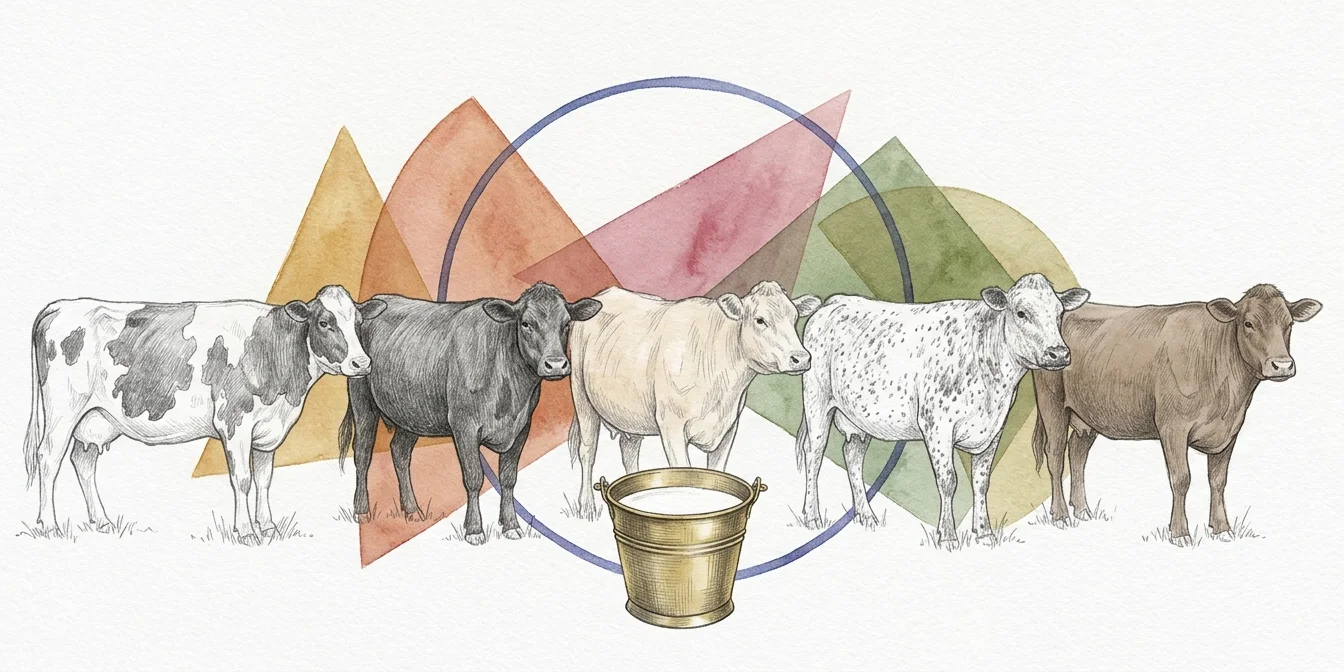
The first four sections teach the worship of Tripura: her fifteen-syllabled mantra, drawn from the Gayatri; the diagram of nine enclosures. Then the gods say: 'You have told us the work of ritual clearly; now tell us the highest, without any distinguishing mark.' The Lord answers: there are no worlds and no non-worlds there, no gods, no Brahmins and no outcastes: the one highest Brahman alone shines, at rest. The verses follow: the mind is the cause of bondage and freedom. As cows of many colours give milk of one colour, the knower sees the one in all.
- The goddess as the mantra
- From ritual to the highest
- No marks, no castes, no worlds
- The mind binds and frees
- No-mind is the highest state
- Milk of one colour
Contents
अथैतस्मिन्नन्तरे भगवान्प्राजापत्यं वैष्णवं विलयकारणं रूपमाश्रित्य त्रिपुराभिधा भगवतीत्येवमादिशक्त्या भूर्भुवः स्वस्त्रीणि स्वर्गभूपातालानि त्रिपुराणि हरमायात्मकेन ह्रीङ्कारेण हृल्लेखाख्या भगवती त्रिकूटावसाने निलये विलये धाम्नि महसा घोरेण प्राप्नोति । सैवेयं भगवती त्रिपुरेति व्यापठ्यते । तत्सवितुर्वरेण्यं भर्गो देवस्य धीमहि । धियो यो नः प्रचोदयात् परो रजसे सावदोम् । जातवेदसे सुनवाम सोममरातीयतो निदहाति वेदः । स नः पर्षदति दुर्गाणि विश्वा नावेव सिन्धुं दुरितात्यग्निः । त्र्यम्बकं यजामहे सुगन्धिं पुष्टिवर्धनम् । उर्वारुकमिव बन्धनान्मृत्योर्मुक्षीय मामृतात् । शताक्षरी परमा विद्या त्रयीमयी साष्टार्णा त्रिपुरा परमेश्वरी । आद्यानि चत्वारि पदानि परब्रह्मविकासीनि । द्वितीयानि शक्त्याख्यानि । तृतीयानि शैवानि । तत्र लोका वेदाः शास्त्राणि पुराणानि धर्माणि वै चिकित्सितानि ज्योतींषि शिवशक्तियोगादित्येवं घटना व्यापठ्यते ।
athaitasminnantare bhagavānprājāpatyaṃ vaiṣṇavaṃ vilayakāraṇaṃ rūpamāśritya tripurābhidhā bhagavatītyevamādiśaktyā bhūrbhuvaḥ svastrīṇi svargabhūpātālāni tripurāṇi haramāyātmakena hrīṅkāreṇa hṛllekhākhyā bhagavatī trikūṭāvasāne nilaye vilaye dhāmni mahasā ghoreṇa prāpnoti | saiveyaṃ bhagavatī tripureti vyāpaṭhyate | tatsaviturvareṇyaṃ bhargo devasya dhīmahi | dhiyo yo naḥ pracodayāt paro rajase sāvadom | jātavedase sunavāma somamarātīyato nidahāti vedaḥ | sa naḥ parṣadati durgāṇi viśvā nāveva sindhuṃ duritātyagniḥ | tryambakaṃ yajāmahe sugandhiṃ puṣṭivardhanam | urvārukamiva bandhanānmṛtyormukṣīya māmṛtāt | śatākṣarī paramā vidyā trayīmayī sāṣṭārṇā tripurā parameśvarī | ādyāni catvāri padāni parabrahmavikāsīni | dvitīyāni śaktyākhyāni | tṛtīyāni śaivāni | tatra lokā vedāḥ śāstrāṇi purāṇāni dharmāṇi vai cikitsitāni jyotīṃṣi śivaśaktiyogādityevaṃ ghaṭanā vyāpaṭhyate |
Now, at this point, the Lord took on the forms of Prajapati, of Vishnu, and of the cause of dissolution, and, with the power called the goddess Tripura, he reaches the three cities, earth, middle air and heaven, the worlds above, on earth and below. By the syllable 'hrim', which is Hara's maya, the goddess called Hrillekha, 'the line in the heart', reaches them, with a fierce brightness, in the abode where the three peaks end, the place of rest and of dissolution. She is the goddess called Tripura. 'Let us meditate on the choice splendour of the god Savitri; may he move our minds. Beyond the dust, that is Om.' 'For Jatavedas let us press the soma; he burns up what the hostile hold. May Agni carry us over all hardships, over wrongs, as a boat over the river.' 'We worship the three-eyed one, fragrant, who makes us grow; like a cucumber from its stalk, may I be freed from death, not from the deathless.' This hundred-syllabled teaching is the highest, made of the three Vedas; Tripura, the highest goddess, is its eight parts. Its first four words unfold the highest Brahman; the second are called Shakti's; the third are Shiva's. In them the worlds, Vedas, sciences, Puranas, duties, medicines and lights are joined, by the union of Shiva and Shakti: so it is taught.
Note //
Section 1 begins. The three verses quoted are the Gayatri (Rig Veda 3.62.10, with its fourth foot 'paro rajase sāvad om'), the 'jātavedase' verse (Rig Veda 1.99.1) and the Mrityunjaya verse (Rig Veda 7.59.12); together they have about a hundred syllables. The rest of the text draws the goddess's mantras out of these three verses: the Gayatri in section 1, the 'jātavedase' verse in section 2, the Mrityunjaya in section 4. 'Tripura' is read as both the goddess and the 'three cities', the three worlds. The first sentence is compressed and its construction uncertain. Editions agree; 'śivaśaktiyogād' (sanskritdocuments.org) over 'śivaśaktyogād' (Adyar).
अथैतस्य परं गह्वरं व्याख्यास्यामो महामनुसमुद्भवं तदिति । ब्रह्म शाश्वतम् । परो भगवान्निर्लक्षणो निरञ्जनो निरुपाधिराधिरहितो देवः । उन्मीलते पश्यति विकासते चैतन्यभावं कामयत इति । स एको देवः शिवरूपी दृश्यत्वेन विकासते यतिषु यज्ञेषु योगिषु कामयते । कामं जायते । स एष निरञ्जनोऽकामत्वेनोज्जृम्भते । अकचटतपयशान्सृजते । तस्मादीश्वरः कामोऽभिधीयते । तत्परिभाषया कामः ककारं व्याप्नोति । काम एवेदं तत्तदिति ककारो गृह्यते । तस्मात्तत्पदार्थ इति य एवं वेद ।
athaitasya paraṃ gahvaraṃ vyākhyāsyāmo mahāmanusamudbhavaṃ taditi | brahma śāśvatam | paro bhagavānnirlakṣaṇo nirañjano nirupādhirādhirahito devaḥ | unmīlate paśyati vikāsate caitanyabhāvaṃ kāmayata iti | sa eko devaḥ śivarūpī dṛśyatvena vikāsate yatiṣu yajñeṣu yogiṣu kāmayate | kāmaṃ jāyate | sa eṣa nirañjano'kāmatvenojjṛmbhate | akacaṭatapayaśānsṛjate | tasmādīśvaraḥ kāmo'bhidhīyate | tatparibhāṣayā kāmaḥ kakāraṃ vyāpnoti | kāma evedaṃ tattaditi kakāro gṛhyate | tasmāttatpadārtha iti ya evaṃ veda |
Now we will explain its deepest secret, which arises from the great mantra. 'That' (tat): Brahman, eternal. The highest, the Lord, without marks, without stain, without limiting conditions, without sorrow, the god. He opens his eyes, he sees, he unfolds; he desires the state of the light. That one god, in Shiva's form, unfolds as what is seen; in renunciates, in sacrifices, in yogis, he desires. Desire is born. This stainless one, without desire, stretches out as desire, and brings forth the letters, a, ka, ca, ṭa, ta, pa, ya, śa. So the Lord is called Kama, desire. In the language of the teaching, Kama is the letter 'ka'. 'All this is desire: that, that': so 'ka' is taken. So 'ka' is the meaning of the word 'tat': the one who knows this, knows.
Note //
The Shri Vidya mantra in its usual form has fifteen syllables in three groups: ka e ī la hrīṃ, ha sa ka ha la hrīṃ, sa ka la hrīṃ. The text draws them from the Gayatri, beginning here: its first word 'tat', 'that', is Brahman; Brahman's first stirring is desire (kāma), and desire is 'ka', the first letter of the mantra. The eight groups of letters (a, ka, ca, ṭa, ta, pa, ya, śa) are the whole Sanskrit alphabet: all speech comes from that first desire. 'Without desire, stretches out as desire': the desire is not a lack in Brahman but its own unfolding. 'ādhirahitaḥ' is read as 'without sorrow (ādhi)'. Editions: 'tasmāt tatpadārthaḥ' (Adyar) over 'bhasmāt' (sanskritdocuments.org). The decoding is tentative throughout this section; pending review.
सवितुर्वरेण्यमिति षूङ् प्राणिप्रसवे सविता प्राणिनः सूते प्रसूते शक्तिम् । सूते त्रिपुरा शक्तिराद्येयं त्रिपुरा परमेश्वरी महाकुण्डलिनी देवी । जातवेदसमण्डलं योऽधीते सर्वं व्याप्यते । त्रिकोणशक्तिरेकारेण महाभागेन प्रसूते । तस्मादेकार एव गृह्यते । वरेण्यं श्रेष्ठं भजनीयमक्षरं नमस्कार्यम् । तस्माद्वरेण्यमेकाराक्षरं गृह्यत इति य एवं वेद । भर्गो देवस्य धीमहीत्येवं व्याख्यास्यामः । धकारो धारणा । धियैव धार्यते भगवान्परमेश्वरः । भर्गो देवो मध्यवर्ति तुरीयमक्षरं साक्षात्तुरीयं सर्वं सर्वान्तर्भूतम् । तुरीयाक्षरमीकारं पदानां मध्यवर्तीत्येवं व्याख्यातं भर्गोरूपं व्याचक्षते । तस्माद्भर्गो देवस्य धीमहीत्येवमीकाराक्षरं गृह्यते ।
saviturvareṇyamiti ṣūṅ prāṇiprasave savitā prāṇinaḥ sūte prasūte śaktim | sūte tripurā śaktirādyeyaṃ tripurā parameśvarī mahākuṇḍalinī devī | jātavedasamaṇḍalaṃ yo'dhīte sarvaṃ vyāpyate | trikoṇaśaktirekāreṇa mahābhāgena prasūte | tasmādekāra eva gṛhyate | vareṇyaṃ śreṣṭhaṃ bhajanīyamakṣaraṃ namaskāryam | tasmādvareṇyamekārākṣaraṃ gṛhyata iti ya evaṃ veda | bhargo devasya dhīmahītyevaṃ vyākhyāsyāmaḥ | dhakāro dhāraṇā | dhiyaiva dhāryate bhagavānparameśvaraḥ | bhargo devo madhyavarti turīyamakṣaraṃ sākṣātturīyaṃ sarvaṃ sarvāntarbhūtam | turīyākṣaramīkāraṃ padānāṃ madhyavartītyevaṃ vyākhyātaṃ bhargorūpaṃ vyācakṣate | tasmādbhargo devasya dhīmahītyevamīkārākṣaraṃ gṛhyate |
'Of Savitri, the choice': the root 'sū' means to give birth to living beings. Savitri gives birth to living beings; he gives birth to power. Tripura gives birth: she is the first power, Tripura, the highest goddess, the great Kundalini. Whoever studies the circle of Jatavedas is pervaded by all. The power of the triangle gives birth through the letter 'e', of great fortune; so 'e' is taken. 'Choice' means best, worthy of worship, the syllable to bow to; so for 'choice' the syllable 'e' is taken: the one who knows this, knows. 'Let us meditate on the splendour of the god': we will explain it so. 'Dh' is holding: by the mind alone the Lord is held. The splendour of the god is the syllable in the middle, the fourth, the fourth itself, which is all, and within all. The fourth syllable, 'i', stands in the middle of the words: so it is explained as the form of the splendour. So for 'Let us meditate on the splendour of the god' the syllable 'ī' is taken.
Note //
The second and third letters of the mantra, 'e' and 'ī'. The letter 'e' is drawn as a triangle in the old script, the shape of the goddess's power that gives birth. 'The fourth' (turīya) is the Mandukya's word for the Self beyond waking, dream and sleep; here it is also the fourth vowel, 'ī'. Editions agree. Pending review.
महीत्यस्य व्याख्यानं महत्त्वं जडत्वं काठिन्यं विद्यते यस्मिन्नक्षतेरेतन्महि लकारः परं धाम । काठिन्याढ्यं ससागरं सपर्वतं ससप्तद्वीपं सकाननमुज्ज्वलद्रूपं मण्डलमेवोक्तं लकारेण । पृथ्वी देवी महीत्यनेन व्याचक्षते । धियो यो नः प्रचोदयात् । परमात्मा सदाशिव आदिभूतः परः । स्थाणुभूतेन लकारेण ज्योतिर्लिङ्गमात्मानं धियो बुद्धयः परे वस्तुनि ध्यानेच्छारहिते निर्विकल्पके प्रचोदयात्प्रेरयेदित्युच्चारणरहितं चेतसैव चिन्तयित्वा भावयेदिति । परो रजसे सावदोमिति तदवसाने परं ज्योतिरमलं हृदि दैवतं चैतन्यं चिल्लिङ्गं हृदयागारवासिनी हृल्लेखेत्यादिना स्पष्टं वाग्भवकूटं पञ्चाक्षरं पञ्चभूतजनकं पञ्चकलामयं व्यापठ्यत इति । य एवं वेद ।
mahītyasya vyākhyānaṃ mahattvaṃ jaḍatvaṃ kāṭhinyaṃ vidyate yasminnakṣateretanmahi lakāraḥ paraṃ dhāma | kāṭhinyāḍhyaṃ sasāgaraṃ saparvataṃ sasaptadvīpaṃ sakānanamujjvaladrūpaṃ maṇḍalamevoktaṃ lakāreṇa | pṛthvī devī mahītyanena vyācakṣate | dhiyo yo naḥ pracodayāt | paramātmā sadāśiva ādibhūtaḥ paraḥ | sthāṇubhūtena lakāreṇa jyotirliṅgamātmānaṃ dhiyo buddhayaḥ pare vastuni dhyānecchārahite nirvikalpake pracodayātprerayedityuccāraṇarahitaṃ cetasaiva cintayitvā bhāvayediti | paro rajase sāvadomiti tadavasāne paraṃ jyotiramalaṃ hṛdi daivataṃ caitanyaṃ cilliṅgaṃ hṛdayāgāravāsinī hṛllekhetyādinā spaṣṭaṃ vāgbhavakūṭaṃ pañcākṣaraṃ pañcabhūtajanakaṃ pañcakalāmayaṃ vyāpaṭhyata iti | ya evaṃ veda |
The explanation of 'mahi': that in which there is greatness, heaviness, hardness, the imperishable: this is 'mahi', the letter 'la', the highest abode. Full of hardness, with its oceans and mountains, its seven continents and its forests, the bright circle of the earth is meant by 'la'. By 'mahi' they mean the goddess Earth. 'May he move our minds': the highest Self, Sadashiva, the first, the beyond, with the steady letter 'la' moves our minds towards the Self, the linga of light, towards the highest reality, beyond the wish to meditate, beyond all division. So, without uttering it, one should think it with the mind alone, and contemplate. 'Beyond the dust, that is Om': at its end is the highest light, stainless, the deity in the heart, the light, the linga of light, she who lives in the house of the heart, Hrillekha, the syllable 'hrim'. So the first group, the group of speech, is made plain: five syllables, the parents of the five elements, made of the five powers. The one who knows this, knows.
Note //
'la' is the letter of earth; 'hrīṃ' (Hrillekha, 'the line in the heart') closes each group. The first group of the mantra, ka e ī la hrīṃ, is called the 'group of speech' (vāgbhava-kūṭa). The movement of the minds is 'towards the highest reality, beyond the wish to meditate, beyond all division', and the mantra is to be thought 'without uttering it'. Editions agree. Pending review.
अथ तु परं कामकलाभूतं कामकूटमाहुः । तत्सवितुर्वरेण्यमित्यादिद्वात्रिंशदक्षरीं पठित्वा तदिति परमात्मा सदाशिवोऽक्षरं विमलं निरुपाधितादात्म्यप्रतिपादनेन हकाराक्षरं शिवरूपं निरक्षरमक्षरं व्यालिख्यत इति । तत्परागव्यावृत्तिमादाय शक्तिं दर्शयति । तत्सवितुरिति पूर्वेणाध्वना सूर्याधश्चन्द्रिकां व्यालिख्य मूलादिब्रह्मरन्ध्रगं साक्षरमद्वितीयमाचक्षत इत्याह भगवन्तं देवं शिवशक्त्यात्मकमेवोदितम् । शिवोऽयं परमं देवं शक्तिरेषा तु जीवजा । सूर्याचन्द्रमसोर्योगाद्धंसस्तत्पदमुच्यते ॥
atha tu paraṃ kāmakalābhūtaṃ kāmakūṭamāhuḥ | tatsaviturvareṇyamityādidvātriṃśadakṣarīṃ paṭhitvā taditi paramātmā sadāśivo'kṣaraṃ vimalaṃ nirupādhitādātmyapratipādanena hakārākṣaraṃ śivarūpaṃ nirakṣaramakṣaraṃ vyālikhyata iti | tatparāgavyāvṛttimādāya śaktiṃ darśayati | tatsavituriti pūrveṇādhvanā sūryādhaścandrikāṃ vyālikhya mūlādibrahmarandhragaṃ sākṣaramadvitīyamācakṣata ityāha bhagavantaṃ devaṃ śivaśaktyātmakamevoditam | śivo'yaṃ paramaṃ devaṃ śaktireṣā tu jīvajā | sūryācandramasoryogāddhaṃsastatpadamucyate ||
Now they speak of the second group, the group of desire, which is the essence of desire. Reciting the thirty-two syllables of 'Let us meditate on the choice of Savitri', 'tat' is the highest Self, Sadashiva, the stainless syllable; by teaching its oneness with what has no limiting conditions, the letter 'ha' is written, Shiva's form, the syllable beyond syllables. Taking it as turned away from the outward, he shows the power: by 'tat savitur', in the same way, one writes the moon below the sun, the syllable 'sa', which rises from the root to the opening at the crown, the one without a second. So the Lord is declared to be Shiva and Shakti together. 'This is Shiva, the highest god; this is Shakti, born as the living self; from the union of sun and moon comes Hamsa: that is the meaning of "tat".'
Note //
The second group begins with 'ha' (Shiva) and 'sa' (Shakti). Joined, they make 'haṃsa', the swan, the name of the breath and of the Self ('so 'ham', 'I am He', read backwards). The opening at the crown (brahmarandhra) is the top of the central channel in yoga. The verse at the end is numbered 1 in both editions. Editions: 'paramaṃ devaṃ' (sanskritdocuments.org) over 'graman devaṃ' (Adyar). Pending review.
तस्मादुज्जृम्भते कामः कामात्कामः परः शिवः । कार्णोऽयं कामदेवोऽयं वरेण्यं भर्ग उच्यते ॥ तत्सवितुर्वरेण्यं भर्गो देवः क्षीरं सेचनीयमक्षरं समधुघ्नमक्षरं परमात्मजीवात्मनोर्योगात्तदिति स्पष्टमक्षरं तृतीयं ह इति तदेव सदाशिव एव निष्कल्मष आद्यो देवोऽन्त्यमक्षरं व्याक्रियते । परमं पदं धीति धारणं विद्यते जडत्वधारणं महीति लकारः शिवाधस्तात्तु लकारार्थः स्पष्टमन्त्यमक्षरं परमं चैतन्यं धियो यो नः प्रचोदयात्परो रजसे सावदोमित्येवं कूटं कामकलालयं षडध्वपरिवर्तको वैष्णवं परमं धामैति भगवांश्चैतस्माद्य एवं वेद ।
tasmādujjṛmbhate kāmaḥ kāmātkāmaḥ paraḥ śivaḥ | kārṇo'yaṃ kāmadevo'yaṃ vareṇyaṃ bharga ucyate || tatsaviturvareṇyaṃ bhargo devaḥ kṣīraṃ secanīyamakṣaraṃ samadhughnamakṣaraṃ paramātmajīvātmanoryogāttaditi spaṣṭamakṣaraṃ tṛtīyaṃ ha iti tadeva sadāśiva eva niṣkalmaṣa ādyo devo'ntyamakṣaraṃ vyākriyate | paramaṃ padaṃ dhīti dhāraṇaṃ vidyate jaḍatvadhāraṇaṃ mahīti lakāraḥ śivādhastāttu lakārārthaḥ spaṣṭamantyamakṣaraṃ paramaṃ caitanyaṃ dhiyo yo naḥ pracodayātparo rajase sāvadomityevaṃ kūṭaṃ kāmakalālayaṃ ṣaḍadhvaparivartako vaiṣṇavaṃ paramaṃ dhāmaiti bhagavāṃścaitasmādya evaṃ veda |
From that, desire stretches out: from desire comes desire, the highest Shiva. This is the letter 'ka', this is the god of love; 'choice' and 'splendour' are spoken of. 'Tat savitur vareṇyam bhargo devaḥ': milk, the syllable to be poured, the sweet syllable, from the union of the highest Self and the living self: 'tat' is the plain syllable; the third is 'ha': that is Sadashiva himself, stainless, the first god, explained as the last syllable. The highest place: 'dhī' is holding, holding the heaviness; 'mahi' is the letter 'la', below Shiva: the meaning of 'la' is plain. The last syllable is the highest light: 'may he move our minds; beyond the dust, that is Om'. So this group, the home of the essence of desire, which turns the six paths, is the highest abode of Vishnu. The Lord goes there, and so does the one who knows this.
Note //
The second group of the mantra, ha sa ka ha la hrīṃ, called the 'group of desire' (kāma-kūṭa), is completed: ka (desire), ha (Shiva), la (earth), and hrīṃ (the highest light). 'The six paths' (ṣaḍadhvan) are the six ways of the world's unfolding in Shaiva teaching, from letters and words to elements. The verse at the start is numbered 2 in both editions. Much of this passage is obscure in both editions, and the rendering follows the plain sense of each phrase. Pending review.
अथैतस्मादपरं तृतीयं शक्तिकूटं प्रतिपद्यते । द्वात्रिंशदक्षर्या गायत्र्या तत्सवितुर्वरेण्यं तस्मादात्मन आकाश आकाशाद्वायुः स्फुरति तदधीनं वरेण्यं समुदीयमानं सवितुर्वा योग्यो जीवात्मपरमात्मसमुद्भवस्तं प्रकाशशक्तिरूपं जीवाक्षरं स्पष्टमापद्यते । भर्गो देवस्य धीत्यनेनाधाररूपशिवात्माक्षरं गण्यते । महीत्यादिनाशेषं काम्यं रमणीयं दृश्यं शक्तिकूटं स्पष्टीकृतमिति । एवं पञ्चदशाक्षरं त्रैपुरं योऽधीते स सर्वान्कामानवाप्नोति । स सर्वान्भोगानवाप्नोति । स सर्वांल्लोकाञ्जयति । स सर्वा वाचो विजृम्भयति । स रुद्रत्वं प्राप्नोति । स वैष्णवं धाम भित्त्वा परं ब्रह्म प्राप्नोति । य एवं वेद ।
athaitasmādaparaṃ tṛtīyaṃ śaktikūṭaṃ pratipadyate | dvātriṃśadakṣaryā gāyatryā tatsaviturvareṇyaṃ tasmādātmana ākāśa ākāśādvāyuḥ sphurati tadadhīnaṃ vareṇyaṃ samudīyamānaṃ saviturvā yogyo jīvātmaparamātmasamudbhavastaṃ prakāśaśaktirūpaṃ jīvākṣaraṃ spaṣṭamāpadyate | bhargo devasya dhītyanenādhārarūpaśivātmākṣaraṃ gaṇyate | mahītyādināśeṣaṃ kāmyaṃ ramaṇīyaṃ dṛśyaṃ śaktikūṭaṃ spaṣṭīkṛtamiti | evaṃ pañcadaśākṣaraṃ traipuraṃ yo'dhīte sa sarvānkāmānavāpnoti | sa sarvānbhogānavāpnoti | sa sarvāṃllokāñjayati | sa sarvā vāco vijṛmbhayati | sa rudratvaṃ prāpnoti | sa vaiṣṇavaṃ dhāma bhittvā paraṃ brahma prāpnoti | ya evaṃ veda |
Now from this the third, the group of power, is reached. By the thirty-two-syllabled Gayatri, 'tat savitur vareṇyam': 'from that Self came space, from space wind' stirs; what depends on it, 'the choice', rising up, 'of Savitri', fitting, born of the living self and the highest Self: that is the syllable of the living self, 'sa', in the form of the power of light, and it becomes plain. By 'the splendour of the god, dhī' the syllable of Shiva as the ground, 'ka', is counted. By 'mahi' and the rest the remaining group of power, desirable, lovely, seen, is made plain. Whoever studies the mantra of Tripura of fifteen syllables in this way gains every wish, gains every enjoyment, wins all worlds, unfolds every kind of speech, reaches Rudra's state, and breaking through the abode of Vishnu, reaches the highest Brahman. The one who knows this, knows.
Note //
The third group, sa ka la hrīṃ, the 'group of power' (śakti-kūṭa). 'From that Self came space, from space wind' is Taittiriya 2.1, worked into the Gayatri's words. The fruit ends where Advaita ends: 'breaking through the abode of Vishnu, he reaches the highest Brahman'. The decoding is tentative; editions agree.
इत्याद्यां विद्यामभिधायैतस्याः शक्तिकूटं शक्तिशिवाद्यं लोपामुद्रेयम् । द्वितीये धामनि पूर्वेणैव मनुना बिन्दुहीना शक्तिभूतहृल्लेखा क्रोधमुनिनाधिष्ठिता । तृतीये धामनि पूर्वस्या एव विद्याया यद्वाग्भवकूटं तेनैव मानवीं चान्द्रीं कौबेरीं विद्यामाचक्षते । मदनाधः शिवं वाग्भवम् । तदूर्ध्वं कामकलामयम् । शक्त्यूर्ध्वं शक्तिमिति मानवी विद्या । चतुर्थे धामनि शिवशक्त्याख्यं वाग्भवम् । तदेवाधः शिवशक्त्याख्यमन्यत्तृतीयं चेयं चान्द्री विद्या । पञ्चमे धामनि ध्येयेयं चान्द्री कामाधः शिवाद्यकामा । सैव कौबेरी षष्ठे धामनि व्याचक्षत इति । य एवं वेद । हित्वेकारं तुरीयस्वरं सर्वादौ सूर्याचन्द्रमस्केन कामेश्वर्येवागस्त्यसञ्ज्ञा । सप्तमे धामनि तृतीयमेतस्या एव पूर्वोक्तायाः कामाद्यं द्विधाधः कं मदनकलाद्यं शक्तिबीजं वाग्भवाद्यं तयोरर्धावशिरस्कं कृत्वा नन्दिविद्येयम् । अष्टमे धामनि वाग्भवमागस्त्यं वागर्थकलामयं कामकलाभिधं सकलमायाशक्तिः प्रभाकरी विद्येयम् । नवमे धामनि पुनरागस्त्यं वाग्भवं शक्तिमन्मथशिवशक्तिमन्मथोर्वीमायाकामकलालयं चन्द्रसूर्यानङ्गधूर्जटिमहिमालयं तृतीयं षण्मुखीयं विद्या । दशमे धामनि विद्याप्रकाशितया भूय एवागस्त्यविद्यां पठित्वा भूय एवेमामन्त्यमायां परमशिवविद्येयम् । एकादशे धामनि भूय एवागस्त्यं पठित्वा एतस्या एव वाग्भवं यद्धनजं कामकलालयं च तत्सहजं कृत्वा लोपामुद्रायाः शक्तिकूटराजं पठित्वा वैष्णवी विद्या द्वादशे धामनि व्याचक्षत इति ॥
ityādyāṃ vidyāmabhidhāyaitasyāḥ śaktikūṭaṃ śaktiśivādyaṃ lopāmudreyam | dvitīye dhāmani pūrveṇaiva manunā binduhīnā śaktibhūtahṛllekhā krodhamuninādhiṣṭhitā | tṛtīye dhāmani pūrvasyā eva vidyāyā yadvāgbhavakūṭaṃ tenaiva mānavīṃ cāndrīṃ kauberīṃ vidyāmācakṣate | madanādhaḥ śivaṃ vāgbhavam | tadūrdhvaṃ kāmakalāmayam | śaktyūrdhvaṃ śaktimiti mānavī vidyā | caturthe dhāmani śivaśaktyākhyaṃ vāgbhavam | tadevādhaḥ śivaśaktyākhyamanyattṛtīyaṃ ceyaṃ cāndrī vidyā | pañcame dhāmani dhyeyeyaṃ cāndrī kāmādhaḥ śivādyakāmā | saiva kauberī ṣaṣṭhe dhāmani vyācakṣata iti | ya evaṃ veda | hitvekāraṃ turīyasvaraṃ sarvādau sūryācandramaskena kāmeśvaryevāgastyasañjñā | saptame dhāmani tṛtīyametasyā eva pūrvoktāyāḥ kāmādyaṃ dvidhādhaḥ kaṃ madanakalādyaṃ śaktibījaṃ vāgbhavādyaṃ tayorardhāvaśiraskaṃ kṛtvā nandividyeyam | aṣṭame dhāmani vāgbhavamāgastyaṃ vāgarthakalāmayaṃ kāmakalābhidhaṃ sakalamāyāśaktiḥ prabhākarī vidyeyam | navame dhāmani punarāgastyaṃ vāgbhavaṃ śaktimanmathaśivaśaktimanmathorvīmāyākāmakalālayaṃ candrasūryānaṅgadhūrjaṭimahimālayaṃ tṛtīyaṃ ṣaṇmukhīyaṃ vidyā | daśame dhāmani vidyāprakāśitayā bhūya evāgastyavidyāṃ paṭhitvā bhūya evemāmantyamāyāṃ paramaśivavidyeyam | ekādaśe dhāmani bhūya evāgastyaṃ paṭhitvā etasyā eva vāgbhavaṃ yaddhanajaṃ kāmakalālayaṃ ca tatsahajaṃ kṛtvā lopāmudrāyāḥ śaktikūṭarājaṃ paṭhitvā vaiṣṇavī vidyā dvādaśe dhāmani vyācakṣata iti ||
Having told the first teaching, its group of power, beginning with Shakti and Shiva, is the teaching of Lopamudra. In the second abode, by the same mantra, the power-syllable 'hrim', without its dot, presided over by the sage of anger. In the third abode, from the group of speech of that same teaching, they speak of the teachings of Manu, of the Moon and of Kubera: Shiva below the god of love, the group of speech; above it, the essence of desire; power above power: this is Manu's teaching. In the fourth abode, the group of speech called Shiva and Shakti, and below it another, also called Shiva and Shakti, and a third: this is the Moon's teaching. In the fifth abode, this is to be meditated on, the Moon's, desire below, beginning with Shiva. That same, in the sixth abode, they call Kubera's. The one who knows this, knows. Leaving out 'e', the fourth vowel, with sun and moon at the very beginning, Kameshvari is called Agastya's. In the seventh abode, the third of this same teaching: desire first, 'ka' twice below, the essence of desire first, the seed of power, the group of speech first, the two half-headed: this is Nandi's teaching. In the eighth abode, Agastya's group of speech, made of the essence of word and meaning, called the essence of desire, with the power of maya complete: this is the teaching of Prabhakara, the Sun. In the ninth abode, again Agastya's group of speech, the home of power, love, Shiva and Shakti, earth, maya and the essence of desire, the home of the greatness of moon, sun, the bodiless god of love and Dhurjati, Shiva: the third, Shanmukha's teaching. In the tenth abode, reciting Agastya's teaching again, as the teaching revealed, and this last maya again: this is the teaching of the highest Shiva. In the eleventh, reciting Agastya's again, taking its group of speech, and the home of the essence of desire, as born together with it, and reciting the king of power-groups, Lopamudra's: in the twelfth abode they call this Vishnu's teaching.
Note //
The twelve forms of the Shri Vidya, named after the twelve who worshipped the goddess with them: Manu, the Moon, Kubera, Lopamudra, Agastya, Nandi, the Sun, Skanda (Shanmukha), Shiva, Vishnu, and others; 'the sage of anger' is Durvasa. Each is a rearrangement of the same syllables. The passage is the most compressed in the text; the rendering gives each phrase without claiming to reconstruct the mantras, and the details are pending review. Editions agree, apart from 'kaubereṃ' (sanskritdocuments.org) and 'kaverīṃ' (Adyar); 'yad dhanajaṃ' (sanskritdocuments.org) and 'yad ghanajaṃ' (Adyar).
य एवं वेद । तान्होवाच भगवान्सर्वे यूयं श्रुत्वा पूर्वां कामाख्यां तुरीयरूपां तुरीयातीतां सर्वोत्कटां सर्वमन्त्रासनगतां पीठोपपीठदेवतापरिवृतां सकलकलाव्यापिनीं देवतां सामोदां सपरागां सहृदयां सामृतां सकलां सेन्द्रियां सदोदितां परां विद्यां स्पष्टीकृत्वा हृदये निधाय विज्ञायानिलयं गमयित्वा त्रिकूटां त्रिपुरां परमां मायां श्रेष्ठां परां वैष्णवीं सन्निधाय हृदयकमलकर्णिकायां परां भगवतीं लक्ष्मीं मायां सदोदितां महावश्यकरीं मदनोन्मादनकारिणीं धनुर्बाणधारिणीं वाग्विजृम्भिणीं चन्द्रमण्डलमध्यवर्तिनीं चन्द्रकलां सप्तदशीं महानित्योपस्थितां पाशाङ्कुशमनोज्ञपाणिपल्लवां समुद्यदर्कनिभां त्रिनेत्रां विचिन्त्य देवीं महालक्ष्मीं सर्वलक्ष्मीमयीं सर्वलक्षणसम्पन्नां हृदये चैतन्यरूपिणीं निरञ्जनां त्रिकूटाख्यां स्मितमुखीं सुन्दरीं महामायां सर्वसुभगां महाकुण्डलिनीं त्रिपीठमध्यवर्तिनीमकथादिश्रीपीठे परां भैरवीं चित्कलां महात्रिपुरां देवीं ध्यायेन्महाध्यानयोगेनेयमेवं वेदेति महोपनिषत् ॥
ya evaṃ veda | tānhovāca bhagavānsarve yūyaṃ śrutvā pūrvāṃ kāmākhyāṃ turīyarūpāṃ turīyātītāṃ sarvotkaṭāṃ sarvamantrāsanagatāṃ pīṭhopapīṭhadevatāparivṛtāṃ sakalakalāvyāpinīṃ devatāṃ sāmodāṃ saparāgāṃ sahṛdayāṃ sāmṛtāṃ sakalāṃ sendriyāṃ sadoditāṃ parāṃ vidyāṃ spaṣṭīkṛtvā hṛdaye nidhāya vijñāyānilayaṃ gamayitvā trikūṭāṃ tripurāṃ paramāṃ māyāṃ śreṣṭhāṃ parāṃ vaiṣṇavīṃ sannidhāya hṛdayakamalakarṇikāyāṃ parāṃ bhagavatīṃ lakṣmīṃ māyāṃ sadoditāṃ mahāvaśyakarīṃ madanonmādanakāriṇīṃ dhanurbāṇadhāriṇīṃ vāgvijṛmbhiṇīṃ candramaṇḍalamadhyavartinīṃ candrakalāṃ saptadaśīṃ mahānityopasthitāṃ pāśāṅkuśamanojñapāṇipallavāṃ samudyadarkanibhāṃ trinetrāṃ vicintya devīṃ mahālakṣmīṃ sarvalakṣmīmayīṃ sarvalakṣaṇasampannāṃ hṛdaye caitanyarūpiṇīṃ nirañjanāṃ trikūṭākhyāṃ smitamukhīṃ sundarīṃ mahāmāyāṃ sarvasubhagāṃ mahākuṇḍalinīṃ tripīṭhamadhyavartinīmakathādiśrīpīṭhe parāṃ bhairavīṃ citkalāṃ mahātripurāṃ devīṃ dhyāyenmahādhyānayogeneyamevaṃ vedeti mahopaniṣat ||
The Lord said to them all: Having heard the first teaching, called Kama, whose form is the fourth, beyond the fourth, highest of all, seated on all mantras, surrounded by the deities of the seats and lesser seats, pervading every power, the goddess, full of joy, of fragrance, of heart, of nectar, whole, with the senses, always risen, the highest: make it plain, set it in the heart, know it, take it to its rest; place there the three-peaked Tripura, the highest maya, the best, the highest, Vishnu's power, in the centre of the lotus of the heart. Contemplate the highest goddess, Lakshmi, maya, always risen, who draws all to her, who makes love itself mad, holding bow and arrows, who unfolds speech, seated in the middle of the moon's circle, the seventeenth digit of the moon, always present, the great eternal one, her lovely hands holding noose and goad, like the rising sun, three-eyed. One should meditate, in the yoga of great meditation, on the goddess Mahalakshmi, who is all fortune, with every good mark, whose form in the heart is the light, stainless, called the three-peaked, smiling, beautiful, the great maya, wholly gracious, the great Kundalini, seated in the middle of the three seats, in the seat of Shri made of the letters a, ka, tha and the rest, the highest Bhairavi, the spark of the light, the great goddess Tripura. So this is to be known: this is the great Upanishad.
Note //
The end of section 1: the meditation on the goddess in the heart. 'The fourth, beyond the fourth' (turīyā, turīyātītā): she is the Self beyond the three states, and beyond even that name for it. 'The seventeenth digit of the moon' is the one beyond the sixteen phases, which never wanes. Her form in the heart is 'the light' (caitanya-rūpiṇī) and 'the spark of the light' (cit-kalā). Editions agree.
अथातो जातवेदसे सुनवाम सोममित्यादि पठित्वा त्रैपुरी व्यक्तिर्लक्ष्यते । जातवेदस इत्येकर्चसूक्तस्याद्यमध्यमावसानेषु तत्र स्थानेषु विलीनं बीजसागररूपं व्याचक्ष्वेत्यृषय ऊचुः । तान्होवाच भगवाञ्जातवेदसे सुनवाम सोमं तदन्त्यमवाणीं विलोमेन पठित्वा प्रथमस्याद्यं तदेवं दीर्घं द्वितीयस्याद्यं सुनवाम सोममित्यनेन कौलं वामं श्रेष्ठं सोमं महासौभाग्यमाचक्षते । स सर्वसम्पत्तिभूतं प्रथमं निवृत्तिकारणं द्वितीयं स्थितिकारणं तृतीयं सर्गकारणमित्यनेन करशुद्धिं कृत्वा त्रिपुराविद्यां स्पष्टीकृत्वा जातवेदसे सुनवाम सोममित्यादि पठित्वा महाविद्येश्वरीविद्यामाचक्षते त्रिपुरेश्वरीं जातवेदस इति । जाते आद्याक्षरे मातृकायाः शिरसि बैन्दवममृतरूपिणीं कुण्डलिनीं त्रिकोणरूपिणीं चेति वाक्यार्थः । एवं प्रथमस्याद्यं वाग्भवम् । द्वितीयं कामकलालयम् । जात इत्यनेन परमात्मनो जृम्भणम् । जात इत्यादिना परमात्मा शिव उच्यते । जातमात्रेण कामी कामयते काममित्यादिना पूर्णं व्याचक्षते । तदेव सुनवाम गोत्रारूढं मध्यवर्तिनामृतमध्येनार्णेन मन्त्रार्णान्स्पष्टीकृत्वा । गोत्रेति नामगोत्रायामित्यादिना स्पष्टं रामकलालयं शेषं वाममित्यादिना । पूर्वेणाध्वना विद्येयं सर्वरक्षाकरी व्याचक्षते । एवमेतेन विद्यां त्रिपुरेशीं स्पष्टीकृत्वा जातवेदस इत्यादिना जातो देव एक ईश्वरः परमो ज्योतिर्मन्त्रतो वेति तुरीयं वरं दत्त्वा बिन्दुपूर्णज्योतिःस्थानं कृत्वा प्रथमस्याद्यं द्वितीयं च तृतीयं च सर्वरक्षाकरीसम्बन्धं कृत्वा विद्यामात्मासनरूपिणीं स्पष्टीकृत्वा जातवेदसे सुनवाम सोममित्यादि पठित्वा रक्षाकरीं विद्यां स्मृत्वाद्यन्तयोर्धाम्नोः शक्तिशिवरूपिणीं विनियोज्य स इति शक्त्यात्मकं वर्णं सोममिति शैवात्मकं धाम जानीयात् । यो जानीते स सुभगो भवति ॥
athāto jātavedase sunavāma somamityādi paṭhitvā traipurī vyaktirlakṣyate | jātavedasa ityekarcasūktasyādyamadhyamāvasāneṣu tatra sthāneṣu vilīnaṃ bījasāgararūpaṃ vyācakṣvetyṛṣaya ūcuḥ | tānhovāca bhagavāñjātavedase sunavāma somaṃ tadantyamavāṇīṃ vilomena paṭhitvā prathamasyādyaṃ tadevaṃ dīrghaṃ dvitīyasyādyaṃ sunavāma somamityanena kaulaṃ vāmaṃ śreṣṭhaṃ somaṃ mahāsaubhāgyamācakṣate | sa sarvasampattibhūtaṃ prathamaṃ nivṛttikāraṇaṃ dvitīyaṃ sthitikāraṇaṃ tṛtīyaṃ sargakāraṇamityanena karaśuddhiṃ kṛtvā tripurāvidyāṃ spaṣṭīkṛtvā jātavedase sunavāma somamityādi paṭhitvā mahāvidyeśvarīvidyāmācakṣate tripureśvarīṃ jātavedasa iti | jāte ādyākṣare mātṛkāyāḥ śirasi baindavamamṛtarūpiṇīṃ kuṇḍalinīṃ trikoṇarūpiṇīṃ ceti vākyārthaḥ | evaṃ prathamasyādyaṃ vāgbhavam | dvitīyaṃ kāmakalālayam | jāta ityanena paramātmano jṛmbhaṇam | jāta ityādinā paramātmā śiva ucyate | jātamātreṇa kāmī kāmayate kāmamityādinā pūrṇaṃ vyācakṣate | tadeva sunavāma gotrārūḍhaṃ madhyavartināmṛtamadhyenārṇena mantrārṇānspaṣṭīkṛtvā | gotreti nāmagotrāyāmityādinā spaṣṭaṃ rāmakalālayaṃ śeṣaṃ vāmamityādinā | pūrveṇādhvanā vidyeyaṃ sarvarakṣākarī vyācakṣate | evametena vidyāṃ tripureśīṃ spaṣṭīkṛtvā jātavedasa ityādinā jāto deva eka īśvaraḥ paramo jyotirmantrato veti turīyaṃ varaṃ dattvā bindupūrṇajyotiḥsthānaṃ kṛtvā prathamasyādyaṃ dvitīyaṃ ca tṛtīyaṃ ca sarvarakṣākarīsambandhaṃ kṛtvā vidyāmātmāsanarūpiṇīṃ spaṣṭīkṛtvā jātavedase sunavāma somamityādi paṭhitvā rakṣākarīṃ vidyāṃ smṛtvādyantayordhāmnoḥ śaktiśivarūpiṇīṃ viniyojya sa iti śaktyātmakaṃ varṇaṃ somamiti śaivātmakaṃ dhāma jānīyāt | yo jānīte sa subhago bhavati ||
Now, reciting 'For Jatavedas let us press the soma', the form of Tripura is shown. The seers said: 'Explain the ocean of seed-syllables hidden in the beginning, middle and end of the one-verse hymn "jātavedase".' The Lord said to them: Reciting 'jātavedase sunavāma somam', its last syllable read backwards is the first of the first group; the same, lengthened, is the first of the second. By 'sunavāma somam' they mean the left-hand way of the Kaula, the best, soma, great good fortune. The first, the source of all wealth, is the cause of withdrawal; the second, the cause of staying; the third, the cause of creation. With this, one purifies the hands, makes the Tripura teaching plain, and, reciting the verse, they speak of the teaching of the great queen of teachings, Tripureshvari: 'jātavedase'. 'jāte', 'in what is born': at the first letter, at the head of the alphabet, the dot, the form of nectar, Kundalini, the triangle: that is the sense of the words. So the first of the first is the group of speech; the second, the home of the essence of desire. 'jāta', 'born', is the stretching out of the highest Self; by 'jāta' the highest Self, Shiva, is meant. 'As soon as born, the desirer desires desire': so they explain it in full. 'sunavāma' is mounted on the family, with the syllable in the middle, the middle of the nectar, making the syllables of the mantra plain. 'gotra', 'family', as in 'nāmagotrāyām': plainly the home of the essence of Rama; the rest by 'vāmam' and the rest. In the same way this teaching is called Sarvarakshakari, the protector of all. So, making the teaching of Tripureshi plain, by 'jātavedase': 'the god born, the one Lord, the highest light, or by the mantra'; giving the fourth as a boon, making the place of light full with the dot, joining the first of the first, the second and third with the protector of all, making plain the teaching whose form is the seat of the Self, reciting the verse and remembering the protecting teaching, setting Shakti and Shiva at the first and last abodes, one should know 'sa' as the letter of Shakti, and 'somam' as Shiva's abode. Whoever knows this becomes fortunate.
Note //
Section 2 begins. As the Gayatri yields the Shri Vidya in section 1, the one-verse hymn 'jātavedase' (Rig Veda 1.99.1) is read here as a store of seed-syllables from which eight teachings of the goddess are drawn, the first being Tripureshvari and Sarvarakshakari. The Kaula is the tradition of Shakta worship. This passage is the most technical of the text and is given phrase by phrase; the construction of many sentences is uncertain. Editions agree, apart from 'tad antyam avāṇīṃ' (Adyar) and 'tad atyamravāṇīṃ' (sanskritdocuments.org); 'śirasi' (sanskritdocuments.org) over 'śivasi' (Adyar). Pending review.
एवमेतां चक्रासनगतां त्रिपुरवासिनीं विद्यां स्पष्टीकृत्वा जातवेदसे सुनवाम सोममिति पठित्वा त्रिपुरेश्वरीविद्यां सदोदितां शिवशक्त्यात्मिकामावेदितां जातवेदाः शिव इति सेति शक्त्यात्माक्षरमिति शिवादिशक्त्यन्तरालभूतां त्रिकूटादिचारिणीं सूर्याचन्द्रमस्कां मन्त्रासनगतां त्रिपुरां महालक्ष्मीं सदोदितां स्पष्टीकृत्वा जातवेदसे सुनवाम सोममित्यादि पठित्वा पूर्वां सदात्मासनरूपां विद्यां स्मृत्वा वेद इत्यादिना विश्वाहसन्ततोदयबैन्दवमुपरि विन्यस्य सिद्धासनस्थां त्रिपुरां मालिनीं विद्यां स्पष्टीकृत्वा जातवेदसे सुनवाम सोममित्यादि पठित्वा त्रिपुरां सुन्दरीं श्रित्वा कले अक्षरे विचिन्त्य मूर्तिभूतां मूर्तिरूपिणीं सर्वविद्येश्वरीं त्रिपुरां विद्यां स्पष्टीकृत्वा जातवेदसे इत्यादि पठित्वा त्रिपुरां लक्ष्मीं श्रित्वाग्निं निदहाति सैवेयमग्न्यानने ज्वलतीति विचिन्त्य त्रिज्योतिषमीश्वरीं त्रिपुरामम्बां विद्यां स्पष्टीकुर्यात् । एवमेतेन स नः पर्षदति दुर्गाणि विश्वेत्यादिपरप्रकाशिनी प्रत्यग्भूता कार्या । विद्येयमाह्वानकर्मणि सर्वतो धीरेति व्याचक्षते । एवमेतद्विद्याष्टकं महामायादेव्यङ्गभूतं व्याचक्षते । देवा ह वै भगवन्तमब्रुवन्महाचक्रनायकं नो ब्रूहीति सार्वकामिकं सर्वाराध्यं सर्वरूपं विश्वतोमुखं मोक्षद्वारं यद्योगिन उपविश्य परं ब्रह्म भित्त्वा निर्वाणमुपविशन्ति ॥
evametāṃ cakrāsanagatāṃ tripuravāsinīṃ vidyāṃ spaṣṭīkṛtvā jātavedase sunavāma somamiti paṭhitvā tripureśvarīvidyāṃ sadoditāṃ śivaśaktyātmikāmāveditāṃ jātavedāḥ śiva iti seti śaktyātmākṣaramiti śivādiśaktyantarālabhūtāṃ trikūṭādicāriṇīṃ sūryācandramaskāṃ mantrāsanagatāṃ tripurāṃ mahālakṣmīṃ sadoditāṃ spaṣṭīkṛtvā jātavedase sunavāma somamityādi paṭhitvā pūrvāṃ sadātmāsanarūpāṃ vidyāṃ smṛtvā veda ityādinā viśvāhasantatodayabaindavamupari vinyasya siddhāsanasthāṃ tripurāṃ mālinīṃ vidyāṃ spaṣṭīkṛtvā jātavedase sunavāma somamityādi paṭhitvā tripurāṃ sundarīṃ śritvā kale akṣare vicintya mūrtibhūtāṃ mūrtirūpiṇīṃ sarvavidyeśvarīṃ tripurāṃ vidyāṃ spaṣṭīkṛtvā jātavedase ityādi paṭhitvā tripurāṃ lakṣmīṃ śritvāgniṃ nidahāti saiveyamagnyānane jvalatīti vicintya trijyotiṣamīśvarīṃ tripurāmambāṃ vidyāṃ spaṣṭīkuryāt | evametena sa naḥ parṣadati durgāṇi viśvetyādiparaprakāśinī pratyagbhūtā kāryā | vidyeyamāhvānakarmaṇi sarvato dhīreti vyācakṣate | evametadvidyāṣṭakaṃ mahāmāyādevyaṅgabhūtaṃ vyācakṣate | devā ha vai bhagavantamabruvanmahācakranāyakaṃ no brūhīti sārvakāmikaṃ sarvārādhyaṃ sarvarūpaṃ viśvatomukhaṃ mokṣadvāraṃ yadyogina upaviśya paraṃ brahma bhittvā nirvāṇamupaviśanti ||
So, making plain this teaching, Tripuravasini, seated on the wheel, and reciting the verse, one makes plain the teaching of Tripureshvari, always risen, made of Shiva and Shakti: 'jātavedāḥ' is Shiva; 'sa' is the syllable of Shakti; she is what lies between Shiva and Shakti, moving through the three peaks, with sun and moon, seated on the mantra: Tripura Mahalakshmi, always risen. Reciting the verse, remembering the former teaching, whose form is the seat of the Self, and by 'veda' and the rest, placing above the dot that rises every day without break, one makes plain the teaching of Tripura Malini, seated in the posture of the perfected. Reciting the verse, resting in Tripurasundari, thinking of the two syllables of power, one makes plain the teaching of Tripura Siddha, who has taken form, whose form is the image, the queen of all teachings. Reciting 'jātavedase', resting in Tripura Lakshmi, and thinking 'she burns up the fire, she blazes in the mouth of fire', one should make plain the teaching of Tripurambika, the queen of the three lights. In the same way, by 'May Agni carry us over all hardships' she who shines beyond is to be made the inward one. They say this teaching is for calling her, all round, steadfast. So these eight teachings are explained as the limbs of the goddess Mahamaya. The gods said to the Lord: 'Tell us the lord of the great wheels, which grants every wish, which all worship, which has every form, which faces every way, the door to freedom, sitting in which the yogis break through to the highest Brahman and enter the peace beyond.'
Note //
The eight teachings drawn from the 'jātavedase' verse, named for the forms of Tripura who preside over the nine wheels of the Shri Chakra in 2.3b. 'The inward one' (pratyagbhūtā): the goddess who shines outwardly is to be known as the inner Self. The wheel itself is called 'the door to freedom', where yogis 'break through to the highest Brahman'. Editions: 'sūryācandramaskāṃ' (Adyar) over 'sūryācandranamaskāṃ' (sanskritdocuments.org); 'āhvānakarmaṇi' (Adyar). Pending review.
तान्होवाच भगवाञ्श्रीचक्रं व्याख्यास्याम इति । त्रिकोणं त्र्यस्रं कृत्वा तदन्तर्मध्यवृत्तमानयष्टिरेखामाकृष्य विशालं नीत्वाग्रतो योनिं कृत्वा पूर्वयोन्यग्ररूपिणीं मानयष्टिं कृत्वा तां सर्वोर्ध्वां नीत्वा योनिं कृत्वाद्यं त्रिकोणं चक्रं भवति । द्वितीयमन्तरालं भवति । तृतीयमष्टयोन्यङ्कितं भवति । अथाष्टारचक्राद्यन्तविदिक्कोणाग्रतो रेखां नीत्वा साध्याद्याकर्षणबद्धरेखां नीत्वेत्येवमथोर्ध्वसम्पुटयोन्यङ्कितं कृत्वा कक्षाभ्य ऊर्ध्वगरेखाचतुष्टयं कृत्वा यथाक्रमेण मानयष्टिद्वयेन दशयोन्यङ्कितं चक्रं भवति । अनेनैव प्रकारेण पुनर्दशारचक्रं भवति । मध्यत्रिकोणाग्रचतुष्टयाद्रेखाचराग्रकोणेषु संयोज्य तद्दशारांशतो नीतां मानयष्टिरेखां योजयित्वा चतुर्दशारं चक्रं भवति । ततोऽष्टपत्रसंवृतं चक्रं भवति । षोडशपत्रसंवृतं चक्रं चतुर्द्वारं भवति । ततः पार्थिवं चक्रं चतुर्द्वारं भवति । एवं सृष्टियोगेन चक्रं व्याख्यातम् ।
tānhovāca bhagavāñśrīcakraṃ vyākhyāsyāma iti | trikoṇaṃ tryasraṃ kṛtvā tadantarmadhyavṛttamānayaṣṭirekhāmākṛṣya viśālaṃ nītvāgrato yoniṃ kṛtvā pūrvayonyagrarūpiṇīṃ mānayaṣṭiṃ kṛtvā tāṃ sarvordhvāṃ nītvā yoniṃ kṛtvādyaṃ trikoṇaṃ cakraṃ bhavati | dvitīyamantarālaṃ bhavati | tṛtīyamaṣṭayonyaṅkitaṃ bhavati | athāṣṭāracakrādyantavidikkoṇāgrato rekhāṃ nītvā sādhyādyākarṣaṇabaddharekhāṃ nītvetyevamathordhvasampuṭayonyaṅkitaṃ kṛtvā kakṣābhya ūrdhvagarekhācatuṣṭayaṃ kṛtvā yathākrameṇa mānayaṣṭidvayena daśayonyaṅkitaṃ cakraṃ bhavati | anenaiva prakāreṇa punardaśāracakraṃ bhavati | madhyatrikoṇāgracatuṣṭayādrekhācarāgrakoṇeṣu saṃyojya taddaśārāṃśato nītāṃ mānayaṣṭirekhāṃ yojayitvā caturdaśāraṃ cakraṃ bhavati | tato'ṣṭapatrasaṃvṛtaṃ cakraṃ bhavati | ṣoḍaśapatrasaṃvṛtaṃ cakraṃ caturdvāraṃ bhavati | tataḥ pārthivaṃ cakraṃ caturdvāraṃ bhavati | evaṃ sṛṣṭiyogena cakraṃ vyākhyātam |
The Lord said to them: We will explain the Shri Chakra. Make a triangle, three-cornered; within it, draw the measuring line through the middle, extend it wide, and make a triangle in front; make the measuring line the shape of the point of the first triangle, take it to the very top, and make a triangle: this is the first wheel, the triangle. The second is the space between. The third is marked with eight triangles. Then, from the corners of the wheel of eight, draw lines to the points of the intermediate directions, and lines bound by the attraction of the target, mark it with triangles closed above, draw four lines rising from the sides, and in order, with two measuring lines, there is a wheel marked with ten triangles. In the same way there is a second wheel of ten. Joining lines from the four points of the middle triangle to the outer corners, and drawing the measuring line from the parts of the ten, there is a wheel of fourteen. Then a wheel surrounded by eight petals; a wheel surrounded by sixteen petals, with four gates; then the earth wheel, with four gates. So the wheel is explained in the order of creation, from the centre out.
Note //
The construction of the Shri Chakra: the central triangle and point, a wheel of eight triangles, two wheels of ten, a wheel of fourteen, a lotus of eight and one of sixteen petals, and the square of the earth with four gates. The drawing instructions are compressed and their geometry uncertain. Editions agree.
नवात्मकं चक्रं प्रातिलोम्येन वा वच्मि । प्रथमं चक्रं त्रैलोक्यमोहनं भवति । साणिमाद्यष्टकं भवति । समात्रष्टकं भवति । ससर्वसङ्क्षोभिण्यादिदशकं भवति । सप्रकटं भवति । त्रिपुरयाधिष्ठितं भवति । ससर्वसङ्क्षोभिणीमुद्रया जुष्टं भवति । द्वितीयं सर्वाशापरिपूरकं चक्रं भवति । सकामाद्याकर्षिणीषोडशकं भवति । सगुप्तं भवति । त्रिपुरेश्वर्याधिष्ठितं भवति । सर्वविद्राविणीमुद्रया जुष्टं भवति । तृतीयं सर्वसङ्क्षोभणं चक्रं भवति । सानङ्गकुसुमाद्यष्टकं भवति । सगुप्ततरं भवति । त्रिपुरसुन्दर्याधिष्ठितं भवति । सर्वाकर्षिणीमुद्रया जुष्टं भवति । तुरीयं सर्वसौभाग्यदायकं चक्रं भवति । ससर्वसङ्क्षोभिण्यादिद्विसप्तकं भवति । ससम्प्रदायं भवति । त्रिपुरवासिन्याधिष्ठितं भवति । ससर्ववशङ्करिणीमुद्रया जुष्टं भवति । तुरीयान्तं सर्वार्थसाधकं चक्रं भवति । ससर्वसिद्धिप्रदादिदशकं भवति । सकलकौलं भवति । त्रिपुरामहालक्ष्म्याधिष्ठितं भवति । महोन्मादिनीमुद्रया जुष्टं भवति । षष्ठं सर्वरक्षाकरं चक्रं भवति । ससर्वज्ञत्वादिदशकं भवति । सनिगर्भं भवति । त्रिपुरमालिन्याधिष्ठितं भवति । महाङ्कुशमुद्रया जुष्टं भवति । सप्तमं सर्वरोगहरं चक्रं भवति । सर्ववशिन्याद्यष्टकं भवति । सरहस्यं भवति । त्रिपुरसिद्ध्याधिष्ठितं भवति । सखेचरीमुद्रया जुष्टं भवति । अष्टमं सर्वसिद्धिप्रदं चक्रं भवति । सायुधचतुष्टयं भवति । सपरापररहस्यं भवति । त्रिपुराम्बयाधिष्ठितं भवति । बीजमुद्रयाधिष्ठितं भवति । नवमं चक्रनायकं सर्वानन्दमयं चक्रं भवति । सकामेश्वर्यादित्रिकं भवति । सातिरहस्यं भवति । महात्रिपुरसुन्दर्याधिष्ठितं भवति । योनिमुद्रया जुष्टं भवति ।
navātmakaṃ cakraṃ prātilomyena vā vacmi | prathamaṃ cakraṃ trailokyamohanaṃ bhavati | sāṇimādyaṣṭakaṃ bhavati | samātraṣṭakaṃ bhavati | sasarvasaṅkṣobhiṇyādidaśakaṃ bhavati | saprakaṭaṃ bhavati | tripurayādhiṣṭhitaṃ bhavati | sasarvasaṅkṣobhiṇīmudrayā juṣṭaṃ bhavati | dvitīyaṃ sarvāśāparipūrakaṃ cakraṃ bhavati | sakāmādyākarṣiṇīṣoḍaśakaṃ bhavati | saguptaṃ bhavati | tripureśvaryādhiṣṭhitaṃ bhavati | sarvavidrāviṇīmudrayā juṣṭaṃ bhavati | tṛtīyaṃ sarvasaṅkṣobhaṇaṃ cakraṃ bhavati | sānaṅgakusumādyaṣṭakaṃ bhavati | saguptataraṃ bhavati | tripurasundaryādhiṣṭhitaṃ bhavati | sarvākarṣiṇīmudrayā juṣṭaṃ bhavati | turīyaṃ sarvasaubhāgyadāyakaṃ cakraṃ bhavati | sasarvasaṅkṣobhiṇyādidvisaptakaṃ bhavati | sasampradāyaṃ bhavati | tripuravāsinyādhiṣṭhitaṃ bhavati | sasarvavaśaṅkariṇīmudrayā juṣṭaṃ bhavati | turīyāntaṃ sarvārthasādhakaṃ cakraṃ bhavati | sasarvasiddhipradādidaśakaṃ bhavati | sakalakaulaṃ bhavati | tripurāmahālakṣmyādhiṣṭhitaṃ bhavati | mahonmādinīmudrayā juṣṭaṃ bhavati | ṣaṣṭhaṃ sarvarakṣākaraṃ cakraṃ bhavati | sasarvajñatvādidaśakaṃ bhavati | sanigarbhaṃ bhavati | tripuramālinyādhiṣṭhitaṃ bhavati | mahāṅkuśamudrayā juṣṭaṃ bhavati | saptamaṃ sarvarogaharaṃ cakraṃ bhavati | sarvavaśinyādyaṣṭakaṃ bhavati | sarahasyaṃ bhavati | tripurasiddhyādhiṣṭhitaṃ bhavati | sakhecarīmudrayā juṣṭaṃ bhavati | aṣṭamaṃ sarvasiddhipradaṃ cakraṃ bhavati | sāyudhacatuṣṭayaṃ bhavati | saparāpararahasyaṃ bhavati | tripurāmbayādhiṣṭhitaṃ bhavati | bījamudrayādhiṣṭhitaṃ bhavati | navamaṃ cakranāyakaṃ sarvānandamayaṃ cakraṃ bhavati | sakāmeśvaryāditrikaṃ bhavati | sātirahasyaṃ bhavati | mahātripurasundaryādhiṣṭhitaṃ bhavati | yonimudrayā juṣṭaṃ bhavati |
Or I will tell the wheel of nine in the reverse order, from the outside in. The first wheel is the Enchanter of the Three Worlds: with the eight powers beginning with smallness, the eight mothers, and the ten beginning with the All-Agitator; the 'manifest' deities; presided over by Tripura; honoured with the All-Agitating gesture. The second is the Fulfiller of All Hopes: with the sixteen beginning with the Attractor of Desire; the 'hidden' deities; presided over by Tripureshvari; honoured with the All-Dissolving gesture. The third is the Agitator of All: with the eight beginning with the Flower of Love; the 'more hidden' deities; presided over by Tripurasundari; honoured with the All-Attracting gesture. The fourth is the Giver of All Good Fortune: with the fourteen beginning with the All-Agitator; the deities 'of the tradition'; presided over by Tripuravasini; honoured with the All-Subduing gesture. The fifth is the Accomplisher of All Aims: with the ten beginning with the Giver of All Powers; the deities 'of the whole Kaula'; presided over by Tripura Mahalakshmi; honoured with the Great Maddening gesture. The sixth is the Protector of All: with the ten beginning with All-Knowing; the deities 'within the womb'; presided over by Tripura Malini; honoured with the Great Goad gesture. The seventh is the Remover of All Disease: with the eight beginning with the All-Controlling; the 'secret' deities; presided over by Tripura Siddha; honoured with the Sky-Moving gesture. The eighth is the Giver of All Powers: with the four weapons; the 'secret of the higher and lower'; presided over by Tripurambika; honoured with the Seed gesture. The ninth, the lord of the wheels, is the wheel made wholly of bliss: with the three beginning with Kameshvari; the 'utterly secret'; presided over by the great Tripurasundari; honoured with the Womb gesture.
Note //
The nine enclosures of the Shri Chakra, from the outer square to the central point, each with its name, its ring of deities, its class of secrecy, its presiding form of Tripura and its gesture (mudrā, given in 3.a). The innermost is 'made wholly of bliss'. Editions agree, apart from small slips ('sarvavaśinyādyaṣṭakaṃ' for '-ādyāṣṭakaṃ').
सङ्क्रामन्ति वै सर्वाणि छन्दांसि चकाराणि । तदेव चक्रं श्रीचक्रम् । तस्य नाभ्यामग्निमण्डले सूर्याचन्द्रमसौ । तत्रोङ्कारपीठं पूजयित्वा तत्राक्षरं बिन्दुरूपं तदन्तर्गतव्योमरूपिणीं विद्यां परमां स्मृत्वा महात्रिपुरसुन्दरीमावाह्य । क्षीरेण स्नापिते देवि चन्दनेन विलेपिते । बिल्वपत्रार्चिते देवि दुर्गेऽहं शरणं गतः । इत्येकयर्चा प्रार्थ्य मायालक्ष्मीतन्त्रेण पूजयेदिति भगवानब्रवीत् । एतैर्मन्त्रैर्भगवतीं यजेत् । ततो देवी प्रीता भवति । स्वात्मानं दर्शयति । तस्माद्य एतैर्मन्त्रैर्यजति स ब्रह्म पश्यति । स सर्वं पश्यति । सोऽमृतत्वं च गच्छति । य एवं वेदेति महोपनिषत् ॥
saṅkrāmanti vai sarvāṇi chandāṃsi cakārāṇi | tadeva cakraṃ śrīcakram | tasya nābhyāmagnimaṇḍale sūryācandramasau | tatroṅkārapīṭhaṃ pūjayitvā tatrākṣaraṃ bindurūpaṃ tadantargatavyomarūpiṇīṃ vidyāṃ paramāṃ smṛtvā mahātripurasundarīmāvāhya | kṣīreṇa snāpite devi candanena vilepite | bilvapatrārcite devi durge'haṃ śaraṇaṃ gataḥ | ityekayarcā prārthya māyālakṣmītantreṇa pūjayediti bhagavānabravīt | etairmantrairbhagavatīṃ yajet | tato devī prītā bhavati | svātmānaṃ darśayati | tasmādya etairmantrairyajati sa brahma paśyati | sa sarvaṃ paśyati | so'mṛtatvaṃ ca gacchati | ya evaṃ vedeti mahopaniṣat ||
All the metres pass into it, the wheels. That wheel is the Shri Chakra. At its navel, in the circle of fire, are the sun and moon. Worshipping there the seat of Om, remembering there the syllable in the form of a dot, and within it the highest teaching, whose form is space, invoke the great Tripurasundari. 'Goddess, bathed with milk, anointed with sandal, worshipped with bilva leaves: Durga, I have come to you for refuge.' Praying with this one verse, one should worship by the rite of Maya-Lakshmi: so the Lord said. With these mantras one should worship the goddess. Then the goddess is pleased and shows her own Self. So whoever worships with these mantras sees Brahman, sees all, and goes to deathlessness. The one who knows this: this is the great Upanishad.
Note //
The end of section 2. At the very centre of the wheel is 'the syllable in the form of a dot' and 'the highest teaching, whose form is space': the goddess worshipped in the diagram is finally the formless point. What the worship gives is that 'she shows her own Self', and the worshipper 'sees Brahman'. Editions agree.
देवा ह वै मुद्राः सृजेमेति भगवन्तमब्रुवन् । तान्होवाच भगवानवनिकृतजानुमण्डलं विस्तीर्य पद्मासनं कृत्वा मुद्राः सृजतेति । स सर्वानाकर्षयति यो योनिमुद्रामधीते स सर्वं वेत्ति । स सर्वफलमश्नुते । स सर्वान्भञ्जयति । स विद्वेषिणं स्तम्भयति । मध्यमे अनामिकोपरि विन्यस्य कनिष्ठिकाङ्गुष्ठतोऽधीते मुक्तयोस्तर्जन्योर्दण्डवदधस्तादेवंविधा प्रथमा सम्पद्यते । सैव मिलितमध्यमा द्वितीया । तृतीयाङ्कुशाकृतिरिति । प्रातिलोम्येन पाणी सङ्घर्षयित्वाङ्गुष्ठौ साग्रिमौ समाधाय तुरीया । परस्परं कनीयसेदं मध्यमाबद्धे अनामिके दण्डिन्यौ तर्जन्यावालिङ्ग्यावष्टभ्य मध्यमानखमिलिताङ्गुष्ठौ पञ्चमी । सैवाग्रेऽङ्कुशाकृतिः षष्ठी । दक्षिणशये वामबाहुं कृत्वान्योन्यानामिके कनीयसीमध्यगते मध्यमे तर्जन्याक्रान्ते सरलास्वङ्गुष्ठौ खेचरी सप्तमी । सर्वोर्ध्वे सर्वसंहृति स्वमध्यमानामिकान्तरे कनीयसि पार्श्वयोस्तर्जन्यावङ्कुशाढ्ये युक्ता साङ्गुष्ठयोगतोऽन्योन्यं सममञ्जलिं कृत्वाष्टमी । परस्परमध्यमापृष्ठवर्तिन्यावनामिके तर्जन्याक्रान्ते समे मध्यमे आदायाङ्गुष्ठौ मध्यवर्तिनौ नवमी प्रतिपद्यत इति । सैवेयं कनीयसे समे अन्तरितेऽङ्गुष्ठौ समावन्तरितौ कृत्वा त्रिखण्डापद्यत इति । पञ्च बाणाः पञ्चाद्या मुद्राः स्पष्टाः । क्रोमङ्कुशा । हसखूफ्रें खेचरी । हस्रौं बीजाष्टमी वाग्भवाद्या नवमी दशमी च सम्पद्यत इति । य एवं वेद ।
devā ha vai mudrāḥ sṛjemeti bhagavantamabruvan | tānhovāca bhagavānavanikṛtajānumaṇḍalaṃ vistīrya padmāsanaṃ kṛtvā mudrāḥ sṛjateti | sa sarvānākarṣayati yo yonimudrāmadhīte sa sarvaṃ vetti | sa sarvaphalamaśnute | sa sarvānbhañjayati | sa vidveṣiṇaṃ stambhayati | madhyame anāmikopari vinyasya kaniṣṭhikāṅguṣṭhato'dhīte muktayostarjanyordaṇḍavadadhastādevaṃvidhā prathamā sampadyate | saiva militamadhyamā dvitīyā | tṛtīyāṅkuśākṛtiriti | prātilomyena pāṇī saṅgharṣayitvāṅguṣṭhau sāgrimau samādhāya turīyā | parasparaṃ kanīyasedaṃ madhyamābaddhe anāmike daṇḍinyau tarjanyāvāliṅgyāvaṣṭabhya madhyamānakhamilitāṅguṣṭhau pañcamī | saivāgre'ṅkuśākṛtiḥ ṣaṣṭhī | dakṣiṇaśaye vāmabāhuṃ kṛtvānyonyānāmike kanīyasīmadhyagate madhyame tarjanyākrānte saralāsvaṅguṣṭhau khecarī saptamī | sarvordhve sarvasaṃhṛti svamadhyamānāmikāntare kanīyasi pārśvayostarjanyāvaṅkuśāḍhye yuktā sāṅguṣṭhayogato'nyonyaṃ samamañjaliṃ kṛtvāṣṭamī | parasparamadhyamāpṛṣṭhavartinyāvanāmike tarjanyākrānte same madhyame ādāyāṅguṣṭhau madhyavartinau navamī pratipadyata iti | saiveyaṃ kanīyase same antarite'ṅguṣṭhau samāvantaritau kṛtvā trikhaṇḍāpadyata iti | pañca bāṇāḥ pañcādyā mudrāḥ spaṣṭāḥ | kromaṅkuśā | hasakhūphreṃ khecarī | hasrauṃ bījāṣṭamī vāgbhavādyā navamī daśamī ca sampadyata iti | ya evaṃ veda |
The gods said to the Lord: 'Let us make the gestures.' The Lord said to them: Kneel with the knees on the ground, spread out, sit in the lotus posture, and make the gestures. Whoever studies the Womb gesture draws all to him, knows all, gains every fruit, breaks all, and holds the hostile still. Place the middle fingers over the ring fingers, hold them with the little fingers and thumbs, and the forefingers, freed, straight like staffs below: so the first is made. The same with the middle fingers joined is the second. The third has the shape of a goad. Rubbing the palms against each other in reverse, and joining the thumbs at their tips: the fourth. The little fingers crossed, the ring fingers held by the middle, the forefingers straight like staffs, embracing, and the thumbs touching the nails of the middle fingers: the fifth. The same, with the tips in the shape of a goad: the sixth. The left arm on the right, the ring fingers crossed, the little fingers between them, the middle fingers pressed by the forefingers, the thumbs straight: the Sky-Mover, the seventh. Above all, drawing all in, the little fingers between the middle and ring fingers, the forefingers at the sides, shaped like goads, the thumbs joined, making an even cup of the hands: the eighth. The ring fingers behind each other's middle fingers, pressed by the forefingers, the middle fingers even, the thumbs taken into the middle: the ninth is reached. The same, with the little fingers even and apart, and the thumbs even and apart, becomes the Threefold. The first five gestures are plainly the five arrows. 'krom' is the Goad; 'hskhphreṃ' the Sky-Mover; 'hsrauṃ' the Seed, the eighth; the ninth and tenth begin with the group of speech. The one who knows this, knows.
Note //
Section 3 begins with the ten gestures (mudrās) of the Shri Chakra worship, named in 2.3b, and their seed-syllables. The instructions for the fingers are compressed and the rendering follows the words without claiming to reconstruct each gesture; the details are pending review. The powers promised ('breaks all, holds the hostile still') are those of the ritual tradition, given as the text has them. Editions agree; 'sāgrimau' for 'sāgnimau' (Adyar).
अथातः कामकलाभूतं चक्रं व्याख्यास्यामो ह्रीं क्लीमैं ब्लूँ स्रौमेते पञ्च कामाः सर्वचक्रं व्यावर्तन्ते । मध्यमं कामं सर्वावसाने सम्पुटीकृत्य ब्लूङ्कारेण सम्पुटं व्याप्तं कृत्वा द्विरैन्दवेन मध्यवर्तिना साध्यं बद्ध्वा भूर्जपत्रे यजति । तच्चक्रं यो वेत्ति स सर्वं वेत्ति । स सकलाँल्लोकानाकर्षयति । सर्वं स्तम्भयति । नीलीयुक्तं चक्रं शत्रून्मारयति । गतिं स्तम्भयति । लाक्षायुक्तं कृत्वा सकललोकं वशीकरोति । नवलक्षजपं कृत्वा रुद्रत्वं प्राप्नोति । मातृकया वेष्टितं कृत्वा विजयी भवति । भगाङ्ककुण्डं कृत्वाग्निमाधाय पुरुषो हविषा हुत्वा योषितो वशीकरोति । वर्तुले हुत्वा श्रियमतुलां प्राप्नोति । चतुरस्रे हुत्वा वृष्टिर्भवति । त्रिकोणे हुत्वा शत्रून्मारयति । गतिं स्तम्भयति । पुष्पाणि हुत्वा विजयी भवति । महारसैर्हुत्वा परमानन्दनिर्भरो भवति ।
athātaḥ kāmakalābhūtaṃ cakraṃ vyākhyāsyāmo hrīṃ klīmaiṃ blūm̐ sraumete pañca kāmāḥ sarvacakraṃ vyāvartante | madhyamaṃ kāmaṃ sarvāvasāne sampuṭīkṛtya blūṅkāreṇa sampuṭaṃ vyāptaṃ kṛtvā dviraindavena madhyavartinā sādhyaṃ baddhvā bhūrjapatre yajati | taccakraṃ yo vetti sa sarvaṃ vetti | sa sakalām̐llokānākarṣayati | sarvaṃ stambhayati | nīlīyuktaṃ cakraṃ śatrūnmārayati | gatiṃ stambhayati | lākṣāyuktaṃ kṛtvā sakalalokaṃ vaśīkaroti | navalakṣajapaṃ kṛtvā rudratvaṃ prāpnoti | mātṛkayā veṣṭitaṃ kṛtvā vijayī bhavati | bhagāṅkakuṇḍaṃ kṛtvāgnimādhāya puruṣo haviṣā hutvā yoṣito vaśīkaroti | vartule hutvā śriyamatulāṃ prāpnoti | caturasre hutvā vṛṣṭirbhavati | trikoṇe hutvā śatrūnmārayati | gatiṃ stambhayati | puṣpāṇi hutvā vijayī bhavati | mahārasairhutvā paramānandanirbharo bhavati |
Now we will explain the wheel that is the essence of desire. 'hrim, klim, aim, blum, strauṃ': these five desires turn the whole wheel. Enclosing the middle desire at the end of all, filling the enclosure with 'blum', binding the aim with the doubled dot in the middle, one worships it on birch bark. Whoever knows that wheel knows all. He draws all the worlds to him; he holds all still. The wheel made with indigo kills enemies and halts their movement; made with lac, it brings the whole world under control. Repeating it nine hundred thousand times, one reaches Rudra's state. Surrounded by the letters of the alphabet, it makes one victorious. Making a fire-pit in the shape of the female sign, setting the fire and offering oblations, a man brings women under his control. Offering in a round pit, one gains wealth beyond compare; in a square pit, there is rain; in a triangular pit, one kills enemies and halts their movement. Offering flowers, one is victorious; offering the great essences, one is filled with the highest bliss.
Note //
The 'wheel of desire' and the rites done with it: rites of attraction, subjugation, halting, and killing enemies (the six 'acts' of the tantric tradition), and of rain, wealth and victory. They are rendered as the text has them; the notdual reading takes them as the text's own record of the tradition it belongs to, not as teaching. The list ends with the offering that brings 'the highest bliss'. Editions: 'strauṃ' (Adyar) or 'srauṃ' (sanskritdocuments.org); 'śriyam atulāṃ' (Adyar).
गणानां त्वा गणपतिं हवामहे कविं कवीनामुपमश्रवस्तमम् । ज्येष्ठराजं ब्रह्मणां ब्रह्मणस्पत आ नः शृण्वन्नूतिभिः सीद सादनम् । इत्येवमाद्यमक्षरं तदन्त्यबिन्दुपूर्णमित्यनेनाङ्गं स्पृशति । गं गणेशाय नम इति गणेशं नमस्कुर्वीत । ॐ नमो भगवते भस्माङ्गरागायोग्रतेजसे हन हन दह दह पच पच मथ मथ विध्वंसय विध्वंसय हलभञ्जन शूलमूले व्यञ्जनसिद्धिं कुरु कुरु समुद्रं पूर्वप्रतिष्ठितं शोषय शोषय स्तम्भय स्तम्भय परमन्त्रपरयन्त्रपरतन्त्रपरदूतपरकटकपरच्छेदनकर विदारय विदारय छिन्धि छिन्धि ह्रीं फट् स्वाहा । अनेन क्षेत्राध्यक्षं पूजयेदिति । कुलकुमारि विद्महे मन्त्रकोटिषु धीमहि । तन्नः कौलिः प्रचोदयात् । इति कुमार्यर्चनं कृत्वा यो वै साधकोऽभिलिखति सोऽमृतत्वं गच्छति । स यश आप्नोति । स परमायुष्यमथ वा परं ब्रह्म भित्त्वा तिष्ठति । य एवं वेदेति महोपनिषत् ॥
gaṇānāṃ tvā gaṇapatiṃ havāmahe kaviṃ kavīnāmupamaśravastamam | jyeṣṭharājaṃ brahmaṇāṃ brahmaṇaspata ā naḥ śṛṇvannūtibhiḥ sīda sādanam | ityevamādyamakṣaraṃ tadantyabindupūrṇamityanenāṅgaṃ spṛśati | gaṃ gaṇeśāya nama iti gaṇeśaṃ namaskurvīta | oṃ namo bhagavate bhasmāṅgarāgāyogratejase hana hana daha daha paca paca matha matha vidhvaṃsaya vidhvaṃsaya halabhañjana śūlamūle vyañjanasiddhiṃ kuru kuru samudraṃ pūrvapratiṣṭhitaṃ śoṣaya śoṣaya stambhaya stambhaya paramantraparayantraparatantraparadūtaparakaṭakaparacchedanakara vidāraya vidāraya chindhi chindhi hrīṃ phaṭ svāhā | anena kṣetrādhyakṣaṃ pūjayediti | kulakumāri vidmahe mantrakoṭiṣu dhīmahi | tannaḥ kauliḥ pracodayāt | iti kumāryarcanaṃ kṛtvā yo vai sādhako'bhilikhati so'mṛtatvaṃ gacchati | sa yaśa āpnoti | sa paramāyuṣyamatha vā paraṃ brahma bhittvā tiṣṭhati | ya evaṃ vedeti mahopaniṣat ||
'We call on you, lord of the hosts, poet of poets, most famous, eldest king of prayers, lord of prayer: hear us, and come with your help to sit in your seat.' So, with its first syllable, filled with the dot at its end, one touches the limbs. With 'gaṃ, homage to Ganesha' one should bow to Ganesha. 'Om, homage to the Lord, whose body is smeared with ash, whose power is fierce: strike, strike; burn, burn; cook, cook; churn, churn; destroy, destroy; breaker of the plough, at the root of the trident, grant the power of the letters; dry up the ocean set before; hold it still, hold it still; you who cut down the mantras, diagrams, rites, messengers and armies of others, tear them apart, cut them down: hrīṃ phaṭ svāhā.' With this one should worship the guardian of the place. 'Let us know the maiden of the clan; let us meditate on her among millions of mantras; may the Kauli move us.' The seeker who, after worshipping the maiden, writes the wheel, goes to deathlessness, gains fame, gains the longest life, or breaks through to the highest Brahman and stays there. The one who knows this: this is the great Upanishad.
Note //
The end of section 3. The first verse is Rig Veda 2.23.1, to Ganapati (Brihaspati); its first syllable with the nasal dot gives Ganesha's seed 'gaṃ'. The long mantra is to the guardian of the place (kṣetrapāla), a fierce form of Shiva; it is a protective formula against hostile rites. The worship of the maiden (kumārī-pūjā) is part of Shri Vidya practice. Editions: 'mantrakoṭiṣu dhīmahi' (Adyar) over 'mantrakoṭisudhīmahi' (sanskritdocuments.org).
देवा ह वै भगवन्तमब्रुवन्देव गायत्रं हृदयं नो व्याख्यातं त्रैपुरं सर्वोत्तमम् । जातवेदससूक्तेनाख्यातं नस्त्रैपुराष्टकम् । यदिष्ट्वा मुच्यते योगी जन्मसंसारबन्धनात् । अथ मृत्युञ्जयं नो ब्रूहीत्येवं ब्रुवतां सर्वेषां देवानां श्रुत्वेदं वाक्यमथातस्त्र्यम्बकेनानुष्टुभेन मृत्युञ्जयं दर्शयति । कस्मात्त्र्यम्बकमिति । त्रयाणां पुराणामम्बकं स्वामिनं तस्मादुच्यते त्र्यम्बकमिति । अथ कस्मादुच्यते यजामह इति । यजामहे सेवामहे वस्तु महेत्यक्षरद्वयेन कूटत्वेनाक्षरैकेण मृत्युञ्जयमित्युच्यते । तस्मादुच्यते यजामह इति । अथ कस्मादुच्यते सुगन्धिमिति । सर्वतो यश आप्नोति । तस्मादुच्यते सुगन्धिमिति । अथ कस्मादुच्यते पुष्टिवर्धनमिति । यत्सर्वांल्लोकान्सृजति यत्सर्वांल्लोकांस्तारयति यत्सर्वांल्लोकान्व्याप्नोति तस्मादुच्यते पुष्टिवर्धनमिति । अथ कस्मादुच्यते उर्वारुकमिव बन्धनान्मृत्योर्मुक्षीयेति । संलग्नत्वादुर्वारुकमिव मृत्योः संसारबन्धनात्संलग्नत्वाद्बद्धत्वान्मोक्षीभवति मुक्तो भवति । अथ कस्मादुच्यते मामृतादिति अमृतत्वं प्राप्नोत्यक्षरं प्राप्नोति स्वयं रुद्रो भवति ।
devā ha vai bhagavantamabruvandeva gāyatraṃ hṛdayaṃ no vyākhyātaṃ traipuraṃ sarvottamam | jātavedasasūktenākhyātaṃ nastraipurāṣṭakam | yadiṣṭvā mucyate yogī janmasaṃsārabandhanāt | atha mṛtyuñjayaṃ no brūhītyevaṃ bruvatāṃ sarveṣāṃ devānāṃ śrutvedaṃ vākyamathātastryambakenānuṣṭubhena mṛtyuñjayaṃ darśayati | kasmāttryambakamiti | trayāṇāṃ purāṇāmambakaṃ svāminaṃ tasmāducyate tryambakamiti | atha kasmāducyate yajāmaha iti | yajāmahe sevāmahe vastu mahetyakṣaradvayena kūṭatvenākṣaraikeṇa mṛtyuñjayamityucyate | tasmāducyate yajāmaha iti | atha kasmāducyate sugandhimiti | sarvato yaśa āpnoti | tasmāducyate sugandhimiti | atha kasmāducyate puṣṭivardhanamiti | yatsarvāṃllokānsṛjati yatsarvāṃllokāṃstārayati yatsarvāṃllokānvyāpnoti tasmāducyate puṣṭivardhanamiti | atha kasmāducyate urvārukamiva bandhanānmṛtyormukṣīyeti | saṃlagnatvādurvārukamiva mṛtyoḥ saṃsārabandhanātsaṃlagnatvādbaddhatvānmokṣībhavati mukto bhavati | atha kasmāducyate māmṛtāditi amṛtatvaṃ prāpnotyakṣaraṃ prāpnoti svayaṃ rudro bhavati |
The gods said to the Lord: 'God, you have explained to us the heart of the Gayatri, the mantra of Tripura, best of all; by the hymn "jātavedase" you have told us the eight of Tripura, worshipping which the yogi is freed from the bonds of birth and the round. Now tell us the death-conquering mantra.' Hearing these words of all the gods, he shows the death-conqueror by the 'tryambaka' verse in the anushtubh metre. Why 'tryambaka'? He is the lord (ambaka) of the three cities; so he is called 'tryambaka'. Why 'we worship'? 'We worship' is 'we serve'; 'mahe', two syllables, joined as one syllable, is called the death-conqueror. So it says 'we worship'. Why 'fragrant'? One gains fame on every side; so it says 'fragrant'. Why 'who makes us grow'? Because he creates all worlds, carries all worlds across, pervades all worlds; so it says 'who makes us grow'. Why 'like a cucumber from its stalk, may I be freed from death'? As a cucumber clings to its stalk, so one clings to death, the bond of the round; because one clings and is bound, one is released, one becomes free. Why 'not from the deathless'? One gains deathlessness, gains the imperishable, becomes Rudra oneself.
Note //
Section 4 begins with the Mrityunjaya verse (Rig Veda 7.59.12), explained word by word. 'Tryambaka', usually 'the three-eyed', is read here as 'lord of the three cities', Tripura. The ripe cucumber falls from its stalk without being torn: release from death that is not a loss. The end of the verse is the point: 'not from the deathless'; 'one becomes Rudra oneself'. Editions agree.
देवा ह वै भगवन्तमूचुः सर्वं नो व्याख्यातम् । अथ कैर्मन्त्रैः स्तुता भगवती स्वात्मानं दर्शयति तान्सर्वाञ्छैवान्वैष्णवान्सौरान्गाणेशान्नो ब्रूहीति । स होवाच भगवांस्त्र्यम्बकेनानुष्टुभेन मृत्युञ्जयमुपासयेत् । पूर्वेणाध्वना व्याप्तमेकाक्षरमिति स्मृतम् । ॐ नमः शिवायेति याजुषमन्त्रोपासको रुद्रत्वं प्राप्नोति । कल्याणं प्राप्नोति । य एवं वेद । तद्विष्णोः परमं पदं सदा पश्यन्ति सूरयः । दिवीव चक्षुराततम् । विष्णोः सर्वतोमुखस्य स्नेहो यथा पललपिण्डमोतप्रोतमनुव्याप्तं व्यतिरिक्तं व्याप्नुत इति व्याप्नुवतो विष्णोस्तत्परमं पदं परं व्योमेति परमं पदं पश्यन्ति वीक्षन्ते । सूरयो ब्रह्मादयो देवास इति सदा हृदय आदधते । तस्माद्विष्णोः स्वरूपं वसति तिष्ठति भूतेष्विति वासुदेव इति । ॐ नम इति त्रीण्यक्षराणि । भगवत इति चत्वारि । वासुदेवायेति पञ्चाक्षराणि । एतद्वै वासुदेवस्य द्वादशार्णमभ्येति । सोपप्लवं तरति । स सर्वमायुरेति । विन्दते प्राजापत्यं रायस्पोषं गौपत्यं च तमश्नुते प्रत्यगानन्दं ब्रह्मपुरुषं प्रणवस्वरूपमकार उकारो मकार इति । तानेकधा सम्भवति तदोमिति ।
devā ha vai bhagavantamūcuḥ sarvaṃ no vyākhyātam | atha kairmantraiḥ stutā bhagavatī svātmānaṃ darśayati tānsarvāñchaivānvaiṣṇavānsaurāngāṇeśānno brūhīti | sa hovāca bhagavāṃstryambakenānuṣṭubhena mṛtyuñjayamupāsayet | pūrveṇādhvanā vyāptamekākṣaramiti smṛtam | oṃ namaḥ śivāyeti yājuṣamantropāsako rudratvaṃ prāpnoti | kalyāṇaṃ prāpnoti | ya evaṃ veda | tadviṣṇoḥ paramaṃ padaṃ sadā paśyanti sūrayaḥ | divīva cakṣurātatam | viṣṇoḥ sarvatomukhasya sneho yathā palalapiṇḍamotaprotamanuvyāptaṃ vyatiriktaṃ vyāpnuta iti vyāpnuvato viṣṇostatparamaṃ padaṃ paraṃ vyometi paramaṃ padaṃ paśyanti vīkṣante | sūrayo brahmādayo devāsa iti sadā hṛdaya ādadhate | tasmādviṣṇoḥ svarūpaṃ vasati tiṣṭhati bhūteṣviti vāsudeva iti | oṃ nama iti trīṇyakṣarāṇi | bhagavata iti catvāri | vāsudevāyeti pañcākṣarāṇi | etadvai vāsudevasya dvādaśārṇamabhyeti | sopaplavaṃ tarati | sa sarvamāyureti | vindate prājāpatyaṃ rāyaspoṣaṃ gaupatyaṃ ca tamaśnute pratyagānandaṃ brahmapuruṣaṃ praṇavasvarūpamakāra ukāro makāra iti | tānekadhā sambhavati tadomiti |
The gods said to the Lord: 'You have explained everything to us. Now, praised with which mantras does the goddess show her own Self? Tell us all of them, those of Shiva, of Vishnu, of the Sun, of Ganesha.' The Lord said: One should worship the death-conqueror with the 'tryambaka' verse in the anushtubh. In the same way, it is held, the one syllable pervades it. One who worships with the Yajurveda mantra 'Om, homage to Shiva' reaches Rudra's state and gains what is good. The one who knows this, knows. 'The wise always see that highest step of Vishnu, spread like an eye in the sky.' As oil runs through a ball of sesame paste, woven through, pervading it, and other than it, so Vishnu, facing every way, pervades; that highest step of the pervader is the highest space. The wise, Brahma and the gods, see that highest step, and always hold it in the heart. So Vishnu's own form dwells, stays, in beings: so he is Vasudeva. 'Om namo': three syllables; 'bhagavate': four; 'vāsudevāya': five. This is Vasudeva's twelve-syllabled mantra. Whoever takes it up crosses every misfortune, lives his full span, finds the wealth of Prajapati, abundance, lordship of cattle, and reaches the inner bliss, Brahman, the Person, whose form is Om: A, U, M. They come together as one: that is Om.
Note //
The goddess is praised with the mantras of every tradition. The image of the oil in the sesame (Shvetashvatara 1.15-16) says how the pervader is in all things and other than them. 'Vasudeva' is explained from 'vas', to dwell: the one who dwells in all beings. The verse is Rig Veda 1.22.20. Editions agree.
हंसः शुचिषद्वसुरन्तरिक्षसद्धोता वेदिषदतिथिर्दुरोणसत् । नृषद्वरसदृतसद्व्योमसदब्जा गोजा ऋतजा अद्रिजा ऋतं बृहत् । हंस इत्येतन्मनोरक्षरद्वितीयेन प्रभापुञ्जेन सौरेण धृतमब्जा गोजा ऋतजा अद्रिजा ऋतं सत्याप्रभापुञ्जिन्युषासन्ध्याप्रज्ञाभिः शक्तिभिः पूर्वं सौरमधीयानः सर्वं फलमश्नुते । स व्योम्नि परमे धामनि सौरे निवसते । गणानां त्वेति त्रैष्टुभेन पूर्वेणाध्वना मनुनैकार्णेन गणाधिपमभ्यर्च्य गणेशत्वं प्राप्नोति । अथ गायत्री सावित्री सरस्वत्यजपा मातृका प्रोक्ता तया सर्वमिदं व्याप्तम् । ऐं वागीश्वरि विद्महे क्लीं कामेश्वरि धीमहि । सौस्तन्नः शक्तिः प्रचोदयादिति । गायत्री प्रातः सावित्री मध्यन्दिने सरस्वती सायमिति निरन्तरमजपा । हंस इत्येव मातृका । पञ्चाशद्वर्णविग्रहेणाकारादिक्षकारान्तेन व्याप्तानि भुवनानि शास्त्राणि छन्दांसीत्येवं भगवती सर्वं व्याप्नोतीत्येव तस्यै वै नमो नम इति । तान्भगवानब्रवीदेतैर्मन्त्रैर्नित्यं देवीं यः स्तौति स सर्वं पश्यति । सोऽमृतत्वं च गच्छति । य एवं वेदेत्युपनिषत् ॥
haṃsaḥ śuciṣadvasurantarikṣasaddhotā vediṣadatithirduroṇasat | nṛṣadvarasadṛtasadvyomasadabjā gojā ṛtajā adrijā ṛtaṃ bṛhat | haṃsa ityetanmanorakṣaradvitīyena prabhāpuñjena saureṇa dhṛtamabjā gojā ṛtajā adrijā ṛtaṃ satyāprabhāpuñjinyuṣāsandhyāprajñābhiḥ śaktibhiḥ pūrvaṃ sauramadhīyānaḥ sarvaṃ phalamaśnute | sa vyomni parame dhāmani saure nivasate | gaṇānāṃ tveti traiṣṭubhena pūrveṇādhvanā manunaikārṇena gaṇādhipamabhyarcya gaṇeśatvaṃ prāpnoti | atha gāyatrī sāvitrī sarasvatyajapā mātṛkā proktā tayā sarvamidaṃ vyāptam | aiṃ vāgīśvari vidmahe klīṃ kāmeśvari dhīmahi | saustannaḥ śaktiḥ pracodayāditi | gāyatrī prātaḥ sāvitrī madhyandine sarasvatī sāyamiti nirantaramajapā | haṃsa ityeva mātṛkā | pañcāśadvarṇavigraheṇākārādikṣakārāntena vyāptāni bhuvanāni śāstrāṇi chandāṃsītyevaṃ bhagavatī sarvaṃ vyāpnotītyeva tasyai vai namo nama iti | tānbhagavānabravīdetairmantrairnityaṃ devīṃ yaḥ stauti sa sarvaṃ paśyati | so'mṛtatvaṃ ca gacchati | ya evaṃ vedetyupaniṣat ||
'The swan dwelling in the bright, the good one in the middle air, the priest at the altar, the guest in the house, dwelling in men, in the best, in the true, in the sky, born of the waters, of the rays, of the truth, of the rock: the truth, the great.' 'Hamsa', the swan: this mantra, with its second syllable, is held by the mass of the sun's light; 'born of the waters, of the rays, of truth, of the rock, the truth': with the powers Satya, Prabha, Punjini, Usha, Sandhya and Prajna, whoever first studies the Sun's mantra gains every fruit, and dwells in the highest abode, the sky of the Sun. With 'We call on you, lord of the hosts', in the trishtubh, in the same way, worshipping the lord of the hosts with the one-syllabled mantra, one reaches the state of Ganesha. Now the Gayatri, Savitri and Sarasvati are called the unspoken mantra and the alphabet; by her all this is pervaded. 'Let us know the queen of speech, aim; let us meditate on the queen of desire, klim; may the power, sauḥ, move us.' Gayatri at dawn, Savitri at midday, Sarasvati at dusk: this is the unspoken mantra, unbroken. 'Hamsa' is the alphabet itself. In the form of the fifty letters, from 'a' to 'kṣa', the worlds, sciences and metres are pervaded. So the goddess pervades all: to her, homage, homage. The Lord said to them: Whoever praises the goddess always with these mantras sees all and goes to deathlessness. The one who knows this: this is the Upanishad.
Note //
The end of section 4. The swan verse is Rig Veda 4.40.5 (Katha 2.2.2), on the one Self in sun, sky, fire, guest and man. 'The unspoken mantra' (ajapā) is 'haṃsa', the sound of the breath, said without saying it, twenty-one thousand six hundred times a day; it is identified with the whole alphabet, and so with all speech and all worlds. Editions agree.
देवा ह वै भगवन्तमब्रुवन्स्वामिन्नः कथितं स्फुटं क्रियाकाण्डं सविषयं त्रैपुरमिति । अथ परमनिर्विशेषं कथयस्वेति । तान्होवाच भगवांस्तुरीयया माययान्त्यया निर्दिष्टं परमं ब्रह्मेति । परमपुरुषं चिद्रूपं परमात्मेति । श्रोता मन्ता द्रष्टादेष्टा स्प्रष्टा घोष्टा विज्ञाता प्रज्ञाता सर्वेषां पुरुषाणामन्तःपुरुषः स आत्मा स विज्ञेय इति । न तत्र लोका अलोका न तत्र देवा अदेवाः पशवोऽपशवस्तापसो न तापसः पौल्कसो न पौल्कसो विप्रा न विप्राः । स इत्येकमेव परं ब्रह्म विभ्राजते निर्वाणम् । न तत्र देवा ऋषयः पितर ईशते प्रतिबुद्धः सर्वविद्येति । तत्रैते श्लोका भवन्ति ।
devā ha vai bhagavantamabruvansvāminnaḥ kathitaṃ sphuṭaṃ kriyākāṇḍaṃ saviṣayaṃ traipuramiti | atha paramanirviśeṣaṃ kathayasveti | tānhovāca bhagavāṃsturīyayā māyayāntyayā nirdiṣṭaṃ paramaṃ brahmeti | paramapuruṣaṃ cidrūpaṃ paramātmeti | śrotā mantā draṣṭādeṣṭā spraṣṭā ghoṣṭā vijñātā prajñātā sarveṣāṃ puruṣāṇāmantaḥpuruṣaḥ sa ātmā sa vijñeya iti | na tatra lokā alokā na tatra devā adevāḥ paśavo'paśavastāpaso na tāpasaḥ paulkaso na paulkaso viprā na viprāḥ | sa ityekameva paraṃ brahma vibhrājate nirvāṇam | na tatra devā ṛṣayaḥ pitara īśate pratibuddhaḥ sarvavidyeti | tatraite ślokā bhavanti |
The gods said to the Lord: 'Master, you have told us clearly the work of ritual for Tripura, with its objects. Now tell us the highest, without any distinguishing mark.' The Lord said to them: 'What the fourth, the final maya, points to is the highest Brahman, the highest Person, the light itself, the highest Self: the hearer, thinker, seer, director, toucher, speaker, knower, understander, the inner person of all persons. That is the Self; that is to be known. There, worlds are not worlds, nor non-worlds; gods are not gods, nor non-gods; creatures not creatures; ascetics not ascetics; outcastes not outcastes; Brahmins not Brahmins. That one, the highest Brahman alone, shines, . There the gods, the seers and the ancestors have no rule: the one awake knows all.' On this there are these verses.
Note //
The opening of the fifth section. 'The fourth, final maya' refers to the earlier sections' teaching of the goddess's powers; what it points to is beyond it. The list of 'not' echoes Brihadaranyaka 4.3.22: 'there a father is not a father, ... an outcaste is not an outcaste'. 'At rest' renders nirvāṇam. 'The light itself' renders cid-rūpa. Editions agree; sanskritdocuments.org divides some words differently ('turīyayā māyayāntyayā').
अतो निर्विषयं नित्यं मनः कार्यं मुमुक्षुणा । यतो निर्विषयो नाम मनसो मुक्तिरिष्यते ॥
ato nirviṣayaṃ nityaṃ manaḥ kāryaṃ mumukṣuṇā | yato nirviṣayo nāma manaso muktiriṣyate ||
So whoever wants freedom should keep the mind free of objects, always; for freedom is said to be the mind free of objects.
Note //
Amritabindu 3, with its two lines reversed. Editions agree.
मनो हि द्विविधं प्रोक्तं शुद्धं चाशुद्धमेव च । अशुद्धं कामसङ्कल्पं शुद्धं कामविवर्जितम् ॥
mano hi dvividhaṃ proktaṃ śuddhaṃ cāśuddhameva ca | aśuddhaṃ kāmasaṅkalpaṃ śuddhaṃ kāmavivarjitam ||
The mind is said to be of two kinds: pure and impure. The impure is shaped by desire; the pure is free of desire.
Note //
Amritabindu 1. Editions agree.
मन एव मनुष्याणां कारणं बन्धमोक्षयोः । बन्धनं विषयासक्तं मुक्त्यै निर्विषयं मनः ॥
mana eva manuṣyāṇāṃ kāraṇaṃ bandhamokṣayoḥ | bandhanaṃ viṣayāsaktaṃ muktyai nirviṣayaṃ manaḥ ||
The mind alone, for human beings, is the cause of bondage and of freedom. Attached to objects, it binds; free of objects, it frees.
Note //
Amritabindu 2. The mind is the cause, not the Self: bondage and freedom are both states of the mind. Editions agree.
निरस्तविषयासङ्गं सन्निरुध्य मनो हृदि । यदा यात्यमनीभावस्तदा तत्परमं पदम् ॥
nirastaviṣayāsaṅgaṃ sannirudhya mano hṛdi | yadā yātyamanībhāvastadā tatparamaṃ padam ||
When the mind, its clinging to objects gone, is drawn back into the heart, and comes to : that is the highest state.
Note //
Amritabindu 4, where the mind 'comes to be the Self'. 'No-mind' (amanībhāva) is not unconsciousness but the mind no longer working as a separate knower. Editions agree.
तावदेव निरोद्धव्यं यावद्धृदिगतं क्षयम् । एतज्ज्ञानं च ध्यानं च शेषोऽन्यो ग्रन्थविस्तरः ॥
tāvadeva niroddhavyaṃ yāvaddhṛdigataṃ kṣayam | etajjñānaṃ ca dhyānaṃ ca śeṣo'nyo granthavistaraḥ ||
Hold the mind in until, gone into the heart, it has dissolved. This is knowledge, this is meditation; all the rest is the spreading out of books.
Note //
Amritabindu 5, which has 'the rest is argument and elaboration'. Editions agree.
नैव चिन्त्यं न चाचिन्त्यं नाचिन्त्यं चिन्त्यमेव च । पक्षपातविनिर्मुक्तं ब्रह्म सम्पद्यते ध्रुवम् ॥
naiva cintyaṃ na cācintyaṃ nācintyaṃ cintyameva ca | pakṣapātavinirmuktaṃ brahma sampadyate dhruvam ||
It is not something to be thought, nor something beyond thought; not beyond thought, and yet what is thought on. Free of taking either side, one surely becomes Brahman.
Note //
Amritabindu 6. Brahman is not an object of thought, and not an 'unthinkable' that thought could set apart as its opposite: it is the light in which every thought appears. Editions agree.
स्वरेण संलयेद्योगी स्वरं सम्भावयेत्परम् । अस्वरेण तु भावेन न भावो भाव इष्यते ॥
svareṇa saṃlayedyogī svaraṃ sambhāvayetparam | asvareṇa tu bhāvena na bhāvo bhāva iṣyate ||
With the sounded syllable the yogi should dissolve; let him contemplate the highest beyond the sound. By soundless contemplation, what is is not taken as one thing among things.
Note //
Amritabindu 7 in a different reading ('svareṇa sandhayed yogam asvaraṃ bhāvayet param ... bhāvo nābhāva iṣyate'). The sounded syllable is Om chanted aloud; what remains when the sound has ended is what is to be contemplated. The last line is uncertain in this reading; pending review. Editions: both read 'saṃllayed' ('saṃlayed'); 'svaraṃ' in both, where the Amritabindu has 'asvaraṃ'.
तदेव निष्कलं ब्रह्म निर्विकल्पं निरञ्जनम् । तद्ब्रह्माहमिति ज्ञात्वा ब्रह्म सम्पद्यते क्रमात् ॥
tadeva niṣkalaṃ brahma nirvikalpaṃ nirañjanam | tadbrahmāhamiti jñātvā brahma sampadyate kramāt ||
That is the partless Brahman, without division, untouched. Knowing 'I am that Brahman', one becomes Brahman, step by step.
Note //
Amritabindu 8, which has 'surely' for 'step by step'. 'Becomes Brahman' is read in the Advaita sense: recognises what one is. 'Step by step' (kramāt): as the knowledge matures. Editions agree.
निर्विकल्पमनन्तं च हेतुदृष्टान्तवर्जितम् । अप्रमेयमनाद्यन्तं यज्ज्ञात्वा मुच्यते बुधः ॥
nirvikalpamanantaṃ ca hetudṛṣṭāntavarjitam | aprameyamanādyantaṃ yajjñātvā mucyate budhaḥ ||
Without division, without end, beyond reasons and examples, beyond measure, without beginning or end: knowing that, the wise are free.
Note //
Amritabindu 9. 'Beyond reasons and examples': it cannot be proved by inference, because it is what every proof appears to. Editions agree.
न निरोधो न चोत्पत्तिर्न बद्धो न च साधकः । न मुमुक्षुर्न वै मुक्त इत्येषा परमार्थता ॥
na nirodho na cotpattirna baddho na ca sādhakaḥ | na mumukṣurna vai mukta ityeṣā paramārthatā ||
No dissolution, no creation, no one bound, no one practising, no one seeking freedom, and no one freed: this is the highest truth.
Note //
Amritabindu 10 and Gaudapada's Mandukya Karika 2.32. From the standpoint of the highest truth, bondage was never real, so freedom is not an event. The practice of the earlier verses belongs to the one who still takes himself to be bound. Editions agree.
एक एवात्मा मन्तव्यो जाग्रत्स्वप्नसुषुप्तिषु । स्थानत्रयव्यतीतस्य पुनर्जन्म न विद्यते ॥
eka evātmā mantavyo jāgratsvapnasuṣuptiṣu | sthānatrayavyatītasya punarjanma na vidyate ||
Know the Self as one in waking, dream and deep sleep. For the one who has gone beyond these three states there is no birth again.
Note //
Amritabindu 11. Editions agree.
एक एव हि भूतात्मा भूते भूते व्यवस्थितः । एकधा बहुधा चैव दृश्यते जलचन्द्रवत् ॥
eka eva hi bhūtātmā bhūte bhūte vyavasthitaḥ | ekadhā bahudhā caiva dṛśyate jalacandravat ||
There is one Self of all beings, present in each being. It is seen as one and as many, like the moon in many waters.
Note //
Amritabindu 12. One moon, many reflections: the many are real as appearance, not on their own. Editions agree.
घटसंवृतमाकाशं नीयमाने घटे यथा । घटो नीयेत नाकाशं तथा जीवो नभोपमः ॥
ghaṭasaṃvṛtamākāśaṃ nīyamāne ghaṭe yathā | ghaṭo nīyeta nākāśaṃ tathā jīvo nabhopamaḥ ||
When a pot is carried, the space enclosed in it is not carried; the pot is. The living self is like that space.
Note //
Amritabindu 13; the simile Gaudapada uses (Mandukya Karika 3.3-9). The body moves, is born and dies; the space-like Self in it goes nowhere. Editions agree.
घटवद्विविधाकारं भिद्यमानं पुनः पुनः । तद्भेदे च न जानाति स जानाति च नित्यशः ॥
ghaṭavadvividhākāraṃ bhidyamānaṃ punaḥ punaḥ | tadbhede ca na jānāti sa jānāti ca nityaśaḥ ||
Like pots, bodies take many forms and break again and again. In its breaking, the body does not know; he knows, always.
Note //
Amritabindu 14. 'He' is the Self, the knower, which sees each body end and is not ended with it. Both editions read 'tadbhede', 'in its breaking'.
शब्दमायावृतो यावत्तावत्तिष्ठति पुष्कले । भिन्ने तमसि चैकत्वमेक एवानुपश्यति ॥
śabdamāyāvṛto yāvattāvattiṣṭhati puṣkale | bhinne tamasi caikatvameka evānupaśyati ||
As long as one is covered by the appearance of words, so long one stays in the many. When the darkness is broken, one sees the oneness, alone.
Note //
Amritabindu 15 in a different reading. 'The appearance of words' renders śabda-māyā: name and form, taken for things on their own. 'puṣkala', 'abundance', is read as the many; the line is uncertain. Editions agree. Pending review.
शब्दार्णमपरं ब्रह्म तस्मिन्क्षीणे यदक्षरम् । तद्विद्वानक्षरं ध्यायेद्यदीच्छेच्छान्तिमात्मनः ॥
śabdārṇamaparaṃ brahma tasminkṣīṇe yadakṣaram | tadvidvānakṣaraṃ dhyāyedyadīcchecchāntimātmanaḥ ||
The ocean of words is the lower Brahman. When it has died away, what does not die away: that imperishable the wise should contemplate, if they want peace for themselves.
Note //
Amritabindu 16, which reads 'the sounded syllable is the highest Brahman'. Here the sound is called the 'lower' Brahman, and what remains when it ends is the imperishable (akṣara, also 'syllable'). Editions agree.
द्वे ब्रह्मणी हि मन्तव्ये शब्दब्रह्म परं च यत् । शब्दब्रह्मणि निष्णातः परं ब्रह्माधिगच्छति ॥
dve brahmaṇī hi mantavye śabdabrahma paraṃ ca yat | śabdabrahmaṇi niṣṇātaḥ paraṃ brahmādhigacchati ||
Two Brahmans are to be known: Brahman as word, and the highest. Whoever is steeped in Brahman as word comes to the highest Brahman.
Note //
Amritabindu 17; also Maitri 6.22. Brahman as word is the Veda, and here also the mantras of the first four sections: mastery of them is the means, not the end. Editions agree.
ग्रन्थमभ्यस्य मेधावी ज्ञानविज्ञानतत्परः । पलालमिव धान्यार्थी त्यजेद्ग्रन्थमशेषतः ॥
granthamabhyasya medhāvī jñānavijñānatatparaḥ | palālamiva dhānyārthī tyajedgranthamaśeṣataḥ ||
Having studied the books, intent on knowing and on living what is known, the wise should let the books go entirely, as someone after grain throws away the straw.
Note //
Amritabindu 18. The books are let go after they have been studied and the grain is in hand, not instead of studying them. In this text the books include the four sections of ritual before it. Editions agree.
गवामनेकवर्णानां क्षीरस्याप्येकवर्णता । क्षीरवत्पश्यति ज्ञानी लिङ्गिनस्तु गवां यथा ॥
gavāmanekavarṇānāṃ kṣīrasyāpyekavarṇatā | kṣīravatpaśyati jñānī liṅginastu gavāṃ yathā ||
Cows are of many colours, but their milk is of one colour. The knower sees as one sees the milk; see as one sees the cows.
Note //
Amritabindu 19. 'Those who go by marks' (liṅginaḥ): those who see only outward signs and differences. Editions agree.
ज्ञाननेत्रं समाधाय स महत्परमं पदम् । निष्कलं निश्चलं शान्तं ब्रह्माहमिति संस्मरेत् ॥
jñānanetraṃ samādhāya sa mahatparamaṃ padam | niṣkalaṃ niścalaṃ śāntaṃ brahmāhamiti saṃsmaret ||
Setting up the eye of knowledge, one should remember: 'I am Brahman, that great and highest state, without parts, unmoving, at peace.'
Note //
Amritabindu 21 in a shorter form, without the image of churning fire from wood. Editions agree.
इत्येकं परब्रह्मरूपं सर्वभूताधिवासं तुरीयं जानीते सोऽक्षरे परमे व्योमन्यधिवसति । य एतां विद्यां तुरीयां ब्रह्मयोनिस्वरूपां तामिहायुषे शरणमहं प्रपद्ये । आकाशाद्यनुक्रमेण सर्वेषां वा एतद्भूतानामाकाशः परायणम् । सर्वाणि ह वा इमानि भूतान्याकाशादेव जायन्ते । आकाश एव लीयन्ते । तस्मादेव जातानि जीवन्ति । तस्मादाकाशजं बीजं विन्द्यात् । तदेकाकाशपीठं स्पार्शनं पीठं तेजःपीठममृतपीठं रत्नपीठं जानीयात् । यो जानीते सोऽमृतत्वं च गच्छति । तस्मादेतां तुरीयां श्रीकामराजीयामेकादशधा भिन्नामेकाक्षरं ब्रह्मेति यो जानीते स तुरीयं पदं प्राप्नोति । य एवं वेदेति महोपनिषत् ॥
ityekaṃ parabrahmarūpaṃ sarvabhūtādhivāsaṃ turīyaṃ jānīte so'kṣare parame vyomanyadhivasati | ya etāṃ vidyāṃ turīyāṃ brahmayonisvarūpāṃ tāmihāyuṣe śaraṇamahaṃ prapadye | ākāśādyanukrameṇa sarveṣāṃ vā etadbhūtānāmākāśaḥ parāyaṇam | sarvāṇi ha vā imāni bhūtānyākāśādeva jāyante | ākāśa eva līyante | tasmādeva jātāni jīvanti | tasmādākāśajaṃ bījaṃ vindyāt | tadekākāśapīṭhaṃ spārśanaṃ pīṭhaṃ tejaḥpīṭhamamṛtapīṭhaṃ ratnapīṭhaṃ jānīyāt | yo jānīte so'mṛtatvaṃ ca gacchati | tasmādetāṃ turīyāṃ śrīkāmarājīyāmekādaśadhā bhinnāmekākṣaraṃ brahmeti yo jānīte sa turīyaṃ padaṃ prāpnoti | ya evaṃ vedeti mahopaniṣat ||
Whoever knows in this way the one form of the highest Brahman, the dwelling of all beings, the fourth, dwells in the imperishable, the highest space. This teaching, the fourth, whose nature is the womb of Brahman: I take refuge in her here, for life. In the order beginning with space: space is the final resting place of all these beings. All these beings are born from space, dissolve into space, and, born of it, live by it. So one should know the seed born of space. One should know it as the one seat of space, the seat of touch, the seat of fire, the seat of nectar, the seat of jewels. Whoever knows this goes to deathlessness. So whoever knows this fourth teaching, the Kamaraja mantra of Shri, divided eleven ways, as the one-syllabled Brahman, reaches the fourth state. The one who knows this: this is the great Upanishad.
Note //
The end of the text. 'The imperishable, the highest space' is Rig Veda 1.164.39. 'Space is the final resting place of all beings' is Chandogya 1.9.1; the five seats are the five elements, from space to earth (the 'seat of jewels'). The mantra itself is finally 'the one-syllabled Brahman', and knowing it so is reaching 'the fourth'. Editions: 'bhinnām' (Adyar) over 'bhinnam' (sanskritdocuments.org).
No public-domain English translation exists for this text; the Sanskrit is shown.
The renderings on this page are shared under CC BY-NC 4.0, in the words of Pranav Ashar.