Maitri Upanishad
Also known as Maitrayaniya; distinct from the Maitreya Upanishad.
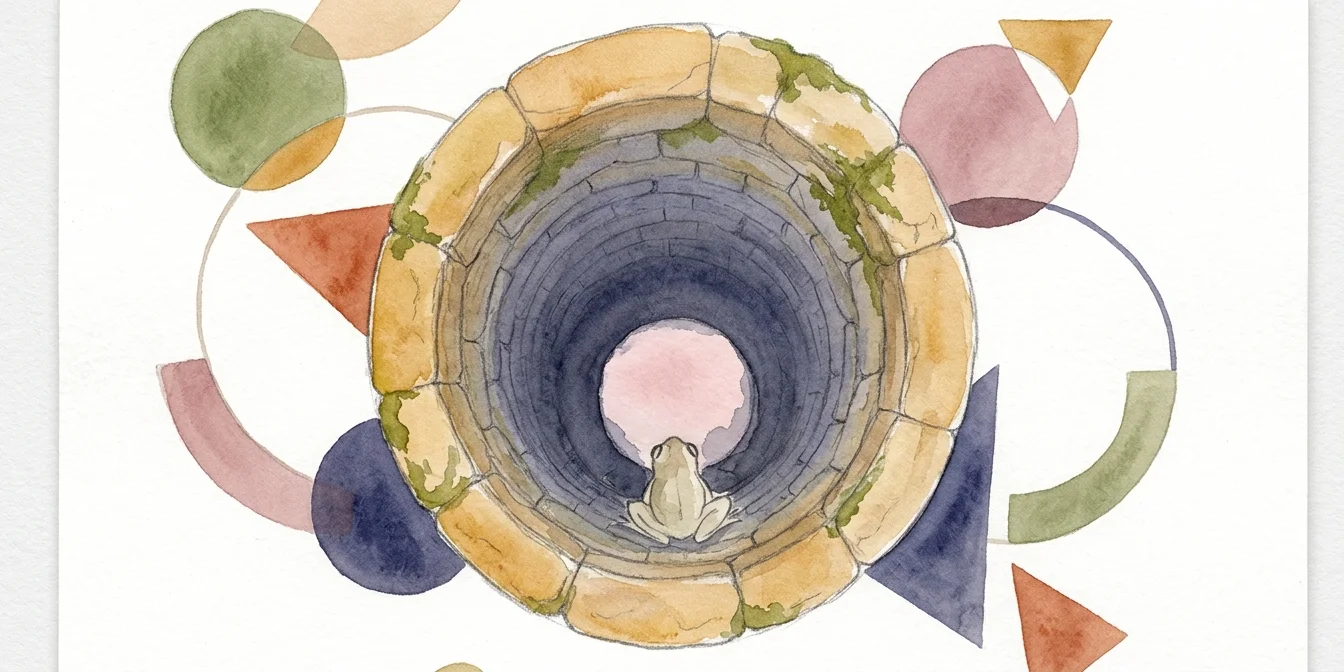
In the words of Pranav Ashar
How we renderThe heart of the Maitri
In brief
A king who has seen through everything asks only one thing: the Self. He is told that the Self makes the body move, while staying, like a spectator, untouched. The one that suffers is the elemental self, the Self taken for body and mind, which binds itself by thinking 'this is I' and 'this is mine'. The way out is knowledge, discipline and meditation, for the round of becoming is only the mind. When the mind goes out in its source like fire without fuel, what is left is the Self resting in its own greatness.
- The king who wants only the Self
- The spectator who seems to act
- Binding oneself by 'I' and 'mine'
- The fire in the iron
- Om, from sound to the soundless
- The mind as bondage and freedom
Contents
वैराग्योत्थभक्तियुक्तब्रह्ममात्रप्रबोधतः । यत्पदं मुनयो यान्ति तत्त्रैपदमहं महः ॥
vairāgyotthabhaktiyuktabrahmamātraprabodhataḥ | yatpadaṃ munayo yānti tattraipadamahaṃ mahaḥ ||
The state that sages reach by awakening to Brahman alone, with the devotion that rises from dispassion: that light of the three-quartered, I am.
Note //
A dedicatory verse from the commentator's tradition, placed before the text; it is not part of the numbered text. The edition follows it with a half-verse listing the Upanishads that share this peace invocation.
ब्रह्मयज्ञो वा एष यत्पूर्वेषां चयनम् । तस्माद्यजमानश्चित्वैतानग्नीनात्मानमभिध्यायेत् । स पूर्णः खलु वा अद्धाविकलः सम्पद्यते यज्ञः । कः सोऽभिध्येयोऽयं यः प्राणाख्यस्तस्योपाख्यानम् ॥ १॥
brahmayajño vā eṣa yatpūrveṣāṃ cayanam | tasmādyajamānaścitvaitānagnīnātmānamabhidhyāyet | sa pūrṇaḥ khalu vā addhāvikalaḥ sampadyate yajñaḥ | kaḥ so'bhidhyeyo'yaṃ yaḥ prāṇākhyastasyopākhyānam || 1||
The fire-building of the ancients is a sacrifice to Brahman. So the one who sacrifices, having built these fires, should meditate on the Self. Only so does the sacrifice truly become full and whole. Who is the one to be meditated on? This one, called life. Here is the story of it.
Note //
This section is in Hume's text but not in the sanskritdocuments.org edition used for the rest of chapters 1-2. Its Sanskrit is now taken from the standard text as printed with Ramatirtha's commentary (Cowell's text; see part 3), which replaces the earlier version given from memory (12 Oct). 'The ancients' building' refers to the fire-altar rites of the Maitrayani Samhita, which this Upanishad closes.
ॐ बृहद्रथो ह वै नाम राजा राज्ये ज्येष्ठं पुत्रं निधापयित्वेदमशाश्वतं मन्यमानः शारीरं वैराग्यमुपेतोऽरण्यं निर्जगाम स तत्र परमं तप आस्थायादित्यमीक्षमाण ऊर्ध्वबाहुस्तिष्ठत्यन्ते सहस्रस्य मुनिरन्तिकमाजगामाग्निरिवाधूमकस्तेजसा निर्दहन्निवात्मविद्भगवाञ्छाकायन्य उत्तिष्ठोत्तिष्ठ वरं वृणीष्वेति राजानमब्रवीत्स तस्मै नमस्कृत्योवाच भगवन्नाहमात्मवित्त्वं तत्त्वविच्छृणुमो वयं स त्वं नो ब्रूहीत्येतद्वृत्तं पुरस्तादशक्यं मा पृच्छ प्रश्नमैक्ष्वाकान्यान्कामान्वृणीष्वेति शाकायन्यस्य चरणावभिमृश्यमानो राजेमां गाथां जगाद ॥ १॥
oṃ bṛhadratho ha vai nāma rājā rājye jyeṣṭhaṃ putraṃ nidhāpayitvedamaśāśvataṃ manyamānaḥ śārīraṃ vairāgyamupeto'raṇyaṃ nirjagāma sa tatra paramaṃ tapa āsthāyādityamīkṣamāṇa ūrdhvabāhustiṣṭhatyante sahasrasya munirantikamājagāmāgnirivādhūmakastejasā nirdahannivātmavidbhagavāñchākāyanya uttiṣṭhottiṣṭha varaṃ vṛṇīṣveti rājānamabravītsa tasmai namaskṛtyovāca bhagavannāhamātmavittvaṃ tattvavicchṛṇumo vayaṃ sa tvaṃ no brūhītyetadvṛttaṃ purastādaśakyaṃ mā pṛccha praśnamaikṣvākānyānkāmānvṛṇīṣveti śākāyanyasya caraṇāvabhimṛśyamāno rājemāṃ gāthāṃ jagāda || 1||
There was a king named Brihadratha. He set his eldest son over the kingdom, and, seeing that this body does not last, he turned from the world and went into the forest. There he took up the hardest austerity and stood with his arms raised, gazing at the sun. At the end of a thousand days a sage came near him, like a fire without smoke, as if burning with his light: Shakayanya, who knew the Self. 'Rise, rise, choose a gift,' he said to the king. The king bowed and said: 'Lord, I do not know the Self. You know its truth, we have heard. Tell it to us.' 'That happened long ago. This question is too hard. Do not ask it. Descendant of Ikshvaku, choose other things you want.' Touching Shakayanya's feet with his head, the king spoke these words:
Note //
Edition section 1. The edition's वृणीश्वेति, एतद्वृतं and चरणवभिमृश्यमानो are corrected to वृणीष्वेति, एतद्वृत्तं and चरणावभिमृश्यमानो. 'That happened long ago' (etad vrittam purastat): Hume takes it as 'such things used to occur', that is, such teaching was given in former times; the sense is a refusal.
भगवन्नस्थिचर्मस्नायुमज्जामांसशुक्रशोणितश्लेष्माश्रुदूषिते विण्मूत्रवातपित्तकफसङ्घाते दुर्गन्धे निःसारेऽस्मिञ्छरीरे किं कामोपभोगैः ॥ २॥ कामक्रोधलोभभयविषादेर्ष्येष्टवियोगानिष्टसम्प्रयोगक्षुत्पिपासाजरामृत्युरोगशोकाद्यैरभिहतेऽस्मिञ्छरीरे किं कामोपभोगैः ॥ ३॥
bhagavannasthicarmasnāyumajjāmāṃsaśukraśoṇitaśleṣmāśrudūṣite viṇmūtravātapittakaphasaṅghāte durgandhe niḥsāre'smiñcharīre kiṃ kāmopabhogaiḥ || 2|| kāmakrodhalobhabhayaviṣāderṣyeṣṭaviyogāniṣṭasamprayogakṣutpipāsājarāmṛtyurogaśokādyairabhihate'smiñcharīre kiṃ kāmopabhogaiḥ || 3||
'Lord, in this body, a heap of bone, skin, sinew, marrow, flesh, semen and blood, fouled with mucus and tears, a mass of dung, urine, wind, bile and phlegm, foul-smelling and without substance, what good is the enjoyment of desires? In this body, struck by desire, anger, greed, fear, despair, envy, parting from what is loved, meeting what is not, hunger, thirst, old age, death, disease, sorrow and the rest, what good is the enjoyment of desires?
Note //
Edition sections 2-3, joined to match Hume 1.3.
सर्वं चेदं क्षयिष्णु पश्यामो यथेमे दंशमशकादयस्तृणवनस्पतयोद्भूतप्रध्वंसिनः ॥ ४॥ अथ किमेतैर्वा परेऽन्ये महाधनुर्धराश्चक्रवर्तिनः केचित्सुद्युम्नभूरिद्युम्नेन्द्रद्युम्नकुवलयाश्वयौवनाश्ववध्र्यश्वाश्वपतिशशबिन्दुहरिश्चन्द्राम्बरीषनहुषशर्यातिययात्यनरण्योक्षसेनादयः । अथ मरुत्तभरतप्रभृतयो राजानो मिषतो बन्धुवर्गस्य महतीं श्रियं त्यक्त्वास्माल्लोकादमुं लोकं प्रयान्ति ॥ ५॥ अथ किमेतैर्वा परेऽन्ये गन्धर्वासुरयक्षराक्षसभूतगणपिशाचोरगग्रहादीनां निरोधनं पश्यामः ॥ ६॥ अथ किमेतैर्वा परेऽन्ये शोषणं महार्णवानां शिखरिणां प्रपतनं ध्रुवस्य प्रचलनं व्रश्चनं वातरज्जूनां निमज्जनं पृथिव्याः स्थानादपसरणं सुराणामित्येतद्विधेऽस्मिन्संसारे किं कामोपभोगैर्यैरेवाश्रितस्यासकृदिहावर्तनं दृश्यत इत्युद्धर्तुमर्हसीत्यन्धोदपानस्थो भेक इवाहमस्मिन्संसारे भगवंस्त्वं नो गतिस्त्वं नो गतिः ॥ ७॥
sarvaṃ cedaṃ kṣayiṣṇu paśyāmo yatheme daṃśamaśakādayastṛṇavanaspatayodbhūtapradhvaṃsinaḥ || 4|| atha kimetairvā pare'nye mahādhanurdharāścakravartinaḥ kecitsudyumnabhūridyumnendradyumnakuvalayāśvayauvanāśvavadhryaśvāśvapatiśaśabinduhariścandrāmbarīṣanahuṣaśaryātiyayātyanaraṇyokṣasenādayaḥ | atha maruttabharataprabhṛtayo rājāno miṣato bandhuvargasya mahatīṃ śriyaṃ tyaktvāsmāllokādamuṃ lokaṃ prayānti || 5|| atha kimetairvā pare'nye gandharvāsurayakṣarākṣasabhūtagaṇapiśācoragagrahādīnāṃ nirodhanaṃ paśyāmaḥ || 6|| atha kimetairvā pare'nye śoṣaṇaṃ mahārṇavānāṃ śikhariṇāṃ prapatanaṃ dhruvasya pracalanaṃ vraścanaṃ vātarajjūnāṃ nimajjanaṃ pṛthivyāḥ sthānādapasaraṇaṃ surāṇāmityetadvidhe'sminsaṃsāre kiṃ kāmopabhogairyairevāśritasyāsakṛdihāvartanaṃ dṛśyata ityuddhartumarhasītyandhodapānastho bheka ivāhamasminsaṃsāre bhagavaṃstvaṃ no gatistvaṃ no gatiḥ || 7||
And we see that all this decays, like these gnats and mosquitoes, like the grass and the trees, which come up and perish. But what of these? There are others, greater: great archers, rulers of the world, Sudyumna, Bhuridyumna, Indradyumna, Kuvalayashva, Yauvanashva, Vadhryashva, Ashvapati, Shashabindu, Harishchandra, Ambarisha, Nahusha, Sharyati, Yayati, Anaranya, Ukshasena and the rest, and kings like Marutta and Bharata: while their families looked on they gave up great splendour and went from this world to the next. But what of these? There are others, greater: we see the end of gandharvas, demons, yakshas, rakshasas, hosts of spirits, goblins, serpents and the rest. But what of these? There is more: the great oceans dry up, mountain peaks fall, the pole star moves, the cords of wind that hold the stars are cut, the earth sinks, the gods fall from their places. In a round of becoming like this, what good is the enjoyment of desires, when one who has fed on them is seen to come back here again and again? Be pleased to lift me out. In this round of becoming I am like a frog in a dry well. Lord, you are our way out; you are our way out.'
Note //
Edition sections 4-7, joined to match Hume 1.4. The edition's तृणवन्नश्यतयोद्भूत- is corrected to तृणवनस्पतयोद्भूत- ('the grass and the trees', as Hume). The list of kings in section 5 is garbled in the edition (-वद्धियाश्वाश्वपतिः शशबिन्दुर्हारिश्चन्द्रोऽम्बरीषोननूक्तस्वयातिर्ययातिनरण्योक्षसेनोत्थमरुत्तभरत-) and is restored to the standard reading, which Hume's list follows. In section 7 the edition has variant readings in brackets, a superfluous सोऽहम् after सुराणं, and किमेतैर्वान्यानां; these are restored to the standard text (परेऽन्ये, सुराणाम्). Pending review against a printed edition.
अथ भगवाञ्छाकायन्यः सुप्रीतोऽब्रवीद्राजानं महाराज बृहद्रथेक्ष्वाकुवंशध्वज शीघ्रमात्मज्ञः कृतकृत्यस्त्वं मरुन्नाम्नो विश्रुतोऽसीत्ययं वाव खल्वात्मा ते कतमो भगवन्निति तं होवाच ॥ १॥
atha bhagavāñchākāyanyaḥ suprīto'bravīdrājānaṃ mahārāja bṛhadrathekṣvākuvaṃśadhvaja śīghramātmajñaḥ kṛtakṛtyastvaṃ marunnāmno viśruto'sītyayaṃ vāva khalvātmā te katamo bhagavanniti taṃ hovāca || 1||
Then the lord Shakayanya, well pleased, said to the king: 'Great king Brihadratha, banner of the line of Ikshvaku, you, known by the name Marut, the wind, will soon know the Self and have done what was to be done. This, indeed, is your Self.' 'Which one, Lord?' Then he said to him:
Note //
The edition's शीर्षात्मजः ('son of the head') is corrected to शीघ्रमात्मज्ञः ('soon a knower of the Self'), as Hume ('speedily ... become a knower of the Soul') requires; वा व to वाव; कतमो भगवान्वर्ण्य इति तं होवाच इति to कतमो भगवन्निति तं होवाच. Pending review.
य एषो बाह्यावष्टम्भनेनोर्ध्वमुत्क्रान्तो व्यथमानोऽव्यथमानस्तमः प्रणुदत्येष आत्मेत्याह भगवानथ य एष सम्प्रसादोऽस्माच्छरीरात्समुत्थाय परं ज्योतिरुपसम्पद्य स्वेन रूपेणाभिनिष्पद्यत एष आत्मेति होवाचैतदमृतमभयमेतद्ब्रह्मेति ॥ २॥
ya eṣo bāhyāvaṣṭambhanenordhvamutkrānto vyathamāno'vyathamānastamaḥ praṇudatyeṣa ātmetyāha bhagavānatha ya eṣa samprasādo'smāccharīrātsamutthāya paraṃ jyotirupasampadya svena rūpeṇābhiniṣpadyata eṣa ātmeti hovācaitadamṛtamabhayametadbrahmeti || 2||
'The one who, without holding the breath, goes upward, who moves and does not move, and drives away darkness: that is the Self,' said the lord. And: 'The serene one who rises out of this body, reaches the highest light, and appears in its own form: that is the Self,' he said. 'That is the deathless, the fearless. That is Brahman.'
Note //
The second saying is quoted from the Chandogya (8.3.4). 'Without holding the breath' follows Hume; the edition's बाह्यावष्टम्भनेन is obscure, and Hume gives the teaching to Maitri ('thus said the honorable Maitri'), which the edition does not name. Pending review.
अथ खल्वियं ब्रह्मविद्या सर्वोपनिषद्विद्या वा राजन्नस्माकं भगवता मैत्रेयेण व्याख्याताहं ते कथयिष्यामीत्यथापहतपाप्मानस्तिग्मतेजस ऊर्ध्वरेतसो वालखिल्या इति श्रूयन्तेऽथैते प्रजापतिमब्रुवन्भगवञ्छकटमिवाचेतनमिदं शरीरं कस्यैष खल्वीदृशो महिमातीन्द्रियभूतस्य येनैतद्विधमिदं चेतनवत्प्रतिष्ठापितं प्रचोदयितास्य को भगवन्नेतदस्माकं ब्रूहीति तान्होवाच ॥ ३॥
atha khalviyaṃ brahmavidyā sarvopaniṣadvidyā vā rājannasmākaṃ bhagavatā maitreyeṇa vyākhyātāhaṃ te kathayiṣyāmītyathāpahatapāpmānastigmatejasa ūrdhvaretaso vālakhilyā iti śrūyante'thaite prajāpatimabruvanbhagavañchakaṭamivācetanamidaṃ śarīraṃ kasyaiṣa khalvīdṛśo mahimātīndriyabhūtasya yenaitadvidhamidaṃ cetanavatpratiṣṭhāpitaṃ pracodayitāsya ko bhagavannetadasmākaṃ brūhīti tānhovāca || 3||
'Now, king, this is the knowledge of Brahman, the knowledge of all the Upanishads, as the lord Maitri explained it to us. I will tell it to you. There were, it is said, the Valakhilyas, free of wrong, of fierce brilliance, chaste. They said to Prajapati: "Lord, this body is like a cart, without awareness. Whose is this greatness, beyond the senses, by which a thing like this is made to stand as if it were conscious? Who is its driver? Lord, tell us what you know." He said to them:
Note //
The edition's श्रुयन्ते is corrected to श्रूयन्ते. Hume names the Prajapati as Kratu; the edition does not. The Valakhilyas are a legendary band of tiny sages.
यो ह खलु वावोपरिस्थः श्रूयते गुणेष्विवोर्ध्वरेतसः स वा एष शुद्धः पूतः शून्यः शान्तोऽप्राणो निरात्मानन्तोऽक्षय्यः स्थिरः शाश्वतोऽजः स्वतन्त्रः स्वे महिम्नि तिष्ठत्यनेनेदं शरीरं चेतनवत्प्रतिष्ठापितं प्रचोदयिता चैषोऽस्येति ते होचुर्भगवन्कथमनेनेदृशेनानिच्छेनैतद्विधमिदं चेतनवत्प्रतिष्ठापितं प्रचोदयिता चैषोऽस्येति कथमिति तान्होवाच ॥ ४॥
yo ha khalu vāvoparisthaḥ śrūyate guṇeṣvivordhvaretasaḥ sa vā eṣa śuddhaḥ pūtaḥ śūnyaḥ śānto'prāṇo nirātmānanto'kṣayyaḥ sthiraḥ śāśvato'jaḥ svatantraḥ sve mahimni tiṣṭhatyanenedaṃ śarīraṃ cetanavatpratiṣṭhāpitaṃ pracodayitā caiṣo'syeti te hocurbhagavankathamanenedṛśenānicchenaitadvidhamidaṃ cetanavatpratiṣṭhāpitaṃ pracodayitā caiṣo'syeti kathamiti tānhovāca || 4||
"The one who is said to stand above, as the chaste stand apart among the qualities: he is pure, clean, empty, at peace, without breath, without a self, endless, undecaying, steady, lasting, unborn, free; he rests in his own greatness. By him this body is made to stand as if conscious; he is its driver." They said: "Lord, how can one like this, who wants nothing, make a thing like this stand as if conscious? How is he its driver?" He said to them:
Note //
The edition's वाचोपरिस्थः and शान्तो प्राणोऽनीशत्माऽनन्तो are corrected to the standard वावोपरिस्थः and शान्तोऽप्राणो निरात्मानन्तो, which Hume follows ('tranquil, breathless, selfless, endless'); the phrase गुणेष्विवोर्ध्वरेतसः, missing in the edition, is supplied from the standard text, as in Hume. 'Without a self' (niratma): without an individual self, not without being. Pending review.
स वा एष सूक्ष्मोऽग्राह्योऽदृश्यः पुरुषसंज्ञकोऽबुद्धिपूर्वमिहैवावर्ततेंऽशेन सुषुप्तस्येवाबुद्धिपूर्वं विबोध इत्यथ यो ह खलु वावैतस्यांशोऽयं यश्चेतनमात्रः प्रतिपुरुषं क्षेत्रज्ञः सङ्कल्पाध्यवसायाभिमानलिङ्गः प्रजापतिर्विश्वाख्यस्तेन चेतनेनेदं शरीरं चेतनवत्प्रतिष्ठापितं प्रचोदयिता चैषोऽस्येति ते होचुर्भगवन्नीदृशस्य कथमंशेन वर्तनमिति तान्होवाच ॥ ५॥
sa vā eṣa sūkṣmo'grāhyo'dṛśyaḥ puruṣasaṃjñako'buddhipūrvamihaivāvartateṃ'śena suṣuptasyevābuddhipūrvaṃ vibodha ityatha yo ha khalu vāvaitasyāṃśo'yaṃ yaścetanamātraḥ pratipuruṣaṃ kṣetrajñaḥ saṅkalpādhyavasāyābhimānaliṅgaḥ prajāpatirviśvākhyastena cetanenedaṃ śarīraṃ cetanavatpratiṣṭhāpitaṃ pracodayitā caiṣo'syeti te hocurbhagavannīdṛśasya kathamaṃśena vartanamiti tānhovāca || 5||
"That subtle one, ungraspable, unseen, called the Person, turns up here with a part of himself, without forethought, as a sleeper wakes without forethought. That part of him is the pure awareness in each person, the knower of the field, marked by intending, deciding and : Prajapati, called 'each one'. By him, as awareness, this body is made to stand as if conscious; he is its driver." They said: "Lord, how can one like this be present by a part?" He said to them:
Note //
The edition reads बुद्धिपूर्वम् ('with forethought') twice and निबोधयति; the standard text, which Hume translates ('without there being any previous awareness'), has अबुद्धिपूर्वम् and विबोधः, and the sense requires it. Also corrected: वावाइतस्यांशो to वावैतस्यांशो, विश्वक्षस्तेन to विश्वाख्यस्तेन ('called each one', Hume: 'under the name of individuality'). 'A part' is figurative: the partless appears as the awareness in each person, as space appears as the space in each pot. Pending review.
प्रजापतिर्वा एषोऽग्रेऽतिष्ठत्स नारमतैकः स आत्मानमभ्यध्यायत्स बह्वीः प्रजा असृजत ता अश्मेवाप्रबुद्धा अप्राणाः स्थाणुरिव तिष्ठमाना अपश्यत्स नारमत सोऽमन्यतैतासां प्रतिबोधनायाभ्यन्तरं प्रविशानीत्यथ स वायुमिवात्मानं कृत्वाभ्यन्तरं प्राविशत्स एको नाशक्नोत्स पञ्चधात्मानं प्रविभज्योच्यते यः प्राणोऽपानः समान उदानो व्यान इति ॥ ६॥ अथ योऽयमूर्ध्वमुत्क्रामतीत्येष वाव स प्राणोऽथ योऽयमवाञ्चं सङ्क्रामत्येष वाव सोऽपानोऽथ योऽयं स्थविष्ठमन्नधातुमपाने स्थापयत्यणिष्ठं चाङ्गेऽङ्गे समं नयत्येष वाव स समानोऽथ योऽयं पीताशितमुद्गिरति निगिरतीति चैष वाव स उदानोऽथ येनैताः शिरा अनुव्याप्ता एष वाव स व्यानः ॥ ७॥ अथोपांशुरन्तर्याममभिभवत्यन्तर्याम उपांशुमेतयोरन्तरा देवौष्ण्यं प्रासुवद्यदौष्ण्यं स पुरुषोऽथ यः पुरुषः सोऽग्निर्वैश्वानरोऽप्यन्यत्राप्युक्तमयमग्निर्वैश्वानरो योऽयमन्तः पुरुषे येनेदमन्नं पच्यते यदिदमद्यते तस्यैष घोषो भवति यदेतत्कर्णावपिधाय शृणोति स यदोत्क्रमिष्यन्भवति नैनं घोषं शृणोति ॥ ८॥ स वा एष पञ्चधात्मानं प्रविभज्य निहितो गुहायां मनोमयः प्राणशरीरो भारूपः सत्यसङ्कल्प आकाशात्मेति स वा एषोऽस्य हृदन्तरे तिष्ठन्नकृतार्थोऽमन्यतार्थानश्नानीति स खानीमानि भित्त्वोदितः पञ्चभी रश्मिभिर्विषयानत्तीति बुद्धीन्द्रियाणि यानीमान्येतान्यस्य रश्मयः कर्मेन्द्रियाण्यस्य हया रथः शरीरं मनो नियन्ता प्रकृतिमयोऽस्य प्रतोदस्तेन खल्वीरितं परिभ्रमतीदं शरीरं चक्रमिव मृत्पचेनैवमिदं शरीरं चेतनवत्प्रतिष्ठापितं प्रचोदयिता चैषोऽस्येति ॥ ९॥
prajāpatirvā eṣo'gre'tiṣṭhatsa nāramataikaḥ sa ātmānamabhyadhyāyatsa bahvīḥ prajā asṛjata tā aśmevāprabuddhā aprāṇāḥ sthāṇuriva tiṣṭhamānā apaśyatsa nāramata so'manyataitāsāṃ pratibodhanāyābhyantaraṃ praviśānītyatha sa vāyumivātmānaṃ kṛtvābhyantaraṃ prāviśatsa eko nāśaknotsa pañcadhātmānaṃ pravibhajyocyate yaḥ prāṇo'pānaḥ samāna udāno vyāna iti || 6|| atha yo'yamūrdhvamutkrāmatītyeṣa vāva sa prāṇo'tha yo'yamavāñcaṃ saṅkrāmatyeṣa vāva so'pāno'tha yo'yaṃ sthaviṣṭhamannadhātumapāne sthāpayatyaṇiṣṭhaṃ cāṅge'ṅge samaṃ nayatyeṣa vāva sa samāno'tha yo'yaṃ pītāśitamudgirati nigiratīti caiṣa vāva sa udāno'tha yenaitāḥ śirā anuvyāptā eṣa vāva sa vyānaḥ || 7|| athopāṃśurantaryāmamabhibhavatyantaryāma upāṃśumetayorantarā devauṣṇyaṃ prāsuvadyadauṣṇyaṃ sa puruṣo'tha yaḥ puruṣaḥ so'gnirvaiśvānaro'pyanyatrāpyuktamayamagnirvaiśvānaro yo'yamantaḥ puruṣe yenedamannaṃ pacyate yadidamadyate tasyaiṣa ghoṣo bhavati yadetatkarṇāvapidhāya śṛṇoti sa yadotkramiṣyanbhavati nainaṃ ghoṣaṃ śṛṇoti || 8|| sa vā eṣa pañcadhātmānaṃ pravibhajya nihito guhāyāṃ manomayaḥ prāṇaśarīro bhārūpaḥ satyasaṅkalpa ākāśātmeti sa vā eṣo'sya hṛdantare tiṣṭhannakṛtārtho'manyatārthānaśnānīti sa khānīmāni bhittvoditaḥ pañcabhī raśmibhirviṣayānattīti buddhīndriyāṇi yānīmānyetānyasya raśmayaḥ karmendriyāṇyasya hayā rathaḥ śarīraṃ mano niyantā prakṛtimayo'sya pratodastena khalvīritaṃ paribhramatīdaṃ śarīraṃ cakramiva mṛtpacenaivamidaṃ śarīraṃ cetanavatpratiṣṭhāpitaṃ pracodayitā caiṣo'syeti || 9||
"In the beginning Prajapati stood alone. Being alone, he had no joy. He meditated on himself and made many creatures. He saw them like stones, unawake, without breath, standing like posts, and he had no joy. He thought: 'To wake them, let me go inside.' He made himself like wind and went inside. As one he could not; so he divided himself five ways, and is called the in-breath, the out-breath, the even breath, the rising breath and the spreading breath. The one that goes up is the in-breath. The one that goes down is the out-breath. The one that carries the coarsest part of food to the out-breath and takes the finest evenly to every limb is the even breath. The one that brings up and swallows down what is drunk and eaten is the rising breath. The one by which these channels are pervaded is the spreading breath. Then: the upamshu vessel faces the antaryama vessel, and the antaryama the upamshu; between the two, God brought forth heat. That heat is the person, and the person is the fire common to all. It is said elsewhere: 'This is the fire common to all, the one within the person, by which the food that is eaten is cooked. Its sound is what one hears when one covers the ears. When one is about to leave the body, one no longer hears that sound.' He, having divided himself five ways, is hidden in the secret place: made of mind, with life for his body, light for his form, truth for his intent, space for his self. Standing in the heart, his purpose not yet fulfilled, he thought: 'Let me enjoy objects.' So, breaking open these openings, he goes out and eats objects with five reins. The senses of knowing are his reins, the senses of action his horses, the body the chariot, the mind the driver, his nature the whip. Driven by it, this body goes round and round like a potter's wheel. So this body is made to stand as if conscious, and he is its driver."
Note //
Edition sections 6-9, joined to match Hume 2.6. The edition is corrupt here and is restored to the standard reading where Hume shows it: आत्मनमभिध्यायद्बव्हीः प्रजा असृजत्त अस्यैवात्मप्रबुद्धा अप्राणा to आत्मानमभ्यध्यायत्स बह्वीः प्रजा असृजत ता अश्मेवाप्रबुद्धा अप्राणाः ('like a stone', Hume); एतासं to एतासां; प्राविशानीत्यथ to प्रविशानीत्यथ; नाविशत् to नाशक्नोत् ('he was unable', Hume); योयमावञ्चं संक्रामत्वेष to योऽयमवाञ्चं सङ्क्रामत्येष; अन्तर्याम्यमिभवत्यन्तर्याममुपांशुमेतयोरन्तराले चौष्ण्यं मासवदौष्ण्यं to अन्तर्याममभिभवत्यन्तर्याम उपांशुमेतयोरन्तरा देवौष्ण्यं प्रासुवद्यदौष्ण्यं ('between these two, God generated heat', Hume); योऽयमनन्तः पुरुषो to योऽयमन्तः पुरुषे (as Brihadaranyaka 5.9); बहुरूपः सत्यसं कल्प आत्मेति to भारूपः सत्यसङ्कल्प आकाशात्मेति (as Chandogya 3.14.2, which Hume cites); अर्थानसानि तत्स्वानीमानि to अर्थानश्नानीति स खानीमानि; प्रकृतिमयोस्य प्रतोदनेन to प्रकृतिमयोऽस्य प्रतोदस्तेन; चक्रमिव मृते च नेदं to चक्रमिव मृत्पचेनैवमिदं ('like the wheel by the potter', Hume). Hume's text describes the breaths in a different order and adds that the even breath is a higher form of the spreading breath; the edition's simpler account is rendered. Upamshu and antaryama are two Soma vessels on either side of the altar, here figures for the in-breath and out-breath. The chariot image is from the Katha (1.3.3-4). Pending review against a printed edition.
स वा एष आत्मेत्यदो वशं नीत इव सितासितैः कर्मफलैरभिभूयमान इव प्रतिशरीरेषु चरत्यव्यक्तत्वात्सूक्ष्मत्वाददृश्यत्वादग्राह्यत्वान्निर्ममत्वाच्चानवस्थोऽकर्ता कर्तेवावस्थितः ॥ १०॥ स वा एष शुद्धः स्थिरोऽचलश्चालेपोऽव्यग्रो निःस्पृहः प्रेक्षकवदवस्थितः स्वस्थश्चर्तभुग्गुणमयेन पटेनात्मानमन्तर्धायावस्थित इत्यवस्थित इति ॥ ११॥
sa vā eṣa ātmetyado vaśaṃ nīta iva sitāsitaiḥ karmaphalairabhibhūyamāna iva pratiśarīreṣu caratyavyaktatvātsūkṣmatvādadṛśyatvādagrāhyatvānnirmamatvāccānavastho'kartā kartevāvasthitaḥ || 10|| sa vā eṣa śuddhaḥ sthiro'calaścālepo'vyagro niḥspṛhaḥ prekṣakavadavasthitaḥ svasthaścartabhugguṇamayena paṭenātmānamantardhāyāvasthita ityavasthita iti || 11||
"This Self, as if brought under control, as if overcome by the bright and dark fruits of action, moves from body to body. Because it is unmanifest, subtle, unseen, ungraspable, claiming nothing, it seems unsettled; . Yet it is pure, steady, unmoving, untouched, undisturbed, wanting nothing; it stands like a spectator, resting in itself. Enjoying what is right, it covers itself with a veil made of qualities, and stays as it is; it stays as it is."
Note //
Edition sections 10-11, joined to match Hume 2.7. The edition's स्वस्य चरितभुग् and अन्तर्धीय are corrected to स्वस्थश्चर्तभुग् ('resting in itself; enjoying what is right', as Hume) and अन्तर्धाय. Hume's text differs in the first sentence ('this Soul, poets declare, wanders ...') and reads 'a doer in the unreal' (असति कर्ता); the edition's अकर्ता कर्तेव ('not a doer, it seems a doer') is kept and rendered. 'As if' is the point of the whole section: every change belongs to the veil, not to the Self. Pending review.
ते होचुर्भगवन्यद्येवमस्यात्मनो महिमानं सूचयसीत्यन्यो वा परः कोऽयमात्माख्यो योऽयं सितासितैः कर्मफलैरभिभूयमानः सदसद्योनिमापद्यत इत्यवाच्योर्ध्वा वा गतिर्द्वन्द्वैरभिभूयमानः परिभ्रमति ॥ १॥
te hocurbhagavanyadyevamasyātmano mahimānaṃ sūcayasītyanyo vā paraḥ ko'yamātmākhyo yo'yaṃ sitāsitaiḥ karmaphalairabhibhūyamānaḥ sadasadyonimāpadyata ityavācyordhvā vā gatirdvandvairabhibhūyamānaḥ paribhramati || 1||
Then they said: "Lord, if you speak in this way of the greatness of this Self, then there is another, a different one. Who is this one, called a self, who, overcome by the bright and dark fruits of action, comes to a good or a bad womb, so that its course goes down or up, and wanders around, overcome by the pairs of opposites?"
Note //
'Bright and dark fruits of action': the results of good and bad deeds. The question takes up 2.7, where the Self only seems to be overcome. The copy's आपद्यता and अवाञ्च्योर्ध्वा are corrected to आपद्यत and अवाच्योर्ध्वा (feminine avācī, 'downward', with ūrdhvā, 'upward').
अस्ति खल्वन्योऽपरो भूतात्माख्यो योऽयं सितासितैः कर्मफलैरभिभूयमानः सदसद्योनिमापद्यत इत्यवाच्योर्ध्वा वा गतिर्द्वन्द्वैरभिभूयमानः परिभ्रमतीत्यस्योपव्याख्यानम् । पञ्चतन्मात्रा भूतशब्देनोच्यन्तेऽथ पञ्चमहाभूतानि भूतशब्देनोच्यन्तेऽथ तेषां यः समुदयस्तच्छरीरमित्युक्तमथ यो ह खलु वाव शरीर इत्युक्तं स भूतात्मेत्युक्तम् । अथामृतोऽस्यात्मा बिन्दुरिव पुष्कर इति स वा एषोऽभिभूतः प्राकृतैर्गुणैरिति । अथाभिभूतत्वात्सम्मूढत्वं प्रयातः सम्मूढत्वादात्मस्थं प्रभुं भगवन्तं कारयितारं नापश्यद्गुणौघैरुह्यमानः कलुषीकृतश्चास्थिरश्चञ्चलो लुप्यमानः सस्पृहो व्यग्रश्चाभिमानित्वं प्रयात इत्यहं सो ममेदमित्येवं मन्यमानो निबध्नात्यात्मनात्मानं जालेनेव खचरः कृतस्यानु फलैरभिभूयमानः सदसद्योनिमापद्यत इत्यवाच्योर्ध्वा वा गतिर्द्वन्द्वैरभिभूयमानः परिभ्रमति कतम एष इति तान्होवाच ॥ २॥
asti khalvanyo'paro bhūtātmākhyo yo'yaṃ sitāsitaiḥ karmaphalairabhibhūyamānaḥ sadasadyonimāpadyata ityavācyordhvā vā gatirdvandvairabhibhūyamānaḥ paribhramatītyasyopavyākhyānam | pañcatanmātrā bhūtaśabdenocyante'tha pañcamahābhūtāni bhūtaśabdenocyante'tha teṣāṃ yaḥ samudayastaccharīramityuktamatha yo ha khalu vāva śarīra ityuktaṃ sa bhūtātmetyuktam | athāmṛto'syātmā binduriva puṣkara iti sa vā eṣo'bhibhūtaḥ prākṛtairguṇairiti | athābhibhūtatvātsammūḍhatvaṃ prayātaḥ sammūḍhatvādātmasthaṃ prabhuṃ bhagavantaṃ kārayitāraṃ nāpaśyadguṇaughairuhyamānaḥ kaluṣīkṛtaścāsthiraścañcalo lupyamānaḥ saspṛho vyagraścābhimānitvaṃ prayāta ityahaṃ so mamedamityevaṃ manyamāno nibadhnātyātmanātmānaṃ jāleneva khacaraḥ kṛtasyānu phalairabhibhūyamānaḥ sadasadyonimāpadyata ityavācyordhvā vā gatirdvandvairabhibhūyamānaḥ paribhramati katama eṣa iti tānhovāca || 2||
He said: "There is indeed another, a different one, called the elemental self, who, overcome by the bright and dark fruits of action, comes to a good or a bad womb, so that its course goes down or up, and wanders around, overcome by the pairs of opposites. This is what that means. The five subtle elements are called 'elements'; the five gross elements are called 'elements' too. What they make together is called the body. The one who is said to be in the body is called the elemental self. Its deathless Self is like a drop of water on a lotus leaf. It is this elemental self that is overcome by nature's qualities. Being overcome, it becomes confused; being confused, it does not see the Lord who stands within itself, the one who makes it act. Carried along and muddied by the stream of qualities, unsteady, restless, torn apart, full of wanting, scattered, it comes to . Thinking 'This is I' and 'This is mine', it binds itself by itself, as a bird is caught in a net. So, overcome by the fruits of what it has done, it comes to a good or a bad womb, its course goes down or up, and it wanders around, overcome by the pairs of opposites." "Which one is this?" He said to them:
Note //
The elemental self (bhūtātman) is the self that takes itself to be the body and mind made of the elements. 'Like a drop of water on a lotus leaf': the deathless Self rests on it and is not wetted by it (Hume compares Chandogya 4.14.3). 'The Lord within, who makes it act' is the inner Person of 3.3: the presence by which the instruments work, not a second doer. 'I-claim' renders abhimānitva. The copy's समुदयं, पुष्करा, अथोऽभिभूतत्वात्, गुणौधैर् and प्रयाता are corrected to समुदयः, पुष्कर, अथाभिभूतत्वात्, गुणौघैर् and प्रयात.
अथान्यत्राप्युक्तं यः कर्ता सोऽयं वै भूतात्मा करणैः कारयितान्तःपुरुषोऽथ यथाग्निनायस्पिण्डो वान्यो वाभिभूतः कर्तृभिर्हन्यमानो नानात्वमुपैत्येवं वाव खल्वसौ भूतात्मान्तःपुरुषेणाभिभूतो गुणैर्हन्यमानो नानात्वमुपैति । चतुर्जालं चतुर्दशविधं चतुरशीतिधा परिणतं भूतगणमेतद्वै नानात्वस्य रूपं तानि ह वा एतानि गुणानि पुरुषेणेरितानि चक्रमिव मृत्पचेनेति । अथ यथायस्पिण्डे हन्यमाने नाग्निरभिभूयत्येवं नाभिभूयत्यसौ पुरुषोऽभिभूयत्ययं भूतात्मोपसंश्लिष्टत्वादिति ॥ ३॥
athānyatrāpyuktaṃ yaḥ kartā so'yaṃ vai bhūtātmā karaṇaiḥ kārayitāntaḥpuruṣo'tha yathāgnināyaspiṇḍo vānyo vābhibhūtaḥ kartṛbhirhanyamāno nānātvamupaityevaṃ vāva khalvasau bhūtātmāntaḥpuruṣeṇābhibhūto guṇairhanyamāno nānātvamupaiti | caturjālaṃ caturdaśavidhaṃ caturaśītidhā pariṇataṃ bhūtagaṇametadvai nānātvasya rūpaṃ tāni ha vā etāni guṇāni puruṣeṇeritāni cakramiva mṛtpaceneti | atha yathāyaspiṇḍe hanyamāne nāgnirabhibhūyatyevaṃ nābhibhūyatyasau puruṣo'bhibhūyatyayaṃ bhūtātmopasaṃśliṣṭatvāditi || 3||
"It has been said elsewhere too: 'The doer is the elemental self. The one who makes it act through the instruments is the inner Person. As a lump of iron, or anything like it, overcome by fire and beaten by smiths, takes many forms, so the elemental self, overcome by the inner Person and beaten by the qualities, takes many forms. The form of that manyness is the host of beings: in four kinds of covering, of fourteen classes, changed in eighty-four ways. All of these are driven by the Person, as a wheel by the potter. And as, when a lump of iron is beaten, the fire in it is not beaten, so the Person is not overcome. This elemental self is overcome, because it clings.'"
Note //
The fire in the iron: the iron takes every shape and the fire seems to take them with it, but only the iron is struck. So the Self lends its light to body and mind and is touched by none of their changes. 'Overcome by the inner Person' means pervaded by it, as iron by fire. 'Four kinds of covering' (caturjāla): the four kinds of birth, from womb, egg, moisture and sprout (Ramatirtha), or the four sheaths; 'eighty-four' (hundreds of thousands of forms) is a traditional count of species. 'Instruments' (karaṇa) are the senses and mind. Hume notes the same teaching in Manu 12.12. The copy's अग्निनाऽयस्पिण्डोऽन्यो वा is read अग्निनायस्पिण्डो वान्यो वा ('a lump of iron, or anything else'). Pending review.
अथान्यत्राप्युक्तं शरीरमिदं मैथुनादेवोद्भूतं संवृद्ध्युपेतं निरयेऽथ मूत्रद्वारेण निष्क्रान्तमस्थिभिश्चितं मांसेनानुलिप्तं चर्मणावनद्धं विण्मूत्रपित्तकफमज्जामेदोवसाभिरन्यैश्चामयैर्बहुभिः परिपूर्णं कोश इव वसुना ॥ ४॥
athānyatrāpyuktaṃ śarīramidaṃ maithunādevodbhūtaṃ saṃvṛddhyupetaṃ niraye'tha mūtradvāreṇa niṣkrāntamasthibhiścitaṃ māṃsenānuliptaṃ carmaṇāvanaddhaṃ viṇmūtrapittakaphamajjāmedovasābhiranyaiścāmayairbahubhiḥ paripūrṇaṃ kośa iva vasunā || 4||
"It has been said elsewhere too: 'This body comes from sexual union. It grows in darkness, comes out by the passage of urine, is built up of bones, plastered with flesh, wrapped in skin, filled with faeces, urine, bile, phlegm, marrow, fat and grease, and with many diseases besides, like a treasure-chest full of wealth.'"
Note //
'Darkness' (niraya, usually 'hell') is the womb (Hume). The last line is irony: the body is stuffed with these as a treasury is with gold. As in 1.2, the point is not contempt for the body but a cure for taking it to be oneself. The copy's अयान्यत्र is corrected to अथान्यत्र.
अथान्यत्राप्युक्तं सम्मोहो भयं विषादो निद्रा तन्द्री प्रमादो जरा शोकः क्षुत्पिपासा कार्पण्यं क्रोधो नास्तिक्यमज्ञानं मात्सर्यं नैष्कारुण्यं मूढत्वं निर्व्रीडत्वं निराकृतित्वमुद्धतत्वमसमत्वमिति तामसान्यन्तस्तृष्णा स्नेहो रागो लोभो हिंसा रतिर्दृष्टिर्व्यावृतत्वमीर्ष्याकाममस्थिरत्वं चलत्वं व्यग्रत्वं जिगीषार्थोपार्जनं मित्रानुग्रहणं परिग्रहावलम्बोऽनिष्टेष्विन्द्रियार्थेषु द्विष्टिरिष्टेष्वभिष्वङ्गः शुक्तस्वरोऽन्नतमस्त्विति राजसान्येतैः परिपूर्ण एतैरभिभूत इत्ययं भूतात्मा तस्मान्नानारूपाण्याप्नोतीत्याप्नोतीति ॥ ५॥
athānyatrāpyuktaṃ sammoho bhayaṃ viṣādo nidrā tandrī pramādo jarā śokaḥ kṣutpipāsā kārpaṇyaṃ krodho nāstikyamajñānaṃ mātsaryaṃ naiṣkāruṇyaṃ mūḍhatvaṃ nirvrīḍatvaṃ nirākṛtitvamuddhatatvamasamatvamiti tāmasānyantastṛṣṇā sneho rāgo lobho hiṃsā ratirdṛṣṭirvyāvṛtatvamīrṣyākāmamasthiratvaṃ calatvaṃ vyagratvaṃ jigīṣārthopārjanaṃ mitrānugrahaṇaṃ parigrahāvalambo'niṣṭeṣvindriyārtheṣu dviṣṭiriṣṭeṣvabhiṣvaṅgaḥ śuktasvaro'nnatamastviti rājasānyetaiḥ paripūrṇa etairabhibhūta ityayaṃ bhūtātmā tasmānnānārūpāṇyāpnotītyāpnotīti || 5||
"It has been said elsewhere too: 'Delusion, fear, despondency, sleepiness, sluggishness, carelessness, old age, sorrow, hunger and thirst, meanness, anger, denial of anything higher, not-knowing, jealousy, cruelty, dullness, shamelessness, neglect of what is due, arrogance and unevenness: these belong to darkness. Inner thirst, attachment, passion, greed, the wish to harm, lust, hatred, secretiveness, envy, never having enough, unsteadiness, fickleness, distraction, the urge to win, getting wealth, favouring friends, clinging to possessions, aversion to unwelcome objects of the senses, craving for welcome ones, sourness of speech, greed for food: these belong to restlessness. The elemental self is filled with these and overcome by these, and so it takes on many forms, it takes on many forms.'"
Note //
Darkness (tamas) and restlessness (rajas) are two of nature's three qualities (guṇa); the third, clarity (sattva), is not listed because it is not what binds here. 'Denial of anything higher' renders nāstikya. Several words in the second list are uncertain in the Sanskrit (दृष्टिः, अकामम्, शुक्तस्वरः, अन्नतमः); the rendering follows Hume's 'hatred', 'insatiability', 'sourness of utterance', 'gluttonousness'. The copy's अभिभूता is corrected to अभिभूत. Pending review.
ते ह खलु वावोर्ध्वरेतसोऽतिविस्मिता अभिसमेत्योचुर्भगवन्नमस्तेऽस्त्वनुशाधि त्वमस्माकं गतिरन्या न विद्यत इत्यस्य को विधिर्भूतात्मनो येनेदं हित्वात्मन्येव सायुज्यमुपैति तान्होवाच ॥ १॥
te ha khalu vāvordhvaretaso'tivismitā abhisametyocurbhagavannamaste'stvanuśādhi tvamasmākaṃ gatiranyā na vidyata ityasya ko vidhirbhūtātmano yenedaṃ hitvātmanyeva sāyujyamupaiti tānhovāca || 1||
Then those chaste sages, utterly amazed, came together and said: "Lord, honour to you. Teach us. You are our way; there is no other. What is the way for this elemental self by which, leaving this body, it comes to union with the Self?" He said to them:
Note //
'Union' (sāyujya): becoming one with; for this text, the elemental self ceasing to be taken as other than the Self. The copy's विद्यता is corrected to विद्यत.
अथान्यत्राप्युक्तं महानदीषूर्मय इवानिवर्तकमस्य यत्पुराकृतं समुद्रवेलेव दुर्निवार्यमस्य मृत्योरागमनं सदसत्फलमयैः पाशैः पङ्गुरिव बद्धं बन्धनस्थस्येवास्वातन्त्र्यं यमविषयस्थस्येव बहुभयावस्थं मदिरोन्मत्त इव मोहमदिरोन्मत्तं पाप्मना गृहीत इव भ्राम्यमाणं महोरगदष्ट इव विषयदष्टं महान्धकारमिव रागान्धमिन्द्रजालमिव मायामयं स्वप्न इव मिथ्यादर्शनं कदलीगर्भ इवासारं नट इव क्षणवेषं चित्रभित्तिरिव मिथ्यामनोरममित्यथोक्तम् । शब्दस्पर्शादयो ह्यर्था मर्त्येऽनर्था इवास्थिताः । येषां सक्तस्तु भूतात्मा न स्मरेत्परमं पदम् ॥ २॥
athānyatrāpyuktaṃ mahānadīṣūrmaya ivānivartakamasya yatpurākṛtaṃ samudraveleva durnivāryamasya mṛtyorāgamanaṃ sadasatphalamayaiḥ pāśaiḥ paṅguriva baddhaṃ bandhanasthasyevāsvātantryaṃ yamaviṣayasthasyeva bahubhayāvasthaṃ madironmatta iva mohamadironmattaṃ pāpmanā gṛhīta iva bhrāmyamāṇaṃ mahoragadaṣṭa iva viṣayadaṣṭaṃ mahāndhakāramiva rāgāndhamindrajālamiva māyāmayaṃ svapna iva mithyādarśanaṃ kadalīgarbha ivāsāraṃ naṭa iva kṣaṇaveṣaṃ citrabhittiriva mithyāmanoramamityathoktam | śabdasparśādayo hyarthā martye'narthā ivāsthitāḥ | yeṣāṃ saktastu bhūtātmā na smaretparamaṃ padam || 2||
"It has been said elsewhere too: 'Like the waves of great rivers, what it has done before cannot be turned back. Like the tide of the sea, the coming of its death cannot be held off. It is bound, like a lame man, with fetters made of the fruits of good and bad; like one in prison, it is not free; like one in the realm of Death, it lives in great fear; like one drunk on wine, it is drunk on delusion; like one seized by an evil spirit, it rushes about; like one bitten by a great snake, it is bitten by the objects of the senses; like deep darkness, it is blind with passion. Like a magic show, it is made of appearance; like a dream, it is seen, but not as it is; like the core of a banana stem, it has no pith; like an actor, it is dressed for a moment; like a painted wall, it pleases the mind and is not what it shows.' And it has been said: 'Sound, touch and the rest, the objects, stand in a mortal as if they were worthless. Attached to them, the elemental self does not remember the highest place.'"
Note //
'Made of appearance' renders māyāmaya: the elemental self's world is real as appearance, not on its own; 'seen, but not as it is' renders mithyādarśana. The banana stem is layers with no hard core. The copy inserts after इत्यथोक्तम् a verse beginning अस्थिस्थूणं (a quotation, as from Manu 6.76-77, in the commentary); it is not part of the text and is left out here, as in Hume. The copy's रागान्धम्, with a comma, is joined. 'As if worthless': Hume reads the verse as calling the objects worthless (anarthāḥ). Pending review.
अयं वाव खल्वस्य प्रतिविधिर्भूतात्मनो यद्वेदविद्याधिगमः स्वधर्मस्यानुचरणं स्वाश्रमेष्वेवानुक्रमणं स्वधर्मस्य वा एतद्व्रतं स्तम्बशाखेवापराण्यनेनोर्ध्वभाग्भवत्यन्यथावाङित्येष स्वधर्मोऽभिहितो यो वेदेषु न स्वधर्मातिक्रमेणाश्रमी भवत्याश्रमेष्वेवानवस्थस्तपस्वी चेत्युच्यत इत्येतदयुक्तं नातपस्कस्यात्मज्ञानेऽधिगमः कर्मसिद्धिर्वेत्येवं ह्याह । तपसा प्राप्यते सत्त्वं सत्त्वात्सम्प्राप्यते मनः । मनसा प्राप्यते ह्यात्मा यमाप्त्वा न निवर्तत इति ॥ ३॥
ayaṃ vāva khalvasya pratividhirbhūtātmano yadvedavidyādhigamaḥ svadharmasyānucaraṇaṃ svāśrameṣvevānukramaṇaṃ svadharmasya vā etadvrataṃ stambaśākhevāparāṇyanenordhvabhāgbhavatyanyathāvāṅityeṣa svadharmo'bhihito yo vedeṣu na svadharmātikrameṇāśramī bhavatyāśrameṣvevānavasthastapasvī cetyucyata ityetadayuktaṃ nātapaskasyātmajñāne'dhigamaḥ karmasiddhirvetyevaṃ hyāha | tapasā prāpyate sattvaṃ sattvātsamprāpyate manaḥ | manasā prāpyate hyātmā yamāptvā na nivartata iti || 3||
"The remedy for this elemental self is this: coming to know the knowledge of the Veda, and following one's own duty, keeping step in one's own stage of life. That is the vow of one's own duty; the others are like the twigs of a grass clump. By this one goes upward; otherwise, downward. This is one's own duty, as the Vedas set it out. No one belongs to a stage of life by overstepping one's own duty. If it is said, 'He keeps to no stage of life, yet he is an ascetic,' that is not right. Yet without discipline there is no coming to know the Self, nor success in action. For it has been said: 'By discipline, clarity is won; by clarity, the mind; by the mind, the Self is reached, and reaching it, one does not come back.'"
Note //
'Discipline' renders tapas, 'clarity' sattva. 'Twigs of a grass clump' (stambaśākhā): flimsy and of no use; Hume, 'like a bunch of grass'. The copy's आश्रमेष्वेवानवस्थस्तपस्वी वेत्य and मनसः प्राप्यते are read ...तपस्वी चेत्य and मनसा प्राप्यते. The sequence is the old Vedic order, duty purifying the mind for knowledge; Shankara holds the same, that action prepares and knowledge frees.
अस्ति ब्रह्मेति ब्रह्मविद्याविदब्रवीद्ब्रह्मद्वारमिदमित्येवैतदाह यस्तपसापहतपाप्मा ॐ ब्रह्मणो महिमेत्येवैतदाह यः सुयुक्तोऽजस्रं चिन्तयति तस्माद्विद्यया तपसा चिन्तया चोपलभ्यते ब्रह्म । स ब्रह्मणः पर एता भवत्यधिदैवत्वं देवेभ्यश्चेत्यक्षय्यमपरिमितमनामयं सुखमश्नुते य एवं विद्वाननेन त्रिकेण ब्रह्मोपास्तेऽथ यैः परिपूर्णोऽभिभूतोऽयं रथितश्च तैरेव मुक्तस्त्वात्मन्येव सायुज्यमुपैति ॥ ४॥
asti brahmeti brahmavidyāvidabravīdbrahmadvāramidamityevaitadāha yastapasāpahatapāpmā oṃ brahmaṇo mahimetyevaitadāha yaḥ suyukto'jasraṃ cintayati tasmādvidyayā tapasā cintayā copalabhyate brahma | sa brahmaṇaḥ para etā bhavatyadhidaivatvaṃ devebhyaścetyakṣayyamaparimitamanāmayaṃ sukhamaśnute ya evaṃ vidvānanena trikeṇa brahmopāste'tha yaiḥ paripūrṇo'bhibhūto'yaṃ rathitaśca taireva muktastvātmanyeva sāyujyamupaiti || 4||
"'Brahman is,' says the one who knows the knowledge of Brahman. 'This is the door to Brahman,' says the one whose wrongs are worn away by discipline. 'Om is the greatness of Brahman,' says the one who, well collected, meditates without pause. So by knowledge, by discipline and by meditation Brahman is grasped. Whoever knows this and turns to Brahman by this threefold way goes beyond even Brahman, to a godhood above the gods, and gains a happiness that does not wane, without measure, without sickness. And when this rider of the chariot is freed from the very things with which it was filled and overcome, it comes to union with the Self."
Note //
'Beyond even Brahman' (brahmaṇaḥ para): beyond Brahman as an object of worship, the lower Brahman (Hume adds 'the lower'). 'The rider of the chariot' is the elemental self of 2.6, which rode the body. The copy's तैर्वैव मुक्तस्त्वात्मन्नेव is read तैरेव मुक्तस्त्वात्मन्येव ('freed from those very things, in the Self itself'). Pending review.
ते होचुर्भगवन्नभिवाद्यसीत्यभिवाद्यसीति निहितमस्माभिरेतद्यथावदुक्तं मनसीत्यथोत्तरं प्रश्नमनुब्रूहीत्यग्निर्वायुरादित्यः कालो यः प्राणोऽन्नं ब्रह्मा रुद्रो विष्णुरित्येकेऽन्यमभिध्यायन्त्येकेऽन्यं श्रेयः कतमो यः सोऽस्माकं ब्रूहीति तान्होवाच ॥ ५॥
te hocurbhagavannabhivādyasītyabhivādyasīti nihitamasmābhiretadyathāvaduktaṃ manasītyathottaraṃ praśnamanubrūhītyagnirvāyurādityaḥ kālo yaḥ prāṇo'nnaṃ brahmā rudro viṣṇurityeke'nyamabhidhyāyantyeke'nyaṃ śreyaḥ katamo yaḥ so'smākaṃ brūhīti tānhovāca || 5||
They said: "Lord, you are the one who explains; you are the one who explains. What you have said we have laid up in our minds, just as you said it. Now answer a further question. Fire, wind, the sun, time, whatever that is, breath, food, Brahma, Rudra, Vishnu: some meditate on one, some on another. Which of them is best? Tell us." He said to them:
Note //
Brahma, Rudra and Vishnu are named together here, one of the earliest lists of the three.
ब्रह्मणो वावैता अग्र्यास्तनवः परस्यामृतस्याशरीरस्य तस्यैव लोके प्रतिमोदतीह यो यस्यानुषक्त इत्येवं ह्याह ब्रह्म खल्विदं वाव सर्वं या वास्या अग्र्यास्तनवस्ता अभिध्यायेदर्चयेन्निह्नुयाच्चातस्ताभिः सहैवोपर्युपरि लोकेषु चरत्यथ कृत्स्नक्षय एकत्वमेति पुरुषस्य पुरुषस्य ॥ ६॥
brahmaṇo vāvaitā agryāstanavaḥ parasyāmṛtasyāśarīrasya tasyaiva loke pratimodatīha yo yasyānuṣakta ityevaṃ hyāha brahma khalvidaṃ vāva sarvaṃ yā vāsyā agryāstanavastā abhidhyāyedarcayennihnuyāccātastābhiḥ sahaivoparyupari lokeṣu caratyatha kṛtsnakṣaya ekatvameti puruṣasya puruṣasya || 6||
"These are the foremost forms of the highest Brahman, deathless and bodiless. Whoever here is devoted to one of them rejoices in its world. For it has been said: 'All this is Brahman.' These, its foremost forms, one should meditate on, praise, and then set aside. With them one moves from world to world, higher and higher. But when the whole has dissolved, one comes to the oneness of the Person, of the Person."
Note //
'Set aside' (nihnuyāt): Hume, 'deny'. The forms are to be used and then let go, since none of them is Brahman on its own. 'All this is Brahman' is Chandogya 3.14.1. 'When the whole has dissolved' (kṛtsnakṣaya): at the end of a world-age, or, for the knower, when every form has been seen through.
अथ यथेयं कौत्सायनी स्तुतिः । त्वं ब्रह्मा त्वं च वै विष्णुस्त्वं रुद्रस्त्वं प्रजापतिः । त्वमग्निर्वरुणो वायुस्त्वमिन्द्रस्त्वं निशाकरः ॥ त्वमन्नस्त्वं यमस्त्वं पृथिवी त्वं विश्वं खमथाच्युतः । स्वार्थे स्वाभाविकेऽर्थे च बहुधा संस्थितिस्त्वयि ॥ विश्वेश्वर नमस्तुभ्यं विश्वात्मा विश्वकर्मकृत् । विश्वभुग्विश्वमायुस्त्वं विश्वक्रीडारतिप्रभुः ॥ नमः शान्तात्मने तुभ्यं नमो गुह्यतमाय च । अचिन्त्यायाप्रमेयाय अनादिनिधनाय चेति ॥ १॥
atha yatheyaṃ kautsāyanī stutiḥ | tvaṃ brahmā tvaṃ ca vai viṣṇustvaṃ rudrastvaṃ prajāpatiḥ | tvamagnirvaruṇo vāyustvamindrastvaṃ niśākaraḥ || tvamannastvaṃ yamastvaṃ pṛthivī tvaṃ viśvaṃ khamathācyutaḥ | svārthe svābhāvike'rthe ca bahudhā saṃsthitistvayi || viśveśvara namastubhyaṃ viśvātmā viśvakarmakṛt | viśvabhugviśvamāyustvaṃ viśvakrīḍāratiprabhuḥ || namaḥ śāntātmane tubhyaṃ namo guhyatamāya ca | acintyāyāprameyāya anādinidhanāya ceti || 1||
Now this is Kutsayana's hymn of praise: "You are Brahma, and you are Vishnu; you are Rudra; you are Prajapati; you are fire, Varuna, the wind; you are Indra; you are the moon. You are food; you are Yama, Death; you are the earth; you are all, and space, and the unshaken one. For their own sake and for yours, things stand in you in many ways. Lord of all, honour to you. You are the Self of all, the doer of every act, the enjoyer of all, all life, lord of all play and delight. Honour to you, the Self at peace; honour to you, most hidden, beyond thought, beyond measure, without beginning or end."
Note //
'For their own sake and for yours' (svārthe svābhāvike 'rthe ca): things exist in the Self for their own purposes and as its own nature; Hume, 'For Nature's sake and for its own'. 'And space' (kham) is in the copy, not in Hume. The copy's त्वम्मन्नस् is corrected to त्वमन्नस्.
तमो वा इदमग्र आसीदेकं तत्परे स्यात्तत्परेणेरितं विषमत्वं प्रयात्येतद्रूपं वै रजस्तद्रजः खल्वीरितं विषमत्वं प्रयात्येतद्वै सत्त्वस्य रूपं तत्सत्त्वमेवेरितं रसः सम्प्रास्रवत्सोंऽशोऽयं यश्चेतामात्रः प्रतिपुरुषः क्षेत्रज्ञः सङ्कल्पाध्यवसायाभिमानलिङ्गः प्रजापतिर्विश्वेत्यस्य प्रागुक्ता एतास्तनवः । अथ यो ह खलु वावास्य तामसोंऽशोऽसौ स ब्रह्मचारिणो योऽयं रुद्रोऽथ यो ह खलु वावास्य राजसोंऽशोऽसौ स ब्रह्मचारिणो योऽयं ब्रह्माथ यो ह खलु वावास्य सात्त्विकोंऽशोऽसौ स ब्रह्मचारिणो योऽयं विष्णुः । स वा एष एकस्त्रिधा भूतोऽष्टधैकादशधा द्वादशधापरिमितधा वोद्भूत उद्भूतत्वाद्भूतं भूतेषु चरति प्रविष्टः स भूतानामधिपतिर्बभूवेत्यसावात्मान्तर्बहिश्चान्तर्बहिश्च ॥ २॥
tamo vā idamagra āsīdekaṃ tatpare syāttatpareṇeritaṃ viṣamatvaṃ prayātyetadrūpaṃ vai rajastadrajaḥ khalvīritaṃ viṣamatvaṃ prayātyetadvai sattvasya rūpaṃ tatsattvameveritaṃ rasaḥ samprāsravatsoṃ'śo'yaṃ yaścetāmātraḥ pratipuruṣaḥ kṣetrajñaḥ saṅkalpādhyavasāyābhimānaliṅgaḥ prajāpatirviśvetyasya prāguktā etāstanavaḥ | atha yo ha khalu vāvāsya tāmasoṃ'śo'sau sa brahmacāriṇo yo'yaṃ rudro'tha yo ha khalu vāvāsya rājasoṃ'śo'sau sa brahmacāriṇo yo'yaṃ brahmātha yo ha khalu vāvāsya sāttvikoṃ'śo'sau sa brahmacāriṇo yo'yaṃ viṣṇuḥ | sa vā eṣa ekastridhā bhūto'ṣṭadhaikādaśadhā dvādaśadhāparimitadhā vodbhūta udbhūtatvādbhūtaṃ bhūteṣu carati praviṣṭaḥ sa bhūtānāmadhipatirbabhūvetyasāvātmāntarbahiścāntarbahiśca || 2||
In the beginning this was darkness alone. That would have been in the highest. Stirred by the highest, it went on to unevenness: that is the form of restlessness. Restlessness, stirred, went on to unevenness: that is the form of clarity. Clarity, stirred, flowed out as essence. That is the part which is, in each person, mere knowing, the knower of the field, marked by intention, decision and : Prajapati, called the All. These forms of his were spoken of before. Students of sacred knowledge, the part of it that is darkness is Rudra; the part that is restlessness is Brahma; the part that is clarity is Vishnu. That one became threefold, then eightfold, elevenfold, twelvefold, beyond measure. Having come forth, it is a being; it moves among beings, having entered them; it became the lord of beings. That is the Self, within and without; within and without.
Note //
Darkness, restlessness and clarity are the three qualities (tamas, rajas, sattva). 'Mere knowing' (cetāmātra) and 'knower of the field' (kṣetrajña) repeat 2.5. 'The All' (viśva): the Self as the waking experiencer in each person (Hume, 'individuality'). The numbers are probably the eight Vasus, eleven Rudras and twelve Adityas, the classes of gods. The copy's सम्प्रास्रवत्, (with a comma) and इत्यसा आत्मा are corrected to सम्प्रास्रवत्सो and इत्यसावात्मा.
द्विधा वा एष आत्मानं बिभर्त्ययं यः प्राणो यश्चासावादित्यः । अथ द्वौ वा एता अस्य पन्थाना अन्तर्बहिश्चाहोरात्रेणैतौ व्यावर्तेते । असौ वा आदित्यो बहिरात्मान्तरात्मा प्राणोऽतो बहिरात्मक्या गत्यान्तरात्मनोऽनुमीयते गतिरित्येवं ह्याहाथ यः कश्चिद्विद्वानपहतपाप्माक्षाध्यक्षोऽवदातमनास्तन्निष्ठ आवृत्तचक्षुः सो अन्तरात्मक्या गत्या बहिरात्मनोऽनुमीयते गतिरित्येवं ह्याहाथ य एषोऽन्तरादित्ये हिरण्मयः पुरुषो यः पश्यतीमां हिरण्यवस्थात्स एषोऽन्तरे हृत्पुष्कर एवाश्रितोऽन्नमत्ति ॥ १॥
dvidhā vā eṣa ātmānaṃ bibhartyayaṃ yaḥ prāṇo yaścāsāvādityaḥ | atha dvau vā etā asya panthānā antarbahiścāhorātreṇaitau vyāvartete | asau vā ādityo bahirātmāntarātmā prāṇo'to bahirātmakyā gatyāntarātmano'numīyate gatirityevaṃ hyāhātha yaḥ kaścidvidvānapahatapāpmākṣādhyakṣo'vadātamanāstanniṣṭha āvṛttacakṣuḥ so antarātmakyā gatyā bahirātmano'numīyate gatirityevaṃ hyāhātha ya eṣo'ntarāditye hiraṇmayaḥ puruṣo yaḥ paśyatīmāṃ hiraṇyavasthātsa eṣo'ntare hṛtpuṣkara evāśrito'nnamatti || 1||
This Self bears itself in two ways: as the breath here, and as the sun there. So it has two paths, an inner and an outer, and both turn back on themselves with a day and a night. The sun is the outer Self; the breath is the inner Self. So the course of the inner Self is measured by the course of the outer. For it has been said: 'Whoever knows, free of wrong, overseer of the senses, clear in mind, grounded in that, with eyes turned within, is that very one.' And the course of the outer Self is measured by the course of the inner. For it has been said: 'The golden person within the sun, who looks down on this earth from a golden place, is the same one who rests within the lotus of the heart and eats food.'
Note //
Waking and sleep follow day and night, so the breath's course is read from the sun's, and the sun's from the knower's (Hume). The golden person in the sun is Chandogya 1.6.6. The copy opens this chapter, and 6.2, with dedicatory verses of the commentator (योऽन्तर्बहिः..., नमो गुरुभ्यः...), which are not part of the text and are left out. The copy's यश्चासा आदित्यः and हिरण्यवस्थात्, are corrected; the Vedic duals एता ... पन्थाना are kept.
अथ य एषोऽन्तरे हृत्पुष्कर एवाश्रितोऽन्नमत्ति स एषोऽग्निर्दिवि श्रितः सौरः कालाख्योऽदृश्यः सर्वभूतान्यन्नमत्तीति कः पुष्करः किम्मयो वेतीदं वाव तत्पुष्करं योऽयमाकाशोऽस्येमाश्चतस्रो दिशश्चतस्र उपदिशो दलसंस्था आसन्नर्वाग्विचरत एतौ प्राणादित्यावेतावुपासीतोमित्येतदक्षरेण व्याहृतिभिः सावित्र्या चेति ॥ २॥
atha ya eṣo'ntare hṛtpuṣkara evāśrito'nnamatti sa eṣo'gnirdivi śritaḥ sauraḥ kālākhyo'dṛśyaḥ sarvabhūtānyannamattīti kaḥ puṣkaraḥ kimmayo vetīdaṃ vāva tatpuṣkaraṃ yo'yamākāśo'syemāścatasro diśaścatasra upadiśo dalasaṃsthā āsannarvāgvicarata etau prāṇādityāvetāvupāsītomityetadakṣareṇa vyāhṛtibhiḥ sāvitryā ceti || 2||
The one who rests within the lotus of the heart and eats food is the same as the solar fire that rests in the sky, called Time, unseen, which eats all beings as its food. What is the lotus? What is it made of? That lotus is this space. The four directions and the four between are its petals. These two, the breath and the sun, move toward each other. One should meditate on them with the syllable Om, with the great words, and with the Savitri verse.
द्वे वाव ब्रह्मणो रूपे मूर्तं चामूर्तं चाथ यन्मूर्तं तदसत्यं यदमूर्तं तत्सत्यं तद्ब्रह्म तज्ज्योतिर्यज्ज्योतिः स आदित्यः स वा एष ओमित्येतदात्माभवत्स त्रेधात्मानं व्यकुरुतोमिति तिस्रो मात्रा एताभिः सर्वमिदमोतं प्रोतं चैवास्मीत्येवं ह्याहैतद्वा आदित्य ओमित्येवं ध्यायतात्मानं युञ्जीतेति ॥ ३॥
dve vāva brahmaṇo rūpe mūrtaṃ cāmūrtaṃ cātha yanmūrtaṃ tadasatyaṃ yadamūrtaṃ tatsatyaṃ tadbrahma tajjyotiryajjyotiḥ sa ādityaḥ sa vā eṣa omityetadātmābhavatsa tredhātmānaṃ vyakurutomiti tisro mātrā etābhiḥ sarvamidamotaṃ protaṃ caivāsmītyevaṃ hyāhaitadvā āditya omityevaṃ dhyāyatātmānaṃ yuñjīteti || 3||
Brahman has two forms: the formed and the formless. The formed is not true; the formless is true: it is Brahman, it is light, and that light is the sun. It came to have Om as its self. It divided itself in three, for Om is three measures; by these all this is woven, warp and weft. For it has been said: 'Meditating, "The sun is Om," one should join oneself to it.'
Note //
'Not true' (asatya): the formed has no truth of its own apart from the formless; real as appearance, not on its own. The two forms are Brihadaranyaka 2.3.1. The three measures are a, u and m. The copy reads चैवास्मीति ('in me'); Hume emends to अस्मिन्निति ('in it'). Kept as in the copy, rendered with Hume.
अथान्यत्राप्युक्तमथ खलु य उद्गीथः स प्रणवो यः प्रणवः स उद्गीथ इत्यसौ वा आदित्य उद्गीथ एष प्रणव इत्येवं ह्याहोद्गीथं प्रणवाख्यं प्रणेतारं भारूपं विगतनिद्रं विजरं विमृत्युं त्रिपदं त्र्यक्षरं पुनः पञ्चधा ज्ञेयं निहितं गुहायामित्येवं ह्याहोर्ध्वमूलं त्रिपाद्ब्रह्म शाखा आकाशवाय्वग्न्युदकभूम्यादय एकोऽश्वत्थनामैतद्ब्रह्मैतस्यैतत्तेजो यदसावादित्य ओमित्येतदक्षरस्य चैतत्तस्मादोमित्यनेनैतदुपासीताजस्रमित्येकोऽस्य सम्बोधयितेत्येवं ह्याहैतदेवाक्षरं पुण्यमेतदेवाक्षरं परम् । एतदेवाक्षरं ज्ञात्वा यो यदिच्छति तस्य तत् ॥ ४॥
athānyatrāpyuktamatha khalu ya udgīthaḥ sa praṇavo yaḥ praṇavaḥ sa udgītha ityasau vā āditya udgītha eṣa praṇava ityevaṃ hyāhodgīthaṃ praṇavākhyaṃ praṇetāraṃ bhārūpaṃ vigatanidraṃ vijaraṃ vimṛtyuṃ tripadaṃ tryakṣaraṃ punaḥ pañcadhā jñeyaṃ nihitaṃ guhāyāmityevaṃ hyāhordhvamūlaṃ tripādbrahma śākhā ākāśavāyvagnyudakabhūmyādaya eko'śvatthanāmaitadbrahmaitasyaitattejo yadasāvāditya omityetadakṣarasya caitattasmādomityanenaitadupāsītājasramityeko'sya sambodhayitetyevaṃ hyāhaitadevākṣaraṃ puṇyametadevākṣaraṃ param | etadevākṣaraṃ jñātvā yo yadicchati tasya tat || 4||
It has been said elsewhere too: 'The Udgitha is Om; Om is the Udgitha. The sun is the Udgitha, and it is Om.' For it has been said: 'The Udgitha, called Om, the leader, made of light, sleepless, ageless, deathless, three-footed, of three sounds, to be known also as fivefold, hidden in the cave of the heart.' For it has been said: 'Brahman, three-quartered, has its root above; its branches are space, wind, fire, water, earth and the rest. This Brahman is called the lone fig tree. Its splendour is the sun, and the splendour of the syllable Om. So one should meditate on it with Om, without pause. It alone awakens a person.' For it has been said: 'This syllable is holy; this syllable is the highest. Knowing this syllable, whatever one wants is one's own.'
Note //
The Udgitha is the chant of the Sama Veda (Chandogya 1.5.1). 'Three-footed': waking, dream and deep sleep (the commentator); 'fivefold': the five breaths (Hume). The fig tree with its root above is Katha 6.1; the closing verse is Katha 2.16, slightly changed. The copy's प्रणवा इत्य, विगतनिन्द्रं and यदसा आदित्यः are corrected to प्रणव इत्य, विगतनिद्रं and यदसावादित्यः.
अथान्यत्राप्युक्तं स्वनवत्येषास्य तनूर्योमिति स्त्रीपुंनपुंसकेति लिङ्गवत्येषाथाग्निर्वायुरादित्य इति भास्वत्येषाथ ब्रह्मा रुद्रो विष्णुरित्यधिपतिवत्येषाथ गार्हपत्यो दक्षिणाग्निराहवनीय इति मुखवत्येषाथ ऋग्यजुःसामेति विज्ञानवत्येषा भूर्भुवःस्वरिति लोकवत्येषाथ भूतं भव्यं भविष्यदिति कालवत्येषाथ प्राणोऽग्निः सूर्य इति प्रतापवत्येषाथान्नमापश्चन्द्रमा इत्याप्यायनवत्येषाथ बुद्धिर्मनोऽहङ्कार इति चेतनवत्येषाथ प्राणोऽपानो व्यान इति प्राणवत्येषेत्यत ओमित्युक्तेनैताः प्रस्तुता अर्चिता अर्पिता भवन्तीत्येवं ह्याहैतद्वै सत्यकाम परं चापरं च ब्रह्म यदोमित्येतदक्षरमिति ॥ ५॥
athānyatrāpyuktaṃ svanavatyeṣāsya tanūryomiti strīpuṃnapuṃsaketi liṅgavatyeṣāthāgnirvāyurāditya iti bhāsvatyeṣātha brahmā rudro viṣṇurityadhipativatyeṣātha gārhapatyo dakṣiṇāgnirāhavanīya iti mukhavatyeṣātha ṛgyajuḥsāmeti vijñānavatyeṣā bhūrbhuvaḥsvariti lokavatyeṣātha bhūtaṃ bhavyaṃ bhaviṣyaditi kālavatyeṣātha prāṇo'gniḥ sūrya iti pratāpavatyeṣāthānnamāpaścandramā ityāpyāyanavatyeṣātha buddhirmano'haṅkāra iti cetanavatyeṣātha prāṇo'pāno vyāna iti prāṇavatyeṣetyata omityuktenaitāḥ prastutā arcitā arpitā bhavantītyevaṃ hyāhaitadvai satyakāma paraṃ cāparaṃ ca brahma yadomityetadakṣaramiti || 5||
It has been said elsewhere too: 'Its form as sound is this: Om.' Female, male and neuter: this is its form as gender. Fire, wind and sun: this is its form as light. Brahma, Rudra and Vishnu: this is its form as rule. The household fire, the southern fire and the offering fire: this is its form as mouth. The Rig, the Yajur and the Sama Veda: this is its form as understanding. Earth, sky and heaven: this is its form as world. Past, present and future: this is its form as time. Breath, fire and sun: this is its form as heat. Food, water and moon: this is its form as growth. Intellect, mind and the I-maker: this is its form as awareness. The in-breath, the out-breath and the spreading breath: this is its form as breath. So by saying Om all these are praised, honoured and included. For it has been said: 'This syllable Om, Satyakama, is both the higher and the lower Brahman.'
Note //
Each triad is laid on the three sounds of Om, a, u and m. 'I-maker' renders ahaṅkāra. The quotation is Prashna 5.2. The copy's तनूः। योमिति is joined as तनूर्योमिति (tanūr yā om iti).
अथाव्याहृतं वा इदमासीत्स सत्यं प्रजापतिस्तपस्तप्त्वानुव्याहरद्भूर्भुवःस्वरित्येषैवास्य प्रजापतेः स्थविष्ठा तनूर्या लोकवतीति स्वरित्यस्याः शिरो नाभिर्भुवो भूः पादा आदित्यश्चक्षुश्चक्षुरायत्ता हि पुरुषस्य महती मात्रा चक्षुषा ह्ययं मात्राश्चरति सत्यं वै चक्षुरक्षिण्यवस्थितो हि पुरुषः सर्वार्थेषु चरत्येतस्माद्भूर्भुवःस्वरित्युपासीतानेन हि प्रजापतिर्विश्वात्मा विश्वचक्षुरिवोपासितो भवतीत्येवं ह्याहैषा वै प्रजापतेर्विश्वभृत्तनूरेतस्यामिदं सर्वमन्तर्हितमस्मिंश्च सर्वस्मिन्नेषान्तर्हितेति तस्मादेषोपासीत ॥ ६॥
athāvyāhṛtaṃ vā idamāsītsa satyaṃ prajāpatistapastaptvānuvyāharadbhūrbhuvaḥsvarityeṣaivāsya prajāpateḥ sthaviṣṭhā tanūryā lokavatīti svarityasyāḥ śiro nābhirbhuvo bhūḥ pādā ādityaścakṣuścakṣurāyattā hi puruṣasya mahatī mātrā cakṣuṣā hyayaṃ mātrāścarati satyaṃ vai cakṣurakṣiṇyavasthito hi puruṣaḥ sarvārtheṣu caratyetasmādbhūrbhuvaḥsvarityupāsītānena hi prajāpatirviśvātmā viśvacakṣurivopāsito bhavatītyevaṃ hyāhaiṣā vai prajāpaterviśvabhṛttanūretasyāmidaṃ sarvamantarhitamasmiṃśca sarvasminneṣāntarhiteti tasmādeṣopāsīta || 6||
In the beginning this was unspoken. Prajapati, the true, having brooded, spoke out: 'Earth, sky, heaven' (bhūḥ, bhuvaḥ, svaḥ). This is Prajapati's grossest form, the form as world. Heaven is its head, the sky its navel, the earth its feet, the sun its eye. For a person's great world of things depends on the eye; with the eye one moves among things. The eye is the true: set in the eye, a person moves among all objects. So one should meditate on earth, sky and heaven, for in this way Prajapati, the Self of all, the eye of all, is meditated on, as it were. For it has been said: 'This is Prajapati's all-bearing form. All this is hidden in it, and it is hidden in all this. So one should meditate on it.'
Note //
'Brooded' renders tapas, as elsewhere for the creator. 'As it were': even this meditation reaches Prajapati only as form.
तत्सवितुर्वरेण्यमित्यसौ वा आदित्यः सविता स वा एवं प्रवरणीय आत्मकामेनेत्याहुर्ब्रह्मवादिनोऽथ भर्गो देवस्य धीमहीति सविता वै देवस्ततो योऽस्य भर्गाख्यस्तं चिन्तयामीत्याहुर्ब्रह्मवादिनोऽथ धियो यो नः प्रचोदयादिति बुद्धयो वै धियस्ता योऽस्माकं प्रचोदयादित्याहुर्ब्रह्मवादिनोऽथ भर्ग इति यो ह वा अमुष्मिन्नादित्ये निहितस्तारकोऽक्षिणि वैष भर्गाख्यो भाभिर्गतिरस्य हीति भर्गो भर्जयतीति वैष भर्ग इति रुद्रो ब्रह्मवादिनोऽथ भ इति भासयतीमाँल्लोकान्र इति रञ्जयतीमानि भूतानि ग इति गच्छन्त्यस्मिन्नागच्छन्त्यस्मादिमाः प्रजास्तस्माद्भरगत्वाद्भर्गः शश्वत्सूयमानात्सूर्यः सवनात्सवितादानादादित्यः पवनात्पावनोऽथापोऽप्यायनादित्येवं ह्याह खल्वात्मन आत्मा नेतामृताख्यश्चेता मन्ता गन्तोत्स्रष्टानन्दयिता कर्ता वक्ता रसयिता घ्राता द्रष्टा श्रोता स्पृशति च विभुर्विग्रहे सन्निविष्ट इत्येवं ह्याहाथ यत्र द्वैतीभूतं विज्ञानं तत्र हि शृणोति पश्यति जिघ्रति रसयति चैव स्पर्शयति सर्वमात्मा जानीतेति यत्राद्वैतीभूतं विज्ञानं कार्यकारणकर्मनिर्मुक्तं निर्वचनमनौपम्यं निरुपाख्यं किं तदवाच्यम् ॥ ७॥
tatsaviturvareṇyamityasau vā ādityaḥ savitā sa vā evaṃ pravaraṇīya ātmakāmenetyāhurbrahmavādino'tha bhargo devasya dhīmahīti savitā vai devastato yo'sya bhargākhyastaṃ cintayāmītyāhurbrahmavādino'tha dhiyo yo naḥ pracodayāditi buddhayo vai dhiyastā yo'smākaṃ pracodayādityāhurbrahmavādino'tha bharga iti yo ha vā amuṣminnāditye nihitastārako'kṣiṇi vaiṣa bhargākhyo bhābhirgatirasya hīti bhargo bharjayatīti vaiṣa bharga iti rudro brahmavādino'tha bha iti bhāsayatīmām̐llokānra iti rañjayatīmāni bhūtāni ga iti gacchantyasminnāgacchantyasmādimāḥ prajāstasmādbharagatvādbhargaḥ śaśvatsūyamānātsūryaḥ savanātsavitādānādādityaḥ pavanātpāvano'thāpo'pyāyanādityevaṃ hyāha khalvātmana ātmā netāmṛtākhyaścetā mantā gantotsraṣṭānandayitā kartā vaktā rasayitā ghrātā draṣṭā śrotā spṛśati ca vibhurvigrahe sanniviṣṭa ityevaṃ hyāhātha yatra dvaitībhūtaṃ vijñānaṃ tatra hi śṛṇoti paśyati jighrati rasayati caiva sparśayati sarvamātmā jānīteti yatrādvaitībhūtaṃ vijñānaṃ kāryakāraṇakarmanirmuktaṃ nirvacanamanaupamyaṃ nirupākhyaṃ kiṃ tadavācyam || 7||
'That desirable light of Savitri': Savitri is the sun, and so it is to be chosen by one who wants the Self, say those who speak of Brahman. 'We meditate on the radiance of the god': Savitri is the god, and I think on what is called his radiance, say those who speak of Brahman. 'May he stir our thoughts': thoughts are understandings; may he stir ours, say those who speak of Brahman. Now 'radiance' (bharga): the one hidden in the sun, and the pupil in the eye, is called radiance, for its course (ga) is with light (bhā); or Rudra is radiance, because he parches (bharjayati), say those who speak of Brahman. Or: bha, because it lights up these worlds; ra, because it gladdens these beings; ga, because these creatures go into it and come out of it. Being bha-ra-ga, it is bharga. The sun is Surya, from the pressing (of Soma) without end; Savitri, from stirring; Aditya, from taking up; fire is Pavana, from purifying; and water is Apas, from making things swell. For it has been said: 'The Self of the self is called the deathless leader. As perceiver, thinker, goer, releaser, giver of joy, doer, speaker, taster, smeller, seer, hearer, and as one who touches, the all-pervading has entered the body.' For it has been said: 'Where knowing has become two, there one hears, sees, smells, tastes and touches; the self knows everything. Where knowing has not become two, free of effect, cause and action, beyond words, beyond compare, beyond description: what is that? It cannot be said.'
Note //
The Savitri verse (Gayatri) is Rig Veda 3.62.10; each phrase is read as pointing to the Self. The word-plays are traditional etymologies, not history. The list of the Self's roles is like Prashna 4.9; the last quotation follows Brihadaranyaka 2.4.14: where there is a second, one sees another; where knowing is not two, there is nothing to say it of. The copy's इमाल्लोँकान् is corrected to इमाँल्लोकान्, आपोऽप्यायनात् is kept, and खल्वात्मनोऽऽत्मा is written खल्वात्मन आत्मा.
एष हि खल्वात्मेशानः शम्भुर्भवो रुद्रः प्रजापतिर्विश्वसृग्घिरण्यगर्भः सत्यं प्राणो हंसः शास्ता विष्णुर्नारायणोऽर्कः सविता धाता विधाता सम्राडिन्द्र इन्दुरिति य एष तपत्यग्निरिवाग्निना पिहितः सहस्राक्षेण हिरण्मयेनाण्डेनैष वाव जिज्ञासितव्योऽन्वेष्टव्यः सर्वभूतेभ्योऽभयं दत्त्वारण्यं गत्वाथ बहिः कृत्वेन्द्रियार्थान्स्वाच्छरीरादुपलभेतैनमिति । विश्वरूपं हरिणं जातवेदसं परायणं ज्योतिरेकं तपन्तम् । सहस्ररश्मिः शतधा वर्तमानः प्राणः प्रजानामुदयत्येष सूर्यः ॥ ८॥
eṣa hi khalvātmeśānaḥ śambhurbhavo rudraḥ prajāpatirviśvasṛgghiraṇyagarbhaḥ satyaṃ prāṇo haṃsaḥ śāstā viṣṇurnārāyaṇo'rkaḥ savitā dhātā vidhātā samrāḍindra induriti ya eṣa tapatyagnirivāgninā pihitaḥ sahasrākṣeṇa hiraṇmayenāṇḍenaiṣa vāva jijñāsitavyo'nveṣṭavyaḥ sarvabhūtebhyo'bhayaṃ dattvāraṇyaṃ gatvātha bahiḥ kṛtvendriyārthānsvāccharīrādupalabhetainamiti | viśvarūpaṃ hariṇaṃ jātavedasaṃ parāyaṇaṃ jyotirekaṃ tapantam | sahasraraśmiḥ śatadhā vartamānaḥ prāṇaḥ prajānāmudayatyeṣa sūryaḥ || 8||
This Self is the Lord, the kind one, the one who is, Rudra, Prajapati, maker of all, the golden womb, the true, life, the swan, the ruler, Vishnu, Narayana, the shining one, Savitri, the setter-in-place, the arranger, the sovereign, Indra, the moon. It is the one who gives heat, covered by the golden egg with a thousand eyes, like fire covered by fire. This is the one to be known, the one to be searched for. Having given safety to all beings, gone to the forest, and put the objects of the senses outside, one should find it in one's own body: 'Taking every form, golden, knowing all that is born, the final home, the one light, giving heat, with a thousand rays, turning a hundred ways, the life of all creatures, the sun rises.'
Note //
'Given safety to all beings': vowed never to harm, the vow of the renunciate. The closing verse is Prashna 1.8. Most of the list of names recurs in 7.7.
तस्माद्वा एष उभयात्मैवंविदात्मन्येवाभिध्यायत्यात्मन्येव यजतीति ध्यानं प्रयोगस्थं मनो विद्वद्भिः स्तुतं मनःपूतिमुच्छिष्टोपहतमित्यनेन तत्पावयेन्मन्त्रं पठत्युच्छिष्टोच्छिष्टोपहतं यच्च पापेन दत्तं मृतसूतकाद्वा वसोः पवित्रमग्निः सवितुश्च रश्मयः पुनन्त्वन्नं मम दुष्कृतं च यदन्यदित्यद्भिः पुरस्तात्परिदधाति प्राणाय स्वाहापानाय स्वाहा व्यानाय स्वाहा समानाय स्वाहोदानाय स्वाहेति पञ्चभिरभिजुहोत्यथावशिष्टं यतवागश्नात्यतोऽद्भिर्भूय एवोपरिष्टात्परिदधात्याचान्तो भूत्वात्मेज्यानः प्राणोऽग्निर्विश्वोऽसीति च द्वाभ्यामात्मानमभिध्यायेत् । प्राणोऽग्निः परमात्मा वै पञ्चवायुः समाश्रितः । स प्रीतः प्रीणातु विश्वं विश्वभुक् । विश्वोऽसि वैश्वानरोऽसि विश्वं त्वया धार्यते जायमानम् । विशन्तु त्वामाहुतयश्च सर्वाः प्रजास्तत्र यत्र विश्वामृतोऽसीति । एवं न विधिना खल्वनेनात्तान्नत्वं पुनरुपैति ॥ ९॥
tasmādvā eṣa ubhayātmaivaṃvidātmanyevābhidhyāyatyātmanyeva yajatīti dhyānaṃ prayogasthaṃ mano vidvadbhiḥ stutaṃ manaḥpūtimucchiṣṭopahatamityanena tatpāvayenmantraṃ paṭhatyucchiṣṭocchiṣṭopahataṃ yacca pāpena dattaṃ mṛtasūtakādvā vasoḥ pavitramagniḥ savituśca raśmayaḥ punantvannaṃ mama duṣkṛtaṃ ca yadanyadityadbhiḥ purastātparidadhāti prāṇāya svāhāpānāya svāhā vyānāya svāhā samānāya svāhodānāya svāheti pañcabhirabhijuhotyathāvaśiṣṭaṃ yatavāgaśnātyato'dbhirbhūya evopariṣṭātparidadhātyācānto bhūtvātmejyānaḥ prāṇo'gnirviśvo'sīti ca dvābhyāmātmānamabhidhyāyet | prāṇo'gniḥ paramātmā vai pañcavāyuḥ samāśritaḥ | sa prītaḥ prīṇātu viśvaṃ viśvabhuk | viśvo'si vaiśvānaro'si viśvaṃ tvayā dhāryate jāyamānam | viśantu tvāmāhutayaśca sarvāḥ prajāstatra yatra viśvāmṛto'sīti | evaṃ na vidhinā khalvanenāttānnatvaṃ punarupaiti || 9||
So whoever knows this has both, breath and sun, as the Self; meditates in the Self alone, sacrifices in the Self alone. This meditation, and a mind set on practising it, the wise have praised. One should cleanse the impurity of the mind with the verse 'touched by leavings', saying this: 'Leavings, and what leavings have touched, what a wrongdoer has given, or what is unclean from a birth or a death: may the purifier of the Vasus, fire, and the rays of Savitri cleanse my food and whatever else is wrong.' First one wraps the breath with water, sipping. Then one offers with the five calls: 'To the in-breath, svaha! To the out-breath, svaha! To the spreading breath, svaha! To the even breath, svaha! To the upward breath, svaha!' Then, in silence, one eats the rest. Afterwards one wraps it again with water. Having sipped, having offered to the Self, one should meditate on the Self with the two verses 'Breath and fire' and 'You are all': 'As breath and fire, the highest Self has entered, with the five winds. Pleased, may it please all, the enjoyer of all.' 'You are all, you are the fire in all; by you all that is born is held. May every offering enter you. Creatures live where you are, deathless in all.' Whoever eats by this rule does not again become food.
Note //
Eating is turned into a sacrifice offered to the Self in one's own breath; compare Chandogya 5.19-24. 'Does not again become food': is not reborn to be eaten by others (Hume). The copy's आत्मन्नेव (twice), ष्टुतं and दक्षं are corrected to आत्मन्येव, स्तुतं and दत्तं ('given', as Hume); the closing एवं न विधिना ... आत्तान्नत्वं is kept as in the copy, the 'not' going with 'becomes food'. Pending review.
अथापरं वेदितव्यमुत्तरो विकारोऽस्यात्मयज्ञस्य यथान्नमन्नादश्चेत्यस्योपव्याख्यानं पुरुषश्चेता प्रधानान्तःस्थः स एव भोक्ता प्राकृतमन्नं भुङ्क्त इति तस्यायं भूतात्मा ह्यन्नमस्य कर्ता प्रधानस्तस्मात्त्रिगुणं भोज्यं भोक्ता पुरुषोऽन्तःस्थोऽत्र दृष्टं नाम प्रत्ययं यस्माद्बीजसम्भवा हि पशवस्तस्माद्बीजं भोज्यमनेनैव प्रधानस्य भोज्यत्वं व्याख्यातं तस्माद्भोक्ता पुरुषो भोज्या प्रकृतिस्तत्स्थो भुङ्क्त इति प्राकृतमन्नं त्रिगुणभेदपरिणामत्वान्महदाद्यं विशेषान्तं लिङ्गमनेनैव चतुर्दशविधस्य मार्गस्य व्याख्या कृता भवति । सुखदुःखमोहसञ्ज्ञं ह्यन्नभूतमिदं जगत् । न हि बीजस्य स्वादुपरिग्रहोऽस्तीति यावन्न प्रसूतिस्तस्याप्येवं तिसृष्ववस्थास्वन्नत्वं भवति कौमारं यौवनं जरा परिणामत्वात्तदन्नत्वमेवं प्रधानस्य व्यक्ततां गतस्योपलब्धिर्भवति तत्र बुद्ध्यादीनि स्वादुनि भवन्त्यध्यवसायसङ्कल्पाभिमाना इत्यथेन्द्रियार्थान्पञ्च स्वादुनि भवन्त्येवं सर्वाणीन्द्रियकर्माणि प्राणकर्माण्येवं व्यक्तमन्नमव्यक्तमन्नमस्य निर्गुणो भोक्ता भोक्तृत्वाच्चैतन्यं प्रसिद्धं तस्य यथाग्निर्वै देवानामन्नादः सोमोऽन्नमग्निनैवान्नमत्तीत्येवंवित्सोमसञ्ज्ञोऽयं भूतात्माग्निसञ्ज्ञोऽप्यव्यक्तमुख इति वचनात्पुरुषो ह्यव्यक्तमुखेन त्रिगुणं भुङ्क्त इति यो हैवं वेद संन्यासी योगी चात्मयाजी चेत्यथ यद्वन्न कश्चिच्छून्यागारे कामिन्यः प्रविष्टाः स्पृशतीन्द्रियार्थांस्तद्वद्यो न स्पृशति प्रविष्टान्संन्यासी योगी चात्मयाजी चेति ॥ १०॥
athāparaṃ veditavyamuttaro vikāro'syātmayajñasya yathānnamannādaścetyasyopavyākhyānaṃ puruṣaścetā pradhānāntaḥsthaḥ sa eva bhoktā prākṛtamannaṃ bhuṅkta iti tasyāyaṃ bhūtātmā hyannamasya kartā pradhānastasmāttriguṇaṃ bhojyaṃ bhoktā puruṣo'ntaḥstho'tra dṛṣṭaṃ nāma pratyayaṃ yasmādbījasambhavā hi paśavastasmādbījaṃ bhojyamanenaiva pradhānasya bhojyatvaṃ vyākhyātaṃ tasmādbhoktā puruṣo bhojyā prakṛtistatstho bhuṅkta iti prākṛtamannaṃ triguṇabhedapariṇāmatvānmahadādyaṃ viśeṣāntaṃ liṅgamanenaiva caturdaśavidhasya mārgasya vyākhyā kṛtā bhavati | sukhaduḥkhamohasañjñaṃ hyannabhūtamidaṃ jagat | na hi bījasya svāduparigraho'stīti yāvanna prasūtistasyāpyevaṃ tisṛṣvavasthāsvannatvaṃ bhavati kaumāraṃ yauvanaṃ jarā pariṇāmatvāttadannatvamevaṃ pradhānasya vyaktatāṃ gatasyopalabdhirbhavati tatra buddhyādīni svāduni bhavantyadhyavasāyasaṅkalpābhimānā ityathendriyārthānpañca svāduni bhavantyevaṃ sarvāṇīndriyakarmāṇi prāṇakarmāṇyevaṃ vyaktamannamavyaktamannamasya nirguṇo bhoktā bhoktṛtvāccaitanyaṃ prasiddhaṃ tasya yathāgnirvai devānāmannādaḥ somo'nnamagninaivānnamattītyevaṃvitsomasañjño'yaṃ bhūtātmāgnisañjño'pyavyaktamukha iti vacanātpuruṣo hyavyaktamukhena triguṇaṃ bhuṅkta iti yo haivaṃ veda saṃnyāsī yogī cātmayājī cetyatha yadvanna kaścicchūnyāgāre kāminyaḥ praviṣṭāḥ spṛśatīndriyārthāṃstadvadyo na spṛśati praviṣṭānsaṃnyāsī yogī cātmayājī ceti || 10||
Now there is something further to know: a higher form of this sacrifice to the Self, as food and the eater of food. This is what it means. The conscious Person stands within nature. It is the enjoyer: it enjoys the food that nature gives. For it, even this elemental self is food, and nature is what makes it. So what is enjoyed is made of the three qualities, and the enjoyer is the Person who stands within. Here what is seen is the proof: since animals come from seed, the seed is what is enjoyed; so nature is shown to be what is enjoyed. So the Person is the enjoyer, nature is what is enjoyed, and standing in it, the Person enjoys. The food that comes from nature, through the changes of the three qualities as they divide, is the subtle body, from the great intellect down to the particular elements. This also explains the fourteen paths. 'This whole world is food, called pleasure, pain and delusion.' The taste of a seed is not known until it has sprouted. So too it is food in three stages, childhood, youth and old age, since it is always changing. So, as nature becomes manifest, it comes to be perceived. There the intellect and the rest come to taste: deciding, intending, ; and the five senses come to taste their objects. So with every act of the senses and of the breaths. So the manifest is food, and the unmanifest is food; its enjoyer is without qualities. That it enjoys shows that it is conscious. As fire is the eater of food among the gods, and Soma is the food, so one who knows this eats food with fire. The elemental self is called Soma; the one whose mouth is the unmanifest is called fire, for it is said: 'The Person, with the unmanifest as its mouth, enjoys the three qualities.' Whoever knows this is a renunciate, a yogi, one who sacrifices to the Self. As no one touches the women who have come into an empty house, so whoever does not touch the objects of the senses that come into him is a renunciate, a yogi, one who sacrifices to the Self.
Note //
The section uses the terms of Samkhya (Person and nature, the three qualities, the subtle body from intellect to the elements). Read with the rest of the Upanishad, 'enjoyer' is the Self as it appears through the mind; that the Self is 'without qualities' and only 'stands within' keeps it the witness, not a doer. 'Fourteen paths': fourteen classes of beings (compare 3.3). 'With fire': knowing this, one eats as fire does, untouched by what it eats (Hume). The copy's ...नैवान्नमित्येवंवित्, भुङ्क्ता इति and अव्यक्तमुखा इति are read ...नैवान्नमत्तीत्येवंवित्, भुङ्क्त इति and अव्यक्तमुख इति. Pending review.
परं वा एतदात्मनो रूपं यदन्नमन्नमयो ह्ययं प्राणोऽथ न यद्यश्नात्यमन्ताश्रोतास्प्रष्टाद्रष्टावक्ताघ्रातारसयिता भवति प्राणांश्चोत्सृजतीत्येवं ह्याहाथ यदि खल्वश्नाति प्राणसमृद्धो भूत्वा मन्ता भवति श्रोता भवति स्प्रष्टा भवति वक्ता भवति रसयिता भवति घ्राता भवति द्रष्टा भवतीत्येवं ह्याह । अन्नाद्वै प्रजाः प्रजायन्ते याः काश्चित्पृथिवीश्रिताः । अतोऽन्नेनैव जीवन्त्यथैतदपियन्त्यन्ततः ॥ ११॥
paraṃ vā etadātmano rūpaṃ yadannamannamayo hyayaṃ prāṇo'tha na yadyaśnātyamantāśrotāspraṣṭādraṣṭāvaktāghrātārasayitā bhavati prāṇāṃścotsṛjatītyevaṃ hyāhātha yadi khalvaśnāti prāṇasamṛddho bhūtvā mantā bhavati śrotā bhavati spraṣṭā bhavati vaktā bhavati rasayitā bhavati ghrātā bhavati draṣṭā bhavatītyevaṃ hyāha | annādvai prajāḥ prajāyante yāḥ kāścitpṛthivīśritāḥ | ato'nnenaiva jīvantyathaitadapiyantyantataḥ || 11||
Food is the highest form of the Self, for this life is made of food. For it has been said: 'If one does not eat, one becomes no thinker, no hearer, no toucher, no seer, no speaker, no smeller, no taster, and one lets the breaths go.' And: 'If one eats, one's life is full, and one becomes a thinker, a hearer, a toucher, a speaker, a taster, a smeller, a seer.' For it has been said: 'From food are creatures born, all that live on the earth; by food they live, and into it they pass in the end.'
Note //
'Highest form' is said of the Self as it appears, the form that keeps the others alive, not of the Self itself. The first quotation follows Chandogya 7.9.1 loosely; the verse is Taittiriya 2.2. The copy's इत्येव is corrected to इत्येवं.
अथान्यत्राप्युक्तं सर्वाणि ह वा इमानि भूतान्यहरहः प्रपतन्त्यन्नमभिजिघृक्षमाणानि सूर्यो रश्मिभिराददात्यन्नं तेनासौ तपत्यन्नेनाभिषिक्ताः पचन्तीमे प्राणा अग्निर्वा अन्नेनाभिज्वलत्यन्नकामेनेदं प्रकल्पितं ब्रह्मणातोऽन्नमात्मेत्युपासीतेत्येवं ह्याह । अन्नाद्भूतानि जायन्ते जातान्यन्नेन वर्धन्ते । अद्यतेऽत्ति च भूतानि तस्मादन्नं तदुच्यते ॥ १२॥
athānyatrāpyuktaṃ sarvāṇi ha vā imāni bhūtānyaharahaḥ prapatantyannamabhijighṛkṣamāṇāni sūryo raśmibhirādadātyannaṃ tenāsau tapatyannenābhiṣiktāḥ pacantīme prāṇā agnirvā annenābhijvalatyannakāmenedaṃ prakalpitaṃ brahmaṇāto'nnamātmetyupāsītetyevaṃ hyāha | annādbhūtāni jāyante jātānyannena vardhante | adyate'tti ca bhūtāni tasmādannaṃ taducyate || 12||
It has been said elsewhere too: 'All these beings fly out day after day, wanting to take food. The sun takes food with its rays, and by it gives heat. Sprinkled with food, these breaths digest. Fire blazes up with food. Brahman shaped this world out of the wish for food. So one should meditate on food as the Self.' For it has been said: 'From food beings are born; born, they grow by food. It is eaten, and it eats beings; so it is called food.'
Note //
The verse is Taittiriya 2.2. 'Food' in this run of sections (6.9-6.13) is everything that is taken in and changed; the Self is what all eating depends on and is never itself eaten.
अथान्यत्राप्युक्तं विश्वभृद्वै नामैषा तनूर्भगवतो विष्णोर्यदिदमन्नं प्राणो वा अन्नस्य रसो मनः प्राणस्य विज्ञानं मनस आनन्दं विज्ञानस्येत्यन्नवान्प्राणवान्मनस्वान्विज्ञानवानानन्दवांश्च भवति यो हैवं वेद यावन्तीह वै भूतान्यन्नमदन्ति तावत्स्वन्तःस्थोऽन्नमत्ति यो हैवं वेद । अन्नमेव विजरन्नमन्नं संवननं स्मृतम् । अन्नं पशूनां प्राणोऽन्नं ज्येष्ठमन्नं भिषक्स्मृतम् ॥ १३॥
athānyatrāpyuktaṃ viśvabhṛdvai nāmaiṣā tanūrbhagavato viṣṇoryadidamannaṃ prāṇo vā annasya raso manaḥ prāṇasya vijñānaṃ manasa ānandaṃ vijñānasyetyannavānprāṇavānmanasvānvijñānavānānandavāṃśca bhavati yo haivaṃ veda yāvantīha vai bhūtānyannamadanti tāvatsvantaḥstho'nnamatti yo haivaṃ veda | annameva vijarannamannaṃ saṃvananaṃ smṛtam | annaṃ paśūnāṃ prāṇo'nnaṃ jyeṣṭhamannaṃ bhiṣaksmṛtam || 13||
It has been said elsewhere too: 'This food is the form of the lord Vishnu called the All-bearing. Breath is the essence of food; mind, of breath; understanding, of mind; joy, of understanding.' Whoever knows this comes to have food, breath, mind, understanding and joy. As many beings as eat food here, in all of them, dwelling within, the one who knows this eats food. 'Food keeps off decay; food is called what brings together; food is the life of creatures; food is the eldest; food is called the healer.'
Note //
The order food, breath, mind, understanding, joy is that of Taittiriya 2.1-5. 'Dwelling within, eats food in all': the knower knows itself as the Self of every eater.
अथान्यत्राप्युक्तमन्नं वा अस्य सर्वस्य योनिः कालश्चान्नस्य सूर्यो योनिः कालस्य तस्यैतद्रूपं यन्निमेषादिकालात्सम्भृतं द्वादशात्मकं वत्सरमेतस्याग्नेयमर्धमर्धं वारुणं मघाद्यं श्रविष्ठार्धमाग्नेयं क्रमेणोत्क्रमेण सार्पाद्यं श्रविष्ठार्धान्तं सौम्यं तत्रैकैकमात्मनो नवांशकं सचारकविधं सौक्ष्म्यत्वादेतत्प्रमाणमनेनैव प्रमीयते हि कालो न विना प्रमाणेन प्रमेयस्योपलब्धिः प्रमेयोऽपि प्रमाणतां पृथक्त्वादुपैत्यात्मसम्बोधनार्थमित्येवं ह्याह यावत्यो वै कालस्य कलास्तावतीषु चरत्यसौ यः कालं ब्रह्मेत्युपासीत कालस्तस्यातिदूरमपसरतीत्येवं ह्याह । कालात्स्रवन्ति भूतानि कालाद्वृद्धिं प्रयान्ति च । काले चास्तं नियच्छन्ति कालो मूर्तिरमूर्तिमान् ॥ १४॥
athānyatrāpyuktamannaṃ vā asya sarvasya yoniḥ kālaścānnasya sūryo yoniḥ kālasya tasyaitadrūpaṃ yannimeṣādikālātsambhṛtaṃ dvādaśātmakaṃ vatsarametasyāgneyamardhamardhaṃ vāruṇaṃ maghādyaṃ śraviṣṭhārdhamāgneyaṃ krameṇotkrameṇa sārpādyaṃ śraviṣṭhārdhāntaṃ saumyaṃ tatraikaikamātmano navāṃśakaṃ sacārakavidhaṃ saukṣmyatvādetatpramāṇamanenaiva pramīyate hi kālo na vinā pramāṇena prameyasyopalabdhiḥ prameyo'pi pramāṇatāṃ pṛthaktvādupaityātmasambodhanārthamityevaṃ hyāha yāvatyo vai kālasya kalāstāvatīṣu caratyasau yaḥ kālaṃ brahmetyupāsīta kālastasyātidūramapasaratītyevaṃ hyāha | kālātsravanti bhūtāni kālādvṛddhiṃ prayānti ca | kāle cāstaṃ niyacchanti kālo mūrtiramūrtimān || 14||
It has been said elsewhere too: 'Food is the source of all this; time is the source of food, and the sun is the source of time.' Its form is the year, built up from the blink of an eye and the other measures, made of twelve months. Half of it belongs to Agni, half to Varuna. From Magha to the middle of Shravishtha, in the sun's southward course, it belongs to Agni; in its northward course, from the Serpent to the middle of Shravishtha, it belongs to Soma. In it each month of the Self holds nine quarters of the star-houses, as the sun moves through them. Because time is subtle, this course is its measure; only so is time measured. Without a measure there is no grasping of what is measured. And what is measured, by having parts, itself becomes a measure, for the sake of knowing the Self. For it has been said: 'Through as many parts of time as there are, through all of them runs the sun.' Whoever meditates on time as Brahman, from that one time moves far away. For it has been said: 'From time beings flow out; from time they come to grow; in time they set. Time is with form, and without form.'
Note //
Magha, Shravishtha and Sarpa (the Serpent, Aslesha) are lunar houses (nakṣatra); twenty-seven houses over twelve months gives nine quarters to each month (Hume). The point is the last part: time is known only by its measures, and the measures exist 'for the sake of knowing the Self'. The copy's एवत्प्रमाणम् is corrected to एतत्प्रमाणम्. Pending review.
द्वे वाव ब्रह्मणो रूपे कालश्चाकालश्चाथ यः प्रागादित्यात्सोऽकालोऽकलोऽथ य आदित्याद्यः स कालः सकलः सकलस्य वा एतद्रूपं यत्संवत्सरः संवत्सरात्खल्वेवेमाः प्रजाः प्रजायन्ते संवत्सरेणेह वै जाता विवर्धन्ते संवत्सरे प्रत्यस्तं यन्ति तस्मात्संवत्सरो वै प्रजापतिः कालोऽन्नं ब्रह्मनीडमात्मा चेत्येवं ह्याह । कालः पचति भूतानि सर्वाण्येव महात्मनि । यस्मिंस्तु पच्यते कालो यस्तं वेद स वेदवित् ॥ १५॥
dve vāva brahmaṇo rūpe kālaścākālaścātha yaḥ prāgādityātso'kālo'kalo'tha ya ādityādyaḥ sa kālaḥ sakalaḥ sakalasya vā etadrūpaṃ yatsaṃvatsaraḥ saṃvatsarātkhalvevemāḥ prajāḥ prajāyante saṃvatsareṇeha vai jātā vivardhante saṃvatsare pratyastaṃ yanti tasmātsaṃvatsaro vai prajāpatiḥ kālo'nnaṃ brahmanīḍamātmā cetyevaṃ hyāha | kālaḥ pacati bhūtāni sarvāṇyeva mahātmani | yasmiṃstu pacyate kālo yastaṃ veda sa vedavit || 15||
Brahman has two forms: time and the timeless. What is before the sun is the timeless, without parts. What begins with the sun is time, with parts. The form of what has parts is the year. From the year these creatures are born; born, they grow by the year; in the year they set. So the year is Prajapati, is time, is food, is the nest of Brahman, and is the Self. For it has been said: 'Time cooks all beings in the great Self. But whoever knows that in which time is cooked knows the Veda.'
Note //
'Timeless, without parts' plays on akāla (not time) and akala (without parts). Time cooks, ripens, all beings; what time itself ripens in is the Self, not in time. The copy's खल्वेमाः is read खल्वेवेमाः.
विग्रहवानेष कालः सिन्धुराजः प्रजानामेष तत्स्थः सविताख्यो यस्मादेवेमे चन्द्रर्क्षग्रहसंवत्सरादयः सूयन्तेऽथैभ्यः सर्वमिदमत्र वा यत्किञ्चिच्छुभाशुभं दृश्येतेह लोके तदेतेभ्यस्तस्मादादित्यात्मा ब्रह्माथ कालसञ्ज्ञमादित्यमुपासीतादित्यो ब्रह्मेत्येकेऽथैवं ह्याह । होता भोक्ता हविर्मन्त्रो यज्ञो विष्णुः प्रजापतिः । सर्वः कश्चित्प्रभुः साक्षी योऽमुष्मिन्भाति मण्डले ॥ १६॥
vigrahavāneṣa kālaḥ sindhurājaḥ prajānāmeṣa tatsthaḥ savitākhyo yasmādeveme candrarkṣagrahasaṃvatsarādayaḥ sūyante'thaibhyaḥ sarvamidamatra vā yatkiñcicchubhāśubhaṃ dṛśyeteha loke tadetebhyastasmādādityātmā brahmātha kālasañjñamādityamupāsītādityo brahmetyeke'thaivaṃ hyāha | hotā bhoktā havirmantro yajño viṣṇuḥ prajāpatiḥ | sarvaḥ kaścitprabhuḥ sākṣī yo'muṣminbhāti maṇḍale || 16||
Time, with a body, is the great ocean of creatures. In it stands the one called Savitri, from whom are begotten the moon, the stars, the planets, the year and the rest. From them comes all this, and whatever good or bad is seen in this world. So Brahman is the self of the sun. One should meditate on the sun as the name of time. Some say, 'The sun is Brahman.' And it has been said: 'The priest, the enjoyer, the offering, the verse, the sacrifice, Vishnu, Prajapati: whoever it may be, it is the Lord, the witness, who shines in that disc.'
Note //
'The sun is Brahman' is Chandogya 3.19.1. 'Brahman is the self of the sun': not that the sun is Brahman, but that Brahman is what the sun is.
ब्रह्म ह वा इदमग्र आसीदेकोऽनन्तः प्रागनन्तो दक्षिणतोऽनन्तः प्रतीच्यनन्त उदीच्यनन्त ऊर्ध्वं चावाञ्च सर्वतोऽनन्तो न ह्यस्य प्राच्यादिदिशः कल्पन्तेऽथ तिर्यग्वावाङ्वोर्ध्वं वानूह्य एष परमात्मापरिमितोऽजोऽतर्क्योऽचिन्त्य एष आकाशात्मैवैष कृत्स्नक्षय एको जागर्तीत्येतस्मादाकाशादेष खल्विदं चेतामात्रं बोधयत्यनेनैव चेदं ध्यायतेऽस्मिंश्च प्रत्यस्तं यात्यस्यैतद्भास्वरं रूपं यदमुष्मिन्नादित्ये तपत्यग्नौ चाधूमके यज्ज्योतिश्चित्रतरमुदरस्थोऽथ वा यः पचत्यन्नमित्येवं ह्याह यश्चैषोऽग्नौ यश्चायं हृदये यश्चासावादित्ये स एष एक इत्येकस्य हैकत्वमेति य एवं वेद ॥ १७॥
brahma ha vā idamagra āsīdeko'nantaḥ prāgananto dakṣiṇato'nantaḥ pratīcyananta udīcyananta ūrdhvaṃ cāvāñca sarvato'nanto na hyasya prācyādidiśaḥ kalpante'tha tiryagvāvāṅvordhvaṃ vānūhya eṣa paramātmāparimito'jo'tarkyo'cintya eṣa ākāśātmaivaiṣa kṛtsnakṣaya eko jāgartītyetasmādākāśādeṣa khalvidaṃ cetāmātraṃ bodhayatyanenaiva cedaṃ dhyāyate'smiṃśca pratyastaṃ yātyasyaitadbhāsvaraṃ rūpaṃ yadamuṣminnāditye tapatyagnau cādhūmake yajjyotiścitrataramudarastho'tha vā yaḥ pacatyannamityevaṃ hyāha yaścaiṣo'gnau yaścāyaṃ hṛdaye yaścāsāvāditye sa eṣa eka ityekasya haikatvameti ya evaṃ veda || 17||
In the beginning this was Brahman, the one, the endless: endless to the east, endless to the south, endless to the west, endless to the north, above and below, endless everywhere. For it there are no east or other directions, no across, no below, no above. This highest Self cannot be grasped: unmeasured, unborn, beyond reasoning, beyond thought; its self is space. When everything has dissolved, it alone stays awake. From that space it wakes this world, which is nothing but knowing. By it this is thought, and in it this sets. Its bright form is what gives heat in the sun, the brighter light in smokeless fire, and the fire in the belly that cooks food. For it has been said: 'The one in the fire, the one here in the heart, and the one there in the sun: it is one.' Whoever knows this comes to the oneness of the one.
Note //
'Nothing but knowing' (cetāmātra): the world woken by the Self is of the nature of awareness, and in it this 'sets'. 'Its self is space' is a phrase of Chandogya 3.14.2. In the copy this section has lost its number and is run into 6.18; its last sentence (यश्चैषोऽग्नौ ... य एवं वेद) is printed with a broken link and was missed by the transcription, and is restored from the scan's text. The copy's एष आकाशात्मा । एवैष and स सष एका are joined and corrected.
तथा तत्प्रयोगकल्पः प्राणायामः प्रत्याहारो ध्यानं धारणा तर्कः समाधिः षडङ्ग इत्युच्यते योगोऽनेन यदा पश्यन्पश्यति रुक्मवर्णं कर्तारमीशं पुरुषं ब्रह्मयोनिम् । तदा विद्वान्पुण्यपापे विहाय परेऽव्यये सर्वमेकीकरोतीत्येवं ह्याह । यथा पर्वतमादीप्तं नाश्रयन्ति मृगद्विजाः । तद्वद्ब्रह्मविदो दोषा नाश्रयन्ति कदाचन ॥ १८॥
tathā tatprayogakalpaḥ prāṇāyāmaḥ pratyāhāro dhyānaṃ dhāraṇā tarkaḥ samādhiḥ ṣaḍaṅga ityucyate yogo'nena yadā paśyanpaśyati rukmavarṇaṃ kartāramīśaṃ puruṣaṃ brahmayonim | tadā vidvānpuṇyapāpe vihāya pare'vyaye sarvamekīkarotītyevaṃ hyāha | yathā parvatamādīptaṃ nāśrayanti mṛgadvijāḥ | tadvadbrahmavido doṣā nāśrayanti kadācana || 18||
The way to bring this about is this: control of the breath, drawing in the senses, meditation, holding the mind, inquiry, and absorption. This is called the six-limbed yoga. By it, 'When the seer sees the golden one, the maker, the Lord, the Person, the source of Brahma, then, knowing, letting go of merit and sin, one makes all one in the highest, the unchanging.' For it has been said: 'As deer and birds do not go near a mountain on fire, so faults never find a home in those who know Brahman.'
Note //
The six limbs differ from Patanjali's eight: there is no restraint or observance or posture, and 'inquiry' (tarka) stands in for them. The first verse is Mundaka 3.1.3, with the last line changed. The copy's ब्रह्म योनिम् and एकी करोति are joined.
अथान्यत्राप्युक्तं यदा वै बहिर्विद्वान्मनो नियम्येन्द्रियार्थांश्च प्राणो निवेशयित्वा निःसङ्कल्पस्ततस्तिष्ठेदप्राणादिह यस्मात्सम्भूतः प्राणसञ्ज्ञको जीवस्तस्मात्प्राणो वै तुर्याख्ये धारयेत्प्राणमित्येवं ह्याह । अचित्तं चित्तमध्यस्थमचिन्त्यं गुह्यमुत्तमम् । तत्र चित्तं निधायेत तच्च लिङ्गं निराश्रयम् ॥ १९॥
athānyatrāpyuktaṃ yadā vai bahirvidvānmano niyamyendriyārthāṃśca prāṇo niveśayitvā niḥsaṅkalpastatastiṣṭhedaprāṇādiha yasmātsambhūtaḥ prāṇasañjñako jīvastasmātprāṇo vai turyākhye dhārayetprāṇamityevaṃ hyāha | acittaṃ cittamadhyasthamacintyaṃ guhyamuttamam | tatra cittaṃ nidhāyeta tacca liṅgaṃ nirāśrayam || 19||
It has been said elsewhere too: 'When the knower has held the mind back from outer things, and the breath has laid the objects of the senses to rest, let one stay then without intention. Since the living one called breath has come into being here from what is not breath, let the breath hold the breath in what is called the fourth.' For it has been said: 'What is not mind, yet stands in the midst of mind, unthinkable, hidden, highest: there let one set the mind, and the subtle body too, without support.'
Note //
'The fourth' (turya) is the Self beyond waking, dream and sleep, as in the Mandukya 7. 'Not mind, yet in the midst of mind': the awareness every thought appears in. The copy's लिङ्ग is corrected to लिङ्गं.
अथान्यत्राप्युक्तमतः पराऽस्य धारणा तालुरसनाग्रनिपीडनाद्वाङ्मनःप्राणनिरोधनाद्ब्रह्म तर्केण पश्यति यदात्मनात्मानमणोरणीयांसं द्योतमानं मनःक्षयात्पश्यति तदात्मनात्मानं दृष्ट्वा निरात्मा भवति निरात्मकत्वादसङ्ख्योऽयोनिश्चिन्त्यो मोक्षलक्षणमित्येतत्परं रहस्यमित्येवं ह्याह । चित्तस्य हि प्रसादेन हन्ति कर्म शुभाशुभम् । प्रसन्नात्मात्मनि स्थित्वा सुखमव्ययमश्नुत इति ॥ २०॥
athānyatrāpyuktamataḥ parā'sya dhāraṇā tālurasanāgranipīḍanādvāṅmanaḥprāṇanirodhanādbrahma tarkeṇa paśyati yadātmanātmānamaṇoraṇīyāṃsaṃ dyotamānaṃ manaḥkṣayātpaśyati tadātmanātmānaṃ dṛṣṭvā nirātmā bhavati nirātmakatvādasaṅkhyo'yoniścintyo mokṣalakṣaṇamityetatparaṃ rahasyamityevaṃ hyāha | cittasya hi prasādena hanti karma śubhāśubham | prasannātmātmani sthitvā sukhamavyayamaśnuta iti || 20||
It has been said elsewhere too: 'There is a higher holding than this. Pressing the tip of the tongue against the palate, stilling speech, mind and breath, one sees Brahman by inquiry.' When, by the Self, as the mind wears away, one sees the Self, brighter than bright, subtler than the subtle, then, having seen the Self by the Self, one becomes selfless. Being selfless, one is to be thought of as beyond counting, without origin: the mark of freedom. This is the highest secret. For it has been said: 'By the clearness of the mind one destroys deeds, good and bad. Clear, resting in the Self, one enjoys a happiness that does not end.'
Note //
'Selfless' (nirātman): without the separate self, the I-claim; the Self itself remains. 'Beyond counting' (asaṅkhya): not one among others. The copy's अश्नुता is corrected to अश्नुत.
अथान्यत्राप्युक्तमूर्ध्वगा नाडी सुषुम्नाख्या प्राणसञ्चारिणी ताल्वन्तर्विच्छिन्ना तया प्राणोङ्कारमनोयुक्तयोर्ध्वमुत्क्रमेत्ताल्वध्यग्रं परिवर्त्य चेन्द्रियाणि संयोज्य महिमा महिमानं निरीक्षेत ततो निरात्मकत्वमेति निरात्मकत्वान्न सुखदुःखभाग्भवति केवलत्वं लभत इत्येवं ह्याह । परः पूर्वं प्रतिष्ठाप्य निगृहीतानिलं ततः । तीर्त्वा पारमपारेण पश्चाद्युञ्जीत मूर्धनि ॥ २१॥
athānyatrāpyuktamūrdhvagā nāḍī suṣumnākhyā prāṇasañcāriṇī tālvantarvicchinnā tayā prāṇoṅkāramanoyuktayordhvamutkramettālvadhyagraṃ parivartya cendriyāṇi saṃyojya mahimā mahimānaṃ nirīkṣeta tato nirātmakatvameti nirātmakatvānna sukhaduḥkhabhāgbhavati kevalatvaṃ labhata ityevaṃ hyāha | paraḥ pūrvaṃ pratiṣṭhāpya nigṛhītānilaṃ tataḥ | tīrtvā pāramapāreṇa paścādyuñjīta mūrdhani || 21||
It has been said elsewhere too: 'There is a channel going upward, called Sushumna, carrying the breath, cut through inside the palate. By it, joining breath, Om and mind, one may rise upward. Turning the tip of the tongue back against the palate, and gathering the senses together, one may, as greatness, behold greatness.' From there one comes to selflessness. Being selfless, one no longer has a share in pleasure and pain, and gains the state of being alone. For it has been said: 'Having first made still the breath held in, then, crossing the limited by the unlimited, let one at last be joined in the head.'
Note //
'Alone' (kevalatva): not isolation but being the only one, with nothing second. The channel is described, unnamed, in Chandogya 8.6.6 and Katha 6.16. The copy's चेन्द्रियाण्यसंयोज्य and लभता are read चेन्द्रियाणि संयोज्य (Hume 'binding together the senses') and लभत. The verse's opening परः is uncertain. Pending review.
अथान्यत्राप्युक्तं द्वे वाव ब्रह्मणी अभिध्येये शब्दश्चाशब्दश्चाथ शब्देनैवाशब्दमाविष्क्रियतेऽथ तत्रोमिति शब्दोऽनेनोर्ध्वमुत्क्रान्तोऽशब्दे निधनमेत्यथ हैषा गतिरेतदमृतमेतत्सायुज्यत्वं निर्वृतत्वं तथा चेत्यथ यथोर्णनाभिस्तन्तुनोर्ध्वमुत्क्रान्तोऽवकाशं लभतीत्येवं वाव खल्वसावभिध्यातोमित्यनेनोर्ध्वमुत्क्रान्तः स्वातन्त्र्यं लभतेऽन्यथा परे शब्दवादिनः श्रवणाङ्गुष्ठयोगेनान्तर्हृदयाकाशशब्दमाकर्णयन्ति सप्तविधेयं तस्योपमा यथा नद्यः किङ्किणी कांस्यचक्रकभेकविःकृन्धिका वृष्टिर्निवाते वदतीति तं पृथग्लक्षणमतीत्य परेऽशब्देऽव्यक्ते ब्रह्मण्यस्तं गतास्तत्र तेऽपृथग्धर्मिणोऽपृथग्विवेक्या यथा सम्पन्ना मधुत्वं नाना रसा इत्येवं ह्याह । द्वे ब्रह्मणी वेदितव्ये शब्दब्रह्म परं च यत् । शब्दब्रह्मणि निष्णातः परं ब्रह्माधिगच्छति ॥ २२॥
athānyatrāpyuktaṃ dve vāva brahmaṇī abhidhyeye śabdaścāśabdaścātha śabdenaivāśabdamāviṣkriyate'tha tatromiti śabdo'nenordhvamutkrānto'śabde nidhanametyatha haiṣā gatiretadamṛtametatsāyujyatvaṃ nirvṛtatvaṃ tathā cetyatha yathorṇanābhistantunordhvamutkrānto'vakāśaṃ labhatītyevaṃ vāva khalvasāvabhidhyātomityanenordhvamutkrāntaḥ svātantryaṃ labhate'nyathā pare śabdavādinaḥ śravaṇāṅguṣṭhayogenāntarhṛdayākāśaśabdamākarṇayanti saptavidheyaṃ tasyopamā yathā nadyaḥ kiṅkiṇī kāṃsyacakrakabhekaviḥkṛndhikā vṛṣṭirnivāte vadatīti taṃ pṛthaglakṣaṇamatītya pare'śabde'vyakte brahmaṇyastaṃ gatāstatra te'pṛthagdharmiṇo'pṛthagvivekyā yathā sampannā madhutvaṃ nānā rasā ityevaṃ hyāha | dve brahmaṇī veditavye śabdabrahma paraṃ ca yat | śabdabrahmaṇi niṣṇātaḥ paraṃ brahmādhigacchati || 22||
It has been said elsewhere too: 'There are two Brahmans to meditate on: sound and the soundless. The soundless is revealed only by sound.' Here the sound is Om. Rising by it, one comes to rest in the soundless. So it is said: 'This is the way; this is the deathless; this is union, and this is peace.' As a spider, climbing by its thread, reaches open space, so the meditator, climbing by Om, reaches freedom. Others who speak of sound teach it another way. Closing the ears with the thumbs, they hear the sound of the space within the heart. It is likened to seven things: rivers, a bell, a bronze vessel, a wheel, the croaking of frogs, rain, and a voice in a sheltered place. Passing beyond it, with all its different marks, they set in the highest, the soundless, the unmanifest Brahman. There they have no separate marks, no separate things to be told apart, like the many juices that have become honey. For it has been said: 'Two Brahmans are to be known: Brahman as sound, and what is beyond. One steeped in Brahman as sound comes to the highest Brahman.'
Note //
Honey made from many flowers, in which no juice can say 'I am from this flower', is Chandogya 6.9.1-2. The sounds heard with closed ears are inner sounds of meditation; the text passes beyond them too. The copy's निधनमेत्यथा(थ), the empty brackets after सायुज्यत्वं, and निधाते are corrected to निधनमेत्यथ, (nothing), and निवाते ('in a windless, sheltered place'). The seven likenesses are partly uncertain in the Sanskrit (कांस्यचक्रकभेकविःकृन्धिका); the rendering follows Hume. Pending review.
अथान्यत्राप्युक्तं यः शब्दस्तदोमित्येतदक्षरं यदस्याग्रं तच्छान्तमशब्दमभयमशोकमानन्दं तृप्तं स्थिरमचलममृतमच्युतं ध्रुवं विष्णुसञ्ज्ञितं सर्वापरत्वाय तदेतावुपासीतेत्येवं ह्याह । योऽसौ परापरो देव ओङ्कारो नाम नामतः । निःशब्दः शून्यभूतस्तु मूर्ध्नि स्थाने ततोऽभ्यसेत् ॥ २३॥
athānyatrāpyuktaṃ yaḥ śabdastadomityetadakṣaraṃ yadasyāgraṃ tacchāntamaśabdamabhayamaśokamānandaṃ tṛptaṃ sthiramacalamamṛtamacyutaṃ dhruvaṃ viṣṇusañjñitaṃ sarvāparatvāya tadetāvupāsītetyevaṃ hyāha | yo'sau parāparo deva oṅkāro nāma nāmataḥ | niḥśabdaḥ śūnyabhūtastu mūrdhni sthāne tato'bhyaset || 23||
It has been said elsewhere too: 'The sound is the syllable Om. Its peak is peaceful, soundless, fearless, sorrowless, joyful, satisfied, steady, unmoving, deathless, unshaken, lasting, called Vishnu, the pervader. For the sake of what is beyond all one should meditate on both.' For it has been said: 'The god who is higher and lower, known by the name Om, soundless and empty of being: on that, in the head, one should fix attention.'
Note //
'Empty of being' (śūnyabhūta): empty of any thing, of anything that could be pointed to; not a nothing. The copy's तदेता and देवा are corrected to तदेतौ ('both') and देव.
अथान्यत्राप्युक्तं धनुः शरीरमोमित्येतच्छरः शिखास्य मनस्तमोलक्षणं भित्त्वा तमोऽतमाविष्टमागच्छत्यथाविष्टं भित्त्वालातचक्रमिव स्फुरन्तमादित्यवर्णमूर्जस्वन्तं ब्रह्म तमसः परमपश्यद्यदमुष्मिन्नादित्येऽथ सोमेऽग्नौ विद्युति विभात्यथ खल्वेनं दृष्ट्वामृतत्वं गच्छतीत्येवं ह्याह । ध्यानमन्तः परे तत्त्वे लक्ष्येषु च निधीयते । अतोऽविशेषविज्ञानं विशेषमुपगच्छति ॥ मानसे च विलीने तु यत्सुखं चात्मसाक्षिकम् । तद्ब्रह्म चामृतं शुक्रं सा गतिर्लोक एव सः ॥ २४॥
athānyatrāpyuktaṃ dhanuḥ śarīramomityetaccharaḥ śikhāsya manastamolakṣaṇaṃ bhittvā tamo'tamāviṣṭamāgacchatyathāviṣṭaṃ bhittvālātacakramiva sphurantamādityavarṇamūrjasvantaṃ brahma tamasaḥ paramapaśyadyadamuṣminnāditye'tha some'gnau vidyuti vibhātyatha khalvenaṃ dṛṣṭvāmṛtatvaṃ gacchatītyevaṃ hyāha | dhyānamantaḥ pare tattve lakṣyeṣu ca nidhīyate | ato'viśeṣavijñānaṃ viśeṣamupagacchati || mānase ca vilīne tu yatsukhaṃ cātmasākṣikam | tadbrahma cāmṛtaṃ śukraṃ sā gatirloka eva saḥ || 24||
It has been said elsewhere too: 'The body is the bow; Om is the arrow; the mind is its point; darkness is the mark. Piercing the darkness, one comes to what is not wrapped in darkness. Then, piercing what is so wrapped, one sees Brahman beyond darkness, sparkling like a whirling torch, the colour of the sun, full of strength, which shines in the sun, the moon, fire and lightning. Having seen it, one goes to the deathless.' For it has been said: 'Meditation, set on the highest within, is set on outer marks as well; so knowing that has no particular comes to have particulars. But when the mind has dissolved, the happiness whose only witness is the Self: that is Brahman, deathless, bright; that is the way, that is the world.'
Note //
Compare the bow and arrow of Mundaka 2.2.3-4. The second verse explains why meditation on a mark cannot be the end: as long as there is a mark, knowing takes on particulars; when the mind dissolves, what is left is witnessed by the Self alone. The copy's तमसः पर्यमपश्यत्, with a stop after it, is read तमसः परमपश्यत् ('saw Brahman beyond darkness'); Hume's text has 'one sees'.
अथान्यत्राप्युक्तं निद्रेवान्तर्हितेन्द्रियः शुद्धितमया धिया स्वप्न इव यः पश्यतीन्द्रियबिलेऽविवशः प्रणवाख्यं प्रणेतारं भारूपं विगतनिद्रं विजरं विमृत्युं विशोकं च सोऽपि प्रणवाख्यः प्रणेता भारूपो विगतनिद्रो विजरो विमृत्युर्विशोको भवतीत्येवं ह्याह । एवं प्राणमथोङ्कारं यस्मात्सर्वमनेकधा । युनक्ति युञ्जते वापि तस्माद्योग इति स्मृतः ॥ एकत्वं प्राणमनसोरिन्द्रियाणां तथैव च । सर्वभावपरित्यागो योग इत्यभिधीयते ॥ २५॥
athānyatrāpyuktaṃ nidrevāntarhitendriyaḥ śuddhitamayā dhiyā svapna iva yaḥ paśyatīndriyabile'vivaśaḥ praṇavākhyaṃ praṇetāraṃ bhārūpaṃ vigatanidraṃ vijaraṃ vimṛtyuṃ viśokaṃ ca so'pi praṇavākhyaḥ praṇetā bhārūpo vigatanidro vijaro vimṛtyurviśoko bhavatītyevaṃ hyāha | evaṃ prāṇamathoṅkāraṃ yasmātsarvamanekadhā | yunakti yuñjate vāpi tasmādyoga iti smṛtaḥ || ekatvaṃ prāṇamanasorindriyāṇāṃ tathaiva ca | sarvabhāvaparityāgo yoga ityabhidhīyate || 25||
It has been said elsewhere too: 'Whoever, with senses withdrawn as in sleep, with a mind made utterly clear as in dream, not ruled by them though in the hollow of the senses, sees the one called Om, the leader, made of light, sleepless, ageless, deathless, sorrowless, becomes that too: called Om, the leader, made of light, sleepless, ageless, deathless, sorrowless.' For it has been said: 'Because one joins in this way breath and Om and all the many things, or because they are joined, it is called yoga, joining. The oneness of breath and mind, and of the senses too, and the letting go of every state of being: that is called yoga.'
Note //
'Becomes that too': seeing it, one is seen to be it. The name yoga is explained from yuj, to join.
अथान्यत्राप्युक्तं यथा वाप्सुचारिणः शाकुनिकः सूत्रयन्त्रेणोद्धृत्योदरेऽग्नौ जुहोत्येवं वाव खल्विमान्प्राणानोमित्यनेनोद्धृत्यानामयेऽग्नौ जुहोत्यतस्तप्तोर्वीव सोऽथ यथा तप्तोर्विसर्पिस्तृणकाष्ठसंस्पर्शेनोज्ज्वलतीत्येवं वाव खल्वसावप्राणाख्यः प्राणसंस्पर्शेनोज्ज्वलत्यथ यदुज्ज्वलत्येतद्ब्रह्मणो रूपं चैतद्विष्णोः परमं पदं चैतद्रुद्रस्य रुद्रत्वमेतत्तदपरिमितधा चात्मानं विभज्य पूरयतीमाँल्लोकानित्येवं ह्याह । वह्नेश्च यद्वत्खलु विस्फुलिङ्गाः सूर्यान्मयूखाश्च तथैव तस्य । प्राणादयो वै पुनरेव तस्मादभ्युच्चरन्तीह यथाक्रमेण ॥ २६॥
athānyatrāpyuktaṃ yathā vāpsucāriṇaḥ śākunikaḥ sūtrayantreṇoddhṛtyodare'gnau juhotyevaṃ vāva khalvimānprāṇānomityanenoddhṛtyānāmaye'gnau juhotyatastaptorvīva so'tha yathā taptorvisarpistṛṇakāṣṭhasaṃsparśenojjvalatītyevaṃ vāva khalvasāvaprāṇākhyaḥ prāṇasaṃsparśenojjvalatyatha yadujjvalatyetadbrahmaṇo rūpaṃ caitadviṣṇoḥ paramaṃ padaṃ caitadrudrasya rudratvametattadaparimitadhā cātmānaṃ vibhajya pūrayatīmām̐llokānityevaṃ hyāha | vahneśca yadvatkhalu visphuliṅgāḥ sūryānmayūkhāśca tathaiva tasya | prāṇādayo vai punareva tasmādabhyuccarantīha yathākrameṇa || 26||
It has been said elsewhere too: 'As a fisherman draws up the water-creatures with his net and offers them in the fire of his belly, so one draws up these breaths with Om and offers them in the fire that is free of sickness. So it is like a heated pot. And as butter in a heated pot flares up at the touch of grass or wood, so the one called the breathless flares up at the touch of the breaths. What flares up is the form of Brahman, the highest place of Vishnu, the Rudra-ness of Rudra. Dividing itself in countless ways, it fills these worlds.' For it has been said: 'As sparks from fire, as rays from the sun, so from it, again and again, the breaths and all the rest come out here, each in its order.'
Note //
'Free of sickness' (anāmaya): the Self, so called in Shvetashvatara 3.10 (Hume). 'The breathless' is the Self, which lights up when the breaths are offered into it, as fire does. The copy's link-broken [चाऽऽत्मानं] and पूरयतीमाल्ँ लोकान् are written चात्मानं and पूरयतीमाँल्लोकान्; तप्तोर्विसर्पिस् ('butter in a heated pot') is kept. The verse recurs in 6.31.
अथान्यत्राप्युक्तं ब्रह्मणो वावैतत्तेजः परस्यामृतस्याशरीरस्यौष्ण्यमस्यैतद्घृतमथाविः सन्नभसि निहितं वैतदेकाग्रेणैवमन्तर्हृदयाकाशं विनुदन्ति यत्तस्य ज्योतिरिव सम्पद्यतीत्यतस्तद्भावमचिरेणैति भूमावयस्पिण्डं निहितं यथाचिरेणैति भूमित्वं मृद्वत्संस्थमयस्पिण्डं यथाग्न्ययस्कारादयो नाभिभवन्ति प्रणश्यति चित्तं तथाश्रयेण सहैवमित्येवं ह्याह । हृद्याकाशमयं कोशमानन्दं परमालयम् । स्वं योगश्च ततोऽस्माकं तेजश्चैवाग्निसूर्ययोः ॥ २७॥
athānyatrāpyuktaṃ brahmaṇo vāvaitattejaḥ parasyāmṛtasyāśarīrasyauṣṇyamasyaitadghṛtamathāviḥ sannabhasi nihitaṃ vaitadekāgreṇaivamantarhṛdayākāśaṃ vinudanti yattasya jyotiriva sampadyatītyatastadbhāvamacireṇaiti bhūmāvayaspiṇḍaṃ nihitaṃ yathācireṇaiti bhūmitvaṃ mṛdvatsaṃsthamayaspiṇḍaṃ yathāgnyayaskārādayo nābhibhavanti praṇaśyati cittaṃ tathāśrayeṇa sahaivamityevaṃ hyāha | hṛdyākāśamayaṃ kośamānandaṃ paramālayam | svaṃ yogaśca tato'smākaṃ tejaścaivāgnisūryayoḥ || 27||
It has been said elsewhere too: 'This is the heat of the highest Brahman, deathless and bodiless: the warmth of the body. The body is its butter. Though it is plain to see, it is hidden in the sky of the heart. So, with one-pointed attention, they push aside the space within the heart until its light, as it were, appears.' Then one quickly comes to be that, as a lump of iron buried in the earth quickly comes to be earth. As fire and smiths cannot get at a lump of iron that has become like clay, so the mind vanishes, together with what it rested on. For it has been said: 'The treasury made of the space of the heart is joy, the highest home. It is our own self, and our yoga, and the heat of fire and sun.'
Note //
The iron image of 3.3 returns, reversed: iron that has turned to earth can no longer be hammered; so the mind that has dissolved in its source can no longer be struck by the qualities. 'Plain to see, yet hidden' echoes Mundaka 2.2.1.
अथान्यत्राप्युक्तं भूतेन्द्रियार्थानतिक्रम्य ततः प्रव्रज्याज्यं धृतिदण्डं धनुर्गृहीत्वानभिमानमयेन चैवेषुणा तं ब्रह्मद्वारपालं निहत्याद्यं सम्मोहमौली तृष्णेर्ष्याकुण्डली तन्द्रीराघवेत्र्यभिमानाध्यक्षः क्रोधज्यं प्रलोभदण्डं धनुर्गृहीत्वेच्छामयेन चैवेषुणेमानि खलु भूतानि हन्ति तं हत्वोङ्कारप्लवेनान्तर्हृदयाकाशस्य पारं तीर्त्वाविर्भूतेऽन्तराकाशे शनकैरवटमिवावटकृद्धातुकामः संविशत्येवं ब्रह्मशालां विशेत्ततश्चतुर्जालं ब्रह्मकोशं प्रणुदेद्गुर्वागमेनेत्यतः शुद्धः पूतः शून्यः शान्तोऽप्राणो निरात्मानन्तोऽक्षय्यः स्थिरः शाश्वतोऽजः स्वतन्त्रः स्वे महिम्नि तिष्ठत्यतः स्वे महिम्नि तिष्ठमानं दृष्ट्वावृत्तचक्रमिव संसारचक्रमालोकयतीत्येवं ह्याह । षड्भिर्मासैस्तु युक्तस्य नित्यमुक्तस्य देहिनः । अनन्तः परमो गुह्यः सम्यग्योगः प्रवर्तते ॥ रजस्तमोभ्यां विद्धस्य सुसमिद्धस्य देहिनः । पुत्रदारकुटुम्बेषु सक्तस्य न कदाचन ॥ २८॥
athānyatrāpyuktaṃ bhūtendriyārthānatikramya tataḥ pravrajyājyaṃ dhṛtidaṇḍaṃ dhanurgṛhītvānabhimānamayena caiveṣuṇā taṃ brahmadvārapālaṃ nihatyādyaṃ sammohamaulī tṛṣṇerṣyākuṇḍalī tandrīrāghavetryabhimānādhyakṣaḥ krodhajyaṃ pralobhadaṇḍaṃ dhanurgṛhītvecchāmayena caiveṣuṇemāni khalu bhūtāni hanti taṃ hatvoṅkāraplavenāntarhṛdayākāśasya pāraṃ tīrtvāvirbhūte'ntarākāśe śanakairavaṭamivāvaṭakṛddhātukāmaḥ saṃviśatyevaṃ brahmaśālāṃ viśettataścaturjālaṃ brahmakośaṃ praṇudedgurvāgamenetyataḥ śuddhaḥ pūtaḥ śūnyaḥ śānto'prāṇo nirātmānanto'kṣayyaḥ sthiraḥ śāśvato'jaḥ svatantraḥ sve mahimni tiṣṭhatyataḥ sve mahimni tiṣṭhamānaṃ dṛṣṭvāvṛttacakramiva saṃsāracakramālokayatītyevaṃ hyāha | ṣaḍbhirmāsaistu yuktasya nityamuktasya dehinaḥ | anantaḥ paramo guhyaḥ samyagyogaḥ pravartate || rajastamobhyāṃ viddhasya susamiddhasya dehinaḥ | putradārakuṭumbeṣu saktasya na kadācana || 28||
It has been said elsewhere too: 'Having passed beyond the elements, the senses and their objects, take up the bow whose string is the wandering life and whose frame is steadiness, and with the arrow made of freedom from strike down the first guard at the door of Brahman. Delusion is his crown, craving and envy his earrings, sloth, drunkenness and impurity his staff; he is the lord of ; he takes up the bow whose string is anger and whose frame is greed, and with the arrow made of desire he kills the beings here. Having killed him, having crossed with the raft of Om to the far shore of the space within the heart, let one enter slowly into the inner space as it opens, as a miner looking for metal enters a mine, and so enter the hall of Brahman. Then, by the teacher's instruction, let one push aside the fourfold sheath of Brahman. From then on, pure, cleansed, empty, at peace, breathless, selfless, endless, unwasting, steady, lasting, unborn, free, one rests in one's own greatness. Having seen the one who rests in its own greatness, one looks on the wheel of becoming as on a wheel that has stopped turning.' For it has been said: 'For one who has practised for six months, always free, the endless, highest, hidden yoga truly begins. But for one pierced by restlessness and darkness, however lit up, attached to children, wife and family: never at all.'
Note //
The first guard is the I-claim (ahaṅkāra). The fourfold sheath is food, breath, mind and understanding, as in Taittiriya 2.1-4 (Ramatirtha). The words 'pure ... in its own greatness' repeat 2.4. 'A wheel that has stopped turning' (āvṛttacakra); Hume, 'a rolling chariot-wheel'. The copy's अतिक्रम्यं, ब्रह्मद्वारपारं and शनकैः, अवटैवावटकृद् are corrected to अतिक्रम्य, ब्रह्मद्वारपालं ('warder of the door', as Hume) and शनकैरवटमिवावटकृद्; तन्द्रीराघवेत्री ('sloth, drunkenness and impurity his staff', following Hume) is uncertain. Pending review.
एवमुक्त्वान्तर्हृदयः शाकायन्यस्तस्मै नमस्कृत्वानया ब्रह्मविद्यया राजन्ब्रह्मणः पन्थानमारूढाः पुत्राः प्रजापतेरिति सन्तोषं द्वन्द्वतितिक्षां शान्तत्वं योगाभ्यासादवाप्नोतीत्येतद्गुह्यतमं नापुत्राय नाशिष्याय नाशान्ताय कीर्तयेदित्यनन्यभक्ताय सर्वगुणसम्पन्नाय दद्यात् ॥ २९॥
evamuktvāntarhṛdayaḥ śākāyanyastasmai namaskṛtvānayā brahmavidyayā rājanbrahmaṇaḥ panthānamārūḍhāḥ putrāḥ prajāpateriti santoṣaṃ dvandvatitikṣāṃ śāntatvaṃ yogābhyāsādavāpnotītyetadguhyatamaṃ nāputrāya nāśiṣyāya nāśāntāya kīrtayedityananyabhaktāya sarvaguṇasampannāya dadyāt || 29||
Having said this, Shakayanya, turned within, bowed to him and said: 'By this knowledge of Brahman, king, the sons of Prajapati climbed the path of Brahman.' By the practice of yoga one gains contentment, patience with the pairs of opposites, and peace. This deepest secret should not be told to one who is not a son, not a student, not at peace. It may be given to one devoted to no other, who has every good quality.
Note //
Here the conversation with Brihadratha, begun in 1.2, ends. The sons of Prajapati are the Valakhilyas of 2.3 (Ramatirtha). The same rule of secrecy is in Brihadaranyaka 6.3.12 and Shvetashvatara 6.22.
ॐ शुचौ देशे शुचिः सत्त्वस्थः सदधीयानः सद्वादी सद्ध्यायी सद्याजी स्यादित्यतः सद्ब्रह्मणि सत्यभिलाषिणि निर्वृत्तोऽन्यस्तत्फलच्छिन्नपाशो निराशः परेष्वात्मवद्विगतभयो निष्कामोऽक्षय्यमपरिमितं सुखमाक्रम्य तिष्ठति परमं वै शेवधेरिव परस्योद्धरणं यन्निष्कामत्वं स हि सर्वकाममयः पुरुषोऽध्यवसायसङ्कल्पाभिमानलिङ्गो बद्धोऽतस्तद्विपरीतो मुक्तोऽत्रैक आहुर्गुणः प्रकृतिभेदवशादध्यवसायात्मबन्धमुपागतोऽध्यवसायस्य दोषक्षयाद्विमोक्षो मनसा ह्येव पश्यति मनसा शृणोति कामः सङ्कल्पो विचिकित्सा श्रद्धाश्रद्धा धृतिरधृतिर्ह्रीर्धीर्भीरित्येतत्सर्वं मन एव गुणौघैरुह्यमानः कलुषीकृतश्चास्थिरश्चञ्चलो लुप्यमानः सस्पृहो व्यग्रश्चाभिमानित्वं प्रयात इत्यहं सो ममेदमित्येवं मन्यमानो निबध्नात्यात्मनात्मानं जालेनेव खचरोऽतः पुरुषोऽध्यवसायसङ्कल्पाभिमानलिङ्गो बद्धोऽतस्तद्विपरीतो मुक्तस्तस्मान्निरध्यवसायो निःसङ्कल्पो निरभिमानस्तिष्ठेदेतन्मोक्षलक्षणमेषात्र ब्रह्मपदव्येषोऽत्र द्वारविवरोऽनेनास्य तमसः पारं गमिष्यत्यत्र हि सर्वे कामाः समाहिता इत्यत्रोदाहरन्ति । यदा पञ्चावतिष्ठन्ते ज्ञानानि मनसा सह । बुद्धिश्च न विचेष्टते तामाहुः परमां गतिम् ॥ एतदुक्त्वान्तर्हृदयः शाकायन्यस्तस्मै नमस्कृत्वा यथावदुपचारी कृतकृत्यो मरुदुत्तरायणं गतो न ह्यत्रोद्वर्त्मना गतिरेषोऽत्र ब्रह्मपथः सौरं द्वारं भित्त्वोर्ध्वेन विनिर्गत इत्यत्रोदाहरन्ति । अनन्ता रश्मयस्तस्य दीपवद्यः स्थितो हृदि । सितासिताः कद्रुनीलाः कपिला मृदुलोहिताः ॥ ऊर्ध्वमेकः स्थितस्तेषां यो भित्त्वा सूर्यमण्डलम् । ब्रह्मलोकमतिक्रम्य तेन यान्ति परां गतिम् ॥ यदस्यान्यद्रश्मिशतमूर्ध्वमेव व्यवस्थितम् । तेन देवनिकायानां स्वधामानि प्रपद्यते ॥ ये नैकरूपाश्चाधस्ताद्रश्मयोऽस्य मृदुप्रभाः । इह कर्मोपभोगाय तैः संसरति सोऽवशः ॥ तस्मात्सर्गस्वर्गापवर्गहेतुर्भगवानसावादित्य इति ॥ ३०॥
oṃ śucau deśe śuciḥ sattvasthaḥ sadadhīyānaḥ sadvādī saddhyāyī sadyājī syādityataḥ sadbrahmaṇi satyabhilāṣiṇi nirvṛtto'nyastatphalacchinnapāśo nirāśaḥ pareṣvātmavadvigatabhayo niṣkāmo'kṣayyamaparimitaṃ sukhamākramya tiṣṭhati paramaṃ vai śevadheriva parasyoddharaṇaṃ yanniṣkāmatvaṃ sa hi sarvakāmamayaḥ puruṣo'dhyavasāyasaṅkalpābhimānaliṅgo baddho'tastadviparīto mukto'traika āhurguṇaḥ prakṛtibhedavaśādadhyavasāyātmabandhamupāgato'dhyavasāyasya doṣakṣayādvimokṣo manasā hyeva paśyati manasā śṛṇoti kāmaḥ saṅkalpo vicikitsā śraddhāśraddhā dhṛtiradhṛtirhrīrdhīrbhīrityetatsarvaṃ mana eva guṇaughairuhyamānaḥ kaluṣīkṛtaścāsthiraścañcalo lupyamānaḥ saspṛho vyagraścābhimānitvaṃ prayāta ityahaṃ so mamedamityevaṃ manyamāno nibadhnātyātmanātmānaṃ jāleneva khacaro'taḥ puruṣo'dhyavasāyasaṅkalpābhimānaliṅgo baddho'tastadviparīto muktastasmānniradhyavasāyo niḥsaṅkalpo nirabhimānastiṣṭhedetanmokṣalakṣaṇameṣātra brahmapadavyeṣo'tra dvāravivaro'nenāsya tamasaḥ pāraṃ gamiṣyatyatra hi sarve kāmāḥ samāhitā ityatrodāharanti | yadā pañcāvatiṣṭhante jñānāni manasā saha | buddhiśca na viceṣṭate tāmāhuḥ paramāṃ gatim || etaduktvāntarhṛdayaḥ śākāyanyastasmai namaskṛtvā yathāvadupacārī kṛtakṛtyo maruduttarāyaṇaṃ gato na hyatrodvartmanā gatireṣo'tra brahmapathaḥ sauraṃ dvāraṃ bhittvordhvena vinirgata ityatrodāharanti | anantā raśmayastasya dīpavadyaḥ sthito hṛdi | sitāsitāḥ kadrunīlāḥ kapilā mṛdulohitāḥ || ūrdhvamekaḥ sthitasteṣāṃ yo bhittvā sūryamaṇḍalam | brahmalokamatikramya tena yānti parāṃ gatim || yadasyānyadraśmiśatamūrdhvameva vyavasthitam | tena devanikāyānāṃ svadhāmāni prapadyate || ye naikarūpāścādhastādraśmayo'sya mṛduprabhāḥ | iha karmopabhogāya taiḥ saṃsarati so'vaśaḥ || tasmātsargasvargāpavargaheturbhagavānasāvāditya iti || 30||
Om. In a clean place, clean oneself, resting in clarity, studying the true, speaking the true, meditating on the true, offering to the true, one should be. From then on, in Brahman, the true, which longs for the true, one becomes wholly other. Its fruit is that the fetters are cut. Without expectation, without fear of others, as of oneself, without desire, one gains a happiness that does not wane, without measure, and rests in it. Freedom from desire is like the best treasure drawn from the best store. For a person made of every desire, marked by deciding, intending and , is bound; so its opposite is free. Here some say: 'It is a quality, through the play of nature's divisions, that comes to bind the self by deciding, and freedom comes when the fault of deciding wears away.' But it is with the mind that one sees, with the mind that one hears. Desire, intention, doubt, trust and lack of trust, steadiness and unsteadiness, shame, insight, fear: all this is mind. Carried along and muddied by the stream of qualities, unsteady, restless, torn apart, full of wanting, scattered, one comes to . Thinking 'This is I' and 'This is mine', one binds oneself by oneself, as a bird is caught in a net. So a person marked by deciding, intending and is bound; its opposite is free. So one should stand without deciding, without intending, without . This is the mark of freedom. This is the path to Brahman here. This is the opening of the door here. By it one will go to the far shore of this darkness, for all desires are gathered there. On this they quote: 'When the five senses come to rest together with the mind, and the intellect does not stir: that, they say, is the highest state.' Having said this, Shakayanya turned within. Marut bowed to him, honoured him as was fitting, and, having done what was to be done, went by the northern course of the sun; for there is no way here by a side-path. This is the path to Brahman here. Piercing the door of the sun, he went out upward. On this they quote: 'Endless are the rays of the one who stands like a lamp in the heart: white and dark, brown and blue, tawny and pale red. One of them stands upward: piercing the disc of the sun and passing beyond the world of Brahma, by it they go to the highest state. Its hundred other rays also stand upward; by them one reaches the homes of the hosts of gods. Its rays of many forms and faint light that lead downward: by these one wanders here, helpless, to taste the fruits of action.' So the blessed sun is the cause of creation, of heaven and of release.
Note //
The binding of 3.2 ('This is I', 'This is mine') returns word for word, now as the reason freedom lies in the mind's dropping its claims, not in some quality wearing away. 'All this is mind' is Brihadaranyaka 1.5.3; the verse on the five senses is Katha 6.10; the rays are Chandogya 8.6.6. Marut is the king Brihadratha (2.1). 'Creation, heaven and release': the sun brings rebirth to those who ignore it, heaven to those who worship it as a god, and release to those who know it as Brahman (Ramatirtha). The copy runs this section into the next; it is divided as in Hume. The copy's विनिर्गता and कदुनीलाः are corrected to विनिर्गत and कद्रुनीलाः.
किमात्मकानि वा एतानीन्द्रियाणि प्रचरन्त्युद्गन्ता चैतेषामिह को नियन्ता वेत्याह प्रत्याहात्मात्मकानीत्यात्मा ह्येषामुद्गन्ता नियन्ता वाप्सरसो भानवीयाश्च मरीचयो नामाथ पञ्चभी रश्मिभिर्विषयानत्ति कतम आत्मेति योऽयं शुद्धः पूतः शून्यः शान्तादिलक्षणोक्तः स्वकैर्लिङ्गैरुपगृह्यस्तस्यैतल्लिङ्गमलिङ्गस्याग्नेर्यदौष्ण्यमाविष्टं चापां यः शिवतमो रस इत्येकेऽथ वाक्श्रोत्रं चक्षुर्मनः प्राण इत्येकेऽथ बुद्धिर्धृतिः स्मृतिः प्रज्ञानमित्येकेऽथ ते वा एतस्यैवं यथैवेह बीजस्याङ्कुरा वाथ धूमार्चिर्विस्फुलिङ्गा इवाग्नेश्चेत्यत्रोदाहरन्ति । वह्नेश्च यद्वत्खलु विस्फुलिङ्गाः सूर्यान्मयूखाश्च तथैव तस्य । प्राणादयो वै पुनरेव तस्मादभ्युच्चरन्तीह यथाक्रमेण ॥ ३१॥
kimātmakāni vā etānīndriyāṇi pracarantyudgantā caiteṣāmiha ko niyantā vetyāha pratyāhātmātmakānītyātmā hyeṣāmudgantā niyantā vāpsaraso bhānavīyāśca marīcayo nāmātha pañcabhī raśmibhirviṣayānatti katama ātmeti yo'yaṃ śuddhaḥ pūtaḥ śūnyaḥ śāntādilakṣaṇoktaḥ svakairliṅgairupagṛhyastasyaitalliṅgamaliṅgasyāgneryadauṣṇyamāviṣṭaṃ cāpāṃ yaḥ śivatamo rasa ityeke'tha vākśrotraṃ cakṣurmanaḥ prāṇa ityeke'tha buddhirdhṛtiḥ smṛtiḥ prajñānamityeke'tha te vā etasyaivaṃ yathaiveha bījasyāṅkurā vātha dhūmārcirvisphuliṅgā ivāgneścetyatrodāharanti | vahneśca yadvatkhalu visphuliṅgāḥ sūryānmayūkhāśca tathaiva tasya | prāṇādayo vai punareva tasmādabhyuccarantīha yathākrameṇa || 31||
'Of what nature are these senses that range out? And who here sends them out and holds them back?' So it is asked. The answer: 'They are of the nature of the Self, for the Self sends them out and holds them back. There are the alluring objects, the nymphs, and the rays called solar. With five rays it feeds on the objects.' 'Which Self?' 'The one spoken of as pure, cleansed, empty, at peace and the rest. It is grasped by its own marks.' Some say the mark of the one without marks is as heat is to fire, pervading it, and as the sweetest taste is to water. Others say it is speech, hearing, sight, mind, breath. Others, intellect, steadiness, memory, knowing. These are its marks, as shoots are of a seed, as smoke, flame and sparks are of a fire. On this they quote: 'As sparks from fire, as rays from the sun, so from it, again and again, the breaths and all the rest come out here, each in its order.'
Note //
The marks are not parts of the Self but signs of it, as sprouts show the seed; the Self itself is 'without marks'. 'Speech, hearing ...' is like Kena 1.2 and Brihadaranyaka 4.4.18; 'intellect, steadiness, memory' like Aitareya 5.2. The verse repeats 6.26. The copy's पञ्चमी रश्मिभिर् is read पञ्चभी रश्मिभिर् ('with five rays', as in 2.6 and Hume), and विष्फुलिङ्ग is written विस्फुलिङ्ग.
तस्माद्वा एतस्मादात्मनि सर्वे प्राणाः सर्वे लोकाः सर्वे वेदाः सर्वे देवाः सर्वाणि च भूतान्युच्चरन्ति तस्योपनिषत्सत्यस्य सत्यमित्यथ यथार्द्रैधाग्नेरभ्याहितस्य पृथग्धूमा निश्चरन्त्येवं वा एतस्य महतो भूतस्य निःश्वसितमेतद्यदृग्वेदो यजुर्वेदः सामवेदोऽथर्वाङ्गिरस इतिहासः पुराणं विद्या उपनिषदः श्लोकाः सूत्राण्यनुव्याख्यानानि व्याख्यानान्यस्यैवैतानि विश्वा भूतानि ॥ ३२॥
tasmādvā etasmādātmani sarve prāṇāḥ sarve lokāḥ sarve vedāḥ sarve devāḥ sarvāṇi ca bhūtānyuccaranti tasyopaniṣatsatyasya satyamityatha yathārdraidhāgnerabhyāhitasya pṛthagdhūmā niścarantyevaṃ vā etasya mahato bhūtasya niḥśvasitametadyadṛgvedo yajurvedaḥ sāmavedo'tharvāṅgirasa itihāsaḥ purāṇaṃ vidyā upaniṣadaḥ ślokāḥ sūtrāṇyanuvyākhyānāni vyākhyānānyasyaivaitāni viśvā bhūtāni || 32||
From this, from what is in the Self, come out all breaths, all worlds, all the Vedas, all the gods, and all beings. Its secret name is 'the truth of the true'. As from a fire laid with damp wood clouds of smoke go out separately, so from this great being has been breathed out the Rig Veda, the Yajur Veda, the Sama Veda, the hymns of the Atharvans and Angirases, the legends, the old lore, the sciences, the Upanishads, the verses, the aphorisms, the explanations and the commentaries: all these beings are its own.
Note //
Most of this is Brihadaranyaka 2.1.20 and 2.4.10. 'The truth of the true': the breaths and the rest are true, and it is their truth. The copy's आत्माने and विद्योपनिषदः are read आत्मनि and विद्या उपनिषदः.
पञ्चेष्टको वा एषोऽग्निः संवत्सरस्तस्येमा इष्टका यो वसन्तो ग्रीष्मो वर्षाः शरद्धेमन्तः स शिरःपक्षसीपृष्ठपुच्छवानेषोऽग्निः पुरुषविदः सेयं प्रजापतेः प्रथमा चितिः करैर्यजमानमन्तरिक्षमुत्क्षिप्त्वा वायवे प्रायच्छत्प्राणो वै वायुः प्राणोऽग्निस्तस्येमा इष्टका यः प्राणो व्यानोऽपानः समान उदानः स शिरःपक्षसीपृष्ठपुच्छवानेषोऽग्निः पुरुषविदस्तदिदमन्तरिक्षं प्रजापतेर्द्वितीया चितिः करैर्यजमानं दिवमुत्क्षिप्त्वेन्द्राय प्रायच्छदसौ वा आदित्य इन्द्रः सैषोऽग्निस्तस्येमा इष्टका यदृग्यजुःसामाथर्वाङ्गिरसा इतिहासः पुराणं स शिरःपक्षसीपुच्छपृष्ठवानेषोऽग्निः पुरुषविदः सैषा द्यौः प्रजापतेस्तृतीया चितिः करैर्यजमानस्यात्मविदेऽवदानं करोत्यथात्मविदुत्क्षिप्य ब्रह्मणे प्रायच्छत्तत्रानन्दी मोदी भवति ॥ ३३॥
pañceṣṭako vā eṣo'gniḥ saṃvatsarastasyemā iṣṭakā yo vasanto grīṣmo varṣāḥ śaraddhemantaḥ sa śiraḥpakṣasīpṛṣṭhapucchavāneṣo'gniḥ puruṣavidaḥ seyaṃ prajāpateḥ prathamā citiḥ karairyajamānamantarikṣamutkṣiptvā vāyave prāyacchatprāṇo vai vāyuḥ prāṇo'gnistasyemā iṣṭakā yaḥ prāṇo vyāno'pānaḥ samāna udānaḥ sa śiraḥpakṣasīpṛṣṭhapucchavāneṣo'gniḥ puruṣavidastadidamantarikṣaṃ prajāpaterdvitīyā citiḥ karairyajamānaṃ divamutkṣiptvendrāya prāyacchadasau vā āditya indraḥ saiṣo'gnistasyemā iṣṭakā yadṛgyajuḥsāmātharvāṅgirasā itihāsaḥ purāṇaṃ sa śiraḥpakṣasīpucchapṛṣṭhavāneṣo'gniḥ puruṣavidaḥ saiṣā dyauḥ prajāpatestṛtīyā citiḥ karairyajamānasyātmavide'vadānaṃ karotyathātmavidutkṣipya brahmaṇe prāyacchattatrānandī modī bhavati || 33||
This fire of five bricks is the year. Its bricks are spring, summer, the rains, autumn and winter. It has a head, two wings, a back and a tail. For one who knows the Person, this fire is the earth, Prajapati's first altar. With its hands it lifts the sacrificer to the sky between and gives him to the wind. The wind is breath. Breath is a fire; its bricks are the in-breath, the spreading breath, the out-breath, the even breath and the upward breath. It has a head, two wings, a back and a tail. For one who knows the Person, this fire is the sky between, Prajapati's second altar. With its hands it lifts the sacrificer to heaven and gives him to Indra. Indra is the sun. That is the fire whose bricks are the Rig, the Yajur, the Sama, the Atharva, the legends and the old lore. It has a head, two wings, a tail and a back. For one who knows the Person, this fire is heaven, Prajapati's third altar. With its hands it hands the sacrificer over to the knower of the Self. The knower of the Self lifts him up and gives him to Brahman. There he is full of joy and delight.
Note //
The three sacred fires are read as three altars of the world: earth, the sky between and heaven, each lifting the sacrificer to the next, and last to Brahman (Hume). 'The knower of the Self' is Prajapati (Hume).
पृथिवी गार्हपत्योऽन्तरिक्षं दक्षिणाग्निर्द्यौराहवनीयस्तत एव पवमानपावकशुचय आविष्कृतमेतेनास्य यज्ञं यतः पवमानपावकशुचिसङ्घातो हि जाठरस्तस्मादग्निर्यष्टव्यश्चेतव्यः स्तोतव्योऽभिध्यातव्यो यजमानो हविर्गृहीत्वा देवताभिध्यानमिच्छति । हिरण्यवर्णः शकुनो हृद्यादित्ये प्रतिष्ठितः । मद्गुर्हंसस्तेजोवृषः सोऽस्मिन्नग्नौ यजामहे ॥ इति चापि मन्त्रार्थं विचिनोति तत्सवितुर्वरेण्यं भर्गोऽस्याभिध्येयं यो बुद्ध्यन्तःस्थो ध्यायीह मनःशान्तिपदमनुसरत्यात्मन्येव धत्तेऽत्रेमे श्लोका भवन्ति । यथा निरिन्धनो वह्निः स्वयोनावुपशाम्यते । तथा वृत्तिक्षयाच्चित्तं स्वयोनावुपशाम्यते ॥ स्वयोनावुपशान्तस्य मनसः सत्यकामतः । इन्द्रियार्थविमूढस्यानृताः कर्मवशानुगाः ॥ चित्तमेव हि संसारं तत्प्रयत्नेन शोधयेत् । यच्चित्तस्तन्मयो भवति गुह्यमेतत्सनातनम् ॥ चित्तस्य हि प्रसादेन हन्ति कर्म शुभाशुभम् । प्रसन्नात्मात्मनि स्थित्वा सुखमव्ययमश्नुते ॥ समासक्तं यथा चित्तं जन्तोर्विषयगोचरे । यद्येवं ब्रह्मणि स्यात्तत्को न मुच्येत बन्धनात् ॥ मनो हि द्विविधं प्रोक्तं शुद्धं चाशुद्धमेव च । अशुद्धं कामसम्पर्काच्छुद्धं कामविवर्जितम् ॥ लयविक्षेपरहितं मनः कृत्वा सुनिश्चलम् । यदा यात्यमनीभावं तदा तत्परमं पदम् ॥ तावन्मनो निरोद्धव्यं हृदि यावद्गतक्षयम् । एतज्ज्ञानं च मोक्षं च शेषान्ये ग्रन्थविस्तराः ॥ समाधिनिर्धौतमलस्य चेतसो निवेशितस्यात्मनि यत्सुखं भवेत् । न शक्यते वर्णयितुं गिरा तदा स्वयं तदन्तःकरणेन गृह्यते ॥ अपामापोऽग्निरग्नौ वा व्योम्नि व्योम न लक्षयेत् । एवमन्तर्गतं यस्य मनः स परिमुच्यते ॥ मन एव मनुष्याणां कारणं बन्धमोक्षयोः । बन्धाय विषयासङ्गि मोक्षे निर्विषयं स्मृतम् ॥ अतोऽनग्निहोत्र्यनग्निचिदज्ञानभिध्यायिनां ब्रह्मणः पदव्योमानुस्मरणं विरुद्धं तस्मादग्निर्यष्टव्यश्चेतव्यः स्तोतव्योऽभिध्यातव्यः ॥ ३४॥
pṛthivī gārhapatyo'ntarikṣaṃ dakṣiṇāgnirdyaurāhavanīyastata eva pavamānapāvakaśucaya āviṣkṛtametenāsya yajñaṃ yataḥ pavamānapāvakaśucisaṅghāto hi jāṭharastasmādagniryaṣṭavyaścetavyaḥ stotavyo'bhidhyātavyo yajamāno havirgṛhītvā devatābhidhyānamicchati | hiraṇyavarṇaḥ śakuno hṛdyāditye pratiṣṭhitaḥ | madgurhaṃsastejovṛṣaḥ so'sminnagnau yajāmahe || iti cāpi mantrārthaṃ vicinoti tatsaviturvareṇyaṃ bhargo'syābhidhyeyaṃ yo buddhyantaḥstho dhyāyīha manaḥśāntipadamanusaratyātmanyeva dhatte'treme ślokā bhavanti | yathā nirindhano vahniḥ svayonāvupaśāmyate | tathā vṛttikṣayāccittaṃ svayonāvupaśāmyate || svayonāvupaśāntasya manasaḥ satyakāmataḥ | indriyārthavimūḍhasyānṛtāḥ karmavaśānugāḥ || cittameva hi saṃsāraṃ tatprayatnena śodhayet | yaccittastanmayo bhavati guhyametatsanātanam || cittasya hi prasādena hanti karma śubhāśubham | prasannātmātmani sthitvā sukhamavyayamaśnute || samāsaktaṃ yathā cittaṃ jantorviṣayagocare | yadyevaṃ brahmaṇi syāttatko na mucyeta bandhanāt || mano hi dvividhaṃ proktaṃ śuddhaṃ cāśuddhameva ca | aśuddhaṃ kāmasamparkācchuddhaṃ kāmavivarjitam || layavikṣeparahitaṃ manaḥ kṛtvā suniścalam | yadā yātyamanībhāvaṃ tadā tatparamaṃ padam || tāvanmano niroddhavyaṃ hṛdi yāvadgatakṣayam | etajjñānaṃ ca mokṣaṃ ca śeṣānye granthavistarāḥ || samādhinirdhautamalasya cetaso niveśitasyātmani yatsukhaṃ bhavet | na śakyate varṇayituṃ girā tadā svayaṃ tadantaḥkaraṇena gṛhyate || apāmāpo'gniragnau vā vyomni vyoma na lakṣayet | evamantargataṃ yasya manaḥ sa parimucyate || mana eva manuṣyāṇāṃ kāraṇaṃ bandhamokṣayoḥ | bandhāya viṣayāsaṅgi mokṣe nirviṣayaṃ smṛtam || ato'nagnihotryanagnicidajñānabhidhyāyināṃ brahmaṇaḥ padavyomānusmaraṇaṃ viruddhaṃ tasmādagniryaṣṭavyaścetavyaḥ stotavyo'bhidhyātavyaḥ || 34||
The household fire is the earth, the southern fire the sky between, the offering fire heaven. So they are called Purifying, Purifier and Pure, and by them one's sacrifice is made plain. Since the fire of digestion is a joining of Purifying, Purifier and Pure, that fire should be offered to, built up, praised and meditated on. The sacrificer, taking the offering, wishes to meditate on the god: 'The golden bird that dwells in the heart and in the sun, the diver, the swan, the bull of brightness: him we worship in this fire.' So too one sees into the meaning of the verse 'That desirable light of Savitri': it is the light of the one who meditates, dwelling within the intellect, that is to be meditated on. Here one reaches the place where the mind is still, and sets it in the Self. On this there are these verses: 'As fire without fuel goes out in its own source, so the mind, as its movements end, goes out in its own source. For the mind gone out in its own source, wanting the true, the false rules of action no longer hold, which follow the one confused by objects. The round of becoming is only the mind; so one should cleanse it with care. What one's mind is set on, that one becomes: this is the ancient secret. By the clearness of the mind one destroys deeds, good and bad. Clear, resting in the Self, one enjoys a happiness that does not end. If the mind were as fixed on Brahman as a creature's mind is fixed on the objects of the senses, who would not be freed from bondage? The mind is said to be of two kinds, pure and impure: impure from contact with desire, pure when free of desire. Making the mind wholly still, free of sluggishness and scattering, when one comes to , that is the highest state. The mind should be held back until it ends in the heart. That is knowledge, and that is freedom; the rest is a spreading of words. The happiness of a mind washed clean by absorption, entered into the Self, cannot be told in words; it is grasped by the inner self alone. Water in water, fire in fire, space in space: no one can tell them apart. So one whose mind has gone within is wholly free. The mind alone is, for human beings, the cause of bondage and of freedom: bound to objects, it binds; free of objects, it is called freedom.' So for those who do not offer the fire offering, do not build the fire, do not know, do not meditate, the remembering of the heavenly home of Brahman is blocked. So the fire should be offered to, built up, praised and meditated on.
Note //
These verses are among the best known in the Upanishads: 'the round of becoming is only the mind', 'what one's mind is set on, that one becomes', and 'the mind alone is the cause of bondage and freedom'. 'No-mind' (amanībhāva): not unconsciousness but the mind at rest in its source, where only the Self is. The Savitri verse is Rig Veda 3.62.10. The verse on the clearness of the mind repeats 6.20. The copy's closing इति after the verses is left out.
नमोऽग्नये पृथिवीक्षिते लोकस्मृते लोकमस्मै यजमानाय धेहि नमो वायवेऽन्तरिक्षक्षिते लोकस्मृते लोकमस्मै यजमानाय धेहि नम आदित्याय दिविक्षिते लोकस्मृते लोकमस्मै यजमानाय धेहि नमो ब्रह्मणे सर्वक्षिते सर्वस्मृते सर्वमस्मै यजमानाय धेहि । हिरण्मयेन पात्रेण सत्यस्यापिहितं मुखम् । तत्त्वं पूषन्नपावृणु सत्यधर्माय विष्णवे ॥ योऽसावादित्ये पुरुषः सोऽसावहम् । एष ह वै सत्यधर्मो यदादित्यस्यादित्यत्वं तच्छुक्लं पुरुषमलिङ्गं नभसोऽन्तर्गतस्य तेजसोंऽशमात्रमेतद्यदादित्यस्य मध्य इवेत्यक्षिण्यग्नौ चैतद्ब्रह्मैतदमृतमेतद्भर्ग एतत्सत्यधर्मो नभसोऽन्तर्गतस्य तेजसोंऽशमात्रमेतद्यदादित्यस्य मध्येऽमृतं यस्य हि सोमः प्राणा वाप्यङ्कुरा एतद्ब्रह्मैतदमृतमेतद्भर्ग एतत्सत्यधर्मो नभसोऽन्तर्गतस्य तेजसोंऽशमात्रमेतद्यदादित्यस्य मध्ये यजुर्दीप्यत्योमापो ज्योती रसोऽमृतं ब्रह्म भूर्भुवः स्वरोम् । अष्टपादं शुचिं हंसं त्रिसूत्रमणुमव्ययम् । द्विधर्मान्धं तेजसेद्धं सर्वं पश्यन्पश्यति ॥ नभसोऽन्तर्गतस्य तेजसोंऽशमात्रमेतद्यदादित्यस्य मध्य उदित्वा मयूखे भवत एतत्संवित्सत्यधर्म एतद्यजुरेतत्तप एतदग्निरेतद्वायुरेतत्प्राण एतदाप एतच्चन्द्रमा एतच्छुक्रमेतदमृतमेतद्ब्रह्मविषयमेतद्भानुरर्णवस्तस्मिन्नेव यजमानाः सैन्धव इव विलीयन्त एषा वै ब्रह्मैकतात्र हि सर्वे कामाः समाहिता इत्यत्रोदाहरन्ति । अंशुधारय इवाणुवातेरितः संस्फुरत्यसावन्तर्गः सुराणाम् । यो हैवंवित्स संवित्स द्वैतवित्सैकधामेतः स्यात्तदात्मकश्च ॥ ये बिन्दव इवाभ्युच्चरन्त्यजस्रं विद्युदिवाभ्रार्चिषः परमे व्योमन् । तेऽर्चिषो वै यशस आश्रयवशाज्जटाभिरूपा इव कृष्णवर्त्मनः ॥ ३५॥
namo'gnaye pṛthivīkṣite lokasmṛte lokamasmai yajamānāya dhehi namo vāyave'ntarikṣakṣite lokasmṛte lokamasmai yajamānāya dhehi nama ādityāya divikṣite lokasmṛte lokamasmai yajamānāya dhehi namo brahmaṇe sarvakṣite sarvasmṛte sarvamasmai yajamānāya dhehi | hiraṇmayena pātreṇa satyasyāpihitaṃ mukham | tattvaṃ pūṣannapāvṛṇu satyadharmāya viṣṇave || yo'sāvāditye puruṣaḥ so'sāvaham | eṣa ha vai satyadharmo yadādityasyādityatvaṃ tacchuklaṃ puruṣamaliṅgaṃ nabhaso'ntargatasya tejasoṃ'śamātrametadyadādityasya madhya ivetyakṣiṇyagnau caitadbrahmaitadamṛtametadbharga etatsatyadharmo nabhaso'ntargatasya tejasoṃ'śamātrametadyadādityasya madhye'mṛtaṃ yasya hi somaḥ prāṇā vāpyaṅkurā etadbrahmaitadamṛtametadbharga etatsatyadharmo nabhaso'ntargatasya tejasoṃ'śamātrametadyadādityasya madhye yajurdīpyatyomāpo jyotī raso'mṛtaṃ brahma bhūrbhuvaḥ svarom | aṣṭapādaṃ śuciṃ haṃsaṃ trisūtramaṇumavyayam | dvidharmāndhaṃ tejaseddhaṃ sarvaṃ paśyanpaśyati || nabhaso'ntargatasya tejasoṃ'śamātrametadyadādityasya madhya uditvā mayūkhe bhavata etatsaṃvitsatyadharma etadyajuretattapa etadagniretadvāyuretatprāṇa etadāpa etaccandramā etacchukrametadamṛtametadbrahmaviṣayametadbhānurarṇavastasminneva yajamānāḥ saindhava iva vilīyanta eṣā vai brahmaikatātra hi sarve kāmāḥ samāhitā ityatrodāharanti | aṃśudhāraya ivāṇuvāteritaḥ saṃsphuratyasāvantargaḥ surāṇām | yo haivaṃvitsa saṃvitsa dvaitavitsaikadhāmetaḥ syāttadātmakaśca || ye bindava ivābhyuccarantyajasraṃ vidyudivābhrārciṣaḥ parame vyoman | te'rciṣo vai yaśasa āśrayavaśājjaṭābhirūpā iva kṛṣṇavartmanaḥ || 35||
Honour to fire, who dwells in the earth, who remembers the world: give the world to this sacrificer. Honour to the wind, who dwells in the sky between, who remembers the world: give the world to this sacrificer. Honour to the sun, who dwells in heaven, who remembers the world: give the world to this sacrificer. Honour to Brahman, who dwells in all, who remembers all: give all to this sacrificer. 'The face of the true is covered with a golden lid. Uncover it, Pushan, for the one whose nature is the true, the pervader.' The person in the sun: I am that. The true nature is the sun-ness of the sun: bright, the Person, without marks. Of the brightness that fills the sky it is only a portion that is, as it were, in the middle of the sun, in the eye and in fire. That is Brahman, that is the deathless, that is the radiance, that is the true nature. Of the brightness that fills the sky it is only a portion that is the nectar in the middle of the sun, of which the moon and the breaths are only sprouts. That is Brahman, that is the deathless, that is the radiance, that is the true nature. Of the brightness that fills the sky it is only a portion that shines as the Yajur Veda in the middle of the sun. Om, water, light, essence, the deathless, Brahman, earth, sky, heaven, Om. 'Eight-footed, pure, a swan, three-stranded, subtle, unchanging, blind to both good and bad, blazing with brightness: seeing it, one sees all.' Of the brightness that fills the sky it is only a portion that, rising in the middle of the sun, becomes the two rays. That is the knowing, the true nature; that is the Yajur; that is heat; that is fire, wind, breath, water, the moon; that is the bright, the deathless; that is the realm of Brahman, the ocean of light. In it the sacrificers dissolve like salt. This is the oneness of Brahman, for all desires are gathered there. On this they quote: 'As a flame stirred by a faint breeze flickers, so the one who moves among the gods flares up. Whoever knows this knows, knows the two, and goes to the one home, and is of its nature. They who rise up without end, like drops, like lightning in the clouds in the highest heaven, are flames, by the power of the glory they rest on, like the twisted locks of the black-pathed fire.'
Note //
The golden lid is Isha 15-16 and Brihadaranyaka 5.15.1. 'I am that' (so 'sāv aham) is said of the person in the sun, as in the Isha. 'Dissolve like salt' is Brihadaranyaka 2.4.12. Several readings are uncertain in the Sanskrit: द्विधर्मान्धं तेजसेद्धं (the copy द्विधर्मोन्धं तेजसेन्धं), अंशुधारय, and प्राणा वाप्यङ्कुराः (the copy वाऽप्ययङ्कुरा); the rendering follows Hume. The copy's अभिहितं, योऽसा आदित्ये ... सोऽसा अहमिति, अन्तर्गस्य, सवित्, and ब्लीयन्त are corrected to अपिहितं (as in the Isha), योऽसावादित्ये ... सोऽसावहम्, अन्तर्गतस्य, संवित् and विलीयन्त. Pending review.
द्वे वाव खल्वेते ब्रह्मज्योतिषो रूपके शान्तमेकं समृद्धं चैकमथ यच्छान्तं तस्याधारं खमथ यत्समृद्धमिदं तस्यान्नं तस्मान्मन्त्रौषधाज्यामिषपुरोडाशस्थालीपाकादिभिर्यष्टव्यमन्तर्वेद्यामास्येऽवसृष्टैरन्नपानैश्चास्यमाहवनीयमिति मत्वा तेजसः समृद्ध्यै पुण्यलोकविजित्यर्थायामृतत्वाय चात्रोदाहरन्त्यग्निहोत्रं जुहुयात्स्वर्गकामो यमराज्यमग्निष्टोमेनाभियजति सोमराज्यमुक्थेन सूर्यराज्यं षोडशिना स्वाराज्यमतिरात्रेण प्राजापत्यमासहस्रसंवत्सरान्तक्रतुनेति । वर्त्याधारस्नेहयोगाद्यथा दीपस्य संस्थितिः । अन्तर्याण्डोपयोगादिमौ स्थितावात्मशुची तथा ॥ ३६॥
dve vāva khalvete brahmajyotiṣo rūpake śāntamekaṃ samṛddhaṃ caikamatha yacchāntaṃ tasyādhāraṃ khamatha yatsamṛddhamidaṃ tasyānnaṃ tasmānmantrauṣadhājyāmiṣapuroḍāśasthālīpākādibhiryaṣṭavyamantarvedyāmāsye'vasṛṣṭairannapānaiścāsyamāhavanīyamiti matvā tejasaḥ samṛddhyai puṇyalokavijityarthāyāmṛtatvāya cātrodāharantyagnihotraṃ juhuyātsvargakāmo yamarājyamagniṣṭomenābhiyajati somarājyamukthena sūryarājyaṃ ṣoḍaśinā svārājyamatirātreṇa prājāpatyamāsahasrasaṃvatsarāntakratuneti | vartyādhārasnehayogādyathā dīpasya saṃsthitiḥ | antaryāṇḍopayogādimau sthitāvātmaśucī tathā || 36||
The light of Brahman has two forms: one at peace, and one abundant. Of the one at peace, space is the support; of the abundant one, food here. So one should offer within the altar with verses, herbs, butter, meat, cakes, boiled rice and the like, and, taking the mouth as the offering fire, with food and drink put into the mouth, for abundance of brightness, to win the world of merit, and for deathlessness. On this they quote: 'Whoever wants heaven should offer the fire offering. By the Agnishtoma one wins the kingdom of Yama; by the Uktha, the kingdom of the moon; by the Shodashin, the kingdom of the sun; by the Atiratra, self-rule; by the rite that lasts a thousand years, the world of Prajapati.' 'As a lamp stands by the joining of wick, stand and oil, so these two, the self and the bright sun, stand by the joining of the inner one and the world-egg.'
Note //
The rites named are the great Soma sacrifices, each winning its world: all of them worlds, none of them the Self. The copy's रूपकें, एकमन्थ, आस्न्यवशिष्ठैर् (with a stop and comma) and उक्येन are corrected to रूपके, एकमथ, आस्येऽवसृष्टैर् ('put into the mouth', as Hume) and उक्थेन. Pending review.
तस्मादोमित्यनेनैतदुपासीतापरिमितं तेजस्तत्त्रेधाभिहितमग्नावादित्ये प्राणेऽथैषा नाड्यन्नबहुमित्येषाग्नौ हुतमादित्यं गमयत्यतो यो रसोऽस्रवत्स उद्गीथं वर्षति तेनेमे प्राणाः प्राणेभ्यः प्रजा इत्यत्रोदाहरन्ति यद्धविरग्नौ हूयते तदादित्यं गमयति तत्सूर्यो रश्मिभिर्वर्षति तेनान्नं भवत्यन्नाद्भूतानामुत्पत्तिरित्येवं ह्याह । अग्नौ प्रास्ताहुतिः सम्यगादित्यमुपतिष्ठते । आदित्याज्जायते वृष्टिर्वृष्टेरन्नं ततः प्रजाः ॥ ३७॥
tasmādomityanenaitadupāsītāparimitaṃ tejastattredhābhihitamagnāvāditye prāṇe'thaiṣā nāḍyannabahumityeṣāgnau hutamādityaṃ gamayatyato yo raso'sravatsa udgīthaṃ varṣati teneme prāṇāḥ prāṇebhyaḥ prajā ityatrodāharanti yaddhaviragnau hūyate tadādityaṃ gamayati tatsūryo raśmibhirvarṣati tenānnaṃ bhavatyannādbhūtānāmutpattirityevaṃ hyāha | agnau prāstāhutiḥ samyagādityamupatiṣṭhate | ādityājjāyate vṛṣṭirvṛṣṭerannaṃ tataḥ prajāḥ || 37||
So one should meditate with Om on this measureless brightness. It shows itself in three ways: in fire, in the sun and in the breath. The channel that makes food abundant carries what is offered in the fire to the sun. The essence that flows from it rains down like a chant. By it these breaths live, and from the breaths come offspring. On this they quote: 'The offering made in the fire it carries to the sun. The sun rains it down with its rays; from that comes food, and from food the birth of beings.' For it has been said: 'The offering rightly put in the fire goes up to the sun; from the sun comes rain, from rain food, and from food, creatures.'
Note //
The last verse is also Manu 3.76 (Hume). The cycle of offering, sun, rain and food is the cycle of Chandogya 5.4-8. In the copy this section's number and its last line are run into 6.38 with a broken link; the line is restored from the scan's text. The copy's गमवत्यतो and दृष्टिर् are corrected to गमयत्यतो and वृष्टिर्.
अग्निहोत्रं जुह्वानो लोभजालं भिनत्त्यतः सम्मोहं छित्त्वा न क्रोधान्स्तुन्वानः काममभिध्यायमानस्ततश्चतुर्जालं ब्रह्मकोशं भिनत्त्यतः परमाकाशमत्र हि सौरसौम्याग्नेयसात्त्विकानि मण्डलानि भित्त्वा ततः शुद्धः सत्त्वान्तरस्थमचलममृतमच्युतं ध्रुवं विष्णुसञ्ज्ञितं सर्वापरं धाम सत्यकामसर्वज्ञत्वसंयुक्तं स्वतन्त्रं चैतन्यं स्वे महिम्नि तिष्ठमानं पश्यत्यत्रोदाहरन्ति । रविमध्ये स्थितः सोमः सोममध्ये हुताशनः । तेजोमध्ये स्थितं सत्त्वं सत्त्वमध्ये स्थितोऽच्युतः ॥ शरीरप्रादेशाङ्गुष्ठमात्रमणोरप्यणुं ध्यात्वातः परमतां गच्छत्यत्र हि सर्वे कामाः समाहिता इत्यत्रोदाहरन्ति । अङ्गुष्ठप्रादेशशरीरमात्रं प्रदीपप्रतापवद्द्विस्त्रिधा हि । तद्ब्रह्माभिष्टूयमानं महो देवो भुवनान्याविवेश ॥ ॐ नमो ब्रह्मणे नमः ॥ ३८॥
agnihotraṃ juhvāno lobhajālaṃ bhinattyataḥ sammohaṃ chittvā na krodhānstunvānaḥ kāmamabhidhyāyamānastataścaturjālaṃ brahmakośaṃ bhinattyataḥ paramākāśamatra hi saurasaumyāgneyasāttvikāni maṇḍalāni bhittvā tataḥ śuddhaḥ sattvāntarasthamacalamamṛtamacyutaṃ dhruvaṃ viṣṇusañjñitaṃ sarvāparaṃ dhāma satyakāmasarvajñatvasaṃyuktaṃ svatantraṃ caitanyaṃ sve mahimni tiṣṭhamānaṃ paśyatyatrodāharanti | ravimadhye sthitaḥ somaḥ somamadhye hutāśanaḥ | tejomadhye sthitaṃ sattvaṃ sattvamadhye sthito'cyutaḥ || śarīraprādeśāṅguṣṭhamātramaṇorapyaṇuṃ dhyātvātaḥ paramatāṃ gacchatyatra hi sarve kāmāḥ samāhitā ityatrodāharanti | aṅguṣṭhaprādeśaśarīramātraṃ pradīpapratāpavaddvistridhā hi | tadbrahmābhiṣṭūyamānaṃ maho devo bhuvanānyāviveśa || oṃ namo brahmaṇe namaḥ || 38||
Whoever offers the fire offering tears the net of greed. Then, cutting through delusion, no longer praising anger, meditating on desire, one breaks through the fourfold sheath of Brahman. Then one reaches the highest space. There, breaking through the circles of the sun, the moon, fire and clarity, pure oneself, one sees the awareness that dwells within clarity: unmoving, deathless, unshaken, lasting, called Vishnu, the home beyond all, whose wishes come true, who knows all, free, resting in its own greatness. On this they quote: 'In the middle of the sun stands the moon; in the middle of the moon, fire; in the middle of brightness stands clarity; in the middle of clarity, the unshaken.' Having meditated on the one the size of a thumb or of a span in the body, subtler than the subtle, one goes to the highest state, for all desires are gathered there. On this they quote: 'The size of a thumb, of a span, of the body, shining like a lamp, twofold, threefold: that Brahman, being praised, the great god, has entered all the worlds.' Om. Honour to Brahman. Honour.
Note //
'Meditating on desire': desire for the Self alone (Ramatirtha); Hume leaves it as it stands. The fourfold sheath is the one of 6.28. 'Awareness' renders caitanya. The chapter ends where 2.4 began: the Self 'resting in its own greatness'. The copy's भिन्ददतः is read भिनत्त्यतः, as earlier in the section. Pending review.
अग्निर्गायत्रं त्रिवृद्रथन्तरं वसन्तः प्राणो नक्षत्राणि वसवः पुरस्तादुद्यन्ति तपन्ति वर्षन्ति स्तुवन्ति पुनर्विशन्त्यन्तर्विवरेणेक्षन्त्यचिन्त्योऽमूर्तो गभीरो गुप्तोऽनवद्यो घनो गहनो निर्गुणः शुद्धो भास्वरो गुणभुग्भयोऽनिर्वृत्तिर्योगीश्वरः सर्वज्ञो मघोऽप्रमेयोऽनाद्यन्तः श्रीमानजो धीमाननिर्देश्यः सर्वसृक्सर्वस्यात्मा सर्वभुक्सर्वस्येशानः सर्वस्यान्तरान्तरः ॥ १॥
agnirgāyatraṃ trivṛdrathantaraṃ vasantaḥ prāṇo nakṣatrāṇi vasavaḥ purastādudyanti tapanti varṣanti stuvanti punarviśantyantarvivareṇekṣantyacintyo'mūrto gabhīro gupto'navadyo ghano gahano nirguṇaḥ śuddho bhāsvaro guṇabhugbhayo'nirvṛttiryogīśvaraḥ sarvajño magho'prameyo'nādyantaḥ śrīmānajo dhīmānanirdeśyaḥ sarvasṛksarvasyātmā sarvabhuksarvasyeśānaḥ sarvasyāntarāntaraḥ || 1||
Fire, the Gayatri metre, the ninefold hymn, the Rathantara chant, spring, the in-breath, the stars, the Vasus rise in the east. They shine, they rain, they praise, they enter again within, and peer out through an opening. It is unthinkable, without form, deep, hidden, blameless, dense, unfathomable, without qualities, pure, shining, enjoying the qualities, awesome, unmade, lord of yogis, knowing all, bountiful, beyond measure, without beginning or end, glorious, unborn, wise, beyond pointing to, maker of all, the Self of all, enjoyer of all, ruler of all, the inmost of all.
Note //
Sections 7.1-6 go round the six directions; in each, the powers of that quarter rise, do their work and return within, 'peering out through an opening' as the senses look out through the openings of the body. The list of names after each is the Self they return to. 'Without qualities' and 'enjoying the qualities' stand side by side: in itself it has none; through the mind it seems to enjoy them. The commentator's verse printed after this section (नमस्तस्मै भगवते रामाय...) is left out, as are those after 7.2 and 7.3. The copy's सर्वस्याऽऽन्तरान्तरः is written सर्वस्यान्तरान्तरः.
इन्द्रस्त्रिष्टुप्पञ्चदशो बृहद्ग्रीष्मो व्यानः सोमो रुद्रा दक्षिणत उद्यन्ति तपन्ति वर्षन्ति स्तुवन्ति पुनर्विशन्त्यन्तर्विवरेणेक्षन्त्यनाद्यन्तोऽपरिमितोऽपरिच्छिन्नोऽपरप्रयोज्यः स्वतन्त्रोऽलिङ्गोऽमूर्तोऽनन्तशक्तिर्धाता भास्करः ॥ २॥
indrastriṣṭuppañcadaśo bṛhadgrīṣmo vyānaḥ somo rudrā dakṣiṇata udyanti tapanti varṣanti stuvanti punarviśantyantarvivareṇekṣantyanādyanto'parimito'paricchinno'paraprayojyaḥ svatantro'liṅgo'mūrto'nantaśaktirdhātā bhāskaraḥ || 2||
Indra, the Trishtubh metre, the fifteenfold hymn, the Brihat chant, summer, the spreading breath, the moon, the Rudras rise in the south. They shine, they rain, they praise, they enter again within, and peer out through an opening. It is without beginning or end, unmeasured, unbounded, moved by no other, free, without marks, without form, of endless power, the setter-in-place, the giver of light.
Note //
The copy's अमूर्तोऽ–नन्तशक्तिर् is joined.
मरुतो जगती सप्तदशो वैरूपं वर्षा अपानः शुक्र आदित्याः पश्चादुद्यन्ति तपन्ति वर्षन्ति स्तुवन्ति पुनर्विशन्त्यन्तर्विवरेणेक्षन्ति तच्छान्तमशब्दमभयमशोकमानन्दं तृप्तं स्थिरमचलममृतमच्युतं ध्रुवं विष्णुसञ्ज्ञितं सर्वापरं धाम ॥ ३॥
maruto jagatī saptadaśo vairūpaṃ varṣā apānaḥ śukra ādityāḥ paścādudyanti tapanti varṣanti stuvanti punarviśantyantarvivareṇekṣanti tacchāntamaśabdamabhayamaśokamānandaṃ tṛptaṃ sthiramacalamamṛtamacyutaṃ dhruvaṃ viṣṇusañjñitaṃ sarvāparaṃ dhāma || 3||
The Maruts, the Jagati metre, the seventeenfold hymn, the Vairupa chant, the rains, the out-breath, Venus, the Adityas rise in the west. They shine, they rain, they praise, they enter again within, and peer out through an opening. That is peaceful, soundless, fearless, sorrowless, joyful, satisfied, steady, unmoving, deathless, unshaken, lasting, called Vishnu, the pervader, the home beyond all.
Note //
The words 'peaceful ... Vishnu' repeat 6.23. The copy's पञ्चादुद्यन्ति is corrected to पश्चादुद्यन्ति ('in the west').
विश्वे देवा अनुष्टुबेकविंशो वैराजः शरत्समानो वरुणः साध्या उत्तरत उद्यन्ति तपन्ति वर्षन्ति स्तुवन्ति पुनर्विशन्त्यन्तर्विवरेणेक्षन्त्यन्तः शुद्धः पूतः शून्यः शान्तोऽप्राणो निरात्मानन्तः ॥ ४॥
viśve devā anuṣṭubekaviṃśo vairājaḥ śaratsamāno varuṇaḥ sādhyā uttarata udyanti tapanti varṣanti stuvanti punarviśantyantarvivareṇekṣantyantaḥ śuddhaḥ pūtaḥ śūnyaḥ śānto'prāṇo nirātmānantaḥ || 4||
The All-gods, the Anushtubh metre, the twenty-onefold hymn, the Vairaja chant, autumn, the even breath, Varuna, the Sadhyas rise in the north. They shine, they rain, they praise, they enter again within, and peer out through an opening. It is pure within, cleansed, empty, at peace, breathless, selfless, endless.
Note //
'Pure ... endless' repeats 2.4 and 6.28. The copy's अनुष्टुवेकविंशो is corrected to अनुष्टुबेकविंशो.
मित्रावरुणौ पङ्क्तिस्त्रिणवत्रयस्त्रिंशौ शाक्वररैवते हेमन्तशिशिरा उदानोऽङ्गिरसश्चन्द्रमा ऊर्ध्वा उद्यन्ति तपन्ति वर्षन्ति स्तुवन्ति पुनर्विशन्त्यन्तर्विवरेणेक्षन्ति प्रणवाख्यं प्रणेतारं भारूपं विगतनिद्रं विजरं विमृत्युं विशोकम् ॥ ५॥
mitrāvaruṇau paṅktistriṇavatrayastriṃśau śākvararaivate hemantaśiśirā udāno'ṅgirasaścandramā ūrdhvā udyanti tapanti varṣanti stuvanti punarviśantyantarvivareṇekṣanti praṇavākhyaṃ praṇetāraṃ bhārūpaṃ vigatanidraṃ vijaraṃ vimṛtyuṃ viśokam || 5||
Mitra and Varuna, the Pankti metre, the twenty-sevenfold and thirty-threefold hymns, the Shakvara and Raivata chants, winter and the cool season, the upward breath, the Angirases, the moon rise above. They shine, they rain, they praise, they enter again within, and peer out through an opening: the one called Om, the leader, made of light, sleepless, ageless, deathless, sorrowless.
Note //
The section breaks off in the middle of a description (Hume marks the gap); the words repeat 6.4 and 6.25. The copy's शाक्वररैधते and त्रिशोकम् are corrected to शाक्वररैवते and विशोकम्.
शनिराहुकेतूरगरक्षोयक्षनरविहगशरभेभादयोऽधस्तादुद्यन्ति तपन्ति वर्षन्ति स्तुवन्ति पुनर्विशन्त्यन्तर्विवरेणेक्षन्ति यः प्राज्ञो विधरणः सर्वान्तरोऽक्षरः शुद्धः पूतो भान्तः क्षान्तः शान्तः ॥ ६॥
śanirāhuketūragarakṣoyakṣanaravihagaśarabhebhādayo'dhastādudyanti tapanti varṣanti stuvanti punarviśantyantarvivareṇekṣanti yaḥ prājño vidharaṇaḥ sarvāntaro'kṣaraḥ śuddhaḥ pūto bhāntaḥ kṣāntaḥ śāntaḥ || 6||
Saturn, Rahu and Ketu, serpents, demons, spirits, people, birds, deer, elephants and the rest rise below. They shine, they rain, they praise, they enter again within, and peer out through an opening: the one who is wise, who holds apart, within all, imperishable, pure, cleansed, shining, patient, at peace.
Note //
Rahu and Ketu are the two nodes of the moon, held to cause eclipses. 'Who holds apart' (vidharaṇa): the dam that keeps the worlds from mixing (compare 7.7); Hume, 'the avenger'.
एष हि खल्वात्मान्तर्हृदयेऽणीयानिद्धोऽग्निरिव विश्वरूपोऽस्यैवान्नमिदं सर्वमस्मिन्नोता इमाः प्रजा एष आत्मापहतपाप्मा विजरो विमृत्युर्विशोकोऽविचिकित्सोऽविपाशः सत्यसङ्कल्पः सत्यकाम एष परमेश्वर एष भूताधिपतिरेष भूतपाल एष सेतुर्विधरण एष हि खल्वात्मेशानः शम्भुर्भवो रुद्रः प्रजापतिर्विश्वसृग्घिरण्यगर्भः सत्यं प्राणो हंसः शास्ताच्युतो विष्णुर्नारायणो यश्चैषोऽग्नौ यश्चायं हृदये यश्चासावादित्ये स एष एकस्तस्मै ते विश्वरूपाय सत्ये नभसि हिताय नमः ॥ ७॥
eṣa hi khalvātmāntarhṛdaye'ṇīyāniddho'gniriva viśvarūpo'syaivānnamidaṃ sarvamasminnotā imāḥ prajā eṣa ātmāpahatapāpmā vijaro vimṛtyurviśoko'vicikitso'vipāśaḥ satyasaṅkalpaḥ satyakāma eṣa parameśvara eṣa bhūtādhipatireṣa bhūtapāla eṣa seturvidharaṇa eṣa hi khalvātmeśānaḥ śambhurbhavo rudraḥ prajāpatirviśvasṛgghiraṇyagarbhaḥ satyaṃ prāṇo haṃsaḥ śāstācyuto viṣṇurnārāyaṇo yaścaiṣo'gnau yaścāyaṃ hṛdaye yaścāsāvāditye sa eṣa ekastasmai te viśvarūpāya satye nabhasi hitāya namaḥ || 7||
This is the Self within the heart, very small, blazing like fire, taking every form. All this is its food; on it these creatures are woven. This is the Self, free of wrong, ageless, deathless, sorrowless, without doubt, without fetters, whose intentions are true, whose desires are true. This is the highest Lord, the ruler of beings, the guardian of beings, the dam that holds the worlds apart. This Self is the Lord, the kind one, the one who is, Rudra, Prajapati, maker of all, the golden womb, the true, life, the swan, the ruler, the unshaken, Vishnu, Narayana. The one in the fire, the one here in the heart, and the one there in the sun: it is one. Honour to you, who are this, taking every form, set in the true space.
Note //
'Free of wrong ... desires are true' is the description of the Self in Chandogya 8.7.1; the dam is Brihadaranyaka 4.4.22 and Chandogya 8.4.1. The names repeat 6.8, with 'the unshaken' added; 'it is one' repeats 6.17. The copy's स एष कः is corrected to स एष एकः ('it is one', as in 6.17 and Hume).
अथेदानीं ज्ञानोपसर्गा राजन्मोहजालस्यैष वै योनिर्यदस्वर्ग्यैः सह स्वर्ग्यस्यैष वाच्ये पुरस्तादुक्तेऽप्यधःस्तम्बेनाश्लिष्यन्त्यथ ये चान्ये ह नित्यप्रमुदिता नित्यप्रवसिता नित्ययाचनका नित्यं शिल्पोपजीविनोऽथ ये चान्ये ह पुरयाचका अयाज्ययाजकाः शूद्रशिष्याः शूद्राश्च शास्त्रविद्वांसोऽथ ये चान्ये ह चाटजटनटभटप्रव्रजितरङ्गावतारिणो राजकर्मणि पतितादयोऽथ ये चान्ये ह यक्षराक्षसभूतगणपिशाचोरगग्रहादीनामर्थं पुरस्कृत्य शमयाम इत्येवं ब्रुवाणा अथ ये चान्ये ह वृथा कषायकुण्डलिनः कापालिनोऽथ ये चान्ये ह वृथातर्कदृष्टान्तकुहकेन्द्रजालैर्वैदिकेषु परिस्थातुमिच्छन्ति तैः सह न संवसेत्प्रकाशभूता वै ते तस्करा अस्वर्ग्या इत्येवं ह्याह । नैरात्म्यवादकुहकैर्मिथ्यादृष्टान्तहेतुभिः । भ्राम्यल्लोको न जानाति वेदविद्यान्तरं तु यत् ॥ ८॥
athedānīṃ jñānopasargā rājanmohajālasyaiṣa vai yoniryadasvargyaiḥ saha svargyasyaiṣa vācye purastādukte'pyadhaḥstambenāśliṣyantyatha ye cānye ha nityapramuditā nityapravasitā nityayācanakā nityaṃ śilpopajīvino'tha ye cānye ha purayācakā ayājyayājakāḥ śūdraśiṣyāḥ śūdrāśca śāstravidvāṃso'tha ye cānye ha cāṭajaṭanaṭabhaṭapravrajitaraṅgāvatāriṇo rājakarmaṇi patitādayo'tha ye cānye ha yakṣarākṣasabhūtagaṇapiśācoragagrahādīnāmarthaṃ puraskṛtya śamayāma ityevaṃ bruvāṇā atha ye cānye ha vṛthā kaṣāyakuṇḍalinaḥ kāpālino'tha ye cānye ha vṛthātarkadṛṣṭāntakuhakendrajālairvaidikeṣu paristhātumicchanti taiḥ saha na saṃvasetprakāśabhūtā vai te taskarā asvargyā ityevaṃ hyāha | nairātmyavādakuhakairmithyādṛṣṭāntahetubhiḥ | bhrāmyalloko na jānāti vedavidyāntaraṃ tu yat || 8||
Now, king, the hindrances to knowledge. The source of the net of delusion is the company of one fit for heaven with those not fit for it. That is it. Though a grove is spoken of in front of them, they cling to a low bush. Then there are others, always merry, always abroad, always begging, always living by a craft. And others who beg in towns, who sacrifice for those not fit for sacrifice, who are pupils of Shudras, and Shudras who teach the scriptures. And others: cheats, men with matted hair, dancers, hired soldiers, wandering mendicants, actors, those fallen from the king's service and the like. And others who say, 'For a price we will calm spirits, demons, ghosts, goblins, serpents, seizers and the rest.' And others who wear the ochre robe, earrings and skulls for no reason. And others who, with empty arguments and examples, tricks and sleight of hand, want to stand among those who keep the Veda. One should not live with these. They are plainly thieves, not fit for heaven. For it has been said: 'By the tricks of teachings that deny the Self, by false examples and reasons, the world is led astray and does not know the difference between the Veda's knowledge and the rest.'
Note //
The list reflects the concerns of a Vedic school of its time, including its view of Shudras teaching scripture; it is given as the text has it. The point that lasts is the last verse: arguments that deny the Self. 'A grove ... a low bush': Hume's reading of a corrupt phrase (the copy's स्वर्ग्यस्यैष वाच्ये); pending review. The copy's शास्त्रविद्वांसोऽय and ब्रुवाणाम् are corrected to ...ऽथ and ब्रुवाणा.
बृहस्पतिर्वै शुक्रो भूत्वेन्द्रस्याभयायासुरेभ्यः क्षयायेमामविद्यामसृजत्तया शिवमशिवमित्युद्दिशन्त्यशिवं शिवमिति वेदादिशास्त्रहिंसकधर्माभिध्यानमस्त्विति वदन्त्यतो नैनामभिधीयेतान्यथैषा वन्ध्येवैषा रतिमात्रं फलमस्या वृत्तच्युतस्येव नारम्भणीयेत्येवं ह्याह । दूरमेते विपरीते विषूची अविद्या या च विद्येति ज्ञाता । विद्याभीप्सिनं नचिकेतसं मन्ये न त्वा कामा बहवो लोलुपन्त ॥ विद्यां चाविद्यां च यस्तद्वेदोभयं सह । अविद्यया मृत्युं तीर्त्वा विद्ययामृतमश्नुते ॥ अविद्यायामन्तरे वेष्ट्यमानाः स्वयन्धीराः पण्डितम्मन्यमानाः । दन्द्रम्यमाणाः परियन्ति मूढा अन्धेनैव नीयमाना यथान्धाः ॥ ९॥
bṛhaspatirvai śukro bhūtvendrasyābhayāyāsurebhyaḥ kṣayāyemāmavidyāmasṛjattayā śivamaśivamityuddiśantyaśivaṃ śivamiti vedādiśāstrahiṃsakadharmābhidhyānamastviti vadantyato naināmabhidhīyetānyathaiṣā vandhyevaiṣā ratimātraṃ phalamasyā vṛttacyutasyeva nārambhaṇīyetyevaṃ hyāha | dūramete viparīte viṣūcī avidyā yā ca vidyeti jñātā | vidyābhīpsinaṃ naciketasaṃ manye na tvā kāmā bahavo lolupanta || vidyāṃ cāvidyāṃ ca yastadvedobhayaṃ saha | avidyayā mṛtyuṃ tīrtvā vidyayāmṛtamaśnute || avidyāyāmantare veṣṭyamānāḥ svayandhīrāḥ paṇḍitammanyamānāḥ | dandramyamāṇāḥ pariyanti mūḍhā andhenaiva nīyamānā yathāndhāḥ || 9||
Brihaspati, become Shukra, made this not-knowing for Indra's safety and the demons' ruin. By it they call the good bad and the bad good, and say there should be attention to a dharma that destroys the Veda and the other scriptures. So one should not attend to it. It is false; it is like a barren woman; its only fruit is pleasure, as for one who has fallen from right conduct. It is not to be taken up. For it has been said: 'Far apart and opposite are these two: not-knowing, and what is called knowing. I see that Naciketas longs for knowing: the many desires did not tempt you.' 'Whoever knows both together, knowing and not-knowing, crosses death by not-knowing and by knowing reaches the deathless.' 'Living wrapped in not-knowing, wise in their own eyes, thinking themselves learned, the deluded go round and round, stumbling, like the blind led by the blind.'
Note //
Brihaspati is the teacher of the gods, Shukra of the demons; the story is a myth of a teaching made to mislead, like Prajapati's lesson to Virochana in Chandogya 8.7-8. The verses are Katha 2.4, Isha 11 and Katha 2.5 (Mundaka 1.2.8). The copy's विद्याभीप्सितं and लोलुपन्ते are corrected to विद्याभीप्सिनं and लोलुपन्त, as in the Katha; its अन्यथैषा ('it is false', Hume) and वेष्ट्यमानाः are kept.
देवासुरा ह वै य आत्मकामा ब्रह्मणोऽन्तिकं प्रयातास्तस्मै नमस्कृत्वोचुर्भगवन्वयमात्मकामाः स त्वं नो ब्रूहीत्यतश्चिरं ध्यात्वामन्यतान्यतात्मानो वै तेऽसुरा अतोऽन्यतममेतेषामुक्तं तदिमे मूढा उपजीवन्त्यभिष्वङ्गिणस्तर्याभिघातिनोऽनृताभिशंसिनः सत्यमिवानृतं पश्यन्तीन्द्रजालवदतो यद्वेदेष्वभिहितं तत्सत्यं यद्वेदेषूक्तं तद्विद्वांस उपजीवन्ति तस्माद्ब्राह्मणो नावैदिकमधीयीतायमर्थः स्यादिति ॥ १०॥
devāsurā ha vai ya ātmakāmā brahmaṇo'ntikaṃ prayātāstasmai namaskṛtvocurbhagavanvayamātmakāmāḥ sa tvaṃ no brūhītyataściraṃ dhyātvāmanyatānyatātmāno vai te'surā ato'nyatamameteṣāmuktaṃ tadime mūḍhā upajīvantyabhiṣvaṅgiṇastaryābhighātino'nṛtābhiśaṃsinaḥ satyamivānṛtaṃ paśyantīndrajālavadato yadvedeṣvabhihitaṃ tatsatyaṃ yadvedeṣūktaṃ tadvidvāṃsa upajīvanti tasmādbrāhmaṇo nāvaidikamadhīyītāyamarthaḥ syāditi || 10||
The gods and the demons, wanting the Self, came to Brahma. They bowed and said: 'Lord, we want the Self. Tell us.' He thought for a long time and reflected: 'These demons want a self other than the Self.' So something quite different was told to them. On that the deluded here live, clinging, sinking the boat that carries them across, praising what is false. They see the false as if it were true, as in a magic show. So what is set out in the Veda is true; on what is said in the Veda the wise live. So a brahmin should not study what is not of the Veda. This should be the aim.
Note //
Compare Chandogya 8.7-12, where Prajapati teaches Indra and Virochana, and the demon goes away content with the body as the self. 'The boat that carries them across' renders tarī; 'the Self other than the Self': the body or mind taken as oneself. In the copy this section's last sentence is printed apart and its number is lost; it is restored, and the copy's इन्द्रजालवदित्य तो is read इन्द्रजालवदतो.
एतद्वाव तत्स्वरूपं नभसः खेऽन्तर्भूतस्य यत्परं तेजस्तत्त्रेधाभिहितमग्नावादित्ये प्राण एतद्वाव तत्स्वरूपं नभसः खेऽन्तर्भूतस्य यदोमित्येतदक्षरमनेनैव तदुद्बुध्यत्युदयत्युच्छ्वसित्यजस्रं ब्रह्मधीयालम्बं वात्रैवैतत्समीरणे प्रकाशप्रक्षेपकौष्ण्यस्थानीयमेतद्धूमस्येव समीरणे नभसि प्रशाखयैवोत्क्रम्य स्कन्धात्स्कन्धमनुसरत्यप्सु प्रक्षेपको लवणस्येव घृतस्य चौष्ण्यमिवाभिध्यातुर्विस्तृतिरिवैतदित्यत्रोदाहरन्त्यथ कस्मादुच्यते वैद्युतो यस्मादुच्चारितमात्र एव सर्वं शरीरं विद्योतयति तस्मादोमित्यनेनैतदुपासीतापरिमितं तेजः । पुरुषश्चाक्षुषो योऽयं दक्षिणेऽक्षिण्यवस्थितः । इन्द्रोऽयमस्य जायेयं सव्ये चाक्षिण्यवस्थिता ॥ समागमस्तयोरेव हृदयान्तर्गते सुषौ । तेजस्तल्लोहितस्यात्र पिण्ड एवोभयोस्तयोः ॥ हृदयादायता तावच्चक्षुष्यस्मिन्प्रतिष्ठिता । सारणी सा तयोर्नाडी द्वयोरेका द्विधा सती ॥ मनः कायाग्निमाहन्ति स प्रेरयति मारुतम् । मारुतस्तूरसि चरन्मन्द्रं जनयति स्वरम् ॥ खजाग्नियोगाद्धृदि सम्प्रयुक्तमणोर्ह्यणुर्द्विरणुः कण्ठदेशे । जिह्वाग्रदेशे त्र्यणुकं च विद्धि विनिर्गतं मातृकमेवमाहुः ॥ न पश्यो मृत्युं पश्यति न रोगं नोत दुःखताम् । सर्वं हि पश्यः पश्यति सर्वमाप्नोति सर्वशः ॥ चाक्षुषः स्वप्नचारी च सुप्तः सुप्तात्परश्च यः । भेदाश्चैतेऽस्य चत्वारस्तेभ्यस्तुर्यं महत्तरम् ॥ त्रिष्वेकपाच्चरेद्ब्रह्म त्रिपाच्चरति चोत्तरे । सत्यानृतोपभोगार्थो द्वैतीभावो महात्मनः ॥ द्वैतीभावो महात्मन इति ॥ ११॥
etadvāva tatsvarūpaṃ nabhasaḥ khe'ntarbhūtasya yatparaṃ tejastattredhābhihitamagnāvāditye prāṇa etadvāva tatsvarūpaṃ nabhasaḥ khe'ntarbhūtasya yadomityetadakṣaramanenaiva tadudbudhyatyudayatyucchvasityajasraṃ brahmadhīyālambaṃ vātraivaitatsamīraṇe prakāśaprakṣepakauṣṇyasthānīyametaddhūmasyeva samīraṇe nabhasi praśākhayaivotkramya skandhātskandhamanusaratyapsu prakṣepako lavaṇasyeva ghṛtasya cauṣṇyamivābhidhyāturvistṛtirivaitadityatrodāharantyatha kasmāducyate vaidyuto yasmāduccāritamātra eva sarvaṃ śarīraṃ vidyotayati tasmādomityanenaitadupāsītāparimitaṃ tejaḥ | puruṣaścākṣuṣo yo'yaṃ dakṣiṇe'kṣiṇyavasthitaḥ | indro'yamasya jāyeyaṃ savye cākṣiṇyavasthitā || samāgamastayoreva hṛdayāntargate suṣau | tejastallohitasyātra piṇḍa evobhayostayoḥ || hṛdayādāyatā tāvaccakṣuṣyasminpratiṣṭhitā | sāraṇī sā tayornāḍī dvayorekā dvidhā satī || manaḥ kāyāgnimāhanti sa prerayati mārutam | mārutastūrasi caranmandraṃ janayati svaram || khajāgniyogāddhṛdi samprayuktamaṇorhyaṇurdviraṇuḥ kaṇṭhadeśe | jihvāgradeśe tryaṇukaṃ ca viddhi vinirgataṃ mātṛkamevamāhuḥ || na paśyo mṛtyuṃ paśyati na rogaṃ nota duḥkhatām | sarvaṃ hi paśyaḥ paśyati sarvamāpnoti sarvaśaḥ || cākṣuṣaḥ svapnacārī ca suptaḥ suptātparaśca yaḥ | bhedāścaite'sya catvārastebhyasturyaṃ mahattaram || triṣvekapāccaredbrahma tripāccarati cottare | satyānṛtopabhogārtho dvaitībhāvo mahātmanaḥ || dvaitībhāvo mahātmana iti || 11||
The nature of the space within the heart is the highest brightness, shown in three ways: in fire, in the sun and in the breath. The nature of the space within the heart is the syllable Om. By it that brightness wakes, rises up and breathes out without pause: a lasting support for thinking on Brahman. Stirred, it takes the place of heat that throws out light; stirred, it is like smoke that rises into the sky as a tree, going from branch to branch. It is like salt thrown into water, like the heat in butter, like the reach of a meditator's thought. On this they quote: 'Why is it called lightning? Because the moment it goes out it lights up the whole body.' So one should meditate with Om on that measureless brightness. 'The person in the eye, who dwells in the right eye, is Indra; his wife dwells in the left eye. They meet in the hollow within the heart; the lump of blood there is the brightness of the two. From the heart a channel reaches up to the eye and is fixed there; it serves them both, one, yet double. The mind strikes the body's fire; the fire stirs the wind; the wind, moving in the chest, makes a low sound. Stirred in the heart by the fire, it is smaller than the small; in the throat it is double; on the tip of the tongue, know it as threefold; come out, they call it the letters. The seer does not see death, nor sickness, nor any sorrow. The seer sees only the all, and reaches the all, entirely. The one who sees with the eye, the one who moves in dreams, the one asleep, and the one beyond the sleeper: these are its four divisions; the fourth is greater than they. In the three, Brahman moves with one foot; with three feet it moves in the last. For the sake of tasting the true and the false the great Self seems to be two; the great Self seems to be two.'
Note //
The persons in the eyes are Brihadaranyaka 4.2.2-3; 'The seer does not see death' is Chandogya 7.26.2; the four states are those of the Mandukya; 'one foot ... three feet' echoes Rig Veda 10.90.3-4. 'Seems to be two' renders dvaitībhāva: the great Self takes on twoness, seer and seen, only for the tasting of experience; it is not two. The copy's अग्ना आदित्ये, उच्छ्वस(सि)ति, मनः कायाग्निमादन्ति से, and न पश्यन्मृत्युं ... पश्यन्पश्यति are corrected to अग्नावादित्ये, उच्छ्वसिति, मनः कायाग्निमाहन्ति स, and न पश्यो मृत्युं ... पश्यः पश्यति (as in the Chandogya). The copy's closing line (सम्पूर्णेयं मैत्र्युपनिषत्) marks the end of the text.
Another English translation
Max Müller · Sacred Books of the East, Volume 15 · 1884
Read on WikisourceThe renderings on this page are shared under CC BY-NC 4.0, in the words of Pranav Ashar.