Muktika Upanishad
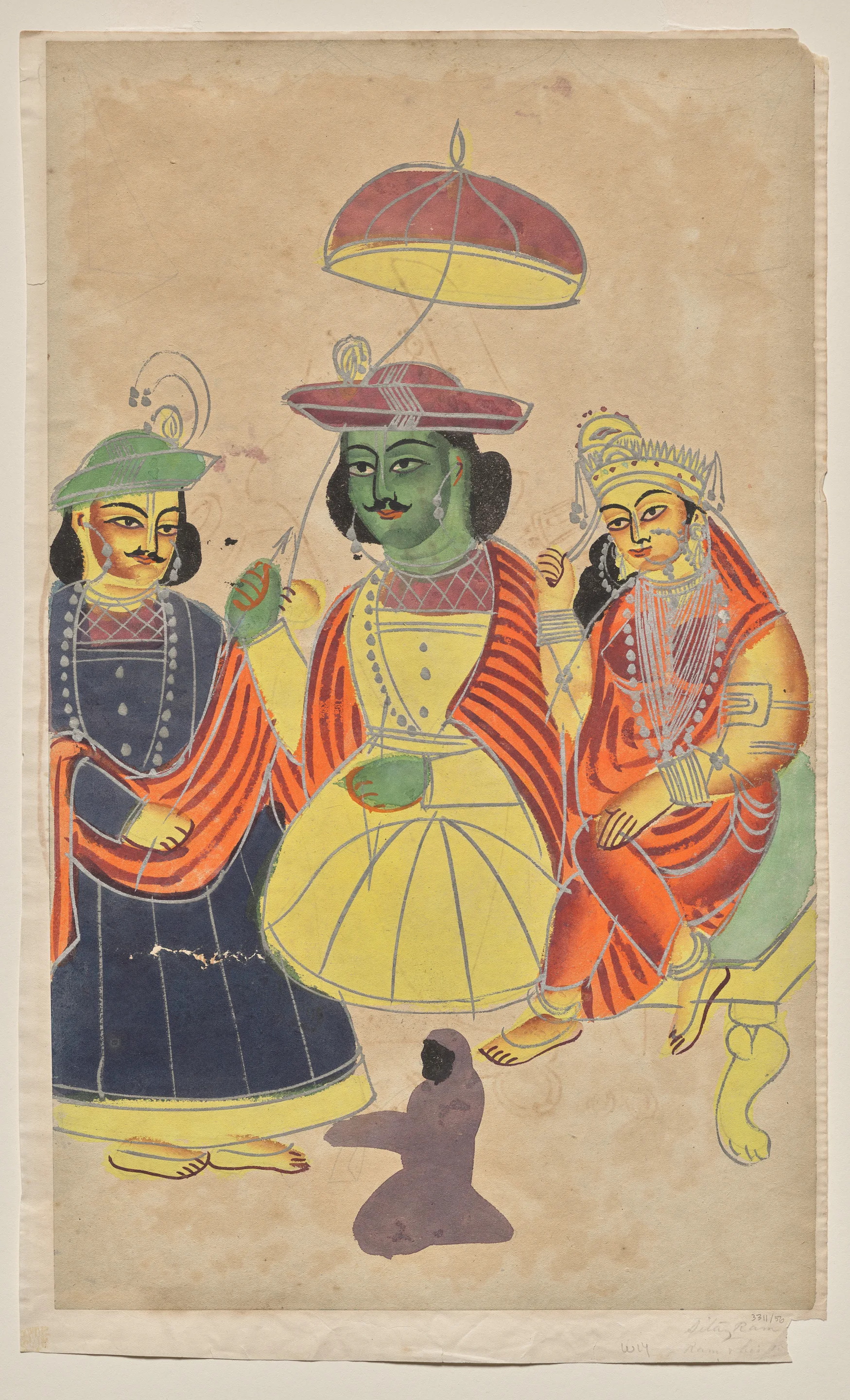
In the words of Pranav Ashar
How we renderThe heart of the Muktika
In brief
The Upanishad that closes the canon also defines it. In Ayodhya, Hanuman asks Rama how to be free, and Rama answers that the one freedom real in the highest sense, kaivalya, comes by knowledge alone: the Mandukya is enough, or else the ten, the thirty-two, or all hundred and eight. The second chapter, largely from the Yoga Vasishtha, is about practice: freedom while living is the ending of habit (vasana), the dissolving of the mind and the knowing of the truth, practised together, until even good habit and the wish for freedom are let go.
- The canon of 108
- Kaivalya by knowledge alone
- Habit (vasana) and its ending
- No-mind
- Free while living, free beyond the body
Contents
- Opening
- 1.1
- 1.2
- 1.3
- 1.4
- 1.5
- 1.6
- 1.7
- 1.8
- 1.9
- 1.10
- 1.11
- 1.12
- 1.13
- 1.14
- 1.15
- 1.16
- 1.17
- 1.18
- 1.19
- 1.20
- 1.21
- 1.22
- 1.23
- 1.24
- 1.25
- 1.26
- 1.27
- 1.28
- 1.29
- 1.30
- 1.31
- 1.32
- 1.33
- 1.34
- 1.35
- 1.36
- 1.37
- 1.38
- 1.39
- 1.40
- 1.41
- 1.42
- 1.43
- 1.44
- 1.45
- 1.46
- 1.47
- 1.48
- 1.49
- 1.50
- 1.51
- 1.52
- 1.53
- 1.54
- 1.55
- 1.56
- 1.57
- 2 prose
- 2.1
- 2.2
- 2.3
- 2.4
- 2.5
- 2.6
- 2.7
- 2.8
- 2.9
- 2.10
- 2.11
- 2.12
- 2.13
- 2.14
- 2.15
- 2.16
- 2.17
- 2.18
- 2.19
- 2.20
- 2.21
- 2.22
- 2.23
- 2.24
- 2.25
- 2.26
- 2.27
- 2.28
- 2.29
- 2.30
- 2.31
- 2.32
- 2.33
- 2.34
- 2.35
- 2.36
- 2.37
- 2.38
- 2.39
- 2.40
- 2.41
- 2.42
- 2.43
- 2.44
- 2.45
- 2.46
- 2.47
- 2.48
- 2.49
- 2.50
- 2.51
- 2.52
- 2.53
- 2.54
- 2.55
- 2.56
- 2.57
- 2.58
- 2.59
- 2.60
- 2.61
- 2.62
- 2.63
- 2.64
- 2.65
- 2.66
- 2.67
- 2.68
- 2.69
- 2.70
- 2.71
- 2.72
- 2.73
- 2.74
- 2.75
- 2.76
- Closing
ईशाद्यष्टोत्तरशतवेदान्तपटलाशयम् । मुक्तिकोपनिषद्वेद्यं रामचन्द्रपदं भजे ॥
īśādyaṣṭottaraśatavedāntapaṭalāśayam | muktikopaniṣadvedyaṃ rāmacandrapadaṃ bhaje ||
I worship the state of Ramachandra, which the Muktika Upanishad makes known, the meaning held in the hundred and eight Upanishads, from Isha onward.
Note //
A dedicatory verse placed before the peace invocation in the edition; it is not counted in the verse numbering.
ॐ अयोध्यानगरे रम्ये रत्नमण्डपमध्यमे । सीताभरतसौमित्रिशत्रुघ्नाद्यैः समन्वितम् ॥ १॥
oṃ ayodhyānagare ramye ratnamaṇḍapamadhyame | sītābharatasaumitriśatrughnādyaiḥ samanvitam || 1||
In the lovely city of Ayodhya, in the middle of a jewelled hall, with Sita, Bharata, Lakshmana, Shatrughna and the others around him,
सनकाद्यैर्मुनिगणैर्वसिष्ठाद्यैः शुकादिभिः । अन्यैर्भागवतैश्चापि स्तूयमानमहर्निशम् ॥ २॥
sanakādyairmunigaṇairvasiṣṭhādyaiḥ śukādibhiḥ | anyairbhāgavataiścāpi stūyamānamaharniśam || 2||
praised day and night by Sanaka and the hosts of sages, by Vasishtha, by Shuka, and by other devotees;
Note //
धीविक्रियासहस्राणां साक्षिणं निर्विकारिणम् । स्वरूपध्याननिरतं समाधिविरमे हरिम् ॥ ३॥
dhīvikriyāsahasrāṇāṃ sākṣiṇaṃ nirvikāriṇam | svarūpadhyānanirataṃ samādhivirame harim || 3||
the witness of the mind's thousand changes, himself unchanging, absorbed in his own nature, the Lord, as he came out of samadhi:
Note //
भक्त्या शुश्रूषया रामं स्तुवन्पप्रच्छ मारुतिः । राम त्वं परमात्मासि सच्चिदानन्दविग्रहः ॥ ४॥
bhaktyā śuśrūṣayā rāmaṃ stuvanpapraccha mārutiḥ | rāma tvaṃ paramātmāsi saccidānandavigrahaḥ || 4||
praising Rama with devotion and service, Maruti asked: 'Rama, you are the highest Self, being, light and joy in form.
Note //
इदानीं त्वां रघुश्रेष्ठ प्रणमामि मुहुर्मुहुः । त्वद्रूपं ज्ञातुमिच्छामि तत्त्वतो राम मुक्तये ॥ ५॥
idānīṃ tvāṃ raghuśreṣṭha praṇamāmi muhurmuhuḥ | tvadrūpaṃ jñātumicchāmi tattvato rāma muktaye || 5||
Best of the Raghus, I bow to you now, again and again. I want to know your nature as it is, Rama, for the sake of freedom.
Note //
अनायासेन येनाहं मुच्येयं भवबन्धनात् । कृपया वद मे राम येन मुक्तो भवाम्यहम् ॥ ६॥
anāyāsena yenāhaṃ mucyeyaṃ bhavabandhanāt | kṛpayā vada me rāma yena mukto bhavāmyaham || 6||
Out of kindness, Rama, tell me that by which I can be freed without strain from the bonds of becoming, by which I become free.'
Note //
साधु पृष्टं महाबाहो वदामि शृणु तत्त्वतः । वेदान्ते सुप्रतिष्ठोऽहं वेदान्तं समुपाश्रय ॥ ७॥
sādhu pṛṣṭaṃ mahābāho vadāmi śṛṇu tattvataḥ | vedānte supratiṣṭho'haṃ vedāntaṃ samupāśraya || 7||
'Well asked, strong-armed one. I will tell you; hear it as it is. I am firmly set in Vedanta: take refuge in Vedanta.'
Note //
'I am set in Vedanta': the Self that Rama is, is what the Upanishads teach. Taking refuge in him and in the Upanishads is one act.
वेदान्ताः के रघुश्रेष्ठ वर्तन्ते कुत्र ते वद । हनूमञ्छृणु वक्ष्यामि वेदान्तस्थितिमञ्जसा ॥ ८॥
vedāntāḥ ke raghuśreṣṭha vartante kutra te vada | hanūmañchṛṇu vakṣyāmi vedāntasthitimañjasā || 8||
'Best of the Raghus, what are these Vedantas? Where are they? Tell me.' 'Hanuman, listen. I will tell you plainly where Vedanta stands.
Note //
निश्वासभूता मे विष्णोर्वेदा जाताः सुविस्तराः । तिलेषु तैलवद्वेदे वेदान्तः सुप्रतिष्ठितः ॥ ९॥
niśvāsabhūtā me viṣṇorvedā jātāḥ suvistarāḥ | tileṣu tailavadvede vedāntaḥ supratiṣṭhitaḥ || 9||
The Vedas came forth, vast, as the breath of me, Vishnu. Like oil in sesame seeds, Vedanta is set within the Veda.'
Note //
Vedanta, 'the end of the Veda', means the Upanishads. Like oil in the seed, it is not added to the Veda from outside; it is what the Veda holds.
राम वेदाः कतिविधास्तेषां शाखाश्च राघव । तासूपनिषदाः काः स्युः कृपया वद तत्त्वतः ॥ १०॥
rāma vedāḥ katividhāsteṣāṃ śākhāśca rāghava | tāsūpaniṣadāḥ kāḥ syuḥ kṛpayā vada tattvataḥ || 10||
'Rama, how many kinds of Veda are there, and what are their branches, Raghava? Which are the Upanishads in them? Out of kindness, tell me truly.'
Note //
श्रीराम उवाच । ऋग्वेदादिविभागेन वेदाश्चत्वार ईरिताः । तेषां शाखा ह्यनेकाः स्युस्तासूपनिषदस्तथा ॥ ११॥
śrīrāma uvāca | ṛgvedādivibhāgena vedāścatvāra īritāḥ | teṣāṃ śākhā hyanekāḥ syustāsūpaniṣadastathā || 11||
Shri Rama said: 'Divided as the Rig Veda and the rest, the Vedas are said to be four. Their branches are many, and so are the Upanishads in them.
Note //
ऋग्वेदस्य तु शाखाः स्युरेकविंशतिसङ्ख्यकाः । नवाधिकशतं शाखा यजुषो मारुतात्मज ॥ १२॥
ṛgvedasya tu śākhāḥ syurekaviṃśatisaṅkhyakāḥ | navādhikaśataṃ śākhā yajuṣo mārutātmaja || 12||
The Rig Veda has twenty-one branches. The Yajur Veda, son of the wind, has a hundred and nine.
Note //
सहस्रसङ्ख्यया जाताः शाखाः साम्नः परन्तप । अथर्वणस्य शाखाः स्युः पञ्चाशद्भेदतो हरे ॥ १३॥
sahasrasaṅkhyayā jātāḥ śākhāḥ sāmnaḥ parantapa | atharvaṇasya śākhāḥ syuḥ pañcāśadbhedato hare || 13||
The Sama Veda, scorcher of foes, has a thousand branches. The Atharva, monkey hero, has fifty.
Note //
Hari here is a vocative for Hanuman: the word also means 'monkey'.
एकैकस्यास्तु शाखाया एकैकोपनिषन्मता । तासामेकामृचं यश्च पठते भक्तितो मयि ॥ १४॥
ekaikasyāstu śākhāyā ekaikopaniṣanmatā | tāsāmekāmṛcaṃ yaśca paṭhate bhaktito mayi || 14||
Each branch is held to have one Upanishad. Whoever, with devotion to me, recites even one verse of them
Note //
स मत्सायुज्यपदवीं प्राप्नोति मुनिदुर्लभाम् । राम केचिन्मुनिश्रेष्ठा मुक्तिरेकेति चक्षिरे ॥ १५॥
sa matsāyujyapadavīṃ prāpnoti munidurlabhām | rāma kecinmuniśreṣṭhā muktireketi cakṣire || 15||
reaches union with me, a state rare even for sages.' 'Rama, some of the best of sages have said that freedom is one.
Note //
केचित्त्वन्नामभजनात्काश्यां तारोपदेशतः । अन्ये तु साङ्ख्ययोगेन भक्तियोगेन चापरे ॥ १६॥
kecittvannāmabhajanātkāśyāṃ tāropadeśataḥ | anye tu sāṅkhyayogena bhaktiyogena cāpare || 16||
Some say it comes from worshipping your name, or from the saving word given at Kashi; others, by the path of Sankhya; others, by the path of devotion;
Note //
अन्ये वेदान्तवाक्यार्थविचारात्परमर्षयः । सालोक्यादिविभागेन चतुर्धा मुक्तिरीरिता ॥ १७॥
anye vedāntavākyārthavicārātparamarṣayaḥ | sālokyādivibhāgena caturdhā muktirīritā || 17||
other great seers, by inquiry into the meaning of the Upanishads' sayings. And freedom is said to be fourfold, as living in the Lord's world and the rest.'
Note //
The four kinds: salokya (living in the Lord's world), sarupya (sharing his form), samipya (nearness to him) and sayujya (union with him). Hanuman's question is whether freedom is one or many.
सहोवाच श्रीरामः । कैवल्यमुक्तिरेकैव पारमार्थिकरूपिणी । दुराचाररतो वापि मन्नामभजनात्कपे ॥ १८॥
sahovāca śrīrāmaḥ | kaivalyamuktirekaiva pāramārthikarūpiṇī | durācārarato vāpi mannāmabhajanātkape || 18||
Shri Rama said: 'Only one freedom is real in the highest sense: kaivalya, being the Self alone. Even one given to bad conduct, Kapi, by worshipping my name,
सालोक्यमुक्तिमाप्नोति न तु लोकान्तरादिकम् । काश्यां तु ब्रह्मनालेऽस्मिन्मृतो मत्तारमाप्नुयात् ॥ १९॥
sālokyamuktimāpnoti na tu lokāntarādikam | kāśyāṃ tu brahmanāle'sminmṛto mattāramāpnuyāt || 19||
gains the freedom of living in my world, not some other world. One who dies at Kashi, at the Brahmanala ghat, receives my saving word,
Note //
पुनरावृत्तिरहितां मुक्तिं प्राप्नोति मानवः । यत्र कुत्रापि वा काश्यां मरणे स महेश्वरः ॥ २०॥
punarāvṛttirahitāṃ muktiṃ prāpnoti mānavaḥ | yatra kutrāpi vā kāśyāṃ maraṇe sa maheśvaraḥ || 20||
and gains a freedom from which there is no return. Wherever in Kashi one dies, Shiva, the great Lord,
Note //
जन्तोर्दक्षिणकर्णे तु मत्तारं समुपादिशेत् । निर्धूताशेषपापौघो मत्सारूप्यं भजत्ययम् ॥ २१॥
jantordakṣiṇakarṇe tu mattāraṃ samupādiśet | nirdhūtāśeṣapāpaugho matsārūpyaṃ bhajatyayam || 21||
whispers my saving word into the creature's right ear. Washed of every flood of sin, that one takes on my form.
Note //
The 'saving word' (taraka) is the Rama mantra or Om, which Shiva is said to give at death to all who die in Kashi (compare Tarasara 1.1).
सैव सालोक्यसारूप्यमुक्तिरत्यभिधीयते । सदाचाररतो भूत्वा द्विजो नित्यमनन्यधीः ॥ २२॥
saiva sālokyasārūpyamuktiratyabhidhīyate | sadācārarato bhūtvā dvijo nityamananyadhīḥ || 22||
This is called the freedom of my world and my form. The twice-born who lives rightly, his mind always on nothing else,
Note //
मयि सर्वात्मको भावो मत्सामीप्यं भजत्ययम् । सैव सालोक्यसारूप्यसामीप्या मुक्तिरिष्यते ॥ २३॥
mayi sarvātmako bhāvo matsāmīpyaṃ bhajatyayam | saiva sālokyasārūpyasāmīpyā muktiriṣyate || 23||
seeing me as the Self of all, comes near to me. This is held to be the freedom of my world, my form and nearness to me.
Note //
गुरूपदिष्टमार्गेण ध्यायन्मद्गुणमव्ययम् । मत्सायुज्यं द्विजः सम्यग्भजेद्भ्रमरकीटवत् ॥ २४॥
gurūpadiṣṭamārgeṇa dhyāyanmadguṇamavyayam | matsāyujyaṃ dvijaḥ samyagbhajedbhramarakīṭavat || 24||
Meditating on my unfailing nature by the way the teacher shows, the twice-born fully becomes one with me, as the grub becomes the wasp.
Note //
The bhramara-kita image: the grub, it was believed, becomes a wasp by thinking of the wasp that stung it. What one dwells on, one becomes.
सैव सायुज्यमुक्तिः स्याद्ब्रह्मानन्दकरी शिवा । चतुर्विधा तु या मुक्तिर्मदुपासनया भवेत् ॥ २५॥
saiva sāyujyamuktiḥ syādbrahmānandakarī śivā | caturvidhā tu yā muktirmadupāsanayā bhavet || 25||
That is the freedom of union, kind, giving the joy of Brahman. These four kinds of freedom come by worshipping me.'
Note //
इयं कैवल्यमुक्तिस्तु केनोपायेन सिद्ध्यति । माण्डूक्यमेकमेवालं मुमुक्षूणां विमुक्तये ॥ २६॥
iyaṃ kaivalyamuktistu kenopāyena siddhyati | māṇḍūkyamekamevālaṃ mumukṣūṇāṃ vimuktaye || 26||
'But by what means is this freedom, kaivalya, gained?' 'The Mandukya alone is enough to free .
Note //
The famous graded course: the Mandukya alone; if that is not enough, the ten principal Upanishads; then thirty-two; then all hundred and eight. The point is not the number but that knowledge, however reached, frees.
तथाप्यसिद्धं चेज्ज्ञानं दशोपनिषदं पठ । ज्ञानं लब्ध्वा चिरादेव मामकं धाम यास्यसि ॥ २७॥
tathāpyasiddhaṃ cejjñānaṃ daśopaniṣadaṃ paṭha | jñānaṃ labdhvā cirādeva māmakaṃ dhāma yāsyasi || 27||
If knowledge still does not come, study the ten Upanishads. Having gained knowledge, before long you will reach my abode.
Note //
तथापि दृढता न चेद्विज्ञानस्याञ्जनासुत । द्वात्रिंशाख्योपनिषदं समभ्यस्य निवर्तय ॥ २८॥
tathāpi dṛḍhatā na cedvijñānasyāñjanāsuta | dvātriṃśākhyopaniṣadaṃ samabhyasya nivartaya || 28||
If even then your understanding is not firm, son of Anjana, study the thirty-two Upanishads, and come to rest.
Note //
विदेहमुक्ताविच्छा चेदष्टोत्तरशतं पठ । तासां क्रमं सशान्तिं च शृणु वक्ष्यामि तत्त्वतः ॥ २९॥
videhamuktāvicchā cedaṣṭottaraśataṃ paṭha | tāsāṃ kramaṃ saśāntiṃ ca śṛṇu vakṣyāmi tattvataḥ || 29||
If you want freedom beyond the body, study the hundred and eight. Hear their order and their peace invocations; I will tell them as they are.
Note //
ईशकेनकठप्रश्नमुण्डमाण्डूक्यतित्तिरिः । ऐतरेयं च छान्दोग्यं बृहदारण्यकं तथा ॥ ३०॥
īśakenakaṭhapraśnamuṇḍamāṇḍūkyatittiriḥ | aitareyaṃ ca chāndogyaṃ bṛhadāraṇyakaṃ tathā || 30||
Isha, Kena, Katha, Prashna, Mundaka, Mandukya, Taittiriya, Aitareya, Chandogya, and Brihadaranyaka;
Note //
These are the ten principal Upanishads of 1.27, those Shankara commented on (with Shvetashvatara).
ब्रह्मकैवल्यजाबालश्वेताश्वो हंस आरुणिः । गर्भो नारायणो हंसो बिन्दुर्नादशिरः शिखा ॥ ३१॥
brahmakaivalyajābālaśvetāśvo haṃsa āruṇiḥ | garbho nārāyaṇo haṃso bindurnādaśiraḥ śikhā || 31||
Brahma, Kaivalya, Jabala, Shvetashvatara, Hamsa, Aruni, Garbha, Narayana, Paramahamsa, Amritabindu, Amritanada, Atharvashiras, Atharvashikha;
Note //
Names in the list are often abbreviated; they are given here in full, following the Veda-wise list in 1.52-1.56. The second hamsa is the Paramahamsa.
मैत्रायणी कौषीतकी बृहज्जाबालतापनी । कालाग्निरुद्रमैत्रेयी सुबालक्षुरिमन्त्रिका ॥ ३२॥
maitrāyaṇī kauṣītakī bṛhajjābālatāpanī | kālāgnirudramaitreyī subālakṣurimantrikā || 32||
Maitrayani, Kaushitaki, Brihajjabala, Nrisimhatapani, Kalagnirudra, Maitreyi, Subala, Kshurika, Mantrika;
Note //
सर्वसारं निरालम्बं रहस्यं वज्रसूचिकम् । तेजोनादध्यानविद्यायोगतत्त्वात्मबोधकम् ॥ ३३॥
sarvasāraṃ nirālambaṃ rahasyaṃ vajrasūcikam | tejonādadhyānavidyāyogatattvātmabodhakam || 33||
Sarvasara, Niralamba, Shukarahasya, Vajrasuchika, Tejobindu, Nadabindu, Dhyanabindu, Brahmavidya, Yogatattva, Atmabodha;
Note //
परिव्राट् त्रिशिखी सीता चूडा निर्वाणमण्डलम् । दक्षिणा शरभं स्कन्दं महानारायणाह्वयम् ॥ ३४॥
parivrāṭ triśikhī sītā cūḍā nirvāṇamaṇḍalam | dakṣiṇā śarabhaṃ skandaṃ mahānārāyaṇāhvayam || 34||
Naradaparivrajaka, Trishikhi, Sita, Yogachudamani, Nirvana, Mandalabrahmana, Dakshinamurti, Sharabha, Skanda, and the one called Mahanarayana;
Note //
रहस्यं रामतपनं वासुदेवं च मुद्गलम् । शाण्डिल्यं पैङ्गलं भिक्षुमहच्छारीरकं शिखा ॥ ३५॥
rahasyaṃ rāmatapanaṃ vāsudevaṃ ca mudgalam | śāṇḍilyaṃ paiṅgalaṃ bhikṣumahacchārīrakaṃ śikhā || 35||
Ramarahasya, Ramatapani, Vasudeva, Mudgala, Shandilya, Paingala, Bhikshuka, Mahat, Sariraka, Yogashikha;
Note //
Aiyar's text also names Advayataraka at this point, which this edition's verse leaves out; the Veda-wise list (1.53) includes it.
तुरीयातीतसंन्यासपरिव्राजाक्षमालिका । अव्यक्तैकाक्षरं पूर्णा सूर्याक्ष्यध्यात्मकुण्डिका ॥ ३६॥
turīyātītasaṃnyāsaparivrājākṣamālikā | avyaktaikākṣaraṃ pūrṇā sūryākṣyadhyātmakuṇḍikā || 36||
Turiyatita, Sannyasa, Paramahamsaparivrajaka, Akshamalika, Avyakta, Ekakshara, Annapurna, Surya, Akshi, Adhyatma, Kundika;
Note //
सावित्र्यात्मा पाशुपतं परं ब्रह्मावधूतकम् । त्रिपुरातपनं देवीत्रिपुरा कठभावना । हृदयं कुण्डली भस्म रुद्राक्षगणदर्शनम् ॥ ३७॥
sāvitryātmā pāśupataṃ paraṃ brahmāvadhūtakam | tripurātapanaṃ devītripurā kaṭhabhāvanā | hṛdayaṃ kuṇḍalī bhasma rudrākṣagaṇadarśanam || 37||
Savitri, Atma, Pashupata, Parabrahma, Avadhuta, Tripuratapani, Devi, Tripura, Katharudra, Bhavana, Rudrahridaya, Yogakundalini, Bhasma, Rudraksha, Ganapati, Darshana;
Note //
तारसारमहावाक्यपञ्चब्रह्माग्निहोत्रकम् । गोपालतपनं कृष्णं याज्ञवल्क्यं वराहकम् ॥ ३८॥
tārasāramahāvākyapañcabrahmāgnihotrakam | gopālatapanaṃ kṛṣṇaṃ yājñavalkyaṃ varāhakam || 38||
Tarasara, Mahavakya, Panchabrahma, Pranagnihotra, Gopalatapani, Krishna, Yajnavalkya, Varaha;
Note //
शाट्यायनी हयग्रीवं दत्तात्रेयं च गारुडम् । कलिजाबालिसौभाग्यरहस्यऋचमुक्तिका ॥ ३९॥
śāṭyāyanī hayagrīvaṃ dattātreyaṃ ca gāruḍam | kalijābālisaubhāgyarahasyaṛcamuktikā || 39||
Shatyayani, Hayagriva, Dattatreya, Garuda, Kalisantarana, Jabali, Saubhagyalakshmi, Sarasvatirahasya, Bahvricha, and Muktika.
Note //
एवमष्टोत्तरशतं भावनात्रयनाशनम् । ज्ञानवैराग्यदं पुंसां वासनात्रयनाशनम् ॥ ४०॥
evamaṣṭottaraśataṃ bhāvanātrayanāśanam | jñānavairāgyadaṃ puṃsāṃ vāsanātrayanāśanam || 40||
These hundred and eight end the three wrong ways of thinking, give people knowledge and dispassion, and end the three kinds of .
Note //
Aiyar glosses the three wrong ways of thinking (bhavana) as doubt, vain thought and false thought, and the three habits (vasana) as attachment to book-learning, to the world and to the body.
पूर्वोत्तरेषु विहिततत्तच्छान्तिपुरःसरम् । वेदविद्याव्रतस्नातदेशिकस्य मुखात्स्वयम् ॥ ४१॥
pūrvottareṣu vihitatattacchāntipuraḥsaram | vedavidyāvratasnātadeśikasya mukhātsvayam || 41||
With the peace invocation prescribed for each, before and after, receiving them yourself from the mouth of a teacher schooled in the Veda, its knowledge and its vows,
Note //
गृहीत्वाष्टोत्तरशतं ये पठन्ति द्विजोत्तमाः । प्रारब्धक्षयपर्यन्तं जीवन्मुक्ता भवन्ति ते ॥ ४२॥
gṛhītvāṣṭottaraśataṃ ye paṭhanti dvijottamāḥ | prārabdhakṣayaparyantaṃ jīvanmuktā bhavanti te || 42||
the best of the twice-born who learn and study the hundred and eight are free while living, until their begun karma is spent.
Note //
Prarabdha, 'begun' karma, is the karma that has already produced this body. Knowledge ends the rest; this runs out with the body (Chandogya 6.14.2).
ततः कालवशादेव प्रारब्धे तु क्षयं गते । वैदेहीं मामकीं मुक्तिं यान्ति नास्त्यत्र संशयः ॥ ४३॥
tataḥ kālavaśādeva prārabdhe tu kṣayaṃ gate | vaidehīṃ māmakīṃ muktiṃ yānti nāstyatra saṃśayaḥ || 43||
Then, in time, when the begun karma is spent, they reach my freedom beyond the body. Of this there is no doubt.
Note //
सर्वोपनिषदां मध्ये सारमष्टोत्तरशतम् । सकृच्छ्रवणमात्रेण सर्वाघौघनिकृन्तनम् ॥ ४४॥
sarvopaniṣadāṃ madhye sāramaṣṭottaraśatam | sakṛcchravaṇamātreṇa sarvāghaughanikṛntanam || 44||
Among all the Upanishads, the hundred and eight are the essence. Hearing them even once cuts away every flood of sin.
Note //
मयोपदिष्टं शिष्याय तुभ्यं पवननन्दन । इदं शास्त्रं मयादिष्टं गुह्यमष्टोत्तरं शतम् ॥ ४५॥
mayopadiṣṭaṃ śiṣyāya tubhyaṃ pavananandana | idaṃ śāstraṃ mayādiṣṭaṃ guhyamaṣṭottaraṃ śatam || 45||
I have taught it to you, my student, son of the wind: this teaching, the hidden hundred and eight.
Note //
ज्ञानतोऽज्ञानतो वापि पठतां बन्धमोचकम् । राज्यं देयं धनं देयं याचतः कामपूरणम् ॥ ४६॥
jñānato'jñānato vāpi paṭhatāṃ bandhamocakam | rājyaṃ deyaṃ dhanaṃ deyaṃ yācataḥ kāmapūraṇam || 46||
Whether they study it knowingly or not, it loosens the bonds. A kingdom may be given, wealth may be given, to fulfil the wish of one who asks;
Note //
इदमष्टोत्तरशतं न देयं यस्य कस्यचित् । नास्तिकाय कृतघ्नाय दुराचाररताय वै ॥ ४७॥
idamaṣṭottaraśataṃ na deyaṃ yasya kasyacit | nāstikāya kṛtaghnāya durācāraratāya vai || 47||
but these hundred and eight are not to be given to just anyone: not to one who rejects them, the ungrateful, one given to bad conduct,
Note //
मद्भक्तिविमुखायापि शास्त्रगर्तेषु मुह्यते । गुरुभक्तिविहीनाय दातव्यं न कदाचन ॥ ४८॥
madbhaktivimukhāyāpi śāstragarteṣu muhyate | gurubhaktivihīnāya dātavyaṃ na kadācana || 48||
one turned away from devotion to me, one lost in the pits of books, one without devotion to the teacher: never are they to be given.
Note //
सेवापराय शिष्याय हितपुत्राय मारुते । मद्भक्ताय सुशीलाय कुलीनाय सुमेधसे ॥ ४९॥
sevāparāya śiṣyāya hitaputrāya mārute | madbhaktāya suśīlāya kulīnāya sumedhase || 49||
To a student devoted to service, to a good son, Maruti, to one devoted to me, of good character, of good family, of good mind,
Note //
सम्यक्परीक्ष्य दातव्यमेवमष्टोत्तरं शतम् । यः पठेच्छृणुयाद्वापि स मामेति न संशयः ॥ ५०॥
samyakparīkṣya dātavyamevamaṣṭottaraṃ śatam | yaḥ paṭhecchṛṇuyādvāpi sa māmeti na saṃśayaḥ || 50||
the hundred and eight are to be given after testing well. Whoever studies or hears them comes to me, without doubt.'
Note //
तदेतदृचाभ्युक्तम् । विद्या ह वै ब्राह्मणमाजगाम गोपाय मा शेवधिष्टेऽहमस्मि । असूयकायानृजवे शठाय मा मा ब्रूया वीर्यवती तथा स्याम् । यमेव विद्याश्रुतमप्रमत्तं मेधाविनं ब्रह्मचर्योपपन्नम् । तस्मा इमामुपसन्नाय सम्यक् परीक्ष्य दद्याद्वैष्णवीमात्मनिष्ठाम् ॥ ५१॥
tadetadṛcābhyuktam | vidyā ha vai brāhmaṇamājagāma gopāya mā śevadhiṣṭe'hamasmi | asūyakāyānṛjave śaṭhāya mā mā brūyā vīryavatī tathā syām | yameva vidyāśrutamapramattaṃ medhāvinaṃ brahmacaryopapannam | tasmā imāmupasannāya samyak parīkṣya dadyādvaiṣṇavīmātmaniṣṭhām || 51||
This is said in a verse: Knowledge came to a brahmin and said, 'Guard me; I am your treasure. Do not tell me to the envious, the crooked, the deceitful; so I keep my strength.' To one you know to be learned, alert, intelligent, living in discipline, who has come to you, after testing well, give this knowledge of Vishnu, of resting in the Self.
Note //
The verse is also found in the Nirukta (2.4) and elsewhere. The edition's शेवधिष्टीऽहमस्मि is corrected to शेवधिष्टेऽहमस्मि.
अथ हैनं श्रीरामचन्द्रं मारुतिः पप्रच्छ ऋग्वेदादिविभागेन पृथक् शान्तिमनुब्रूहीति । स होवाच श्रीरामः । ऐतरेयकौषीतकीनादबिन्द्वात्मप्रबोधनिर्वाणमुद्गलाक्षमालिकात्रिपुरासौभाग्यबह्वृचानामृग्वेदगतानां दशसंख्याकानामुपनिषदां वाङ्मे मनसीति शान्तिः ॥ १॥
atha hainaṃ śrīrāmacandraṃ mārutiḥ papraccha ṛgvedādivibhāgena pṛthak śāntimanubrūhīti | sa hovāca śrīrāmaḥ | aitareyakauṣītakīnādabindvātmaprabodhanirvāṇamudgalākṣamālikātripurāsaubhāgyabahvṛcānāmṛgvedagatānāṃ daśasaṃkhyākānāmupaniṣadāṃ vāṅme manasīti śāntiḥ || 1||
Then Maruti asked Shri Ramachandra: 'Tell me the peace invocations separately, by the Rig Veda and the rest.' Shri Rama said: 'Aitareya, Kaushitaki, Nadabindu, Atmabodha, Nirvana, Mudgala, Akshamalika, Tripura, Saubhagya and Bahvricha: for these ten Upanishads of the Rig Veda the peace invocation is "May my speech rest in my mind" (vang me manasi).
Note //
1.52-1.56 are prose, numbered 1 to 5 in the edition; they are numbered here after the verses. Together they list the canon of 108 by Veda: 10 + 19 + 32 + 16 + 31.
ईशावास्यबृहदारण्यजाबालहंसपरमहंससुबालमन्त्रिकानिरालम्बत्रिशिखीब्राह्मणमण्डलब्राह्मणाद्वयतारकपैङ्गलभिक्षुतुरीयातीताध्यात्मतारसारयाज्ञवल्क्यशाट्यायनीमुक्तिकानां शुक्लयजुर्वेदगतानामेकोनविंशतिसंख्याकानामुपनिषदां पूर्णमद इति शान्तिः ॥ २॥
īśāvāsyabṛhadāraṇyajābālahaṃsaparamahaṃsasubālamantrikānirālambatriśikhībrāhmaṇamaṇḍalabrāhmaṇādvayatārakapaiṅgalabhikṣuturīyātītādhyātmatārasārayājñavalkyaśāṭyāyanīmuktikānāṃ śuklayajurvedagatānāmekonaviṃśatisaṃkhyākānāmupaniṣadāṃ pūrṇamada iti śāntiḥ || 2||
Isha, Brihadaranyaka, Jabala, Hamsa, Paramahamsa, Subala, Mantrika, Niralamba, Trishikhibrahmana, Mandalabrahmana, Advayataraka, Paingala, Bhikshuka, Turiyatita, Adhyatma, Tarasara, Yajnavalkya, Shatyayani and Muktika: for these nineteen Upanishads of the Shukla Yajur Veda the peace invocation is "That is full" (purnam adah).
Note //
कठवल्लीतैत्तिरीयकब्रह्मकैवल्यश्वेताश्वतरगर्भनारायणामृतबिन्द्वमृतनादकालाग्निरुद्रक्षुरिकासर्वसारशुकरहस्यतेजोबिन्दुध्यानबिन्दुब्रह्मविद्यायोगतत्त्वदक्षिणामूर्तिस्कन्दशारीरकयोगशिखैकाक्षराक्ष्यवधूतकठरुद्रहृदययोगकुण्डलिनीपञ्चब्रह्मप्राणाग्निहोत्रवराहकलिसन्तरणसरस्वतीरहस्यानां कृष्णयजुर्वेदगतानां द्वात्रिंशत्संख्याकानामुपनिषदां सह नाववत्विति शान्तिः ॥ ३॥
kaṭhavallītaittirīyakabrahmakaivalyaśvetāśvataragarbhanārāyaṇāmṛtabindvamṛtanādakālāgnirudrakṣurikāsarvasāraśukarahasyatejobindudhyānabindubrahmavidyāyogatattvadakṣiṇāmūrtiskandaśārīrakayogaśikhaikākṣarākṣyavadhūtakaṭharudrahṛdayayogakuṇḍalinīpañcabrahmaprāṇāgnihotravarāhakalisantaraṇasarasvatīrahasyānāṃ kṛṣṇayajurvedagatānāṃ dvātriṃśatsaṃkhyākānāmupaniṣadāṃ saha nāvavatviti śāntiḥ || 3||
Katha, Taittiriya, Brahma, Kaivalya, Shvetashvatara, Garbha, Narayana, Amritabindu, Amritanada, Kalagnirudra, Kshurika, Sarvasara, Shukarahasya, Tejobindu, Dhyanabindu, Brahmavidya, Yogatattva, Dakshinamurti, Skanda, Sariraka, Yogashikha, Ekakshara, Akshi, Avadhuta, Katharudra, Rudrahridaya, Yogakundalini, Panchabrahma, Pranagnihotra, Varaha, Kalisantarana and Sarasvatirahasya: for these thirty-two Upanishads of the Krishna Yajur Veda the peace invocation is "May it protect us both" (saha nav avatu).
Note //
केनछान्दोग्यारुणिमैत्रायणिमैत्रेयीवज्रसूचिकायोगचूडामणिवासुदेवमहत्संन्यासाव्यक्तकुण्डिकासावित्रीरुद्राक्षजाबालदर्शनजाबालीनां सामवेदगतानां षोडशसंख्याकानामुपनिषदामाप्यायन्त्विति शान्तिः ॥ ४॥
kenachāndogyāruṇimaitrāyaṇimaitreyīvajrasūcikāyogacūḍāmaṇivāsudevamahatsaṃnyāsāvyaktakuṇḍikāsāvitrīrudrākṣajābāladarśanajābālīnāṃ sāmavedagatānāṃ ṣoḍaśasaṃkhyākānāmupaniṣadāmāpyāyantviti śāntiḥ || 4||
Kena, Chandogya, Aruni, Maitrayani, Maitreyi, Vajrasuchika, Yogachudamani, Vasudeva, Mahat, Sannyasa, Avyakta, Kundika, Savitri, Rudrakshajabala, Darshana and Jabali: for these sixteen Upanishads of the Sama Veda the peace invocation is "May my limbs grow strong" (apyayantu).
Note //
प्रश्नमुण्डकमाण्डुक्याथर्वशिरोऽथर्वशिखाबृहज्जाबालनृसिंहतापनीनारदपरिव्राजकसीताशरभमहानारायणरामरहस्यरामतापनीशाण्डिल्यपरमहंसपरिव्राजकान्नपूर्णासूर्यात्मपाशुपतपरब्रह्मत्रिपुरातपनदेवीभावनाब्रह्मजाबालगणपतिमहावाक्यगोपालतपनकृष्णहयग्रीवदत्तात्रेयगारुडानामथर्ववेदगतानामेकत्रिंशत्संख्याकानामुपनिषदां भद्रं कर्णेभिरिति शान्तिः ॥ ५॥
praśnamuṇḍakamāṇḍukyātharvaśiro'tharvaśikhābṛhajjābālanṛsiṃhatāpanīnāradaparivrājakasītāśarabhamahānārāyaṇarāmarahasyarāmatāpanīśāṇḍilyaparamahaṃsaparivrājakānnapūrṇāsūryātmapāśupataparabrahmatripurātapanadevībhāvanābrahmajābālagaṇapatimahāvākyagopālatapanakṛṣṇahayagrīvadattātreyagāruḍānāmatharvavedagatānāmekatriṃśatsaṃkhyākānāmupaniṣadāṃ bhadraṃ karṇebhiriti śāntiḥ || 5||
Prashna, Mundaka, Mandukya, Atharvashiras, Atharvashikha, Brihajjabala, Nrisimhatapani, Naradaparivrajaka, Sita, Sharabha, Mahanarayana, Ramarahasya, Ramatapani, Shandilya, Paramahamsaparivrajaka, Annapurna, Surya, Atma, Pashupata, Parabrahma, Tripuratapana, Devi, Bhavana, Brahmajabala, Ganapati, Mahavakya, Gopalatapana, Krishna, Hayagriva, Dattatreya and Garuda: for these thirty-one Upanishads of the Atharva Veda the peace invocation is "May we hear what is good with our ears" (bhadram karnebhih).
मुमुक्षवः पुरुषाः साधनचतुष्टयसम्पन्नाः श्रद्धावन्तः सुकुलभवं श्रोत्रियं शास्त्रवात्सल्यगुणवन्तमकुटिलं सर्वभूतहिते रतं दयासमुद्रं सद्गुरुं विधिवदुपसंगम्योपहारपाणयोऽष्टोत्तरशतोपनिषदं विधिवदधीत्य श्रवणमनननिदिध्यासनानि नैरन्तर्येण कृत्वा प्रारब्धक्षयाद्देहत्रयभंगं प्राप्योपाधिविनिर्मुक्तघटाकाशवत्परिपूर्णता विदेहमुक्तिः । सैव कैवल्यमुक्तिरिति । अत एव ब्रह्मलोकस्था अपि ब्रह्ममुखाद्वेदान्तश्रवणादि कृत्वा तेन सह कैवल्यं लभन्ते । अतः सर्वेषां कैवल्यमुक्तिर्ज्ञानमात्रेणोक्ता । न कर्मसांख्ययोगोपासनादिभिरित्युपनिषत् ॥
mumukṣavaḥ puruṣāḥ sādhanacatuṣṭayasampannāḥ śraddhāvantaḥ sukulabhavaṃ śrotriyaṃ śāstravātsalyaguṇavantamakuṭilaṃ sarvabhūtahite rataṃ dayāsamudraṃ sadguruṃ vidhivadupasaṃgamyopahārapāṇayo'ṣṭottaraśatopaniṣadaṃ vidhivadadhītya śravaṇamanananididhyāsanāni nairantaryeṇa kṛtvā prārabdhakṣayāddehatrayabhaṃgaṃ prāpyopādhivinirmuktaghaṭākāśavatparipūrṇatā videhamuktiḥ | saiva kaivalyamuktiriti | ata eva brahmalokasthā api brahmamukhādvedāntaśravaṇādi kṛtvā tena saha kaivalyaṃ labhante | ataḥ sarveṣāṃ kaivalyamuktirjñānamātreṇoktā | na karmasāṃkhyayogopāsanādibhirityupaniṣat ||
, who have the four qualifications and have trust, go in the proper way, with gifts in their hands, to a true teacher: of good family, learned in the Veda, loving the scriptures, straight, devoted to the good of all beings, an ocean of kindness. They study the hundred and eight Upanishads in the proper way, and keep up hearing, reflecting and deep contemplation without a break. When their begun karma is spent and the three bodies fall away, they are full, like the space in a pot once the pot is gone: that is freedom beyond the body. That alone is kaivalya. So even those who live in Brahma's world hear Vedanta from Brahma's own mouth, and reach kaivalya with him. So for everyone, kaivalya is said to come by knowledge alone, not by ritual, Sankhya, yoga, worship or the rest. Such is the Upanishad.'
तथा हैनं श्रीरामचन्द्रं मारुतिः पप्रच्छ । केयं वा तत्सिद्धिः सिद्ध्या वा किं प्रयोजनमिति । सहोवाच श्रीरामः । पुरुषस्य कर्तृत्वभोक्तृत्वसुखदुःखादिलक्षणश्चित्तधर्मः क्लेशरूपत्वाद्बन्धो भवति । तन्निरोधनं जीवन्मुक्तिः । उपाधिविनिर्मुक्तघटाकाशवत्प्रारब्धक्षयाद्विदेहमुक्तिः । जीवन्मुक्तिविदेहमुक्त्योरष्टोत्तरशतोपनिषदः प्रमाणम् । कर्तृत्वादिदुःखनिवृत्तिद्वारा नित्यानन्दावाप्तिः प्रयोजनं भवति । तत्पुरुषप्रयत्नसाध्यं भवति । यथा पुत्रकामेष्टिना पुत्रं वाणिज्यादिना वित्तं ज्योतिष्टोमेन स्वर्गं तथा पुरुषप्रयत्नसाध्यवेदान्तश्रवणादिजनितसमाधिना जीवन्मुक्त्यादिलाभो भवति । सर्ववासनाक्षयात्तल्लाभः । अत्र श्लोका भवन्ति ॥
tathā hainaṃ śrīrāmacandraṃ mārutiḥ papraccha | keyaṃ vā tatsiddhiḥ siddhyā vā kiṃ prayojanamiti | sahovāca śrīrāmaḥ | puruṣasya kartṛtvabhoktṛtvasukhaduḥkhādilakṣaṇaścittadharmaḥ kleśarūpatvādbandho bhavati | tannirodhanaṃ jīvanmuktiḥ | upādhivinirmuktaghaṭākāśavatprārabdhakṣayādvidehamuktiḥ | jīvanmuktividehamuktyoraṣṭottaraśatopaniṣadaḥ pramāṇam | kartṛtvādiduḥkhanivṛttidvārā nityānandāvāptiḥ prayojanaṃ bhavati | tatpuruṣaprayatnasādhyaṃ bhavati | yathā putrakāmeṣṭinā putraṃ vāṇijyādinā vittaṃ jyotiṣṭomena svargaṃ tathā puruṣaprayatnasādhyavedāntaśravaṇādijanitasamādhinā jīvanmuktyādilābho bhavati | sarvavāsanākṣayāttallābhaḥ | atra ślokā bhavanti ||
Then Maruti asked Shri Ramachandra: 'What is this freedom, how is it gained, and what is gained by it?' Shri Rama said: 'The marks of the mind, being a doer, an enjoyer, having pleasure and pain and the rest, are suffering, and so they are bondage. Stilling them is freedom while living. Freedom beyond the body comes when begun karma is spent, like the space in a pot when the pot is gone. The hundred and eight Upanishads are the authority for both freedoms. The gain is lasting joy, by the ending of the sorrow of being a doer and the rest. It is reached by one's own effort. As a son is gained by the rite for a son, wealth by trade, heaven by the soma sacrifice, so freedom while living is gained by the settledness born of hearing Vedanta and the rest, reached by one's own effort. It is gained by the ending of all (vasana). Here are the verses on it.'
Note //
Chapter 2 is about practice, and mostly gathers verses from the Yoga Vasishtha. Its key word is vasana: the stored tendency, the groove left by past thought and action, that makes the mind run as it runs. Its key teaching is that freedom while living is the ending of vasana, of the mind as a separate thing, and the knowing of the truth, practised together (2.10-2.13). The prose has no verse number in the edition.
उच्छास्त्रं शास्त्रितं चेति पौरुषं द्विविधं मतम् । अत्रोच्छास्त्रमनर्थाय परमार्थाय शास्त्रितम् ॥ १॥
ucchāstraṃ śāstritaṃ ceti pauruṣaṃ dvividhaṃ matam | atrocchāstramanarthāya paramārthāya śāstritam || 1||
Effort is held to be of two kinds: against the scripture, and by it. Effort against the scripture leads to harm; effort by it, to the highest good.
Note //
लोकवासनया जन्तोः शास्त्रवासनयापि च । देहवासनया ज्ञानं यथावन्नैव जायते ॥ २॥
lokavāsanayā jantoḥ śāstravāsanayāpi ca | dehavāsanayā jñānaṃ yathāvannaiva jāyate || 2||
Through of the world, of books, and of the body, knowledge does not arise as it should.
Note //
The three vasanas named in 1.40. 'Habit of books' (shastra-vasana) is the compulsion to keep reading and arguing: even scripture becomes a hindrance when it is taken as an end.
द्विविधा वासनाव्यूहः शुभश्चैवाशुभश्च तौ । वासनौघेन शुद्धेन तत्र चेदनुनीयसे ॥ ३॥
dvividhā vāsanāvyūhaḥ śubhaścaivāśubhaśca tau | vāsanaughena śuddhena tatra cedanunīyase || 3||
The mass of is of two kinds, good and bad. If you are led along by the clean current of ,
Note //
तत्क्रमेणाशु तेनैव मामकं पदमाप्नुहि । अथ चेदशुभो भावस्त्वां योजयति संकटे ॥ ४॥
tatkrameṇāśu tenaiva māmakaṃ padamāpnuhi | atha cedaśubho bhāvastvāṃ yojayati saṃkaṭe || 4||
then by it, step by step and quickly, reach my state. But if a bad tendency pulls you into trouble,
Note //
प्राक्तनस्तदसौ यत्नाज्जेतव्यो भवता कपे । शुभाशुभाभ्यां मार्गाभ्यां वहन्ती वासनासरित् ॥ ५॥
prāktanastadasau yatnājjetavyo bhavatā kape | śubhāśubhābhyāṃ mārgābhyāṃ vahantī vāsanāsarit || 5||
it is old, and you must overcome it by effort, Kapi. The river of flows in two channels, good and bad.
Note //
पौरुषेण प्रयत्नेन योजनीया शुभे पथि । अशुभेषु समाविष्टं शुभेष्वेवावतारयेत् ॥ ६॥
pauruṣeṇa prayatnena yojanīyā śubhe pathi | aśubheṣu samāviṣṭaṃ śubheṣvevāvatārayet || 6||
By your own effort turn it into the good channel. When the mind has gone into the bad, bring it down into the good.
Note //
अशुभाच्चालितं याति शुभं तस्मादपीतरत् । पौरुषेण प्रयत्नेन लालयेच्चित्तबालकम् ॥ ७॥
aśubhāccālitaṃ yāti śubhaṃ tasmādapītarat | pauruṣeṇa prayatnena lālayeccittabālakam || 7||
Moved from the bad, it goes to the good, and from that, back again. By your own effort coax the child that is the mind.
Note //
द्रागभ्यासवशाद्याति यदा ते वासनोदयम् । तदाभ्यासस्य साफल्यं विद्धि त्वममरिमर्दन ॥ ८॥
drāgabhyāsavaśādyāti yadā te vāsanodayam | tadābhyāsasya sāphalyaṃ viddhi tvamamarimardana || 8||
When, by force of practice, good quickly rises in you, know that your practice has borne fruit, crusher of foes.
Note //
सन्दिग्धायामपि भृशं शुभामेव समाचर । शुभायां वासनावृद्धौ न दोषाय मरुत्सुत ॥ ९॥
sandigdhāyāmapi bhṛśaṃ śubhāmeva samācara | śubhāyāṃ vāsanāvṛddhau na doṣāya marutsuta || 9||
Even when you are in doubt, keep firmly to the good. There is no harm, son of the wind, in growing good .
Note //
वासनाक्षयविज्ञानमनोनाशा महामते । समकालं चिराभ्यस्ता भवन्ति फलदा मताः ॥ १०॥
vāsanākṣayavijñānamanonāśā mahāmate | samakālaṃ cirābhyastā bhavanti phaladā matāḥ || 10||
The ending of , knowing the truth, and the dissolving of the mind, wise one, practised together for a long time, are held to bear fruit.
Note //
This is the core of chapter 2 (Yoga Vasishtha 5.92): three practices, vasana-kshaya (the ending of habit), tattva-jnana (knowing the truth) and mano-nasha (the dissolving of the mind as a separate thing), each supporting the other two.
त्रय एवं समं यावन्नाभ्यस्ताश्च पुनः पुनः । तावन्न पदसम्प्राप्तिर्भवत्यपि समाशतैः ॥ ११॥
traya evaṃ samaṃ yāvannābhyastāśca punaḥ punaḥ | tāvanna padasamprāptirbhavatyapi samāśataiḥ || 11||
As long as these three are not practised together, again and again, the goal is not reached, not even in a hundred years.
Note //
एकैकशो निषेव्यन्ते यद्येते चिरमप्यलम् । तन्न सिद्धिं प्रयच्छन्ति मन्त्राः संकीर्तिता इव ॥ १२॥
ekaikaśo niṣevyante yadyete ciramapyalam | tanna siddhiṃ prayacchanti mantrāḥ saṃkīrtitā iva || 12||
If they are followed one at a time, however long, they do not bring success, like mantras recited in fragments.
Note //
त्रिभिरेतैश्चिराभ्यस्तैर्हृदयग्रन्थयो दृढाः । निःशङ्कमेव त्रुट्यन्ति बिसच्छेदाद्गुणा इव ॥ १३॥
tribhiretaiścirābhyastairhṛdayagranthayo dṛḍhāḥ | niḥśaṅkameva truṭyanti bisacchedādguṇā iva || 13||
When these three are practised long, the strong knots of the heart snap, without a doubt, like the fibres of a broken lotus stalk.
Note //
जन्मान्तरशताभ्यस्ता मिथ्या संसारवासना । सा चिराभ्यासयोगेन विना न क्षीयते क्वचित् ॥ १४॥
janmāntaraśatābhyastā mithyā saṃsāravāsanā | sā cirābhyāsayogena vinā na kṣīyate kvacit || 14||
The of the round of births, mithya, yet practised through a hundred lives, never wears away without long practice.
तस्मात्सौम्य प्रयत्नेन पौरुषेण विवेकिना । भोगेच्छां दूरतस्त्यक्त्वा त्रयमेव समाश्रय ॥ १५॥
tasmātsaumya prayatnena pauruṣeṇa vivekinā | bhogecchāṃ dūratastyaktvā trayameva samāśraya || 15||
So, gentle one, by effort, your own discerning effort, put the wish for enjoyment far away and take up these three.
Note //
तस्माद्वासनया युक्तं मनो बद्धं विदुर्बुधाः । सम्यग्वासनया त्यक्तं मुक्तमित्यभिधीयते । मनोनिर्वासनीभावमाचराशु महाकपे ॥ १६॥
tasmādvāsanayā yuktaṃ mano baddhaṃ vidurbudhāḥ | samyagvāsanayā tyaktaṃ muktamityabhidhīyate | manonirvāsanībhāvamācarāśu mahākape || 16||
The wise know a mind with to be bound. A mind wholly free of is called free. Make the mind free of , quickly, great Kapi.
Note //
सम्यगालोचनात्सत्याद्वासना प्रविलीयते । वासनाविलये चेतः शममायाति दीपवत् ॥ १७॥
samyagālocanātsatyādvāsanā pravilīyate | vāsanāvilaye cetaḥ śamamāyāti dīpavat || 17||
By seeing rightly, by the truth, melts away. When melts, the mind comes to rest, like a lamp whose oil is spent.
Note //
वासनां सम्परित्यज्य मयि चिन्मात्रविग्रहे । यस्तिष्ठति गतव्यग्रः सोऽहं सच्चित्सुखात्मकः ॥ १८॥
vāsanāṃ samparityajya mayi cinmātravigrahe | yastiṣṭhati gatavyagraḥ so'haṃ saccitsukhātmakaḥ || 18||
One who gives up entirely and abides in me, whose form is the light alone, with all distraction gone: that one is I, being, light and joy.
Note //
The edition's चिन्मात्र विग्रहे and गतो व्यग्रः are joined as चिन्मात्रविग्रहे and गतव्यग्रः ('with distraction gone'), as Aiyar reads.
समाधिमथ कार्याणि मा करोतु करोतु वा । हृदयेनात्तसर्वेहो मुक्त एवोत्तमाशयः ॥ १९॥
samādhimatha kāryāṇi mā karotu karotu vā | hṛdayenāttasarveho mukta evottamāśayaḥ || 19||
Let one practise samadhi and act, or not: whose heart has let go of all wanting, with the highest mind, is free.
Note //
आत्तसर्वेहः is read with Aiyar as 'whose heart is free of all desire' (the expected form would be त्यक्तसर्वेहः). Pending review.
नैष्कर्म्येण न तस्यार्थस्तस्यार्थोऽस्ति न कर्मभिः । न ससाधनजाप्याभ्यां यस्य निर्वासनं मनः ॥ २०॥
naiṣkarmyeṇa na tasyārthastasyārtho'sti na karmabhiḥ | na sasādhanajāpyābhyāṃ yasya nirvāsanaṃ manaḥ || 20||
One whose mind is free of has nothing to gain by not acting, nothing to gain by acting, nothing by practices or by repeating mantras.
Note //
Compare Gita 3.18. Neither action nor withdrawal from action adds anything to the one who no longer acts from a groove.
संत्यक्तवासनान्मौनादृते नास्त्युत्तमं पदम् ॥ २१॥
saṃtyaktavāsanānmaunādṛte nāstyuttamaṃ padam || 21||
There is no highest state apart from silence, where is given up.
Note //
Mauna, 'silence', is not only not speaking: Aiyar glosses it as silence towards objects, the mind no longer going out after them.
वासनाहीनमप्येतच्चक्षुरादीन्द्रियं स्वतः । प्रवर्तते बहिः स्वार्थे वासनामात्रकारणम् ॥ २२॥
vāsanāhīnamapyetaccakṣurādīndriyaṃ svataḥ | pravartate bahiḥ svārthe vāsanāmātrakāraṇam || 22||
Even without , the eye and the senses go out by themselves to their objects; alone is the cause of being caught.
Note //
The second half is compressed; read with Aiyar: the senses still meet their objects, out of the body's own momentum, but only habit makes that meeting a bond. Pending review.
अयत्नोपनतेष्वक्षि दृग्द्रव्येषु यथा पुनः । नीरागमेव पतति तद्वत्कार्येषु धीरधीः ॥ २३॥
ayatnopanateṣvakṣi dṛgdravyeṣu yathā punaḥ | nīrāgameva patati tadvatkāryeṣu dhīradhīḥ || 23||
As the eye falls without wanting on whatever things come before it, so the steady one moves through what has to be done.
Note //
भावसंवित्प्रकटितामनुरूपा च मारुते । चित्तस्योत्पत्युपरमा वासनां मुनयो विदुः ॥ २४॥
bhāvasaṃvitprakaṭitāmanurūpā ca mārute | cittasyotpatyuparamā vāsanāṃ munayo viduḥ || 24||
What the knowing of things brings into view, taking their shape, Maruti, the rising and subsiding of the mind: this the sages know as .
Note //
दृढाभ्यस्तपदार्थैकभावनादतिचञ्चलम् । चित्तं संजायते जन्मजरामरणकारणम् ॥ २५॥
dṛḍhābhyastapadārthaikabhāvanādaticañcalam | cittaṃ saṃjāyate janmajarāmaraṇakāraṇam || 25||
From dwelling on things, practised hard and long, the mind is born, very restless, the cause of birth, old age and death.
Note //
वासनावशतः प्राणस्पन्दस्तेन च वासना । क्रियते चित्तबीजस्य तेन बीजाङ्कुरक्रमः ॥ २६॥
vāsanāvaśataḥ prāṇaspandastena ca vāsanā | kriyate cittabījasya tena bījāṅkurakramaḥ || 26||
moves the breath, and the moving breath makes : so goes the round of seed and sprout for the seed that is the mind.
Note //
द्वे बीजे चित्तवृक्षस्य प्राणस्पन्दनवासने । एकस्मिंश्च तयोः क्षीणे क्षिप्रं द्वे अपि नश्यतः ॥ २७॥
dve bīje cittavṛkṣasya prāṇaspandanavāsane | ekasmiṃśca tayoḥ kṣīṇe kṣipraṃ dve api naśyataḥ || 27||
The tree of the mind has two seeds: the moving of the breath, and . When either one wastes away, both soon perish.
Note //
This is why the yoga of breath (2.51-2.52) and the ending of habit are two roads to one place: they are two seeds of one tree.
असङ्गव्यवहारत्वाद्भवभावनवर्जनात् । शरीरनाशदर्शित्वाद्वासना न प्रवर्तते । वासनासम्परित्यागाच्चित्तं गच्छत्यचित्तताम् ॥ २८॥
asaṅgavyavahāratvādbhavabhāvanavarjanāt | śarīranāśadarśitvādvāsanā na pravartate | vāsanāsamparityāgāccittaṃ gacchatyacittatām || 28||
By dealing with the world without clinging, by dropping the thought that it is real, by seeing that the body will perish, does not run on. When is wholly given up, the mind becomes no-mind.
Note //
अवासनत्वात्सततं यदा न मनुते मनः । अमनस्ता तदोदेति परमोपशमप्रदा ॥ २९॥
avāsanatvātsatataṃ yadā na manute manaḥ | amanastā tadodeti paramopaśamapradā || 29||
When, free of , the mind no longer keeps thinking, then no-mind dawns, which gives the deepest peace.
Note //
Amanaska, 'no-mind', is not unconsciousness. It is the mind no longer standing as a separate thinker; awareness is untouched.
अव्युत्पन्नमना यावद्भवानज्ञाततत्पदः । गुरुशास्त्रप्रमाणैस्तु निर्णीतं तावदाचर ॥ ३०॥
avyutpannamanā yāvadbhavānajñātatatpadaḥ | guruśāstrapramāṇaistu nirṇītaṃ tāvadācara || 30||
As long as your mind is unripe and you have not known that state, follow what has been settled by the teacher and the scriptures.
Note //
ततः पक्वकषायेण नूनं विज्ञातवस्तुना । शुभोऽप्यसौ त्वया त्याज्यो वासनौघो निराधिना ॥ ३१॥
tataḥ pakvakaṣāyeṇa nūnaṃ vijñātavastunā | śubho'pyasau tvayā tyājyo vāsanaugho nirādhinā || 31||
Then, when your stains have ripened away, when you have surely known what is, free of anxiety, let go even of the good current of .
Note //
Good habit (2.3-2.9) was a raft. Once across, the raft is left behind too.
द्विविधचित्तनाशोऽस्ति सरूपोऽरूप एव च । जीवन्मुक्तः सरूपः स्यादरूपो देहमुक्तिगः ॥ ३२॥
dvividhacittanāśo'sti sarūpo'rūpa eva ca | jīvanmuktaḥ sarūpaḥ syādarūpo dehamuktigaḥ || 32||
The ending of the mind is of two kinds: with form, and without form. With form is the one free while living; without form, the one free beyond the body.
Note //
अस्य नाशमिदानीं त्वं पावने शृणु सादरम् ॥ ३३॥
asya nāśamidānīṃ tvaṃ pāvane śṛṇu sādaram || 33||
Now, son of the wind, listen closely to how it ends.
Note //
चित्तनाशाभिधानं हि यदा ते विद्यते पुनः । मैत्र्यादिभिर्गुणैर्युक्तं शान्तिमेति न संशयः । भूयोजन्मविनिर्मुक्तं जीवन्मुक्तस्य तन्मनः ॥ ३४॥
cittanāśābhidhānaṃ hi yadā te vidyate punaḥ | maitryādibhirguṇairyuktaṃ śāntimeti na saṃśayaḥ | bhūyojanmavinirmuktaṃ jīvanmuktasya tanmanaḥ || 34||
What is called the ending of the mind is when the mind, joined with friendliness and the other good qualities, comes to peace, without doubt. That mind of the one free while living is free of being born again.
Note //
The edition's चित्तानाश is corrected to चित्तनाश. The 'ending of the mind with form' is not a blank: the mind of the free one remains, full of friendliness, compassion, gladness and equanimity (the four of Yoga Sutra 1.33), but no longer seeds a future birth.
सरूपोऽसौ मनोनाशो जीवन्मुक्तस्य विद्यते । अरूपस्तु मनोनाशो वैदेही मुक्तिगो भवेत् ॥ ३५॥
sarūpo'sau manonāśo jīvanmuktasya vidyate | arūpastu manonāśo vaidehī muktigo bhavet || 35||
This is the ending of the mind with form, found in the one free while living. The ending of the mind without form belongs to freedom beyond the body.
Note //
सहस्राङ्कुरशाखात्मफलपल्लवशालिनः ॥ ३६॥
sahasrāṅkuraśākhātmaphalapallavaśālinaḥ || 36||
With its thousand shoots and branches, its fruits and leaves,
Note //
अस्य संसारवृक्षस्य मनोमूलमिदं स्थितम् । संकल्प एव तन्मन्ये संकल्पोपशमेन तत् ॥ ३७॥
asya saṃsāravṛkṣasya manomūlamidaṃ sthitam | saṃkalpa eva tanmanye saṃkalpopaśamena tat || 37||
this tree of the round of births has the mind for its root. That root, I hold, is intention itself. By the stilling of intention,
Note //
शोषयाशु यथा शोषमेति संसारपादपः । उपाय एक एवास्ति मनसः स्वस्य निग्रहे ॥ ३८॥
śoṣayāśu yathā śoṣameti saṃsārapādapaḥ | upāya eka evāsti manasaḥ svasya nigrahe || 38||
dry it up quickly, so the tree of births withers. There is only one means for mastering your own mind.
Note //
मनसोऽभ्युदयो नाशो मनोनाशो महोदयः । ज्ञमनो नाशमभ्येति मनो ज्ञस्य हि शृङ्खला ॥ ३९॥
manaso'bhyudayo nāśo manonāśo mahodayaḥ | jñamano nāśamabhyeti mano jñasya hi śṛṅkhalā || 39||
The rise of the mind is ruin; the end of the mind is the great rise. The knower's mind comes to an end; for one who knows, the mind is a chain.
Note //
तावन्निशीव वेताला वल्गन्ति हृदि वासनाः । एकतत्त्वदृढाभ्यासाद्यावन्न विजितं मनः ॥ ४०॥
tāvanniśīva vetālā valganti hṛdi vāsanāḥ | ekatattvadṛḍhābhyāsādyāvanna vijitaṃ manaḥ || 40||
Like goblins at night, habits dance in the heart until the mind is mastered by firm practice on the one truth.
Note //
प्रक्षीणचित्तदर्पस्य निगृहीतेन्द्रियद्विषः । पद्मिन्य इव हेमन्ते क्षीयन्ते भोगवासनाः ॥ ४१॥
prakṣīṇacittadarpasya nigṛhītendriyadviṣaḥ | padminya iva hemante kṣīyante bhogavāsanāḥ || 41||
For one whose mind's pride has worn away, whose enemies, the senses, are held, habits of enjoyment fade like lotus plants in winter.
Note //
हस्तं हस्तेन सम्पीड्य दन्तैर्दन्तान्विचूर्ण्य च । अङ्गान्यङ्गैः समाक्रम्य जयेदादौ स्वकं मनः ॥ ४२॥
hastaṃ hastena sampīḍya dantairdantānvicūrṇya ca | aṅgānyaṅgaiḥ samākramya jayedādau svakaṃ manaḥ || 42||
Pressing hand on hand, grinding teeth on teeth, bracing limb against limb, first conquer your own mind.
Note //
Read with what follows: this is the forceful way, and 2.43-2.47 go on to say force alone will not do it.
उपविश्योपविश्यैकचिन्तकेन मुहुर्मुहुः । न शक्यते मनो जेतुं विना युक्तिमनिन्दिताम् ॥ ४३॥
upaviśyopaviśyaikacintakena muhurmuhuḥ | na śakyate mano jetuṃ vinā yuktimaninditām || 43||
By sitting down again and again, thinking of one thing, the mind cannot be conquered without the right means,
Note //
अङ्कुशेन विना मत्तो यथा दुष्टमतङ्गजः । अध्यात्मविद्याधिगमः साधुसंगतिरेव च ॥ ४४॥
aṅkuśena vinā matto yathā duṣṭamataṅgajaḥ | adhyātmavidyādhigamaḥ sādhusaṃgatireva ca || 44||
any more than a wild elephant in rut without a goad. The learning of the knowledge of the Self, the company of the good,
Note //
The edition's उपविश्योपविश्यैकां चिन्तकेन (2.43) is joined as उपविश्योपविश्यैकचिन्तकेन, as in the Yoga Vasishtha.
वासनासम्परित्यागः प्राणस्पन्दनिरोधनम् । एतास्ता युक्तयः पुष्टाः सन्ति चित्तजये किल ॥ ४५॥
vāsanāsamparityāgaḥ prāṇaspandanirodhanam | etāstā yuktayaḥ puṣṭāḥ santi cittajaye kila || 45||
giving up entirely, stilling the movement of breath: these are the strong means for conquering the mind.
Note //
सतीषु युक्तिष्वेतासु हठान्नियमन्ति ये । चेतसो दीपमुत्सृज्य विचिन्वन्ति तमोऽञ्जनैः ॥ ४६॥
satīṣu yuktiṣvetāsu haṭhānniyamanti ye | cetaso dīpamutsṛjya vicinvanti tamo'ñjanaiḥ || 46||
Those who, with these means at hand, try to restrain the mind by force, throw away the lamp and search with lamp-black in the dark.
Note //
विमूढाः कर्तुमुद्युक्ता ये हठाच्चेतसो जयम् । ते निबध्नन्ति नागेन्द्रमुन्मत्तं बिसतन्तुभिः ॥ ४७॥
vimūḍhāḥ kartumudyuktā ye haṭhāccetaso jayam | te nibadhnanti nāgendramunmattaṃ bisatantubhiḥ || 47||
Those deluded ones who set out to conquer the mind by force are tying a mad elephant with threads of lotus stalk.
Note //
द्वे बीजे चित्तवृक्षस्य वृत्तिव्रततिधारणः । एकं प्राणपरिस्पन्दो द्वितीयं दृढभावना ॥ ४८॥
dve bīje cittavṛkṣasya vṛttivratatidhāraṇaḥ | ekaṃ prāṇaparispando dvitīyaṃ dṛḍhabhāvanā || 48||
The tree of the mind, bearing the creepers of its movements, has two seeds: one is the moving of the breath, the other, fixed belief.
Note //
सा हि सर्वगता संवित्प्राणस्पन्देन चाल्यते । चित्तैकाग्र्याद्यतो ज्ञानमुक्तं समुपजायते ॥ ४९॥
sā hi sarvagatā saṃvitprāṇaspandena cālyate | cittaikāgryādyato jñānamuktaṃ samupajāyate || 49||
For awareness, present everywhere, seems to be stirred by the moving breath. Since knowledge, it is said, arises from the mind's one-pointedness,
Note //
Awareness itself does not move; it 'seems to be stirred' (chalyate) as the mind it lights moves with the breath. The plain line adds 'seems' to keep the Advaitic sense.
तत्साधनमथो ध्यानं यथावदुपदिश्यते । विनाश्य विकृतिं कृत्स्नां संभवव्यत्ययक्रमात् । यच्छिष्टं तच्च चिन्मात्रं चिदानन्दं विचिन्तय ॥ ५०॥
tatsādhanamatho dhyānaṃ yathāvadupadiśyate | vināśya vikṛtiṃ kṛtsnāṃ saṃbhavavyatyayakramāt | yacchiṣṭaṃ tacca cinmātraṃ cidānandaṃ vicintaya || 50||
meditation, its means, is now taught as it should be. Dissolve every change, in the reverse order of its arising; what remains is the light alone: meditate on that, light and joy.
Note //
Reconstructed. The edition has विनाप्यविकृतिं and यशोऽरिष्टं च चिन्मात्रं, which do not construe; read as विनाश्य विकृतिं and यच्छिष्टं तच्च चिन्मात्रं, following Aiyar ('after duly resolving back the things originated with all their changes, meditate upon that which remains'). Pending review against a printed edition.
अपानेऽस्तंगते प्राणो यावन्नाभ्युदितो हृदि । तावत्सा कुंभकावस्था योगिभिर्यानुभूयते ॥ ५१॥
apāne'staṃgate prāṇo yāvannābhyudito hṛdi | tāvatsā kuṃbhakāvasthā yogibhiryānubhūyate || 51||
When the in-breath has set and the out-breath has not yet risen in the heart, that pause the yogis know is the held breath, kumbhaka.
Note //
Aiyar takes this as the inner kumbhaka, the pause after breathing in. The plain lines keep the text's own terms, apana and prana, as in-breath and out-breath, following him. Pending review.
बहिरस्तंगते प्राणे यावन्नापान उद्गतः । तावत्पूर्णां समावस्थां बहिष्ठं कुम्भकं विदुः ॥ ५२॥
bahirastaṃgate prāṇe yāvannāpāna udgataḥ | tāvatpūrṇāṃ samāvasthāṃ bahiṣṭhaṃ kumbhakaṃ viduḥ || 52||
When the out-breath has set outside and the in-breath has not yet risen, that full, even state they know as the outer kumbhaka.
Note //
ब्रह्माकारमनोवृत्तिप्रवाहोऽहंकृतं विना । सम्प्रज्ञातसमाधिः स्याद्ध्यानाभ्यासप्रकर्षतः ॥ ५३॥
brahmākāramanovṛttipravāho'haṃkṛtaṃ vinā | samprajñātasamādhiḥ syāddhyānābhyāsaprakarṣataḥ || 53||
A steady flow of the mind in the shape of Brahman, without the I-claim, coming from deep practice of meditation, is samadhi with knowing (samprajnata).
Note //
प्रशान्तवृत्तिकं चित्तं परमानन्ददायकम् । असम्प्रज्ञातनामायं समाधिर्योगिनां प्रियः ॥ ५४॥
praśāntavṛttikaṃ cittaṃ paramānandadāyakam | asamprajñātanāmāyaṃ samādhiryogināṃ priyaḥ || 54||
The mind with its movements stilled, giving the highest joy, is samadhi without knowing (asamprajnata), dear to yogis.
Note //
प्रभाशून्यं मनःशून्यं बुद्धिशून्यं चिदात्मकम् । अतद्व्यावृत्तिरूपोऽसौ समाधिर्मुनिभावितः ॥ ५५॥
prabhāśūnyaṃ manaḥśūnyaṃ buddhiśūnyaṃ cidātmakam | atadvyāvṛttirūpo'sau samādhirmunibhāvitaḥ || 55||
Empty of brightness, empty of mind, empty of intellect, made of the light: this samadhi, which sets aside what is not that, is what the sages dwell in.
Note //
Atad-vyavritti, 'setting aside what is not that': the method of neti neti, 'not this, not this', applied in meditation.
ऊर्ध्वपूर्णमधःपूर्णं मध्यपूर्णं शिवात्मकम् । साक्षाद्विधिमुखो ह्येष समाधिः पारमार्थिकः ॥ ५६॥
ūrdhvapūrṇamadhaḥpūrṇaṃ madhyapūrṇaṃ śivātmakam | sākṣādvidhimukho hyeṣa samādhiḥ pāramārthikaḥ || 56||
Full above, full below, full in the middle, the good itself: this samadhi, facing the truth directly, is the samadhi of the highest truth.
Note //
2.55 removes what is not the Self; 2.56 affirms it as full everywhere. The two together are the negative and positive faces of one recognition.
दृढभावनया त्यक्तपूर्वापरविचारणम् । यदादानं पदार्थस्य वासना सा प्रकीर्तिता ॥ ५७॥
dṛḍhabhāvanayā tyaktapūrvāparavicāraṇam | yadādānaṃ padārthasya vāsanā sā prakīrtitā || 57||
Seizing a thing by fixed belief, without thinking about before and after: that is what is called .
Note //
भावितं तीव्रसंवेगादात्मना यत्तदेव सः । भवत्याशु कपिश्रेष्ठ विगतेतरवासनः ॥ ५८॥
bhāvitaṃ tīvrasaṃvegādātmanā yattadeva saḥ | bhavatyāśu kapiśreṣṭha vigatetaravāsanaḥ || 58||
Whatever one dwells on with intense feeling, one quickly becomes, best of monkeys, all other gone.
Note //
तादृग्रूपो हि पुरुषो वासनाविवशीकृतः । सम्पश्यति यदैवैतत्सद्वस्त्विति विमुह्यति ॥ ५९॥
tādṛgrūpo hi puruṣo vāsanāvivaśīkṛtaḥ | sampaśyati yadaivaitatsadvastviti vimuhyati || 59||
Such a person, in the grip of , sees whatever is before them and is deceived, taking it for the real thing.
Note //
वासनावेगवैचित्र्यात्स्वरूपं न जहाति तत् । भ्रान्तं पश्यति दुर्दृष्टिः सर्वं मदवशादिव ॥ ६०॥
vāsanāvegavaicitryātsvarūpaṃ na jahāti tat | bhrāntaṃ paśyati durdṛṣṭiḥ sarvaṃ madavaśādiva || 60||
Through the many forces of , the Self does not lose its nature; but the one who sees wrongly sees everything awry, as if drunk.
Note //
The subject of the first half is read as the Self (svarupa), which habit never changes. It can also be read of the person, who does not give up the habitual view. Pending review.
वासना द्विविधा प्रोक्ता शुद्धा च मलिना तथा । मलिना जन्महेतुः स्याच्छुद्धा जन्मविनाशिनी ॥ ६१॥
vāsanā dvividhā proktā śuddhā ca malinā tathā | malinā janmahetuḥ syācchuddhā janmavināśinī || 61||
is said to be of two kinds, clean and stained. The stained is the cause of birth; the clean puts an end to birth.
Note //
अज्ञानसुघनाकारा घनाहंकारशालिनी । पुनर्जन्मकरी प्रोक्ता मलिना वासना बुधैः । पुनर्जन्माङ्कुरं त्यक्त्वा स्थितिः संभृष्टबीजवत् ॥ ६२॥
ajñānasughanākārā ghanāhaṃkāraśālinī | punarjanmakarī proktā malinā vāsanā budhaiḥ | punarjanmāṅkuraṃ tyaktvā sthitiḥ saṃbhṛṣṭabījavat || 62||
Thick with ignorance, heavy with the I-claim, causing birth again: so the wise describe stained . Clean gives up the sprout of rebirth and stays on like a roasted seed.
Note //
The roasted seed keeps its shape but cannot sprout. So the knower's remaining habits keep the body going but seed no further birth. The subject of the last line, clean habit, is supplied from 2.61.
बहुशास्त्रकथाकन्थारोमन्थेन वृथैव किम् । अन्वेष्टव्यं प्रयत्नेन मारुते ज्योतिरान्तरम् ॥ ६३॥
bahuśāstrakathākanthāromanthena vṛthaiva kim | anveṣṭavyaṃ prayatnena mārute jyotirāntaram || 63||
What use is chewing over and over the patched rag of scriptural talk? Seek with effort, Maruti, the light within.
Note //
दर्शनादर्शने हित्वा स्वयं केवलरूपतः । य आस्ते कपिशार्दूल ब्रह्म स ब्रह्मवित्स्वयम् ॥ ६४॥
darśanādarśane hitvā svayaṃ kevalarūpataḥ | ya āste kapiśārdūla brahma sa brahmavitsvayam || 64||
Whoever leaves seeing and not-seeing, and simply remains as they are, alone, tiger among monkeys, is a knower of Brahman, is Brahman itself.
Note //
अधीत्य चतुरो वेदान्सर्वशास्त्राण्यनेकशः । ब्रह्मतत्त्वं न जानाति दर्वी पाकरसं यथा ॥ ६५॥
adhītya caturo vedānsarvaśāstrāṇyanekaśaḥ | brahmatattvaṃ na jānāti darvī pākarasaṃ yathā || 65||
One who has studied the four Vedas and every scripture many times over does not know the truth of Brahman, as the ladle does not know the taste of the soup.
Note //
स्वदेहाशुचिगन्धेन न विरज्येत यः पुमान् । विरागकारणं तस्य किमन्यदुपदिश्यते ॥ ६६॥
svadehāśucigandhena na virajyeta yaḥ pumān | virāgakāraṇaṃ tasya kimanyadupadiśyate || 66||
For one who does not lose interest at the smell of their own body's dirt, what other reason for detachment could be taught?
Note //
अत्यन्तमलिनो देहो देही चात्यन्तनिर्मलः । उभयोरन्तरं ज्ञात्वा कस्य शौचं विधीयते ॥ ६७॥
atyantamalino deho dehī cātyantanirmalaḥ | ubhayorantaraṃ jñātvā kasya śaucaṃ vidhīyate || 67||
The body is utterly impure, the one in the body utterly pure. Knowing the difference between them, whose purity is there to prescribe?
Note //
The verse undercuts ritual purity from both sides: the body cannot be made pure, and the Self never needs to be.
बद्धो हि वासनाबद्धो मोक्षः स्याद्वासनाक्षयः । वासनां सम्परित्यज्य मोक्षार्थित्वमपि त्यज ॥ ६८॥
baddho hi vāsanābaddho mokṣaḥ syādvāsanākṣayaḥ | vāsanāṃ samparityajya mokṣārthitvamapi tyaja || 68||
The bound one is bound by ; freedom is the ending of . Give up entirely, and give up even the wish for freedom.
Note //
The wish for freedom (mumukshutva) is the last habit. It was needed to begin; it has to go to end.
मानसीर्वासनाः पूर्वं त्यक्त्वा विषयवासनाः । मैत्र्यादिवासनानाम्नीर्गृहाणामलवासनाः ॥ ६९॥
mānasīrvāsanāḥ pūrvaṃ tyaktvā viṣayavāsanāḥ | maitryādivāsanānāmnīrgṛhāṇāmalavāsanāḥ || 69||
First give up the habits of the mind, the habits that run after objects. Take up the clean habits called friendliness and the rest.
Note //
ता अप्यतः परित्यज्य ताभिर्व्यवहरन्नपि । अन्तःशान्तः समस्नेहो भव चिन्मात्रवासनः ॥ ७०॥
tā apyataḥ parityajya tābhirvyavaharannapi | antaḥśāntaḥ samasneho bhava cinmātravāsanaḥ || 70||
Then give those up too, even while you live and act by them. Calm within, with the same affection for all, let your only be the light.
Note //
तामप्यथ परित्यज्य मनोबुद्धिसमन्विताम् । शेषस्थिरसमाधानो मयि त्वं भव मारुते ॥ ७१॥
tāmapyatha parityajya manobuddhisamanvitām | śeṣasthirasamādhāno mayi tvaṃ bhava mārute || 71||
Then give that up too, with the mind and intellect it rests in. Be settled in what remains, unmoving, in me, Maruti.
Note //
The ladder of 2.69-2.71 (Yoga Vasishtha 5.92): drop bad habit for good; drop good habit for the habit of the light alone; then drop even that. What remains is not a habit.
अशब्दमस्पर्शमरूपमव्ययं तथाऽरसं नित्यमगन्धवच्च यत् । अनामगोत्रं मम रूपमीदृशं भजस्व नित्यं पवनात्मजार्तिहन् ॥ ७२॥
aśabdamasparśamarūpamavyayaṃ tathā'rasaṃ nityamagandhavacca yat | anāmagotraṃ mama rūpamīdṛśaṃ bhajasva nityaṃ pavanātmajārtihan || 72||
Without sound, without touch, without form, never spent, without taste, eternal, without smell, without name or lineage: such is my nature. Dwell on it always, son of the wind, ender of sorrow.
Note //
The first line echoes Katha 1.3.15. Verses 2.72-2.75 are close to Shankara's Upadeshasahasri (metrical part, chapter 10).
दृशिस्वरूपं गगनोपमं परं सकृद्विभातं त्वजमेकमक्षरम् । अलेपकं सर्वगतं यदद्वयं तदेव चाहं सकलं विमुक्त ॐ ॥ ७३॥
dṛśisvarūpaṃ gaganopamaṃ paraṃ sakṛdvibhātaṃ tvajamekamakṣaram | alepakaṃ sarvagataṃ yadadvayaṃ tadeva cāhaṃ sakalaṃ vimukta oṃ || 73||
Seeing itself, like space, the highest, shining once and for all, unborn, one, imperishable, untouched, everywhere, without a second: that am I, the whole, free. Om.
Note //
'Shining once and for all' (sakrd-vibhata): the Self does not light up and go out; it is always already shining (Chandogya 8.4.2).
दृशिस्तु शुद्धोऽहमविक्रियात्मको न मेऽस्ति कश्चिद्विषयः स्वभावतः । पुरस्तिरश्चोर्ध्वमधश्च सर्वतः सुपूर्णभूमाहमितीह भावय ॥ ७४॥
dṛśistu śuddho'hamavikriyātmako na me'sti kaścidviṣayaḥ svabhāvataḥ | purastiraścordhvamadhaśca sarvataḥ supūrṇabhūmāhamitīha bhāvaya || 74||
'I am seeing itself, pure, by nature unchanging; by my nature there is no object for me. In front, across, above, below, everywhere, I am the vast, wholly full': dwell on this here.
Note //
अजोऽमरश्चैव तथाजरोऽमृतः स्वयंप्रभः सर्वगतोऽहमव्ययः । न कारणं कार्यमतीत्य निर्मलः सदैव तृप्तोऽहमितीह भावय ॥ ७५॥
ajo'maraścaiva tathājaro'mṛtaḥ svayaṃprabhaḥ sarvagato'hamavyayaḥ | na kāraṇaṃ kāryamatītya nirmalaḥ sadaiva tṛpto'hamitīha bhāvaya || 75||
'I am unborn, undying, unageing, deathless, shining by myself, everywhere, never spent; not cause, not effect, beyond both, stainless, always content': dwell on this here.
Note //
जीवन्मुक्तपदं त्यक्त्वा स्वदेहे कालसात्कृते । विशत्यदेहमुक्तत्वं पवनोऽस्पन्दतामिव ॥ ७६॥
jīvanmuktapadaṃ tyaktvā svadehe kālasātkṛte | viśatyadehamuktatvaṃ pavano'spandatāmiva || 76||
When the body has been given over to time, one leaves the state of freedom while living and enters freedom beyond the body, as the wind enters stillness.
Note //
The wind is still wind when it stops moving. Freedom beyond the body is not a new state gained at death: the same freedom, without the movement of a body.
तदेतदृचाभ्युक्तम् । तद्विष्णोः परमं पदं सदा पश्यन्ति सूरयः । दिवीव चक्षुराततम् ॥ तद्विप्रासो विपन्यवो जागृवांसः समिन्धते । विष्णोर्यत्परमं पदम् ॥ ॐ सत्यमित्युपनिषत् ॥
tadetadṛcābhyuktam | tadviṣṇoḥ paramaṃ padaṃ sadā paśyanti sūrayaḥ | divīva cakṣurātatam || tadviprāso vipanyavo jāgṛvāṃsaḥ samindhate | viṣṇoryatparamaṃ padam || oṃ satyamityupaniṣat ||
This is said in the verses: The wise always see that highest state of Vishnu, like an eye wide open in the sky. The awake, the inspired, the eloquent kindle it: the highest state of Vishnu. Om. This is the truth. Such is the Upanishad.
Note //
Rig Veda 1.22.20-21. 'Like an eye spread across the sky': not something seen, but the seeing in which everything is seen.
The renderings on this page are shared under CC BY-NC 4.0, in the words of Pranav Ashar.