Vimalakirti Sutra, chapter 9: the gate of not-two
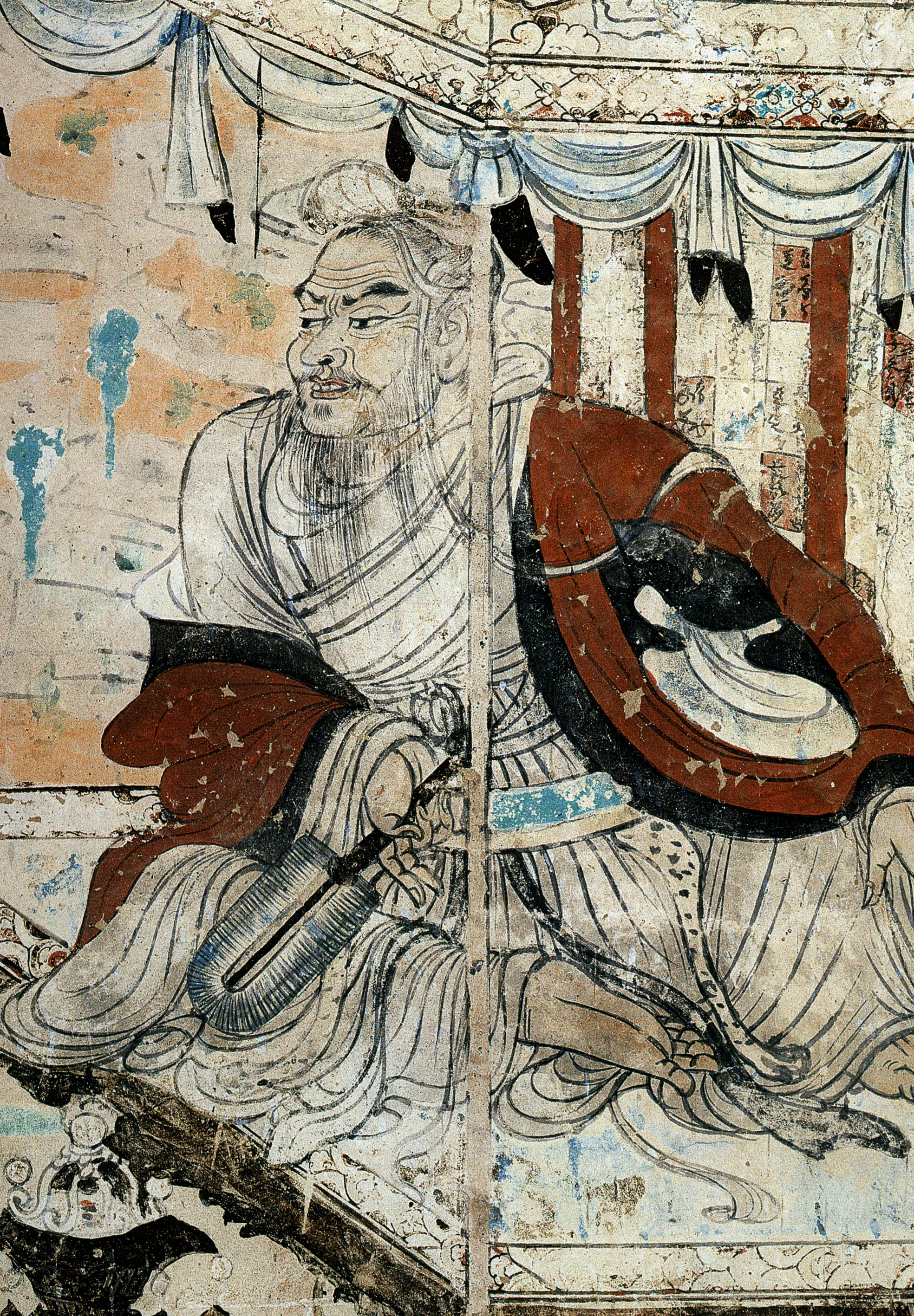
In the words of Pranav Ashar
How we renderThe heart of the Vimalakirti Sutra, chapter 9: the gate of not-two
In brief
In the ninth chapter of the Vimalakirti Sutra, in Kumarajiva's Chinese of 406, the layman Vimalakirti asks thirty-one bodhisattvas how one enters the gate of not-two. Each names a pair, arising and ceasing, self and no-self, form and emptiness, birth-and-death and nirvana, and shows the two are not two. Manjushri says that it cannot be put in words, and says so. Vimalakirti says nothing. The chapter is given whole, in plain words, with the Chinese and pinyin; no English translation of it is in the public domain.
入不二法門品第九 爾時維摩詰謂眾菩薩言:「諸仁者!云何菩薩入不二法門?各隨所樂說之。」
rù bù èr fǎ mén pǐn dì jiǔ ěr shí wéi mó jié wèi zhòng pú sà yán:「zhū rén zhě!yún hé pú sà rù bù èr fǎ mén?gè suí suǒ lè shuō zhī。」
Entering the gate of : chapter nine. Then Vimalakirti said to the bodhisattvas: "Good sirs, how does a bodhisattva enter the gate of ? Let each say as he likes."
Note //
Bu er fa men, 'the dharma-gate of not-two': the chapter's title is the site's name. Thirty-one bodhisattvas answer, then Manjushri, then Vimalakirti.
會中有菩薩名法自在,說言:「諸仁者!生滅為二。法本不生,今則無滅,得此無生法忍,是為入不二法門。」
huì zhōng yǒu pú sà míng fǎ zì zài,shuō yán:「zhū rén zhě!shēng miè wèi èr。fǎ běn bù shēng,jīn zé wú miè,dé cǐ wú shēng fǎ rěn,shì wèi rù bù èr fǎ mén。」
In the assembly a bodhisattva called Dharma-Freedom said: "Good sirs, arising and ceasing make two. Things at root do not arise, so now they do not cease. To gain this patience with the non-arising of things is to enter the gate of ."
Note //
Anutpattika-dharma-kshanti, patience with the non-arising of things, is the Mahayana attainment named again at the chapter's end.
德守菩薩曰:「我、我所為二。因有我故,便有我所;若無有我,則無我所,是為入不二法門。」
dé shǒu pú sà yuē:「wǒ、wǒ suǒ wèi èr。yīn yǒu wǒ gù,biàn yǒu wǒ suǒ;ruò wú yǒu wǒ,zé wú wǒ suǒ,shì wèi rù bù èr fǎ mén。」
The bodhisattva Guardian of Virtue said: "'I' and 'mine' make two. Because there is an I, there is a mine; if there is no I, there is no mine. That is entering the gate of ."
Note //
The site's I-claim in its earliest Buddhist form: 'mine' hangs on 'I'.
不眴菩薩曰:「受、不受為二。若法不受,則不可得;以不可得故,無取無捨、無作無行,是為入不二法門。」
bù xuàn pú sà yuē:「shòu、bù shòu wèi èr。ruò fǎ bù shòu,zé bù kě dé;yǐ bù kě dé gù,wú qǔ wú shě、wú zuò wú xíng,shì wèi rù bù èr fǎ mén。」
The bodhisattva Unblinking said: "Taking in and not taking in make two. If a thing is not taken in it cannot be got hold of; and because it cannot be got hold of, there is no grasping and no letting go, no making and no doing. That is entering the gate of ."
德頂菩薩曰:「垢、淨為二。見垢實性,則無淨相,順於滅相,是為入不二法門。」
dé dǐng pú sà yuē:「gòu、jìng wèi èr。jiàn gòu shí xìng,zé wú jìng xiāng,shùn yú miè xiāng,shì wèi rù bù èr fǎ mén。」
The bodhisattva Crown of Virtue said: "Defiled and pure make two. Whoever sees the real nature of the defiled finds no mark of the pure either, and goes along with the mark of cessation. That is entering the gate of ."
善宿菩薩曰:「是動、是念為二。不動則無念,無念則無分別,通達此者,是為入不二法門。」
shàn sù pú sà yuē:「shì dòng、shì niàn wèi èr。bù dòng zé wú niàn,wú niàn zé wú fēn bié,tōng dá cǐ zhě,shì wèi rù bù èr fǎ mén。」
The bodhisattva Good Star said: "'This moves' and 'this is a thought' make two. Without moving there is no thought; without thought there is no dividing. Whoever gets through to this enters the gate of ."
善眼菩薩曰:「一相、無相為二。若知一相即是無相,亦不取無相,入於平等,是為入不二法門。」
shàn yǎn pú sà yuē:「yī xiāng、wú xiāng wèi èr。ruò zhī yī xiāng jí shì wú xiāng,yì bù qǔ wú xiāng,rù yú píng děng,shì wèi rù bù èr fǎ mén。」
The bodhisattva Good Eye said: "One mark and no mark make two. Whoever knows that the one mark is itself no mark, and does not take hold of no-mark either, enters sameness. That is entering the gate of ."
Note //
Not taking hold of 'no mark' either: the chapter keeps refusing the second term as well as the first, which is why it says not-two rather than one.
妙臂菩薩曰:「菩薩心、聲聞心為二。觀心相空如幻化者,無菩薩心、無聲聞心,是為入不二法門。」
miào bì pú sà yuē:「pú sà xīn、shēng wén xīn wèi èr。guān xīn xiāng kōng rú huàn huà zhě,wú pú sà xīn、wú shēng wén xīn,shì wèi rù bù èr fǎ mén。」
The bodhisattva Wonderful Arm said: "The bodhisattva's mind and the hearer's mind make two. Whoever sees that the mark of mind is empty, like a conjuring, has neither a bodhisattva's mind nor a hearer's mind. That is entering the gate of ."
Note //
Shravaka, the hearer, is the disciple of the older vehicle; even the distinction between the great vehicle and the small is let go.
弗沙菩薩曰:「善、不善為二。若不起善、不善,入無相際而通達者,是為入不二法門。」
fú shā pú sà yuē:「shàn、bù shàn wèi èr。ruò bù qǐ shàn、bù shàn,rù wú xiāng jì ér tōng dá zhě,shì wèi rù bù èr fǎ mén。」
The bodhisattva Pushya said: "Good and not good make two. Whoever does not give rise to good or not-good, and enters the limit of no-mark and gets through, enters the gate of ."
師子菩薩曰:「罪、福為二。若達罪性,則與福無異,以金剛慧決了此相,無縛無解者,是為入不二法門。」
shī zi pú sà yuē:「zuì、fú wèi èr。ruò dá zuì xìng,zé yǔ fú wú yì,yǐ jīn gāng huì jué le cǐ xiāng,wú fù wú jiě zhě,shì wèi rù bù èr fǎ mén。」
The bodhisattva Lion said: "Wrongdoing and merit make two. Whoever gets through to the nature of wrongdoing finds it no different from merit; whoever settles this mark with the diamond wisdom, and is neither bound nor freed, enters the gate of ."
師子意菩薩曰:「有漏、無漏為二。若得諸法等,則不起漏、不漏想,不著於相,亦不住無相,是為入不二法門。」
shī zi yì pú sà yuē:「yǒu lòu、wú lòu wèi èr。ruò dé zhū fǎ děng,zé bù qǐ lòu、bù lòu xiǎng,bù zhù yú xiāng,yì bù zhù wú xiāng,shì wèi rù bù èr fǎ mén。」
The bodhisattva Lion-Mind said: "With outflows and without outflows make two. Whoever gains the sameness of all things gives rise to no thought of outflow or no-outflow, is not attached to marks and does not rest in no-mark either. That is entering the gate of ."
Note //
Asrava, the outflows, are the leaks of craving; 'without outflows' is the arhat's state.
淨解菩薩曰:「有為、無為為二。若離一切數,則心如虛空,以清淨慧無所礙者,是為入不二法門。」
jìng jiě pú sà yuē:「yǒu wèi、wú wèi wèi èr。ruò lí yī qiè shù,zé xīn rú xū kōng,yǐ qīng jìng huì wú suǒ ài zhě,shì wèi rù bù èr fǎ mén。」
The bodhisattva Pure Understanding said: "Made and unmade make two. Whoever leaves all counting behind has a mind like space, and with pure wisdom is nowhere obstructed. That is entering the gate of ."
那羅延菩薩曰:「世間、出世間為二。世間性空,即是出世間,於其中不入、不出、不溢、不散,是為入不二法門。」
nà luó yán pú sà yuē:「shì jiān、chū shì jiān wèi èr。shì jiān xìng kōng,jí shì chū shì jiān,yú qí zhōng bù rù、bù chū、bù yì、bù sàn,shì wèi rù bù èr fǎ mén。」
The bodhisattva Narayana said: "The world and what is beyond the world make two. The nature of the world is empty, and that is what is beyond the world; in it there is no entering, no leaving, no overflowing, no scattering. That is entering the gate of ."
Note //
Lokottara, 'beyond the world', is the world seen as empty; the site's position 7, the knower lives the same life.
善意菩薩曰:「生死、涅槃為二。若見生死性,則無生死,無縛無解,不然不滅,如是解者,是為入不二法門。」
shàn yì pú sà yuē:「shēng sǐ、niè pán wèi èr。ruò jiàn shēng sǐ xìng,zé wú shēng sǐ,wú fù wú jiě,bù rán bù miè,rú shì jiě zhě,shì wèi rù bù èr fǎ mén。」
The bodhisattva Good Mind said: "Birth-and-death and nirvana make two. Whoever sees the nature of birth-and-death finds no birth-and-death, no binding and no release, nothing burning and nothing going out. Whoever understands it so enters the gate of ."
Note //
The CBETA text reads 不然不滅, 'nothing burning and nothing going out', with the Song and Ming editions; the Taisho base text has 不生不滅, 'no arising and no ceasing'. Samsara and nirvana not two is Nagarjuna's point and the chapter's centre.
現見菩薩曰:「盡、不盡為二。法若究竟盡、若不盡,皆是無盡相;無盡相即是空,空則無有盡、不盡相。如是入者,是為入不二法門。」
xiàn jiàn pú sà yuē:「jǐn、bù jǐn wèi èr。fǎ ruò jiū jìng jǐn、ruò bù jǐn,jiē shì wú jǐn xiāng;wú jǐn xiāng jí shì kōng,kōng zé wú yǒu jǐn、bù jǐn xiāng。rú shì rù zhě,shì wèi rù bù èr fǎ mén。」
The bodhisattva Present Seeing said: "Exhausted and not exhausted make two. Whether a thing is finally exhausted or not, both have the mark of the inexhaustible; the mark of the inexhaustible is , and has no mark of exhausted or not exhausted. Whoever enters so enters the gate of ."
普守菩薩曰:「我、無我為二。我尚不可得,非我何可得?見我實性者,不復起二,是為入不二法門。」
pǔ shǒu pú sà yuē:「wǒ、wú wǒ wèi èr。wǒ shàng bù kě dé,fēi wǒ hé kě dé?jiàn wǒ shí xìng zhě,bù fù qǐ èr,shì wèi rù bù èr fǎ mén。」
The bodhisattva Universal Guardian said: "Self and no-self make two. If even the self cannot be , how could no-self be? Whoever sees does not give rise to two again. That is entering the gate of ."
Note //
The sharpest verse for the site: no-self is not held either, since it depends on the self it denies. The site's 'the Self' is what the chapter calls the real nature of the self (我實性), and the note marks this as the site's reading.
電天菩薩曰:「明、無明為二。無明實性即是明,明亦不可取,離一切數,於其中平等無二者,是為入不二法門。」
diàn tiān pú sà yuē:「míng、wú míng wèi èr。wú míng shí xìng jí shì míng,míng yì bù kě qǔ,lí yī qiè shù,yú qí zhōng píng děng wú èr zhě,shì wèi rù bù èr fǎ mén。」
The bodhisattva Lightning Deva said: "Knowledge and ignorance make two. The real nature of ignorance is knowledge, and knowledge too cannot be grasped; it is apart from all counting. Whoever is even and in this enters the gate of ."
Note //
Ming and wuming, light and no-light: the site's not-knowing is said here to be, in its real nature, knowing.
喜見菩薩曰:「色、色空為二。色即是空,非色滅空,色性自空;如是,受、想、行、識、識空為二,識即是空,非識滅空,識性自空,於其中而通達者,是為入不二法門。」
xǐ jiàn pú sà yuē:「sè、sè kōng wèi èr。sè jí shì kōng,fēi sè miè kōng,sè xìng zì kōng;rú shì,shòu、xiǎng、xíng、shí、shí kōng wèi èr,shí jí shì kōng,fēi shí miè kōng,shí xìng zì kōng,yú qí zhōng ér tōng dá zhě,shì wèi rù bù èr fǎ mén。」
The bodhisattva Joyful Seeing said: "Form and the of form make two. Form is itself ; it is not that form ceases and then there is ; the nature of form is of itself empty. So too feeling, perception, formations and consciousness: consciousness and the of consciousness make two; consciousness is itself , not that consciousness ceases and then there is ; the nature of consciousness is of itself empty. Whoever gets through to this enters the gate of ."
Note //
The Heart Sutra's 'form is emptiness' with its gloss: not that form is removed, but that form as it stands is empty. The site's 'real as appearance, never on its own'.
明相菩薩曰:「四種異、空種異為二。四種性即是空種性,如前際、後際空故,中際亦空。若能如是知諸種性者,是為入不二法門。」
míng xiāng pú sà yuē:「sì zhǒng yì、kōng zhǒng yì wèi èr。sì zhǒng xìng jí shì kōng zhǒng xìng,rú qián jì、hòu jì kōng gù,zhōng jì yì kōng。ruò néng rú shì zhī zhū zhǒng xìng zhě,shì wèi rù bù èr fǎ mén。」
The bodhisattva Bright Mark said: "The four elements differing and the element of space differing make two. The nature of the four elements is itself the nature of space: as the earlier limit and the later limit are empty, so the middle is empty too. Whoever can know the natures of the elements so enters the gate of ."
妙意菩薩曰:「眼、色為二。若知眼性,於色不貪、不恚、不癡,是名寂滅;如是,耳、聲,鼻、香,舌、味,身、觸,意、法為二,若知意性,於法不貪、不恚、不癡,是名寂滅,安住其中,是為入不二法門。」
miào yì pú sà yuē:「yǎn、sè wèi èr。ruò zhī yǎn xìng,yú sè bù tān、bù huì、bù chī,shì míng jì miè;rú shì,ěr、shēng,bí、xiāng,shé、wèi,shēn、chù,yì、fǎ wèi èr,ruò zhī yì xìng,yú fǎ bù tān、bù huì、bù chī,shì míng jì miè,ān zhù qí zhōng,shì wèi rù bù èr fǎ mén。」
The bodhisattva Wonderful Mind said: "Eye and form make two. Whoever knows the nature of the eye is without greed, anger or confusion toward forms, and that is called stillness. So too ear and sound, nose and smell, tongue and taste, body and touch, mind and things make two; whoever knows the nature of mind is without greed, anger or confusion toward things, and that is called stillness. Whoever rests in this enters the gate of ."
無盡意菩薩曰:「布施、迴向一切智為二。布施性即是迴向一切智性,如是,持戒、忍辱、精進、禪定、智慧、迴向一切智為二,智慧性即是迴向一切智性,於其中入一相者,是為入不二法門。」
wú jǐn yì pú sà yuē:「bù shī、huí xiàng yī qiè zhì wèi èr。bù shī xìng jí shì huí xiàng yī qiè zhì xìng,rú shì,chí jiè、rěn rǔ、jīng jìn、chán dìng、zhì huì、huí xiàng yī qiè zhì wèi èr,zhì huì xìng jí shì huí xiàng yī qiè zhì xìng,yú qí zhōng rù yī xiāng zhě,shì wèi rù bù èr fǎ mén。」
The bodhisattva Inexhaustible Mind said: "Giving and turning giving over to all-knowing make two. The nature of giving is itself the nature of turning over to all-knowing; so too keeping the precepts, patience, effort, meditation and wisdom, and turning them over to all-knowing, make two; the nature of wisdom is itself the nature of turning over to all-knowing. Whoever enters the one mark in this enters the gate of ."
Note //
The six perfections and their dedication: the act and its aim are not two.
深慧菩薩曰:「是空、是無相、是無作為二。空即無相,無相即無作;若空、無相、無作,則無心、意、識,於一解脫門即是三解脫門者,是為入不二法門。」
shēn huì pú sà yuē:「shì kōng、shì wú xiāng、shì wú zuò wèi èr。kōng jí wú xiāng,wú xiāng jí wú zuò;ruò kōng、wú xiāng、wú zuò,zé wú xīn、yì、shí,yú yī jiě tuō mén jí shì sān jiě tuō mén zhě,shì wèi rù bù èr fǎ mén。」
The bodhisattva Deep Wisdom said: "'This is ,' 'this is no-mark,' 'this is no-wish' make two. is no-mark; no-mark is no-wish. Where there is , no-mark and no-wish, there is no mind, thought or consciousness; and in one door of release there are all three doors of release. That is entering the gate of ."
Note //
The three doors of release (vimoksha-mukha) of the older Buddhism, shown to be one door.
寂根菩薩曰:「佛、法、眾為二。佛即是法,法即是眾,是三寶皆無為相,與虛空等,一切法亦爾。能隨此行者,是為入不二法門。」
jì gēn pú sà yuē:「fú、fǎ、zhòng wèi èr。fú jí shì fǎ,fǎ jí shì zhòng,shì sān bǎo jiē wú wèi xiāng,yǔ xū kōng děng,yī qiè fǎ yì ěr。néng suí cǐ xíng zhě,shì wèi rù bù èr fǎ mén。」
The bodhisattva Quiet Root said: "Buddha, Dharma and Sangha make two. The Buddha is the Dharma; the Dharma is the Sangha; the three jewels all have the mark of the unmade and are equal to space, and so are all things. Whoever can follow this enters the gate of ."
心無礙菩薩曰:「身、身滅為二。身即是身滅。所以者何?見身實相者,不起見身及見滅身,身與滅身無二無分別,於其中不驚、不懼者,是為入不二法門。」
xīn wú ài pú sà yuē:「shēn、shēn miè wèi èr。shēn jí shì shēn miè。suǒ yǐ zhě hé?jiàn shēn shí xiāng zhě,bù qǐ jiàn shēn jí jiàn miè shēn,shēn yǔ miè shēn wú èr wú fēn bié,yú qí zhōng bù jīng、bù jù zhě,shì wèi rù bù èr fǎ mén。」
The bodhisattva Unobstructed Mind said: "The body and the body's ceasing make two. The body is itself the body's ceasing. Why? Whoever sees the real mark of the body does not give rise to a seeing of the body and a seeing of its ceasing; body and ceasing-body are not two and not divided. Whoever is neither startled nor afraid in this enters the gate of ."
Note //
The site's position 9: pain may stay, suffering ends; the body's ending is not an event waited for.
上善菩薩曰:「身、口、意業為二。是三業皆無作相,身無作相,即口無作相;口無作相,即意無作相;是三業無作相,即一切法無作相。能如是隨無作慧者,是為入不二法門。」
shàng shàn pú sà yuē:「shēn、kǒu、yì yè wèi èr。shì sān yè jiē wú zuò xiāng,shēn wú zuò xiāng,jí kǒu wú zuò xiāng;kǒu wú zuò xiāng,jí yì wú zuò xiāng;shì sān yè wú zuò xiāng,jí yī qiè fǎ wú zuò xiāng。néng rú shì suí wú zuò huì zhě,shì wèi rù bù èr fǎ mén。」
The bodhisattva Highest Good said: "Acts of body, speech and mind make two. These three acts all have the mark of non-doing: the body's non-doing is the speech's non-doing; the speech's non-doing is the mind's non-doing; and the non-doing of these three acts is the non-doing of all things. Whoever can follow the wisdom of non-doing so enters the gate of ."
Note //
The CBETA text reads 業 (acts) where the Taisho base has 善 (good); the sense of the passage requires 'acts'. The site's action without attachment: the doer is not found in the deed.
福田菩薩曰:「福行、罪行、不動行為二。三行實性即是空,空則無福行、無罪行、無不動行。於此三行而不起者,是為入不二法門。」
fú tián pú sà yuē:「fú xíng、zuì xíng、bù dòng xíng wèi èr。sān xíng shí xìng jí shì kōng,kōng zé wú fú xíng、wú zuì xíng、wú bù dòng xíng。yú cǐ sān xíng ér bù qǐ zhě,shì wèi rù bù èr fǎ mén。」
The bodhisattva Field of Merit said: "Meritorious action, wrong action and unmoving action make two. The real nature of the three actions is , and in there is no meritorious, wrong or unmoving action. Whoever does not give rise to these three actions enters the gate of ."
華嚴菩薩曰:「從我起二為二。見我實相者,不起二法;若不住二法,則無有識;無所識者,是為入不二法門。」
huá yán pú sà yuē:「cóng wǒ qǐ èr wèi èr。jiàn wǒ shí xiāng zhě,bù qǐ èr fǎ;ruò bù zhù èr fǎ,zé wú yǒu shí;wú suǒ shí zhě,shì wèi rù bù èr fǎ mén。」
The bodhisattva Flower Garland said: "Two arising from a self makes two. Whoever sees the real mark of the self does not give rise to the two; whoever does not rest in the two has no consciousness of objects; and whoever has nothing he is conscious of enters the gate of ."
德藏菩薩曰:「有所得相為二。若無所得,則無取捨;無取捨者,是為入不二法門。」
dé cáng pú sà yuē:「yǒu suǒ dé xiāng wèi èr。ruò wú suǒ dé,zé wú qǔ shě;wú qǔ shě zhě,shì wèi rù bù èr fǎ mén。」
The bodhisattva Treasury of Virtue said: "The mark of there being something to get makes two. If there is nothing to get, there is no grasping and no rejecting; whoever neither grasps nor rejects enters the gate of ."
月上菩薩曰:「闇與明為二。無闇、無明,則無有二。所以者何?如入滅受想定,無闇、無明,一切法相亦復如是,於其中平等入者,是為入不二法門。」
yuè shàng pú sà yuē:「àn yǔ míng wèi èr。wú àn、wú míng,zé wú yǒu èr。suǒ yǐ zhě hé?rú rù miè shòu xiǎng dìng,wú àn、wú míng,yī qiè fǎ xiāng yì fù rú shì,yú qí zhōng píng děng rù zhě,shì wèi rù bù èr fǎ mén。」
The bodhisattva Moon Above said: "Dark and light make two. With no dark and no light there is no two. Why? As one who enters the cessation of feeling and perception has no dark and no light, so is the mark of all things. Whoever enters this evenly enters the gate of ."
寶印手菩薩曰:「樂涅槃、不樂世間為二。若不樂涅槃、不厭世間,則無有二。所以者何?若有縛,則有解;若本無縛,其誰求解?無縛無解,則無樂、厭,是為入不二法門。」
bǎo yìn shǒu pú sà yuē:「lè niè pán、bù lè shì jiān wèi èr。ruò bù lè niè pán、bù yàn shì jiān,zé wú yǒu èr。suǒ yǐ zhě hé?ruò yǒu fù,zé yǒu jiě;ruò běn wú fù,qí shuí qiú jiě?wú fù wú jiě,zé wú lè、yàn,shì wèi rù bù èr fǎ mén。」
The bodhisattva Jewel-Seal Hand said: "Delighting in nirvana and not delighting in the world make two. Whoever neither delights in nirvana nor is sick of the world has no two. Why? If there is binding, there is ; if from the first there is no binding, who looks for ? With no binding and no there is no delight and no distaste. That is entering the gate of ."
Note //
'If from the first there is no binding, who looks for release?' is Ashtavakra's question (1.11) in Chinese, and the site's position 6: the claim falls, and nothing was ever tied.
珠頂王菩薩曰:「正道、邪道為二。住正道者,則不分別是邪是正,離此二者,是為入不二法門。」
zhū dǐng wáng pú sà yuē:「zhèng dào、xié dào wèi èr。zhù zhèng dào zhě,zé bù fēn bié shì xié shì zhèng,lí cǐ èr zhě,shì wèi rù bù èr fǎ mén。」
The bodhisattva Jewel-Crowned King said: "The right path and the wrong path make two. Whoever rests in the right path does not divide into wrong and right; whoever is apart from these two enters the gate of ."
樂實菩薩曰:「實、不實為二。實見者尚不見實,何況非實?所以者何?非肉眼所見,慧眼乃能見,而此慧眼,無見無不見,是為入不二法門。」
lè shí pú sà yuē:「shí、bù shí wèi èr。shí jiàn zhě shàng bù jiàn shí,hé kuàng fēi shí?suǒ yǐ zhě hé?fēi ròu yǎn suǒ jiàn,huì yǎn nǎi néng jiàn,ér cǐ huì yǎn,wú jiàn wú bù jiàn,shì wèi rù bù èr fǎ mén。」
The bodhisattva Delight in the Real said: "Real and unreal make two. Whoever sees the real does not even see the real, let alone the unreal. Why? It is not seen by the fleshly eye; only the wisdom eye can see it, and this wisdom eye neither sees nor does not see. That is entering the gate of ."
Note //
The last of the thirty-one, and the one that turns on seeing itself: the wisdom eye 'neither sees nor does not see', which is the site's position 8, the witness that is not a someone watching.
如是諸菩薩各各說已,問文殊師利:「何等是菩薩入不二法門?」
rú shì zhū pú sà gè gè shuō yǐ,wèn wén shū shī lì:「hé děng shì pú sà rù bù èr fǎ mén?」
When the bodhisattvas had each spoken, they asked Manjushri: "What is the bodhisattva's entering of the gate of ?"
文殊師利曰:「如我意者,於一切法無言無說,無示無識,離諸問答,是為入不二法門。」
wén shū shī lì yuē:「rú wǒ yì zhě,yú yī qiè fǎ wú yán wú shuō,wú shì wú shí,lí zhū wèn dá,shì wèi rù bù èr fǎ mén。」
Manjushri said: "As I understand it, toward all things there is no word and no speech, no showing and no knowing; it is apart from all question and answer. That is entering the gate of ."
Note //
Manjushri says that it cannot be said, and says so; the chapter has one step left.
於是文殊師利問維摩詰:「我等各自說已,仁者當說何等是菩薩入不二法門?」
yú shì wén shū shī lì wèn wéi mó jié:「wǒ děng gè zì shuō yǐ,rén zhě dāng shuō hé děng shì pú sà rù bù èr fǎ mén?」
Then Manjushri asked Vimalakirti: "We have each spoken. Now you, sir, should say what the bodhisattva's entering of the gate of is."
時維摩詰默然無言。
shí wéi mó jié mò rán wú yán。
Vimalakirti .
Note //
Mo ran wu yan: the thunderous silence of Vimalakirti, as the Chan tradition named it. The site has nothing to add, and that is the point.
文殊師利歎曰:「善哉,善哉!乃至無有文字、語言,是真入不二法門。」
wén shū shī lì tàn yuē:「shàn zāi,shàn zāi!nǎi zhì wú yǒu wén zì、yǔ yán,shì zhēn rù bù èr fǎ mén。」
Manjushri exclaimed: "Good, good! To have not even letters or speech: this is truly entering the gate of ."
說是入不二法門品時,於此眾中五千菩薩,皆入不二法門,得無生法忍。
shuō shì rù bù èr fǎ mén pǐn shí,yú cǐ zhòng zhōng wǔ qiān pú sà,jiē rù bù èr fǎ mén,dé wú shēng fǎ rěn。
When this chapter on entering the gate of was spoken, five thousand bodhisattvas in the assembly all entered the gate of and gained patience with the non-arising of things.
Touch an underlined word to see the Chinese behind it. The lighter lines are how the tradition read the verse; the rest is the verse.
The renderings on this page are shared under CC BY-NC 4.0, in the words of Pranav Ashar.