Allama Prabhu: ten vachanas
In the words of Pranav Ashar
How we renderThe heart of the Allama Prabhu: ten vachanas
In brief
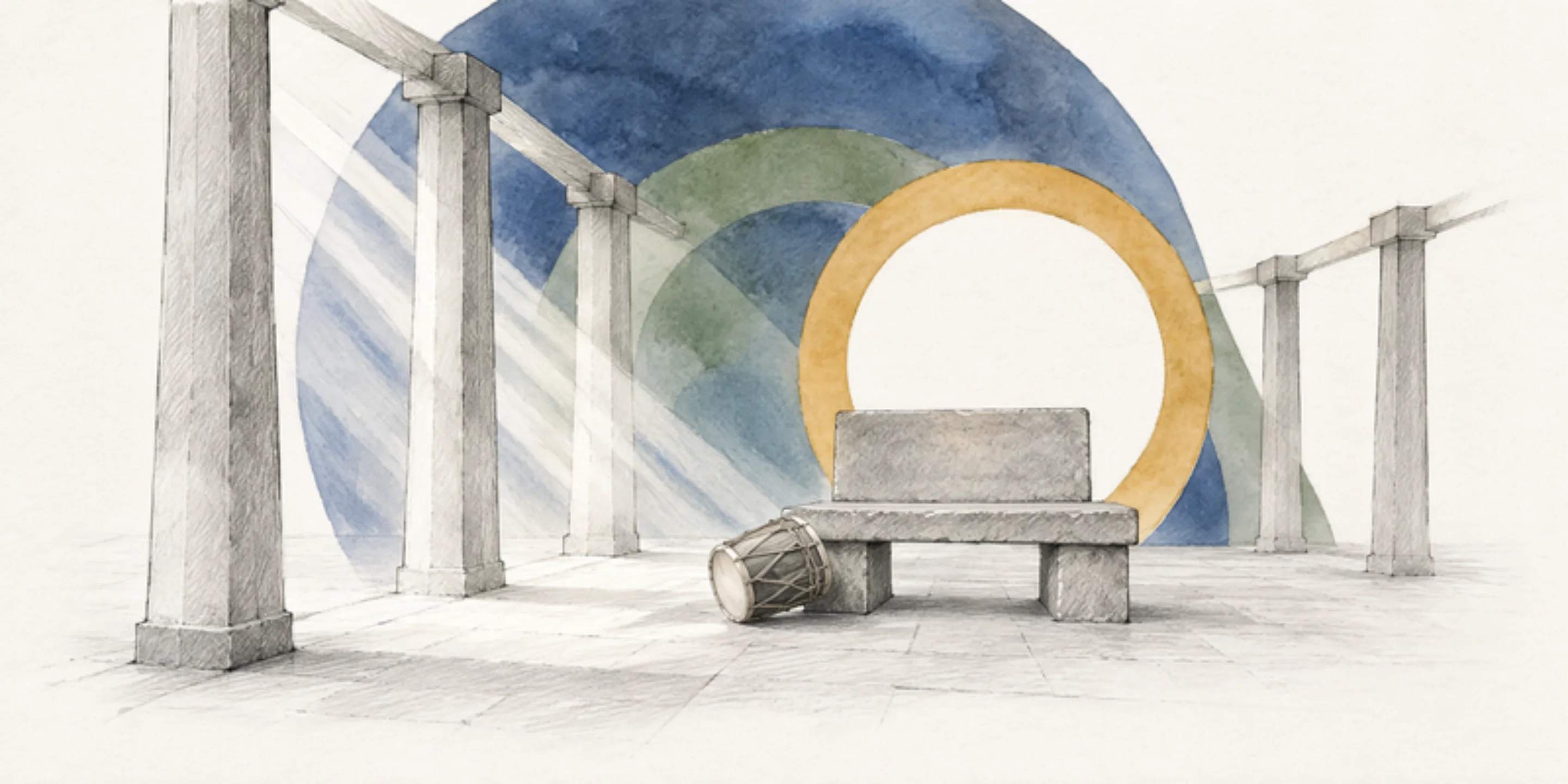
Allama Prabhu came to Kalyana in the twelfth century from Balligavi, a drummer in a temple by one account, and sat on the empty throne of Basava's hall of experience, where the sharanas met to talk. He signs every vachana Guheshwara, lord of the cave, and most of them are hard on purpose. The 1294 that survive include the sharpest lines in Kannada on knowing, talking and the I. Ten are given here in plain words, in his own Virashaiva sense first. No public-domain English version exists.
How many dissolutions
ಹಿಂದೆ ಎಷ್ಟು ಪ್ರಳಯ ಹೋಯಿತ್ತೆಂದರಿಯೆ. ಮುಂದೆ ಎಷ್ಟು ಪ್ರಳಯ ಬಂದಹುದೆಂದರಿಯೆ. ತನ್ನ ಸ್ಥಿತಿಯ ತಾನರಿಯದಡೆ ಅದೇ ಪ್ರಳಯವಲ್ಲಾ! ತನ್ನ ವಚನ ತನಗೆ ಹಗೆಯಾದಡೆ ಅದೇ ಪ್ರಳಯವಲ್ಲಾ! ಇಂತಹ ಪ್ರಳಯ ನಿನ್ನಲುಂಟೆ ಗುಹೇಶ್ವರಾ?
hiṃde eṣṭu praḷaya hōyitteṃdariye. muṃde eṣṭu praḷaya baṃdahudeṃdariye. tanna sthitiya tānariyadaḍe adē praḷayavallā! tanna vacana tanage hageyādaḍe adē praḷayavallā! iṃtaha praḷaya ninnaluṃṭe guhēśvarā?
How many dissolutions have gone before, I do not know. How many are still to come, I do not know. Not to know your own state: that is the dissolution. Your own word turned against you: that is the dissolution. Is there a dissolution like that in you, Guheshwara?
Note //
Pralaya is the folding-up of a world at the end of an age; Allama lets the cosmic cycle run and puts the only dissolution that matters inside the person. Guheshwara, 'lord of the cave', is the name he signs every vachana with. The site agrees on both counts: the cycle is beginningless and goes on, and the covering is ended in one place only.
One pillar, one temple, one god
ಕಂಬವೊಂದೆ ದೇಗುಲವೊಂದೆ ದೇವರೊಂದೆ ಗುಹೇಶ್ವರ ನಿಮ್ಮ ಮನ್ನಣೆಯ ಶರಣರ ದೇವರೆಂಬೆನು.
kaṃbavoṃde dēgulavoṃde dēvaroṃde guhēśvara nimma mannaṇeya śaraṇara dēvareṃbenu.
One pillar, one temple, one god: Guheshwara, that is what I call the god of the sharanas you hold dear.
Note //
A sharana is one who has taken refuge, the Virashaiva follower who wears the linga on the body; the body is the temple, its spine the pillar, and the god is not a third thing. The site reads the three 'ones' as not-two said three times.
Inside knowing, a forgetting
ಅರಿವಿನೊಳಗೊಂದು ಮರವೆಯದೆ ಮರವೆಯೊಳಗೊಂದು ಅರಿವದೆ. ಅರಿವು ಮರವೆಯೆಂಬೆರಡೂ ಅಳಿದಡೆ ನಿರ್ಣಯವದೆ. ತಾನೆಂಬಲ್ಲಿ ನಿಷ್ಪತಿಯಿದೆ ಇದೇನು ಹೇಳಾ ಗುಹೇಶ್ವರಾ?
arivinoḷagoṃdu maraveyade maraveyoḷagoṃdu arivade. arivu maraveyeṃberaḍū aḷidaḍe nirṇayavade. tāneṃballi niṣpatiyide idēnu hēḷā guhēśvarā?
Inside there is a forgetting; inside forgetting there is a . When and forgetting both fall away, what is settled is there. Where one says 'I myself', there it comes to rest. What is this? Tell me, Guheshwara.
Note //
Knowing here is arivu, the knowing that has an object, and it carries its own forgetting inside it; what is left when both go is not a third kind of knowing but the settled thing itself. The edition offers 'nirvayalu', the formless open, as a variant for 'what is settled'. The site's reading: the knowing that comes and goes is the mind's, and what remains when it goes is awareness, which never came.
Read and read, the Veda
ಓದಿ ಓದಿ ವೇದ ವಾದಕ್ಕಿಕ್ಕಿತ್ತು. ಕೇಳೀ ಕೇಳಿ ಶಾಸ್ತ್ರ ಸಂದೇಹಕ್ಕಿಕ್ಕಿತ್ತು. ಅರಿದೆ ಅರಿದೆನೆಂದು ಆಗಮ ಅಗಲಕ್ಕೆ ಹರಿಯಿತ್ತು. ನೀನೆತ್ತ ನಾನೆತ್ತಲೆಂದು ಬೊಮ್ಮ ಬಕ್ಕಟ ಬಯಲು ಗುಹೇಶ್ವರಾ
ōdi ōdi vēda vādakkikkittu. kēḷī kēḷi śāstra saṃdēhakkikkittu. aride arideneṃdu āgama agalakke hariyittu. nīnetta nānettaleṃdu bomma bakkaṭa bayalu guhēśvarā
Read and read, the Veda ended in argument. Heard and heard, the shastras ended in doubt. 'I know, I know,' and the agamas split wide open. 'Where are you, where am I?' , Guheshwara.
Note //
Bayalu, the open, the empty sky, is the Virashaiva word for the ultimate, and 'bare' (bakkata) strips even that. The three texts (Veda, shastra, agama) are the whole library of the schools. The site hears the last line as its own position 1 with the furniture removed: the whole is full, and nothing is outside it to argue with.
Where there is sleep
ನಿದ್ರೆಯಿದ್ದಡೆಯಲ್ಲಿ ಬುದ್ಧಿಯೆಂಬುದಿಲ್ಲ ನೋಡಾ. ಕಾಯವೊಂದೆಸೆ ಜೀವವೊಂದೆಸೆ ಗುಹೇಶ್ವರಲಿಂಗ ತಾನೊಂದೆಸೆ!
nidreyiddaḍeyalli buddhiyeṃbudilla nōḍā. kāyavoṃdese jīvavoṃdese guhēśvaraliṃga tānoṃdese!
Where there is sleep there is no understanding, look. The body to one side, the life to one side, Guheshwara-linga himself to another!
Note //
In deep sleep the three come apart: the body lies there, the life (jiva) is somewhere, and the linga is by itself. Allama uses the fact as a question: which of the three were you? The site answers with the fourth: what was present through the sleep, lighting nothing, is what you are, and it did not go to any side.
They worship a stone
ಕಲ್ಲ ದೇವರೆಂದು ಪೂಜಿಸುವರು ಆಗದು ಕಾಣಿರೊ. ಅಗಡಿಗರಾದಿರಲ್ಲಾ! ಮುಂದೆ ಹುಟ್ಟುವ ಕೂಸಿಂಗೆ ಇಂದು ಮೊಲೆಯ ಕೊಡುವಂತೆ ಗುಹೇಶ್ವರ!
kalla dēvareṃdu pūjisuvaru āgadu kāṇiro. agaḍigarādirallā! muṃde huṭṭuva kūsiṃge iṃdu moleya koḍuvaṃte guhēśvara!
They worship a stone as god: it will not do, look. What fools you have become! It is like giving the breast today to a child not yet born, Guheshwara.
Note //
The Virashaivas wore the linga on the body and had no use for the fixed stone (sthavara) of the temples; Allama's figure is sharper than the usual quarrel, since the god the stone is fed has not yet been born in the one who feeds it. The site reads the unborn child as the recognition that has not happened yet, not as a verdict on anyone's temple.
No 'I', no 'you'
ಷಡೂರ್ಮಿಯಿಲ್ಲ ಷಡ್ವರ್ಗವಿಲ್ಲ ನಾನೆಂಬುದಿಲ್ಲ ನೀನೆಂಬುದಿಲ್ಲ. ಏನೆಂಬುದೇನೂ ಇಲ್ಲದಿಹುದೆ ಚಿದಹಂಕಾರದ ಲಿಂಗೈಕ್ಯವಯ್ಯಾ ಗುಹೇಶ್ವರಾ.
ṣaḍūrmiyilla ṣaḍvargavilla nāneṃbudilla nīneṃbudilla. ēneṃbudēnū illadihude cidahaṃkārada liṃgaikyavayyā guhēśvarā.
No six waves, no six enemies, no 'I', no 'you'. Nothing at all left to be called anything: that is the merging in the linga of the I that is awareness, Guheshwara.
Note //
The six waves are hunger, thirst, grief, delusion, old age and death; the six enemies are desire, anger, greed, delusion, pride and envy. Chid-ahankara, 'the I that is awareness', is the I-claim seen as nothing but awareness wearing a name; its merging is the Virashaiva lingaikya, the end of the path. The site says the same with its own words: the claim falls, and what remains is recognised, not produced.
Speaking advaita, I became proud
ಅದ್ವೈತವ ನುಡಿದು ಅಹಂಕಾರಿಯಾದೆನಯ್ಯಾ. ಬ್ರಹ್ಮವ ನುಡಿದು ಭ್ರಮಿತನಾದೆನಯ್ಯಾ. ಶೂನ್ಯವ ನುಡಿದು ನಾನು ಸುಖದುಃಖಕ್ಕೆ ಗುರಿಯಾದೆನಯ್ಯಾ. ಗುಹೇಶ್ವರಾ ನಿಮ್ಮ ಶರಣ ಸಂಗನಬಸವಣ್ಣನ ಸಾನ್ನಿಧ್ಯದಿಂದ ನಾನು ಸದ್ಭಕ್ತನಾದೆನಯ್ಯಾ.
advaitava nuḍidu ahaṃkāriyādenayyā. brahmava nuḍidu bhramitanādenayyā. śūnyava nuḍidu nānu sukhaduḥkhakke guriyādenayyā. guhēśvarā nimma śaraṇa saṃganabasavaṇṇana sānnidhyadiṃda nānu sadbhaktanādenayyā.
Speaking advaita, I became proud. Speaking of Brahman, I became deluded. , I became the target of pleasure and pain. Guheshwara, in the presence of your sharana Sangana Basavanna, I became a true devotee.
Note //
Sangana Basavanna is Basava, the minister and founder of the Kalyana movement, named after his god Kudala Sangama. The vachana is Allama's warning to people who talk the way this site does, and the site takes it: advaita said by the I-claim is one more possession. Knowledge, in the site's words, arises in understanding and the claim falls; it does not arise in the mouth.
Know yourself, and every word is truth
ತನ್ನ ತಾನರಿದಡೆ ನುಡಿಯೆಲ್ಲ ತತ್ವ ನೋಡಾ! ತನ್ನ ತಾ ಮರೆದಡೆ ನುಡಿಯೆಲ್ಲ ಮಾಯೆ ನೋಡಾ! ಅರಿದು ಮರೆದ ಶಿವಯೋಗಿಯ ಶಬ್ದವೆಲ್ಲವು ಉಪದೇಶವಲ್ಲದೆ ಭಿನ್ನವುಂಟೆ? ನಿನ್ನ ಮನದ ಕಳವಳವ ತಿಳುಹಲೆಂದು ಮಾತನಾಡಿಸಿ ನೋಡಿದಡೆ ಎನ್ನ ಮನದೊಳಗೆ ಕಂದು ಕಲೆ ಎಂಬುದಿಲ್ಲ ನೋಡಾ! ನಮ್ಮ ಗುಹೇಶ್ವರಲಿಂಗಕ್ಕೆ ನೀನು ಕರುಣದ ಶಿಶುವಾದ ಕಾರಣ ಬಾಯ್ದೆಗೆದೆನಲ್ಲದೆ ಭಿನ್ನವುಂಟೆ ಹೇಳಾ ಮರುಳೆ?
tanna tānaridaḍe nuḍiyella tatva nōḍā! tanna tā maredaḍe nuḍiyella māye nōḍā! aridu mareda śivayōgiya śabdavellavu upadēśavallade bhinnavuṃṭe? ninna manada kaḷavaḷava tiḷuhaleṃdu mātanāḍisi nōḍidaḍe enna manadoḷage kaṃdu kale eṃbudilla nōḍā! namma guhēśvaraliṃgakke nīnu karuṇada śiśuvāda kāraṇa bāydegedenallade bhinnavuṃṭe hēḷā maruḷe?
Know yourself, and every word is truth, look. Forget yourself, and every word is , look. The Shiva-yogi who has known and forgotten: is any word of his other than teaching? I made you talk, to settle the trouble in your mind, and looked: in my mind there is no stain and no scar, look. Because you are the child of our Guheshwara-linga's mercy I opened my mouth. Is there any difference? Tell me, you fool.
Note //
Spoken to a disciple (tradition says Siddharama), and 'fool' (marule) is affectionate. 'Known and forgotten' is the yogi who has known what he is and forgotten himself as a separate one. The site reads the first two lines as its whole account of appearance: the same world, the same words, and whether they are truth or maya depends only on whether the speaker is mistaken about the speaker.
'Knowing, knowing,' you keep saying
ಅರಿವು ಅರಿವು ಎನುತಿಪ್ಪಿರಿ ಅರಿವು ಸಾಮಾನ್ಯವೆ? ಹಿಂದಣ ಹೆಜ್ಜೆಯ ನೋಡಿ ಕಂಡಲ್ಲದೆ ನಿಂದ ಹೆಜ್ಜೆಯನರಿಯಬಾರದು. ಮುಂದಣ ಹೆಜ್ಜೆಯಳಿದಲ್ಲದೆ ಒಂದು ಪಾದ ನೆಲೆಗೊಳ್ಳದು. ನೆಲನ ಬಿಟ್ಟು ಆಕಾಶದಲ್ಲಿ ನಿಂದು ಮುಗಿಲೊಳಗೆ ಮಿಂಚಿದಲ್ಲದೆ ತಾನಾಗಬಾರದು. ಗುಹೇಶ್ವರನೆಂಬುದು ಬರಿದೆ ಬಹುದೆ ಹೇಳಿರೆ?
arivu arivu enutippiri arivu sāmānyave? hiṃdaṇa hejjeya nōḍi kaṃḍallade niṃda hejjeyanariyabāradu. muṃdaṇa hejjeyaḷidallade oṃdu pāda nelegoḷḷadu. nelana biṭṭu ākāśadalli niṃdu mugiloḷage miṃcidallade tānāgabāradu. guhēśvaraneṃbudu baride bahude hēḷire?
', ,' you keep saying. Is a common thing? Unless you look back at the step behind and see it, you cannot know the step you stand on. Unless the step ahead is lost, one foot does not find its place. Unless you leave the ground, stand in the sky and flash inside the cloud, you cannot become it. Does what is called Guheshwara come for nothing? Tell me.
Note //
The step behind is where you came from, the step ahead is what you want; the one foot that finds its place is the present. Allama's lightning inside the cloud is his usual refusal to make the end sound comfortable. The site reads 'become it' as recognition rather than arrival, but keeps his warning that the recognition costs the ground you were standing on.
Touch an underlined word to see the Kannada behind it. The lighter lines are how the tradition read the verse; the rest is the verse.
The renderings on this page are shared under CC BY-NC 4.0, in the words of Pranav Ashar.