Sita Upanishad
In the words of Pranav Ashar
How we renderThe heart of the Sita
In brief
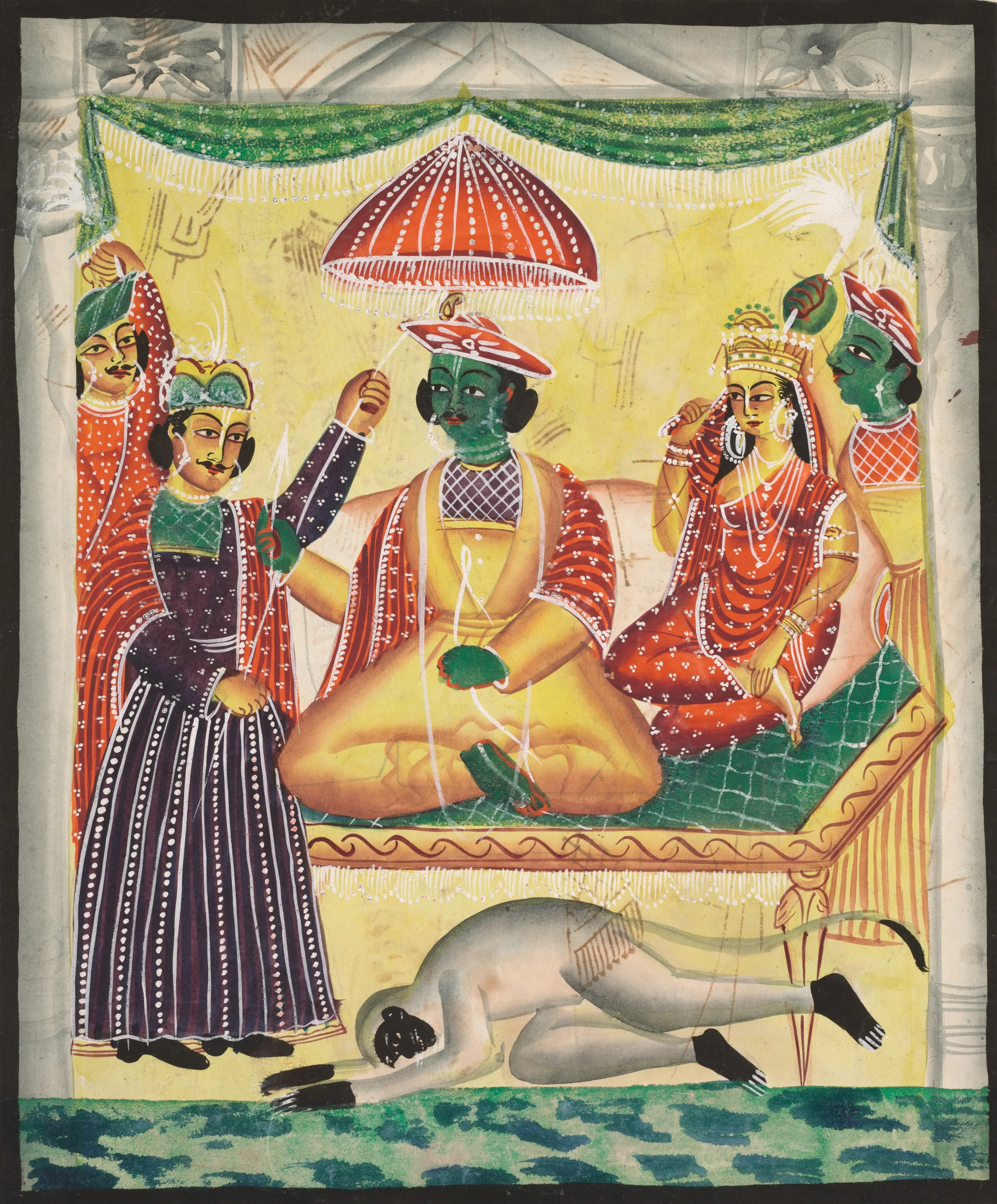
The gods ask who Sita is. Prajapati answers: Sita is nature, the root of everything, and the nature of Om. She appears in three ways: as the Word in the study of the Veda, as the one born on earth from the tip of the plough, and as the unmanifest. By the presence of Rama she brings joy to the world and makes the arising, staying and ending of all embodied beings. She is all the Vedas, gods and worlds, the Lord's own power, 'different and not different' from him. As his direct power she never leaves him.
- Sita as root nature
- The power of the Lord
- Different and not different
- Presence and power
- Born from the furrow
देवा ह वै प्रजापतिमब्रुवन्का सीता किं रूपमिति । स होवाच प्रजापतिः सा सीतेति । मूलप्रकृतिरूपत्वात्सा सीता प्रकृतिः स्मृता । प्रणवप्रकृतिरूपत्वात्सा सीता प्रकृतिरुच्यते । सीता इति त्रिवर्णात्मा साक्षान्मायामयी भवेत् । विष्णुः प्रपञ्चबीजं च माया ईकार उच्यते । सकारः सत्यममृतं प्राप्तिः सोमश्च कीर्त्यते । तकारस्तारलक्ष्म्या च वैराजः प्रस्तरः स्मृतः ॥ १॥
devā ha vai prajāpatimabruvankā sītā kiṃ rūpamiti | sa hovāca prajāpatiḥ sā sīteti | mūlaprakṛtirūpatvātsā sītā prakṛtiḥ smṛtā | praṇavaprakṛtirūpatvātsā sītā prakṛtirucyate | sītā iti trivarṇātmā sākṣānmāyāmayī bhavet | viṣṇuḥ prapañcabījaṃ ca māyā īkāra ucyate | sakāraḥ satyamamṛtaṃ prāptiḥ somaśca kīrtyate | takārastāralakṣmyā ca vairājaḥ prastaraḥ smṛtaḥ || 1||
The gods said to Prajapati: 'Who is Sita? What is her form?' Prajapati said: 'She is Sita. Because she is the root nature, Sita is remembered as nature. Because she is the nature of Om, Sita is called nature. Sita, as three sounds, is maya itself. Vishnu is the seed of the world, and maya is the sound ī. The sound s is called truth, the deathless, attainment and soma. The sound t, with Lakshmi who carries across, is the spread of the cosmic body.'
Note //
Section 1. 'Nature' (prakṛti) is the source from which the world unfolds; 'root nature' (mūla-prakṛti) is that source before it unfolds. The name Sītā is read sound by sound (s, ī, t), each sound standing for an aspect of the world-power, maya. 'Maya' is rendered by its name: the Lord's power to appear as the world, real as appearance, never on its own. The meaning of 'vairājaḥ prastaraḥ' is uncertain; pending review. Editions agree.
ईकाररूपिणी सोमामृतावयवदिव्यालङ्कारस्रङ्मौक्तिकाद्याभरणालङ्कृता महामायाऽव्यक्तरूपिणी व्यक्ता भवति । प्रथमा शब्दब्रह्ममयी स्वाध्यायकाले प्रसन्ना उद्भावनकरी सात्मिका द्वितीया भूतले हलाग्रे समुत्पन्ना तृतीया ईकाररूपिणी अव्यक्तस्वरूपा भवतीति सीतेत्युदाहरन्ति ।
īkārarūpiṇī somāmṛtāvayavadivyālaṅkārasraṅmauktikādyābharaṇālaṅkṛtā mahāmāyā'vyaktarūpiṇī vyaktā bhavati | prathamā śabdabrahmamayī svādhyāyakāle prasannā udbhāvanakarī sātmikā dvitīyā bhūtale halāgre samutpannā tṛtīyā īkārarūpiṇī avyaktasvarūpā bhavatīti sītetyudāharanti |
She who is the sound ī, adorned with limbs of soma and nectar, with divine ornaments, garlands, pearls and jewels, the great maya, unmanifest in form, becomes manifest. The first is made of the Word that is Brahman: at the time of study she is gracious and brings the meaning to light. The second arose on the earth at the tip of the plough. The third, the sound ī, is the unmanifest itself. So they speak of Sita.
Note //
The opening of section 2, before the quotation given as verse 2: Sita in three forms, as the Veda heard in study, as the girl found in the furrow (the story of the Ramayana, where King Janaka finds her while ploughing), and as the unmanifest source. 'Brings the meaning to light' renders 'udbhāvanakarī sātmikā', whose second word is unclear. Numbered 2a because it precedes verse 2 in the same section. Editions: 'ābharaṇālaṅkṛtā' (Adyar collection) over 'ābharaṇalaṅkṛtā' (sanskritdocuments.org); 'sītety udāharanti' (Adyar) over 'sītā ity udāharanti'.
शौनकीये श्रीरामसान्निध्यवशाज्जगदानन्दकारिणी । उत्पत्तिस्थितिसंहारकारिणी सर्वदेहिनाम् । सीता भगवती ज्ञेया मूलप्रकृतिसंज्ञिता । प्रणवत्वात्प्रकृतिरिति वदन्ति ब्रह्मवादिन इति । अथातो ब्रह्मजिज्ञासेति च । सा सर्ववेदमयी सर्वदेवमयी सर्वलोकमयी सर्वकीर्तिमयी सर्वधर्ममयी सर्वाधारकार्यकारणमयी महालक्ष्मीर्देवेशस्य भिन्नाभिन्नरूपा चेतनाचेतनात्मिका ब्रह्मस्थावरात्मिका तद्गुणकर्मविभागभेदाच्छरीररूपा देवर्षिमनुष्यगन्धर्वरूपा असुरराक्षसभूतप्रेतपिशाचभूतादिभूतशरीररूपा भूतेन्द्रियमनःप्राणरूपेति च विज्ञायते ॥ २॥
śaunakīye śrīrāmasānnidhyavaśājjagadānandakāriṇī | utpattisthitisaṃhārakāriṇī sarvadehinām | sītā bhagavatī jñeyā mūlaprakṛtisaṃjñitā | praṇavatvātprakṛtiriti vadanti brahmavādina iti | athāto brahmajijñāseti ca | sā sarvavedamayī sarvadevamayī sarvalokamayī sarvakīrtimayī sarvadharmamayī sarvādhārakāryakāraṇamayī mahālakṣmīrdeveśasya bhinnābhinnarūpā cetanācetanātmikā brahmasthāvarātmikā tadguṇakarmavibhāgabhedāccharīrarūpā devarṣimanuṣyagandharvarūpā asurarākṣasabhūtapretapiśācabhūtādibhūtaśarīrarūpā bhūtendriyamanaḥprāṇarūpeti ca vijñāyate || 2||
In the Shaunaka text it is said: 'By the power of Rama's presence she brings joy to the world. She makes the arising, the staying and the ending of all embodied beings. Know Sita as the blessed one, called the root nature.' Because she is Om, the knowers of Brahman call her nature; and so it is said, 'Now, then, the inquiry into Brahman.' She is made of all the Vedas, all the gods, all the worlds, all fame, all dharma; she is the support of all, effect and cause; she is Mahalakshmi, from the Lord of gods, conscious and unconscious, from Brahma to what does not move. By the division of their qualities and actions she is every body: gods, seers, people and gandharvas, asuras, rakshasas, ghosts and spirits, and every other being; she is the elements, the senses, the mind and breath. So it is known.
Note //
The rest of section 2 (its opening is 2a). 'The Shaunaka text' (śaunakīya) is a source the Upanishad quotes; it is not identified. 'Now, then, the inquiry into Brahman' is the first sutra of the Brahma Sutras, quoted here to say that knowing her is part of knowing Brahman. 'Different and not different' (bhinnābhinna) is the key phrase: the Lord's power is not a second thing, yet the changing world is not the changeless Lord. Editions: 'brahmasthāvarātmikā' and 'śarīrarūpā' (Adyar collection) correct 'brahmasthāvarātmā' and 'śarīrūpā' in sanskritdocuments.org.
सा देवी त्रिविधा भवति शक्त्यासनेच्छाशक्तिः क्रियाशक्तिः साक्षाच्छक्तिरिति । इच्छाशक्तिस्त्रिविधा भवति श्रीभूमिनीलात्मिका भद्ररूपिणी प्रभावरूपिणी सोमसूर्याग्निरूपा भवति । सोमात्मिका ओषधीनां प्रभवति कल्पवृक्षपुष्पफललतागुल्मात्मिका औषधभेषजात्मिका अमृतरूपा देवानां महत्स्तोमफलप्रदा अमृतेन तृप्तिं जनयन्ती देवानामन्नेन पशूनां तृणेन तत्तज्जीवानां सूर्यादिसकलभुवनप्रकाशिनी दिवा च रात्रिः कालकलानिमेषमारभ्य घटिकाष्टयामदिवसवाररात्रिभेदेन पक्षमासर्त्वयनसंवत्सरभेदेन मनुष्याणां शतायुःकल्पनया प्रकाशमाना चिरक्षिप्रव्यपदेशेन निमेषमारभ्य परार्धपर्यन्तं कालचक्रं जगच्चक्रमित्यादिप्रकारेण चक्रवत्परिवर्तमानाः सर्वस्यैतस्यैव कालस्य विभागविशेषाः प्रकाशरूपाः कालरूपा भवन्ति । अग्निरूपा अन्नपानादिप्राणिनां क्षुत्तृष्णात्मिका देवानां मुखरूपा वनौषधीनां शीतोष्णरूपा काष्ठेष्वन्तर्बहिश्च नित्यानित्यरूपा भवति ॥ ३॥
sā devī trividhā bhavati śaktyāsanecchāśaktiḥ kriyāśaktiḥ sākṣācchaktiriti | icchāśaktistrividhā bhavati śrībhūminīlātmikā bhadrarūpiṇī prabhāvarūpiṇī somasūryāgnirūpā bhavati | somātmikā oṣadhīnāṃ prabhavati kalpavṛkṣapuṣpaphalalatāgulmātmikā auṣadhabheṣajātmikā amṛtarūpā devānāṃ mahatstomaphalapradā amṛtena tṛptiṃ janayantī devānāmannena paśūnāṃ tṛṇena tattajjīvānāṃ sūryādisakalabhuvanaprakāśinī divā ca rātriḥ kālakalānimeṣamārabhya ghaṭikāṣṭayāmadivasavārarātribhedena pakṣamāsartvayanasaṃvatsarabhedena manuṣyāṇāṃ śatāyuḥkalpanayā prakāśamānā cirakṣipravyapadeśena nimeṣamārabhya parārdhaparyantaṃ kālacakraṃ jagaccakramityādiprakāreṇa cakravatparivartamānāḥ sarvasyaitasyaiva kālasya vibhāgaviśeṣāḥ prakāśarūpāḥ kālarūpā bhavanti | agnirūpā annapānādiprāṇināṃ kṣuttṛṣṇātmikā devānāṃ mukharūpā vanauṣadhīnāṃ śītoṣṇarūpā kāṣṭheṣvantarbahiśca nityānityarūpā bhavati || 3||
The Goddess, seated in power, is threefold: the power of will, the power of action, and . The power of will is threefold: Shri, Bhumi and Nila, the auspicious, the mighty, the moon, the sun and fire. As the moon she gives rise to the plants: she is the wishing-tree, flowers and fruit, creepers and shrubs, herbs and medicines; she is nectar, giving the gods the fruit of the great chants; she brings contentment, to the gods by nectar, to people by food, to cattle by grass, to each creature by its own. As the sun she lights all the worlds, day and night. From the blink of an eye through the hours, the watches, days and nights, fortnights, months, seasons, half-years and years, measured for people as a life of a hundred years, called long and short, from the blink of an eye to the life of Brahma, the wheel of time, the wheel of the world, she shines; all the divisions of this one time, turning like a wheel, are her forms of light, her forms of time. As fire she is hunger and thirst in creatures that eat and drink, the mouth of the gods, cold and heat in the trees and plants, inside and outside the wood, lasting and passing.
Note //
Section 3. The three powers of the Lord, here as Sita: will (icchā), action (kriyā) and direct power (sākṣāt, verse 6). The power of will appears as the three consorts of Vishnu, Shri, Bhu (earth) and Nila, and as the three lights, moon, sun and fire. Time itself, from the blink to the 'parārdha', the whole life of Brahma, is one time divided, and the divisions are her forms. 'Mouth of the gods': fire carries the offerings to the gods. Fire is 'inside and outside the wood' as the fire hidden in the fire-sticks. Editions: 'śaktyāsanā icchāśaktiḥ' (sanskritdocuments.org; joined in the Adyar collection); 'auṣadhabheṣaja-' (sanskritdocuments.org) over 'bheṣaśa-' (Adyar, a misprint); 'mahat-stoma-' (Adyar) over 'mahas-stoma-'; 'kṣut-tṛṣṇā-' (sanskritdocuments.org) over 'kṣu-tṛṣṇā-'; 'vāra' (Adyar; bracketed in sanskritdocuments.org).
श्रीदेवी त्रिविधं रूपं कृत्वा भगवत्सङ्कल्पानुगुण्येन लोकरक्षणार्थं रूपं धारयति । श्रीरिति लक्ष्मीरिति लक्ष्यमाणा भवतीति विज्ञायते । भूदेवी ससागराम्भःसप्तद्वीपा वसुन्धरा भूरादिचतुर्दशभुवनानामाधाराधेया प्रणवात्मिका भवति । नीला च मुखविद्युन्मालिनी सर्वौषधीनां सर्वप्राणिनां पोषणार्थं सर्वरूपा भवति । समस्तभुवनस्याधोभागे जलाकारात्मिका मण्डूकमयेति भुवनाधारेति विज्ञायते ॥ क्रियाशक्तिस्वरूपं हरेर्मुखान्नादः । तन्नादाद्बिन्दुः । बिन्दोरोङ्कारः । ओङ्कारात्परतो रामवैखानसपर्वतः । तत्पर्वते कर्मज्ञानमयीभिर्बहुशाखा भवन्ति ॥ ४॥
śrīdevī trividhaṃ rūpaṃ kṛtvā bhagavatsaṅkalpānuguṇyena lokarakṣaṇārthaṃ rūpaṃ dhārayati | śrīriti lakṣmīriti lakṣyamāṇā bhavatīti vijñāyate | bhūdevī sasāgarāmbhaḥsaptadvīpā vasundharā bhūrādicaturdaśabhuvanānāmādhārādheyā praṇavātmikā bhavati | nīlā ca mukhavidyunmālinī sarvauṣadhīnāṃ sarvaprāṇināṃ poṣaṇārthaṃ sarvarūpā bhavati | samastabhuvanasyādhobhāge jalākārātmikā maṇḍūkamayeti bhuvanādhāreti vijñāyate || kriyāśaktisvarūpaṃ harermukhānnādaḥ | tannādādbinduḥ | bindoroṅkāraḥ | oṅkārātparato rāmavaikhānasaparvataḥ | tatparvate karmajñānamayībhirbahuśākhā bhavanti || 4||
Taking a threefold form, in keeping with the Lord's will, the goddess Shri takes form to protect the worlds. She is known as Shri, as Lakshmi, the one who is marked and seen. The goddess Bhu is the earth, with its oceans and waters and seven continents, the support and the supported of the fourteen worlds from Bhuh upward; she is Om. And Nila, garlanded with lightning at her face, takes every form to nourish all the plants and all living things. Below all the worlds she takes the form of water, made of the frog, the support of the worlds. So it is known. The form of the power of action: from the mouth of Hari, sound; from that sound, the point; from the point, Om; beyond Om, the mountain of Rama and the Vaikhanasa. On that mountain grow many branches, made of action and of knowledge.
Note //
Section 4. The three goddesses of the power of will: Shri as fortune (a play on 'lakṣmī' and 'lakṣyamāṇā', 'what is seen'); Bhu as the earth, both holding and held, and as Om; Nila as rain and water, nourishing all. 'The frog' (maṇḍūka) is the creature of the waters beneath the world in some Puranic pictures of the cosmos; the reading is tentative. Then the power of action, which unfolds as sound, the point (bindu) and Om, and from Om as a mountain whose branches are the Vedas and sciences (sections 5-6). The Vaikhanasa are a Vaishnava school of ritual; 'Rama-vaikhānasa-parvataḥ' is obscure. Editions agree, apart from 'rāma vaikhānasa' printed separately in sanskritdocuments.org, and 'oṅkāra' (sanskritdocuments.org) for 'oṃkāra' (Adyar). Pending review.
तत्र त्रयीमयं शास्त्रमाद्यं सर्वार्थदर्शनम् । ऋग्यजुःसामरूपत्वात्त्रयीति परिकीर्तिता । कार्यसिद्धेन चतुर्धा परिकीर्तिता । ऋचो यजूंषि सामानि अथर्वाङ्गिरसस्तथा । चातुर्होत्रप्रधानत्वाल्लिङ्गादित्रितयं त्रयी । अथर्वाङ्गिरसं रूपं सामऋग्यजुरात्मकम् । तथा दिशन्त्याभिचारसामान्येन पृथक्पृथक् । एकविंशतिशाखायामृग्वेदः परिकीर्तितः । शतं च नवशाखासु यजुषामेव जन्मनाम् । साम्नः सहस्रशाखाः स्युः पञ्चशाखा अथर्वणः । वैखानसमतस्तस्मिन्नादौ प्रत्यक्षदर्शनम् । स्मर्यते मुनिभिर्नित्यं वैखानसमतः परम् । कल्पो व्याकरणं शिक्षा निरुक्तं ज्योतिषं छन्द एतानि षडङ्गानि ॥ ५॥
tatra trayīmayaṃ śāstramādyaṃ sarvārthadarśanam | ṛgyajuḥsāmarūpatvāttrayīti parikīrtitā | kāryasiddhena caturdhā parikīrtitā | ṛco yajūṃṣi sāmāni atharvāṅgirasastathā | cāturhotrapradhānatvālliṅgāditritayaṃ trayī | atharvāṅgirasaṃ rūpaṃ sāmaṛgyajurātmakam | tathā diśantyābhicārasāmānyena pṛthakpṛthak | ekaviṃśatiśākhāyāmṛgvedaḥ parikīrtitaḥ | śataṃ ca navaśākhāsu yajuṣāmeva janmanām | sāmnaḥ sahasraśākhāḥ syuḥ pañcaśākhā atharvaṇaḥ | vaikhānasamatastasminnādau pratyakṣadarśanam | smaryate munibhirnityaṃ vaikhānasamataḥ param | kalpo vyākaraṇaṃ śikṣā niruktaṃ jyotiṣaṃ chanda etāni ṣaḍaṅgāni || 5||
There, first, is the teaching made of the three Vedas, which shows the meaning of everything. Because it is Rig, Yajus and Saman, it is called the Three. For getting the work done it is called fourfold: the verses, the formulas, the chants, and the Atharva-Angirasa. Because the four priests of the rite are chief, the threefold Veda, with its signs and the rest, is the Three. The Atharva-Angirasa has the nature of the Saman, the Rig and the Yajus; yet because it also teaches rites against enemies, it is given separately. The Rig Veda is said to have twenty-one branches; the Yajus, a hundred and nine; the Saman, a thousand; the Atharva, five. In it, at the beginning, is the Vaikhanasa doctrine, direct seeing; the sages always remember the Vaikhanasa doctrine as the highest. Ritual, grammar, phonetics, etymology, astronomy and metre: these are the six limbs.
Note //
Section 5, a survey of the Veda as a form of the power of action: the three (or four) Vedas, the numbers of their branches (the traditional counts, as in the Muktika Upanishad, except that the Muktika gives the Atharva fifty branches, not five), and the six auxiliary sciences (vedāṅga). Several phrases are obscure or corrupt in both editions ('kāryasiddhena', 'liṅgāditritayam'); the rendering is tentative. The text's praise of the Vaikhanasa school marks it as a Vaishnava ritual text. Editions: 'ābhicāra-sāmānyena' (sanskritdocuments.org) over 'sānānyena' (Adyar, a misprint). Pending review.
उपाङ्गमयनं चैव मीमांसान्यायविस्तरः । धर्मज्ञसेवितार्थं च वेदवेदोऽधिकं तथा । निबन्धाः सर्वशाखा च समयाचारसङ्गतिः । धर्मशास्त्रं महर्षीणामन्तःकरणसम्भृतम् । इतिहासपुराणाख्यमुपाङ्गं च प्रकीर्तितम् । वास्तुवेदो धनुर्वेदो गान्धर्वश्च तथा मुने । आयुर्वेदश्च पञ्चैते उपवेदाः प्रकीर्तिताः । दण्डो नीतिश्च वार्ता च विद्या वायुजयः परः । एकविंशतिभेदोऽयं स्वप्रकाशः प्रकीर्तितः । वैखानसऋषेः पूर्वं विष्णोर्वाणी समुद्भवेत् । त्रयीरूपेण सङ्कल्प्य इत्थं देही विजृम्भते । सङ्ख्यारूपेण सङ्कल्प्य वैखानसऋषेः पुरा । उदितो यादृशः पूर्वं तादृशं शृणु मेऽखिलम् । शश्वद्ब्रह्ममयं रूपं क्रियाशक्तिरुदाहृता ।
upāṅgamayanaṃ caiva mīmāṃsānyāyavistaraḥ | dharmajñasevitārthaṃ ca vedavedo'dhikaṃ tathā | nibandhāḥ sarvaśākhā ca samayācārasaṅgatiḥ | dharmaśāstraṃ maharṣīṇāmantaḥkaraṇasambhṛtam | itihāsapurāṇākhyamupāṅgaṃ ca prakīrtitam | vāstuvedo dhanurvedo gāndharvaśca tathā mune | āyurvedaśca pañcaite upavedāḥ prakīrtitāḥ | daṇḍo nītiśca vārtā ca vidyā vāyujayaḥ paraḥ | ekaviṃśatibhedo'yaṃ svaprakāśaḥ prakīrtitaḥ | vaikhānasaṛṣeḥ pūrvaṃ viṣṇorvāṇī samudbhavet | trayīrūpeṇa saṅkalpya itthaṃ dehī vijṛmbhate | saṅkhyārūpeṇa saṅkalpya vaikhānasaṛṣeḥ purā | udito yādṛśaḥ pūrvaṃ tādṛśaṃ śṛṇu me'khilam | śaśvadbrahmamayaṃ rūpaṃ kriyāśaktirudāhṛtā |
The secondary limbs are these: the course of the stars, the wide reaches of Mimamsa and Nyaya, what serves the purpose of those who know dharma, and what goes beyond the knowledge of the Veda; the digests, all the branches, and the agreement of custom and conduct; the law-books of the great seers, gathered from their inmost minds; and the histories and Puranas are named a secondary limb too. The science of building, of archery, of music, and of medicine: these, sage, are called the secondary Vedas. Punishment, statecraft, trade, and the highest, the mastery of breath: this teaching of twenty-one kinds is called self-luminous. Before the seer Vaikhanasa the word of Vishnu arose. Conceived as the three Vedas, so the embodied one unfolds; conceived as number, before the seer Vaikhanasa. As it arose in the beginning, so hear all of it from me. The form that is always Brahman is called the power of action.
Note //
The first part of section 6, before the account of direct power given as verse 6: the rest of the sciences, all forms of the one power of action. The last line is the point of the whole survey: every science is 'the form that is always Brahman'. The list of secondary Vedas says 'five' but names four (some lists add the science of wealth). 'Ayanam' is read as astronomy; several phrases are obscure. Numbered 6a because it precedes verse 6 in the same section. Editions: the Adyar collection is followed; sanskritdocuments.org lacks 'itthaṃ dehī vijṛmbhate, saṅkhyārūpeṇa saṅkalpya'; 'maharṣīṇām' (Adyar) over 'maharṣiṇām'; 'ekaviṃśatibhedo 'yaṃ svaprakāśaḥ' (sanskritdocuments.org) over 'bhedo 'ya sprakāśaḥ' (Adyar, a misprint). Pending review.
साक्षाच्छक्तिर्भगवतः स्मरणमात्ररूपाविर्भावप्रादुर्भावात्मिका निग्रहानुग्रहरूपा शान्तितेजोरूपा व्यक्ताव्यक्तकारणचरणसमग्रावयवमुखवर्णभेदाभेदरूपा भगवत्सहचारिण्यनपायिन्यनवरतसहाश्रयिण्युदितानुदिताकारा निमेषोन्मेषसृष्टिस्थितिसंहारतिरोधानानुग्रहादिसर्वशक्तिसामर्थ्यात्साक्षाच्छक्तिरिति गीयते ॥ ६॥
sākṣācchaktirbhagavataḥ smaraṇamātrarūpāvirbhāvaprādurbhāvātmikā nigrahānugraharūpā śāntitejorūpā vyaktāvyaktakāraṇacaraṇasamagrāvayavamukhavarṇabhedābhedarūpā bhagavatsahacāriṇyanapāyinyanavaratasahāśrayiṇyuditānuditākārā nimeṣonmeṣasṛṣṭisthitisaṃhāratirodhānānugrahādisarvaśaktisāmarthyātsākṣācchaktiriti gīyate || 6||
The Lord's appears and takes form at a mere thought. She is restraint and grace, peace and splendour, manifest and unmanifest, the cause, the feet, the limbs, the faces, the colours, in difference and in non-difference. She goes with the Lord, never leaves him, always shares his dwelling; she rises and sets. Because she has every power, to create, to keep, to withdraw, to hide and to bless, as the eye opens and closes, she is sung as his .
Note //
The end of section 6 (its first part is 6a), on the third of her powers, 'direct power' (sākṣāc-chakti). 'As the eye opens and closes' (nimeṣonmeṣa): creation and dissolution are as effortless and as momentary as a blink. The five acts, creating, keeping, withdrawing, hiding and blessing, are a standard list in Shaiva and Vaishnava texts. 'Never leaves him' (anapāyinī): power and its possessor are never apart. Editions: the Adyar collection is followed; sanskritdocuments.org lacks 'śāntitejorūpā vyaktāvyakta ... bhedābhedarūpā'. Pending review.
इच्छाशक्तिस्त्रिविधा प्रलयावस्थायां विश्रमणार्थं भगवतो दक्षिणवक्षःस्थले श्रीवत्साकृतिर्भूत्वा विश्राम्यतीति सा योगशक्तिः । भोगशक्तिर्भोगरूपा कल्पवृक्षकामधेनुचिन्तामणिशङ्खपद्मनिध्यादिनवनिधिसमाश्रिता भगवदुपासकानां कामनया अकामनया वा भक्तियुक्ता नरं नित्यनैमित्तिककर्मभिरग्निहोत्रादिभिर्वा यमनियमासनप्राणायामप्रत्याहारध्यानधारणासमाधिभिर्वालमनण्वपि गोपुरप्राकारादिभिर्विमानादिभिः सह भगवद्विग्रहार्चापूजोपकरणैरर्चनैः स्नानादिभिर्वा पितृपूजादिभिरन्नपानादिभिर्वा भगवत्प्रीत्यर्थमुक्त्वा सर्वं क्रियते ॥ ७॥
icchāśaktistrividhā pralayāvasthāyāṃ viśramaṇārthaṃ bhagavato dakṣiṇavakṣaḥsthale śrīvatsākṛtirbhūtvā viśrāmyatīti sā yogaśaktiḥ | bhogaśaktirbhogarūpā kalpavṛkṣakāmadhenucintāmaṇiśaṅkhapadmanidhyādinavanidhisamāśritā bhagavadupāsakānāṃ kāmanayā akāmanayā vā bhaktiyuktā naraṃ nityanaimittikakarmabhiragnihotrādibhirvā yamaniyamāsanaprāṇāyāmapratyāhāradhyānadhāraṇāsamādhibhirvālamanaṇvapi gopuraprākārādibhirvimānādibhiḥ saha bhagavadvigrahārcāpūjopakaraṇairarcanaiḥ snānādibhirvā pitṛpūjādibhirannapānādibhirvā bhagavatprītyarthamuktvā sarvaṃ kriyate || 7||
The power of will is threefold. At the time of dissolution, to rest, she takes the form of the Shrivatsa mark on the right of the Lord's chest, and rests there: that is the power of union. The power of enjoyment has the form of enjoyment. She dwells in the nine treasures, the wishing-tree, the wish-fulfilling cow, the wish-fulfilling gem, the conch, the lotus and the rest. For those who worship the Lord, with desire or without desire, she joins a person to devotion, and through daily and occasional rites, the fire-offering and the rest, or through restraint, observance, posture, breath-control, withdrawal, meditation, concentration and absorption, or through gateways, walls and temples, great or small, with the image of the Lord and the things of worship, through worship, bathing and the rest, through offerings to the ancestors, through food and drink, everything is done for the pleasure of the Lord.
Note //
Section 7. Here the power of will is named again as threefold, now as the power of union (yoga), of enjoyment (bhoga) and of valour (vīra, section 8). In dissolution she rests on the Lord's chest as the Shrivatsa mark: the power is withdrawn into its possessor, not destroyed. As enjoyment she is every means of worship, ritual and yogic, with or without desire, all done 'for the pleasure of the Lord'. Editions: 'vā yama-' (sanskritdocuments.org; Adyar 'vāyama-'); 'snānādibhir vā' (Adyar) over 'snānādhiparvā' (sanskritdocuments.org, a misprint). The words 'vālamanaṇv api' (Adyar; 'vālamaṇanv api', sanskritdocuments.org) and 'uktvā' are corrupt; 'great or small' and the last line are tentative. Pending review.
अथातो वीरशक्तिश्चतुर्भुजाऽभयवरदपद्मधरा किरीटाभरणयुता सर्वदेवैः परिवृता कल्पतरुमूले चतुर्भिर्गजै रत्नघटैरमृतजलैरभिषिच्यमाना सर्वदैवतैर्ब्रह्मादिभिर्वन्द्यमाना अणिमाद्यष्टैश्वर्ययुता सम्मुखे कामधेनुना स्तूयमाना वेदशास्त्रादिभिः स्तूयमाना जयाद्यप्सरःस्त्रीभिः परिचर्यमाणा आदित्यसोमाभ्यां दीपाभ्यां प्रकाश्यमाना तुम्बुरुनारदादिभिर्गीयमाना राकासिनीवालीभ्यां छत्रेण ह्लादिनीमायाभ्यां चामरेण स्वाहास्वधाभ्यां व्यजनेन भृगुपुण्यादिभिरभ्यर्च्यमाना देवी दिव्यसिंहासने पद्मासनारूढा सकलकारणकार्यकरी लक्ष्मीर्देवस्य पृथग्भवनकल्पना । अलञ्चकार स्थिरा प्रसन्नलोचना सर्वदेवतैः पूज्यमाना वीरलक्ष्मीरिति विज्ञायत इत्युपनिषत् ॥ ८॥
athāto vīraśaktiścaturbhujā'bhayavaradapadmadharā kirīṭābharaṇayutā sarvadevaiḥ parivṛtā kalpatarumūle caturbhirgajai ratnaghaṭairamṛtajalairabhiṣicyamānā sarvadaivatairbrahmādibhirvandyamānā aṇimādyaṣṭaiśvaryayutā sammukhe kāmadhenunā stūyamānā vedaśāstrādibhiḥ stūyamānā jayādyapsaraḥstrībhiḥ paricaryamāṇā ādityasomābhyāṃ dīpābhyāṃ prakāśyamānā tumburunāradādibhirgīyamānā rākāsinīvālībhyāṃ chatreṇa hlādinīmāyābhyāṃ cāmareṇa svāhāsvadhābhyāṃ vyajanena bhṛgupuṇyādibhirabhyarcyamānā devī divyasiṃhāsane padmāsanārūḍhā sakalakāraṇakāryakarī lakṣmīrdevasya pṛthagbhavanakalpanā | alañcakāra sthirā prasannalocanā sarvadevataiḥ pūjyamānā vīralakṣmīriti vijñāyata ityupaniṣat || 8||
Now the power of valour. She has four arms, granting freedom from fear and granting boons, holding lotuses; she wears a crown and ornaments; all the gods surround her. At the foot of the wishing-tree four elephants bathe her with nectar-water from jewelled jars; Brahma and all the gods bow to her; she has the eight powers, from becoming small onward; the wish-fulfilling cow praises her face to face; the Vedas and sciences praise her; Jaya and the other celestial women attend her; the sun and moon light her as two lamps; Tumburu, Narada and others sing to her; Raka and Sinivali hold her parasol, Hladini and Maya her fly-whisks, Svaha and Svadha her fan; Bhrigu, Punya and others worship her. The Goddess, seated in the lotus posture on a divine lion-throne, doing all, cause and effect, is Lakshmi: the Lord's imagining of himself as separate. Steady, her eyes clear and calm, she adorned the throne, worshipped by all the gods. She is known as Vira-Lakshmi. This is the Upanishad.
Note //
Section 8, the last: the third form, the power of valour, pictured as Lakshmi enthroned. One phrase stands out: she is 'the Lord's imagining of himself as separate' (devasya pṛthag-bhavana-kalpanā). The whole world of cause and effect that she brings about is the one Lord conceived as many: real as appearance, not on its own. Interpretive. Raka and Sinivali are the goddesses of the full and the new moon; Hladini is the power of bliss; Svaha and Svadha, the calls of offering to gods and to ancestors. Editions: 'gīyamānā' (Adyar) over 'gāyamānā'; 'bhṛgu-puṇya-' (Adyar) over 'bhṛgu-puṇa-'; 'padmāsanārūḍhā' (Adyar) over 'padmāsanarūḍhā'; sanskritdocuments.org has no section numbers.
No public-domain English translation exists for this text; the Sanskrit is shown.
The renderings on this page are shared under CC BY-NC 4.0, in the words of Pranav Ashar.