Ekakshara Upanishad
In the words of Pranav Ashar
How we renderThe heart of the Ekakshara
In brief
The one syllable is in the imperishable, firm in the central channel; it is the one Lord, the ancient, the protector of the world. The hymn names him as everything: the creator and the arranger, wind and the eagle, Vishnu and the boar, past and future, the highest imperishable; woman and man, boy and girl, the earth, Varuna, the year, Aryaman, all. He is earth, sky and heaven, self-born, facing every way. The wise one who knows him, hidden in the cave, ancient, golden, the highest goal of the wise, goes beyond the intellect itself and stands there.
- The one syllable
- You are everything
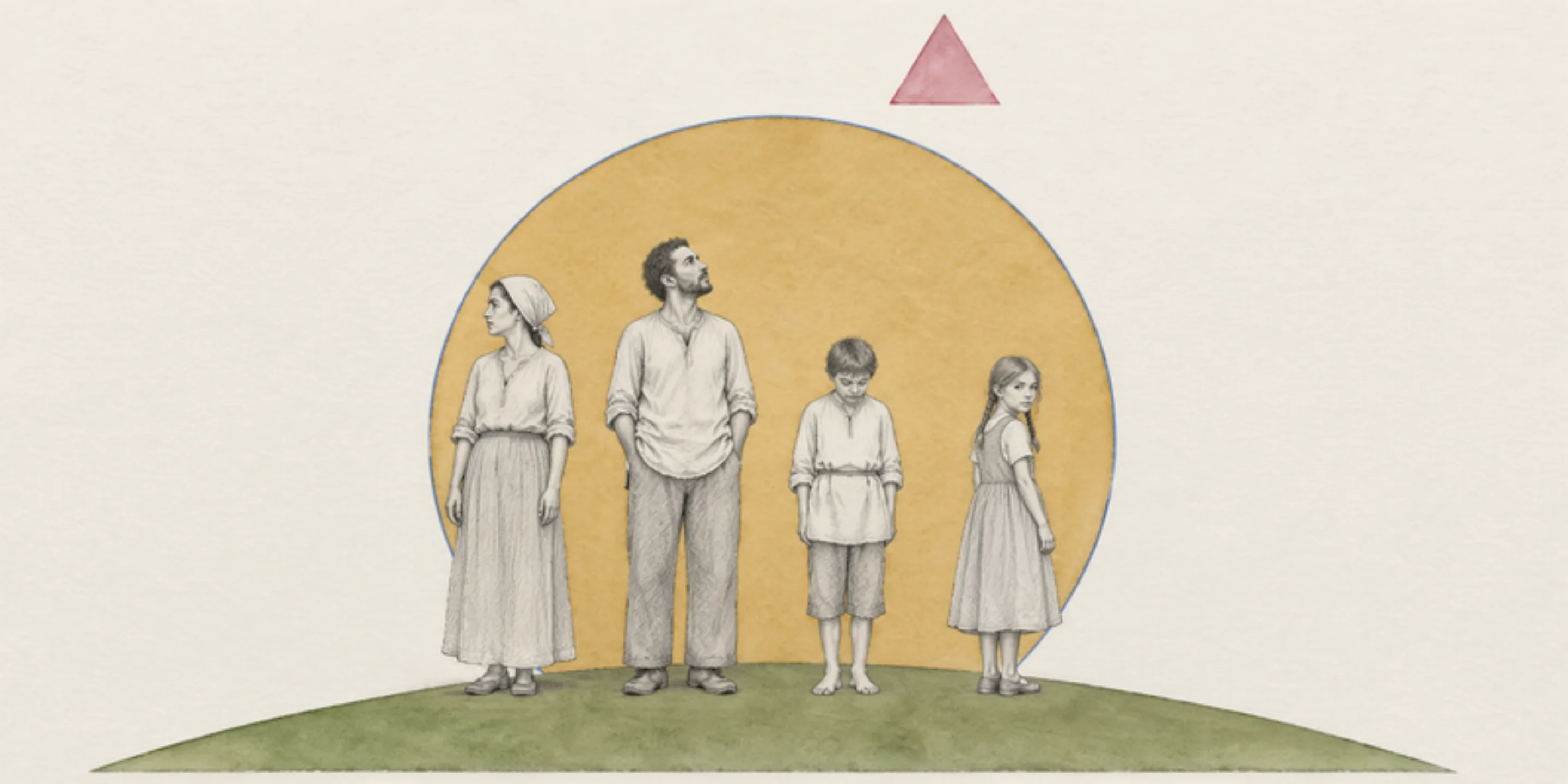
- Woman and man, boy and girl
- Hidden in the cave
- Beyond the intellect
एकाक्षरं त्वक्षरेऽत्रास्ति सोमे सुषुम्नायां चेह दृढी स एकः । त्वं विश्वभूर्भूतपतिः पुराणः पर्जन्य एको भुवनस्य गोप्ता ॥ १॥
ekākṣaraṃ tvakṣare'trāsti some suṣumnāyāṃ ceha dṛḍhī sa ekaḥ | tvaṃ viśvabhūrbhūtapatiḥ purāṇaḥ parjanya eko bhuvanasya goptā || 1||
is here, in , in the soma, firm in the central channel: he is the one. You are the source of all, the lord of beings, the ancient, the one rain-cloud, the protector of the world.
Note //
'The one syllable' is Om. 'In the soma' and 'in the central channel' (suṣumnā) place it in the body of the meditator as well as in the world. The first line is difficult and its rendering is pending review. Editions agree.
विश्वे निमग्नपदवीः कवीनां त्वं जातवेदो भुवनस्य नाथः । अजातमग्रे स हिरण्यरेता यज्ञस्त्वमेवैकविभुः पुराणः ॥ २॥
viśve nimagnapadavīḥ kavīnāṃ tvaṃ jātavedo bhuvanasya nāthaḥ | ajātamagre sa hiraṇyaretā yajñastvamevaikavibhuḥ purāṇaḥ || 2||
You in whom the paths of the seers sink into everything, you are Jatavedas, the fire that knows all born things, the lord of the world. Unborn, at the beginning, he of the golden seed: you alone are the sacrifice, the one who pervades all, the ancient.
Note //
'The paths of the seers sink into everything' (viśve nimagnapadavīḥ kavīnām) is obscure; taken here as the Lord in whom every seer's way ends because he is all. 'Golden seed' (hiraṇyaretas): an old name of fire as the source of the world. Editions: the Adyar collection reads 'yajñas tvam eva' (you are the sacrifice); sanskritdocuments.org has 'yajñais tvam eva' (by sacrifices, you alone). The Adyar reading is followed. Interpretive; pending review.
प्राणः प्रसूतिर्भुवनस्य योनिर्व्याप्तं त्वया एकपदेन विश्वम् । त्वं विश्वभूर्योनिपारः स्वगर्भे कुमार एको विशिखः सुधन्वा ॥ ३॥
prāṇaḥ prasūtirbhuvanasya yonirvyāptaṃ tvayā ekapadena viśvam | tvaṃ viśvabhūryonipāraḥ svagarbhe kumāra eko viśikhaḥ sudhanvā || 3||
Breath, the bringing forth, the womb of the world: by you, with a single step, the whole is pervaded. Source of all, beyond every womb, in your own womb you are the one boy, the archer with the good bow whose arrow needs no point.
Note //
'With a single step' (ekapadena): perhaps the one quarter of Rig Veda 10.90.3, 'all beings are one quarter of him', or Vishnu's stride. 'Beyond every womb' (yonipāraḥ) follows sanskritdocuments.org; the Adyar collection has 'yonipārāḥ' / 'yoniparāḥ', which does not construe. 'Whose arrow needs no point' (viśikhaḥ, literally 'pointless', 'crestless') is a guess at a difficult word; the young archer may be Skanda or Rudra. Interpretive; pending review.
वितत्य बाणं तरुणार्कवर्णं व्योमान्तरे भासि हिरण्यगर्भः । भासा त्वया व्योम्नि कृतः सुतार्क्ष्यस्त्वं वै कुमारस्त्वमरिष्टनेमिः ॥ ४॥
vitatya bāṇaṃ taruṇārkavarṇaṃ vyomāntare bhāsi hiraṇyagarbhaḥ | bhāsā tvayā vyomni kṛtaḥ sutārkṣyastvaṃ vai kumārastvamariṣṭanemiḥ || 4||
Drawing the arrow, the colour of the rising sun, you shine within the sky as the golden womb. By your light, in the sky, the good eagle was made; you are the boy, you are Arishtanemi.
Note //
'The golden womb' (hiraṇyagarbha): the Lord as the first-born, the cosmic mind. 'The good eagle' (sutārkṣya): Tarkshya, the sun-bird, whose name in Rig Veda 10.178 is Arishtanemi, 'whose wheel-rim is unharmed'. Sanskritdocuments.org has the slip 'stavaṃ' for 'stvaṃ'. Editions agree otherwise.
त्वं वज्रभृद्भूतपतिस्त्वमेव कामः प्रजानां निहितोऽसि सोमे । स्वाहा स्वधा यच्च वषट्करोति रुद्रः पशूनां गुहया निमग्नः ॥ ५॥
tvaṃ vajrabhṛdbhūtapatistvameva kāmaḥ prajānāṃ nihito'si some | svāhā svadhā yacca vaṣaṭkaroti rudraḥ paśūnāṃ guhayā nimagnaḥ || 5||
You hold the thunderbolt; you alone are the lord of beings; you are the desire in creatures; you are set within the soma. Svaha and svadha, and the one who calls out vashat; Rudra, lord of the bound ones, sunk deep in the cave.
Note //
Svaha, svadha and vashat are the calls with which offerings are made to the gods and the ancestors: the Lord is the offering, the call and the caller. 'Lord of the bound ones' (paśūnām): Rudra as Pashupati, lord of all creatures bound in becoming. 'In the cave': in the heart, as in 13. Editions agree.
धाता विधाता पवनः सुपर्णो विष्णुर्वराहो रजनी रहश्च । भूतं भविष्यत्प्रभवः क्रियाश्च कालः क्रमस्त्वं परमाक्षरं च ॥ ६॥
dhātā vidhātā pavanaḥ suparṇo viṣṇurvarāho rajanī rahaśca | bhūtaṃ bhaviṣyatprabhavaḥ kriyāśca kālaḥ kramastvaṃ paramākṣaraṃ ca || 6||
The creator and the arranger, wind and the eagle, Vishnu and the boar, night and the secret, what was and what will be, the source, the acts, time and its order: you are these, and the highest imperishable.
Note //
The hymn names the Lord as each thing in turn, ending with 'the highest imperishable' (parama akṣara), which is also 'the highest syllable'. Editions agree.
ऋचो यजूंषि प्रसवन्ति वक्त्रात्सामानि सम्राड्वसुरन्तरिक्षम् । त्वं यज्ञनेता हुतभुग्विभुश्च रुद्रास्तथा दैत्यगणा वसुश्च ॥ ७॥
ṛco yajūṃṣi prasavanti vaktrātsāmāni samrāḍvasurantarikṣam | tvaṃ yajñanetā hutabhugvibhuśca rudrāstathā daityagaṇā vasuśca || 7||
From your mouth come forth the verses, the formulas, the chants. You are the sovereign, the Vasu, the space between. You lead the sacrifice, you eat the offering, you pervade; you are the Rudras, the hosts of the demons too, and the Vasu.
Note //
The three Vedas (Rig, Yajur, Sama) come from the Lord's mouth, as in the Purusha hymn. Even 'the hosts of the demons' (daityagaṇāḥ) are named: nothing is outside him. Editions: the Adyar collection reads 'samrāḍ vasur antarikṣam' and 'rudrās tathā'; sanskritdocuments.org has 'vasuvantarikṣam' and 'tatha'. The Adyar readings are followed.
स एष देवोऽम्बरगश्च चक्रे अन्येऽभ्यधिष्ठेत तमो निरुन्ध्यः । हिरण्मयं यस्य विभाति सर्वं व्योमान्तरे रश्मिमिवांशुनाभिः ॥ ८॥
sa eṣa devo'mbaragaśca cakre anye'bhyadhiṣṭheta tamo nirundhyaḥ | hiraṇmayaṃ yasya vibhāti sarvaṃ vyomāntare raśmimivāṃśunābhiḥ || 8||
He is the god who moves through the sky; he made it, he rules over the rest, he holds the darkness back. His golden form shines all through the space of the sky, like a ray from a hub of light.
Note //
The verse is corrupt in both editions and the rendering is tentative. 'He made it' takes 'cakre' as a verb ('made'); it could also mean 'in the wheel' (of the sun or of time). 'He rules over the rest' reads 'anye 'bhyadhiṣṭheta' loosely; 'holds the darkness back' takes 'nirundhyaḥ' as 'one who restrains'. Editions agree (a third copy, in raw_etexts, has 'ambarayānacakre' and 'raśmim imaṃ sunābhiḥ'). Pending review.
स सर्ववेत्ता भुवनस्य गोप्ता ताभिः प्रजानां निहिता जनानाम् । प्रोता त्वमोता विचितिः क्रमाणां प्रजापतिश्छन्दमयो विगर्भः ॥ ९॥
sa sarvavettā bhuvanasya goptā tābhiḥ prajānāṃ nihitā janānām | protā tvamotā vicitiḥ kramāṇāṃ prajāpatiśchandamayo vigarbhaḥ || 9||
He knows everything, he protects the world; by those rays he is set within creatures, within people. You are the warp and the woof, the order of every step; Prajapati, made of the metres, born from no womb.
Note //
'Warp and woof' (protā, otā): everything is woven on him, lengthwise and crosswise, as in Brihadaranyaka 3.8. 'The order of every step' (vicitiḥ kramāṇām): the arrangement of all sequence; interpretive. 'Born from no womb' (vigarbha): the Lord is the source and has none. Editions agree.
सामैश्चिदन्तो विरजश्च बाहु हिरण्मयं वेदविदां वरिष्ठम् । यमध्वरे ब्रह्मविदः स्तुवन्ति सामैर्यजुर्भिः क्रतुभिस्त्वमेव ॥ १०॥
sāmaiścidanto virajaśca bāhu hiraṇmayaṃ vedavidāṃ variṣṭham | yamadhvare brahmavidaḥ stuvanti sāmairyajurbhiḥ kratubhistvameva || 10||
Known to the end through the chants, stainless, golden of arm, the best of those who know the Veda: the one whom the knowers of Brahman praise in the sacrifice with chants, with formulas, with rites, is you alone.
Note //
The first half is obscure in both editions ('sāmaiś cid anto virajaś ca bāhu'); the rendering is a guess and pending review. The point of the verse is clear: every hymn and rite is praise of the one Lord. Editions: 'bāhu' (Adyar collection) / 'bāhūṃ' (sanskritdocuments.org); 'variṣṭham' (sanskritdocuments.org) corrects the slip 'variṣṭam' in the Adyar collection.
त्वं स्त्री पुमांस्त्वं च कुमार एकस्त्वं वै कुमारी ह्यथ भूस्त्वमेव । त्वमेव धाता वरुणश्च राजा त्वं वत्सरोऽग्न्यर्यम एव सर्वम् ॥ ११॥
tvaṃ strī pumāṃstvaṃ ca kumāra ekastvaṃ vai kumārī hyatha bhūstvameva | tvameva dhātā varuṇaśca rājā tvaṃ vatsaro'gnyaryama eva sarvam || 11||
You are woman, you are man; you are the one boy, you are the girl, and you are the earth. You are the creator, Varuna the king, the year, fire, Aryaman: you are all.
Note //
The first line echoes Shvetashvatara 4.3: 'you are woman, you are man, you are the boy and the girl'. Editions agree.
मित्रः सुपर्णश्चन्द्र इन्द्रो वरुणो रुद्रस्त्वष्टा विष्णुः सविता गोपतिस्त्वम् । त्वं विष्णुर्भूतानि तु त्रासि दैत्यांस्त्वयावृतं जगदुद्भवगर्भः ॥ १२॥
mitraḥ suparṇaścandra indro varuṇo rudrastvaṣṭā viṣṇuḥ savitā gopatistvam | tvaṃ viṣṇurbhūtāni tu trāsi daityāṃstvayāvṛtaṃ jagadudbhavagarbhaḥ || 12||
Mitra, the eagle, the moon, Indra, Varuna, Rudra, Tvashtar, Vishnu, Savitar, the lord of the herds: you. You are Vishnu: you guard beings and put the demons to flight. By you the world is covered; you are the womb it rises from.
Note //
The gods of the Vedic hymns are named one after another, and each is 'you'. 'You guard beings and put the demons to flight' reads 'bhūtāni tu trāsi daityān' with 'trāsi' doing double duty (trā, protect; tras, make tremble); interpretive. 'By you the world is covered' echoes Isha 1. Editions: sanskritdocuments.org omits 'varuṇo', which the Adyar collection (and raw_etexts) keeps; it is kept here. Pending review.
त्वं भूर्भुवः स्वस्त्वं हि स्वयंभूरथ विश्वतोमुखः । य एवं नित्यं वेदयते गुहाशयं प्रभुं पुराणं सर्वभूतं हिरण्मयम् ॥ १३॥
tvaṃ bhūrbhuvaḥ svastvaṃ hi svayaṃbhūratha viśvatomukhaḥ | ya evaṃ nityaṃ vedayate guhāśayaṃ prabhuṃ purāṇaṃ sarvabhūtaṃ hiraṇmayam || 13||
You are earth, sky and heaven; you are self-born, facing every way. Whoever thus always knows the Lord who lies in the cave, ancient, all beings, golden,
Note //
The sentence runs on into the closing line (14). 'In the cave' (guhāśaya): in the heart, the inmost. 'All beings' (sarvabhūta): the Lord is not only in all beings but is all of them. Editions agree.
हिरण्मयं बुद्धिमतां परां गतिं स बुद्धिमान्बुद्धिमतीत्य तिष्ठतीत्युपनिषत् ॥
hiraṇmayaṃ buddhimatāṃ parāṃ gatiṃ sa buddhimānbuddhimatītya tiṣṭhatītyupaniṣat ||
golden, the highest goal of the wise: that wise one, going beyond , . This is the Upanishad.
Note //
The closing line, unnumbered in the editions (here 14). 'Going beyond the intellect' (buddhim atītya): compare Katha 1.3.10-11 (Hume 3.10-11), where the Person is beyond the intellect, and Gita 3.42. 'Stands' (tiṣṭhati): rests, with nothing further to reach. Editions agree.
No public-domain English translation exists for this text; the Sanskrit is shown.
The renderings on this page are shared under CC BY-NC 4.0, in the words of Pranav Ashar.