Yogashikha Upanishad
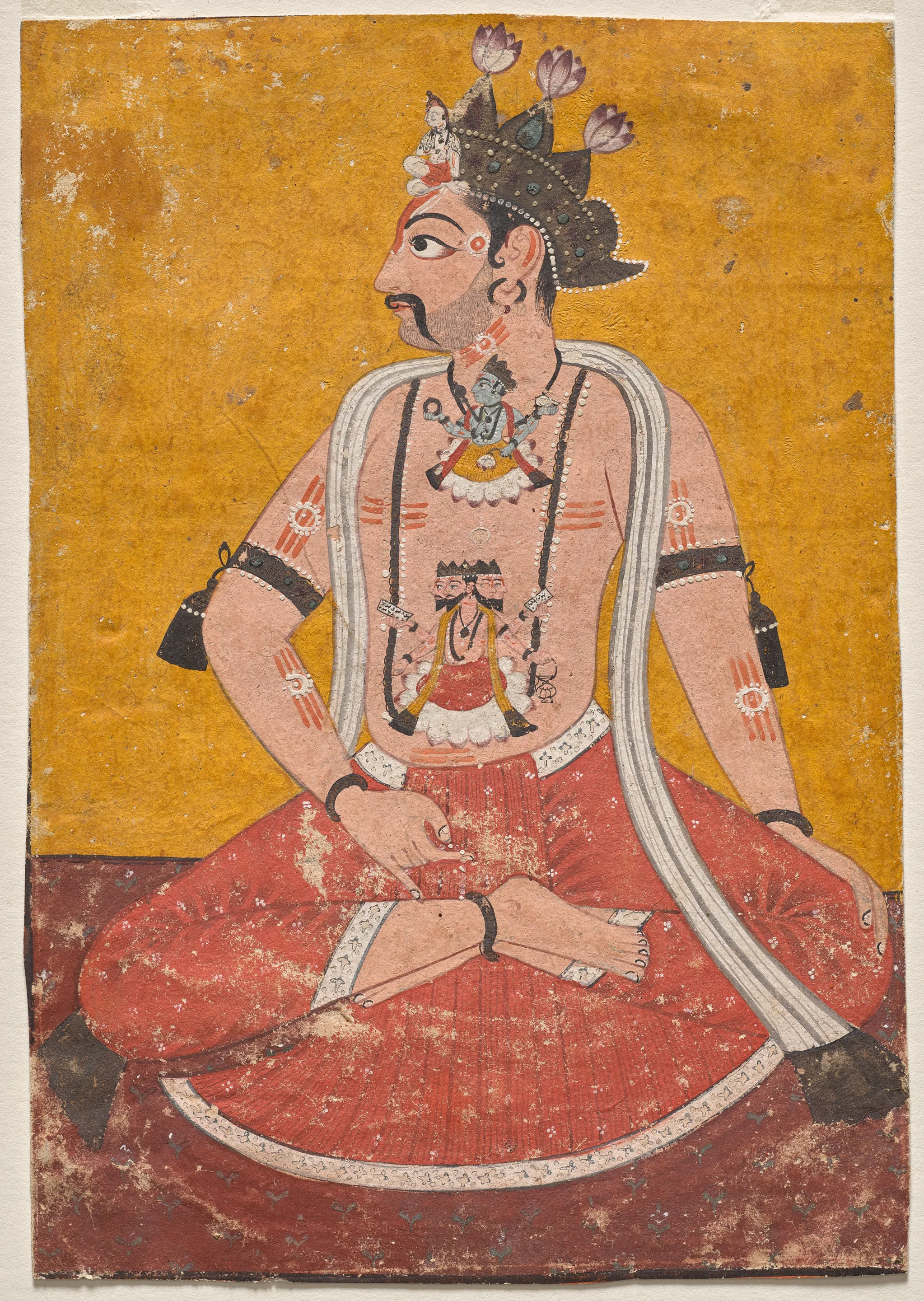
In the words of Pranav Ashar
How we renderThe heart of the Yogashikha
In brief
Knowledge without yoga does not free, nor yoga without knowledge. The yoga is taught at length: breath, locks, Kundalini. The fourth chapter gives the knowledge. The light is one, so no real division is possible; being an individual is like seeing a snake in a rope. Brahman alone is the material of the world, so the whole world is Brahman, as what is born of gold is always gold. The yoga comes back to the mind: when it moves, there is the world; when it is still, there is freedom; and the teacher's word is the boat across.
- Knowledge and yoga together
- One light, no division
- The snake in the rope
- Gold and its ornaments
- The mind's movement is the world
- Non-duality lived, not argued
Contents
- 1.1-2
- 1.3-4
- 1.5-7
- 1.7-9
- 1.10-11
- 1.12-14
- 1.15-16
- 1.17-18
- 1.19-21
- 1.21-23
- 1.24-25
- 1.26-27
- 1.28-30
- 1.31-33
- 1.34-37
- 1.38-41
- 1.42-44
- 1.45-47
- 1.48-50
- 1.51-53
- 1.54-55
- 1.56-58
- 1.59-61
- 1.62-65
- 1.66-69
- 1.69-72
- 1.72-74
- 1.75-77
- 1.78-79
- 1.80-83
- 1.84-87
- 1.87-89
- 1.90
- 1.91-92
- 1.93-95
- 1.95-96
- 1.96-100
- 1.101-103
- 1.104-105
- 1.106-109
- 1.109-111
- 1.112-115
- 1.116-117
- 1.118-119
- 1.120-122
- 1.123-124
- 1.125-128
- 1.129-132
- 1.133-135
- 1.136-138
- 1.139-140
- 1.141-145
- 1.146-150
- 1.151-156
- 1.157-160
- 1.161-164
- 1.164-167
- 1.168-171
- 1.172-175
- 1.176-178
- 2.1-3
- 2.4-6
- 2.7-8
- 2.9-11
- 2.12-13
- 2.14-17
- 2.18-19
- 2.20-21
- 2.22
- 3.1-2
- 3.3-5
- 3.6-8
- 3.9-10
- 3.11-12
- 3.13-15
- 3.16-19
- 3.20-21
- 3.22-23
- 3.24-25
- 4.1
- 4.2
- 4.3
- 4.4
- 4.5-6
- 4.7
- 4.8
- 4.9
- 4.10
- 4.11
- 4.12
- 4.13-14
- 4.15-16
- 4.17
- 4.18-19
- 4.19-20
- 4.20-21
- 4.21-22
- 4.22-24
- 5.1-4
- 5.5-8
- 5.8-12
- 5.13-16
- 5.17-20
- 5.21-24
- 5.25-27
- 5.28-30
- 5.31-35
- 5.36-39
- 5.40-42
- 5.43-45
- 5.46-49
- 5.50-54
- 5.55
- 5.56-58
- 5.59
- 5.60-61
- 5.62
- 6.1-3
- 6.4-6
- 6.7-9
- 6.10-13
- 6.14-17
- 6.18-19
- 6.20-21
- 6.22-25
- 6.26-29
- 6.30-33
- 6.34-37
- 6.38-40
- 6.41-46
- 6.47-50
- 6.51-54
- 6.55-57
- 6.58-60
- 6.61-65
- 6.66-69
- 6.70-73
- 6.74-75
- 6.76-79
सर्वे जीवाः सुखैर्दुःखैर्मायाजालेन वेष्टिताः । तेषां मुक्तिः कथं देव कृपया वद शङ्कर ॥ सर्वसिद्धिकरं मार्गं मायाजालनिकृन्तनम् । जन्ममृत्युजराव्याधिनाशनं सुखदं वद ॥
sarve jīvāḥ sukhairduḥkhairmāyājālena veṣṭitāḥ | teṣāṃ muktiḥ kathaṃ deva kṛpayā vada śaṅkara || sarvasiddhikaraṃ mārgaṃ māyājālanikṛntanam | janmamṛtyujarāvyādhināśanaṃ sukhadaṃ vada ||
'All living beings are bound by joys and sorrows, by the net of maya. How can they be freed, god? Tell me, Shankara, in your grace: the way that brings every attainment, that cuts the net of maya, that ends birth, death, age and sickness, and gives happiness.'
Note //
Brahma, Hiranyagarbha, asks; Shiva, Maheshvara, answers through the six chapters. Editions agree.
हिरण्यगर्भः पप्रच्छ स होवाच महेश्वरः । नानामार्गैस्तु दुष्प्रापं कैवल्यं परमं पदम् ॥ सिद्धिमार्गेण लभते नान्यथा पद्मसम्भव । पतिताः शास्त्रजालेषु प्रज्ञया तेन मोहिताः ॥
hiraṇyagarbhaḥ papraccha sa hovāca maheśvaraḥ | nānāmārgaistu duṣprāpaṃ kaivalyaṃ paramaṃ padam || siddhimārgeṇa labhate nānyathā padmasambhava | patitāḥ śāstrajāleṣu prajñayā tena mohitāḥ ||
So Hiranyagarbha asked, and Maheshvara said: By many paths, aloneness, the highest state, is hard to reach. It is gained by the path of attainment, and in no other way, lotus-born. Those who have fallen into the nets of scripture are deluded by that very learning.
Note //
'Aloneness' (kaivalya) is freedom: the Self alone. 'The path of attainment' (siddhi-mārga) is the yoga the text will teach. 'Nets of scripture' (śāstra-jāla): learning held as an end in itself. Editions agree, apart from 'nānāmārgais' (sanskritdocuments.org) over 'nānāmāgais' (Adyar).
स्वात्मप्रकाशरूपं तत्किं शास्त्रेण प्रकाश्यते । निष्कलं निर्मलं शान्तं सर्वातीतं निरामयम् ॥ तदेव जीवरूपेण पुण्यपापफलैर्वृतम् । परमात्मपदं नित्यं तत्कथं जीवतां गतम् ॥ तत्त्वातीतं महादेव प्रसादात्कथयेश्वर ।
svātmaprakāśarūpaṃ tatkiṃ śāstreṇa prakāśyate | niṣkalaṃ nirmalaṃ śāntaṃ sarvātītaṃ nirāmayam || tadeva jīvarūpeṇa puṇyapāpaphalairvṛtam | paramātmapadaṃ nityaṃ tatkathaṃ jīvatāṃ gatam || tattvātītaṃ mahādeva prasādātkathayeśvara |
That which is of one's own Self: how could scripture make it shine? Partless, stainless, at peace, beyond all, untouched by harm: how has that very thing, the eternal state of the highest Self, come to the state of the individual, covered by the fruits of good and bad deeds? Tell me, Mahadeva, in your grace, what is beyond all principles.
Note //
The first line is Shiva's, ending his answer: the Self shines by itself, so no book can show it, only remove what hides it. Brahma's new question follows: if the Self is pure, how did it become an individual (jīva)? The division of speakers is not marked in the editions. Editions agree.
सर्वभावपदातीतं ज्ञानरूपं निरञ्जनम् ॥ वायुवत्स्फुरितं स्वस्मिंस्तत्राहङ्कृतिरुत्थिता । पञ्चात्मकमभूत्पिण्डं धातुबद्धं गुणात्मकम् ॥ सुखदुःखैः समायुक्तं जीवभावनया कुरु । तेन जीवाभिधा प्रोक्ता विशुद्धे परमात्मनि ॥
sarvabhāvapadātītaṃ jñānarūpaṃ nirañjanam || vāyuvatsphuritaṃ svasmiṃstatrāhaṅkṛtirutthitā | pañcātmakamabhūtpiṇḍaṃ dhātubaddhaṃ guṇātmakam || sukhaduḥkhaiḥ samāyuktaṃ jīvabhāvanayā kuru | tena jīvābhidhā proktā viśuddhe paramātmani ||
Beyond every state and place, knowing itself, stainless, it stirred in itself, like wind, and there the I-sense arose. A body came to be, made of the five elements, bound by its tissues, made of the qualities, joined with joys and sorrows, by the imagining of . So the name 'individual' is given to the pure highest Self.
Note //
Shiva's answer. The individual is the highest Self under a name, by 'the imagining of being an individual' (jīva-bhāvanā): nothing new came into being but an I-sense and a body taken as oneself. The second half-line of 1.7 is given with 1.8, which completes its sentence. 'jīvābhidhā' for 'jīvāmidhā' (sanskritdocuments.org). The line 'jīvabhāvanayā kuru' is obscure in both editions; the rendering follows its likely sense.
कामक्रोधभयं चापि मोहलोभमथो रजः । जन्म मृत्युश्च कार्पण्यं शोकस्तन्द्रा क्षुधा तृषा ॥ तृष्णा लज्जा भयं दुःखं विषादो हर्ष एव च । एभिर्दोषैर्विनिर्मुक्तः स जीवः शिव उच्यते ॥
kāmakrodhabhayaṃ cāpi mohalobhamatho rajaḥ | janma mṛtyuśca kārpaṇyaṃ śokastandrā kṣudhā tṛṣā || tṛṣṇā lajjā bhayaṃ duḥkhaṃ viṣādo harṣa eva ca | ebhirdoṣairvinirmuktaḥ sa jīvaḥ śiva ucyate ||
Desire, anger, fear, delusion, greed, passion, birth and death, meanness, grief, sloth, hunger, thirst, craving, shame, fear, sorrow, dejection and elation: the individual freed of these faults is called Shiva.
Note //
The individual and Shiva are not two beings: the same Self, with the faults or without them. 'Is called Shiva' (śiva ucyate). Editions agree.
तस्माद्दोषविनाशार्थमुपायं कथयामि ते । ज्ञानं केचिद्वदन्त्यत्र केवलं तन्न सिद्धये ॥ योगहीनं कथं ज्ञानं मोक्षदं भवतीह भोः । योगोऽपि ज्ञानहीनस्तु न क्षमो मोक्षकर्मणि ॥ तस्माज्ज्ञानं च योगं च मुमुक्षुर्दृढमभ्यसेत् । ज्ञानस्वरूपमेवादौ ज्ञेयं ज्ञानैकसाधनम् ॥
tasmāddoṣavināśārthamupāyaṃ kathayāmi te | jñānaṃ kecidvadantyatra kevalaṃ tanna siddhaye || yogahīnaṃ kathaṃ jñānaṃ mokṣadaṃ bhavatīha bhoḥ | yogo'pi jñānahīnastu na kṣamo mokṣakarmaṇi || tasmājjñānaṃ ca yogaṃ ca mumukṣurdṛḍhamabhyaset | jñānasvarūpamevādau jñeyaṃ jñānaikasādhanam ||
So I will tell you the way to destroy these faults. Some say knowledge alone is the way here; that does not succeed. Knowledge without yoga: how can it give freedom here, friend? And yoga without knowledge cannot do the work of freedom. So the one who seeks freedom should practise knowledge and yoga firmly. First one should know what knowledge is, knowledge, the only means.
Note //
The thesis of the text. In the Advaita reading, yoga here is the discipline that makes the mind fit for knowledge; knowledge is what frees. 1.13 was given on the earlier key-verses page. Editions agree.
अज्ञानं कीदृशं चेति प्रविचार्यं मुमुक्षुणा । ज्ञातं येन निजं रूपं कैवल्यं परमं पदम् ॥ असौ दोषैर्विनिर्मुक्तः कामक्रोधभयादिभिः । सर्वदोषैर्वृतो जीवः कथं ज्ञानेन मुच्यते ॥
ajñānaṃ kīdṛśaṃ ceti pravicāryaṃ mumukṣuṇā | jñātaṃ yena nijaṃ rūpaṃ kaivalyaṃ paramaṃ padam || asau doṣairvinirmuktaḥ kāmakrodhabhayādibhiḥ | sarvadoṣairvṛto jīvaḥ kathaṃ jñānena mucyate ||
And what ignorance is like, the seeker should carefully consider. The one by whom his own nature is known, aloneness, the highest state, is free of the faults, desire, anger, fear and the rest. But how is the individual, covered by all the faults, freed by knowledge?
Note //
The question the next verses take up: knowledge and faults seem to belong to different orders. Editions agree, apart from 'pravicāryaṃ' (sanskritdocuments.org) and 'pravicāryam' (Adyar).
स्वात्मरूपं यथा ज्ञानं पूर्णं तद्व्यापकं तथा । कामक्रोधादिदोषाणां स्वरूपान्नास्ति भिन्नता ॥ पश्चात्तस्य विधिः किं नु निषेधोऽपि कथं भवेत् । विवेकी सर्वदा मुक्तः संसारभ्रमवर्जितः ॥
svātmarūpaṃ yathā jñānaṃ pūrṇaṃ tadvyāpakaṃ tathā | kāmakrodhādidoṣāṇāṃ svarūpānnāsti bhinnatā || paścāttasya vidhiḥ kiṃ nu niṣedho'pi kathaṃ bhavet | vivekī sarvadā muktaḥ saṃsārabhramavarjitaḥ ||
As knowledge is one's own Self, full, so it pervades all: desire, anger and the other faults are not different from it in their nature. Then what rule could there be for it, and how could there be a prohibition? The one who discerns is always free, without the error of the round of birth.
Note //
A first answer, from the standpoint of the highest truth: the faults too are only the Self appearing; for the one who discerns, there is nothing to forbid or prescribe. Editions agree.
परिपूर्णं स्वरूपं तत्सत्यं कमलसम्भव । सकलं निष्कलं चैव पूर्णत्वाच्च तदेव हि ॥ कलिना स्फूर्तिरूपेण संसारभ्रमतां गतम् । निष्कलं निर्मलं साक्षात्सकलं गगनोपमम् ॥ उत्पत्तिस्थितिसंहारस्फूर्तिज्ञानविवर्जितम् ।
paripūrṇaṃ svarūpaṃ tatsatyaṃ kamalasambhava | sakalaṃ niṣkalaṃ caiva pūrṇatvācca tadeva hi || kalinā sphūrtirūpeṇa saṃsārabhramatāṃ gatam | niṣkalaṃ nirmalaṃ sākṣātsakalaṃ gaganopamam || utpattisthitisaṃhārasphūrtijñānavivarjitam |
That nature is full, it is real, lotus-born: with parts and without parts, it is that alone, because it is full. By a stirring, a flicker, it came to the error of the round of birth. Without parts, stainless, present, yet with parts, like the sky, free of arising, staying and ending, of the stirring and of knowing.
Note //
'With parts and without parts' (sakalaṃ niṣkalaṃ): the Self appears with parts and is without parts, as the sky seems divided into spaces and is not. The first half of 1.21 completes the sentence. 'kalinā' in 1.20 is read as 'by a stirring'; uncertain. Editions agree.
एतद्रूपं समायातः स कथं मोहसागरे ॥ निमज्जति महाबाहो त्यक्त्वा विद्यां पुनः पुनः । सुखदुःखादिमोहेषु यथा संसारिणां स्थितिः ॥ तथा ज्ञानी यदा तिष्ठेद्वासनावासितस्तदा । तयोर्नास्ति विशेषोऽत्र समा संसारभावना ॥
etadrūpaṃ samāyātaḥ sa kathaṃ mohasāgare || nimajjati mahābāho tyaktvā vidyāṃ punaḥ punaḥ | sukhaduḥkhādimoheṣu yathā saṃsāriṇāṃ sthitiḥ || tathā jñānī yadā tiṣṭhedvāsanāvāsitastadā | tayornāsti viśeṣo'tra samā saṃsārabhāvanā ||
One who has come to this nature: how does he sink, mighty one, in the ocean of delusion, leaving knowledge behind, again and again? As the worldly live among joys, sorrows and delusions, so does the knower live, when he is coloured by impressions. Then there is no difference between them; both have the same sense of the world.
Note //
The difficulty: a knower whose mind is still 'coloured by impressions' (vāsanā) lives as the worldly do. This is the 'knowledge' the text finds insufficient: a knowing that has not reached the mind's habits. Editions agree.
ज्ञानं चेदीदृशं ज्ञातमज्ञानं कीदृशं पुनः । ज्ञाननिष्ठो विरक्तोऽपि धर्मज्ञो विजितेन्द्रियः ॥ विना देहेन योगेन न मोक्षं लभते विधे । अपक्वाः परिपक्वाश्च देहिनो द्विविधाः स्मृताः ॥
jñānaṃ cedīdṛśaṃ jñātamajñānaṃ kīdṛśaṃ punaḥ | jñānaniṣṭho virakto'pi dharmajño vijitendriyaḥ || vinā dehena yogena na mokṣaṃ labhate vidhe | apakvāḥ paripakvāśca dehino dvividhāḥ smṛtāḥ ||
If knowledge is known to be like this, what then is ignorance? Even one established in knowledge, dispassionate, knowing dharma, with the senses mastered, does not gain freedom, maker, without the yoga of the body. Embodied beings are of two kinds, unripe and ripe.
Note //
'The yoga of the body' (dehena yogena): the text's teaching that the body itself must be made fit, 'ripened' by yoga. Editions agree.
अपक्वा योगहीनास्तु पक्वा योगेन देहिनः । सर्वो योगाग्निना देहो ह्यजडः शोकवर्जितः ॥ जडस्तु पार्थिवो ज्ञेयो ह्यपक्वो दुःखदो भवेत् । ध्यानस्थोऽसौ तथाप्येवमिन्द्रियैर्विवशो भवेत् ॥
apakvā yogahīnāstu pakvā yogena dehinaḥ | sarvo yogāgninā deho hyajaḍaḥ śokavarjitaḥ || jaḍastu pārthivo jñeyo hyapakvo duḥkhado bhavet | dhyānastho'sau tathāpyevamindriyairvivaśo bhavet ||
The unripe are those without yoga; the ripe are made so by yoga. Through the fire of yoga the whole body becomes alive, free of grief. The inert body, of earth, is the unripe; it brings sorrow. Even sitting in meditation, such a one is at the mercy of the senses.
Note //
Editions agree, apart from 'vivaśo' (sanskritdocuments.org) over 'viśo' (Adyar).
तानि गाढं नियम्यापि तथाऽप्यन्यैः प्रबाध्यते । शीतोष्णसुखदुःखाद्यैर्व्याधिभिर्मानसैस्तथा ॥ अन्यैर्नानाविधैर्जीवैः शस्त्राग्निजलमारुतैः । शरीरं पीड्यते तैस्तैश्चित्तं सङ्क्षुभ्यते ततः ॥ तथा प्राणविपत्तौ तु क्षोभमायाति मारुतः । ततो दुःखशतैर्व्याप्तं चित्तं क्षुब्धं भवेन्नृणाम् ॥
tāni gāḍhaṃ niyamyāpi tathā'pyanyaiḥ prabādhyate | śītoṣṇasukhaduḥkhādyairvyādhibhirmānasaistathā || anyairnānāvidhairjīvaiḥ śastrāgnijalamārutaiḥ | śarīraṃ pīḍyate taistaiścittaṃ saṅkṣubhyate tataḥ || tathā prāṇavipattau tu kṣobhamāyāti mārutaḥ | tato duḥkhaśatairvyāptaṃ cittaṃ kṣubdhaṃ bhavennṛṇām ||
Even when they are firmly reined in, he is troubled by other things: by cold and heat, joy and sorrow, by sickness and by the mind's troubles, by other creatures of every kind, by weapons, fire, water and wind. The body is hurt by these, and the mind is shaken. And when life is in danger, the breath is shaken, and people's minds are shaken, filled with a hundred sorrows.
Note //
Editions agree.
देहावसानसमये चित्ते यद्यद्विभावयेत् । तत्तदेव भवेज्जीव इत्येवं जन्मकारणम् ॥ देहान्ते किं भवेज्जन्म तन्न जानन्ति मानवाः । तस्माज्ज्ञानं च वैराग्यं जीवस्य केवलं श्रमः ॥ पिपीलिका यथा लग्ना देहे ध्यानाद्विमुच्यते । असौ किं वृश्चिकैर्दष्टो देहान्ते वा कथं सुखी ॥
dehāvasānasamaye citte yadyadvibhāvayet | tattadeva bhavejjīva ityevaṃ janmakāraṇam || dehānte kiṃ bhavejjanma tanna jānanti mānavāḥ | tasmājjñānaṃ ca vairāgyaṃ jīvasya kevalaṃ śramaḥ || pipīlikā yathā lagnā dehe dhyānādvimucyate | asau kiṃ vṛścikairdaṣṭo dehānte vā kathaṃ sukhī ||
At the time of the body's end, whatever one holds in the mind, that the individual becomes: this is the cause of birth. People do not know what birth will come at the body's end. So for the individual, knowledge and dispassion alone are only toil. An ant on the body is brushed off by meditation; but if he is stung by scorpions, how will he be at ease at the body's end?
Note //
'Whatever one holds in the mind at the end, that one becomes': Gita 8.6. The argument: a knower whose mind is still shaken by pain cannot be sure of his last thought. In the Advaita reading, for one who truly knows, there is no 'next birth' to fear (Brihadaranyaka 4.4.6); the text is speaking of knowledge that has not ripened. Editions: 'daṣṭo', 'stung' (Adyar) over 'draṣṭo' (sanskritdocuments.org).
तस्मान्मूढा न जानन्ति मिथ्यातर्केण वेष्टिताः । अहङ्कृतिर्यदा यस्य नष्टा भवति तस्य वै ॥ देहस्त्वपि भवेन्नष्टो व्याधयश्चास्य किं पुनः । जलाग्निशस्त्रखातादिबाधा कस्य भविष्यति ॥ यदा यदा परिक्षीणा पुष्टा चाहङ्कृतिर्भवेत् । तमनेनास्य नश्यन्ति प्रवर्तन्ते रुगादयः ॥ कारणेन विना कार्यं न कदाचन विद्यते । अहङ्कारं विना तद्वद्देहे दुःखं कथं भवेत् ॥
tasmānmūḍhā na jānanti mithyātarkeṇa veṣṭitāḥ | ahaṅkṛtiryadā yasya naṣṭā bhavati tasya vai || dehastvapi bhavennaṣṭo vyādhayaścāsya kiṃ punaḥ | jalāgniśastrakhātādibādhā kasya bhaviṣyati || yadā yadā parikṣīṇā puṣṭā cāhaṅkṛtirbhavet | tamanenāsya naśyanti pravartante rugādayaḥ || kāraṇena vinā kāryaṃ na kadācana vidyate | ahaṅkāraṃ vinā tadvaddehe duḥkhaṃ kathaṃ bhavet ||
So the deluded do not know, wrapped in false reasoning. When one's I-claim is destroyed, the body too is as good as destroyed; how much more its sicknesses. Whom will the harm of water, fire, weapons and wounds touch? Whenever wanes and is nourished, so sicknesses vanish and arise. There is never an effect without a cause: so without , how could there be sorrow in the body?
Note //
The I-claim (ahaṅkāra) is the cause of suffering; where it is gone, the body's pains have no one to belong to. Editions: 'śastrakhātādibādhā' (Adyar) over 'śastraghādi' (sanskritdocuments.org). The construction of 1.36 is uncertain.
शरीरेण जिताः सर्वे शरीरं योगिभिर्जितम् । तत्कथं कुरुते तेषां सुखदुःखादिकं फलम् ॥ इन्द्रियाणि मनो बुद्धिः कामक्रोधादिकं जितम् । तेनैव विजितं सर्वं नासौ केनापि बाध्यते ॥ महाभूतानि तत्त्वानि संहृतानि क्रमेण च । सप्तधातुमयो देहो दग्धो योगाग्निना शनैः ॥ देवैरपि न लक्ष्येत योगिदेहो महाबलः । भेदबन्धविनिर्मुक्तो नानाशक्तिधरः परः ॥
śarīreṇa jitāḥ sarve śarīraṃ yogibhirjitam | tatkathaṃ kurute teṣāṃ sukhaduḥkhādikaṃ phalam || indriyāṇi mano buddhiḥ kāmakrodhādikaṃ jitam | tenaiva vijitaṃ sarvaṃ nāsau kenāpi bādhyate || mahābhūtāni tattvāni saṃhṛtāni krameṇa ca | saptadhātumayo deho dagdho yogāgninā śanaiḥ || devairapi na lakṣyeta yogideho mahābalaḥ | bhedabandhavinirmukto nānāśaktidharaḥ paraḥ ||
All are conquered by the body; the body is conquered by yogis. So how could it bring them the fruit of joy, sorrow and the rest? The senses, mind and intellect, desire, anger and the rest, are conquered: by that alone all is conquered, and nothing can hinder him. The great elements, the principles, are withdrawn one by one, and the body made of seven tissues is slowly burnt in the fire of yoga. Even the gods cannot see the yogi's body, of great strength, free of division and bondage, holding many powers, beyond.
Note //
Editions: 'dagdho' (Adyar) over 'dagdhā' (sanskritdocuments.org).
यथाकाशस्तथा देह आकाशादपि निर्मलः । सूक्ष्मात्सूक्ष्मतरो दृश्यः स्थूलात्स्थूलो जडाज्जडः ॥ इच्छारूपो हि योगीन्द्रः स्वतन्त्रस्त्वजरामरः । क्रीडते त्रिषु लोकेषु लीलया यत्रकुत्रचित् ॥ अचिन्त्यशक्तिमान्योगी नानारूपाणि धारयेत् । संहरेच्च पुनस्तानि स्वेच्छया विजितेन्द्रियः ॥
yathākāśastathā deha ākāśādapi nirmalaḥ | sūkṣmātsūkṣmataro dṛśyaḥ sthūlātsthūlo jaḍājjaḍaḥ || icchārūpo hi yogīndraḥ svatantrastvajarāmaraḥ | krīḍate triṣu lokeṣu līlayā yatrakutracit || acintyaśaktimānyogī nānārūpāṇi dhārayet | saṃharecca punastāni svecchayā vijitendriyaḥ ||
His body is like space, purer even than space; finer than the fine, it is seen, grosser than the gross, heavier than the heavy. The lord of yogis takes any form he wishes; free, ageless, deathless, he plays in the three worlds at will, anywhere. The yogi of unthinkable power takes on many forms, and withdraws them again at will, master of his senses.
Note //
The traditional description of the perfected yogi of the hatha tradition. Editions agree.
नासौ मरणमाप्नोति पुनर्योगबलेन तु । हठेन मृत एवासौ मृतस्य मरणं कुतः ॥ मरणं यत्र सर्वेषां तत्रासौ परिजीवति । यत्र जीवन्ति मूढास्तु तत्रासौ मृत एव वै ॥ कर्तव्यं नैव तस्यास्ति कृतेनासौ न लिप्यते । जीवन्मुक्तः सदा स्वच्छः सर्वदोषविवर्जितः ॥
nāsau maraṇamāpnoti punaryogabalena tu | haṭhena mṛta evāsau mṛtasya maraṇaṃ kutaḥ || maraṇaṃ yatra sarveṣāṃ tatrāsau parijīvati | yatra jīvanti mūḍhāstu tatrāsau mṛta eva vai || kartavyaṃ naiva tasyāsti kṛtenāsau na lipyate | jīvanmuktaḥ sadā svacchaḥ sarvadoṣavivarjitaḥ ||
He does not meet death again, by the strength of his yoga; by hatha he is dead already: for the dead, where is death? Where all others die, there he lives; where the deluded live, there he is dead. There is nothing he must do; he is not stained by what is done. Free while living, always clear, without any fault.
Note //
'Dead already': the I-claim has died, so death has no one to take. 'Free while living' (jīvanmukta). 'There is nothing he must do' is Gita 3.17. Editions agree.
विरक्ता ज्ञानिनश्चान्ये देहेन विजिताः सदा । ते कथं योगिभिस्तुल्या मांसपिण्डाः कुदेहिनः ॥ देहान्ते ज्ञानिभिः पुण्यात्पापाच्च फलमाप्यते । ईदृशं तु भवेत्तत्तद्भुक्त्वा ज्ञानी पुनर्भवेत् ॥ पश्चात्पुण्येन लभते सिद्धेन सह सङ्गतिम् । ततः सिद्धस्य कृपया योगी भवति नान्यथा ॥
viraktā jñāninaścānye dehena vijitāḥ sadā | te kathaṃ yogibhistulyā māṃsapiṇḍāḥ kudehinaḥ || dehānte jñānibhiḥ puṇyātpāpācca phalamāpyate | īdṛśaṃ tu bhavettattadbhuktvā jñānī punarbhavet || paścātpuṇyena labhate siddhena saha saṅgatim | tataḥ siddhasya kṛpayā yogī bhavati nānyathā ||
Others, dispassionate and knowing, are always conquered by the body: how can they be equal to yogis, those lumps of flesh, with bodies not made fit? At the body's end the knowers receive the fruit of good and bad deeds. Having enjoyed whatever it may be, the knower is born again. Then, by merit, he meets one who is perfected; then, by the grace of the perfected one, he becomes a yogi, and in no other way.
Note //
The text's sharpest claim. In the Advaita reading it concerns those whose 'knowledge' has not freed them from the I-claim; for the one who truly knows, 'his breaths do not depart; being Brahman, he goes to Brahman' (Brihadaranyaka 4.4.6). Editions: 'paścāt' (sanskritdocuments.org) over 'paścāś' (Adyar).
ततो नश्यति संसारो नान्यथा शिवभाषितम् । योगेन रहितं ज्ञानं न मोक्षाय भवेद्विधे ॥ ज्ञानेनैव विना योगो न सिद्ध्यति कदाचन । जन्मान्तरैश्च बहुभिर्योगो ज्ञानेन लभ्यते ॥ ज्ञानं तु जन्मनैकेन योगादेव प्रजायते । तस्माद्योगात्परतरो नास्ति मार्गस्तु मोक्षदः ॥
tato naśyati saṃsāro nānyathā śivabhāṣitam | yogena rahitaṃ jñānaṃ na mokṣāya bhavedvidhe || jñānenaiva vinā yogo na siddhyati kadācana | janmāntaraiśca bahubhiryogo jñānena labhyate || jñānaṃ tu janmanaikena yogādeva prajāyate | tasmādyogātparataro nāsti mārgastu mokṣadaḥ ||
Then the round of birth ends, and in no other way: so Shiva has said. Knowledge without yoga does not lead to freedom, maker, and without knowledge yoga never succeeds. By knowledge, yoga is gained after many births; by yoga, knowledge arises in a single birth. So there is no path higher than yoga for freedom.
Note //
Editions agree; 'tasmād yogāt' for 'tasmāyogāt' (sanskritdocuments.org).
प्रविचार्य चिरं ज्ञानं मुक्तोऽहमिति मन्यते । किमसौ मननादेव मुक्तो भवति तत्क्षणात् ॥ पश्चाज्जन्मशतान्तरैर्योगादेव विमुच्यते । न तथा भवतो योगाज्जन्ममृत्यू पुनः पुनः ॥
pravicārya ciraṃ jñānaṃ mukto'hamiti manyate | kimasau mananādeva mukto bhavati tatkṣaṇāt || paścājjanmaśatāntarairyogādeva vimucyate | na tathā bhavato yogājjanmamṛtyū punaḥ punaḥ ||
Having reflected on knowledge for a long time, one thinks, 'I am free'. Is he freed at once merely by thinking it? Afterwards, after hundreds of births, he is freed by yoga alone. For the one who practises yoga, birth and death do not come again and again.
Note //
'Thinking it' (manana): reflection, the second step of Vedanta's hearing, reflecting and contemplating. The text's point is that a thought 'I am free' is not freedom. Advaita agrees: knowledge is not a thought one holds but the end of taking oneself to be bound. Editions: 'janmaśatāntarair' for 'janmaśantāntarair' (sanskritdocuments.org); the Adyar copy has 'janmāntaraśatair', the same sense.
प्राणापानसमायोगाच्चन्द्रसूर्यैकता भवेत् । सप्तधातुमयं देहमग्निना रञ्जयेद्ध्रुवम् ॥ व्याधयस्तस्य नश्यन्ति च्छेदखातादिकास्तथा , तदासौ परमाकाशरूपो देह्यवतिष्ठति ॥ किं पुनर्बहुनोक्तेन मरणं नास्ति तस्य वै । देहीव दृश्यते लोके दग्धकर्पूरवत्स्वयम् ॥
prāṇāpānasamāyogāccandrasūryaikatā bhavet | saptadhātumayaṃ dehamagninā rañjayeddhruvam || vyādhayastasya naśyanti cchedakhātādikāstathā , tadāsau paramākāśarūpo dehyavatiṣṭhati || kiṃ punarbahunoktena maraṇaṃ nāsti tasya vai | dehīva dṛśyate loke dagdhakarpūravatsvayam ||
From the joining of the in-breath and out-breath comes the oneness of moon and sun. One should surely colour the body of seven tissues with fire. His sicknesses vanish, and so do wounds and cuts. Then he stands embodied in the form of the highest space. What more need be said? For him there is no death. He is seen in the world as if embodied, like camphor that has burnt itself away.
Note //
'Moon and sun' are the left and right channels (iḍā and piṅgalā), whose joining opens the central channel. Burnt camphor leaves no residue: the body is still seen, but nothing remains of the one who claimed it. Editions agree.
चित्तं प्राणेन सम्बद्धं सर्वजीवेषु संस्थितम् । रज्ज्वा यद्वत्सुसम्बद्धः पक्षी तद्वदिदं मनः ॥ नानाविधैर्विचारैस्तु न बाध्यं जायते मनः । तस्मात्तस्य जयोपायः प्राण एव हि नान्यथा ॥ तर्कैर्जल्पैः शास्त्रजालैर्युक्तिभिर्मन्त्रभेषजैः । न वशो जायते प्राणः सिद्धोपायं विना विधे ॥
cittaṃ prāṇena sambaddhaṃ sarvajīveṣu saṃsthitam | rajjvā yadvatsusambaddhaḥ pakṣī tadvadidaṃ manaḥ || nānāvidhairvicāraistu na bādhyaṃ jāyate manaḥ | tasmāttasya jayopāyaḥ prāṇa eva hi nānyathā || tarkairjalpaiḥ śāstrajālairyuktibhirmantrabheṣajaiḥ | na vaśo jāyate prāṇaḥ siddhopāyaṃ vinā vidhe ||
The mind is bound to the breath, in all living beings. As a bird is tied fast by a string, so is this mind. The mind is not brought under control by reasonings of every kind. So the way to master it is the breath, and no other. By arguments, debates, nets of scripture, by reasons, mantras and medicines, the breath does not come under control, maker, without the proven way.
Note //
The text's basic principle: the mind follows the breath, so the breath is the handle on the mind. Editions agree.
उपायं तमविज्ञाय योगमार्गे प्रवर्तते । खण्डज्ञानेन सहसा जायते क्लेशवत्तरः ॥ योऽजित्वा पवनं मोहाद्योगमिच्छति योगिनाम् । सोऽपक्वं कुम्भमारुह्य सागरं तर्तुमिच्छति ॥ यस्य प्राणो विलीनोऽन्तः साधके जीविते सति । पिण्डो न पतितस्तस्य चित्तं दोषैः प्रबाधते ॥ शुद्धे चेतसि तस्यैव स्वात्मज्ञानं प्रकाशते । तस्माज्ज्ञानं भवेद्योगाज्जन्मनैकेन पद्मज ॥
upāyaṃ tamavijñāya yogamārge pravartate | khaṇḍajñānena sahasā jāyate kleśavattaraḥ || yo'jitvā pavanaṃ mohādyogamicchati yoginām | so'pakvaṃ kumbhamāruhya sāgaraṃ tartumicchati || yasya prāṇo vilīno'ntaḥ sādhake jīvite sati | piṇḍo na patitastasya cittaṃ doṣaiḥ prabādhate || śuddhe cetasi tasyaiva svātmajñānaṃ prakāśate | tasmājjñānaṃ bhavedyogājjanmanaikena padmaja ||
Not knowing that way, one sets out on the path of yoga with partial knowledge, and suddenly becomes more troubled. One who wants the yoga of yogis without first mastering the breath, out of delusion, is trying to cross the ocean riding an unbaked pot. The seeker whose breath is dissolved within while he is still alive, whose body has not fallen, yet whose mind is troubled by faults: in his mind, once pure, the knowledge of his own Self shines. So, lotus-born, by yoga knowledge comes in a single birth.
Note //
The unbaked pot dissolves in the water: so does practice without the breath mastered. In 1.63 both editions print 'yo jitvā', 'having mastered', which the image contradicts; it is read 'yo 'jitvā', 'without having mastered', with the avagraha the printing omits. 'In the pure mind the knowledge of one's own Self shines': yoga purifies, knowledge frees. Editions: 'pravartane' (Adyar) or 'pravartate' (sanskritdocuments.org).
तस्माद्योगं तमेवादौ साधको नित्यमभ्यसेत् । मुमुक्षुभिः प्राणजयः कर्तव्यो मोक्षहेतवे ॥ योगात्परतरं पुण्यं योगात्परतरं शिवम् । योगात्परतरं सूक्ष्मं योगात्परतरं न हि ॥ योऽपानप्राणयोरैक्यं स्वरजोरेतसस्तथा । सूर्याचन्द्रमसोर्योगो जीवात्मपरमात्मनोः ॥ एवं तु द्वन्द्वजालस्य संयोगो योग उच्यते ।
tasmādyogaṃ tamevādau sādhako nityamabhyaset | mumukṣubhiḥ prāṇajayaḥ kartavyo mokṣahetave || yogātparataraṃ puṇyaṃ yogātparataraṃ śivam | yogātparataraṃ sūkṣmaṃ yogātparataraṃ na hi || yo'pānaprāṇayoraikyaṃ svarajoretasastathā | sūryācandramasoryogo jīvātmaparamātmanoḥ || evaṃ tu dvandvajālasya saṃyogo yoga ucyate |
So the seeker should first practise that very yoga, always. Those who seek freedom should master the breath, for the sake of freedom. There is no merit higher than yoga, nothing more auspicious than yoga, nothing finer than yoga; there is nothing higher than yoga. The oneness of out-breath and in-breath, of one's own blood and seed, the joining of sun and moon, of the individual self and the highest Self: this joining of the whole net of pairs is called yoga.
Note //
Yoga is defined as the joining of every pair, last of all 'the individual self and the highest Self': in the Advaita reading, the recognition that they were never two. The first half of 1.69 completes the sentence. Editions agree, apart from 'svarajoretasas' (sanskritdocuments.org) and 'svarajoretaso' (Adyar).
अथ योगशिखां वक्ष्ये सर्वज्ञानेषु चोत्तमाम् ॥ यदाऽनुध्यायते मन्त्रं गात्रकम्पोऽथ जायते । आसनं पद्मकं बद्ध्वा यच्चान्यदपि रोचते ॥ नासाग्रे दृष्टिमारोप्य हस्तपादौ च संयतौ । मनः सर्वत्र सङ्गृह्य ॐकारं तत्र चिन्तयेत् ॥ ध्यायते सततं प्राज्ञो हृत्कृत्वा परमेश्वरम् ।
atha yogaśikhāṃ vakṣye sarvajñāneṣu cottamām || yadā'nudhyāyate mantraṃ gātrakampo'tha jāyate | āsanaṃ padmakaṃ baddhvā yaccānyadapi rocate || nāsāgre dṛṣṭimāropya hastapādau ca saṃyatau | manaḥ sarvatra saṅgṛhya oṃkāraṃ tatra cintayet || dhyāyate satataṃ prājño hṛtkṛtvā parameśvaram |
Now I will tell the Yogashikha, the crest of yoga, the best of all knowledge. When one meditates on the mantra, the body trembles. Binding the lotus posture, or any other one likes, fixing the gaze on the tip of the nose, hands and feet held still, gathering the mind in from everywhere, one should think there of Om. The wise one meditates on the highest Lord always, holding him in the heart.
Note //
The teaching proper begins. 'Yogashikha', 'the crest of yoga', is the name of the text. Editions agree; the sanskritdocuments.org text marks the heading 'yogaśikhopadeśaḥ' before it.
एकस्तम्भे नवद्वारे त्रिस्थूणे पञ्चदैवते ॥ ईदृशे तु शरीरे वा मतिमान्नोपलक्षयेत् । आदित्यमण्डलाकारं रश्मिज्वालासमाकुलम् ॥ तस्य मध्यगतं वह्निं प्रज्वलेद्दीपवर्तिवत् । दीपशिखा तु या मात्रा सा मात्रा परमेश्वरे ॥
ekastambhe navadvāre tristhūṇe pañcadaivate || īdṛśe tu śarīre vā matimānnopalakṣayet | ādityamaṇḍalākāraṃ raśmijvālāsamākulam || tasya madhyagataṃ vahniṃ prajvaleddīpavartivat | dīpaśikhā tu yā mātrā sā mātrā parameśvare ||
In such a body, with one pillar, nine gates, three supports and five deities, the wise one should look for him: like the circle of the sun, crowded with rays and flames, and in its middle, fire, burning like the wick of a lamp. The size of the lamp's flame is the size of the highest Lord.
Note //
The body as a house: one pillar (the spine), nine gates (the openings), three supports (the three humours, or the three channels), five deities (the elements or the breaths). 'The size of a flame' is the Upanishads' image for the Self in the heart (compare Katha 2.1.13, 'the size of a thumb, like a flame without smoke'). 'nopalakṣayet' is read as 'should look for' (upalakṣayet); uncertain. Editions agree.
भिन्दन्ति योगिनः सूर्यं योगाभ्यासेन वै पुनः । द्वितीयं सुषुम्नाद्वारं परिशुभ्रं समर्पितम् ॥ कपालसम्पुटं पीत्वा ततः पश्यति तत्पदम् । अथ न ध्यायते जन्तुरालस्याच्च प्रमादतः ॥ यदि त्रिकालमागच्छेत् स गच्छेत्पुण्यसम्पदम् । पुण्यमेतत्समासाद्य सङ्क्षिप्य कथितं मया ॥
bhindanti yoginaḥ sūryaṃ yogābhyāsena vai punaḥ | dvitīyaṃ suṣumnādvāraṃ pariśubhraṃ samarpitam || kapālasampuṭaṃ pītvā tataḥ paśyati tatpadam | atha na dhyāyate janturālasyācca pramādataḥ || yadi trikālamāgacchet sa gacchetpuṇyasampadam | puṇyametatsamāsādya saṅkṣipya kathitaṃ mayā ||
By the practice of yoga, again and again, yogis pierce the sun. The second gate, of the central channel, is offered, shining white. Having drunk from the bowl of the skull, one sees that state. But if a person does not meditate, from sloth or carelessness, yet comes to it at the three times of day, he gains a wealth of merit. Having reached this merit: I have told it briefly.
Note //
'The bowl of the skull' (kapāla-sampuṭa): the nectar said to flow from the crown in yoga. The verses are compressed and their construction uncertain. Editions agree.
लब्धयोगोऽथ बुद्ध्येत प्रसन्नं परमेश्वरम् । जन्मान्तरसहस्रेषु यदा क्षीणं तु किल्बिषम् ॥ तदा पश्यति योगेन संसारोच्छेदनं महत् । अधुना सम्प्रवक्ष्यामि योगाभ्यासस्य लक्षणम् ॥
labdhayogo'tha buddhyeta prasannaṃ parameśvaram | janmāntarasahasreṣu yadā kṣīṇaṃ tu kilbiṣam || tadā paśyati yogena saṃsārocchedanaṃ mahat | adhunā sampravakṣyāmi yogābhyāsasya lakṣaṇam ||
Having gained yoga, one should know the highest Lord, gracious. When wrong has been worn away over thousands of births, then one sees by yoga the great cutting-off of the round of birth. Now I will tell the marks of the practice of yoga.
Note //
Editions agree.
मरुज्जयो यस्य सिद्धः सेवयेत्तं गुरुं सदा । गुरुवस्त्रप्रसादेन कुर्यात्प्राणजयं बुधः ॥ वितस्तिप्रमितं दैर्घ्यं चतुरङ्गुलविस्तृतम् । मृदुलं धवलं प्रोक्तं वेष्टनाम्बरलक्षणम् ॥ निरुध्य मारुतं गाढं शक्तिचालनयुक्तितः । अष्टधा कुण्डलीभूतामृज्वीं कुर्यात्तु कुण्डलीम् ॥ पायोराकुञ्चनं कुर्यात्कुण्डलीं चालयेत्तदा । मृत्युचक्रगतस्यापि तस्य मृत्युभयं कुतः ॥
marujjayo yasya siddhaḥ sevayettaṃ guruṃ sadā | guruvastraprasādena kuryātprāṇajayaṃ budhaḥ || vitastipramitaṃ dairghyaṃ caturaṅgulavistṛtam | mṛdulaṃ dhavalaṃ proktaṃ veṣṭanāmbaralakṣaṇam || nirudhya mārutaṃ gāḍhaṃ śakticālanayuktitaḥ | aṣṭadhā kuṇḍalībhūtāmṛjvīṃ kuryāttu kuṇḍalīm || pāyorākuñcanaṃ kuryātkuṇḍalīṃ cālayettadā | mṛtyucakragatasyāpi tasya mṛtyubhayaṃ kutaḥ ||
One should always serve a teacher who has mastered the breath. By the grace of the teacher's cloth, the wise one should master the breath. The cloth for wrapping is said to be a span long and four fingers wide, soft and white. Holding the breath firmly, by the method of moving the power, one should straighten Kundalini, who lies coiled eightfold. One should contract the anus, and then move Kundalini. Even in the wheel of death, where is the fear of death for him?
Note //
'The teacher's cloth' is used in the practice called 'moving the power' (śakti-cālana), described in the hatha texts. Kundalini, 'the coiled one', is the power lying asleep at the base of the spine. Editions agree.
एतदेव परं गुह्यं कथितं तु मया तव । वज्रासनगतो नित्यमूर्ध्वाकुञ्चनमभ्यसेत् ॥ वायुना ज्वलितो वह्निः कुण्डलीमनिशं दहेत् । सन्तप्ता साग्निना जीवशक्तिस्त्रैलोक्यमोहिनी ॥ प्रविशेच्चन्द्रतुण्डे तु सुषुम्नावदनान्तरे । वायुना वह्निना सार्धं ब्रह्मग्रन्थिं भिनत्ति सा ॥ विष्णुग्रन्थिं ततो भित्त्वा रुद्रग्रन्थौ च तिष्ठति ।
etadeva paraṃ guhyaṃ kathitaṃ tu mayā tava | vajrāsanagato nityamūrdhvākuñcanamabhyaset || vāyunā jvalito vahniḥ kuṇḍalīmaniśaṃ dahet | santaptā sāgninā jīvaśaktistrailokyamohinī || praviśeccandratuṇḍe tu suṣumnāvadanāntare | vāyunā vahninā sārdhaṃ brahmagranthiṃ bhinatti sā || viṣṇugranthiṃ tato bhittvā rudragranthau ca tiṣṭhati |
This is the highest secret that I have told you. Seated in the diamond posture, one should always practise the upward contraction. The fire, kindled by the breath, should burn Kundalini without stop. Heated by that fire, the power of the living self, who enchants the three worlds, enters the moon's mouth, within the mouth of the central channel. With breath and fire together she pierces the knot of Brahma, then pierces the knot of Vishnu, and stays at the knot of Rudra.
Note //
The three knots (granthi) are the points in the central channel where the power is held: at the base, the navel or heart, and between the brows. 'The power of the living self' (jīva-śakti): Kundalini is the individual's own power. The first half of 1.87 completes the sentence. Editions agree.
ततस्तु कुम्भकैर्गाढं पूरयित्वा पुनःपुनः ॥ अथाभ्यसेत्सूर्यभेदमुज्जायीं चापि शीतलीम् । भस्त्रां च सहितो नाम स्याच्चतुष्टयकुम्भकः ॥ बन्धत्रयेण संयुक्तः केवलप्राप्तिकारकः । अथास्य लक्षणं सम्यक्कथयामि समासतः ॥
tatastu kumbhakairgāḍhaṃ pūrayitvā punaḥpunaḥ || athābhyasetsūryabhedamujjāyīṃ cāpi śītalīm | bhastrāṃ ca sahito nāma syāccatuṣṭayakumbhakaḥ || bandhatrayeṇa saṃyuktaḥ kevalaprāptikārakaḥ | athāsya lakṣaṇaṃ samyakkathayāmi samāsataḥ ||
Then, filling firmly with the retentions again and again, one should practise the sun-piercing, the victorious, and the cooling, and the bellows: these, together, are the four retentions. Joined with the three locks, they bring about the retention that stands alone. Now I will tell its marks, briefly and well.
Note //
The four breath-retentions (kumbhaka): sūrya-bheda, ujjāyī, śītalī and bhastrā; with the three locks (bandha) they lead to kevala, the retention 'alone', when breath stops of itself. Editions agree.
एकाकिना समुपगम्य विविक्तदेशं प्राणादिरूपममृतं परमार्थतत्त्वम् । लघ्वाशिना धृतिमता परिभावितव्यं संसाररोगहरमौषधमद्वितीयम् ॥
ekākinā samupagamya viviktadeśaṃ prāṇādirūpamamṛtaṃ paramārthatattvam | laghvāśinā dhṛtimatā paribhāvitavyaṃ saṃsārarogaharamauṣadhamadvitīyam ||
Alone, going to a solitary place, eating lightly, steadfast, one should contemplate the nectar whose form is the breath, the truth of the highest reality, the medicine without a second that cures the sickness of the round of birth.
Note //
A verse in a longer metre (vasantatilaka). The breath is called 'the truth of the highest reality': in the Upanishads, prāṇa is a name for Brahman (Kaushitaki 3.2). Editions agree.
सूर्यनाड्या समाकृष्य वायुमभ्यासयोगिना । विधिवत्कुम्भकं कृत्वा रेचयेच्छीतरश्मिना ॥ उदरे बहुरोगघ्नं क्रिमिदोषं निहन्ति च । मुहुर्मुहुरिदं कार्यं सूर्यभेदमुदाहृतम् ॥
sūryanāḍyā samākṛṣya vāyumabhyāsayoginā | vidhivatkumbhakaṃ kṛtvā recayecchītaraśminā || udare bahurogaghnaṃ krimidoṣaṃ nihanti ca | muhurmuhuridaṃ kāryaṃ sūryabhedamudāhṛtam ||
Drawing in the breath through the sun's channel, with practice, holding it by the rule, one should let it out through the moon's. It destroys many sicknesses of the belly and kills the trouble of worms. It should be done again and again: this is called the sun-piercing.
Note //
The sun's channel is the right nostril, the moon's the left. Editions agree.
नाडीभ्यां वायुमाकृष्य कुण्डल्याः पार्श्वयोः क्षिपेत् । धारयेदुदरे पश्चाद् रेचयेदिडया सुधीः ॥ कण्ठे कफादि दोषघ्नं शरीराग्निविवर्धनम् । नाडीजलापहं धातुगतदोषविनाशनम् ॥ गच्छतस्तिष्ठतः कार्यमुज्जायाख्यं तु कुम्भकम् ।
nāḍībhyāṃ vāyumākṛṣya kuṇḍalyāḥ pārśvayoḥ kṣipet | dhārayedudare paścād recayediḍayā sudhīḥ || kaṇṭhe kaphādi doṣaghnaṃ śarīrāgnivivardhanam | nāḍījalāpahaṃ dhātugatadoṣavināśanam || gacchatastiṣṭhataḥ kāryamujjāyākhyaṃ tu kumbhakam |
Drawing in the breath through both channels, one should send it to the sides of Kundalini, hold it in the belly, and then, wise, let it out through ida, the left. It destroys the faults of the throat, phlegm and the rest, increases the body's fire, removes water from the channels, and destroys faults in the tissues. This retention, called the victorious, may be done walking or standing.
Note //
The ujjāyī retention. The first half of 1.95 completes the passage. Editions agree, apart from 'ujjāyākhyaṃ' (sanskritdocuments.org) and 'ujjāyyākhyaṃ' (Adyar).
मुखेन वायुं सङ्गृह्य घ्राणरन्ध्रेण रेचयेत् ॥ शीतलीकरणं चेदं हन्ति पित्तं क्षुधां तृषाम् ।
mukhena vāyuṃ saṅgṛhya ghrāṇarandhreṇa recayet || śītalīkaraṇaṃ cedaṃ hanti pittaṃ kṣudhāṃ tṛṣām |
Taking in the breath through the mouth, one should let it out through the nostrils. This is the cooling, and it destroys bile, hunger and thirst.
Note //
The śītalī retention. Editions: 'tṛṣām' (Adyar) over 'tṛṣam' (sanskritdocuments.org).
स्तनयोरथ भस्त्रेव लोहकारस्य वेगतः ॥ रेचयेत्पूरयेद्वायुमाश्रमं देहगं धिया । यथा श्रमो भवेद्देहे तथा सूर्येण पूरयेत् ॥ कण्ठसङ्कोचनं कृत्वा पुनश्चन्द्रेण रेचयेत् । वातपित्तश्लेष्महरं शरीराग्निविवर्धनम् ॥ कुण्डलीबोधकं वक्त्रदोषघ्नं शुभदं सुखम् । ब्रह्मनाडीमुखान्तःस्थ कफाद्यर्गलनाशनम् ॥ सम्यग्बन्धसमुद्भूतं ग्रन्थित्रयविभेदकम् । विशेषेणैव कर्तव्यं भस्त्राख्यं कुम्भकं त्विदम् ॥
stanayoratha bhastreva lohakārasya vegataḥ || recayetpūrayedvāyumāśramaṃ dehagaṃ dhiyā | yathā śramo bhaveddehe tathā sūryeṇa pūrayet || kaṇṭhasaṅkocanaṃ kṛtvā punaścandreṇa recayet | vātapittaśleṣmaharaṃ śarīrāgnivivardhanam || kuṇḍalībodhakaṃ vaktradoṣaghnaṃ śubhadaṃ sukham | brahmanāḍīmukhāntaḥstha kaphādyargalanāśanam || samyagbandhasamudbhūtaṃ granthitrayavibhedakam | viśeṣeṇaiva kartavyaṃ bhastrākhyaṃ kumbhakaṃ tvidam ||
Now, like a smith's bellows, at the chest, one should breathe out and in rapidly, with the mind on the effort in the body. When the body is tired, one should fill through the sun, contract the throat, and let out again through the moon. It removes wind, bile and phlegm, increases the body's fire, wakes Kundalini, destroys the faults of the mouth, is auspicious and pleasant, destroys the bar of phlegm and the rest within the mouth of the channel of Brahman, and, arising from the locks done well, pierces the three knots. This retention, called the bellows, should be done above all.
बन्धत्रयमथेदानीं प्रवक्ष्यामि यथाक्रमम् । नित्यं कृतेन तेनासौ वायोर्जयमवाप्नुयात् ॥ चतुर्णामपि भेदानां कुम्भके समुपस्थिते । बन्धत्रयमिदं कार्यं वक्ष्यमाणं मया हि तत् ॥ प्रथमो मूलबन्धस्तु द्वितीयोड्डीयनाभिधः । जालन्धारस्तृतीयस्तु लक्षणं कथयाम्यहम् ॥
bandhatrayamathedānīṃ pravakṣyāmi yathākramam | nityaṃ kṛtena tenāsau vāyorjayamavāpnuyāt || caturṇāmapi bhedānāṃ kumbhake samupasthite | bandhatrayamidaṃ kāryaṃ vakṣyamāṇaṃ mayā hi tat || prathamo mūlabandhastu dvitīyoḍḍīyanābhidhaḥ | jālandhārastṛtīyastu lakṣaṇaṃ kathayāmyaham ||
Now I will tell the three locks, in order. Doing them every day, one gains mastery of the breath. When any of the four kinds of retention is under way, these three locks are to be done, as I shall tell. The first is the root lock, the second is called the flying-up, the third the net-holder: I will tell their marks.
Note //
The three locks (bandha): mūla-bandha, uḍḍīyana and jālandhara. Editions: 'jālandharas' (Adyar) or 'jālandhāras' (sanskritdocuments.org).
गुदं पार्ष्ण्या तु सम्पीड्य पायुमाकुञ्चयेद्बलात् । वारंवारं यथा चोर्ध्वं समायाति समीरणः ॥ प्राणापानौ नादबिन्दू मूलबन्धेन चैकताम् । गत्वा योगस्य संसिद्धिं यच्छतो नात्र संशयः ॥
gudaṃ pārṣṇyā tu sampīḍya pāyumākuñcayedbalāt | vāraṃvāraṃ yathā cordhvaṃ samāyāti samīraṇaḥ || prāṇāpānau nādabindū mūlabandhena caikatām | gatvā yogasya saṃsiddhiṃ yacchato nātra saṃśayaḥ ||
The root lock: pressing the anus with the heel, one should contract it forcefully, again and again, so that the breath rises. By the root lock, out-breath and in-breath, sound and drop, become one, and give the perfection of yoga: there is no doubt of this.
Note //
'Sound and drop' (nāda and bindu): in yoga, the inner sound and the vital essence. Editions: 'ākuñcayed' (Adyar) over 'ākuñcaled' (sanskritdocuments.org); 'yacchato', 'give' (sanskritdocuments.org) or 'gacchato' (Adyar).
कुम्भकान्ते रेचकादौ कर्तव्यस्तूड्डियाणकः । बन्धो येन सुषुम्नायां प्राणस्तूड्डीयते यतः ॥ तस्मादुड्डीयनाख्योऽयं योगिभिः समुदाहृतः । उड्डियानं तु सहजं गुरुणा कथितं सदा ॥ अभ्यसेत्तदतन्द्रस्तु वृद्धोऽपि तरुणो भवेत् । नाभेरूर्ध्वमधश्चापि त्राणं कुर्यात्प्रयत्नतः ॥ षाण्मासमभ्यसेन्मृत्युं जयत्येव न संशयः ।
kumbhakānte recakādau kartavyastūḍḍiyāṇakaḥ | bandho yena suṣumnāyāṃ prāṇastūḍḍīyate yataḥ || tasmāduḍḍīyanākhyo'yaṃ yogibhiḥ samudāhṛtaḥ | uḍḍiyānaṃ tu sahajaṃ guruṇā kathitaṃ sadā || abhyasettadatandrastu vṛddho'pi taruṇo bhavet | nābherūrdhvamadhaścāpi trāṇaṃ kuryātprayatnataḥ || ṣāṇmāsamabhyasenmṛtyuṃ jayatyeva na saṃśayaḥ |
At the end of the retention, at the start of the out-breath, one should do the flying-up: the lock by which the breath flies up into the central channel. So yogis call it the flying-up. The flying-up is natural, as the teacher has always taught. One who practises it without sloth, even if old, becomes young. Above the navel and below, one should make the hold with effort. One who practises it for six months conquers death: there is no doubt.
Note //
uḍḍīyana, drawing the belly in and up. The first half of 1.109 completes the passage. Editions agree, apart from 'trāṇaṃ' (sanskritdocuments.org) or 'tāṇaṃ' (Adyar).
पूरकान्ते तु कर्तव्यो बन्धो जालन्धराभिधः ॥ कण्ठसङ्कोचरूपोऽसौ वायुमार्गनिरोधकः । कण्ठमाकुञ्च्य हृदये स्थापयेद्दृढमिच्छया ॥ बन्धो जालन्धराख्योऽयममृताप्यायकारकः । अधस्तात्कुञ्चनेनाशु कण्ठसङ्कोचने कृते ॥
pūrakānte tu kartavyo bandho jālandharābhidhaḥ || kaṇṭhasaṅkocarūpo'sau vāyumārganirodhakaḥ | kaṇṭhamākuñcya hṛdaye sthāpayeddṛḍhamicchayā || bandho jālandharākhyo'yamamṛtāpyāyakārakaḥ | adhastātkuñcanenāśu kaṇṭhasaṅkocane kṛte ||
At the end of the in-breath, the lock called the net-holder is to be done. It is the contraction of the throat, and blocks the path of the breath. Contracting the throat, one should set it firmly on the chest, at will. This lock, called the net-holder, brings the nectar's nourishment. Contracting below at once, and the throat contracted,
Note //
jālandhara, the chin lock. The sentence runs on into the next verses. Editions: 'vāyumārganirodhakaḥ' (Adyar) over 'vāyur mārganirodhakaḥ' (sanskritdocuments.org); 'dṛḍham' (sanskritdocuments.org) over 'vṛḍham' (Adyar).
मध्ये पश्चिमतानेन स्यात्प्राणो ब्रह्मनाडिगः । वज्रासनस्थितो योगी चालयित्वा तु कुण्डलीम् ॥ कुर्यादनन्तरं भस्त्रीं कुण्डलीमाशु बोधयेत् । भिद्यन्ते ग्रन्थयो वंशे तप्तलोहशलाकया ॥ तथैव पृष्ठवंशः स्याद्ग्रन्थिभेदस्तु वायुना । पिपीलिकायां लग्नायां कण्डूस्तत्र प्रवर्तते ॥ सुषुम्नायां तथाभ्यासात्सततं वायुना भवेत् । रुद्रग्रन्थिं ततो भित्त्वा ततो याति शिवात्मकम् ॥
madhye paścimatānena syātprāṇo brahmanāḍigaḥ | vajrāsanasthito yogī cālayitvā tu kuṇḍalīm || kuryādanantaraṃ bhastrīṃ kuṇḍalīmāśu bodhayet | bhidyante granthayo vaṃśe taptalohaśalākayā || tathaiva pṛṣṭhavaṃśaḥ syādgranthibhedastu vāyunā | pipīlikāyāṃ lagnāyāṃ kaṇḍūstatra pravartate || suṣumnāyāṃ tathābhyāsātsatataṃ vāyunā bhavet | rudragranthiṃ tato bhittvā tato yāti śivātmakam ||
with the stretching of the back in the middle, the breath goes into the channel of Brahman. Seated in the diamond posture, the yogi should move Kundalini, then do the bellows, and quickly wake Kundalini. As knots in a bamboo are pierced by a heated iron rod, so the knots in the spine are pierced by the breath. As when an ant clings to the skin an itch begins there, so it is in the central channel from steady practice with the breath. Piercing the knot of Rudra, it then goes to what is Shiva.
Note //
'Stretching of the back' (paścimatāna): the posture of that name, read with the Adyar copy ('paścimatānena'; sanskritdocuments.org 'paścimatāṇena'). 'What is Shiva' (śivātmaka): the crown, where the power meets Shiva. Editions otherwise agree.
चन्द्रसूर्यौ समौ कृत्वा तयोर्योगः प्रवर्तते । गुणत्रयमतीतं स्याद्ग्रन्थित्रयविभेदनात् ॥ शिवशक्तिसमायोगे जायते परमा स्थितिः । यथा करी करेणैव पानीयं प्रपिबेत्सदा ॥ सुषुम्नावज्रनालेन पवमानं ग्रसेत्तथा ।
candrasūryau samau kṛtvā tayoryogaḥ pravartate | guṇatrayamatītaṃ syādgranthitrayavibhedanāt || śivaśaktisamāyoge jāyate paramā sthitiḥ | yathā karī kareṇaiva pānīyaṃ prapibetsadā || suṣumnāvajranālena pavamānaṃ grasettathā |
Making moon and sun equal, their joining comes about. By piercing the three knots one goes beyond the three qualities. In the joining of Shiva and Shakti the highest state arises. As an elephant always drinks water with its trunk, so one should swallow the breath through the diamond tube of the central channel.
Note //
The first half of 1.118 completes the image. Editions agree.
वज्रदण्डसमुद्भूता मणयश्चैकविंशतिः ॥ सुषुम्नायां स्थिताः सर्वे सूत्रे मणिगणा इव । मोक्षमार्गे प्रतिष्ठानात्सुषुम्ना विश्वरूपिणी ॥
vajradaṇḍasamudbhūtā maṇayaścaikaviṃśatiḥ || suṣumnāyāṃ sthitāḥ sarve sūtre maṇigaṇā iva | mokṣamārge pratiṣṭhānātsuṣumnā viśvarūpiṇī ||
The twenty-one jewels that arise from the diamond rod all stand in the central channel, like gems on a thread. Because it is the ground of the path to freedom, the central channel is the form of the universe.
Note //
'Twenty-one jewels': perhaps the centres along the spine; the reference is uncertain. 'Like gems on a thread' recalls Gita 7.7. Editions: 'sthitāḥ' (Adyar) over 'sthitaḥ' (sanskritdocuments.org).
यथैव निश्चितः कालश्चन्द्रसूर्यनिबन्धनात् । आपूर्य कुम्भितो वायुर्बहिर्नो याति साधके ॥ पुनःपुनस्तद्वदेव पश्चिमद्वारलक्षणम् । पूरितस्तु स तद्द्वारैरीषत्कुम्भकतां गतः ॥ प्रविशेत्सर्वगात्रेषु वायुः पश्चिममार्गतः । रेचितः क्षीणतां याति पूरितः पोषयेत्ततः ॥
yathaiva niścitaḥ kālaścandrasūryanibandhanāt | āpūrya kumbhito vāyurbahirno yāti sādhake || punaḥpunastadvadeva paścimadvāralakṣaṇam | pūritastu sa taddvārairīṣatkumbhakatāṃ gataḥ || praviśetsarvagātreṣu vāyuḥ paścimamārgataḥ | recitaḥ kṣīṇatāṃ yāti pūritaḥ poṣayettataḥ ||
As time is fixed by the binding of moon and sun, so the breath, filled and held, does not go out in the seeker. Again and again, in the same way, are the marks of the western gate. Filled through those gates, slightly held, the breath enters all the limbs by the western path. Let out, it wanes; filled, it then nourishes.
Note //
'The western path' (paścima-mārga) is the central channel, the back way, as distinct from the right and left. Editions agree.
यत्रैव जातं सकलेवरं मनस्तत्रैव लीनं कुरुते स योगात् । स एव मुक्तो निरहङ्कृतिः सुखी मूढा न जानन्ति हि पिण्डपातिनः ॥ चित्तं विनष्टं यदि भासितं स्यात् तत्र प्रतीतो मरुतोऽपि नाशः । न चेद्यदि स्यान्न तु तस्य शास्त्रं नात्मप्रतीतिर्न गुरुर्न मोक्षः ॥
yatraiva jātaṃ sakalevaraṃ manastatraiva līnaṃ kurute sa yogāt | sa eva mukto nirahaṅkṛtiḥ sukhī mūḍhā na jānanti hi piṇḍapātinaḥ || cittaṃ vinaṣṭaṃ yadi bhāsitaṃ syāt tatra pratīto maruto'pi nāśaḥ | na cedyadi syānna tu tasya śāstraṃ nātmapratītirna gururna mokṣaḥ ||
Where the mind was born, with the body, there by yoga he dissolves it. He alone is free, without , happy. The deluded, who just let the body fall, do not know this. If the mind's destruction has been seen, there too the end of the breath is known. If it has not, then he has no scripture, no knowing of the Self, no teacher, no freedom.
Note //
Two verses in a longer metre (upajāti). 'Who let the body fall' (piṇḍa-pātin): those who expect freedom simply at death. Freedom is the dissolution of the mind and the end of the I-claim, here and now. Editions: 'vinaṣṭaṃ' (Adyar) over 'viniṣṭaṃ' (sanskritdocuments.org); 'jānanti' (sanskritdocuments.org) over 'jāyanti' (Adyar).
जलूका रुधिरं यद्वद्बलादाकर्षति स्वयम् । ब्रह्मनाडी तथा धातून्सन्तताभ्यासयोगतः ॥ अनेनाभ्यासयोगेन नित्यमासनबन्धतः । चित्तं विलीनतामेति बिन्दुर्नो यात्यधस्तथा ॥ रेचकं पूरकं मुक्त्वा वायुना स्थीयते स्थिरम् । नाना नादाः प्रवर्तन्ते संस्रवेच्चन्द्रमण्डलम् ॥ नश्यन्ति क्षुत्पिपासाद्याः सर्वदोषास्ततस्तदा । स्वरूपे सच्चिदानन्दे स्थितिमाप्नोति केवलम् ॥
jalūkā rudhiraṃ yadvadbalādākarṣati svayam | brahmanāḍī tathā dhātūnsantatābhyāsayogataḥ || anenābhyāsayogena nityamāsanabandhataḥ | cittaṃ vilīnatāmeti bindurno yātyadhastathā || recakaṃ pūrakaṃ muktvā vāyunā sthīyate sthiram | nānā nādāḥ pravartante saṃsraveccandramaṇḍalam || naśyanti kṣutpipāsādyāḥ sarvadoṣāstatastadā | svarūpe saccidānande sthitimāpnoti kevalam ||
As a leech by its own force draws blood, so the channel of Brahman draws the tissues, by steady practice. By this yoga of practice, and by the steady posture, the mind comes to dissolution, and the drop does not fall. Leaving out-breath and in-breath, one stays steady with the breath; many sounds arise, and the circle of the moon flows down. Hunger, thirst and all the faults then disappear, and one comes to rest alone in one's own nature, being, and bliss.
Note //
The goal of the practice is stated in the last line: 'rest in one's own nature, being, the light and bliss' (svarūpe saccidānande). Editions agree.
कथितं तु तव प्रीत्या ह्येतदभ्यासलक्षणम् । मन्त्रो लयो हठो राजयोगोऽन्तर्भूमिकाः क्रमात् ॥ एक एव चतुर्धाऽयं महायोगोऽभिधीयते । हकारेण बहिर्याति सकारेण विशेत्पुनः ॥ हंसहंसेति मन्त्रोऽयं सर्वैर्जीवैश्च जप्यते । गुरुवाक्यात्सुषुम्नायां विपरीतो भवेज्जपः ॥ सोऽहंसोऽहमिति प्रोक्तो मन्त्रयोगः स उच्यते । प्रतीतिर्मन्त्रयोगाच्च जायते पश्चिमे पथि ॥
kathitaṃ tu tava prītyā hyetadabhyāsalakṣaṇam | mantro layo haṭho rājayogo'ntarbhūmikāḥ kramāt || eka eva caturdhā'yaṃ mahāyogo'bhidhīyate | hakāreṇa bahiryāti sakāreṇa viśetpunaḥ || haṃsahaṃseti mantro'yaṃ sarvairjīvaiśca japyate | guruvākyātsuṣumnāyāṃ viparīto bhavejjapaḥ || so'haṃso'hamiti prokto mantrayogaḥ sa ucyate | pratītirmantrayogācca jāyate paścime pathi ||
Out of love I have told you the marks of the practice. Mantra, laya, hatha and raja yoga, the inner stages, in order: this one great yoga is said to be fourfold. With 'ha' the breath goes out, with 'sa' it comes in again: 'hamsa, hamsa' is the mantra repeated by all living beings. By the teacher's word, in the central channel, the repetition is reversed: 'so 'ham, so 'ham', 'I am He': that is called the yoga of mantra. From the yoga of mantra, knowing arises on the western path.
Note //
The breath sounds 'haṃsa' of itself, without effort (the ajapā, 'unspoken', mantra); reversed, it becomes 'so 'ham', 'I am He'. The yoga of mantra is the breath heard as the Self's own declaration. Editions: 'jīvaiś ca', 'by living beings' (Adyar) over 'jīvaś ca' (sanskritdocuments.org).
हकारेण तु सूर्यः स्यात्सकारेणेन्दुरुच्यते । सूर्याचन्द्रमसोरैक्यं हठ इत्यभिधीयते ॥ हठेन ग्रस्यते जाड्यं सर्वदोषसमुद्भवम् । क्षेत्रज्ञः परमात्मा च तयोरैक्यं यदा भवेत् ॥ तदैक्ये साधिते ब्रह्मंश्चित्तं याति विलीनताम् । पवनः स्थैर्यमायाति लययोगोदये सति ॥
hakāreṇa tu sūryaḥ syātsakāreṇendurucyate | sūryācandramasoraikyaṃ haṭha ityabhidhīyate || haṭhena grasyate jāḍyaṃ sarvadoṣasamudbhavam | kṣetrajñaḥ paramātmā ca tayoraikyaṃ yadā bhavet || tadaikye sādhite brahmaṃścittaṃ yāti vilīnatām | pavanaḥ sthairyamāyāti layayogodaye sati ||
'Ha' is the sun, 'tha' is called the moon: the oneness of sun and moon is called hatha. By hatha the inertness that arises from all the faults is swallowed. The knower of the field and the highest Self: when they become one, when that oneness is achieved, Brahma, the mind comes to dissolution, and the breath becomes steady: that is the rise of the yoga of laya, dissolution.
Note //
'Hatha' explained as 'ha' (sun) and 'ṭha' (moon); the editions write 'sakāreṇa', 'by sa', for the moon, following the 'haṃsa' of the previous verses. 'The knower of the field' (kṣetrajña) is the individual self (Gita 13.1-2). The yoga of dissolution (laya) is their oneness, in which the mind dissolves. Editions agree.
लयात्सम्प्राप्यते सौख्यं स्वात्मानन्दं परं पदम् । योनिमध्ये महाक्षेत्रे जपाबन्धूकसन्निभम् ॥ रजो वसति जन्तूनां देवीतत्त्वं समावृतम् । रजसो रेतसो योगाद्राजयोग इति स्मृतः ॥ अणिमादिपदं प्राप्य राजते राजयोगतः । प्राणापानसमायोगो ज्ञेयं योगचतुष्टयम् ॥
layātsamprāpyate saukhyaṃ svātmānandaṃ paraṃ padam | yonimadhye mahākṣetre japābandhūkasannibham || rajo vasati jantūnāṃ devītattvaṃ samāvṛtam | rajaso retaso yogādrājayoga iti smṛtaḥ || aṇimādipadaṃ prāpya rājate rājayogataḥ | prāṇāpānasamāyogo jñeyaṃ yogacatuṣṭayam ||
From dissolution comes happiness, the bliss of one's own Self, the highest state. In the middle of the womb, the great field, red like the japa and bandhuka flowers, dwells the menstrual essence of beings, covering the principle of the goddess. From the joining of that essence with the seed comes what is called raja yoga. By raja yoga one reaches the state of the powers, smallness and the rest, and shines. The joining of out-breath and in-breath: know this as the fourfold yoga.
Note //
'Raja yoga' is explained here from rajas, the female essence, joined with retas, the male: the union of Shakti and Shiva within the body, in the language of the tantric tradition. The powers (siddhis) are named as its outcome. Editions: 'svātmānandaṃ' (Adyar) for 'svātmānadaṃ' (sanskritdocuments.org).
सङ्क्षेपात्कथितं ब्रह्मन्नान्यथा शिवभाषितम् । क्रमेण प्राप्यते प्राप्यमभ्यासादेव नान्यथा ॥ एकेनैव शरीरेण योगाभ्यासाच्छनैः शनैः । चिरात्सम्प्राप्यते मुक्तिर्मर्कटक्रम एव सः ॥
saṅkṣepātkathitaṃ brahmannānyathā śivabhāṣitam | krameṇa prāpyate prāpyamabhyāsādeva nānyathā || ekenaiva śarīreṇa yogābhyāsācchanaiḥ śanaiḥ | cirātsamprāpyate muktirmarkaṭakrama eva saḥ ||
I have told it briefly, Brahma, and not otherwise: so Shiva has said. What is to be reached is reached step by step, by practice alone, and no other way. In a single body, by the practice of yoga, slowly, freedom is reached after a long time: that is the monkey's way.
Note //
'The monkey's way' (markaṭa-krama): gradual, step by step, as a monkey climbs. The next verses give 'the crow's way', quick, in a later birth. Editions agree.
योगसिद्धिं विना देहः प्रमादाद्यदि नश्यति । पूर्ववासनया युक्तः शरीरं चान्यदाप्नुयात् ॥ ततः पुण्यवशात्सिद्धो गुरुणा सह सङ्गतः । पश्चिमद्वारमार्गेण जायते त्वरितं फलम् ॥ पूर्वजन्मकृताभ्यासात्सत्त्वरं फलमश्नुते । एतदेव हि विज्ञेयं तत्काकमतमुच्यते ॥ नास्ति काकमतादन्यदभ्यासाख्यमतः परम् । तेनैव प्राप्यते मुक्तिर्नान्यथा शिवभाषितम् ॥ हठयोगक्रमात्काष्ठा सह जीवलयादिकम् । नाकृतं मोक्षमार्गं स्यात्प्रसिद्धं पश्चिमं विना ॥
yogasiddhiṃ vinā dehaḥ pramādādyadi naśyati | pūrvavāsanayā yuktaḥ śarīraṃ cānyadāpnuyāt || tataḥ puṇyavaśātsiddho guruṇā saha saṅgataḥ | paścimadvāramārgeṇa jāyate tvaritaṃ phalam || pūrvajanmakṛtābhyāsātsattvaraṃ phalamaśnute | etadeva hi vijñeyaṃ tatkākamatamucyate || nāsti kākamatādanyadabhyāsākhyamataḥ param | tenaiva prāpyate muktirnānyathā śivabhāṣitam || haṭhayogakramātkāṣṭhā saha jīvalayādikam | nākṛtaṃ mokṣamārgaṃ syātprasiddhaṃ paścimaṃ vinā ||
If, without perfection in yoga, the body perishes through carelessness, one takes another body, joined with former impressions. Then, by merit, one meets a perfected teacher, and by the path of the western gate the fruit comes quickly. From practice done in a former birth one gains the fruit quickly: this is to be known, and it is called the crow's way. There is no other way of practice beyond the crow's way; by it alone is freedom gained, and not otherwise: so Shiva has said. By the order of hatha yoga, the bound and the dissolution of the living self: the path to freedom is not made without the well-known western way.
Note //
The last verse is garbled in both editions ('haṭhayogakramāt kāṣṭhā saha jīvalayādikam'); the rendering is tentative. 'prasiddhaṃ' for 'prasiddhāṃ' (sanskritdocuments.org). Pending review.
आदौ रोगाः प्रणश्यन्ति पश्चाज्जाड्यं शरीरजम् । ततः समरसो भूत्वा चन्द्रो वर्षत्यनारतम् ॥ धातूंश्च सङ्ग्रहेद्वह्निः पवनेन समं ततः । नाना नादाः प्रवर्तन्ते मार्दवं स्यात्कलेवरम् ॥ जित्वा वृष्ट्यादिकं जाड्यं खेचरः स भवेन्नरः । सर्वज्ञोऽसौ भवेत्कामरूपः पवनवेगवान् ॥ क्रीडते त्रिषु लोकेषु जायन्ते सिद्धयोऽखिलाः । कर्पूरे लीयमाने किं काठिन्यं तत्र विद्यते ॥ अहङ्कारक्षये तद्वद्देहे कठिनता कुतः । सर्वकर्ता च योगीन्द्रः स्वतन्त्रोऽनन्तरूपवान् ॥ जीवन्मुक्तो महायोगी जायते नात्र संशयः ।
ādau rogāḥ praṇaśyanti paścājjāḍyaṃ śarīrajam | tataḥ samaraso bhūtvā candro varṣatyanāratam || dhātūṃśca saṅgrahedvahniḥ pavanena samaṃ tataḥ | nānā nādāḥ pravartante mārdavaṃ syātkalevaram || jitvā vṛṣṭyādikaṃ jāḍyaṃ khecaraḥ sa bhavennaraḥ | sarvajño'sau bhavetkāmarūpaḥ pavanavegavān || krīḍate triṣu lokeṣu jāyante siddhayo'khilāḥ | karpūre līyamāne kiṃ kāṭhinyaṃ tatra vidyate || ahaṅkārakṣaye tadvaddehe kaṭhinatā kutaḥ | sarvakartā ca yogīndraḥ svatantro'nantarūpavān || jīvanmukto mahāyogī jāyate nātra saṃśayaḥ |
First sicknesses vanish, then the body's inertness. Then, all of one taste, the moon rains down without end. The fire gathers in the tissues, together with the breath. Many sounds arise, and the body becomes soft. Overcoming inertness, rain and the rest, the man becomes one who moves in the sky, all-knowing, taking any form at will, swift as the wind. He plays in the three worlds, and every power arises. When camphor dissolves, what hardness is left in it? So when wanes, where is hardness in the body? The lord of yogis is the doer of all, free, with endless forms, free while living, the great yogi: there is no doubt of this.
Note //
The image of camphor again (1.58): when the I-claim is gone, nothing hard remains. The first half of 1.151 completes the passage. Editions: 'lokeṣu' for 'likeṣu' (sanskritdocuments.org); 'kaṭhinatā' (Adyar) for 'kaṭhinā' (sanskritdocuments.org).
द्विविधाः सिद्धयो लोके कल्पिताऽकल्पितास्तथा ॥ रसौषधिक्रियाजालमन्त्राभ्यासादिसाधनात् । सिद्ध्यन्ति सिद्धयो यास्तु कल्पितास्ताः प्रकीर्तिताः ॥ अनित्या अल्पवीर्यास्ताः सिद्धयः साधनोद्भवाः । साधनेन विनाऽप्येवं जायन्ते स्वत एव हि ॥ स्वात्मयोगैकनिष्ठेषु स्वातन्त्र्यादीश्वरप्रियाः । प्रभूताः सिद्धयो यास्ताः कल्पनारहिताः स्मृताः ॥ सिद्धा नित्या महावीर्या इच्छारूपाः स्वयोगजाः । चिरकालात्प्रजायन्ते वासनारहितेषु च ॥ तास्तु गोप्या महायोगात्परमात्मपदेऽव्यये । विना कार्यं सदा गुप्तं योगसिद्धस्य लक्षणम् ॥
dvividhāḥ siddhayo loke kalpitā'kalpitāstathā || rasauṣadhikriyājālamantrābhyāsādisādhanāt | siddhyanti siddhayo yāstu kalpitāstāḥ prakīrtitāḥ || anityā alpavīryāstāḥ siddhayaḥ sādhanodbhavāḥ | sādhanena vinā'pyevaṃ jāyante svata eva hi || svātmayogaikaniṣṭheṣu svātantryādīśvarapriyāḥ | prabhūtāḥ siddhayo yāstāḥ kalpanārahitāḥ smṛtāḥ || siddhā nityā mahāvīryā icchārūpāḥ svayogajāḥ | cirakālātprajāyante vāsanārahiteṣu ca || tāstu gopyā mahāyogātparamātmapade'vyaye | vinā kāryaṃ sadā guptaṃ yogasiddhasya lakṣaṇam ||
In the world, powers are of two kinds, contrived and not contrived. Powers gained by means, by elixirs, herbs, rites, spells, mantras and practice, are called contrived. Powers born of means are passing, of little strength. Others arise even without means, of themselves, in those devoted only to the yoga of their own Self: dear to the Lord because they are free, abundant, and called uncontrived. They are perfect, lasting, of great strength, taking any form at will, born of one's own yoga, and arise after a long time in those without impressions. They are to be kept hidden, in the unchanging state of the highest Self, through the great yoga. Without need, always hidden: this is the mark of one perfected in yoga.
Note //
The text sets the powers that are sought aside from those that come unsought, and asks that even these be hidden. Editions: 'mantrābhyāsādi' (Adyar) for 'mantrābhyāsādhi' (sanskritdocuments.org).
यथाऽऽकाशं समुद्दिश्य गच्छद्भिः पथिकैः पथि । नाना तीर्थानि दृश्यन्ते नानामार्गास्तु सिद्धयः ॥ स्वयमेव प्रजायन्ते लाभालाभविवर्जिते । योगमार्गे तथैवेदं सिद्धिजालं प्रवर्तते ॥ परीक्षकैः स्वर्णकारैर्हेम सम्प्रोच्यते यथा । सिद्धिभिर्लक्षयेत्सिद्धं जीवन्मुक्तं तथैव च ॥ अलौकिकगुणस्तस्य कदाचिद्दृश्यते ध्रुवम् । सिद्धिभिः परिहीनं तु नरं बद्धं तु लक्षयेत् ॥
yathā''kāśaṃ samuddiśya gacchadbhiḥ pathikaiḥ pathi | nānā tīrthāni dṛśyante nānāmārgāstu siddhayaḥ || svayameva prajāyante lābhālābhavivarjite | yogamārge tathaivedaṃ siddhijālaṃ pravartate || parīkṣakaiḥ svarṇakārairhema samprocyate yathā | siddhibhirlakṣayetsiddhaṃ jīvanmuktaṃ tathaiva ca || alaukikaguṇastasya kadāciddṛśyate dhruvam | siddhibhiḥ parihīnaṃ tu naraṃ baddhaṃ tu lakṣayet ||
As travellers on the road, heading for the sky, see many holy places, so powers come by many paths. They arise of themselves in one indifferent to gain and loss: so on the path of yoga this net of powers unfolds. As gold is declared to be gold by testers and goldsmiths, so one should know the perfected, the one free while living, by the powers. Something beyond the world is sometimes surely seen in him; a man without any powers one should know to be bound.
Note //
The powers are sights on the road, not the goal; the goal is 'the sky'. The text then makes them a test of the one free while living; the Advaita tradition does not, and holds that the marks of freedom are inner (Gita 2.55-72). Editions: 'siddhibhir' for 'sidhibhir' (sanskritdocuments.org).
अजरामरपिण्डो यो जीवन्मुक्तः स एव हि । पशुकुक्कुटकीटाद्या मृतिं सम्प्राप्नुवन्ति वै ॥ तेषां किं पिण्डपातेन मुक्तिर्भवति पद्मज । न बहिः प्राण आयाति पिण्डस्य पतनं कुतः ॥ पिण्डपातेन या मुक्तिः सा मुक्तिर्न तु हन्यते । देहे ब्रह्मत्वमायाते जलानां सैन्धवं यथा ॥ अनन्यतां यदा याति तदा मुक्तः स उच्यते ।
ajarāmarapiṇḍo yo jīvanmuktaḥ sa eva hi | paśukukkuṭakīṭādyā mṛtiṃ samprāpnuvanti vai || teṣāṃ kiṃ piṇḍapātena muktirbhavati padmaja | na bahiḥ prāṇa āyāti piṇḍasya patanaṃ kutaḥ || piṇḍapātena yā muktiḥ sā muktirna tu hanyate | dehe brahmatvamāyāte jalānāṃ saindhavaṃ yathā || ananyatāṃ yadā yāti tadā muktaḥ sa ucyate |
The one whose body does not age or die is free while living. Animals, fowl, worms and the rest all meet death: is there freedom for them, lotus-born, because their bodies fall? The breath does not go out: how can the body fall? The freedom that comes with the fall of the body is not freedom; it is destroyed. When the body has become Brahman, as salt in water, when it comes to be not other, then one is called free.
Note //
The text's argument against waiting for freedom at death: every creature dies. Freedom is the body itself 'become Brahman, as salt in water' (compare Brihadaranyaka 2.4.12, Chandogya 6.13): dissolved, no longer other. The first half of 1.164 completes the sentence. 'sā muktir na tu hanyate' is uncertain; it may mean 'is not killed'. Editions agree.
विमतानि शरीराणि इन्द्रियाणि तथैव च ॥ ब्रह्म देहत्वमापन्नं वारि बुद्बुदतामिव । दशद्वार पुरं देहं दशनाडीमहापथम् ॥ दशभिर्वायुभिर्व्याप्तं दशेन्द्रियपरिच्छदम् । षडाधारापवरकं षडन्वयमहावनम् ॥ चतुःपीठसमाकीर्णं चतुराम्नायदीपकम् । बिन्दुनादमहालिङ्गं शिवशक्तिनिकेतनम् ॥
vimatāni śarīrāṇi indriyāṇi tathaiva ca || brahma dehatvamāpannaṃ vāri budbudatāmiva | daśadvāra puraṃ dehaṃ daśanāḍīmahāpatham || daśabhirvāyubhirvyāptaṃ daśendriyaparicchadam | ṣaḍādhārāpavarakaṃ ṣaḍanvayamahāvanam || catuḥpīṭhasamākīrṇaṃ caturāmnāyadīpakam | bindunādamahāliṅgaṃ śivaśaktiniketanam ||
Bodies and senses are thought otherwise; Brahman has become the body, as water becomes a bubble. The body is a city of ten gates, with ten channels as its great roads, filled by the ten breaths, with the ten senses as its furnishings, six supports as its inner rooms, six lineages as its great forest, spread with four seats, lit by the four traditions, with sound and drop as its great linga, the home of Shiva and Shakti: the body is called the temple of Shiva, which gives attainment to all who have bodies.
Note //
'As water becomes a bubble': the body is Brahman taking a shape, as a bubble is water; it is not a second thing. 'vimatāni' is uncertain. The six supports are the six centres named in the following verses; the four seats are the pīṭhas named there. Editions agree.
देहं शिवालयं प्रोक्तं सिद्धिदं सर्वदेहिनाम् । गुदमेढ्रान्तरालस्थं मूलाधारं त्रिकोणकम् ॥ शिवस्य जीवरूपस्य स्थानं तद्धि प्रचक्षते । यत्र कुण्डलिनीनाम परा शक्तिः प्रतिष्ठिता ॥ यस्मादुत्पद्यते वायुर्यस्माद्वह्निः प्रवर्तते । यस्मादुत्पद्यते बिन्दुर्यस्मान्नादः प्रवर्तते ॥ यस्मादुत्पद्यते हंसो यस्मादुत्पद्यते मनः । तदेतत्कामरूपाख्यं पीठं कामफलप्रदम् ॥
dehaṃ śivālayaṃ proktaṃ siddhidaṃ sarvadehinām | gudameḍhrāntarālasthaṃ mūlādhāraṃ trikoṇakam || śivasya jīvarūpasya sthānaṃ taddhi pracakṣate | yatra kuṇḍalinīnāma parā śaktiḥ pratiṣṭhitā || yasmādutpadyate vāyuryasmādvahniḥ pravartate | yasmādutpadyate binduryasmānnādaḥ pravartate || yasmādutpadyate haṃso yasmādutpadyate manaḥ | tadetatkāmarūpākhyaṃ pīṭhaṃ kāmaphalapradam ||
Between the anus and the organ of generation is the root support, triangular. It is called the place of Shiva in the form of the living self, where the highest power, called Kundalini, is established; from which the breath arises, from which fire comes, from which the drop arises, from which sound comes, from which the swan arises, from which the mind arises. This is the seat called Kamarupa, which gives the fruits of desire.
Note //
The root centre (mūlādhāra), seat of Kundalini. 'The swan' (haṃsa) is the breath, as in 1.130. Kamarupa is one of the four great seats (pīṭha) of Shakta tradition, here placed in the body. Editions agree.
स्वाधिष्ठानाह्वयं चक्रं लिङ्गमूले षडस्रके । नाभिदेशे स्थितं चक्रं दशारं मणिपूरकम् ॥ द्वादशारं महाचक्रं हृदये चाप्यनाहतम् । तदेतत्पूर्णगिर्याख्यं पीठं कमलसम्भव ॥ कण्ठकूपे विशुद्ध्याख्यं यच्चक्रं षोडशास्रकम् । पीठं जालन्धरं नाम तिष्ठत्यत्र सुरेश्वर ॥ आज्ञा नाम भ्रुवोर्मध्ये द्विदलं चक्रमुत्तमम् । उड्यानाख्यं महापीठमुपरिष्टात्प्रतिष्ठितम् ॥
svādhiṣṭhānāhvayaṃ cakraṃ liṅgamūle ṣaḍasrake | nābhideśe sthitaṃ cakraṃ daśāraṃ maṇipūrakam || dvādaśāraṃ mahācakraṃ hṛdaye cāpyanāhatam | tadetatpūrṇagiryākhyaṃ pīṭhaṃ kamalasambhava || kaṇṭhakūpe viśuddhyākhyaṃ yaccakraṃ ṣoḍaśāsrakam | pīṭhaṃ jālandharaṃ nāma tiṣṭhatyatra sureśvara || ājñā nāma bhruvormadhye dvidalaṃ cakramuttamam | uḍyānākhyaṃ mahāpīṭhamupariṣṭātpratiṣṭhitam ||
The wheel called svadhishthana is at the root of the organ, six-spoked. At the navel is the wheel of ten spokes, manipura. In the heart is the great wheel of twelve spokes, anahata: this is the seat called Purnagiri, lotus-born. In the hollow of the throat is the wheel called vishuddhi, of sixteen spokes; the seat called Jalandhara stands there, lord of the gods. Between the brows is the best wheel, ajna, two-petalled; the great seat called Uddiyana stands above it.
Note //
The six centres (cakra) and the four seats: Kamarupa (root), Purnagiri (heart), Jalandhara (throat) and Uddiyana (brows). Editions agree.
चतुरस्रं धरण्यादौ ब्रह्मा तत्राधिदेवता । अर्धचन्द्राकृति चलं विष्णुस्तस्याधिदेवता ॥ त्रिकोणमण्डलं वह्नी रुद्रस्तस्याधिदेवता । वायोर्बिम्बं तु षट्कोणमीश्वरोऽस्याधिदेवता ॥ आकाशमण्डलं वृत्तं देवताऽस्य सदाशिवः । नादरूपं भ्रुवोर्मध्ये मनसो मण्डलं विदुः ॥
caturasraṃ dharaṇyādau brahmā tatrādhidevatā | ardhacandrākṛti calaṃ viṣṇustasyādhidevatā || trikoṇamaṇḍalaṃ vahnī rudrastasyādhidevatā | vāyorbimbaṃ tu ṣaṭkoṇamīśvaro'syādhidevatā || ākāśamaṇḍalaṃ vṛttaṃ devatā'sya sadāśivaḥ | nādarūpaṃ bhruvormadhye manaso maṇḍalaṃ viduḥ ||
The square, in earth and the rest: Brahma is its deity. The half-moon shape, water: Vishnu is its deity. The triangular circle is fire: Rudra is its deity. The image of wind is six-cornered: Ishvara is its deity. The circle of space is round: its deity is Sadashiva. Between the brows, in the form of sound, they know the circle of the mind.
Note //
The end of chapter 1: the shapes and deities of the five elements, and the mind as sound between the brows. 'calaṃ' in the second line is read as water. Editions agree.
पुनर्योगस्य माहात्म्यं श्रोतुमिच्छामि शङ्कर । यस्य विज्ञानमात्रेण खेचरीसमतां व्रजेत् ॥ शृणु ब्रह्मन्प्रवक्ष्यामि गोपनीयं प्रयत्नतः । द्वादशाब्दं तु शुश्रूषां यः कुर्यादप्रमादतः ॥ तस्मै वाच्यं यथातथ्यं दान्ताय ब्रह्मचारिणे । पाण्डित्यादर्थलोभाद्वा प्रमादाद्वा प्रयच्छति ॥
punaryogasya māhātmyaṃ śrotumicchāmi śaṅkara | yasya vijñānamātreṇa khecarīsamatāṃ vrajet || śṛṇu brahmanpravakṣyāmi gopanīyaṃ prayatnataḥ | dvādaśābdaṃ tu śuśrūṣāṃ yaḥ kuryādapramādataḥ || tasmai vācyaṃ yathātathyaṃ dāntāya brahmacāriṇe | pāṇḍityādarthalobhādvā pramādādvā prayacchati ||
'Shankara, I want to hear again the greatness of yoga, by merely knowing which one comes to be like the sky-goers.' Listen, Brahma, I will tell it, to be guarded with care. To one who serves for twelve years without carelessness, self-controlled, a student of Brahman, it is to be told as it truly is. But one who gives it out of learning, greed for wealth or carelessness...
Note //
Chapter 2 begins. 'Sky-goers' (khecarī): the perfected who move in the sky, or the state of the mind 'moving in space' in yoga. The last line breaks off; the sense is that such a teacher is at fault. Editions: 'brahmacāriṇe' (sanskritdocuments.org) over 'brahmacāriṇo' (Adyar).
तेनाधीतं श्रुतं तेन तेन सर्वमनुष्ठितम् । मूलमन्त्रं विजानाति यो विद्वान्गुरुदर्शितम् ॥ शिवशक्तिमयं मन्त्रं मूलाधारात्समुत्थितम् । तस्य मन्त्रस्य वै ब्रह्मञ्छ्रोता वक्ता च दुर्लभः ॥ एतत्पीठमिति प्रोक्तं नादलिङ्गं चिदात्मकम् । तस्य विज्ञानमात्रेण जीवन्मुक्तो भवेज्जनः ॥
tenādhītaṃ śrutaṃ tena tena sarvamanuṣṭhitam | mūlamantraṃ vijānāti yo vidvāngurudarśitam || śivaśaktimayaṃ mantraṃ mūlādhārātsamutthitam | tasya mantrasya vai brahmañchrotā vaktā ca durlabhaḥ || etatpīṭhamiti proktaṃ nādaliṅgaṃ cidātmakam | tasya vijñānamātreṇa jīvanmukto bhavejjanaḥ ||
The wise one who knows the root mantra as shown by the teacher has studied, has heard, has done everything. The mantra made of Shiva and Shakti rises from the root support; of that mantra, Brahma, one who hears it and one who speaks it are rare. This is called the seat, the linga of sound, whose nature is . By merely knowing it a person becomes free while living.
Note //
'Has studied, has heard, has done everything' is the praise used of the ash in Brihajjabala 5.7. The 'root mantra' is the inner sound rising from the root centre: 'the linga of sound, whose nature is the light' (nāda-liṅgaṃ cid-ātmakam). Editions agree.
अणिमादिकमैश्वर्यमचिरादेव जायते । मननात्प्राणनाच्चैव मद्रूपस्यावबोधनात् ॥ मन्त्रमित्युच्यते ब्रह्मन्मदधिष्ठानतोऽपि वा । मूलत्वात्सर्वमन्त्राणां मूलाधारात् समुद्भवात् ॥
aṇimādikamaiśvaryamacirādeva jāyate | mananātprāṇanāccaiva madrūpasyāvabodhanāt || mantramityucyate brahmanmadadhiṣṭhānato'pi vā | mūlatvātsarvamantrāṇāṃ mūlādhārāt samudbhavāt ||
Smallness and the other powers arise very soon. Because it is thought on (manana), because it gives life (prāṇana), because it awakens to my form, it is called mantra, Brahma, or because I am its ground. Because it is the root of all mantras, because it rises from the root support,
Note //
'Mantra' explained from 'man', think, and 'trā', protect, here as 'prāṇana', giving life. The sentence runs into the next verse. Editions: 'mūlādhārāt samudbhavāt' (sanskritdocuments.org) over 'mūlādhārasamudbhavāt' (Adyar).
मूलस्वरूपलिङ्गत्वान्मूलमन्त्र इति स्मृतः । सूक्ष्मत्वात् कारणत्वाच्च लयनाद्गमनादपि ॥ लक्षणात्परमेशस्य लिङ्गमित्यभिधीयते । सन्निधानात्समस्तेषु जन्तुष्वपि च सन्ततम् ॥ सूचकत्वाच्च रूपस्य सूत्रमित्यभिधीयते । महामाया महालक्ष्मीर्महादेवी सरस्वती ॥
mūlasvarūpaliṅgatvānmūlamantra iti smṛtaḥ | sūkṣmatvāt kāraṇatvācca layanādgamanādapi || lakṣaṇātparameśasya liṅgamityabhidhīyate | sannidhānātsamasteṣu jantuṣvapi ca santatam || sūcakatvācca rūpasya sūtramityabhidhīyate | mahāmāyā mahālakṣmīrmahādevī sarasvatī ||
because it is the linga, the form of the root, it is called the root mantra. Because it is subtle, because it is the cause, because things dissolve into it and go out from it, because it marks the highest Lord, it is called the linga. Because it is always present in all living beings, because it points to the form, it is called the thread. Great maya, great Lakshmi, the great goddess, Sarasvati,
Note //
'Linga' explained from 'lī', dissolve, 'gam', go, and 'lakṣaṇa', mark; 'sūtra', thread, from 'sūcaka', pointing. The last line runs into the next verse. Editions: 'kāraṇatvāc' (Adyar) for 'kāṇātvāc' (sanskritdocuments.org).
आधारशक्तिरव्यक्ता यया विश्वं प्रवर्तते । सूक्ष्माभा बिन्दुरूपेण पीठरूपेण वर्तते ॥ बिन्दुपीठं विनिर्भिद्य नादलिङ्गमुपस्थितम् । प्राणेनोच्चार्यते ब्रह्मन्षण्मुखीकरणेन च ॥
ādhāraśaktiravyaktā yayā viśvaṃ pravartate | sūkṣmābhā bindurūpeṇa pīṭharūpeṇa vartate || bindupīṭhaṃ vinirbhidya nādaliṅgamupasthitam | prāṇenoccāryate brahmanṣaṇmukhīkaraṇena ca ||
the power at the base, unmanifest, by whom the universe moves: subtle and bright, she is there as the drop and as the seat. Piercing the seat of the drop, the linga of sound appears. It is sounded by the breath, Brahma, and by the closing of the six openings.
Note //
'Closing of the six openings' (ṣaṇmukhī-karaṇa): closing ears, eyes, nose and mouth with the fingers to hear the inner sound. Editions agree.
गुरूपदेशमार्गेण सहसैव प्रकाशते । स्थूलं सूक्ष्मं परं चेति त्रिविधं ब्रह्मणो वपुः ॥ पञ्चब्रह्ममयं रूपं स्थूलं वैराजमुच्यते । हिरण्यगर्भं सूक्ष्मं तु नादं बीजत्रयात्मकम् ॥ परं ब्रह्म परं सत्यं सच्चिदानन्दलक्षणम् । अप्रमेयमनिर्देश्यमवाङ्मनसगोचरम् ॥ शुद्धं सूक्ष्मं निराकारं निर्विकारं निरञ्जनम् । अनन्तमपरिच्छेद्यमनूपममनामयम् ॥
gurūpadeśamārgeṇa sahasaiva prakāśate | sthūlaṃ sūkṣmaṃ paraṃ ceti trividhaṃ brahmaṇo vapuḥ || pañcabrahmamayaṃ rūpaṃ sthūlaṃ vairājamucyate | hiraṇyagarbhaṃ sūkṣmaṃ tu nādaṃ bījatrayātmakam || paraṃ brahma paraṃ satyaṃ saccidānandalakṣaṇam | aprameyamanirdeśyamavāṅmanasagocaram || śuddhaṃ sūkṣmaṃ nirākāraṃ nirvikāraṃ nirañjanam | anantamaparicchedyamanūpamamanāmayam ||
By the way of the teacher's instruction it shines all at once. Gross, subtle and highest: Brahman's body is threefold. The gross is the cosmic person, whose form is the five Brahmans. The subtle is Hiranyagarbha, sound, made of the three seed-syllables. The highest is Brahman, the highest truth, marked as being, and bliss; beyond measure, beyond pointing to, beyond the reach of speech and mind; pure, subtle, formless, changeless, stainless, endless, without limit, beyond compare, untouched by harm.
Note //
The three bodies of Brahman: the gross universe (vairāja), the subtle (hiraṇyagarbha), and the highest, which is not a body at all but 'being, the light and bliss'. 'The five Brahmans' are the five faces of Shiva (compare Brihajjabala 1.c). 'Beyond the reach of speech and mind' is Taittiriya 2.4. Editions agree.
आत्ममन्त्रसदाभ्यासात् परतत्त्वं प्रकाशते । तदभिव्यक्तचिह्नानि सिद्धिद्वाराणि मे शृणु ॥ दीपज्वालेन्दुखद्योतविद्युन्नक्षत्रभास्वराः । दृश्यन्ते सूक्ष्मरूपेण सदा युक्तस्य योगिनः ॥
ātmamantrasadābhyāsāt paratattvaṃ prakāśate | tadabhivyaktacihnāni siddhidvārāṇi me śṛṇu || dīpajvālendukhadyotavidyunnakṣatrabhāsvarāḥ | dṛśyante sūkṣmarūpeṇa sadā yuktasya yoginaḥ ||
By constant practice of the mantra of the Self the highest reality shines. Hear from me the signs of its showing, the doors of attainment. Bright as a lamp's flame, the moon, fireflies, lightning and stars, they are seen, in subtle form, by the yogi who is always joined.
Note //
Compare Shvetashvatara 2.11, where fog, smoke, sun, wind, fire, fireflies, lightning, crystal and moon are 'the forms that come first' in yoga. They are signs on the way, not the highest itself. Editions agree; 'abhivyakta' (sanskritdocuments.org) over 'abhivyakti' (Adyar).
अणिमादिकमैश्वर्यमचिरात्तस्य जायते । नास्ति नादात्परो मन्त्रो न देवः स्वात्मनः परः ॥ नानुसन्धेः परा पूजा न हि तृप्तेः परं सुखम् । गोपनीयं प्रयत्नेन सर्वदा सिद्धिमिच्छता ॥
aṇimādikamaiśvaryamacirāttasya jāyate | nāsti nādātparo mantro na devaḥ svātmanaḥ paraḥ || nānusandheḥ parā pūjā na hi tṛpteḥ paraṃ sukham | gopanīyaṃ prayatnena sarvadā siddhimicchatā ||
Smallness and the other powers soon arise for him. There is no mantra beyond sound, no god beyond one's own Self, no worship beyond attention, no happiness beyond contentment. It is to be guarded with care, always, by one who wants attainment.
Note //
'Attention' (anusandhāna): steady attending to the Self. The verse takes away every outward support: the mantra is sound, the god is the Self, the worship is attention. Editions agree; the Adyar copy numbers the next half-line with this verse.
मद्भक्त एतद्विज्ञाय कृत कृत्यः सुखी भवेत् । यस्य देवे परा भक्तिर्यथा देवे तथा गुरौ । तस्यैते कथिता ह्यर्थाः प्रकाशन्ते महात्मनः ॥
madbhakta etadvijñāya kṛta kṛtyaḥ sukhī bhavet | yasya deve parā bhaktiryathā deve tathā gurau | tasyaite kathitā hyarthāḥ prakāśante mahātmanaḥ ||
My devotee, knowing this, has done all that is to be done, and is happy. To the great soul whose devotion to God is highest, and as to God, so to the teacher: to him these meanings, when told, shine.
Note //
The end of chapter 2. The last two lines are Shvetashvatara 6.23, which ends that Upanishad. Editions agree.
यन्नमस्यं चिदाख्यातं यत्सिद्धीनां च कारणम् । येन विज्ञातमात्रेण जन्मबन्धात्प्रमुच्यते ॥ अक्षरं परमो नादः शब्दब्रह्मेति कथ्यते । मूलाधारगता शक्तिः स्वाधारा बिन्दुरूपिणी ॥
yannamasyaṃ cidākhyātaṃ yatsiddhīnāṃ ca kāraṇam | yena vijñātamātreṇa janmabandhātpramucyate || akṣaraṃ paramo nādaḥ śabdabrahmeti kathyate | mūlādhāragatā śaktiḥ svādhārā bindurūpiṇī ||
That which is worshipped, called , which is the cause of every attainment, by merely knowing which one is freed from the bondage of birth: the imperishable, the highest sound, is called the word-Brahman. The power at the root support, supporting itself, in the form of a drop:
Note //
Chapter 3 begins. 'Word-Brahman' (śabda-brahman): Brahman as sound, as in Maitri 6.22 and Amritabindu 17. The sentence runs into the next verse. Editions agree.
तस्यामुत्पद्यते नादः सूक्ष्मबीजादिवाङ्कुरः । तां पश्यन्तीं विदुर्विश्वं यया पश्यन्ति योगिनः ॥ हृदये व्यज्यते घोषो गर्जत्पर्जन्यसन्निभः । तत्र स्थिता सुरेशान मध्यमेत्यभिधीयते ॥ प्राणेन च स्वराख्येन प्रथिता वैखरी पुनः । शाखापल्लवरूपेण ताल्वादिस्थानघट्टनात् ॥
tasyāmutpadyate nādaḥ sūkṣmabījādivāṅkuraḥ | tāṃ paśyantīṃ vidurviśvaṃ yayā paśyanti yoginaḥ || hṛdaye vyajyate ghoṣo garjatparjanyasannibhaḥ | tatra sthitā sureśāna madhyametyabhidhīyate || prāṇena ca svarākhyena prathitā vaikharī punaḥ | śākhāpallavarūpeṇa tālvādisthānaghaṭṭanāt ||
from her arises sound, as a sprout from a subtle seed. They call her pashyanti, 'the seeing', the universe, by whom yogis see. In the heart the sound is made manifest, like the thunder of a rain cloud; standing there, lord of the gods, it is called madhyama, 'the middle'. And by the breath, called the voice, it spreads again as vaikhari, 'the spoken', like branches and shoots, by striking the palate and the other places.
Note //
The levels of speech: from the highest (parā, the sound at the root), through pashyanti, madhyama and vaikhari, from the unformed to the spoken word. Editions agree.
अकारादिक्षकारान्तान्यक्षराणि समीरयेत् । अक्षरेभ्यः पदानि स्युः पदेभ्यो वाक्यसम्भवः ॥ सर्वे वाक्यात्मका मन्त्रा वेदशास्त्राणि कृत्स्नशः । पुराणानि च काव्यानि भाषाश्च विविधा अपि ॥ सप्तस्वराश्च गाथाश्च सर्वे नादसमुद्भवाः । एषा सरस्वती देवी सर्वभूतगुहाश्रया ॥
akārādikṣakārāntānyakṣarāṇi samīrayet | akṣarebhyaḥ padāni syuḥ padebhyo vākyasambhavaḥ || sarve vākyātmakā mantrā vedaśāstrāṇi kṛtsnaśaḥ | purāṇāni ca kāvyāni bhāṣāśca vividhā api || saptasvarāśca gāthāśca sarve nādasamudbhavāḥ | eṣā sarasvatī devī sarvabhūtaguhāśrayā ||
One utters the letters, from 'a' to 'kṣa'; from letters come words, from words sentences. All mantras, made of sentences, the Vedas and sciences entire, the Puranas and poems, and languages of every kind, the seven notes and songs: all arise from sound. This is the goddess Sarasvati, who dwells in the cave of every being.
Note //
Sarasvati, goddess of speech and learning, is the sound itself, in every being's heart. Editions agree.
वायुना वह्नियुक्तेन प्रेर्यमाणा शनैः शनैः । द्वित्रिवर्णपदैर्वाक्यैरित्येवं वर्तते सदा ॥ य इमां वैखरी शक्तिं योगी स्वात्मनि पश्यति । स वाक्सिद्धिमवाप्नोति सरस्वत्याः प्रसादतः ॥
vāyunā vahniyuktena preryamāṇā śanaiḥ śanaiḥ | dvitrivarṇapadairvākyairityevaṃ vartate sadā || ya imāṃ vaikharī śaktiṃ yogī svātmani paśyati | sa vāksiddhimavāpnoti sarasvatyāḥ prasādataḥ ||
Moved slowly by the breath joined with fire, she goes on always as words of two or three syllables, and as sentences. The yogi who sees this power, the spoken, in his own Self gains perfection of speech, by the grace of Sarasvati.
Note //
Editions: 'dvitrivarṇapadair' (sanskritdocuments.org) over 'dvivartapadair' (Adyar).
वेदशास्त्रपुराणानां स्वयं कर्ता भविष्यति । यत्र बिन्दुश्च नादश्च सोमसूर्याग्निवायवः ॥ इन्द्रियाणि च सर्वाणि लयं गच्छन्ति सुव्रत । वायवो यत्र लीयन्ते मनो यत्र विलीयते ॥
vedaśāstrapurāṇānāṃ svayaṃ kartā bhaviṣyati | yatra binduśca nādaśca somasūryāgnivāyavaḥ || indriyāṇi ca sarvāṇi layaṃ gacchanti suvrata | vāyavo yatra līyante mano yatra vilīyate ||
He will himself become the author of Vedas, sciences and Puranas. Where drop and sound, moon, sun, fire and wind, and all the senses go to dissolution, faithful one; where the breaths dissolve, where the mind dissolves:
Note //
The turn of the chapter: from the powers of speech to where speech and its sources dissolve. The sentence runs on into the following verses. Editions: 'yatra līyante' (Adyar, which the metre needs) over 'yatra vilīyante' (sanskritdocuments.org).
यं लब्ध्वा चापरं लाभं मन्यते नाधिकं ततः । यस्मिन् स्थितो न दुःखेन गुरुणापि विचाल्यते ॥ यत्रोपरमते चित्तं निरुद्धं योगसेवया । यत्र चैवात्मनात्मानं पश्यन्नात्मनि तुष्यति ॥ सुखमात्यन्तिकं यत्तद्बुद्धिग्राह्यमतीन्द्रियम् । एतत्क्षराक्षरातीतमनक्षरमितीर्यते ॥
yaṃ labdhvā cāparaṃ lābhaṃ manyate nādhikaṃ tataḥ | yasmin sthito na duḥkhena guruṇāpi vicālyate || yatroparamate cittaṃ niruddhaṃ yogasevayā | yatra caivātmanātmānaṃ paśyannātmani tuṣyati || sukhamātyantikaṃ yattadbuddhigrāhyamatīndriyam | etatkṣarākṣarātītamanakṣaramitīryate ||
having gained which, one counts no other gain greater; standing in which, one is not shaken even by great sorrow; where the mind comes to rest, held still by the practice of yoga; where, seeing the Self by the Self, one is content in the Self; the happiness that is utmost, grasped by the intellect, beyond the senses: this, beyond the perishable and the imperishable, is called the non-perishable.
Note //
The verses are Gita 6.22, 6.20 and 6.21, on the Self found in meditation. 'Beyond the perishable and the imperishable' is Gita 15.18. Editions agree.
क्षरः सर्वाणि भूतानि सूत्रात्माऽक्षर उच्यते । अक्षरं परमं ब्रह्म निर्विशेषं निरञ्जनम् ॥ अलक्षणमलक्ष्यं तदप्रतर्क्यमनूपमम् । अपारपारमच्छेद्यमचिन्त्यमतिनिर्मलम् ॥ आधारं सर्वभूतानामनाधारमनामयम् । अप्रमाणमनिर्देश्यमप्रमेयमतीन्द्रियम् ॥ अस्थूलमनणुह्रस्वमदीर्घमजमव्ययम् । अशब्दस्पर्शरूपं तदचक्षुःश्रोत्रनामकम् ॥
kṣaraḥ sarvāṇi bhūtāni sūtrātmā'kṣara ucyate | akṣaraṃ paramaṃ brahma nirviśeṣaṃ nirañjanam || alakṣaṇamalakṣyaṃ tadapratarkyamanūpamam | apārapāramacchedyamacintyamatinirmalam || ādhāraṃ sarvabhūtānāmanādhāramanāmayam | apramāṇamanirdeśyamaprameyamatīndriyam || asthūlamanaṇuhrasvamadīrghamajamavyayam | aśabdasparśarūpaṃ tadacakṣuḥśrotranāmakam ||
The perishable is all beings; the thread-self is called the imperishable. The imperishable is the highest Brahman, without distinctions, without stain, without marks, not to be marked, beyond reasoning, beyond compare, the shore of what has no shore, not to be cut, beyond thought, utterly pure; the support of all beings, itself without support, untouched by harm, beyond proof, beyond pointing to, beyond measure, beyond the senses; not gross, not fine, not short, not long, unborn, unchanging, without sound, touch or form, without eye, ear or name.
Note //
'The thread-self' (sūtrātman) is Hiranyagarbha, the subtle body of 2.15: the 'imperishable' of Gita 15.16. Beyond both is the highest. 'Not gross, not fine, not short, not long' is Brihadaranyaka 3.8.8; 'without sound, touch or form' is Katha 1.3.15. Editions agree.
सर्वज्ञं सर्वगं शान्तं सर्वेषां हृदये स्थितम् । सुसंवेद्यं गुरुमतात्सुदुर्बोधमचेतसाम् ॥ निष्कलं निर्गुणं शान्तं निर्विकारं निराश्रयम् । निर्लेपकं निरापायं कूटस्थमचलं ध्रुवम् ॥
sarvajñaṃ sarvagaṃ śāntaṃ sarveṣāṃ hṛdaye sthitam | susaṃvedyaṃ gurumatātsudurbodhamacetasām || niṣkalaṃ nirguṇaṃ śāntaṃ nirvikāraṃ nirāśrayam | nirlepakaṃ nirāpāyaṃ kūṭasthamacalaṃ dhruvam ||
All-knowing, all-pervading, at peace, seated in the heart of all; well known through the teacher's teaching, very hard for the thoughtless to know; without parts, without qualities, at peace, changeless, without a support, untouched, without loss, unchanging as the anvil, unmoving, firm.
Note //
'Unchanging as the anvil' (kūṭastha), Gita 12.3 and 15.16. Editions agree.
ज्योतिषामपि तज्ज्योतिस्तमःपारे प्रतिष्ठितम् । भावाभावविनिर्मुक्तं भावनामात्रगोचरम् ॥ भक्तिगम्यं परं तत्त्वमन्तर्लीनेन चेतसा । भावनामात्रमेवात्र कारणं पद्मसम्भव ॥
jyotiṣāmapi tajjyotistamaḥpāre pratiṣṭhitam | bhāvābhāvavinirmuktaṃ bhāvanāmātragocaram || bhaktigamyaṃ paraṃ tattvamantarlīnena cetasā | bhāvanāmātramevātra kāraṇaṃ padmasambhava ||
It is of lights, established beyond darkness, free of being and non-being, reached only by the heart's attention. The highest reality is reached by devotion, with the mind dissolved within. Attention alone is the means here, lotus-born.
Note //
'The light of lights, beyond darkness' is Gita 13.17 and Brihadaranyaka 4.4.16. 'The heart's attention' renders bhāvanā, holding something in the mind until one lives it. Editions agree.
यथा देहान्तरप्राप्तिकारणं भावना नृणाम् । विषयं ध्यायतः पुंसो विषये रमते मनः ॥ मामनुस्मरतश्चित्तं मय्येवात्र विलीयते । सर्वज्ञत्वं परेशत्वं सर्वसम्पूर्णशक्तिता । अनन्तशक्तिमत्त्वं च मदनुस्मरणाद्भवेत् ॥
yathā dehāntaraprāptikāraṇaṃ bhāvanā nṛṇām | viṣayaṃ dhyāyataḥ puṃso viṣaye ramate manaḥ || māmanusmarataścittaṃ mayyevātra vilīyate | sarvajñatvaṃ pareśatvaṃ sarvasampūrṇaśaktitā | anantaśaktimattvaṃ ca madanusmaraṇādbhavet ||
As attention is the cause by which people reach another body, and the mind of one who dwells on objects delights in objects, so the mind of one who remembers me dissolves in me alone. All-knowing, lordship over all, the fullness of every power, endless power: these come from remembering me.
Note //
The end of chapter 3. 'Dwelling on objects' is Gita 2.62; the thought at death leading to another body is Gita 8.6. Editions: 'prāpti' (sanskritdocuments.org) or 'prāpteḥ' (Adyar); 'mayy eva' (sanskritdocuments.org) for the Adyar misprint.
चैतन्यस्यैकरूपत्वाद्भेदो युक्तो न कर्हिचित् । जीवत्वं च तथा ज्ञेयं रज्ज्वां सर्पग्रहो यथा ॥
caitanyasyaikarūpatvādbhedo yukto na karhicit | jīvatvaṃ ca tathā jñeyaṃ rajjvāṃ sarpagraho yathā ||
Because is of one nature, division is never justified. Know in the same way: like taking a rope for a snake.
Note //
The first verse of the fourth chapter. The individual (jīva) is not a second thing beside the light; it is the light taken for something it is not, as a rope is taken for a snake. 'The light' renders caitanya. Editions: 'caitanyasyaikarūpatvād' (Adyar) corrects 'caitanasyaikarūpatvād' (sanskritdocuments.org).
रज्ज्वज्ञानात्क्षणेनैव यद्वद्रज्जुर्हि सर्पिणी । भाति तद्वच्चितिः साक्षाद्विश्वाकारेण केवला ॥
rajjvajñānātkṣaṇenaiva yadvadrajjurhi sarpiṇī | bhāti tadvaccitiḥ sākṣādviśvākāreṇa kevalā ||
As, through not knowing the rope, the rope at once shines as a snake, so itself, alone, shines in the form of the universe.
Note //
The rope never becomes a snake; it only shines as one to the eye that does not see it. So the light 'shines in the form of the universe' without becoming anything. Editions agree.
उपादानं प्रपञ्चस्य ब्रह्मणोऽन्यन्न विद्यते । तस्मात्सर्वप्रपञ्चोऽयं ब्रह्मैवास्ति न चेतरत् ॥
upādānaṃ prapañcasya brahmaṇo'nyanna vidyate | tasmātsarvaprapañco'yaṃ brahmaivāsti na cetarat ||
There is no material of the world other than Brahman. So this whole world is Brahman alone, and nothing else.
व्याप्यव्यापकता मिथ्या सर्वमात्मेति शासनात् । इति ज्ञाते परे तत्त्वे भेदस्यावसरः कुतः ॥
vyāpyavyāpakatā mithyā sarvamātmeti śāsanāt | iti jñāte pare tattve bhedasyāvasaraḥ kutaḥ ||
Pervaded and pervader are , by the teaching 'all is the Self'. When the highest reality is known so, where is there room for division?
Note //
Even 'Brahman pervades the world' still speaks of two; by the teaching 'all this is the Self' (Chandogya 7.25.2), there is nothing for it to pervade. Editions: 'vyāpyavyāpakatā' (Adyar) for 'vyāpyavyāpyakatā' (sanskritdocuments.org).
ब्रह्मणः सर्वभूतानि जायन्ते परमात्मनः । तस्मादेतानि ब्रह्मैव भवन्तीति विचिन्तय ॥ ब्रह्मैव सर्वनामानि रूपाणि विविधानि च । कर्माण्यपि समग्राणि बिभर्तीति विभावय ॥
brahmaṇaḥ sarvabhūtāni jāyante paramātmanaḥ | tasmādetāni brahmaiva bhavantīti vicintaya || brahmaiva sarvanāmāni rūpāṇi vividhāni ca | karmāṇyapi samagrāṇi bibhartīti vibhāvaya ||
From Brahman, the highest Self, all beings are born; so consider: they are Brahman alone. Brahman alone bears all names, all the many forms, and all actions too: hold this in mind.
Note //
'Names, forms and actions' are the three things the world is made of in Brihadaranyaka 1.6.1, and all three are Brahman. Editions agree.
सुवर्णाज्जायमानस्य सुवर्णत्वं च शाश्वतम् । ब्रह्मणो जायमानस्य ब्रह्मत्वं च तथा भवेत् ॥
suvarṇājjāyamānasya suvarṇatvaṃ ca śāśvatam | brahmaṇo jāyamānasya brahmatvaṃ ca tathā bhavet ||
What is born of gold is always gold. So too, what is born of Brahman is always Brahman.
Note //
The gold and its ornaments is the classic Advaita image (compare Chandogya 6.1.5): the ring and the bracelet come and go as names and forms; the gold never stops being gold. Editions agree.
स्वल्पमप्यन्तरं कृत्वा जीवात्मपरमात्मनोः । यस्तिष्ठति विमूढात्मा भयं तस्यापि भाषितम् ॥
svalpamapyantaraṃ kṛtvā jīvātmaparamātmanoḥ | yastiṣṭhati vimūḍhātmā bhayaṃ tasyāpi bhāṣitam ||
Whoever, deluded, makes even the smallest gap between the individual self and the highest Self, and stays there: for him too, fear is declared.
Note //
Taittiriya 2.7: 'when one makes even the smallest gap in it, there is fear for him'. Fear comes from a second (Brihadaranyaka 1.4.2). Editions agree.
यदज्ञानाद्भवेद्द्वैतमितरत्तत्प्रपश्यति । आत्मत्वेन तदा सर्वं नेतरत्तत्र चाण्वपि ॥
yadajñānādbhaveddvaitamitarattatprapaśyati | ātmatvena tadā sarvaṃ netarattatra cāṇvapi ||
When, through not knowing, there is a second, one sees another. When all is the Self, there is not even an atom of another.
Note //
Brihadaranyaka 2.4.14 and 4.5.15: 'where there is a duality, as it were, one sees another; but where all has become the Self, by what and whom would one see?' Editions agree.
अनुभूतोऽप्ययं लोको व्यवहारक्षमोऽपि सन् । असद्रूपो यथा स्वप्न उत्तरक्षणबाधितः ॥
anubhūto'pyayaṃ loko vyavahārakṣamo'pi san | asadrūpo yathā svapna uttarakṣaṇabādhitaḥ ||
Though this world is experienced, and works for everyday dealings, it has no being of its own, like a dream, cancelled the moment after.
Note //
The world is not denied as experience; what is denied is that it stands on its own. A dream works while it lasts and is cancelled on waking; so is the world when the Self is known. Editions agree.
स्वप्ने जागरितं नास्ति जागरे स्वप्नता नहि । द्वयमेव लये नास्ति लयोऽपि ह्यनयोर्न च ॥
svapne jāgaritaṃ nāsti jāgare svapnatā nahi | dvayameva laye nāsti layo'pi hyanayorna ca ||
In dream there is no waking; in waking there is no dream. In dissolution, deep sleep, neither is there; and in these two there is no dissolution.
Note //
Each state excludes the others: what comes and goes cannot be what one is. Editions agree.
त्रयमेव भवेन्मिथ्या गुणत्रयविनिर्मितम् । अस्य द्रष्टा गुणातीतो नित्यो ह्येष चिदात्मकः ॥
trayameva bhavenmithyā guṇatrayavinirmitam | asya draṣṭā guṇātīto nityo hyeṣa cidātmakaḥ ||
The three, waking, dream and sleep, made of the three qualities, are . Their seer is beyond the qualities, eternal, itself.
Note //
'Real as appearance only' renders mithyā: not nothing, but without being of its own. What sees all three is not one of them. 'The light itself' renders cid-ātmaka. Editions agree.
यद्वन्मृदि घटभ्रान्तिः शुक्तौ हि रजतस्थितिः । तद्वद्ब्रह्मणि जीवत्वं वीक्षमाणे विनश्यति ॥ यथा मृदि घटो नाम कनके कुण्डलाभिधा । शुक्तौ हि रजतख्यातिर्जीवशब्दस्तथा परे ॥
yadvanmṛdi ghaṭabhrāntiḥ śuktau hi rajatasthitiḥ | tadvadbrahmaṇi jīvatvaṃ vīkṣamāṇe vinaśyati || yathā mṛdi ghaṭo nāma kanake kuṇḍalābhidhā | śuktau hi rajatakhyātirjīvaśabdastathā pare ||
As the mistake of a pot in clay, as silver in a shell, so in Brahman disappears when it is looked at. As in clay the name is 'pot', in gold the word 'earring', in a shell the seeming of silver, so in the highest, the word 'individual'.
Note //
The pot is a name for clay (Chandogya 6.1.4); the silver in mother-of-pearl is the classic case of superimposition. 'Individual' is likewise a word, a name given to the highest under conditions. Editions agree.
यथैव व्योम्नि नीलत्वं यथा नीरं मरुस्थले । पुरुषत्वं यथा स्थाणौ तद्वद्विश्वं चिदात्मनि ॥ यथैव शून्यो वेतालो गन्धर्वाणां पुरं यथा । यथाकाशे द्विचन्द्रत्वं तद्वत्सत्ये जगत्स्थितिः ॥
yathaiva vyomni nīlatvaṃ yathā nīraṃ marusthale | puruṣatvaṃ yathā sthāṇau tadvadviśvaṃ cidātmani || yathaiva śūnyo vetālo gandharvāṇāṃ puraṃ yathā | yathākāśe dvicandratvaṃ tadvatsatye jagatsthitiḥ ||
As blueness in the sky, water in the desert, a man in a post, so the universe in the Self, . As a ghost in an empty place, a city of gandharvas in the clouds, a second moon in the sky, so the world stands in the real.
Note //
Each image is a thing seen where it is not: the sky has no colour, the desert no water, the post is not a man. 'Stands in the real': the world has the real as its ground. Editions: 'gandharvāṇāṃ' (Adyar) for 'gandharvāṇaṃ' (sanskritdocuments.org).
यथा तरङ्गकल्लोलैर्जलमेव स्फुरत्यलम् । घटनाम्ना यथा पृथ्वी पटनाम्ना हि तन्तवः ॥ जगन्नाम्ना चिदाभाति सर्वं ब्रह्मैव केवलम् ।
yathā taraṅgakallolairjalameva sphuratyalam | ghaṭanāmnā yathā pṛthvī paṭanāmnā hi tantavaḥ || jagannāmnā cidābhāti sarvaṃ brahmaiva kevalam |
As water alone plays as waves and breakers; as earth goes by the name of pot, and threads by the name of cloth; so shines under the name 'world': all is Brahman alone.
Note //
The images are of names (nāma): 'pot' is a name for a shape of clay, 'cloth' for an arrangement of threads, 'world' for the light appearing. The first half of 4.18 completes the sentence. Editions agree.
यथा वन्ध्यासुतो नास्ति यथा नास्ति मरौ जलम् ॥ यथा नास्ति नभोवृक्षस्तथा नास्ति जगत्स्थितिः ।
yathā vandhyāsuto nāsti yathā nāsti marau jalam || yathā nāsti nabhovṛkṣastathā nāsti jagatsthitiḥ |
As the son of a barren woman does not exist, as there is no water in a desert, as there is no tree in the sky, so the world does not stand on its own.
Note //
The strongest images: not mistaken things but impossible ones. In the Advaita reading these speak from the standpoint of the highest truth: the world as something apart from Brahman is as unreal as a barren woman's son; as Brahman appearing, it is what it always was. Editions: 'nāsti' for 'nasti' (sanskritdocuments.org).
गृह्यमाणे घटे यद्वन्मृत्तिका भाति वै बलात् ॥ वीक्ष्यमाणे प्रपञ्चे तु ब्रह्मैवाभाति भासुरम् ।
gṛhyamāṇe ghaṭe yadvanmṛttikā bhāti vai balāt || vīkṣyamāṇe prapañce tu brahmaivābhāti bhāsuram |
As, when a pot is taken up, the clay shines through, by its own force, so when the world is looked at, Brahman alone shines, bright.
Note //
Looking closely at the pot, one sees clay; looking closely at the world, one sees Brahman. Nothing has to be removed. Editions: 'gṛhyamāṇe' (Adyar) over 'gṛhyamāne' (sanskritdocuments.org).
सदैवात्मा विशुद्धोऽस्मि ह्यशुद्धो भाति वै सदा ॥ यथैव द्विविधा रज्जुर्ज्ञानिनोऽज्ञानिनोऽनिशम् ।
sadaivātmā viśuddho'smi hyaśuddho bhāti vai sadā || yathaiva dvividhā rajjurjñānino'jñānino'niśam |
'I am the Self, always pure'; yet it seems impure, always, as the rope is two things, all the time, to the one who knows and the one who does not.
Note //
For the one who knows, the rope is a rope; for the one who does not, a snake. The Self is always pure; it only seems impure to one who does not know it. The construction of the first line is uncertain. Editions agree.
यथैव मृन्मयः कुम्भस्तद्वद्देहोऽपि चिन्मयः ॥ आत्मानात्मविवेकोऽयं मुधैव क्रियते बुधैः ।
yathaiva mṛnmayaḥ kumbhastadvaddeho'pi cinmayaḥ || ātmānātmaviveko'yaṃ mudhaiva kriyate budhaiḥ |
As the pot is made of clay, so the body too is made of . This discrimination of Self and not-Self the wise make in vain.
Note //
Since the body too is the light, there is finally nothing to separate from the Self. 'In vain' (mudhā): for the wise there is no second thing to set apart; the discrimination is for those who still take the body for themselves. Editions: the sanskritdocuments.org text marks the end of the half-line with '॥'.
सर्पत्वेन यथा रज्जू रजतत्वेन शुक्तिका ॥ विनिर्णीता विमूढेन देहत्वेन तथाऽऽत्मता । घटत्वेन यथा पृथ्वी जलत्वेन मरीचिका ॥ गृहत्वेन हि काष्ठानि खड्गत्वेन हि लोहता । तद्वदात्मनि देहत्वं पश्यत्यज्ञानयोगतः ॥
sarpatvena yathā rajjū rajatatvena śuktikā || vinirṇītā vimūḍhena dehatvena tathā''tmatā | ghaṭatvena yathā pṛthvī jalatvena marīcikā || gṛhatvena hi kāṣṭhāni khaḍgatvena hi lohatā | tadvadātmani dehatvaṃ paśyatyajñānayogataḥ ||
As the rope is settled as a snake, the shell as silver, so by the deluded the Self is settled as the body. As earth is seen as a pot, a mirage as water, pieces of wood as a house, iron as a sword, so in the Self one sees the body, through the joining of ignorance.
Note //
The end of chapter 4. Each image is a thing taken under a name and form: the house is wood, the sword iron. 'Through the joining of ignorance' (ajñāna-yoga): the body is seen in the Self only because the Self is not known. Editions agree, apart from 'khaḍgatvena hi' (sanskritdocuments.org) and 'khaḍgatvenaiva' (Adyar).
पुनर्योगं प्रवक्ष्यामि गुह्यं ब्रह्मस्वरूपकम् । समाहितमना भूत्वा शृणु ब्रह्मन्यथाक्रमम् ॥ दशद्वारपुरं देहं दशनाडीमहापथम् । दशभिर्वायुभिर्व्याप्तं दशेन्द्रियपरिच्छदम् ॥ षडाधारापवरकं षडन्वयमहावनम् । चतुःपीठसमाकीर्णं चतुराम्नायदीपकम् ॥ बिन्दुनादमहालिङ्गविष्णुलक्ष्मीनिकेतनम् । देहं विष्ण्वालयं प्रोक्तं सिद्धिदं सर्वदेहिनाम् ॥
punaryogaṃ pravakṣyāmi guhyaṃ brahmasvarūpakam | samāhitamanā bhūtvā śṛṇu brahmanyathākramam || daśadvārapuraṃ dehaṃ daśanāḍīmahāpatham | daśabhirvāyubhirvyāptaṃ daśendriyaparicchadam || ṣaḍādhārāpavarakaṃ ṣaḍanvayamahāvanam | catuḥpīṭhasamākīrṇaṃ caturāmnāyadīpakam || bindunādamahāliṅgaviṣṇulakṣmīniketanam | dehaṃ viṣṇvālayaṃ proktaṃ siddhidaṃ sarvadehinām ||
Again I will tell the yoga, secret, whose form is Brahman. Collect your mind, Brahma, and listen, in order. The body is a city of ten gates, with ten channels as its great roads, filled by the ten breaths, with the ten senses as its furnishings, six supports as its inner rooms, six lineages as its great forest, spread with four seats, lit by the four traditions, with sound and drop as its great linga, the home of Vishnu and Lakshmi: the body is called the temple of Vishnu, which gives attainment to all who have bodies.
Note //
Chapter 5 begins by repeating 1.165-167, with one change: the body is now the temple of Vishnu and Lakshmi, not of Shiva and Shakti. Editions agree.
गुदमेढ्रान्तरालस्थं मूलाधारं त्रिकोणकम् । शिवस्य जीवरूपस्य स्थानं तद्धि प्रचक्षते ॥ यत्र कुण्डलिनी नाम परा शक्तिः प्रतिष्ठिता । यस्मादुत्पद्यते वायुर्यस्माद्वह्निः प्रवर्तते ॥ यस्मादुत्पद्यते बिन्दुर्यस्मान्नादः प्रवर्तते । यस्मादुत्पद्यते हंसो यस्मादुत्पद्यते मनः ॥ तदेतत्कामरूपाख्यं पीठं कामफलप्रदम् ।
gudameḍhrāntarālasthaṃ mūlādhāraṃ trikoṇakam | śivasya jīvarūpasya sthānaṃ taddhi pracakṣate || yatra kuṇḍalinī nāma parā śaktiḥ pratiṣṭhitā | yasmādutpadyate vāyuryasmādvahniḥ pravartate || yasmādutpadyate binduryasmānnādaḥ pravartate | yasmādutpadyate haṃso yasmādutpadyate manaḥ || tadetatkāmarūpākhyaṃ pīṭhaṃ kāmaphalapradam |
Between the anus and the organ of generation is the root support, triangular, called the place of Shiva in the form of the living self, where the highest power, called Kundalini, is established; from which the breath arises, from which fire comes, from which the drop arises, from which sound comes, from which the swan arises, from which the mind arises. This is the seat called Kamarupa, which gives the fruits of desire.
Note //
As 1.168-171. Editions agree.
स्वाधिष्ठानाह्वयं चक्रं लिङ्गमूले षडस्रकम् ॥ नाभिदेशे स्थितं चक्रं दशास्रं मणिपूरकम् । द्वादशारं महाचक्रं हृदये चाप्यनाहतम् ॥ तदेतत्पूर्णगिर्याख्यं पीठं कमलसम्भव । कण्ठकूपे विशुद्धाख्यं यच्चक्रं षोडशास्रकम् ॥ पीठं जालन्धरं नाम तिष्ठत्यत्र चतुर्मुख । आज्ञा नाम भ्रुवोर्मध्ये द्विदलं चक्रमुत्तमम् ॥ उड्यानाख्यं महापीठमुपरिष्टात्प्रतिष्ठितम् । स्थानान्येतानि देहेऽस्मिञ्छक्तिरूपं प्रकाशते ॥
svādhiṣṭhānāhvayaṃ cakraṃ liṅgamūle ṣaḍasrakam || nābhideśe sthitaṃ cakraṃ daśāsraṃ maṇipūrakam | dvādaśāraṃ mahācakraṃ hṛdaye cāpyanāhatam || tadetatpūrṇagiryākhyaṃ pīṭhaṃ kamalasambhava | kaṇṭhakūpe viśuddhākhyaṃ yaccakraṃ ṣoḍaśāsrakam || pīṭhaṃ jālandharaṃ nāma tiṣṭhatyatra caturmukha | ājñā nāma bhruvormadhye dvidalaṃ cakramuttamam || uḍyānākhyaṃ mahāpīṭhamupariṣṭātpratiṣṭhitam | sthānānyetāni dehe'smiñchaktirūpaṃ prakāśate ||
The wheel called svadhishthana is at the root of the organ, six-spoked. At the navel is the wheel of ten spokes, manipura. In the heart is the great wheel of twelve spokes, anahata: this is the seat called Purnagiri, lotus-born. In the hollow of the throat is the wheel called vishuddha, of sixteen spokes; the seat called Jalandhara stands there, four-faced one. Between the brows is the best wheel, ajna, two-petalled; the great seat called Uddiyana stands above it. These are the places in this body where the power shines.
Note //
As 1.172-175. Editions: 'svādhiṣṭhānāhvayaṃ' (Adyar) for 'svādhiṣṭhānahvayaṃ' (sanskritdocuments.org).
चतुरस्रं धरण्यादौ ब्रह्मा तत्राधिदेवता । अर्धचन्द्राकृति जलं विष्णुस्तस्याधिदेवता ॥ त्रिकोणमण्डलं वह्नी रुद्रस्तस्याधिदेवता । वायोर्बिम्बं तु षट्कोणं सङ्कर्षोऽत्राधिदेवता ॥ आकाशमण्डलं वृत्तं श्रीमन्नारायणोऽत्राधिदेवता । नादरूपं भ्रुवोर्मध्ये मनसो मण्डलं विदुः ॥ शाम्भवस्थानमेतत्ते वर्णितं पद्मसम्भव । अतः परं प्रवक्ष्यामि नाडीचक्रस्य निर्णयम् ॥
caturasraṃ dharaṇyādau brahmā tatrādhidevatā | ardhacandrākṛti jalaṃ viṣṇustasyādhidevatā || trikoṇamaṇḍalaṃ vahnī rudrastasyādhidevatā | vāyorbimbaṃ tu ṣaṭkoṇaṃ saṅkarṣo'trādhidevatā || ākāśamaṇḍalaṃ vṛttaṃ śrīmannārāyaṇo'trādhidevatā | nādarūpaṃ bhruvormadhye manaso maṇḍalaṃ viduḥ || śāmbhavasthānametatte varṇitaṃ padmasambhava | ataḥ paraṃ pravakṣyāmi nāḍīcakrasya nirṇayam ||
The square, in earth and the rest: Brahma is its deity. The half-moon shape is water: Vishnu is its deity. The triangular circle is fire: Rudra is its deity. The image of wind is six-cornered: Sankarshana is its deity here. The circle of space is round: the glorious Narayana is its deity here. Between the brows, in the form of sound, they know the circle of the mind. This is the place of Shambhu that I have described to you, lotus-born. Next I will tell the order of the wheel of channels.
Note //
As 1.176-178, with Sankarshana and Narayana as the deities of wind and space, where chapter 1 has Ishvara and Sadashiva. 'The place of Shambhu' (Shiva) remains in 5.16: the two namings sit side by side. Editions: 'caturasraṃ dharaṇyādau' as in 1.176, for 'caturasrādharaṇyādau' (sanskritdocuments.org) and 'caturasradharaṇyādau' (Adyar).
मूलाधारत्रिकोणस्था सुषुम्ना द्वादशाङ्गुला । मूलार्धच्छिन्नवंशाभा ब्रह्मनाडीति सा स्मृता ॥ इडा च पिङ्गला चैव तस्याः पार्श्वद्वये गते । विलम्बिन्यामनुस्यूते नासिकान्तमुपागते ॥ इडायां हेमरूपेण वायुर्वामेन गच्छति । पिङ्गलायां तु सूर्यात्मा याति दक्षिणपार्श्वतः ॥ विलम्बिनीति या नाडी व्यक्ता नाभौ प्रतिष्ठिता । तत्र नाड्यः समुत्पन्नास्तिर्यगूर्ध्वमधोमुखाः ॥
mūlādhāratrikoṇasthā suṣumnā dvādaśāṅgulā | mūlārdhacchinnavaṃśābhā brahmanāḍīti sā smṛtā || iḍā ca piṅgalā caiva tasyāḥ pārśvadvaye gate | vilambinyāmanusyūte nāsikāntamupāgate || iḍāyāṃ hemarūpeṇa vāyurvāmena gacchati | piṅgalāyāṃ tu sūryātmā yāti dakṣiṇapārśvataḥ || vilambinīti yā nāḍī vyaktā nābhau pratiṣṭhitā | tatra nāḍyaḥ samutpannāstiryagūrdhvamadhomukhāḥ ||
Standing in the triangle of the root support, the central channel, twelve fingers long, shining like a bamboo split down the middle, is called the channel of Brahman. Ida and pingala go on either side of it, threaded through vilambini, and reach the end of the nose. In ida the breath moves on the left, in the form of gold; in pingala, whose nature is the sun, it goes on the right. The channel called vilambini is plainly established at the navel; from there the channels arise, facing across, up and down.
Note //
The three main channels (nāḍī): the central (suṣumnā), the left (iḍā, the moon) and the right (piṅgalā, the sun). Editions agree.
तन्नाभिचक्रमित्युक्तं कुक्कुटाण्डमिव स्थितम् । गान्धारी हस्तिजिह्वा च तस्मान्नेत्रद्वयं गते ॥ पूषा चालम्बुषा चैव श्रोत्रद्वयमुपागते । शूरा नाम महानाडी तस्माद्भ्रूमध्यमाश्रिता ॥ विश्वोदरी तु या नाडी सा भुङ्क्तेऽन्नं चतुर्विधम् । सरस्वती तु या नाडी सा जिह्वान्तं प्रसर्पति ॥ राकाऽऽह्वया तु या नाडी पीत्वा च सलिलं क्षणात् । क्षुतमुत्पादयेद् घ्राणे श्लेष्माणं सञ्चिनोति च ॥
tannābhicakramityuktaṃ kukkuṭāṇḍamiva sthitam | gāndhārī hastijihvā ca tasmānnetradvayaṃ gate || pūṣā cālambuṣā caiva śrotradvayamupāgate | śūrā nāma mahānāḍī tasmādbhrūmadhyamāśritā || viśvodarī tu yā nāḍī sā bhuṅkte'nnaṃ caturvidham | sarasvatī tu yā nāḍī sā jihvāntaṃ prasarpati || rākā''hvayā tu yā nāḍī pītvā ca salilaṃ kṣaṇāt | kṣutamutpādayed ghrāṇe śleṣmāṇaṃ sañcinoti ca ||
That is called the wheel of the navel, lying like a hen's egg. Gandhari and hastijihva go from it to the two eyes; pusha and alambusha reach the two ears; the great channel called shura goes from it to the middle of the brows. The channel vishvodari eats the four kinds of food; the channel sarasvati creeps to the tip of the tongue; the channel called raka drinks water in a moment, makes one sneeze in the nose, and gathers phlegm.
Note //
The lesser channels and their work. Editions: 'alambuṣā' (Adyar) over 'alambusā' (sanskritdocuments.org); 'prasarpati' (Adyar) for 'prasarpate'.
कण्ठकूपोद्भवा नाडी शङ्खिन्याख्या त्वधोमुखी । अन्नसारं समादाय मूर्ध्नि सञ्चिनुते सदा ॥ नाभेरधोगतास्तिस्रो नाड्यः स्युरधोमुखाः । मलं त्यजेत्कुहूर्नाडी मूत्रं मुञ्चति वारुणी ॥ चित्राख्या सीविनी नाडी शुक्रमोचनकारणी । नाडीचक्रमिति प्रोक्तं बिन्दुरूपमतः शृणु ॥
kaṇṭhakūpodbhavā nāḍī śaṅkhinyākhyā tvadhomukhī | annasāraṃ samādāya mūrdhni sañcinute sadā || nābheradhogatāstisro nāḍyaḥ syuradhomukhāḥ | malaṃ tyajetkuhūrnāḍī mūtraṃ muñcati vāruṇī || citrākhyā sīvinī nāḍī śukramocanakāraṇī | nāḍīcakramiti proktaṃ bindurūpamataḥ śṛṇu ||
The channel arising at the hollow of the throat, called shankhini, facing downward, takes the essence of food and gathers it always in the head. Three channels go down from the navel, facing downward: the channel kuhu lets go the waste, varuni releases the urine, the channel called chitra, at the seam, is the cause of releasing the seed. This is called the wheel of channels; now hear the form of the drop.
Note //
Editions: 'śaṅkhinyākhyā' (Adyar) for 'śaṅkhinākhyā'; 'nāḍyaḥ' for 'jāḍayaḥ' (sanskritdocuments.org); 'sīvinī' and 'śukra' (Adyar) for 'sīvini' and 'śukla'.
स्थूलं सूक्ष्मं परं चेति त्रिविधं ब्रह्मणो वपुः । स्थूलं शुक्लात्मकं बिन्दुः सूक्ष्मं पञ्चाग्निरूपकम् ॥ सोमात्मकः परः प्रोक्तः सदा साक्षी सदाच्युतः । पातालानामधोभागे कालाग्निर्यः प्रतिष्ठितः ॥ स मूलाग्निः शरीरेऽग्निर्यस्मान्नादः प्रजायते । वडवाग्निः शरीरस्थो ह्यस्थिमध्ये प्रवर्तते ॥
sthūlaṃ sūkṣmaṃ paraṃ ceti trividhaṃ brahmaṇo vapuḥ | sthūlaṃ śuklātmakaṃ binduḥ sūkṣmaṃ pañcāgnirūpakam || somātmakaḥ paraḥ proktaḥ sadā sākṣī sadācyutaḥ | pātālānāmadhobhāge kālāgniryaḥ pratiṣṭhitaḥ || sa mūlāgniḥ śarīre'gniryasmānnādaḥ prajāyate | vaḍavāgniḥ śarīrastho hyasthimadhye pravartate ||
Gross, subtle and highest: Brahman's body is threefold. The gross is the drop, made of seed; the subtle has the form of the five fires; the highest, made of soma, is said to be the witness always, always unfallen. The fire of time that is established below the lower worlds is the root fire, the fire in the body, from which sound is born. The fire of the mare's mouth, in the body, moves in the middle of the bones.
Note //
The three bodies of Brahman, as in 2.14-17, now located in the body: the highest is 'the witness, always unfallen' (acyuta). The five fires follow: the root fire, the mare's-mouth fire (the fire under the ocean in myth), the earthly fire, the lightning and the sun. Editions agree.
काष्ठपाषाणयोर्वह्निर्ह्यस्थिमध्ये प्रवर्तते । काष्ठपाषाणजो वह्निः पार्थिवो ग्रहणीगतः ॥ अन्तरिक्षगतो वह्निर्वैद्युतः स्वान्तरात्मकः । नभःस्थः सूर्यरूपोऽग्निर्नाभिमण्डलमाश्रितः ॥ विषं वर्षति सूर्योऽसौ स्रवत्यमृतमुन्मुखः । तालुमूले स्थितश्चन्द्रः सुधां वर्षत्यधोमुखः ॥ भ्रूमध्यनिलयो बिन्दुः शुद्धस्फटिकसन्निभः । महाविष्णोश्च देवस्य तत्सूक्ष्मं रूपमुच्यते ॥ एतत्पञ्चाग्निरूपं यो भावयेद् बुद्धिमान् धिया । तेन भुक्तं च पीतं च हुतमेव न संशयः ॥
kāṣṭhapāṣāṇayorvahnirhyasthimadhye pravartate | kāṣṭhapāṣāṇajo vahniḥ pārthivo grahaṇīgataḥ || antarikṣagato vahnirvaidyutaḥ svāntarātmakaḥ | nabhaḥsthaḥ sūryarūpo'gnirnābhimaṇḍalamāśritaḥ || viṣaṃ varṣati sūryo'sau sravatyamṛtamunmukhaḥ | tālumūle sthitaścandraḥ sudhāṃ varṣatyadhomukhaḥ || bhrūmadhyanilayo binduḥ śuddhasphaṭikasannibhaḥ | mahāviṣṇośca devasya tatsūkṣmaṃ rūpamucyate || etatpañcāgnirūpaṃ yo bhāvayed buddhimān dhiyā | tena bhuktaṃ ca pītaṃ ca hutameva na saṃśayaḥ ||
Fire in wood and stone moves in the middle of the bones; fire born of wood and stone, earthly, is in the seat of digestion. The fire in the middle air, lightning, is in the inner self; the fire in the sky, in the form of the sun, rests in the circle of the navel. That sun rains poison, facing up it lets flow the nectar; the moon, at the root of the palate, facing down, rains the nectar. The drop dwelling between the brows, like pure crystal, is said to be the subtle form of the god Mahavishnu. The wise one who contemplates in the mind this form of the five fires has eaten, drunk and offered: there is no doubt.
Note //
To know the five fires in oneself is to have done the fire-offering: eating and drinking become offering (compare Chandogya 5.19-24 and the Pranagnihotra Upanishad). Editions: 'kāṣṭhapāṣāṇajo' for 'kāṣṭhapāṣaṇajo' (sanskritdocuments.org); 'bhāvayed' (Adyar) over 'bhāvayan'.
सुखसंसेवितं स्वप्नं सुजीर्णमितभोजनम् । शरीरशुद्धिं कृत्वाऽऽदौ सुखमासनमास्थितः ॥ प्राणस्य शोधयेन्मार्गं रेचपूरककुम्भकैः । गुदमाकुञ्च्य यत्नेन मूलशक्तिं प्रपूजयेत् ॥ नाभौ लिङ्गस्य मध्ये तु उड्यानाख्यं च बन्धयेत् । उड्डीय याति तेनैव शक्तितोड्यानपीठकम् ॥ कण्ठं सङ्कोचयेत्किञ्चिद्बन्धो जालन्धरो ह्ययम् । बन्धयेत्खेचरीं मुद्रां दृढचित्तः समाहितः ॥
sukhasaṃsevitaṃ svapnaṃ sujīrṇamitabhojanam | śarīraśuddhiṃ kṛtvā''dau sukhamāsanamāsthitaḥ || prāṇasya śodhayenmārgaṃ recapūrakakumbhakaiḥ | gudamākuñcya yatnena mūlaśaktiṃ prapūjayet || nābhau liṅgasya madhye tu uḍyānākhyaṃ ca bandhayet | uḍḍīya yāti tenaiva śaktitoḍyānapīṭhakam || kaṇṭhaṃ saṅkocayetkiñcidbandho jālandharo hyayam | bandhayetkhecarīṃ mudrāṃ dṛḍhacittaḥ samāhitaḥ ||
With sleep enjoyed in ease, food moderate and well digested, first purifying the body, seated in an easy posture, one should clear the path of the breath with out-breath, in-breath and holding. Contracting the anus with effort, one should honour the root power. At the navel, in the middle of the organ, one should bind the lock called the flying-up: by it the power flies up to the seat of Uddiyana. One should contract the throat a little: this is the net-holder lock. One should seal the khechari gesture, firm in mind, collected.
Note //
The locks of 1.101-111 again, and the khechari gesture. Editions: 'jālandharo' (Adyar) for 'jālandhari'; 'khecarīṃ mudrāṃ' for 'khecari mudrāṃ' (sanskritdocuments.org).
कपालविवरे जिह्वा प्रविष्टा विपरीतगा । भ्रुवोरन्तर्गता दृष्टिर्मुद्रा भवति खेचरी ॥ खेचर्या मुद्रितं येन विवरं लम्बिकोर्ध्वतः । न पीयूषं पतत्यग्नौ न च वायुः प्रधावति ॥ न क्षुधा न तृषा निद्रा नैवालस्यं प्रजायते । न च मृत्युर्भवेत्तस्य यो मुद्रां वेत्ति खेचरीम् ॥
kapālavivare jihvā praviṣṭā viparītagā | bhruvorantargatā dṛṣṭirmudrā bhavati khecarī || khecaryā mudritaṃ yena vivaraṃ lambikordhvataḥ | na pīyūṣaṃ patatyagnau na ca vāyuḥ pradhāvati || na kṣudhā na tṛṣā nidrā naivālasyaṃ prajāyate | na ca mṛtyurbhavettasya yo mudrāṃ vetti khecarīm ||
The tongue, turned back, entering the hollow of the skull, and the gaze within the brows: this is the khechari gesture. For one who has sealed with khechari the hollow above the uvula, the nectar does not fall into the fire, and the breath does not rush out. No hunger, thirst or sleep, no sloth arises, nor is there death for him who knows the khechari gesture.
Note //
Khecarī, 'moving in space': the tongue turned back into the cavity above the palate. The nectar flowing from the moon at the palate is held, not burnt by the fire of the navel. Editions agree.
ततः पूर्वापरे व्योम्नि द्वादशान्तेऽच्युतात्मके । उड्यानपीठे निर्द्वन्द्वे निरालम्बे निरञ्जने ॥ ततः पङ्कजमध्यस्थं चन्द्रमण्डलमध्यगम् । नारायणमनुध्यायेत्स्रवन्तममृतं सदा ॥ भिद्यते हृदयग्रन्थिश्छिद्यन्ते सर्वसंशयाः । क्षीयन्ते चास्य कर्माणि तस्मिन्दृष्टे परावरे ॥
tataḥ pūrvāpare vyomni dvādaśānte'cyutātmake | uḍyānapīṭhe nirdvandve nirālambe nirañjane || tataḥ paṅkajamadhyasthaṃ candramaṇḍalamadhyagam | nārāyaṇamanudhyāyetsravantamamṛtaṃ sadā || bhidyate hṛdayagranthiśchidyante sarvasaṃśayāḥ | kṣīyante cāsya karmāṇi tasmindṛṣṭe parāvare ||
Then, in the space before and after, at the end of the twelve, which is the unfallen, in the seat of Uddiyana, beyond pairs, without support, stainless, then, in the middle of the lotus, in the middle of the circle of the moon, one should meditate on Narayana, always raining down nectar. The knot of the heart is broken, all doubts are cut, and his actions wane, when that highest and lowest is seen.
Note //
'The end of the twelve' (dvādaśānta): the space twelve fingers above the head, or the crown. The last verse is Mundaka 2.2.8: what the meditation leads to is seeing the Self, 'the highest and the lowest' (parāvara), in which every doubt ends. Editions: 'uḍyāna' for 'uḍḍyāna'; 'sravantam' (Adyar) for 'sravatam'; 'tasmin dṛṣṭe' for the misprint 'tasmidnṛṣṭe' (sanskritdocuments.org).
अथ सिद्धिं प्रवक्ष्यामि सुखोपायं सुरेश्वर । जितेन्द्रियाणां शान्तानां जितश्वासविचेतसाम् ॥ नादे मनोलयं ब्रह्मन् दूरश्रवणकारणम् । बिन्दौ मनोलयं कृत्वा दूरदर्शनमाप्नुयात् ॥ कालात्मनि मनो लीनं त्रिकालज्ञानकारणम् । परकायमनोयोगः परकायप्रवेशकृत् ॥ अमृतं चिन्तयेन्मूर्ध्नि क्षुत्तृषाविषशान्तये । पृथिव्यां धारयेच्चित्तं पातालगमनं भवेत् ॥
atha siddhiṃ pravakṣyāmi sukhopāyaṃ sureśvara | jitendriyāṇāṃ śāntānāṃ jitaśvāsavicetasām || nāde manolayaṃ brahman dūraśravaṇakāraṇam | bindau manolayaṃ kṛtvā dūradarśanamāpnuyāt || kālātmani mano līnaṃ trikālajñānakāraṇam | parakāyamanoyogaḥ parakāyapraveśakṛt || amṛtaṃ cintayenmūrdhni kṣuttṛṣāviṣaśāntaye | pṛthivyāṃ dhārayeccittaṃ pātālagamanaṃ bhavet ||
Now I will tell attainment, an easy way, lord of gods, for those who have mastered the senses, are at peace, have mastered breath and mind. Dissolving the mind in sound, Brahma, is the cause of hearing far. Dissolving the mind in the drop, one gains seeing far. The mind dissolved in the self of time is the cause of knowing the three times. Joining the mind with another's body brings entry into another's body. One should think of nectar at the head to quieten hunger, thirst and poison. Fixing the mind on earth, one goes to the lower worlds.
Note //
The powers from fixing the mind (dhāraṇā), as in the Yoga Sutra's third chapter. Editions agree.
सलिले धारयेच्चित्तं नाम्भसा परिभूयते । अग्नौ सन्धारयेच्चित्तमग्निना दह्यते न सः ॥ वायौ मनोलयं कुर्यादाकाशगमनं भवेत् । आकाशे धारयेच्चित्तमणिमादिकमाप्नुयात् ॥ विराड्रूपे मनो युञ्जन्महिमानमवाप्नुयात् । चतुर्मुखे मनो युञ्जन् जगत्सृष्टिकरो भवेत् ॥ इन्द्ररूपिणमात्मानं भावयन्मर्त्यभोगवान् । विष्णुरूपे महायोगी पालयेदखिलं जगत् ॥ रुद्ररूपे महायोगी संहरत्येव तेजसा । नारायणे मनो युञ्जन् सर्वसिद्धिमवाप्नुयात् ॥
salile dhārayeccittaṃ nāmbhasā paribhūyate | agnau sandhārayeccittamagninā dahyate na saḥ || vāyau manolayaṃ kuryādākāśagamanaṃ bhavet | ākāśe dhārayeccittamaṇimādikamāpnuyāt || virāḍrūpe mano yuñjanmahimānamavāpnuyāt | caturmukhe mano yuñjan jagatsṛṣṭikaro bhavet || indrarūpiṇamātmānaṃ bhāvayanmartyabhogavān | viṣṇurūpe mahāyogī pālayedakhilaṃ jagat || rudrarūpe mahāyogī saṃharatyeva tejasā | nārāyaṇe mano yuñjan sarvasiddhimavāpnuyāt ||
Fixing the mind on water, one is not overcome by water. Fixing the mind on fire, one is not burnt by fire. Dissolving the mind in wind, one moves through the sky. Fixing the mind on space, one gains smallness and the other powers. Joining the mind to the cosmic form, one gains greatness. Joining the mind to the four-faced one, one becomes a maker of the world. Contemplating oneself as Indra, one has the enjoyments of mortals. In Vishnu's form, the great yogi guards the whole world; in Rudra's form, the great yogi destroys by his power. Joining the mind to Narayana, one gains every attainment.
यथा सङ्कल्पयेद्योगी योगयुक्तो जितेन्द्रियः । तथा तत्तदवाप्नोति भाव एवात्र कारणम् ॥
yathā saṅkalpayedyogī yogayukto jitendriyaḥ | tathā tattadavāpnoti bhāva evātra kāraṇam ||
As the yogi, joined in yoga, master of his senses, resolves, so he attains this or that: the mind's holding is the cause here.
Note //
'The mind's holding' (bhāva): what the mind dwells on, it becomes (compare 3.24 and Chandogya 3.14.1, 'as one's resolve is in this world, so one becomes'). Editions agree.
गुरुर्ब्रह्मा गुरुर्विष्णुर्गुरुर्देवः सदाच्युतः । न गुरोरधिकः कश्चित्त्रिषु लोकेषु विद्यते ॥ दिव्यज्ञानोपदेष्टारं देशिकं परमेश्वरम् । पूजयेत्परया भक्त्या तस्य ज्ञानफलं भवेत् ॥ यथा गुरुस्तथैवेशो यथैवेशस्तथा गुरुः । पूजनीयो महाभक्त्या न भेदो विद्यतेऽनयोः ॥
gururbrahmā gururviṣṇurgururdevaḥ sadācyutaḥ | na guroradhikaḥ kaścittriṣu lokeṣu vidyate || divyajñānopadeṣṭāraṃ deśikaṃ parameśvaram | pūjayetparayā bhaktyā tasya jñānaphalaṃ bhavet || yathā gurustathaiveśo yathaiveśastathā guruḥ | pūjanīyo mahābhaktyā na bhedo vidyate'nayoḥ ||
The teacher is Brahma, the teacher is Vishnu, the teacher is the god, always unfallen. There is no one greater than the teacher in the three worlds. The one who teaches divine knowledge, the guide, the highest Lord, one should worship with the highest devotion; for him there will be the fruit of knowledge. As the teacher, so the Lord; as the Lord, so the teacher: both are to be worshipped with great devotion; there is no difference between them.
Note //
The teacher and the Lord are one: the teacher is where the Lord is met. Editions: 'sadācyutaḥ' (sanskritdocuments.org) or 'sadāśivaḥ' (Adyar); 'yathaiveśas' for 'yathaiveśos' (sanskritdocuments.org).
नाद्वैतवादं कुर्वीत गुरुणा सह कुत्रचित् । अद्वैतं भावयेद्भक्त्या गुरोर्देवस्य चात्मनः ॥
nādvaitavādaṃ kurvīta guruṇā saha kutracit | advaitaṃ bhāvayedbhaktyā gurordevasya cātmanaḥ ||
Never argue non-duality with your teacher. Hold non-duality in your heart, with devotion: between the teacher, God, and yourself.
Note //
Non-duality is not a position to be won in debate, least of all against the one who teaches it; it is to be 'held' (bhāvayet) as the truth of the relation between teacher, God and Self. Editions agree.
योगशिखां महागुह्यं यो जानाति महामतिः । न तस्य किञ्चिदज्ञातं त्रिषु लोकेषु विद्यते ॥ न पुण्यपापे नास्वस्थो न दुःखं न पराजयः । न चास्ति पुनरावृत्तिरस्मिन् संसारमण्डले ॥
yogaśikhāṃ mahāguhyaṃ yo jānāti mahāmatiḥ | na tasya kiñcidajñātaṃ triṣu lokeṣu vidyate || na puṇyapāpe nāsvastho na duḥkhaṃ na parājayaḥ | na cāsti punarāvṛttirasmin saṃsāramaṇḍale ||
The great-minded one who knows the Yogashikha, the great secret, has nothing left unknown in the three worlds. For him there is no merit or demerit, no unease, no sorrow, no defeat, and no return into this circle of the world.
Note //
The praise of the text. The sanskritdocuments.org text marks a heading here, 'yogaśikhāmahimā', 'the greatness of the Yogashikha'. Editions agree.
सिद्धौ चित्तं न कुर्वीत चञ्चलत्वेन चेतसः । तथाऽपि ज्ञाततत्त्वोऽसौ मुक्त एव न संशयः ॥ इत्युपनिषत् ॥
siddhau cittaṃ na kurvīta cañcalatvena cetasaḥ | tathā'pi jñātatattvo'sau mukta eva na saṃśayaḥ || ityupaniṣat ||
One should not set the mind on powers, because the mind is restless. Even so, the one who knows the truth is free, without doubt. So ends the Upanishad.
Note //
The end of chapter 5, with 'so ends the Upanishad' (ity upaniṣat): the sixth chapter that follows may be a later addition. The last line answers the long lists of powers: they do not matter, and knowing the truth frees whether or not they come. Editions: 'tathāpi' (sanskritdocuments.org) over 'tathāvi' (Adyar).
उपासनाप्रकारं मे ब्रूहि त्वं परमेश्वर । येन विज्ञातमात्रेण मुक्तो भवति संसृतेः ॥ उपासनाप्रकारं ते रहस्यं श्रुतिसारकम् । हिरण्यगर्भ वक्ष्यामि श्रुत्वा सम्यगुपासय ॥ सुषुम्नायै कुण्डलिन्यै सुधायै चन्द्रमण्डलात् । मनोन्मन्यै नमस्तुभ्यं महाशक्त्यै चिदात्मने ॥
upāsanāprakāraṃ me brūhi tvaṃ parameśvara | yena vijñātamātreṇa mukto bhavati saṃsṛteḥ || upāsanāprakāraṃ te rahasyaṃ śrutisārakam | hiraṇyagarbha vakṣyāmi śrutvā samyagupāsaya || suṣumnāyai kuṇḍalinyai sudhāyai candramaṇḍalāt | manonmanyai namastubhyaṃ mahāśaktyai cidātmane ||
'Tell me, highest Lord, the way of worship, by merely knowing which one is freed from the round of birth.' I will tell you the way of worship, Hiranyagarbha, the secret, the essence of the Veda: hear it, and worship rightly. 'Homage to you, to the central channel, to Kundalini, to the nectar from the circle of the moon, to the one beyond mind, to the great power, whose nature is .'
Note //
Chapter 6 begins. 'The one beyond mind' (manonmanī) is the state of no-mind, here a name of the goddess, the power in the central channel. Editions: 'kuṇḍalinyai' (Adyar) for 'kuṇḍalīnyai'.
शतं चैका च हृदयस्य नाड्यस्तासां मूर्धानमभिनिःसृतैका । तयोर्ध्वमायन्नमृतत्वमेति विष्वङ्ङन्या उत्क्रमणे भवन्ति ॥ एकोत्तरं नाडिशतं तासां मध्ये परा स्मृता । सुषुम्ना तु परे लीना विरजा ब्रह्मरूपिणी ॥ इडा तिष्ठति वामेन पिङ्गला दक्षिणेन तु । तयोर्मध्ये परं स्थानं यस्तद्वेद स वेदवित् ॥
śataṃ caikā ca hṛdayasya nāḍyastāsāṃ mūrdhānamabhiniḥsṛtaikā | tayordhvamāyannamṛtatvameti viṣvaṅṅanyā utkramaṇe bhavanti || ekottaraṃ nāḍiśataṃ tāsāṃ madhye parā smṛtā | suṣumnā tu pare līnā virajā brahmarūpiṇī || iḍā tiṣṭhati vāmena piṅgalā dakṣiṇena tu | tayormadhye paraṃ sthānaṃ yastadveda sa vedavit ||
'A hundred and one are the channels of the heart; one of them goes out to the crown. Going up by it, one goes to deathlessness; the others, going every way, are for departing.' A hundred and one channels: among them one is called the highest, the central channel, merged in the highest, stainless, whose form is Brahman. Ida stands on the left, pingala on the right; between them is the highest place: whoever knows it knows the Veda.
Note //
The first verse is Katha 2.3.16 and Chandogya 8.6.6. Editions: 'viṣvaṅṅ anyā' as in the Katha, for 'viśvaṅṅṅnyā' (sanskritdocuments.org).
प्राणान्सन्धारयेत्तस्मिन् नासाभ्यन्तरचारिणः । भूत्वा तत्रायतप्राणः शनैरेव समभ्यसेत् ॥ गुदस्य पृष्ठभागेऽस्मिन् वीणादण्डः स देहभृत् । दीर्घास्थिदेहपर्यन्तं ब्रह्मनाडीति कथ्यते ॥ तस्यान्ते सुषिरं सूक्ष्मं ब्रह्मनाडीति सूरिभिः । इडापिङ्गलयोर्मध्ये सुषुम्ना सूर्यरूपिणी ॥
prāṇānsandhārayettasmin nāsābhyantaracāriṇaḥ | bhūtvā tatrāyataprāṇaḥ śanaireva samabhyaset || gudasya pṛṣṭhabhāge'smin vīṇādaṇḍaḥ sa dehabhṛt | dīrghāsthidehaparyantaṃ brahmanāḍīti kathyate || tasyānte suṣiraṃ sūkṣmaṃ brahmanāḍīti sūribhiḥ | iḍāpiṅgalayormadhye suṣumnā sūryarūpiṇī ||
One should hold there the breaths that move within the nose, and, with breath drawn out there, practise slowly. In this body, at the back of the anus, is the lute-stick, which bears the body, the long bone, the length of the body: it is called the channel of Brahman. At its end is a fine opening, called by the wise the channel of Brahman. Between ida and pingala is the central channel, whose form is the sun.
Note //
'The lute-stick' (vīṇā-daṇḍa) is the spine. Editions: 'nāsābhyantara' (Adyar) for 'nāsābhyāntara'; 'vīṇādaṇḍaḥ sa dehabhṛt dīrghāsthi' (Adyar) for the garbled 'vīṇādanḍas tu dehabhṛt dīrghāsti' (sanskritdocuments.org).
सर्वं प्रतिष्ठितं तस्मिन्सर्वगं विश्वतोमुखम् । तस्य मध्यगताः सूर्यसोमाग्निपरमेश्वराः ॥ भूतलोका दिशः क्षेत्राः समुद्राः पर्वताः शिलाः । द्वीपाश्च निम्नगा वेदाः शास्त्रविद्याकलाऽक्षराः ॥ स्वरमन्त्रपुराणानि गुणाश्चैते च सर्वशः । बीजं बीजात्मकस्तेषां क्षेत्रज्ञः प्राणवायवः ॥ सुषुम्नान्तर्गतं विश्वं तस्मिन् सर्वं प्रतिष्ठितम् । नानानाडीप्रसवगं सर्वभूतान्तरात्मनि ॥
sarvaṃ pratiṣṭhitaṃ tasminsarvagaṃ viśvatomukham | tasya madhyagatāḥ sūryasomāgniparameśvarāḥ || bhūtalokā diśaḥ kṣetrāḥ samudrāḥ parvatāḥ śilāḥ | dvīpāśca nimnagā vedāḥ śāstravidyākalā'kṣarāḥ || svaramantrapurāṇāni guṇāścaite ca sarvaśaḥ | bījaṃ bījātmakasteṣāṃ kṣetrajñaḥ prāṇavāyavaḥ || suṣumnāntargataṃ viśvaṃ tasmin sarvaṃ pratiṣṭhitam | nānānāḍīprasavagaṃ sarvabhūtāntarātmani ||
All is established in it, all-pervading, facing every way. In its middle are sun, moon, fire and the highest Lord; the worlds of beings, the directions, the holy fields, oceans, mountains, rocks, continents, rivers, Vedas, sciences, learning, arts, letters, notes, mantras, Puranas, and all the qualities; the seed, the self of seeds, the knower of the field, the breaths: the universe is within the central channel; all is established in it, in the inner Self of all beings, which goes where the many channels spring.
Note //
The whole world is said to be inside the central channel: the body is not a small thing inside the world, but the world is inside what the body leads to. Editions agree.
ऊर्ध्वमूलमधःशाखं वायुमार्गेण सर्वगम् । द्विसप्ततिसहस्राणि नाड्यः स्युर्वायुगोचराः ॥ सर्वमार्गेण सुषिरास्तिर्यञ्चः सुषिरात्मताः । अधश्चोर्ध्वं च कुण्डल्याः सर्वद्वारनिरोधनात् ॥ वायुना सह जीवोर्ध्वज्ञानान्मोक्षमवाप्नुयात् । ज्ञात्वा सुषुम्नां तद्भेदं कृत्वा पायुं च मध्यगम् ॥ कृत्वा तु बैन्दवस्थाने घ्राणरन्ध्रे निरोधयेत् । द्विसप्ततिसहस्राणि नाडीद्वाराणि पञ्जरे ॥
ūrdhvamūlamadhaḥśākhaṃ vāyumārgeṇa sarvagam | dvisaptatisahasrāṇi nāḍyaḥ syurvāyugocarāḥ || sarvamārgeṇa suṣirāstiryañcaḥ suṣirātmatāḥ | adhaścordhvaṃ ca kuṇḍalyāḥ sarvadvāranirodhanāt || vāyunā saha jīvordhvajñānānmokṣamavāpnuyāt | jñātvā suṣumnāṃ tadbhedaṃ kṛtvā pāyuṃ ca madhyagam || kṛtvā tu baindavasthāne ghrāṇarandhre nirodhayet | dvisaptatisahasrāṇi nāḍīdvārāṇi pañjare ||
Roots above, branches below, going everywhere by the paths of the breath, there are seventy-two thousand channels in the range of the breath, openings on every path, running across, made of openings. Below and above Kundalini, by closing all the gates, the living self, rising with the breath, by knowing, gains freedom. Knowing the central channel, piercing it, and making the anus centred, one should, in the place of the drop, block the openings of the nose. In the cage of the body are the gates of seventy-two thousand channels;
Note //
'Roots above, branches below' is the tree of Katha 2.3.1 and Gita 15.1, here the body's channels. The sentence runs into the next verse. Editions agree, apart from 'jīvordhva' (sanskritdocuments.org) and 'jīvorva' (Adyar).
सुषुम्ना शाम्भवी शक्तिः शेषास्त्वन्ये निरर्थकाः । हृल्लेखे परमानन्दे तालुमूलव्यवस्थिते ॥ अत ऊर्ध्वं निरोधे तु मध्यमं मध्यमध्यमम् । उच्चारयेत्परां शक्तिं ब्रह्मरन्ध्रनिवासिनीम् । यदि भ्रमरसृष्टिः स्यात्संसारभ्रमणं त्यजेत् ॥
suṣumnā śāmbhavī śaktiḥ śeṣāstvanye nirarthakāḥ | hṛllekhe paramānande tālumūlavyavasthite || ata ūrdhvaṃ nirodhe tu madhyamaṃ madhyamadhyamam | uccārayetparāṃ śaktiṃ brahmarandhranivāsinīm | yadi bhramarasṛṣṭiḥ syātsaṃsārabhramaṇaṃ tyajet ||
the central channel is Shambhu's power; the others are of no use. In Hrillekha, highest bliss, established at the root of the palate, and above, in the stopping, the middle, the middle of the middle, one should sound the highest power, who dwells in the opening of Brahman. If the bee's humming comes, one leaves the wandering of the round of birth.
Note //
'Hrillekha', 'the line in the heart', is the seed-syllable 'hrīṃ' (compare Tripuratapini 1.1a). 'The bee's humming' is one of the inner sounds of yoga. Editions: 'tālumūle' (Adyar) or 'tālumūla' (sanskritdocuments.org).
गमागमस्थं गमनादिशून्यं चिद्रूपदीपं तिमिरान्धनाशम् । पश्यामि तं सर्वजनान्तरस्थं नमामि हंसं परमात्मरूपम् ॥ अनाहतस्य शब्दस्य तस्य शब्दस्य यो ध्वनिः । ध्वनेरन्तर्गतं ज्योतिर्ज्योतिषोऽन्तर्गतं मनः । तन्मनो विलयं याति तद्विष्णोः परमं पदम् ॥
gamāgamasthaṃ gamanādiśūnyaṃ cidrūpadīpaṃ timirāndhanāśam | paśyāmi taṃ sarvajanāntarasthaṃ namāmi haṃsaṃ paramātmarūpam || anāhatasya śabdasya tasya śabdasya yo dhvaniḥ | dhvanerantargataṃ jyotirjyotiṣo'ntargataṃ manaḥ | tanmano vilayaṃ yāti tadviṣṇoḥ paramaṃ padam ||
Standing in coming and going, yet empty of going and the rest, the lamp whose form is , destroying the blindness of darkness, dwelling in all people: I see him, I bow to the swan, whose form is the highest Self. Of the unstruck sound, the resonance of that sound; within the resonance, a light; within , the mind: that mind goes to dissolution: that is the highest step of Vishnu.
केचिद्वदन्ति चाधारं सुषुम्ना च सरस्वती । आधाराज्जायते विश्वं विश्वं तत्रैव लीयते ॥ तस्मात्सर्वप्रयत्नेन गुरुपादं समाश्रयेत् । आधारशक्तिनिद्रायां विश्वं भवति निद्रया ॥ तस्यां शक्तिप्रबोधेन त्रैलोक्यं प्रतिबुध्यते । आधारं यो विजानाति तमसः परमश्नुते ॥ तस्य विज्ञानमात्रेण नरः पापैः प्रमुच्यते ॥
kecidvadanti cādhāraṃ suṣumnā ca sarasvatī | ādhārājjāyate viśvaṃ viśvaṃ tatraiva līyate || tasmātsarvaprayatnena gurupādaṃ samāśrayet | ādhāraśaktinidrāyāṃ viśvaṃ bhavati nidrayā || tasyāṃ śaktiprabodhena trailokyaṃ pratibudhyate | ādhāraṃ yo vijānāti tamasaḥ paramaśnute || tasya vijñānamātreṇa naraḥ pāpaiḥ pramucyate ||
Some call the root support, the central channel, Sarasvati: from the root support the universe is born, and in it the universe dissolves. So with every effort one should take refuge at the teacher's feet. When the power at the root sleeps, the universe is in sleep; by the waking of that power the three worlds wake. Whoever knows the root support reaches beyond darkness. By merely knowing it, a person is freed from wrongs.
Note //
The root support (ādhāra) as the place where the world sleeps and wakes: the power that is the world's appearing. 'Beyond darkness' is Shvetashvatara 3.8. Editions agree.
आधारचक्रमहसा विद्युत्पुञ्जसमप्रभा । तदा मुक्तिर्न सन्देहो यदि तुष्टः स्वयं गुरुः ॥ आधारचक्रमहसा पुण्यपापे निकृन्तयेत् । आधारवातरोधेन लीयते गगनान्तरे ॥ आधारवातरोधेन शरीरं कम्पते यदा । आधारवातरोधेन योगी नृत्यति सर्वदा ॥ आधारवातरोधेन विश्वं तत्रैव दृश्यते । सृष्टिराधारमाधारमाधारे सर्वदेवताः । आधारे सर्ववेदाश्च तस्मादाधारमाश्रयेत् ॥
ādhāracakramahasā vidyutpuñjasamaprabhā | tadā muktirna sandeho yadi tuṣṭaḥ svayaṃ guruḥ || ādhāracakramahasā puṇyapāpe nikṛntayet | ādhāravātarodhena līyate gaganāntare || ādhāravātarodhena śarīraṃ kampate yadā | ādhāravātarodhena yogī nṛtyati sarvadā || ādhāravātarodhena viśvaṃ tatraiva dṛśyate | sṛṣṭirādhāramādhāramādhāre sarvadevatāḥ | ādhāre sarvavedāśca tasmādādhāramāśrayet ||
With the brightness of the root wheel, shining like a mass of lightning, there is freedom, without doubt, if the teacher himself is pleased. With the brightness of the root wheel one should cut away merit and wrong. By holding the breath at the root one dissolves in the space within. When, by holding the breath at the root, the body trembles; by holding the breath at the root, the yogi dances always; by holding the breath at the root, the universe is seen right there. Creation is the root, the root; in the root are all the gods, in the root all the Vedas: so one should take refuge in the root.
Note //
Editions: 'sṛṣṭir ādhāram' (Adyar) for 'sṛṣṭim ādhāram'.
आधारे पश्चिमे भागे त्रिवेणीसङ्गमो भवेत् । तत्र स्नात्वा च पीत्वा च नरः पापात्प्रमुच्यते ॥ आधारे पश्चिमं लिङ्गं कवाटं तत्र विद्यते । तस्योद्घाटनमात्रेण मुच्यते भवबन्धनात् ॥ आधारपश्चिमे भागे चन्द्रसूर्यौ स्थिरौ यदि । तत्र तिष्ठति विश्वेशो ध्यात्वा ब्रह्ममयो भवेत् ॥ आधारपश्चिमे भागे मूर्तिस्तिष्ठति सञ्ज्ञया । षट् चक्राणि च निर्भिद्य ब्रह्मरन्ध्राद्बहिर्गतम् ॥
ādhāre paścime bhāge triveṇīsaṅgamo bhavet | tatra snātvā ca pītvā ca naraḥ pāpātpramucyate || ādhāre paścimaṃ liṅgaṃ kavāṭaṃ tatra vidyate | tasyodghāṭanamātreṇa mucyate bhavabandhanāt || ādhārapaścime bhāge candrasūryau sthirau yadi | tatra tiṣṭhati viśveśo dhyātvā brahmamayo bhavet || ādhārapaścime bhāge mūrtistiṣṭhati sañjñayā | ṣaṭ cakrāṇi ca nirbhidya brahmarandhrādbahirgatam ||
At the western side of the root is the meeting of the three streams; bathing there and drinking, a person is freed from wrong. At the root is the western linga, and a door is there; by merely opening it, one is freed from the bonds of becoming. At the western side of the root, if moon and sun are still, there the Lord of all stands; meditating, one becomes Brahman. At the western side of the root the form stands, by name. Piercing the six wheels, it has gone out through the opening of Brahman.
Note //
'The meeting of the three streams' (triveṇī) is the meeting of ida, pingala and the central channel, named after the confluence at Prayaga. Editions: 'ādhāre', 'at the root', for 'āhāre' in 6.31 (both); the construction of 6.33 is uncertain.
वामदक्षे निरुन्धन्ति प्रविशन्ति सुषुम्नया । ब्रह्मरन्ध्रं प्रविश्यान्तस्ते यान्ति परमां गतिम् ॥ सुषुम्नायां यदा हंसस्त्वध ऊर्ध्वं प्रधावति । सुषुम्नायां यदा प्राणं भ्रामयेद्यो निरन्तरम् ॥ सुषुम्नायां यदा प्राणः स्थिरो भवति धीमताम् । सुषुम्नायां प्रवेशेन चन्द्रसूर्यौ लयं गतौ ॥ तदा समरसं भावं यो जानाति स योगवित् । सुषुम्नायां यदा यस्य म्रियते मनसो रयः ॥
vāmadakṣe nirundhanti praviśanti suṣumnayā | brahmarandhraṃ praviśyāntaste yānti paramāṃ gatim || suṣumnāyāṃ yadā haṃsastvadha ūrdhvaṃ pradhāvati | suṣumnāyāṃ yadā prāṇaṃ bhrāmayedyo nirantaram || suṣumnāyāṃ yadā prāṇaḥ sthiro bhavati dhīmatām | suṣumnāyāṃ praveśena candrasūryau layaṃ gatau || tadā samarasaṃ bhāvaṃ yo jānāti sa yogavit | suṣumnāyāṃ yadā yasya mriyate manaso rayaḥ ||
They block left and right, and enter by the central channel; entering the opening of Brahman, within, they go to the highest goal. When the swan, the breath, runs down and up in the central channel; when one keeps the breath turning in the central channel without a break; when the breath of the wise becomes still in the central channel; when, by entering the central channel, moon and sun have dissolved: then whoever knows the state of one taste is a knower of yoga. When in the central channel the speed of one's mind dies:
Note //
'One taste' (samarasa): the state in which the pairs, sun and moon, breath and mind, are no longer two. The sentence runs on into the following verses. Editions: 'praviśyāntas te' (Adyar) for 'praviśyanti te'; 'haṃsas tv adha' (Adyar) for 'haṃsaḥ adha' (sanskritdocuments.org).
सुषुम्नायां यदा योगी क्षणैकमपि तिष्ठति । सुषुम्नायां यदा योगी क्षणार्धमपि तिष्ठति ॥ सुषुम्नायां यदा योगी सुलग्नो लवणाम्बुवत् । सुषुम्नायां यदा योगी लीयते क्षीरनीरवत् ॥ भिद्यते च तदा ग्रन्थिश्छिद्यन्ते सर्वसंशयाः । क्षीयन्ते परमाकाशे ते यान्ति परमां गतिम् ॥
suṣumnāyāṃ yadā yogī kṣaṇaikamapi tiṣṭhati | suṣumnāyāṃ yadā yogī kṣaṇārdhamapi tiṣṭhati || suṣumnāyāṃ yadā yogī sulagno lavaṇāmbuvat | suṣumnāyāṃ yadā yogī līyate kṣīranīravat || bhidyate ca tadā granthiśchidyante sarvasaṃśayāḥ | kṣīyante paramākāśe te yānti paramāṃ gatim ||
when the yogi stays in the central channel even for one moment, even for half a moment; when the yogi clings in the central channel like salt in water; when the yogi dissolves in the central channel like milk in water: then the knot is broken, all doubts are cut, and they wane in the highest space: they go to the highest goal.
Note //
'Like salt in water' (Chandogya 6.13) and 'like milk in water': dissolution with nothing left over. 'The knot is broken, all doubts are cut' is Mundaka 2.2.8, as in 5.45. Editions: 'tiṣṭhati' for 'tiṣṭati' (sanskritdocuments.org).
गङ्गायां सागरे स्नात्वा नत्वा च मणिकर्णिकाम् । मध्यनाडीविचारस्य कलां नार्हन्ति षोडशीम् ॥ श्रीशैलदर्शनान्मुक्तिर्वाराणस्यां मृतस्य च । केदारोदकपानेन मध्यनाडीप्रदर्शनात् ॥ अश्वमेधसहस्राणि वाजपेयशतानि च । सुषुम्नाध्यानयोगस्य कलां नार्हन्ति षोडशीम् ॥ सुषुम्नायां सदा गोष्ठीं यः कश्चित्कुरुते नरः । स मुक्तः सर्वपापेभ्यो निःश्रेयसमवाप्नुयात् ॥ सुषुम्नैव परं तीर्थं सुषुम्नैव परो जपः । सुषुम्नैव परं ध्यानं सुषुम्नैव परा गतिः ॥ अनेकयज्ञदानानि व्रतानि नियमास्तथा । सुषुम्नाध्यानयोगस्य कलां नार्हन्ति षोडशीम् ॥
gaṅgāyāṃ sāgare snātvā natvā ca maṇikarṇikām | madhyanāḍīvicārasya kalāṃ nārhanti ṣoḍaśīm || śrīśailadarśanānmuktirvārāṇasyāṃ mṛtasya ca | kedārodakapānena madhyanāḍīpradarśanāt || aśvamedhasahasrāṇi vājapeyaśatāni ca | suṣumnādhyānayogasya kalāṃ nārhanti ṣoḍaśīm || suṣumnāyāṃ sadā goṣṭhīṃ yaḥ kaścitkurute naraḥ | sa muktaḥ sarvapāpebhyo niḥśreyasamavāpnuyāt || suṣumnaiva paraṃ tīrthaṃ suṣumnaiva paro japaḥ | suṣumnaiva paraṃ dhyānaṃ suṣumnaiva parā gatiḥ || anekayajñadānāni vratāni niyamāstathā | suṣumnādhyānayogasya kalāṃ nārhanti ṣoḍaśīm ||
Bathing in the Ganges and the ocean, bowing at Manikarnika, are not worth a sixteenth part of inquiry into the middle channel. Freedom comes from seeing Shrishaila, from dying in Varanasi, from drinking the water of Kedara: and from seeing the middle channel. A thousand horse sacrifices, a hundred vajapeya rites, are not worth a sixteenth part of the yoga of meditating on the central channel. Whoever always keeps company in the central channel is freed from all wrongs and gains the highest good. The central channel alone is the highest ford; the central channel alone the highest repetition, the highest meditation, the highest goal. Many sacrifices and gifts, vows and disciplines, are not worth a sixteenth part of the yoga of meditating on the central channel.
Note //
The praise sets the inner pilgrimage above every outer one. 'Inquiry' (vicāra) into the middle channel: the word Advaita uses for inquiry into the Self. Editions: 'niḥśreyasam' (Adyar) for 'niśreyasam'; 'niyamās tathā' (Adyar) for 'niyamāni ca' (sanskritdocuments.org); 'dhyānayogasya' (sanskritdocuments.org) or 'dhyānaleśasya', 'of a trace of meditation' (Adyar).
ब्रह्मरन्ध्रे महास्थाने वर्तते सततं शिवा । चिच्छक्तिः परमादेवी मध्यमे सुप्रतिष्ठिता ॥ मायाशक्तिर्ललाटाग्रभागे व्योमाम्बुजे तथा । नादरूपा पराशक्तिर्ललाटस्य तु मध्यमे ॥ भागे बिन्दुमयी शक्तिर्ललाटस्यापरांशके । बिन्दुमध्ये च जीवात्मा सूक्ष्मरूपेण वर्तते ॥ हृदये स्थूलरूपेण मध्यमे न तु मध्यमे ॥
brahmarandhre mahāsthāne vartate satataṃ śivā | cicchaktiḥ paramādevī madhyame supratiṣṭhitā || māyāśaktirlalāṭāgrabhāge vyomāmbuje tathā | nādarūpā parāśaktirlalāṭasya tu madhyame || bhāge bindumayī śaktirlalāṭasyāparāṃśake | bindumadhye ca jīvātmā sūkṣmarūpeṇa vartate || hṛdaye sthūlarūpeṇa madhyame na tu madhyame ||
In the great place, the opening of Brahman, Shiva's consort always dwells; the power of , the highest goddess, is established in the middle. The power of maya is at the front of the forehead, and in the lotus of space; the highest power, in the form of sound, in the middle of the forehead; in the further part of the forehead the power made of the drop. In the middle of the drop the living self dwells in subtle form; in the heart, in gross form; in the middle, and not in the middle.
Note //
'The power of the light' renders cic-chakti. The last half-line, 'in the middle, and not in the middle', stands alone in both editions; its sense is uncertain. Editions agree.
प्राणापानवशो जीवो ह्यधश्चोर्ध्वं च धावति । वामदक्षिणमार्गेण चञ्चलत्वान्न दृश्यते ॥ आक्षिप्तो भुजदण्डेन यथोच्चलति कन्दुकः । प्राणापानसमाक्षिप्तस्तथा जीवो न विश्रमेत् ॥ अपानः कर्षति प्राणं प्राणोऽपानं च कर्षति । हकारेण बहिर्याति सकारेण विशेत्पुनः ॥ हंसहंसेत्यमुं मन्त्रं जीवो जपति सर्वदा । तद्विद्वानक्षरं नित्यं यो जानाति स योगवित् ॥
prāṇāpānavaśo jīvo hyadhaścordhvaṃ ca dhāvati | vāmadakṣiṇamārgeṇa cañcalatvānna dṛśyate || ākṣipto bhujadaṇḍena yathoccalati kandukaḥ | prāṇāpānasamākṣiptastathā jīvo na viśramet || apānaḥ karṣati prāṇaṃ prāṇo'pānaṃ ca karṣati | hakāreṇa bahiryāti sakāreṇa viśetpunaḥ || haṃsahaṃsetyamuṃ mantraṃ jīvo japati sarvadā | tadvidvānakṣaraṃ nityaṃ yo jānāti sa yogavit ||
Ruled by in-breath and out-breath, the living self runs down and up; by the left and right paths, because it is restless, it is not seen. As a ball struck by the arm bounces up, so the living self, tossed by in-breath and out-breath, does not rest. The out-breath pulls the in-breath, and the in-breath pulls the out-breath. With 'ha' it goes out, with 'sa' it comes in again. The living self always repeats this mantra, 'hamsa, hamsa'. The wise one who knows it as the eternal imperishable is a knower of yoga.
Note //
As 1.130-131: the breath is the mantra 'haṃsa', said without being said. Editions agree.
कन्दोर्ध्वे कुण्डलीशक्तिर्मुक्तिरूपा हि योगिनाम् । बन्धनाय च मूढानां यस्तां वेत्ति स योगवित् ॥ भूर्भुवःस्वरिमे लोकाश्चन्द्रसूर्याऽग्निदेवताः । यासु मात्रासु तिष्ठन्ति तत्परं ज्योतिरोमिति ॥ त्रयः कालास्त्रयो देवास्त्रयो लोकास्त्रयः स्वराः । त्रयो वेदाः स्थिता यत्र तत्परं ज्योतिरोमिति ॥
kandordhve kuṇḍalīśaktirmuktirūpā hi yoginām | bandhanāya ca mūḍhānāṃ yastāṃ vetti sa yogavit || bhūrbhuvaḥsvarime lokāścandrasūryā'gnidevatāḥ | yāsu mātrāsu tiṣṭhanti tatparaṃ jyotiromiti || trayaḥ kālāstrayo devāstrayo lokāstrayaḥ svarāḥ | trayo vedāḥ sthitā yatra tatparaṃ jyotiromiti ||
Above the bulb, the power Kundalini is freedom for yogis and bondage for the deluded: whoever knows her is a knower of yoga. Earth, middle air and heaven, these worlds, moon, sun and fire, the gods: the highest light in whose measures they stand is Om. The three times, the three gods, the three worlds, the three accents, the three Vedas stand in it: that highest light is Om.
Note //
The same power binds and frees: the difference is in knowing. The parts of Om contain every triad (Mandukya, Maitri 6.5). Editions: 'muktirūpā hi' (Adyar) over 'muktirūpā 'tha'.
चित्ते चलति संसारो निश्चलं मोक्ष उच्यते । तस्माच्चित्तं स्थिरीकुर्यात्प्रज्ञया परया विधे ॥ चित्तं कारणमर्थानां तस्मिन्सति जगत्त्रयम् । तस्मिन्क्षीणे जगत्क्षीणं तच्चिकित्स्यं प्रयत्नतः ॥ मनोऽहं गगनाकारं मनोऽहं सर्वतोमुखम् । मनोऽहं सर्वमात्मा च न मनः केवलः परः ॥
citte calati saṃsāro niścalaṃ mokṣa ucyate | tasmāccittaṃ sthirīkuryātprajñayā parayā vidhe || cittaṃ kāraṇamarthānāṃ tasminsati jagattrayam | tasminkṣīṇe jagatkṣīṇaṃ taccikitsyaṃ prayatnataḥ || mano'haṃ gaganākāraṃ mano'haṃ sarvatomukham | mano'haṃ sarvamātmā ca na manaḥ kevalaḥ paraḥ ||
When the mind moves, there is the round of birth; when it is still, that is called freedom. So, maker, one should make the mind steady by the highest wisdom. The mind is the cause of things; when it is, the three worlds are; when it wanes, the world wanes: it is to be cured with care. 'I am the mind, shaped like space; I am the mind, facing every way; I am the mind, and the Self of all'; it is not the mind: it is alone, the highest.
Note //
The world is the mind's movement (compare Maitri 6.34, Amritabindu 2). The last verse speaks first in the voice of the mind identified with all, then corrects it: what is all is not the mind but the highest alone. Editions agree.
मनः कर्माणि जायन्ते मनो लिप्यति पातकैः । मनश्चेदुन्मनीभूयान्न पुण्यं न च पातकम् ॥ मनसा मन आलोक्य वृत्तिशून्यं यदा भवेत् । ततः परं परब्रह्म दृश्यते च सुदुर्लभम् ॥ मनसा मन आलोक्य मुक्तो भवति योगवित् । मनसा मन आलोक्य उन्मन्यन्तं सदा स्मरेत् ॥ मनसा मन आलोक्य योगनिष्ठः सदा भवेत् । मनसा मन आलोक्य दृश्यन्ते प्रत्यया दश ॥ यदा प्रत्यया दृश्यन्ते तदा योगीश्वरो भवेत् ॥
manaḥ karmāṇi jāyante mano lipyati pātakaiḥ | manaścedunmanībhūyānna puṇyaṃ na ca pātakam || manasā mana ālokya vṛttiśūnyaṃ yadā bhavet | tataḥ paraṃ parabrahma dṛśyate ca sudurlabham || manasā mana ālokya mukto bhavati yogavit | manasā mana ālokya unmanyantaṃ sadā smaret || manasā mana ālokya yoganiṣṭhaḥ sadā bhavet | manasā mana ālokya dṛśyante pratyayā daśa || yadā pratyayā dṛśyante tadā yogīśvaro bhavet ||
Actions are born of the mind; the mind is stained by wrongs. If the mind goes beyond mind, there is no merit and no wrong. When, looking at the mind with the mind, it becomes empty of movement, then the highest Brahman, beyond, very hard to find, is seen. Looking at the mind with the mind, the knower of yoga is free. Looking at the mind with the mind, one should always remember the state beyond mind. Looking at the mind with the mind, one is always established in yoga. Looking at the mind with the mind, the ten signs are seen. When the signs are seen, one becomes a master of yoga.
Note //
'Looking at the mind with the mind' (manasā mana ālokya): the mind turned on itself, until its movements (vṛtti) stop and what is left is seen. 'The ten signs' are the ten inner sounds or lights of yoga. Editions: 'dṛśyante pratyayā daśa' (Adyar) for the garbled 'daśapratyayadṛśyate' (sanskritdocuments.org).
बिन्दुनादकलाज्योतीरवीन्दुध्रुवतारकम् । शान्तं च तदतीतं च परम्ब्रह्म तदुच्यते ॥ हसत्युल्लसति प्रीत्या क्रीडते मोदते तदा । तनोति जीवनं बुद्ध्या बिभेति सर्वतोभयात् ॥ रोध्यते बुध्यते शोके मुह्यते नवसम्पदा । कम्पते शत्रुकार्येषु कामेन रमते हसन् ॥ स्मृत्वा कामरतं चित्तं विजानीयात्कलेवरे । यत्र देशे वसेद्वायुश्चित्तं तद्वसति ध्रुवम् ॥
bindunādakalājyotīravīndudhruvatārakam | śāntaṃ ca tadatītaṃ ca parambrahma taducyate || hasatyullasati prītyā krīḍate modate tadā | tanoti jīvanaṃ buddhyā bibheti sarvatobhayāt || rodhyate budhyate śoke muhyate navasampadā | kampate śatrukāryeṣu kāmena ramate hasan || smṛtvā kāmarataṃ cittaṃ vijānīyātkalevare | yatra deśe vasedvāyuścittaṃ tadvasati dhruvam ||
Drop, sound, digit, light, sun, moon, the pole star: the peaceful, and what is beyond that: that is called the highest Brahman. Then the mind laughs, is thrilled with love, plays and rejoices; by the intellect it spreads out life, and fears fear on every side; it is held back, it wakes, in grief, it is bewildered by new wealth, it trembles at the deeds of enemies, and laughing, delights in desire. Remembering the mind that delights in desire, one should know it in the body: in whatever place the breath dwells, there the mind surely dwells.
Note //
The highest Brahman is beyond the lights and sounds of yoga, 'the peaceful, and what is beyond that'. The mind's moods follow; the mind and the breath dwell together. Editions agree, apart from 'navasampadā' (sanskritdocuments.org) and 'ca sampadā' (Adyar).
मनश्चन्द्रो रविर्वायुर्दृष्टिरग्निरुदाहृतः । बिन्दुनादकला ब्रह्मन् विष्णुब्रह्मेशदेवताः ॥ सदा नादानुसन्धानात् सङ्क्षीणा वासना भवेत् । निरञ्जने विलीयेते मरुन्मनसि पद्मज ॥ यो वै नादः स वै बिन्दुस्तद्वै चित्तं प्रकीर्तितम् । नादो बिन्दुश्च चित्तं च त्रिभिरैक्यं प्रसाधयेत् ॥ मन एव हि बिन्दुश्च उत्पत्तिस्थितिकारणम् । मनसोत्पद्यते बिन्दुर्यथा क्षीरं घृतात्मकम् ॥
manaścandro ravirvāyurdṛṣṭiragnirudāhṛtaḥ | bindunādakalā brahman viṣṇubrahmeśadevatāḥ || sadā nādānusandhānāt saṅkṣīṇā vāsanā bhavet | nirañjane vilīyete marunmanasi padmaja || yo vai nādaḥ sa vai bindustadvai cittaṃ prakīrtitam | nādo binduśca cittaṃ ca tribhiraikyaṃ prasādhayet || mana eva hi binduśca utpattisthitikāraṇam | manasotpadyate binduryathā kṣīraṃ ghṛtātmakam ||
The mind is the moon, the breath the sun, the eye is called fire; drop, sound and digit, Brahma, are the gods Vishnu, Brahma and Isha. By always attending to the sound, impressions wane; breath and mind dissolve, lotus-born, in the stainless. That which is sound is the drop, and that is called the mind: sound, drop and mind: one should bring the three to oneness. The mind is the drop, the cause of arising and staying; the drop arises from the mind, as milk, whose nature is ghee.
Note //
'Attending to the sound' (nādānusandhāna): the meditation on the inner sound in which impressions (vāsanā) wane. Editions: 'kṣīraṃ ghṛtātmakam' (sanskritdocuments.org) over 'kṣīraṃ gatātmakam' (Adyar).
षट् चक्राणि परिज्ञात्वा प्रविशेत्सुखमण्डलम् । प्रविशेद्वायुमाकृष्य तथैवोर्ध्वं नियोजयेत् ॥ वायुं बिन्दुं तथा चक्रं चित्तं चैव समभ्यसेत् । समाधिनैकेन समममृतं यान्ति योगिनः ॥
ṣaṭ cakrāṇi parijñātvā praviśetsukhamaṇḍalam | praviśedvāyumākṛṣya tathaivordhvaṃ niyojayet || vāyuṃ binduṃ tathā cakraṃ cittaṃ caiva samabhyaset | samādhinaikena samamamṛtaṃ yānti yoginaḥ ||
Knowing the six wheels, one should enter the circle of happiness; drawing the breath, one should enter, and lead it upward in the same way. Breath, drop, wheel and mind: one should practise these together. By one single absorption yogis go to the same deathlessness.
Note //
Editions agree, apart from 'samādhinaikena' (sanskritdocuments.org) and 'samādhim ekena' (Adyar).
यथाग्निर्दारुमध्यस्थो नोत्तिष्ठेन्मथनं विना । विना चाभ्यासयोगेन ज्ञानदीपस्तथा न हि ॥ घटमध्ये यथा दीपो बाह्ये नैव प्रकाशते । भिन्ने तस्मिन् घटे चैव दीपज्वालाऽवभासते ॥ स्वकायं घटमित्युक्तं यथा जीवो हि तत्पदम् । गुरुवाक्यसमाभिन्ने ब्रह्मज्ञानं प्रकाशते ॥ कर्णधारं गुरुं प्राप्य तद्वाक्यं प्लववदृढम् । अभ्यासवासनाशक्त्या तरन्ति भवसागरम् ॥ इत्युपनिषत् ॥
yathāgnirdārumadhyastho nottiṣṭhenmathanaṃ vinā | vinā cābhyāsayogena jñānadīpastathā na hi || ghaṭamadhye yathā dīpo bāhye naiva prakāśate | bhinne tasmin ghaṭe caiva dīpajvālā'vabhāsate || svakāyaṃ ghaṭamityuktaṃ yathā jīvo hi tatpadam | guruvākyasamābhinne brahmajñānaṃ prakāśate || karṇadhāraṃ guruṃ prāpya tadvākyaṃ plavavadṛḍham | abhyāsavāsanāśaktyā taranti bhavasāgaram || ityupaniṣat ||
As fire in the middle of wood does not rise without churning, so the lamp of knowledge does not rise without the yoga of practice. As a lamp in the middle of a pot does not shine outside, but when the pot is broken the flame of the lamp shines out: one's own body is called the pot, and the living self is that state; when it is broken by the teacher's word, the knowledge of Brahman shines. Finding the teacher as helmsman, his word as a strong boat, by the strength of practice and its impressions they cross the ocean of becoming. So ends the Upanishad.
Note //
The end of the Yogashikha. The lamp in the pot is the image of the Self in the body: the light is never made or moved; breaking the pot, the body-sense, only lets it be seen. What breaks it is 'the teacher's word': in Advaita, the teaching 'you are that'. The fire in the wood is Shvetashvatara 1.13-14. Editions agree.
No public-domain English translation exists for this text; the Sanskrit is shown.
The renderings on this page are shared under CC BY-NC 4.0, in the words of Pranav Ashar.