Kaushitaki Upanishad
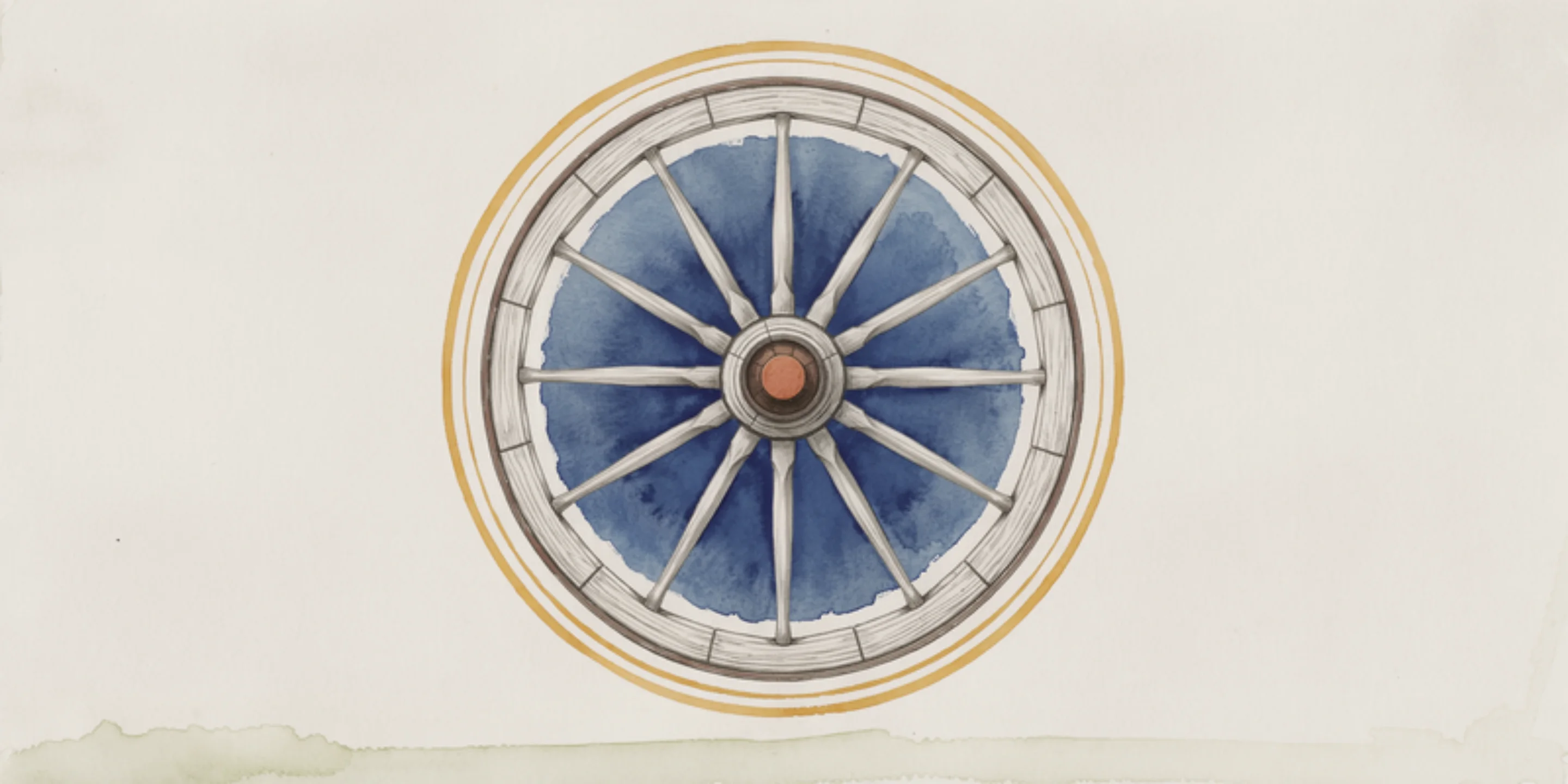
In the words of Pranav Ashar
How we renderThe heart of the Kaushitaki
In brief
Every question in the Kaushitaki is a question about who one is. At the moon the dead are asked 'Who are you?', and the answer that frees is 'I am you'; before Brahman the knower says 'What you are, that am I'. Life is Brahman: the true fire-offering is the unbroken giving of breath into speech and speech into breath. Indra's best gift is the knowledge of himself as breath, the self of understanding: do not seek to know what is spoken, know the speaker. And the king's last lesson shows the same self in deep sleep.
- 'Who are you?'
- 'What you are, that am I'
- Life is Brahman
- Breath, the self of understanding
- Know the knower
- Where the sleeper goes
Contents
श्रीमत्कौषीतकीविद्यावेद्यप्रज्ञापराक्षरम् । प्रतियोगिविनिर्मुक्तब्रह्ममात्रं विचिन्तये ॥
śrīmatkauṣītakīvidyāvedyaprajñāparākṣaram | pratiyogivinirmuktabrahmamātraṃ vicintaye ||
The highest imperishable, awareness itself, known through the blessed Kaushitaki teaching, Brahman alone, free of every opposite: on that I reflect.
Note //
A dedicatory verse from the commentator's tradition, placed before the text; it is not part of the numbered text.
चित्रो ह वै गार्ग्यायणिर्यक्ष्यमाण आरुणिं वव्रे । स ह पुत्रं श्वेतकेतुं प्रजिघाय याजयेति । तं हासीनं पप्रच्छ । गौतमस्य पुत्रास्ति संवृतं लोके यस्मिन्मा धास्यस्यन्यतमो वाध्वा तस्य । मालोके धास्यसीति । स होवाच नाहमेतद्वेद । हन्ताचार्यं पृच्छानीति । स ह पितरमासाद्य पप्रच्छेतीति माप्राक्षीत्कथं प्रतिब्रवाणीति । स होवाचाहमप्येतन्न वेद । सदस्येव वयं स्वाध्यायमधीत्य हरामहे यन्नः परे ददति । एह्युभौ गमिष्याव इति । स ह समित्पाणिश्चित्रं गार्ग्यायणिं प्रतिचक्रम । उपायानीति तं होवाच । ब्रह्मार्घोऽसि गौतम यो न मानमुपागाः । एहि व्येव त्वा ज्ञपयिष्यामीति ॥ १॥
citro ha vai gārgyāyaṇiryakṣyamāṇa āruṇiṃ vavre | sa ha putraṃ śvetaketuṃ prajighāya yājayeti | taṃ hāsīnaṃ papraccha | gautamasya putrāsti saṃvṛtaṃ loke yasminmā dhāsyasyanyatamo vādhvā tasya | māloke dhāsyasīti | sa hovāca nāhametadveda | hantācāryaṃ pṛcchānīti | sa ha pitaramāsādya papracchetīti māprākṣītkathaṃ pratibravāṇīti | sa hovācāhamapyetanna veda | sadasyeva vayaṃ svādhyāyamadhītya harāmahe yannaḥ pare dadati | ehyubhau gamiṣyāva iti | sa ha samitpāṇiścitraṃ gārgyāyaṇiṃ praticakrama | upāyānīti taṃ hovāca | brahmārgho'si gautama yo na mānamupāgāḥ | ehi vyeva tvā jñapayiṣyāmīti || 1||
Chitra Gargyayani, about to sacrifice, chose Aruni as his priest. Aruni sent his son Shvetaketu: 'You perform the sacrifice.' When he was seated, Chitra asked him: 'Son of Gautama, is there an end in the world into which you will place me? Or is there another road? Will you place me in its world?' He said: 'I do not know this. Let me ask my teacher.' He went to his father and asked: 'He asked me this and this. How should I answer?' He said: 'I do not know it either. Let us go to his house, study the Veda, and receive what others give us. Come, let us both go.' Fuel in hand, Aruni came to Chitra Gargyayani: 'Let me come to you as a pupil.' Chitra said to him: 'You are worthy of Brahman, Gautama, for you have not given way to pride. Come, I will make you understand.'
Note //
A priest who becomes the pupil of a king: as in the Chandogya (5.3-10) and Brihadaranyaka (6.2), where the same teaching of the two paths is given by a king to Aruni. 'An end' (samvrita): an end to the round of becoming. The Sanskrit follows the critical edition (Ježić, on TITUS), which agrees with Hume. The sanskritdocuments.org edition reads पुत्रास्ते, अन्यमहो बद्ध्वा तस्य लोके, प्रच्छानीति and ब्रह्मार्होसि गौतम यो मामुपागा ('who have come to me').
स होवाच ये वै के चास्माल्लोकात्प्रयन्ति चन्द्रमसमेव ते सर्वे गच्छन्ति । तेषां प्राणैः पूर्वपक्ष आप्यायते । तानपरपक्षेण प्रजनयति । एतद्वै स्वर्गस्य लोकस्य द्वारं यच्चन्द्रमाः । तं यः प्रत्याह तमतिसृजते । अथ य एनं न प्रत्याह तमिह वृष्टिर्भूत्वा वर्षति । स इह कीटो वा पतङ्गो वा मत्स्यो वा शकुनिर्वा सिंहो वा वराहो वा परस्वान्वा शार्दूलो वा पुरुषो वान्यो वा तेषु तेषु स्थानेषु प्रत्याजायते यथाकर्म यथाविद्यम् । तमागतं पृच्छति कोऽसीति । तं प्रतिब्रूयात् । विचक्षणादृतवो रेत आभृतं पञ्चदशात्प्रसूतात्पित्र्यावतस् । तन्मा पुंसि कर्तर्येरयध्वं पुंसा कर्त्रा मातरि मासिषिक्त ॥ स उपजाय उपजायमानो द्वादशेन त्रयोदशोपमासः । द्वादशत्रयोदशेन पित्रा सं तद्विदेऽहं प्रति तद्विदेऽहं तन्म ऋतवोऽमृत्यव आभरध्वम् ॥ तेन सत्येन तेन तपस ऋतुरस्म्यार्तवोऽस्मि कोऽस्मि त्वमस्मि । इति तमतिसृजते ॥ २॥
sa hovāca ye vai ke cāsmāllokātprayanti candramasameva te sarve gacchanti | teṣāṃ prāṇaiḥ pūrvapakṣa āpyāyate | tānaparapakṣeṇa prajanayati | etadvai svargasya lokasya dvāraṃ yaccandramāḥ | taṃ yaḥ pratyāha tamatisṛjate | atha ya enaṃ na pratyāha tamiha vṛṣṭirbhūtvā varṣati | sa iha kīṭo vā pataṅgo vā matsyo vā śakunirvā siṃho vā varāho vā parasvānvā śārdūlo vā puruṣo vānyo vā teṣu teṣu sthāneṣu pratyājāyate yathākarma yathāvidyam | tamāgataṃ pṛcchati ko'sīti | taṃ pratibrūyāt | vicakṣaṇādṛtavo reta ābhṛtaṃ pañcadaśātprasūtātpitryāvatas | tanmā puṃsi kartaryerayadhvaṃ puṃsā kartrā mātari māsiṣikta || sa upajāya upajāyamāno dvādaśena trayodaśopamāsaḥ | dvādaśatrayodaśena pitrā saṃ tadvide'haṃ prati tadvide'haṃ tanma ṛtavo'mṛtyava ābharadhvam || tena satyena tena tapasa ṛturasmyārtavo'smi ko'smi tvamasmi | iti tamatisṛjate || 2||
He said: 'All who leave this world go to the moon. In its waxing half it swells with their breath; in its waning half it brings them to birth. The moon is the door of the heavenly world. Whoever answers it, it lets go on. Whoever does not answer, it rains down here as rain, and he is born again here, as a worm or a moth, a bird, a tiger, a lion, a fish, a wild boar, a man, or something else, in this place or that, according to his deeds, according to his knowledge. When he comes there, it asks him: "Who are you?" He should answer: "From the far-shining one, you seasons, the seed was gathered, from the one of fifteen parts, from the world of the fathers. Send me into a man as the maker, and through the man as maker pour me into a mother. So I am born, born again, as the twelfth or thirteenth month, through a father of twelve or thirteen parts. I know this; I know its opposite. So, you seasons, bring me to the deathless. By this truth, by this austerity, I am a season; I belong to the seasons. Who am I? I am you." It lets him go on.
Note //
The far-shining one, the one of fifteen parts and the world of the fathers are the moon (Hume, after the commentary); the father of twelve or thirteen parts is the year, of twelve or thirteen months. 'I know this; I know its opposite' (sam tad vide 'ham prati tad vide 'ham) is obscure; Hume: 'for the knowledge of this was I, for the knowledge of the opposite of this'. The critical edition marks द्वादशत्रयोदशेन पित्रा as doubtful. The sanskritdocuments.org edition reads अपरपक्षे न प्रजनयति ('in the waning half it does not bring to birth'), omits न in य एनं न प्रत्याह, and has मर्त्यव ('mortal') for अमृत्यव and कोऽसि for कोऽस्मि. Pending review.
स एतं देवयानं पन्थानमापद्याग्निलोकमागच्छति । स वायुलोकम् । स आदित्यलोकम् । स वरुणलोकम् । स इन्द्रलोकम् । स प्रजापतिलोकम् । स ब्रह्मलोकम् । तस्य ह वा एतस्य लोकस्यारो ह्रदः । मुहूर्ता यष्टिहाः । विजरा नदी । इल्यो वृक्षः । सालज्यं संस्थानम् । अपराजितमायतनम् । इन्द्रप्रजापती द्वारगोपौ । विभु प्रमितम् । विचक्षणासन्दी । अमितौजाः पर्यङ्कः । प्रिया च मानसी । प्रतिरूपा च चाक्षुषी । पुष्पाण्यादायावयतो वै च जगानि । अम्बाश्चाम्बायवीश्चाप्सरसः । आम्बया नद्यः । तमित्थंविदागच्छति । तं ब्रह्माह अभिधावत मम यशसा । विजरां वा अयं नदीं प्रापत् । न वा अयं जरयिष्यतीति ॥ ३॥
sa etaṃ devayānaṃ panthānamāpadyāgnilokamāgacchati | sa vāyulokam | sa ādityalokam | sa varuṇalokam | sa indralokam | sa prajāpatilokam | sa brahmalokam | tasya ha vā etasya lokasyāro hradaḥ | muhūrtā yaṣṭihāḥ | vijarā nadī | ilyo vṛkṣaḥ | sālajyaṃ saṃsthānam | aparājitamāyatanam | indraprajāpatī dvāragopau | vibhu pramitam | vicakṣaṇāsandī | amitaujāḥ paryaṅkaḥ | priyā ca mānasī | pratirūpā ca cākṣuṣī | puṣpāṇyādāyāvayato vai ca jagāni | ambāścāmbāyavīścāpsarasaḥ | āmbayā nadyaḥ | tamitthaṃvidāgacchati | taṃ brahmāha abhidhāvata mama yaśasā | vijarāṃ vā ayaṃ nadīṃ prāpat | na vā ayaṃ jarayiṣyatīti || 3||
Having come onto this path of the gods, he comes to the world of fire, then to the world of wind, of the sun, of Varuna, of Indra, of Prajapati, and to the world of Brahman. That world of Brahman has the lake Ara, the moments Yeshtiha, the river Vijara, the Ageless, the tree Ilya, the city Salajya, the dwelling Aparajita, the Unconquered, Indra and Prajapati as its two door-keepers, the hall Vibhu, the Vast, the throne Vichakshana, the Far-seeing, the couch Amitaujas, of Unmeasured Splendour, and the beloved Manasi, of the mind, with her counterpart Chakshushi, of the eye, who take flowers and weave the worlds; the nymphs, the Mothers and the Nurses, and the rivers called Little Mothers. To this world comes one who knows this. Brahman says to his attendants: "Run to him! By my glory he has reached the ageless river. He will not grow old."
Note //
The names of the places follow Hume and the critical edition. The sanskritdocuments.org edition has तिल्यो for इल्यो, सायुज्यं ('union') for सालज्यं, विरजा ('stainless') for विजरा ('ageless'), and a garbled ending (प्रापन्नवानयं जिगीष्यतीति); it also puts the world of Varuna before that of the sun. In the critical edition the last sentences ('To this world comes one who knows this ...') stand at the head of section 4; they are kept here, as in Hume.
तं पञ्चशतान्यप्सरसां प्रतियन्ति शतं माल्यहस्ताः शतमाञ्जनहस्ताः शतं चूर्णहस्ताः शतं वासोहस्ताः शतं फलहस्ताः । तं ब्रह्मालङ्कारेणालङ्कुर्वन्ति । स ब्रह्मालङ्कारेणालङ्कृतो विद्वान्ब्रह्माभिप्रैति । स आगच्छत्यारं ह्रदम् । तं मनसात्येति । तमृत्वासम्प्रतिविदो मज्जन्ति । स आगच्छति मुहूर्तान्यष्टिहान् । तेऽस्मादपद्रवन्ति । स आगच्छति विजरां नदीम् । तां मनसैवात्येति । तत्सुकृतदुष्कृते धुनुते । तस्य प्रिया ज्ञातयः सुकृतमुपयन्ति । अप्रिया दुष्कृतम् । तद्यथा रथेन धावयन्रथचक्रे पर्यवेक्षेतैवमहोरात्रे पर्यवेक्षत एवं सुकृतदुष्कृते सर्वाणि च द्वन्द्वानि । स एष विसुकृतो विदुष्कृतो ब्रह्म विद्वान्ब्रह्मैवाभिप्रैति ॥ ४॥
taṃ pañcaśatānyapsarasāṃ pratiyanti śataṃ mālyahastāḥ śatamāñjanahastāḥ śataṃ cūrṇahastāḥ śataṃ vāsohastāḥ śataṃ phalahastāḥ | taṃ brahmālaṅkāreṇālaṅkurvanti | sa brahmālaṅkāreṇālaṅkṛto vidvānbrahmābhipraiti | sa āgacchatyāraṃ hradam | taṃ manasātyeti | tamṛtvāsamprativido majjanti | sa āgacchati muhūrtānyaṣṭihān | te'smādapadravanti | sa āgacchati vijarāṃ nadīm | tāṃ manasaivātyeti | tatsukṛtaduṣkṛte dhunute | tasya priyā jñātayaḥ sukṛtamupayanti | apriyā duṣkṛtam | tadyathā rathena dhāvayanrathacakre paryavekṣetaivamahorātre paryavekṣata evaṃ sukṛtaduṣkṛte sarvāṇi ca dvandvāni | sa eṣa visukṛto viduṣkṛto brahma vidvānbrahmaivābhipraiti || 4||
Five hundred nymphs run to meet him, a hundred with garlands in their hands, a hundred with ointments, a hundred with perfumed powders, a hundred with clothes, a hundred with fruits. They adorn him with the adornment of Brahman. Adorned with the adornment of Brahman, knowing Brahman, he goes on to Brahman. He comes to the lake Ara and crosses it with the mind; those who know only what is near at hand come to it and sink. He comes to the moments Yeshtiha; they run away from him. He comes to the ageless river and crosses it with the mind alone. There he shakes off his good deeds and his bad deeds. His dear relatives receive his good deeds; those not dear receive his bad deeds. As one driving a chariot looks down on the two wheels, so he looks down on day and night, so on good deeds and bad deeds, and on all the pairs of opposites. Free of good deeds, free of bad deeds, knowing Brahman, he goes on to Brahman.
Note //
'Those who know only what is near' (sampratividah): those who know only the present world (Hume: 'only the immediate'). The image of the charioteer shows the knower's relation to deeds: he sees them turn, and is not them. The critical edition places the nymphs before the lake, as Hume does; the sanskritdocuments.org edition has the same order but different words in places (प्रतिधावन्ति, मालाहस्ताः, कणाहस्ताः).
स आगच्छतील्यं वृक्षम् । तं ब्रह्मगन्धः प्रविशति । स आगच्छति सालज्यं संस्थानम् । तं ब्रह्मरसः प्रविशति । स आगच्छत्यपराजितमायतनम् । तं ब्रह्मतेजः प्रविशति । स आगच्छतीन्द्रप्रजापती द्वारगोपौ । तावस्मादपद्रवतः । स आगच्छति विभु प्रमितम् । तं ब्रह्मयशः प्रविशति । स आगच्छति विचक्षणामासन्दीम् । बृहद्रथन्तरे सामनी पूर्वौ पादौ । श्यैतनौधसे चापरौ पादौ । वैरूपवैराजे अनूच्ये । शाक्वररैवते तिरश्ची । सा प्रज्ञा । प्रज्ञया हि विपश्यति । स आगच्छत्यमितौजसं पर्यङ्कम् । स प्राणः । तस्य भूतञ्च भविष्यच्च पूर्वौ पादौ । श्रीश्चेरा चापरौ । बृहद्रथन्तरे अनूच्ये । भद्रयज्ञायज्ञीये शीर्षण्ये । ऋचश्च सामानि च प्राचीनातानानि । यजूंषि तिरश्चीनानि । सोमांशव उपस्तरणम् । उद्गीथोऽपश्रयः । श्रीरुपबर्हणम् । तस्मिन्ब्रह्मास्ते । तमित्थंवित्पादेनैवाग्र आरोहति । तं ब्रह्माह कोऽसीति । तं प्रतिब्रूयात् ॥ ५॥
sa āgacchatīlyaṃ vṛkṣam | taṃ brahmagandhaḥ praviśati | sa āgacchati sālajyaṃ saṃsthānam | taṃ brahmarasaḥ praviśati | sa āgacchatyaparājitamāyatanam | taṃ brahmatejaḥ praviśati | sa āgacchatīndraprajāpatī dvāragopau | tāvasmādapadravataḥ | sa āgacchati vibhu pramitam | taṃ brahmayaśaḥ praviśati | sa āgacchati vicakṣaṇāmāsandīm | bṛhadrathantare sāmanī pūrvau pādau | śyaitanaudhase cāparau pādau | vairūpavairāje anūcye | śākvararaivate tiraścī | sā prajñā | prajñayā hi vipaśyati | sa āgacchatyamitaujasaṃ paryaṅkam | sa prāṇaḥ | tasya bhūtañca bhaviṣyacca pūrvau pādau | śrīścerā cāparau | bṛhadrathantare anūcye | bhadrayajñāyajñīye śīrṣaṇye | ṛcaśca sāmāni ca prācīnātānāni | yajūṃṣi tiraścīnāni | somāṃśava upastaraṇam | udgītho'paśrayaḥ | śrīrupabarhaṇam | tasminbrahmāste | tamitthaṃvitpādenaivāgra ārohati | taṃ brahmāha ko'sīti | taṃ pratibrūyāt || 5||
He comes to the tree Ilya; the fragrance of Brahman enters him. He comes to the city Salajya; the taste of Brahman enters him. He comes to the dwelling Aparajita; the brilliance of Brahman enters him. He comes to the two door-keepers, Indra and Prajapati; they run away from him. He comes to the hall Vibhu; the glory of Brahman enters him. He comes to the throne Vichakshana. The Brihat and Rathantara chants are its front feet, the Shyaita and Naudhasa its back feet, the Vairupa and Vairaja its long sides, the Shakvara and Raivata its cross pieces. It is understanding, for by understanding one sees clearly. He comes to the couch Amitaujas. It is life, the breath. The past and the future are its front feet, prosperity and nourishment its back feet, the Bhadra and Yajnayajniya chants its head pieces, the Brihat and Rathantara its long sides, the verses and chants its lengthwise cords, the sacrificial formulas its cross cords, the Soma stalks its covering, the Udgitha its bolster, prosperity its pillow. On it Brahman sits. One who knows this climbs onto it first with one foot. Brahman asks him: "Who are you?" He should answer:
Note //
The throne is understanding (prajna) and the couch is life (prana): the two names the Kaushitaki gives the Self in chapter 3. Brahman sits on them; the knower climbs onto them. The critical edition marks बृहद्रथन्तरे अनूच्ये in the couch as doubtful; Hume keeps it.
ऋतुरस्मि । आर्तवोऽस्मि । आकाशाद्योनेः सम्भूतो भार्यायै रेतः । संवत्सरस्य तेजो भूतस्य भूतस्यात्मा । भूतस्य भूतस्य त्वमात्मासि । यस्त्वमसि सोऽहमस्मीति । तमाह कोऽहमस्मीति । सत्यमिति ब्रूयात् । किं तद्यत्सत्यमिति । यदन्यद्देवेभ्यश्च प्राणेभ्यश्च तत्सत् । अथ यद्देवाश्च प्राणाश्च तत्त्यं । तदेकया वाचाभिव्याह्रियते सत्यमिति । एतावदिदं सर्वम् । इदं सर्वमसि । इत्येवैनं तदाह । तदेतदृक्श्लोकेनाभ्युक्तम् ॥ ६॥
ṛturasmi | ārtavo'smi | ākāśādyoneḥ sambhūto bhāryāyai retaḥ | saṃvatsarasya tejo bhūtasya bhūtasyātmā | bhūtasya bhūtasya tvamātmāsi | yastvamasi so'hamasmīti | tamāha ko'hamasmīti | satyamiti brūyāt | kiṃ tadyatsatyamiti | yadanyaddevebhyaśca prāṇebhyaśca tatsat | atha yaddevāśca prāṇāśca tattyaṃ | tadekayā vācābhivyāhriyate satyamiti | etāvadidaṃ sarvam | idaṃ sarvamasi | ityevainaṃ tadāha | tadetadṛkślokenābhyuktam || 6||
"I am a season; I belong to the seasons. I am born from space as from a womb, seed for a wife, the brilliance of the year, the Self of every being. You are the Self of every being. What you are, that am I." Brahman says to him: "Who am I?" He should answer: "The real." "What is that, the real?" "What is other than the senses and the breaths is sat, being; the senses and the breaths are tyam, that yonder. This is said by the one word satyam, the real. It is as much as all this. You are all this." So he says to him. This is said in a verse:
Note //
Satyam is divided into sat (being, here what is beyond the senses) and tyam ('that', the senses and breaths): the real holds both the unchanging and the changing. 'You are all this' answers Brahman's 'Who am I?' Hume notes that the passage from the last sentence here through the verse in 1.7 is missing in some manuscripts; the critical edition brackets it.
यजूदरः सामशिरा असावृङ्मूर्तिरव्ययः । स ब्रह्मेति स विज्ञेय ऋषिर्ब्रह्ममयो महान् ॥ इति तमाह । केन मे पौंस्नानि नामान्याप्नोषीति । प्राणेनेति ब्रूयात् । केन नपुंसकानीति । मनसेति । केन स्त्रीनामानीति । वाचेति । केन गन्धानिति । घ्राणेनेति । केन रूपाणीति । चक्षुषेति । केन शब्दानिति । श्रोत्रेणेति । केनान्नरसानिति । जिह्वयेति । केन कर्माणीति । हस्ताभ्यामिति । केन सुखदुःखे इति । शरीरेणेति । केनानन्दं रतिं प्रजातिमिति । उपस्थेनेति । केनेत्या इति । पादाभ्यामिति । केन धियो विज्ञातव्यं कामानिति । प्रज्ञयैवेति ब्रूयात् । तमाह आपो वै खलु मे लोकम् । अयं तेऽसाविति । सा या ब्रह्मणो जितिर्या व्यष्टिस्तां जितिं जयति तां व्यष्टिं व्यश्नुते य एवं वेद य एवं वेद ॥ ७॥
yajūdaraḥ sāmaśirā asāvṛṅmūrtiravyayaḥ | sa brahmeti sa vijñeya ṛṣirbrahmamayo mahān || iti tamāha | kena me pauṃsnāni nāmānyāpnoṣīti | prāṇeneti brūyāt | kena napuṃsakānīti | manaseti | kena strīnāmānīti | vāceti | kena gandhāniti | ghrāṇeneti | kena rūpāṇīti | cakṣuṣeti | kena śabdāniti | śrotreṇeti | kenānnarasāniti | jihvayeti | kena karmāṇīti | hastābhyāmiti | kena sukhaduḥkhe iti | śarīreṇeti | kenānandaṃ ratiṃ prajātimiti | upastheneti | kenetyā iti | pādābhyāmiti | kena dhiyo vijñātavyaṃ kāmāniti | prajñayaiveti brūyāt | tamāha āpo vai khalu me lokam | ayaṃ te'sāviti | sā yā brahmaṇo jitiryā vyaṣṭistāṃ jitiṃ jayati tāṃ vyaṣṭiṃ vyaśnute ya evaṃ veda ya evaṃ veda || 7||
"With the Yajus for belly, the Saman for head, the Rig for form, that imperishable one is to be known as Brahman, the great seer, made of the sacred word." Brahman says to him: "With what do you reach my masculine names?" He should answer: "With the breath." "My neuter names?" "With the mind." "My feminine names?" "With speech." "Smells?" "With the sense of smell." "Forms?" "With the eye." "Sounds?" "With the ear." "The tastes of food?" "With the tongue." "Actions?" "With the hands." "Pleasure and pain?" "With the body." "Joy, delight and begetting?" "With the organ of generation." "Goings?" "With the feet." "Thoughts, what is to be known, and desires?" "With understanding alone," he should say. Brahman says to him: "The waters are my world; and this one is yours." Whatever victory Brahman has, whatever reach, that victory he wins, that reach he reaches, who knows this, who knows this.
Note //
Each name and each object is reached by its own power: the dialogue walks through the whole person and gives every part of it to Brahman, ending in understanding (prajna), the Kaushitaki's word for the Self. The critical edition, followed here, puts neuter names before feminine ones and reads 'with smell' (ghrana) for smells; Hume, following his recension A, has the order masculine, feminine, neuter and 'with the breath'. 'The waters' (apah) puns on apti, 'reaching': 'what is reached is my world'. Pending review.
प्राणो ब्रह्मेति ह स्माह कौषीतकिः । तस्य ह वा एतस्य प्राणस्य ब्रह्मणो मनो दूतम् । चक्षुर्गोप्तृ । श्रोत्रं संश्रावयितृ । वाक्परिवेष्ट्री स यो ह वा एतस्य प्राणस्य ब्रह्मणो मनो दूतं वेद दूतवान्भवति । यश्चक्षुर्गोप्तृ गोप्तृमान्भवति । यः श्रोत्रं संश्रावयितृ संश्रावयितृमान्भवति । यो वाचं परिवेष्ट्रीं परिवेष्ट्रीमान्भवति तस्मै वा एतस्मै प्राणाय ब्रह्मण एताः सर्वा देवता अयाचमानाय बलिं हरन्ति । एवं हैवास्मै सर्वाणि भूतान्ययाचमानायैव बलिं हरन्ति य एवं वेद । तस्योपनिषन्न याचेदिति । तद्यथा ग्रामं भिक्षित्वाऽलब्ध्वोपविशेन्नाहमतो दत्तमश्नीयामिति । य एवैनं पुरस्तात्प्रत्याचक्षीरंस्त एवैनमुपमन्त्रयन्ते ददाम त इति । एष धर्मोऽयाचतो भवति । अन्नदास्त्वेवैनमुपमन्त्रयन्ते ददाम त इति ॥ १॥
prāṇo brahmeti ha smāha kauṣītakiḥ | tasya ha vā etasya prāṇasya brahmaṇo mano dūtam | cakṣurgoptṛ | śrotraṃ saṃśrāvayitṛ | vākpariveṣṭrī sa yo ha vā etasya prāṇasya brahmaṇo mano dūtaṃ veda dūtavānbhavati | yaścakṣurgoptṛ goptṛmānbhavati | yaḥ śrotraṃ saṃśrāvayitṛ saṃśrāvayitṛmānbhavati | yo vācaṃ pariveṣṭrīṃ pariveṣṭrīmānbhavati tasmai vā etasmai prāṇāya brahmaṇa etāḥ sarvā devatā ayācamānāya baliṃ haranti | evaṃ haivāsmai sarvāṇi bhūtānyayācamānāyaiva baliṃ haranti ya evaṃ veda | tasyopaniṣanna yācediti | tadyathā grāmaṃ bhikṣitvā'labdhvopaviśennāhamato dattamaśnīyāmiti | ya evainaṃ purastātpratyācakṣīraṃsta evainamupamantrayante dadāma ta iti | eṣa dharmo'yācato bhavati | annadāstvevainamupamantrayante dadāma ta iti || 1||
'Life is Brahman,' Kaushitaki used to say. Of this life that is Brahman the mind is the messenger, the eye the guard, the ear the herald, speech the servant. Whoever knows the mind as the messenger of this life that is Brahman has a messenger; whoever knows the eye as the guard has a guard; whoever knows the ear as the herald has a herald; whoever knows speech as the servant has a servant. To this life that is Brahman all these powers bring offerings without being asked. In the same way all beings bring offerings, without being asked, to one who knows this. For him the secret teaching is: 'Do not beg.' As when one has begged in a village and received nothing, and sits down, saying, 'I will not eat anything given from here', those who refused him before then invite him: 'Let us give to you.' Such is the way of one who does not beg. Those who give food invite him: 'Let us give to you.'
Note //
Prana is rendered 'life' (it is breath as the power of living). The critical edition brackets the sentences about having a messenger, guard, herald and servant; Hume notes they are lacking in his recension A. 'Do not beg' (na yacet): one who knows that all powers already serve life lacks nothing, and what he needs comes unasked.
प्राणो ब्रह्मेति ह स्माह पैङ्ग्यः । तस्य वा एतस्य ब्रह्मणो वाक्परस्ताच्चक्षुरारुन्द्धे । चक्षुःपरस्ताच्छ्रोत्रमारुन्द्धे । श्रोत्रपरस्तान्मन आरुन्द्धे । मनःपरस्तात्प्राण आरुन्द्धे । तस्मै वा एतस्मै प्राणाय ब्रह्मण एताः सर्वा देवता अयाचमानायैव बलिं हरन्ति । एवं हैवास्मै सर्वाणि भूतान्ययाचमानायैव बलिं हरन्ति य एवं वेद । तस्योपनिषन्न याचेदिति । तद्यथा ग्रामं भिक्षित्वाऽलभ्द्वोपविशेन्नाहमतो दत्तमश्नीयामिति । य एवैनं पुरस्तात्प्रत्याचक्षीरंस्त एवैनमुपमन्त्रयन्ते ददाम त इति । एष धर्मोऽयाचतो भवति । अन्नदास्त्वेवैनमुपमन्त्रयन्ते ददाम त इति ॥ २॥
prāṇo brahmeti ha smāha paiṅgyaḥ | tasya vā etasya brahmaṇo vākparastāccakṣurārunddhe | cakṣuḥparastācchrotramārunddhe | śrotraparastānmana ārunddhe | manaḥparastātprāṇa ārunddhe | tasmai vā etasmai prāṇāya brahmaṇa etāḥ sarvā devatā ayācamānāyaiva baliṃ haranti | evaṃ haivāsmai sarvāṇi bhūtānyayācamānāyaiva baliṃ haranti ya evaṃ veda | tasyopaniṣanna yācediti | tadyathā grāmaṃ bhikṣitvā'labhdvopaviśennāhamato dattamaśnīyāmiti | ya evainaṃ purastātpratyācakṣīraṃsta evainamupamantrayante dadāma ta iti | eṣa dharmo'yācato bhavati | annadāstvevainamupamantrayante dadāma ta iti || 2||
'Life is Brahman,' Paingya used to say. Of this Brahman, behind speech the eye is enclosed, behind the eye the ear is enclosed, behind the ear the mind is enclosed, behind the mind life is enclosed. To this life that is Brahman all these powers bring offerings without being asked. In the same way all beings bring offerings, without being asked, to one who knows this. For him the secret teaching is: 'Do not beg.' As when one has begged in a village and received nothing, and sits down, saying, 'I will not eat anything given from here', those who refused him before then invite him: 'Let us give to you.' Such is the way of one who does not beg. Those who give food invite him: 'Let us give to you.'
Note //
This section is in Hume and the critical edition but not in the sanskritdocuments.org edition. Each power is held within the next, inward to life: the order of the sheaths, from the outermost to the innermost.
अथात एकधनावरोधनम् । यदेकधनमभिध्यायात्पौर्णमास्यां वामावास्यां वा शुद्धपक्षे वा पुण्ये नक्षत्रेऽग्निमुपसमाधाय परिसमूह्य परिस्तीर्य पर्युक्ष्योत्पूय दक्षिणं जान्वाच्य स्रुवेण वा चमसेन वा कंसेन वैता आज्याहुतीर्जुहोति । वाङ्नाम देवतावरोधनी सा मेऽमुष्मादिदमवरुन्ध्यात्तस्यै स्वाहा । प्राणो नाम देवतावरोधनी सा मेऽमुष्मादिदमवरुन्ध्यात्तस्यै स्वाहा । चक्षुर्नाम देवतावरोधनी सा मेऽमुष्मादिदमवरुन्ध्यात्तस्यै स्वाहा । श्रोत्रं नाम देवतावरोधनी सा मेऽमुष्मादिदमवरुन्ध्यात्तस्यै स्वाहा । मनो नाम देवतावरोधनी सा मेऽमुष्मादिदमवरुन्ध्यात्तस्यै स्वाहा । प्रज्ञा नाम देवतावरोधनी सा मेऽमुष्मादिदमवरुन्ध्यात्तस्यै स्वाहा । इत्यथ धूमगन्धं प्रजिघ्रायाज्यलेपेनाङ्गान्यनुविमृज्य वाचंयमोऽभिप्रव्रज्यार्थं ब्रूयाद्दूतं वा प्रहिणुयात् । लभते हैव ॥ ३॥
athāta ekadhanāvarodhanam | yadekadhanamabhidhyāyātpaurṇamāsyāṃ vāmāvāsyāṃ vā śuddhapakṣe vā puṇye nakṣatre'gnimupasamādhāya parisamūhya paristīrya paryukṣyotpūya dakṣiṇaṃ jānvācya sruveṇa vā camasena vā kaṃsena vaitā ājyāhutīrjuhoti | vāṅnāma devatāvarodhanī sā me'muṣmādidamavarundhyāttasyai svāhā | prāṇo nāma devatāvarodhanī sā me'muṣmādidamavarundhyāttasyai svāhā | cakṣurnāma devatāvarodhanī sā me'muṣmādidamavarundhyāttasyai svāhā | śrotraṃ nāma devatāvarodhanī sā me'muṣmādidamavarundhyāttasyai svāhā | mano nāma devatāvarodhanī sā me'muṣmādidamavarundhyāttasyai svāhā | prajñā nāma devatāvarodhanī sā me'muṣmādidamavarundhyāttasyai svāhā | ityatha dhūmagandhaṃ prajighrāyājyalepenāṅgānyanuvimṛjya vācaṃyamo'bhipravrajyārthaṃ brūyāddūtaṃ vā prahiṇuyāt | labhate haiva || 3||
Now the gaining of a single prize. If one sets one's mind on a single prize, on the night of the full moon or the new moon, or in the bright half of the month under a lucky star, having laid the fire, swept around it, strewn grass around it, sprinkled it and purified the butter, bending the right knee, with a ladle, a wooden bowl or a metal cup, one offers these offerings of melted butter: 'The power named speech is a winner; may it win this for me from so-and-so. To it, hail! The power named breath is a winner; may it win this for me from so-and-so. To it, hail! The power named eye is a winner ... To it, hail! The power named ear is a winner ... To it, hail! The power named mind is a winner ... To it, hail! The power named understanding is a winner; may it win this for me from so-and-so. To it, hail!' Then, smelling the smoke, rubbing the limbs with the butter that is left, going out in silence, one should state one's purpose or send a messenger. One gains it.
Note //
The rites of 2.3-2.4 are given as the text records them. Each offers the same six powers, speech, breath, eye, ear, mind and understanding, which the chapter goes on to trace back to life.
अथातो दैवः स्मरः । यस्य प्रियो बुभूषेद्यस्यै वा येषां वा यासां वैतेषामेवैकस्मिन्पर्वण्यग्निमुपसमाधायैतयैवावृतैता आज्याहुतीर्जुहोति । वाचं ते मयि जुहोम्यसौ स्वाहा । प्राणं ते मयि जुहोम्यसौ स्वाहा । चक्षुस्ते मयि जुहोम्यसौ स्वाहा । श्रोत्रं ते मयि जुहोम्यसौ स्वाहा । मनस्ते मयि जुहोम्यसौ स्वाहा । प्रज्ञां ते मयि जुहोम्यसौ स्वाहा । इत्यथ धूमगन्धं प्रजिघ्रायाज्यलेपेनाङ्गान्यनुविमृज्य वाचंयमोऽभिप्रव्रज्य संस्पर्शं जिगमिषेत् । अपि वाताद्वा तिष्ठेत्सम्भाषमाणः । प्रियो हैव भवति स्मरन्ति हैवास्य ॥ ४॥
athāto daivaḥ smaraḥ | yasya priyo bubhūṣedyasyai vā yeṣāṃ vā yāsāṃ vaiteṣāmevaikasminparvaṇyagnimupasamādhāyaitayaivāvṛtaitā ājyāhutīrjuhoti | vācaṃ te mayi juhomyasau svāhā | prāṇaṃ te mayi juhomyasau svāhā | cakṣuste mayi juhomyasau svāhā | śrotraṃ te mayi juhomyasau svāhā | manaste mayi juhomyasau svāhā | prajñāṃ te mayi juhomyasau svāhā | ityatha dhūmagandhaṃ prajighrāyājyalepenāṅgānyanuvimṛjya vācaṃyamo'bhipravrajya saṃsparśaṃ jigamiṣet | api vātādvā tiṣṭhetsambhāṣamāṇaḥ | priyo haiva bhavati smaranti haivāsya || 4||
Now the longing that works through the powers. If one wishes to be loved by a man or a woman, or by men or by women, at one of these same times one lays the fire and in the same way offers these offerings of butter: 'Your speech I offer into myself, so-and-so. Hail! Your breath I offer into myself, so-and-so. Hail! Your eye I offer into myself, so-and-so. Hail! Your ear I offer into myself, so-and-so. Hail! Your mind I offer into myself, so-and-so. Hail! Your understanding I offer into myself, so-and-so. Hail!' Then, smelling the smoke, rubbing the limbs with the butter that is left, going out in silence, one should seek to come near and touch, or simply stand upwind and talk. One becomes loved; they think of one with longing.
Note //
Hume: 'longing in connection with the divine powers' (daiva smara).
अथातः संयमनं प्रातर्दनमान्तरमग्निहोत्रमिति चाचक्षते । यावद्वै पुरुषो भाषते न तावत्प्राणितुं शक्नोति । प्राणं तदा वाचि जुहोति । यावद्वै पुरुषः प्राणिति न तावद्भाषितुं शक्नोति । वाचं तदा प्राणे जुहोति । एते अनन्ते अमृते आहुती जाग्रच्च स्वपंश्च सन्ततमव्यवच्छिन्नं जुहोति । अथ या अन्या आहुतयोऽन्तवत्यस्ताः कर्ममय्यो हि भवन्ति । एतद्ध वै पूर्वे विद्वांसोऽग्निहोत्रं न जुहवाञ्चक्रुः ॥ ५॥
athātaḥ saṃyamanaṃ prātardanamāntaramagnihotramiti cācakṣate | yāvadvai puruṣo bhāṣate na tāvatprāṇituṃ śaknoti | prāṇaṃ tadā vāci juhoti | yāvadvai puruṣaḥ prāṇiti na tāvadbhāṣituṃ śaknoti | vācaṃ tadā prāṇe juhoti | ete anante amṛte āhutī jāgracca svapaṃśca santatamavyavacchinnaṃ juhoti | atha yā anyā āhutayo'ntavatyastāḥ karmamayyo hi bhavanti | etaddha vai pūrve vidvāṃso'gnihotraṃ na juhavāñcakruḥ || 5||
Now the restraint taught by Pratardana, which they call the inner fire-offering. As long as a person is speaking, he cannot breathe: then he offers breath into speech. As long as a person is breathing, he cannot speak: then he offers speech into breath. These two are offerings without end, deathless; waking and sleeping, one offers them continually, without a break. All other offerings have an end, for they are made of action. Knowing this, the ancients did not offer the fire-offering.
Note //
The daily agnihotra (fire-offering) is replaced by what one already does in every moment. Pratardana is the king who is taught by Indra in chapter 3.
उक्थं ब्रह्मेति ह स्माह शुष्कभृङ्गारः । तदृगित्युपासीत । सर्वाणि हास्मै भूतानि श्रैष्ठ्यायाभ्यर्चन्ते । तद्यजुरित्युपासीत । सर्वाणि हास्मै भूतानि श्रैष्ठ्याय युज्यन्ते । तत्सामेत्युपासीत । सर्वाणि हास्मै भूतानि श्रैष्ठ्याय सन्नमन्ते । तच्छ्रीरित्युपासीत । तद्यश इत्युपासीत । तत्तेज इत्युपासीत । तद्यथैतच्छस्त्राणां श्रीमत्तमं यशस्वितमं तेजस्वितमं भवति तथो एवैवं विद्वान्सर्वेषां भूतानां श्रीमत्तमो यशस्वितमस्तेजस्वितमो भवति । तदेतदैष्टिकं कर्ममयमात्मानमध्वर्युः संस्करोति । तस्मिन्यजुर्मयं प्रवयति । यजुर्मय ऋङ्मयं होता । ऋङ्मये साममयमुद्गाता । स एष त्रय्यै विद्याया आत्मा । एष उ एवैतदिन्द्रस्यात्मा भवति य एवं वेद ॥ ६॥
ukthaṃ brahmeti ha smāha śuṣkabhṛṅgāraḥ | tadṛgityupāsīta | sarvāṇi hāsmai bhūtāni śraiṣṭhyāyābhyarcante | tadyajurityupāsīta | sarvāṇi hāsmai bhūtāni śraiṣṭhyāya yujyante | tatsāmetyupāsīta | sarvāṇi hāsmai bhūtāni śraiṣṭhyāya sannamante | tacchrīrityupāsīta | tadyaśa ityupāsīta | tatteja ityupāsīta | tadyathaitacchastrāṇāṃ śrīmattamaṃ yaśasvitamaṃ tejasvitamaṃ bhavati tatho evaivaṃ vidvānsarveṣāṃ bhūtānāṃ śrīmattamo yaśasvitamastejasvitamo bhavati | tadetadaiṣṭikaṃ karmamayamātmānamadhvaryuḥ saṃskaroti | tasminyajurmayaṃ pravayati | yajurmaya ṛṅmayaṃ hotā | ṛṅmaye sāmamayamudgātā | sa eṣa trayyai vidyāyā ātmā | eṣa u evaitadindrasyātmā bhavati ya evaṃ veda || 6||
'The recitation (uktha) is Brahman,' Shushkabhringara used to say. Worship it as the Rig, the verse of praise: all beings praise one for one's excellence. Worship it as the Yajus, the formula: all beings join themselves to one for one's excellence. Worship it as the Saman, the chant: all beings bow to one for one's excellence. Worship it as beauty; worship it as glory; worship it as brilliance. As this is the most beautiful, the most glorious, the most brilliant of the recitations of praise, so one who knows this becomes the most beautiful, the most glorious, the most brilliant of all beings. The Adhvaryu priest prepares this self that belongs to the sacrifice and is made of action; on it he weaves what is made of Yajus; on that the Hotri priest weaves what is made of Rig; on that the Udgatri priest weaves what is made of Saman. This is the self of the threefold knowledge. One who knows this becomes the self of Indra.
Note //
The uktha is identified with life in the Brihadaranyaka (5.13.1). The three priests of the Vedic rite each 'weave' one of the three Vedas onto the sacrificial self.
अथातः सर्वजितः कौषीतकेस्त्रीण्युपासनानि भवन्ति । सर्वजिद्ध स्म कौषीतकिरुद्यन्तमादित्यमुपतिष्ठते यज्ञोपवीतं कृत्वोदकमानीय त्रिः प्रसिच्योदपात्रम् । वर्गोऽसि पाप्मानं मे वृङ्धीति । एतयैवावृता मध्ये सन्तमुद्वर्गोऽसि पाप्मानं म उद्वृङ्धीति । एतयैवावृतास्तं यन्तं संवर्गोऽसि पाप्मानं मे संवृङ्धीति । तद्यदहोरात्राभ्यां पापमकरोत्सं स्म तद्वृङ्क्ते । तथो एवैवं विद्वानेतयैवावृतादित्यमुपतिष्ठेत । यदहोरात्राभ्यां पापं करोति सं तद्वृङ्क्ते ॥ ७॥
athātaḥ sarvajitaḥ kauṣītakestrīṇyupāsanāni bhavanti | sarvajiddha sma kauṣītakirudyantamādityamupatiṣṭhate yajñopavītaṃ kṛtvodakamānīya triḥ prasicyodapātram | vargo'si pāpmānaṃ me vṛṅdhīti | etayaivāvṛtā madhye santamudvargo'si pāpmānaṃ ma udvṛṅdhīti | etayaivāvṛtāstaṃ yantaṃ saṃvargo'si pāpmānaṃ me saṃvṛṅdhīti | tadyadahorātrābhyāṃ pāpamakarotsaṃ sma tadvṛṅkte | tatho evaivaṃ vidvānetayaivāvṛtādityamupatiṣṭheta | yadahorātrābhyāṃ pāpaṃ karoti saṃ tadvṛṅkte || 7||
Now the three worships of Kaushitaki, the all-conquering. The all-conquering Kaushitaki used to worship the rising sun, wearing the sacred thread, having brought water, and sprinkling the water-vessel three times: 'You are a snatcher; snatch my wrong from me.' In the same way the sun in mid-heaven: 'You are a snatcher-up; snatch up my wrong.' In the same way the setting sun: 'You are a snatcher-away; snatch away my wrong.' Whatever wrong he did by day or night, it snatched away. So one who knows this should worship the sun in the same way. Whatever wrong one does by day or night, it snatches away.
Note //
Varga, udvarga, samvarga: three words from the root vrij, 'to twist off, remove'. Hume notes this may be the earliest mention of the sacred thread.
अथ मासि मास्यमावास्यायां पश्चाच्चन्द्रमसं दृश्यमानमुपतिष्ठेतैतयैवावृता हरिततृणे वा प्रत्यस्यति । यन्मे सुसमिद्धृदयमधि चन्द्रमसि श्रितम् । मन्येऽहं मां तद्विद्वांसं माहं पुत्र्यमघं रुदम् ॥ इति न ह्यस्मात्पूर्वा प्रजाः प्रैतीति । इति नु जातपुत्रस्य । अथाजातपुत्रस्य । आ प्यायस्व समेतु ते । सं ते पयांसि समु यन्तु वाजाः । यमादित्या अंशुमाप्याययन्ति । इति । एतास्तिस्र ऋचो जपित्वा मास्माकं प्राणेन प्रजया पशुभिराप्यायिष्ठाः । योऽस्मान्द्वेष्टि यं च वयं द्विष्मस्तस्य प्राणेन प्रजया पशुभिराप्यायस्वेति । ऐन्द्रीमावृतमावर्ते । आदित्यस्यावृतमन्वावर्ते । इति दक्षिणं बाहुमन्वावर्तते ॥ ८॥
atha māsi māsyamāvāsyāyāṃ paścāccandramasaṃ dṛśyamānamupatiṣṭhetaitayaivāvṛtā haritatṛṇe vā pratyasyati | yanme susamiddhṛdayamadhi candramasi śritam | manye'haṃ māṃ tadvidvāṃsaṃ māhaṃ putryamaghaṃ rudam || iti na hyasmātpūrvā prajāḥ praitīti | iti nu jātaputrasya | athājātaputrasya | ā pyāyasva sametu te | saṃ te payāṃsi samu yantu vājāḥ | yamādityā aṃśumāpyāyayanti | iti | etāstisra ṛco japitvā māsmākaṃ prāṇena prajayā paśubhirāpyāyiṣṭhāḥ | yo'smāndveṣṭi yaṃ ca vayaṃ dviṣmastasya prāṇena prajayā paśubhirāpyāyasveti | aindrīmāvṛtamāvarte | ādityasyāvṛtamanvāvarte | iti dakṣiṇaṃ bāhumanvāvartate || 8||
Month by month, on the night of the new moon, one should worship the moon as it appears in the west, in the same way, or throw two blades of green grass towards it, saying: 'That fair-shaped heart of mine which rests in the moon in the sky: I count myself as knowing it. May I not weep for harm to my children.' His children do not die before him. So for one to whom a son has been born. Now for one to whom no son has been born. Having murmured these three verses, 'Swell up; let it come together in you ...', 'Let juices and strengths come together in you ...', 'The stalk that the Adityas make swell ...', one says: 'Do not swell with our breath, our children, our cattle. Swell with the breath, the children and the cattle of the one who hates us and whom we hate. I turn with Indra's turn; I turn after the turning of the sun.' Then one turns towards the right arm.
Note //
The three verses are Rig Veda 1.91.16, 1.91.18 and Atharva Veda 7.81.6 (Hume). The critical edition places this section in two pieces, with Hume 2.10 between them.
अथ पौर्णमास्यां पुरस्ताच्चन्द्रमसं दृश्यमानमुपतिष्ठेतैतयैवावृता । सोमो राजासि विचक्षणः । पञ्चमुखोऽसि प्रजापतिः । ब्राह्मणस्त एकं मुखं तेन मुखेन राज्ञोऽत्सि । तेन मुखेन मामन्नादं कुरु । राजा त एकं मुखं तेन मुखेन विशोऽत्सि । तेन मुखेन मामन्नादं कुरु । श्येनस्त एकं मुखं तेन मुखेन पक्षिणोऽत्सि । तेन मुखेन मामन्नादं कुरु । अग्निष्ट एकं मुखं तेन मुखेनेमं लोकमत्सि । तेन मुखेन मामन्नादं कुरु । त्वयि पञ्चमं मुखं तेन मुखेन सर्वाणि भूतान्यत्सि । तेन मुखेन मामन्नादं कुरु । मास्माकं प्राणेन प्रजया पशुभिरपक्षेष्ठाः । योऽस्मान्द्वेष्टि यं च वयं द्विष्मस्तस्य प्राणेन प्रजया पशुभिरपक्षीयस्व । इति दैवीमावृतमावर्ते । आदित्यस्यावृतमन्वावर्ते । इति दक्षिणं बाहुमन्वावर्तते ॥ ९॥
atha paurṇamāsyāṃ purastāccandramasaṃ dṛśyamānamupatiṣṭhetaitayaivāvṛtā | somo rājāsi vicakṣaṇaḥ | pañcamukho'si prajāpatiḥ | brāhmaṇasta ekaṃ mukhaṃ tena mukhena rājño'tsi | tena mukhena māmannādaṃ kuru | rājā ta ekaṃ mukhaṃ tena mukhena viśo'tsi | tena mukhena māmannādaṃ kuru | śyenasta ekaṃ mukhaṃ tena mukhena pakṣiṇo'tsi | tena mukhena māmannādaṃ kuru | agniṣṭa ekaṃ mukhaṃ tena mukhenemaṃ lokamatsi | tena mukhena māmannādaṃ kuru | tvayi pañcamaṃ mukhaṃ tena mukhena sarvāṇi bhūtānyatsi | tena mukhena māmannādaṃ kuru | māsmākaṃ prāṇena prajayā paśubhirapakṣeṣṭhāḥ | yo'smāndveṣṭi yaṃ ca vayaṃ dviṣmastasya prāṇena prajayā paśubhirapakṣīyasva | iti daivīmāvṛtamāvarte | ādityasyāvṛtamanvāvarte | iti dakṣiṇaṃ bāhumanvāvartate || 9||
Then, on the night of the full moon, one should worship the moon as it appears in the east, in the same way: 'You are King Soma, the far-shining. You are five-mouthed, Prajapati. The Brahmin is one mouth of yours; with that mouth you eat kings. With that mouth make me an eater of food. The king is one mouth of yours; with that mouth you eat the people. With that mouth make me an eater of food. The hawk is one mouth of yours; with that mouth you eat the birds. With that mouth make me an eater of food. Fire is one mouth of yours; with that mouth you eat this world. With that mouth make me an eater of food. In you is a fifth mouth; with that mouth you eat all beings. With that mouth make me an eater of food. Do not wane with our breath, our children, our cattle. Wane with the breath, the children and the cattle of the one who hates us and whom we hate. I turn with the turn of the gods; I turn after the turning of the sun.' Then one turns towards the right arm.
Note //
अथ संवेक्ष्यञ्जायायै हृदयमभिमृशेत् । यत्ते सुशीमे हृदयं श्रितमन्तः प्रजापतौ । तेनामृतत्वस्येशाने मा त्वं पुत्र्यमघं निगाः ॥ इति न ह्यस्याः पूर्वा प्रजाः प्रैतीति ॥ १०॥
atha saṃvekṣyañjāyāyai hṛdayamabhimṛśet | yatte suśīme hṛdayaṃ śritamantaḥ prajāpatau | tenāmṛtatvasyeśāne mā tvaṃ putryamaghaṃ nigāḥ || iti na hyasyāḥ pūrvā prajāḥ praitīti || 10||
Now, when about to lie down with his wife, a man should touch her heart and say: 'What rests in your heart, fair one, within Prajapati, by that, queen of the deathless, may you not come to harm through your children.' Her children do not die before her.
Note //
The verse adapts the one addressed to the moon in 2.8; the wife, as bearer of children, is linked with Prajapati, the lord of creatures (Hume).
अथ प्रोष्यायन्पुत्रस्य मूर्धानमभिजिघ्रेत् । अङ्गादङ्गात्सम्भवसि हृदयादधिजायसे । आत्मा त्वं पुत्र माविथ स जीव शरदः शतम् ॥ असौ । इति नामास्य गृह्णाति । अश्मा भव परशुर्भव हिरण्यमस्तृतं भव । तेजो वै पुत्र नामासि स जीव शरदः शतम् ॥ असौ । इति नामास्य गृह्णाति । अथैनं परिगृह्णाति । येन प्रजापतिः प्रजाः पर्यगृह्णात्तदरिष्ट्यै । तेन त्वा परिगृह्णामि ॥ असौ । इति नामास्य गृह्णाति । अथास्य दक्षिणे कर्णे जपति । अस्मै प्रयन्धि मघवन्नृजीषिन् । इति । इन्द्र श्रेष्ठानि द्रविणानि धेहि । इति सव्ये । मा छित्था मा व्यथिष्ठाः शतं शरद आयुषः । जीवस्व पुत्र ते नाम्ना मूर्धानमभिजिघ्रामि ॥ असौ । इति त्रिर्मूर्धानमभिजिघ्रेत् । गवां त्वा हिङ्कारेणाभिहिङ्करोमीति त्रिर्मूर्धानमभिहिङ्कुर्यात् ॥ ११॥
atha proṣyāyanputrasya mūrdhānamabhijighret | aṅgādaṅgātsambhavasi hṛdayādadhijāyase | ātmā tvaṃ putra māvitha sa jīva śaradaḥ śatam || asau | iti nāmāsya gṛhṇāti | aśmā bhava paraśurbhava hiraṇyamastṛtaṃ bhava | tejo vai putra nāmāsi sa jīva śaradaḥ śatam || asau | iti nāmāsya gṛhṇāti | athainaṃ parigṛhṇāti | yena prajāpatiḥ prajāḥ paryagṛhṇāttadariṣṭyai | tena tvā parigṛhṇāmi || asau | iti nāmāsya gṛhṇāti | athāsya dakṣiṇe karṇe japati | asmai prayandhi maghavannṛjīṣin | iti | indra śreṣṭhāni draviṇāni dhehi | iti savye | mā chitthā mā vyathiṣṭhāḥ śataṃ śarada āyuṣaḥ | jīvasva putra te nāmnā mūrdhānamabhijighrāmi || asau | iti trirmūrdhānamabhijighret | gavāṃ tvā hiṅkāreṇābhihiṅkaromīti trirmūrdhānamabhihiṅkuryāt || 11||
Now, when one comes back from a journey, one should kiss one's son's head and say: 'You come from every limb of mine; you are born from my heart. You are my own self, my son; you have saved me. Live a hundred autumns.' Here one says his name. 'Be a stone, be an axe, be gold that cannot be overcome. You are brilliance itself, my son; live a hundred autumns.' Here one says his name. Then one embraces him: 'As Prajapati embraced his creatures for their safety, so I embrace you.' Here one says his name. Then one murmurs in his right ear: 'Give to him, generous one, rushing forward ...' and in the left: 'Indra, grant the best of riches ...' 'Do not be cut off; do not be afraid. Live a hundred autumns of life. Son, I kiss your head with your name.' Here one says his name. Three times one should kiss his head. 'I low over you with the lowing of cows': three times one should low over his head.
Note //
'You are my own self, my son' (atma tvam putra): the critical edition reads मा अविथ, 'you have saved me', as Hume's recension A; Hume's B has 'by name my son'. The two verses murmured in the ears are Rig Veda 3.36.10 and 2.21.6.
अथातो दैवः परिमरः । एतद्वै ब्रह्म दीप्यते यदग्निर्ज्वलत्यथैतन्म्रियते यन्न ज्वलति । तस्यादित्यमेव तेजो गच्छति वायुं प्राणः । एतद्वै ब्रह्म दीप्यते यदादित्यो दृश्यतेऽथैतन्म्रियते यन्न दृश्यते । तस्य चन्द्रमसमेव तेजो गच्छति वायुं प्राणः । एतद्वै ब्रह्म दीप्यते यच्चन्द्रमा दृश्यतेऽथैतन्म्रियते यन्न दृश्यते । तस्य विद्युतमेव तेजो गच्छति वायुं प्राणः । एतद्वै ब्रह्म दीप्यते यद्विद्युद्विद्योततेऽथैतन्म्रियते यन्न विद्योतते । तस्य वायुमेव तेजो गच्छति वायुं प्राणः । ता वा एताः सर्वा देवता वायुमेव प्रविश्य वायौ मृत्वा न मूर्छन्ते । तस्मादेव पुनरुदीरते । इत्यधिदैवतम् । अथाध्यात्मम् ॥ १२॥
athāto daivaḥ parimaraḥ | etadvai brahma dīpyate yadagnirjvalatyathaitanmriyate yanna jvalati | tasyādityameva tejo gacchati vāyuṃ prāṇaḥ | etadvai brahma dīpyate yadādityo dṛśyate'thaitanmriyate yanna dṛśyate | tasya candramasameva tejo gacchati vāyuṃ prāṇaḥ | etadvai brahma dīpyate yaccandramā dṛśyate'thaitanmriyate yanna dṛśyate | tasya vidyutameva tejo gacchati vāyuṃ prāṇaḥ | etadvai brahma dīpyate yadvidyudvidyotate'thaitanmriyate yanna vidyotate | tasya vāyumeva tejo gacchati vāyuṃ prāṇaḥ | tā vā etāḥ sarvā devatā vāyumeva praviśya vāyau mṛtvā na mūrchante | tasmādeva punarudīrate | ityadhidaivatam | athādhyātmam || 12||
Now the dying around of the powers. This Brahman shines when fire blazes; it dies when fire does not blaze. Its brilliance goes to the sun, its life to the wind. This Brahman shines when the sun is seen; it dies when the sun is not seen. Its brilliance goes to the moon, its life to the wind. This Brahman shines when the moon is seen; it dies when the moon is not seen. Its brilliance goes to the lightning, its life to the wind. This Brahman shines when the lightning flashes; it dies when it does not flash. Its brilliance goes to the wind, its life to the wind. All these powers, having entered the wind, dying into the wind, do not perish; from it they rise again. So far with regard to the powers of nature. Now with regard to oneself.
एतद्वै ब्रह्म दीप्यते यद्वाचा वदत्यथैतन्म्रियते यन्न वदति । तस्य चक्षुरेव तेजो गच्छति प्राणं प्राणः । एतद्वै ब्रह्म दीप्यते यच्चक्षुषा पश्यत्यथैतन्म्रियते यन्न पश्यति । तस्य श्रोत्रमेव तेजो गच्छति प्राणं प्राणः । एतद्वै ब्रह्म दीप्यते यच्छ्रोत्रेण शृणोत्यथैतन्म्रियते यन्न शृणोति । तस्य मन एव तेजो गच्छति प्राणं प्राणः । एतद्वै ब्रह्म दीप्यते यन्मनसा ध्यायत्यथैतन्म्रियते यन्न ध्यायति । तस्य प्राणमेव तेजो गच्छति प्राणं प्राणः । ता वा एताः सर्वा देवताः प्राणमेव प्रविश्य प्राणे मृत्वा न मूर्छन्ते । तस्मादेव पुनरुदीरते । तद्यदि ह वा एवं विद्वांसमुभौ पर्वतावभिप्रवर्तेयातां दक्षिणश्चोत्तरश्च तुस्तूर्षमानौ न हैनं स्तृण्वीयाताम् । अथ य एनं द्विषन्ति यांश्च स्वयं द्वेष्टि त एवैनं परिम्रियन्ते ॥ १३॥
etadvai brahma dīpyate yadvācā vadatyathaitanmriyate yanna vadati | tasya cakṣureva tejo gacchati prāṇaṃ prāṇaḥ | etadvai brahma dīpyate yaccakṣuṣā paśyatyathaitanmriyate yanna paśyati | tasya śrotrameva tejo gacchati prāṇaṃ prāṇaḥ | etadvai brahma dīpyate yacchrotreṇa śṛṇotyathaitanmriyate yanna śṛṇoti | tasya mana eva tejo gacchati prāṇaṃ prāṇaḥ | etadvai brahma dīpyate yanmanasā dhyāyatyathaitanmriyate yanna dhyāyati | tasya prāṇameva tejo gacchati prāṇaṃ prāṇaḥ | tā vā etāḥ sarvā devatāḥ prāṇameva praviśya prāṇe mṛtvā na mūrchante | tasmādeva punarudīrate | tadyadi ha vā evaṃ vidvāṃsamubhau parvatāvabhipravarteyātāṃ dakṣiṇaścottaraśca tustūrṣamānau na hainaṃ stṛṇvīyātām | atha ya enaṃ dviṣanti yāṃśca svayaṃ dveṣṭi ta evainaṃ parimriyante || 13||
This Brahman shines when one speaks with speech; it dies when one does not speak. Its brilliance goes to the eye, its life to the breath. This Brahman shines when one sees with the eye; it dies when one does not see. Its brilliance goes to the ear, its life to the breath. This Brahman shines when one hears with the ear; it dies when one does not hear. Its brilliance goes to the mind, its life to the breath. This Brahman shines when one thinks with the mind; it dies when one does not think. Its brilliance goes to the breath, its life to the breath. All these powers, having entered the breath, dying into the breath, do not perish; from it they rise again. So if both mountains, the southern and the northern, should roll forward on one who knows this, wanting to crush him, they would not crush him. But those who hate him, and those whom he himself hates, die around him.
Note //
Every function lights up and goes dark, but nothing is lost: each returns into life, and life does not go dark when they do. Read with chapter 3, this is the first step from what comes and goes to what does not. The two mountains are the Vindhya and the Himalaya (Hume).
अथातो निःश्रेयसादानम् । एता ह वै देवता अहंश्रेयसे विवदमाना अस्माच्छरीरादुच्चक्रमुः । तद्धाप्राणच्छुष्कं दारुभूतं शिष्ये । अथैनद्वाक्प्रविवेश । तद्वाचा वदच्छिष्य एव । अथैनच्चक्षुः प्रविवेश । तद्वाचा वदच्चक्षुषा पश्यच्छिष्य एव । अथैनच्छ्रोत्रं प्रविवेश । तद्वाचा वदच्चक्षुषा पश्यच्छ्रोत्रेण शृण्वच्छिष्य एव । अथैनन्मनः प्रविवेश । तद्वाचा वदच्चक्षुषा पश्यच्छ्रोत्रेण शृण्वन्मनसा ध्यायच्छिष्य एव । अथैनत्प्राणः प्रविवेश । तत्तत एव समुत्तस्थौ । ता वा एताः सर्वा देवताः प्राणे निःश्रेयसं विदित्वा प्राणमेव प्रज्ञात्मानमभिसम्भूय सहैवैते सर्वेऽस्माच्छरीरादुच्चक्रमुः । ते वायुप्रविष्टा आकाशात्मानः स्वरीयुः । तथो एवैवं विद्वान्प्राणे निःश्रेयसं विदित्वा सर्वेषां भूतानां प्राणमेव प्रज्ञात्मानमभिसम्भूय सहैवैतैः सर्वैरस्माच्छरीरादुत्क्रामति । स वायुप्रविष्ट आकाशात्मा स्वरेति । स तद्गच्छति यत्रैते देवाः । तत्प्राप्य यदमृता देवास्तदमृतो भवति य एवं वेद ॥ १४॥
athāto niḥśreyasādānam | etā ha vai devatā ahaṃśreyase vivadamānā asmāccharīrāduccakramuḥ | taddhāprāṇacchuṣkaṃ dārubhūtaṃ śiṣye | athainadvākpraviveśa | tadvācā vadacchiṣya eva | athainaccakṣuḥ praviveśa | tadvācā vadaccakṣuṣā paśyacchiṣya eva | athainacchrotraṃ praviveśa | tadvācā vadaccakṣuṣā paśyacchrotreṇa śṛṇvacchiṣya eva | athainanmanaḥ praviveśa | tadvācā vadaccakṣuṣā paśyacchrotreṇa śṛṇvanmanasā dhyāyacchiṣya eva | athainatprāṇaḥ praviveśa | tattata eva samuttasthau | tā vā etāḥ sarvā devatāḥ prāṇe niḥśreyasaṃ viditvā prāṇameva prajñātmānamabhisambhūya sahaivaite sarve'smāccharīrāduccakramuḥ | te vāyupraviṣṭā ākāśātmānaḥ svarīyuḥ | tatho evaivaṃ vidvānprāṇe niḥśreyasaṃ viditvā sarveṣāṃ bhūtānāṃ prāṇameva prajñātmānamabhisambhūya sahaivaitaiḥ sarvairasmāccharīrādutkrāmati | sa vāyupraviṣṭa ākāśātmā svareti | sa tadgacchati yatraite devāḥ | tatprāpya yadamṛtā devāstadamṛto bhavati ya evaṃ veda || 14||
Now the taking of the highest place. These powers, quarrelling over which was best, went out of this body. It lay without breath, dried up, like a piece of wood. Then speech entered it. It lay there, speaking with speech. Then the eye entered it. It lay there, speaking with speech, seeing with the eye. Then the ear entered it. It lay there, speaking with speech, seeing with the eye, hearing with the ear. Then the mind entered it. It lay there, speaking with speech, seeing with the eye, hearing with the ear, thinking with the mind. Then life entered it. At once it rose. All these powers, recognising life as the highest, and becoming one with life, the self of understanding, went out of this body together. Entering the wind, having space as their self, they went to the heavenly world. So too one who knows this, recognising life as the highest, becoming one with life, the self of understanding of all beings, goes out of this body together with all these. Entering the wind, having space as his self, he goes to the heavenly world, to where the gods are. Reaching it, he becomes deathless as the gods are deathless, one who knows this.
Note //
The same story of the contest of the senses is in the Brihadaranyaka (6.1) and the Chandogya (5.1). Here life is named prajnatman, 'the self of understanding', the key word of chapter 3.
अथातः पितापुत्रीयं सम्प्रदानमिति चाचक्षते । पिता पुत्रं प्रेष्यन्नाह्वयति नवैस्तृणैरगारं संस्तीर्याग्निमुपसमाधायोदकुम्भं सपात्रमुपनिधायाहतेन वाससा सम्प्रच्छन्नः पिता शेते । एत्य पुत्र उपरिष्टादभिनिपद्यत इन्द्रियैरिन्द्रियाणि संस्पृश्य । अपि वास्मा आसीनायाभिमुखायैव सम्प्रदद्यात् । अथास्मै सम्प्रयच्छति । वाचं मे त्वयि दधानीति पिता । वाचं ते मयि दध इति पुत्रः । प्राणं मे त्वयि दधानीति पिता । प्राणं ते मयि दध इति पुत्रः । चक्षुर्मे त्वयि दधानीति पिता । चक्षुस्ते मयि दध इति पुत्रः । श्रोत्रं मे त्वयि दधानीति पिता । श्रोत्रं ते मयि दध इति पुत्रः । अन्नरसान्मे त्वयि दधानीति पिता । अन्नरसांस्ते मयि दध इति पुत्रः । कर्माणि मे त्वयि दधानीति पिता । कर्माणि ते मयि दध इति पुत्रः । सुखदुःखे मे त्वयि दधानीति पिता । सुखदुःखे ते मयि दध इति पुत्रः । आनन्दं रतिं प्रजातिं मे त्वयि दधानीति पिता । आनन्दं रतिं प्रजातिं ते मयि दध इति पुत्रः । इत्या मे त्वयि दधानीति पिता । इत्यास्ते मयि दध इति पुत्रः । मनो मे त्वयि दधानीति पिता । मनस्ते मयि दध इति पुत्रः । प्रज्ञां मे त्वयि दधानीति पिता । प्रज्ञां ते मयि दध इति पुत्रः । यद्यु वा उपाभिगदः स्यात्समासेनैव ब्रूयात्प्राणान्मे त्वयि दधानीति पिता । प्राणांस्ते मयि दध इति पुत्रः । अथ दक्षिणावृत्प्राङुपनिष्क्रामति । तं पितानुमन्त्रयते यशो ब्रह्मवर्चसं कीर्तिस्त्वा जुषतामिति । अथेतरः सव्यमन्वंसमभ्यवेक्षते पाणिनान्तर्धाय वसनान्तेन वा प्रच्छाद्य स्वर्गाँल्लोकान्कामानाप्नुहीति । स यद्यगदः स्यात्पुत्रस्यैश्वर्ये पिता वसेत्परि वा व्रजेत् । यद्यु वै प्रेयात्तथैवैनं समापयेयुर्यथा समापयितव्यो भवति यथा समापयितव्यो भवति ॥ १५॥
athātaḥ pitāputrīyaṃ sampradānamiti cācakṣate | pitā putraṃ preṣyannāhvayati navaistṛṇairagāraṃ saṃstīryāgnimupasamādhāyodakumbhaṃ sapātramupanidhāyāhatena vāsasā sampracchannaḥ pitā śete | etya putra upariṣṭādabhinipadyata indriyairindriyāṇi saṃspṛśya | api vāsmā āsīnāyābhimukhāyaiva sampradadyāt | athāsmai samprayacchati | vācaṃ me tvayi dadhānīti pitā | vācaṃ te mayi dadha iti putraḥ | prāṇaṃ me tvayi dadhānīti pitā | prāṇaṃ te mayi dadha iti putraḥ | cakṣurme tvayi dadhānīti pitā | cakṣuste mayi dadha iti putraḥ | śrotraṃ me tvayi dadhānīti pitā | śrotraṃ te mayi dadha iti putraḥ | annarasānme tvayi dadhānīti pitā | annarasāṃste mayi dadha iti putraḥ | karmāṇi me tvayi dadhānīti pitā | karmāṇi te mayi dadha iti putraḥ | sukhaduḥkhe me tvayi dadhānīti pitā | sukhaduḥkhe te mayi dadha iti putraḥ | ānandaṃ ratiṃ prajātiṃ me tvayi dadhānīti pitā | ānandaṃ ratiṃ prajātiṃ te mayi dadha iti putraḥ | ityā me tvayi dadhānīti pitā | ityāste mayi dadha iti putraḥ | mano me tvayi dadhānīti pitā | manaste mayi dadha iti putraḥ | prajñāṃ me tvayi dadhānīti pitā | prajñāṃ te mayi dadha iti putraḥ | yadyu vā upābhigadaḥ syātsamāsenaiva brūyātprāṇānme tvayi dadhānīti pitā | prāṇāṃste mayi dadha iti putraḥ | atha dakṣiṇāvṛtprāṅupaniṣkrāmati | taṃ pitānumantrayate yaśo brahmavarcasaṃ kīrtistvā juṣatāmiti | athetaraḥ savyamanvaṃsamabhyavekṣate pāṇināntardhāya vasanāntena vā pracchādya svargām̐llokānkāmānāpnuhīti | sa yadyagadaḥ syātputrasyaiśvarye pitā vasetpari vā vrajet | yadyu vai preyāttathaivainaṃ samāpayeyuryathā samāpayitavyo bhavati yathā samāpayitavyo bhavati || 15||
Now the handing over from father to son, as they call it. A father, when about to die, calls his son. He strews the house with fresh grass, lays the fire, sets down near it a pot of water with a cup, and, covered with a new garment, the father lies down. The son comes and lies on top of him, touching his senses with his own senses; or the father may hand over to him as he sits facing him. Then he hands over: 'My speech I place in you,' says the father. 'Your speech I take into me,' says the son. 'My breath I place in you.' 'Your breath I take into me.' 'My eye I place in you.' 'Your eye I take into me.' 'My ear I place in you.' 'Your ear I take into me.' 'My tastes of food I place in you.' 'Your tastes I take into me.' 'My actions I place in you.' 'Your actions I take into me.' 'My pleasure and pain I place in you.' 'Your pleasure and pain I take into me.' 'My joy, delight and begetting I place in you.' 'Your joy, delight and begetting I take into me.' 'My goings I place in you.' 'Your goings I take into me.' 'My mind I place in you.' 'Your mind I take into me.' 'My understanding I place in you.' 'Your understanding I take into me.' If he cannot say much, the father should say in brief: 'My life-breaths I place in you,' and the son: 'Your life-breaths I take into me.' Then the son turns to the right and goes out towards the east. The father calls after him: 'May glory, the radiance of Brahman, and fame delight in you.' The son looks back over his left shoulder, hiding his face with his hand or covering it with the edge of his garment, and says: 'May you reach the heavenly worlds and your desires.' If the father recovers, he should live under his son's rule, or wander as a renunciant. If he dies, let them perform his rites as they should be performed, as they should be performed.
Note //
A similar handing on from father to son is in the Brihadaranyaka (1.5.17-20). Everything handed over is a power; the one who had them is not in the list, and is not handed on.
प्रतर्दनो ह वै दैवोदासिरिन्द्रस्य प्रियं धामोपजगाम युद्धेन च पौरुषेण च । तं हेन्द्र उवाच प्रतर्दन वरं वृणीष्वेति । स होवाच प्रतर्दनस्त्वमेव मे वृणीष्व यं त्वं मनुष्याय हिततमं मन्यस इति । तं हेन्द्र उवाच न वै वरं परोऽपरस्मै वृणीते । त्वमेव वृणीष्वेति । अवरो वै किल म इति होवाच प्रतर्दनः । अथो खल्विन्द्रः सत्यादेव नेयाय । सत्यं हीन्द्रः । तं हेन्द्र उवाच मामेव विजानीहि । एतदेवाहं मनुष्याय हिततमं मन्ये यन्मां विजानीयात् । त्रिशीर्षाणं त्वाष्ट्रमहनम् । अरुर्मघानहनम् । यतीन्सालावृकेभ्यः प्रायच्छम् । बह्वीः सन्धा अतिक्रम्य दिवि प्रह्लादीयानतृणहमन्तरिक्षे पौलोमान्पृथिव्यां कालकाञ्जान् । तस्य मे तत्र न लोम च नामीयत । स यो मां वेद न ह वै तस्य केन चन कर्मणा लोम मीयते न स्तेयेन न भ्रूणहत्यया न मातृवधेन न पितृवधेन । नास्य पापं चक्रुषो मुखान्नीलं व्येतीति ॥ १॥
pratardano ha vai daivodāsirindrasya priyaṃ dhāmopajagāma yuddhena ca pauruṣeṇa ca | taṃ hendra uvāca pratardana varaṃ vṛṇīṣveti | sa hovāca pratardanastvameva me vṛṇīṣva yaṃ tvaṃ manuṣyāya hitatamaṃ manyasa iti | taṃ hendra uvāca na vai varaṃ paro'parasmai vṛṇīte | tvameva vṛṇīṣveti | avaro vai kila ma iti hovāca pratardanaḥ | atho khalvindraḥ satyādeva neyāya | satyaṃ hīndraḥ | taṃ hendra uvāca māmeva vijānīhi | etadevāhaṃ manuṣyāya hitatamaṃ manye yanmāṃ vijānīyāt | triśīrṣāṇaṃ tvāṣṭramahanam | arurmaghānahanam | yatīnsālāvṛkebhyaḥ prāyaccham | bahvīḥ sandhā atikramya divi prahlādīyānatṛṇahamantarikṣe paulomānpṛthivyāṃ kālakāñjān | tasya me tatra na loma ca nāmīyata | sa yo māṃ veda na ha vai tasya kena cana karmaṇā loma mīyate na steyena na bhrūṇahatyayā na mātṛvadhena na pitṛvadhena | nāsya pāpaṃ cakruṣo mukhānnīlaṃ vyetīti || 1||
Pratardana, son of Divodasa, came by fighting and by courage to the beloved home of Indra. Indra said to him: 'Pratardana, choose a gift.' Pratardana said: 'You choose for me the one you think most good for a human being.' Indra said to him: 'One who is higher does not choose a gift for one who is lower. You choose.' 'Then it is no gift to me,' said Pratardana. But Indra did not depart from the truth, for Indra is truth. Indra said to him: 'Know me. This is what I think most good for a human being: that he should know me. I killed the three-headed son of Tvashtri; I killed the Arurmaghas; I gave the ascetics to the hyenas; breaking many treaties, I struck down the people of Prahlada in the sky, the Paulomas in the middle air, the Kalakanjas on earth; and not a hair of mine was harmed. Whoever knows me, by no deed of his is a hair of his harmed, not by theft, not by killing an embryo, not by killing his mother, not by killing his father. If he has done wrong, the colour does not leave his face.'
Note //
Indra's deeds are from the old myths (Rig Veda, Aitareya Brahmana 7.28). The boast is not a licence to do harm: what is meant by 'me' is explained in 3.2-3.8, and the point is restated in 3.8, that the Self is neither increased by good action nor lessened by bad (compare Brihadaranyaka 4.4.22). 'The colour does not leave his face': he does not turn pale (Hume). The sanskritdocuments.org edition reads वरं ते ददानीति ('I will give you a gift'), अवाङ्मुखान्यतीन् ('the ascetics with faces turned down') for the Arurmaghas, and lacks the Arurmaghas. Pending review.
स होवाच प्राणोऽस्मि प्रज्ञात्मा । तं मामायुरमृतमित्युपास्स्व । आयुः प्राणः । प्राणो वा आयुः । यावद्ध्यस्मिञ्छरीरे प्राणो वसति तावदायुः । प्राणेन ह्येवास्मिंल्लोकेऽमृतत्वमाप्नोति । प्रज्ञया सत्यं सङ्कल्पम् । स यो मामायुरमृतमित्युपास्ते सर्वमायुरस्मिंल्लोक एति । आप्नोत्यमृतत्वमक्षितिं स्वर्गे लोके । तद्धैक आहुरेकभूयं वै प्राणा गच्छन्तीति । न हि कश्चन शक्नुयात्सकृद्वाचा नाम प्रज्ञापयितुं चक्षुषा रूपं श्रोत्रेण शब्दं मनसा ध्यानम् । एकभूयं वै प्राणा भूत्वैकैकमेतानि सर्वाणि प्रज्ञापयन्तीति । वाचं वदन्तीं सर्वे प्राणा अनुवदन्ति । चक्षुः पश्यत्सर्वे प्राणा अनुपश्यन्ति । श्रोत्रं शृण्वत्सर्वे प्राणा अनुशृण्वन्ति । मनो ध्यायत्सर्वे प्राणा अनुध्यायन्ति । प्राणं प्राणन्तं सर्वे प्राणा अनुप्राणन्ति । एवमु हैतदिति हेन्द्र उवाच । अस्ति त्वेव प्राणानां निःश्रेयसमिति ॥ २॥
sa hovāca prāṇo'smi prajñātmā | taṃ māmāyuramṛtamityupāssva | āyuḥ prāṇaḥ | prāṇo vā āyuḥ | yāvaddhyasmiñcharīre prāṇo vasati tāvadāyuḥ | prāṇena hyevāsmiṃlloke'mṛtatvamāpnoti | prajñayā satyaṃ saṅkalpam | sa yo māmāyuramṛtamityupāste sarvamāyurasmiṃlloka eti | āpnotyamṛtatvamakṣitiṃ svarge loke | taddhaika āhurekabhūyaṃ vai prāṇā gacchantīti | na hi kaścana śaknuyātsakṛdvācā nāma prajñāpayituṃ cakṣuṣā rūpaṃ śrotreṇa śabdaṃ manasā dhyānam | ekabhūyaṃ vai prāṇā bhūtvaikaikametāni sarvāṇi prajñāpayantīti | vācaṃ vadantīṃ sarve prāṇā anuvadanti | cakṣuḥ paśyatsarve prāṇā anupaśyanti | śrotraṃ śṛṇvatsarve prāṇā anuśṛṇvanti | mano dhyāyatsarve prāṇā anudhyāyanti | prāṇaṃ prāṇantaṃ sarve prāṇā anuprāṇanti | evamu haitaditi hendra uvāca | asti tveva prāṇānāṃ niḥśreyasamiti || 2||
He said: 'I am breath, the self of understanding. Worship me as life, as deathlessness. Life is breath; breath is life. As long as breath stays in this body, so long is there life. By breath one gains deathlessness in this world; by understanding, true intent. Whoever worships me as life, as deathlessness, reaches his full span of life in this world, and gains deathlessness, imperishability, in the heavenly world. On this some say: "The breaths become one; for no one could at once make known a name with speech, a form with the eye, a sound with the ear, a thought with the mind. Having become one, the breaths make known each of all these things. When speech speaks, all the breaths speak after it; when the eye sees, all the breaths see after it; when the ear hears, all the breaths hear after it; when the mind thinks, all the breaths think after it; when breath breathes, all the breaths breathe after it." "That is so," said Indra. "But there is one that is highest among the breaths."
Note //
Prana here is not only the physical breath: it is called prajnatman, 'the self of understanding', the conscious self that is present in every function. Hume renders 'the breathing spirit, the intelligential self'. 'Breaths' (pranas) is the old word for the senses and powers.
जीवति वागपेतः । मूकान्हि पश्यामः । जीवति चक्षुरपेतः । अन्धान्हि पश्यामः । जीवति श्रोत्रापेतः । बधिरान्हि पश्यामः । जीवति मनोऽपेतः । बालान्हि पश्यामः । जीवति बाहुछिन्नः । जीवत्यूरुच्छिन्न इति । एवं हि पश्याम इति । अथ खलु प्राण एव प्रज्ञात्मा इदं शरीरं परिगृह्योत्थापयति । तस्मादेतदेवोक्थमुपासीतेति । सैषा प्राणे सर्वाप्तिः । यो वै प्राणः सा प्रज्ञा । या वै प्रज्ञा स प्राणः । तस्यैषैव दृष्टिरेतद्विज्ञानम् । यत्रैतत्पुरुषः सुप्तः स्वप्नं न कञ्चन पश्यत्यथास्मिन्प्राण एवैकधा भवन्ति । तदेनं वाक्सर्वैर्नामभिः सहाप्येति । चक्षुः सर्वै रूपैः सहाप्येति । श्रोत्रं सर्वैः शब्दैः सहाप्येति । मनः सर्वैर्ध्यानैः सहाप्येति । स यदा प्रतिबुध्यते यथाग्नेर्ज्वलतः सर्वा दिशो विष्फुलिङ्गा विप्रतिष्ठेरन्नेवमेवैतस्मादात्मनः प्राणा यथायतनं विप्रतिष्ठन्ते । प्राणेभ्यो देवाः । देवेभ्यो लोकाः । स एष प्राण एव प्रज्ञात्मेदं शरीरं परिगृह्योत्थापयति । तस्मादेतदेवोक्थमुपासीतेति । सैषा प्राणे सर्वाप्तिः । यो वै प्राणः सा प्रज्ञा । या वै प्रज्ञा स प्राणः । तस्यैषैव सिद्धिरेतद्विज्ञानम् । यत्रैतत्पुरुष आर्तो मरिष्यन्नाबल्यं नीत्य सम्मोहं न्येति तदाहुरुदक्रमीच्चित्तमिति । तन्न शृणोति न पश्यति न वाचा वदति न ध्यायति । अथास्मिन्प्राण एवैकधा भवन्ति । तदेनं वाक्सर्वैर्नामभिः सहाप्येति । चक्षुः सर्वै रूपैः सहाप्येति । श्रोत्रं सर्वैः शब्दैः सहाप्येति । मनः सर्वैर्ध्यानैः सहाप्येति । स यदास्माच्छरीरादुत्क्रामति सहैवैतैः सर्वैरुत्क्रामति ॥ ३॥
jīvati vāgapetaḥ | mūkānhi paśyāmaḥ | jīvati cakṣurapetaḥ | andhānhi paśyāmaḥ | jīvati śrotrāpetaḥ | badhirānhi paśyāmaḥ | jīvati mano'petaḥ | bālānhi paśyāmaḥ | jīvati bāhuchinnaḥ | jīvatyūrucchinna iti | evaṃ hi paśyāma iti | atha khalu prāṇa eva prajñātmā idaṃ śarīraṃ parigṛhyotthāpayati | tasmādetadevokthamupāsīteti | saiṣā prāṇe sarvāptiḥ | yo vai prāṇaḥ sā prajñā | yā vai prajñā sa prāṇaḥ | tasyaiṣaiva dṛṣṭiretadvijñānam | yatraitatpuruṣaḥ suptaḥ svapnaṃ na kañcana paśyatyathāsminprāṇa evaikadhā bhavanti | tadenaṃ vāksarvairnāmabhiḥ sahāpyeti | cakṣuḥ sarvai rūpaiḥ sahāpyeti | śrotraṃ sarvaiḥ śabdaiḥ sahāpyeti | manaḥ sarvairdhyānaiḥ sahāpyeti | sa yadā pratibudhyate yathāgnerjvalataḥ sarvā diśo viṣphuliṅgā vipratiṣṭherannevamevaitasmādātmanaḥ prāṇā yathāyatanaṃ vipratiṣṭhante | prāṇebhyo devāḥ | devebhyo lokāḥ | sa eṣa prāṇa eva prajñātmedaṃ śarīraṃ parigṛhyotthāpayati | tasmādetadevokthamupāsīteti | saiṣā prāṇe sarvāptiḥ | yo vai prāṇaḥ sā prajñā | yā vai prajñā sa prāṇaḥ | tasyaiṣaiva siddhiretadvijñānam | yatraitatpuruṣa ārto mariṣyannābalyaṃ nītya sammohaṃ nyeti tadāhurudakramīccittamiti | tanna śṛṇoti na paśyati na vācā vadati na dhyāyati | athāsminprāṇa evaikadhā bhavanti | tadenaṃ vāksarvairnāmabhiḥ sahāpyeti | cakṣuḥ sarvai rūpaiḥ sahāpyeti | śrotraṃ sarvaiḥ śabdaiḥ sahāpyeti | manaḥ sarvairdhyānaiḥ sahāpyeti | sa yadāsmāccharīrādutkrāmati sahaivaitaiḥ sarvairutkrāmati || 3||
'One lives without speech, for we see the mute. One lives without sight, for we see the blind. One lives without hearing, for we see the deaf. One lives without mind, for we see the childish. One lives with arms cut off, one lives with legs cut off, for so we see. But it is breath, the self of understanding, that takes hold of this body and makes it rise. So one should worship it as the uktha, the one that raises. This is the all-reaching in breath. What breath is, that is understanding; what understanding is, that is breath. This is its seeing, this its understanding: when a person is asleep and sees no dream at all, the powers become one in this breath. Speech goes into it with all names, the eye with all forms, the ear with all sounds, the mind with all thoughts. When he wakes, as sparks fly in all directions from a blazing fire, so from this self the breaths go out to their places, from the breaths the powers, from the powers the worlds. This same breath, the self of understanding, takes hold of this body and makes it rise. So one should worship it as the uktha. This is the all-reaching in breath. What breath is, that is understanding; what understanding is, that is breath. This is its proof, this its understanding: when a person is sick and about to die, and falls into weakness and stupor, they say: "His mind has gone; he does not hear, he does not see, he does not speak with speech, he does not think." Then the powers become one in this breath. Speech goes into it with all names, the eye with all forms, the ear with all sounds, the mind with all thoughts. When he leaves this body, he leaves with all of these.'
Note //
Uktha, the 'recitation', is here explained by ut-tha, 'to make rise': breath is what raises the body. The image of sparks from the fire is also in the Brihadaranyaka (2.1.20) and the Mundaka (2.1.1). Deep sleep shows the unity without objects; waking shows the many coming out of it. The sanskritdocuments.org edition lacks the repeated middle passage, as Hume's recension A does.
वागस्मात्सर्वाणि नामान्यभिविसृजते । वाचा सर्वाणि नामान्याप्नोति । प्राणोऽस्मात्सर्वान्गन्धानभिविसृजते । प्राणेन सर्वान्गन्धानाप्नोति । चक्षुरस्मात्सर्वाणि रूपाण्यभिविसृजते । चक्षुषा सर्वाणि रूपाण्याप्नोति । श्रोत्रमस्मात्सर्वाञ्छब्दानभिविसृजते । श्रोत्रेण सर्वाञ्छब्दानाप्नोति । मनोऽस्मात्सर्वाणि ध्यानान्यभिविसृजते । मनसा सर्वाणि ध्यानान्याप्नोति । सैषा प्राणे सर्वाप्तिः । यो वै प्राणः सा प्रज्ञा । या वै प्रज्ञा स प्राणः । सह ह्येतावस्मिञ्छरीरे वसतः सहोत्क्रामतः । अथ खलु यथास्यै प्रज्ञायै सर्वाणि भूतान्येकं भवन्ति तद्व्याख्यास्यामः ॥ ४॥
vāgasmātsarvāṇi nāmānyabhivisṛjate | vācā sarvāṇi nāmānyāpnoti | prāṇo'smātsarvāngandhānabhivisṛjate | prāṇena sarvāngandhānāpnoti | cakṣurasmātsarvāṇi rūpāṇyabhivisṛjate | cakṣuṣā sarvāṇi rūpāṇyāpnoti | śrotramasmātsarvāñchabdānabhivisṛjate | śrotreṇa sarvāñchabdānāpnoti | mano'smātsarvāṇi dhyānānyabhivisṛjate | manasā sarvāṇi dhyānānyāpnoti | saiṣā prāṇe sarvāptiḥ | yo vai prāṇaḥ sā prajñā | yā vai prajñā sa prāṇaḥ | saha hyetāvasmiñcharīre vasataḥ sahotkrāmataḥ | atha khalu yathāsyai prajñāyai sarvāṇi bhūtānyekaṃ bhavanti tadvyākhyāsyāmaḥ || 4||
'From it speech pours out all names; with speech one reaches all names. From it the breath of smell pours out all smells; with it one reaches all smells. From it the eye pours out all forms; with the eye one reaches all forms. From it the ear pours out all sounds; with the ear one reaches all sounds. From it the mind pours out all thoughts; with the mind one reaches all thoughts. This is the all-reaching in breath. What breath is, that is understanding; what understanding is, that is breath. For together the two dwell in this body, together they leave it. Now we will explain how all beings become one in this understanding.
Note //
The senses are not windows through which a world comes in: they 'pour out' their objects from the one understanding (abhivisrijate, Hume's recension A). The object world is the outer side of the knower's own powers.
वागेवास्या एकमङ्गमुदूळ्हम् । तस्यै नाम परस्तात्प्रतिविहिता भूतमात्रा । घ्राण एवास्या एकमङ्गमुदूळ्हम् । तस्य गन्धः परस्तात्प्रतिविहिता भूतमात्रा । चक्षुरेवास्या एकमङ्गमुदूळ्हम् । तस्य रूपं परस्तात्प्रतिविहिता भूतमात्रा । श्रोत्रमेवास्या एकमङ्गमुदूळ्हम् । तस्य शब्दः परस्तात्प्रतिविहिता भूतमात्रा । जिह्वैवास्या एकमङ्गमुदूळ्हम् । तस्यान्नरसः परस्तात्प्रतिविहिता भूतमात्रा । हस्तावेवास्या एकमङ्गमुदूळ्हम् । तयोः कर्म परस्तात्प्रतिविहिता भूतमात्रा । शरीरमेवास्या एकमङ्गमुदूळ्हम् । तस्य सुखदुःखे परस्तात्प्रतिविहिता भूतमात्रा । उपस्थ एवास्या एकमङ्गमुदूळ्हम् । तस्यानन्दो रतिः प्रजातिः परस्तात्प्रतिविहिता भूतमात्रा । पादावेवास्या एकमङ्गमुदूळ्हम् । तयोरित्याः परस्तात्प्रतिविहिता भूतमात्रा । प्रज्ञैवास्या एकमङ्गमुदूळ्हम् । तस्यै धियो विज्ञातव्यं कामाः परस्तात्प्रतिविहिता भूतमात्रा ॥ ५॥
vāgevāsyā ekamaṅgamudūḷham | tasyai nāma parastātprativihitā bhūtamātrā | ghrāṇa evāsyā ekamaṅgamudūḷham | tasya gandhaḥ parastātprativihitā bhūtamātrā | cakṣurevāsyā ekamaṅgamudūḷham | tasya rūpaṃ parastātprativihitā bhūtamātrā | śrotramevāsyā ekamaṅgamudūḷham | tasya śabdaḥ parastātprativihitā bhūtamātrā | jihvaivāsyā ekamaṅgamudūḷham | tasyānnarasaḥ parastātprativihitā bhūtamātrā | hastāvevāsyā ekamaṅgamudūḷham | tayoḥ karma parastātprativihitā bhūtamātrā | śarīramevāsyā ekamaṅgamudūḷham | tasya sukhaduḥkhe parastātprativihitā bhūtamātrā | upastha evāsyā ekamaṅgamudūḷham | tasyānando ratiḥ prajātiḥ parastātprativihitā bhūtamātrā | pādāvevāsyā ekamaṅgamudūḷham | tayorityāḥ parastātprativihitā bhūtamātrā | prajñaivāsyā ekamaṅgamudūḷham | tasyai dhiyo vijñātavyaṃ kāmāḥ parastātprativihitā bhūtamātrā || 5||
'Speech is one part drawn out of it; name is the element of being set opposite it, outside. Smell is one part drawn out of it; odour is the element of being set opposite it, outside. The eye is one part drawn out of it; form is the element of being set opposite it, outside. The ear is one part drawn out of it; sound is the element of being set opposite it, outside. The tongue is one part drawn out of it; taste is the element of being set opposite it, outside. The hands are one part drawn out of it; action is the element of being set opposite them, outside. The body is one part drawn out of it; pleasure and pain are the element of being set opposite it, outside. The organ of generation is one part drawn out of it; joy, delight and begetting are the element of being set opposite it, outside. The feet are one part drawn out of it; goings are the element of being set opposite them, outside. Understanding itself is one part drawn out of it; thoughts, what is to be known, and desires are the element of being set opposite it, outside.
Note //
Each power has its matching object, its 'element of being' (bhutamatra) set opposite it. Hume renders 'existential element' and 'externally correlated'. Where the critical edition has 'understanding' as the tenth part, Hume's recension B has 'mind'. The edition's उदूऌहम् (a transliteration artefact) is written उदूळ्हम्.
प्रज्ञया वाचं समारुह्य वाचा सर्वाणि नामान्याप्नोति । प्रज्ञया घ्राणं समारुह्य घ्राणेन सर्वान्गन्धानाप्नोति । प्रज्ञया चक्षुः समारुह्य चक्षुषा सर्वाणि रूपाण्याप्नोति । प्रज्ञया श्रोत्रं समारुह्य श्रोत्रेण सर्वाञ्छब्दानाप्नोति । प्रज्ञया जिह्वां समारुह्य जिह्वया सर्वानन्नरसानाप्नोति । प्रज्ञया हस्तौ समारुह्य हस्ताभ्यां सर्वाणि कर्माण्याप्नोति । प्रज्ञया शरीरं समारुह्य शरीरेण सुखदुःखे आप्नोति । प्रज्ञयोपस्थं समारुह्योपस्थेनानन्दं रतिं प्रजातिमाप्नोति । प्रज्ञया पादौ समारुह्य पादाभ्यां सर्वा इत्या आप्नोति । प्रज्ञयैव धियं समारुह्य प्रज्ञयैव धियो विज्ञातव्यं कामानाप्नोति ॥ ६॥
prajñayā vācaṃ samāruhya vācā sarvāṇi nāmānyāpnoti | prajñayā ghrāṇaṃ samāruhya ghrāṇena sarvāngandhānāpnoti | prajñayā cakṣuḥ samāruhya cakṣuṣā sarvāṇi rūpāṇyāpnoti | prajñayā śrotraṃ samāruhya śrotreṇa sarvāñchabdānāpnoti | prajñayā jihvāṃ samāruhya jihvayā sarvānannarasānāpnoti | prajñayā hastau samāruhya hastābhyāṃ sarvāṇi karmāṇyāpnoti | prajñayā śarīraṃ samāruhya śarīreṇa sukhaduḥkhe āpnoti | prajñayopasthaṃ samāruhyopasthenānandaṃ ratiṃ prajātimāpnoti | prajñayā pādau samāruhya pādābhyāṃ sarvā ityā āpnoti | prajñayaiva dhiyaṃ samāruhya prajñayaiva dhiyo vijñātavyaṃ kāmānāpnoti || 6||
'Mounting speech with understanding, with speech one reaches all names. Mounting smell with understanding, with smell one reaches all odours. Mounting the eye with understanding, with the eye one reaches all forms. Mounting the ear with understanding, with the ear one reaches all sounds. Mounting the tongue with understanding, with the tongue one reaches all tastes of food. Mounting the hands with understanding, with the hands one reaches all actions. Mounting the body with understanding, with the body one reaches pleasure and pain. Mounting the organ of generation with understanding, with it one reaches joy, delight and begetting. Mounting the feet with understanding, with the feet one reaches all goings. Mounting thought with understanding alone, with understanding alone one reaches thoughts, what is to be known, and desires.
Note //
न हि प्रज्ञापेता वाङ्नाम किञ्चन प्रज्ञापयेत् । अन्यत्र मे मनोऽभूदित्याह । नाहमेतन्नाम प्राज्ञासिषमिति । न हि प्रज्ञापेतो घ्राणो गन्धं कञ्चन प्रज्ञापयेत् । अन्यत्र मे मनोऽभूदित्याह । नाहमेतं गन्धं प्राज्ञासिषमिति । न हि प्रज्ञापेतं चक्षू रूपं किञ्चन प्रज्ञापयेत् । अन्यत्र मे मनोऽभूदित्याह । नाहमेतद्रूपं प्राज्ञासिषमिति । न हि प्रज्ञापेतं श्रोत्रं शब्दं कञ्चन प्रज्ञापयेत् । अन्यत्र मे मनोऽभूदित्याह । नाहमेतं शब्दं प्राज्ञासिषमिति । न प्रज्ञापेता जिह्वान्नरसं कञ्चन प्रज्ञापयेत् । अन्यत्र मे मनोऽभूदित्याह । नाहमेतमन्नरसं प्राज्ञासिषमिति । न हि प्रज्ञापेतौ हस्तौ कर्म किञ्चन प्रज्ञापयेयाताम् । अन्यत्र मे मनोऽभूदित्याह । नाहमेतत्कर्म प्राज्ञासिषमिति । न हि प्रज्ञापेतं शरीरं सुखदुःखं किञ्चन प्रज्ञापयेत् । अन्यत्र मे मनोऽभूदित्याह । नाहमेतत्सुखदुःखं प्राज्ञासिषमिति । न हि प्रज्ञापेत उपस्थ आनन्दं रतिं प्रजातिं काञ्चन प्रज्ञापयेत् । अन्यत्र मे मनोऽभूदित्याह । नाहमेतमानन्दं न रतिं न प्रजातिं प्राज्ञासिषमिति । न हि प्रज्ञापेतौ पादावित्यां काञ्चन प्रज्ञापयेयाताम् । अन्यत्र मे मनोऽभूदित्याह । नाहमेतामित्यां प्राज्ञासिषम् । इति न हि प्रज्ञापेता धीः काचन सिध्येन्न प्रज्ञातव्यं प्रज्ञायेत ॥ ७॥
na hi prajñāpetā vāṅnāma kiñcana prajñāpayet | anyatra me mano'bhūdityāha | nāhametannāma prājñāsiṣamiti | na hi prajñāpeto ghrāṇo gandhaṃ kañcana prajñāpayet | anyatra me mano'bhūdityāha | nāhametaṃ gandhaṃ prājñāsiṣamiti | na hi prajñāpetaṃ cakṣū rūpaṃ kiñcana prajñāpayet | anyatra me mano'bhūdityāha | nāhametadrūpaṃ prājñāsiṣamiti | na hi prajñāpetaṃ śrotraṃ śabdaṃ kañcana prajñāpayet | anyatra me mano'bhūdityāha | nāhametaṃ śabdaṃ prājñāsiṣamiti | na prajñāpetā jihvānnarasaṃ kañcana prajñāpayet | anyatra me mano'bhūdityāha | nāhametamannarasaṃ prājñāsiṣamiti | na hi prajñāpetau hastau karma kiñcana prajñāpayeyātām | anyatra me mano'bhūdityāha | nāhametatkarma prājñāsiṣamiti | na hi prajñāpetaṃ śarīraṃ sukhaduḥkhaṃ kiñcana prajñāpayet | anyatra me mano'bhūdityāha | nāhametatsukhaduḥkhaṃ prājñāsiṣamiti | na hi prajñāpeta upastha ānandaṃ ratiṃ prajātiṃ kāñcana prajñāpayet | anyatra me mano'bhūdityāha | nāhametamānandaṃ na ratiṃ na prajātiṃ prājñāsiṣamiti | na hi prajñāpetau pādāvityāṃ kāñcana prajñāpayeyātām | anyatra me mano'bhūdityāha | nāhametāmityāṃ prājñāsiṣam | iti na hi prajñāpetā dhīḥ kācana sidhyenna prajñātavyaṃ prajñāyeta || 7||
'For without understanding speech would make no name known. "My mind was elsewhere," one says; "I did not notice that name." Without understanding smell would make no odour known. "My mind was elsewhere," one says; "I did not notice that smell." Without understanding the eye would make no form known. "My mind was elsewhere," one says; "I did not notice that form." Without understanding the ear would make no sound known. "My mind was elsewhere," one says; "I did not notice that sound." Without understanding the tongue would make no taste known. "My mind was elsewhere," one says; "I did not notice that taste." Without understanding the hands would make no action known. "My mind was elsewhere," one says; "I did not notice that action." Without understanding the body would make no pleasure or pain known. "My mind was elsewhere," one says; "I did not notice that pleasure or pain." Without understanding the organ of generation would make no joy, delight or begetting known. "My mind was elsewhere," one says; "I did not notice that joy, that delight, that begetting." Without understanding the feet would make no going known. "My mind was elsewhere," one says; "I did not notice that going." Without understanding no thought would come about, nothing knowable would be known.
Note //
The everyday experience of not noticing what was in front of one's eyes is used as proof: the senses do not know; something knows through them.
न वाचं विजिज्ञासीत । वक्तारं विद्यात् । न गन्धं विजिज्ञासीत । घ्रातारं विद्यात् । न रूपं विजिज्ञासीत । द्रष्टारं विद्यात् । न शब्दं विजिज्ञासीत । श्रोतारं विद्यात् । नान्नरसं विजिज्ञासीत । अन्नरसस्य विज्ञातारं विद्यात् । न कर्म विजिज्ञासीत । कर्तारं विद्यात् । न सुखदुःखे विजिज्ञासीत । सुखदुःखयोर्विज्ञातारं विद्यात् । नानन्दं न रतिं न प्रजातिं विजिज्ञासीत । आनन्दस्य रतेः प्रजातेर्विज्ञातारं विद्यात् । नेत्यां विजिज्ञासीत । एतारं विद्यात् । न मनो विजिज्ञासीत । मन्तारं विद्यात् । ता वा एता दशैव भूतमात्रा अधिप्रज्ञम् । दश प्रज्ञामात्रा अधिभूतम् । यद्धि भूतमात्रा न स्युर्न प्रज्ञामात्राः स्युः । यद्वा प्रज्ञामात्रा न स्युर्न भूतमात्राः स्युः । न ह्यन्यतरतो रूपं किञ्चन सिध्येत् । नो एतन्नाना । तद्यथा रथस्यारेषु नेमिरर्पिता । नाभावरा अर्पिता । एवमेवैता भूतमात्राः प्रज्ञामात्रास्वर्पिताः । प्रज्ञामात्राः प्राणेऽर्पिताः । स एष प्राण एव प्रज्ञात्मानन्तोऽजरोऽमृतः । न साधुना कर्मणा भूयान्भवति नो एवासाधुना कनीयान् । एष ह्येव साधु कर्म कारयति तं यमेभ्यो लोकेभ्य उन्निनीषते । एष उ एवासाधु कर्म कारयति तं यमधो निनीषते । एष लोकपालः । एष लोकाधिपतिः । एष लोकेशः । स म आत्मेति विद्यात् । स म आत्मेति विद्यात् ॥ ८॥
na vācaṃ vijijñāsīta | vaktāraṃ vidyāt | na gandhaṃ vijijñāsīta | ghrātāraṃ vidyāt | na rūpaṃ vijijñāsīta | draṣṭāraṃ vidyāt | na śabdaṃ vijijñāsīta | śrotāraṃ vidyāt | nānnarasaṃ vijijñāsīta | annarasasya vijñātāraṃ vidyāt | na karma vijijñāsīta | kartāraṃ vidyāt | na sukhaduḥkhe vijijñāsīta | sukhaduḥkhayorvijñātāraṃ vidyāt | nānandaṃ na ratiṃ na prajātiṃ vijijñāsīta | ānandasya rateḥ prajātervijñātāraṃ vidyāt | netyāṃ vijijñāsīta | etāraṃ vidyāt | na mano vijijñāsīta | mantāraṃ vidyāt | tā vā etā daśaiva bhūtamātrā adhiprajñam | daśa prajñāmātrā adhibhūtam | yaddhi bhūtamātrā na syurna prajñāmātrāḥ syuḥ | yadvā prajñāmātrā na syurna bhūtamātrāḥ syuḥ | na hyanyatarato rūpaṃ kiñcana sidhyet | no etannānā | tadyathā rathasyāreṣu nemirarpitā | nābhāvarā arpitā | evamevaitā bhūtamātrāḥ prajñāmātrāsvarpitāḥ | prajñāmātrāḥ prāṇe'rpitāḥ | sa eṣa prāṇa eva prajñātmānanto'jaro'mṛtaḥ | na sādhunā karmaṇā bhūyānbhavati no evāsādhunā kanīyān | eṣa hyeva sādhu karma kārayati taṃ yamebhyo lokebhya unninīṣate | eṣa u evāsādhu karma kārayati taṃ yamadho ninīṣate | eṣa lokapālaḥ | eṣa lokādhipatiḥ | eṣa lokeśaḥ | sa ma ātmeti vidyāt | sa ma ātmeti vidyāt || 8||
'; know . Do not seek to know the smell; know the smeller. Do not seek to know the form; know the seer. Do not seek to know the sound; know the hearer. Do not seek to know the taste of food; know the knower of the taste. Do not seek to know the action; know the doer. Do not seek to know pleasure and pain; know the knower of pleasure and pain. Do not seek to know joy, delight and begetting; know the knower of joy, delight and begetting. Do not seek to know the going; know the goer. Do not seek to know the mind; know the thinker.These ten are set towards understanding; the ten elements of understanding are set towards being. If there were no , there would be no elements of understanding; if there were no elements of understanding, there would be no . From either alone no form at all would come about. Yet . As , and the spokes rest on the hub, so the rest on the elements of understanding, and the elements of understanding rest on . This is the self of understanding: . It does not become greater by good action, nor less by bad action. It is this one that makes one do good action whom it wants to lead up from these worlds; it is this one that makes one do bad action whom it wants to lead down. This is the guardian of the worlds, the ruler of the worlds, the lord of the worlds. "": this one should know. "": this one should know.'
Note //
The turn from the object to the knower ('know the speaker') is the Advaita method of discrimination between seer and seen, stated here as plainly as anywhere in the Upanishads. Knowing and being are paired, but 'this is not many': both rest, like rim and spokes, on the one hub. The critical edition has अनन्तो ('endless'); Hume's text and the sanskritdocuments.org edition read आनन्दो ('bliss'). 'Makes one do good action': the Lord as presence within the actor (compare Brihadaranyaka 3.7); the Self as such is no doer, as the sentence before says.
अथ ह वै गार्ग्यो बालाकिरनूचानः संस्पष्ट आस । सोऽवसदुशिनरेषु सत्वन्मत्स्येषु कुरुपञ्चालेषु काशिविदेहेष्विति । स हाजातशत्रुं काश्यमाव्रज्योवाच ब्रह्म ते ब्रवाणीति । तं होवाचाजातशत्रुः सहस्रं दद्मस्त इति । एतस्यां वाचि जनको जनक इति वा उ जना धावन्तीति ॥ १॥
atha ha vai gārgyo bālākiranūcānaḥ saṃspaṣṭa āsa | so'vasaduśinareṣu satvanmatsyeṣu kurupañcāleṣu kāśivideheṣviti | sa hājātaśatruṃ kāśyamāvrajyovāca brahma te bravāṇīti | taṃ hovācājātaśatruḥ sahasraṃ dadmasta iti | etasyāṃ vāci janako janaka iti vā u janā dhāvantīti || 1||
Gargya Balaki was famed for his learning. He lived among the Ushinaras, the Satvans and Matsyas, the Kurus and Panchalas, the Kashis and Videhas. He came to Ajatashatru, king of Kashi, and said: 'Let me tell you about Brahman.' Ajatashatru said to him: 'We will give you a thousand cows. At a word like that people run together, crying "A Janaka! A Janaka!"'
Note //
Janaka, king of Videha, was famous for his learning and his generosity to teachers. In the Brihadaranyaka (2.1) the same dialogue is told with Gargya Dripta-Balaki.
आदित्ये बृहन् । चन्द्रमस्यन्नम् । विद्युति तेजः । स्तनयित्नौ शब्दः । वायाविन्द्रो वैकुण्ठः । आकाशे पूर्णम् । अग्नौ विषासहिरिति । अप्सु सत्यम् । इत्यधिदैवतम् । अथाध्यात्मम् । आदर्शे प्रतिरूपः । छायायां द्वितीयः । प्रतिश्रुत्कायामसुर्इति । शब्दे मृत्युः । स्वप्ने यमः । शरीरे प्रजापतिः । दक्षिणेऽक्षिणि वाचः । सव्येऽक्षिणि सत्यस्य ॥ २॥
āditye bṛhan | candramasyannam | vidyuti tejaḥ | stanayitnau śabdaḥ | vāyāvindro vaikuṇṭhaḥ | ākāśe pūrṇam | agnau viṣāsahiriti | apsu satyam | ityadhidaivatam | athādhyātmam | ādarśe pratirūpaḥ | chāyāyāṃ dvitīyaḥ | pratiśrutkāyāmasuriti | śabde mṛtyuḥ | svapne yamaḥ | śarīre prajāpatiḥ | dakṣiṇe'kṣiṇi vācaḥ | savye'kṣiṇi satyasya || 2||
In the sun, the great; in the moon, food; in lightning, brilliance; in thunder, sound; in wind, Indra Vaikuntha; in space, the full; in fire, the conqueror; in water, truth. So with regard to the powers of nature. Now with regard to oneself: in the mirror, the likeness; in the shadow, the companion; in the echo, life; in sound, death; in dream, Yama; in the body, Prajapati; in the right eye, speech; in the left eye, truth.
Note //
A list of key words summarising the dialogue that follows; Hume notes it is missing in some manuscripts. Hume's recension has 'in lightning, truth' and 'in water, brilliance'; the critical edition, followed here, has the reverse.
स होवाच बालाकिर्य एवैष आदित्ये पुरुषस्तमेवाहमुपास इति । तं होवाचाजातशत्रुर्मा मैतस्मिन्संवादयिष्ठाः । अतिष्ठाः सर्वेषां भूतानां मूर्धेति वा अहमेतमुपास इति । स यो हैतमेवमुपास्तेऽतिष्ठाः सर्वेषां भूतानां मूर्धा भवति ॥ ३॥
sa hovāca bālākirya evaiṣa āditye puruṣastamevāhamupāsa iti | taṃ hovācājātaśatrurmā maitasminsaṃvādayiṣṭhāḥ | atiṣṭhāḥ sarveṣāṃ bhūtānāṃ mūrdheti vā ahametamupāsa iti | sa yo haitamevamupāste'tiṣṭhāḥ sarveṣāṃ bhūtānāṃ mūrdhā bhavati || 3||
Balaki said: 'The person in the sun: him I worship.' Ajatashatru said to him: 'Do not make me talk about him. I worship him as the pre-eminent, the head of all beings.' Whoever worships him so becomes pre-eminent, the head of all beings.
Note //
'Do not make me talk about him' (ma maitasmin samvadayishthah): the king already knows this, and it is not what Balaki promised, Brahman itself. The same refusal is repeated for each of the sixteen persons.
स होवाच बालाकिर्य एवैष चन्द्रमसि पुरुषस्तमेवाहमुपास इति । तं होवाचाजातशत्रुर्मा मैतस्मिन्संवादयिष्ठाः । बृहन्पाण्डरवासाः सोमो राजान्नस्यात्मेति वा अहमेतमुपास इति । स यो हैतमेवमुपास्तेऽन्नस्यात्मा भवति ॥ ४॥
sa hovāca bālākirya evaiṣa candramasi puruṣastamevāhamupāsa iti | taṃ hovācājātaśatrurmā maitasminsaṃvādayiṣṭhāḥ | bṛhanpāṇḍaravāsāḥ somo rājānnasyātmeti vā ahametamupāsa iti | sa yo haitamevamupāste'nnasyātmā bhavati || 4||
Balaki said: 'The person in the moon: him I worship.' Ajatashatru said to him: 'Do not make me talk about him. I worship him as the great, white-robed King Soma, the self of food.' Whoever worships him so becomes the self of food.
Note //
स होवाच बालाकिर्य एवैष विद्युति पुरुषस्तमेवाहमुपास इति । तं होवाचाजातशत्रुर्मा मैतस्मिन्संवादयिष्ठाः । तेजस आत्मेति वा अहमेतमुपास इति । स यो हैतमेवमुपास्ते तेजस आत्मा भवति ॥ ५॥
sa hovāca bālākirya evaiṣa vidyuti puruṣastamevāhamupāsa iti | taṃ hovācājātaśatrurmā maitasminsaṃvādayiṣṭhāḥ | tejasa ātmeti vā ahametamupāsa iti | sa yo haitamevamupāste tejasa ātmā bhavati || 5||
Balaki said: 'The person in the lightning: him I worship.' Ajatashatru said to him: 'Do not make me talk about him. I worship him as the self of brilliance.' Whoever worships him so becomes the self of brilliance.
Note //
Hume's recension: 'the soul of truth'.
स होवाच बालाकिर्य एवैष स्तनयित्नौ पुरुषस्तमेवाहमुपास इति । तं होवाचाजातशत्रुर्मा मैतस्मिन्संवादयिष्ठाः । शब्दस्यात्मेति वा अहमेतमुपास इति । स यो हैतमेवमुपास्ते शब्दस्यात्मा भवति ॥ ६॥
sa hovāca bālākirya evaiṣa stanayitnau puruṣastamevāhamupāsa iti | taṃ hovācājātaśatrurmā maitasminsaṃvādayiṣṭhāḥ | śabdasyātmeti vā ahametamupāsa iti | sa yo haitamevamupāste śabdasyātmā bhavati || 6||
Balaki said: 'The person in the thunder: him I worship.' Ajatashatru said to him: 'Do not make me talk about him. I worship him as the self of sound.' Whoever worships him so becomes the self of sound.
Note //
स होवाच बालाकिर्य एवैष वायौ पुरुषस्तमेवाहमुपास इति । तं होवाचाजातशत्रुर्मा मैतस्मिन्संवादयिष्ठाः । इन्द्रो वैकुण्ठोऽपराजिता सेनेति वा अहमेतमुपास इति । स यो हैतमेवमुपास्ते जिष्णुर्ह वा अपराजयिष्णुरन्यतस्त्यजायी भवति ॥ ७॥
sa hovāca bālākirya evaiṣa vāyau puruṣastamevāhamupāsa iti | taṃ hovācājātaśatrurmā maitasminsaṃvādayiṣṭhāḥ | indro vaikuṇṭho'parājitā seneti vā ahametamupāsa iti | sa yo haitamevamupāste jiṣṇurha vā aparājayiṣṇuranyatastyajāyī bhavati || 7||
Balaki said: 'The person in the wind: him I worship.' Ajatashatru said to him: 'Do not make me talk about him. I worship him as Indra Vaikuntha, the army that is never defeated.' Whoever worships him so becomes victorious, unconquerable, a conqueror of others.
Note //
In the critical edition this is section 8 and the person in space section 7; Hume's order is followed.
स होवाच बालाकिर्य एवैष आकाशे पुरुषस्तमेवाहमुपास इति । तं होवाचाजातशत्रुर्मा मैतस्मिन्संवादयिष्ठाः । पूर्णमप्रवर्ति ब्रह्मेति वा अहमेतमुपास इति । स यो हैतमेवमुपास्ते पूर्यते प्रजया पशुभिर्यशसा ब्रह्मवर्चसेन स्वर्गेण लोकेन । सर्वमायुरेति ॥ ८॥
sa hovāca bālākirya evaiṣa ākāśe puruṣastamevāhamupāsa iti | taṃ hovācājātaśatrurmā maitasminsaṃvādayiṣṭhāḥ | pūrṇamapravarti brahmeti vā ahametamupāsa iti | sa yo haitamevamupāste pūryate prajayā paśubhiryaśasā brahmavarcasena svargeṇa lokena | sarvamāyureti || 8||
Balaki said: 'The person in space: him I worship.' Ajatashatru said to him: 'Do not make me talk about him. I worship him as the full, the Brahman that does not move.' Whoever worships him so is filled with children, cattle, glory, the radiance of Brahman and the heavenly world, and lives his full span.
Note //
'The full, that does not move' (purnam apravarti): Hume, 'the Plenum, the non-active Brahma'.
स होवाच बालाकिर्य एवैषोऽग्नौ पुरुषस्तमेवाहमुपास इति । तं होवाचाजातशत्रुर्मा मैतस्मिन्संवादयिष्ठाः । विषासहिरिति वा अहमेतमुपास इति । स यो हैतमेवमुपास्ते विषासहिर्ह वा अन्येषु भवति ॥ ९॥
sa hovāca bālākirya evaiṣo'gnau puruṣastamevāhamupāsa iti | taṃ hovācājātaśatrurmā maitasminsaṃvādayiṣṭhāḥ | viṣāsahiriti vā ahametamupāsa iti | sa yo haitamevamupāste viṣāsahirha vā anyeṣu bhavati || 9||
Balaki said: 'The person in the fire: him I worship.' Ajatashatru said to him: 'Do not make me talk about him. I worship him as the conqueror.' Whoever worships him so becomes a conqueror among others.
Note //
स होवाच बालाकिर्य एवैषोऽप्सु पुरुषस्तमेवाहमुपास इति । तं होवाचाजातशत्रुर्मा मैतस्मिन्संवादयिष्ठाः । सत्यस्यात्मेति वा अहमेतमुपास इति । स यो हैतमेवमुपास्ते सत्यस्यात्मा भवति । इत्यधिदैवतम् । अथाध्यात्मम् ॥ १०॥
sa hovāca bālākirya evaiṣo'psu puruṣastamevāhamupāsa iti | taṃ hovācājātaśatrurmā maitasminsaṃvādayiṣṭhāḥ | satyasyātmeti vā ahametamupāsa iti | sa yo haitamevamupāste satyasyātmā bhavati | ityadhidaivatam | athādhyātmam || 10||
Balaki said: 'The person in the water: him I worship.' Ajatashatru said to him: 'Do not make me talk about him. I worship him as the self of truth.' Whoever worships him so becomes the self of truth. So with regard to the powers of nature. Now with regard to oneself.
Note //
Hume's recension: 'the soul of brilliance'.
स होवाच बालाकिर्य एवैष आदर्शे पुरुषस्तमेवाहमुपास इति । तं होवाचाजातशत्रुर्मा मैतस्मिन्संवादयिष्ठाः । प्रतिरूप इति वा अहमेतमुपास इति । स यो हैतमेवमुपास्ते प्रतिरूपो हैवास्य प्रजायामाजायते नाप्रतिरूपः ॥ ११॥
sa hovāca bālākirya evaiṣa ādarśe puruṣastamevāhamupāsa iti | taṃ hovācājātaśatrurmā maitasminsaṃvādayiṣṭhāḥ | pratirūpa iti vā ahametamupāsa iti | sa yo haitamevamupāste pratirūpo haivāsya prajāyāmājāyate nāpratirūpaḥ || 11||
Balaki said: 'The person in the mirror: him I worship.' Ajatashatru said to him: 'Do not make me talk about him. I worship him as the likeness.' Whoever worships him so has children born who are like him, not unlike him.
Note //
स होवाच बालाकिर्य एवैष छायायां पुरुषस्तमेवाहमुपास इति । तं होवाचाजातशत्रुर्मा मैतस्मिन्संवादयिष्ठाः । द्वितीयोऽनपग इति वा अहमेतमुपास इति । स यो हैतमेवमुपास्ते विन्दते द्वितीयं द्वितीयवान्हि भवति ॥ १२॥
sa hovāca bālākirya evaiṣa chāyāyāṃ puruṣastamevāhamupāsa iti | taṃ hovācājātaśatrurmā maitasminsaṃvādayiṣṭhāḥ | dvitīyo'napaga iti vā ahametamupāsa iti | sa yo haitamevamupāste vindate dvitīyaṃ dvitīyavānhi bhavati || 12||
Balaki said: 'The person in the shadow: him I worship.' Ajatashatru said to him: 'Do not make me talk about him. I worship him as the companion who never leaves.' Whoever worships him so finds a companion, and has a companion.
Note //
स होवाच बालाकिर्य एवैष प्रतिश्रुत्कायां पुरुषस्तमेवाहमुपास इति । तं होवाचाजातशत्रुर्मा मैतस्मिन्संवादयिष्ठाः । असुरिति वा अहमेतमुपास इति । स यो हैतमेवमुपास्ते न पुरा कालात्सम्मोहमेति ॥ १३॥
sa hovāca bālākirya evaiṣa pratiśrutkāyāṃ puruṣastamevāhamupāsa iti | taṃ hovācājātaśatrurmā maitasminsaṃvādayiṣṭhāḥ | asuriti vā ahametamupāsa iti | sa yo haitamevamupāste na purā kālātsammohameti || 13||
Balaki said: 'The person in the echo: him I worship.' Ajatashatru said to him: 'Do not make me talk about him. I worship him as life.' Whoever worships him so does not fall into stupor before his time.
Note //
स होवाच बालाकिर्य एवैष शब्दे पुरुषस्तमेवाहमुपास इति । तं होवाचाजातशत्रुर्मा मैतस्मिन्संवादयिष्ठाः । मृत्युरिति वा अहमेतमुपास इति । स यो हैतमेवमुपास्ते न पुरा कालात्प्रैतीति ॥ १४॥
sa hovāca bālākirya evaiṣa śabde puruṣastamevāhamupāsa iti | taṃ hovācājātaśatrurmā maitasminsaṃvādayiṣṭhāḥ | mṛtyuriti vā ahametamupāsa iti | sa yo haitamevamupāste na purā kālātpraitīti || 14||
Balaki said: 'The person in sound: him I worship.' Ajatashatru said to him: 'Do not make me talk about him. I worship him as death.' Whoever worships him so does not die before his time.
Note //
स होवाच बालाकिर्य एवैतत्पुरुषः सुप्तः स्वप्नया चरति तमेवाहमुपास इति । तं होवाचाजातशत्रुर्मा मैतस्मिन्संवादयिष्ठाः । यमो राजेति वा अहमेतमुपास इति । स यो हैतमेवमुपास्ते सर्वं हास्मा इदं श्रैष्ठ्याय यम्यते ॥ १५॥
sa hovāca bālākirya evaitatpuruṣaḥ suptaḥ svapnayā carati tamevāhamupāsa iti | taṃ hovācājātaśatrurmā maitasminsaṃvādayiṣṭhāḥ | yamo rājeti vā ahametamupāsa iti | sa yo haitamevamupāste sarvaṃ hāsmā idaṃ śraiṣṭhyāya yamyate || 15||
Balaki said: 'The person who, asleep, moves about in dream: him I worship.' Ajatashatru said to him: 'Do not make me talk about him. I worship him as King Yama.' Whoever worships him so has all this held in check for his excellence.
Note //
Yama, 'the restrainer', is the lord of the dead; the reward plays on yam, 'to hold in check'.
स होवाच बालाकिर्य एवैष शरीरे पुरुषस्तमेवाहमुपास इति । तं होवाचाजातशत्रुर्मा मैतस्मिन्संवादयिष्ठाः । प्रजापतिरिति वा अहमेतमुपास इति । स यो हैतमेवमुपास्ते प्रजायते प्रजया पशुभिर्यशसा ब्रह्मवर्चसेन स्वर्गेण लोकेन । सर्वमायुरेति ॥ १६॥
sa hovāca bālākirya evaiṣa śarīre puruṣastamevāhamupāsa iti | taṃ hovācājātaśatrurmā maitasminsaṃvādayiṣṭhāḥ | prajāpatiriti vā ahametamupāsa iti | sa yo haitamevamupāste prajāyate prajayā paśubhiryaśasā brahmavarcasena svargeṇa lokena | sarvamāyureti || 16||
Balaki said: 'The person in the body: him I worship.' Ajatashatru said to him: 'Do not make me talk about him. I worship him as Prajapati, the lord of creatures.' Whoever worships him so is multiplied with children, cattle, glory, the radiance of Brahman and the heavenly world, and lives his full span.
Note //
स होवाच बालाकिर्य एवैष दक्षिणेऽक्षिणि पुरुषस्तमेवाहमुपास इति । तं होवाचाजातशत्रुर्मा मैतस्मिन्संवादयिष्ठाः । वाच आत्माग्नेरात्मा ज्योतिष आत्मेति वा अहमेतमुपास इति । स यो हैतमेवमुपास्त एतेषां सर्वेषामात्मा भवति ॥ १७॥
sa hovāca bālākirya evaiṣa dakṣiṇe'kṣiṇi puruṣastamevāhamupāsa iti | taṃ hovācājātaśatrurmā maitasminsaṃvādayiṣṭhāḥ | vāca ātmāgnerātmā jyotiṣa ātmeti vā ahametamupāsa iti | sa yo haitamevamupāsta eteṣāṃ sarveṣāmātmā bhavati || 17||
Balaki said: 'The person in the right eye: him I worship.' Ajatashatru said to him: 'Do not make me talk about him. I worship him as the self of speech, the self of fire, the self of light.' Whoever worships him so becomes the self of all these.
Note //
स होवाच बालाकिर्य एवैष सव्येऽक्षिणि पुरुषस्तमेवाहमुपास इति । तं होवाचाजातशत्रुर्मा मैतस्मिन्संवादयिष्ठाः । सत्यस्यात्मा विद्युत आत्मा तेजस आत्मेति वा अहमेतमुपास इति । स यो हैतमेवमुपास्त एतेषां सर्वेषामात्मा भवति ॥ १८॥
sa hovāca bālākirya evaiṣa savye'kṣiṇi puruṣastamevāhamupāsa iti | taṃ hovācājātaśatrurmā maitasminsaṃvādayiṣṭhāḥ | satyasyātmā vidyuta ātmā tejasa ātmeti vā ahametamupāsa iti | sa yo haitamevamupāsta eteṣāṃ sarveṣāmātmā bhavati || 18||
Balaki said: 'The person in the left eye: him I worship.' Ajatashatru said to him: 'Do not make me talk about him. I worship him as the self of truth, the self of lightning, the self of brilliance.' Whoever worships him so becomes the self of all these.
Note //
तत उ ह बालाकिस्तूष्णीमास । तं होवाचाजातशत्रुरेतावन्नु बालाका३ इति । एतावदिति होवाच बालाकिः । तं होवाचाजातशत्रुर्मृषा वै खलु मा समवादयिष्ठा ब्रह्म ते ब्रवाणीति । यो वै बालाक एतेषां पुरुषाणां कर्ता यस्य वै तत्कर्म स वै वेदितव्य इति । तत उ ह बालाकिः समित्पाणिः प्रतिचक्रम उपायानीति । तं होवाचाजातशत्रुः प्रतिलोमरूपमेव तन्मन्ये यत्क्षत्रियो ब्राह्मणमुपनयेत् । एहि व्येव त्वा ज्ञपयिष्यामीति । तं ह पाणावभिपद्य प्रवव्राज । तौ ह सुप्तं पुरुषमाजग्मतुः । तं हाजातशत्रुरामन्त्रयाञ्चक्रे । बृहन्पाण्डरवासः सोम राजन्निति । स उ ह शिश्य एव । तत उ हैनं यष्ट्या विचिक्षेप । स तत एव समुत्तस्थौ । तं होवाचाजातशत्रुः क्वैष एतद्बालाके पुरुषोऽशयिष्ट । क्वैतदभूत् । कुत एतदागा३दिति । तत उ ह बालाकिर्न विजज्ञे । तं होवाचाजातशत्रुर्यत्रैष एतद्बालाके पुरुषोऽशयिष्ट यत्रैतदभूद्यत एतदागादिति हिता नाम पुरुषस्य नाड्यो हृदयात्पुरीततमभिप्रतन्वन्ति । तद्यथा सहस्रधा केशो विपाटितस्तावदण्व्यः पिङ्गलस्याणिम्ना तिष्ठन्ति शुक्लस्य कृष्णस्य पीतस्य लोहितस्य च । तासु तदा भवति यदा सुप्तः स्वप्नं न कञ्चन पश्यति ॥ १९॥
tata u ha bālākistūṣṇīmāsa | taṃ hovācājātaśatruretāvannu bālākā3 iti | etāvaditi hovāca bālākiḥ | taṃ hovācājātaśatrurmṛṣā vai khalu mā samavādayiṣṭhā brahma te bravāṇīti | yo vai bālāka eteṣāṃ puruṣāṇāṃ kartā yasya vai tatkarma sa vai veditavya iti | tata u ha bālākiḥ samitpāṇiḥ praticakrama upāyānīti | taṃ hovācājātaśatruḥ pratilomarūpameva tanmanye yatkṣatriyo brāhmaṇamupanayet | ehi vyeva tvā jñapayiṣyāmīti | taṃ ha pāṇāvabhipadya pravavrāja | tau ha suptaṃ puruṣamājagmatuḥ | taṃ hājātaśatrurāmantrayāñcakre | bṛhanpāṇḍaravāsaḥ soma rājanniti | sa u ha śiśya eva | tata u hainaṃ yaṣṭyā vicikṣepa | sa tata eva samuttasthau | taṃ hovācājātaśatruḥ kvaiṣa etadbālāke puruṣo'śayiṣṭa | kvaitadabhūt | kuta etadāgā3diti | tata u ha bālākirna vijajñe | taṃ hovācājātaśatruryatraiṣa etadbālāke puruṣo'śayiṣṭa yatraitadabhūdyata etadāgāditi hitā nāma puruṣasya nāḍyo hṛdayātpurītatamabhipratanvanti | tadyathā sahasradhā keśo vipāṭitastāvadaṇvyaḥ piṅgalasyāṇimnā tiṣṭhanti śuklasya kṛṣṇasya pītasya lohitasya ca | tāsu tadā bhavati yadā suptaḥ svapnaṃ na kañcana paśyati || 19||
Then Balaki fell silent. Ajatashatru said to him: 'Is that all, Balaki?' 'That is all,' said Balaki. Ajatashatru said to him: 'You made me talk for nothing, saying, "Let me tell you about Brahman." Balaki, the one who is the maker of these persons, whose work this is, he is the one to be known.' Then Balaki came to him, fuel in hand: 'Let me come to you as a pupil.' Ajatashatru said to him: 'I think it against the natural order that a Kshatriya should take a Brahmin as pupil. But come, I will make you understand.' Taking him by the hand, he went out. The two came to a man asleep. Ajatashatru called to him: 'Great one, white-robed, King Soma!' He just lay there. Then he poked him with a stick, and at once he got up. Ajatashatru said to him: 'Balaki, where was this person lying? What became of him? Where has he come back from?' Balaki did not know. Ajatashatru said to him: 'Where this person was lying, Balaki, what became of him, where he has come back from, is this: there are channels of a person called hita, which run out from the heart to the pericardium. As fine as a hair split a thousand times, they are filled with a fine substance, tawny, white, black, yellow and red. In these a person is when, asleep, he sees no dream at all.
Note //
'Whose work this is' (yasya vai tat karma): the maker is not one more object among the persons named, but the one whose activity they all are. The king teaches the priest, as in 1.1. The pluta marks (३) in the Sanskrit mark drawn-out vowels in a question. The hita channels are also described in the Brihadaranyaka (2.1.19, 4.3.20).
अथास्मिन्प्राण एवैकधा भवन्ति । तदेनं वाक्सर्वैर्नामभिः सहाप्येति । चक्षुः सर्वै रूपैः सहाप्येति । श्रोत्रं सर्वैः शब्दैः सहाप्येति । मनः सर्वैर्ध्यानैः सहाप्येति । स यदा प्रतिबुध्यते यथाग्नेर्ज्वलतः सर्वा दिशो विस्फुलिङ्गा विप्रतिष्ठेरन्नेवमेवैतस्मादात्मनः प्राणा यथायतनं विप्रतिष्ठन्ते । प्राणेभ्यो देवाः । देवेभ्यो लोकाः । स एष प्राण एव प्रज्ञात्मेदं शरीरमात्मानमनुप्रविष्ट आ लोमभ्य आ नखेभ्यः । तद्यथा क्षुरः क्षुरधानेऽवोपहितो विश्वम्भरो वा विश्वम्भरकुलाय एवमेवैष प्रज्ञात्मेदं शरीरमात्मानमनुप्रविष्ट आ लोमभ्य आ नखेभ्यः । तमेतमात्मानमेत आत्मानोऽन्ववस्यन्ते यथा श्रेष्ठिनं स्वाः । तद्यथा श्रेष्ठी स्वैर्भुङ्क्ते यथा वा स्वाः श्रेष्ठिनं भुञ्जन्त्येवमेवैष प्रज्ञात्मैतैरात्मभिर्भुङ्क्त एवमेवैत आत्मान एतमात्मानं भुञ्जन्ति । स यावद्ध वा इन्द्र एतमात्मानं न विजज्ञे तावदेनमसुरा अभिबभूवुः । स यदा विजज्ञेऽथ हत्वासुरान्विजित्य सर्वेषां देवानां श्रैष्ठ्यं स्वाराज्यमाधिपत्यं पर्यैत् । तथो एवैवं विद्वान्सर्वान्पाप्मनोऽपहत्य सर्वेषां च भूतानां श्रैष्ठ्यं स्वराज्यमाधिपत्यं पर्येति य एवं वेद य एवं वेद ॥ २०॥
athāsminprāṇa evaikadhā bhavanti | tadenaṃ vāksarvairnāmabhiḥ sahāpyeti | cakṣuḥ sarvai rūpaiḥ sahāpyeti | śrotraṃ sarvaiḥ śabdaiḥ sahāpyeti | manaḥ sarvairdhyānaiḥ sahāpyeti | sa yadā pratibudhyate yathāgnerjvalataḥ sarvā diśo visphuliṅgā vipratiṣṭherannevamevaitasmādātmanaḥ prāṇā yathāyatanaṃ vipratiṣṭhante | prāṇebhyo devāḥ | devebhyo lokāḥ | sa eṣa prāṇa eva prajñātmedaṃ śarīramātmānamanupraviṣṭa ā lomabhya ā nakhebhyaḥ | tadyathā kṣuraḥ kṣuradhāne'vopahito viśvambharo vā viśvambharakulāya evamevaiṣa prajñātmedaṃ śarīramātmānamanupraviṣṭa ā lomabhya ā nakhebhyaḥ | tametamātmānameta ātmāno'nvavasyante yathā śreṣṭhinaṃ svāḥ | tadyathā śreṣṭhī svairbhuṅkte yathā vā svāḥ śreṣṭhinaṃ bhuñjantyevamevaiṣa prajñātmaitairātmabhirbhuṅkta evamevaita ātmāna etamātmānaṃ bhuñjanti | sa yāvaddha vā indra etamātmānaṃ na vijajñe tāvadenamasurā abhibabhūvuḥ | sa yadā vijajñe'tha hatvāsurānvijitya sarveṣāṃ devānāṃ śraiṣṭhyaṃ svārājyamādhipatyaṃ paryait | tatho evaivaṃ vidvānsarvānpāpmano'pahatya sarveṣāṃ ca bhūtānāṃ śraiṣṭhyaṃ svarājyamādhipatyaṃ paryeti ya evaṃ veda ya evaṃ veda || 20||
Then the powers become one in this breath. Speech goes into it with all names, the eye with all forms, the ear with all sounds, the mind with all thoughts. When he wakes, as sparks fly in all directions from a blazing fire, so from this self the breaths go out to their places, from the breaths the powers, from the powers the worlds. This breath, the self of understanding, has entered this bodily self up to the hair and the nails. As a razor lies hidden in its case, or fire in its nest, the fire-stick, so this self of understanding has entered this bodily self up to the hair and the nails. The other selves cling to this self as a household to its head. As the head of a household lives on his own people, and his own people live on him, so this self of understanding lives on these selves, and these selves live on this self. As long as Indra did not understand this self, the demons overcame him. When he understood it, he struck down the demons, conquered them, and gained the highest place among all the gods, self-rule and lordship. So too one who knows this strikes down all wrongs and gains the highest place among all beings, self-rule and lordship, one who knows this, who knows this.
Note //
The razor in its case and the fire in the fire-stick are also in the Brihadaranyaka (1.4.7): the self is present everywhere in the body and yet not seen, as the razor is not seen in its sheath. 'The other selves': the powers of speech, sight and the rest, each called a self. Indra returns from chapter 3: his strength was the knowledge of this self.
Touch an underlined word to see the Sanskrit behind it. The lighter lines are how the tradition read the verse; the rest is the verse.
The renderings on this page are shared under CC BY-NC 4.0, in the words of Pranav Ashar.