Pancabrahma Upanishad
In the words of Pranav Ashar
How we renderThe heart of the Pancabrahma
In brief
Paippalada asks what came first; the answers are Sadyojata, Aghora, Vamadeva, Tatpurusha, and Ishana. Shiva tells Shakala the secret of the five: each face is matched with an element, a Veda, a fire, a colour and powers. Having drawn the five back into his own Self, he stands there, beyond them, shining by his own light. All that is seen and heard is the five; dissolving all into the Self, one should know 'I am He'. As by one lump of clay all made of clay is known, the effect is the cause itself; difference is everywhere mithya.
- The five faces drawn back into one
- Shining by its own light
- That I am
- The effect is only the cause
- The witness in the heart
अथ पैप्पलादो भगवान्भो किमादौ किं जातमिति । सद्योजातमिति । किं भगव इति । अघोर इति । किं भगव इति । वामदेव इति । किं वा पुनरिमे भगव इति । तत्पुरुष इति । किं वा पुनरिमे भगव इति । सर्वेषां दिव्यानां प्रेरयिता ईशान इति । ईशानो भूतभव्यस्य सर्वेषां देवयोगिनाम् । कति वर्णाः । कति भेदाः । कति शक्तयः । यत्सर्वं तद्गुह्यम् । तस्मै नमो महादेवाय महारुद्राय प्रोवाच तस्मै भगवान्महेशः । गोप्याद्गोप्यतरं लोके यद्यस्ति शृणु शाकल । सद्योजातं मही पूषा रमा ब्रह्मा त्रिवृत्स्वरः ॥ १॥
atha paippalādo bhagavānbho kimādau kiṃ jātamiti | sadyojātamiti | kiṃ bhagava iti | aghora iti | kiṃ bhagava iti | vāmadeva iti | kiṃ vā punarime bhagava iti | tatpuruṣa iti | kiṃ vā punarime bhagava iti | sarveṣāṃ divyānāṃ prerayitā īśāna iti | īśāno bhūtabhavyasya sarveṣāṃ devayoginām | kati varṇāḥ | kati bhedāḥ | kati śaktayaḥ | yatsarvaṃ tadguhyam | tasmai namo mahādevāya mahārudrāya provāca tasmai bhagavānmaheśaḥ | gopyādgopyataraṃ loke yadyasti śṛṇu śākala | sadyojātaṃ mahī pūṣā ramā brahmā trivṛtsvaraḥ || 1||
Then Paippalada asked: 'Lord, what came first? What was born?' 'Sadyojata, the suddenly born.' 'What next, Lord?' 'Aghora, the not-terrible.' 'What next, Lord?' 'Vamadeva, the lovely god.' 'And what again, Lord?' 'Tatpurusha, that Person.' 'And what again, Lord?' 'The one who moves all the divine ones: Ishana, the ruler, the ruler of what has been and will be, of all the gods and yogis.' 'How many colours? How many kinds? How many powers? All of it is secret.' Homage to that great god, the great Rudra. The blessed Great Lord told him: 'Shakala, hear what is more secret than any secret in the world. Sadyojata is the earth, Pushan, Rama, Brahma, the threefold sound;
Note //
The five faces of Shiva, each a 'Brahman', named in the order of the Taittiriya Aranyaka's five mantras. The questioner is Paippalada at first; the answer is addressed to Shakala. 'Ramā' (Lakshmi) and the rest are the powers and gods of the first face; several terms in verses 1-16 are technical or obscure and are rendered literally. Editions: 'brahmā' (Adyar) over 'brahmaḥ' (sanskritdocuments.org). Pending review.
ऋग्वेदो गार्हपत्यं च मन्त्राः सप्तस्वरास्तथा । वर्णं पीतं क्रिया शक्तिः सर्वाभीष्टफलप्रदम् ॥ २॥
ṛgvedo gārhapatyaṃ ca mantrāḥ saptasvarāstathā | varṇaṃ pītaṃ kriyā śaktiḥ sarvābhīṣṭaphalapradam || 2||
the Rig Veda, the householder's fire, the mantras and the seven notes; its colour yellow, its power action; it gives the fruit of every wish.
Note //
Editions agree.
अघोरं सलिलं चन्द्रं गौरी वेद द्वितीयकम् । नीरदाभं स्वरं सान्द्रं दक्षिणाग्निरुदाहृतम् ॥ ३॥
aghoraṃ salilaṃ candraṃ gaurī veda dvitīyakam | nīradābhaṃ svaraṃ sāndraṃ dakṣiṇāgnirudāhṛtam || 3||
Aghora is water, the moon, Gauri, the second Veda; like a dark rain-cloud, its sound deep; it is called the southern fire,
Note //
Editions: 'nīradābhaṃ', 'like a rain-cloud', is read for 'nīrdābhaṃ' (sanskritdocuments.org). The sentence runs into verse 4.
पञ्चाशद्वर्णसंयुक्तं स्थितिरिच्छाक्रियान्वितम् । शक्तिरक्षणसंयुक्तं सर्वाघौघविनाशनम् ॥ ४॥
pañcāśadvarṇasaṃyuktaṃ sthitiricchākriyānvitam | śaktirakṣaṇasaṃyuktaṃ sarvāghaughavināśanam || 4||
joined with the fifty letters; it is preservation, with desire and action; joined with the power that protects; it destroys the whole flood of wrongs,
Note //
Editions: 'icchākriyā-' is read for 'icchakriyā-' (sanskritdocuments.org). The sentence runs into verse 5.
सर्वदुष्टप्रशमनं सर्वैश्वर्यफलप्रदम् । वामदेवं महाबोधदायकं पावनात्मकम् ॥ ५॥
sarvaduṣṭapraśamanaṃ sarvaiśvaryaphalapradam | vāmadevaṃ mahābodhadāyakaṃ pāvanātmakam || 5||
it quiets every evil; it gives the fruit of every lordship. Vamadeva gives great awakening; its nature is to purify;
Note //
Editions: 'vāmadevaṃ' is read for 'vāmadeva' (sanskritdocuments.org). The sentence runs on to verse 9.
विद्यालोकसमायुक्तं भानुकोटिसमप्रभम् । प्रसन्नं सामवेदाख्यं नानाष्टकसमन्वितम् ॥ ६॥
vidyālokasamāyuktaṃ bhānukoṭisamaprabham | prasannaṃ sāmavedākhyaṃ nānāṣṭakasamanvitam || 6||
joined with the of knowledge, bright as ten million suns, clear, called the Sama Veda, with many groups of eight;
Note //
Editions agree.
धीरस्वरमधीनं चाहवनीयमनुत्तमम् । ज्ञानसंहारसंयुक्तं शक्तिद्वयसमन्वितम् ॥ ७॥
dhīrasvaramadhīnaṃ cāhavanīyamanuttamam | jñānasaṃhārasaṃyuktaṃ śaktidvayasamanvitam || 7||
its sound steady, dependent [?], the fire of offering, unsurpassed; joined with knowledge and withdrawal, with two powers;
Note //
'Adhīnam' is obscure. Editions: 'āhavanīyam', the fire of offering (Adyar), over 'āvahanīyam' (sanskritdocuments.org). Pending review.
वर्णं शुक्लं तमोमिश्रं पूर्णबोधकरं स्वयम् । धामत्रयनियन्तारं धामत्रयसमन्वितम् ॥ ८॥
varṇaṃ śuklaṃ tamomiśraṃ pūrṇabodhakaraṃ svayam | dhāmatrayaniyantāraṃ dhāmatrayasamanvitam || 8||
its colour white mixed with dark; of itself it brings full awakening; it rules the three abodes, and holds the three abodes;
Note //
Editions agree.
सर्वसौभाग्यदं नृणां सर्वकर्मफलप्रदम् । अष्टाक्षरसमायुक्तमष्टपत्रान्तरस्थितम् ॥ ९॥
sarvasaubhāgyadaṃ nṛṇāṃ sarvakarmaphalapradam | aṣṭākṣarasamāyuktamaṣṭapatrāntarasthitam || 9||
it gives people every good fortune and the fruit of every action; joined with the eight syllables, it stands within the eight petals.
Note //
Editions agree.
यत्तत्पुरुषं प्रोक्तं वायुमण्डलसंवृतम् । पञ्चाग्निना समायुक्तं मन्त्रशक्तिनियामकम् ॥ १०॥
yattatpuruṣaṃ proktaṃ vāyumaṇḍalasaṃvṛtam | pañcāgninā samāyuktaṃ mantraśaktiniyāmakam || 10||
What is called Tatpurusha is surrounded by the sphere of air, joined with the five fires, ruling the power of mantras;
Note //
The sentence runs into verse 12. Editions agree.
पञ्चाशत्स्वरवर्णाख्यमथर्ववेदस्वरूपकम् । कोटिकोटिगणाध्यक्षं ब्रह्माण्डाखण्डविग्रहम् ॥ ११॥
pañcāśatsvaravarṇākhyamatharvavedasvarūpakam | koṭikoṭigaṇādhyakṣaṃ brahmāṇḍākhaṇḍavigraham || 11||
called the fifty vowels and letters, its form the Atharva Veda; overseer of millions upon millions of hosts, its body the unbroken egg of the universe;
Note //
Editions agree.
वर्णं रक्तं कामदं च सर्वाधिव्याधिभेषजम् । सृष्टिस्थितिलयादीनां कारणं सर्वशक्तिधृक् ॥ १२॥
varṇaṃ raktaṃ kāmadaṃ ca sarvādhivyādhibheṣajam | sṛṣṭisthitilayādīnāṃ kāraṇaṃ sarvaśaktidhṛk || 12||
its colour red; it grants desires; it is the remedy for every ill of mind and body; the cause of making, keeping, dissolving and the rest, holding every power.
Note //
Editions agree.
अवस्थात्रितयातीतं तुरीयं ब्रह्मसंज्ञितम् । ब्रह्मविष्ण्वादिभिः सेव्यं सर्वेषां जनकं परम् ॥ १३॥
avasthātritayātītaṃ turīyaṃ brahmasaṃjñitam | brahmaviṣṇvādibhiḥ sevyaṃ sarveṣāṃ janakaṃ param || 13||
Beyond the three states, the fourth, called Brahman, served by Brahma, Vishnu and the rest, the highest, the begetter of all:
Note //
With Ishana the description turns from attributes to the fourth: what is beyond waking, dream and sleep. The sentence runs into verse 14. Editions agree.
ईशानं परमं विद्यात्प्रेरकं बुद्धिसाक्षिणम् । आकाशात्मकमव्यक्तमोङ्कारस्वरभूषितम् ॥ १४॥
īśānaṃ paramaṃ vidyātprerakaṃ buddhisākṣiṇam | ākāśātmakamavyaktamoṅkārasvarabhūṣitam || 14||
let one know Ishana as the highest, the one who moves, the witness of the intellect, whose nature is space, unmanifest, adorned with the sound of Om;
Note //
Editions agree.
सर्वदेवमयं शान्तं शान्त्यतीतं स्वराद्बहिः । अकारादिस्वराध्यक्षमाकाशमयविग्रहम् ॥ १५॥
sarvadevamayaṃ śāntaṃ śāntyatītaṃ svarādbahiḥ | akārādisvarādhyakṣamākāśamayavigraham || 15||
made of all the gods, at peace, beyond peace, outside all sound; overseer of the vowels from A, its body made of space;
Note //
Editions agree.
पञ्चकृत्यनियन्तारं पञ्चब्रह्मात्मकं बृहत् । पञ्चब्रह्मोपसंहारं कृत्वा स्वात्मनि संस्थितः ॥ १६॥
pañcakṛtyaniyantāraṃ pañcabrahmātmakaṃ bṛhat | pañcabrahmopasaṃhāraṃ kṛtvā svātmani saṃsthitaḥ || 16||
ruler of the five acts, the vast, whose nature is the five Brahmans. Having drawn the five Brahmans back in, he stands in his own Self.
Note //
The five acts: making, keeping, dissolving, veiling and the grace that frees. Editions agree.
स्वमायावैभवान्सर्वान्संहृत्य स्वात्मनि स्थितः । पञ्चब्रह्मात्मकातीतो भासते स्वस्वतेजसा ॥
svamāyāvaibhavānsarvānsaṃhṛtya svātmani sthitaḥ | pañcabrahmātmakātīto bhāsate svasvatejasā ||
Drawing back into his own Self all the display of , he stands there, beyond the five Brahmans, and shines by his own .
आदावन्ते च मध्ये च भाससे नान्यहेतुना । मायया मोहिताः शम्भोर्महादेवं जगद्गुरुम् ॥ न जानन्ति सुराः सर्वे सर्वकारणकारणम् । न सन्दृशे तिष्ठति रूपमस्य परात्परं पुरुषं विश्वधाम ॥
ādāvante ca madhye ca bhāsase nānyahetunā | māyayā mohitāḥ śambhormahādevaṃ jagadgurum || na jānanti surāḥ sarve sarvakāraṇakāraṇam | na sandṛśe tiṣṭhati rūpamasya parātparaṃ puruṣaṃ viśvadhāma ||
In the beginning, at the end and in between you shine, by no other cause. Deluded by Shambhu's maya, all the gods do not know the great god, the teacher of the world, the cause of all causes. His form does not stand within sight: the Person higher than the high, the home of all.
Note //
'His form does not stand within sight': Katha 6.9, Shvetashvatara 4.20. The sudden 'you' in 18 is the text's own. Editions agree.
येन प्रकाशते विश्वं यत्रैव प्रविलीयते । तद्ब्रह्म परमं शान्तं तद्ब्रह्मास्मि परमं पदम् ॥
yena prakāśate viśvaṃ yatraiva pravilīyate | tadbrahma paramaṃ śāntaṃ tadbrahmāsmi paramaṃ padam ||
That by which the universe shines, and into which it dissolves: that is Brahman, highest, at peace. That Brahman I am, the highest state.
Note //
The Adyar copy has 'paraṃ padam', sanskritdocuments.org 'paramaṃ padam', the same in meaning. Editions agree otherwise.
पञ्चब्रह्म परं विद्यात्सद्योजातादिपूर्वकम् । दृश्यते श्रूयते यच्च पञ्चब्रह्मात्मकं स्वयम् ॥ २१॥
pañcabrahma paraṃ vidyātsadyojātādipūrvakam | dṛśyate śrūyate yacca pañcabrahmātmakaṃ svayam || 21||
Let one know the five Brahmans, beginning with Sadyojata, as the highest. Whatever is seen and heard is itself the five Brahmans.
Note //
Editions agree.
पञ्चधा वर्तमानं तं ब्रह्मकार्यमिति स्मृतम् । ब्रह्मकार्यमिति ज्ञात्वा ईशानं प्रतिपद्यते ॥ २२॥
pañcadhā vartamānaṃ taṃ brahmakāryamiti smṛtam | brahmakāryamiti jñātvā īśānaṃ pratipadyate || 22||
What exists in five ways is known as the effect of Brahman. Knowing it as the effect of Brahman, one reaches Ishana.
Note //
The five faces are not the last word: they are Brahman's effect, and knowing them so leads past them. Editions agree.
पञ्चब्रह्मात्मकं सर्वं स्वात्मनि प्रविलाप्य च । सोऽहमस्मीति जानीयाद्विद्वान्ब्रह्माऽमृतो भवेत् ॥
pañcabrahmātmakaṃ sarvaṃ svātmani pravilāpya ca | so'hamasmīti jānīyādvidvānbrahmā'mṛto bhavet ||
Dissolving into one's own Self all that is made of the five, one should know: 'I am He'. Knowing so, , deathless.
Note //
Verses 21-22: all that is seen and heard is the five, and the five are 'the work of Brahman'; knowing this, one reaches Ishana. 'Brahmā' here is read as 'Brahman' (the masculine nominative of 'brahman' as predicate); it could also be read 'the knower becomes Brahma, deathless'. Editions agree. Pending review.
इत्येतद्ब्रह्म जानीयाद्यः स मुक्तो न संशयः । पञ्चाक्षरमयं शम्भुं परब्रह्मस्वरूपिणम् ॥ २४॥
ityetadbrahma jānīyādyaḥ sa mukto na saṃśayaḥ | pañcākṣaramayaṃ śambhuṃ parabrahmasvarūpiṇam || 24||
Whoever knows this Brahman is free, without doubt. Shambhu, made of the five syllables, whose form is the highest Brahman,
Note //
The sentence runs into verse 25. Editions agree.
नकारादियकारान्तं ज्ञात्वा पञ्चाक्षरं जपेत् । सर्वं पञ्चात्मकं विद्यात्पञ्चब्रह्मात्मतत्त्वतः ॥ २५॥
nakārādiyakārāntaṃ jñātvā pañcākṣaraṃ japet | sarvaṃ pañcātmakaṃ vidyātpañcabrahmātmatattvataḥ || 25||
knowing him as the five syllables from 'na' to 'ya', let one repeat them. Let one know everything as fivefold, because the five Brahmans are its very nature.
Note //
The five-syllabled mantra 'na-maḥ śi-vā-ya'. Editions agree.
पञ्चब्रह्मात्मिकीं विद्यां योऽधीते भक्तिभावितः । स पञ्चात्मकतामेत्य भासते पञ्चधा स्वयम् ॥ २६॥
pañcabrahmātmikīṃ vidyāṃ yo'dhīte bhaktibhāvitaḥ | sa pañcātmakatāmetya bhāsate pañcadhā svayam || 26||
Whoever, steeped in devotion, studies this knowledge of the five Brahmans becomes the fivefold and shines in five ways, himself.
Note //
Editions agree.
एवमुक्त्वा महादेवो गालवस्य महात्मनः । कृपां चकार तत्रैव स्वान्तर्धिमगमत्स्वयम् ॥ २७॥
evamuktvā mahādevo gālavasya mahātmanaḥ | kṛpāṃ cakāra tatraiva svāntardhimagamatsvayam || 27||
Having spoken so, the great god showed his grace to the great-souled Galava, and there and then vanished.
Note //
The listener is now named Galava; the text shifts its addressees (Paippalada, Shakala, Galava, Gautama), perhaps from more than one source. Editions agree.
यस्य श्रवणमात्रेणाश्रुतमेव श्रुतं भवेत् । अमतं च मतं ज्ञातमविज्ञातं च शाकल ॥ २८॥
yasya śravaṇamātreṇāśrutameva śrutaṃ bhavet | amataṃ ca mataṃ jñātamavijñātaṃ ca śākala || 28||
That by merely hearing which, Shakala, the unheard becomes heard, the unthought thought, the unknown known:
Note //
Chandogya 6.1.3. The examples follow in verses 29-31. Editions agree.
एकेनैव तु पिण्डेन मृत्तिकायाश्च गौतम । विज्ञातं मृण्मयं सर्वं मृदभिन्नं हि कार्यकम् ॥ एकेन लोहमणिना सर्वं लोहमयं यथा । विज्ञातं स्यादथैकेन नखानां कृन्तनेन च ॥ सर्वं कार्ष्णायसं ज्ञातं तदभिन्नं स्वभावतः । कारणाभिन्नरूपेण कार्यं कारणमेव हि ॥
ekenaiva tu piṇḍena mṛttikāyāśca gautama | vijñātaṃ mṛṇmayaṃ sarvaṃ mṛdabhinnaṃ hi kāryakam || ekena lohamaṇinā sarvaṃ lohamayaṃ yathā | vijñātaṃ syādathaikena nakhānāṃ kṛntanena ca || sarvaṃ kārṣṇāyasaṃ jñātaṃ tadabhinnaṃ svabhāvataḥ | kāraṇābhinnarūpeṇa kāryaṃ kāraṇameva hi ||
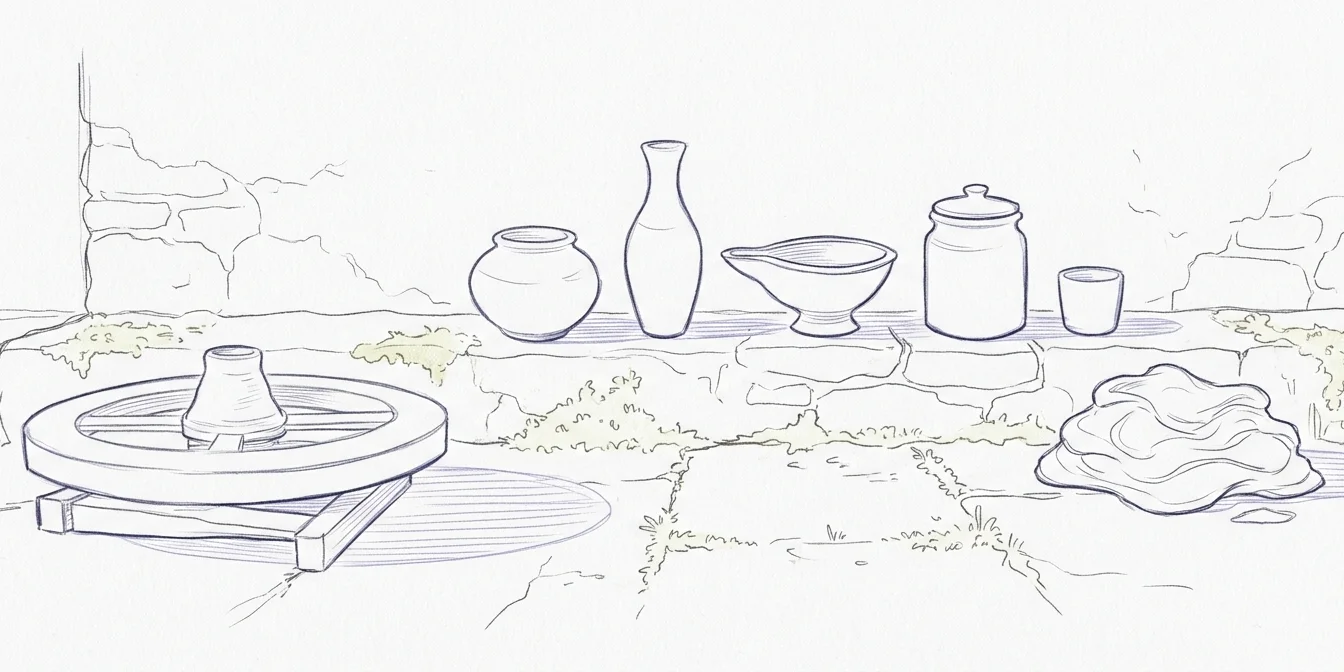
By one lump of clay, Gautama, all that is made of clay is known, for the effect is not other than the clay. As by one nugget of copper all that is made of copper is known, and by one nail-cutter all that is made of iron, not other than iron in its nature: so the effect, in a form not other than the cause, is the cause itself.
Note //
Chandogya 6.1.4-6. The address shifts from Shakala to Gautama. 'Kāryakam' follows the Adyar copy; sanskritdocuments.org has 'kāyakam', a slip. In 31 sanskritdocuments.org has 'kāryaṃ kāraṇam eva hi' (the effect is the cause itself), the Adyar copy 'kārya-kāraṇam eva hi'; the first is followed. 'Loha' in the Chandogya is copper or metal. Pending review.
तद्रूपेण सदा सत्यं भेदेनोक्तिर्मृषा खलु । तच्च कारणमेकं हि न भिन्नं नोभयात्मकम् ॥ भेदः सर्वत्र मिथ्यैव धर्मादेरनिरूपणात् । अतश्च कारणं नित्यमेकमेवाद्वयं खलु ॥
tadrūpeṇa sadā satyaṃ bhedenoktirmṛṣā khalu | tacca kāraṇamekaṃ hi na bhinnaṃ nobhayātmakam || bhedaḥ sarvatra mithyaiva dharmāderanirūpaṇāt | ataśca kāraṇaṃ nityamekamevādvayaṃ khalu ||
As that, it is always real; to speak of it as different is untrue. And that cause is one, not different, not both. Difference is everywhere mithya, real as appearance, not on its own, since its marks cannot be pinned down. So the cause is eternal, one alone, without a second.
Note //
'Since its marks cannot be pinned down' (dharmāder anirūpaṇāt): difference cannot be established by any property, because whatever distinguishes pot from clay is itself only clay. 'Not both' rules out 'different and not different'. Editions agree.
अत्र कारणमद्वैतं शुद्धचैतन्यमेव हि । अस्मिन्ब्रह्मपुरे वेश्म दहरं यदिदं मुने ॥ पुण्डरीकं तु तन्मध्ये आकाशो दहरोऽस्ति तत् । स शिवः सच्चिदानन्दः सोऽन्वेष्टव्यो मुमुक्षिभिः ॥
atra kāraṇamadvaitaṃ śuddhacaitanyameva hi | asminbrahmapure veśma daharaṃ yadidaṃ mune || puṇḍarīkaṃ tu tanmadhye ākāśo daharo'sti tat | sa śivaḥ saccidānandaḥ so'nveṣṭavyo mumukṣibhiḥ ||
Here the cause, not two, is pure alone. In this city of Brahman, sage, is a small house, a lotus, and within it a small space. That is Shiva, being, the and bliss. That is what those who seek freedom should look for.
Note //
Chandogya 8.1.1. Sanskritdocuments.org has 'mumukṣibhiḥ', the Adyar copy 'mumukṣubhiḥ', the usual form. Editions agree otherwise.
अयं हृदि स्थितः साक्षी सर्वेषामविशेषतः । तेनायं हृदयं प्रोक्तः शिवः संसारमोचकः ॥
ayaṃ hṛdi sthitaḥ sākṣī sarveṣāmaviśeṣataḥ | tenāyaṃ hṛdayaṃ proktaḥ śivaḥ saṃsāramocakaḥ ||
He is seated in the heart, the witness of all, without distinction. So he is called the heart: Shiva, who frees from becoming.
Note //
'Hṛdayam', the heart, is read as 'hṛdi ayam', 'he in the heart', as in Chandogya 8.3.3. The last verse of the text. Editions agree.
No public-domain English translation exists for this text; the Sanskrit is shown.
The renderings on this page are shared under CC BY-NC 4.0, in the words of Pranav Ashar.