Bulleh Shah: ten kafis
In the words of Pranav Ashar
How we renderThe heart of the Bulleh Shah: ten kafis
In brief
Bulleh Shah (about 1680 to 1757) lived in Kasur, near Lahore, a Sayyid who took a market gardener, Shah Inayat, as his teacher and never heard the end of it. His kafis, short songs with a refrain, are still sung by qawwals and rock bands alike. Ten are given here in plain words, in his own Sufi sense first, with 'Bulleh, what do I know of who I am?' at the head. For two of them Puran Singh's free versions of 1926 stand beside the text; for the rest no public-domain English version exists.
Bulleh, what do I know of who I am?
ਬੁੱਲ੍ਹਾ ਕੀ ਜਾਣਾਂ ਮੈਂ ਕੌਣ। ਨਾ ਮੈਂ ਮੋਮਨ ਵਿਚ ਮਸੀਤਾਂ, ਨਾ ਮੈਂ ਵਿਚ ਕੁਫ਼ਰ ਦੀਆਂ ਰੀਤਾਂ, ਨਾ ਮੈਂ ਪਾਕਾਂ ਵਿਚ ਪਲੀਤਾਂ, ਨਾ ਮੈਂ ਮੂਸਾ ਨਾ ਫਰਔਨ। ਬੁੱਲ੍ਹਾ ਕੀ ਜਾਣਾ ਮੈਂ ਕੌਣ। ਨਾ ਮੈਂ ਅੰਦਰ ਬੇਦ ਕਿਤਾਬਾਂ, ਨਾ ਵਿਚ ਭੰਗਾਂ ਨਾ ਸ਼ਰਾਬਾਂ, ਨਾ ਵਿਚ ਰਿੰਦਾਂ ਮਸਤ ਖਰਾਬਾਂ, ਨਾ ਵਿਚ ਜਾਗਣ ਨਾ ਵਿਚ ਸੌਣ। ਬੁੱਲ੍ਹਾ ਕੀ ਜਾਣਾ ਮੈਂ ਕੌਣ। ਨਾ ਵਿਚ ਸ਼ਾਦੀ ਨਾ ਗ਼ਮਨਾਕੀ, ਨਾ ਮੈਂ ਵਿਚ ਪਲੀਤੀ ਪਾਕੀ, ਨਾ ਮੈਂ ਆਬੀ ਨਾ ਮੈਂ ਖ਼ਾਕੀ, ਨਾ ਮੈਂ ਆਤਿਸ਼ ਨਾ ਮੈਂ ਪੌਣ। ਬੁੱਲ੍ਹਾ ਕੀ ਜਾਣਾ ਮੈਂ ਕੌਣ। ਨਾ ਮੈਂ ਅਰਬੀ ਨਾ ਲਾਹੌਰੀ, ਨਾ ਮੈਂ ਹਿੰਦੀ ਸ਼ਹਿਰ ਨਗੌਰੀ, ਨਾ ਹਿੰਦੂ ਨਾ ਤੁਰਕ ਪਸ਼ੌਰੀ, ਨਾ ਮੈਂ ਰਹਿੰਦਾ ਵਿਚ ਨਦੌਣ। ਬੁੱਲ੍ਹਾ ਕੀ ਜਾਣਾ ਮੈਂ ਕੌਣ। ਨਾ ਮੈਂ ਭੇਤ ਮਜ਼ਹਬ ਦਾ ਪਾਇਆ, ਨਾ ਮੈਂ ਆਦਮ ਹਵਾ ਜਾਇਆ, ਨਾ ਮੈਂ ਆਪਣਾ ਨਾਮ ਧਰਾਇਆ, ਨਾ ਵਿਚ ਬੈਠਣ ਨਾ ਵਿਚ ਭੌਣ। ਬੁੱਲ੍ਹਾ ਕੀ ਜਾਣਾ ਮੈਂ ਕੌਣ। ਅੱਵਲ ਆਖਰ ਆਪ ਨੂੰ ਜਾਣਾਂ, ਨਾ ਕੋਈ ਦੂਜਾ ਹੋਰ ਪਛਾਣਾਂ, ਮੈਥੋਂ ਹੋਰ ਨਾ ਕੋਈ ਸਿਆਣਾ, ਬੁਲ੍ਹਾ ਸ਼ਾਹ ਖੜ੍ਹਾ ਹੈ ਕੌਣ। ਬੁੱਲ੍ਹਾ ਕੀ ਜਾਣਾ ਮੈਂ ਕੌਣ।
bullhā kī jāṇāṁ maiṁ kauṇ. nā maiṁ moman vic masītāṁ, nā maiṁ vic kufar dīāṁ rītāṁ, nā maiṁ pākāṁ vic palītāṁ, nā maiṁ mūsā nā pharaaun. bullhā kī jāṇā maiṁ kauṇ. nā maiṁ aṁdar bed kitābāṁ, nā vic bhaṁgāṁ nā sharābāṁ, nā vic riṁdāṁ masat kharābāṁ, nā vic jāgaṇ nā vic sauṇ. bullhā kī jāṇā maiṁ kauṇ. nā vic shādī nā ghamnākī, nā maiṁ vic palītī pākī, nā maiṁ ābī nā maiṁ khākī, nā maiṁ ātish nā maiṁ pauṇ. bullhā kī jāṇā maiṁ kauṇ. nā maiṁ arbī nā lāhaurī, nā maiṁ hiṁdī shahir nagaurī, nā hiṁdū nā turak pashaurī, nā maiṁ rahiṁdā vic nadauṇ. bullhā kī jāṇā maiṁ kauṇ. nā maiṁ bhet mazhab dā pāiā, nā maiṁ ādam havā jāiā, nā maiṁ āpṇā nām dharāiā, nā vic baiṭhaṇ nā vic bhauṇ. bullhā kī jāṇā maiṁ kauṇ. avval ākhar āp nūṁ jāṇāṁ, nā koī dūjā hor pachāṇāṁ, maithoṁ hor nā koī siāṇā, bulhā shāh khaṛhā hai kauṇ. bullhā kī jāṇā maiṁ kauṇ.
Bulleh, what do I know of who I am? Not a believer in the mosques, not in the rites of unbelief, not among the pure, not among the unclean, not Moses and not Pharaoh. Bulleh, what do I know of who I am? Not inside the Vedas and the Books, not in bhang and not in wine, not among the drunkards, wrecked and reeling, not in waking and not in sleep. Bulleh, what do I know of who I am? Not in gladness, not in grief, not in filth and not in cleanness, not of water, not of earth, not of fire and not of air. Bulleh, what do I know of who I am? Not an Arab, not from Lahore, not an Indian from Nagaur town, not a Hindu, not a Turk of Peshawar, and I do not live in Nadaun. Bulleh, what do I know of who I am? I never found the secret of religion, I was not born of Adam and Eve, I never gave myself a name, not in sitting still, not in roaming. Bulleh, what do I know of who I am? ; I recognise no second one. There is no one wiser than I. Bulleh Shah, who is this standing here? Bulleh, what do I know of who I am?
Note //
In his own Sufi terms Bulleh strips the lover of every label (creed, caste, element, town, even the name) until only the one being is left, and the last stanza is that One speaking. The site reads the same six stanzas as not-this-not-this: what is set aside is every frame, and the 'who is this standing here' at the end is the I-claim caught in the act. Nagaur and Nadaun are towns in Rajasthan and the Kangra hills.
The whole thing ends in one point
ਇੱਕ ਨੁੱਕਤੇ ਵਿੱਚ ਗੱਲ ਮੁੱਕਦੀ ਏ। ਟੇਕ। ਫੜ ਨੁੱਕਤਾ ਛੋੜ ਹਿਸਾਬਾਂ ਨੂੰ, ਕਰ ਦੂਰ ਕੁਫ਼ਰ ਦਿਆਂ ਬਾਬਾਂ ਨੂੰ। ਲਾਹ ਦੋਜ਼ਖ਼ ਗੋਰ ਅਜ਼ਾਬਾਂ ਨੂੰ, ਕਰ ਸਾਫ਼ ਦਿਲੇ ਦਿਆਂ ਖ਼ਵਾਬਾਂ ਨੂੰ। ਗੱਲ ਏਸੇ ਘਰ ਵਿਚ ਢੁਕਦੀ ਏ, ਇਕ ਨੁਕਤੇ ਵਿਚ ਗੱਲ ਮੁਕਦੀ ਏ। ਐਵੇਂ ਮੱਥਾ ਜ਼ਿਮੀਂ ਘਸਾਈਦਾ, ਲੰਮਾ ਪਾ ਮਹਿਰਾਬ ਦਿਖਾਈਦਾ। ਪੜ੍ਹ ਕਲਮਾ ਲੋਕ ਹਸਾਈ ਦਾ, ਦਿਲ ਅੰਦਰ ਸਮਝ ਨਾ ਲਿਆਈਦਾ। ਕਦੀ ਬਾਤ ਸੱਚੀ ਵੀ ਲੁੱਕਦੀ ਏ, ਇਕ ਨੁਕਤੇ ਵਿਚ ਗਲ ਮੁਕਦੀ ਏ। ਕਈ ਹਾਜੀ ਬਣ ਬਣ ਆਏ ਜੀ, ਗਲ ਨੀਲੇ ਜਾਮੇ ਪਾਏ ਜੀ। ਹੱਜ ਵੇਚ ਟਕੇ ਲੈ ਖਾਏ ਜੀ, ਭਲਾ ਇਹ ਗੱਲ ਕੀਹਨੂੰ ਭਾਏ ਜੀ। ਕਦੀ ਬਾਤ ਸੱਚੀ ਵੀ ਲੁੱਕਦੀ ਏ, ਇਕ ਨੁਕਤੇ ਵਿਚ ਗੱਲ ਮੁਕਦੀ ਏ। ਇਕ ਜੰਗਲ ਬਹਿਰੀਂ ਜਾਂਦੇ ਨੀਂ, ਇਕ ਦਾਣਾ ਰੋਜ਼ ਲੈ ਖਾਂਦੇ ਨੀ। ਬੇਸਮਝ ਵਜੂਦ ਥਕਾਂਦੇ ਨੀ, ਘਰ ਆਵਣ ਹੋ ਕੇ ਮਾਂਦੇ ਨੀ। ਐਵੇਂ ਚਿੱਲਿਆਂ ਵਿਚ ਜਿੰਦ ਸੁਕਦੀ ਏ, ਇਕ ਨੁਕਤੇ ਵਿੱਚ ਗਲ ਮੁਕਦੀ ਏ। ਫੜ ਮੁਰਸ਼ਦ ਆਬਦ ਖ਼ੁਦਾਈ ਹੋ, ਵਿਚ ਮਸਤੀ ਬੇ ਪਰਵਾਹੀ ਹੋ। ਬੇਖ਼ਾਹਸ਼ ਬੇਨਵਾਈ ਹੋ, ਵਿੱਚ ਦਿਲ ਦੇ ਖ਼ੂਬ ਸਫ਼ਾਈ ਹੋ। ਬੁਲ੍ਹਾ ਬਾਤ ਸੱਚੀ ਕਦੋਂ ਰੁਕਦੀ ਏ, ਇਕ ਨੁੱਕਤੇ ਵਿਚ ਗੱਲ ਮੁੱਕਦੀ ਏ।
ikk nukkate vicc gall mukkadī e. ṭek. phaṛ nukkatā choṛ hisābāṁ nūṁ, kar dūr kufar diāṁ bābāṁ nūṁ. lāh dozakh gor azābāṁ nūṁ, kar sāf dile diāṁ khavābāṁ nūṁ. gall ese ghar vic ḍhukdī e, ik nukte vic gall mukdī e. aiveṁ matthā zimīṁ ghasāīdā, laṁmā pā mahirāb dikhāīdā. paṛh kalmā lok hasāī dā, dil aṁdar samajh nā liāīdā. kadī bāt saccī vī lukkadī e, ik nukte vic gal mukdī e. kaī hājī baṇ baṇ āe jī, gal nīle jāme pāe jī. hajj vec ṭake lai khāe jī, bhalā ih gall kīhnūṁ bhāe jī. kadī bāt saccī vī lukkadī e, ik nukte vic gall mukdī e. ik jaṁgal bahirīṁ jāṁde nīṁ, ik dāṇā roz lai khāṁde nī. besmajh vajūd thakāṁde nī, ghar āvaṇ ho ke māṁde nī. aiveṁ cilliāṁ vic jiṁd sukdī e, ik nukte vicc gal mukdī e. phaṛ murshad ābad khudāī ho, vic mastī be parvāhī ho. bekhāhash benvāī ho, vicc dil de khūb safāī ho. bulhā bāt saccī kadoṁ rukdī e, ik nukkate vic gall mukkadī e.
The whole thing ends in one point. Hold , let the sums go; clear away the chapters of unbelief; put down hell, the grave and its torments; wash the heart clean of its dreams. The matter comes home to this house: the whole thing ends in one point. You rub your forehead on the ground for nothing, lie full length to show off the prayer niche, recite the creed and make people laugh, and bring no understanding into the heart. Sometimes even a true word hides. The whole thing ends in one point. So many come back as pilgrims, blue robes about their necks; they sell the hajj and eat the coppers. Who could like such a thing? Sometimes even a true word hides. The whole thing ends in one point. Some go off to the forest and the sea; some eat one grain a day. Fools, they wear the body out and come home worn through. Life dries up for nothing in the forty-day fasts. The whole thing ends in one point. Take hold of the teacher, be a servant of God, drunk and careless of the world, wanting nothing, begging nothing, the heart well scrubbed. Bulleh, when has a true word been stopped? The whole thing ends in one point.
Note //
The point (nukta) is the dot under the first letter of bismillah; a Sufi saying puts the whole Quran in that dot, and the dot in the one who reads it. The forty-day fast is the chilla, the retreat Bulleh thinks pointless without the point. The site's reading agrees that the one point is awareness itself, and that the sums are the mind doing arithmetic about it.
Enough of learning, friend
ਇਲਮੋਂ ਬੱਸ ਕਰੀਂ ਓ ਯਾਰ। ਟੇਕ। ਇਲਮ ਨਾ ਆਵੇ ਵਿਚ ਸ਼ਮਾਰ, ਇੱਕੋ ਅਲਫ਼ ਤੇਰੇ ਦਰਕਾਰ। ਜਾਂਦੀ ਉਮਰ ਨਹੀਂ ਇਤਬਾਰ, ਇਲਮੋਂ ਬੱਸ ਕਰੀਂ ਓ ਯਾਰ। ਪੜ੍ਹ ਪੜ੍ਹ ਇਲਮ ਲਗਾਵੇਂ ਢੇਰ, ਕੁਰਾਨ ਕਿਤਾਬਾਂ ਚਾਰ ਚੁਫੇਰ। ਗਿਰਦੇ ਚਾਨਣ ਵਿਚ ਅਨ੍ਹੇਰ, ਬਾਝੋਂ ਰਾਹਬਰ ਖ਼ਬਰ ਨਾ ਸਾਰ। ਪੜ੍ਹ ਪੜ੍ਹ ਸ਼ੇਖ਼ ਮਸ਼ਾਇਖ਼ ਹੋਇਆ, ਭਰ ਭਰ ਪੇਟ ਨੀਂਦਰ ਭਰ ਸੋਇਆ। ਜਾਂਦੀ ਵਾਰੀ ਨੈਣ ਭਰ ਰੋਇਆ, ਡੁੱਬਾ ਵਿਚ ਉਰਾਰ ਨਾ ਪਾਰ। ਪੜ੍ਹ ਪੜ੍ਹ ਇਲਮ ਹੋਇਆ ਬੌਰਾਨਾ, ਬੇ ਇਲਮਾਂ ਨੂੰ ਲੁੱਟ ਲੁੱਟ ਖਾਣਾ। ਏਹ ਕੀ ਕੀਤਾ ਯਾਰ ਬਹਾਨਾ, ਕਰੇਂ ਨਾਹੀਂ ਕਦੇ ਇਨਕਾਰ। ਪੜ੍ਹ ਪੜ੍ਹ ਨਫ਼ਲ ਨਮਾਜ਼ ਗੁਜ਼ਾਰੇਂ, ਉੱਚੀਆਂ ਬਾਂਗਾਂ ਚਾਂਘਾਂ ਮਾਰੇਂ। ਮੰਬਰ ਚੜ੍ਹ ਕੇ ਵਾਅਜ਼ ਪੁਕਾਰੇਂ, ਤੈਨੂੰ ਕੀਤਾ ਹਿਰਸ ਖ਼ੁਆਰ। ਪੜ੍ਹ ਪੜ੍ਹ ਮੁੱਲਾਂ ਹੋਇ ਕਾਜ਼ੀ, ਅੱਲਾਹ ਇਲਮਾਂ ਬਾਝੋਂ ਰਾਜ਼ੀ। ਹੋਵੇ ਹਿਰਸ ਦਿਨੋਂ ਦਿਨ ਤਾਜ਼ੀ, ਨਫ਼ਾ ਨੀਅਤ ਵਿਚ ਗੁਜ਼ਾਰ। ਪੜ੍ਹ ਪੜ੍ਹ ਮਸਲੇ ਰੋਜ਼ ਸੁਣਾਵੇਂ, ਖਾਣਾ ਸ਼ਕ ਸ਼ੁਬਹ ਦਾ ਖਾਵੇਂ। ਦੱਸੇਂ ਹੋਰ ਤੇ ਹੋਰ ਕਮਾਵੇਂ, ਅੰਦਰ ਖੋਟ ਬਾਹਰ ਸੱਚਿਆਰ। ਪੜ੍ਹ ਪੜ੍ਹ ਇਲਮ ਨਜੂਮ ਬਿਚਾਰੇਂ, ਗਿਣਦਾ ਰਾਸਾਂ ਬੁਰਜ ਸਤਾਰੇ। ਪੜ੍ਹੇ ਅਜ਼ੀਮਤਾਂ ਮੰਤਰ ਝਾੜੇ, ਅਬਜਦ ਗਿਣੇ ਤਾਅਵੀਜ਼ ਸ਼ੁਮਾਰ। ਇਲਮੋਂ ਪਏ ਕਜੀਏ ਹੋਰ, ਅੱਖੀਂ ਵਾਲੇ ਅੰਨ੍ਹੇ ਕੋਰ। ਫੜੇ ਸਾਧ ਤੇ ਛੱਡੇ ਚੋਰ, ਦੋਹੀਂ ਜਹਾਨੀਂ ਹੋਇਆ ਖ਼ੁਆਰ। ਇਲਮੋਂ ਪਏ ਹਜ਼ਾਰਾਂ ਫਸਤੇ, ਰਾਹੀ ਅਟਕ ਰਹੇ ਵਿਚ ਰਸਤੇ। ਮਾਰਿਆ ਹਿਜਰ ਹੋਏ ਦਿਲ ਖਸਤੇ, ਪਿਆ ਵਿਛੋੜੇ ਦਾ ਸਿਰ ਭਾਰ। ਇਲਮੋਂ ਮੀਆਂ ਜੀ ਕਹਾਵੇਂ, ਤੰਬਾ ਚੁੱਕ ਚੁੱਕ ਮੰਡੀ ਜਾਵੇਂ। ਧੇਲਾ ਲੈ ਕੇ ਛੁਰੀ ਚਲਾਵੇਂ, ਨਾਲ ਕਸਾਈਆਂ ਬਹੁਤ ਪਿਆਰ। ਬਹੁਤਾ ਇਲਮ ਅਜ਼ਾਜ਼ੀਲੇ ਪੜ੍ਹਿਆ, ਭੁੱਗਾ ਝਾਹਾ ਓਸੇ ਦਾ ਸੜਿਆ। ਗੱਲ ਵਿਚ ਤੌਕ ਲਾਅਨਤ ਦਾ ਪੜਿਆ, ਆਖ਼ਿਰ ਗਿਆ ਉਹ ਬਾਜ਼ੀ ਹਾਰ। ਜਦ ਮੈਂ ਸਬਕ ਇਸ਼ਕ ਦਾ ਪੜ੍ਹਿਆ, ਦਰਿਆ ਵੇਖ ਵਹਦਤ ਦਾ ਵੜਿਆ। ਘੁੰਮਣ ਘੇਰਾਂ ਦੇ ਵਿਚ ਅੜਿਆ, ਸ਼ਾਹ ਅਨਾਇਤ ਲਾਇਆ ਪਾਰ। ਬੁੱਲ੍ਹਾ ਨਾ ਰਾਫ਼ਜ਼ੀ ਹੈ ਨਾ ਸੁੰਨੀ, ਆਲਮ ਫ਼ਾਜ਼ਲ ਨਾ ਆਲਮ ਜੁੰਨੀ। ਇਕੋ ਚੜ੍ਹਿਆ ਇਲਮ ਲਦੂੰਨੀ, ਵਾਹਦ ਅਲਫ ਮੀਮ ਦਰਕਾਰ।
ilmoṁ bass karīṁ o yār. ṭek. ilam nā āve vic shamār, ikko alaf tere darkār. jāṁdī umar nahīṁ itbār, ilmoṁ bass karīṁ o yār. paṛh paṛh ilam lagāveṁ ḍher, kurān kitābāṁ cār cupher. girde cānaṇ vic anher, bājhoṁ rāhbar khabar nā sār. paṛh paṛh shekh mashāikh hoiā, bhar bhar peṭ nīṁdar bhar soiā. jāṁdī vārī naiṇ bhar roiā, ḍubbā vic urār nā pār. paṛh paṛh ilam hoiā baurānā, be ilmāṁ nūṁ luṭṭ luṭṭ khāṇā. eh kī kītā yār bahānā, kareṁ nāhīṁ kade inkār. paṛh paṛh nafal namāz guzāreṁ, uccīāṁ bāṁgāṁ cāṁghāṁ māreṁ. maṁbar caṛh ke vāaz pukāreṁ, tainūṁ kītā hiras khuār. paṛh paṛh mullāṁ hoi kāzī, allāh ilmāṁ bājhoṁ rāzī. hove hiras dinoṁ din tāzī, nafā nīat vic guzār. paṛh paṛh masle roz suṇāveṁ, khāṇā shak shubah dā khāveṁ. dasseṁ hor te hor kamāveṁ, aṁdar khoṭ bāhar sacciār. paṛh paṛh ilam najūm bicāreṁ, giṇdā rāsāṁ buraj satāre. paṛhe azīmtāṁ maṁtar jhāṛe, abjad giṇe tāavīz shumār. ilmoṁ pae kajīe hor, akkhīṁ vāle aṁnhe kor. phaṛe sādh te chaḍḍe cor, dohīṁ jahānīṁ hoiā khuār. ilmoṁ pae hazārāṁ phaste, rāhī aṭak rahe vic raste. māriā hijar hoe dil khaste, piā vichoṛe dā sir bhār. ilmoṁ mīāṁ jī kahāveṁ, taṁbā cukk cukk maṁḍī jāveṁ. dhelā lai ke churī calāveṁ, nāl kasāīāṁ bahut piār. bahutā ilam azāzīle paṛhiā, bhuggā jhāhā ose dā saṛiā. gall vic tauk lāanat dā paṛiā, ākhir giā uh bāzī hār. jad maiṁ sabak ishak dā paṛhiā, dariā vekh vahdat dā vaṛiā. ghuṁmaṇ gherāṁ de vic aṛiā, shāh anāit lāiā pār. bullhā nā rāfzī hai nā suṁnī, ālam fāzal nā ālam juṁnī. iko caṛhiā ilam ladūṁnī, vāhad alaph mīm darkār.
Enough of learning, friend. Learning has no end to its count; one alif is all you need. Life is going; it will not wait. Enough of learning, friend. You read and read and heap up learning, the Quran and the books on every side, light all round you and dark within; without a guide you know nothing. You read and read and became a shaikh, a master; you filled your belly and slept it off; at the last hour you wept your eyes out, and drowned, reaching neither bank. You read and read and learning went mad: it robs the unlearned and eats them. What an excuse you have made, friend; you never once say no. You read and read and say the extra prayers, you bellow the call to prayer, climb the pulpit and shout the sermon, and greed has made a wretch of you. You read and read, mullah, and became a qazi; God is content without your learning. Greed grows fresh in you day by day; profit is the whole of your intention. You read and read and recite the rulings daily, and eat food of doubtful source; you preach one thing and earn by another, rotten inside, honest outside. You read and read and study the stars, counting signs and houses and planets; you read out spells and mutter charms, count abjad numbers and amulets. From learning come more quarrels; people with eyes are stone blind. They arrest the honest man and let the thief go, disgraced in both worlds. From learning, a thousand tangles, travellers stuck in the road, hearts in pieces, struck by parting, the weight of separation on the head. With learning you are called Mian-ji; you carry your bag to the market; for a halfpenny you ply the knife, great friends with the butchers. Azazil read a great deal of learning; his own hut burned to ash. The collar of the curse went round his neck; in the end he lost the game. When I read the lesson of love I saw the river of and went in; I was caught in its whirlpools; Shah Inayat brought me across. Bulleh is no Shia and no Sunni, no learned master and no learned madman. One learning rose in him, the learning God gives; the one alif and the mim are all that is needed.
Note //
Alif, a single upright stroke and the first letter, stands for Allah and for the one; the mim is Muhammad, and in Sufi talk the veil of the mim is what stands between ahad (one) and Ahmad; Azazil is Satan's name before his fall, the angel who knew most and would not bow. 'Learned madman' renders alam junni, a doubtful phrase whose drift is that Bulleh belongs to no party of scholars. The site's reading: knowing is recognition, not accumulation, which is why one letter is enough and a library is not.
All one colour: the cotton's
ਸਭ ਇਕੋ ਰੰਗ ਕਪਾਹੀ ਦਾ। ਟੇਕ। ਤਾਣੀ ਤਾਣਾ ਪੇਟਾ ਨਲੀਆਂ, ਪੀਠ ਨੜਾ ਤੇ ਛੱਬਾਂ ਛੱਲੀਆਂ। ਆਪੋ ਆਪਣੇ ਨਾਮ ਜਤਾਵਣ, ਵੱਖੋ ਵੱਖੀ ਜਾਹੀਂ ਦਾ। ਚੌਂਸੀ ਪੈਂਸੀ ਖੱਦਰ ਧੋਤਰ, ਮਲਮਲ ਖਾਸ਼ਾ ਇੱਕ ਸੂਤਰ। ਪੂਣੀ ਵਿਚੋਂ ਬਾਹਰ ਆਵੇ, ਭਗਵਾ ਭੇਸ ਗੋਸਾਈਂ ਦਾ। ਕੁੜੀਆਂ ਹੱਥੀਂ ਛਾਪਾਂ ਛੱਲੇ, ਆਪੋ ਆਪਣੇ ਨਾਮ ਸਵੱਲੇ। ਸੱਭਾ ਹਿੱਕਾਂ ਚਾਂਦੀ ਆਖੋ, ਕਣ-ਕਣ ਚੂੜਾ ਬਾਹੀਂ ਦਾ। ਭੇਡਾਂ ਬਕਰੀਆਂ ਚਾਰਨ ਵਾਲਾ, ਊਠ ਮੱਝੀਆਂ ਦਾ ਕਰੇ ਸੰਭਾਲਾ। ਰੂੜੀ ਉਤੇ ਗੱਦੋਂ ਚਾਰੇ, ਉਹ ਭੀ ਵਾਗੀ ਗਾਈਂ ਦਾ। ਬੁਲ੍ਹਾ ਸ਼ੌਹ ਦੀ ਜ਼ਾਤ ਕੀ ਪੁੱਛਨੈ, ਸ਼ਾਕਰ ਹੋ ਰਜ਼ਾਈ ਦਾ। ਜੇ ਤੂੰ ਲੋੜੇ ਬਾਗ ਬਹਾਰਾਂ, ਚਾਕਰ ਰਹੁ ਅਰਾਈਂ ਦਾ।
sabh iko raṁg kapāhī dā. ṭek. tāṇī tāṇā peṭā nalīāṁ, pīṭh naṛā te chabbāṁ challīāṁ. āpo āpṇe nām jatāvaṇ, vakkho vakkhī jāhīṁ dā. cauṁsī paiṁsī khaddar dhotar, malmal khāshā ikk sūtar. pūṇī vicoṁ bāhar āve, bhagvā bhes gosāīṁ dā. kuṛīāṁ hatthīṁ chāpāṁ challe, āpo āpṇe nām savalle. sabbhā hikkāṁ cāṁdī ākho, kaṇa-kaṇ cūṛā bāhīṁ dā. bheḍāṁ bakrīāṁ cāran vālā, ūṭh majjhīāṁ dā kare saṁbhālā. rūṛī ute gaddoṁ cāre, uh bhī vāgī gāīṁ dā. bulhā shauh dī zāt kī pucchanai, shākar ho razāī dā. je tūṁ loṛe bāg bahārāṁ, cākar rahu arāīṁ dā.
All one colour: the cotton's. Warp and warp-thread, weft and bobbins, the reed, the shuttle, baskets and skeins: each insists on its own name, each going its separate way. Chausi and painsi, khaddar and dhotar, muslin and fine khasa: one thread. Out of the roll of cotton comes the ochre robe of the ascetic. Rings and bands on the girls' hands, each with its own pretty name: call them all silver, grain by grain the bangle on the arm. The one who grazes sheep and goats, who looks after camels and buffaloes, who grazes donkeys on the dung heap: he too is a herder of cows. Be thankful, be content with what is willed. If you want gardens and springtime, stay the gardener's servant.
Note //
Chausi, painsi, khaddar, dhotar, muslin and khasa are cloths from the coarsest to the finest, all one cotton. The gardener is Shah Inayat of Lahore, Bulleh's teacher, an Arain (market gardener) by caste; Bulleh was a Sayyid, his family never forgave the choice, and this kafi is his answer. The site reads the one cotton as the clay in the clay-and-pot example: the names are real as names and never anything but cotton.
Turn your face toward us
ਸਾਡੇ ਵਲ ਮੁੱਖੜਾ ਮੋੜ ਵੇ ਪਿਆਰਿਆ, ਸਾਡੇ ਵੱਲ ਮੁੱਖੜਾ ਮੋੜ। ਟੇਕ। ਆਪੇ ਪਾਈਆਂ ਕੁੰਡੀਆਂ ਤੈਂ, ਤੇ ਆਪ ਖਿੱਚਦਾ ਹੈਂ ਡੋਰ। ਸਾਡੇ ਵਲ ਮੁੱਖੜਾ ਮੋੜ ਵੇ ਪਿਆਰਿਆ, ਸਾਡੇ ਵਲ ਮੁੱਖੜਾ ਮੋੜ। ਅਰਸ਼ ਕੁਰਸੀ ਤੇ ਬਾਂਗਾਂ ਮਿਲੀਆਂ, ਮੱਕੇ ਪੈ ਗਿਆ ਸ਼ੋਰ। ਸਾਡੇ ਵਲ ਮੁੱਖੜਾ ਮੋੜ ਵੇ ਪਿਆਰਿਆ, ਸਾਡੇ ਵਲ ਮੁੱਖੜਾ ਮੋੜ। ਬੁਲ੍ਹਾ ਸ਼ੌਹ ਅਸਾਂ ਮਰਨਾ ਨਾਹੀਂ, ਮਰ ਜਾਵੇ ਕੋਈ ਹੋਰ। ਸਾਡੇ ਵਲ ਮੁੱਖੜਾ ਮੋੜ ਵੇ ਪਿਆਰਿਆ, ਸਾਡੇ ਵਲ ਮੁੱਖੜਾ ਮੋੜ।
sāḍe val mukkhaṛā moṛ ve piāriā, sāḍe vall mukkhaṛā moṛ. ṭek. āpe pāīāṁ kuṁḍīāṁ taiṁ, te āp khiccadā haiṁ ḍor. sāḍe val mukkhaṛā moṛ ve piāriā, sāḍe val mukkhaṛā moṛ. arash kursī te bāṁgāṁ milīāṁ, makke pai giā shor. sāḍe val mukkhaṛā moṛ ve piāriā, sāḍe val mukkhaṛā moṛ. bulhā shauh asāṁ marnā nāhīṁ, mar jāve koī hor. sāḍe val mukkhaṛā moṛ ve piāriā, sāḍe val mukkhaṛā moṛ.
Turn your face toward us, beloved, turn your face toward us. You yourself set the hooks, and you yourself pull the string. Turn your face toward us, beloved, turn your face toward us. At the Throne and the Footstool the calls to prayer have met; in Mecca an uproar has gone up. Turn your face toward us, beloved, turn your face toward us. Bulleh Shah, we are not going to die; let someone else do the dying. Turn your face toward us, beloved, turn your face toward us.
Note //
The Throne and the Footstool (arsh and kursi) are the Quran's names for the highest seats of God; the fish hook is the lover caught and played. In Sufi terms the lover who has died before dying has nothing left to die. In the site's reading the one who dies is the frame, the body-mind, so 'someone else' is exactly right: the Self was never the one in danger.
Whether you know me or not
ਭਾਵੇਂ ਜਾਣ ਨਾ ਜਾਣ ਵੇ, ਵਿਹੜੇ ਆ ਵੜ ਮੇਰੇ। ਮੈਂ ਤੇਰੇ ਕੁਰਬਾਨ ਵੇ, ਵਿਹੜੇ ਆ ਵੜ ਮੇਰੇ। ਤੇਰੇ ਜਿਹਾ ਮੈਨੂੰ ਹੋਰ ਨਾ ਕੋਈ, ਚੂੰਡਾਂ ਜੰਗਲ ਬੇਲਾ ਰੋਹੀ। ਢੰਡਾ ਤਾਂ ਸਾਰਾ ਜਹਾਨ ਵੇ, ਵਿਹੜੇ ਆ ਵੜ ਮੇਰੇ। ਲੋਕਾਂ ਦੇ ਭਾਣੇ ਚਾਕ ਮਹੀਂ ਦਾ, ਰਾਂਝਾ ਤਾਂ ਲੋਕਾਂ ਵਿਚ ਕਹੀਦਾ। ਸਾਡਾ ਤਾਂ ਦੀਨ ਈਮਾਨ ਵੇ, ਵਿਹੜੇ ਆ ਵੜ ਮੇਰੇ। ਮਾਪੇ ਛੋੜ ਲੱਗੀ ਲੜ ਤੇਰੇ, ਸ਼ਾਹ ਅਨਾਇਤ ਸਾਈਂ ਮੇਰੇ। ਲਾਈਆਂ ਦੀ ਲੱਜ ਪਾਲ ਵੇ, ਵਿਹੜੇ ਆ ਵੜ ਮੇਰੇ।
bhāveṁ jāṇ nā jāṇ ve, vihṛe ā vaṛ mere. maiṁ tere kurbān ve, vihṛe ā vaṛ mere. tere jihā mainūṁ hor nā koī, cūṁḍāṁ jaṁgal belā rohī. ḍhaṁḍā tāṁ sārā jahān ve, vihṛe ā vaṛ mere. lokāṁ de bhāṇe cāk mahīṁ dā, rāṁjhā tāṁ lokāṁ vic kahīdā. sāḍā tāṁ dīn īmān ve, vihṛe ā vaṛ mere. māpe choṛ laggī laṛ tere, shāh anāit sāīṁ mere. lāīāṁ dī lajj pāl ve, vihṛe ā vaṛ mere.
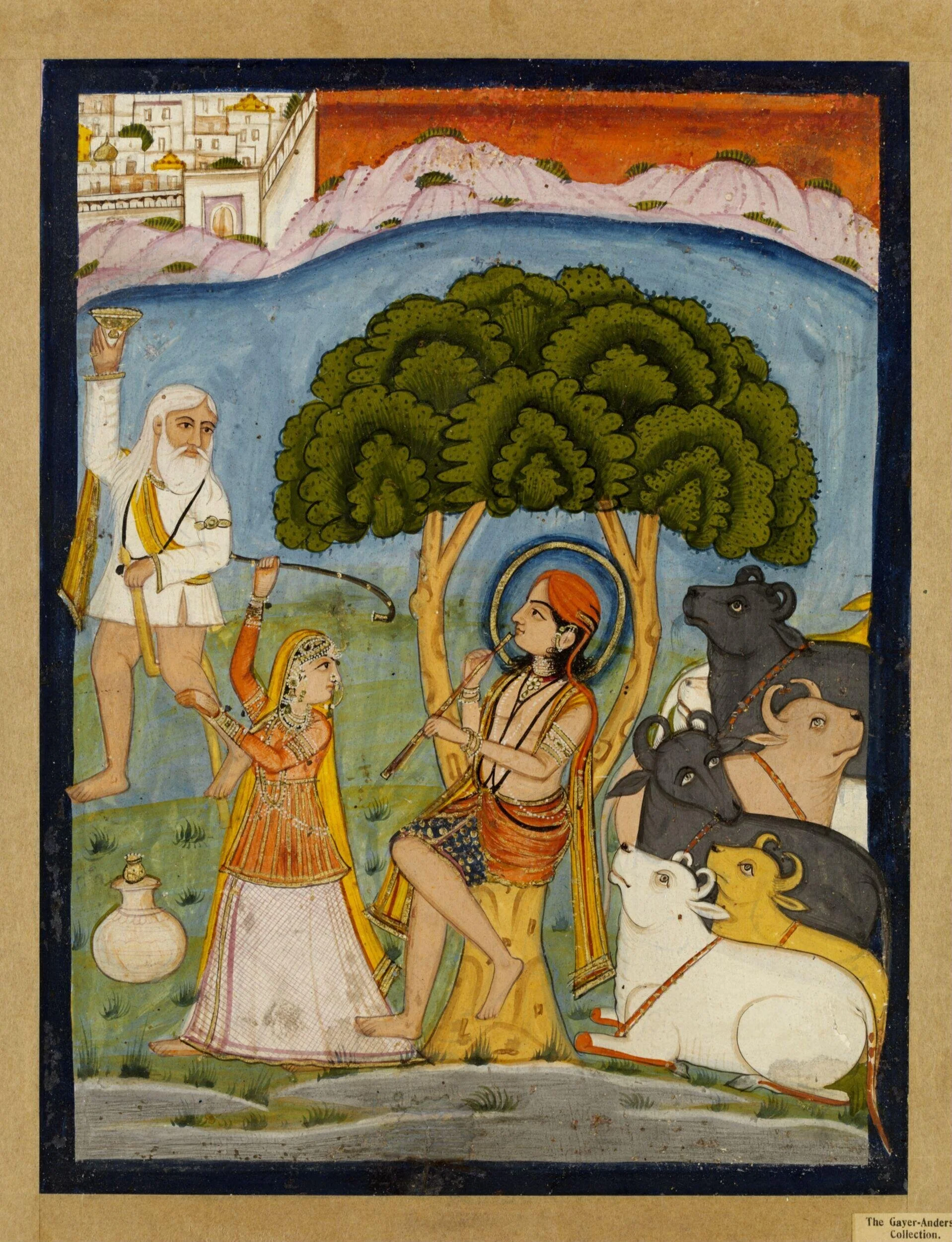
Whether you know me or not, come into my courtyard. I would give myself for you: come into my courtyard. There is no one like you for me; I search the forest, the riverbank, the scrub; I have hunted the whole world: come into my courtyard. People take you for a hired herdsman; among people you are called Ranjha. To us you are faith and creed: come into my courtyard. I left my parents and clung to your hem, Shah Inayat, my master. Keep the honour of what you began: come into my courtyard.
Note //
Heer speaks, as the lover always does in Punjabi Sufi verse, and Ranjha the herdsman is the beloved, the teacher and God at once, with Shah Inayat named outright in the last stanza. Puran Singh's free version of 1926 stands beside it; his 'adorn my heart' is the courtyard. The site reads the courtyard as the one place the beloved was never outside of.
You alone are; I am not
ਤੂਹੀਉਂ ਹੈਂ ਮੈਂ ਨਾਹੀਂ ਵੇ ਸੱਜਣਾ, ਤੂਹੀਉਂ ਹੈਂ ਮੈਂ ਨਾਹੀਂ। ਖੋਲੇ ਦੇ ਪਰਛਾਵੇਂ ਵਾਂਙੂ, ਘੁਮ ਰਿਹਾ ਮਨ ਮਾਹੀਂ। ਜਾਂ ਬੋਲਾਂ ਤੂੰ ਨਾਲੇ ਬੋਲੇਂ, ਚੁੱਪ ਰਹਵਾਂ ਮਨ ਮਾਹੀਂ। ਜੇ ਸੌਵਾਂ ਤੇ ਨਾਲੇ ਸੌਵੇਂ, ਜੇ ਤੁਰਾਂ ਤੂੰ ਰਾਹੀਂ। ਬੁਲ੍ਹਾ ਸ਼ੌਹ ਘਰ ਆਇਆ ਮੇਰੇ, ਜਿੰਦੜੀ ਘੋਲ ਘੁਮਾਈਂ। ਤੂਹੀਉਂ ਹੈਂ ਮੈਂ ਨਾਹੀਂ ਵੇ ਸੱਜਣਾ, ਤੁਹੀਉ ਹੈਂ ਮੈਂ ਨਾਹੀਂ।
tūhīuṁ haiṁ maiṁ nāhīṁ ve sajjaṇā, tūhīuṁ haiṁ maiṁ nāhīṁ. khole de parchāveṁ vāṁṅū, ghum rihā man māhīṁ. jāṁ bolāṁ tūṁ nāle boleṁ, cupp rahvāṁ man māhīṁ. je sauvāṁ te nāle sauveṁ, je turāṁ tūṁ rāhīṁ. bulhā shauh ghar āiā mere, jiṁdṛī ghol ghumāīṁ. tūhīuṁ haiṁ maiṁ nāhīṁ ve sajjaṇā, tuhīu haiṁ maiṁ nāhīṁ.
You alone are; I am not, friend; you alone are, I am not. Like the shadow in an empty house the mind goes round and round inside. When I speak, you speak with me; when I keep quiet, you are in my mind. If I sleep, you sleep beside me; if I walk, you are on the road. has come to my house; I would pour out my life for him. You alone are; I am not, friend; you alone are, I am not.
Note //
Gurdev Singh's edition reads the refrain as 'neither you nor I', the fana of the Sufis with lover and beloved both gone; Papralvi's, followed here and the one usually sung, is 'you alone are, I am not', and in both the missing thing is the 'I' that went round like a shadow in an empty house. The site's reading takes 'you' as awareness, present in speaking and in silence, in sleep and on the road: the witness described without the word.
I have become Ranjha myself
ਰਾਂਝਾ ਰਾਂਝਾ ਕਰਦੀ ਨੀ ਮੈਂ ਆਪੇ ਰਾਂਝਾ ਹੋਈ। ਸੱਦੋ ਨੀ ਮੈਨੂੰ ਧੀਦੋ ਰਾਂਝਾ ਹੀਰ ਨਾ ਆਖੋ ਕੋਈ। ਰਾਂਝਾ ਮੈਂ ਵਿੱਚ ਮੈਂ ਰਾਂਝੇ ਵਿੱਚ ਹੋਰ ਖਿਆਲ ਨਾ ਕੋਈ। ਮੈਂ ਨਹੀਂ ਉਹ ਆਪ ਹੈ ਆਪਣੀ ਆਪ ਕਰੇ ਦਿਲਗੋਈ। ਹੱਥ ਖੂੰਡੀ ਮੇਰੇ ਅੱਗੇ ਮੰਗੂ ਮੋਢੇ ਭੂਰਾ ਲੋਈ। ਬੁਲ੍ਹਾ ਹੀਰ ਸਲੇਟੀ ਵੇਖੋ ਕਿੱਥੇ ਜਾ ਖਲੋਈ।
rāṁjhā rāṁjhā kardī nī maiṁ āpe rāṁjhā hoī. saddo nī mainūṁ dhīdo rāṁjhā hīr nā ākho koī. rāṁjhā maiṁ vicc maiṁ rāṁjhe vicc hor khiāl nā koī. maiṁ nahīṁ uh āp hai āpṇī āp kare dilgoī. hatth khūṁḍī mere agge maṁgū moḍhe bhūrā loī. bulhā hīr saleṭī vekho kitthe jā khaloī.
Saying Ranjha, Ranjha, I have become Ranjha myself. Call me Dhido Ranjha; let no one say Heer. Ranjha is in me, I am in Ranjha; there is no other thought. I am not; he himself is, and he himself does the consoling. Crook in hand, the cattle ahead of me, a rough blanket on my shoulder. Bulleh, look where Heer of the Sials has gone and come to stand.
Note //
Dhido is Ranjha's given name; Heer was a Sial (Saleti) of Jhang. In Sufi terms this is fana, passing away in the beloved, the name repeated until the name is all that is left. In the site's reading it is 'you are that' sung from inside: the I-claim does not become Ranjha, it drops, and what remains was Ranjha all along.
Now who will recognise me?
ਹੁਣ ਮੈਨੂੰ ਕੌਣ ਪਛਾਣੇ, ਹੁਣ ਮੈਂ ਹੋ ਗਈ ਨੀ ਕੁਝ ਹੋਰ। ਟੇਕ। ਹਾਦੀ ਮੈਨੂੰ ਸਬਕ ਪੜ੍ਹਾਇਆ, ਓਥੇ ਗ਼ੈਰ ਨਾ ਆਇਆ ਜਾਇਆ। ਮੁਤਲਕ ਜ਼ਾਤ ਜਮਾਲ ਵਿਖਾਇਆ, ਵਹਦਤ ਪਾਇਆ ਨੀ ਸ਼ੋਰ। ਹੁਣ ਮੈਨੂੰ ਕੌਣ ਪਛਾਣੇ, ਹੁਣ ਮੈਂ ਹੋ ਗਈ ਨੀ ਕੁਝ ਹੋਰ। ਅੱਵਲ ਹੋ ਕੇ ਲਾਮਕਾਨੀ, ਜ਼ਾਹਰ ਬਾਤਨ ਦਿਸਦਾ ਜਾਨੀ। ਰਿਹਾ ਨਾ ਮੇਰਾ ਨਾਮ ਨਿਸ਼ਾਨੀ, ਮਿਟ ਗਿਆ ਝਗੜਾ ਸ਼ੋਰ। ਹੁਣ ਮੈਨੂੰ ਕੌਣ ਪਛਾਣੇ, ਹੁਣ ਮੈਂ ਹੋ ਗਈ ਨੀ ਕੁਝ ਹੋਰ। ਪਿਆਰਾ ਆਪ ਜਮਾਲ ਵਿਖਾਲੇ, ਮਸਤ ਕਲੰਦਰ ਹੋਣ ਮਤਵਾਲੇ। ਹੰਸਾਂ ਦੇ ਹੁਣ ਵੇਲ ਲੈ ਚਾਲੇ, ਬੁਲ੍ਹਾ ਕਾਗਾਂ ਦੀ ਭੁੱਲ ਗਈ ਟੋਰ। ਹੁਣ ਮੈਨੂੰ ਕੌਣ ਪਛਾਣੇ, ਹੁਣ ਮੈਂ ਹੋ ਗਈ ਨੀ ਕੁਝ ਹੋਰ।
huṇ mainūṁ kauṇ pachāṇe, huṇ maiṁ ho gaī nī kujh hor. ṭek. hādī mainūṁ sabak paṛhāiā, othe ghair nā āiā jāiā. mutlak zāt jamāl vikhāiā, vahdat pāiā nī shor. huṇ mainūṁ kauṇ pachāṇe, huṇ maiṁ ho gaī nī kujh hor. avval ho ke lāmkānī, zāhar bātan disdā jānī. rihā nā merā nām nishānī, miṭ giā jhagṛā shor. huṇ mainūṁ kauṇ pachāṇe, huṇ maiṁ ho gaī nī kujh hor. piārā āp jamāl vikhāle, masat kalaṁdar hoṇ matvāle. haṁsāṁ de huṇ vel lai cāle, bulhā kāgāṁ dī bhull gaī ṭor. huṇ mainūṁ kauṇ pachāṇe, huṇ maiṁ ho gaī nī kujh hor.
Now who will recognise me? Now I have become something else. The guide taught me a lesson; no stranger came or went there. He showed me the beauty of the one essence; went up like a shout. Now who will recognise me? Now I have become something else. First of all he is the placeless one; outside and inside, the beloved is what shows. No name or sign of mine remained; the quarrel and the noise were wiped out. Now who will recognise me? Now I have become something else. The beloved himself shows his beauty; the drunken qalandars go wild. Now watch how the swans walk; Bulleh, the crows' gait is forgotten. Now who will recognise me? Now I have become something else.
Note //
Wahdat, oneness, is the Sufi word in the first stanza, and la-makani, the placeless, in the second; the swan (hamsa) that is said to sort milk from water and the crow that picks over rubbish are India's old pair. 'Something else' is not a new person. The site reads the three stanzas as the covering ending: no name remained, and what shows outside and inside is the same.
A word that has come to the mouth will not stay
ਮੂੰਹ ਆਈ ਬਾਤ ਨਾ ਰਹਿੰਦੀ ਏ। ਟੇਕ। ਝੂਠ ਆਖੇਂ ਤੇ ਕੁਝ ਬੱਚਦਾ ਏ, ਸੱਚ ਆਖਿਆਂ ਭਾਂਬੜ ਮਚਦਾ ਏ। ਜੀ ਦੋਹਾਂ ਗੱਲਾਂ ਤੋਂ ਜੱਚਦਾ ਏ, ਜੱਚ ਜੱਚ ਕੇ ਜਿਹਬਾ ਕਹਿੰਦੀ ਏ। ਇਕ ਲਾਜ਼ਮ ਬਾਤ ਅਦਬ ਦੀ ਏ, ਸਾਨੂੰ ਬਾਤ ਮਲੂਮੀ ਸਭ ਦੀ ਏ। ਹਰ ਹਰ ਵਿਚ ਸੂਰਤ ਰੱਬ ਦੀ ਏ, ਕਿਤੇ ਜ਼ਾਹਰ ਕਿਤੇ ਛੁਪੇਂਦੀ ਏ। ਜਿਸ ਪਾਇਆ ਭੇਤ ਕਲੰਦਰ ਦਾ, ਰਾਹ ਖੋਜਿਆ ਆਪਣੇ ਅੰਦਰ ਦਾ। ਉਹ ਵਾਸੀ ਹੈ ਸੁੱਖ ਮੰਦਰ ਦਾ, ਜਿੱਥੇ ਚੜ੍ਹਦੀ ਹੈ ਨਾ ਲਹਿੰਦੀ ਏ। ਏਥੇ ਦੁਨੀਆਂ ਵਿਚ ਅਨ੍ਹੇਰਾ ਏ, ਅਤੇ ਤਿਲਕਣਬਾਜ਼ੀ ਵਿਹੜਾ ਏ। ਵੜ ਅੰਦਰ ਵੇਖੋ ਕਿਹੜਾ ਏ, ਬਾਹਰ ਖ਼ਫਤਣ ਪਈ ਢੁਡੇਂਦੀ ਏ। ਏਥੇ ਲੇਖਾ ਪਾਉਂ ਪਸਾਰਾ ਏ, ਇਹਦਾ ਵੱਖਰਾ ਭੇਤ ਨਿਆਰਾ ਏ। ਇਕ ਸੂਰਤ ਦਾ ਚਮਕਾਰਾ ਏ, ਜਿਵੇਂ ਚਿਣਗ ਦਾਰੂ ਵਿਚ ਪੈਂਦੀ ਏ। ਕਿਤੇ ਨਾਜ਼-ਅਦਾ ਦਿਖਲਾਈਦਾ, ਕਿਤੇ ਹੋ ਰਸੂਲ ਮਿਲਾਈਦਾ। ਕਿਤੇ ਆਸ਼ਕ ਬਣ ਬਣ ਆਈਦਾ, ਕਿਤੇ ਜਾਨ ਜੁਦਾਈਆਂ ਸਹਿੰਦੀ ਏ। ਜਦੋਂ ਜ਼ਾਹਰ ਹੋਏ ਨੂਰ ਹੁਰੀਂ, ਜਲ ਗਏ ਪਹਾੜ ਕੋਹ-ਤੂਰ ਹੁਰੀਂ। ਤਦੋਂ ਦਾਰ ਚੜ੍ਹੇ ਮਨਸੂਰ ਹੁਰੀਂ, ਓਥੇ ਸ਼ੇਖੀ ਮੈਂਡੀ ਨਾ ਤੈਂਡੀ ਏ। ਜੇ ਜ਼ਾਹਰ ਕਰਾਂ ਅਸਰਾਰ ਤਾਈਂ, ਸਭ ਭੁੱਲ ਜਾਵਣ ਤਕਰਾਰ ਤਾਈਂ। ਫਿਰ ਮਾਰਨ ਬੁਲੇ ਯਾਰ ਤਾਈਂ, ਏਥੇ ਮਖ਼ਫੀ ਗੱਲ ਸੋਦੇਂਦੀ ਏ। ਅਸਾਂ ਪੜਿਆ ਇਲਮ ਤਹਿਕੀਕੀ ਏ, ਓਥੇ ਇਕੋ ਹਰਫ ਹਕੀਕੀ ਏ। ਹੋਰ ਝਗੜਾ ਸਭ ਵਧੀਕੀ ਏ, ਐਵੇਂ ਰੌਲਾ ਪਾ ਪਾ ਬਹਿੰਦੀ ਏ। ਬੁਲ੍ਹਾ ਸ਼ਹੁ ਅਸਾਂ ਥੀਂ ਵੱਖ ਨਹੀਂ, ਬਿਨ ਸ਼ਹੁ ਥੀਂ ਦੂਜਾ ਕੱਖ ਨਹੀਂ। ਪਰ ਵੇਖਣ ਵਾਲੀ ਅੱਖ ਨਹੀਂ, ਤਾਹੀਂ ਜਾਨ ਪਈ ਦੁੱਖ ਸਹਿੰਦੀ ਏ।
mūṁh āī bāt nā rahiṁdī e. ṭek. jhūṭh ākheṁ te kujh baccadā e, sacc ākhiāṁ bhāṁbaṛ macdā e. jī dohāṁ gallāṁ toṁ jaccadā e, jacc jacc ke jihbā kahiṁdī e. ik lāzam bāt adab dī e, sānūṁ bāt malūmī sabh dī e. har har vic sūrat rabb dī e, kite zāhar kite chupeṁdī e. jis pāiā bhet kalaṁdar dā, rāh khojiā āpṇe aṁdar dā. uh vāsī hai sukkh maṁdar dā, jitthe caṛhdī hai nā lahiṁdī e. ethe dunīāṁ vic anherā e, ate tilkaṇbāzī vihṛā e. vaṛ aṁdar vekho kihṛā e, bāhar khaphtaṇ paī ḍhuḍeṁdī e. ethe lekhā pāuṁ pasārā e, ihdā vakkharā bhet niārā e. ik sūrat dā camkārā e, jiveṁ ciṇag dārū vic paiṁdī e. kite nāza-adā dikhlāīdā, kite ho rasūl milāīdā. kite āshak baṇ baṇ āīdā, kite jān judāīāṁ sahiṁdī e. jadoṁ zāhar hoe nūr hurīṁ, jal gae pahāṛ koha-tūr hurīṁ. tadoṁ dār caṛhe mansūr hurīṁ, othe shekhī maiṁḍī nā taiṁḍī e. je zāhar karāṁ asrār tāīṁ, sabh bhull jāvaṇ takrār tāīṁ. phir māran bule yār tāīṁ, ethe makhphī gall sodeṁdī e. asāṁ paṛiā ilam tahikīkī e, othe iko haraph hakīkī e. hor jhagṛā sabh vadhīkī e, aiveṁ raulā pā pā bahiṁdī e. bulhā shahu asāṁ thīṁ vakkh nahīṁ, bin shahu thīṁ dūjā kakkh nahīṁ. par vekhaṇ vālī akkh nahīṁ, tāhīṁ jān paī dukkh sahiṁdī e.
A word that has come to the mouth will not stay. Tell a lie and something is saved; tell the truth and a blaze goes up. The heart shrinks from both, and after much weighing the tongue speaks. One thing is required, and that is manners; we know the business of everyone. In each and every one is the face of God, , there hidden. Whoever found the qalandar's secret searched out the road inside himself. He lives in the temple of ease, where nothing rises and nothing sets. Here in the world it is dark, and the courtyard is a slippery game. Go in and see who is there; outside, the madwoman goes on searching. Here the reckoning spreads its feet; its secret is separate and strange. It is the flash of one face, like a spark falling into gunpowder. Here he shows airs and graces; there he comes as the Prophet to unite; here he comes as lover after lover; there a life bears the pains of parting. When the Light himself appeared, the mountain, Mount Sinai, burned. Then Mansur went up on the gallows; there it is no boast of mine or yours. If I made the secrets plain everyone would forget their quarrels, and then they would beat Bulleh, the friend; here a hidden word is what suits. We have read the learning of verification; there, there is . All other dispute is excess; it just sits there raising a din. is not apart from us; besides there is not a straw. But the eye that sees is missing; that is why this life goes on suffering.
Note //
Mansur al-Hallaj, hanged in Baghdad in 922 for saying 'I am the Truth', is the Sufi who let the word come to his mouth; Mount Sinai burned when Moses asked to see God; 'verification' is tahqiq, knowing for oneself rather than on authority. The last stanza is the whole site in four lines: nothing exists apart from the whole, and what is lacking is not the Lord but the seeing. The site reads 'the eye' as knowledge ending the covering, after which the world, and this life, go on without the suffering.
Touch an underlined word to see the Punjabi behind it. The lighter lines are how the tradition read the verse; the rest is the verse.
The renderings on this page are shared under CC BY-NC 4.0, in the words of Pranav Ashar.