Mandala-brahmana Upanishad
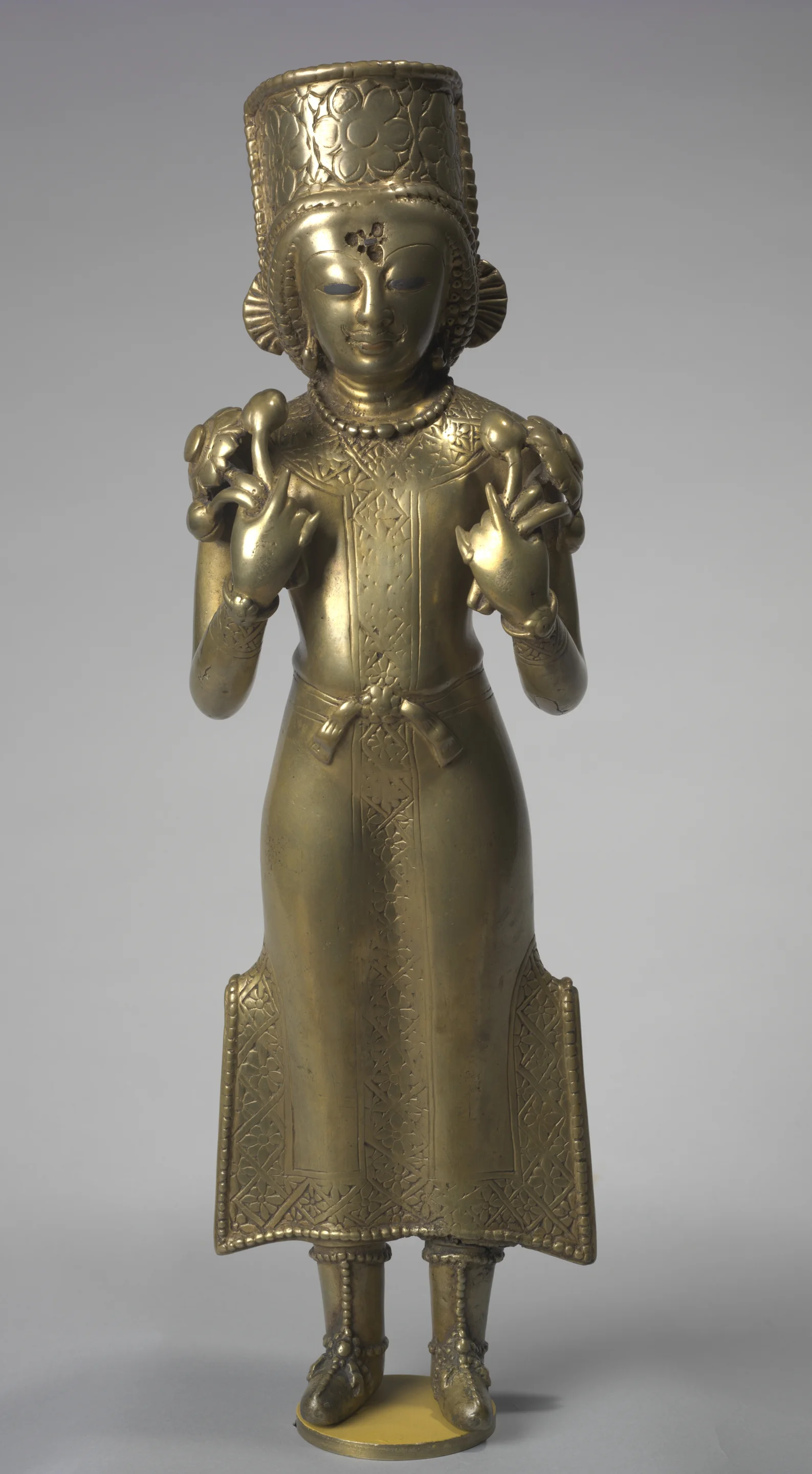
In the words of Pranav Ashar
How we renderThe heart of the Mandala-brahmana
In brief
Yajnavalkya goes to the world of the sun and asks the Person there for the truth of the Self. He is taught an eightfold yoga joined with knowledge, and then taraka yoga, 'the yoga that carries across': watching three 'targets', inner, outer and middle. Every one of these targets, the teacher says, is the Self alone. The mind that dissolves in them reaches the state beyond mind, and worship, sleep, the five states and the five spaces are all re-read from there. At the end: 'I am you; there is no difference, since the highest Self is full.'
- The yoga that carries across
- Inner, outer and middle targets
- Every target is the Self
- Worship without ritual
- Sleep and absorption
- Beyond mind
बाह्यान्तस्तारकाकरं व्योमपञ्चकविग्रहम् । राजयोगैकसंसिद्धं रामचन्द्रमुपास्महे ॥
bāhyāntastārakākaraṃ vyomapañcakavigraham | rājayogaikasaṃsiddhaṃ rāmacandramupāsmahe ||
The one who is the carrying-across, outside and within, whose body is the five spaces, reached only by royal yoga: Ramachandra, we worship you.
Note //
A dedicatory verse from the commentator's tradition, placed before the peace invocation; it is not part of the numbered text.
ॐ याज्ञवल्क्यो ह वै महामुनिरादित्यलोकं जगाम । तमादित्यं नत्वा भो भगवन्नादित्यात्मतत्त्वमनुब्रूहीति । सहोवाच नारायणः । ज्ञानयुक्तयमाद्यष्टाङ्गयोग उच्यते । शीतोष्णाहारनिद्राविजयः सर्वदा शान्तिर्निश्चलत्वं विषयेन्द्रियनिग्रहश्चैते यमाः । गुरुभक्तिः सत्यमार्गानुरक्तिः सुखागतवस्त्वनुभवश्च तद्वस्त्वनुभवेन तुष्टिर्निःसङ्गता एकान्तवासो मनोनिवृत्तिः फलानभिलाषो वैराग्यभावश्च नियमाः । सुखासनवृत्तिश्चीरवासाश्चैवमासननियमो भवति । पूरककुम्भकरेचकैः षोडशचतुःषष्टिद्वात्रिंशत्सङ्ख्यया यथाक्रमं प्राणायामः । विषयेभ्य इन्द्रियार्थेभ्यो मनोनिरोधनं प्रत्याहारः । सर्वशरीरेषु चैतन्यैकतानता ध्यानम् । विषयव्यावर्तनपूर्वकं चैतन्ये चेतःस्थापनं धारणं भवति । ध्यानविस्मृतिः समाधिः । एवं सूक्ष्माङ्गानि । य एवं वेद स मुक्तिभाग्भवति ॥ १॥
oṃ yājñavalkyo ha vai mahāmunirādityalokaṃ jagāma | tamādityaṃ natvā bho bhagavannādityātmatattvamanubrūhīti | sahovāca nārāyaṇaḥ | jñānayuktayamādyaṣṭāṅgayoga ucyate | śītoṣṇāhāranidrāvijayaḥ sarvadā śāntirniścalatvaṃ viṣayendriyanigrahaścaite yamāḥ | gurubhaktiḥ satyamārgānuraktiḥ sukhāgatavastvanubhavaśca tadvastvanubhavena tuṣṭirniḥsaṅgatā ekāntavāso manonivṛttiḥ phalānabhilāṣo vairāgyabhāvaśca niyamāḥ | sukhāsanavṛttiścīravāsāścaivamāsananiyamo bhavati | pūrakakumbhakarecakaiḥ ṣoḍaśacatuḥṣaṣṭidvātriṃśatsaṅkhyayā yathākramaṃ prāṇāyāmaḥ | viṣayebhya indriyārthebhyo manonirodhanaṃ pratyāhāraḥ | sarvaśarīreṣu caitanyaikatānatā dhyānam | viṣayavyāvartanapūrvakaṃ caitanye cetaḥsthāpanaṃ dhāraṇaṃ bhavati | dhyānavismṛtiḥ samādhiḥ | evaṃ sūkṣmāṅgāni | ya evaṃ veda sa muktibhāgbhavati || 1||
The great sage Yajnavalkya went to the world of the sun. Bowing to the sun, he said: 'Lord, teach me the truth of the Self.' Narayana answered: 'Yoga with eight limbs, beginning with restraint, is taught together with knowledge. Mastering cold and heat, food and sleep, being always at peace and unmoved, and holding the senses back from their objects: these are the restraints. Devotion to the teacher, love of the true path, taking what comes easily, contentment with what comes, freedom from attachment, living alone, the mind turning back, not wanting fruits, and the spirit of detachment: these are the observances. Sitting at ease and wearing bark or rags: that is the rule of posture. Breathing in, holding and breathing out for sixteen, sixty-four and thirty-two measures: that is breath-control. Holding the mind back from objects: that is withdrawal. Being one stream of awareness in all bodies: that is meditation. Turning from objects and setting the mind in awareness: that is holding. Forgetting even the meditating: that is absorption. These are the subtle limbs. Whoever knows this shares in freedom.
Note //
Each limb is defined inwardly. Meditation is 'one stream of awareness in all bodies': the same light in every body, not a single object. Absorption is 'forgetting the meditating': the one who meditates is no longer felt as separate. The edition gives meditation before holding.
देहस्य पञ्चदोषा भवन्ति कामक्रोधनिःश्वासभयनिद्राः । तन्निरासस्तु निःसङ्कल्पक्षमालघ्वाहाराप्रमादतातत्त्वसेवनम् । निद्राभयसरीसृपं हिंसादितरङ्गं तृष्णावर्तं दारपङ्कं संसारवार्धिं तर्तुं सूक्ष्ममार्गमवलम्ब्य सत्त्वादिगुणानतिक्रम्य तारमवलोकयेत् । भ्रूमध्ये सच्चिदानन्दतेजःकूटरूपं तारकं ब्रह्म । तदुपायं लक्ष्यत्रयावलोकनम् । मूलाधारादारभ्य ब्रह्मरन्ध्रपर्यन्तं सुषुम्ना सूर्याभा । मृणालतन्तुसूक्ष्मा कुण्डलिनी । ततस्तमोनिवृत्तिः । तद्दर्शनात्सर्वपापनिवृत्तिः । तर्जन्यग्रोन्मीलितकर्णरन्ध्रद्वये फूत्कारशब्दो जायते । तत्र स्थिते मनसि चक्षुर्मध्ये नीलज्योतिः पश्यति । एवं हृदयेऽपि । बहिर्लक्ष्यं तु नासाग्रे चतुःषडष्टदशद्वादशाङ्गुलीभिः क्रमान्नीलद्युतिश्यामत्वसदृग्रक्तभङ्गीस्फुरत्पीतवर्णद्वयोपेतं व्योमत्वं पश्यति स तु योगी चलनदृष्ट्या व्योमभागवीक्षितुः पुरुषस्य दृष्ट्यग्रे ज्योतिर्मयूखा वर्तन्ते । तद्दृष्टिः स्थिरा भवति । शीर्षोपरि द्वादशाङ्गुलिमानज्योतिः पश्यति तदाऽमृतत्वमेति । मध्यलक्ष्यं तु प्रातश्चित्रादिवर्णसूर्यचन्द्रवह्निज्वालावलीवत्तद्विहीनान्तरिक्षवत्पश्यति । तदाकाराकारी भवति । अभ्यासान्निर्विकारं गुणरहिताकाशं भवति । विस्फुरत्तारकाकारगाढतमोपमं पराकाशं भवति । कालानलसमं द्योतमानं महाकाशं भवति । सर्वोत्कृष्टपरमाद्वितीयप्रद्योतमानं तत्त्वाकाशं भवति । कोटिसूर्यप्रकाशं सूर्याकाशं भवति । एवमभ्यासात्तन्मयो भवति । य एवं वेद ॥ २॥
dehasya pañcadoṣā bhavanti kāmakrodhaniḥśvāsabhayanidrāḥ | tannirāsastu niḥsaṅkalpakṣamālaghvāhārāpramādatātattvasevanam | nidrābhayasarīsṛpaṃ hiṃsāditaraṅgaṃ tṛṣṇāvartaṃ dārapaṅkaṃ saṃsāravārdhiṃ tartuṃ sūkṣmamārgamavalambya sattvādiguṇānatikramya tāramavalokayet | bhrūmadhye saccidānandatejaḥkūṭarūpaṃ tārakaṃ brahma | tadupāyaṃ lakṣyatrayāvalokanam | mūlādhārādārabhya brahmarandhraparyantaṃ suṣumnā sūryābhā | mṛṇālatantusūkṣmā kuṇḍalinī | tatastamonivṛttiḥ | taddarśanātsarvapāpanivṛttiḥ | tarjanyagronmīlitakarṇarandhradvaye phūtkāraśabdo jāyate | tatra sthite manasi cakṣurmadhye nīlajyotiḥ paśyati | evaṃ hṛdaye'pi | bahirlakṣyaṃ tu nāsāgre catuḥṣaḍaṣṭadaśadvādaśāṅgulībhiḥ kramānnīladyutiśyāmatvasadṛgraktabhaṅgīsphuratpītavarṇadvayopetaṃ vyomatvaṃ paśyati sa tu yogī calanadṛṣṭyā vyomabhāgavīkṣituḥ puruṣasya dṛṣṭyagre jyotirmayūkhā vartante | taddṛṣṭiḥ sthirā bhavati | śīrṣopari dvādaśāṅgulimānajyotiḥ paśyati tadā'mṛtatvameti | madhyalakṣyaṃ tu prātaścitrādivarṇasūryacandravahnijvālāvalīvattadvihīnāntarikṣavatpaśyati | tadākārākārī bhavati | abhyāsānnirvikāraṃ guṇarahitākāśaṃ bhavati | visphurattārakākāragāḍhatamopamaṃ parākāśaṃ bhavati | kālānalasamaṃ dyotamānaṃ mahākāśaṃ bhavati | sarvotkṛṣṭaparamādvitīyapradyotamānaṃ tattvākāśaṃ bhavati | koṭisūryaprakāśaṃ sūryākāśaṃ bhavati | evamabhyāsāttanmayo bhavati | ya evaṃ veda || 2||
'The body has five faults: desire, anger, heavy breathing, fear and sleep. They are removed by freedom from intention, by patience, light eating, care, and dwelling on the truth. To cross the ocean of becoming, where sleep and fear are the snakes, harm and the rest are the waves, craving is the whirlpool and family the mud, take the subtle path, go beyond clarity and the other qualities, and look for . Between the brows is the carrier-across, Brahman, a peak of the radiance of being, light and bliss. The means to it is watching three targets. From the root centre to the crown runs the central channel, bright as the sun; in it is the coiled power, fine as a lotus fibre. There darkness ends; seeing it, all wrong ends. When the openings of both ears are closed with the forefingers, a rushing sound arises. When the mind rests there, one sees a blue light between the eyes, and in the heart too. That is the . For the outer target, one sees before the tip of the nose, at four, six, eight, ten and twelve finger-widths, in order, a space of blue, then dark, then flashing red, then two shades of yellow. Such a one is a yogi. When he looks at space with a moving gaze, rays of light play at the edges of his sight; then his gaze becomes steady. When he sees a light twelve finger-widths above his head, he reaches the deathless. For the middle target, one sees, as at dawn, many colours, like sun, moon and fire together, in a sky without them, and one takes on their form. With practice one becomes space, changeless, without qualities. Then the higher space, deep as darkness, with stars flashing in it; then the great space, blazing like the fire at the end of time; then the space of truth, the highest, the one without a second, shining; then the space of the sun, bright as ten million suns. By practice one becomes these. So for the one who knows this.'
Note //
Taraka, 'what carries across', is Brahman seen as light between the brows, and also the name of this yoga. The 'targets' (lakshya) are points of attention. The rendering follows the edition; Aiyar's text adds 'shining like crores of lightning' for the coiled power.
तद्योगं च द्विधा विद्धि पूर्वोत्तरविभागतः । पूर्वं तु तारकं विद्यादमनस्कं तदुत्तरमिति । तारकं द्विविधम् । मूर्तितारकममूर्तितारकमिति । यदिन्द्रियान्तं तन्मूर्तितारकम् । यद्भ्रूयुगातीतं तदमूर्तितारकमिति । उभयमपि मनोयुक्तमभ्यसेत् । मनोयुक्तान्तरदृष्टिस्तारकप्रकाशाय भवति । भ्रूयुगमध्यबिले तेजस आविर्भावः । एतत्पूर्वतारकम् । उत्तरं त्वमनस्कम् । तालुमूलोर्ध्वभागे महाज्योतिर्विद्यते । तद्दर्शनादणिमादिसिद्धिः । लक्ष्येऽन्तर्बाह्यायां दृष्टौ निमेषोन्मेषवर्जितायां च इयं शाम्भवी मुद्रा भवति । सर्वतन्त्रेषु गोप्यमहाविद्या भवति । तज्ज्ञानेन संसारनिवृत्तिः । तत्पूजनं मोक्षफलदम् । अन्तर्लक्ष्यं जलज्योतिःस्वरूपं भवति । महर्षिवेद्यं अन्तर्बाह्येन्द्रियैरदृश्यम् ॥ ३॥
tadyogaṃ ca dvidhā viddhi pūrvottaravibhāgataḥ | pūrvaṃ tu tārakaṃ vidyādamanaskaṃ taduttaramiti | tārakaṃ dvividham | mūrtitārakamamūrtitārakamiti | yadindriyāntaṃ tanmūrtitārakam | yadbhrūyugātītaṃ tadamūrtitārakamiti | ubhayamapi manoyuktamabhyaset | manoyuktāntaradṛṣṭistārakaprakāśāya bhavati | bhrūyugamadhyabile tejasa āvirbhāvaḥ | etatpūrvatārakam | uttaraṃ tvamanaskam | tālumūlordhvabhāge mahājyotirvidyate | taddarśanādaṇimādisiddhiḥ | lakṣye'ntarbāhyāyāṃ dṛṣṭau nimeṣonmeṣavarjitāyāṃ ca iyaṃ śāmbhavī mudrā bhavati | sarvatantreṣu gopyamahāvidyā bhavati | tajjñānena saṃsāranivṛttiḥ | tatpūjanaṃ mokṣaphaladam | antarlakṣyaṃ jalajyotiḥsvarūpaṃ bhavati | maharṣivedyaṃ antarbāhyendriyairadṛśyam || 3||
'Know this yoga as twofold, an earlier and a later part. The earlier is the carrying-across; the later is the state without mind. The carrying-across is twofold: with form and without form. What reaches as far as the senses is with form; what goes beyond the two brows is without form. Practise both with the mind. Inward sight joined with the mind makes the carrier-across shine. Light appears in the hollow between the brows: that is the earlier part. The later is the state without mind. Above the root of the palate is a great light; seeing it brings powers like becoming minute. When the attention is on the target within while the eyes look outward without blinking, that is the seal of Shambhu, the great knowledge kept secret in all the tantras. Knowing it, the round of becoming ends; practising it gives freedom. The is light like water, known to the great seers, unseen by the inner and outer senses.'
सहस्रारे जलज्योतिरन्तर्लक्ष्यम् । बुद्धिगुहायां सर्वाङ्गसुन्दरं पुरुषरूपमन्तर्लक्ष्यमित्यपरे । शीर्षान्तर्गतमण्डलमध्यगं पञ्चवक्त्रमुमासहायं नीलकण्ठं प्रशान्तमन्तर्लक्ष्यमिति केचित् । अङ्गुष्ठमात्रः पुरुषोऽन्तर्लक्ष्यमित्येके । उक्तविकल्पं सर्वमात्मैव । तल्लक्ष्यं शुद्धात्मदृष्ट्या वा यः पश्यति स एव ब्रह्मनिष्ठो भवति । जीवः पञ्चविंशकः स्वकल्पितचतुर्विंशतितत्त्वं परित्यज्य षड्विंशः परमात्माहमिति निश्चयाज्जीवन्मुक्तो भवति । एवमन्तर्लक्ष्यदर्शनेन जीवन्मुक्तिदशायां स्वयमन्तर्लक्ष्यो भूत्वा परमाकाशाखण्डमण्डलो भवति ॥ ४॥
sahasrāre jalajyotirantarlakṣyam | buddhiguhāyāṃ sarvāṅgasundaraṃ puruṣarūpamantarlakṣyamityapare | śīrṣāntargatamaṇḍalamadhyagaṃ pañcavaktramumāsahāyaṃ nīlakaṇṭhaṃ praśāntamantarlakṣyamiti kecit | aṅguṣṭhamātraḥ puruṣo'ntarlakṣyamityeke | uktavikalpaṃ sarvamātmaiva | tallakṣyaṃ śuddhātmadṛṣṭyā vā yaḥ paśyati sa eva brahmaniṣṭho bhavati | jīvaḥ pañcaviṃśakaḥ svakalpitacaturviṃśatitattvaṃ parityajya ṣaḍviṃśaḥ paramātmāhamiti niścayājjīvanmukto bhavati | evamantarlakṣyadarśanena jīvanmuktidaśāyāṃ svayamantarlakṣyo bhūtvā paramākāśākhaṇḍamaṇḍalo bhavati || 4||
'Some say the is the light like water in the thousand-petalled lotus. Others say it is a person, beautiful in every limb, in the cave of the intellect. Some say it is the five-faced, blue-throated one, with Uma beside him, at peace, in the circle within the head. Some say it is the person the size of a thumb. All these different views are the Self alone. Whoever sees that target as the pure Self is established in Brahman. The living self, the twenty-fifth principle, drops the twenty-four principles it has imagined, and by the certainty "I am the twenty-sixth, the highest Self" becomes free while living. So, by seeing the , in the state of freedom while living, he himself becomes the and becomes the unbroken orb of the highest space.'
Note //
The schools' different 'inner targets' are not refuted but gathered: each is the Self, seen as an object. The Samkhya count of twenty-four principles plus the person (25) is extended by a twenty-sixth, the highest Self; the living self is free when it knows itself as that. 'He himself becomes the inner target': the seer is what was being looked for.
अथ ह याज्ञवल्क्य आदित्यमण्डलपुरुषं पप्रच्छ । भगवन्नन्तर्लक्ष्यादिकं बहुधोक्तम् । मया तन्न ज्ञातम् । तद्ब्रूहि मह्यम् । तदुहोवाच पञ्चभूतकारणं तडित्कूटाभं तद्वच्चतुःपीठम् । तन्मध्ये तत्त्वप्रकाशो भवति । सोऽतिगूढ अव्यक्तश्च । तज्ज्ञानप्लवाधिरूढेन ज्ञेयम् । तद्बाह्याभ्यन्तर्लक्ष्यम् । तन्मध्ये जगल्लीनम् । तन्नादबिन्दुकलातीतमखण्डमण्डलम् । तत्सगुणनिर्गुणस्वरूपम् । तद्वेत्ता विमुक्तः । आदावग्निमण्डलम् । तदुपरि सूर्यमण्डलम् । तन्मध्ये सुधाचन्द्रमण्डलम् । तन्मध्येऽखण्डब्रह्मतेजोमण्डलम् । तद्विद्युल्लेखावच्छुक्लभास्वरम् । तदेव शाम्भवीलक्षणम् । तद्दर्शने तिस्रो मूर्तय अमा प्रतिपत्पूर्णिमा चेति । निमीलितदर्शनममादृष्टिः । अर्धोन्मीलितं प्रतिपत् । सर्वोन्मीलनं पूर्णिमा भवति । तासु पूर्णिमाभ्यासः कर्तव्यः तल्लक्ष्यं नासाग्रम् । तदा तालुमूले गाढतमो दृश्यते । तदभ्यासादखण्डमण्डलाकारज्योतिर्दृश्यते । तदेव सच्चिदानन्दं ब्रह्म भवति । एवं सहजानन्दे यदा मनो लीयते तदा शाम्भवी भवति । तामेव खेचरीमाहुः । तदभ्यासान्मनःस्थैर्यम् । ततो वायुस्थैर्यम् । तच्चिह्नानि । आदौ तारकवद्दृश्यते । ततो वज्रदर्पणम् । तत उपरि पूर्णचन्द्रमण्डलम् । ततो वह्निशिखामण्डलं क्रमाद्दृश्यते ॥ १॥
atha ha yājñavalkya ādityamaṇḍalapuruṣaṃ papraccha | bhagavannantarlakṣyādikaṃ bahudhoktam | mayā tanna jñātam | tadbrūhi mahyam | taduhovāca pañcabhūtakāraṇaṃ taḍitkūṭābhaṃ tadvaccatuḥpīṭham | tanmadhye tattvaprakāśo bhavati | so'tigūḍha avyaktaśca | tajjñānaplavādhirūḍhena jñeyam | tadbāhyābhyantarlakṣyam | tanmadhye jagallīnam | tannādabindukalātītamakhaṇḍamaṇḍalam | tatsaguṇanirguṇasvarūpam | tadvettā vimuktaḥ | ādāvagnimaṇḍalam | tadupari sūryamaṇḍalam | tanmadhye sudhācandramaṇḍalam | tanmadhye'khaṇḍabrahmatejomaṇḍalam | tadvidyullekhāvacchuklabhāsvaram | tadeva śāmbhavīlakṣaṇam | taddarśane tisro mūrtaya amā pratipatpūrṇimā ceti | nimīlitadarśanamamādṛṣṭiḥ | ardhonmīlitaṃ pratipat | sarvonmīlanaṃ pūrṇimā bhavati | tāsu pūrṇimābhyāsaḥ kartavyaḥ tallakṣyaṃ nāsāgram | tadā tālumūle gāḍhatamo dṛśyate | tadabhyāsādakhaṇḍamaṇḍalākārajyotirdṛśyate | tadeva saccidānandaṃ brahma bhavati | evaṃ sahajānande yadā mano līyate tadā śāmbhavī bhavati | tāmeva khecarīmāhuḥ | tadabhyāsānmanaḥsthairyam | tato vāyusthairyam | taccihnāni | ādau tārakavaddṛśyate | tato vajradarpaṇam | tata upari pūrṇacandramaṇḍalam | tato vahniśikhāmaṇḍalaṃ kramāddṛśyate || 1||
Then Yajnavalkya asked the Person in the orb of the sun: 'Lord, you have spoken of the and the rest in many ways, but I have not understood. Tell me.' He answered: 'It is the cause of the five elements, bright as a mass of lightning, with four seats like it. In its midst the truth shines. It is very hidden and unmanifest. It is to be known by one who has boarded the boat of knowledge. It is the target outside and within. In it the world dissolves. It is the unbroken orb beyond sound, point and part. Its nature is both with qualities and without. Whoever knows it is free. First there is the orb of fire; above it, the orb of the sun; in that, the orb of the nectar moon; in that, the unbroken orb of the radiance of Brahman, white and shining like a streak of lightning. That is the mark of the seal of Shambhu. In seeing it there are three ways: new moon, first day and moon. Seeing with eyes closed is the new-moon sight; half open is the first day; fully open is the moon. Of these, practise the moon. Its target is the tip of the nose. Then a deep darkness is seen at the root of the palate. By practice, a light shaped like an unbroken orb is seen. That is Brahman, being, light and bliss. When the mind dissolves in this natural bliss, that is the seal of Shambhu; it is also called the seal of moving in space. By practising it the mind grows steady, and then the breath. These are its signs: first something like a star is seen, then a diamond mirror, then above it the orb of the moon, then the orb of a flame, in order.'
Note //
'With qualities and without' (saguna-nirguna): the light seen is Brahman with qualities; what it is the light of is without. Aiyar's text adds 'the sphere of nine gems' and 'the midday sun' to the signs.
तदा पश्चिमाभिमुखप्रकाशः स्फटिकधूम्रबिन्दुनादकलानक्षत्रखद्योतदीपनेत्रसुवर्णनवरत्नादिप्रभा दृश्यन्ते । तदेव प्रणवस्वरूपम् । प्राणापानयोरैक्यं कृत्वा धृतकुम्भको नासाग्रदर्शनदृढभावनया द्विकराङ्गुलिभिः षण्मुखीकरणेन प्रणवध्वनिं निशम्य मनस्तत्र लीनं भवति । तस्य न कर्मलेपः । रवेरुदयास्तमययोः किल कर्म कर्तव्यम् । एवंविदश्चिदादित्यस्योदयास्तमयाभावात्सर्वकर्माभावः । शब्दकाललयेन दिवारात्र्यतीतो भूत्वा सर्वपरिपूर्णज्ञानेनोन्मन्यवस्थावशेन ब्रह्मैक्यं भवति । उन्मन्या अमनस्कं भवति । तस्य निश्चिन्ता ध्यानम् । सर्वकर्मनिराकरणमावाहनम् । निश्चयज्ञानमासनम् । उन्मनीभावः पाद्यम् । सदाऽमनस्कमर्घ्यम् । सदादीप्तिरपारामृतवृत्तिः स्नानम् । सर्वत्र भावना गन्धः । दृक्स्वरूपावस्थानमक्षताः । चिदाप्तिः पुष्पम् । चिदग्निस्वरूपं धूपः । चिदादित्यस्वरूपं दीपः । परिपूर्णचन्द्रामृतरसस्यैकीकरणं नैवेद्यम् । निश्चलत्वं प्रदक्षिणम् । सोहंभावो नमस्कारः । मौनं स्तुतिः । सर्वसन्तोषो विसर्जनमिति य एवं वेद ॥ २॥
tadā paścimābhimukhaprakāśaḥ sphaṭikadhūmrabindunādakalānakṣatrakhadyotadīpanetrasuvarṇanavaratnādiprabhā dṛśyante | tadeva praṇavasvarūpam | prāṇāpānayoraikyaṃ kṛtvā dhṛtakumbhako nāsāgradarśanadṛḍhabhāvanayā dvikarāṅgulibhiḥ ṣaṇmukhīkaraṇena praṇavadhvaniṃ niśamya manastatra līnaṃ bhavati | tasya na karmalepaḥ | raverudayāstamayayoḥ kila karma kartavyam | evaṃvidaścidādityasyodayāstamayābhāvātsarvakarmābhāvaḥ | śabdakālalayena divārātryatīto bhūtvā sarvaparipūrṇajñānenonmanyavasthāvaśena brahmaikyaṃ bhavati | unmanyā amanaskaṃ bhavati | tasya niścintā dhyānam | sarvakarmanirākaraṇamāvāhanam | niścayajñānamāsanam | unmanībhāvaḥ pādyam | sadā'manaskamarghyam | sadādīptirapārāmṛtavṛttiḥ snānam | sarvatra bhāvanā gandhaḥ | dṛksvarūpāvasthānamakṣatāḥ | cidāptiḥ puṣpam | cidagnisvarūpaṃ dhūpaḥ | cidādityasvarūpaṃ dīpaḥ | paripūrṇacandrāmṛtarasasyaikīkaraṇaṃ naivedyam | niścalatvaṃ pradakṣiṇam | sohaṃbhāvo namaskāraḥ | maunaṃ stutiḥ | sarvasantoṣo visarjanamiti ya evaṃ veda || 2||
'Then a light facing west appears, and lustres are seen like crystal, smoke, the point, the sound, the part, stars, fireflies, a lamp, an eye, gold, the nine gems. That is the very form of Om. Making in-breath and out-breath one, holding the breath, with the firm attention of gazing at the tip of the nose, closing the six openings with the fingers of both hands, one hears the sound of Om, and the mind dissolves there. Action does not cling to him. Rites are to be done at sunrise and sunset; but for one who knows this, the sun of awareness neither rises nor sets, so for him there are no rites at all. With sound and time dissolved, gone beyond day and night, by knowledge that is in everything, through the state , he becomes one with Brahman. From the state comes the state without mind. For him, freedom from thought is meditation. Dropping all action is the invocation. Knowledge that is certain is the seat. The state is the water for the feet. Being always without mind is the water offered. Constant radiance, a boundless flow of nectar, is the bath. Seeing the Self everywhere is the sandal paste. Abiding as the seeing itself is the unbroken rice. Reaching awareness is the flower. Awareness as fire is the incense. Awareness as the sun is the lamp. Becoming one with the nectar of the moon is the food offered. Stillness is the walk around. "I am he" is the bow. Silence is the hymn. Contentment in everything is the farewell. So for the one who knows this.'
Note //
'Closing the six openings' (shanmukhi): ears, eyes and nostrils closed with the fingers. 'The sun of awareness neither rises nor sets' as in the Maitreya (2.14). The second half reads each step of the household worship (puja) as a state of the knower.
एवं त्रिपुट्यां निरस्तायां निस्तरङ्गसमुद्रवन्निवातस्थितदीपवदचलसम्पूर्णभावाभावविहीनकैवल्यद्योतिर्भवति । जाग्रन्निद्रान्तःपरिज्ञानेन ब्रह्मविद्भवति । सुषुप्तिसमाध्योर्मनोलयाविशेषेऽपि महदस्त्युभयोर्भेदस्तमसि लीनत्वान्मुक्तिहेतुत्वाभावाच्च । समाधौ मृदिततमोविकारस्य तदाकाराकारिताखण्डाकारवृत्त्यात्मकसाक्षिचैतन्ये प्रपञ्चलयः सम्पद्यते प्रपञ्चस्य मनःकल्पितत्वात् । ततो भेदाभावात्कदाचिद्बहिर्गतेऽपि मिथ्यात्वभानात् । सकृद्विभातसदानन्दानुभवैकगोचरो ब्रह्मवित्तदेव भवति । यस्य सङ्कल्पनाशः स्यात्तस्य मुक्तिः करे स्थिता । तस्माद्भावाभावौ परित्यज्य परमात्मध्यानेन मुक्तो भवति । पुनःपुनः सर्वावस्थासु ज्ञानज्ञेयौ ध्यानध्येयौ लक्ष्यालक्ष्ये दृश्यादृश्ये चोहापोहादि परित्यज्य जीवन्मुक्तो भवेत् । य एवं वेद ॥ ३॥
evaṃ tripuṭyāṃ nirastāyāṃ nistaraṅgasamudravannivātasthitadīpavadacalasampūrṇabhāvābhāvavihīnakaivalyadyotirbhavati | jāgrannidrāntaḥparijñānena brahmavidbhavati | suṣuptisamādhyormanolayāviśeṣe'pi mahadastyubhayorbhedastamasi līnatvānmuktihetutvābhāvācca | samādhau mṛditatamovikārasya tadākārākāritākhaṇḍākāravṛttyātmakasākṣicaitanye prapañcalayaḥ sampadyate prapañcasya manaḥkalpitatvāt | tato bhedābhāvātkadācidbahirgate'pi mithyātvabhānāt | sakṛdvibhātasadānandānubhavaikagocaro brahmavittadeva bhavati | yasya saṅkalpanāśaḥ syāttasya muktiḥ kare sthitā | tasmādbhāvābhāvau parityajya paramātmadhyānena mukto bhavati | punaḥpunaḥ sarvāvasthāsu jñānajñeyau dhyānadhyeyau lakṣyālakṣye dṛśyādṛśye cohāpohādi parityajya jīvanmukto bhavet | ya evaṃ veda || 3||
'When the triad of knower, knowing and known is removed, he becomes the light of aloneness, like a sea without waves, like a lamp where no wind blows: unmoving, , free of being and non-being. By knowing, even while awake, what lies at the end of sleep, one becomes a knower of Brahman. In deep sleep and in absorption alike the mind dissolves, yet there is a great difference between them: in sleep it dissolves into darkness and is no means to freedom. In absorption, where the changes of darkness have been crushed, the world dissolves into the witness-awareness, which has taken the form of the unbroken, since the world is imagined by the mind. Then, since there is no division, even when the mind goes outward the world is seen as real only as appearance. The knower of Brahman, whose one field is the bliss that is, that dawned once for all, becomes that very thing. For one whose intending has ended, freedom is in the palm of his hand. So, letting go of being and non-being, one is freed by contemplating the highest Self. Again and again, in every state, letting go of knowledge and the known, meditation and its object, target and no-target, seen and unseen, reasoning for and against, one becomes free while living. So for the one who knows this.'
Note //
'Real only as appearance' renders mithyatva-bhana: the world goes on appearing but is no longer taken as real on its own. 'Dawned once for all' (sakrid-vibhata): Brahman is not an experience that comes and goes. The difference between sleep and absorption is not in what disappears but in where the mind dissolves: into darkness, or into the witness.
पञ्चावस्थाः जाग्रत्स्वप्नसुषुप्तितुरीयतुरीयातीताः । जाग्रति प्रवृत्तो जीवः प्रवृत्तिमार्गासक्तः । पापफलनरकादिमांस्तु शुभकर्मफलस्वर्गमस्त्विति काङ्क्षते । स एव स्वीकृतवैराग्यात्कर्मफलजन्माऽलं संसारबन्धनमलमिति विमुक्त्यभिमुखो निवृत्तिमार्गप्रवृत्तो भवति । स एव संसारतारणाय गुरुमाश्रित्य कामादि त्यक्त्वा विहितकर्माचरन्साधनचतुष्टयसम्पन्नो हृदयकमलमध्ये भगवत्सत्तामात्रान्तर्लक्ष्यरूपमासाद्य सुषुप्त्यवस्थाया मुक्तब्रह्मानन्दस्मृतिं लब्ध्वा एक एवाहमद्वितीयः कञ्चित्कालमज्ञानवृत्त्या विस्मृतजाग्रद्वासनानुफलेन तैजसोऽस्मीति तदुभयनिवृत्त्या प्राज्ञ इदानीमस्मीत्यहमेक एव स्थानभेदादवस्थाभेदस्य परंतु नहि मदन्यदिति जातविवेकः शुद्धाद्वैतब्रह्माहमिति भिदागन्धं निरस्य स्वान्तर्विजृम्भितभानुमण्डलध्यानतदाकाराकारितपरंब्रह्माकारितमुक्तिमार्गमारूढः परिपक्वो भवति । सङ्कल्पादिकं मनो बन्धहेतुः । तद्वियुक्तं मनो मोक्षाय भवति । तद्वांश्चक्षुरादिबाह्यप्रपञ्चरतो विगतप्रपञ्चगन्धः सर्वजगदात्मत्वेन पश्यंस्त्यक्ताहङ्कारो ब्रह्माहमस्मीति चिन्तयन्निदं सर्वं यदयमात्मेति भावयन्कृतकृत्यो भवति ॥ ४॥
pañcāvasthāḥ jāgratsvapnasuṣuptiturīyaturīyātītāḥ | jāgrati pravṛtto jīvaḥ pravṛttimārgāsaktaḥ | pāpaphalanarakādimāṃstu śubhakarmaphalasvargamastviti kāṅkṣate | sa eva svīkṛtavairāgyātkarmaphalajanmā'laṃ saṃsārabandhanamalamiti vimuktyabhimukho nivṛttimārgapravṛtto bhavati | sa eva saṃsāratāraṇāya gurumāśritya kāmādi tyaktvā vihitakarmācaransādhanacatuṣṭayasampanno hṛdayakamalamadhye bhagavatsattāmātrāntarlakṣyarūpamāsādya suṣuptyavasthāyā muktabrahmānandasmṛtiṃ labdhvā eka evāhamadvitīyaḥ kañcitkālamajñānavṛttyā vismṛtajāgradvāsanānuphalena taijaso'smīti tadubhayanivṛttyā prājña idānīmasmītyahameka eva sthānabhedādavasthābhedasya paraṃtu nahi madanyaditi jātavivekaḥ śuddhādvaitabrahmāhamiti bhidāgandhaṃ nirasya svāntarvijṛmbhitabhānumaṇḍaladhyānatadākārākāritaparaṃbrahmākāritamuktimārgamārūḍhaḥ paripakvo bhavati | saṅkalpādikaṃ mano bandhahetuḥ | tadviyuktaṃ mano mokṣāya bhavati | tadvāṃścakṣurādibāhyaprapañcarato vigataprapañcagandhaḥ sarvajagadātmatvena paśyaṃstyaktāhaṅkāro brahmāhamasmīti cintayannidaṃ sarvaṃ yadayamātmeti bhāvayankṛtakṛtyo bhavati || 4||
'There are five states: waking, dream, deep sleep, the fourth, and beyond the fourth. The living self, busy in waking, is caught on the path of going out. "Let me have no hell, the fruit of wrong; let me have heaven, the fruit of good deeds": so it wants. That same self, when it has taken up detachment, says, "Enough of births that are the fruit of action; enough of the bondage of becoming," turns toward freedom, and sets out on the path of turning back. That same self, to cross the round, takes refuge in a teacher, gives up desire and the rest, does what is to be done, gains the four means, and finds in the lotus of the heart the , which is the Lord's pure being. It recalls the bliss of Brahman, free of all, that it had in deep sleep, and the discernment dawns: "I alone am, without a second. For a while, through ignorance, I was the waker; through the after-effects of forgotten waking impressions I was the dreamer; when both had gone, I was the sleeper. I am one only. The states differ by their places, but there is nothing other than me." Dropping even the scent of difference with "I am Brahman, pure, without a second," and by meditating on the sun that shines within, taking its form and the form of the highest Brahman, he mounts the path of freedom and ripens. The mind with intention and the rest is the cause of bondage; the mind free of them is for freedom. Such a one, though his eyes and senses move in the outer world, has lost even the scent of it. Seeing the whole world as the Self, the I-claim dropped, thinking "I am Brahman", contemplating "all this is the Self", he has done what was to be done.'
Note //
The four means (sadhana-chatushtaya) are discernment, detachment, the six virtues beginning with calm, and longing for freedom. The waker, dreamer and sleeper (vishva, taijasa, prajna) are the three selves of the Mandukya (3-5); the discovery is that 'I' was the same in all three. 'All this is the Self' is Brihadaranyaka 2.4.6.
सर्वपरिपूर्णतुरीयातीतब्रह्मभूतो योगी भवति । तं ब्रह्मेति स्तुवन्ति । सर्वलोकस्तुतिपात्रः सर्वदेशसंचारशीलः परमात्मगगने बिन्दुं निक्षिप्य शुद्धाद्वैताजाड्यसहजामनस्कयोगनिद्राखण्डानन्दपदानुवृत्त्या जीवन्मुक्तो भवति । तच्चानन्दसमुद्रमग्ना योगिनो भवन्ति । तदपेक्षया इन्द्रादयः स्वल्पानन्दाः । एवं प्राप्तानन्दः परमयोगी भवतीत्युपनिषत् ॥ ५॥
sarvaparipūrṇaturīyātītabrahmabhūto yogī bhavati | taṃ brahmeti stuvanti | sarvalokastutipātraḥ sarvadeśasaṃcāraśīlaḥ paramātmagagane binduṃ nikṣipya śuddhādvaitājāḍyasahajāmanaskayoganidrākhaṇḍānandapadānuvṛttyā jīvanmukto bhavati | taccānandasamudramagnā yogino bhavanti | tadapekṣayā indrādayaḥ svalpānandāḥ | evaṃ prāptānandaḥ paramayogī bhavatītyupaniṣat || 5||
'The yogi becomes Brahman, in everything, beyond the fourth. People praise him as Brahman. Praised by all the world, wandering through every land, he sets the point in the sky of the highest Self, and by following the state of unbroken bliss, the pure, non-dual, wakeful, natural sleep of yoga without mind, he is free while living. Such yogis are sunk in that ocean of bliss; beside it, the bliss of Indra and the gods is small. One who has reached this bliss is the highest yogi.' This is the Upanishad.
Note //
'The sleep of yoga' (yoga-nidra) is here described as 'wakeful' (ajadya): it has sleep's peace without its darkness (2.3).
याज्ञवल्क्यो महामुनिर्मण्डलपुरुषं पप्रच्छ स्वामिन्नमनस्कलक्षणमुक्तमपि विस्मृतं पुनस्तल्लक्षणं ब्रूहीति । तथेति मण्डलपुरुषोऽब्रवीत् । इदममनस्कमतिरहस्यम् । यज्ज्ञानेन कृतार्थो भवति तन्नित्यं शांभवीमुद्रान्वितम् । परमात्मदृष्ट्या तत्प्रत्ययलक्ष्याणि दृष्ट्वा तदनु सर्वेशमप्रमेयमजं शिवं परमाकाशं निरालम्बमद्वयं ब्रह्मविष्णुरुद्रादीनामेकलक्ष्यं सर्वकारणं परंब्रह्मात्मन्येव पश्यमानो गुहाविहरणमेव निश्चयेन ज्ञात्वा भावाभावादिद्वन्द्वातीतः संविदितमनोन्मन्यनुभवस्तदनन्तरमखिलेन्द्रियक्षयवशादमनस्कसुखब्रह्मानन्दसमुद्रे मनःप्रवाहयोगरूपनिवातस्थितदीपवदचलं परंब्रह्म प्राप्नोति । ततः शुष्कवृक्षवन्मूर्च्छानिद्रामयनिःश्वासोच्छ्वासाभावान्नष्टद्वन्द्वः सदाऽचञ्चलगात्रः परमशान्तिं स्वीकृत्य मनः प्रचारशून्यं परमात्मनि लीनं भवति । पयस्रावानन्तरं धेनुस्तनक्षीरमिव सर्वेन्द्रियवर्गे परिनष्टे मनोनाशं भवति तदेवामनस्कम् । तदनु नित्यशुद्धः परमात्माहमेवेति तत्त्वमसीत्युपदेशेन त्वमेवाहमहमेव त्वमिति तारकयोगमार्गेणाखण्डानन्दपूर्णः कृतार्थो भवति ॥ १॥
yājñavalkyo mahāmunirmaṇḍalapuruṣaṃ papraccha svāminnamanaskalakṣaṇamuktamapi vismṛtaṃ punastallakṣaṇaṃ brūhīti | tatheti maṇḍalapuruṣo'bravīt | idamamanaskamatirahasyam | yajjñānena kṛtārtho bhavati tannityaṃ śāṃbhavīmudrānvitam | paramātmadṛṣṭyā tatpratyayalakṣyāṇi dṛṣṭvā tadanu sarveśamaprameyamajaṃ śivaṃ paramākāśaṃ nirālambamadvayaṃ brahmaviṣṇurudrādīnāmekalakṣyaṃ sarvakāraṇaṃ paraṃbrahmātmanyeva paśyamāno guhāviharaṇameva niścayena jñātvā bhāvābhāvādidvandvātītaḥ saṃviditamanonmanyanubhavastadanantaramakhilendriyakṣayavaśādamanaskasukhabrahmānandasamudre manaḥpravāhayogarūpanivātasthitadīpavadacalaṃ paraṃbrahma prāpnoti | tataḥ śuṣkavṛkṣavanmūrcchānidrāmayaniḥśvāsocchvāsābhāvānnaṣṭadvandvaḥ sadā'cañcalagātraḥ paramaśāntiṃ svīkṛtya manaḥ pracāraśūnyaṃ paramātmani līnaṃ bhavati | payasrāvānantaraṃ dhenustanakṣīramiva sarvendriyavarge parinaṣṭe manonāśaṃ bhavati tadevāmanaskam | tadanu nityaśuddhaḥ paramātmāhameveti tattvamasītyupadeśena tvamevāhamahameva tvamiti tārakayogamārgeṇākhaṇḍānandapūrṇaḥ kṛtārtho bhavati || 1||
The great sage Yajnavalkya asked the Person in the orb: 'Master, you have told me the marks of the state without mind, but I have forgotten. Tell me again.' 'So be it,' said the Person in the orb. 'This state without mind is a great secret. Knowing it, one's purpose is fulfilled. It always goes with the seal of Shambhu. Seeing with the sight of the highest Self the targets that confirm it, and then seeing in the Self itself the highest Brahman: the lord of all, beyond measure, unborn, the good, the highest space, without support, without a second, the one target of Brahma, Vishnu, Rudra and the rest, the cause of all; knowing for certain that this is what moves in the cave of the heart; gone beyond the pairs of being and non-being; having known the state ; then, as all the senses fall away, one reaches the highest Brahman, unmoving as a lamp where no wind blows, in the ocean of the bliss of Brahman, the joy of no-mind, carried there by the river of the mind's flow. Then, like a dry tree, with no fainting, sleep or sickness, with no breathing out or in, the pairs gone, the body always still, taking on the highest peace, the mind, with no movement left, dissolves in the highest Self. As the milk in a cow's udder is gone once it has been drawn, so when all the senses have fallen away, the mind is gone: that is the state without mind. Then, by the teaching "you are that", "I am the eternal, pure, highest Self", "you are I, I am you", by the path of the yoga that carries across, he is of unbroken bliss, and his purpose is fulfilled.'
Note //
'You are that' (tat tvam asi) is the great saying of the Chandogya (6.8.7). The last steps are not a further technique but a teaching heard and recognised: 'you are I, I am you'.
परिपूर्णपराकाशमग्नमनाः प्राप्तोन्मन्यवस्थः संन्यस्तसर्वेन्द्रियवर्गः अनेकजन्मार्जितपुण्यपुञ्जपक्वकैवल्यफलोऽखण्डानन्दनिरस्तसर्वक्लेशकश्मलो ब्रह्माहमस्मीति कृतकृत्यो भवति । त्वमेवाहं न भेदोऽस्ति पूर्णत्वात्परमात्मनः । इत्युच्चरन्समालिङ्ग्य शिष्यं ज्ञप्तिमनीनयत् ॥ २॥
paripūrṇaparākāśamagnamanāḥ prāptonmanyavasthaḥ saṃnyastasarvendriyavargaḥ anekajanmārjitapuṇyapuñjapakvakaivalyaphalo'khaṇḍānandanirastasarvakleśakaśmalo brahmāhamasmīti kṛtakṛtyo bhavati | tvamevāhaṃ na bhedo'sti pūrṇatvātparamātmanaḥ | ityuccaransamāliṅgya śiṣyaṃ jñaptimanīnayat || 2||
'His mind sunk in the , highest space, having reached the state , all the senses laid down, the fruit of aloneness ripened from the merit of many births, every pain and stain removed by unbroken bliss, knowing "I am Brahman", he has done what was to be done. I am you; there is no difference, since the highest Self is .' Saying this, he embraced his pupil and brought him to understanding.
Note //
The teaching ends with an embrace. 'Since the highest Self is full' (purnatvat): if the Self is full, nothing can stand outside it as a second, so teacher and pupil cannot be two.
अथ ह याज्ञवल्क्यो मण्डलपुरुषं पप्रच्छ व्योमपञ्चकलक्षणं विस्तरेणानुब्रूहीति । स होवाचाकाशं पराकाशं महाकाशं सूर्याकाशं परमाकाशमिति पञ्च भवन्ति । बाह्याभ्यन्तरमन्धकारमयमाकाशम् । बाह्यस्याभ्यन्तरे कालानलसदृशं पराकाशम् । सबाह्याभ्यन्तरेऽपरिमितद्युतिनिभं तत्त्वं महाकाशम् । सबाह्याभ्यन्तरे सूर्यनिभं सूर्याकाशम् । अनिर्वचनीयज्योतिः सर्वव्यापकं निरतिशयानन्दलक्षणं परमाकाशम् । एवं तत्तल्लक्ष्यदर्शनात्तत्तद्रूपो भवति । नवचक्रं षडाधारं त्रिलक्ष्यं व्योमपञ्चकम् । सम्यगेतन्न जानाति स योगी नामतो भवेत् ॥ १॥
atha ha yājñavalkyo maṇḍalapuruṣaṃ papraccha vyomapañcakalakṣaṇaṃ vistareṇānubrūhīti | sa hovācākāśaṃ parākāśaṃ mahākāśaṃ sūryākāśaṃ paramākāśamiti pañca bhavanti | bāhyābhyantaramandhakāramayamākāśam | bāhyasyābhyantare kālānalasadṛśaṃ parākāśam | sabāhyābhyantare'parimitadyutinibhaṃ tattvaṃ mahākāśam | sabāhyābhyantare sūryanibhaṃ sūryākāśam | anirvacanīyajyotiḥ sarvavyāpakaṃ niratiśayānandalakṣaṇaṃ paramākāśam | evaṃ tattallakṣyadarśanāttattadrūpo bhavati | navacakraṃ ṣaḍādhāraṃ trilakṣyaṃ vyomapañcakam | samyagetanna jānāti sa yogī nāmato bhavet || 1||
Then Yajnavalkya asked the Person in the orb: 'Tell me in the marks of the five spaces.' He said: 'There are five: space, higher space, great space, the space of the sun, and the highest space. Dark outside and within: that is space. Inside the outer, like the fire at the end of time: that is higher space. Outside and within, a radiance beyond measure: that is great space. Outside and within, like the sun: that is the space of the sun. A light beyond words, pervading all, whose mark is a bliss nothing exceeds: that is the highest space. By seeing each target, one takes on its form. Nine wheels, six supports, three targets, five spaces: whoever does not know these well is a yogi in name only.'
Note //
The list differs a little from 1.2, which names a 'space of truth'. The highest space is not a place but the Self, 'whose mark is bliss'.
सविषयं मनो बन्धाय निर्विषयं मुक्तये भवति । अतः सर्वं जगच्चित्तगोचरम् । तदेव चित्तं निराश्रयं मनोन्मन्यवस्थापरिपक्वं लययोग्यं भवति । तल्लयं परिपूर्णे मयि समभ्यसेत् । मनोलयकारणमहमेव । अनाहतस्य शब्दस्य तस्य शब्दस्य यो ध्वनिः । ध्वनेरन्तर्गतं ज्योतिर्ज्योतिरन्तर्गतं मनः । यन्मनस्त्रिजगत्सृष्टिस्थितिव्यसनकर्मकृत् । तन्मनो विलयं याति तद्विष्णोः परमं पदम् । तल्लयाच्छुद्धाद्वैतसिद्धिर्भेदाभावात् । एतदेव परमतत्त्वम् । स तज्ज्ञो बालोन्मत्तपिशाचवज्जडवृत्त्या लोकमाचरेत् एवममनस्काभ्यासेनैव नित्यतृप्तिरल्पमूत्रपुरीषमितभोजनदृढाङ्गाजाड्यनिद्रादृग्वायुचलनाभावब्रह्मदर्शनाज्ज्ञातसुखस्वरूपसिद्धिर्भवति । एवं चिरसमाधिजनितब्रह्मामृतपानपरायणोऽसौ संन्यासी परमहंस अवधूतो भवति । तद्दर्शनेन सकलं जगत्पवित्रं भवति । तत्सेवापरोऽज्ञोऽपि मुक्तो भवति । तत्कुलमेकोत्तरशतं तारयति । तन्मातृपितृजायापत्यवर्गं च मुक्तं भवतीत्युपनिषत् ॥
saviṣayaṃ mano bandhāya nirviṣayaṃ muktaye bhavati | ataḥ sarvaṃ jagaccittagocaram | tadeva cittaṃ nirāśrayaṃ manonmanyavasthāparipakvaṃ layayogyaṃ bhavati | tallayaṃ paripūrṇe mayi samabhyaset | manolayakāraṇamahameva | anāhatasya śabdasya tasya śabdasya yo dhvaniḥ | dhvanerantargataṃ jyotirjyotirantargataṃ manaḥ | yanmanastrijagatsṛṣṭisthitivyasanakarmakṛt | tanmano vilayaṃ yāti tadviṣṇoḥ paramaṃ padam | tallayācchuddhādvaitasiddhirbhedābhāvāt | etadeva paramatattvam | sa tajjño bālonmattapiśācavajjaḍavṛttyā lokamācaret evamamanaskābhyāsenaiva nityatṛptiralpamūtrapurīṣamitabhojanadṛḍhāṅgājāḍyanidrādṛgvāyucalanābhāvabrahmadarśanājjñātasukhasvarūpasiddhirbhavati | evaṃ cirasamādhijanitabrahmāmṛtapānaparāyaṇo'sau saṃnyāsī paramahaṃsa avadhūto bhavati | taddarśanena sakalaṃ jagatpavitraṃ bhavati | tatsevāparo'jño'pi mukto bhavati | tatkulamekottaraśataṃ tārayati | tanmātṛpitṛjāyāpatyavargaṃ ca muktaṃ bhavatītyupaniṣat ||
'The mind with objects binds; without objects it frees. So the whole world is only what the mind takes in. That same mind, without support, ripened in the state , is ready to dissolve. Practise that dissolving in me, the . I alone am the cause of the mind's dissolving. The sound of the unstruck sound, the resonance within that sound, the light within the resonance, the mind within the light: the mind that does the work of making, keeping and ending the three worlds, that mind dissolves: that is the highest state of Vishnu. From that dissolving comes pure non-duality, since there is no division. This is the highest truth. The one who knows it lives in the world like a child, a madman or a ghost, as if dull. By this practice of no-mind there is constant contentment, little urine and faeces, measured food, firm limbs, no sluggishness or sleep, no movement of eyes or breath; and from seeing Brahman comes the accomplishment of knowing one's nature as happiness. Such a renunciate, intent on drinking the nectar of Brahman born of long absorption, becomes a paramahamsa, an avadhuta. Seeing him, the whole world is purified. Even an ignorant person who serves him is freed. He carries his family across, a hundred and one generations; his mother, father, wife and children are freed.' This is the Upanishad.
Note //
'I alone am the cause of the mind's dissolving': the teacher speaks as the Self. Paramahamsa and avadhuta are the highest kinds of renunciate, free of all rules. The last lines are the traditional praise of the knower.
The renderings on this page are shared under CC BY-NC 4.0, in the words of Pranav Ashar.