Atharvashikha Upanishad
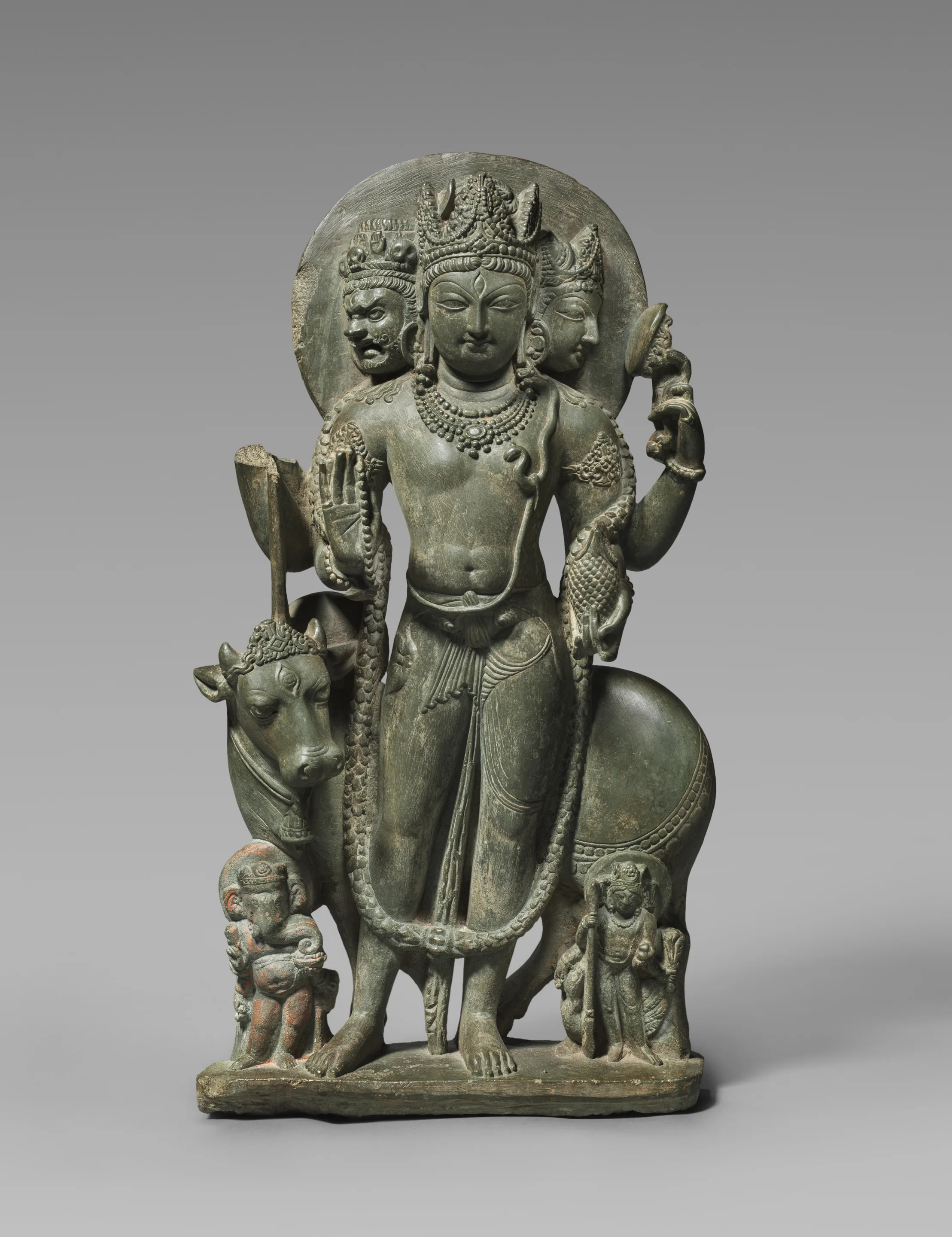
In the words of Pranav Ashar
How we renderThe heart of the Atharvashikha
In brief
Asked what meditation comes first, Atharvan answers: the syllable Om, which is the highest Brahman. Its three sounds, A, U and M, are earth, sky and heaven; the fourth, the half-measure in which the sound fades, is all colours and the Person. Said three times, Om leaves the fourth: the peaceful Self, the light of the Self. The measures are waking, dream and deep sleep, and the fourth is turiya; the one who masters them all becomes self-luminous, Brahman itself. One thing alone is to be meditated on: Shiva, the one who makes all well, everything else let go.
- What meditation comes first
- Om as the highest Brahman
- The fourth beyond the sound
- Waking, dream, sleep and turiya
- The one to meditate on
ॐ अथ हैनं पैप्पलादोऽङ्गिराः सनत्कुमारश्चाथर्वणमुवाच भगवन्किमादौ प्रयुक्तं ध्यानं ध्यायितव्यं किं तद्ध्यानं को वा ध्याता कश्च ध्येयः । स एभ्योऽथर्वा प्रत्युवाच । ओमित्येतदक्षरमादौ प्रयुक्तं ध्यानं ध्यायितव्यमित्येतदक्षरं परं ब्रह्मास्य पादाश्चत्वारो वेदाश्चतुष्पादिदमक्षरं परं ब्रह्म ।
oṃ atha hainaṃ paippalādo'ṅgirāḥ sanatkumāraścātharvaṇamuvāca bhagavankimādau prayuktaṃ dhyānaṃ dhyāyitavyaṃ kiṃ taddhyānaṃ ko vā dhyātā kaśca dhyeyaḥ | sa ebhyo'tharvā pratyuvāca | omityetadakṣaramādau prayuktaṃ dhyānaṃ dhyāyitavyamityetadakṣaraṃ paraṃ brahmāsya pādāścatvāro vedāścatuṣpādidamakṣaraṃ paraṃ brahma |
Om. Then Paippalada, Angiras and Sanatkumara said to Atharvan: 'Sir, what meditation should be practised first? What is that meditation? Who is the one who meditates, and who is the one meditated on?' Atharvan answered them: 'The syllable Om is the meditation to be practised first. This syllable is the highest Brahman. Its quarters are the four Vedas. This four-quartered syllable is the highest Brahman.
Note //
The opening of section 1, in the fuller recension (sanskritdocuments.org). The shorter recension (the Adyar collection and the Deccan College text, which agree) has 'Pippalāda... asked' and 'four quarters, four gods, four Vedas'. The four questions, what, who meditates, on what, are answered with one word. Editions: 'sa ebhyo 'tharvā' over 'sa ebhyotharvā' (sanskritdocuments.org).
पूर्वास्य मात्रा पृथिव्यकारः स ऋग्भिर्ऋग्वेदो ब्रह्मा वसवो गायत्री गार्हपत्यः । द्वितीयान्तरिक्षं स उकारः स यजुर्भिर्यजुर्वेदो विष्णुरुद्रास्त्रिष्टुब्दक्षिणाग्निः । तृतीया द्यौः स मकारः स सामभिः सामवेदो रुद्रा आदित्या जगत्याहवनीयः । यावसानेऽस्य चतुर्थ्यर्धमात्रा सा सोमलोक ओङ्कारः साथर्वणैर्मन्त्रैरथर्ववेदः संवर्तकोऽग्निर्मरुतो विराडेकर्षिर्भास्वती स्मृता ।
pūrvāsya mātrā pṛthivyakāraḥ sa ṛgbhirṛgvedo brahmā vasavo gāyatrī gārhapatyaḥ | dvitīyāntarikṣaṃ sa ukāraḥ sa yajurbhiryajurvedo viṣṇurudrāstriṣṭubdakṣiṇāgniḥ | tṛtīyā dyauḥ sa makāraḥ sa sāmabhiḥ sāmavedo rudrā ādityā jagatyāhavanīyaḥ | yāvasāne'sya caturthyardhamātrā sā somaloka oṅkāraḥ sātharvaṇairmantrairatharvavedaḥ saṃvartako'gnirmaruto virāḍekarṣirbhāsvatī smṛtā |
Its first measure is the earth, the sound A: with the Rig verses, the Rig Veda, Brahma, the Vasus, the gayatri metre, the householder's fire. The second is the space between, the sound U: with the Yajus formulas, the Yajur Veda, Vishnu, the Rudras, the trishtubh metre, the southern fire. The third is heaven, the sound M: with the Saman chants, the Sama Veda, Rudra, the Adityas, the jagati metre, the fire of offering. The fourth, , is the world of Soma, the sound Om: with the Atharvan mantras, the Atharva Veda, the fire of dissolution, the Maruts, Viraj, the one seer; it is called the shining one.
Note //
The three sounds of Om with their worlds, Vedas, gods, metres and fires, as in the Prashna and Mandukya. The shorter recension gives Rudra to the second measure and Vishnu to the third, and for the fourth 'the lost M'. Editions: 'ṛgbhir ṛgvedo', 'yajurbhir', 'ātharvaṇair mantrair' (shorter recension) over the misprints of sanskritdocuments.org; Pending review.
प्रथमा रक्तपीता महद्ब्रह्मदैवत्या । द्वितीया विद्युन्मती कृष्णा विष्णुदैवत्या । तृतीया शुभाशुभा शुक्ला रुद्रदैवत्या । यावसानेऽस्य चतुर्थ्यर्धमात्रा सा विद्युन्मती सर्ववर्णा पुरुषदैवत्या । स एष ह्योङ्कारश्चतुरक्षरश्चतुष्पादश्चतुःशिरश्चतुर्थमात्रः स्थूलमेतद्ध्रस्वदीर्घप्लुत इति ।
prathamā raktapītā mahadbrahmadaivatyā | dvitīyā vidyunmatī kṛṣṇā viṣṇudaivatyā | tṛtīyā śubhāśubhā śuklā rudradaivatyā | yāvasāne'sya caturthyardhamātrā sā vidyunmatī sarvavarṇā puruṣadaivatyā | sa eṣa hyoṅkāraścaturakṣaraścatuṣpādaścatuḥśiraścaturthamātraḥ sthūlametaddhrasvadīrghapluta iti |
The first is red and yellow; its god is the great Brahman. The second is lightning-bright and black; its god is Vishnu. The third is bright and dark, and white; its god is Rudra. The fourth, , is lightning-bright, of every colour; its god is the Person. This is Om: of four syllables, four quarters, four heads, the fourth a measure. In its gross form it is short, long and drawn out.
Note //
The colours and gods of the measures. The fourth has no single colour of its own: it is 'all colours', as the fourth state contains the other three. 'Short, long and drawn out' are the three lengths of the vowel. Editions: 'vidyunmatī' (shorter recension) over 'vidyumatī' (sanskritdocuments.org), twice; 'sthūlam etad dhrasva-' over the misprint of sanskritdocuments.org. The shorter recension orders the gods Brahma, Rudra, Vishnu.
ॐ ॐ ॐ इति त्रिरुक्त्वा चतुर्थः शान्त आत्मा प्लुतप्रणवप्रयोगेण समस्तमोमिति प्रयुक्त आत्मज्योतिः सकृदावर्तते । सकृदुच्चारितमात्रः स एष ऊर्ध्वमुत्क्रामयतीत्योङ्कारः ।
oṃ oṃ oṃ iti triruktvā caturthaḥ śānta ātmā plutapraṇavaprayogeṇa samastamomiti prayukta ātmajyotiḥ sakṛdāvartate | sakṛduccāritamātraḥ sa eṣa ūrdhvamutkrāmayatītyoṅkāraḥ |
Saying 'Om, Om, Om' three times, the fourth is the peaceful Self. When the whole Om is sounded, , the light of the Self shines forth once. Said only once, it lifts the breaths upward: so it is called Om.
Note //
Following the fuller recension (sanskritdocuments.org), which reads clearly here; the shorter recension is garbled ('pluta-prayoge na samam ity ātmajyotiḥ sakṛd āvartavya oṃ'). 'Drawn out' (pluta) is the prolonged vowel; the fourth is what remains when the drawn-out sound fades. 'Lifts the breaths upward' (ūrdhvam utkrāmayati) explains the name Om by a play on its sound, as the Atharvashiras does (section 4); 'utkrāmayati' is the reading of the shorter recension, where sanskritdocuments.org has the misprint 'annamayati'. The combined reading is pending review.
प्राणान्सर्वान्प्रलीयत इति प्रलयः । प्राणान्सर्वान्परमात्मनि प्रणामयतीत्येतस्मात्प्रणवः । चतुर्धावस्थित इति सर्वदेववेदयोनिः सर्ववाच्यवस्तु प्रणवात्मकम् ॥ १॥
prāṇānsarvānpralīyata iti pralayaḥ | prāṇānsarvānparamātmani praṇāmayatītyetasmātpraṇavaḥ | caturdhāvasthita iti sarvadevavedayoniḥ sarvavācyavastu praṇavātmakam || 1||
Because all the breaths dissolve in it, it is dissolution. Because it bows all the breaths down into the highest Self, it is called the Pranava. Because it stands fourfold, it is the source of all the gods and Vedas. Everything that can be named has Om for its Self.
Note //
The name Pranava is explained from praṇāmayati, 'bows down, makes bend'. The shorter recension has 'it bows and bends all the breaths, therefore it is the Pranava', without 'into the highest Self'; the fuller reading is kept because it says where the breaths come to rest. Editions: 'caturdhāvasthita' (shorter recension) over 'caturthāvasthita' (sanskritdocuments.org). End of section 1.
देवाश्चेति संधत्तां सर्वेभ्यो दुःखभयेभ्यः संतारयतीति तारणात्तारः । सर्वे देवाः संविशन्तीति विष्णुः । सर्वाणि बृंहयतीति ब्रह्मा । सर्वेभ्योऽन्तस्थानेभ्यो ध्येयेभ्यः प्रदीपवत्प्रकाशयतीति प्रकाशः । प्रकाशेभ्यः सदोमित्यन्तः शरीरे विद्युद्वद्द्योतयति मुहुर्मुहुरिति विद्युद्वत्प्रतीयाद्दिशं दिशं भित्त्वा सर्वाँल्लोकान्व्याप्नोति व्यापयतीति व्यापनाद्व्यापी महादेवः ॥ २॥
devāśceti saṃdhattāṃ sarvebhyo duḥkhabhayebhyaḥ saṃtārayatīti tāraṇāttāraḥ | sarve devāḥ saṃviśantīti viṣṇuḥ | sarvāṇi bṛṃhayatīti brahmā | sarvebhyo'ntasthānebhyo dhyeyebhyaḥ pradīpavatprakāśayatīti prakāśaḥ | prakāśebhyaḥ sadomityantaḥ śarīre vidyudvaddyotayati muhurmuhuriti vidyudvatpratīyāddiśaṃ diśaṃ bhittvā sarvām̐llokānvyāpnoti vyāpayatīti vyāpanādvyāpī mahādevaḥ || 2||
Because it carries across from every sorrow and fear, it is Tara, the one who carries across. Because all the gods enter into it, it is Vishnu, the pervader. Because it makes all things grow great, it is Brahma. Because, like a lamp, it lights up everything within that is meditated on, it is the light. Because, beyond all lights, it flashes again and again within the body like lightning, as Om, let one know it as lightning. Because it breaks through every direction and pervades all the worlds, and makes them pervaded, it is the pervading one, the great god.
Note //
The names of Om, each explained by a play on its sound, as in the Atharvashiras. The opening words ('devāś ceti saṃdhattām') are obscure, and the passage is garbled in places in both recensions; it is rendered by its sense. Editions: 'bṛṃhayati' over 'bṛhayati' (sanskritdocuments.org). Pending review.
पूर्वास्य मात्रा जागर्ति जागरितं द्वितीया स्वप्नं तृतीया सुषुप्तिश्चतुर्थी तुरीयं मात्रा मात्राः प्रतिमात्रागताः सम्यक्समस्तानपि पादाञ्जयतीति स्वयंप्रकाशः स्वयं ब्रह्म भवतीत्येष सिद्धिकर एतस्माद्ध्यानादौ प्रयुज्यते ।
pūrvāsya mātrā jāgarti jāgaritaṃ dvitīyā svapnaṃ tṛtīyā suṣuptiścaturthī turīyaṃ mātrā mātrāḥ pratimātrāgatāḥ samyaksamastānapi pādāñjayatīti svayaṃprakāśaḥ svayaṃ brahma bhavatītyeṣa siddhikara etasmāddhyānādau prayujyate |
Its first measure wakes: it is waking. The second is dream. The third is deep sleep. The fourth is . Measure by measure, each passing into the next, the one who masters all the quarters completely becomes self-luminous, . This is what brings fulfilment; so it is used first, in meditation.
Note //
Only in the fuller recension (sanskritdocuments.org), section 3. The same mapping of Om onto the three states and the fourth is the teaching of the Mandukya Upanishad. 'Turiya' simply means 'the fourth'; it is not a fourth state alongside the others but what they all appear in. 'Becomes Brahman itself' is read in the Advaita sense: not a change into something new but the recognition of what one is. The phrase 'mātrā mātrāḥ pratimātrāgatāḥ' is obscure; its rendering, 'measure by measure, each passing into the next', is pending review.
सर्वकरणोपसंहारत्वाद्धार्यधारणाद्ब्रह्म तुरीयम् । सर्वकरणानि मनसि सम्प्रतिष्ठाप्य ध्यानं विष्णुः प्राणं मनसि सह करणैः सम्प्रतिष्ठाप्य ध्याता रुद्रः प्राणं मनसि सह करणैर्नादान्ते परमात्मनि सम्प्रतिष्ठाप्य ध्यायीतेशानं प्रध्यायितव्यं सर्वमिदं ब्रह्मविष्णुरुद्रेन्द्रास्ते सम्प्रसूयन्ते सर्वाणि चेन्द्रियाणि सह भूतैर्न कारणं कारणानां ध्याता कारणं तु ध्येयः सर्वैश्वर्यसम्पन्नः शम्भुराकाशमध्ये ।
sarvakaraṇopasaṃhāratvāddhāryadhāraṇādbrahma turīyam | sarvakaraṇāni manasi sampratiṣṭhāpya dhyānaṃ viṣṇuḥ prāṇaṃ manasi saha karaṇaiḥ sampratiṣṭhāpya dhyātā rudraḥ prāṇaṃ manasi saha karaṇairnādānte paramātmani sampratiṣṭhāpya dhyāyīteśānaṃ pradhyāyitavyaṃ sarvamidaṃ brahmaviṣṇurudrendrāste samprasūyante sarvāṇi cendriyāṇi saha bhūtairna kāraṇaṃ kāraṇānāṃ dhyātā kāraṇaṃ tu dhyeyaḥ sarvaiśvaryasampannaḥ śambhurākāśamadhye |
Because all the senses are withdrawn into it, because it holds what is to be held, the fourth is Brahman. Setting all the senses in the mind: that is the meditation, Vishnu. Setting the breath in the mind, with the senses: that is the one who meditates, Rudra. Setting the breath in the mind, with the senses, in the highest Self where the sound ends, let one meditate on the Lord, who is to be meditated on. From him all this is born, Brahma, Vishnu, Rudra and Indra, and all the senses, with the elements. The one who meditates is not the cause of causes; the one meditated on is the cause, full of every lordship, Shambhu, in the middle of space.
Note //
The four questions of 1.a are answered here: the meditation, the one who meditates, the one meditated on. The passage is loosely constructed and in places garbled in both recensions; rendered by its sense. 'Where the sound ends' (nādānta): the silence after Om. Pending review.
ध्रुवं स्तब्ध्वाधिकं क्षणमेकं क्रतुशतस्यापि चतुःसप्तत्या यत्फलं तदवाप्नोति कृत्स्नमोङ्कारगतिं च सर्वध्यानयोगज्ञानानां यत्फलमोङ्कारो वेद पर ईशो वा शिव एको ध्येयः शिवंकरः सर्वमन्यत्परित्यज्य । समस्ताथर्वशिखैतामधीत्य द्विजो गर्भवासाद्विमुक्तो विमुच्यत एतामधीत्य द्विजो गर्भवासाद्विमुक्तो विमुच्यत इत्यों सत्यमित्युपनिषत् ॥ ३॥
dhruvaṃ stabdhvādhikaṃ kṣaṇamekaṃ kratuśatasyāpi catuḥsaptatyā yatphalaṃ tadavāpnoti kṛtsnamoṅkāragatiṃ ca sarvadhyānayogajñānānāṃ yatphalamoṅkāro veda para īśo vā śiva eko dhyeyaḥ śivaṃkaraḥ sarvamanyatparityajya | samastātharvaśikhaitāmadhītya dvijo garbhavāsādvimukto vimucyata etāmadhītya dvijo garbhavāsādvimukto vimucyata ityoṃ satyamityupaniṣat || 3||
Holding it steady even for a single moment more, one gains the fruit of a hundred and seventy-four sacrifices, and the whole way of Om, the fruit of all meditation, yoga and knowledge. Om, the Veda, the highest, the Lord: Shiva alone is to be meditated on, the one who makes all well, everything else let go. This is the whole Atharvashikha. The twice-born who studies it is freed from dwelling in the womb, is freed; the twice-born who studies it is freed from dwelling in the womb, is freed. Om. This is the truth. This is the Upanishad.
Note //
'A hundred and seventy-four' renders 'kratuśatasyāpi catuḥsaptatyā', literally 'of a hundred sacrifices and seventy-four'; the shorter recension has 'of a hundred sacrifices'. 'Shiva' means 'the auspicious'; 'śivaṅkara', 'who makes all well', plays on the name. Read with the rest of the text, the one to meditate on is the fourth, the peaceful Self, not a figure among others. 'Freed from dwelling in the womb': freed from rebirth. The shorter recension ends 'is freed from dwelling in the womb, is freed from dwelling in the womb'. Pending review.
No public-domain English translation exists for this text; the Sanskrit is shown.
The renderings on this page are shared under CC BY-NC 4.0, in the words of Pranav Ashar.