Bhagavad Gita
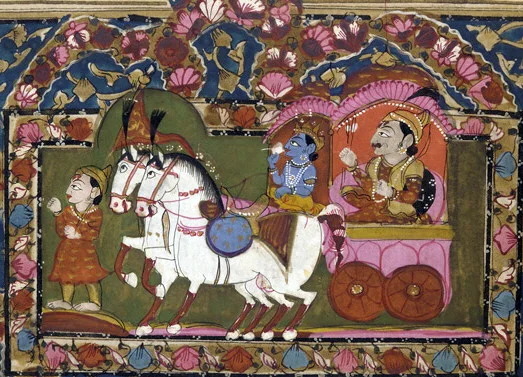
In the words of Pranav Ashar
How we renderContents
Chapter 9: The royal secret
राजविद्याराजगुह्ययोगः
इदं तु ते गुह्यतमं प्रवक्ष्याम्यनसूयवे । ज्ञानं विज्ञानसहितं यज्ज्ञात्वा मोक्ष्यसेऽशुभात् ॥
idaṃ tu te guhyatamaṃ pravakṣyāmyanasūyave | jñānaṃ vijñānasahitaṃ yajjñātvā mokṣyase'śubhāt ||
said: To you, who do not find fault, I will tell this deepest secret: knowledge together with its realisation, knowing which you will be free from harm.
राजविद्या राजगुह्यं पवित्रमिदमुत्तमम् । प्रत्यक्षावगमं धर्म्यं सुसुखं कर्तुमव्ययम् ॥
rājavidyā rājaguhyaṃ pavitramidamuttamam | pratyakṣāvagamaṃ dharmyaṃ susukhaṃ kartumavyayam ||
It is , the highest purifier; known directly, in keeping with dharma, easy to practise, and lasting.
Note //
Pratyakshavagama, 'known directly': not a belief about something absent; what it points to is present, as plainly as one's own pleasure is known.
अश्रद्दधानाः पुरुषा धर्मस्यास्य परन्तप । अप्राप्य मां निवर्तन्ते मृत्युसंसारवर्त्मनि ॥
aśraddadhānāḥ puruṣā dharmasyāsya parantapa | aprāpya māṃ nivartante mṛtyusaṃsāravartmani ||
People without trust in this dharma, scorcher of foes, do not reach me, and return to the path of death and wandering.
मया ततमिदं सर्वं जगदव्यक्तमूर्तिना । मत्स्थानि सर्वभूतानि न चाहं तेष्ववस्थितः ॥
mayā tatamidaṃ sarvaṃ jagadavyaktamūrtinā | matsthāni sarvabhūtāni na cāhaṃ teṣvavasthitaḥ ||
All this world is pervaded by me . All beings rest in me; .
न च मत्स्थानि भूतानि पश्य मे योगमैश्वरम् । भूतभृन्न च भूतस्थो ममात्मा भूतभावनः ॥
na ca matsthāni bhūtāni paśya me yogamaiśvaram | bhūtabhṛnna ca bhūtastho mamātmā bhūtabhāvanaḥ ||
: see my power as the Lord. Bearing beings, not resting in beings, my Self brings beings into being.
Note //
The paradox is kept. Shankara: the Self is without contact ('unattached, it does not cling', Brihadaranyaka 3.9.26), so it bears beings without being in them, and 'beings rest in me' holds only from the side of appearance. In the site's terms: the world is real as appearance, never on its own.
यथाकाशस्थितो नित्यं वायुः सर्वत्रगो महान् । तथा सर्वाणि भूतानि मत्स्थानीत्युपधारय ॥
yathākāśasthito nityaṃ vāyuḥ sarvatrago mahān | tathā sarvāṇi bhūtāni matsthānītyupadhāraya ||
As the great wind, moving everywhere, , so know that all beings rest in me.
Note //
Space is not touched by the wind that moves in it.
सर्वभूतानि कौन्तेय प्रकृतिं यान्ति मामिकाम् । कल्पक्षये पुनस्तानि कल्पादौ विसृजाम्यहम् ॥
sarvabhūtāni kaunteya prakṛtiṃ yānti māmikām | kalpakṣaye punastāni kalpādau visṛjāmyaham ||
All beings, son of Kunti, go into my nature at the end of an age, and at the beginning of an age I send them forth again.
Note //
Kalpa: a great age, a day of Brahma (8.17).
प्रकृतिं स्वामवष्टभ्य विसृजामि पुनः पुनः । भूतग्राममिमं कृत्स्नमवशं प्रकृतेर्वशात् ॥
prakṛtiṃ svāmavaṣṭabhya visṛjāmi punaḥ punaḥ | bhūtagrāmamimaṃ kṛtsnamavaśaṃ prakṛtervaśāt ||
Taking hold of my own nature, I send forth again and again this whole host of beings, helpless under the power of nature.
न च मां तानि कर्माणि निबध्नन्ति धनञ्जय । उदासीनवदासीनमसक्तं तेषु कर्मसु ॥
na ca māṃ tāni karmāṇi nibadhnanti dhanañjaya | udāsīnavadāsīnamasaktaṃ teṣu karmasu ||
These actions do not bind me, Dhananjaya: I sit , unattached to these actions.
मयाध्यक्षेण प्रकृतिः सूयते सचराचरम् । हेतुनानेन कौन्तेय जगद्विपरिवर्तते ॥
mayādhyakṣeṇa prakṛtiḥ sūyate sacarācaram | hetunānena kaunteya jagadviparivartate ||
, nature brings forth all that moves and does not move; because of this, son of Kunti, the world turns.
Note //
Shankara: the Lord oversees as pure seeing, without change, and so does nothing. In the site's terms: the presence is the knowing, not a doing.
अवजानन्ति मां मूढा मानुषीं तनुमाश्रितम् । परं भावमजानन्तो मम भूतमहेश्वरम् ॥
avajānanti māṃ mūḍhā mānuṣīṃ tanumāśritam | paraṃ bhāvamajānanto mama bhūtamaheśvaram ||
The confused look down on me when I take a human body, not knowing as the of beings.
Note //
Telang renders 9.11-12 as one sentence (beginning with 9.12), given here.
मोघाशा मोघकर्माणो मोघज्ञाना विचेतसः । राक्षसीमासुरीं चैव प्रकृतिं मोहिनीं श्रिताः ॥
moghāśā moghakarmāṇo moghajñānā vicetasaḥ | rākṣasīmāsurīṃ caiva prakṛtiṃ mohinīṃ śritāḥ ||
With vain hopes, vain actions, vain knowledge, without sense, they take to the confusing nature of demons and monsters.
महात्मानस्तु मां पार्थ दैवीं प्रकृतिमाश्रिताः । भजन्त्यनन्यमनसो ज्ञात्वा भूतादिमव्ययम् ॥
mahātmānastu māṃ pārtha daivīṃ prakṛtimāśritāḥ | bhajantyananyamanaso jñātvā bhūtādimavyayam ||
But the great ones, , taking to the godlike nature, are devoted to me with minds on nothing else, knowing me as the unchanging source of beings.
सततं कीर्तयन्तो मां यतन्तश्च दृढव्रताः । नमस्यन्तश्च मां भक्त्या नित्ययुक्ता उपासते ॥
satataṃ kīrtayanto māṃ yatantaśca dṛḍhavratāḥ | namasyantaśca māṃ bhaktyā nityayuktā upāsate ||
Always praising me, striving, firm in their vows, bowing to me in devotion, ever steady, they meditate on me.
ज्ञानयज्ञेन चाप्यन्ये यजन्तो मामुपासते । एकत्वेन पृथक्त्वेन बहुधा विश्वतोमुखम् ॥
jñānayajñena cāpyanye yajanto māmupāsate | ekatvena pṛthaktvena bahudhā viśvatomukham ||
Others, making the offering of knowledge, meditate on me , facing every way.
Note //
Shankara: 'as one' is seeing the one highest Brahman as it is; 'as separate', in separate forms such as the sun and the moon; 'as many', as the universe with faces everywhere.
अहं क्रतुरहं यज्ञः स्वधाहमहमौषधम् । मन्त्रोऽहमहमेवाज्यमहमग्निरहं हुतम् ॥
ahaṃ kraturahaṃ yajñaḥ svadhāhamahamauṣadham | mantro'hamahamevājyamahamagnirahaṃ hutam ||
I am the rite, I am the offering, I am the food for the ancestors, I am the healing herb; I am the chant, I am the butter, I am the fire, I am what is poured.
Note //
Kratu is a Vedic rite and yajna an offering; svadha is the offering to the ancestors.
पिताहमस्य जगतो माता धाता पितामहः । वेद्यं पवित्रमोङ्कार ऋक्साम यजुरेव च ॥
pitāhamasya jagato mātā dhātā pitāmahaḥ | vedyaṃ pavitramoṅkāra ṛksāma yajureva ca ||
I am the father of this world, the mother, the sustainer, the grandfather; what is to be known, the purifier, the syllable Om, the Rig, the Sama and the Yajur Veda;
Note //
Telang renders 9.17-18 as one sentence, given here.
गतिर्भर्ता प्रभुः साक्षी निवासः शरणं सुहृत् । प्रभवः प्रलयः स्थानं निधानं बीजमव्ययम् ॥
gatirbhartā prabhuḥ sākṣī nivāsaḥ śaraṇaṃ suhṛt | prabhavaḥ pralayaḥ sthānaṃ nidhānaṃ bījamavyayam ||
the goal, the support, the master, the witness, the home, the refuge, the friend; the origin, the dissolution, the ground, , the unchanging seed.
तपाम्यहमहं वर्षं निगृह्णाम्युत्सृजामि च । अमृतं चैव मृत्युश्च सदसच्चाहमर्जुन ॥
tapāmyahamahaṃ varṣaṃ nigṛhṇāmyutsṛjāmi ca | amṛtaṃ caiva mṛtyuśca sadasaccāhamarjuna ||
I give heat; I hold back the rain and send it forth. I am deathlessness and death, , Arjuna.
Note //
Sat and asat, 'being and non-being', are here what is manifest and what is not.
त्रैविद्या मां सोमपाः पूतपापा यज्ञैरिष्ट्वा स्वर्गतिं प्रार्थयन्ते । ते पुण्यमासाद्य सुरेन्द्रलोक- मश्नन्ति दिव्यान्दिवि देवभोगान् ॥
traividyā māṃ somapāḥ pūtapāpā yajñairiṣṭvā svargatiṃ prārthayante | te puṇyamāsādya surendraloka- maśnanti divyāndivi devabhogān ||
Those who know the three Vedas, who drink the soma and are cleansed of wrong, make offerings to me and ask for the way to heaven; reaching by their merit the world of , they enjoy in heaven the pleasures of the gods.
ते तं भुक्त्वा स्वर्गलोकं विशालं क्षीणे पुण्ये मर्त्यलोकं विशन्ति । एवं त्रयीधर्ममनुप्रपन्ना गतागतं कामकामा लभन्ते ॥
te taṃ bhuktvā svargalokaṃ viśālaṃ kṣīṇe puṇye martyalokaṃ viśanti | evaṃ trayīdharmamanuprapannā gatāgataṃ kāmakāmā labhante ||
Having enjoyed that wide world of heaven, when their merit is spent they enter the world of mortals. So, following the dharma of the three Vedas, wanting what they want, they gain going and coming.
अनन्याश्चिन्तयन्तो मां ये जनाः पर्युपासते । तेषां नित्याभियुक्तानां योगक्षेमं वहाम्यहम् ॥
ananyāścintayanto māṃ ye janāḥ paryupāsate | teṣāṃ nityābhiyuktānāṃ yogakṣemaṃ vahāmyaham ||
Those who meditate on me, thinking of me and of no other, ever steady: .
Note //
Yogakshema: gaining what one lacks and keeping what one has.
येऽप्यन्यदेवता भक्ता यजन्ते श्रद्धयान्विताः । तेऽपि मामेव कौन्तेय यजन्त्यविधिपूर्वकम् ॥
ye'pyanyadevatā bhaktā yajante śraddhayānvitāḥ | te'pi māmeva kaunteya yajantyavidhipūrvakam ||
Even those devoted to other gods, who make offerings with trust, make them to me alone, son of Kunti, .
अहं हि सर्वयज्ञानां भोक्ता च प्रभुरेव च । न तु मामभिजानन्ति तत्त्वेनातश्च्यवन्ति ते ॥
ahaṃ hi sarvayajñānāṃ bhoktā ca prabhureva ca | na tu māmabhijānanti tattvenātaścyavanti te ||
For I alone receive all offerings, and I am their master; but they do not know me truly, and so they fall.
यान्ति देवव्रता देवान्पितॄन्यान्ति पितृव्रताः । भूतानि यान्ति भूतेज्या यान्ति मद्याजिनोऽपि माम् ॥
yānti devavratā devānpitṝnyānti pitṛvratāḥ | bhūtāni yānti bhūtejyā yānti madyājino'pi mām ||
Those vowed to the gods go to the gods; those vowed to the ancestors go to the ancestors; those who make offerings to spirits go to the spirits; and those who make offerings to me come to me.
पत्रं पुष्पं फलं तोयं यो मे भक्त्या प्रयच्छति । तदहं भक्त्युपहृतमश्नामि प्रयतात्मनः ॥
patraṃ puṣpaṃ phalaṃ toyaṃ yo me bhaktyā prayacchati | tadahaṃ bhaktyupahṛtamaśnāmi prayatātmanaḥ ||
Whoever offers me with devotion a leaf, a flower, a fruit, water: that offering of devotion from one .
यत्करोषि यदश्नासि यज्जुहोषि ददासि यत् । यत्तपस्यसि कौन्तेय तत्कुरुष्व मदर्पणम् ॥
yatkaroṣi yadaśnāsi yajjuhoṣi dadāsi yat | yattapasyasi kaunteya tatkuruṣva madarpaṇam ||
Whatever you do, whatever you eat, whatever you offer, whatever you give, whatever austerity you practise, son of Kunti, do it as an offering to me.
Note //
This is the daily practice in one line: full attention to the act, the I-claim offered, the result taken as given.
शुभाशुभफलैरेवं मोक्ष्यसे कर्मबन्धनैः । संन्यासयोगयुक्तात्मा विमुक्तो मामुपैष्यसि ॥
śubhāśubhaphalairevaṃ mokṣyase karmabandhanaiḥ | saṃnyāsayogayuktātmā vimukto māmupaiṣyasi ||
So you will be freed from the bonds of action, with their good and bad fruits; steady in the yoga of renunciation, freed, you will come to me.
समोऽहं सर्वभूतेषु न मे द्वेष्योऽस्ति न प्रियः । ये भजन्ति तु मां भक्त्या मयि ते तेषु चाप्यहम् ॥
samo'haṃ sarvabhūteṣu na me dveṣyo'sti na priyaḥ | ye bhajanti tu māṃ bhaktyā mayi te teṣu cāpyaham ||
; no one is hateful to me, no one dear. But those who give me their devotion .
Note //
Shankara: like fire, which does not hold back its warmth from those far away, but warms those who come near.
अपि चेत्सुदुराचारो भजते मामनन्यभाक् । साधुरेव स मन्तव्यः सम्यग्व्यवसितो हि सः ॥
api cetsudurācāro bhajate māmananyabhāk | sādhureva sa mantavyaḥ samyagvyavasito hi saḥ ||
Even one whose conduct is very bad, if that one is devoted to me and to no other, should be counted good, .
क्षिप्रं भवति धर्मात्मा शश्वच्छान्तिं निगच्छति । कौन्तेय प्रतिजानीहि न मे भक्तः प्रणश्यति ॥
kṣipraṃ bhavati dharmātmā śaśvacchāntiṃ nigacchati | kaunteya pratijānīhi na me bhaktaḥ praṇaśyati ||
Soon that one's very self is dharma, and that one comes to lasting peace. Declare this for certain, son of Kunti: no one devoted to me is lost.
मां हि पार्थ व्यपाश्रित्य येऽपि स्युः पापयोनयः । स्त्रियो वैश्यास्तथा शूद्रास्तेऽपि यान्ति परां गतिम् ॥
māṃ hi pārtha vyapāśritya ye'pi syuḥ pāpayonayaḥ | striyo vaiśyāstathā śūdrāste'pi yānti parāṃ gatim ||
Those who take refuge in me, Partha, even those born low, women, vaishyas and shudras, they too reach the highest goal.
Note //
The verse speaks in the social terms of its time (papayoni, 'of low birth'; Telang: 'of sinful birth') to say that no birth bars anyone. Being is equal in all.
किं पुनर्ब्राह्मणाः पुण्या भक्ता राजर्षयस्तथा । अनित्यमसुखं लोकमिमं प्राप्य भजस्व माम् ॥
kiṃ punarbrāhmaṇāḥ puṇyā bhaktā rājarṣayastathā | anityamasukhaṃ lokamimaṃ prāpya bhajasva mām ||
How much more the pure brahmins and the devoted royal sages! Having come into this passing, joyless world, be devoted to me.
मन्मना भव मद्भक्तो मद्याजी मां नमस्कुरु । मामेवैष्यसि युक्त्वैवमात्मानं मत्परायणः ॥
manmanā bhava madbhakto madyājī māṃ namaskuru | māmevaiṣyasi yuktvaivamātmānaṃ matparāyaṇaḥ ||
Fix your mind on me; be devoted to me; make your offerings to me; bow to me. Settling yourself so, with me as your goal, you will come to me.
Touch an underlined word to see the Sanskrit behind it. The lighter lines are how the tradition read the verse; the rest is the verse.
The renderings on this page are shared under CC BY-NC 4.0, in the words of Pranav Ashar.