Tao Te Ching
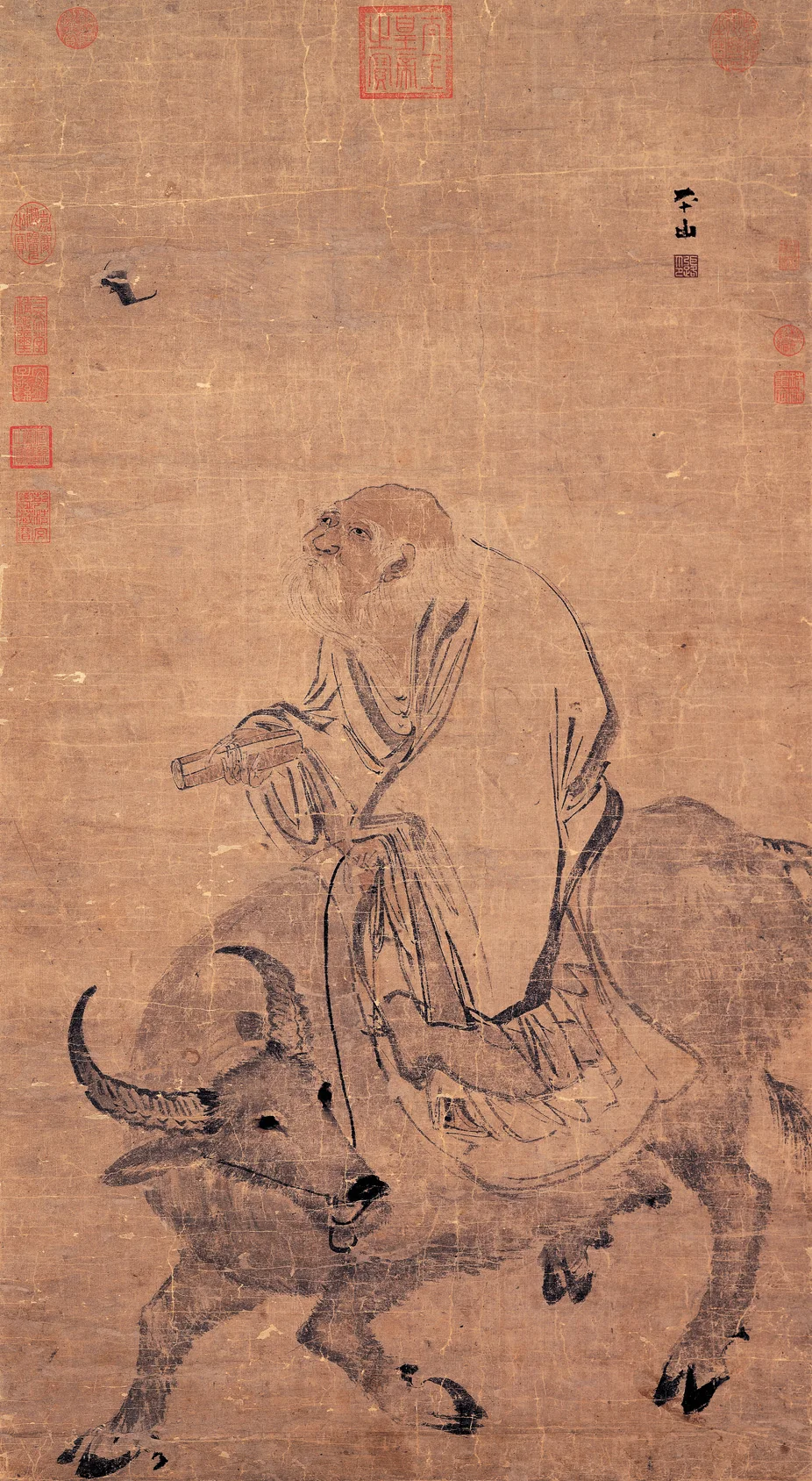
In the words of Pranav Ashar
How we renderChapter 78: Nothing softer than water
天下莫柔弱於水,而攻堅強者,莫之能勝,其無以易之。
tiān xià mò róu ruò yú shuǐ, ér gōng jiān qiáng zhě, mò zhī néng shèng, qí wú yǐ yì zhī.
Nothing in the world is softer or weaker than water, yet for wearing down the hard and strong nothing can surpass it, for .
Note //
其無以易之: nothing can replace it, or nothing can change it.
弱之勝強,柔之勝剛,天下莫不知莫能行。
ruò zhī shèng qiáng, róu zhī shèng gāng, tiān xià mò bù zhī mò néng xíng.
That the weak overcomes the strong and the soft overcomes the hard, everyone in the world knows, yet no one can live it.
是以聖人云:「受國之垢,是謂社稷主;受國不祥,是為天下王。」
shì yǐ shèng rén yún: “shòu guó zhī gòu, shì wèi shè jì zhǔ; shòu guó bù xiáng, shì wéi tiān xià wáng.”
So the sage says: 'One who takes on the state's disgrace is called the lord of its altars. One who takes on the state's misfortune is king of the world.'
Note //
社稷, the altars of soil and grain, stand for the state itself.
正言若反。
zhèng yán ruò fǎn.
Straight words sound like .
Note //
A key to the whole book: what is true here tends to sound backwards.
Touch an underlined word to see the Chinese behind it. The lighter lines are how the tradition read the verse; the rest is the verse.
The renderings on this page are shared under CC BY-NC 4.0, in the words of Pranav Ashar.