Tao Te Ching
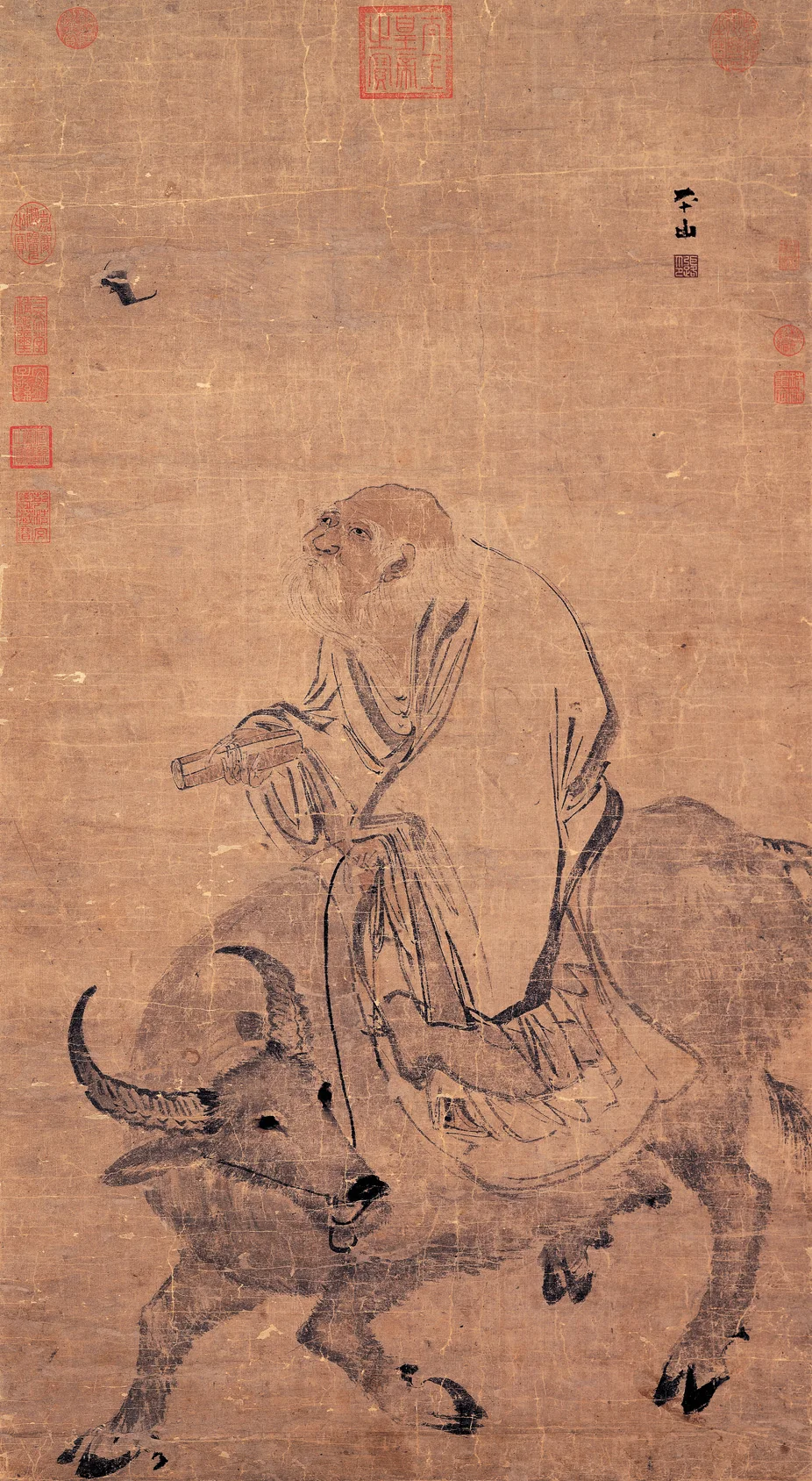
In the words of Pranav Ashar
How we renderChapter 72: Knowing oneself without showing oneself
民不畏威,則大威至。
mín bù wèi wēi, zé dà wēi zhì.
When the people no longer fear what is fearsome, something far more fearsome comes.
Note //
威 is awe, or the ruler's power to punish. Legge: they will meet 'their great dread'.
無狎其所居,無厭其所生。
wú xiá qí suǒ jū, wú yàn qí suǒ shēng.
Do not crowd the places where they live. Do not weary the lives they live.
Note //
Many commentators read this as advice to the ruler: do not press on the people's homes and livelihood. Legge reads it as advice to the people.
夫唯不厭,是以不厭。
fú wéi bù yàn, shì yǐ bù yàn.
Only if you do not weary them will they not weary of you.
Note //
厭 is used twice, 'press down' and 'be tired of'; the play cannot be kept in English.
是以聖人自知不自見,自愛不自貴;故去彼取此。
shì yǐ shèng rén zì zhī bù zì xiàn, zì ài bù zì guì; gù qù bǐ qǔ cǐ.
So the sage knows himself but does not display himself, cares for himself but does not raise himself up. So the sage lets go of that and takes this.
Note //
In the site's reading, knowing oneself without displaying oneself is knowing without the I-claim's need to be seen.
The renderings on this page are shared under CC BY-NC 4.0, in the words of Pranav Ashar.