Tao Te Ching
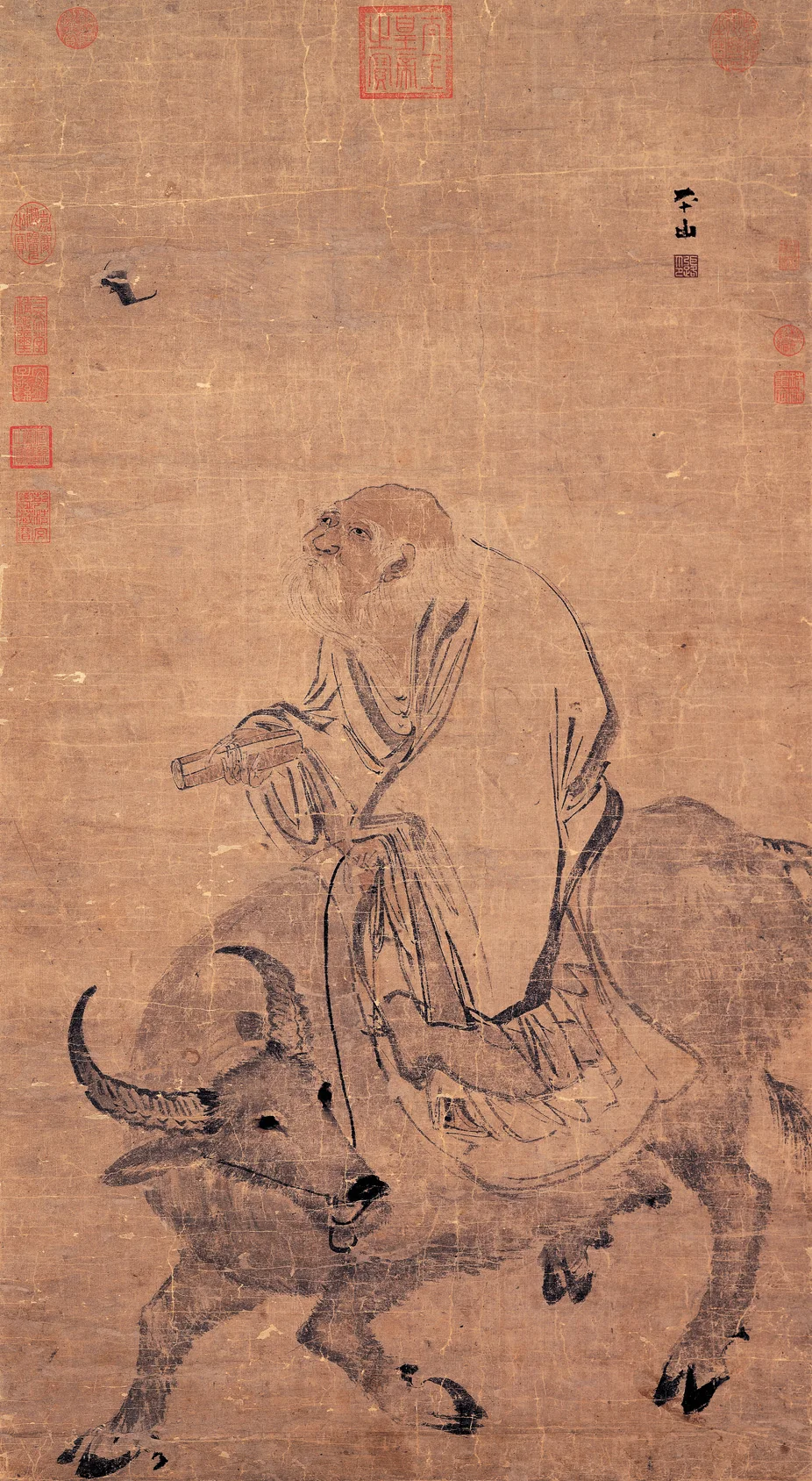
In the words of Pranav Ashar
How we renderChapter 65: Not making people clever
古之善為道者,非以明民,將以愚之。
gǔ zhī shàn wéi dào zhě, fēi yǐ míng mín, jiāng yǐ yú zhī.
Those of old who were good at did not use it to make the people clever but to keep them simple.
Note //
愚 is literally 'foolish'; Wang Bi reads it as plain and uncontrived, keeping to what is genuine. It does not mean keeping people ignorant for the ruler's gain.
民之難治,以其智多。故以智治國,國之賊,不以智治國,國之福。
mín zhī nán zhì, yǐ qí zhì duō. gù yǐ zhì zhì guó, guó zhī zéi, bù yǐ zhì zhì guó, guó zhī fú.
People are hard to rule because they have too much cleverness. So ruling a state by cleverness is a thief to the state; not ruling it by cleverness is good fortune to the state.
Note //
智 here is scheming: cleverness in the service of getting the better of others.
知此兩者亦稽式。常知稽式,是謂玄德。玄德深矣,遠矣,與物反矣,然後乃至大順。
zhī cǐ liǎng zhě yì jī shì. cháng zhī jī shì, shì wèi xuán dé. xuán dé shēn yǐ, yuǎn yǐ, yǔ wù fǎn yǐ, rán hòu nǎi zhì dà shùn.
To know these two is also to know the pattern. To know the pattern always is called the deep . The deep is deep, it is far-reaching; it turns back with things, and then comes the great harmony.
Note //
與物反 can be 'goes the opposite way to things' (Legge) or 'returns together with things' to the source (chapter 40). 大順 is the great flowing-along.
The renderings on this page are shared under CC BY-NC 4.0, in the words of Pranav Ashar.