Tao Te Ching
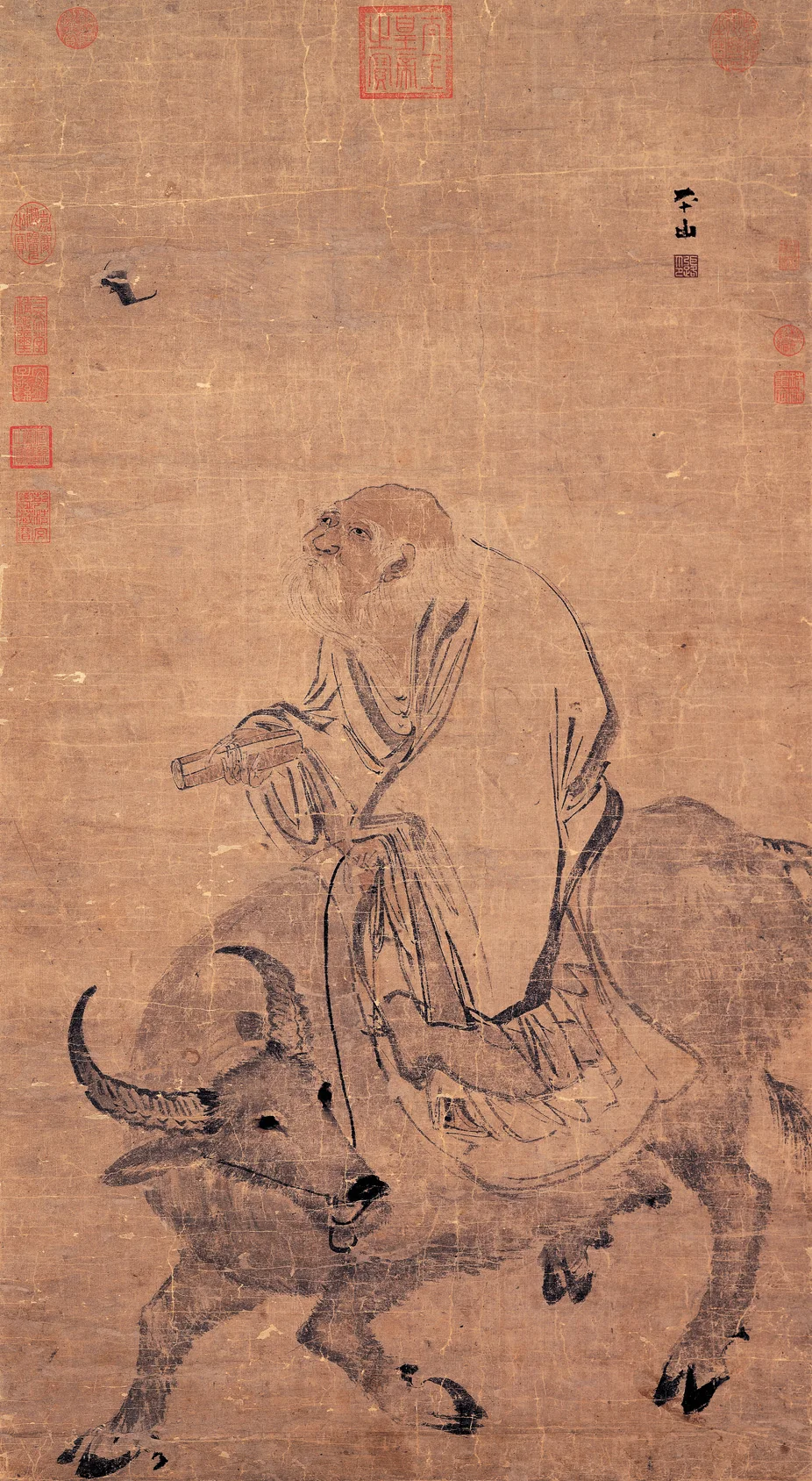
In the words of Pranav Ashar
How we renderChapter 58: Fortune and misfortune lean on each other
其政悶悶,其民淳淳;其政察察,其民缺缺。禍兮福之所倚,福兮禍之所伏。孰知其極?
qí zhèng mèn mèn, qí mín chún chún; qí zhèng chá chá, qí mín quē quē. huò xī fú zhī suǒ yǐ, fú xī huò zhī suǒ fú. shú zhī qí jí?
When government is dull and quiet, the people are simple and whole. When government is sharp and prying, the people are broken apart. Misfortune: good fortune leans on it. Good fortune: misfortune hides in it. Who knows where it ends?
Note //
悶悶 is government that does not show itself; 察察 is government that inspects everything. Wang Bi: the sharp kind sets people against one another.
其無正。正復為奇,善復為妖。人之迷,其日固久。
qí wú zhèng. zhèng fù wéi qí, shàn fù wéi yāo. rén zhī mí, qí rì gù jiǔ.
There is no fixed right. The straight turns crooked again; the good turns ominous again. People have been lost in this for a long time.
Note //
其無正 can be read 'there is no fixed norm' (Wang Bi) or as a question, 'is there no correcting?', which Legge follows.
是以聖人方而不割,廉而不劌,直而不肆,光而不燿。
shì yǐ shèng rén fāng ér bù gē, lián ér bù guì, zhí ér bù sì, guāng ér bù yào.
So the sage is square but does not cut, sharp-edged but does not wound, straight but does not overreach, bright but does not dazzle.
The renderings on this page are shared under CC BY-NC 4.0, in the words of Pranav Ashar.