Tao Te Ching
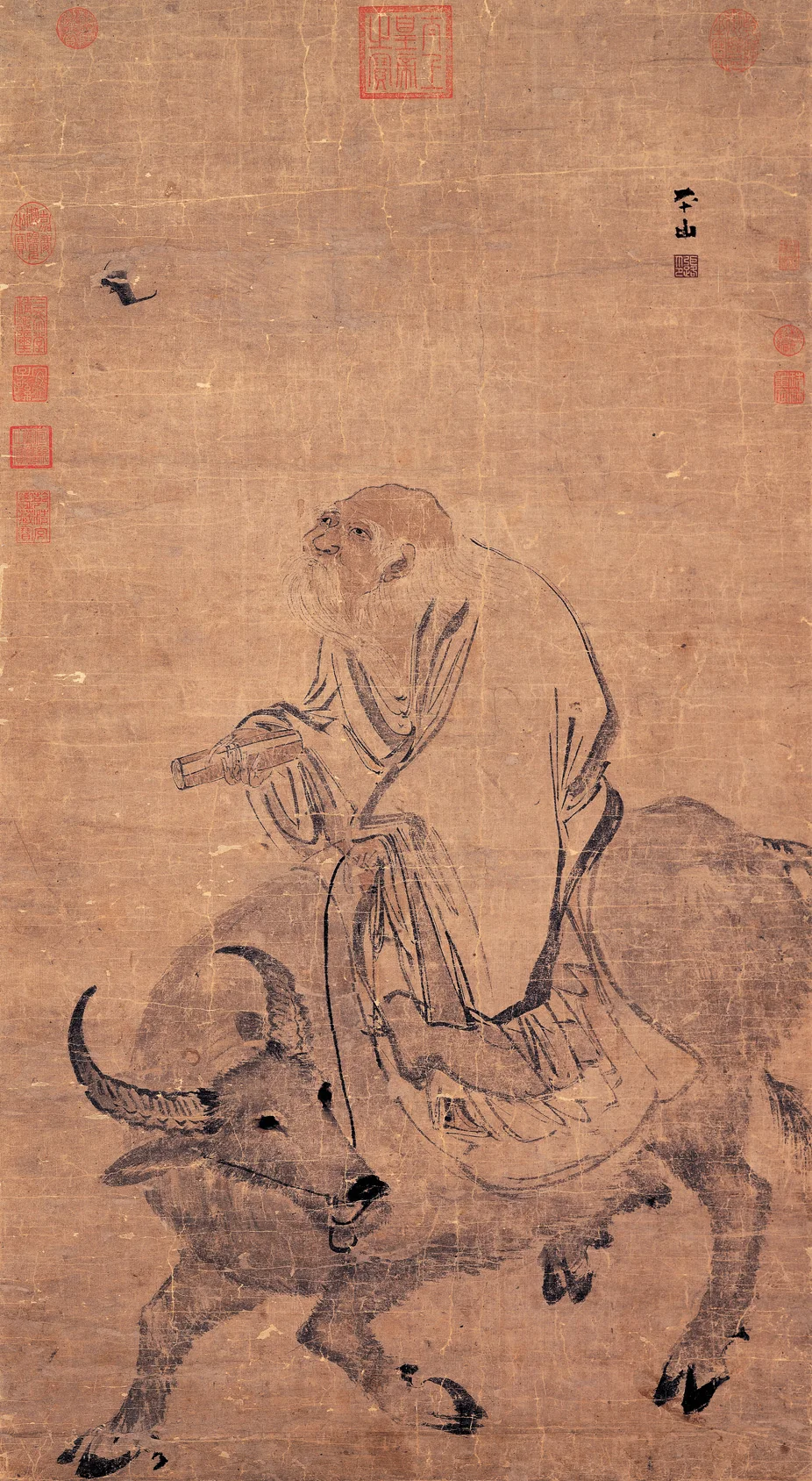
In the words of Pranav Ashar
How we renderChapter 51: The deep virtue
道生之,德畜之,物形之,勢成之。是以萬物莫不尊道而貴德。
dào shēng zhī, dé xù zhī, wù xíng zhī, shì chéng zhī. shì yǐ wàn wù mò bù zūn dào ér guì dé.
gives them life, rears them, things give them form, completes them. So all things honour and value .
Note //
德 is the Way's power in each thing; Legge: 'its outflowing operation'. 勢 is circumstance, the pull of conditions.
道之尊,德之貴,夫莫之命而常自然。
dào zhī zūn, dé zhī guì, fú mò zhī mìng ér cháng zì rán.
is honoured and valued not because anyone commands it, but always of itself.
Note //
自然, 'of itself', so by its own nature. Some editions read 爵, 'rank', for 命, 'command'.
故道生之,德畜之。長之育之,亭之毒之,蓋之覆之。
gù dào shēng zhī, dé xù zhī. zhǎng zhī yù zhī, tíng zhī dú zhī, gài zhī fù zhī.
So gives them life, rears them, grows them, nurtures them, shapes them, completes them, shelters them, covers them.
Note //
亭之毒之 follows Wang Bi's gloss, 'give shape and complete'; Legge: 'completes them, matures them'.
生而不有,為而不恃,長而不宰。是謂玄德。
shēng ér bù yǒu, wéi ér bù shì, zhǎng ér bù zǎi. shì wèi xuán dé.
It gives life and does not own, acts and does not lean on the acting, raises and does not rule. This is called the deep .
Note //
The same lines close chapter 10. 玄德, 'dark' or 'deep' virtue, is power that does not show itself.
Touch an underlined word to see the Chinese behind it. The lighter lines are how the tradition read the verse; the rest is the verse.
The renderings on this page are shared under CC BY-NC 4.0, in the words of Pranav Ashar.