Tao Te Ching
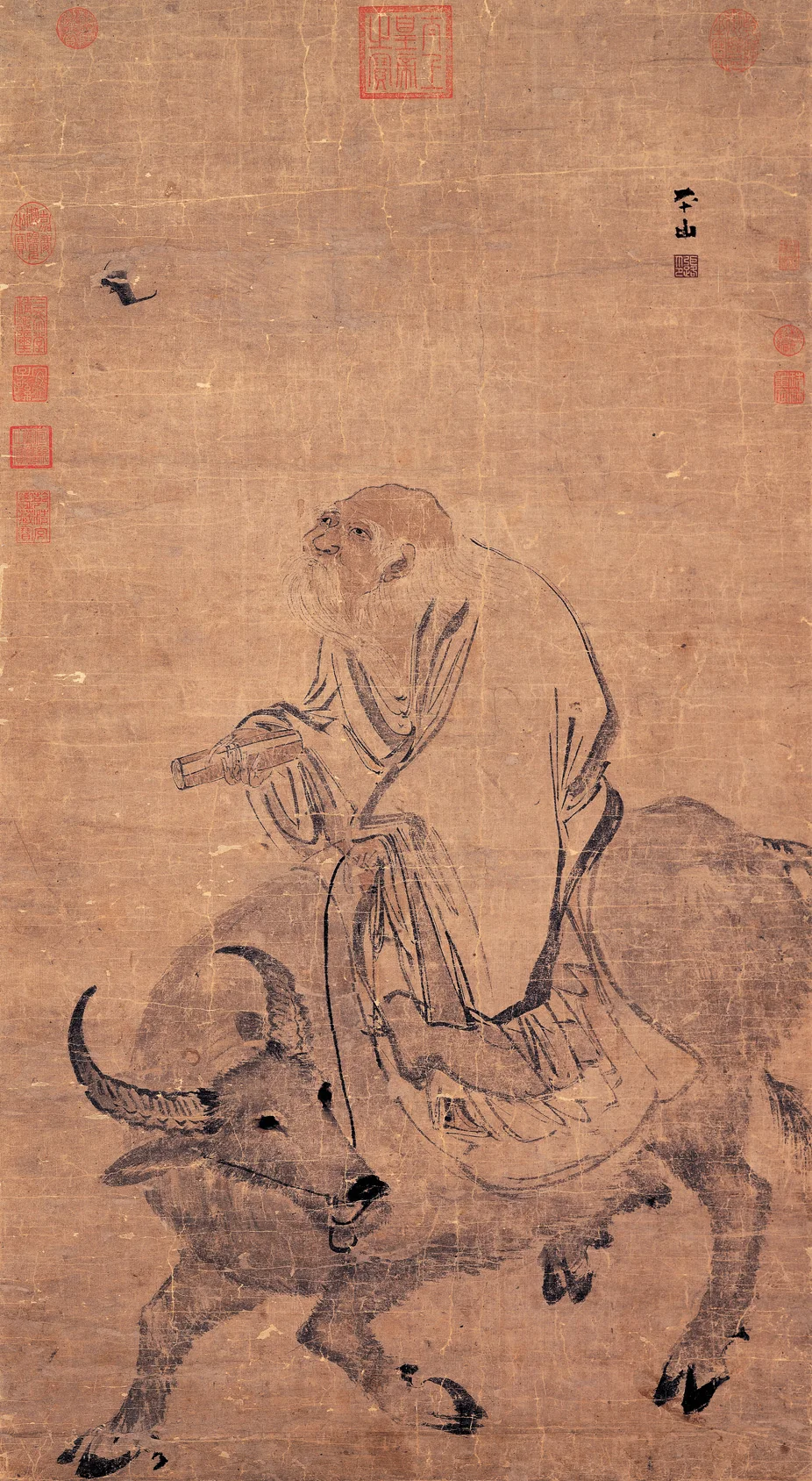
In the words of Pranav Ashar
How we renderChapter 50: No place for death
出生入死。
chū shēng rù sǐ.
Coming out is life; going in is death.
Note //
Also read 'they go out into life and enter into death'.
生之徒,十有三;死之徒,十有三;
shēng zhī tú, shí yòu sān; sǐ zhī tú, shí yòu sān;
The companions of life are three in ten; the companions of death are three in ten;
Note //
十有三 is read 'three in ten' by Wang Bi and Legge; Han Feizi reads it as 'thirteen' (the four limbs and nine openings).
人之生,動之死地,亦十有三。夫何故?以其生生之厚。
rén zhī shēng, dòng zhī sǐ dì, yì shí yòu sān. fú hé gù? yǐ qí shēng shēng zhī hòu.
and those who live, yet move toward the place of death, are also three in ten. Why is that? Because they hold on to living too hard.
蓋聞善攝生者,陸行不遇兕虎,入軍不被甲兵;兕無所投其角,虎無所措其爪,兵無所容其刃。夫何故?以其無死地。
gài wén shàn shè shēng zhě, lù xíng bù yù sì hǔ, rù jūn bù bèi jiǎ bīng; sì wú suǒ tóu qí jiǎo, hǔ wú suǒ cuò qí zhǎo, bīng wú suǒ róng qí rèn. fú hé gù? yǐ qí wú sǐ dì.
I have heard that one who is good at keeping life travels the land and meets no rhinoceros or tiger, goes among soldiers without armour or weapons. The rhinoceros finds nowhere to drive its horn, the tiger nowhere to set its claws, the weapon nowhere to lodge its blade. Why is that? Because there is no place of death in him.
Note //
Wang Bi: one who does not hold on to life offers harm nothing to take hold of. In the site's reading, the body still dies; what is gone is the claim that could be wounded. Legge reads 不被甲兵 as 'without having to avoid' weapons.
The renderings on this page are shared under CC BY-NC 4.0, in the words of Pranav Ashar.