Tao Te Ching
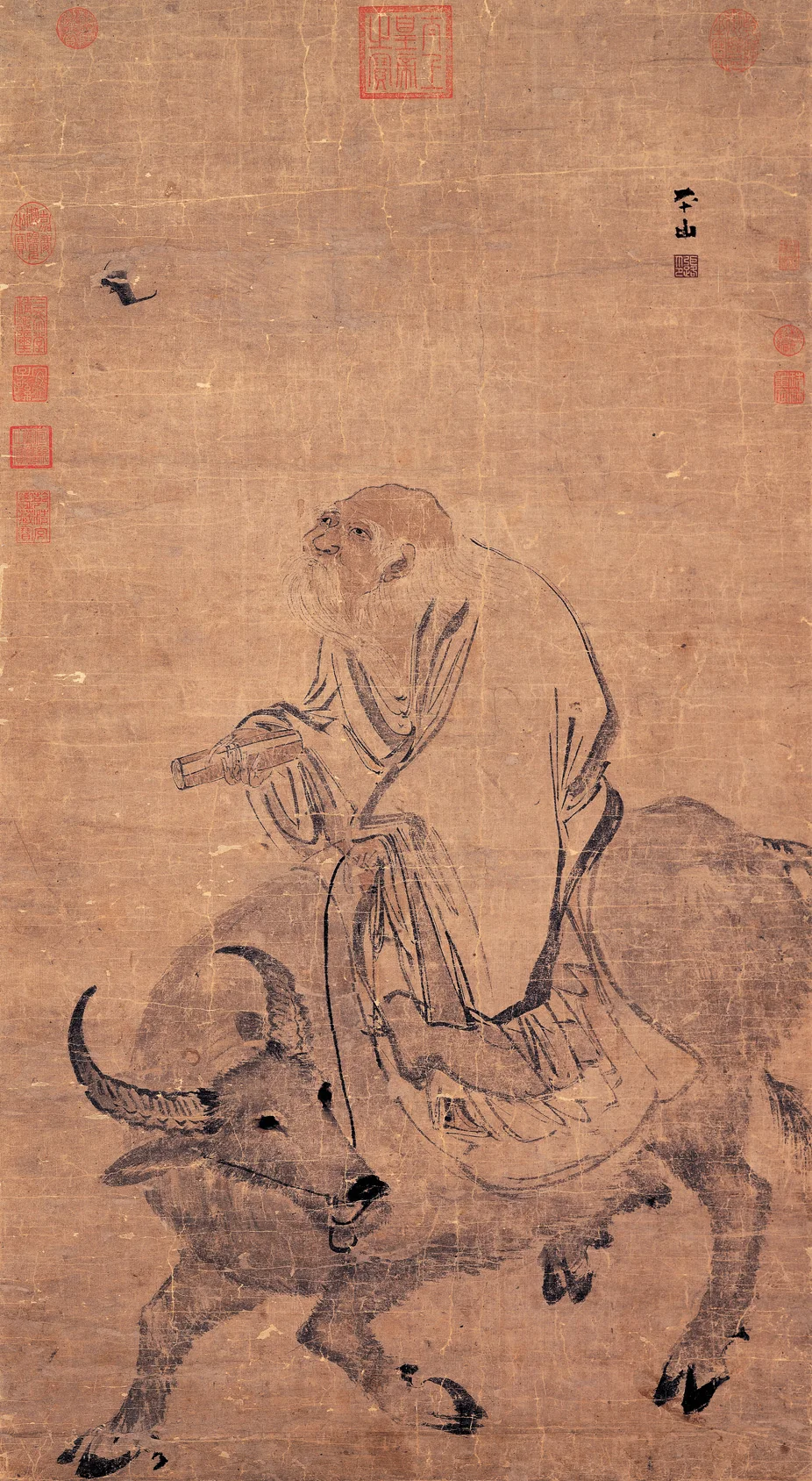
In the words of Pranav Ashar
How we renderChapter 45: Great fullness seems empty
大成若缺,其用不弊。大盈若沖,其用不窮。大直若屈,大巧若拙,大辯若訥。
dà chéng ruò quē, qí yòng bù bì. dà yíng ruò chōng, qí yòng bù qióng. dà zhí ruò qū, dà qiǎo ruò zhuō, dà biàn ruò nè.
Great completion , yet its use never wears out. Great fullness , yet its use never runs dry. Great straightness seems bent, great skill seems clumsy, great eloquence .
Note //
The Wikisource transcription adds 其用不居, 其用不輟 and 其用不差 after the last three sayings; they are not in the standard Wang Bi text or in Legge, and are left out here. In the site's reading, what is full has nowhere to move, and so looks empty.
躁勝寒,靜勝熱。清靜為天下正。
zào shèng hán, jìng shèng rè. qīng jìng wéi tiān xià zhèng.
Moving overcomes cold; stillness overcomes heat. Clear and still, one sets the world right.
Note //
Some editors rearrange the first line (靜勝躁, 寒勝熱: 'stillness overcomes restlessness, cold overcomes heat'). This follows Wang Bi's text, as Legge does.
Touch an underlined word to see the Chinese behind it. The lighter lines are how the tradition read the verse; the rest is the verse.
The renderings on this page are shared under CC BY-NC 4.0, in the words of Pranav Ashar.