Tao Te Ching
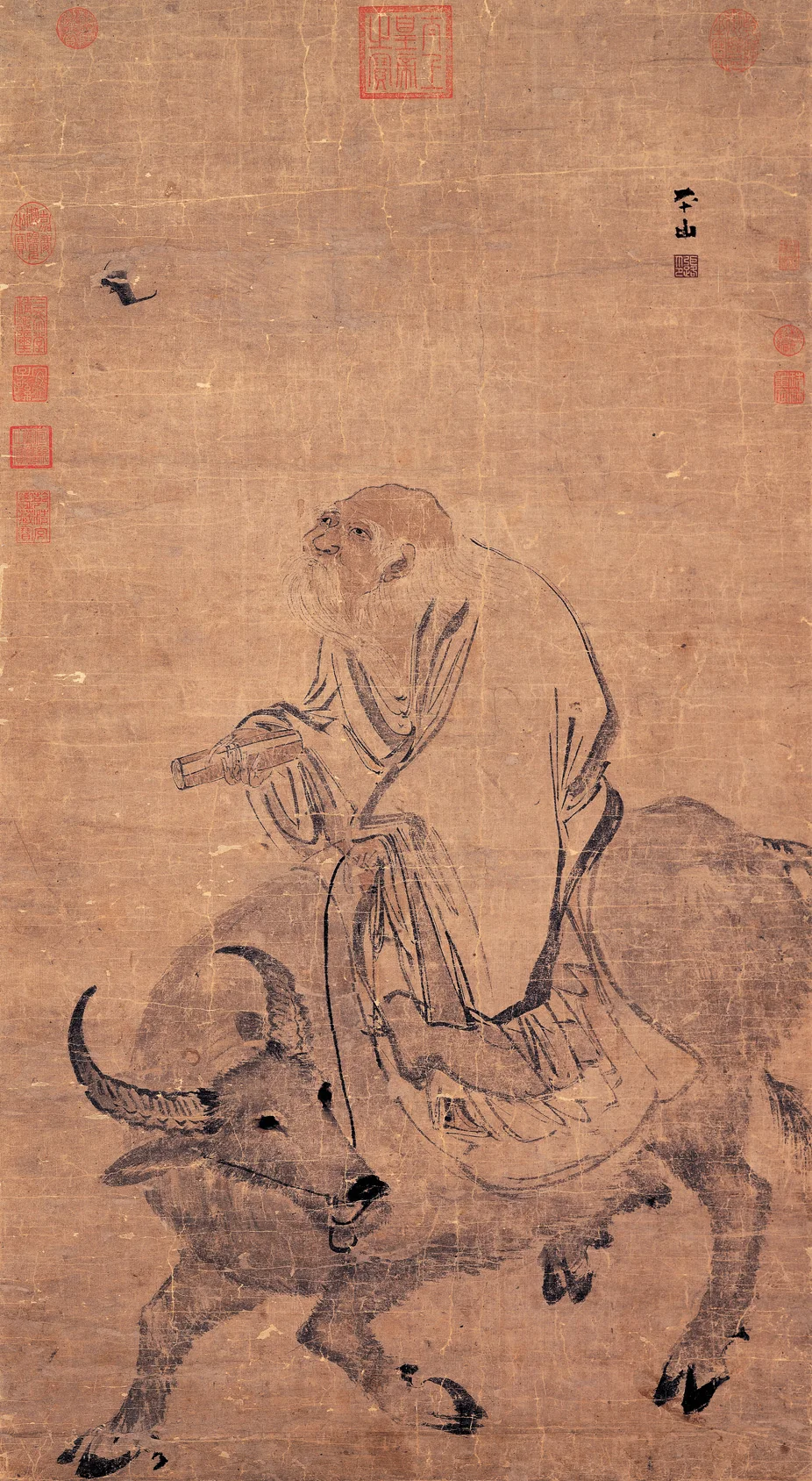
In the words of Pranav Ashar
How we renderChapter 42: One, two, three
道生一,一生二,二生三,三生萬物。萬物負陰而抱陽,沖氣以為和。
dào shēng yī, yī shēng èr, èr shēng sān, sān shēng wàn wù. wàn wù fù yīn ér bào yáng, chōng qì yǐ wéi hé.
gives rise to one, one to two, two to three, three to all things.Ten thousand forms, and they come back to one.All things and embrace the bright; , they come into harmony.
Note //
Wang Bi reads 'one' as the One of chapter 39, and two and three as the steps by which naming multiplies; others read two as yin and yang (陰, 陽: the dark and the bright) and three as their blending. Either way the lines describe things appearing from the source, not something made by a maker.
人之所惡,唯孤、寡、不穀,而王公以為稱。故物或損之而益,或益之而損。
rén zhī suǒ wù, wéi gū, guǎ, bù gǔ, ér wáng gōng yǐ wéi chēng. gù wù huò sǔn zhī ér yì, huò yì zhī ér sǔn.
What people hate is to be orphaned, lonely, unworthy, yet lords and princes call themselves by these names. So things may gain by losing and lose by gaining.
Note //
Compare 39.3.
人之所教,我亦教之。強梁者不得其死,吾將以為教父。
rén zhī suǒ jiào, wǒ yì jiào zhī. qiáng liáng zhě bù dé qí sǐ, wú jiāng yǐ wéi jiào fù.
What others teach, I teach too: the violent do not die their own death. I will make this the father of my teaching.
Note //
教父, 'father of teaching', is the root or first lesson; Legge: 'the basis of my teaching'.
Touch an underlined word to see the Chinese behind it. The lighter lines are how the tradition read the verse; the rest is the verse.
The renderings on this page are shared under CC BY-NC 4.0, in the words of Pranav Ashar.