Tao Te Ching
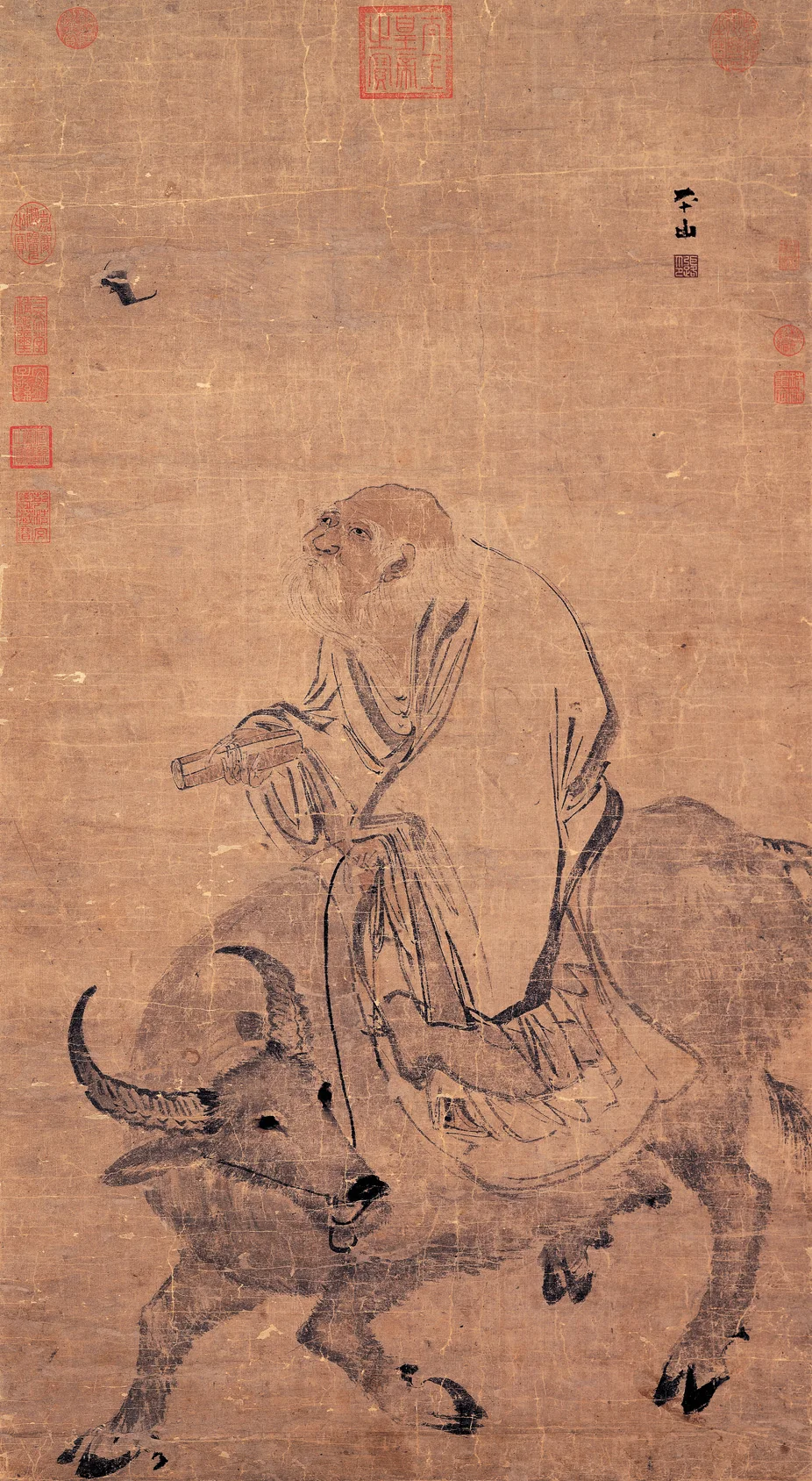
In the words of Pranav Ashar
How we renderChapter 39: Getting the One
昔之得一者,天得一以清,地得一以寧,神得一以靈,谷得一以盈,萬物得一以生,侯王得一以為天下貞。其致之,
xī zhī dé yī zhě, tiān dé yī yǐ qīng, dì dé yī yǐ níng, shén dé yī yǐ líng, gǔ dé yī yǐ yíng, wàn wù dé yī yǐ shēng, hóu wáng dé yī yǐ wéi tiān xià zhēn. qí zhì zhī,
Of old, these got the One: heaven got the One and is clear; earth got the One and is steady; spirits got the One and are alive; the valley got the One and is full; all things got the One and live; lords and kings got the One and became the measure of the world. The One brings all this about.
Note //
Each thing is what it is by the One; in the site's reading, nothing has its being on its own. Wang Bi's text ends with 其致之, 'what brings it about'; other editions add 一也, 'is the One', as Legge reads.
天無以清將恐裂,地無以寧將恐發,神無以靈將恐歇,谷無以盈將恐竭,萬物無以生將恐滅,侯王無以貴高將恐蹶。
tiān wú yǐ qīng jiāng kǒng liè, dì wú yǐ níng jiāng kǒng fā, shén wú yǐ líng jiāng kǒng xiē, gǔ wú yǐ yíng jiāng kǒng jié, wàn wù wú yǐ shēng jiāng kǒng miè, hóu wáng wú yǐ guì gāo jiāng kǒng jué.
Heaven, without what makes it clear, would split. Earth, without what makes it steady, would heave. Spirits, without what makes them alive, would fade. The valley, without what fills it, would run dry. All things, without what makes them live, would perish. Lords and kings, without what makes them high, would fall.
故貴以賤為本,高以下為基。是以侯王自稱孤、寡、不穀。此非以賤為本邪?非乎?故致數輿無輿,不欲琭琭如玉,珞珞如石。
gù guì yǐ jiàn wéi běn, gāo yǐ xià wéi jī. shì yǐ hóu wáng zì chēng gū, guǎ, bù gǔ. cǐ fēi yǐ jiàn wéi běn yé? fēi hū? gù zhì shǔ yú wú yú, bù yù lù lù rú yù, luò luò rú shí.
So the noble has the humble as its root; the high has the low as its base. That is why lords and kings call themselves 'the orphan', 'the lonely', 'the unworthy'. Is this not taking the humble as the root? Is it not? Count up the parts of a carriage, and there is no carriage. Do not want to shine like jade or to be rugged like stone.
Note //
數輿無輿 (Wang Bi), 'count the carriage and there is no carriage': the whole is not found among its parts. Other editions read 譽, 'seek too much praise and there is no praise'; Legge follows 輿. Wang Bi and Heshanggong read 不欲 as covering both jade and stone: the sage wants to be neither; Legge has him prefer stone.
The renderings on this page are shared under CC BY-NC 4.0, in the words of Pranav Ashar.