Tao Te Ching
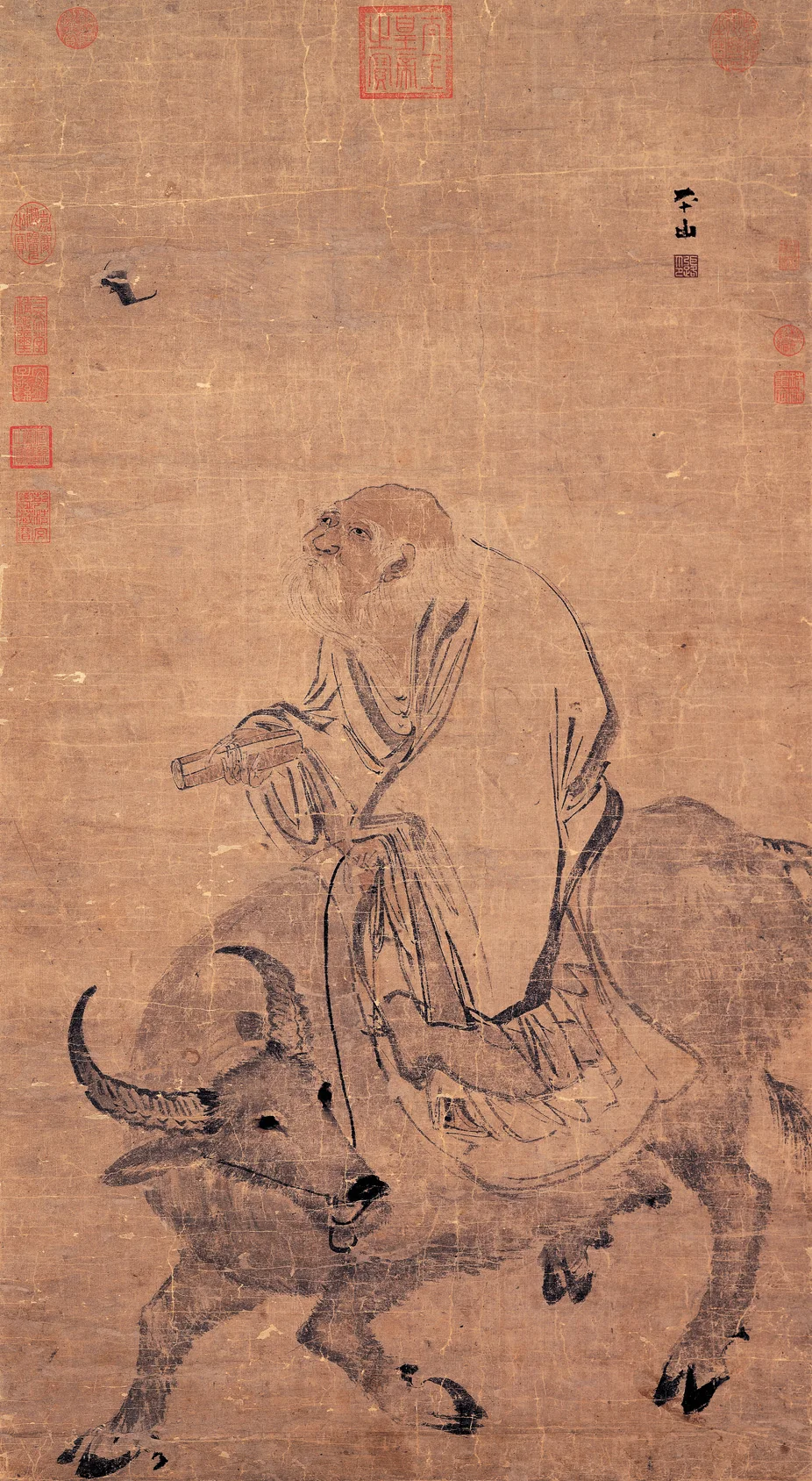
In the words of Pranav Ashar
How we renderChapter 38: High virtue does not cling to virtue
上德不德,是以有德;下德不失德,是以無德。
shàng dé bù dé, shì yǐ yǒu dé; xià dé bù shī dé, shì yǐ wú dé.
High does not hold itself as , and so it has . Low never lets go of , and so it has none.
Note //
德 (de) is the Way's power as it shows in a life; Legge: 'the attributes (of the Tao)'. High virtue does not claim itself: the site's acting without the I-claim.
上德無為而無以為,下德為之而有以為。
shàng dé wú wéi ér wú yǐ wéi, xià dé wéi zhī ér yǒu yǐ wéi.
High does not force, and has nothing to act for. Low acts, and has something to act for.
Note //
無以為, 'has nothing to act for': no purpose of its own behind the act. Editions differ in this line; this follows Wang Bi.
上仁為之而無以為,上義為之而有以為。
shàng rén wéi zhī ér wú yǐ wéi, shàng yì wéi zhī ér yǒu yǐ wéi.
High kindness acts, but has nothing to act for. High rightness acts, and has something to act for.
上禮為之而莫之應,則攘臂而扔之。
shàng lǐ wéi zhī ér mò zhī yìng, zé rǎng bì ér rēng zhī.
High ritual acts, and when no one answers, it rolls up its sleeves and drags them in.
故失道而後德,失德而後仁,失仁而後義,失義而後禮。
gù shī dào ér hòu dé, shī dé ér hòu rén, shī rén ér hòu yì, shī yì ér hòu lǐ.
So when is lost, there is . When is lost, there is kindness. When kindness is lost, there is rightness. When rightness is lost, there is ritual.
Note //
Not a call to throw kindness away, but a measure of distance from the source: each step needs more effort to hold.
夫禮者,忠信之薄,而亂之首。前識者,道之華,而愚之始。
fú lǐ zhě, zhōng xìn zhī báo, ér luàn zhī shǒu. qián shí zhě, dào zhī huá, ér yú zhī shǐ.
Ritual is the thin edge of loyalty and trust, and the start of disorder. Foreknowledge is the flower of , and the beginning of folly.
Note //
前識, 'knowing in advance', is cleverness that runs ahead of things; Legge: 'swift apprehension'.
是以大丈夫處其厚,不居其薄;處其實,不居其華。故去彼取此。
shì yǐ dà zhàng fū chǔ qí hòu, bù jū qí báo; chǔ qí shí, bù jū qí huá. gù qù bǐ qǔ cǐ.
So the great person stays with the thick, not the thin; stays with the fruit, not the flower. So he lets go of that and takes this.
The renderings on this page are shared under CC BY-NC 4.0, in the words of Pranav Ashar.