Tao Te Ching
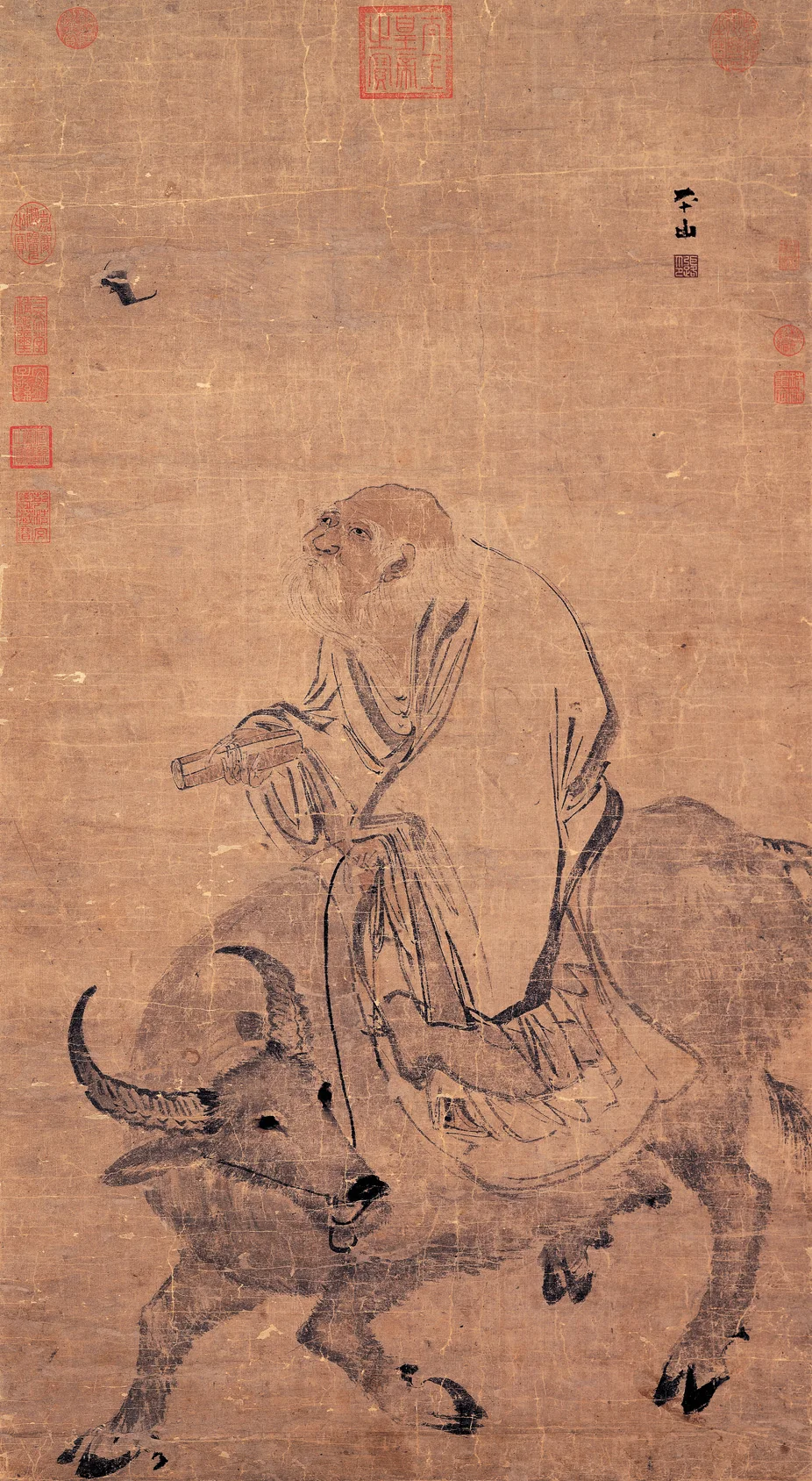
In the words of Pranav Ashar
How we renderChapter 37: Nothing done, nothing left undone
道常無為而無不為。
dào cháng wú wéi ér wú bù wéi.
, lasting, , and nothing is left undone.
Note //
無為而無不為. In the site's reading this is the whole: it has no act of its own, yet nothing happens outside it.
侯王若能守之,萬物將自化。
hóu wáng ruò néng shǒu zhī, wàn wù jiāng zì huà.
If lords and kings could keep to it, all things would change of themselves.
化而欲作,吾將鎮之以無名之樸。無名之樸,夫亦將無欲。不欲以靜,天下將自定。
huà ér yù zuò, wú jiāng zhèn zhī yǐ wú míng zhī pǔ. wú míng zhī pǔ, fú yì jiāng wú yù. bù yù yǐ jìng, tiān xià jiāng zì dìng.
If, as they change, wanting stirs, I would settle it with the nameless uncarved block. The nameless uncarved block brings wanting to an end. Not wanting, and so still, the world will settle of itself.
Note //
Wang Bi reads the wanting as arising in the things that change; Legge makes it the ruler's own desire. Some editions read 不欲 for Wang Bi's 無欲 in the fifth line.
Touch an underlined word to see the Chinese behind it. The lighter lines are how the tradition read the verse; the rest is the verse.
The renderings on this page are shared under CC BY-NC 4.0, in the words of Pranav Ashar.