Tao Te Ching
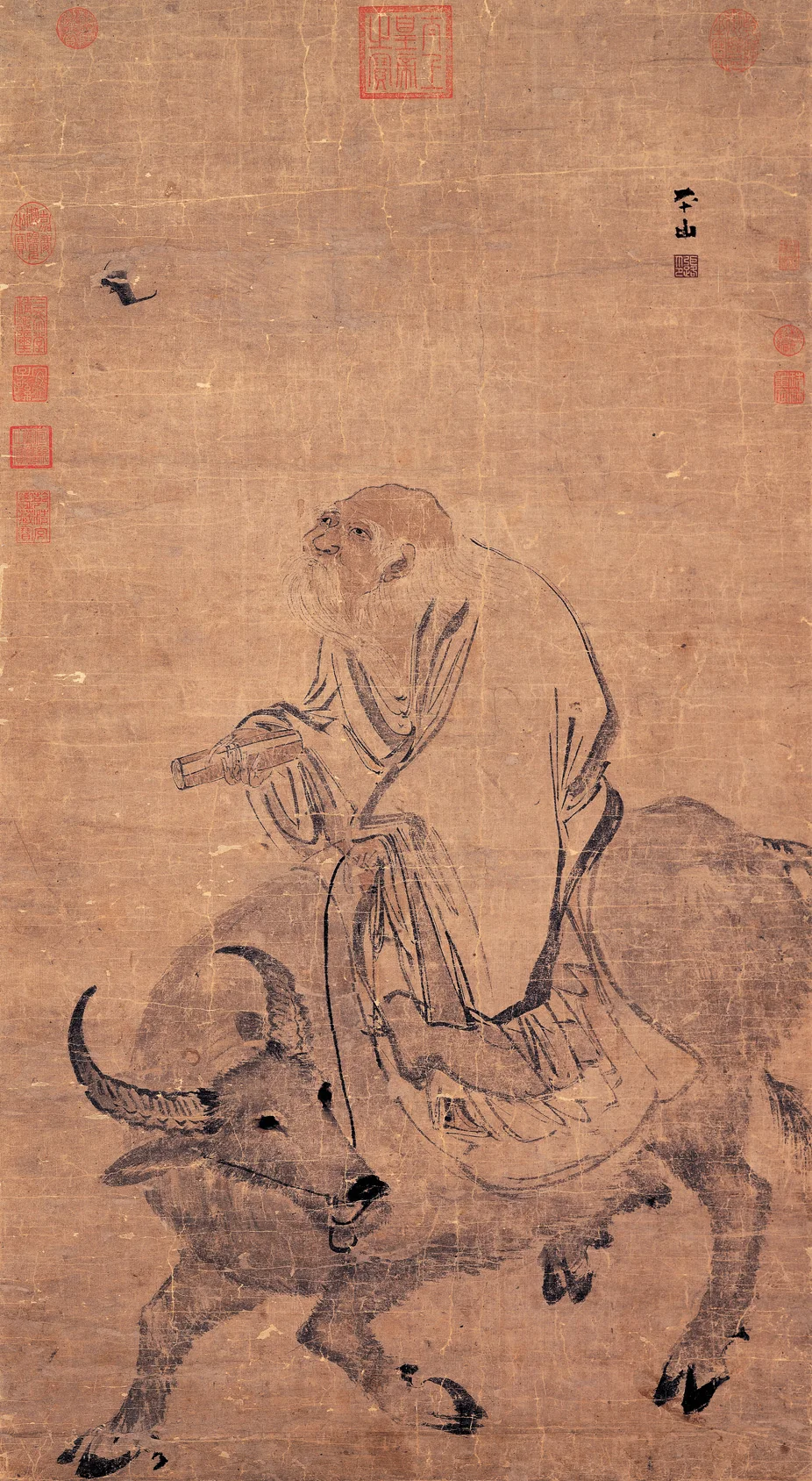
In the words of Pranav Ashar
How we renderChapter 32: The nameless uncarved block
道常無名,
dào cháng wú míng,
, lasting, .
Note //
Also read 'The Way is always nameless'. Compare 1.1 and 1.2.
樸雖小,天下莫能臣也。侯王若能守之,萬物將自賓。
pǔ suī xiǎo, tiān xià mò néng chén yě. hóu wáng ruò néng shǒu zhī, wàn wù jiāng zì bīn.
, though small, no one in the world can make into a servant. If lords and kings could keep to it, all things would come to them as guests.
Note //
Legge reads 'small' as the Way in its primordial simplicity. What is smallest to the eye is what nothing can command.
天地相合,以降甘露,民莫之令而自均。
tiān dì xiāng hé, yǐ jiàng gān lù, mín mò zhī lìng ér zì jūn.
Heaven and earth come together and let fall sweet dew; no one orders it, and it falls evenly on all.
始制有名,名亦既有,夫亦將知止,知止所以不殆。
shǐ zhì yǒu míng, míng yì jì yǒu, fú yì jiāng zhī zhǐ, zhī zhǐ suǒ yǐ bù dài.
When the cutting begins, there are names. Once there are names, one should know where to stop. Knowing where to stop, one is free of danger.
Note //
When the uncarved block is cut (28.2), names appear. Names are needed; the danger lies in not knowing their limit. Legge reads it as the Tao 'proceeding to action'.
譬道之在天下,猶川谷之於江海。
pì dào zhī zài tiān xià, yóu chuān gǔ zhī yú jiāng hǎi.
in the world is like the rivers and seas to the streams of the valleys.
Note //
Every stream finds its way to the sea without being sent; so things return to the Way.
Touch an underlined word to see the Chinese behind it. The lighter lines are how the tradition read the verse; the rest is the verse.
The renderings on this page are shared under CC BY-NC 4.0, in the words of Pranav Ashar.