Tao Te Ching
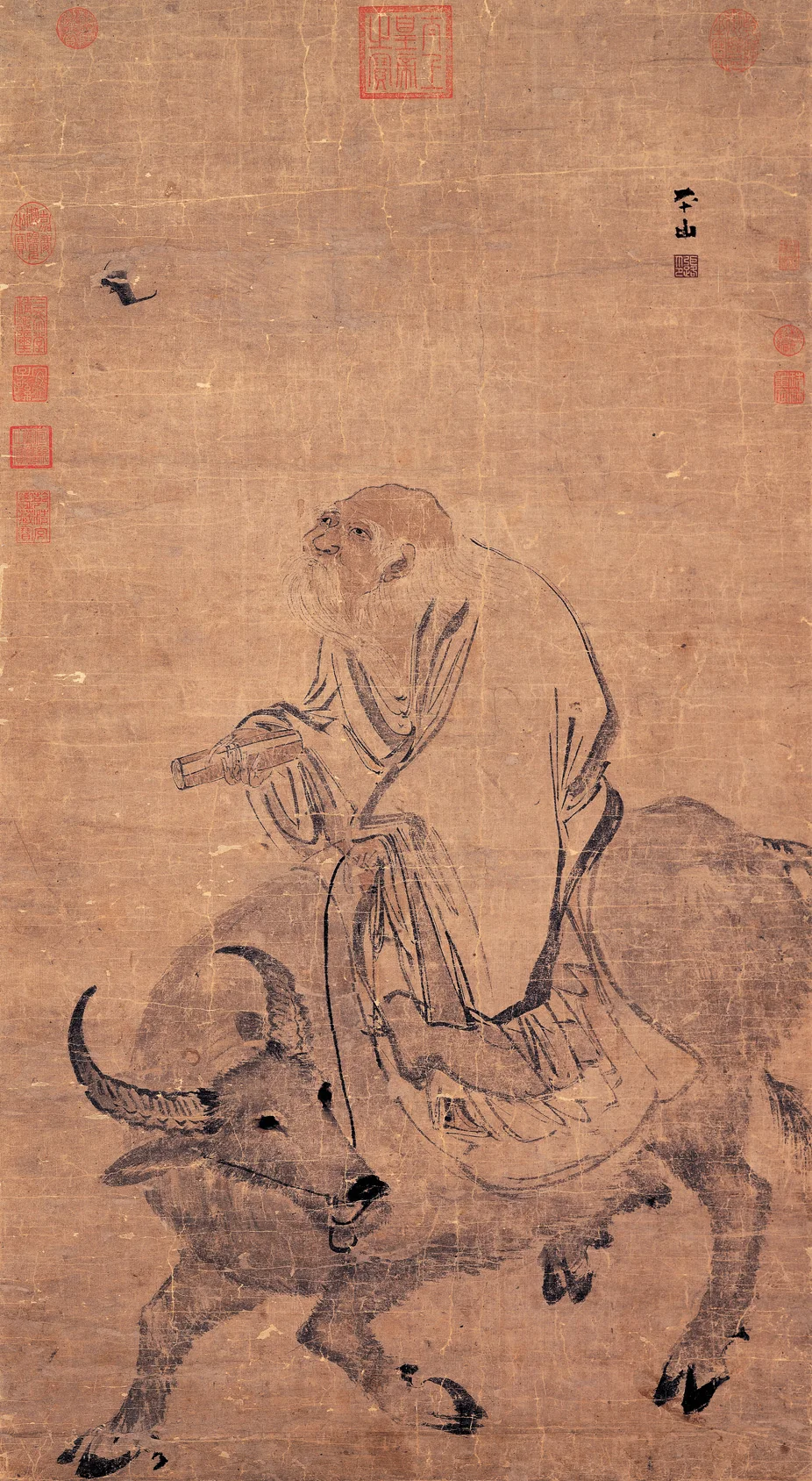
In the words of Pranav Ashar
How we renderChapter 3: Governing by emptying
不尚賢,使民不爭;不貴難得之貨,使民不為盜;不見可欲,使民心不亂。
bù shàng xián, shǐ mín bù zhēng; bù guì nán dé zhī huò, shǐ mín bù wéi dào; bù xiàn kě yù, shǐ mín xīn bù luàn.
Don't exalt the clever, and people won't compete. Don't prize rare goods, and people won't steal. Don't parade what stirs desire, and people's minds won't be stirred up.
Note //
This is advice to rulers. What a society holds up for wanting manufactures much conflict.
是以聖人之治,虛其心,實其腹,弱其志,強其骨。
shì yǐ shèng rén zhī zhì, xū qí xīn, shí qí fù, ruò qí zhì, qiáng qí gǔ.
So the sage governs by emptying minds and filling bellies, softening ambitions and strengthening bones.
Note //
'Emptying minds' means minds not crowded with schemes, not minds without understanding.
常使民無知無欲。使夫智者不敢為也。為無為,則無不治。
cháng shǐ mín wú zhī wú yù. shǐ fú zhì zhě bù gǎn wéi yě. wéi wú wéi, zé wú bù zhì.
He keeps people free of cunning and craving, so the clever dare not meddle. Act without forcing, and nothing is left in disorder.
Note //
無知 here is 'without cunning', not 'ignorant'; Legge's 'without knowledge' can mislead. The teaching is political first; an inward reading is the reader's step, not the text's.
The renderings on this page are shared under CC BY-NC 4.0, in the words of Pranav Ashar.