Tao Te Ching
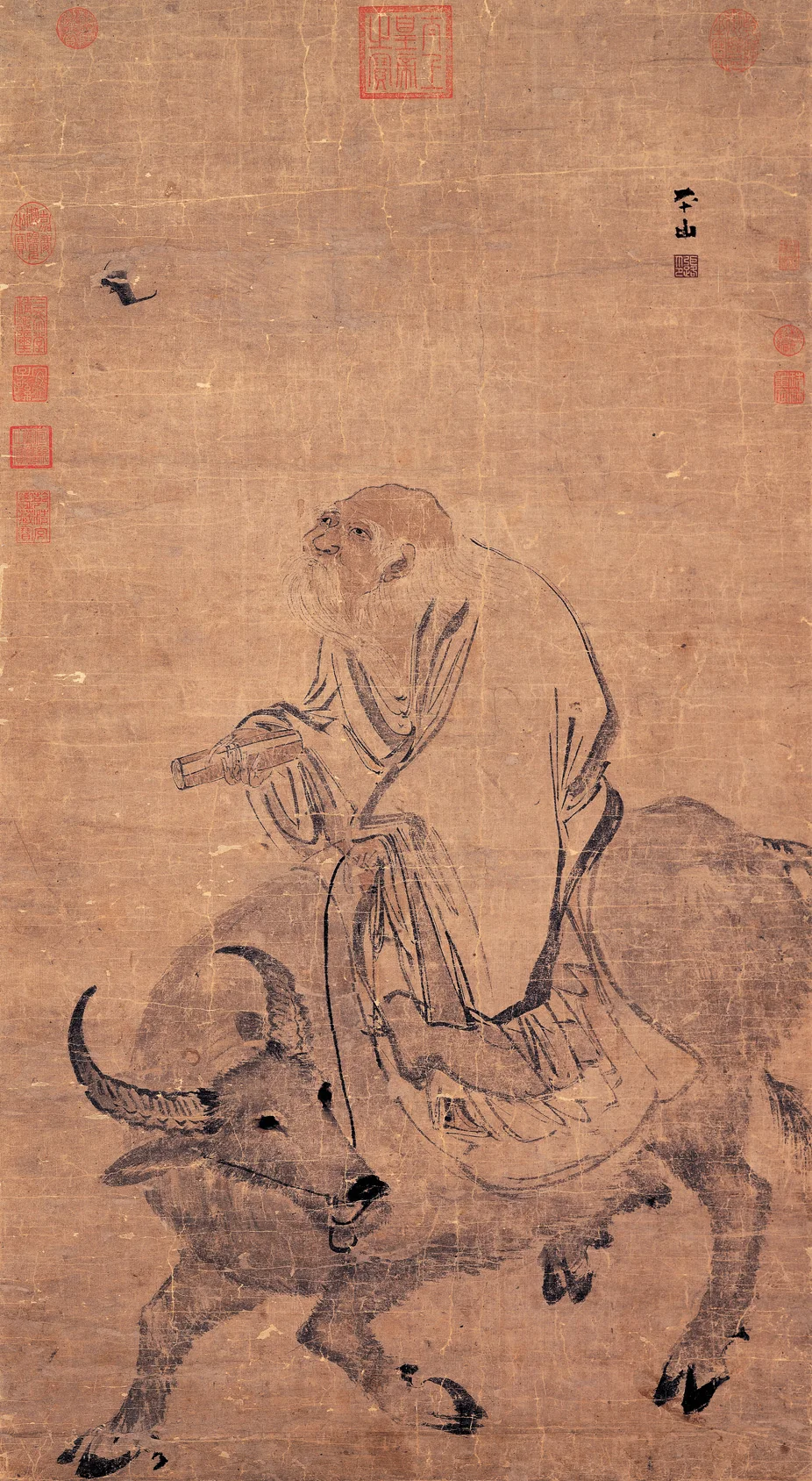
In the words of Pranav Ashar
How we renderChapter 23: Speaking little
希言自然。故飄風不終朝,驟雨不終日。孰為此者?天地。天地尚不能久,而況於人乎?
xī yán zì rán. gù piāo fēng bù zhōng zhāo, zhòu yǔ bù zhōng rì. shú wéi cǐ zhě? tiān dì. tiān dì shàng bù néng jiǔ, ér kuàng yú rén hū?
To speak little is natural. A gale does not last the morning; a downpour does not last the day. Who makes them? Heaven and earth. If even heaven and earth cannot keep them going, how much less can people?
Note //
希言 is 'sparse speech', with the same 希 ('faint') as chapter 14. Forceful outbursts, in nature or in people, do not last.
故從事於道者,道者同於道,德者同於德,失者同於失。
gù cóng shì yú dào zhě, dào zhě tóng yú dào, dé zhě tóng yú dé, shī zhě tóng yú shī.
So one who follows is one with in those on , one with its power in those who have it, one with loss in those who have lost it.
Note //
The line is compressed and read in several ways. Legge takes it as the person of the Way meeting each kind of person where they are; this rendering follows him.
同於道者,道亦樂得之;同於德者,德亦樂得之;同於失者,失亦樂得之。信不足焉,有不信焉。
tóng yú dào zhě, dào yì lè dé zhī; tóng yú dé zhě, dé yì lè dé zhī; tóng yú shī zhě, shī yì lè dé zhī. xìn bù zú yān, yǒu bù xìn yān.
One with : gladly receives him. One with its power: its power gladly receives him. One with loss: loss gladly receives him. Where trust is lacking, no one is trusted.
Note //
The last two lines repeat chapter 17; some editors take them as a stray repetition.
The renderings on this page are shared under CC BY-NC 4.0, in the words of Pranav Ashar.