Tao Te Ching
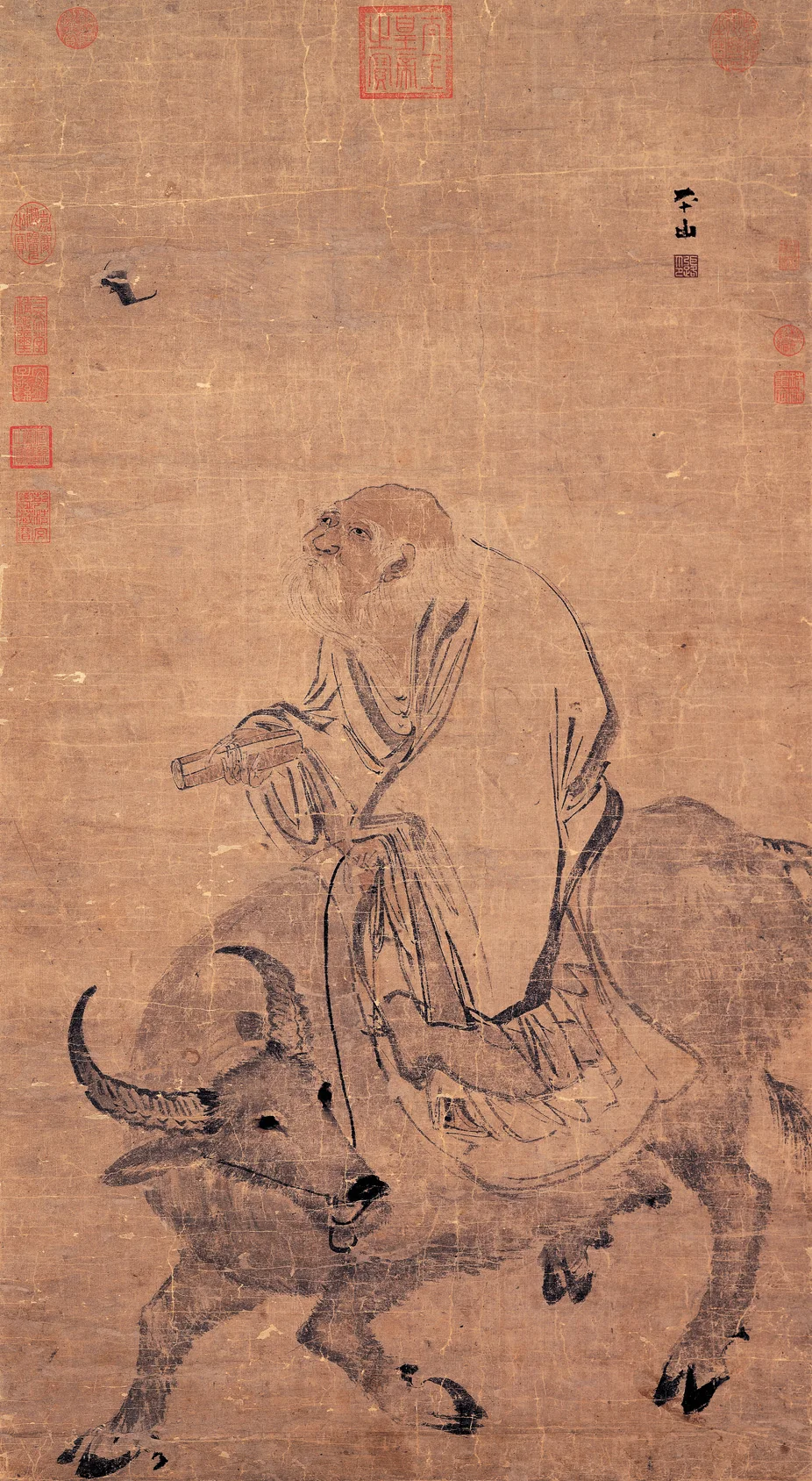
In the words of Pranav Ashar
How we renderChapter 22: Bent, then whole
曲則全,枉則直,窪則盈,敝則新,少則得,多則惑。
qū zé quán, wǎng zé zhí, wā zé yíng, bì zé xīn, shǎo zé dé, duō zé huò.
. Crooked, then straight. Hollow, then full. . Little, then gaining. Much, then .Like a tree: the more, the further from the root; the less, the nearer.
是以聖人抱一為天下式。不自見故明,不自是故彰,不自伐故有功,不自矜故長。夫唯不爭,故天下莫能與之爭。
shì yǐ shèng rén bào yī wéi tiān xià shì. bù zì xiàn gù míng, bù zì shì gù zhāng, bù zì fá gù yǒu gōng, bù zì jīn gù zhǎng. fú wéi bù zhēng, gù tiān xià mò néng yǔ zhī zhēng.
So the sage holds to the one and is a pattern for the world. Not showing himself, he is seen. Not claiming he is right, he is recognised. Not boasting, he gets the credit. Not proud, he lasts. Because he does not compete, no one in the world can compete with him.
Note //
'The one' is the Way as a single whole; Legge reads it as humility. The four 'nots' describe the I-claim set down: the work stands without anyone pushing it forward.
古之所謂曲則全者,豈虛言哉!誠全而歸之。
gǔ zhī suǒ wèi qū zé quán zhě, qǐ xū yán zāi! chéng quán ér guī zhī.
The old saying 'bent, then whole': are these empty words? Truly, wholeness comes back this way.
Touch an underlined word to see the Chinese behind it. The lighter lines are how the tradition read the verse; the rest is the verse.
The renderings on this page are shared under CC BY-NC 4.0, in the words of Pranav Ashar.