Tao Te Ching
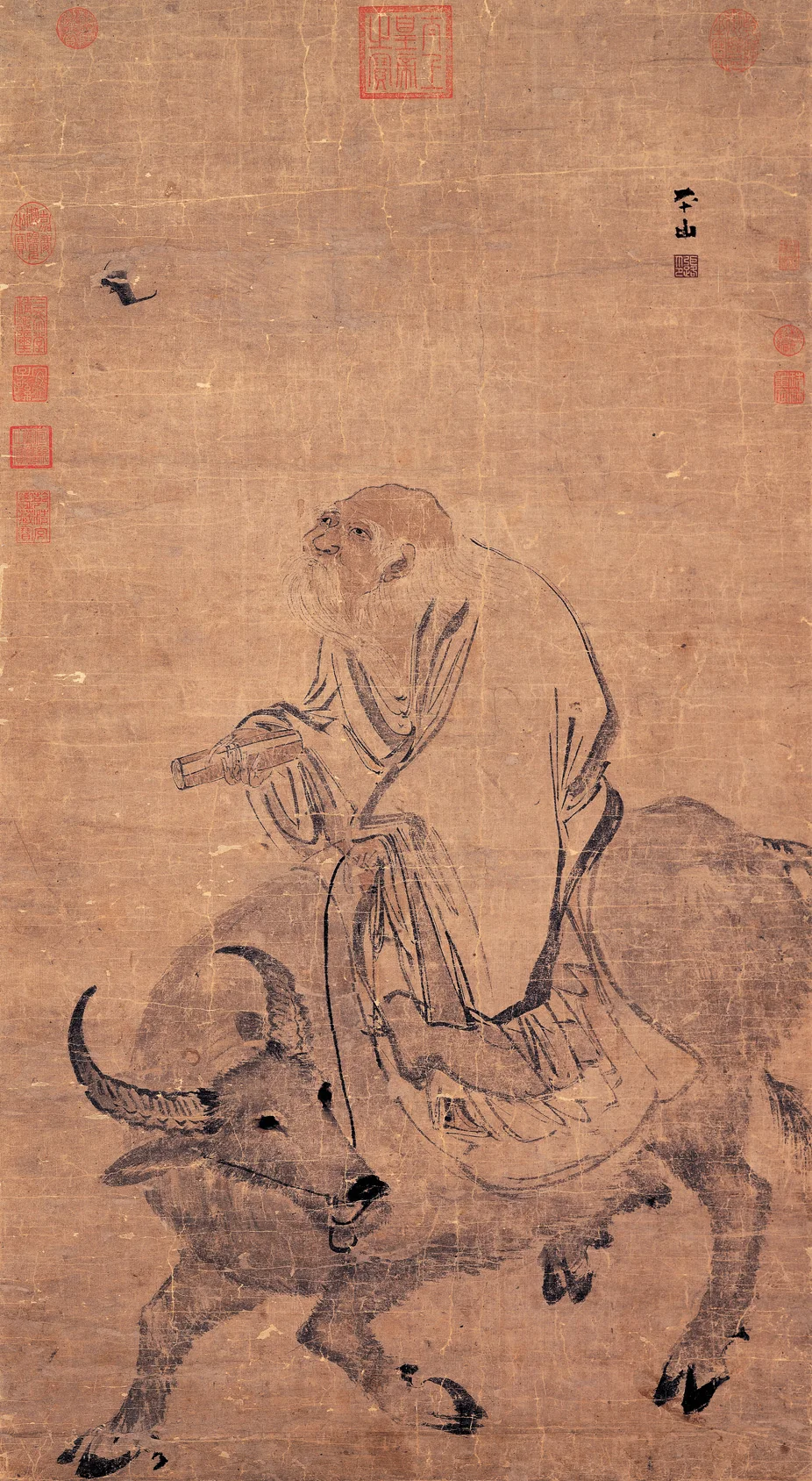
In the words of Pranav Ashar
How we renderChapter 19: Plainness
絕聖棄智,民利百倍;絕仁棄義,民復孝慈;絕巧棄利,盜賊無有。
jué shèng qì zhì, mín lì bǎi bèi; jué rén qì yì, mín fù xiào cí; jué qiǎo qì lì, dào zéi wú yǒu.
Give up sageliness, drop cleverness, and the people gain a hundredfold. Give up kindness, drop duty, and the people return to loving their parents and children. Give up cunning, drop profit, and there will be no thieves.
Note //
An earlier version of this chapter in the Guodian bamboo texts (about 300 BCE) does not name kindness and duty here; the received text, followed here, does.
此三者以為文不足,故令有所屬:見素抱樸,少私寡欲。
cǐ sān zhě yǐ wéi wén bù zú, gù lìng yǒu suǒ zhǔ: xiàn sù bào pǔ, shǎo sī guǎ yù.
These three are outward fixes, and not enough, so give people something to hold to: show plainness, embrace the uncarved, think less of self, want less.
Note //
素 is undyed silk and 樸 uncarved wood: what has not yet been worked into a shape. 'Less of self' (少私) is close to what the site calls loosening the I-claim.
The renderings on this page are shared under CC BY-NC 4.0, in the words of Pranav Ashar.