Tao Te Ching
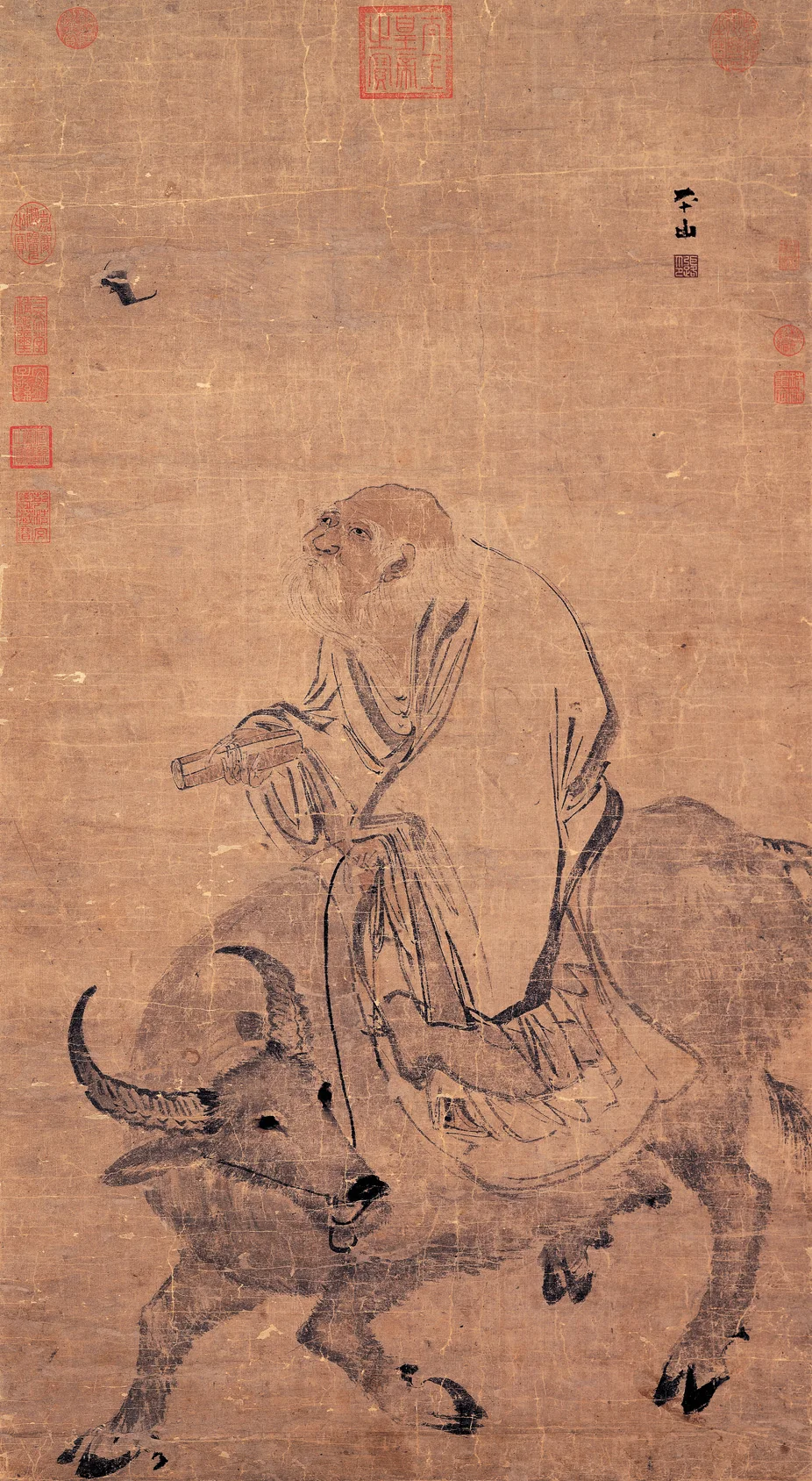
In the words of Pranav Ashar
How we renderChapter 17: Rule that leaves no trace
太上,下知有之,其次,親而譽之,其次,畏之,其次,侮之。信不足焉,有不信焉。
tài shàng, xià zhī yǒu zhī, qí cì, qīn ér yù zhī, qí cì, wèi zhī, qí cì, wǔ zhī. xìn bù zú yān, yǒu bù xìn yān.
The best rulers: the people barely know they exist. Next come those they love and praise, then those they fear, then those they despise. Where trust is lacking, no one is trusted.
Note //
Wang Bi's text says the people 'below know they exist'; other editions read 'do not know', which Legge follows. Both describe a rule that leaves almost no trace.
悠兮其貴言,功成事遂,百姓皆謂:我自然。
yōu xī qí guì yán, gōng chéng shì suì, bǎi xìng jiē wèi: wǒ zì rán.
Unhurried, sparing with words, they finish the work and things go well, and the people all say, 'We did this ourselves; it just happened.'
Note //
自然 (ziran), 'so of itself', is one of the text's key words: things happening by their own nature, with no one pushing.
The renderings on this page are shared under CC BY-NC 4.0, in the words of Pranav Ashar.