Tao Te Ching
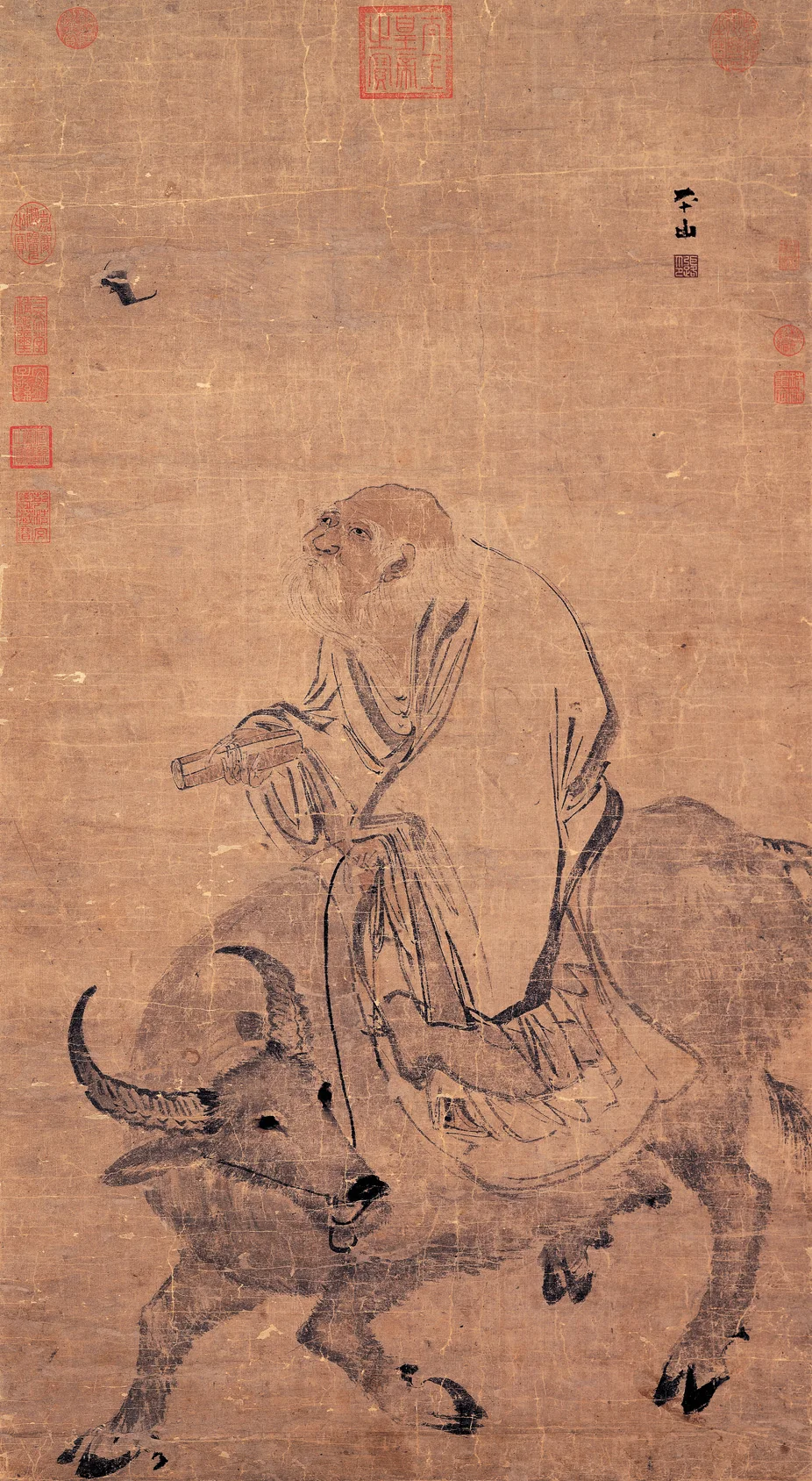
In the words of Pranav Ashar
How we renderChapter 16: Returning to the root
致虛極,守靜篤。萬物並作,吾以觀復。夫物芸芸,各復歸其根。歸根曰靜,是謂復命。
zhì xū jí, shǒu jìng dǔ. wàn wù bìng zuò, wú yǐ guān fù. fú wù yún yún, gè fù guī qí gēn. guī gēn yuē jìng, shì wèi fù mìng.
Reach the furthest emptiness. Hold fast to stillness. All things rise together, and I .Whatever is starts from emptiness; whatever moves, from stillness., and each goes back to its . Going back to the is stillness. This is called .
Note //
復命 is literally 'returning to the mandate'. The 'I' who watches things rise and return does not itself rise and return; the non-dual reading calls this the witness, which is not a someone watching.
復命曰常,知常曰明。不知常,妄作凶。知常容,容乃公,公乃全,全乃天,天乃道,道乃久,沒身不殆。
fù mìng yuē cháng, zhī cháng yuē míng. bù zhī cháng, wàng zuò xiōng. zhī cháng róng, róng nǎi gōng, gōng nǎi quán, quán nǎi tiān, tiān nǎi dào, dào nǎi jiǔ, mò shēn bù dài.
Returning is the constant. To know the constant is clarity. Not knowing the constant, people act blindly and come to harm. Knowing the constant, you hold everything; holding everything, you are fair to all; fair to all, you are whole; whole, you are like heaven; like heaven, you are one with ; one with , you last, and to the end of the body's life you are not in danger.
Note //
This edition reads 全 ('whole'), which fits Wang Bi's own comment on the line; most received texts read 王 ('kingly'), which Legge follows.
Touch an underlined word to see the Chinese behind it. The lighter lines are how the tradition read the verse; the rest is the verse.
The renderings on this page are shared under CC BY-NC 4.0, in the words of Pranav Ashar.