Tao Te Ching
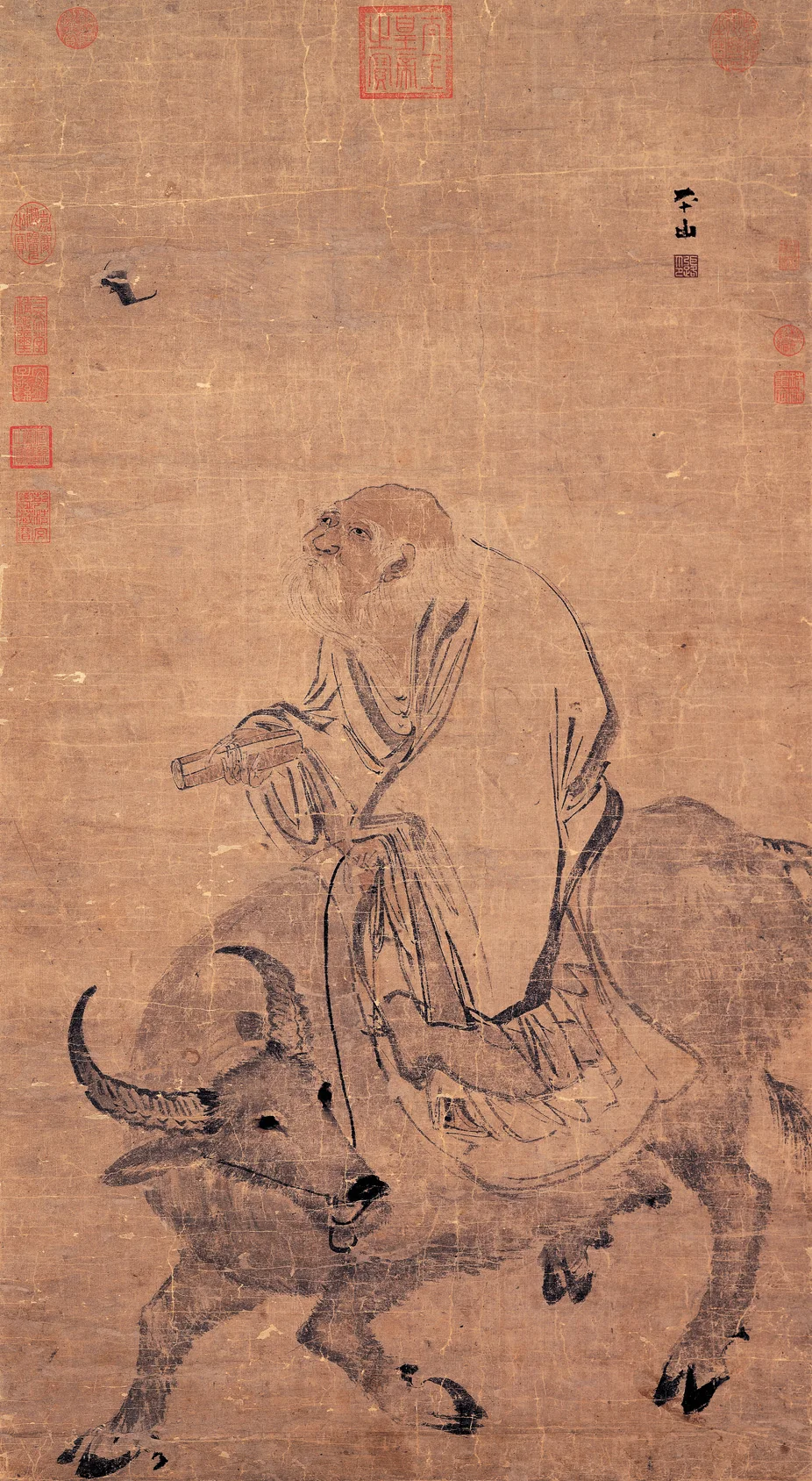
In the words of Pranav Ashar
How we renderChapter 14: What cannot be seen
視之不見名曰夷,聽之不聞名曰希,搏之不得名曰微。此三者,不可致詰,故混而為一。
shì zhī bù jiàn míng yuē yí, tīng zhī bù wén míng yuē xī, bó zhī bù dé míng yuē wēi. cǐ sān zhě, bù kě zhì jié, gù hùn ér wéi yī.
Look, and it cannot be seen: it is called the even. Listen, and it cannot be heard: it is called the faint. Reach, and it cannot be grasped: it is called the fine. These three cannot be pinned down, so they merge into one.
Note //
夷, 希 and 微 name what escapes each sense. What can never be made an object of seeing, hearing or touch fits the non-dual sense of what is never an object at all.
其上不皦,其下不昧。繩繩不可名,復歸於無物。是謂無狀之狀,無物之象,是謂惚恍。
qí shàng bù jiǎo, qí xià bù mèi. shéng shéng bù kě míng, fù guī yú wú wù. shì wèi wú zhuàng zhī zhuàng, wú wù zhī xiàng, shì wèi hū huǎng.
Above, it is not bright; below, it is not dark. Endless, it cannot be named; it returns again to no-thing. This is the shape without shape, the image of no-thing: call it elusive and faint.
Note //
'No-thing' (無物) means what is not a thing among things, which is different from nothing.
迎之不見其首,隨之不見其後。執古之道,以御今之有。能知古始,是謂道紀。
yíng zhī bù jiàn qí shǒu, suí zhī bù jiàn qí hòu. zhí gǔ zhī dào, yǐ yù jīn zhī yǒu. néng zhī gǔ shǐ, shì wèi dào jì.
Meet it, and you see no face; follow it, and you see no back. Hold to the ancient Way to guide what is here now. To know the ancient beginning is called the thread of .
Note //
紀 is the main thread of a skein, what keeps the rest from tangling.
The renderings on this page are shared under CC BY-NC 4.0, in the words of Pranav Ashar.