Tao Te Ching
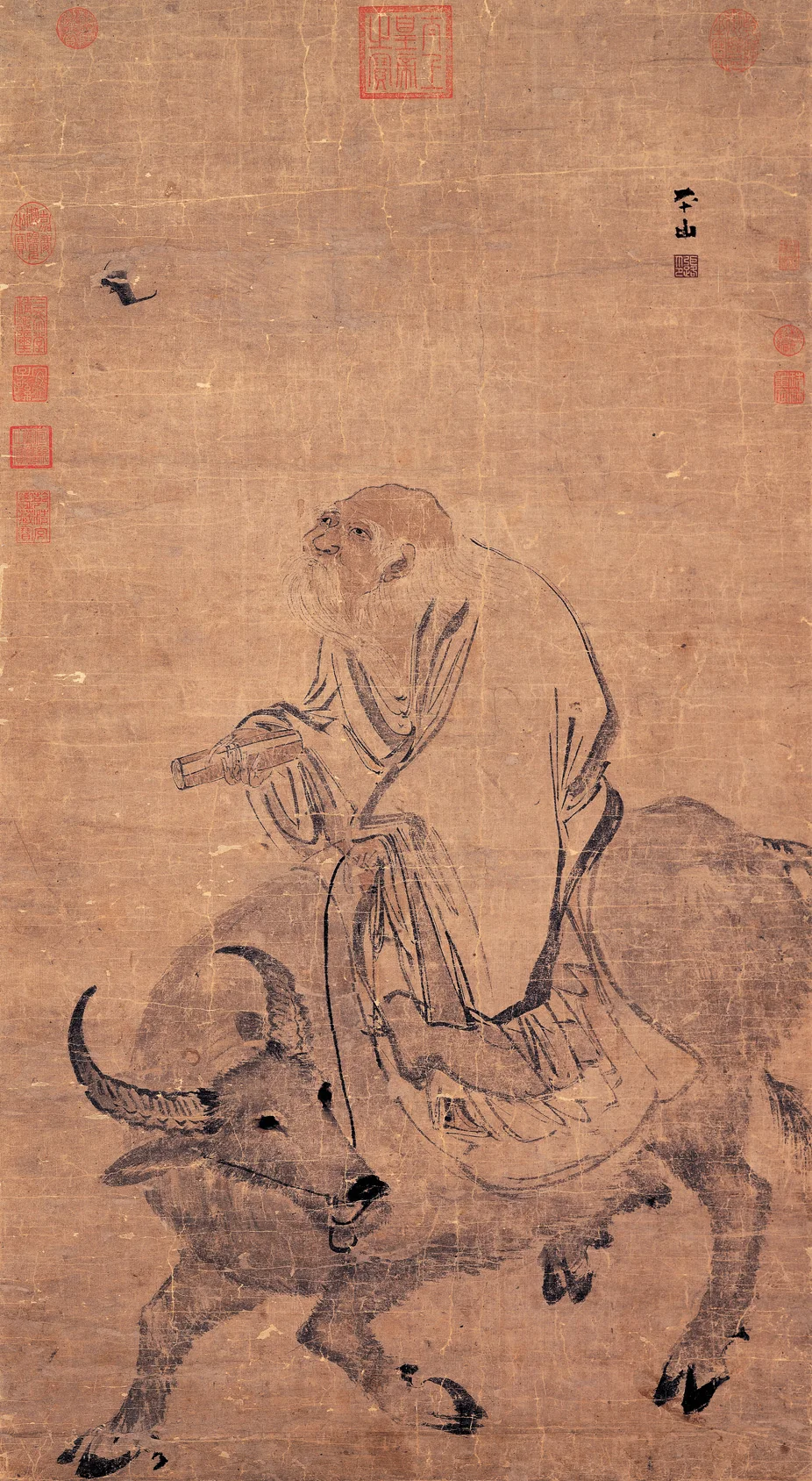
In the words of Pranav Ashar
How we renderChapter 11: The use of what is not there
三十輻共一轂,當其無,有車之用。埏埴以為器,當其無,有器之用。鑿戶牖以為室,當其無,有室之用。故有之以為利,無之以為用。
sān shí fú gòng yī gǔ, dāng qí wú, yǒu chē zhī yòng. shān zhí yǐ wéi qì, dāng qí wú, yǒu qì zhī yòng. záo hù yǒu yǐ wéi shì, dāng qí wú, yǒu shì zhī yòng. gù yǒu zhī yǐ wéi lì, wú zhī yǐ wéi yòng.
Thirty spokes share one ; it is the empty centre that makes the wheel useful. Clay is shaped into a pot; it is the hollow that makes the pot useful. Doors and are cut for a room; it is the space inside that makes the room useful. So what is there gives the benefit; .
Note //
The plain sense is practical: emptiness is what lets things work. The site uses a related image, space that seems shaped by a pot, for awareness that seems shaped by the frame; the Tao Te Ching does not draw that conclusion itself.
Touch an underlined word to see the Chinese behind it. The lighter lines are how the tradition read the verse; the rest is the verse.
The renderings on this page are shared under CC BY-NC 4.0, in the words of Pranav Ashar.