Brahma Sutras with Shankara's commentary: the first four sutras
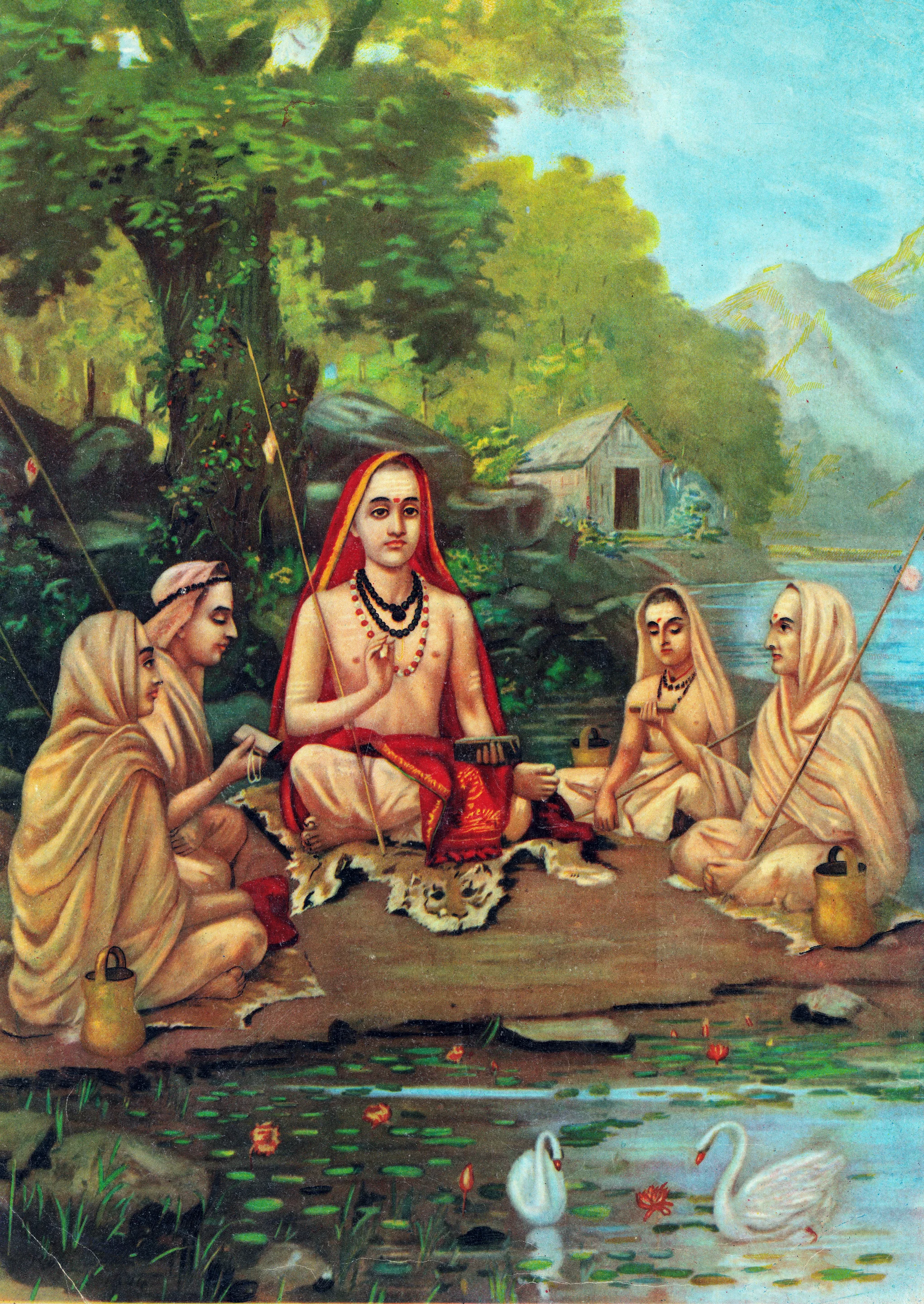
In the words of Pranav Ashar
How we renderChapter 2: Sutra 1.1.1: then, therefore, the wish to know Brahman
Then, therefore, the inquiry into the whole
अथातो ब्रह्मजिज्ञासा
athāto brahmajijñāsā
Then, therefore, the wish to know Brahman.
Note //
The four words of the first sutra. Brahman is left untranslated in the sutra; the site's word for it is 'the whole'. 'Wish to know' (jijnasa) is the literal sense; Thibaut gives 'enquiry'.
"Then": after what?
तत्राथशब्द आनन्तर्यार्थः परिगृह्यते नाधिकारार्थः, ब्रह्मजिज्ञासायाः अनधिकार्यत्वात् । मङ्गलस्य च वाक्यार्थे समन्वयाभावात् । अर्थान्तरप्रयुक्त एव श्रुत्या मङ्गलप्रयोजनो भवति । पूर्वप्रकृतापेक्षायाश्च फलत आनन्तर्याव्यतिरेकात् । सति चानन्तर्यार्थत्वे यथा धर्मजिज्ञासा पूर्ववृत्तं वेदाध्ययनं नियमेनापेक्षत एवं ब्रह्मजिज्ञासापि यत्पूर्ववृत्तं नियमेनापेक्षते तद्वक्तव्यम् । स्वाध्यायानन्तर्यं तु समानम् । नन्विह कर्मावबोधानन्तर्यं विशेषः । न । धर्मजिज्ञासायाः प्रागप्यधीतवेदान्तस्य ब्रह्मजिज्ञासोपपत्तेः । यथाच हृदयाद्यवदानानामानन्तर्यनियमः, क्रमस्य विवक्षितत्वान्न तथेह क्रमो विवक्षितः, शेषशेषित्वे ऽधिकृताधिकारे वा प्रमाणाभावात्, धर्मब्रह्मजिज्ञासयोः फलजिज्ञास्यभेदाच्च । अभ्युदयफलं धर्मज्ञानं तच्चानुष्ठानापेक्षम् । निःश्रेयसफलं तु ब्रह्मविज्ञानं न चानुष्ठानान्तरापेक्षम् । भव्यश्च धर्मो जिज्ञास्यो न ज्ञानकाले ऽस्ति, पुरुषव्यापारतन्त्रत्वात् । इह तु भूतं ब्रह्म जिज्ञास्यं नित्यत्वान्न पुरुषव्यापारतन्त्रम् । चोदनाप्रवृत्तिभेदाच्च । या हि चोदना धर्मस्य लक्षणं सा स्वविषये नियुञ्जानैव पुरुषमवबोधयति । ब्रह्मचोदना तु पुरुषमवबोधयत्येव केवलं, अवबोधस्य चोदनाजन्यत्वान्न पुरुषो ऽवबोधे नियुज्यते । यथाक्षार्थसंनिकर्षेणार्थावबोधे तद्वत् । तस्मात्किमपि वक्तव्यं यदनन्तरं ब्रह्मजिज्ञासोपदिश्यत इति । उच्यते- नित्यानित्यवस्तुविवेकः, इहामुत्रार्थभोगविरागः, शमदमादिसाधनसंपत्, मुमुक्षुत्वं च । तेषु हि सत्सु प्रागपि धर्मजिज्ञासाया ऊर्ध्वं च शक्यते ब्रह्मजिज्ञासितुं ज्ञातुं च न विपर्यये । तस्मादथशब्देन यथोक्तसाधनसंपत्त्यानन्तर्यमुपदिश्यते ।
tatrāthaśabda ānantaryārthaḥ parigṛhyate nādhikārārthaḥ, brahmajijñāsāyāḥ anadhikāryatvāt / maṅgalasya ca vākyārthe samanvayābhāvāt / arthāntaraprayukta eva śrutyā maṅgalaprayojano bhavati / pūrvaprakṛtāpekṣāyāśca phalata ānantaryāvyatirekāt / sati cānantaryārthatve yathā dharmajijñāsā pūrvavṛttaṃ vedādhyayanaṃ niyamenāpekṣata evaṃ brahmajijñāsāpi yatpūrvavṛttaṃ niyamenāpekṣate tadvaktavyam / svādhyāyānantaryaṃ tu samānam / nanviha karmāvabodhānantaryaṃ viśeṣaḥ / na / dharmajijñāsāyāḥ prāgapyadhītavedāntasya brahmajijñāsopapatteḥ / yathāca hṛdayādyavadānānāmānantaryaniyamaḥ, kramasya vivakṣitatvānna tatheha kramo vivakṣitaḥ, śeṣaśeṣitve 'dhikṛtādhikāre vā pramāṇābhāvāt, dharmabrahmajijñāsayoḥ phalajijñāsyabhedācca / abhyudayaphalaṃ dharmajñānaṃ taccānuṣṭhānāpekṣam / niḥśreyasaphalaṃ tu brahmavijñānaṃ na cānuṣṭhānāntarāpekṣam / bhavyaśca dharmo jijñāsyo na jñānakāle 'sti, puruṣavyāpāratantratvāt / iha tu bhūtaṃ brahma jijñāsyaṃ nityatvānna puruṣavyāpāratantram / codanāpravṛttibhedācca / yā hi codanā dharmasya lakṣaṇaṃ sā svaviṣaye niyuñjānaiva puruṣamavabodhayati / brahmacodanā tu puruṣamavabodhayatyeva kevalaṃ, avabodhasya codanājanyatvānna puruṣo 'vabodhe niyujyate / yathākṣārthasaṃnikarṣeṇārthāvabodhe tadvat / tasmātkimapi vaktavyaṃ yadanantaraṃ brahmajijñāsopadiśyata iti / ucyate- nityānityavastuvivekaḥ, ihāmutrārthabhogavirāgaḥ, śamadamādisādhanasaṃpat, mumukṣutvaṃ ca / teṣu hi satsu prāgapi dharmajijñāsāyā ūrdhvaṃ ca śakyate brahmajijñāsituṃ jñātuṃ ca na viparyaye / tasmādathaśabdena yathoktasādhanasaṃpattyānantaryamupadiśyate /
The word 'then' here means 'right after', not the start of a new subject, since the wish to know Brahman is not something one starts as a subject. Nor does it mean 'for luck': a word of good omen could not fit the sense of the sentence. 'Then' brings good luck just by being said and heard, while it means something else, 'right after'. And what follows from an earlier subject is, in effect, what comes right after it. If 'then' means 'right after', we must say what the wish to know Brahman comes right after, as the inquiry into duty comes after studying the Veda. Studying the Veda is common to both. Does the inquiry into Brahman come after understanding ritual duty? No. Someone who has studied the Upanishads can inquire into Brahman before any inquiry into duty. Nor does 'then' mark a fixed order, as in 'cut from the heart, then from the tongue', because there is no evidence that the two inquiries are main and subordinate, or that one qualifies a person for the other, and their fruit and their object differ. Knowing duty brings prosperity, and it depends on doing. Knowing Brahman brings the highest good and depends on no further doing. Duty, when inquired into, does not yet exist; it is to be brought about, since it depends on what people do. Brahman, inquired into here, already is; it is eternal and depends on no one's effort. The two kinds of teaching also work differently. A command about duty informs a person only by setting him to act. A teaching about Brahman simply informs; the knowing comes from the teaching itself, and no one is set to know, just as an object is known as soon as the senses meet it. So something must be named after which the wish to know Brahman is taught. We say: the discrimination between what lasts and what does not; dispassion toward enjoying results here and hereafter; the set of means beginning with calm and self-control; and the wish to be free. When these are present one can wish to know Brahman and can know it, before the inquiry into duty or after it; without them, not. So 'then' means: after gaining these means.
Note //
Shankara uses the first word to state the qualifications of the reader: the 'fourfold means' (sadhana-chatushtaya), which every later Vedanta manual repeats, the Vivekachudamani and the Vedantasara among them. The key line for the site is 'Brahman already is': knowledge reveals, it does not produce (positions 1 and 6).
"Therefore": the reason
अतःशब्दो हेत्वर्थः । यस्माद्वेद एवाग्निहोत्रादीनां श्रेयःसाधनानामनित्यफलतां दर्शयति- ‘तद्यथेह कर्मचितो लोकः क्षीयत एवमेवामुत्र पुण्यचितो लोकः क्षीयते’ (छान्दो.८.१.६) इत्यादिः । तथा ब्रह्मविज्ञानादपि परं पुरुषार्थं दर्शयति- ‘ब्रह्मविदाप्नोति परम्’ इत्यादिः (तैत्ति.२.१) तस्माद्यथोक्तसाधनसंपत्त्यनन्तरं ब्रह्मजिज्ञासा कर्तव्या ।
ataḥśabdo hetvarthaḥ / yasmādveda evāgnihotrādīnāṃ śreyaḥsādhanānāmanityaphalatāṃ darśayati- 'tadyatheha karmacito lokaḥ kṣīyata evamevāmutra puṇyacito lokaḥ kṣīyate' (chāndo.8.1.6) ityādiḥ / tathā brahmavijñānādapi paraṃ puruṣārthaṃ darśayati- 'brahmavidāpnoti param' ityādiḥ (taitti.2.1) tasmādyathoktasādhanasaṃpattyanantaraṃ brahmajijñāsā kartavyā /
The word 'therefore' gives the reason. The Veda shows that the fruit of the fire-offering and other means to well-being does not last: 'As here a world won by work wastes away, so there a world won by merit wastes away' (Chandogya 8.1.6). And it shows that the highest human good comes from knowing Brahman: 'Whoever knows Brahman reaches the highest' (Taittiriya 2.1). Therefore, after gaining the means just named, one should wish to know Brahman.
Note //
The argument is the reader's own discovery that everything won by action runs out. The site reads it beside position 9: no result is lost by being seen as a result.
"Of Brahman": what is to be known
ब्रह्मणो जिज्ञासा ब्रह्मजिज्ञासा । ब्रह्म च वक्ष्यमाणलक्षणं ‘जन्माद्यस्य यतः’ इति । अत एव न ब्रह्मशब्दस्य जात्याद्यर्थान्तरमाशङ्कितव्यम् । ब्रह्मण इति कर्मणिषष्ठी न शेषे, जिज्ञास्यापेक्षत्वाज्जिज्ञासायाः, जिज्ञास्यान्तरानिर्देशाच्च । ननु शेषषष्ठीपरिग्रहे ऽपि ब्रह्मणो जिज्ञासाकर्मत्वं न विरुध्यते, संबन्धसामान्यस्य विशेषनिष्ठत्वात् । एवमपि प्रत्यक्षं ब्रह्मणः कर्मत्वमुत्सृज्य सामान्यद्वारेण परोक्षं कर्मत्वं कल्पयतो व्यर्थः प्रयासः स्यात् । न व्यर्थः, ब्रह्माश्रिताशेषविचारप्रतिज्ञानार्थत्वादिति चेन्न, प्रधानपरिग्रहे तदपेक्षितानामर्थाक्षिप्तत्वात् । ब्रह्म हि ज्ञानेनाप्तुमिष्टतमत्वात्प्रधानम् । तस्मिन्प्रधाने जिज्ञासाकर्मणि परिगृहीते यैर्जिज्ञासितैर्विना ब्रह्म जिज्ञासितं न भवति तान्यर्थाक्षिप्तान्येवेति न पृथक्सूत्रयितव्यानि । यथा राजासौ गच्छतीत्युक्ते सपरिवारस्य राज्ञो गमनमुक्तं भवति तद्वत् । श्रुत्यनुगमाच्च । ‘यतो वा इमानि भूतानि जायन्ते’ (तैत्ति.३.१) इत्याद्याः श्रुतयः, ‘तद्विजिज्ञासस्व तद्ब्रह्म’ इति प्रत्यक्षमेव ब्रह्मणो जिज्ञासाकर्मत्वं दर्शयन्ति । तच्च कर्मणि षष्ठीपरिग्रहे सूत्रेणानुगतं भवति । तस्माद्ब्रह्मण इति कर्मणिषष्ठी ॥ ज्ञातुमिच्छा जिज्ञासा । अवगतिपर्यन्तं ज्ञानं सन्वाच्याया इच्छायाः । कर्मफलविषयत्वादिच्छायाः । ज्ञानेन हि प्रमाणेनावगन्तुमिष्टं ब्रह्म । ब्रह्मावगतिर्हि पुरुषार्थः, निःशेषसंसारबीजाविद्याद्यनर्थनिबर्हणात् । तस्माद्ब्रह्म विजिज्ञासितव्यम् ॥
brahmaṇo jijñāsā brahmajijñāsā / brahma ca vakṣyamāṇalakṣaṇaṃ 'janmādyasya yataḥ' iti / ata eva na brahmaśabdasya jātyādyarthāntaramāśaṅkitavyam / brahmaṇa iti karmaṇiṣaṣṭhī na śeṣe, jijñāsyāpekṣatvājjijñāsāyāḥ, jijñāsyāntarānirdeśācca / nanu śeṣaṣaṣṭhīparigrahe 'pi brahmaṇo jijñāsākarmatvaṃ na virudhyate, saṃbandhasāmānyasya viśeṣaniṣṭhatvāt / evamapi pratyakṣaṃ brahmaṇaḥ karmatvamutsṛjya sāmānyadvāreṇa parokṣaṃ karmatvaṃ kalpayato vyarthaḥ prayāsaḥ syāt / na vyarthaḥ, brahmāśritāśeṣavicārapratijñānārthatvāditi cenna, pradhānaparigrahe tadapekṣitānāmarthākṣiptatvāt / brahma hi jñānenāptumiṣṭatamatvātpradhānam / tasminpradhāne jijñāsākarmaṇi parigṛhīte yairjijñāsitairvinā brahma jijñāsitaṃ na bhavati tānyarthākṣiptānyeveti na pṛthaksūtrayitavyāni / yathā rājāsau gacchatītyukte saparivārasya rājño gamanamuktaṃ bhavati tadvat / śrutyanugamācca / 'yato vā imāni bhūtāni jāyante' (taitti.3.1) ityādyāḥ śrutayaḥ, 'tadvijijñāsasva tadbrahma' iti pratyakṣameva brahmaṇo jijñāsākarmatvaṃ darśayanti / tacca karmaṇi ṣaṣṭhīparigrahe sūtreṇānugataṃ bhavati / tasmādbrahmaṇa iti karmaṇiṣaṣṭhī // jñātumicchā jijñāsā / avagatiparyantaṃ jñānaṃ sanvācyāyā icchāyāḥ / karmaphalaviṣayatvādicchāyāḥ / jñānena hi pramāṇenāvagantumiṣṭaṃ brahma / brahmāvagatirhi puruṣārthaḥ, niḥśeṣasaṃsārabījāvidyādyanarthanibarhaṇāt / tasmādbrahma vijijñāsitavyam //
The 'wish to know Brahman' is the wish to know Brahman. Brahman is what the next sutra will define, 'from which the birth and so on of this'; so the word is not to be taken in another sense, such as the priestly class. 'Of Brahman' names the object of the wish, not some loose connection, because a wish to know needs something to be known, and no other object is named. Why not take it as a loose connection? Even so Brahman could be the object, since a general connection rests on a particular one. That would be throwing away Brahman as the plain object and bringing it back in roundabout: wasted effort. Not wasted, you say: it promises to discuss everything connected with Brahman. Not so: naming the main thing already brings in what depends on it. Brahman, most wanted of all things to be known, is the main thing; once it is named as the object, whatever must be inquired into for Brahman to be known is included and need not be named separately, as 'there goes the king' means the king and his retinue. Scripture agrees: 'That from which these beings are born... wish to know that; that is Brahman' (Taittiriya 3.1) names Brahman directly as what is to be known. The 'wish to know' is the wish for knowing that ends in full understanding, since a wish is for a result. Knowing, as the means, is how one wishes to grasp Brahman; and grasping Brahman is the highest human good, because it removes , the seed of the whole round of birth and death, and every harm. So Brahman is to be inquired into.
Note //
A grammatical section that makes a philosophical point: Brahman is named directly as what is to be known, and knowing it 'removes not-knowing, the seed of the whole round'. The site reads this as its position 7: knowledge ends the covering.
Is Brahman known already?
तत्पुनर्ब्रह्म प्रसिद्धमप्रसिद्धं वा स्यात् । यदि प्रसिद्धं न जिज्ञासितव्यम् । अथाप्रसिद्धं नैव शक्यं जिज्ञासितुमिति । उच्यते- अस्ति तावद्ब्रह्म नित्यशुद्धबुद्धमुक्तस्वभावं, सर्वज्ञं, सर्वशक्तिसमन्वितम् । ब्रह्मशब्दस्य हि व्युत्पाद्यमानस्य नित्यशुद्धत्वादयोर्‘थाः प्रतीयन्ते, बृहतेर्धातोरर्थानुगमात् । सर्वस्यात्मत्वाच्च ब्रह्मास्तित्वप्रसिद्धिः । सर्वो ह्यात्मास्तित्वं प्रत्येति, न नाहमस्मीति । यदि हि नात्मास्तित्वप्रसिद्धिः स्यात् सर्वो लोको नाहमस्मीति प्रतीयात् । आत्मा च ब्रह्म । यदि तर्हि लोके ब्रह्मात्मत्वेन प्रसिद्धमस्ति ततो ज्ञातमेवेत्यजिज्ञास्यत्वं पुनरापन्नम् । न । तद्विशेषं प्रति विप्रतिपत्तेः । देहमात्रं चैतन्यविशिष्टमात्मेति प्राकृता जना लौकायतिकाश्च प्रतिपन्नाः । इन्द्रियाण्येव चेतनान्यात्मेत्यपरे । मन इत्यन्ये । विज्ञानमात्रं क्षणिकमित्येके । शून्यमित्यपरे । अस्ति देहादिव्यतिरिक्तः संसारी कर्ता, भोक्तेत्यपरे । भोक्तैव केवलं न कर्तेत्येके । अस्ति तद्व्यतिरिक्त ईश्वरः सर्वज्ञः सर्वशक्तिरिति केचित् । आत्मा स भोक्तुरित्यपरे ।
tatpunarbrahma prasiddhamaprasiddhaṃ vā syāt / yadi prasiddhaṃ na jijñāsitavyam / athāprasiddhaṃ naiva śakyaṃ jijñāsitumiti / ucyate- asti tāvadbrahma nityaśuddhabuddhamuktasvabhāvaṃ, sarvajñaṃ, sarvaśaktisamanvitam / brahmaśabdasya hi vyutpādyamānasya nityaśuddhatvādayor'thāḥ pratīyante, bṛhaterdhātorarthānugamāt / sarvasyātmatvācca brahmāstitvaprasiddhiḥ / sarvo hyātmāstitvaṃ pratyeti, na nāhamasmīti / yadi hi nātmāstitvaprasiddhiḥ syāt sarvo loko nāhamasmīti pratīyāt / ātmā ca brahma / yadi tarhi loke brahmātmatvena prasiddhamasti tato jñātamevetyajijñāsyatvaṃ punarāpannam / na / tadviśeṣaṃ prati vipratipatteḥ / dehamātraṃ caitanyaviśiṣṭamātmeti prākṛtā janā laukāyatikāśca pratipannāḥ / indriyāṇyeva cetanānyātmetyapare / mana ityanye / vijñānamātraṃ kṣaṇikamityeke / śūnyamityapare / asti dehādivyatiriktaḥ saṃsārī kartā, bhoktetyapare / bhoktaiva kevalaṃ na kartetyeke / asti tadvyatirikta īśvaraḥ sarvajñaḥ sarvaśaktiriti kecit / ātmā sa bhokturityapare /
But is Brahman , or not? If known, there is nothing to inquire into; if not, one cannot inquire into it. We say: . Its nature is ever pure, awake and free; it knows all and has all powers. The word itself, from the root brih, 'to be great', tells us it is ever pure and so on. And Brahman's existence is known because it is the Self of everyone. Everyone is sure of his own existence; no one thinks 'I am not'. If the Self's existence were not known, everyone would think 'I am not'. And that Self is Brahman. Then, if Brahman is known as the Self, there is nothing to inquire into. No: people disagree about what it is. Ordinary people and say the self is the body with awareness. Others say the senses are the aware self; others, the mind; some, a stream of momentary ideas; others, a void. Others again, who accept the Veda, say there is a transmigrating being apart from the body, who acts and enjoys; others, that it only enjoys and does not act. Some say there is besides it a , all-knowing and all-powerful. Others say the is the very Self of the enjoyer.
Note //
The decisive move: Brahman is not unknown, because it is one's own existence, never doubted ('no one thinks I am not'). What needs inquiry is only its nature, since the views of it conflict. The site holds exactly this: awareness is never missing, only mistaken (positions 1 and 5).
Why the inquiry is needed
एवं बहवो विप्रतिपन्ना युक्तिवाक्यतदाभाससमाश्रयाः सन्तः । तत्राविचार्य यत्किञ्चित्प्रतिपद्यमानो निःश्रेयसात्प्रतिहन्येतानर्थं चेयात् । तस्माद् ब्रह्मजिज्ञासोपन्यासमुखेन वेदान्तवाक्यमीमांसा तदविरोधितर्कोपकरणा निःश्रेयसप्रयोजना प्रस्तूयते ॥ १ ॥
evaṃ bahavo vipratipannā yuktivākyatadābhāsasamāśrayāḥ santaḥ / tatrāvicārya yatkiñcitpratipadyamāno niḥśreyasātpratihanyetānarthaṃ ceyāt / tasmād brahmajijñāsopanyāsamukhena vedāntavākyamīmāṃsā tadavirodhitarkopakaraṇā niḥśreyasaprayojanā prastūyate // 1 //
So there are many conflicting views, some resting on sound reasoning and scripture, some on what only looks like them. Whoever takes up any one of them without inquiry may be cut off from the highest good and come to harm. That is why, under the heading 'the wish to know Brahman', this sutra opens an inquiry into the Upanishads, with reasoning that agrees with them as its tool, and the highest good as its aim.
Note //
Reasoning (tarka) is welcome, but as a helper to the Upanishads, not their judge; this is Shankara's settled method. The site's own inquiry follows the same order: hearing, then reflecting (hearing-reflecting-abiding).
Touch an underlined word to see the Sanskrit behind it. The lighter lines are how the tradition read the verse; the rest is the verse.
The renderings on this page are shared under CC BY-NC 4.0, in the words of Pranav Ashar.