Ashtavakra Gita
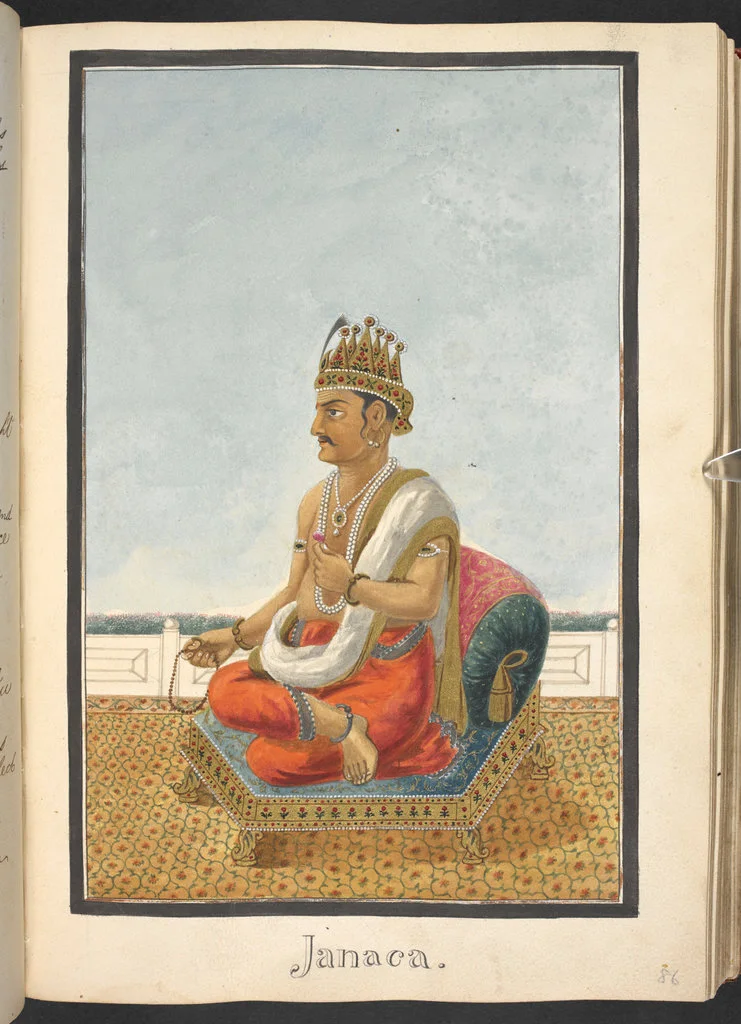
In the words of Pranav Ashar
How we renderContents
Chapter 17: The one who knows
तेन ज्ञानफलं प्राप्तं योगाभ्यासफलं तथा । तृप्तः स्वच्छेन्द्रियो नित्यमेकाकी रमते तु यः ॥
tena jñānaphalaṃ prāptaṃ yogābhyāsaphalaṃ tathā | tṛptaḥ svacchendriyo nityamekākī ramate tu yaḥ ||
One who is content, his senses clear, always delighting alone, has gained the fruit of knowledge and the fruit of yoga too.
न कदाचिज्जगत्यस्मिन् तत्त्वज्ञो हन्त खिद्यति । यत एकेन तेनेदं पूर्णं ब्रह्माण्डमण्डलम् ॥
na kadācijjagatyasmin tattvajño hanta khidyati | yata ekena tenedaṃ pūrṇaṃ brahmāṇḍamaṇḍalam ||
The knower of truth is never troubled in this world, since this whole round of the universe is filled by him alone.
न जातु विषयाः केऽपि स्वारामं हर्षयन्त्यमी । सल्लकीपल्लवप्रीतमिवेभं निम्बपल्लवाः ॥
na jātu viṣayāḥ ke'pi svārāmaṃ harṣayantyamī | sallakīpallavaprītamivebhaṃ nimbapallavāḥ ||
No objects ever please one who delights in the Self, as neem leaves do not please an elephant that loves sallaki leaves.
Note //
Neem leaves are bitter; sallaki leaves are an elephant's favourite food.
यस्तु भोगेषु भुक्तेषु न भवत्यधिवासितः । अभुक्तेषु निराकाङ्क्षी तादृशो भवदुर्लभः ॥
yastu bhogeṣu bhukteṣu na bhavatyadhivāsitaḥ | abhukteṣu nirākāṅkṣī tādṛśo bhavadurlabhaḥ ||
One who does not dwell on pleasures enjoyed, and does not long for those not enjoyed: such a one is rare in the world.
बुभुक्षुरिह संसारे मुमुक्षुरपि दृश्यते । भोगमोक्षनिराकाङ्क्षी विरलो हि महाशयः ॥
bubhukṣuriha saṃsāre mumukṣurapi dṛśyate | bhogamokṣanirākāṅkṣī viralo hi mahāśayaḥ ||
Here in one sees those who want enjoyment and those who want freedom; but the great one who wants neither is rare indeed.
धर्मार्थकाममोक्षेषु जीविते मरणे तथा । कस्याप्युदारचित्तस्य हेयोपादेयता न हि ॥
dharmārthakāmamokṣeṣu jīvite maraṇe tathā | kasyāpyudāracittasya heyopādeyatā na hi ||
Only some generous heart has nothing to take or leave in dharma, wealth, desire or freedom, in life or in death.
वाञ्छा न विश्वविलये न द्वेषस्तस्य च स्थितौ । यथा जीविकया तस्माद् धन्य आस्ते यथा सुखम् ॥
vāñchā na viśvavilaye na dveṣastasya ca sthitau | yathā jīvikayā tasmād dhanya āste yathā sukham ||
He does not want the world to dissolve, nor dislike its going on; so the fortunate one lives at ease on whatever living comes.
Note //
Position 7 in brief: the world goes on appearing to the knower, and he has no quarrel with it.
कृतार्थोऽनेन ज्ञानेनेत्येवं गलितधीः कृती । पश्यन् शृण्वन् स्पृशन् जिघ्रन्नश्नन्नास्ते यथा सुखम् ॥
kṛtārtho'nena jñānenetyevaṃ galitadhīḥ kṛtī | paśyan śṛṇvan spṛśan jighrannaśnannāste yathā sukham ||
Fulfilled by this knowledge, the thinking mind melted away, he lives at ease, seeing, hearing, touching, smelling, eating.
शून्या दृष्टिर्वृथा चेष्टा विकलानीन्द्रियाणि च । न स्पृहा न विरक्तिर्वा क्षीणसंसारसागरे ॥
śūnyā dṛṣṭirvṛthā ceṣṭā vikalānīndriyāṇi ca | na spṛhā na viraktirvā kṣīṇasaṃsārasāgare ||
For one in whom the ocean of births has dried up, the gaze is empty, action without aim, the senses idle; no longing, no turning away.
Note //
How the free one may look to others (compare 14.4), not a state to imitate.
न जागर्ति न निद्राति नोन्मीलति न मीलति । अहो परदशा क्वापि वर्तते मुक्तचेतसः ॥
na jāgarti na nidrāti nonmīlati na mīlati | aho paradaśā kvāpi vartate muktacetasaḥ ||
He is not awake, not asleep, does not open his eyes, does not close them. Wonder! How rare is the state of the free mind.
सर्वत्र दृश्यते स्वस्थः सर्वत्र विमलाशयः । समस्तवासना मुक्तो मुक्तः सर्वत्र राजते ॥
sarvatra dṛśyate svasthaḥ sarvatra vimalāśayaḥ | samastavāsanā mukto muktaḥ sarvatra rājate ||
Everywhere he is seen at ease in himself, everywhere clean at heart; free of all leanings, the free one shines everywhere.
पश्यन् शृण्वन् स्पृशन् जिघ्रन्नश्नन् गृह्णन् वदन् व्रजन् । ईहितानीहितैर्मुक्तो मुक्त एव महाशयः ॥
paśyan śṛṇvan spṛśan jighrannaśnan gṛhṇan vadan vrajan | īhitānīhitairmukto mukta eva mahāśayaḥ ||
Seeing, hearing, touching, smelling, eating, taking, speaking, walking, free of wanting and not-wanting, the great-hearted one is free indeed.
न निन्दति न च स्तौति न हृष्यति न कुप्यति । न ददाति न गृह्णाति मुक्तः सर्वत्र नीरसः ॥
na nindati na ca stauti na hṛṣyati na kupyati | na dadāti na gṛhṇāti muktaḥ sarvatra nīrasaḥ ||
He does not blame, does not praise, is not glad, is not angry, does not give, does not take: free, everywhere without craving for taste.
सानुरागां स्त्रियं दृष्ट्वा मृत्युं वा समुपस्थितम् । अविह्वलमनाः स्वस्थो मुक्त एव महाशयः ॥
sānurāgāṃ striyaṃ dṛṣṭvā mṛtyuṃ vā samupasthitam | avihvalamanāḥ svastho mukta eva mahāśayaḥ ||
Seeing a woman full of desire, or death standing near, unshaken in mind, at ease in himself, the great-hearted one is free indeed.
सुखे दुःखे नरे नार्यां सम्पत्सु च विपत्सु च । विशेषो नैव धीरस्य सर्वत्र समदर्शिनः ॥
sukhe duḥkhe nare nāryāṃ sampatsu ca vipatsu ca | viśeṣo naiva dhīrasya sarvatra samadarśinaḥ ||
In pleasure and pain, in man and woman, in good fortune and bad, the steady one, seeing all alike, finds no difference.
न हिंसा नैव कारुण्यं नौद्धत्यं न च दीनता । नाश्चर्यं नैव च क्षोभः क्षीणसंसरणे नरे ॥
na hiṃsā naiva kāruṇyaṃ nauddhatyaṃ na ca dīnatā | nāścaryaṃ naiva ca kṣobhaḥ kṣīṇasaṃsaraṇe nare ||
No harming and no pity, no pride and no meekness, no wonder and no agitation in one whose round of births is spent.
Note //
Not coldness: there is no stance of pity from above. The Gita's knower is friendly and compassionate (12.13).
न मुक्तो विषयद्वेष्टा न वा विषयलोलुपः । असंसक्तमना नित्यं प्राप्ताप्राप्तमुपाश्नुते ॥
na mukto viṣayadveṣṭā na vā viṣayalolupaḥ | asaṃsaktamanā nityaṃ prāptāprāptamupāśnute ||
The free one does not hate objects, nor crave them; with a mind always unattached, he takes what comes and what does not.
समाधानासमाधानहिताहितविकल्पनाः । शून्यचित्तो न जानाति कैवल्यमिव संस्थितः ॥
samādhānāsamādhānahitāhitavikalpanāḥ | śūnyacitto na jānāti kaivalyamiva saṃsthitaḥ ||
Settled as if in aloneness, with an empty mind, he does not know the imaginings of samadhi or its lack, of good or harm.
निर्ममो निरहङ्कारो न किञ्चिदिति निश्चितः । अन्तर्गलितसर्वाशः कुर्वन्नपि करोति न ॥
nirmamo nirahaṅkāro na kiñciditi niścitaḥ | antargalitasarvāśaḥ kurvannapi karoti na ||
Without 'mine', without , certain that nothing is, all hopes melted within, even acting, he does not act.
मनःप्रकाशसंमोहस्वप्नजाड्यविवर्जितः । दशां कामपि सम्प्राप्तो भवेद् गलितमानसः ॥
manaḥprakāśasaṃmohasvapnajāḍyavivarjitaḥ | daśāṃ kāmapi samprāpto bhaved galitamānasaḥ ||
Free of the mind's display, of confusion, dream and dullness, he whose mind has melted reaches a state beyond words.
The renderings on this page are shared under CC BY-NC 4.0, in the words of Pranav Ashar.