Ashtavakra Gita
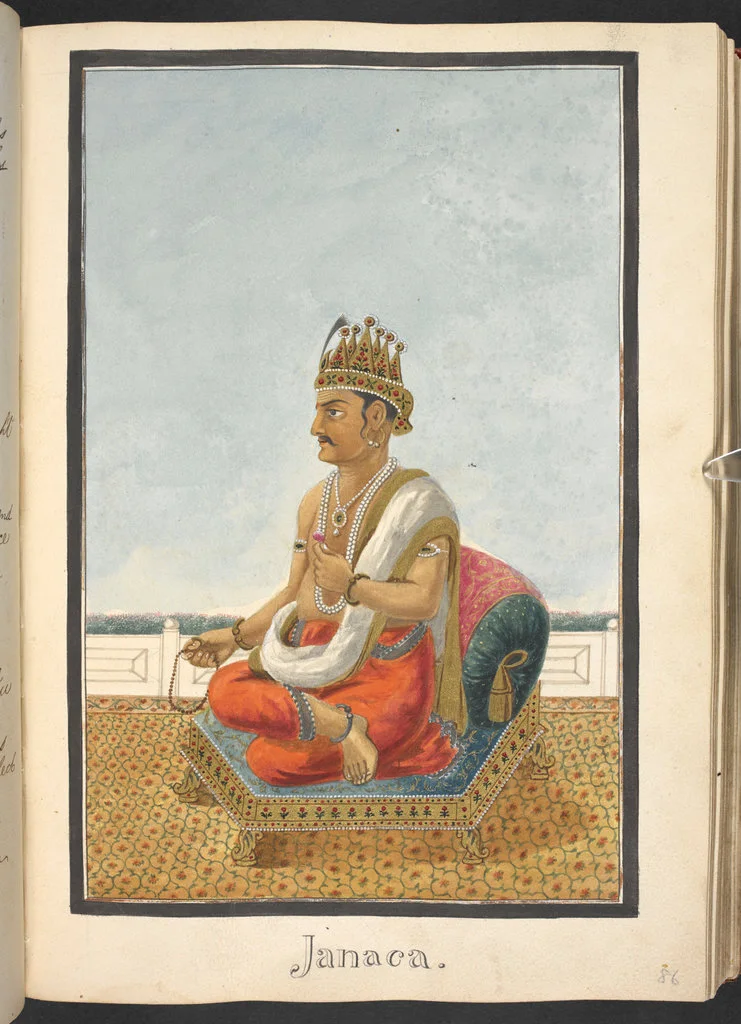
In the words of Pranav Ashar
How we renderChapter 16: Forget everything
आचक्ष्व शृणु वा तात नानाशास्त्राण्यनेकशः । तथापि न तव स्वास्थ्यं सर्वविस्मरणाद् ऋते ॥
ācakṣva śṛṇu vā tāta nānāśāstrāṇyanekaśaḥ | tathāpi na tava svāsthyaṃ sarvavismaraṇād ṛte ||
Recite or hear, my child, many scriptures, many times; still you will not rest in yourself until you forget everything.
Note //
'Forget everything' (sarvavismarana) is not losing memory but letting go of every held idea, the teaching included.
भोगं कर्म समाधिं वा कुरु विज्ञ तथापि ते । चित्तं निरस्तसर्वाशमत्यर्थं रोचयिष्यति ॥
bhogaṃ karma samādhiṃ vā kuru vijña tathāpi te | cittaṃ nirastasarvāśamatyarthaṃ rocayiṣyati ||
Enjoy, work, or sit in samadhi, you who know; even so, your mind will long most of all for that in which every hope is gone.
आयासात्सकलो दुःखी नैनं जानाति कश्चन । अनेनैवोपदेशेन धन्यः प्राप्नोति निर्वृतिम् ॥
āyāsātsakalo duḥkhī nainaṃ jānāti kaścana | anenaivopadeśena dhanyaḥ prāpnoti nirvṛtim ||
Everyone is unhappy through striving, but no one knows it. By this teaching alone the fortunate one reaches peace.
व्यापारे खिद्यते यस्तु निमेषोन्मेषयोरपि । तस्यालस्य धुरीणस्य सुखं नान्यस्य कस्यचित् ॥
vyāpāre khidyate yastu nimeṣonmeṣayorapi | tasyālasya dhurīṇasya sukhaṃ nānyasya kasyacit ||
One who finds it an effort even to open and close his eyes: that master of idleness alone is happy, and no one else.
Note //
Deliberate exaggeration: the 'idleness' is freedom from the strain of a doer, not neglect of what is to be done.
इदं कृतमिदं नेति द्वन्द्वैर्मुक्तं यदा मनः । धर्मार्थकाममोक्षेषु निरपेक्षं तदा भवेत् ॥
idaṃ kṛtamidaṃ neti dvandvairmuktaṃ yadā manaḥ | dharmārthakāmamokṣeṣu nirapekṣaṃ tadā bhavet ||
When the mind is free of the pairs, 'this is done', 'this is not', it no longer cares for dharma, wealth, desire or freedom.
विरक्तो विषयद्वेष्टा रागी विषयलोलुपः । ग्रहमोक्षविहीनस्तु न विरक्तो न रागवान् ॥
virakto viṣayadveṣṭā rāgī viṣayalolupaḥ | grahamokṣavihīnastu na virakto na rāgavān ||
The renouncer hates the objects; the craver is greedy for them; but one free of grasping and letting go neither renounces nor craves.
हेयोपादेयता तावत्संसारविटपाङ्कुरः । स्पृहा जीवति यावद् वै निर्विचारदशास्पदम् ॥
heyopādeyatā tāvatsaṃsāraviṭapāṅkuraḥ | spṛhā jīvati yāvad vai nirvicāradaśāspadam ||
As long as wanting lives, the seat of the unexamined state, so long taking and leaving go on: the sprout of the tree of .
प्रवृत्तौ जायते रागो निर्वृत्तौ द्वेष एव हि । निर्द्वन्द्वो बालवद् धीमान् एवमेव व्यवस्थितः ॥
pravṛttau jāyate rāgo nirvṛttau dveṣa eva hi | nirdvandvo bālavad dhīmān evameva vyavasthitaḥ ||
From doing, attachment is born; from stopping, aversion. The wise one, free of the pairs like a child, just stays as he is.
हातुमिच्छति संसारं रागी दुःखजिहासया । वीतरागो हि निर्दुःखस्तस्मिन्नपि न खिद्यति ॥
hātumicchati saṃsāraṃ rāgī duḥkhajihāsayā | vītarāgo hi nirduḥkhastasminnapi na khidyati ||
The craver wants to leave to be rid of sorrow; the one free of craving, without sorrow, is not troubled even in it.
यस्याभिमानो मोक्षेऽपि देहेऽपि ममता तथा । न च ज्ञानी न वा योगी केवलं दुःखभागसौ ॥
yasyābhimāno mokṣe'pi dehe'pi mamatā tathā | na ca jñānī na vā yogī kevalaṃ duḥkhabhāgasau ||
One who takes pride even in freedom, and calls even the body 'mine', is neither a knower nor a yogi; he only has his share of sorrow.
हरो यद्युपदेष्टा ते हरिः कमलजोऽपि वा । तथापि न तव स्वास्थ्यं सर्वविस्मरणादृते ॥
haro yadyupadeṣṭā te hariḥ kamalajo'pi vā | tathāpi na tava svāsthyaṃ sarvavismaraṇādṛte ||
Even if Shiva, Vishnu or lotus-born Brahma were your teacher, you would not rest in yourself until you forget everything.
The renderings on this page are shared under CC BY-NC 4.0, in the words of Pranav Ashar.