Ashtavakra Gita
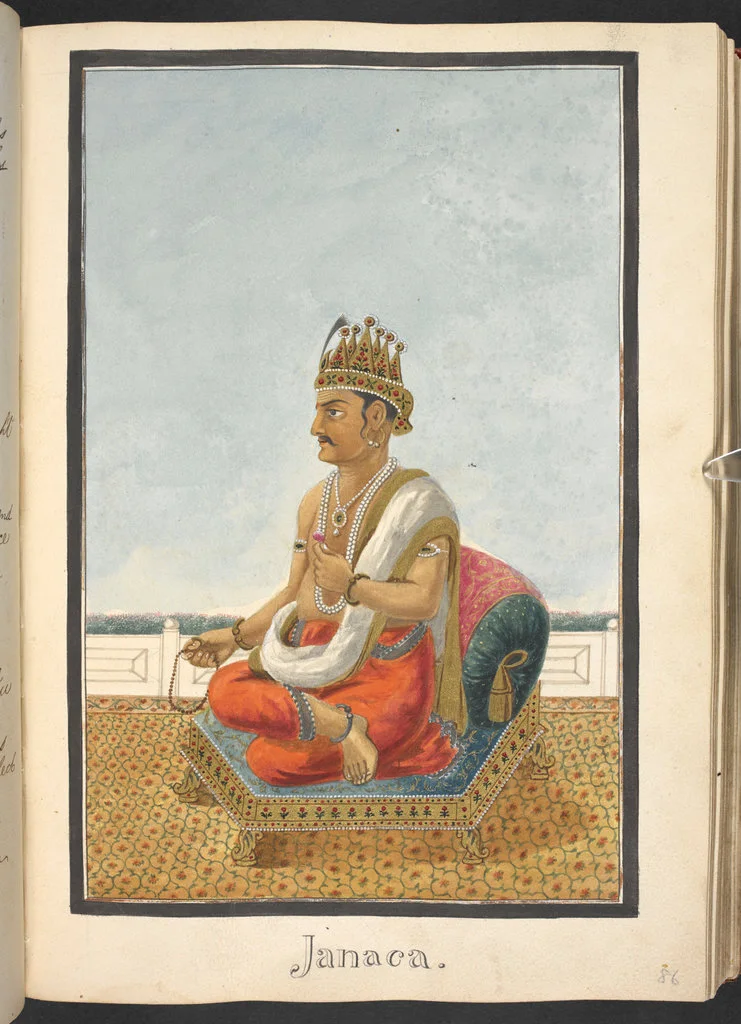
In the words of Pranav Ashar
How we renderContents
Chapter 15: You are That
यथातथोपदेशेन कृतार्थः सत्त्वबुद्धिमान् । आजीवमपि जिज्ञासुः परस्तत्र विमुह्यति ॥
yathātathopadeśena kṛtārthaḥ sattvabuddhimān | ājīvamapi jijñāsuḥ parastatra vimuhyati ||
One with a clear mind is fulfilled by teaching given in any way at all; another, seeking to know all his life, stays bewildered.
मोक्षो विषयवैरस्यं बन्धो वैषयिको रसः । एतावदेव विज्ञानं यथेच्छसि तथा कुरु ॥
mokṣo viṣayavairasyaṃ bandho vaiṣayiko rasaḥ | etāvadeva vijñānaṃ yathecchasi tathā kuru ||
Freedom is losing the taste for objects; bondage is the taste for them. That is all there is to know; now do as you wish.
वाग्मिप्राज्ञामहोद्योगं जनं मूकजडालसम् । करोति तत्त्वबोधोऽयमतस्त्यक्तो बुभुक्षभिः ॥
vāgmiprājñāmahodyogaṃ janaṃ mūkajaḍālasam | karoti tattvabodho'yamatastyakto bubhukṣabhiḥ ||
This knowing of the truth makes the eloquent, the clever and the busy mute, dull and idle; so those who want enjoyment shun it.
Note //
Irony again: the knower looks mute and idle to those who measure a life by its doing.
न त्वं देहो न ते देहो भोक्ता कर्ता न वा भवान् । चिद्रूपोऽसि सदा साक्षी निरपेक्षः सुखं चर ॥
na tvaṃ deho na te deho bhoktā kartā na vā bhavān | cidrūpo'si sadā sākṣī nirapekṣaḥ sukhaṃ cara ||
You are not the body, nor is the body yours; you are not the one who enjoys or acts. You are itself, always the witness, needing nothing: go about happy.
रागद्वेषौ मनोधर्मौ न मनस्ते कदाचन । निर्विकल्पोऽसि बोधात्मा निर्विकारः सुखं चर ॥
rāgadveṣau manodharmau na manaste kadācana | nirvikalpo'si bodhātmā nirvikāraḥ sukhaṃ cara ||
Liking and disliking belong to the mind, and the mind was never yours. You are without divisions, itself, changeless: go about happy.
सर्वभूतेषु चात्मानं सर्वभूतानि चात्मनि । विज्ञाय निरहङ्कारो निर्ममस्त्वं सुखी भव ॥
sarvabhūteṣu cātmānaṃ sarvabhūtāni cātmani | vijñāya nirahaṅkāro nirmamastvaṃ sukhī bhava ||
Knowing the Self in all beings and all beings in the Self, free of , free of 'mine', be happy.
Note //
The first line repeats 3.5 and echoes Gita 6.29.
विश्वं स्फुरति यत्रेदं तरङ्गा इव सागरे । तत्त्वमेव न सन्देहश्चिन्मूर्ते विज्वरो भव ॥
viśvaṃ sphurati yatredaṃ taraṅgā iva sāgare | tattvameva na sandehaścinmūrte vijvaro bhava ||
That in which this world rises like waves in the sea: that you are, without doubt. Form of , be free of fever.
श्रद्धस्व तात श्रद्धस्व नात्र मोहं कुरुष्व भोः । ज्ञानस्वरूपो भगवानात्मा त्वं प्रकृतेः परः ॥
śraddhasva tāta śraddhasva nātra mohaṃ kuruṣva bhoḥ | jñānasvarūpo bhagavānātmā tvaṃ prakṛteḥ paraḥ ||
Have faith, my child, have faith; do not be confused about this. You are the Self, , knowing itself, beyond nature.
गुणैः संवेष्टितो देहस्तिष्ठत्यायाति याति च । आत्मा न गन्ता नागन्ता किमेनमनुशोचसि ॥
guṇaiḥ saṃveṣṭito dehastiṣṭhatyāyāti yāti ca | ātmā na gantā nāgantā kimenamanuśocasi ||
The body, wrapped in the three qualities, stays, comes and goes; the Self neither goes nor comes. Why grieve over it?
Note //
The qualities (gunas) are clarity, restlessness and heaviness, the stuff of body and mind.
देहस्तिष्ठतु कल्पान्तं गच्छत्वद्यैव वा पुनः । क्व वृद्धिः क्व च वा हानिस्तव चिन्मात्ररूपिणः ॥
dehastiṣṭhatu kalpāntaṃ gacchatvadyaiva vā punaḥ | kva vṛddhiḥ kva ca vā hānistava cinmātrarūpiṇaḥ ||
Let the body last till the end of the age or go this very day: what gain or loss is there for you, whose form is alone?
त्वय्यनन्तमहाम्भोधौ विश्ववीचिः स्वभावतः । उदेतु वास्तमायातु न ते वृद्धिर्न वा क्षतिः ॥
tvayyanantamahāmbhodhau viśvavīciḥ svabhāvataḥ | udetu vāstamāyātu na te vṛddhirna vā kṣatiḥ ||
In you, , let the wave of the world, by its own nature, rise or sink: you neither grow nor shrink.
Note //
Ashtavakra returns Janaka's own words of 7.2.
तात चिन्मात्ररूपोऽसि न ते भिन्नमिदं जगत् । अतः कस्य कथं कुत्र हेयोपादेयकल्पना ॥
tāta cinmātrarūpo'si na te bhinnamidaṃ jagat | ataḥ kasya kathaṃ kutra heyopādeyakalpanā ||
Child, your form is alone; this world is not apart from you. So who could imagine taking or leaving, how, and where?
एकस्मिन्नव्यये शान्ते चिदाकाशेऽमले त्वयि । कुतो जन्म कुतः कर्म कुतोऽहङ्कार एव च ॥
ekasminnavyaye śānte cidākāśe'male tvayi | kuto janma kutaḥ karma kuto'haṅkāra eva ca ||
In you, the one, unchanging, peaceful, stainless space of , where is birth, where is action, where is ?
यत्त्वं पश्यसि तत्रैकस्त्वमेव प्रतिभाससे । किं पृथक् भासते स्वर्णात् कटकाङ्गदनूपुरम् ॥
yattvaṃ paśyasi tatraikastvameva pratibhāsase | kiṃ pṛthak bhāsate svarṇāt kaṭakāṅgadanūpuram ||
Whatever you see, it is you alone appearing there. Do bracelets, armlets and anklets shine apart from the gold?
अयं सोऽहमयं नाहं विभागमिति सन्त्यज । सर्वमात्मेति निश्चित्य निःसङ्कल्पः सुखी भव ॥
ayaṃ so'hamayaṃ nāhaṃ vibhāgamiti santyaja | sarvamātmeti niścitya niḥsaṅkalpaḥ sukhī bhava ||
'I am this', 'I am not that': give up such dividing. Certain that all is the Self, free of intentions, be happy.
तवैवाज्ञानतो विश्वं त्वमेकः परमार्थतः । त्वत्तोऽन्यो नास्ति संसारी नासंसारी च कश्चन ॥
tavaivājñānato viśvaṃ tvamekaḥ paramārthataḥ | tvatto'nyo nāsti saṃsārī nāsaṃsārī ca kaścana ||
The world is through your own not-knowing; in truth you alone are. There is no one other than you, in or out of it.
भ्रान्तिमात्रमिदं विश्वं न किञ्चिदिति निश्चयी । निर्वासनः स्फूर्तिमात्रो न किञ्चिदिव शाम्यति ॥
bhrāntimātramidaṃ viśvaṃ na kiñciditi niścayī | nirvāsanaḥ sphūrtimātro na kiñcidiva śāmyati ||
Certain that this world is only a , nothing at all, free of leanings, pure shining, one comes to peace as if nothing were.
Note //
Almost the same as 11.8. 'Only a mistake' (bhrantimatra): in the site's reading the mistake is taking the world as apart from awareness, not its appearing.
एक एव भवाम्भोधावासीदस्ति भविष्यति । न ते बन्धोऽस्ति मोक्षो वा कृतकृत्यः सुखं चर ॥
eka eva bhavāmbhodhāvāsīdasti bhaviṣyati | na te bandho'sti mokṣo vā kṛtakṛtyaḥ sukhaṃ cara ||
In the ocean of being there was one alone, there is one, and there will be. You have no bondage and no freedom; your work is done: go about happy.
मा सङ्कल्पविकल्पाभ्यां चित्तं क्षोभय चिन्मय । उपशाम्य सुखं तिष्ठ स्वात्मन्यानन्दविग्रहे ॥
mā saṅkalpavikalpābhyāṃ cittaṃ kṣobhaya cinmaya | upaśāmya sukhaṃ tiṣṭha svātmanyānandavigrahe ||
Form of , do not stir the mind with yes and no; come to peace and stay happily in your own Self, which is fullness itself.
त्यजैव ध्यानं सर्वत्र मा किञ्चिद् हृदि धारय । आत्मा त्वं मुक्त एवासि किं विमृश्य करिष्यसि ॥
tyajaiva dhyānaṃ sarvatra mā kiñcid hṛdi dhāraya | ātmā tvaṃ mukta evāsi kiṃ vimṛśya kariṣyasi ||
Give up meditating altogether; hold nothing in the heart. You are the Self, already free; what will you do by thinking it over?
Note //
Meditation is dropped as a means to become free, since what you are is free already; this is said to a ripe pupil, not as a rule against practice.
Touch an underlined word to see the Sanskrit behind it. The lighter lines are how the tradition read the verse; the rest is the verse.
The renderings on this page are shared under CC BY-NC 4.0, in the words of Pranav Ashar.