Ashtavakra Gita
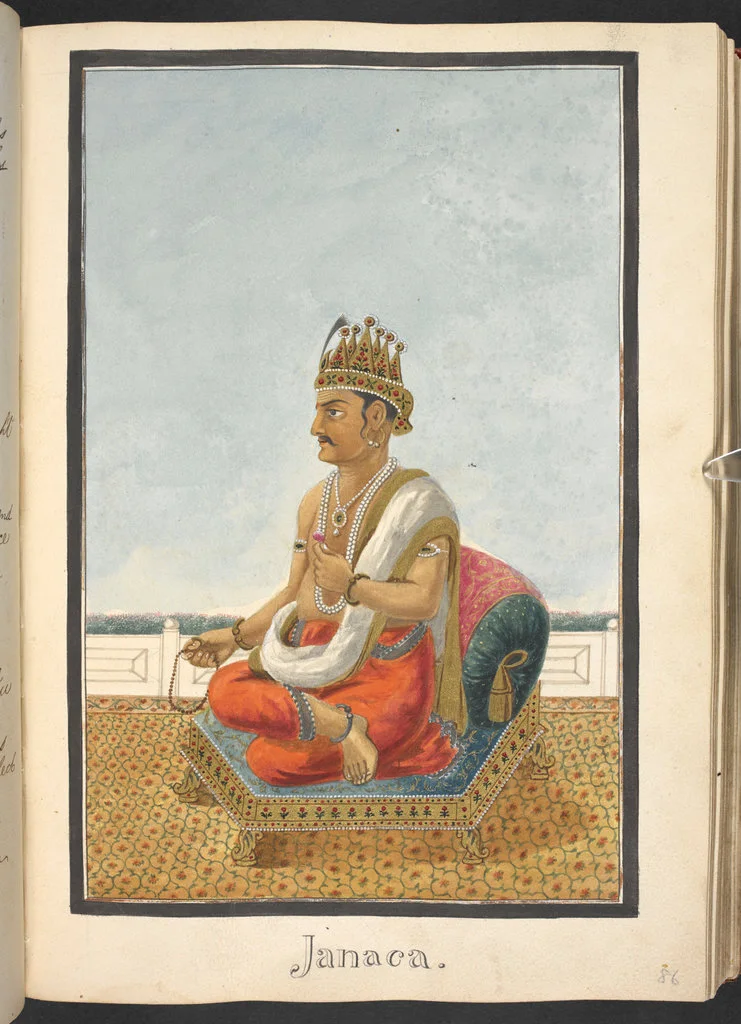
In the words of Pranav Ashar
How we renderChapter 12: So I rest as I am
कायकृत्यासहः पूर्वं ततो वाग्विस्तरासहः । अथ चिन्तासहस्तस्माद् एवमेवाहमास्थितः ॥
kāyakṛtyāsahaḥ pūrvaṃ tato vāgvistarāsahaḥ | atha cintāsahastasmād evamevāhamāsthitaḥ ||
First I could not bear the work of the body, then the spread of speech, then thinking itself; and so I rest as I am.
Note //
Janaka describes how effort fell away, stage by stage; each verse ends with the refrain 'and so I rest as I am'.
प्रीत्यभावेन शब्दादेरदृश्यत्वेन चात्मनः । विक्षेपैकाग्रहृदय एवमेवाहमास्थितः ॥
prītyabhāvena śabdāderadṛśyatvena cātmanaḥ | vikṣepaikāgrahṛdaya evamevāhamāsthitaḥ ||
With no delight in sound and the other objects, and since the Self is no object, my heart is free of scattering and of straining to focus; and so I rest as I am.
Note //
The compound can be read as 'free of both scattering and concentration' or, with Richards, as 'focused and undistracted'.
समाध्यासादिविक्षिप्तौ व्यवहारः समाधये । एवं विलोक्य नियममेवमेवाहमास्थितः ॥
samādhyāsādivikṣiptau vyavahāraḥ samādhaye | evaṃ vilokya niyamamevamevāhamāsthitaḥ ||
Scattering, from wrong identification and the rest, calls for samadhi as its remedy; seeing this rule, I rest as I am.
Note //
Samadhi is a cure for distraction; where nothing is distracted, there is nothing for it to cure.
हेयोपादेयविरहाद् एवं हर्षविषादयोः । अभावादद्य हे ब्रह्मन्नेवमेवाहमास्थितः ॥
heyopādeyavirahād evaṃ harṣaviṣādayoḥ | abhāvādadya he brahmannevamevāhamāsthitaḥ ||
With nothing to take or leave, and so with no joy or grief, today, knower of the whole, I rest as I am.
Note //
Janaka addresses Ashtavakra as brahman, one who knows the whole.
आश्रमानाश्रमं ध्यानं चित्तस्वीकृतवर्जनम् । विकल्पं मम वीक्ष्यैतैरेवमेवाहमास्थितः ॥
āśramānāśramaṃ dhyānaṃ cittasvīkṛtavarjanam | vikalpaṃ mama vīkṣyaitairevamevāhamāsthitaḥ ||
Living in a stage of life or beyond it, meditation, the mind's taking up and putting down: seeing that these are my own imaginings, I rest as I am.
कर्मानुष्ठानमज्ञानाद् यथैवोपरमस्तथा । बुध्वा सम्यगिदं तत्त्वमेवमेवाहमास्थितः ॥
karmānuṣṭhānamajñānād yathaivoparamastathā | budhvā samyagidaṃ tattvamevamevāhamāsthitaḥ ||
Just as doing rites comes from not-knowing, so does stopping them. Knowing this truth fully, I rest as I am.
Note //
Neither doing nor renouncing action brings freedom; both assume a doer.
अचिन्त्यं चिन्त्यमानोऽपि चिन्तारूपं भजत्यसौ । त्यक्त्वा तद्भावनं तस्माद् एवमेवाहमास्थितः ॥
acintyaṃ cintyamāno'pi cintārūpaṃ bhajatyasau | tyaktvā tadbhāvanaṃ tasmād evamevāhamāsthitaḥ ||
Thinking of the unthinkable is still a form of thinking. So, letting go of that meditation, I rest as I am.
एवमेव कृतं येन स कृतार्थो भवेदसौ । एवमेव स्वभावो यः स कृतार्थो भवेदसौ ॥
evameva kṛtaṃ yena sa kṛtārtho bhavedasau | evameva svabhāvo yaḥ sa kṛtārtho bhavedasau ||
One who has done just this has done what was to be done; one whose nature is just this has done what was to be done.
The renderings on this page are shared under CC BY-NC 4.0, in the words of Pranav Ashar.