Tao Te Ching
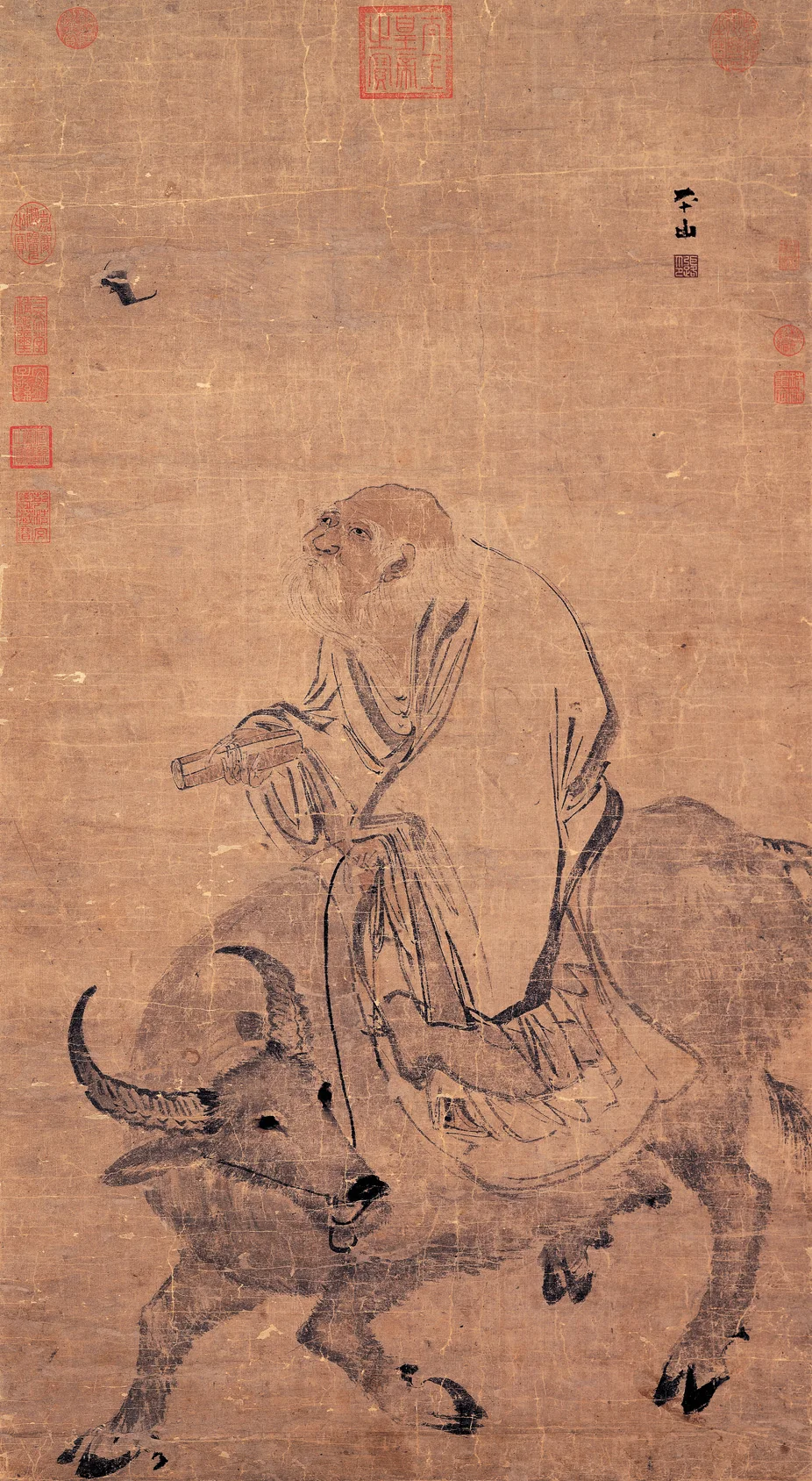
In the words of Pranav Ashar
How we renderChapter 1: The Way that cannot be put into words
道可道,非常道;名可名,非常名。
dào kě dào, fēi cháng dào; míng kě míng, fēi cháng míng.
A way that can be is not . is not the lasting name.So it cannot be told, and cannot be named.
Note //
道 means both 'way' and 'to speak', so the line plays on itself. The point is not that nothing can be said, but that what is said is never the thing itself.
無名,天地之始;有名,萬物之母。
wú míng, tiān dì zhī shǐ; yǒu míng, wàn wù zhī mǔ.
Unnamed, it is the beginning of heaven and earth. Named, it is the mother of all things.
Note //
One reality, seen two ways: before names, and as the source that names unfold from. In the site's reading the unnamed is closest to the whole, and the named 'mother' to the order, the whole as the source of everything.
故常無欲,以觀其妙;常有欲,以觀其徼。
gù cháng wú yù, yǐ guān qí miào; cháng yǒu yù, yǐ guān qí jiào.
So, free of wanting, you see its depth; caught in wanting, you see only its edges.
Note //
Legge, with the older commentators, reads 'without desire' and 'with desire'. Another old punctuation (常無,欲以觀其妙) reads 'in the unmanifest, see its depth; in the manifest, see its edges'. Both are possible; this rendering follows Legge.
此兩者,同出而異名,同謂之玄。玄之又玄,眾妙之門。
cǐ liǎng zhě, tóng chū ér yì míng, tóng wèi zhī xuán. xuán zhī yòu xuán, zhòng miào zhī mén.
These two come from the same source and differ only in name. Together they are called the deep. Deeper than deep: the gate of every wonder.
Note //
玄 is dark, fathomless, hard to see into. Unnamed and named are not two things; the difference is in the naming. This matches the non-dual point that appearance is never apart from what appears.
Touch an underlined word to see the Chinese behind it. The lighter lines are how the tradition read the verse; the rest is the verse.
The renderings on this page are shared under CC BY-NC 4.0, in the words of Pranav Ashar.